巴拿馬瑰夏咖啡的花香傳奇:Boquete 高地的茉莉與佛手柑,搭配 Cohiba Lanceros 的傳奇細長
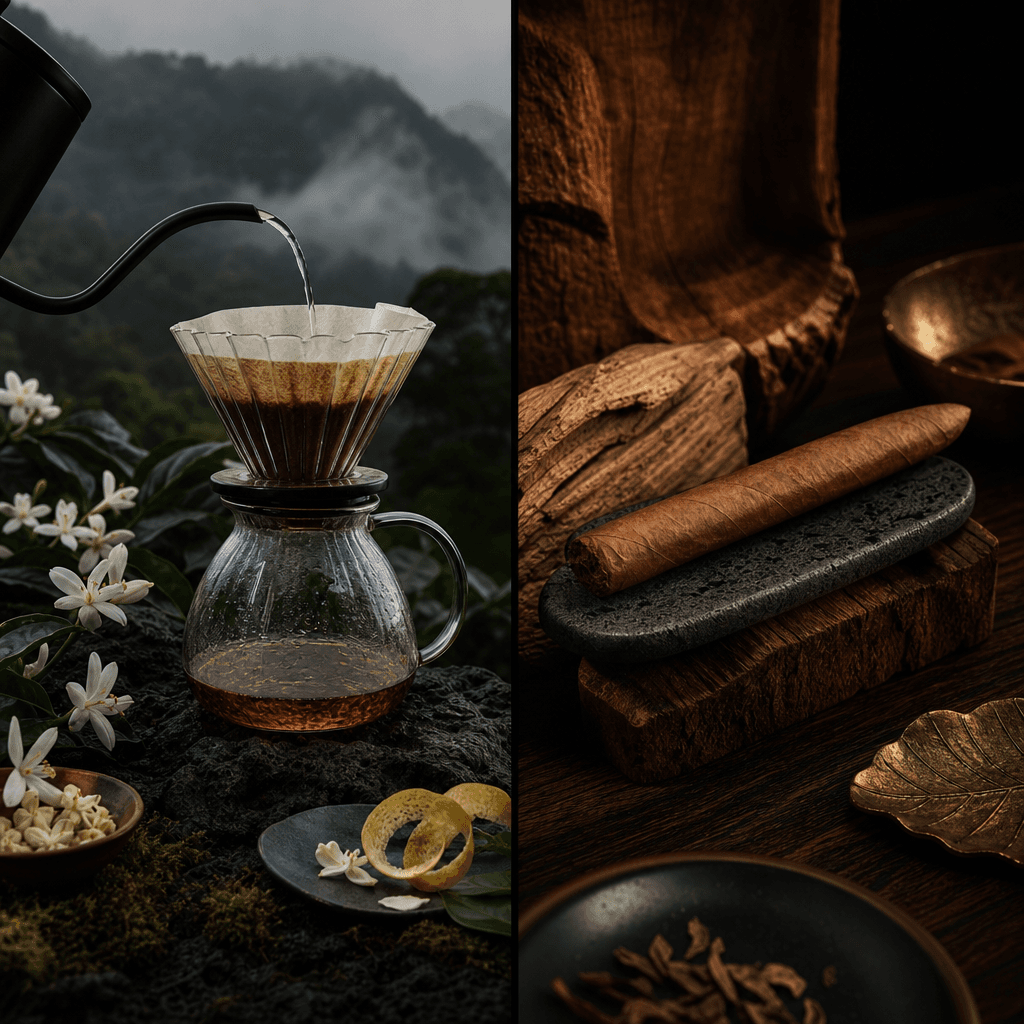
巴拿馬瑰夏從衣索比亞 Gesha 森林一路漂流至 Boquete 高地,因 2004 年 Best of Panama 改寫精品咖啡語彙。本文以水洗與日曬兩種處理法,拆解茉莉、佛手柑、蜂蜜與熱帶水果的乾淨結構,並對照 Cohiba Lanceros 的白花、蜂蜜、青草與雪松,分析兩個金字塔尖相遇時的花香、甜感與細煙純度。
- 巴拿馬瑰夏的傳奇,來自品種漂流、Boquete 微氣候與乾淨花香結構。
- Cohiba Lanceros 以細長 vitola 放大蜂蜜、白花、青草與雪松的線性美感。
- 茉莉佛手柑對白花蜂蜜,是咖啡與雪茄同頻共振的核心場景。
The Floral Legend of Panama Geisha Coffee: Jasmine and Bergamot from Boquete Highlands, Paired with the Legendary Slimness of Cohiba Lanceros
The encounter between Panama Geisha coffee and Cohiba Lanceros is not as simple as "floral scent meets floral scent." As an editor of the "Cigar Bible," I often say that true high-level pairing depends on two things: whether the aroma molecules can complement each other, and whether the structural rhythm will overshadow each other. This cup of Geisha from the Boquete Highlands, paired with the slender smoke column of Cuba's Laguito No.1, tests purity, patience, and discernment.
This article focuses on non-alcoholic beverages, but its complexity rivals any liquor pairing. The jasmine, bergamot, honey, and tropical fruits of Panama Geisha will intricately intertwine with the honey, grass, cedar, and white flowers of Cohiba Lanceros. If the brewing and burning rhythm is well-controlled, you will see that the two "pyramid peaks" do not compete but bring out each other's most silent, reserved, and rare elegance.
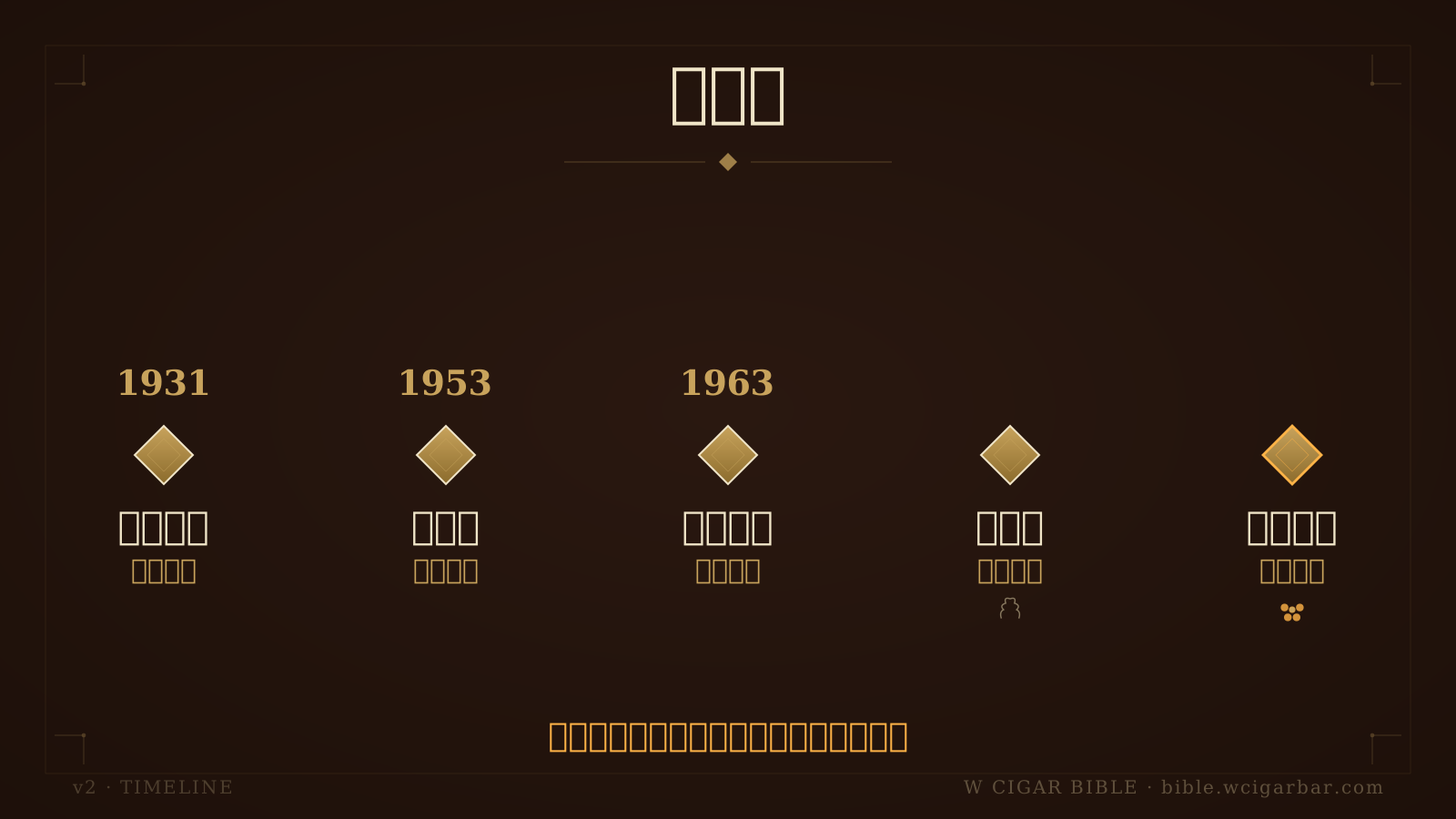
時間線呈現瑰夏品種從衣索比亞到波奎特的脈絡
The Drift History of Panama Geisha and Geisha Variety
The origin of Geisha coffee is often traced back to the forest native species around Gesha in southwestern Ethiopia. It was not initially regarded as a legend worldwide but gradually found its stage through multiple transplants, trials, and farm management in Central America. From the African forests to the Costa Rican research system, and then into Panama, this drift history of the variety is like a fragrance route delayed in revelation.
Panama Geisha truly gained recognition because the highland environment fully unlocked its floral genes. Many Arabica varieties tend to develop nutty, cocoa, or caramel tones in warm areas, but Geisha develops jasmine, orange blossom, bergamot, and delicate honey in cool, high-altitude areas with significant day-night temperature differences and stable cloud flow. This performance cannot be achieved by roasting alone but is the result of the variety, altitude, soil, and mature harvesting working together.
The core of Panama Geisha is not a single floral scent but the transparent structure of the forest native species recalibrated in the highland terroir. This is why experienced cuppers, when judging top-grade Geisha coffee, not only say it is "fragrant" but also ask whether the aroma is clean, whether the layers are vertical, and whether the acidity is bright like citrus oil but not coarse. When we pair this coffee with Cohiba Lanceros, we cannot just look at the aroma intensity but whether it has enough linearity and precision to carry the white flowers and grass of the slender ring gauge cigar.

三張卡說明瑰夏咖啡與細長雪茄的搭配重點
Boquete Highlands Microclimate: Clouds, Volcanic Soil, and the Slow-Matured Fragrance Framework
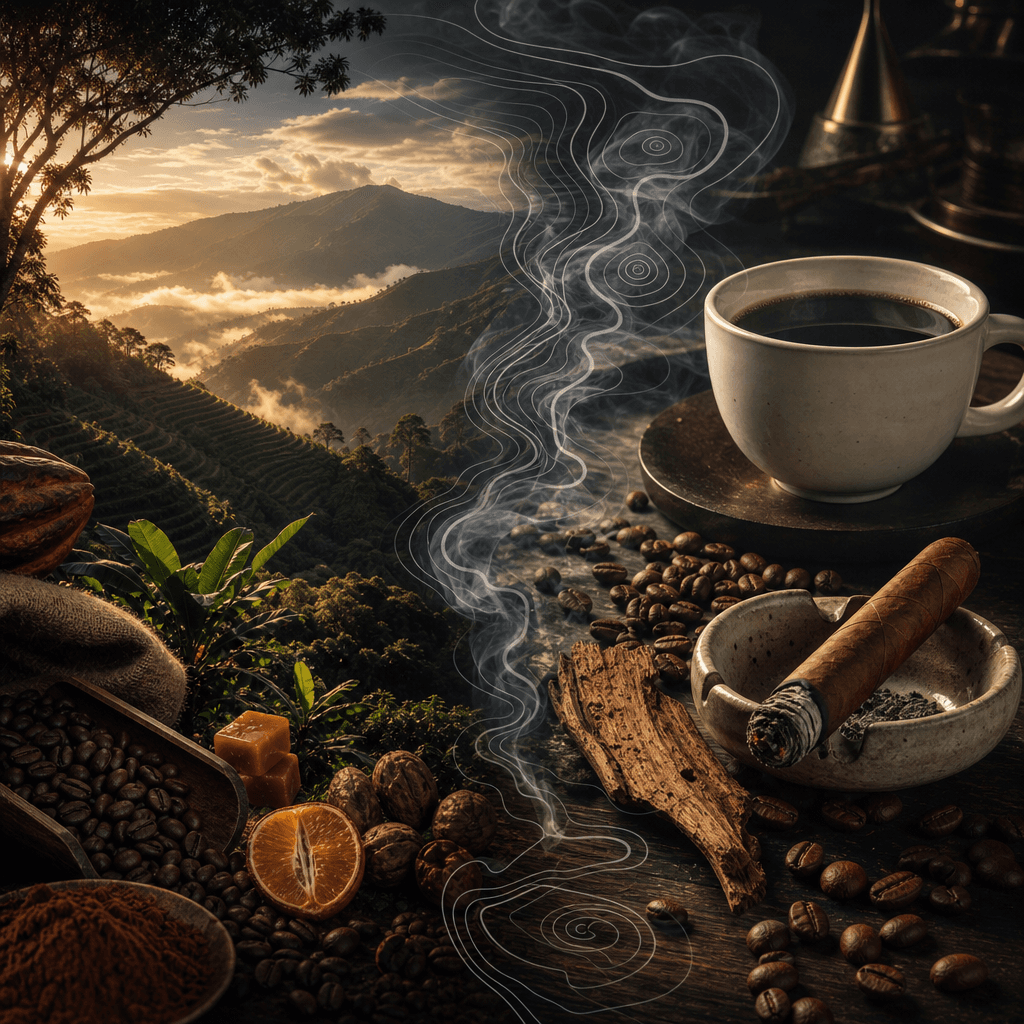
Boquete, located in the Chiriquí Province of western Panama, near the Barú Volcano, is one of the most representative highland stages for Panama Geisha. The coffee trees here often grow in clouds, mountain winds, and volcanic soil. The sunlight is not simply intense but is cut into many fine segments by mist and shadows. For Geisha, this slow but not stagnant maturation speed is an important condition for the accumulation of floral precursors.
Volcanic soil has good drainage and complex mineral composition, allowing the root system to maintain stable respiration in a moist environment. The low nighttime temperatures slow down sugar consumption, extending the fruit's maturation period, resulting in finer, brighter acidity that is less likely to appear green and sharp. Boquete's terroir is not just "high altitude" but a microclimate system composed of moisture, temperature difference, shading, wind speed, and harvest window.
What makes Boquete's Geisha coffee most charming is that it puts the ripeness of tropical fruits and the coldness of highland floral scents in the same cup. The washed version often presents jasmine, white peach, bergamot, lemon peel, and honey water; the sun-dried version may add mango, passion fruit, dried pineapple, and fermented berry colors. These differences directly affect the pairing direction with Cohiba Lanceros, as the medium-light cigar body of Lanceros cannot withstand overly heavy jam-like flavors but is very good at engaging in long-line dialogues with clear floral, herbal, and woody notes.

矩陣比較水洗日曬瑰夏與細長雪茄的互動差異
Washed and Sun-Dried Versions: Cleanliness, Fruity Aroma, and Fermentation Boundaries
When discussing Geisha coffee, one must talk about processing methods in addition to the variety. Washed processing removes the pulp and skin, then ferments and washes before drying, usually highlighting the floral, citrus acidity, and transparent sweetness of the bean itself. For Panama Geisha, an excellent washed batch is like a very fine silver line, extending from the dry jasmine aroma to the honey and tea notes at the bottom of the cup.
Sun-dried processing allows the whole coffee cherry to dry with the pulp, with sugars and skin aromas seeping into the seed during the drying process. This brings higher fruity aroma density, often featuring tropical fruits, ripe berries, raisins, wine-like notes, and nectar outlines; however, if drying management is not precise, it may result in overly fermented or cloudy sweetness. For seasoned readers, the challenge of sun-dried Geisha is not "whether it is fragrant" but whether the fruity aroma still retains the Geisha framework.
Washed Geisha is suitable for highlighting the white flowers and grass of Cohiba Lanceros, while sun-dried Geisha is more likely to amplify the honey and tropical fruit aftertaste. If using the same Lanceros for comparison, the washed version will make the edges of cedar, dry grass, and white flowers clearer, like brightening the lines in smoke; the sun-dried version will push forward the honey, buttery sweetness, and ripe fruit tail notes. My experience is that if the cigar is relatively young, with fresher grass, the washed version is more accurate; if the cigar has been well-aged, with rounder honey and wood, the sun-dried version will be more splendid.
2004 Best of Panama: Auction Coffee and the Pinnacle of Specialty
The 2004 Best of Panama was a public turning point for the legend of Panama Geisha. At that time, Geisha, with its astonishing floral aroma, citrus brightness, and clean cup profile, redefined the heights Central American coffee could reach in the international cupping circle. It was not just a victory for a particular farm batch but made the specialty coffee world realize that the combination of variety and microclimate could create a perfume-level recognizability.
Since then, the auction coffee culture has pushed Panama Geisha to the top of the specialty coffee pyramid. This is not about numbers but rarity, batch segmentation, altitude zoning, harvest date marking, processing method diversion, and cupping transparency. The higher the grade of Geisha batch, the more it resembles a single-vineyard expression in wine; each small batch answers a question: can the same variety retain its soul under different slopes, shading, and fermentation times?
The significance of auction coffee is to push Geisha from "delicious coffee" to a terroir text that can be finely read. This is precisely why it can dialogue with Cohiba Lanceros, because Lanceros is also a cigar that needs to be read rather than just intuitively felt. Both do not win by sheer power but through aroma precision, rhythm control, and aftertaste layers, making connoisseurs willing to spend time discerning their detailed syntax.

三張卡列出咖啡溫度日曬風味與濕度的常見誤解
Cohiba Lanceros: The Legendary Slim Vitola of the Revolutionary Era
Cohiba Lanceros (Cuba, Laguito No.1, 38 × 192mm): honey, grass, cedar, white flowers, medium-light cigar body—the legendary vitola of the revolutionary era. The most charming aspect of this specification is that the 38 ring gauge makes the burning core extremely narrow, the smoke output more linear, and the proportion of wrapper, binder, and filler more sensitive. Unlike thick-ring cigars that envelop the palate with concentration, it stretches each puff's floral, herbal, woody, and sweet notes into slender strokes.
The difficulty of Lanceros also lies here. The slim vitola is more demanding on rolling, humidity, lighting, and puffing rhythm; slightly overheating may turn herbs bitter, while slightly slowing down may destabilize the burn line. When the state is precise, it presents honey, grass, cedar, and white flowers, retaining an airiness with a medium-light cigar body, allowing a faint cream and dry grass shadow to appear in the back of the nasal cavity.
The legend of Cohiba Lanceros is not in its power but in presenting the most elegant transparency of Cuban tobacco with the thinnest smoke column. This is also the key to its pairing with Panama Geisha, as both are unsuitable for rough handling. If the coffee is brewed too strong, it will flatten the white flowers; if the cigar is puffed too quickly, it will burn away the high-frequency aromas of jasmine and bergamot.
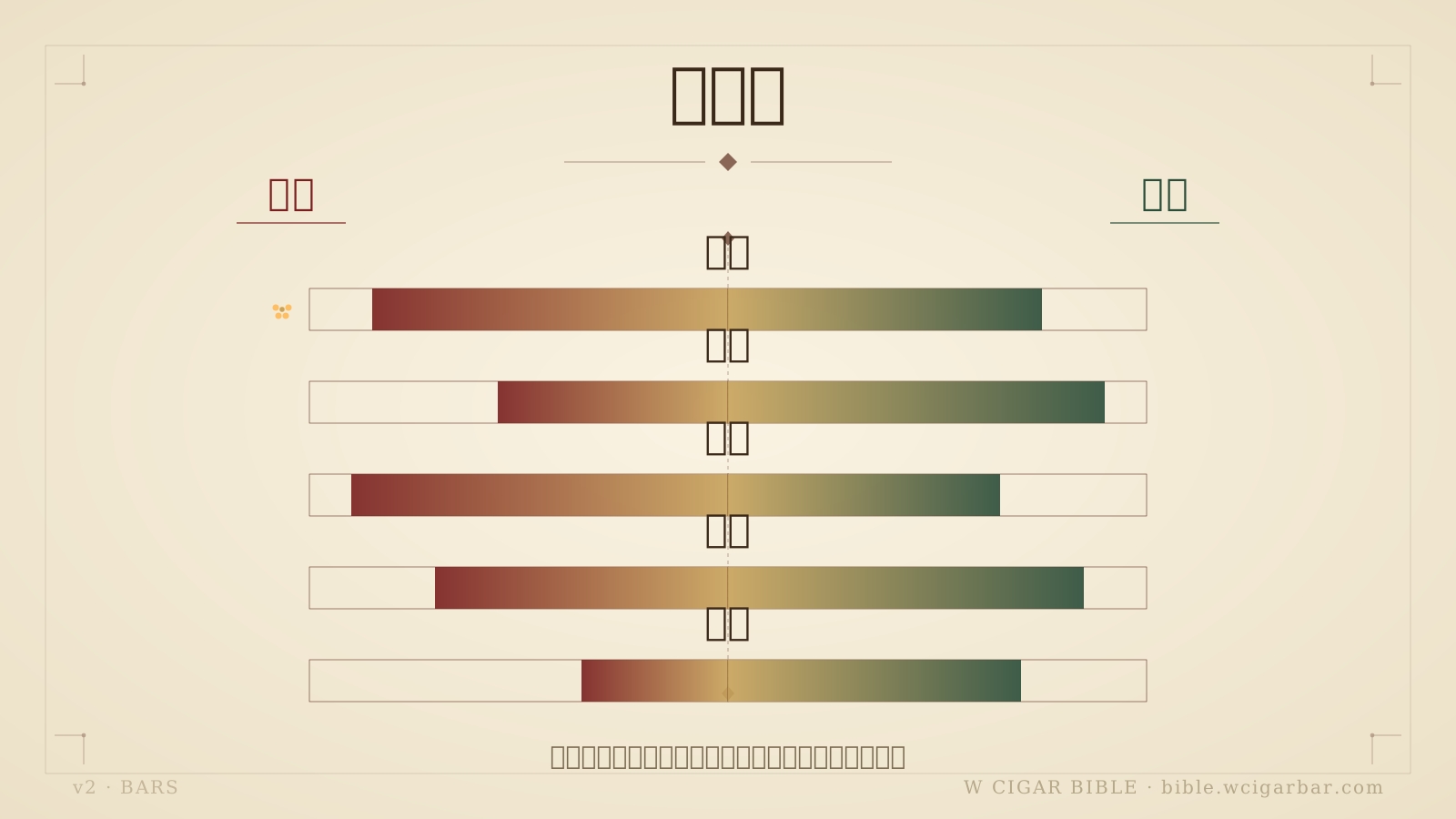
長條圖比較水洗與日曬瑰夏在花香果感透明度上的差異
Jasmine Bergamot × White Flower Honey: The Meeting of Top Floral Aromas
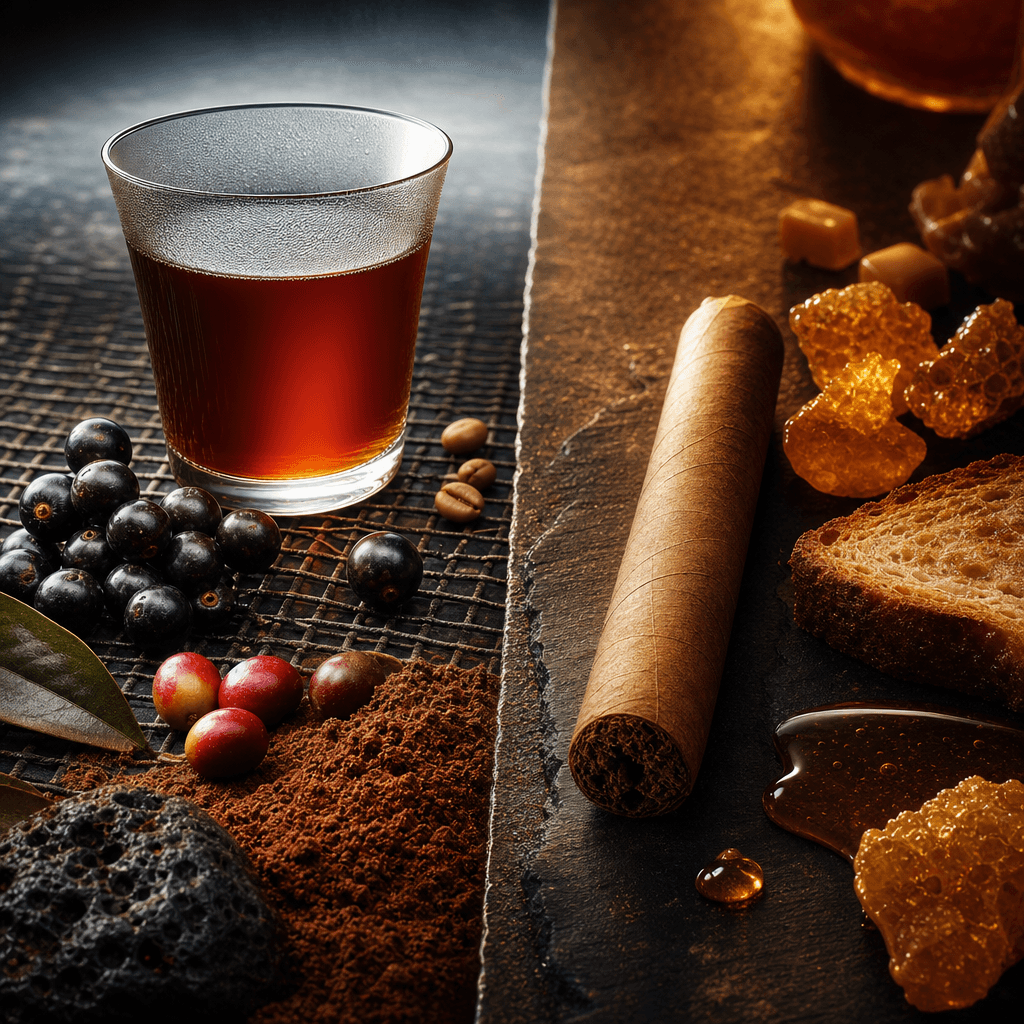
In flavor chemistry, the jasmine and orange blossom of Geisha coffee are often associated with floral molecules such as linalool, geraniol, and phenylethanol; the bergamot tone is reminiscent of limonene, linalyl acetate, and the bright volatility of citrus peel oil. The white flowers and honey of Cohiba Lanceros come from the sweet, herbal, and woody volatiles generated during tobacco fermentation, aging, and burning, including pyrazines, lactones, mild phenols, and vanilla wood tones from lignin cleavage. When the two meet, it is not the coffee overwhelming the cigar but the high-frequency floral aromas first meeting in the nasal cavity, followed by the honey sweetness catching the middle segment.
I often use "token to token" to view this pairing. Jasmine × White Flower is the same-direction extension of high-frequency aromas; Bergamot × Grass is the bright counterpoint of citrus peel oil and chlorophyll herbs; Honey × Honey forms a sweet bridge; Tropical Fruits × Cedar pulls the fruit acidity back to the woody framework. If these correspondences occur accurately, the acidity in the cup will not appear sharp, and the herbs in the smoke will not appear raw.
| Panama Geisha Flavor Token | Cohiba Lanceros Flavor Token | Specific Changes When Meeting |
|---|---|---|
| Jasmine, Orange Blossom | White Flower | Nasal high-frequency overlay, floral aroma becomes more three-dimensional but not heavy |
| Bergamot, Lemon Peel | Grass | Citrus oil modifies herbs, turning green into freshness |
| Honey Water | Honey, Light Cream | Sweetness forms a bridge, the aftertaste becomes rounder and longer |
| White Peach, Tropical Fruits | Cedar | Fruit aroma is constrained by wood, avoiding excessive exuberance in sun-dried versions |
| Tea Notes, Clean Acidity | Thin Smoke, Light Pepper | Oral weight remains light, spicy notes stay on the edge |
The brilliance of this pairing is that jasmine bergamot and white flower honey meet in the nasal cavity yet retain their boundaries. If the coffee temperature is controlled in the medium range, bergamot and honey will be clearer than in the hot drink initial stage; if the cigar maintains a slow draw, the white flowers and cedar of Lanceros will not be scattered by heat. At this point, you will understand that high-level pairing is not about stacking concentration but letting two purities prove each other.

三張問答卡整理水洗選擇溫度控制與濕度影響
Extreme Cleanliness × 38 Ring Gauge Thin Smoke: Rhythm of Purity to Purity
One of the most important indicators of washed Panama Geisha is "cleanliness." Cleanliness is not flavorless but that each layer of flavor can be distinguished separately, jasmine does not mix into a perfumed sensation, bergamot does not turn into coarse acidity, and honey does not drag into syrup. If this cup profile is to match Cohiba Lanceros, the brewing concentration should avoid being too heavy, and the powder-to-water ratio, grind uniformity, and extraction time should all serve transparency.
The 38 ring gauge of Lanceros also pursues purity. The thin smoke column concentrates aroma output but also makes overheating issues more apparent; once puffed too densely, white flowers turn into scorched grass, cedar becomes bitter, and honey notes shorten. As an editor of the "Cigar Bible," I would keep the rhythm of this pairing very slow: a small sip of coffee, pause, nasal cavity return, then let a puff of cigar smoke follow the sweetness at the bottom of the cup.
Panama Geisha and Cohiba Lanceros are purity to purity, so any over-extraction or over-burning will immediately disrupt the balance. If it is washed Geisha, I would let it express white flowers, bergamot, and tea notes, not pursuing heavy body; if it is a sun-dried version, I need to ensure that fermentation aroma does not overpower the cedar of Lanceros. Both belong to the connoisseur's endgame coffee field because they require you to reduce movement amplitude and instead use patience to read details.
Frequently Asked Questions
Is washed Panama Geisha more suitable for Cohiba Lanceros?
In most cases, the washed version is more stable because its jasmine, bergamot, and tea notes can correspond to the white flowers, grass, and cedar of Lanceros. The sun-dried version is not unsuitable, but it requires selecting batches with high cleanliness and controlled fermentation sensation. If the sun-dried fruit aroma is too thick, it will make the smoke of the slender vitola appear light.
How should the coffee temperature be controlled?
When freshly brewed, the aroma is very high, but the acidity and heat are also most pronounced, easily amplifying the herbs of the cigar. It is recommended to observe in segments from hot to warm, especially in the medium temperature range, where honey, bergamot, and white flowers become easier to connect. Do not rush to finish the cup; the key to this pairing lies in the temperature curve.
Does the humidity of Cohiba Lanceros affect the pairing?
Yes, and it has a significant impact. When humidity is high, the thin ring gauge may burn slowly, and the grass and wood will become dull; when humidity is low, the smoke can become sharp, shortening the white flowers and honey. Only a stable state of Lanceros can catch the high-frequency floral aroma of Geisha coffee.
What flavor boundaries should be noted for sun-dried Geisha?
The sun-dried version can be very charming, especially with tropical fruits, nectar, and ripe berries extending the sweetness. The problem is that if fermentation is too heavy, it will push the cedar of Lanceros into the background. Whether sun-dried Geisha succeeds depends on whether the fruit aroma remains transparent, not whether the fruit aroma is the loudest.
Why is this considered a pairing of two pyramid peaks?
Panama Geisha is at the top of rare batches and auction coffee culture in specialty coffee, while Cohiba Lanceros is a legendary representative of Cuban slender vitolas. Both do not win by weight but by precision, rarity, and the flavor language accumulated over time. This shifts the pairing from "is it good to drink, is it good to smoke" to structural reading.
What brewing method is suitable for presentation?
Pour-over is the easiest to present layers, especially controlling water temperature, pouring rhythm, and extraction uniformity. If using a dripper, the focus is not on achieving concentration but on keeping the floral, citrus acidity, and honey aftertaste clear. Immersion methods can also work, but avoid bringing out too much bitterness in the extraction's later stages.
The encounter between Panama Geisha and Cohiba Lanceros is a low-volume yet high-resolution dialogue. It requires us to respect variety drift, Boquete terroir, washed and sun-dried craftsmanship, and the restraint of the Laguito No.1 slender smoke column. When jasmine, bergamot, white flowers, and honey arrive simultaneously, what truly remains is not a strong impression but a transparent order that is difficult to replicate.
Further Reading|Complete Guide to Coffee Origins and Roasting: From African Floral Fruits to Asian Thick Soil Flavor Spectrum, with Cigar Pairing Overview|Guatemala Antigua Coffee: Smoky Cocoa Surrounded by Three Volcanoes, Paired with Partagás Serie E No.2's Rich Framework|Mandheling Coffee Wet-Hulled Processing: The Herbal Thick Soil of Sumatra, Paired with Ramón Allones Specially Selected
—Cigar Prince Wilson Tsai
Smoking is harmful to health. Smoking is prohibited for those under twenty. Quitline: 0800-636363. This article is intended for adults over the age of twenty as a reference for cigar culture, preservation, and regulations knowledge, not as an advertisement, promotion, or purchase suggestion.
Like this article?Share with friends
Share this W Cigar Bible piece with friends who want to learn cigar culture, storage, and tasting.
想把這篇 化為實踐
雪茄聖經是知識;雪茄文化要在空間裡發生
W Cigar Bar 大安總店資訊
台北大安區 · 雪茄聖經總編輯 Wilson Tsai 主理的雪茄文化空間
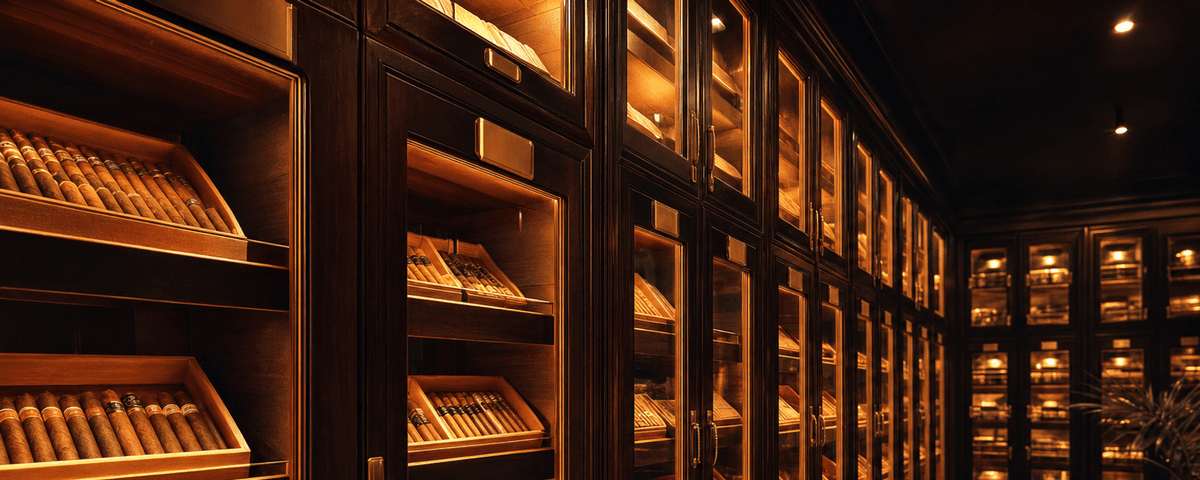
33 座 24 小時恆溫恆濕醇化室
W Cigar Bar 提供的會員醇化空間 · 場地資訊請洽編輯部
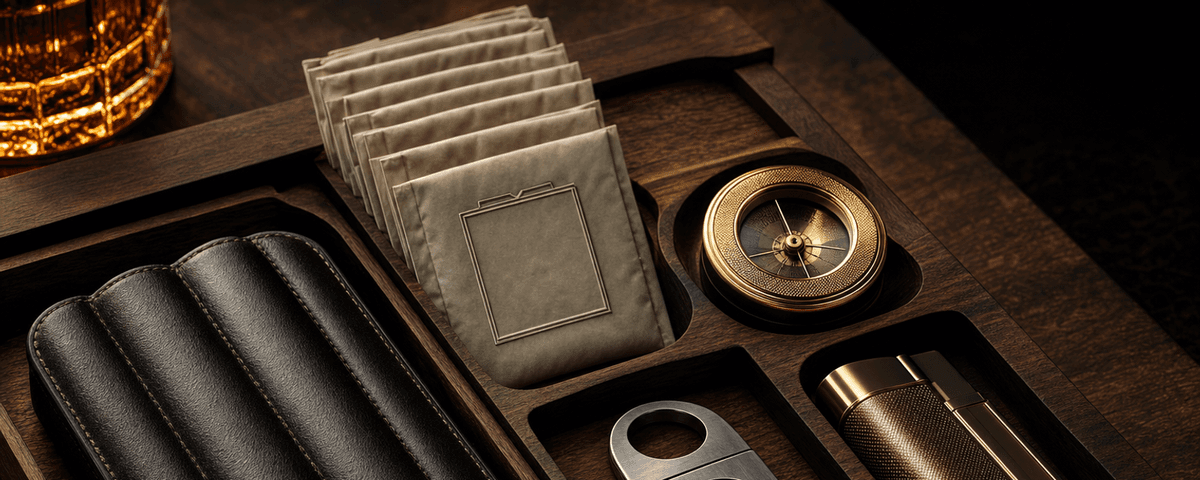
雪茄剪 / 打火機 / 雪茄盒 / Boveda
W Cigar 配件官網 · 專營雪茄配件正品
加 LINE 好友 · 文化諮詢
文化空間資訊 · 紳士沙龍 · 私人包場
本網站內容僅供雪茄文化、歷史、收藏與品吸知識研究參考。菸品有害健康、未滿法定年齡者請勿吸菸。實際規範請依所在地法律為準。
吸菸有害健康・戒菸專線 0800-636363・本站僅供 20 歲以上成年人閱覽。
讀到這裡,你不只是路過的人
留下 Email,加入 W 雪茄聖經內圈——總編輯 Wilson Tsai 親選的學院深文與國際新訊,先你一步送到信箱。
· 教育用途非銷售 · 隨時一鍵退訂 · Email 絕不對外公開 · 由勝茄股份有限公司營運
同分類延伸閱讀
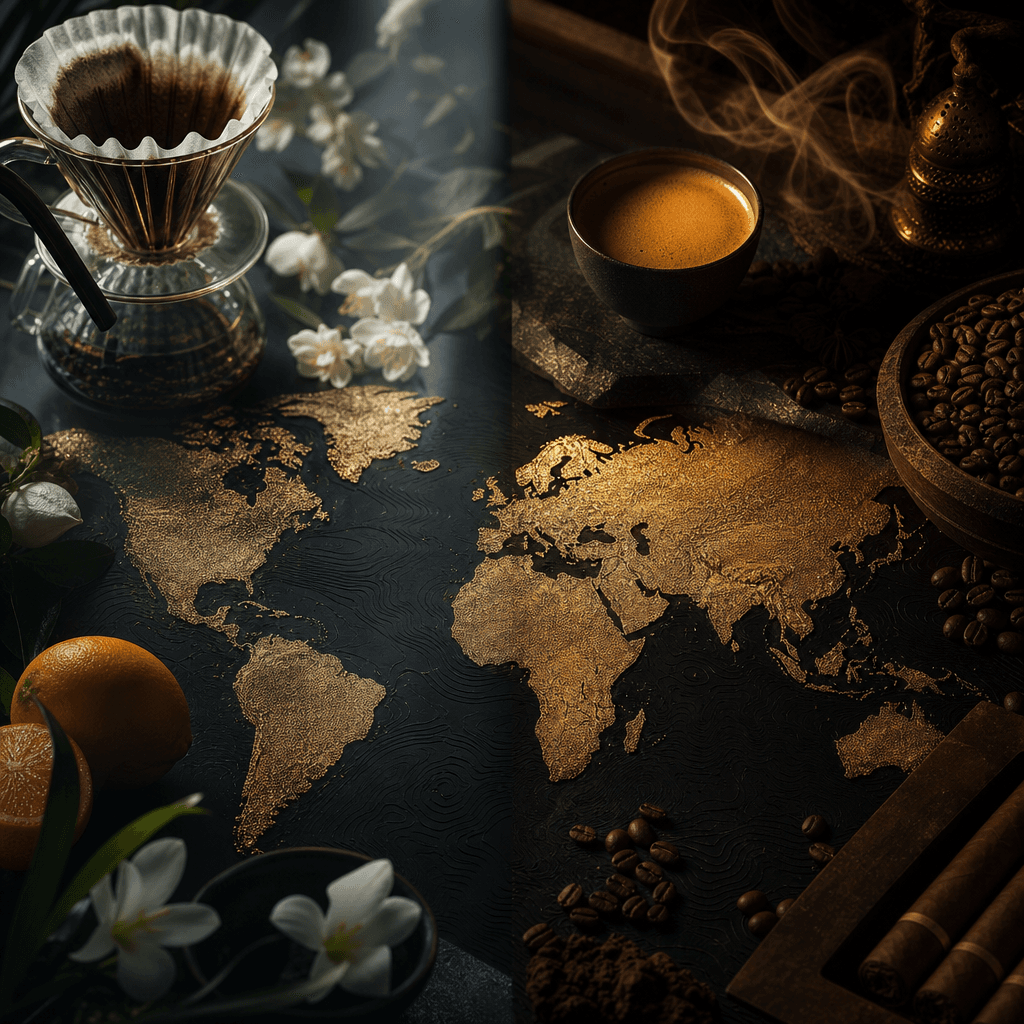
資料來源:W Cigar Bible 編輯部整理 · 雪茄王子 Wilson Tsai 親自審稿
本文僅供雪茄文化、歷史、收藏與品鑑知識研究,不作為菸品促銷、銷售或購買建議。吸菸有害健康,未滿二十歲不得吸菸。