雪茄的產區特色與風味解析:從古巴到多米尼加
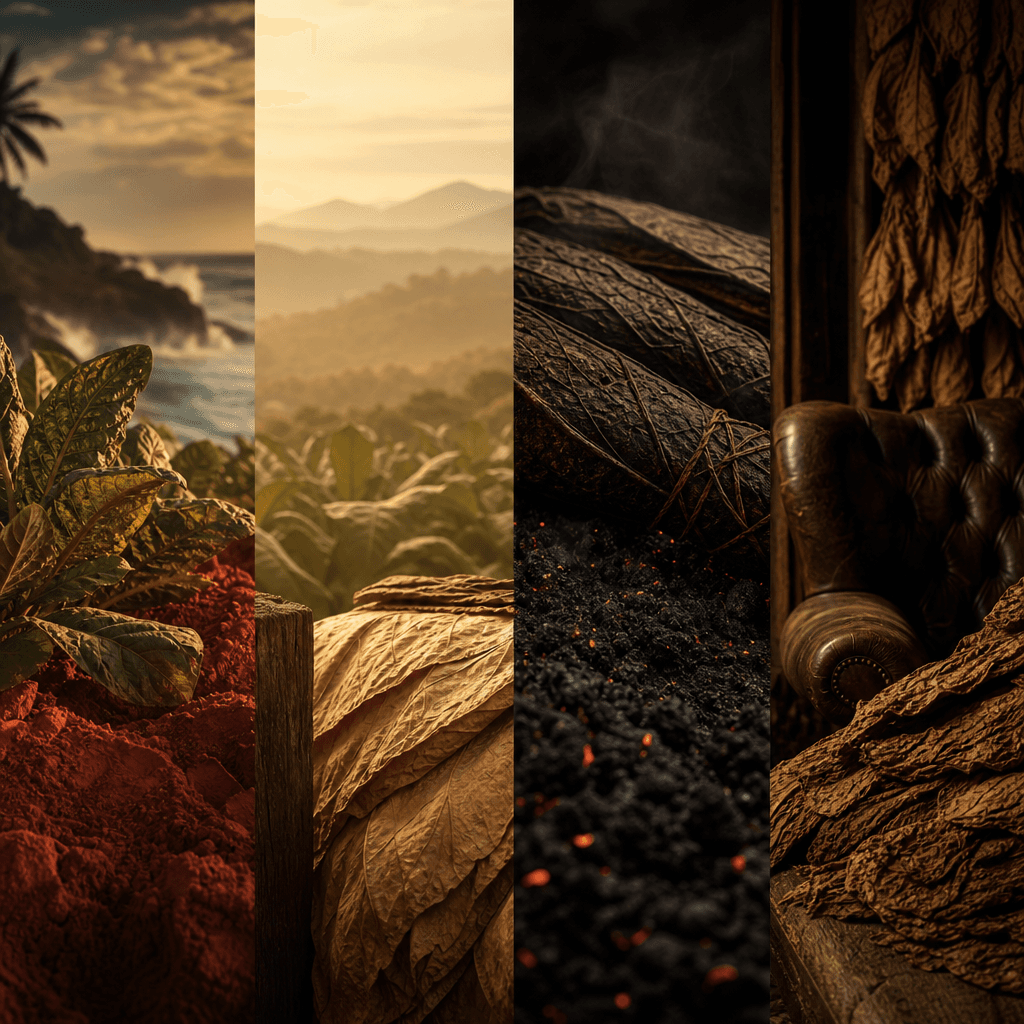
每一支雪茄的風味都源自其產區的獨特環境,包括土壤、氣候及製作工藝。古巴的Vuelta Abajo以其鹹甜平衡著稱,多米尼加則以優雅奶油感和穩定的發酵技術聞名。尼加拉瓜的火山土賦予雪茄辛香層次,而宏都拉斯則展現出沉穩的泥土與可可風味。茄衣產區如厄瓜多、喀麥隆等,則影響雪茄的第一印象。理解這些產區的特性,能更深入地欣賞每一口雪茄的獨特魅力。
- 雪茄的風味受產區影響,古巴的鹹甜感來自紅土與海風的平衡。
- 多米尼加的柔順口感源於精準的發酵與調配技術,展現奶油與花香。
- 尼加拉瓜的火山土賦予雪茄厚度與辛香,需注意保存濕度以避免苦味。
Characteristics and Flavor Analysis of Cigar Regions: From Cuba to the Dominican Republic
Every cigar's flavor is not solely determined by the brand. What truly fascinates aficionados is the soil, sunlight, rainy seasons, sea breezes, fermentation room management, and rolling traditions behind the regions. As the editor of the "Cigar Bible," I often view cigars as a map of their origin: the same leather, coffee, wood, or spice can develop completely different profiles in different lands.
In this article, I won't discuss beginner flavors but rather deconstruct using regional logic: why does Cuba have a salty-sweet mineral taste, how does the Dominican Republic achieve an elegant creamy tone, why does Nicaragua often have an explosive volcanic spiciness, and how does Honduras have an earthy and cocoa dark framework. Understanding the regions allows one to comprehend the years, climate, and craftsmanship behind each puff.
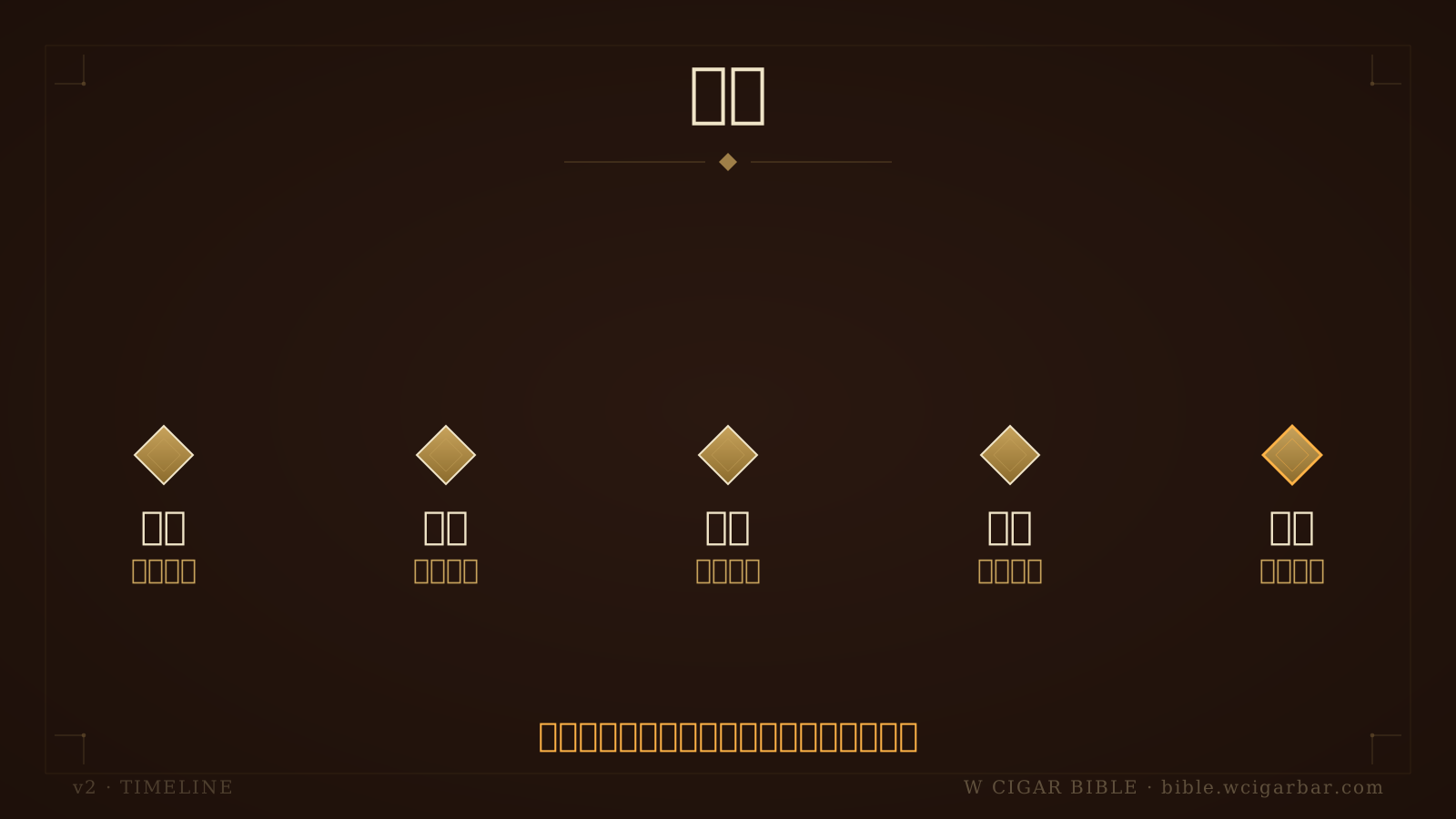
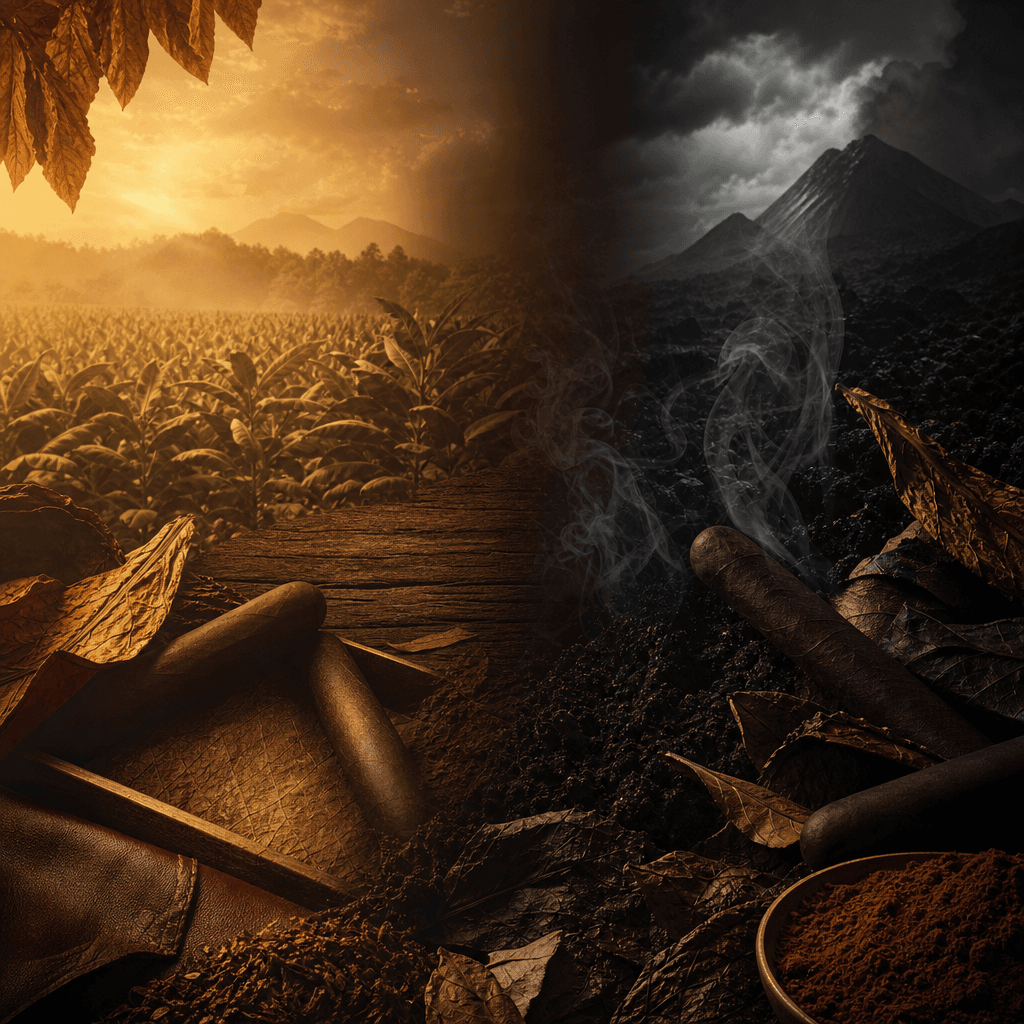
時間軸呈現雪茄從土壤氣候到醇化的風味形成步驟
Cuba: The Red Soil, Sea Breeze, and Classic Salty-Sweetness of Vuelta Abajo
Cuba's core cigar region is Vuelta Abajo in the Pinar del Río province. The red sandy loam here has good drainage, stable sunlight during the day, high humidity at night, and the Caribbean sea breeze moderates temperature differences, ensuring that the tobacco leaves do not mature too quickly. From the birth of Cohiba in 1966 to the establishment of classic profiles by brands like Montecristo, Partagás, and H. Upmann, Cuban flavors have always revolved around a delicate balance of salty-sweetness.
Common flavor keywords for Cuba include cedar, toast, honey, leather, hay, mineral saltiness, and a faint floral aroma. Take Cohiba Siglo VI as an example; when in good maturity, the front part has grass and cream, the middle transitions to citrus peel, honey, and cedar, and the end reveals coffee and leather. This progression is not simply intensity but a push of layers.
Cuba's core is not a single concentration but a salty-sweet balance formed by red soil, sea breeze, and long-term aging. When judging Cuban cigars, experts look beyond box codes and years to consider burn lines, draw resistance, aroma cleanliness, and storage conditions. If stored at 65% to 69% relative humidity and 18 to 21°C, they often show more oiliness and roundness after three to five years.
Dominican Republic: Elegance, Creaminess, and Mature Blending Techniques
The true rise of Dominican cigars is closely linked to the migration of Cuban cigar-making talent after the 1960s. Regions like Cibao Valley, Santiago, and La Canela have fertile soil and milder climates, with day-night temperature differences allowing for more delicate accumulation of sugars and aromas in the tobacco leaves. Davidoff positioned the Dominican Republic in the high-end market in the 1990s, prompting global aficionados to understand that "smooth does not mean thin."
Dominican flavors often include cream, almond, hay, white pepper, floral notes, light coffee, and sweet wood. In 1995, Arturo Fuente launched the Fuente Fuente OpusX, proving that the Dominican Republic could also grow high-quality wrapper leaves; La Flor Dominicana uses a higher proportion of Ligero to show that the Dominican Republic is not only gentle but can also have muscle.
The strength of the Dominican Republic lies in achieving high stability in clean fermentation, smooth mouthfeel, and precise blending. Experts accustomed to Cuba's mineral feel might find the Dominican Republic lacking in saltiness at first, but a closer look reveals rounder aroma edges and more predictable burn rhythms. This is why many high-end blended cigars use Dominican long fillers as the aromatic backbone.
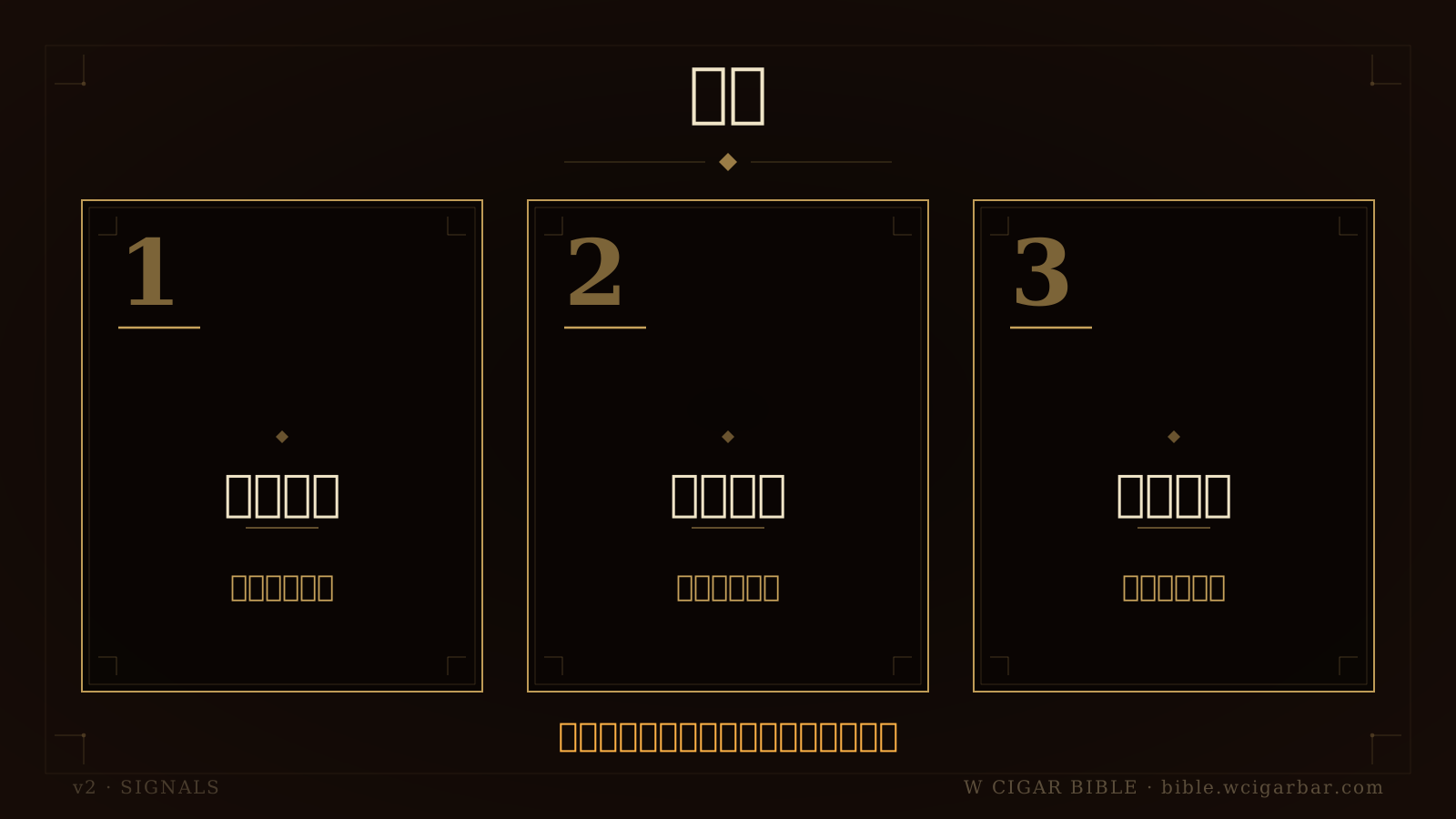
三張重點卡整理產區風土保存與風味結構
Nicaragua: Volcanic Soil, Strength, and Spicy Layers
Nicaragua's Estelí, Jalapa, and Condega regions have been the most important sources of strength in the high-end cigar landscape over the past two decades. Estelí has heavy soil and strong sunlight, resulting in oily leaves with high nicotine content; Jalapa's finer soil often brings sweetness and aroma; Condega lies between the two, offering balance and herbal notes. This multi-region puzzle makes Nicaraguan blending highly flexible.
Take Padrón 1964 Anniversary as an example; launched in 1994, this series often showcases cocoa, concentrated coffee, black pepper, and caramel sweetness. My Father, Oliva, and Joya de Nicaragua have each established distinct styles: the former has many spicy details, Oliva Serie V leans towards dark coffee and sweet wood, while Joya de Nicaragua retains the rugged strength of early Central American cigars.
Nicaragua's distinctiveness lies in the thickness, spiciness, and dark sweetness brought by volcanic soil. However, aficionados should note that strength does not equate to quality; excessive humidity can make spiciness seem dull and burning bitter. If stored slightly dry, such as at 64% to 67% relative humidity, many Nicaraguan cigars can better display clear lines.

矩陣比較古巴多米尼加尼加拉瓜與宏都拉斯的土壤主調結構
Honduras: Earthiness, Cocoa Tones, and a Steady Framework
Honduras' cigar regions are centered around Danlí, Jamastrán Valley, and Talanga Valley. The variable altitude, soil, and rainfall conditions here often produce thick and earthy tobacco leaves. Compared to Nicaragua, Honduras does not necessarily pursue intense spiciness but leans towards black soil, cocoa, nuts, dry wood, and leather, with a steady dark tone in the mouthfeel.
Punch, non-Cuban versions of Hoyo de Monterrey, and Camacho are closely related to the Honduran style. After being acquired by the Davidoff Group in 2008, Camacho's brand image became more international, but its Corojo series still retains the wildness of Honduran tobacco. The Corojo seed originally related to Cuba developed a thicker, spicier, and more direct flavor profile after being transplanted to Honduras.
The charm of Honduras lies not in flashy transitions but in the stable soil depth and black-toned aromas. If you prefer leather, wet soil, cocoa powder, and charcoal, Honduras often offers thicker options than the Dominican Republic and more restrained ones than Nicaragua. Good Honduran cigars are most exciting in the second half, where aromas transition from rugged to a sweet-bitter interplay.
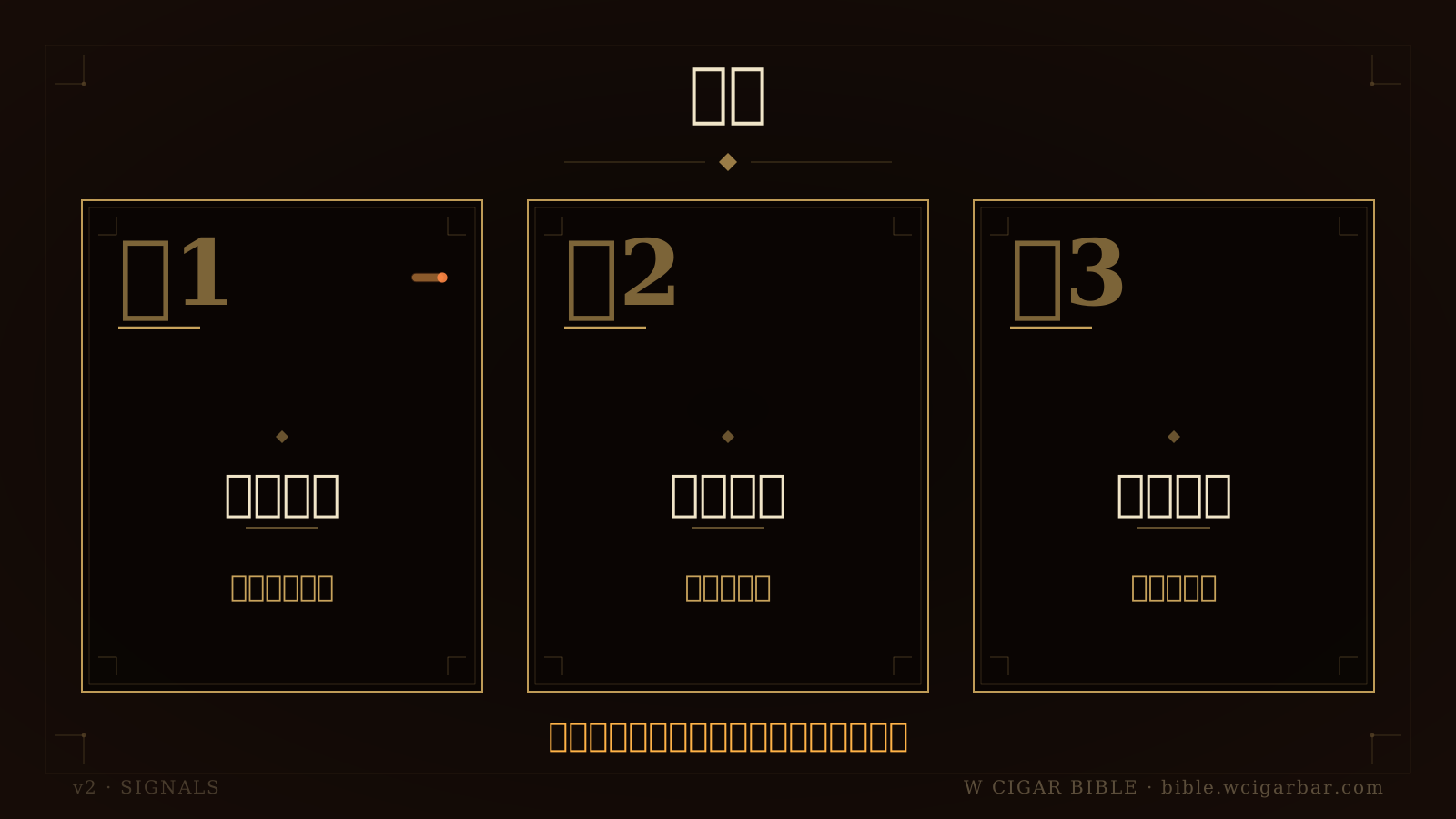
三張錯誤觀念卡提醒不要只用產區或濃度判斷風味
Wrapper Regions: Expressions from Ecuador, Cameroon, Mexico, and Brazil
Aficionados know that wrapper leaves are not the sole source of flavor but are the first layer of tactile and aromatic signals. Ecuador, with its natural cloud cover near the equator, grows fine-veined, beautifully oily Connecticut, Habano, and Sumatra wrappers; Cameroon leaves have unique spice, nut, and dry sweetness; Mexican San Andrés often brings dark chocolate, earth, and licorice; Brazilian Mata Fina has sweet wood, coffee, and tropical humidity.
| Wrapper Region | Common Leaf Types or Styles | Flavor Clues | Typical Uses |
|---|---|---|---|
| Ecuador | Connecticut, Habano, Sumatra | Cream, floral, fine pepper | Balance and appearance stability |
| Cameroon | Cameroon | Cinnamon, nuts, dry sweetness | Adds spice layers |
| Mexico | San Andrés Maduro | Dark chocolate, earth, licorice | Dark sweet-bitter framework |
| Brazil | Mata Fina, Arapiraca | Coffee, sweet wood, humid earth tones | Maduro blends |
The wrapper's region often determines the first impression and mid-section aroma direction of a cigar. For example, Arturo Fuente Hemingway is often associated with the sweet spice of Cameroon wrappers; many San Andrés Maduro cigars give dark chocolate and earth thickness right from the start. When judging cigars, look at the wrapper region first, then the filler combination, which is more accurate than just looking at the brand.
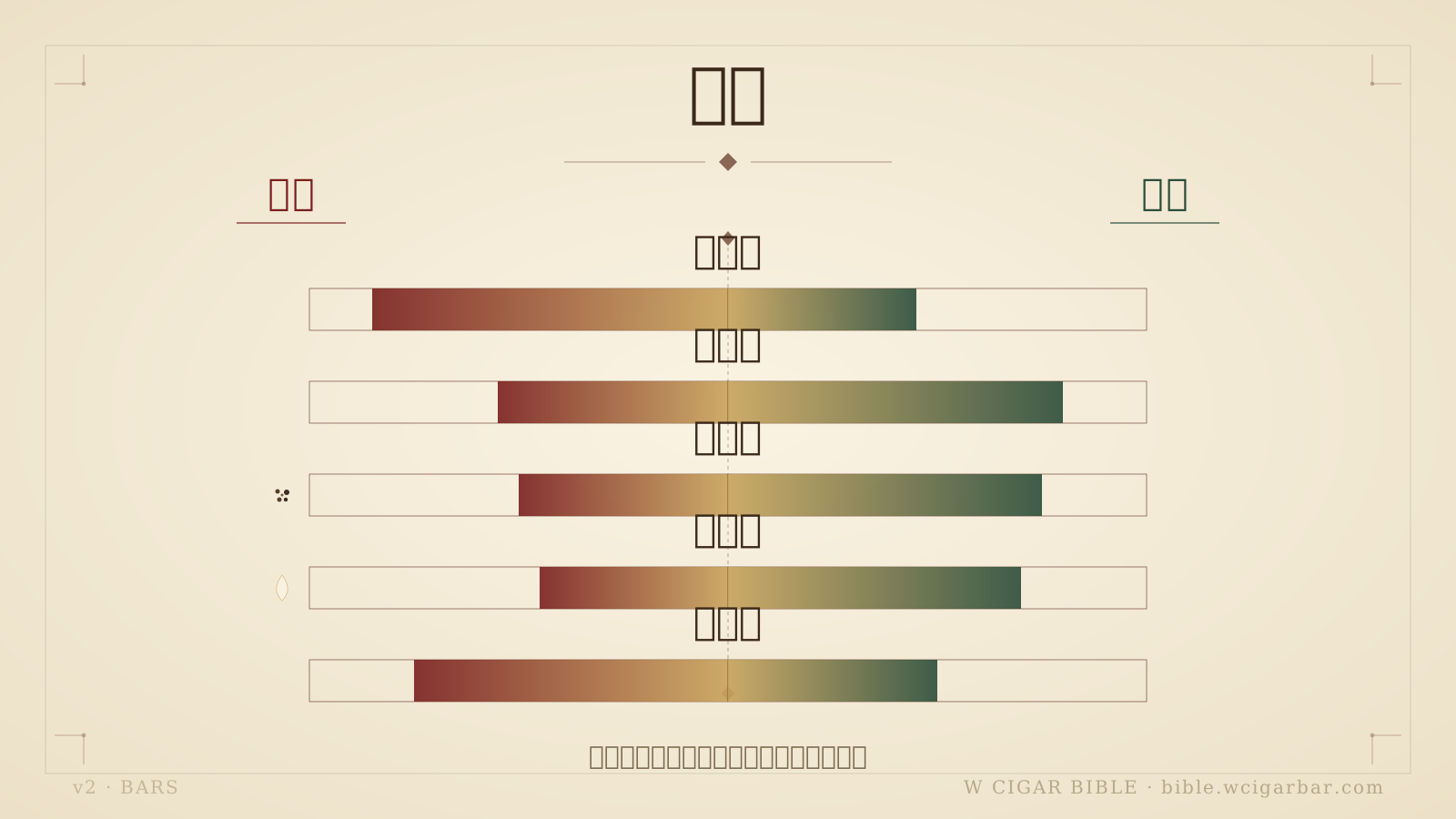
橫條圖比較古巴與非古巴在礦物辛香奶油與穩定度上的差異
Geography and Climate: How Rainy Seasons, Altitude, and Sunlight Alter Tobacco Leaves
The differences in cigar regions are essentially agricultural differences. Rainfall determines leaf moisture and growth speed, altitude affects day-night temperature differences, sunlight affects sugar and oil accumulation, and soil drainage determines root health. The sandy red soil of Cuba's Vuelta Abajo and the volcanic soil of Nicaragua's Estelí naturally offer different mineral sensations, thickness, and burning characteristics.
In terms of temperature, tobacco grows stably between about 20 to 30°C, but if the rainy season is too long, leaves can become thin, and fermentation risks increase; if drought is severe, leaves may lack oil and taste coarse. Since 2020, Central American regions have faced hurricanes and abnormal rainfall multiple times, prompting some brands to grade raw materials more cautiously and extend fermentation and aging times to maintain consistency.
Flavor is not a factory formula created out of thin air but a fingerprint left by climate, agronomy, and fermentation. Aficionados who can compare the same brand from different years will see climate traces: some years have drier wood, some have fuller sweetness. This is not mysticism but the result left by crops facing natural conditions each year.
Fermentation, Aging, and Storage: How Regional Flavors Are Amplified or Distorted
Regions give raw materials their character, but fermentation and aging determine whether they can be well expressed. After harvesting, tobacco leaves undergo drying, pile fermentation, grading, and storage; if the temperature is too high, it will damage the aroma, if too low, impurities will not be sufficiently removed. Traditionally, Cuba emphasizes time and batch experience, while high-end factories in the Dominican Republic and Nicaragua often use more precise temperature and humidity management to improve the stability of the same series.
In terms of storage, I prefer to keep most high-end cigars at 65% to 69% relative humidity and 18 to 21°C. Fine ring gauge Cubans like Laguito No.1 and Corona Gorda will feel dull if too humid; large ring gauge Nicaraguans may have sharp spiciness if too dry. After purchasing box sets, let them rest for at least 30 to 60 days before judging to avoid misjudgment caused by transportation fluctuations.
What aficionados truly need to practice is not just recognizing regions but distinguishing between regional flavors and storage errors. Sourness, ammonia, bitterness, and uneven burning do not necessarily mean the region is not to your taste; they could also be due to humidity, temperature, or insufficient resting time. When discussing the collectible value of rare box sets or discontinued sizes, remember: it does not guarantee appreciation; it still depends on source preservation and market.

三張問答卡回答古巴層次多米尼加濃淡與辛辣醇化問題
Advanced Comparison Method for Aficionados: Understanding Regions with the Same Ring Gauge and Strength
To truly compare regions, you can't pit a small Cuban crown against a large Nicaraguan Robusto; ring gauge, length, and concentration will interfere with judgment. I suggest comparing similar sizes, such as Robusto with about a 50 ring gauge and a length of 124 to 130 mm, or Toro with about a 52 to 54 ring gauge and a length of 150 to 160 mm, to keep burn speed and smoke volume similar.
In practice, set four observation points: cold aroma, the first centimeter of the front section, the stable period of the middle section, and the last third of the end section. Look for mineral saltiness and transitions in Cuba, creaminess and cleanliness in the Dominican Republic, spicy thickness in Nicaragua, and earthy and cocoa frameworks in Honduras. Compare only 2 to 3 at a time; otherwise, taste fatigue will distort judgments in the later stages.
The key to comparing regions is controlling variables, not pursuing a large amount of experience at once. My own notes consistently record date, humidity, burn time, ash color, draw resistance, front-middle-end aroma, and aftertaste length. When you accumulate records of more than 30 of the same size, regional differences will shift from abstract adjectives to verifiable taste data.
Common Questions
Regions do not have absolute superiority, only flavor structure, storage condition, and personal taste matching. The following five questions are the ones I most frequently encounter from aficionados and are most suitable for calibrating one's understanding of regions.
Are Cuban cigars always more layered than non-Cuban cigars?
Not necessarily. Cuba excels in salty-sweetness, minerals, and transitions, but the Dominican Republic, Nicaragua, and Honduras are very mature in stability and blending precision. If not stored well, even famous Cuban brands can lose their luster.
Is the Dominican Republic always mild?
No. Davidoff can exhibit delicate elegance, while Arturo Fuente OpusX and La Flor Dominicana can have significant strength. The focus of the Dominican Republic is cleanliness and balance, not simply mildness.
Can the spiciness of Nicaragua be softened through aging?
It can be partially improved. After three to five years of stable aging, black pepper will round out, and sweetness will be more pronounced. However, if fermentation was insufficient or storage too humid, impurities will not disappear automatically over time.
Why do the flavors of the same brand differ greatly between boxes?
Crops naturally have year and batch differences, and transportation, storage, and temperature and humidity will all affect performance. Aficionados should record box codes, purchase years, and storage conditions simultaneously, not just judge by brand.
Is there value in collecting region-specific or discontinued sizes?
There is research value and potential market interest, but it does not guarantee appreciation; it still depends on source preservation and market. For me, collecting is primarily a flavor database, and only secondarily a price topic.
Regions are the most fascinating language of cigars. Cuba is like old jazz, with melodies that are unhurried yet have salty-sweet transitions; the Dominican Republic is like chamber music, clean, precise, and focused on harmony; Nicaragua is volcanic drumbeats, with strength and sweet aromas advancing simultaneously; Honduras is like a dark leather chair, steady and thick. Understanding regions is not to rank brands but to let each puff return to the land, the year, and the craftsmanship of people.
—Cigar Prince Wilson Tsai
Smoking is harmful to health. Smoking is prohibited for those under twenty. Quitline: 0800-636363. This article is for reference on cigar culture, preservation, and regulations for adults over twenty years old only, not a tobacco advertisement, promotion, or purchase suggestion.
Like this article?Share with friends
Share this W Cigar Bible piece with friends who want to learn cigar culture, storage, and tasting.
想把這篇 化為實踐
雪茄聖經是知識;雪茄文化要在空間裡發生
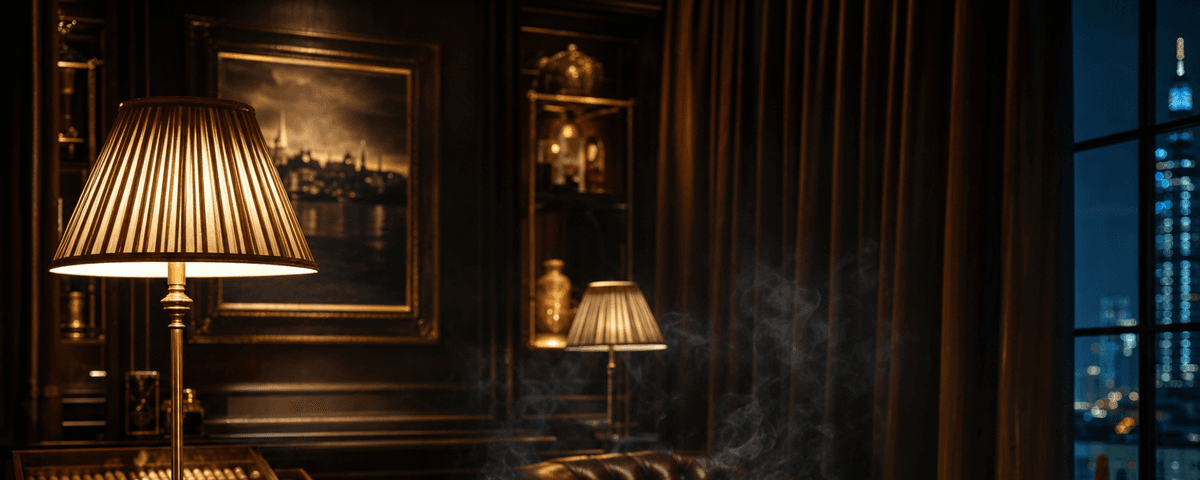
W Cigar Bar 大安總店資訊
台北大安區 · 雪茄聖經總編輯 Wilson Tsai 主理的雪茄文化空間
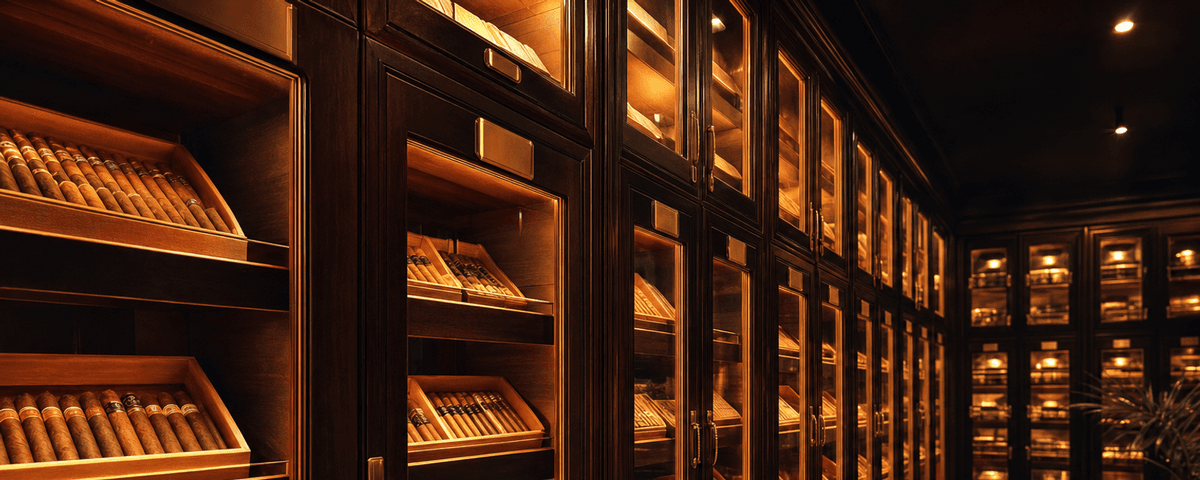
33 座 24 小時恆溫恆濕醇化室
W Cigar Bar 提供的會員醇化空間 · 場地資訊請洽編輯部
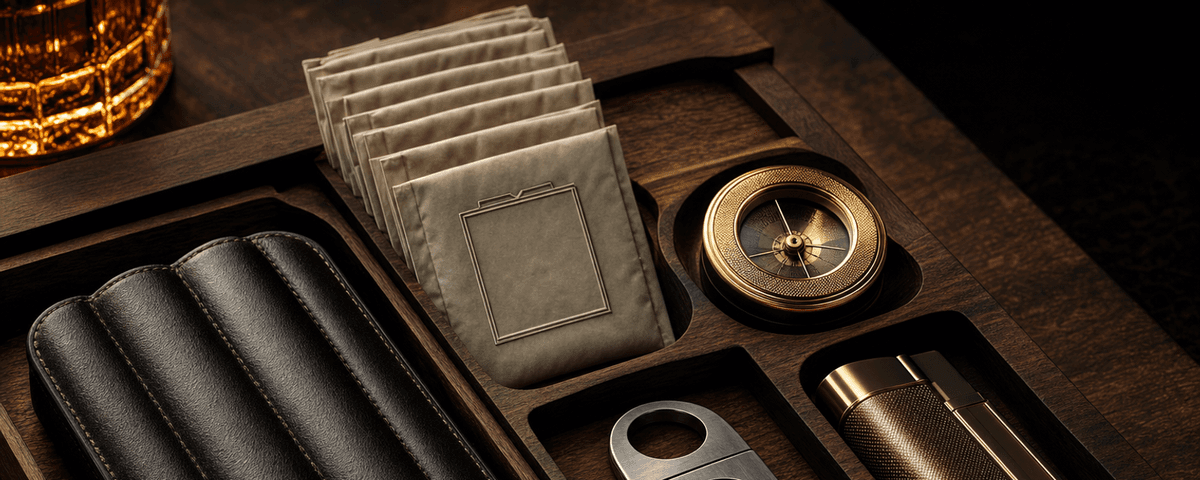
雪茄剪 / 打火機 / 雪茄盒 / Boveda
W Cigar 配件官網 · 專營雪茄配件正品
加 LINE 好友 · 文化諮詢
文化空間資訊 · 紳士沙龍 · 私人包場
本網站內容僅供雪茄文化、歷史、收藏與品吸知識研究參考。菸品有害健康、未滿法定年齡者請勿吸菸。實際規範請依所在地法律為準。
吸菸有害健康・戒菸專線 0800-636363・本站僅供 20 歲以上成年人閱覽。
讀到這裡,你不只是路過的人
留下 Email,加入 W 雪茄聖經內圈——總編輯 Wilson Tsai 親選的學院深文與國際新訊,先你一步送到信箱。
· 教育用途非銷售 · 隨時一鍵退訂 · Email 絕不對外公開 · 由勝茄股份有限公司營運
同分類延伸閱讀

資料來源:W Cigar Bible 編輯部整理 · 雪茄王子 Wilson Tsai 親自審稿
本文僅供雪茄文化、歷史、收藏與品鑑知識研究,不作為菸品促銷、銷售或購買建議。吸菸有害健康,未滿二十歲不得吸菸。