肯亞 AA 咖啡的黑醋栗酸值:雙重發酵水洗的果汁感,搭配 Por Larrañaga Picadores
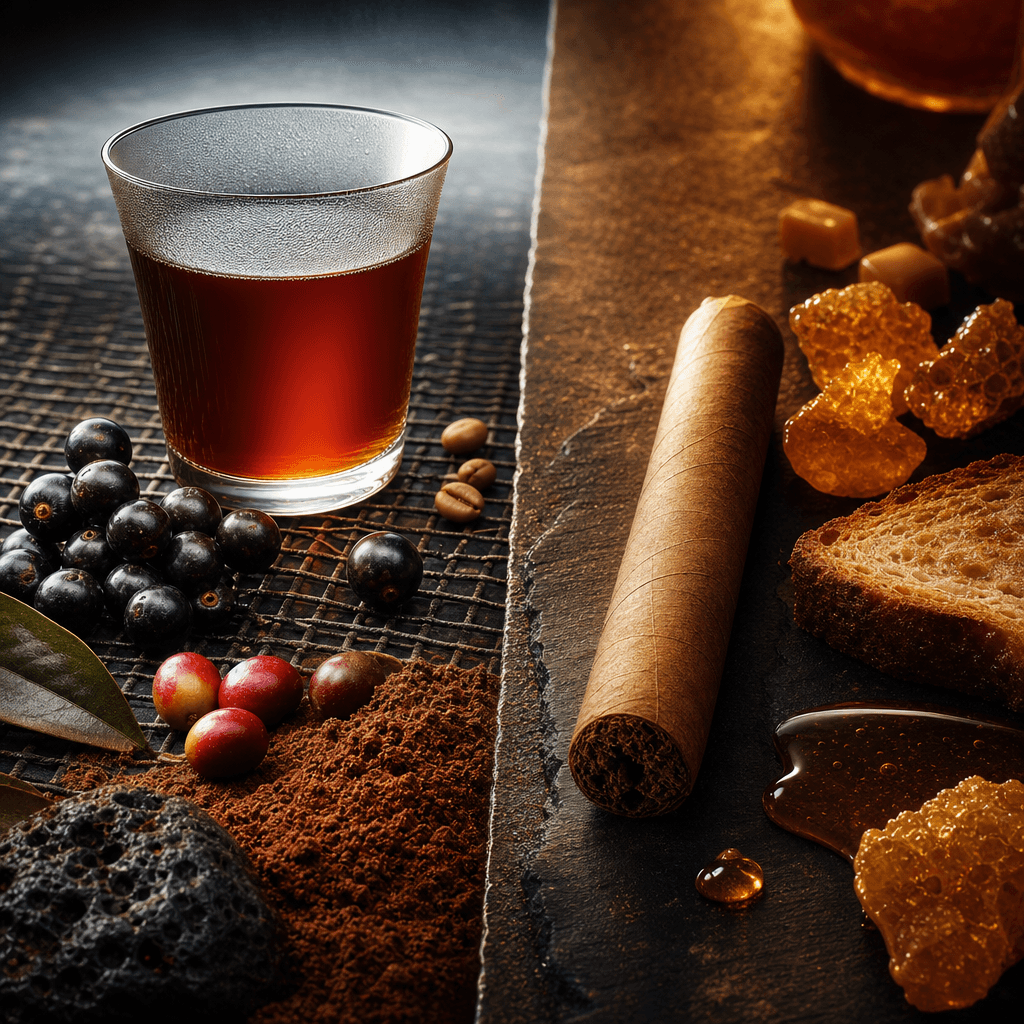
肯亞AA咖啡與 Por Larrañaga Picadores 的相遇,重點不在誰壓過誰,而在黑醋栗酸、烏梅深酸與古巴太妃糖、蜂蜜、烤麵包香之間的精準牽引。本文從 SL28、SL34、肯亞式雙重發酵水洗、AA/AB 豆目分級、Nyeri 與 Kirinyaga 產區,到合作社與拍賣制度,拆解非洲咖啡如何把中等茄體雪茄推向更立體的風味層次。
- 肯亞AA代表豆目大小與密度線索,仍需回到產區、品種與處理法判讀。
- SL28與SL34的酸值骨架,讓黑醋栗、烏梅與紅酒感成為肯亞咖啡標誌。
- Picadores的太妃糖與蜂蜜甜,會被肯亞水洗果汁感拉出更清楚層次。
The Blackcurrant Acidity of Kenya AA Coffee: The Juiciness of Double Fermentation Washed, Paired with Por Larrañaga Picadores
Kenya AA and Por Larrañaga Picadores make a pairing that I would initially view as a precise experiment of "bright acidity versus medium-bodied sweetness." If Kenya coffee comes from Nyeri or Kirinyaga, using SL28 and SL34, processed with the Kenyan double fermentation wash, the cup often presents blackcurrant, prune, tomato acidity, and wine-like qualities. Meanwhile, the Por Larrañaga Picadores (Cuba, Hermoso No.4, 48 × 127mm): toffee, honey, toasted bread, and mild spice, with a medium body, provides a platform that is neither too heavy nor too light for sweet aromas.
As an editor of the "Cigar Bible," I often say that pairing coffee and cigars should not only focus on "aroma" or "smoothness," but also on how acidity, sweetness, bitterness, smokiness, oiliness, and salivation rearrange themselves. This article focuses on non-alcoholic beverages, allowing us to see the acidity lines of coffee itself, undisturbed by alcohol evaporation and barrel-aged sweetness. The true highlight of Kenya AA's blackcurrant acidity meeting Picadores' toffee sweetness lies in the subtle balance of the sweet and sour seesaw.
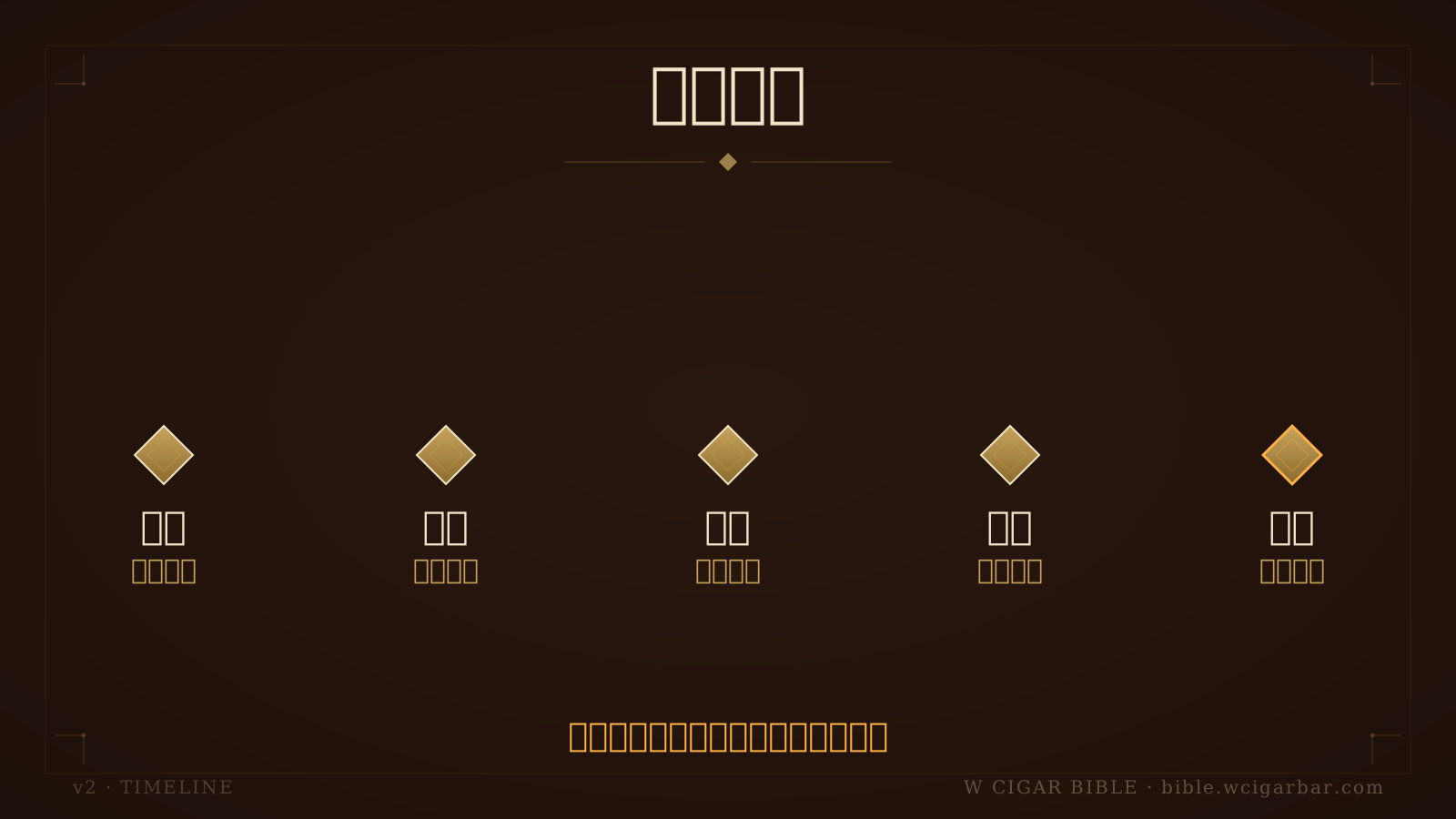
時間軸顯示去皮、初發、水洗、二浸到棚乾的處理流程
Kenya AA is Not a Myth: Bean Size, Density, and Clues in Kenyan Coffee Cups
Kenya AA is often considered a representative term for Kenyan coffee, but AA is primarily a bean size classification, not a guarantee of cupping quality. AA usually refers to larger bean sizes, while AB is another common size category. Both can have outstanding batches, and both can lose their luster due to harvesting, processing, or storage conditions. Experienced tasters look at Kenya AA not just for the letters but also consider the region, cooperative, variety, and processing method.
Bean size affects the heat conduction rhythm during roasting. Larger AA beans, if dense, often require a clearer initial heat absorption and stable development. Roasting too lightly can turn blackcurrant into sharp lemon peel; roasting too deeply can suppress tomato acidity and prune notes with caramel bitterness. The most fascinating aspect of Kenyan coffee is its ability to maintain tension between high acidity and high sweetness, rather than just being stimulating.
The core of interpreting Kenya AA is viewing bean size as a structural clue, not misreading it as a flavor conclusion. This concept is even more important when pairing with Por Larrañaga Picadores, as the cigar's toffee, honey, and toasted bread aromas need clean acidity to illuminate them. If the coffee has large beans but lacks clarity, it can make the cigar body seem dull, and the mild spice can turn into a dry finish.
When cupping Kenya AA, I particularly look for "juiciness" in the mid-section. A truly good washed Kenya is not just high in acidity but resembles red fruits pressed into juice, with a bit of peel, a bit of pectin, and a tartaric acid-like backbone. This structure, when connected with Picadores' medium body, allows the smoke, sweetness, and coffee acidity to interlock.
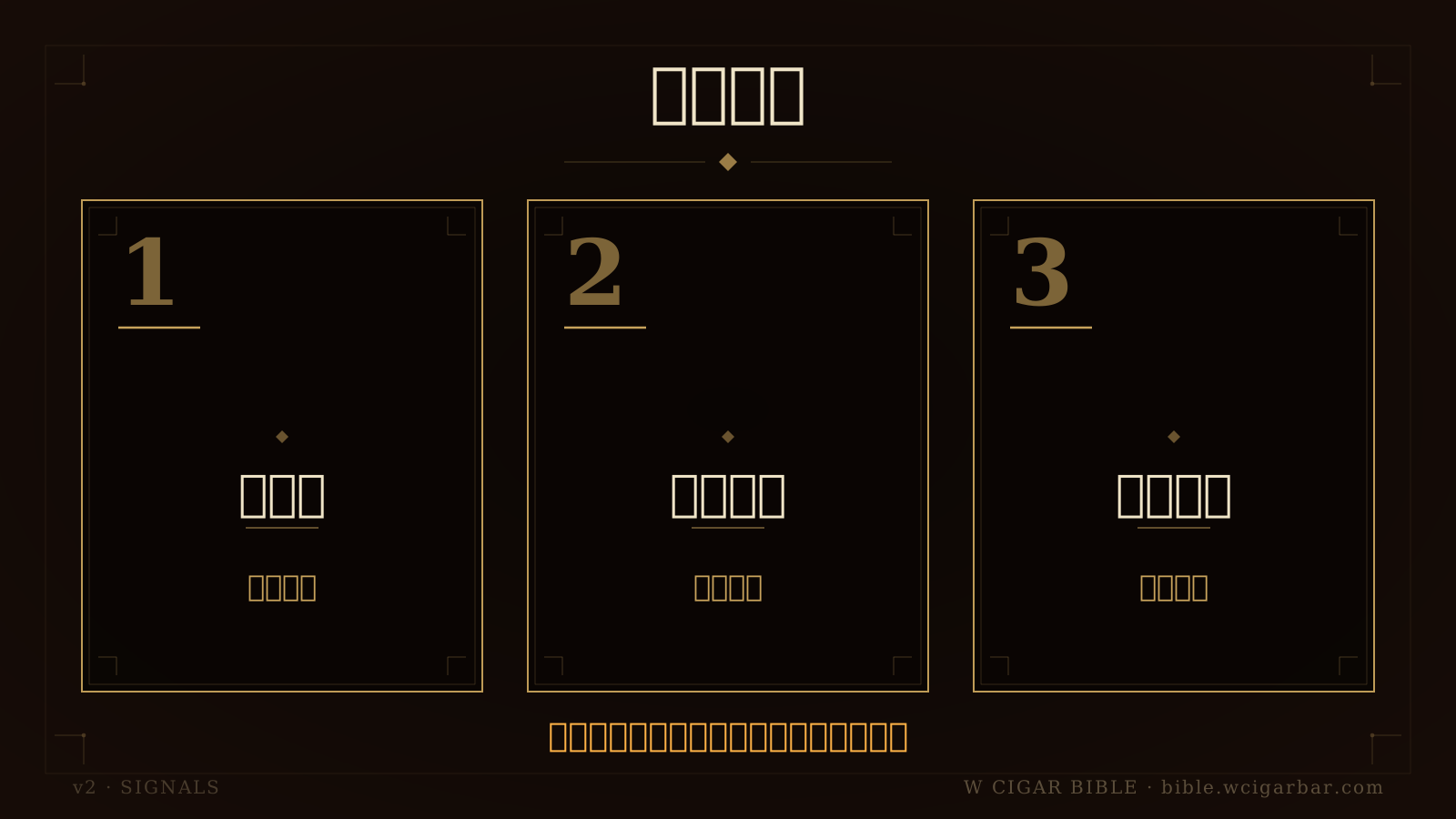
三張卡列出黑醋栗、中等茄體與酸甜平衡重點
SL28 and SL34: The Drought-Resistant Genes and Blackcurrant Framework in African Coffee
SL28 and SL34 are the core varieties of Kenya's coffee legend. They originate from the 20th-century Kenyan agricultural research and selection context, often linked to the selection history of Scott Laboratories. SL28 is particularly famous for maintaining flavor performance under relatively dry conditions, with root systems and plant resilience giving it an almost iconic status in African coffee history.
SL34 is often considered to exhibit stable yield and rich mouthfeel in high-altitude, fertile volcanic soil environments. In the cup, they are not just "acidic," but carry blackcurrant, red currant, prune, tomato acidity, and wine-like qualities. These acids are not single citric acids but a complex sensation composed of malic acid, tartaric acid, quinic acid, and fruit aroma precursors.
SL28 and SL34 are suitable for pairing with Picadores because their acidity has a framework, flesh, and depth to support the cigar's sweetness. If only sharp acidity is present, the toffee will be thinned; if only sweet ripe fruit is present, Picadores' honey will seem too sticky. The anthocyanin associations of blackcurrant and grape skin sensations can push the herbal smoke of Cuban tobacco to a more layered position.
From a tasting perspective, SL28's blackcurrant often resembles the sweet and sour oscillation brought by purple-black fruit skins, while SL34 may have more brown sugar, tomato, and dark berry thickness. When both appear mixed in cooperative batches, the cup will form a bright entry, deep sour mid-section, and clean finish. This is the coffee profile that Por Larrañaga Picadores needs: not winning by richness, but by precisely guiding the cigar aroma.
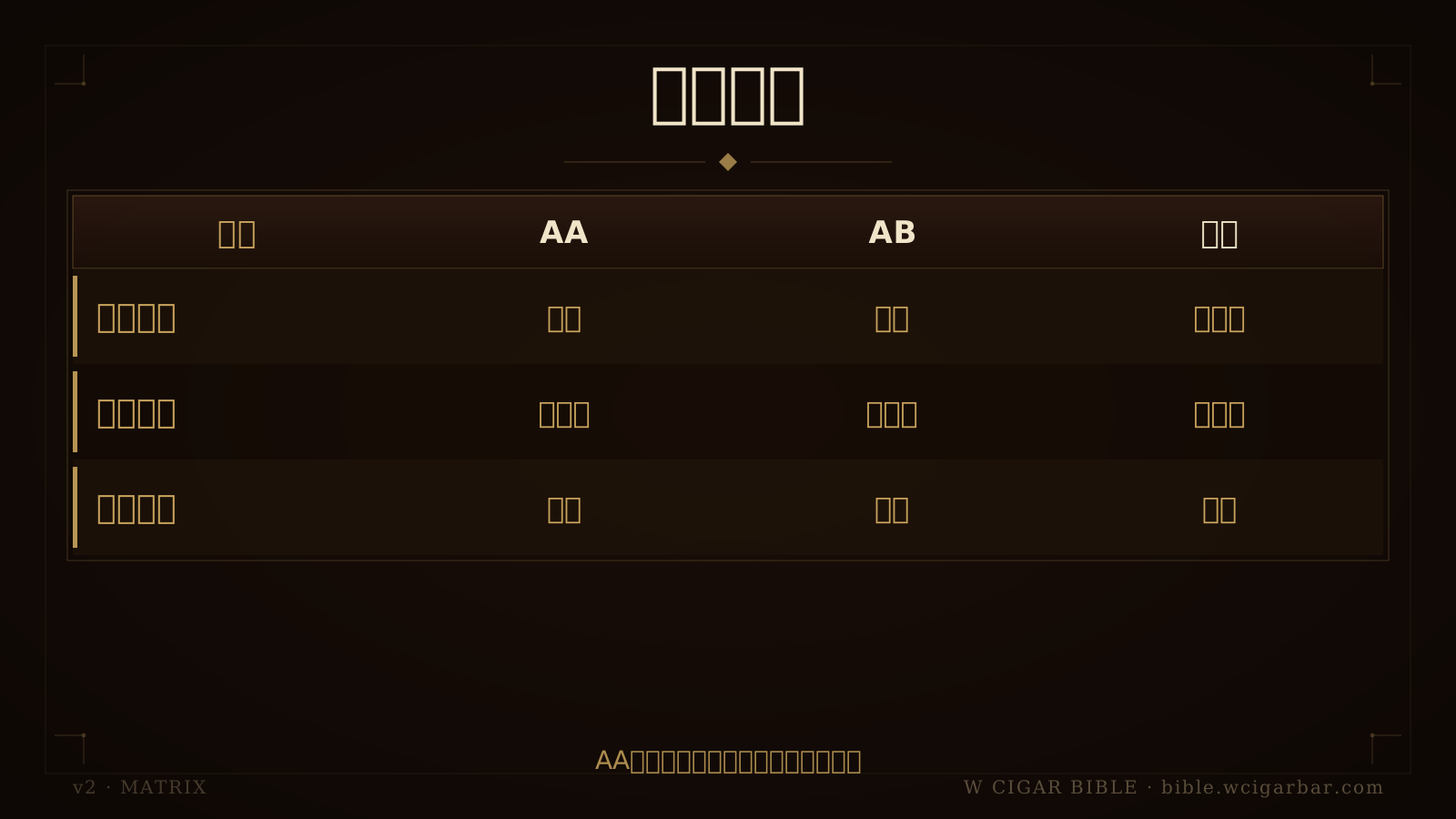
矩陣比較AA、AB與真正關鍵在豆目風味和搭配焦點的差異
Kenyan Double Fermentation Washed: How Juiciness is Polished by Craft
The Kenyan double fermentation wash is key to understanding the juiciness of Kenyan coffee. After the mature coffee cherries are depulped, the mucilage-covered beans undergo dry fermentation, allowing the pectin to be broken down by microorganisms and enzymes. They are then washed with clean water and enter a second soaking or fermentation stage, further stripping away residual mucilage, and finally dried slowly on elevated African beds.
The purpose of this process is not to exaggerate flavors but to wash the acidity cleaner and more transparent. After pectin breakdown, the blackcurrant, prune, and tomato acidity in the cup appear polished, with clear acidic edges and an unclouded sweet base. If the drying period is well managed, it will leave a finish similar to juice, red wine, sugarcane, and a slight tea sensation.
The true contribution of double fermentation wash is not simply high acidity but cleaner separation between acidity, sweetness, astringency, and aroma molecules. This separation is crucial when pairing with cigars, as Por Larrañaga Picadores' toffee, honey, and toasted bread aromas are inherently delicate rather than heavy. If the coffee is murky, it will overshadow them; if the coffee is bright, it will reveal the bread crust, butter caramel, and mild spice to you.
I particularly enjoy contrasting the "juiciness" of Kenyan washed coffee with the soluble sweetness in cigar smoke. When the coffee enters the mouth, the acidity stimulates saliva, making the oral surface more sensitive, and the next sip of Picadores' toffee will seem cleaner, while the honey won't stick to the tongue. This is not an abstract description but the result of acid stimulating saliva secretion, reducing sweetness, and allowing caramelized aromas to return to the retronasal olfaction.
Nyeri and Kirinyaga: The Flavor Map of Volcanic Soil, Altitude, and Cooperative Systems
Nyeri and Kirinyaga are two regions in Kenya most often scrutinized by experienced tasters. Both are located around Mount Kenya, with high altitude, diurnal temperature variation, and red volcanic soil, allowing coffee cherries to mature more slowly and accumulate more three-dimensional acidity. Nyeri is often described as having blackcurrant, red wine, strong fruit acidity, and clear sweetness; Kirinyaga often carries citrus, tomato, floral notes, and a sharper mineral sensation.
Kenya's cooperative system also deeply influences flavor. Small farmers deliver mature cherries to wet mills, where cooperatives handle processing, grading, and drying. Good wet mills strictly select floaters, control fermentation tanks, and drying bed rhythms. Afterward, batches enter Kenya's auction system and export selection, where cupping descriptions, grading, and batch reputation form market signals, but for us, the focus remains on whether there is a clear structure in the cup.
Nyeri gives Picadores the tension of dark berries, while Kirinyaga gives it tomato acidity and bright edges. If your Kenya AA leans towards Nyeri, the pairing will highlight blackcurrant acidity × toffee sweetness; if it leans towards Kirinyaga, the toasted bread aroma will be more warmly complemented by the juiciness, and the mild spice will more easily surface. Both are suitable for Picadores, but the presentation rhythm is different.
| Regional Clues | Common Cup Expressions | Interaction with Picadores |
|---|---|---|
| Nyeri | Blackcurrant, prune, red wine sensation | Enhances the dark fruit contrast with toffee sweetness |
| Kirinyaga | Tomato acidity, citrus, floral notes | Makes toasted bread and honey appear brighter |
| High-altitude volcanic soil | High density, concentrated acidity | Supports medium-bodied cigars without being overwhelmed by coffee |
| Cooperative washed batches | High cleanliness, clear finish | Amplifies mild spice and tobacco sweet finish |
In cigar pairing, the region is not an endorsement but a predictive tool. Nyeri's deep acidity can advance the cigar's mid-section, while Kirinyaga's sharp acidity can organize the front palate. Understanding these two directions prevents treating all Kenyan coffee with the same brewing method and pairing approach.
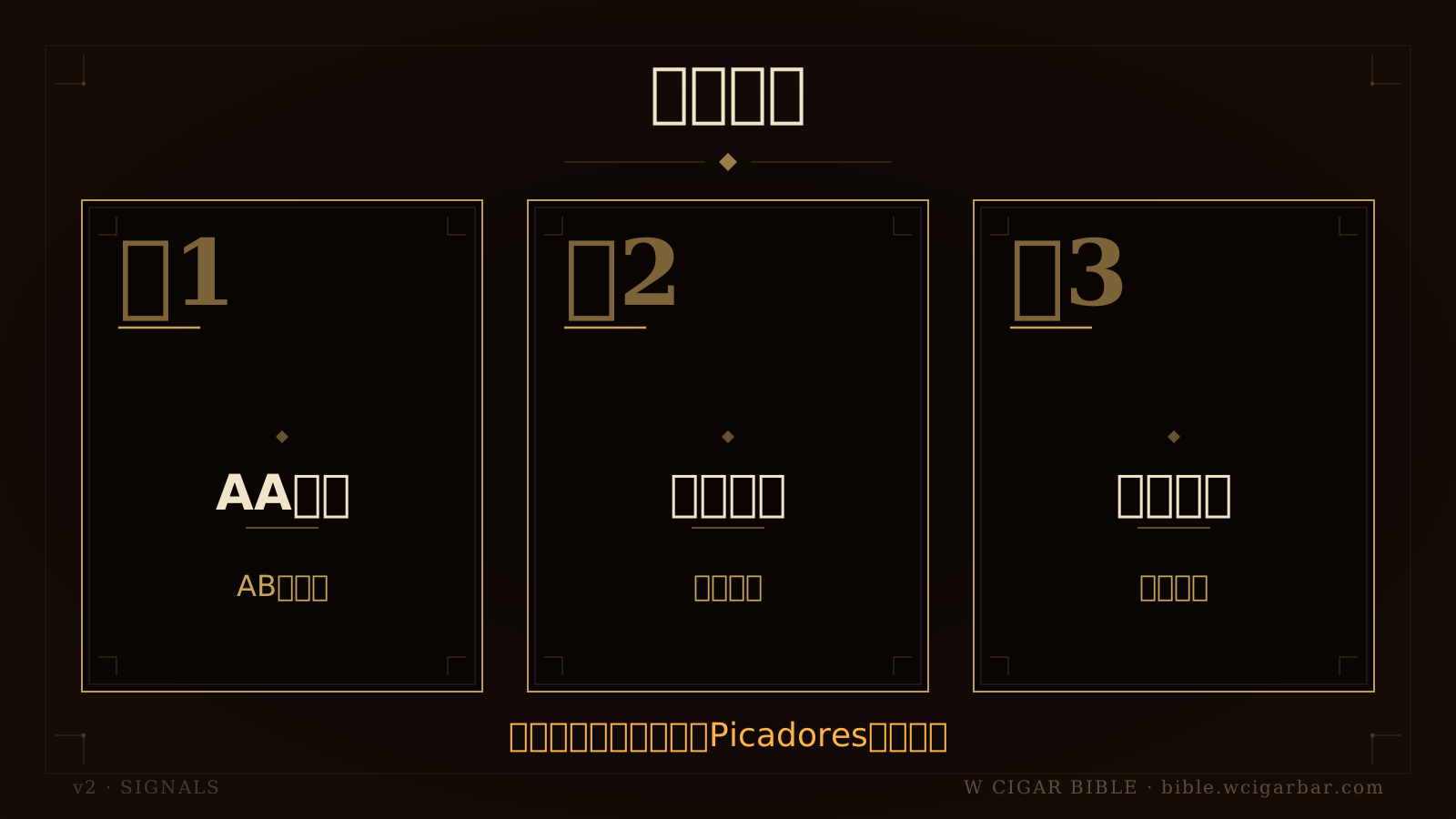
三張誤區卡提醒不要迷信AA、尖酸萃取與義式優先
Por Larrañaga Picadores: Honey, Toasted Bread, and Mild Spice in a Medium Body
Por Larrañaga is a line among Cuban brands often quietly discussed by seasoned enthusiasts. Picadores adopts the Hermoso No.4 size, 48 × 127mm, a proportion that provides enough width for smoke without being overly heavy. Its profile includes toffee, honey, toasted bread, and mild spice, with a medium body, focusing on sweet aroma details and the slow unfolding of woody herbal notes.
This cigar's front section often features toasted bread crust, light honey, and grain sweetness, with smoke not immediately filling the mouth. The mid-section gradually reveals toffee notes, with a hint of Cuban tobacco's hay, cedar, and mild white pepper. If in good condition, the sweetness in the finish does not disappear but transforms into deeper roasted sugar, herbal bitterness, and gentle spice.
What Picadores is most worth amplifying in coffee pairing is not power but the detailed layers of sweetness within a medium body. If Kenya AA is brewed cleanly, it will make the toffee resemble a multi-layered structure with butter, caramel, toasted bread edges, and honey water, rather than just a piece of candy. This is why I believe it is more suitable for Kenyan coffee than many rich cigars: both emphasize lines, not weight.
In actual tasting, I let Picadores' front section go for three to five minutes before sipping the first coffee. If high-acid coffee attacks the tongue at the start, it may miss the grain sweetness of the cigar's front section. Once the toasted bread aroma stabilizes, the blackcurrant acidity of Kenya AA enters, and the Maillard reaction aroma of the bread crust will seem illuminated.
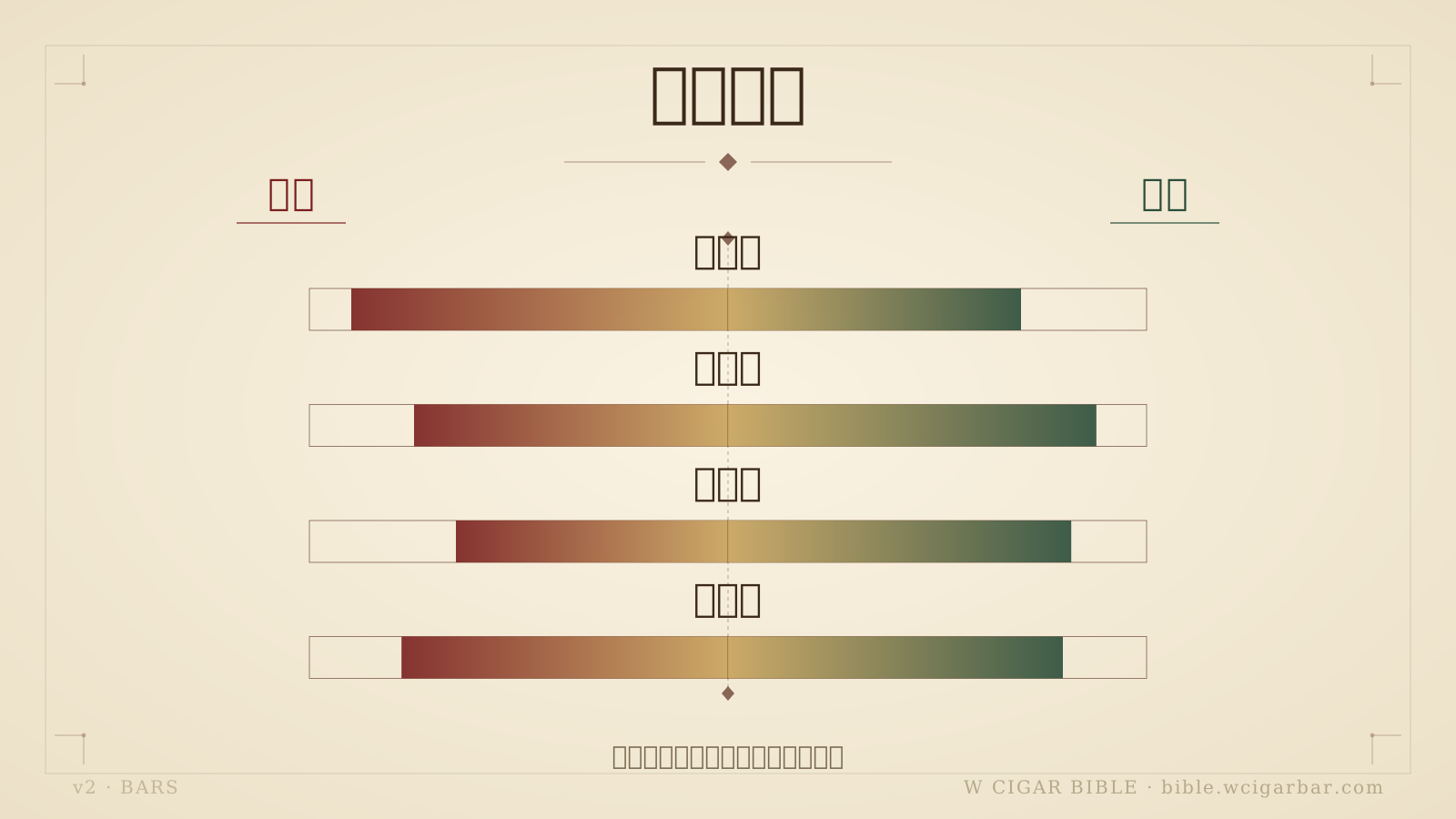
長條圖比較尼耶與奇里在黑醋栗、果汁感和烤麵包襯托的強弱
Blackcurrant Acidity × Toffee Sweetness: The Flavor Chemistry of the Sweet and Sour Seesaw
Blackcurrant acidity × toffee sweetness is the core token-to-token pairing of this combination. The blackcurrant sensation in Kenya AA comes from the shared impression of dark berry acidity, fruit peel sensation, and volatile fruit aroma; Picadores' toffee sweetness is akin to caramelized sugar, butter fat associations, and matured tobacco sweet aroma. When these two meet, the acidity will trim the thick edges of sweetness, and sweetness will fill the sharp corners of acidity.
Prune deep acidity × honey roundness is the second layer of mutual taming. Prune carries lactic acid, fruit acid, salty acidity, and dark dried fruit associations, which can be very penetrating if drunk alone; honey carries fructose sweetness, nectar aroma, and a viscous mouthfeel. When a sip of coffee is followed by a sip of Picadores, honey will make prune less austere, and prune will prevent honey from being flat.
The key to this pairing is Kenya AA using acidity to open the mouth, followed by Picadores using caramelized sweet aroma to close the retronasal olfaction. Bright juiciness × toasted bread aroma is the third chemical connection. The bright acidity of coffee increases saliva, making pyrazines, furans, and caramel aromas in toasted bread more easily perceived in the retronasal pathway, so the bread aroma doesn't just become sweet but becomes warm, thick, and edged.
Another often overlooked interaction is between mild spice and tomato acidity in Kenyan coffee. Tomato acidity sometimes carries a plant stem sensation, which can turn into green spiciness if the cigar's spice is too heavy; but Picadores only has mild spice, making tomato acidity appear like mature tomato juice rather than green vegetables. This is why seasoned enthusiasts care about the strength of the cigar body: it's not about being stronger but allowing molecular impressions to have boundaries, not stepping on each other.
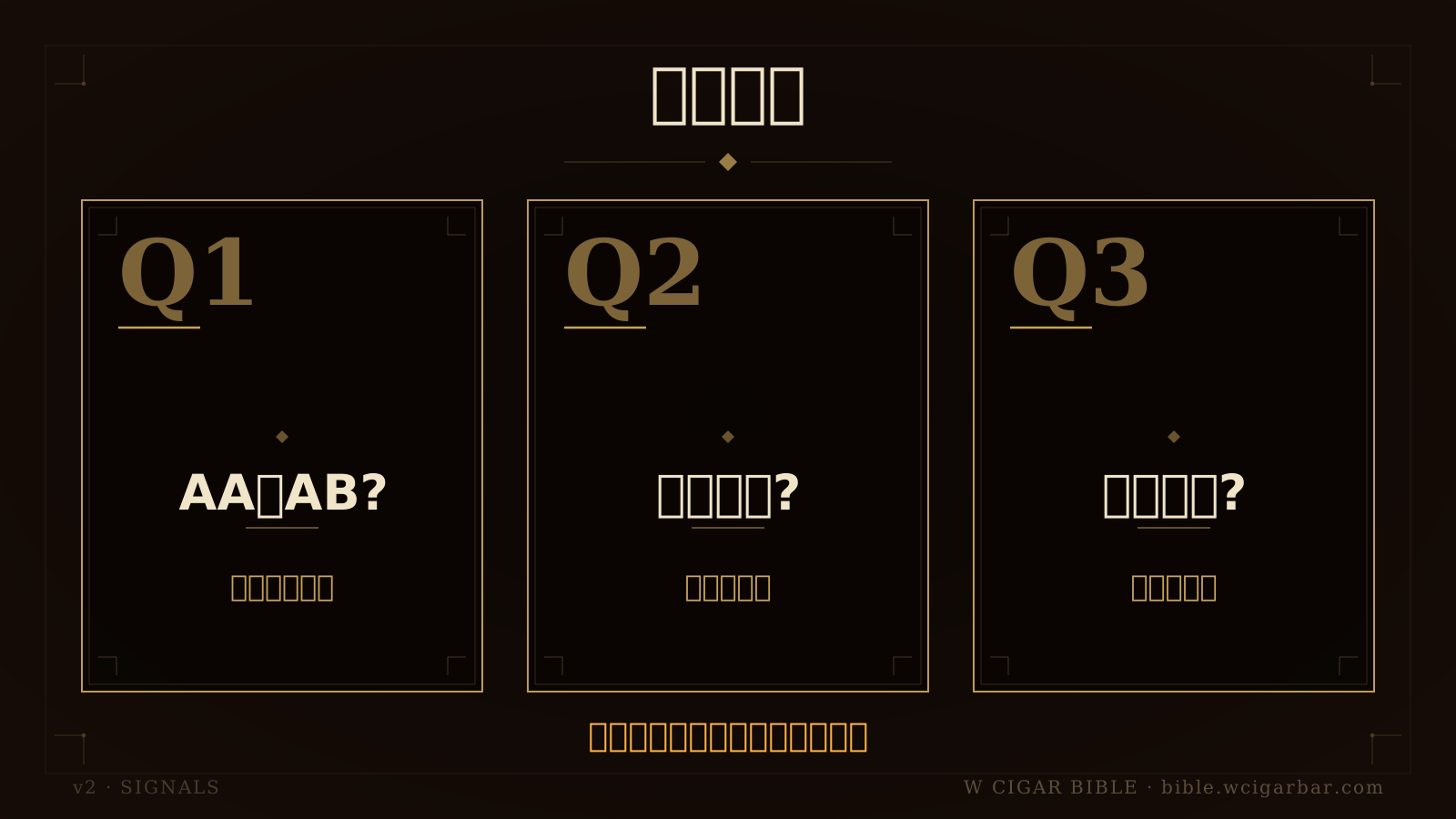
三張問答卡回答AA與AB、酸值壓茄和冷後搭配問題
Brewing Parameters and Tasting Rhythm: Ensuring Kenya AA Doesn't Overwhelm Picadores
When preparing Kenya AA for Por Larrañaga Picadores, I avoid overly extracted bitter finishes. For pour-over, use medium-fine grind, water temperature around 92 to 94°C, with a ratio between 1:15 to 1:16, allowing space for both blackcurrant acidity and sugarcane sweetness. If the roast is light, extend the bloom and initial pour; if the roast is medium, avoid too slow a flow that causes a dry bitter finish.
The choice of dripper also changes the pairing direction. Cone-shaped drippers can highlight acidity and aroma uplift, suitable for Nyeri style; flat-bottom drippers extract more evenly, allowing Kirinyaga's tomato acidity and sweetness to be more stable. While metal filters can retain oils, when paired with Picadores, I usually prefer paper filters, as cleanliness will make honey and toasted bread aromas clearer.
The brewing goal is not to make Kenya AA the strongest but to adjust it to a clear sweet-acid structure that can converse with a medium-bodied cigar. Coffee temperature should also be noted; when freshly brewed, the acidic aroma is brightest, possibly overly highlighting blackcurrant; when cooled to about 55 to 60°C, prune, red wine sensation, and sugarcane sweetness will blend better. This is when pairing with Picadores' mid-section, toffee and honey are most easily layered.
In terms of rhythm, I adopt a "sip of coffee, pause for five to eight breaths, two puffs of cigar" approach to observe. Coffee first cleans the tongue, the cigar then supplements with sweet aroma, followed by waiting for the retronasal aftertaste to naturally merge. If you find the toasted bread aroma thinning, it means the coffee is too sharp; if you find blackcurrant overshadowed by smoke, it means the cigar has entered a thicker finish, at which point you can switch to slightly cooler coffee.
Frequently Asked Questions
Is Kenya AA always more suitable for pairing with cigars than AB?
Not necessarily. AA is a bean size clue, and AB may also have better sweetness and cleanliness. When pairing with Picadores, the balance of sweetness and acidity in the cup is more important than the letter grading.
Why does Kenyan coffee often have a blackcurrant flavor?
Blackcurrant comes from the sensory impression shaped by variety, altitude, volcanic soil, and washed processing. SL28 and SL34 often carry dark berry and fruit peel acidity, and double fermentation wash further cleans these contours. It is not an added flavor but a naturally presented aroma association in the cup.
Will Picadores be overwhelmed by the acidity of Kenya AA?
If the coffee extraction is too sharp, it can indeed overshadow the front honey and toasted bread aroma. The solution is to reduce extraction aggressiveness, allowing the coffee to retain sweetness and mid-section thickness. You can also wait for the cigar to enter the mid-section before involving the coffee.
Which is more suitable for this pairing, Nyeri or Kirinyaga?
Nyeri is more suitable for those who want to amplify blackcurrant acidity × toffee sweetness. Kirinyaga is suitable for those who want to see how juiciness complements toasted bread aroma. There is no superiority between the two, only different pairing focuses.
Can cold Kenya AA still pair with Picadores?
Yes, but the flavor will shift from bright fruit acidity to prune, black tea, and fruit peel sensations. If the coffee becomes astringent when cold, it will make the cigar finish appear drier. Good Kenyan washed coffee should maintain clear sweetness even when cooled.
Is this pairing suitable for espresso?
It can be tried, but it's not my preferred method. Espresso compresses acidity, sweetness, and bitterness into a high-density liquid, easily overshadowing Picadores' delicate honey. Using an Americano or long black format would be closer to the clear structure discussed in this article.
The beauty of Kenya AA and Por Larrañaga Picadores lies in one using blackcurrant, prune, and juiciness to open space, while the other slowly fills it with toffee, honey, and toasted bread aroma. What seasoned enthusiasts truly need to judge is not which is more prominent, but which sip allows sweetness, smoke, and retronasal aftertaste to simultaneously establish.
Further Reading|Complete Guide to Coffee Origins and Roasting: From African Floral and Fruity to Asian Rich Soil Flavor Spectrum, and Cigar Pairing Overview|Ethiopian Natural Coffee's Blueberry Wine Aroma: The Wildness of Sun-Dried Fermentation, Paired with Romeo y Julieta Wide Churchill|Colombian Coffee Balance Textbook: Caramel and Nuts of the Andes Three Mountain Ranges, Paired with Montecristo No.4's Golden Ratio
—Cigar Prince Wilson Tsai
Smoking is harmful to your health. Smoking is prohibited for those under twenty years old. Quitline: 0800-636363. This article is intended for adults over the age of twenty as a reference for cigar culture, preservation, and regulatory knowledge, not as a tobacco advertisement, promotion, or purchase suggestion.
Like this article?Share with friends
Share this W Cigar Bible piece with friends who want to learn cigar culture, storage, and tasting.
想把這篇 化為實踐
雪茄聖經是知識;雪茄文化要在空間裡發生

W Cigar Bar 大安總店資訊
台北大安區 · 雪茄聖經總編輯 Wilson Tsai 主理的雪茄文化空間
33 座 24 小時恆溫恆濕醇化室
W Cigar Bar 提供的會員醇化空間 · 場地資訊請洽編輯部
雪茄剪 / 打火機 / 雪茄盒 / Boveda
W Cigar 配件官網 · 專營雪茄配件正品
加 LINE 好友 · 文化諮詢
文化空間資訊 · 紳士沙龍 · 私人包場
本網站內容僅供雪茄文化、歷史、收藏與品吸知識研究參考。菸品有害健康、未滿法定年齡者請勿吸菸。實際規範請依所在地法律為準。
吸菸有害健康・戒菸專線 0800-636363・本站僅供 20 歲以上成年人閱覽。
讀到這裡,你不只是路過的人
留下 Email,加入 W 雪茄聖經內圈——總編輯 Wilson Tsai 親選的學院深文與國際新訊,先你一步送到信箱。
· 教育用途非銷售 · 隨時一鍵退訂 · Email 絕不對外公開 · 由勝茄股份有限公司營運
同分類延伸閱讀


資料來源:W Cigar Bible 編輯部整理 · 雪茄王子 Wilson Tsai 親自審稿
本文僅供雪茄文化、歷史、收藏與品鑑知識研究,不作為菸品促銷、銷售或購買建議。吸菸有害健康,未滿二十歲不得吸菸。