哥倫比亞咖啡均衡教科書:安地斯山三大山脈的焦糖堅果,搭配 Montecristo No.4 的黃金比例
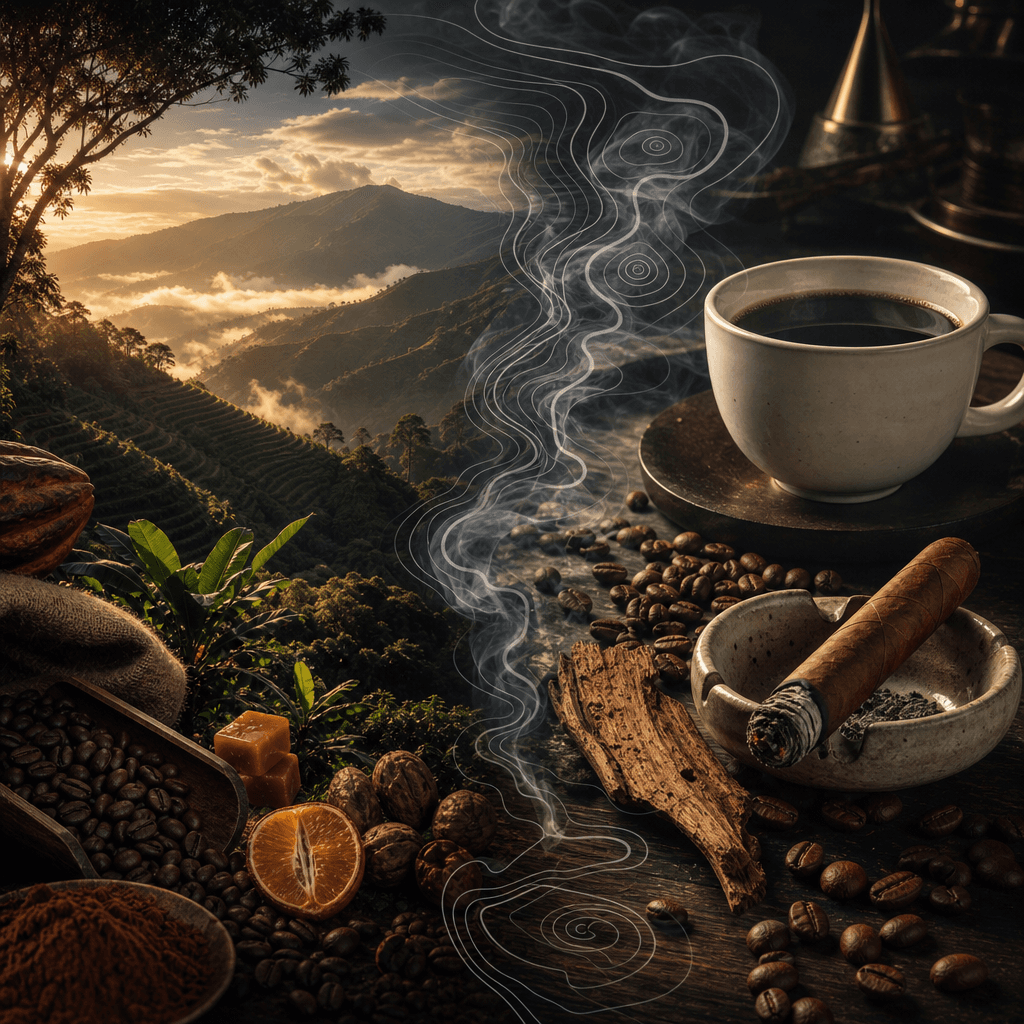
哥倫比亞咖啡之所以適合咖啡入門,不只是因為它常被形容為均衡,而是安地斯山三大山脈、全年兩收、水洗傳統與 FNC 行銷史共同塑造出的清晰風味語言。當它遇上 Montecristo No.4,焦糖堅果對上可可咖啡,柑橘微酸對上淡柑橘,兩者以「均衡對均衡」構成新手最容易理解的搭配座標。
- 哥倫比亞咖啡的均衡,來自安地斯山微氣候、全年兩收與水洗處理共同塑形。
- Montecristo No.4 的可可、咖啡、木質與淡柑橘,能接住咖啡端的焦糖堅果。
- 這組搭配關鍵不是強烈對比,而是同源風味互相校準,適合咖啡入門理解。
Colombian Coffee Balance Textbook: Caramel Nuts from the Three Andes Mountain Ranges, Paired with the Golden Ratio of Montecristo No.4
Colombian coffee and Montecristo No.4 is a pairing I often say is the best for beginners to understand that "flavor is not mysticism." The former outlines the textbook profile of balanced coffee with caramel, nuts, citrus, and chocolate, while the latter provides corresponding coordinates on the cigar side with cocoa, coffee, wood, light citrus, and a medium body. When these two meet, there's no need for exaggerated descriptions or high-threshold vocabulary; you just need to grasp the four aspects of acidity, sweetness, bitterness, and aroma weight to see the sense of proportion.
As the editor of "Cigar Bible," what I care more about is why this cup of coffee can support this cigar, rather than just saying "they pair well." The Andes coffee framework of Colombian coffee makes it neither as sharp as some high-acid coffees nor as bitter-sweet as dark-roasted coffees; Montecristo No.4 is not the type that overwhelms the palate with heaviness. Therefore, in this article, we will first talk about Colombia itself, then dissect the flavor chemistry of caramel nuts × cocoa coffee, citrus acidity × light citrus, and balance against balance.

時間線說明山脈微氣候到杯中風味再到雪茄對應的流程
Colombian Coffee: The Microclimate Kaleidoscope of the Three Andes Mountain Ranges
The core of Colombian coffee is not a single origin name, but rather the Andes Mountains splitting into three ranges after entering Colombia: the Western Cordillera, Central Cordillera, and Eastern Cordillera. These three mountain ranges divide altitude, slope, rainfall, sunlight, and nighttime low temperatures into countless microclimates, so even if it says Colombia, the cup may present citrus, caramel, nuts, red fruits, cocoa, and floral aromas. For coffee beginners, this is the first lesson in understanding that "origin is not a label, but a flavor condition."
Most Colombian coffee is grown on slopes about 1,200 to 2,000 meters high, where daytime sunlight drives photosynthesis, and nighttime low temperatures slow down fruit maturation. Slow maturation allows sugars and organic acids to accumulate more fully, making it easier for the cup to present clear but not sharp acidity and clean caramel sweetness. This is also why many Colombian coffees can simultaneously offer beginners "easy entry" and advanced drinkers "analyzable" dual sensations.
The balance of Colombian coffee comes from the three Andes mountain ranges breaking down acidity, sweetness, and aroma thickness into delicate proportions. I often say that balance is not blandness, but rather that every flavor has its place. If you think of coffee as a dining table, Colombia's citrus sits in the front row, caramel and nuts are in the middle, and cocoa and chocolate stabilize the finish. This arrangement is the basis for its dialogue with Montecristo No.4.
Year-Round Harvest: Colombia's Geographical Dividend and Flavor Stability
Colombia is close to the equator, and the mountains prevent the temperature from being too high, allowing coffee trees in many areas to exhibit a rhythm similar to year-round flowering and fruiting. Traditionally, Colombia is often described as having a main harvest and a secondary harvest, with the main harvest called cosecha and the secondary harvest often called mitaca in Spanish. This does not mean that there is the same quality coffee every day, but rather that geographical conditions allow different regions to mature in succession at different months.
This geographical dividend of year-round harvest has two meanings for the flavor in the cup. First, the supply rhythm of the production area is relatively stable, allowing Colombian coffee to be recognized as reliable balanced coffee in the global market for a long time. Second, batches from different months and different mountain sides will have subtle differences; for example, some batches have higher citrus notes, while others lean more towards caramel, roasted nuts, and milk chocolate.
As the editor of "Cigar Bible," I would compare this stability to Montecristo No.4. This Cuban Mareva-sized cigar, 42 × 129mm, with a medium body, does not explode in a single point but rather progresses with cocoa, coffee, wood, and light citrus. The stable coffee profile brought by the year-round harvest makes it easier for beginners to focus on the pairing itself rather than being confused by regional differences first.
When a cup of Colombian coffee exhibits caramel sweetness, nut aroma, and slight citrus acidity, the smoke of Montecristo No.4 will not appear isolated. The coffee side acts like a stable horizontal line, while the cigar side draws waves of cocoa and wood on top. This is the true meaning of "balance against balance": not that both sides are very quiet, but that neither side is overpowering.
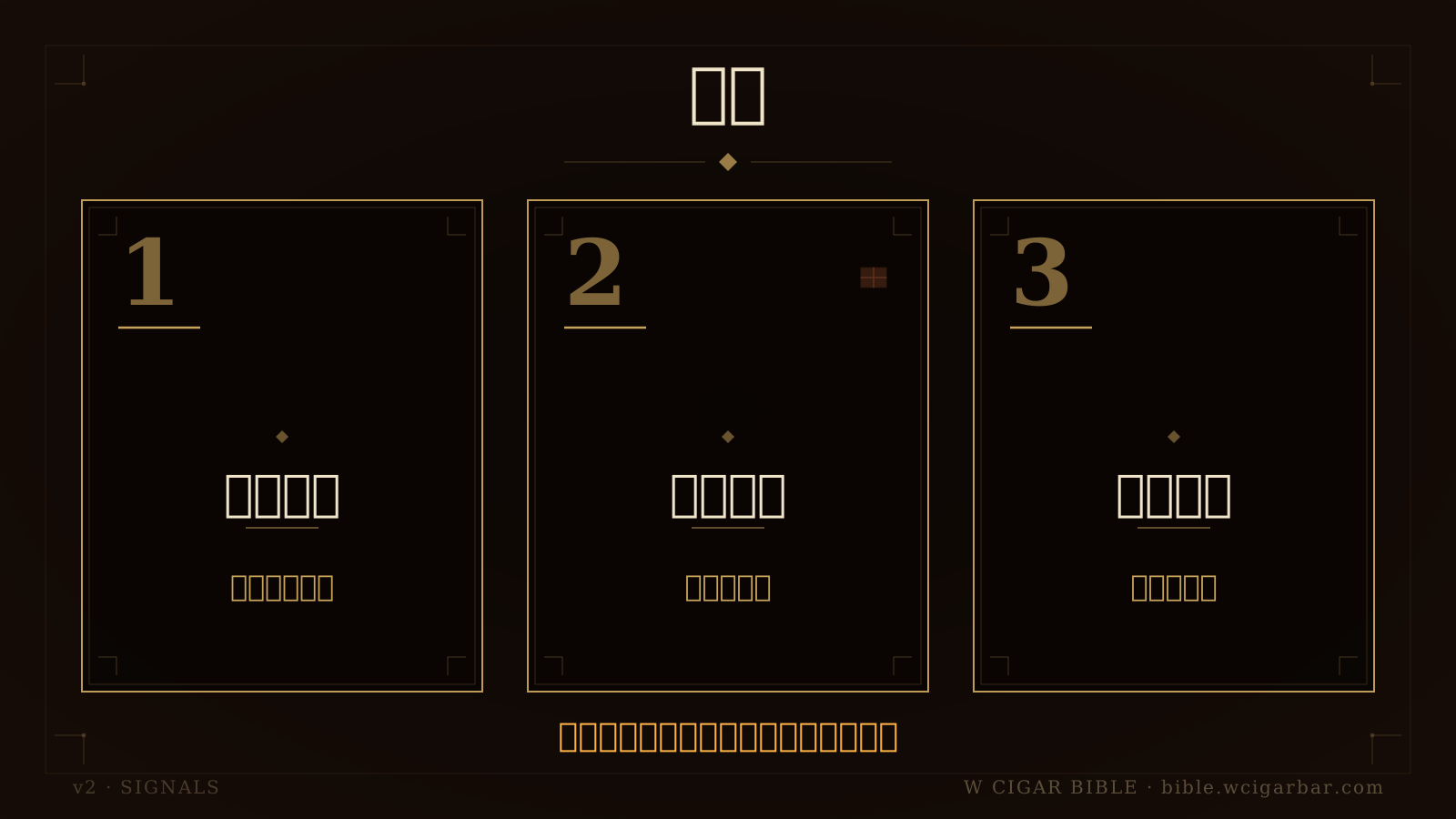
圖卡列出哥倫比亞咖啡搭配四號雪茄的三個核心結論
Juan Valdez, FNC, and the Modern Image of Colombian Coffee
Talking about Colombian coffee cannot skip FNC, which is the Federación Nacional de Cafeteros de Colombia, the National Federation of Coffee Growers of Colombia. Established in 1927, FNC has long assisted coffee farmers in establishing quality standards, export systems, research support, and international image. To global consumers, Colombia is not just a place on the map but a whole set of organized, narrated, and recognizable coffee culture.
In 1959, the fictional coffee farmer character Juan Valdez appeared, wearing a straw hat, leading a mule, representing small farmers and mountain coffee images. This marketing history case is very interesting because it doesn't just sell a name but ties "mountain slope small farmers, hand-picked ripe fruit, Colombian quality" into a globally understandable symbol. By the 1980s and 1990s, Juan Valdez had almost become the visual synonym for Colombian coffee.
The significance of FNC and Juan Valdez lies in translating complex production areas into a balanced image that ordinary people can consume and remember. When beginners first hear Huila, Nariño, Tolima, or Antioquia, they may not yet distinguish the differences; but "Colombia = clean, caramel, nuts, citrus, chocolate" provides an initial framework for understanding. This is like when first encountering Montecristo No.4, there's no need to rush to memorize the entire history of Cuban brands, but rather first remember its cocoa, coffee, wood, and light citrus.
I often say that cultural image is not equal to flavor itself, but it influences our path of learning flavors. Colombian coffee has become a classic entry point not only because it is easy to understand but also because it has been consistently narrated over time. When this "easy to understand" meets the medium body of Montecristo No.4, the pairing becomes less oppressive and more analyzable.
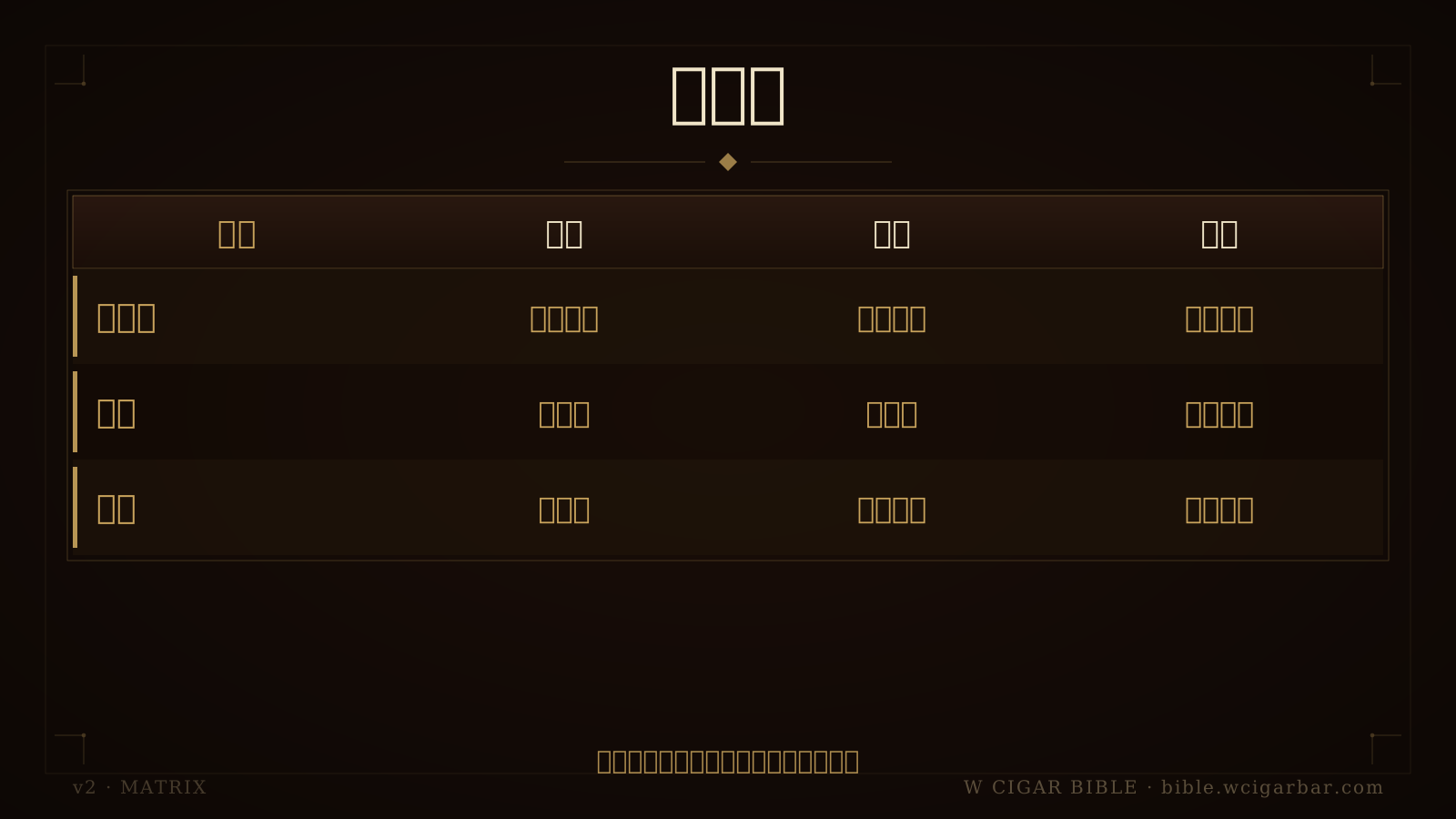
矩陣比較咖啡端雪茄端與兩者交會時的風味維度
Washed Tradition: Clean Acidity, Caramel Sweetness, and Cocoa Finish
Colombian coffee is famous for its washed processing, which is related to the structure of mountain smallholders, humid climate, and quality grading tradition. The washed method generally includes harvesting ripe coffee cherries, depulping, fermenting to break down mucilage, washing, and drying. Compared to the rich dried fruit notes often seen in natural processing, washed Colombian coffee usually emphasizes clean acidity, clear sweetness, and transparent finish.
The fermentation stage is one of the keys to the washed method, as time, temperature, water quality, and mucilage thickness all affect the cup's performance. Insufficient fermentation may result in incomplete sweetness, while over-fermentation may bring out off-flavors or overripe fruit aromas. Properly processed washed Colombian beans often exhibit flavors of orange peel, lemon candy, caramel, almond, hazelnut, milk chocolate, with a clean cocoa finish.
The washed tradition makes the flavor boundaries of Colombian coffee clear, making it particularly suitable for observing how cigar smoke changes the focus of taste. If the coffee itself is too murky, beginners will find it difficult to distinguish whether the fruit flavor comes from the coffee or the bitter-sweetness is caused by the cigar smoke. The advantage of washed Colombian coffee is that it layers acidity, sweetness, nuts, and chocolate, so when Montecristo No.4 is added, each change is easier to capture.
| Coffee Element | Common Expression in Washed Colombian | Connection with Montecristo No.4 |
|---|---|---|
| Acidity | Orange peel, lemon candy, slight citrus | Corresponds to the cigar's light citrus, making the front brighter |
| Sweetness | Caramel, honey-like, edge of brown sugar | Supports cocoa bitterness, reducing sharpness |
| Nuts | Almond, hazelnut, roasted walnut | Forms a dry fragrance extension with wood aroma |
| Finish | Milk chocolate, clean cocoa | Forms a homogenous echo with the cigar's cocoa coffee |
From a brewing perspective, roasting too dark may compress Colombia's citrus and floral notes into a single bitterness; too light and under-extracted may make the acidity appear sharp. If the goal is to pair with Montecristo No.4, I would lean towards medium to medium-dark roast to stabilize caramel and nuts while retaining a bit of citrus acidity. This way, the coffee won't overshadow the cigar like a dessert, nor will it push the smoke to be rigid like high-acid juice.
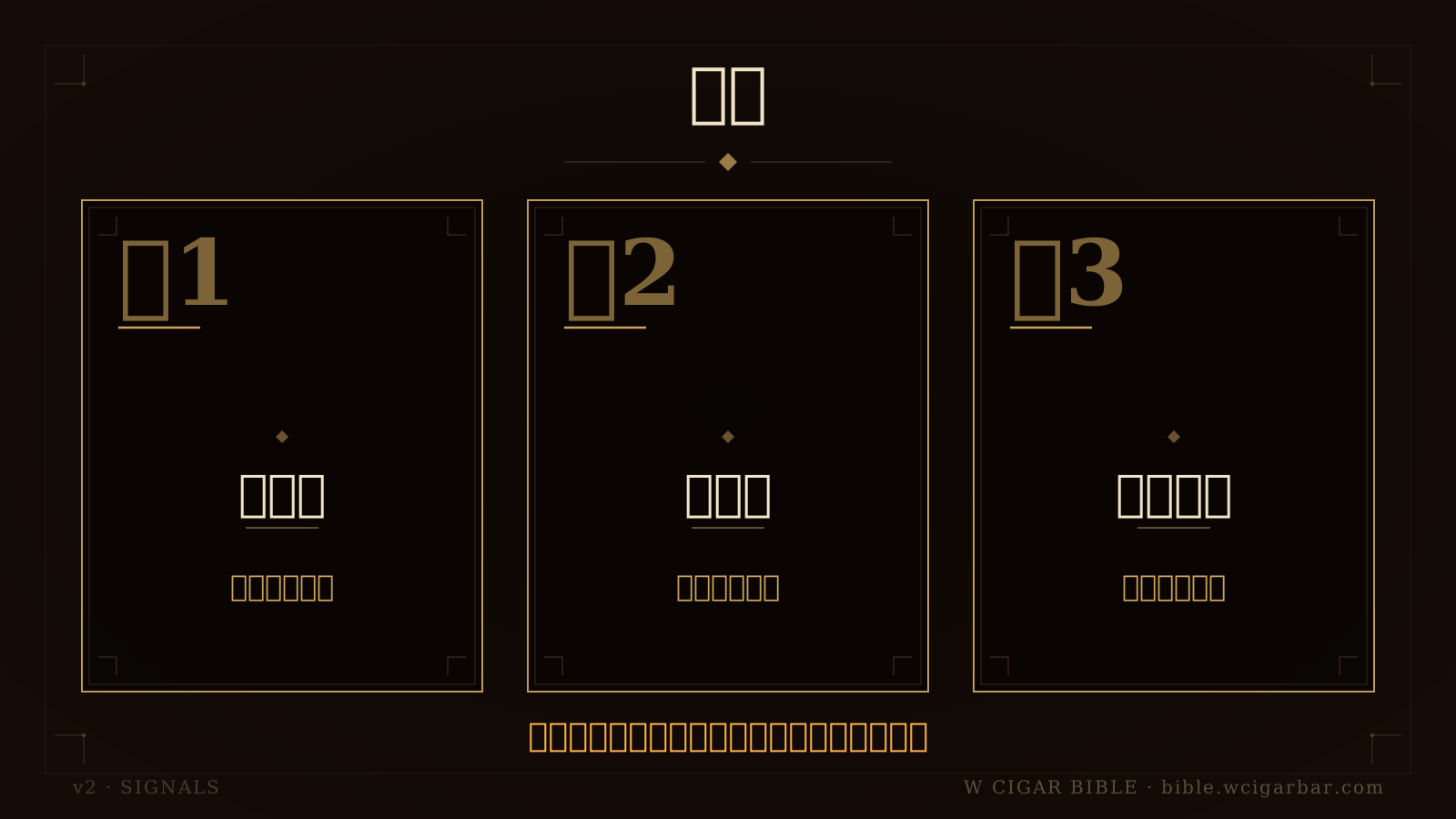
圖卡整理哥倫比亞咖啡與四號雪茄搭配時常見的三個誤解
Huila and Nariño: Two High-Mountain Tones of Emerging Specialty Regions
Huila is located in southwestern Colombia, sandwiched between the Central and Eastern Cordillera, with volcanic soil, valley terrain, and variable altitudes forming a very delicate regional expression. Common coffee flavors here include caramel, brown sugar, orange peel, nuts, cocoa, and gentle floral notes. Huila has gradually been recognized in specialty coffee competitions and international selections over the past twenty years, not because of exaggerated flavors, but because of high sweetness and acidity balance.
Nariño, on the other hand, is closer to the Ecuadorian border, with many coffee-growing areas at very high altitudes and significant nighttime low temperatures. High altitudes slow down fruit maturation, often resulting in brighter acidity, delicate citrus, spice notes, and clean sweet tones in the cup. Nariño's uniqueness lies in its ability to create a crisp structure near the equator through altitude, which is very appealing to those who like clear acidity and sweetness lines.
Huila is more like the round tone of caramel nuts, while Nariño is like the fine line tone of citrus acidity. When paired with Montecristo No.4, Huila will connect the cigar's cocoa, coffee, and woodiness more roundly; Nariño will make the light citrus and front brightness more prominent. Beginners can think of these two as two accents of the same language, one warm, one clear.
Personally, if I were to demonstrate the "least likely to deviate" version, I would start with Huila washed medium roast. Its caramel sweetness and nut base can make the medium body of Montecristo No.4 appear stable. If you want to practice identifying acidity, you can switch to Nariño and observe how light citrus appears simultaneously at both ends of the coffee and cigar.
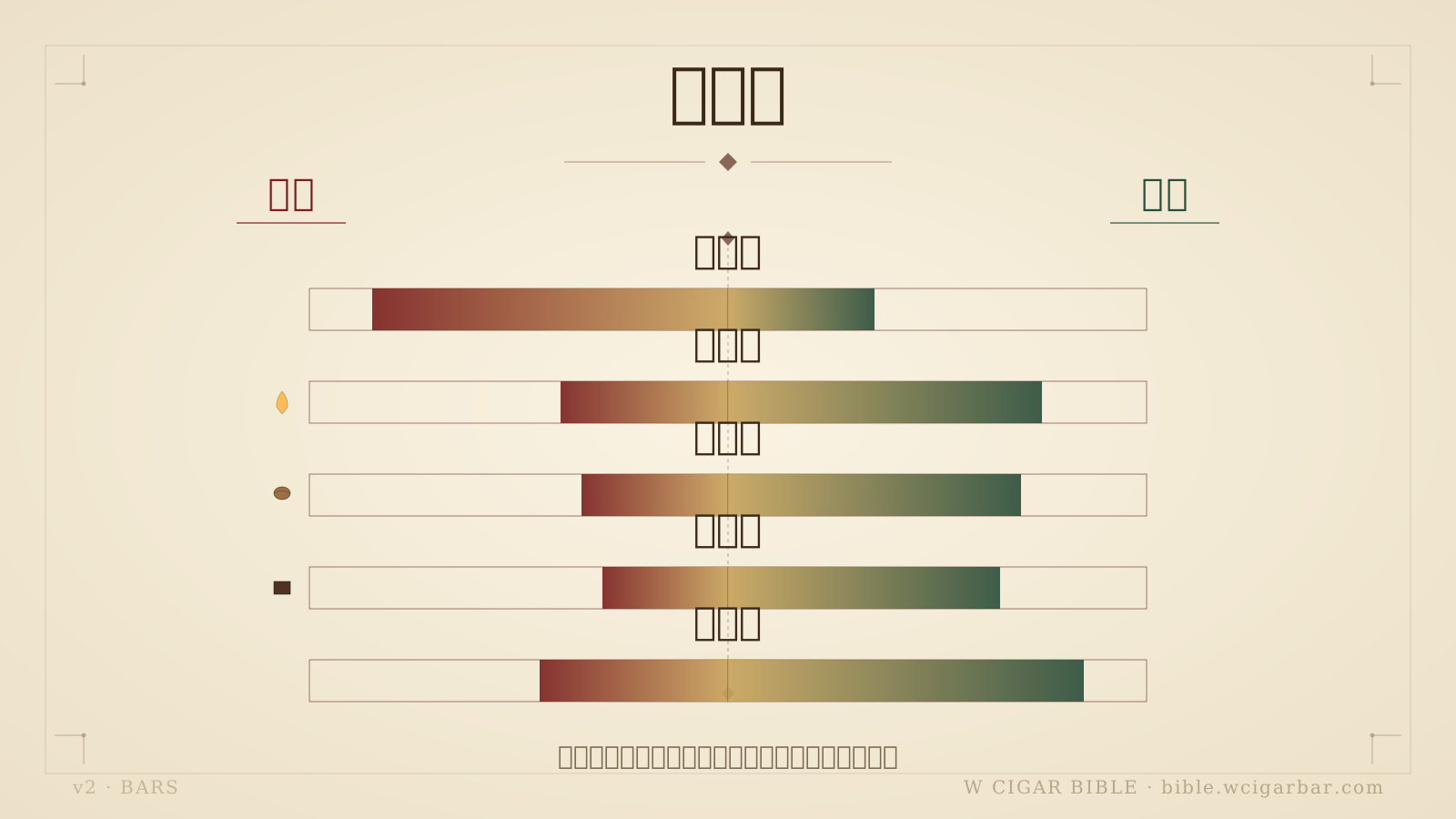
長條圖比較高酸取向與均衡取向在多個風味軸上的差異
Montecristo No.4: The Cocoa, Coffee, and Wood Framework in Mareva Size
Montecristo No.4 is a very representative Mareva size in Cuban cigars, 42 × 129mm. The advantage of this size is that the flavor progression speed is clear, unlike large ring gauges that take a long time to fully unfold, and unlike overly short sizes that can quickly let heat interfere with taste. For those understanding cigar pairing for the first time, it provides a sufficiently complete but not overly complex timeline.
Its typical flavor can be captured with four words: cocoa, coffee, wood, light citrus. The front often has cocoa powder, roasted coffee beans, and slight dry wood aroma, the middle stabilizes the woodiness, and the finish may show more obvious coffee bitterness and light citrus peel. The medium body is key because it won't completely cover the acidity and sweetness of Colombian coffee.
The advantage of Montecristo No.4 is that it inherently carries the vocabulary of coffee flavor wheels, allowing for literal-level homogenous connections with Colombian coffee. The so-called literal-level homogeneity is not a metaphor but rather that both sides will indeed be described as coffee, cocoa, nuts, wood, citrus. When the beverage and cigar share the same batch of flavor words, beginners don't have to jump into abstract imagination first but can directly find meeting points from the tongue and nasal cavity.
This cigar is also not suitable for being overwhelmed by overly concentrated, overly bitter, or overly sweet drinks. If the coffee is too bitter, the cocoa of Montecristo No.4 will be pushed into a burnt bitterness; if the coffee is too acidic, the light citrus may be amplified into sharpness. The reason why Colombian washed medium roast fits well is that its sweetness is enough, acidity is clear, and the finish is clean, just complementing the cigar's middle profile.
Caramel Nuts × Cocoa Coffee: How Homogenous Flavors Truly Occur
Let's first break down the first set of tokens: caramel nuts × cocoa coffee. The caramel note in Colombian coffee mainly comes from the Maillard reaction between sugars and amino acids during roasting, forming complex aromas similar to caramel, toasted bread, nuts, and cocoa. The cocoa and coffee tones of Montecristo No.4 come from the fermentation, aging, and combustion of tobacco leaves, producing roasted, woody, slightly bitter aromas.
When you first take a sip of Colombian coffee and then let the smoke of Montecristo No.4 pass through your mouth, the caramel sweetness on the coffee side will first leave a rounded base color on the tongue. Then the cocoa powder and coffee bitterness of the cigar come in, and the bitterness does not stand out alone but is enveloped by the caramel sweetness. At this point, you will feel that the cocoa is more like the edge of milk chocolate rather than dry, hard bitter powder.
The second set of tokens is citrus acidity × light citrus. Washed Colombian coffee often has the acidic aroma of orange peel, lemon candy, or citrus peel, and Montecristo No.4 also has light citrus, but it is usually not a juice sensation but like dried orange peel or slight citrus oil. When the two meet, the coffee acidity will brighten the front of the cigar, and the cigar woodiness will pull back the coffee acidity to a dry fragrance, preventing it from drifting away.
The most exciting chemistry of this pairing is not mutual masking but rather caramel nuts making cocoa coffee rounder, and citrus acidity making light citrus clearer. Beginners can use the three-sip method to observe: the first sip is just coffee, remember the acidity and sweetness; the second segment is just the cigar, remember the cocoa woodiness; the third time is crossed, observe which flavor becomes more prominent. As long as you can say "sweetness makes bitterness rounder" or "acidity makes citrus brighter," you've already grasped the core of the pairing.
Another often overlooked point is temperature. When the coffee is too hot, the bitterness and volatile aroma will appear urgent, easily making the cigar smoke dry. When the coffee cools to a warm range, caramel, nuts, and chocolate will be more stable, and Montecristo No.4's woodiness and cocoa can also stick better.
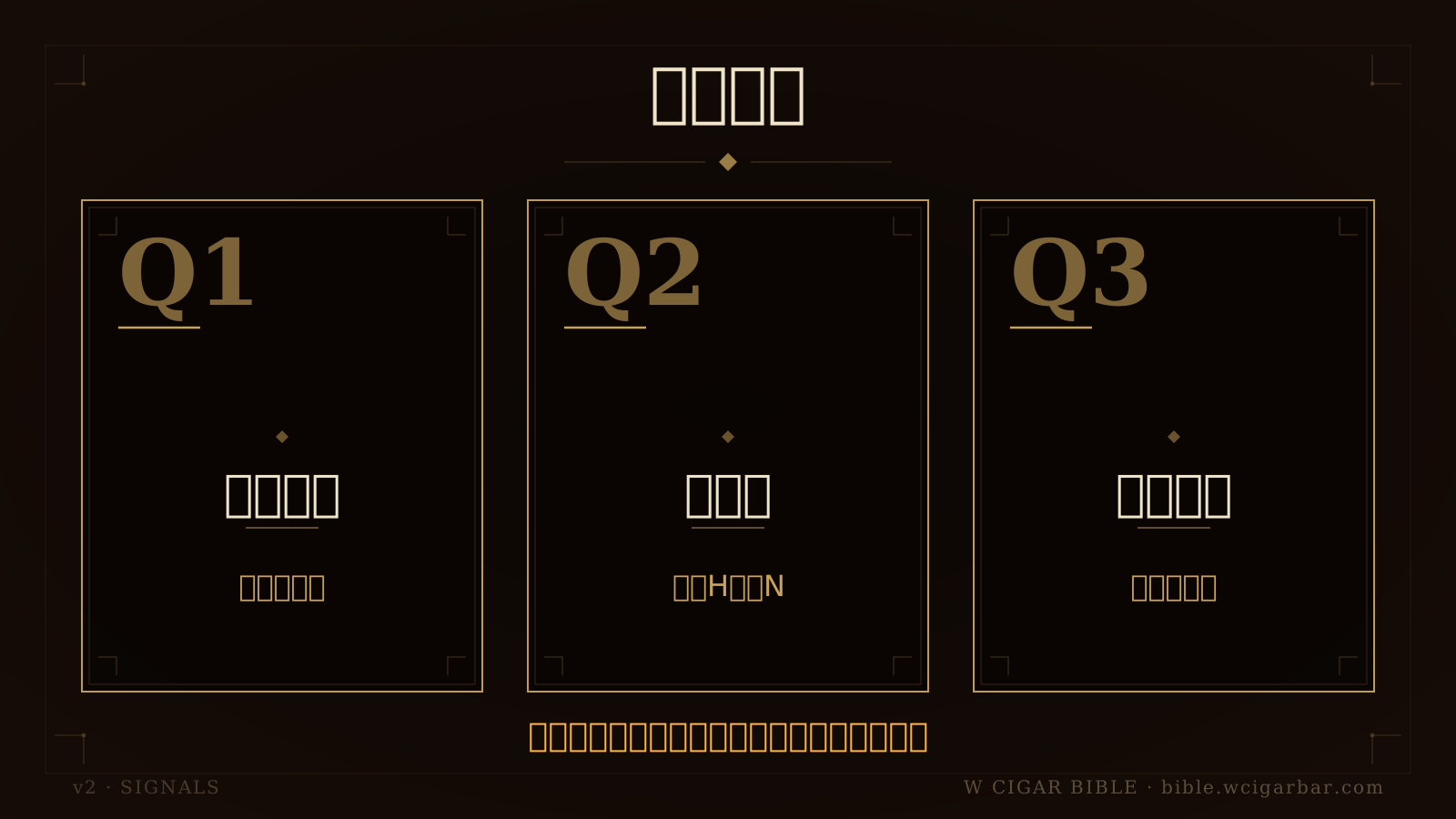
快問快答圖卡回答新手入門產區選擇與處理法問題
Brewing Ratio and Pairing Rhythm: A Zero-Pressure Approach for Coffee Beginners
If pairing Colombian coffee with Montecristo No.4 using pour-over, I would recommend starting with medium-roast washed beans, with a grind size between medium-fine and medium. The coffee-to-water ratio can be 1:15 to 1:16, with a water temperature of about 90 to 93°C. The goal is not to pursue extreme extraction but to allow sweetness and acidity to coexist. If the extraction time falls between 2 minutes 30 seconds to 3 minutes 15 seconds, most beginners are more likely to get a clean, balanced cup.
If using espresso or American-style, it can also be paired, but pay attention to concentration. The high density of bitterness and sweetness in espresso may push the cocoa of Montecristo No.4 thicker, suitable for those who want to see "coffee × coffee" overlap. If American-style is properly diluted, it can retain caramel and nuts while making light citrus clearer, more friendly for first-time pairing practice.
The most stable rhythm is to first drink coffee to establish a sweet and sour base, then feel the cigar's cocoa woodiness, and finally use a small sip of coffee to close the finish. Don't rush to cross continuously, as the taste buds need time to distinguish the coffee's acidity and sweetness from the cigar's smoke weight. Leaving a little blank between each cross makes it easier to see how the flavors move.
I often remind beginners that pairing is not an exam, and you don't have to say ten flavor words with every sip. You just need to remember four things: whether the coffee has caramel sweetness, whether nuts appear, whether the cigar cocoa becomes round, and whether citrus becomes clear. If you can answer these four things, you've already captured the golden ratio of Colombian coffee and Montecristo No.4.
Common Questions
The key to pairing Colombian coffee with Montecristo No.4 is to establish clear coordinates with balanced coffee, not to pursue dramatic conflict.
Is it suitable to start with this pairing for the first time encountering cigars?
It's suitable for understanding flavors, but the premise is to slow down the pace. Montecristo No.4 is medium-bodied, and Colombian coffee has clear acidity, sweetness, and caramel nuts, making it easier for beginners to distinguish the meeting points of both sides.
How to choose between Huila and Nariño?
If you want a round, caramel, nut, cocoa feel, you can start with Huila. If you want to observe citrus acidity and high mountain brightness, Nariño will have more lines.
Is washed Colombian always more suitable than natural?
Not absolutely, but washed is more suitable for beginners to practice. Because its acidity, sweetness, and finish are cleaner, it makes it easier to identify the cocoa, coffee, and woodiness of Montecristo No.4.
How deep should the coffee roast be?
Medium to medium-dark roast is usually the most stable. Too light may make the acidity sharp, too dark may leave only bitterness and sweetness, covering the cigar's delicate light citrus.
Can milk be added?
Yes, but the flavor logic will change. Milk will increase the creamy sweetness, making cocoa coffee softer, but it may also reduce the response of citrus acidity and light citrus.
Why is it called balance against balance?
The acidity, sweetness, nuts, and chocolate of Colombian coffee are arranged clearly, and the cocoa, coffee, wood, and light citrus of Montecristo No.4 are not extreme. They do not suppress each other but calibrate each other on similar flavor wheels.
If you only remember one sentence: Colombian coffee is responsible for arranging caramel, nuts, citrus, and chocolate into a clear formation, while Montecristo No.4 responds with cocoa, coffee, wood, and light citrus. This pairing does not rely on exaggerated impact but on a sense of proportion; for coffee beginners and cigar flavor learners, it is the most stable lesson.
Further Reading|Complete Guide to Coffee Origins and Roasting: From African Floral Fruits to Asian Thick Soil Flavor Spectrum, with Cigar Pairing Overview|Kenya AA Coffee's Blackcurrant Acidity: Double Fermentation Washed Juice Feel, Paired with Por Larrañaga Picadores|Brazilian Coffee's Nutty Cocoa Low-Acidity Richness: The World's Production King with Natural Tradition, Paired with Bolívar Petit Coronas
—Cigar Prince Wilson Tsai
Smoking is harmful to health. No smoking under the age of twenty. Quitline: 0800-636363. This article is for reference by adults over the age of twenty on cigar culture, preservation, and regulatory knowledge, not a tobacco advertisement, promotion, or purchase suggestion.
Like this article?Share with friends
Share this W Cigar Bible piece with friends who want to learn cigar culture, storage, and tasting.
想把這篇 化為實踐
雪茄聖經是知識;雪茄文化要在空間裡發生

W Cigar Bar 大安總店資訊
台北大安區 · 雪茄聖經總編輯 Wilson Tsai 主理的雪茄文化空間
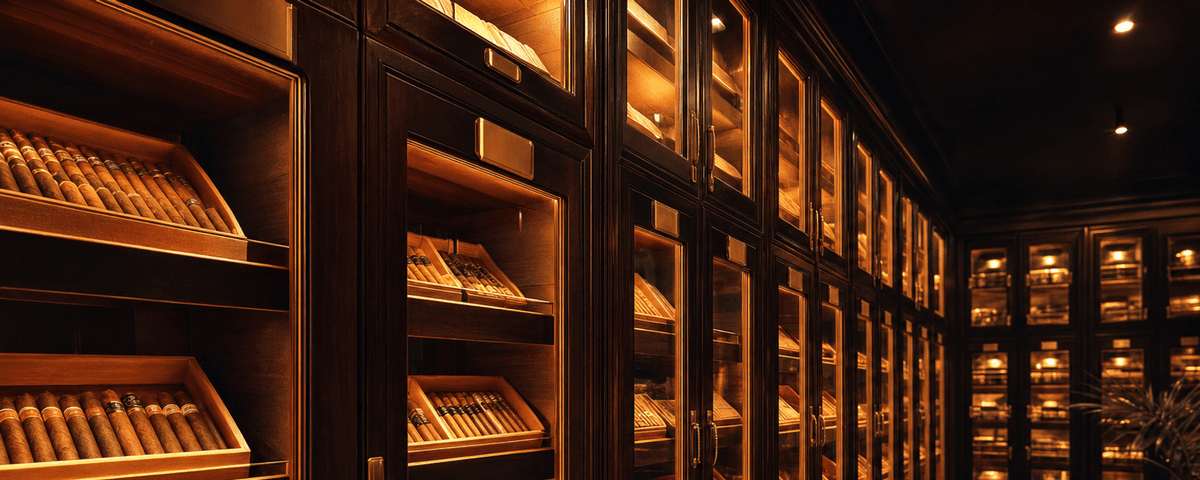
33 座 24 小時恆溫恆濕醇化室
W Cigar Bar 提供的會員醇化空間 · 場地資訊請洽編輯部
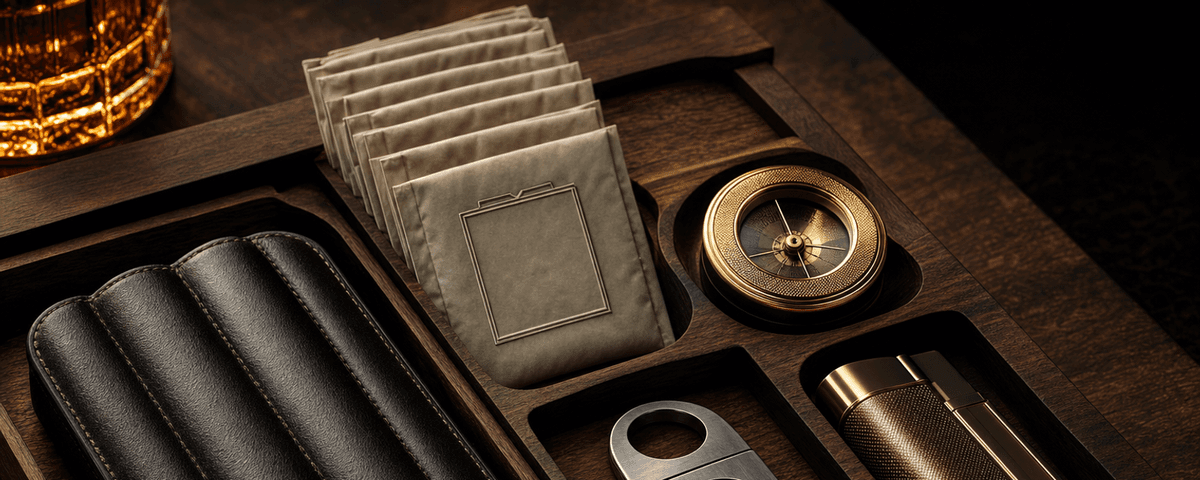
雪茄剪 / 打火機 / 雪茄盒 / Boveda
W Cigar 配件官網 · 專營雪茄配件正品
加 LINE 好友 · 文化諮詢
文化空間資訊 · 紳士沙龍 · 私人包場
本網站內容僅供雪茄文化、歷史、收藏與品吸知識研究參考。菸品有害健康、未滿法定年齡者請勿吸菸。實際規範請依所在地法律為準。
吸菸有害健康・戒菸專線 0800-636363・本站僅供 20 歲以上成年人閱覽。
讀到這裡,你不只是路過的人
留下 Email,加入 W 雪茄聖經內圈——總編輯 Wilson Tsai 親選的學院深文與國際新訊,先你一步送到信箱。
· 教育用途非銷售 · 隨時一鍵退訂 · Email 絕不對外公開 · 由勝茄股份有限公司營運
同分類延伸閱讀

資料來源:W Cigar Bible 編輯部整理 · 雪茄王子 Wilson Tsai 親自審稿
本文僅供雪茄文化、歷史、收藏與品鑑知識研究,不作為菸品促銷、銷售或購買建議。吸菸有害健康,未滿二十歲不得吸菸。