咖啡產區與烘焙完整指南:從非洲花果到亞洲厚土的風味光譜,與雪茄搭配總覽
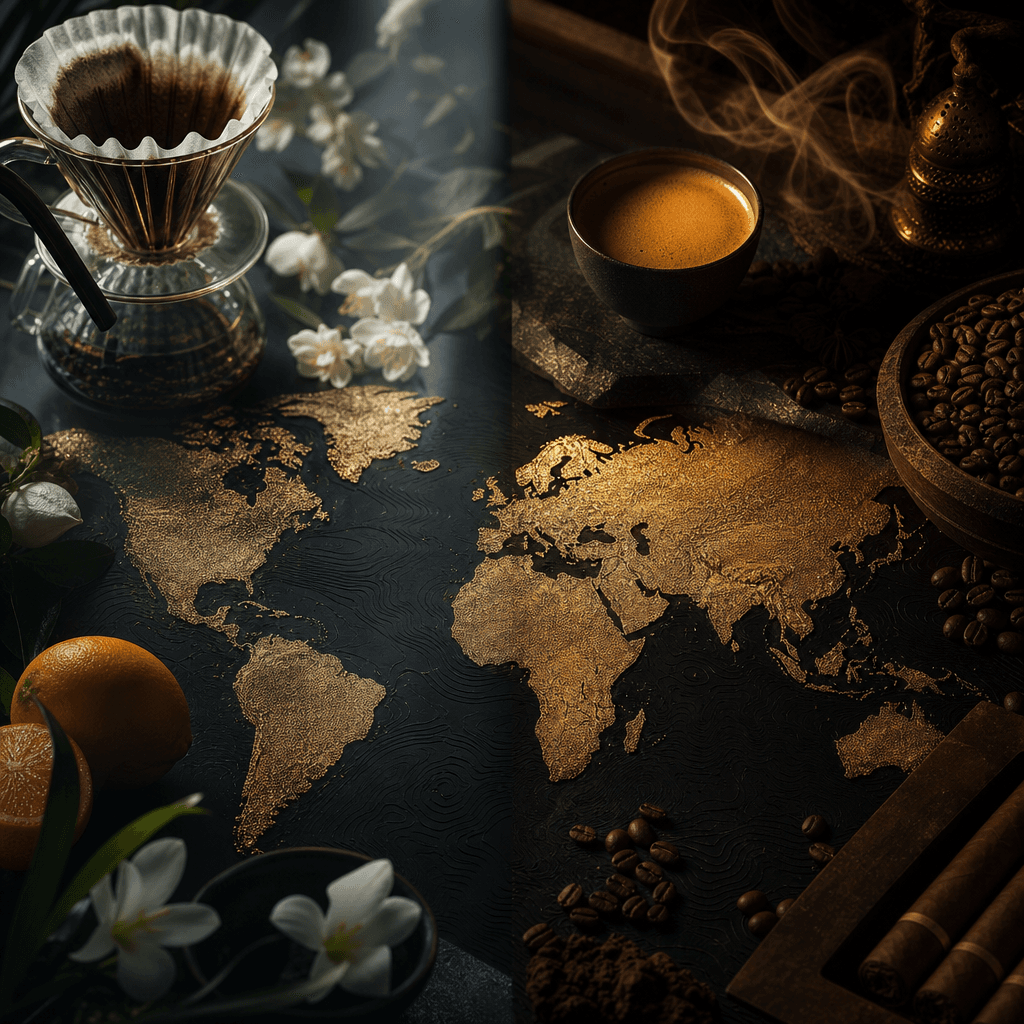
咖啡與雪茄的搭配,不只看「苦配苦」或「濃配濃」。本文以咖啡產區、處理法、烘焙度、豆種與萃取邏輯建立總覽地圖,並以 Hoyo de Monterrey Epicure No.2、Montecristo No.4、Partagás Serie D No.4 說明淺中深焙如何對應雪茄濃度與風味化學。
- 咖啡產區可先分非洲花果、中南美平衡、亞洲厚土三條主軸。
- 烘焙度是咖啡 雪茄搭配核心,決定酸甜苦與煙燻共振。
- 手沖重透明層次,義式重油脂密度,會改變雪茄口感銜接。
Coffee Regions and Roasting Complete Guide: From African Floral and Fruity to Asian Earthy Flavors, with a Cigar Pairing Overview
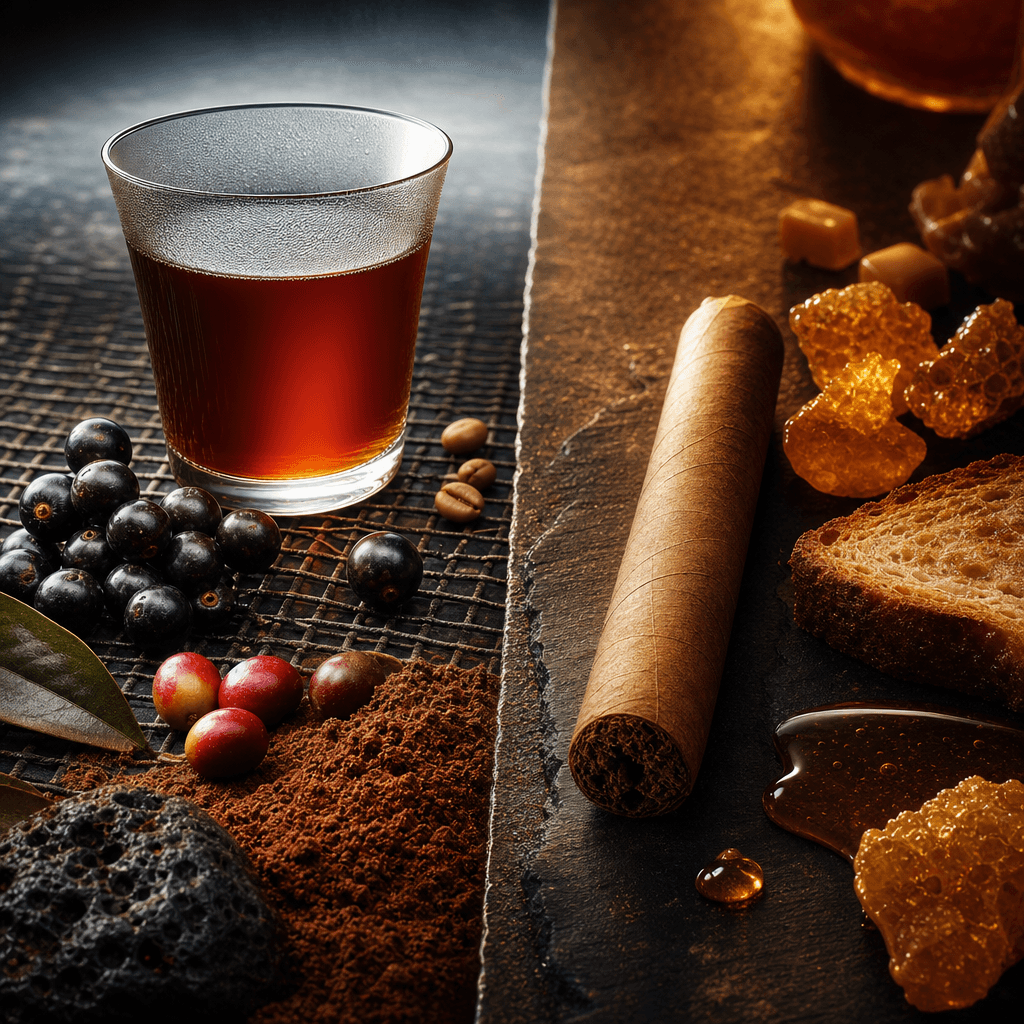
Coffee regions meeting Hoyo de Monterrey Epicure No.2 is the cleanest starting point for understanding coffee and cigar pairing. As an editor of the "Cigar Bible," I often say that coffee is not just a bitter liquid beside a cigar, but a flavor map woven together by regions, processing methods, roasting levels, and extraction methods. Once you understand this map, you'll know why the same cigar brightens with Ethiopian washed light roast and thickens with Mandheling dark roast.
This is an overview page; we are not in a hurry to delve into a single bean but first establish the framework most needed by coffee beginners. From African floral and fruity, Central and South American nutty caramel, to Asian earthy herbal; from washed, sun-dried, honey processing, to light, medium, and dark roasting; then to the differences between pour-over and espresso extraction, and finally back to cigars. You will see that "Maillard reaction in roasting × aromatic compounds from tobacco fermentation," "fruit acid × butter complement," "crema oil × smoke oil homogeneity" are not just fancy terms but real encounters in the cup and smoke.
流程圖依序顯示產區、處理、烘焙、萃取到配對雪茄
Coffee Region Map: African Floral and Fruity, Central and South American Balance, Asian Earthy
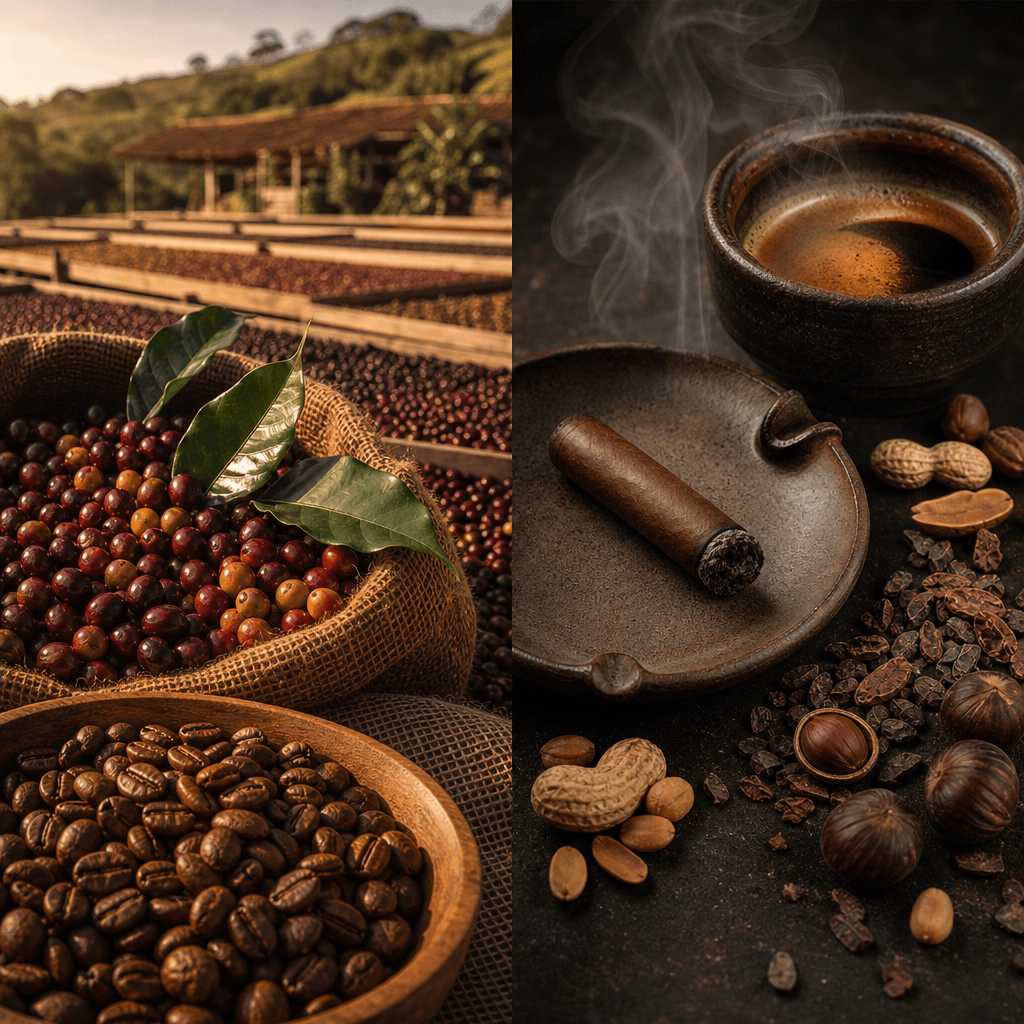
Coffee regions first look at the coffee belt on both sides of the equator, roughly located between the Tropics of Cancer and Capricorn, where altitude, rainfall, diurnal temperature variation, and soil jointly shape the cup profile. African regions are often regarded as the floral and fruity classroom of specialty coffee vocabulary, with Ethiopia and Kenya being the most representative. Ethiopia is an important origin of Arabica, with Yirgacheffe, Guji, and Sidamo often exhibiting jasmine, citrus, berry, and bergamot-like high notes.
Kenya is famous for varieties like SL28 and SL34, often showing blackcurrant, tomato leaf, grapefruit, and bright phosphoric acid. This acid is not thin and sharp but draws a clear line on the side of the tongue, making the sweetness in the later stages more three-dimensional. The pairing value of African coffee lies in using floral and fruity acids to enhance the clarity of the cigar's front end. If the cigar itself has creamy, cedar, and light honey tones, African light roasts can often make the edges of the smoke more lustrous.
Central and South America is the school of balance, with Colombia, Brazil, and Guatemala each having their focus. Colombia, due to the Andes and diverse microclimates, often has red fruit, caramel, nuts, and medium acidity; Brazil, with abundant sunshine, often shows hazelnut, cocoa, and peanut butter-like thickness and sweetness; Guatemala, under the conditions of Antigua volcanic soil and high altitude, will exhibit cocoa, spices, citrus, and smoky mineral feel. Asian Indonesian Mandheling, on the other hand, leans towards earthy, herbal, low acidity, and woody, particularly able to carry the rich cigar's later-stage bitterness and leather.
Three Mainstream Processing Methods: How Washed, Sun-dried, and Honey Processing Change the Cup Structure
The core of washed processing is to remove the pulp and mucilage, then clean it through fermentation and washing, followed by drying. It makes the bean's variety, altitude, and soil signals more transparent, so the acid lines are clean, and floral and citrus notes are easily recognizable. When pairing washed coffee with cigars, it is more like a white light, outlining the contours of tobacco's cedar, hay, cream, and white pepper.
Sun-dried processing retains the whole coffee fruit for drying, and the sugars and fermentation by-products in the pulp deeply affect the bean core. The cup often shows dried berries, wine-like feel, tropical fruits, ripe bananas, and fermented sweetness, with a fuller mouthfeel. Sun-dried coffee doesn't just become sweet but pushes up ester fruit aromas and fermentation thickness together. If the cigar itself has cocoa, ripe fruit, roasted nuts, sun-dried medium roast will make the middle section appear more rounded.
Honey processing is between washed and sun-dried, retaining different levels of mucilage for drying, commonly seen as white honey, yellow honey, red honey, and black honey classifications. The more mucilage retained, the sweeter and thicker the mouthfeel usually is, but fermentation management also tests process stability. For cigar pairing, honey processing is suitable for making a "bridge," having the cleanliness of washed and the sweetness of sun-dried. When encountering a medium-bodied cigar like Montecristo No.4 with cocoa and woody notes, honey processed medium roast can often connect acid, sweet, and bitter into a smooth curve.
三張卡整理烘焙、產區與萃取對咖啡雪茄搭配的重點
Coffee Roasting Spectrum: Light, Medium, and Dark Roasts and the Cigar Strength Formula
Coffee roasting is not simply about color depth but how heat energy rewrites the structure of sugars, organic acids, amino acids, and fibers. Light roast retains more regional signals, with distinct acidity and clear floral and fruit notes; medium roast increases Maillard reaction products, with nuts, caramel, and cocoa gradually appearing; dark roast brings out caramelization, bittersweet, smoky, dark chocolate, and charred edges. Roasters control the bean entry temperature, yellowing point, first crack, development time, and drop temperature, essentially deciding where to place the flavor's center of gravity on the acid, sweet, or bitter end.
Cigars are also agricultural products after fermentation and aging, with sugars, proteins, and polyphenols in the tobacco leaves transforming into leather, wood, spices, cocoa, and smoke during processing. When coffee enters medium-dark roast, the pyrazines, furans, and pyrroles produced by the Maillard reaction will echo the roasted and nutty tones of tobacco fermentation. The main formula for coffee roasting levels corresponding to cigar strength is light roast for elegance, medium roast for balance, and dark roast for robustness. This is not a rigid rule but a starting point to avoid mutual suppression of bitterness in the cup and char bitterness in the smoke.
| Coffee Roasting Level | Main Axis in the Cup | Suitable Cigar Strength | Flavor Chemistry Intersection | Example |
|---|---|---|---|---|
| Light Roast | Floral, Citrus, Berry Acidity | Elegant to Medium | Fruit Acid × Butter Complement | Hoyo de Monterrey Epicure No.2 |
| Medium Roast | Nuts, Caramel, Cocoa | Medium | Maillard Reaction × Tobacco Fermentation Aromatic Compounds | Montecristo No.4 |
| Dark Roast | Dark Chocolate, Smoky, Bittersweet | Medium to Robust | Caramelization Bittersweet × Leather Wood Overlap | Partagás Serie D No.4 |
| Espresso Dark Roast Orientation | Crema, Concentrated Sweet-Bitter, Oil | Robust, Spicy Obvious | Crema Oil × Smoke Oil Homogeneity | Rich Robusta Blend and Full-bodied Cigar |
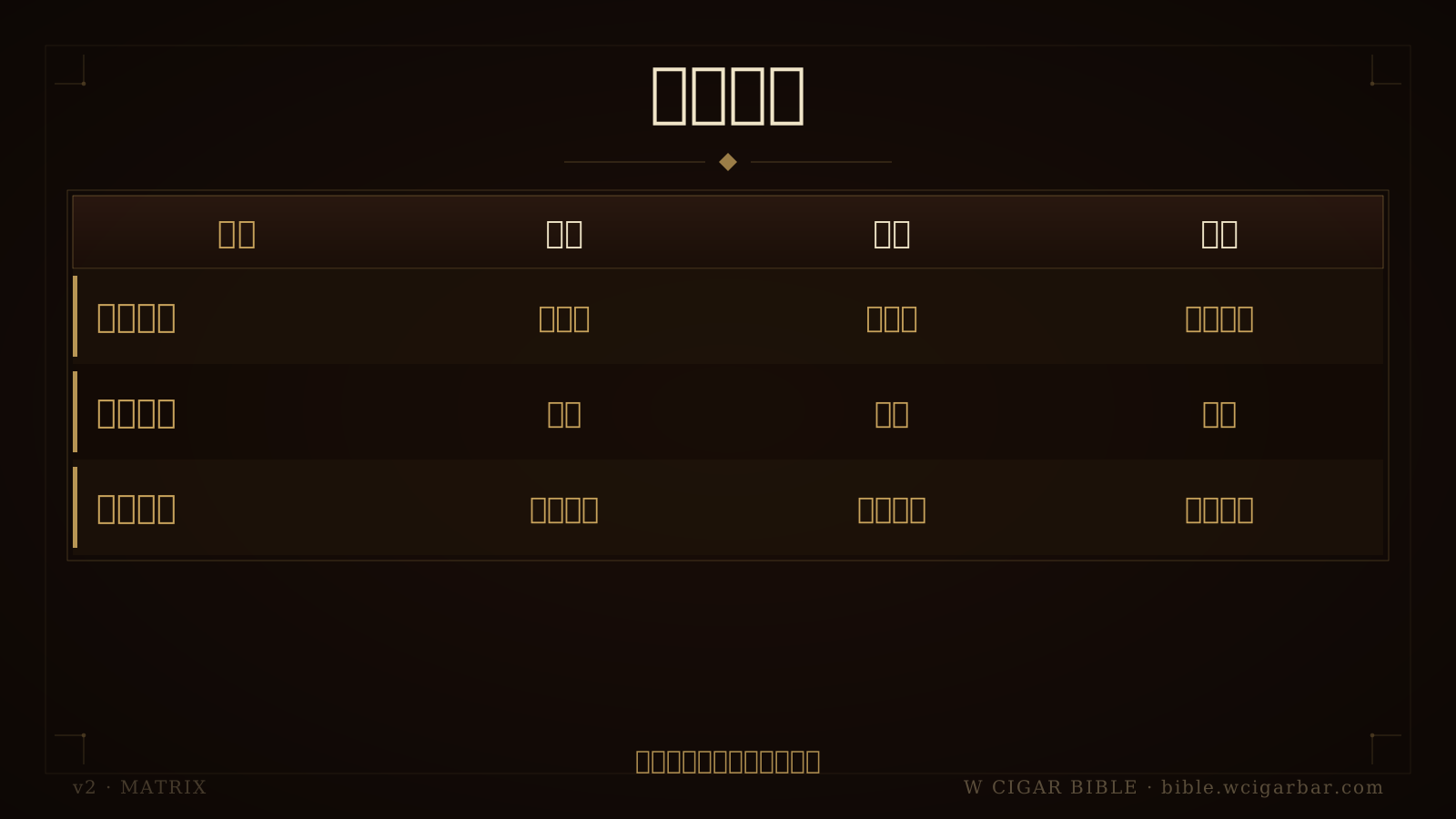
矩陣比較淺焙中焙深焙的杯中主軸、雪茄濃度與香氣交會
Arabica and Robusta: Bean Differences Are Not Hierarchical, but Functional
Arabica grows mostly at higher altitudes, with a wide range of flavor details, acidity, floral, and sweetness variations, making it the most common protagonist in single-origin coffee. Its variety world is vast, from Typica, Bourbon, Caturra, Geisha to Ethiopian local varieties, each with different cupping vocabulary. In terms of cigar pairing, Arabica's advantage is in providing finer counterpoints, like breaking down smoke into wood, cream, spices, and nuts into several lines.
Robusta is often misunderstood as rough, but its functionality is very clear. It usually has higher caffeine, more pronounced bitterness, graininess, rubbery feel, and heavier body, and can provide stable crema in espresso. The value of Robusta in pairing is not in delicate floral notes but in oil, bittersweet, and structural support. When used in espresso blends, it can support cigars like Partagás Serie D No.4, which have higher strength and more pronounced spiciness.
Caffeine and drinking rhythm should also be considered, as they affect sensory speed, not just mental perception. High caffeine, dark roast, or concentrated brewing methods will make the taste quickly enter the bittersweet and thickness area; light pour-over can retain more space for the herbal, woody, and creamy front end of the cigar. My approach is to divide coffee into "opening calibration" and "mid-to-late stage support" roles, using clear acid-sweet for the former and oil and bittersweet for the latter. This way, coffee won't steal the cigar's narrative but catch its transitions.
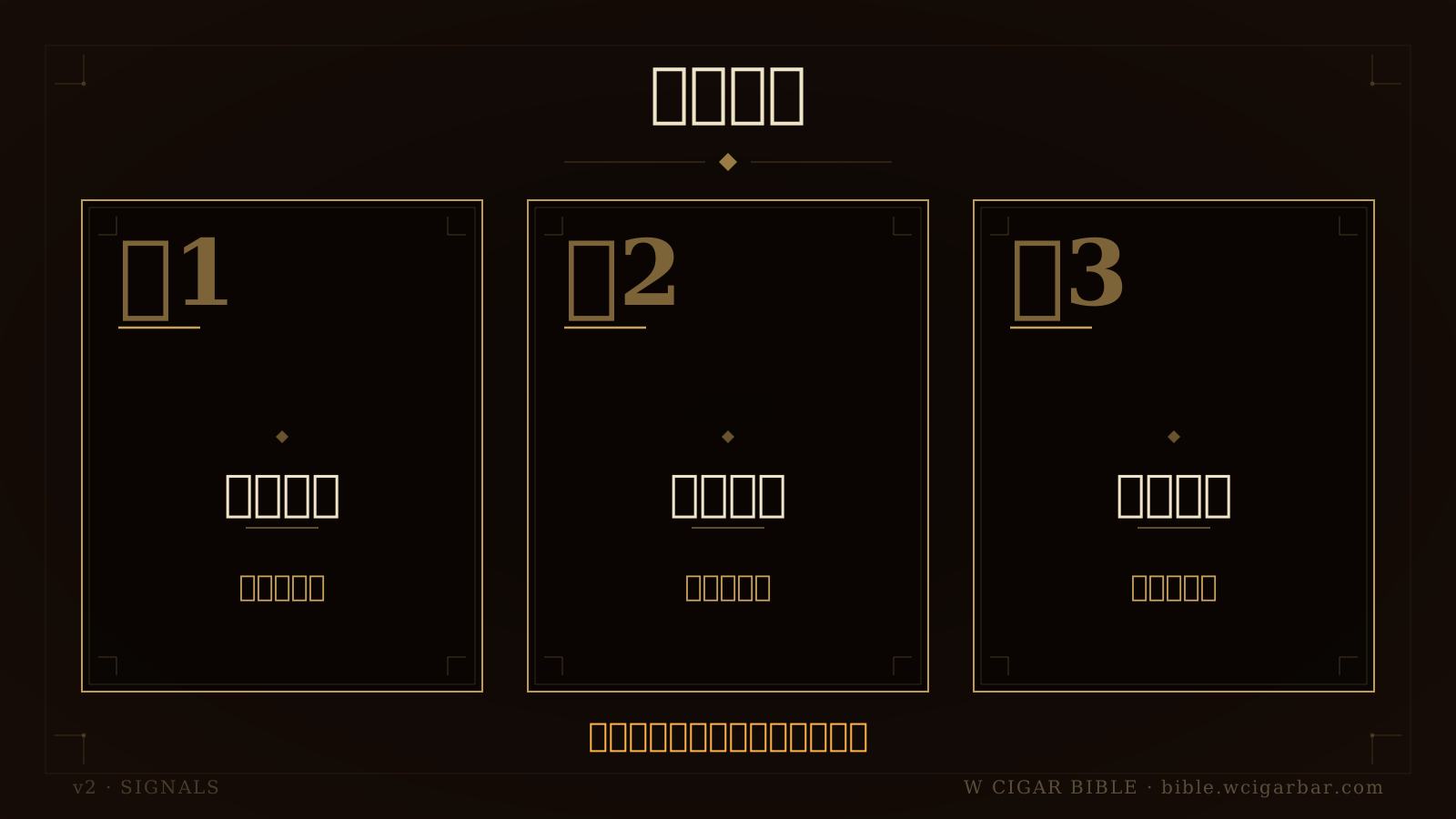
三張誤區卡指出只看濃度、深焙萬用與尖酸硬配的問題
Pour-over and Espresso: Extraction Logic Determines Coffee and Cigar Mouthfeel Connection
The key to pour-over is the coffee-to-water ratio, grind size, water temperature, pouring rhythm, and extraction rate. Generally, pour-over allows aromatic substances to unfold in a more transparent way, with clear acid-sweet layers, not necessarily thick but with clean lines. When using V60, Kalita, Origami, or paper filter devices, the paper filter will block some oils, making the cup brighter. This cleanliness is very suitable for pairing with elegant to medium cigars, as the smoke won't be prematurely enveloped by coffee oils.
Espresso is extracted with fine grinding, high pressure, and short time, forming a high concentration of solutes and crema. Crema is not a mysterious foam but a layer composed of carbon dioxide, emulsified oils, and fine solids, carrying nutty, caramel, cocoa, and bittersweet signals. Pour-over is like a lens, espresso like a subwoofer; the former magnifies details, the latter pushes thickness. When the cigar enters the mid-to-late stage, the oiliness of espresso can adhere to the lipid-soluble aromas in the smoke, forming a longer finish.
Under-extraction and over-extraction are the most common sources of imbalance in coffee and cigar pairing. Under-extraction will show sharp acidity, hollowness, and greenness, making the cigar's bitterness appear abrupt; over-extraction brings astringency, woodiness, and coarse bitterness, easily pushing the leather and pepper of tobacco too hard. If single-origin coffee is to be paired with cigars, I prefer to let the extraction slightly lean towards the sweet center rather than pursuing extreme acidity. Espresso should avoid being only bitter, otherwise, dark roast and rich cigars will become two walls colliding.
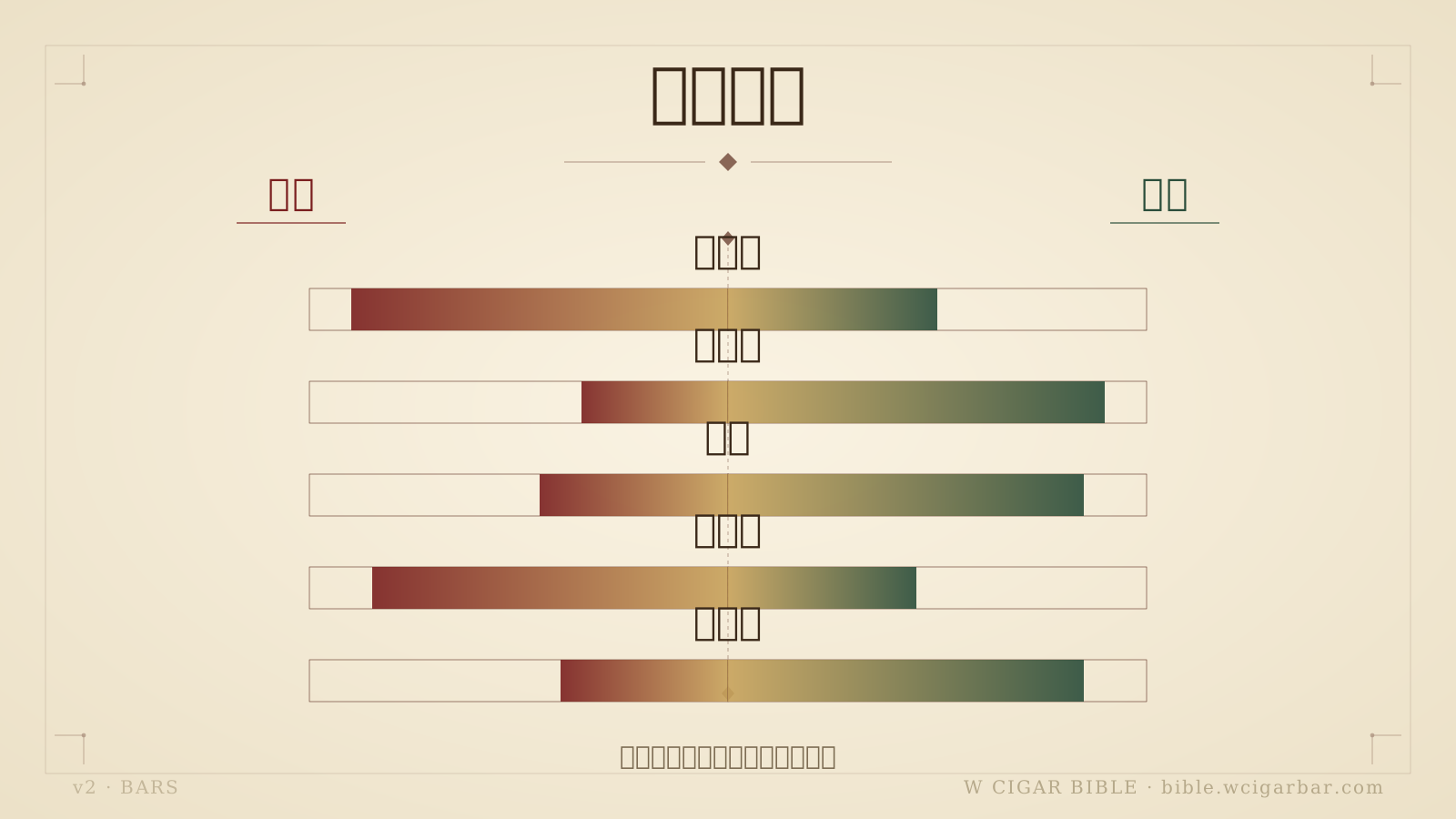
橫向長條比較手沖與義式在透明度、油脂感、濃度與厚實度的差異
From Single-Origin Coffee to Three Cigars: Practical Map of Light, Medium, and Dark Roasts
Hoyo de Monterrey Epicure No.2 is often used by me to illustrate the elegant pairing of light roast coffee. Its typical profile includes cream, cedar, light floral, toasted bread, and gentle spices, with strength not winning by pressure. If paired with Ethiopian washed light roast, citrus acidity and jasmine aroma will form a "fruit acid × butter complement" with the cigar's creamy tone, like lemon butter sauce brightening the tongue. At this time, the coffee should not be too strong, and the pour-over ratio can maintain clarity, allowing the front-end smoke to have an airy feel.
Montecristo No.4 is a classic counterpart to medium roast coffee because it itself has cocoa, coffee, wood, leather, and slight spiciness. The caramel, almond, and cocoa tones of Colombian or Guatemalan medium roast can form a "Maillard reaction × tobacco fermentation aromatic compounds" with the roasted aroma after tobacco fermentation. The focus of medium roast and Montecristo No.4 is to align the sweet-bitter ratio, not to make either side louder. If the coffee has a bit of red fruit acidity, it can also bring out the cocoa feel of the cigar's middle section with a slight dried fruit edge.
Partagás Serie D No.4 is suitable for understanding in the context of dark roast or espresso. It often has robust wood, leather, black pepper, soil, roasted nuts, and strong presence, and if paired with too sharp a light roast, it can easily appear acid-bitter separation. Dark roast Mandheling, Brazilian dark roast, or espresso blends can carry its power with dark chocolate, smoky, caramelized bittersweet. Especially "crema oil × smoke oil homogeneity" will make the mid-palate denser, with the finish shifting from spiciness to dark cocoa and wet wood.
Caffeine and Drinking Rhythm: Putting Cup Volume, Strength, and Cigar Segments on the Same Table
Caffeine does not directly equate to bitterness, but it often influences drinking rhythm along with bean type, extraction concentration, and cup volume. Robusta usually has higher caffeine, espresso, although small in single cup volume, has high concentration; pour-over has larger volume and longer rhythm. For pairing, the focus is not on seeking stimulation but on allowing the taste to have clear steps in the cigar's front, middle, and back stages. If you start with too thick coffee, the cigar's front-end details are easily suppressed.
I would divide a coffee and cigar pairing into three time points. In the front, first calibrate the tongue with small sips of coffee, confirming the main axis of acid, sweet, and bitter; in the middle, let coffee and smoke intersect, observing whether nuts, cocoa, and wood overlap; in the back, decide whether to add a thicker espresso or dark roast. A truly stable rhythm is to let coffee rise with the cigar's strength, not to reach the end from the first sip.
Cup temperature will also change interpretation. Hot coffee has elevated aromas and more pronounced acidity; as it cools, sweetness, bitterness, and texture become clearer. When pairing pour-over single-origin coffee with Hoyo de Monterrey Epicure No.2, I would let the coffee be drunk from hot to warm, observing how citrus and cream turn into honey bread. When pairing espresso with Partagás Serie D No.4, it's important to understand the oil connection while the crema is still intact, then see if the dark chocolate and tobacco bittersweet remain balanced after cooling.
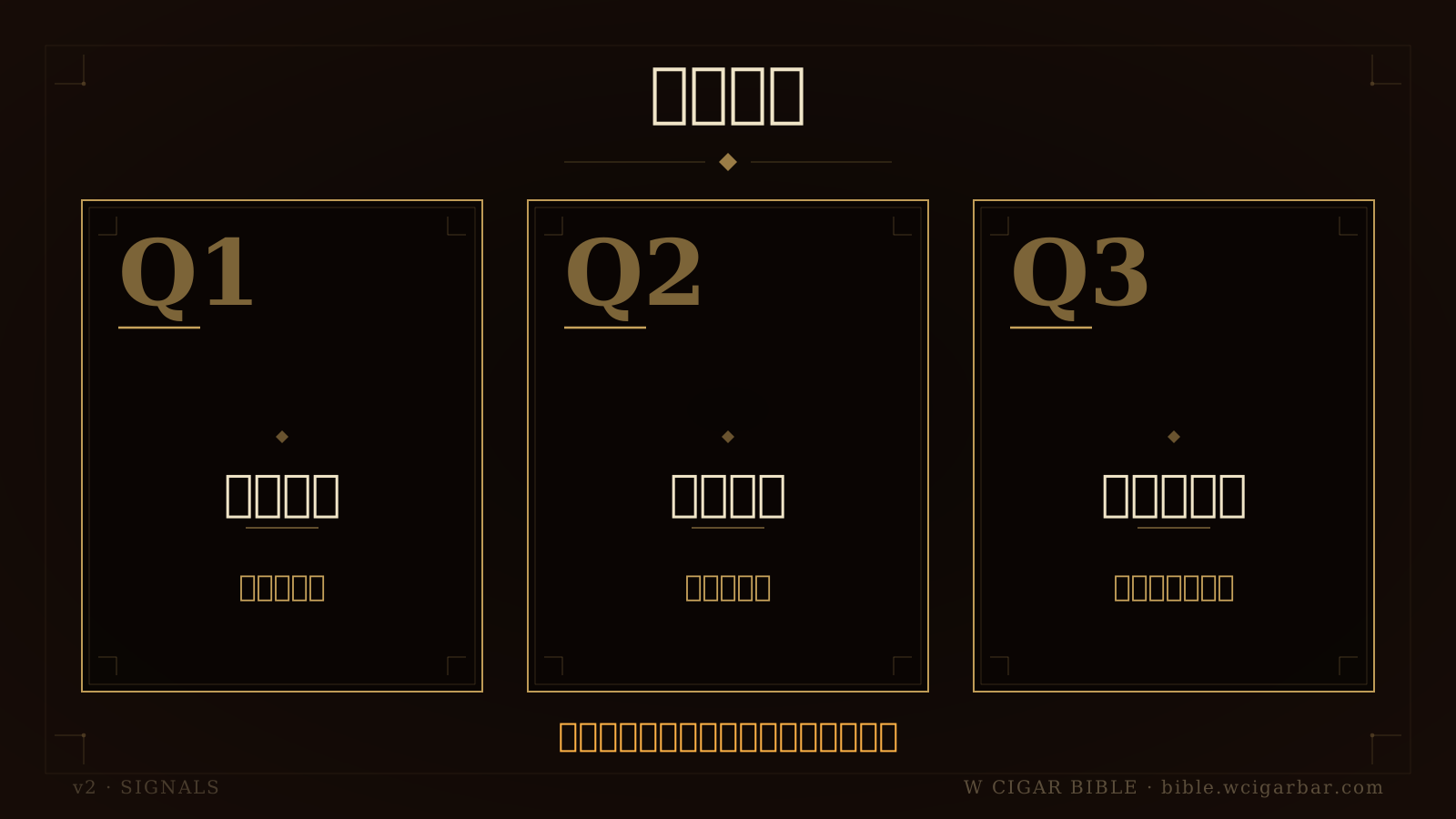
三張問答卡回答烘焙學習、單品義式與曼特寧搭配原因
Full Series Pairing Guide
Below is the complete sub-axis deep reading of this main axis, covering the full flavor spectrum, each article is a specific beverage × a specific cigar:
- Complete Analysis of Yirgacheffe Washed Coffee: Ethiopian Highlands of Jasmine and Lemon Peel, Paired with Hoyo de Monterrey Epicure No.2
- Blueberry Wine Aroma of Ethiopian Natural Coffee: Wildness of Sunlight Fermentation, Paired with Romeo y Julieta Wide Churchill
- Blackcurrant Acidity of Kenya AA Coffee: Juicy Feel of Double Fermentation Washed, Paired with Por Larrañaga Picadores
- Colombian Coffee Balance Textbook: Caramel Nuts of the Three Andes Ranges, Paired with Montecristo No.4's Golden Ratio
- Brazilian Coffee's Low Acid Nutty Cocoa: Sun-dried Tradition of the World's Production King, Paired with Bolívar Petit Coronas
- Guatemala Antigua Coffee: Smoky Cocoa Surrounded by Three Volcanoes, Paired with Partagás Serie E No.2's Rich Framework
- Floral Legend of Panama Geisha Coffee: Jasmine and Bergamot of Boquete Highlands, Paired with Cohiba Lanceros' Legendary Slimness
- Mandheling Coffee Wet Hulled Method: Herbal Earth of Sumatra, Paired with Ramón Allones Specially Selected
- How to Differentiate Washed, Sun-dried, and Honey Processing: Flavor Divergence of Three Coffee Processing Methods, with Montecristo No.2 as a Same Stick Comparison Experiment
- Complete Analysis of Coffee Roasting Levels: Flavor Watershed of Light, Medium, and Dark Roasts, Corresponding to Cigar Strength Pairing Formula
- Nine Atmospheres of Espresso Coffee: Crema Oil and Charred Essence, Paired with Partagás Shorts' Morning Ritual
- American Coffee and Daily Pour-over: Accessible Black Coffee Guide, Paired with José L. Piedra Petit Cazadores
- Cuban Coffee Cafecito Culture: Havana Morning of Whipped Espuma with Sugar, Paired with Cohiba Siglo II's Original Combination
- Milk Aroma Study of Latte and Cappuccino: Smooth Envelopment of Steamed Milk Microfoam, Paired with Romeo y Julieta Mille Fleurs' Thousand Flower Gentleness
Frequently Asked Questions
Should coffee beginners learn regions or roasting levels first when pairing with cigars?
Learn coffee roasting levels first, then look back at coffee regions. Roasting levels directly determine the ratio of acid, sweet, and bitter, and most easily affect cigar strength pairing. Starting with medium roast and medium strength cigars is the most stable pairing starting point for coffee beginners.
Is single-origin coffee always more suitable for cigars than espresso?
Not necessarily, single-origin coffee excels in regional transparency, espresso excels in oil and concentration. If the cigar is elegant, pour-over single-origin can retain details; if the cigar is robust, espresso crema can catch the smoke oil. They are not superior or inferior, but functionally different.
Can light roast coffee be paired with strong cigars?
Yes, but it depends on whether the acidity of the light roast is mature and whether the sweetness is sufficient. If only sharp acidity is present, it can become disjointed with the leather and pepper of strong cigars. A safer approach is to choose a light-medium roast with high sweetness, rather than an extremely bright version.
Why is Mandheling often used to pair with dark roast and higher strength cigars?
Mandheling often has low acidity, earthy, herbal, woody, and dark chocolate directions, able to carry the leather and spiciness of the cigar's later stages. Especially after dark roasting, caramelized bittersweet will form a same-direction overlap with rich smoke. It is not to cover the cigar but to push the thickness into a complete base.
Will caffeine affect the flavor judgment of cigars?
Yes, because it often changes the sensory rhythm along with cup volume, extraction concentration, and drinking speed. Concentrated coffee easily makes the taste quickly enter the bittersweet area, while pour-over extends the observation time. If you want to practice flavor recognition, first fix the cup volume and extraction method, then compare cigar differences more clearly.
What is the most common mistake in "coffee and cigar" pairing?
The most common is only looking at strength, not the structure of acid, sweet, and bitter. Dark roast doesn't necessarily pair with all strong cigars, and light roast doesn't necessarily only pair with elegant cigars. The real observation is whether fruit acid can connect with cream, whether Maillard aroma can connect with fermentation aroma, and whether oil can connect with smoke oil.
The pairing of coffee and cigars must ultimately return to structural interpretation. First, understand the flavor direction with regions, then look at sweetness and fermentation with processing methods, then correspond cigar strength with roasting levels, and finally determine mouthfeel connection with pour-over or espresso. When this map is established, every cup of coffee will become another language for reading cigars.
—Cigar Prince Wilson Tsai
Smoking is harmful to health. Under 20 years old is not allowed to smoke. Quit smoking hotline: 0800-636363. This article is for reference by adults over 20 years old for cigar culture, preservation, and regulation knowledge, not a tobacco advertisement, promotion, or purchase suggestion.
Like this article?Share with friends
Share this W Cigar Bible piece with friends who want to learn cigar culture, storage, and tasting.
想把這篇 化為實踐
雪茄聖經是知識;雪茄文化要在空間裡發生
W Cigar Bar 大安總店資訊
台北大安區 · 雪茄聖經總編輯 Wilson Tsai 主理的雪茄文化空間
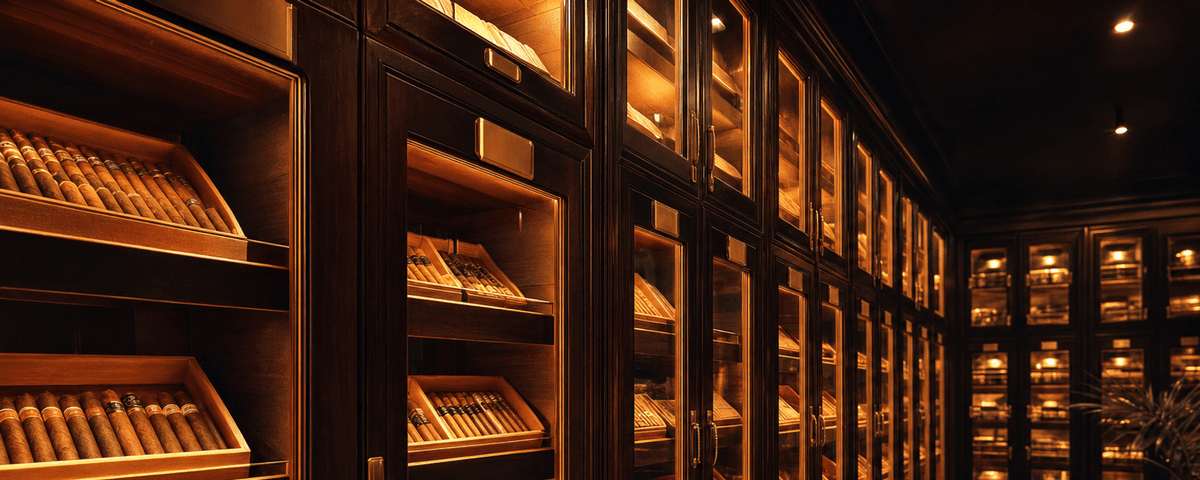
33 座 24 小時恆溫恆濕醇化室
W Cigar Bar 提供的會員醇化空間 · 場地資訊請洽編輯部
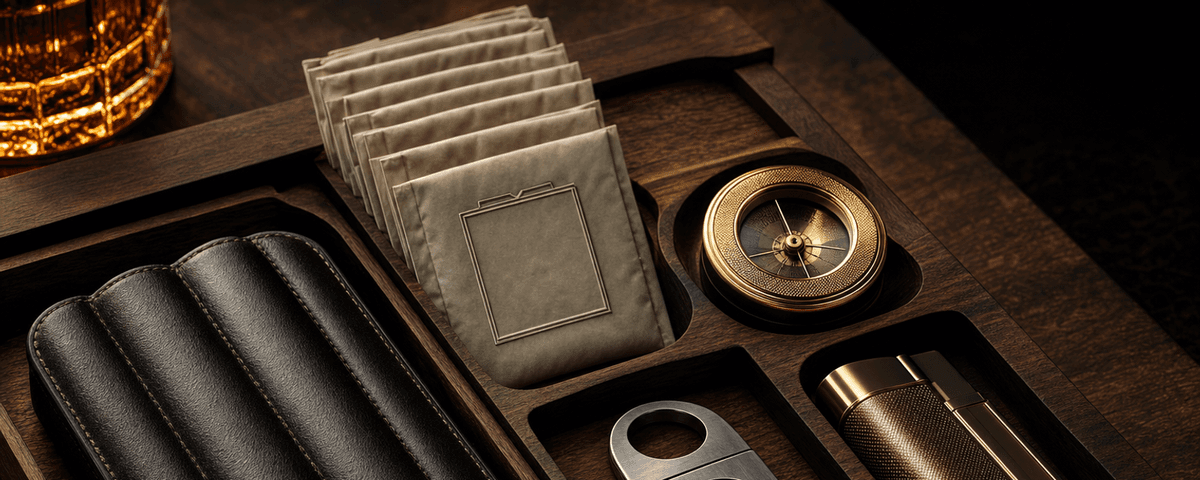
雪茄剪 / 打火機 / 雪茄盒 / Boveda
W Cigar 配件官網 · 專營雪茄配件正品
加 LINE 好友 · 文化諮詢
文化空間資訊 · 紳士沙龍 · 私人包場
本網站內容僅供雪茄文化、歷史、收藏與品吸知識研究參考。菸品有害健康、未滿法定年齡者請勿吸菸。實際規範請依所在地法律為準。
吸菸有害健康・戒菸專線 0800-636363・本站僅供 20 歲以上成年人閱覽。
讀到這裡,你不只是路過的人
留下 Email,加入 W 雪茄聖經內圈——總編輯 Wilson Tsai 親選的學院深文與國際新訊,先你一步送到信箱。
· 教育用途非銷售 · 隨時一鍵退訂 · Email 絕不對外公開 · 由勝茄股份有限公司營運
同分類延伸閱讀
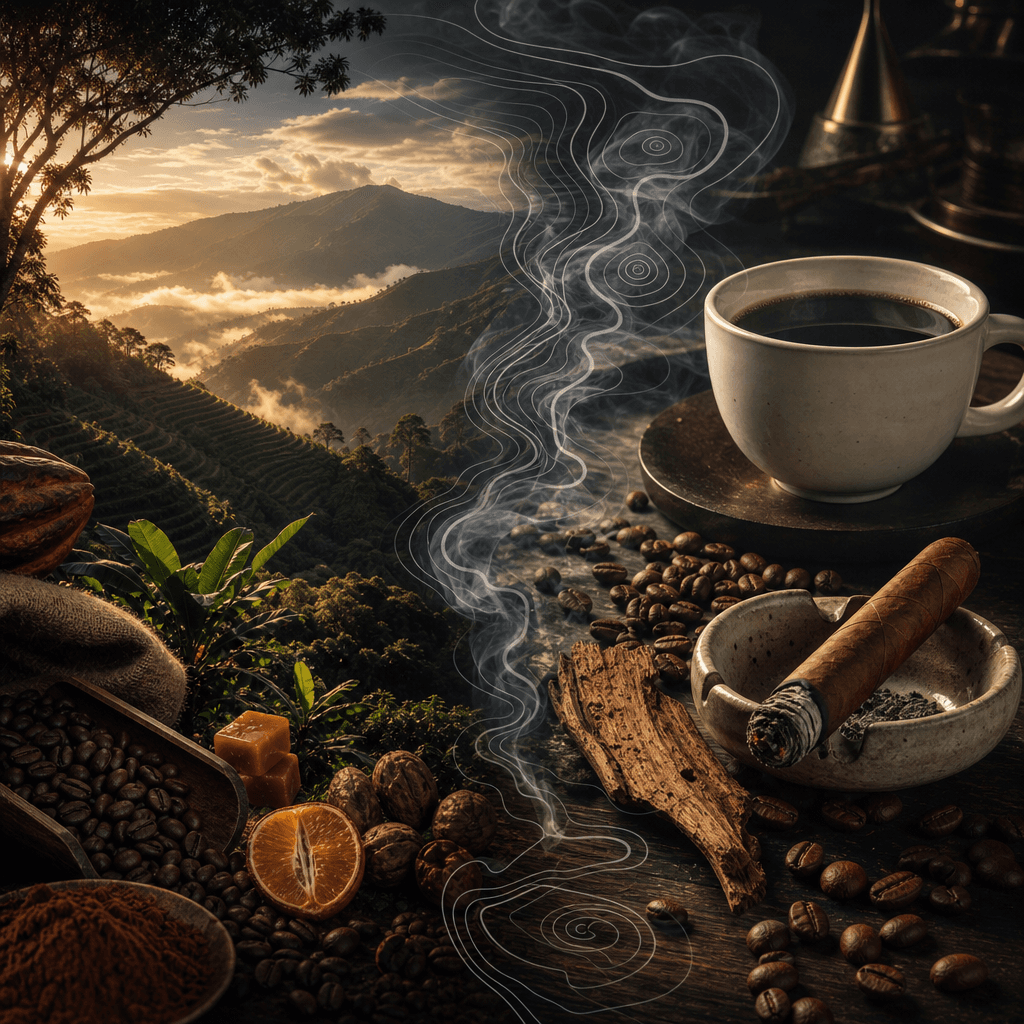
資料來源:W Cigar Bible 編輯部整理 · 雪茄王子 Wilson Tsai 親自審稿
本文僅供雪茄文化、歷史、收藏與品鑑知識研究,不作為菸品促銷、銷售或購買建議。吸菸有害健康,未滿二十歲不得吸菸。