義式濃縮咖啡的九大氣壓:crema 油脂與焦香精華,搭配 Partagás Shorts 的晨間儀式
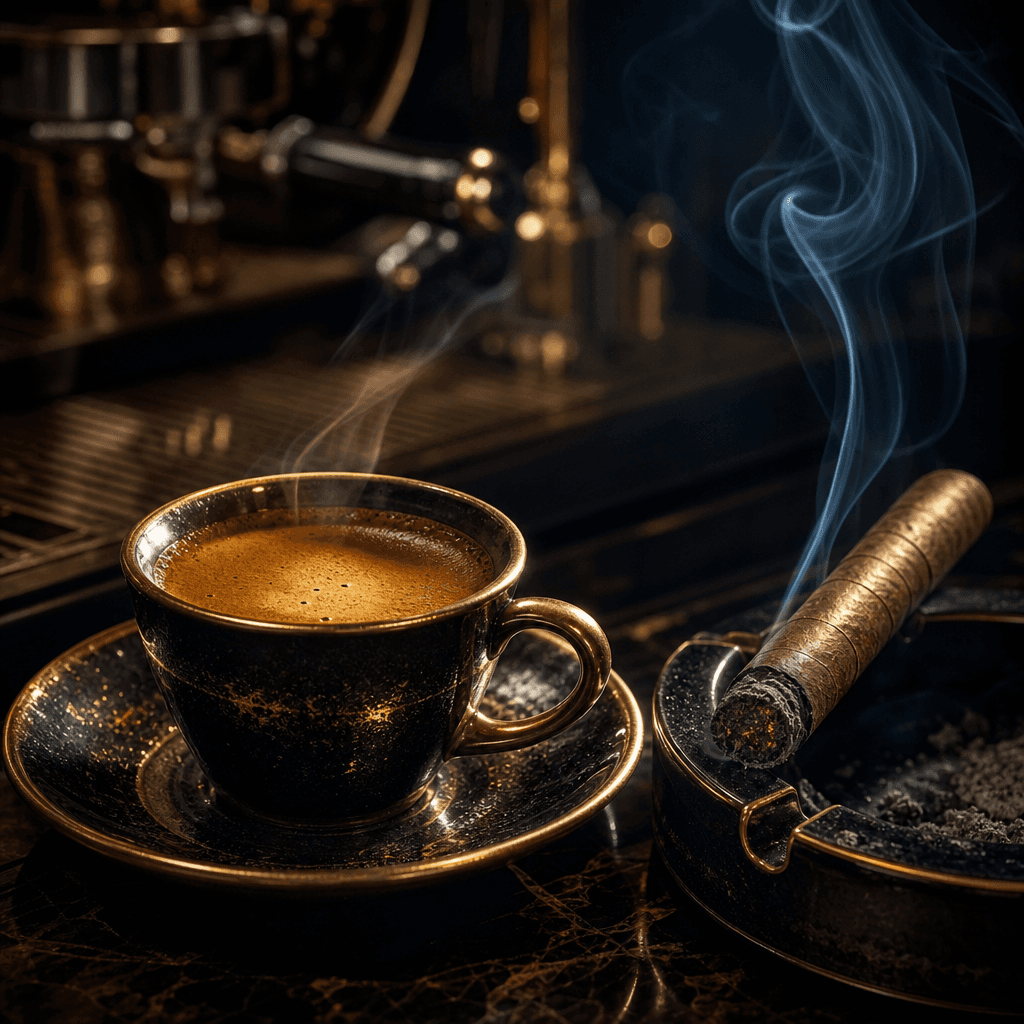
義式濃縮咖啡不是小杯黑咖啡,而是以 9 bar 壓力、25-30 秒萃取與 crema 乳化層構成的濃縮結構。當它遇上 Partagás Shorts,咖啡焦香、可可苦甜、胡椒辛香與泥土菸草會形成高密度對位,讓晨間咖啡儀式變成一堂可被拆解的風味課。
- Espresso 的核心在 9 bar 壓力、研磨阻力與 25-30 秒萃取窗。
- crema 是二氧化碳、油脂與微粒組成的乳化層,不只是外觀。
- Partagás Shorts 與義式濃縮共享焦香、咖啡與可可的同源語彙。
The Nine Bars of Italian Espresso: Crema Oils and Roasted Essence, Paired with the Morning Ritual of Partagás Shorts
The encounter between Italian espresso and Partagás Shorts is not just about "coffee with cigars," but about two concentrated systems aligning within the same morning scale. As the editor of the Cigar Bible, I often say that a truly good pairing is not about piling flavors together, but about how they exchange signals on the tongue, in the nasal cavity, and within the smoke. Espresso takes 25-30 seconds to press out a concentrated cup, while Partagás Shorts completes a Minuto's full curve in about 30 minutes, both characterized by being short, dense, fierce, and precise.
This article focuses on non-alcoholic beverages, so we won't discuss the barrel-aged sweetness of spirits or use wine acidity to modify tobacco, but instead return to the physics, emulsification, roasting, and bar culture of coffee itself. Partagás Shorts (Cuba, Minuto, 42 × 110mm): pepper, coffee, earth, cocoa, a dense cigar body in a 30-minute small cannon. It doesn't require a long prelude to get into the state, just as Italian espresso isn't a drink to be sipped slowly until cold; both demand that you understand the layers of high-density flavors in a short time.
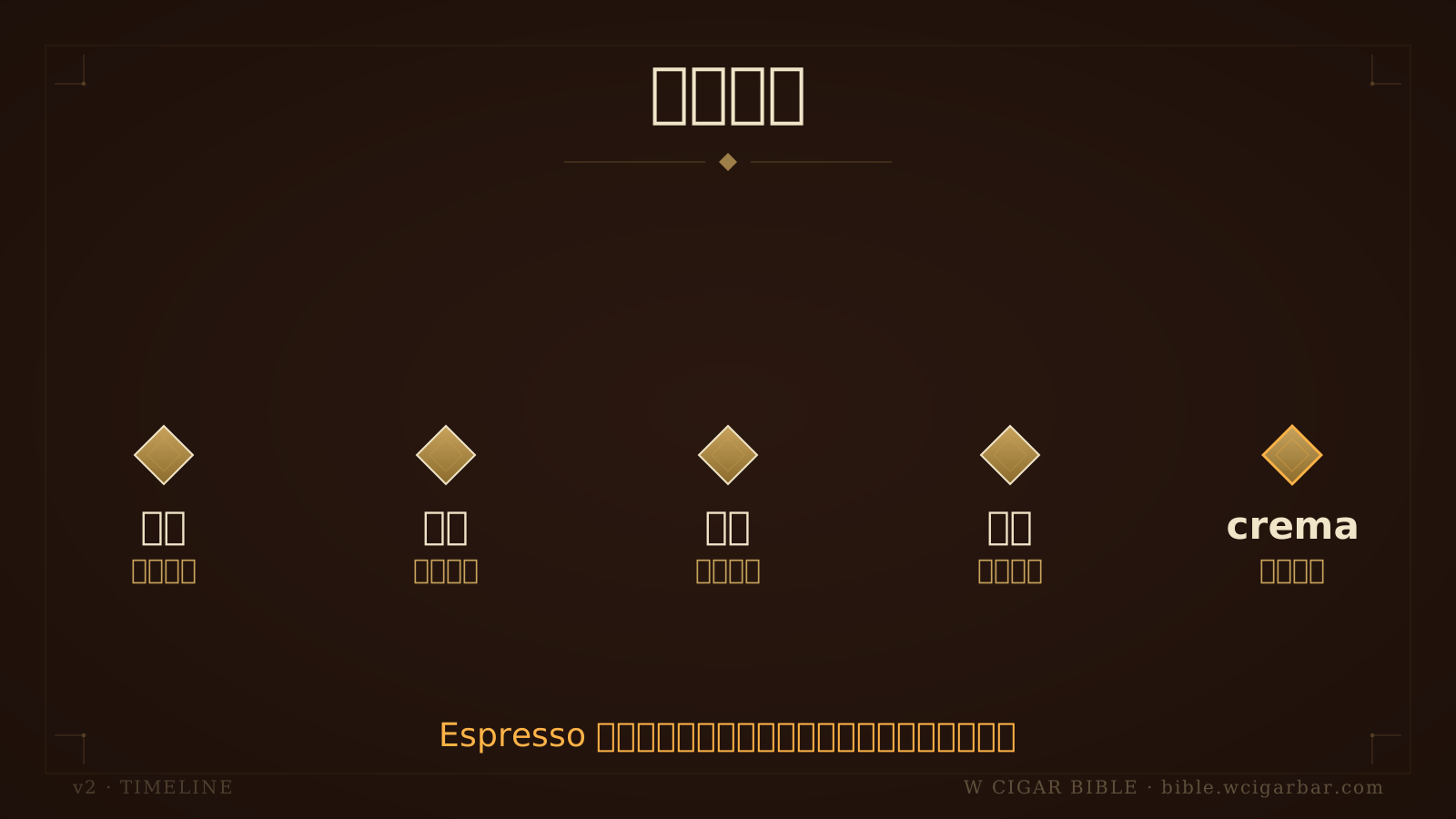
時間線呈現研磨填壓九壓萃取到 crema 形成流程
The Nine Bars of Italian Espresso: Not a Small Cup of Coffee, but a Controlled Physical Event
The classic definition of espresso focuses not on cup size but on the extraction system formed by pressure, time, grind size, and flow rate. 9 bar is often seen as the standard working pressure for Italian espresso, allowing hot water to pass through a high-resistance coffee puck at around 90-96°C. This puck is not soaked open by water but acts as a compressible porous medium, forcing the water flow to find the most uniform channel.
When the grind is too coarse, the water flows too quickly, resulting in sharp acidity and insufficient sweetness, often leaving a hollow feeling in the cup. When the grind is too fine or tamped too hard, the flow is obstructed, and bitterness, woodiness, and astringency appear prematurely. 9 bar is not a magic number but a balance point reached after long-term industrial and sensory compromise, allowing oils, soluble solids, and aromatic molecules to be efficiently extracted in a short time.
The soul of Italian espresso is compressing time into flavor using pressure. This is very similar to the structure of Partagás Shorts, as Shorts also doesn't rely on long dimensions to slowly release details but quickly pushes pepper, coffee, earth, and cocoa to the forefront within a small ring gauge and short length. When I pair it with espresso, the first judgment is never "is it strong," but whether the concentration ratios of both match each other.
Crema's Carbon Dioxide Emulsion Layer: The Flavor Entry Hidden in Golden Foam
Crema is often mistaken as a decoration of Italian coffee, but it is actually an emulsion layer formed by carbon dioxide, coffee oils, fine solids, and surfactants. After roasting, coffee beans retain carbon dioxide, which forms tiny bubbles when released under pressure during grinding and extraction. These bubbles are coated with oils and coffee colloids, resulting in a hazelnut-colored, tiger-striped foam layer on the cup surface.
The presence of crema changes the way flavors enter. It pushes volatile aromas to the front of the nasal cavity and gives the first sip a more pronounced caramel, nut, toasted bread, and cocoa shell aroma. If the crema is coarse and dissipates quickly, it often indicates issues with extraction, bean condition, or roasting preservation; if the crema is too thick but tastes coarse, it may be due to a high proportion of robusta or deeper roasting.
Crema is not the sole answer to quality, but it is the first layer of oil interface in the interaction between espresso and cigars. Once Partagás Shorts is lit, the smoke itself also has an oily touch, especially when the pepper and coffee notes overlap in the front section, creating a dry, warm film in the mouth. Crema oils × smoke oils is the first token-to-token pairing of this combination: one side is coffee emulsion oils, the other is the oily sensation from tobacco smoke, both allowing the roasted aroma to unfold on the tongue rather than just staying in the aroma.
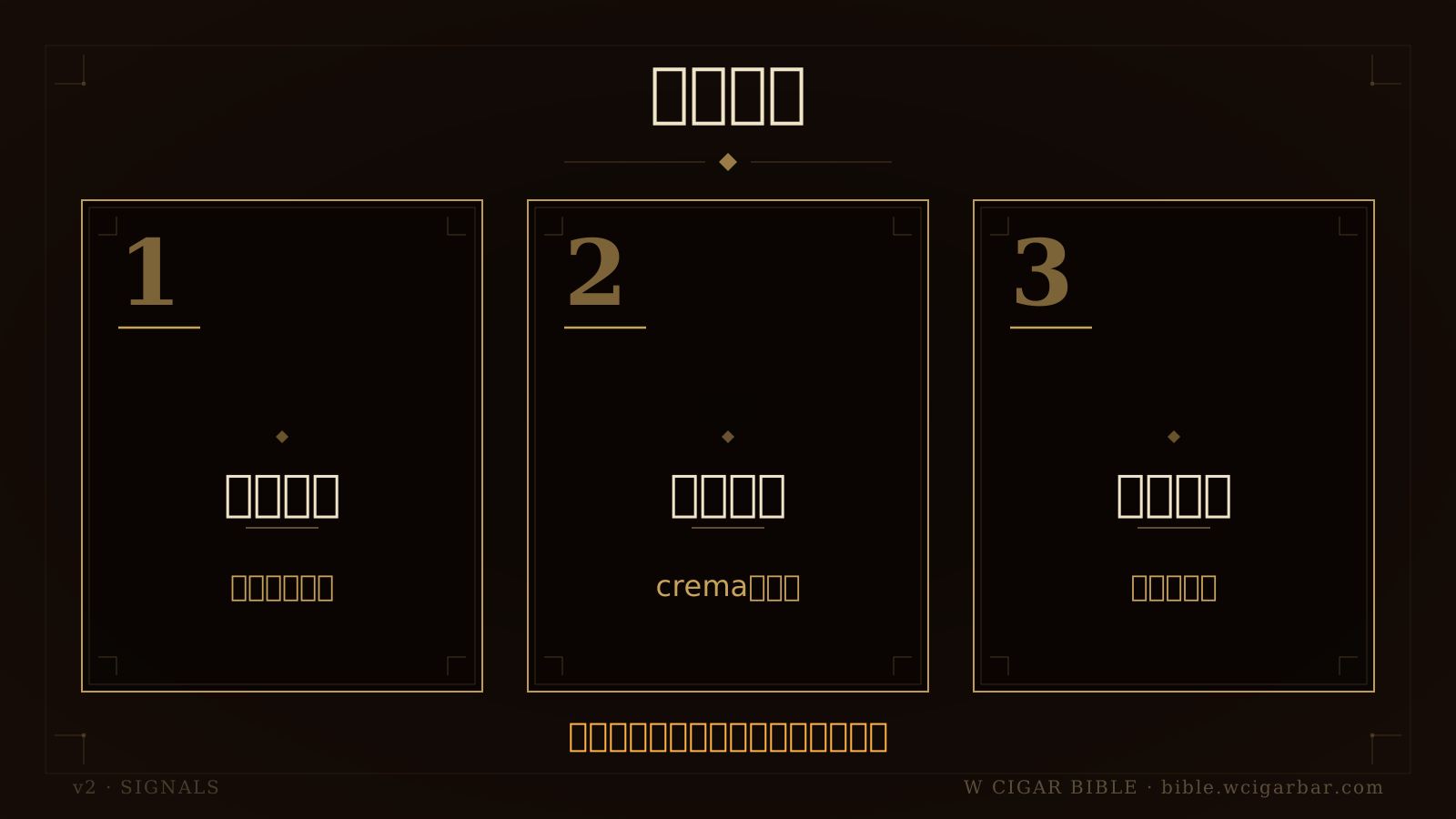
三張卡列出壓力油脂與節奏的濃縮搭配重點
The 25-30 Second Golden Extraction Window: The Spectrum Choice of Ristretto and Lungo
The 25-30 seconds often mentioned for Italian espresso is because this time window allows acidity, sweetness, bitterness, aroma, and texture to meet at a relatively balanced position. The front flow usually carries bright acidity, floral and fruity, light fragrance; the middle section begins to show caramel, nuts, chocolate, and sweetness; the latter part tends to bring woodiness, bitterness, herbal notes, and astringency. The so-called golden extraction window is not a mechanical number of seconds but a readable range of the flavor curve.
Ristretto is a shorter extraction, usually with less water, resulting in a denser texture, concentrated acidity and sweetness, with relatively restrained bitterness. Lungo extends the water volume and extraction time, opening up the aroma more, while bitterness, woodiness, and dryness are more easily brought out. When pairing with Partagás Shorts, I lean towards standard espresso or slightly ristretto, rather than an overly extended lungo, because Shorts already has earthy and cocoa bitter notes, and the coffee side doesn't need to amplify the latter bitterness.
The key to 25-30 seconds is not stopwatch worship but avoiding coffee losing focus in front of the cigar. The first 10 minutes of Partagás Shorts often have dry pepper, roasted coffee, and a bit of leather, and if paired with an over-extracted lungo, the bitterness will pile up. Conversely, a slightly shorter and denser espresso keeps the sweetness at the core, making the cigar's pepper more three-dimensional rather than just stimulating.
The table below is the extraction spectrum judgment I often use when pairing:
| Espresso Type | Cup Structure | Interaction with Partagás Shorts | Suitable Occasion |
|---|---|---|---|
| Ristretto | Dense, concentrated sweetness, shorter acidity | Holds the pepper edge, enhances cocoa and coffee notes | When the cigar's front section is noticeably spicy |
| Standard Espresso | Balanced acidity, sweetness, bitterness, complete crema | Best presents roasted aroma × tobacco coffee homogeneity | Stable throughout |
| Lungo | Extended aroma, more open bitterness | May amplify earthiness and dryness | Caution needed in the cigar's tail section |
| Deep Roast Short Extraction | Prominent caramel, dark chocolate, nuts | Highly overlaps with cocoa and coffee notes | For those who prefer a solid texture |
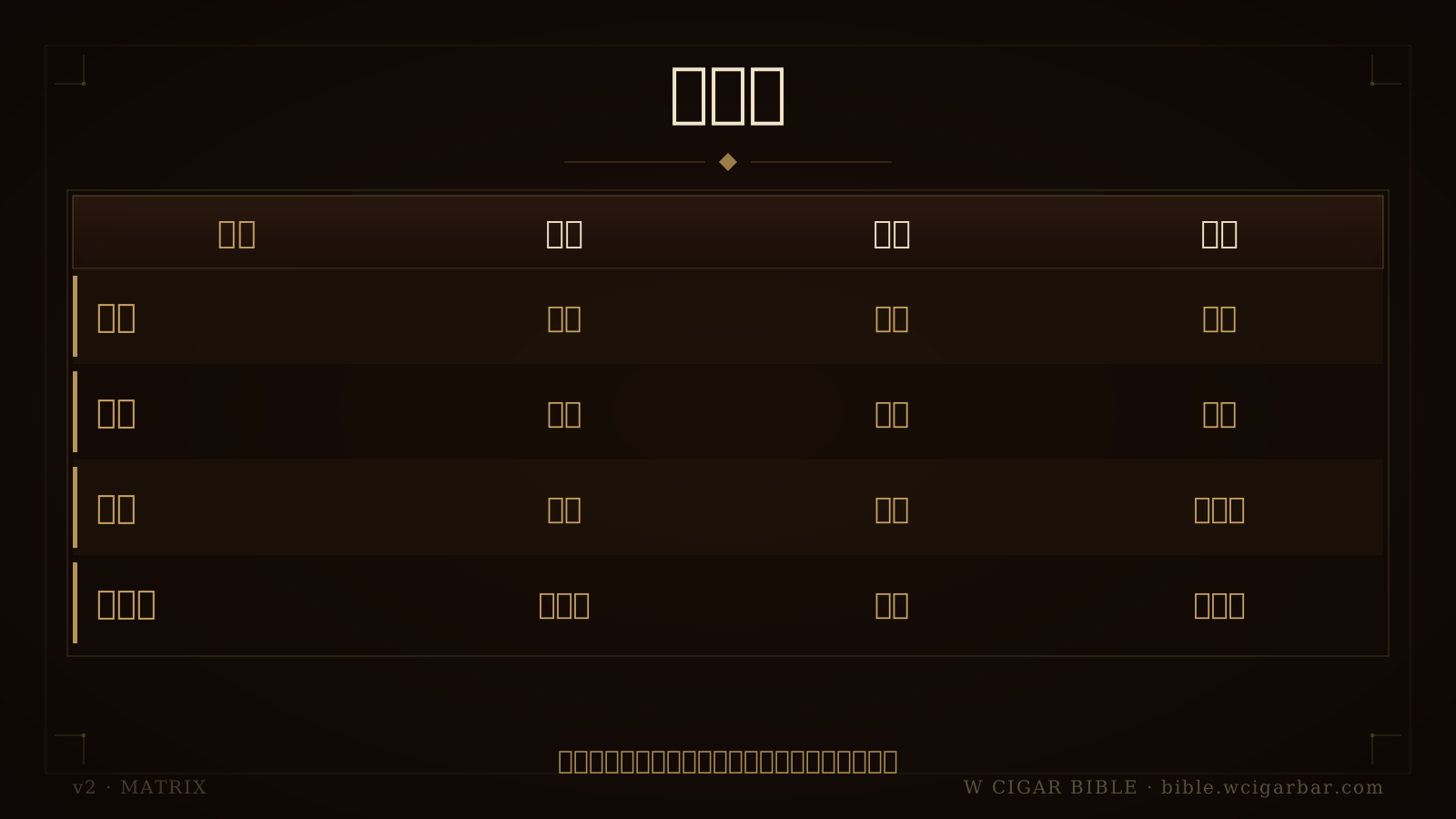
矩陣比較 ristretto 標準濃縮與 lungo 的水量質地苦感
Blend Beans and Southern Italian Deep Roast: Why Robusta Enters the Crema Tradition
Italian coffee has long relied on blend beans for practical reasons: the bar needs stable, fast, and replicable cup structures. Single-origin beans can certainly make espresso, but their acidity, aroma, and seasonal changes are larger, not necessarily aligning with the traditional Italian bar's pursuit of density, sweet-bitter balance, and crema stability. Blend beans combine the nutty sweetness of Brazil, the bright acidity of Central America, the floral and fruity aroma of Ethiopia, or the thickness and foam ability of robusta from India, Vietnam, and Uganda.
In the Southern Italian deep roast tradition, robusta often plays an important role. Its caffeine and chlorogenic acid-derived bitterness are stronger, and its oil performance and carbon dioxide release often make the crema thicker. Deep roasting suppresses acidity, elevating caramelization, Maillard reaction products, cocoa, caramel, smoky, and roasted nut aromas, forming the "Italian coffee" profile many recognize.
Robusta and deep roast are not synonymous with coarseness but are craft choices in Southern Italian espresso culture for pursuing thickness and crema. When pairing with Partagás Shorts, this Southern Italian style has an advantage: it won't be overwhelmed by the earth, pepper, and cocoa of Cuban tobacco. The issue lies in the proportion; too much robusta or too deep roasting can lead to rubber, charred wood, and overly hard bitterness, flattening the coffee notes of Shorts.
I often think of blend beans as the blending organ of the coffee world, while cigars are a complete voice formed by agriculture, fermentation, aging, and rolling. If espresso has the hazelnut base of Brazilian beans, the caramel acidity of Colombian beans, and a small amount of robusta to support the crema, it can form a stable triangle with the coffee, cocoa, and earth of Partagás Shorts. This is not about "the heavier, the better," but about having structure in richness, boundaries in bitterness, and an outlet in aroma.
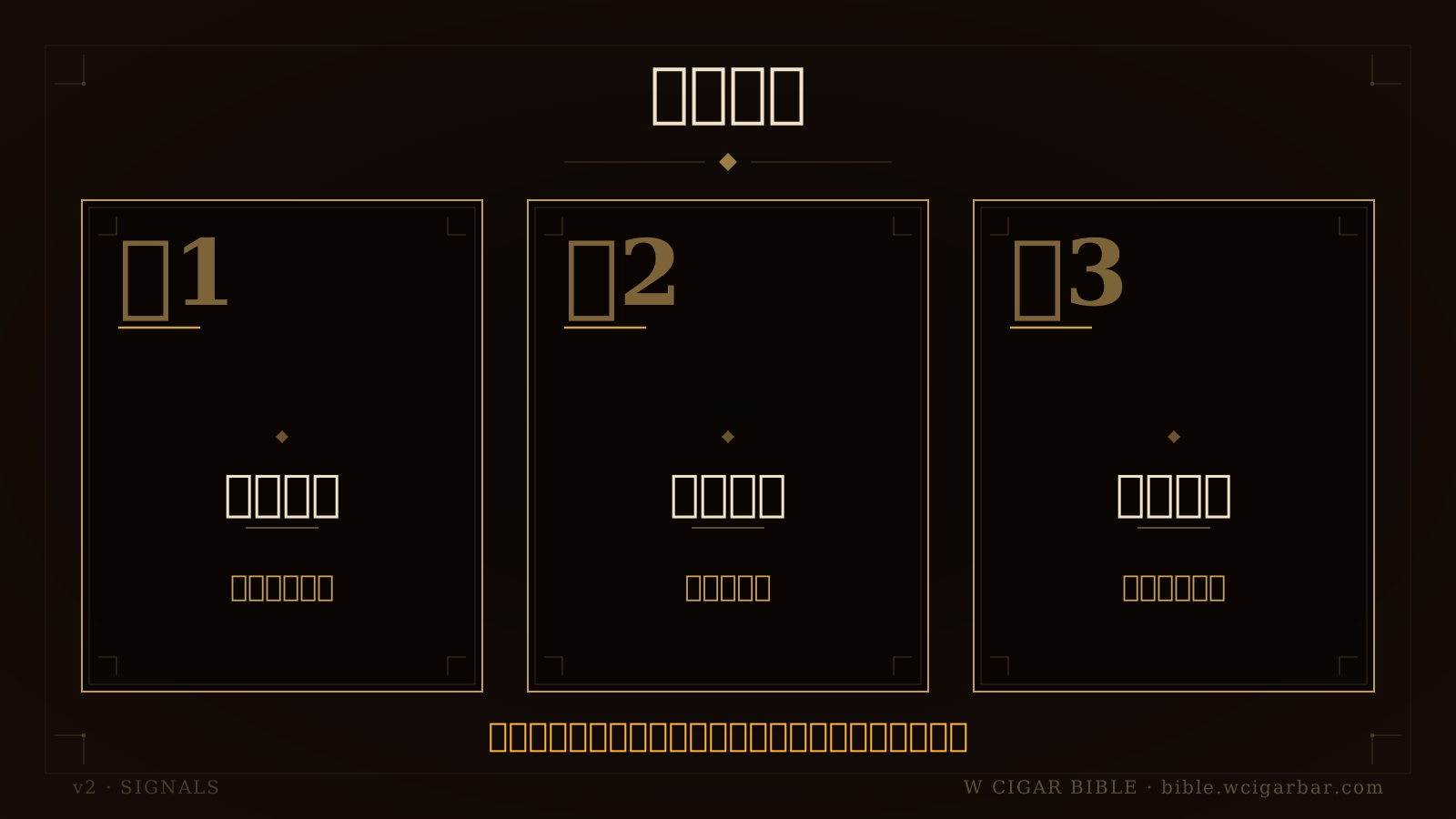
三張錯誤卡提醒 crema 厚度長萃與刺激感的誤解
Italian Bar Culture: Standing for a Sip and Leaving, Speed is Also Part of the Flavor
Italian bar culture is interesting; espresso is not a large cup drink to sit with for a long time but a daily rhythm completed in a few short sips at the bar. In the morning, you walk in, order a cup, watch the barista lock the handle onto the brewing head, and a few seconds later, the cup lands in front of you, and you finish it before leaving. This "standing for a sip and leaving" culture shapes the short format aesthetics of espresso.
Speed does not mean roughness. On the contrary, because the time is short, all mistakes are magnified: incorrect grind, and the flow rate immediately becomes unbalanced; insufficient cup temperature, and the aroma collapses instantly; over-extraction, and bitterness shows up in the first sip. The bar ritual of Italian coffee essentially hides craftsmanship in the everyday, rather than stretching the everyday into a lengthy performance.
Partagás Shorts and espresso share the same short format spirit: no delay, directly entering the core. This is one of the reasons I call them the perfect proportion of the morning coffee ritual. 30-second extraction × 30-minute small cigar, the time scale differs by sixty times, but the spirit is consistent: the former concentrates coffee essence, the latter concentrates the spicy, earthy, and cocoa framework of the Partagás family.
In actual tasting, I would first complete the first sip of espresso before letting Shorts enter the front section, rather than activating all senses simultaneously. The first sip of coffee establishes a base of caramel bitterness and crema oils on the tongue, providing a platform for the subsequent smoke to land. If you smoke the cigar first and then drink coffee, the pepper may make the coffee acidity appear sharper, and the order makes a big difference.
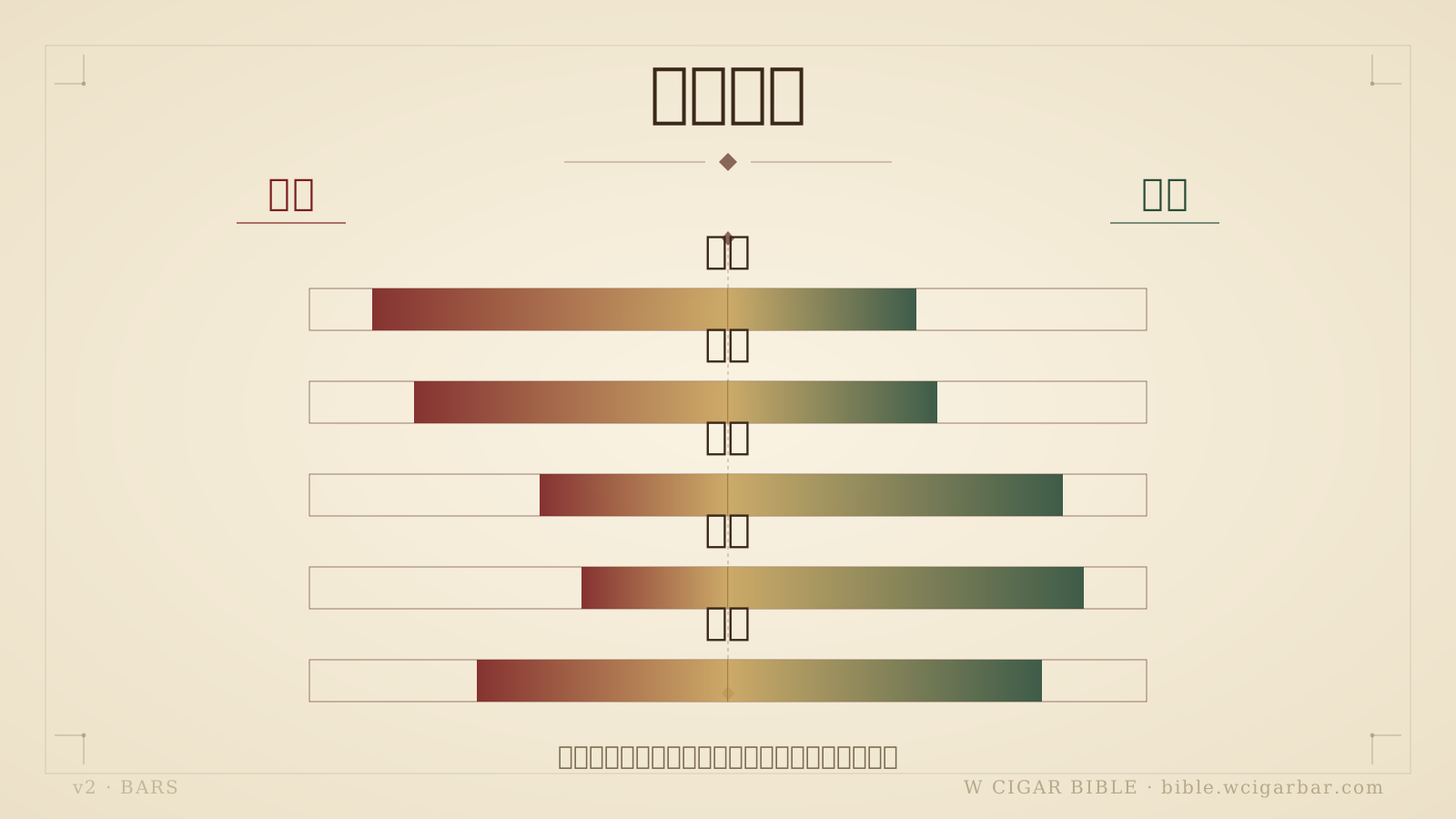
長條圖以五個軸比較短萃與長萃的風味差異
The Dense Small Cannon of Partagás Shorts: Pepper, Coffee, Earth, Cocoa in Minuto Size
Partagás is one of the distinctive brands in Cuban cigars, with common vocabulary including earth, leather, spice, coffee, and dark sweet-bitter notes. Shorts, as a Minuto size, 42 × 110mm, doesn't win by grand prelude but leaves an impression with density and rhythm. Its dense cigar body allows it to provide clear flavor direction in a short time.
The front section usually starts with pepper, with a bit of dry woodiness and roasted coffee. The middle section has a more defined earthiness, with cocoa powder, black coffee, and a slight leather note starting to layer. If the rhythm is too fast in the tail section, bitterness and heat will be amplified, so this cigar requires control over the draw frequency to keep the smoke temperature within a readable range.
The value of Partagás Shorts is not in its small size but in how it compresses the rich vocabulary of Partagás very completely. When paired with espresso, this feature is especially clear because the coffee doesn't need to wait for the cigar to slowly enter the state. From the first section, roasted aroma, pepper, and coffee notes can converse; by the middle section, earth and cocoa will form a tighter structure with the dark chocolate, nut shell, and caramel bitterness of deep-roasted espresso.
I would remind entry-level readers that although Shorts is short, it should not be treated hastily. If each draw is too close, the burning temperature rises, the pepper becomes spicy, the coffee notes become charred, and the earthiness turns coarse. The ideal rhythm is to let it be an extension of a cup of espresso: short, but with pauses; dense, but not muddy.
Crema Oils × Smoke Oils: How Roasted Homogeneity Occurs in the Mouth
The core chemical change of this pairing can be broken down into three tokens. The first is crema oils × smoke oils, both of which change the retention time of aroma molecules in the mouth. Coffee oils carry furan, pyrazine, aldehyde, and phenol aromas, while cigar smoke carries wood, spice, roasted, and slightly charred aromas from tobacco pyrolysis, and when they meet in retronasal olfaction, they make "roasted aroma" wider.
The second is espresso roasted aroma × coffee-note tobacco's literal homogeneity. The Maillard reaction in coffee roasting produces nut, cocoa, toasted bread, and caramelization aromas, while tobacco fermentation, aging, and burning also give coffee, cocoa, earth, leather, and other dark tones. When the coffee notes of Partagás Shorts meet the real coffee roasted aroma of espresso, the tongue experiences a "verified" feeling: the abstract coffee description in the cigar suddenly has a comparable sample.
The third is the concentration of 30-second extraction × 30-minute small cigar. Espresso compresses water, pressure, and puck resistance into a short cup; Shorts compresses the rich profile of Cuban tobacco into the Minuto format. This is not simply strong with strong, but a mutual reflection of two concentration crafts in time proportion.
To be more specific, I view the front, middle, and back sections like this: the front section uses the crema and caramel bitterness of espresso to connect with the pepper of Shorts; the middle section allows coffee, cocoa, and earth to layer with each other; the tail section uses the remaining coffee's bitter-sweet memory to modify the heat edge of the cigar. There's no need for big sips or frequent draws here; the key is to give each aftertaste enough time to interact.

三張問答卡回答九壓 crema 與摩卡壺替代問題
The Operation Sequence of the Coffee Ritual: Cup Temperature, Water, Rhythm, and Oral Reset
In actual operation, I first check the espresso cup temperature. If the small cup is too cold, the crema easily collapses, and the release speed of aromatic molecules slows down, causing the first sip to lose its three-dimensionality. Preheating the cup is not a formality but ensures that the concentrated structure obtained in 25-30 seconds doesn't dissipate in a few seconds.
The second step is to prepare a small cup of room temperature water to reset the mouth, not dilute the coffee. The best time to drink water is before the first sip of espresso and after the cigar enters the middle section. Water can slightly clear the coffee oils and smoke residue on the tongue, making it easier to read the lines of acidity, sweetness, bitterness, and spice in the next sip.
The best rhythm for this pairing is to first establish the base color with coffee, then let Partagás Shorts respond in three sections. The first sip of espresso reads crema, caramel, and nuts; then cut open Shorts, letting the front section pepper fall on the coffee's bitter-sweetness; in the middle section, add a small sip of coffee or just smell the residual aroma in the cup, allowing cocoa and earth to connect. If the coffee is already cold, there's no need to forcefully finish it, as cold espresso often exposes bitterness and sharp acidity.
The draw rhythm is recommended to slow down to one draw every 45-60 seconds, especially in the tail section of Shorts to avoid overheating. Too fast will turn roasted aroma into charred bitterness, pepper into spiciness, and earth into dryness. As the editor of the Cigar Bible, I care more about "readability": can you distinguish the order of crema, caramel, pepper, coffee notes, and cocoa, rather than just getting a heavy taste.
Common Questions
The key to pairing Italian espresso with Partagás Shorts is controlling concentration, temperature, and rhythm, not seeking heavier stimulation.
Is it necessary to use 9 bar to be called espresso?
9 bar is a common standard pressure for modern Italian espresso, but different machines have pressure curves and pre-infusion settings. The key is whether stable flow rate, complete crema, and balanced extraction can be formed within a reasonable time. If the pressure deviates too much, the cup structure will resemble other brewing methods.
Does thicker crema mean better pairing with cigars?
Not necessarily. Thick crema may come from fresh roasting, robusta proportion, deep roasting, or extraction state, but thick doesn't mean delicate. When pairing with Partagás Shorts, I focus more on whether the crema is fine, whether the aroma is clean, and whether the bitterness has boundaries.
Which is most suitable: ristretto, standard espresso, or lungo?
Standard espresso is the most stable, as acidity, sweetness, bitterness, and texture are easiest to balance. If the pepper in the front section of Shorts is particularly noticeable, ristretto can provide better sweetness support. Lungo needs caution, as it may amplify the dryness in the cigar's tail section.
Will Southern Italian deep roast be too bitter?
If controlled well, Southern Italian deep roast will provide dark chocolate, caramel, roasted nuts, and thick crema. If roasted too deeply or over-extracted, charred wood and dry bitterness easily appear. When pairing with Shorts, bitterness can exist but shouldn't overshadow the layers of coffee-note tobacco.
Is Partagás Shorts suitable for pairing with Italian coffee in the morning?
From a flavor structure perspective, it is very suitable for a short-time, high-density coffee ritual. Its pepper, coffee, earth, cocoa, and the roasted aroma, crema, and dark chocolate bitterness of espresso have clear alignment. However, its cigar body is dense, so the rhythm should be slow, and the coffee should not be over-extracted.
Can a Moka pot be used as a substitute without an espresso machine?
A Moka pot can make thick coffee, but it is not 9 bar espresso and doesn't have the same delicate crema emulsion layer. If using a Moka pot, it's recommended to choose medium-dark roast, avoid brewing to bitterness, and focus on the correspondence between coffee roasted aroma and the cocoa, earth of Shorts. It can approach the ritual feel, but the flavor physics are not entirely the same.
The charm of pairing Italian espresso with Partagás Shorts lies in high-density reading within a short time. When the oils of crema, the roasted aroma of espresso, and the coffee notes and cocoa bitterness of Cuban tobacco align, the morning coffee ritual becomes not just a habit but a flavor syntax that can be understood, deconstructed, and recombined.
Further Reading|Complete Guide to Coffee Origins and Roasting: The Flavor Spectrum from African Fruits to Asian Thick Soil, with a Comprehensive Overview of Cigar Pairing|Complete Analysis of Coffee Roast Levels: The Flavor Watershed of Light, Medium, and Dark Roasts, Corresponding to Cigar Intensity Pairing Formulas|American Coffee and Pour-Over Daily: A Guide to Accessible Black Coffee, Paired with José L. Piedra Petit Cazadores
—Cigar Prince Wilson Tsai
Smoking is harmful to health. Under 20 years old is prohibited from smoking. Quit smoking hotline: 0800-636363. This article is for reference by adults over 20 years old as knowledge of cigar culture, preservation, and regulations, not as tobacco advertising, promotion, or purchase advice.
Like this article?Share with friends
Share this W Cigar Bible piece with friends who want to learn cigar culture, storage, and tasting.
想把這篇 化為實踐
雪茄聖經是知識;雪茄文化要在空間裡發生

W Cigar Bar 大安總店資訊
台北大安區 · 雪茄聖經總編輯 Wilson Tsai 主理的雪茄文化空間
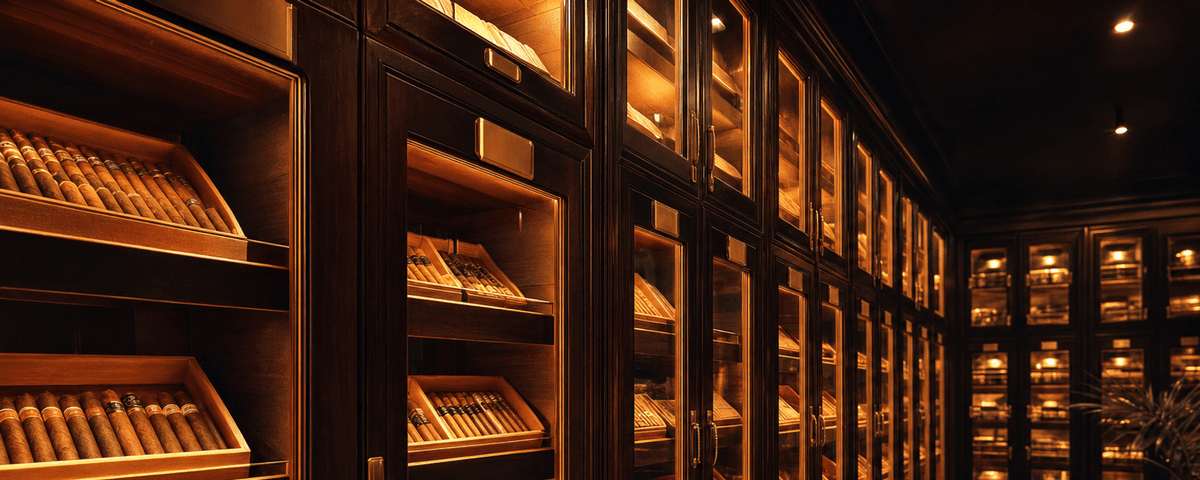
33 座 24 小時恆溫恆濕醇化室
W Cigar Bar 提供的會員醇化空間 · 場地資訊請洽編輯部
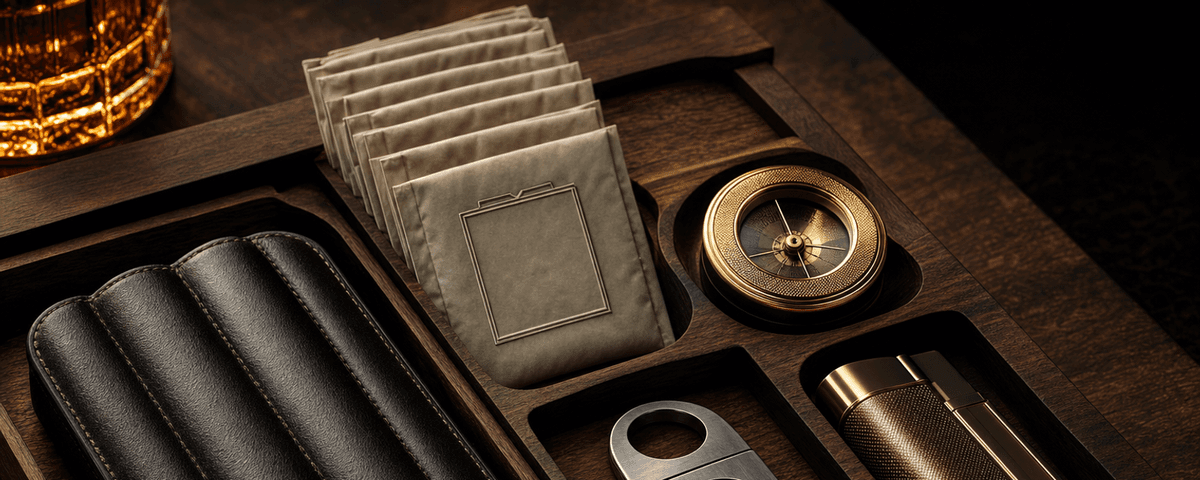
雪茄剪 / 打火機 / 雪茄盒 / Boveda
W Cigar 配件官網 · 專營雪茄配件正品
加 LINE 好友 · 文化諮詢
文化空間資訊 · 紳士沙龍 · 私人包場
本網站內容僅供雪茄文化、歷史、收藏與品吸知識研究參考。菸品有害健康、未滿法定年齡者請勿吸菸。實際規範請依所在地法律為準。
吸菸有害健康・戒菸專線 0800-636363・本站僅供 20 歲以上成年人閱覽。
讀到這裡,你不只是路過的人
留下 Email,加入 W 雪茄聖經內圈——總編輯 Wilson Tsai 親選的學院深文與國際新訊,先你一步送到信箱。
· 教育用途非銷售 · 隨時一鍵退訂 · Email 絕不對外公開 · 由勝茄股份有限公司營運
同分類延伸閱讀


資料來源:W Cigar Bible 編輯部整理 · 雪茄王子 Wilson Tsai 親自審稿
本文僅供雪茄文化、歷史、收藏與品鑑知識研究,不作為菸品促銷、銷售或購買建議。吸菸有害健康,未滿二十歲不得吸菸。