雪茄的單葉品種解析:尋找獨特風味的鑰匙
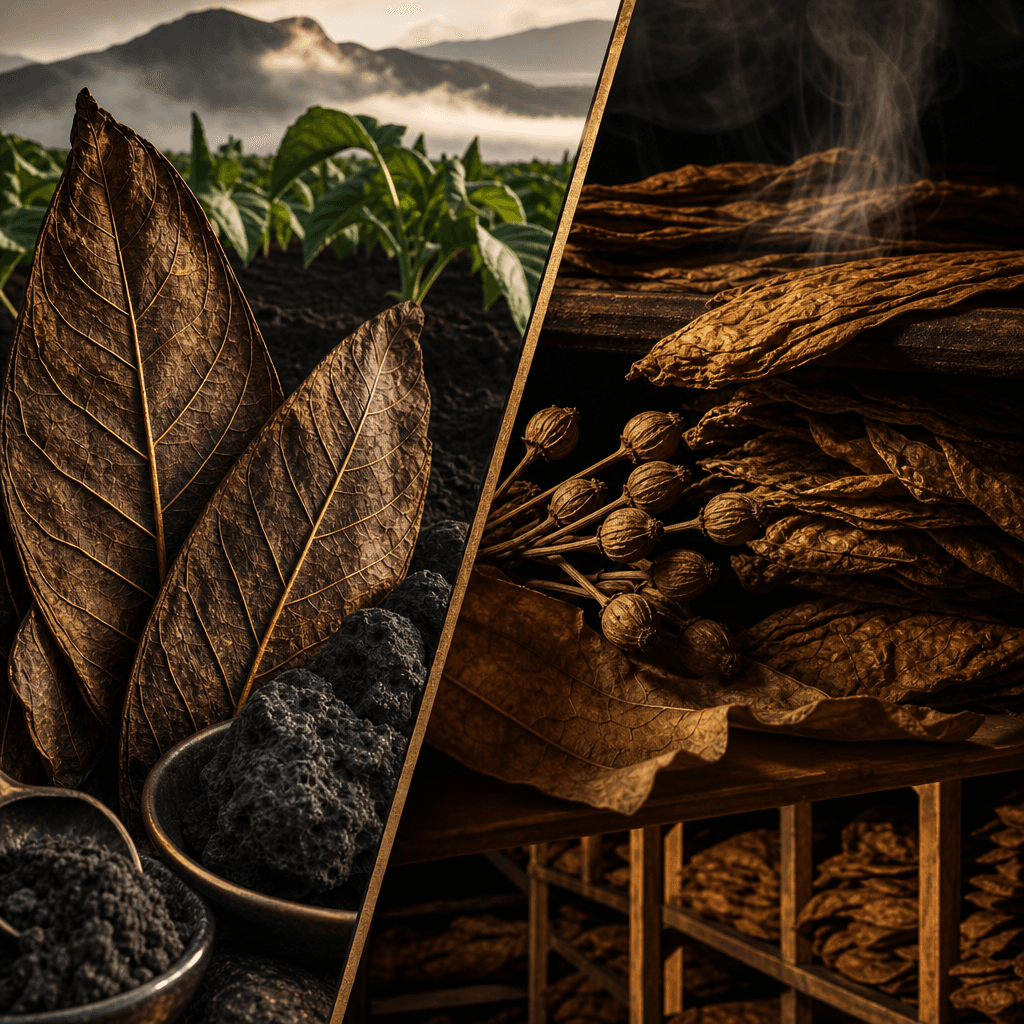
選擇雪茄時,了解葉種、葉位與發酵過程至關重要。單葉品種如Corojo、Criollo和Habano,各具獨特風味,影響雪茄的整體體驗。Corojo提供輪廓,Criollo則增添骨架感,Habano則帶來張力。外衣葉的選擇同樣重要,從Connecticut到Broadleaf,各具風味特徵,影響香氣與燃燒。葉位的不同如Volado、Seco、Viso和Ligero,決定了雪茄的力量和口感層次。透過深
- 了解雪茄的單葉品種有助於選擇合適的風味,從而提升抽雪茄的體驗。
- 葉位不同會影響雪茄的個性,Volado、Seco、Viso、Ligero 各有其獨特特性。
- 發酵過程中的溫度與時間控制對雪茄的風味至關重要,影響最終的口感與香氣。
Analysis of Single Leaf Varieties of Cigars: The Key to Finding Unique Flavors
Cigar enthusiasts often end discussions about brands by returning to the leaves. While ring gauge, size, year, and box code are important, the true backbone of a cigar is determined by the chain reaction of seed, region, leaf position, fermentation, and aging. When you can understand single leaf varieties, you can move from "I like this brand" to "I know which leaf characteristics I like."
I often say that advancement is not about pursuing more expensive options, but about pursuing accuracy. As the editor of the "Cigar Bible," I've seen many veterans explore back and forth between Cohiba, Partagás, Davidoff, Fuente, and Padrón, only to find that the answer often lies in names like Corojo, Criollo, Habano, Connecticut, Broadleaf, and San Andrés.
流程圖呈現葉種從種子到醇化的風味形成鏈
Single Leaf Varieties Are Not a Single Answer, But a Flavor Fingerprint
When discussing "single leaf varieties," two things need to be clarified: first, it doesn't mean a cigar uses only one leaf; second, it doesn't equate to "single region" or "single brand." What's truly meaningful is identifying the flavor fingerprint of a certain tobacco gene under different lands and craftsmanship. Corojo was once the classic wrapper leaf foundation in Cuba's Vuelta Abajo, but when transplanted to Honduras, it shifts from spicy and leathery to drier wood and pepper.
Veteran cigar selection should not only ask about brands but also inquire about leaf types, leaf positions, fermentation depth, and blending intentions. For example, Criollo 98 is commonly found in Nicaraguan and Dominican blends. When used as filler, it offers bread crust, nuts, hay, and a slight acidity; if the leaf position is higher, the strength may significantly increase. If you only remember "this brand is strong," you will miss truly repeatable judgment clues.
Taking the rise of Nicaraguan cigars after 2010 as an example, the Habano Seed from Estelí, Jalapa, and Condega has allowed many brands to establish clear recognition. Estelí offers strength, black pepper, and mineral notes, Jalapa is softer and sweeter, and Condega often has herbal and dry wood tones. When you can put these into notes, your judgment will be much more precise the next time you choose Toro, Robusto, or Corona Gorda.
圖卡列出判讀單葉品種的三個核心線索
Corojo, Criollo, and Habano: Three Often Confused Names
The story of Corojo can be traced back to the 1930s Cuban farm El Corojo. It was once part of the legendary Cuban wrapper leaf, but the original Corojo had weaker disease resistance, making it difficult to maintain on a large scale due to blue mold and black shank disease. After the 1990s, Honduras reshaped its role with improved Corojo leaves, as seen in Camacho Corojo, allowing many players to rediscover the directness of spice, leather, roasted coffee, and dry wood.
The meaning of Criollo is more complex, literally meaning "native," with common improved strains like Criollo 98 and Criollo 99. It is not necessarily strong but often provides the backbone in cigars: nuts, cream, hay, baked grains, and a slight fruity acidity. When used in long filler, it stabilizes the middle section; as a wrapper, it often makes the front section appear smooth, rounded, and recognizable.
Habano is more like a family name, often referring to overseas cultivated versions of Cuban seed. Nicaraguan Habano wrapper leaves have appeared extensively in the boutique cigar market after 2012, commonly featuring black pepper, cocoa, red earth, and spices. Corojo provides contour, Criollo provides the framework, and Habano provides tension; the three are not hierarchical but are tonal choices. If you prefer the direct spiciness of Partagás Serie D No.4, you can find extensions in Habano or Corojo; if you love the delicacy of Hoyo de Monterrey, the Criollo system is more worth exploring.
矩陣比較科羅霍克里奧與哈瓦諾的風味角色
The Wrapper Leaf is the First Impression: A Contrast from Connecticut to Broadleaf
The wrapper leaf accounts for about 10% to 15% of the cigar's weight, but it has a significant impact on aroma entry, initial burn, and visual expectations. Connecticut Shade is cultivated under shade, with a thin leaf surface and fine oil, commonly featuring cream, almonds, hay, and white pepper; Ecuador Connecticut, due to natural cloud cover, often has a bit more mineral and floral aroma than the American Connecticut version.
The wrapper leaf is not higher grade just because it is darker, but rather whether it can synchronize with the strength of the filler leaves. Connecticut Broadleaf is usually thick, with heavy sweetness, featuring brown sugar, cocoa, wet earth, and dark fruits, often used in Maduro styles; Mexican San Andrés is known for volcanic soil and thicker leaf texture, and when well-fermented, it can have chocolate, coffee, earth, and peppery aftertones.
| Wrapper Type | Common Regions | Typical Flavors | Suitable Brand Examples |
|---|---|---|---|
| Connecticut Shade | Connecticut, USA; Ecuador | Cream, hay, almonds | Davidoff Signature, Ashton Classic |
| Ecuador Habano | Ecuador | Red pepper, wood, cocoa | My Father, AJ Fernandez series |
| Connecticut Broadleaf | Connecticut, USA | Brown sugar, cocoa, wet earth | Liga Privada No.9, Arturo Fuente Anejo |
| San Andrés Maduro | Mexico | Coffee, chocolate, minerals | Padrón Maduro, Tatuaje partial works |
If you often find Maduro too sweet or too thick, don't rush to deny dark wrapper leaves; it may just be over-fermented or the filler leaf support is insufficient. Conversely, Connecticut does not mean bland and tasteless; since 2016, many boutique brands have started using stronger Nicaraguan fillers paired with Ecuador Connecticut to create a "soft outside, strong inside" structure.
Leaf Position Determines Strength: Precise Interpretation of Volado, Seco, Viso, Ligero
The same tobacco plant can have personality differences as large as different varieties depending on leaf position. Volado is near the bottom of the plant, burns well, and has a lighter aroma, often used to maintain burning rhythm; Seco is in the lower middle section, with the most delicate aroma, featuring herbal, floral, grain, and wood notes; Viso is thicker, with oil and medium strength; Ligero is at the top, receiving the most sunlight, with high nicotine and oil, often providing spiciness, dark wood, and end strength.
Many veterans pursue Ligero, but excessive Ligero can cause slow burning, tight draw, and bitterness accumulation, especially in shorter sizes like Robusto. After 2000, Nicaraguan brands often used Estelí Ligero to create impact, but truly sophisticated blends use Jalapa Seco or Dominican Viso to smooth the edges, making the strength not just "heavy," but layered.
Leaf position is a blending syntax: Volado controls fire, Seco controls aroma, Viso controls body feel, Ligero controls strength. I suggest veterans establish a simple note: record aroma in the first 2 cm, sweetness and saltiness in the middle, and bitterness, spiciness, and temperature in the last third. If most discomfort occurs at the end, the problem is often not the brand mismatch but the Ligero proportion, humidity, or smoking rhythm not aligning.
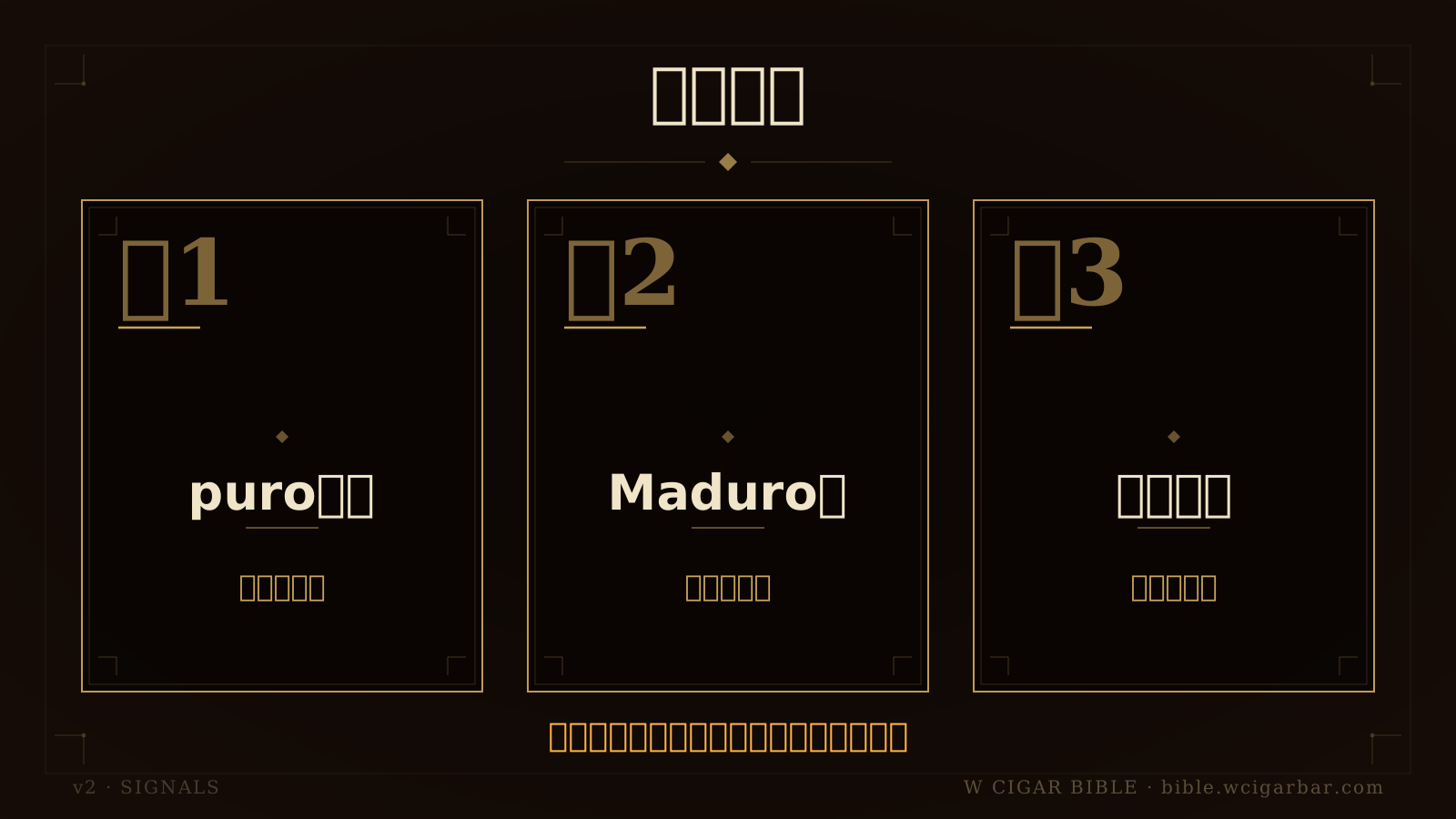
圖卡整理單葉品種學習時最常見的三個誤解
Fermentation, Roasting, and Aging: How Single Leaf Flavors Are Unlocked
After tobacco leaves are harvested, they are first air-dried, turning from green to brown, then enter the pilón stacking fermentation. Fermentation temperature is often controlled between about 35°C to 50°C, with thick leaves like Broadleaf, San Andrés, and Ligero usually requiring longer flipping to reduce ammonia, greenness, and irritation. If the temperature is too high, sweetness will be burned off; if fermentation is insufficient, the front section may be pungent and tongue-numbing.
The so-called roasting sensation does not mean roasting the cigar but comes from the transformation of sugars, proteins, and oils during fermentation and drying. The coffee, cocoa, and brown sugar you feel in Padrón 1964 Anniversary Maduro and the roasted nuts and woody sweetness in the Fuente Hemingway series are all results of the combination of leaf type, leaf position, and fermentation depth, not simply flavoring.
Aging can integrate edges but cannot turn poor fermentation into excellent cigars. Generally, boxed cigars may exhibit more stable burning and rounder aroma in 65% to 69% relative humidity and 18°C to 21°C environments over 6 to 24 months. However, if there is mold, excessive ammonia, or unknown origins, time will only amplify the risk. Discussions of collection involving price do not guarantee appreciation, still depending on source preservation and market.
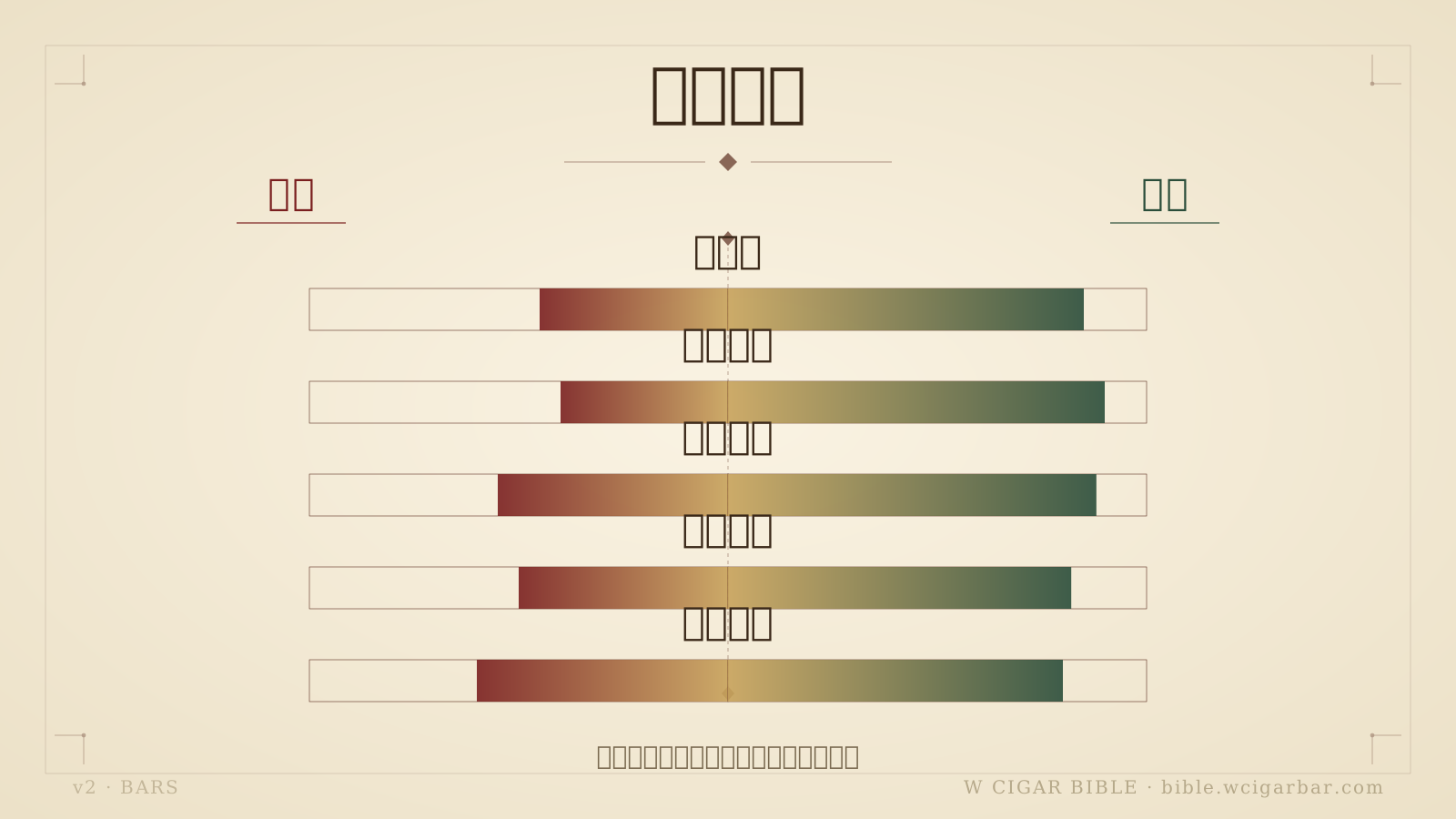
長條圖對比品牌判讀與葉種判讀的五項差異
Cuba, Nicaragua, Dominican Republic: Three Expressions of the Same Seed in Different Lands
Cuba's uniqueness is often simplified into mythology, but what is truly worth studying is the soil, planting system, and long-term blending tradition. The red soil, humidity, and microclimate of Vuelta Abajo often give Cuban cigars honey, hay, leather, cedar, mineral, and salty notes. Looking at the market reaction after the launch of Cohiba Siglo VI in 2003, it was not only noticed because of the brand but also because the medium-large ring gauge opened up the cream and herbal sweetness of Cuban leaves.
Nicaragua is an important stage for boutique cigars in the 21st century. Estelí's volcanic soil provides strength and black pepper, Jalapa provides sweetness and floral aroma, and Condega provides dry wood and herbs. Padrón 1926, My Father Le Bijou 1922, and Oliva Serie V have shown players that Nicaraguan leaves are not just strong but can establish precise layers in cocoa, coffee, spice, and sweetness.
The Dominican Republic's advantage lies in elegance and formula control. Davidoff, Fuente, and La Flor Dominicana represent three different directions: Davidoff emphasizes balance and clean lines, Fuente excels in the aroma stacking of Cameroon, Rosado, and Dominican filler leaves, and LFD uses Ligero to demonstrate strength. The same Habano seed will speak different languages in different lands; the region is not a label but a flavor grammar.
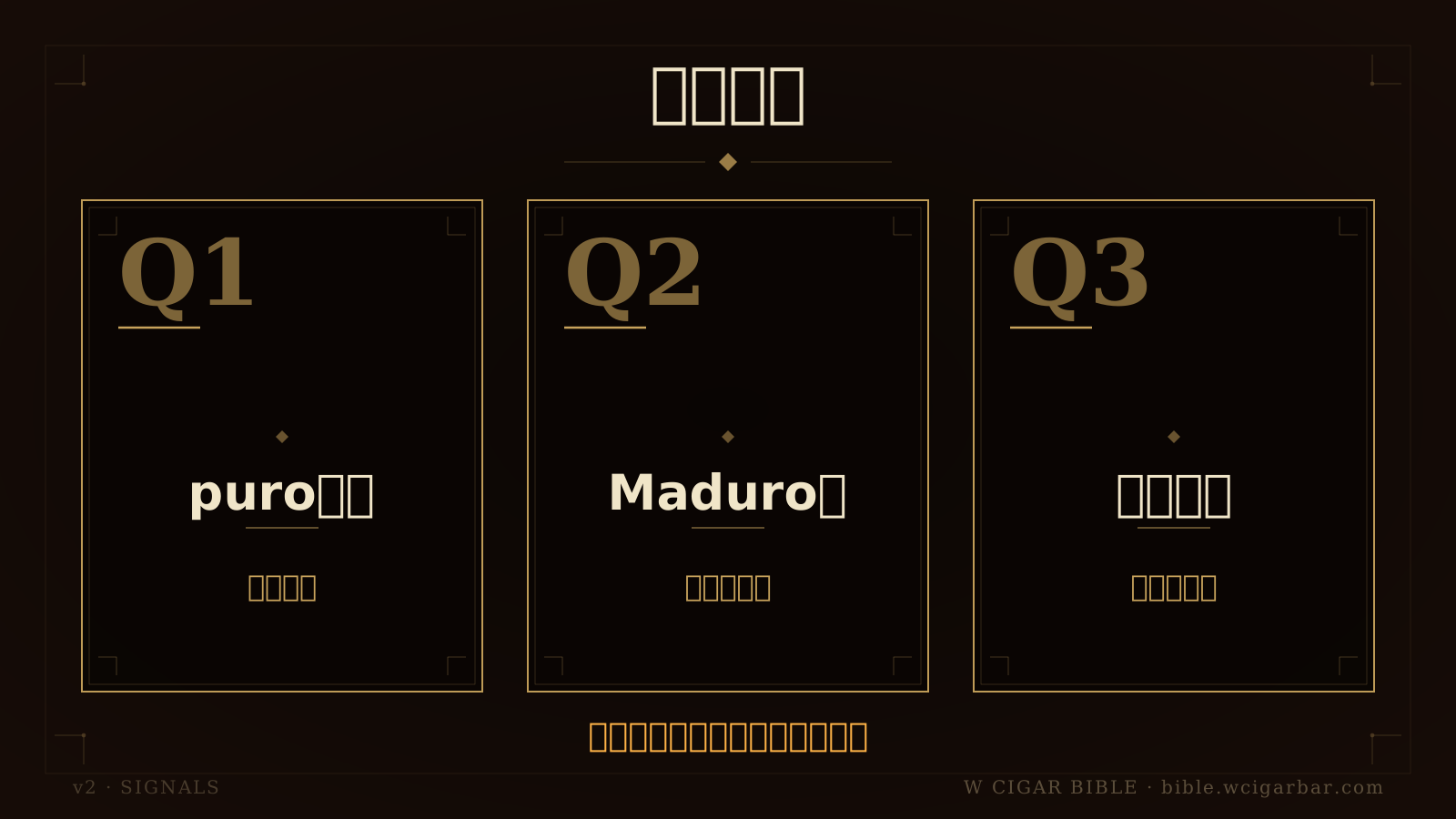
快問快答圖卡回答葉種與濕度相關三個問題
How to Choose Precisely: Build Your Single Leaf Map with Four Variables
The most common mistake veterans make is keeping "likes" at the brand level. For example, if you like the spiciness of Partagás, you may actually like the pepper and leather brought by high leaf positions; if you like Davidoff Nicaragua, you may appreciate how Nicaraguan leaves are cleaned up under Dominican craftsmanship. Breaking down preferences allows for accurate extension rather than blindly changing boxes.
I suggest building a personal single leaf map with four variables: variety, region, leaf position, and craftsmanship. After finishing a cigar, the record doesn't need to be long but should have a fixed format. Size should also be included because the same formula performs differently in Robusto and Churchill, with the former being concentrated and the latter unfolding more slowly. In 2018, I organized notes on 50 Robustos and found that my acceptance of San Andrés depended on whether the sweetness was lower than the bitterness, not the dark wrapper leaf itself.
- Variety: Corojo, Criollo, Habano, Broadleaf, San Andrés, Cameroon
- Region: Cuba, Nicaragua Estelí/Jalapa/Condega, Dominican Republic, Honduras
- Leaf Position: Is Seco aromatic enough, is Ligero excessive, does Volado support burning
- Craftsmanship: Fermentation depth, box aging time, humidity, and smoking rhythm
The real advanced choice is translating feelings into repeatable judgment conditions. When you know you prefer "Ecuador Habano wrapper, Jalapa sweetness, a small amount of Estelí Ligero, Toro size," you can use structural reasoning when facing unfamiliar brands next time, rather than just looking at ratings or packaging.
Frequently Asked Questions
Are Single Leaf Varieties and Puro the Same Thing?
No. Puro usually refers to cigars made from tobacco from the same country, such as Cuban puro or Nicaraguan puro; single leaf varieties focus on tobacco genes like Corojo, Criollo, Habano, and leaf position performance. Puro refers to the scope of origin, while single leaf varieties refer to the flavor core.
Is Maduro a Variety or a Craft?
Maduro is not a variety but a darker, more deeply fermented, or matured wrapper leaf state. Broadleaf, San Andrés, and Habano can all be made into Maduro, but the results differ. Broadleaf is often sweet and thick, while San Andrés often has more pronounced minerals and cocoa.
Why Is There a Big Difference Between Different Years of the Same Brand?
Crops are affected by rainfall, sunlight, diseases, and fermentation conditions each year. Taking the 2014 and 2015 Nicaraguan boutique cigar boom as an example, many brands still needed to rely on grading and aging to maintain stability after expanding production. Year differences are not a flaw but a reality of agricultural products.
Which Leaf Should Veterans Start Training Their Palate With?
It is recommended to first compare three wrapper leaves: Connecticut Shade, Ecuador Habano, and San Andrés Maduro, before moving on to Corojo, Criollo, and Cameroon. Change only one condition at a time, such as the same size and similar strength, to see the difference.
Does Humidity Change Single Leaf Flavor?
Yes, and very clearly. When humidity is high, Broadleaf and San Andrés tend to be stuffy, bitter, and burn slowly; when humidity is low, Connecticut may become sharp and dry. In most cases, I keep daily storage controlled between 65% and 69%.
Does a High-Priced Cigar Mean Better Leaf Varieties?
Not necessarily. High prices may come from brand, rare size, packaging, year, supply and demand, or the collection market. The quality of leaf varieties still depends on planting, grading, fermentation, rolling, and preservation. If discussing collection and price, it does not guarantee appreciation, still depending on source preservation and market.
In the end, my view on single leaf varieties is simple: it's not about showing off knowledge but about getting closer to your own taste. The sign of maturity for cigar enthusiasts is not being able to recite many limited edition names but being able to clearly articulate why you like a certain woodiness, a certain sweetness, or a certain spiciness. When you connect leaf types, regions, leaf positions, and craftsmanship, each cigar is no longer just a pastime but a readable flavor map. —Cigar Prince Wilson Tsai
Smoking is harmful to health. Under twenty years old is not allowed to smoke. Quitline: 0800-636363. This article is for reference by adults over twenty years old for cigar culture, preservation, and regulatory knowledge, not a tobacco advertisement, promotion, or purchase suggestion.
Like this article?Share with friends
Share this W Cigar Bible piece with friends who want to learn cigar culture, storage, and tasting.
想把這篇 化為實踐
雪茄聖經是知識;雪茄文化要在空間裡發生
W Cigar Bar 大安總店資訊
台北大安區 · 雪茄聖經總編輯 Wilson Tsai 主理的雪茄文化空間
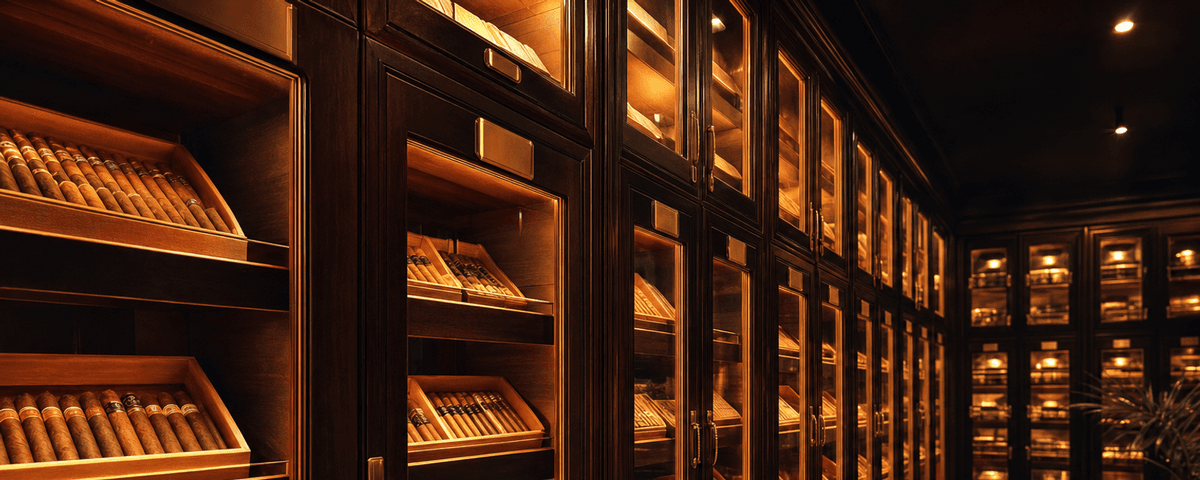
33 座 24 小時恆溫恆濕醇化室
W Cigar Bar 提供的會員醇化空間 · 場地資訊請洽編輯部
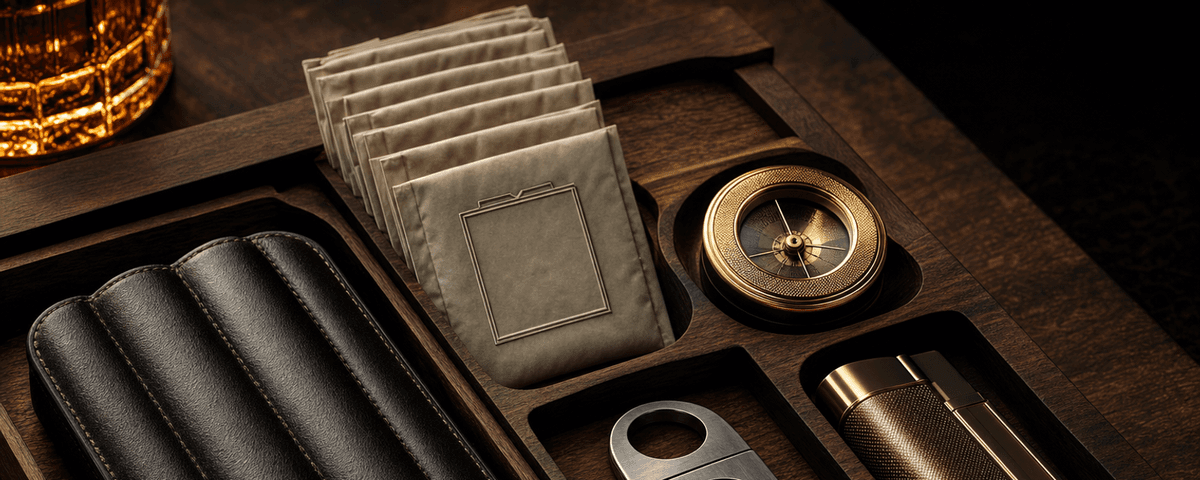
雪茄剪 / 打火機 / 雪茄盒 / Boveda
W Cigar 配件官網 · 專營雪茄配件正品
加 LINE 好友 · 文化諮詢
文化空間資訊 · 紳士沙龍 · 私人包場
本網站內容僅供雪茄文化、歷史、收藏與品吸知識研究參考。菸品有害健康、未滿法定年齡者請勿吸菸。實際規範請依所在地法律為準。
吸菸有害健康・戒菸專線 0800-636363・本站僅供 20 歲以上成年人閱覽。
讀到這裡,你不只是路過的人
留下 Email,加入 W 雪茄聖經內圈——總編輯 Wilson Tsai 親選的學院深文與國際新訊,先你一步送到信箱。
· 教育用途非銷售 · 隨時一鍵退訂 · Email 絕不對外公開 · 由勝茄股份有限公司營運
同分類延伸閱讀

資料來源:W Cigar Bible 編輯部整理 · 雪茄王子 Wilson Tsai 親自審稿
本文僅供雪茄文化、歷史、收藏與品鑑知識研究,不作為菸品促銷、銷售或購買建議。吸菸有害健康,未滿二十歲不得吸菸。