大吉嶺紅茶春摘夏摘:喜馬拉雅山麓的麝香葡萄調,搭配 Montecristo No.4 的經典比例
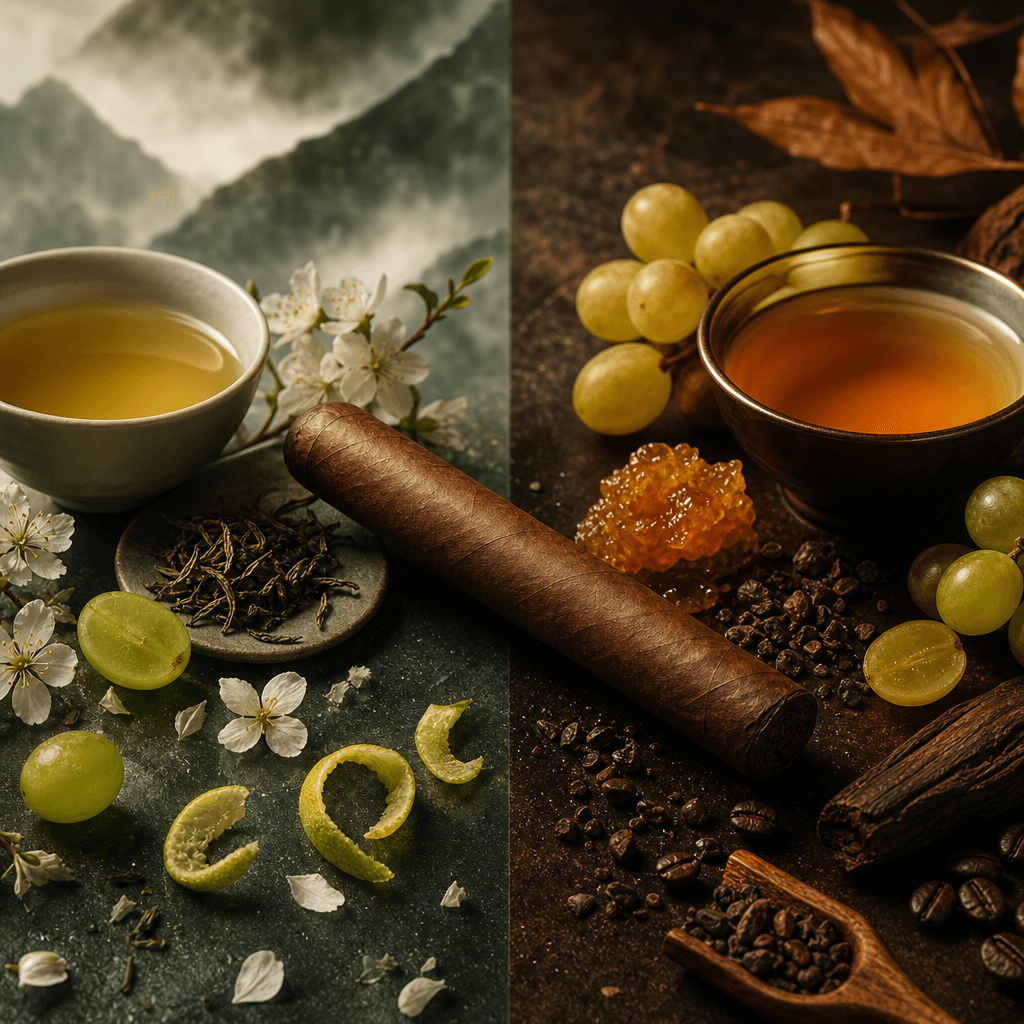
大吉嶺紅茶的魅力,來自喜馬拉雅山麓冷涼海拔、殖民時期移植的中國小葉種,以及春摘、夏摘兩種截然不同的季節表情。本文以 Montecristo No.4 為對照,解析春摘青綠鮮爽、夏摘麝香葡萄調,如何與可可、咖啡、木質、淡柑橘交疊,形成入門者也能掌握的經典比例。
- 春摘偏青綠鮮爽,夏摘轉向麝香葡萄,是大吉嶺紅茶的季節核心。
- Montecristo No.4 的 Mareva 比例,讓茶香與茄香在中段最容易對齊。
- 麝香葡萄、淡柑橘、可可與咖啡,是本組搭配的主要風味座標。
Darjeeling Tea Spring and Summer Harvest: Muscatel Notes from the Himalayas Paired with the Classic Proportion of Montecristo No.4
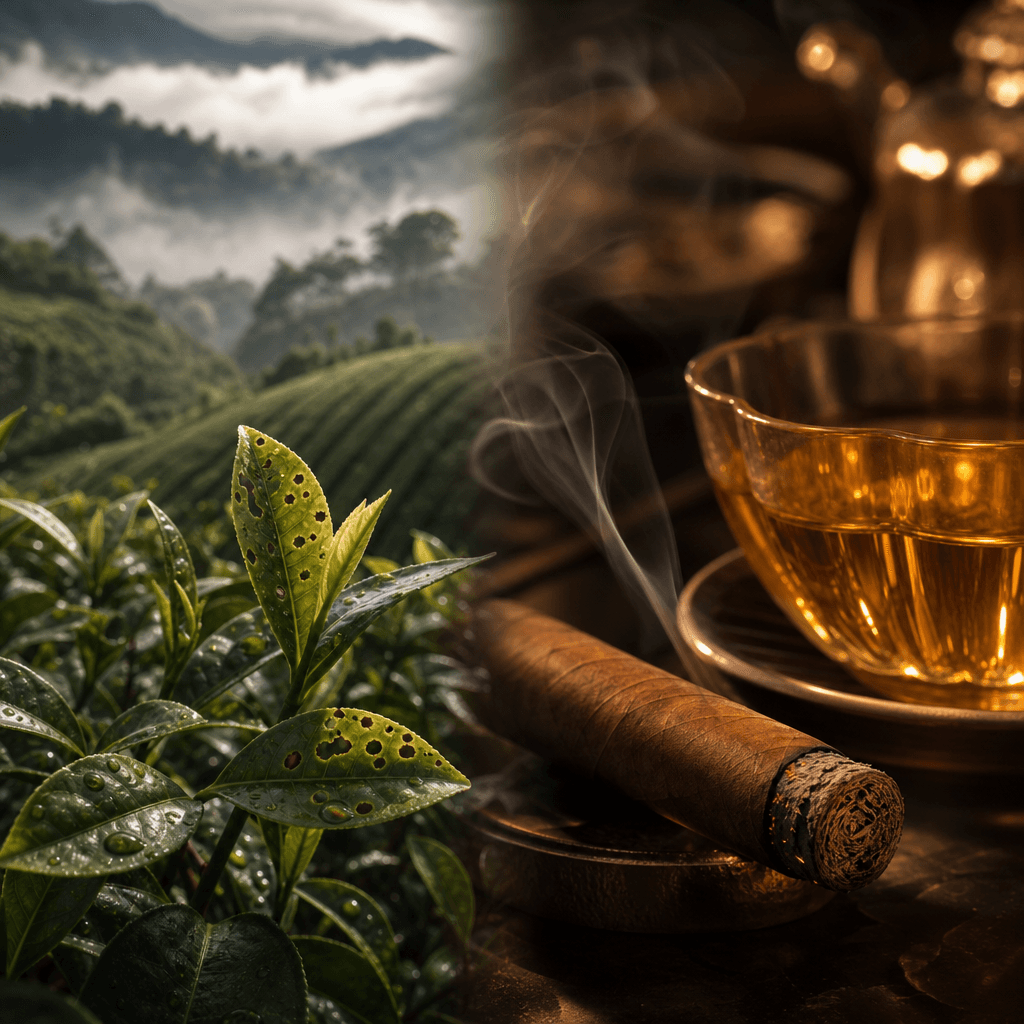
The encounter between Darjeeling tea and Montecristo No.4 is what I often call a combination of "two standard answers verifying each other": on one side is the champagne of teas, and on the other is the classic proportion of the Cuban Mareva. The former draws floral and fruity lines from the cool high altitudes of the Himalayas, while the latter constructs the framework of a medium cigar with cocoa, coffee, wood, and light citrus. Neither relies on heaviness to win but stands firm through proportion, layers, and a sense of closure.
As the editor of the "Cigar Bible," I place this pairing at the forefront of systematic knowledge for beginners for a simple reason: it doesn't require exaggerated sensory vocabulary to clearly read the differences between "spring harvest" and "summer harvest." Spring-harvested Darjeeling tea resembles green grape skins, buds, white flowers, and a hint of almond; the summer harvest has distinct muscatel grape, ripe fruit, honey, and slight spicy notes. When they meet Montecristo No.4, the cigar's light citrus and cocoa are pushed in different directions, which is precisely the most worthwhile aspect of pairing tea with cigars.

時間軸呈現沖泡春摘夏摘並比對雪茄收束
Darjeeling Tea: The Mountain Framework of the Champagne of Teas
Darjeeling is located in northern West Bengal, India, backed by the Himalayan range, with tea gardens stretching from about 600 meters to nearly 2000 meters in altitude. Altitude is not just a decorative term; it directly changes the metabolic rate of the tea trees, the thickness of the buds and leaves, and the way aroma accumulates. The day-night temperature difference slows down the growth of the buds, so the tea liquor does not win by being dark and strong but has a slender, clear, and angular aroma structure.
The title "champagne of teas" is often understood only as elegance, but it is more like a language of the region. The key to champagne is coolness, acidity, delicate bubbles, and village differences; the key to Darjeeling tea is coolness, fragrance, fruit acidity, estate character, and seasonal differences. Both require the drinker to recognize details rather than just pursue thickness.
The core of Darjeeling is not strength but the cool altitude pulling the aroma into fine lines. Therefore, when pairing with Montecristo No.4, I do not treat it as a regular strong black tea. If brewed at too high a concentration, the astringency of the tea will overpower the cigar's light citrus; if you capture the bright middle section, the tea aroma can instead illuminate the woody and coffee contours in the cigar aroma.
Chinese Small-leaf Variety, Colonial Transplant History, and Estate Culture
The story of Darjeeling's tea trees is inseparable from the plant transplant experiments during the British colonial period in the 19th century. The British sought mountainous environments in India that could stably produce tea, introducing not only the Assam large-leaf variety but also the Chinese small-leaf variety to the highlands of Darjeeling. The Chinese small-leaf variety adapted well to the cool slopes, with smaller leaves and more delicate aromas, which is one of the fundamental reasons why Darjeeling is not as strong and malty as Assam.
Estate culture is another line for understanding Darjeeling tea. Names like Castleton, Margaret’s Hope, Glenburn, Goomtee, and Arya are not just place labels for those familiar with tea but are epitomes of slope orientation, altitude, tea-making style, and seasonal performance. Darjeeling also commonly features leaf grade labels like FTGFOP and SFTGFOP, which, although they cannot solely determine flavor quality, reflect the whole leaf proportion, bud integrity, and grading tradition.
Estate culture turns Darjeeling tea from a region into a comparable micro-map. This is very similar to the vitola thinking of Cuban cigars: under the same brand, different sizes and proportions will make the burning, concentration, and aroma progression completely different. Montecristo No.4 has become a classic not just because of its famous name but because the Mareva size clearly, stably, and recognizably condenses the brand's core flavor.

三張重點卡整理春摘夏摘與雪茄對位
Spring Harvest First Flush: Fresh Green and Bud Sensation
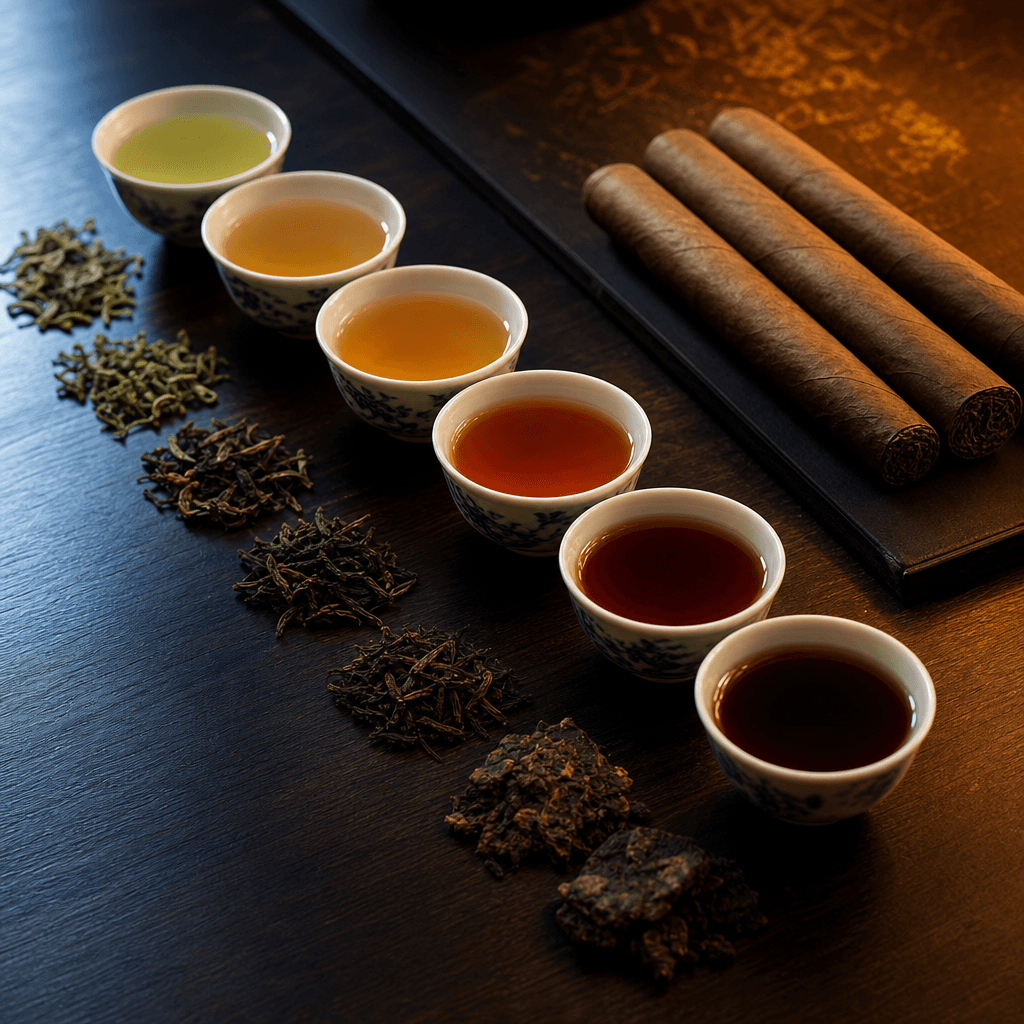
The spring harvest First Flush usually appears between March and April and is the most discussed seasonal tea in Darjeeling. At this time, the buds and leaves unfold after low-temperature dormancy, and the tea liquor color often leans towards golden yellow, light orange, or even with a hint of light green reflection. The flavor may include green grapes, fresh grass, white flowers, citrus peel, almonds, and a slight mineral sensation, overall closer to the territory between fragrant oolong and high mountain green.
The spring harvest process typically emphasizes retaining freshness, with lighter withering, rolling, and oxidation. This is why many tea enthusiasts may wonder if the spring harvest Darjeeling counts as typical black tea when they first try it. From a classification perspective, it still falls under the black tea category, but sensorially, it indeed leans towards low oxidation, floral, grassy, and crisp fruit acidity.
The intersection of spring-harvested Darjeeling and Montecristo No.4 is where the green acidity pulls the cigar's light citrus to the foreground. When the cigar's front section shows light citrus and dry wood, the catechin astringency, lemon peel sensation, and white floral aroma in the spring harvest tea liquor will form a high-pitched duet. This doesn't make the cigar sweet but allows the bright aroma originally hidden behind the cocoa to emerge earlier.

矩陣比較春摘夏摘與蒙四在香氣和結構差異
Summer Harvest Second Flush: Mature Sweetness of Muscatel Notes
The summer harvest Second Flush is mostly produced between May and June and is the most recognizable seasonal expression of Darjeeling tea. At this time, temperatures rise, sunlight and insect pressure increase, and the aroma precursors and polyphenols in the buds and leaves transform more completely, with the tea liquor color deepening towards amber and orange-red. The most enchanting term is the muscatel note, often referred to as the muscatel character.
Muscatel is not just "grape flavor" in three words. It includes ripe grape skins, honey, trace dried fruit, floral nectar, spicy notes, and a bit of woody finish, with the aroma core often related to monoterpene compounds such as linalool, geraniol, hotrienol, and their oxides. When the tea-making oxidation degree is precisely controlled, the theaflavins bring brightness, and thearubigins provide thickness, resulting in a mature but not heavy sweetness in the summer harvest.
The muscatel note of summer-harvested Darjeeling is the key note that makes this pairing most like the "champagne of teas". When it meets the cocoa and coffee of Montecristo No.4, it doesn't just stop at the fruit aroma but pushes the ripe fruit sweetness into cocoa powder, roasted nuts, and light wood. In other words, the summer harvest makes the cigar's middle section rounder, while the spring harvest makes the cigar's front section brighter.

三張錯誤提醒卡說明濃沖麝香與奶茶問題
Light Fermentation and the Oolong-like Craft Debate
A frequently discussed point about Darjeeling tea is its oxidation level, which is not entirely the same as typical black tea. Traditional black tea pursues more complete oxidation, resulting in deeper tea liquor color, thicker taste, and more pronounced malt or molasses notes; however, many Darjeeling spring harvests keep oxidation low, even presenting oolong-like green edges, floral aroma, and crispness. This style is not a mistake but a choice formed by the region between market, climate, and aroma expression.
"Fermentation" is often used in the context of tea studies, but more precisely, most black teas undergo enzymatic oxidation, not microbe-led fermentation. Withering causes leaves to lose water and initiate aroma changes, rolling breaks cells, polyphenol oxidase contacts catechins, forming substances like theaflavins and thearubigins. If Darjeeling retains a higher proportion of fresh green aroma, the tea liquor will have an oolong-like transparency.
The focus of this craft debate is not on the name but on how the oxidation level determines the pairing direction. Lightly oxidized spring harvests are suitable for connecting with Montecristo No.4's light citrus, dry grass, and wood. More fully oxidized summer harvests more easily align with cocoa, coffee, and toasted bread crust, making the cigar's middle section appear more maturely sweet.
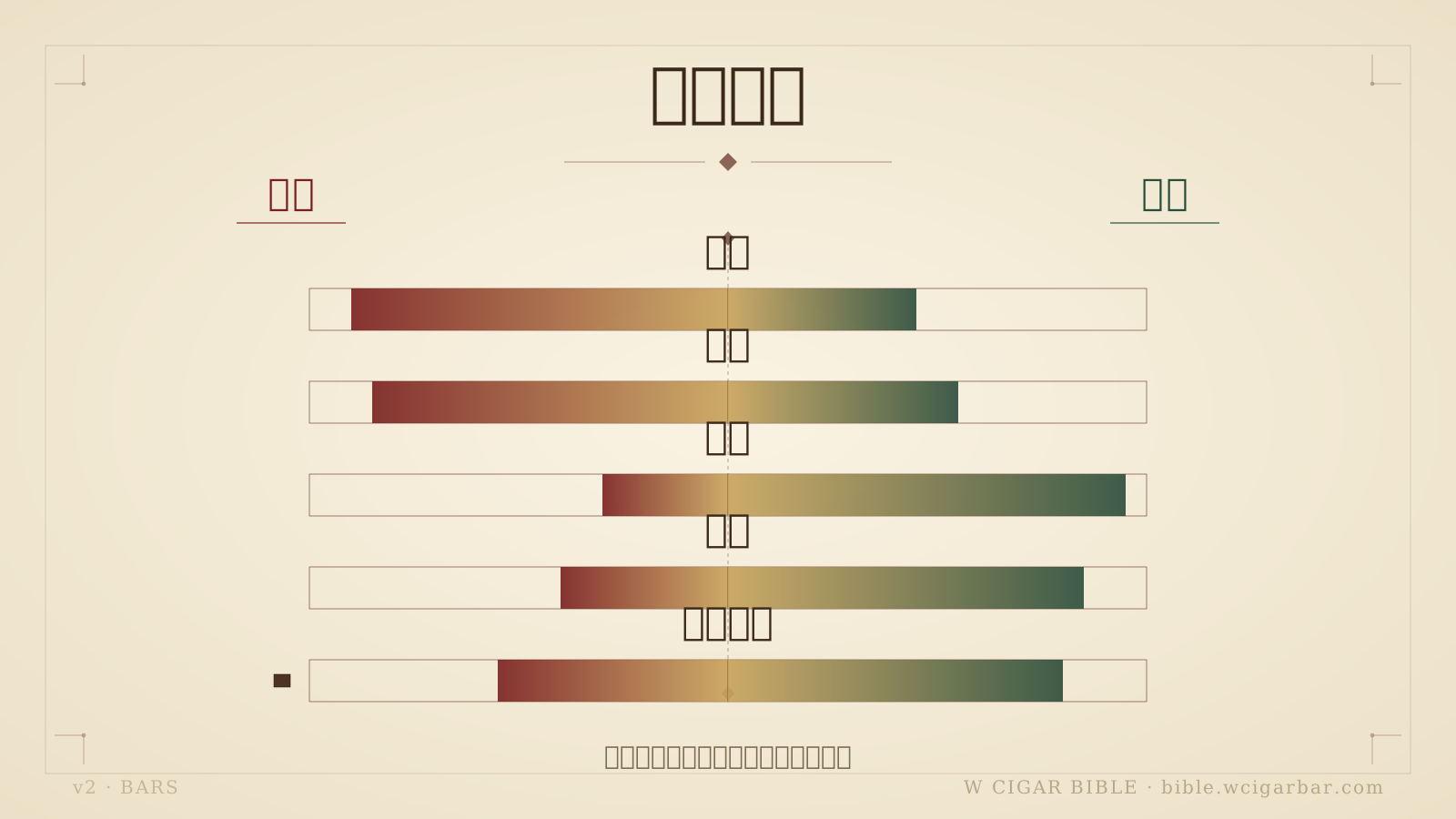
橫條圖比較春摘與夏摘在五個風味軸強度
Montecristo No.4: The Cigar Syntax of the Classic Mareva Proportion
Montecristo No.4 (Cuba, Mareva, 42 × 129mm) is a legendary vitola in global sales and one of the coordinates for many cigar readers to understand Cuban flavors. The ring gauge and length of Mareva allow the burning rhythm not to drag, with clear transitions between the front, middle, and back sections, particularly friendly for beginners. It doesn't use a large size to pile up presence but completes a clean Cuban sentence with cocoa, coffee, wood, light citrus, and a medium cigar body.
I often say the advantage of Montecristo No.4 is that it makes the concept of "proportion" very intuitive. The 42 ring gauge doesn't make the burning surface too wide, and the smoke density is moderate; the 129mm length is enough to leave bright front, cocoa middle, and deepened wood and coffee back transitions. If well-preserved and aged, its cocoa powder sensation will be drier than dessert-style chocolate, and the coffee will be more like medium-roast beans and roasted grains.
The classic nature of Montecristo No.4 is not in maximum strength but in Mareva pressing the flavor proportion just right. This corresponds precisely to the estate delicacy of Darjeeling tea: both demand details rather than relying on weight to dominate. When the muscatel note of the summer harvest meets the cocoa in the Mareva middle section, readers can easily understand what "one classic proportion responding to another classic proportion" means.
Flavor Chemistry: Counterpoint of Muscatel, Light Citrus, Cocoa, and Wood
Putting Darjeeling tea and Montecristo No.4 together cannot just be said to "pair well." I would break it down into three sets of token×token: muscatel×light citrus, summer ripe fruit×cocoa, estate tea delicacy×Mareva golden ratio. By breaking it down this way, beginners can know that what they taste, smell, and smoke is not an abstract description but a sensory chain that can be tracked.
The first set is the high-pitched duet of muscatel×light citrus fruit acidity. The linalool, geraniol, and hotrienol in summer-harvested tea bring floral and fruity aromas, while the light citrus in the front section of Montecristo No.4 is often accompanied by dry grass, light wood, and slightly acidic smoke. When the two meet, the fruit acidity will shift from "tea's grape skin" to "citrus peel in cigar smoke," creating a bright, slender echo at the upper edge of the nasal cavity.
The second set is the mature sweetness of summer ripe fruit×cocoa. Cocoa and coffee sensations are often associated with pyrazine, furan, and roasted notes, while thearubigins and ripe fruit honey sensation in the tea liquor provide a rounded background. When a sip of summer-harvested tea follows the middle section of Montecristo No.4, the dry bitterness of cocoa powder will be edged by ripe grape skins and honey sensation, leaving layers like unsweetened cocoa sprinkled on ripe fruit.
| Flavor Counterpoint | Darjeeling Tea Side | Montecristo No.4 Side | Changes After Meeting |
|---|---|---|---|
| Muscatel×Light Citrus | Summer monoterpene floral and fruity aroma, grape skin | Front section light citrus, dry grass | Fruit acidity raised, nasal cavity brighter |
| Ripe Fruit×Cocoa | Honey, ripe grapes, thearubigin thickness | Cocoa powder, medium-roast coffee | Bitter-sweet becomes round, dry sensation finer |
| Spring Green×Wood | Buds, white flowers, crispness | Cedar, dry wood, light nuts | Wood becomes clean, herbal sensation rises |
| Estate Delicacy×Mareva Proportion | Altitude, slope orientation, process details | 42 × 129mm rhythm | Both sides present clear sections |
The most successful pairing is not letting the tea overshadow the cigar but letting both sides express a more precise flavor syntax together. If you use spring harvest, the focus will lean towards green, white flowers, citrus, and wood; if you use summer harvest, the focus shifts to muscatel, cocoa, coffee, and ripe fruit. This difference is very suitable for practice because the same cigar can clearly reflect the personalities of two seasonal teas.

三張問答卡回答香檳稱號差異與澀感調整
Brewing Proportion and Tasting Rhythm: Ensuring Tea Liquor Doesn't Overpower Smoke
The biggest advantage of pairing non-alcoholic beverages with cigars is the ability to finely adjust temperature, concentration, and rhythm. If Darjeeling tea is spring-harvested, I would use a lower water temperature and shorter time, about 85 to 90°C, to let white flowers, buds, and green grape skins emerge first, avoiding astringency buildup. Summer harvest can be raised to 90 to 95°C, with slightly longer time, to make muscatel, honey, and amber tea liquor more complete.
Tea quantity can start with 150ml of water to 2.5g of tea leaves, about 2 minutes for spring harvest, 2 minutes 30 seconds for summer harvest, then adjust slightly according to leaf condition. If using a mug for long-term soaking, astringency will quickly amplify, overlapping with the coffee bitterness of Montecristo No.4, resulting in coarseness. Using a small pot or covered cup to segment the liquor can instead maintain clear contours with each sip.
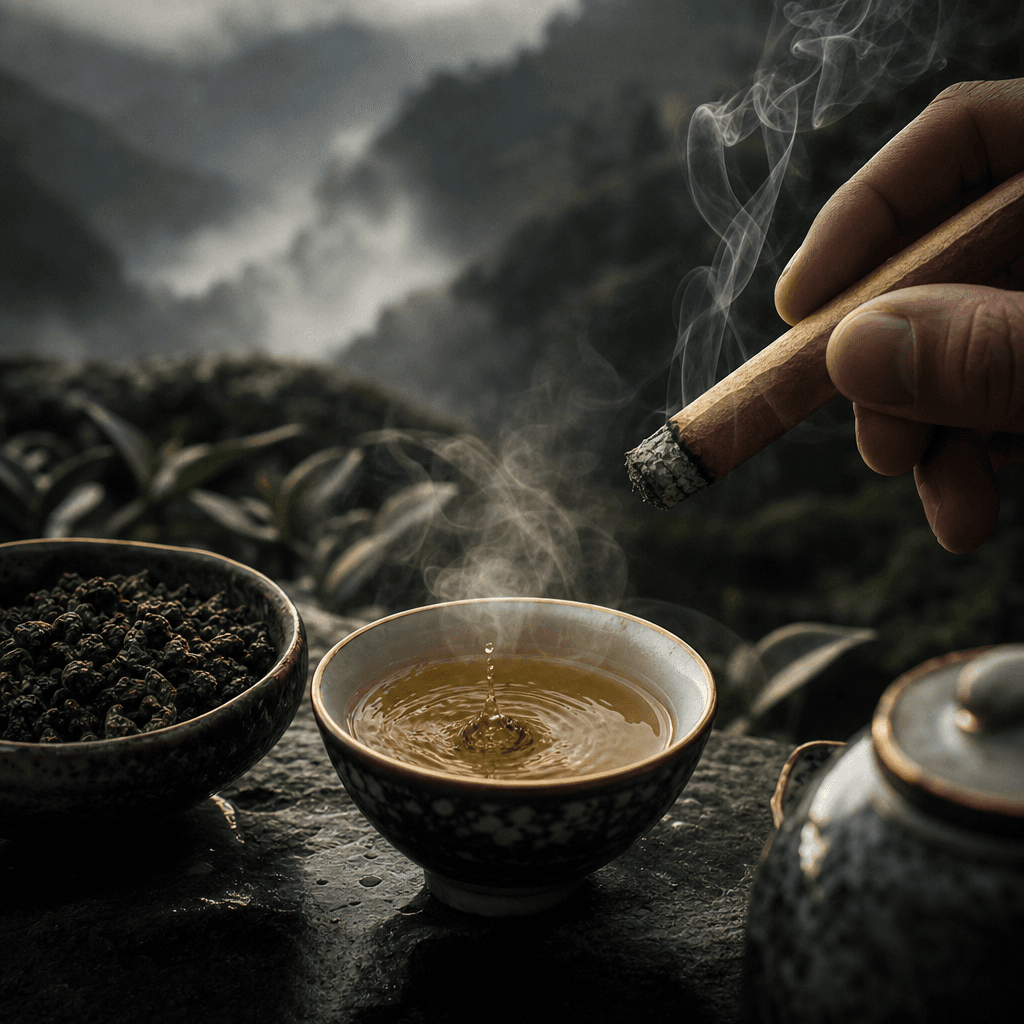
The operational principle of this pairing is that the tea liquor should have aromatic tension but not be heavier than the cigar. I would drink two sips of tea before lighting to establish the tea's acidity and aroma coordinates; after the cigar enters the front section, switch to one puff of smoke, one small sip of tea, observing whether citrus and green emerge. In the middle section, you can switch to summer harvest or slightly deepen the tea liquor to connect cocoa, coffee, and muscatel.
Frequently Asked Questions
Why is Darjeeling tea called the champagne of teas?
This title comes from its cool region, bright acidity, delicate floral and fruity aroma, and estate differences. It's not because the tea liquor resembles sparkling wine but because the regional concept and refined aroma remind people of champagne. The focus of the champagne of teas is regional character and aroma transparency.
Which difference is more pronounced when pairing spring and summer harvests with Montecristo No.4?
Spring harvest will make light citrus, dry grass, white flowers, and wood clearer, overall brighter. Summer harvest will connect cocoa, coffee, and ripe fruit sweetness, with more rounded layers. If you want to practice seasonal differences, you can compare two cups of tea with the same cigar on the same day.
Is the muscatel note artificially added?
The muscatel note of traditional Darjeeling summer harvest comes from the combination of tea tree variety, altitude, season, insect pressure, and tea-making oxidation. It's not a simple grape flavor but a complex impression of ripe grape skins, floral nectar, wood, and slight spiciness. A good summer harvest will have clear aroma but not as straightforward as candy fragrance.
Why is Montecristo No.4 suitable for systematic practice?
The specification of Montecristo No.4 is Mareva, 42 × 129mm, with burning rhythm and flavor sections easy to observe. Cocoa, coffee, wood, light citrus, and medium cigar body form a clear benchmark, with changes easily read when paired with different tea liquors. For those who already have basic tasting skills, it's very suitable for establishing flavor coordinates.
How to adjust when the tea liquor's astringency is too strong?
First, lower the water temperature, then shorten the soaking time, especially for spring harvest to avoid over-extraction. You can also reduce the tea quantity to leave white flowers, green grapes, and bud sensations, rather than just catechin astringency. If the cigar has entered the back section, the tea liquor should be clearer to avoid excessive bitterness and astringency stacking.
Can it be paired in a milk tea style?
It can be used as another style but is not suitable for learning this core counterpoint. Milk will coat tea polyphenols and also weaken the details of spring green and summer muscatel. If the goal is to understand the classic proportion of Darjeeling tea and Montecristo No.4, pure drinking better reveals the aroma structure.
The focus of Darjeeling tea and Montecristo No.4 is not to make the flavor big but to see the proportion clearly. Spring harvest teaches you to hear green and light citrus, while summer harvest teaches you to recognize muscatel and cocoa. When both classics are not in a hurry to speak fully, the details are the most powerful.
Further Reading|Complete Guide to the Six Types of Tea: Fermentation Spectrum from Green Tea to Pu'er, and an Overview of Flavors Paired with Cigars|The Keemun Aroma of Keemun Black Tea: The Top of the World's Three High-Fragrance Black Teas, Paired with H. Upmann Half Corona for Afternoon Tea Specifications|Assam and Ceylon Black Tea: The Two Faces of Strong Malt and Bright Citrus, Paired with Juan López Selección No.2
—Cigar Prince Wilson Tsai
Smoking is harmful to health. Smoking is prohibited for those under twenty. Quitline: 0800-636363. This article is for reference by adults over twenty for cigar culture, preservation, and regulatory knowledge, not a tobacco advertisement, promotion, or purchase suggestion.
Like this article?Share with friends
Share this W Cigar Bible piece with friends who want to learn cigar culture, storage, and tasting.
想把這篇 化為實踐
雪茄聖經是知識;雪茄文化要在空間裡發生

W Cigar Bar 大安總店資訊
台北大安區 · 雪茄聖經總編輯 Wilson Tsai 主理的雪茄文化空間
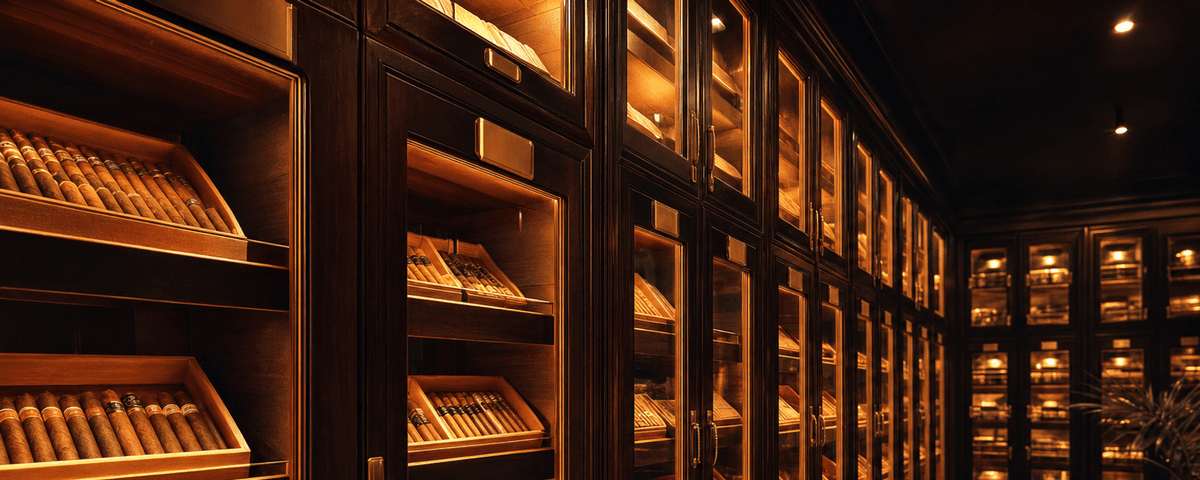
33 座 24 小時恆溫恆濕醇化室
W Cigar Bar 提供的會員醇化空間 · 場地資訊請洽編輯部

雪茄剪 / 打火機 / 雪茄盒 / Boveda
W Cigar 配件官網 · 專營雪茄配件正品
加 LINE 好友 · 文化諮詢
文化空間資訊 · 紳士沙龍 · 私人包場
本網站內容僅供雪茄文化、歷史、收藏與品吸知識研究參考。菸品有害健康、未滿法定年齡者請勿吸菸。實際規範請依所在地法律為準。
吸菸有害健康・戒菸專線 0800-636363・本站僅供 20 歲以上成年人閱覽。
讀到這裡,你不只是路過的人
留下 Email,加入 W 雪茄聖經內圈——總編輯 Wilson Tsai 親選的學院深文與國際新訊,先你一步送到信箱。
· 教育用途非銷售 · 隨時一鍵退訂 · Email 絕不對外公開 · 由勝茄股份有限公司營運
同分類延伸閱讀
資料來源:W Cigar Bible 編輯部整理 · 雪茄王子 Wilson Tsai 親自審稿
本文僅供雪茄文化、歷史、收藏與品鑑知識研究,不作為菸品促銷、銷售或購買建議。吸菸有害健康,未滿二十歲不得吸菸。