雪茄的風味演變與個人口味的匹配
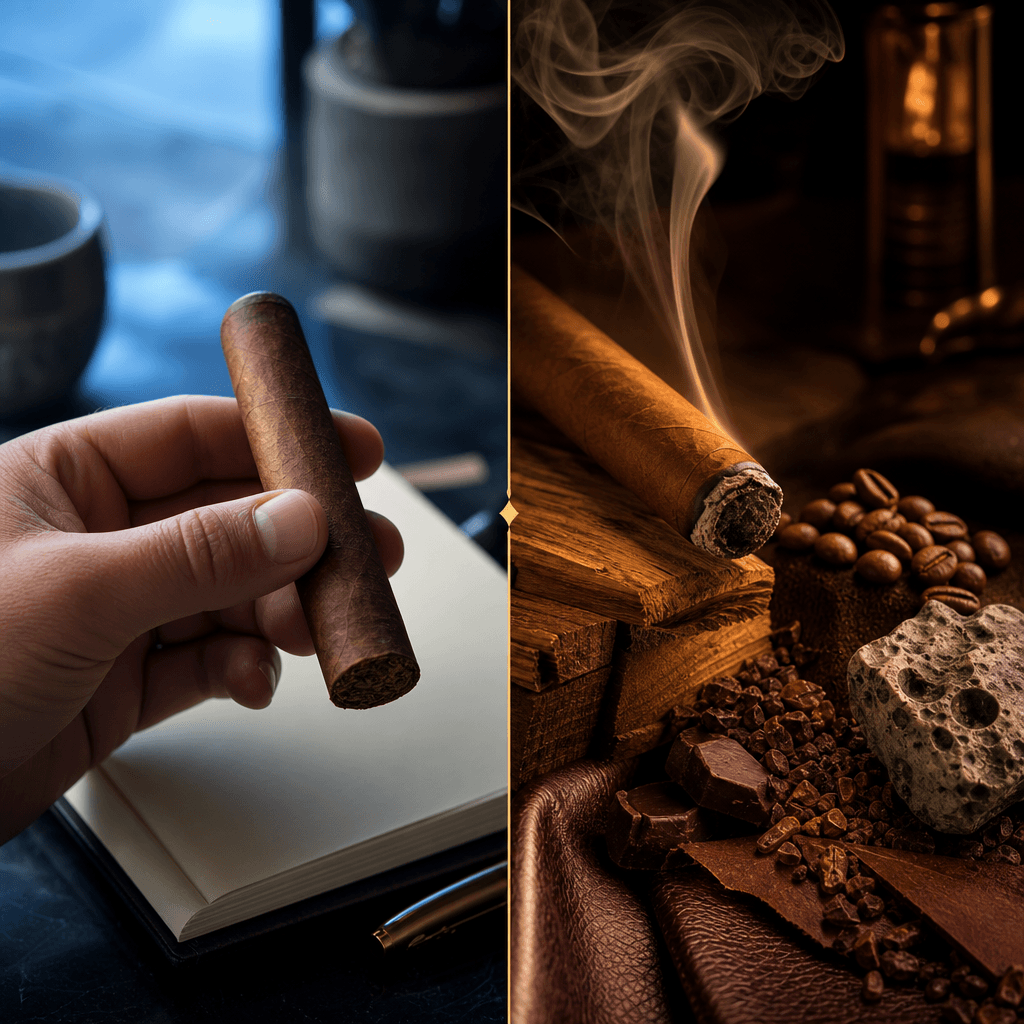
雪茄的魅力在於其風味的逐步演變,從清新的前段到濃厚的中段,再到多變的後段,體現了時間的藝術。選擇雪茄時,應根據個人的喜好與場合,理解其風味的層次與平衡,而非僅依賴品牌。不同尺寸的雪茄會影響燃燒節奏,進而改變口感體驗。入門者可透過記錄濃度、辛香與甜感,逐步建立自己的風味地圖。此外,妥善的保存與醇化能提升雪茄的整體表現,讓每一次品味都成為獨特的享受。
- 雪茄的風味會隨著燃燒時間而變化,分為前段、中段和後段,每段都有不同的香氣特徵。
- 選擇雪茄時要分清濃度、強度與風味厚度,以便更精確地找到適合自己的口味。
- 同一品牌不同尺寸的雪茄,其風味和燃燒節奏會有顯著差異,選擇時需考慮尺寸的影響。
The Evolution of Cigar Flavors and Matching Personal Preferences
The charm of cigars lies not in revealing all the answers with the first puff, but in unfolding like a slowly developing symphony over an hour or even two: the first third is bright, the middle third thickens, and the final third may rise in spiciness or transform into caramel, leather, wood, and mineral notes.
As the editor of the "Cigar Bible," I'm often asked, "Which one suits me?" My answer usually isn't about the brand first, but about your preferred rhythm, intensity, aroma type, and occasion. Understanding how flavors evolve is key to truly selecting a cigar that matches you.
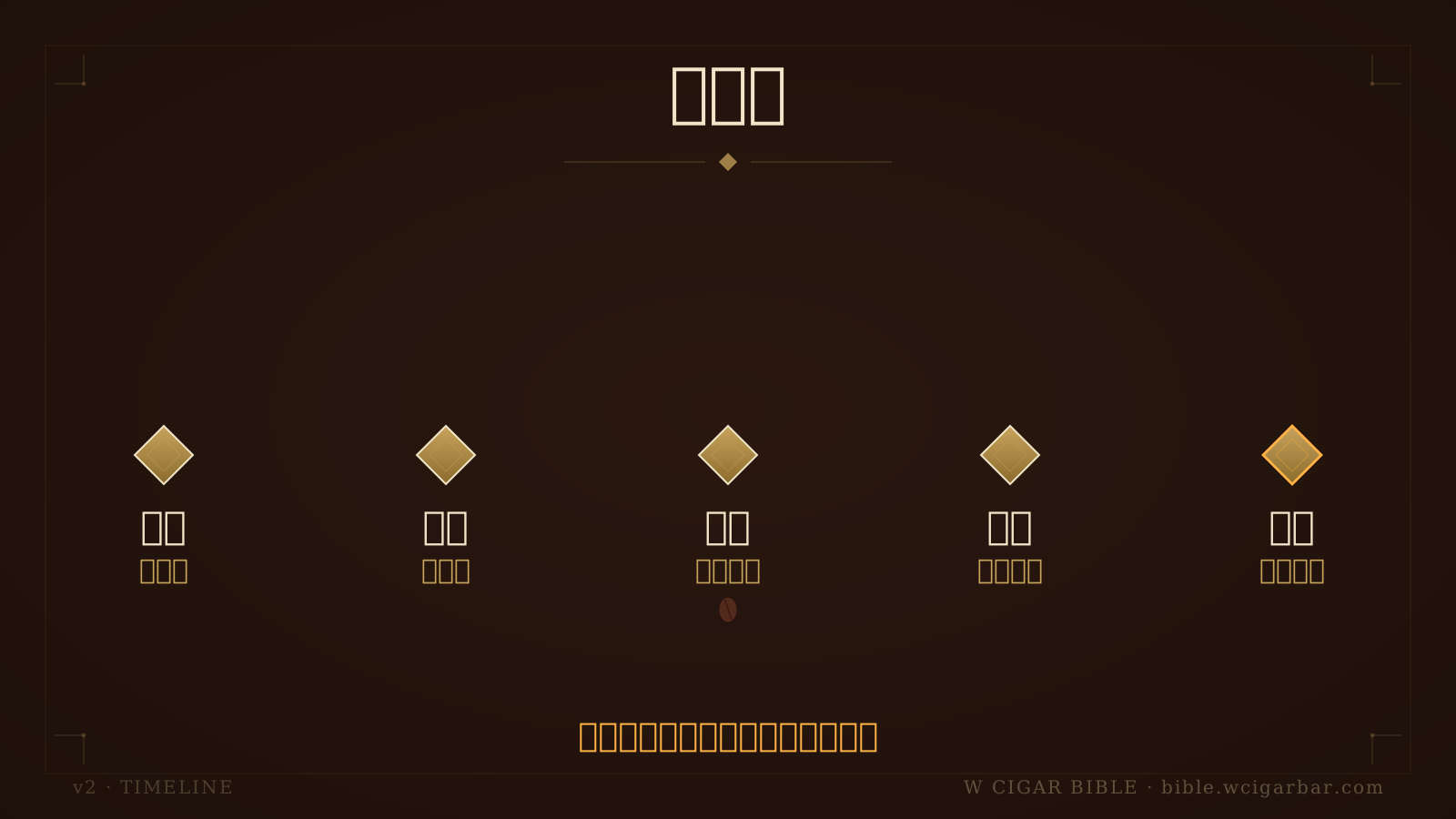
時間軸顯示點燃、前段、中段、後段與收尾判斷
Flavor is Not a Fixed Answer, But a Change on a Timeline
A cigar from lighting to finish can generally be divided into the first third, middle third, and final third. For the common Robusto size, about 124 mm in length and a ring gauge of 50, the average time is about 45 to 70 minutes; a Churchill might extend beyond 90 minutes. The longer the time, the more pronounced the flavor transitions, and the more it tests your concentration.
The first third often features opening aromas like cedar, hay, cream, white pepper, or a hint of floral scent. Once the middle third stabilizes in burning temperature, the tobacco body emerges, with notes like roasted nuts, coffee, cocoa, leather, or earthiness. In the final third, due to the accumulation of tar, heat, and moisture, spiciness, bitterness, and mineral notes increase, and if the rhythm is not controlled, it can easily result in harshness and off-flavors.
Judging whether a cigar suits your taste should not be based solely on the first puff, but on whether it has layers and balance across the three segments. For example, Partagás Serie D No.4 is often remembered by beginners for its pepper and woodiness in the middle to final thirds; Hoyo de Monterrey Epicure No.2 often wins with mildness, creaminess, and light woodiness. Neither is superior; they simply have different personalities.
I recommend beginners record at least three time points each time: 5 minutes after lighting, when entering the middle third, and when only the final third remains. Simply writing "good smoke" or "bad smoke" is too vague; instead, write "creamy in the first third, coffee in the middle, pepper rises in the final third," and your choices will be much more accurate in the future.
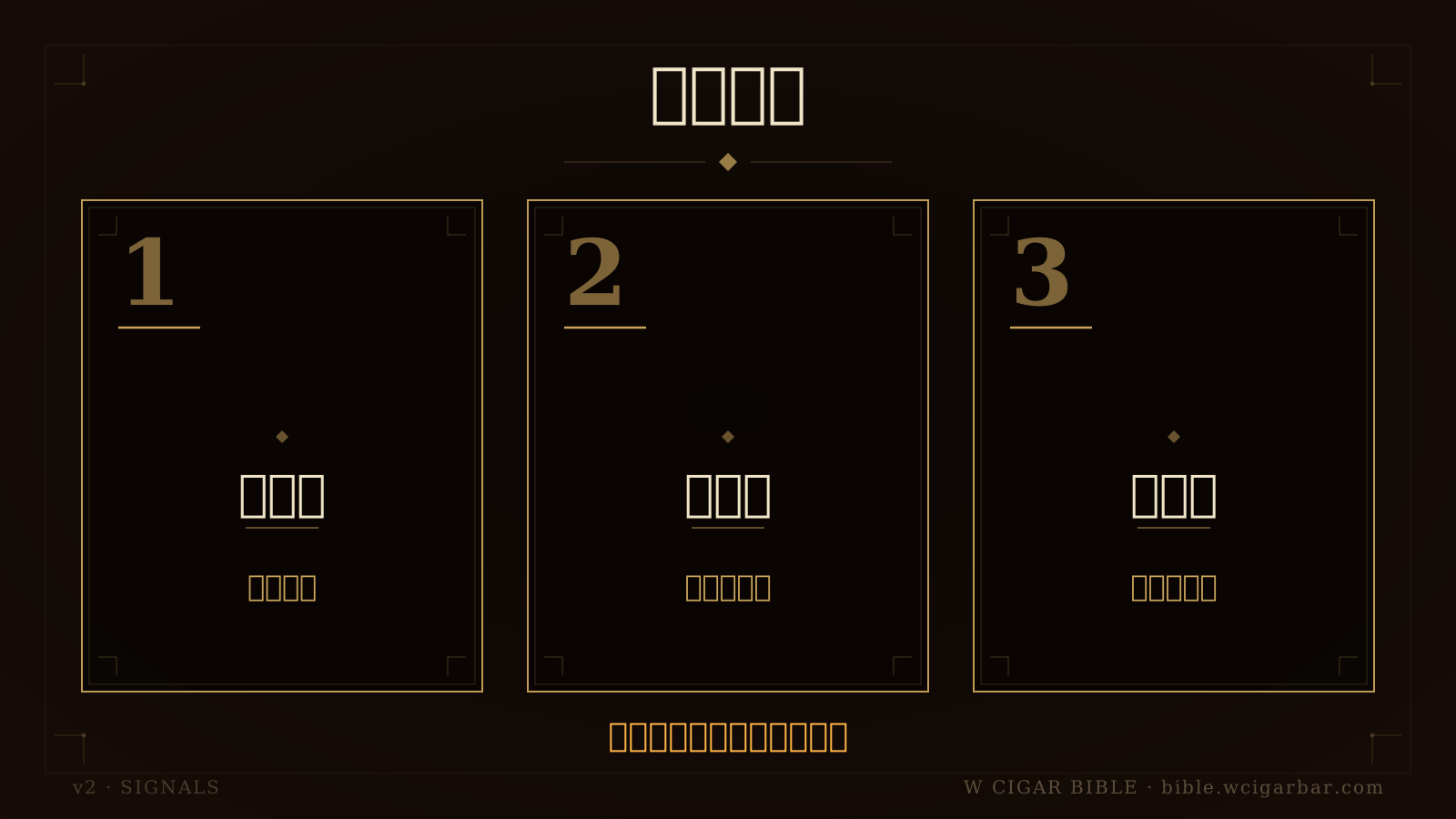
三張卡片列出三段、濃強與尺寸三個選味重點
Intensity, Strength, and Flavor Thickness Should Not Be Confused
Many people say "I don't like it too strong," but this statement can actually refer to three different things: the nicotine is too strong, the aroma is too heavy, or the final third is too spicy. In cigar language, body, strength, and flavor intensity should be viewed separately. Body is like the body of a wine, the weight in the mouth; strength often refers to the physiological sensation; flavor intensity is the clarity of the aroma.
For example, Cohiba Siglo II is not large, about 129 mm in length and a ring gauge of 42, but the aroma is highly recognizable, often with notes of grass, honey, wood, and a hint of spice; it may not feel very heavy, but it has a distinct presence. Conversely, some Maduro-wrapped cigars have thick cocoa and sweet aromas, but the nicotine strength may not be as high as imagined.
When choosing a cigar, first ask yourself if you're afraid of "dizziness," "spiciness," or "too heavy a flavor". If you're easily affected by nicotine, it's recommended to start with mild to medium brand lines, such as H. Upmann, Hoyo de Monterrey, Por Larrañaga, which are softer in orientation; if you just fear spiciness, avoid young types with obvious pepper notes in the final third.
Beginners can use a 1 to 5 scale to record three indicators: intensity, spiciness, and sweetness. After continuously recording 10 cigars, you'll find that you don't simply "like Cuban" or "dislike Dominican," but may prefer a medium intensity, low pepper, nutty sweet route. This data is more relevant to you than any ranking.
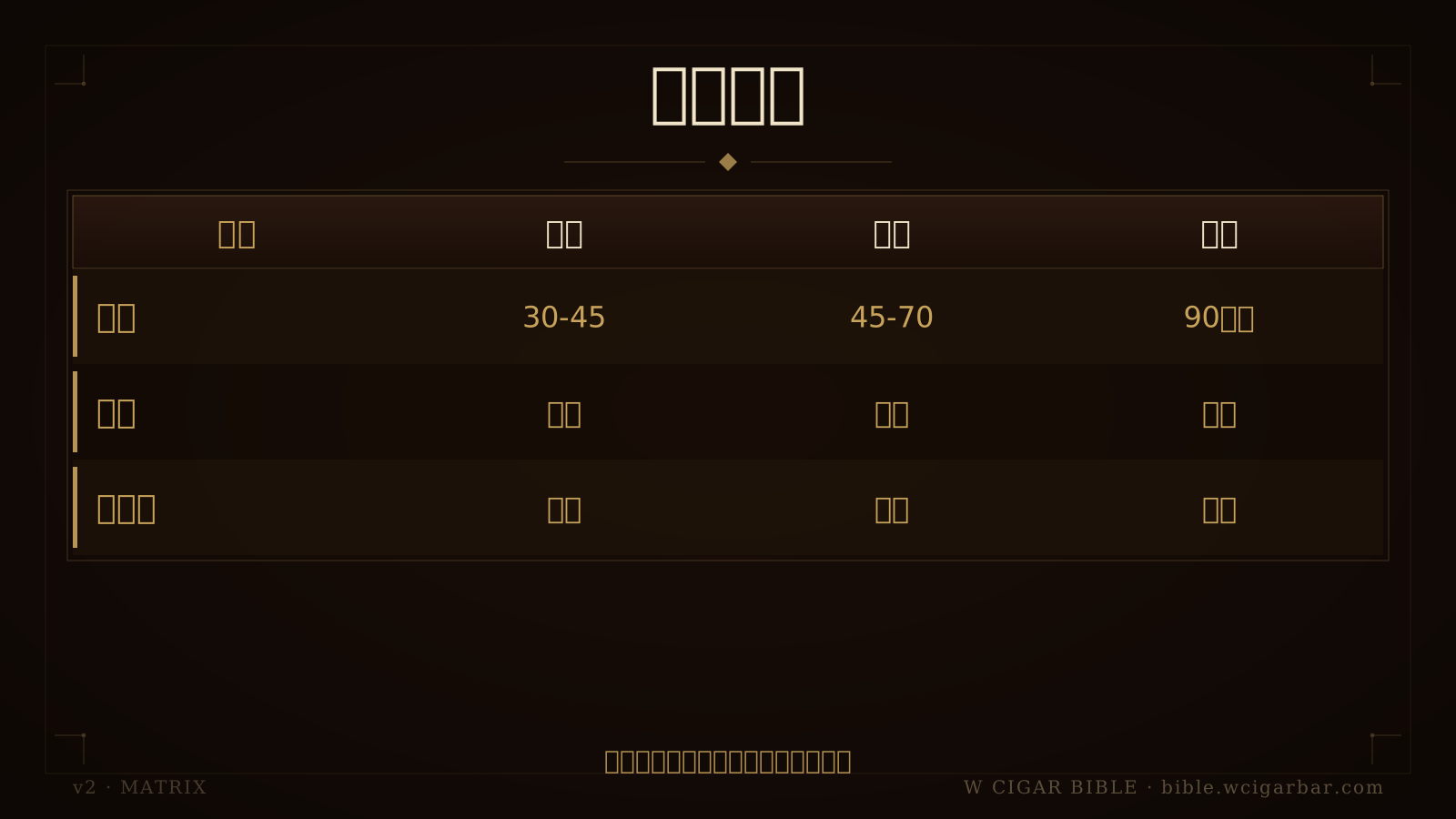
矩陣比較短型、羅布與丘吉在時間和風味上的差異
From Size to Rhythm: Different Specifications of the Same Brand Can Change Personality
The same brand and series, when changing the size, the flavor ratio may change. This is due to the different proportions of the wrapper, binder, and filler; the smaller the ring gauge, the more the wrapper affects it; the larger the ring gauge, the more the filler formula's thickness can unfold. This is why Corona, Robusto, Toro, and Churchill offer completely different rhythms.
Take Montecristo as an example, No.4 is a Petit Corona, about 129 mm in length and a ring gauge of 42, classic, concentrated, with bright wood and coffee notes; No.2 is a Pirámides, about 156 mm in length and a ring gauge of 52, with a concentrated airflow at the start due to the pointed cut, followed by more space for nut, cocoa, and cream notes to unfold. Both belong to the classic line, but the reading method is different.
Don't just remember the brand, remember the size; what you like may not be a particular brand, but a certain burning rhythm. If you often find the final third too hot, it may not be that the brand is unsuitable, but that you're smoking too fast, or choosing too short a Vitola. If you like slow changes, Robusto Extra, Double Corona, Churchill offer more room than shorter sizes.
You can quickly judge size and rhythm using the following method:
- 30 to 45 minutes: Petit Corona, Short Robusto, suitable for observing concentrated flavors
- 45 to 70 minutes: Robusto, Corona Gorda, high balance, most practical for beginners and advanced
- 70 to 100 minutes: Toro, Churchill, multiple layers, but requires patience and stable rhythm
- Over 100 minutes: Double Corona, Gran Toro, suitable for understanding slowly with complete time
Origin and Brand Personality: Find Your Flavor Map
Cuba, Nicaragua, Dominican Republic, Honduras each have typical impressions, but the origin cannot be taken as an absolute formula. Cuba is often described as having earth, cedar, grass, mineral, and delicate spice; Nicaragua often has rich cocoa, coffee, black pepper, and sweet aromas; the Dominican Republic is often known for cream, nut, floral, and soft wood notes; Honduras may have earth, leather, and substantial spiciness.
For Nicaraguan cigars that have gained attention in the international market since 2010, brands like Padron 1964 Anniversary, Oliva Serie V, My Father have shown many that high intensity and sweetness can coexist. Conversely, the Davidoff Grand Cru or Signature series offer a cleaner, elegant, and distinctly lined mild experience.
When building a flavor map, beginners should compare origin, brand, and size simultaneously, rather than making conclusions based on a single impression. For example, if you smoke a cigar in poor condition, it may just be due to high storage humidity, and you cannot immediately conclude that the entire brand does not suit your taste. It's recommended to compare at least three brands from the same origin and two sizes from the same brand for more objectivity.
My own note-taking habit is to write brand personality in culinary language: Hoyo is like a mild cream soup, Partagás like black pepper roast meat, Ramon Allones like ripe fruit and leather, Cohiba like grassy honey and delicate wood. This metaphor doesn't seek academic precision but helps you quickly recall the outline of that cigar in your mouth.
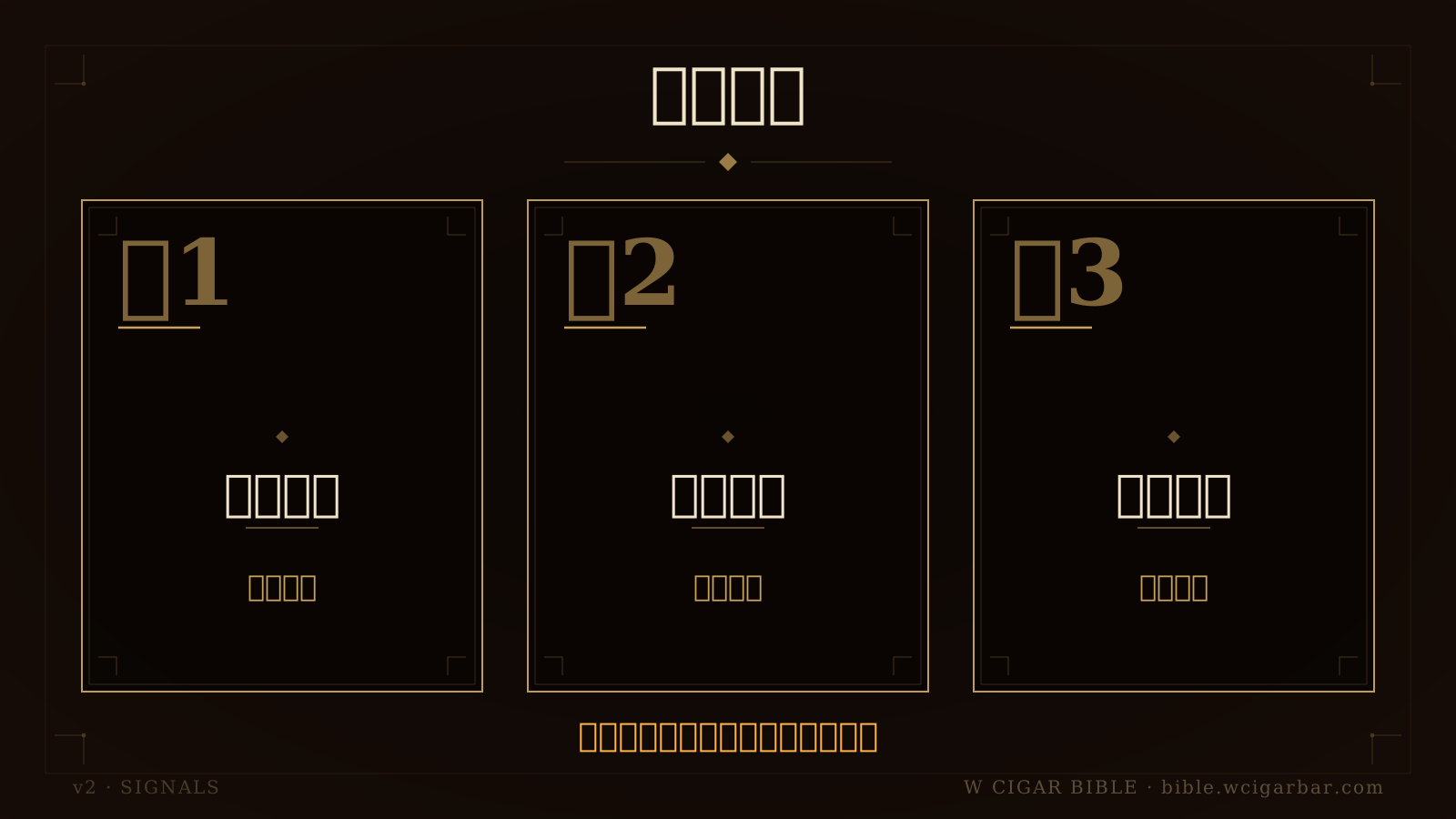
三張卡片提醒只看首口、抽吸太快與空腹嘗試
Storage and Aging: The Same Cigar Can Change with Condition
A cigar doesn't maintain the same appearance forever once the box is opened. Storage humidity, temperature, time, and transportation conditions all affect flavor performance. The general recommendation is a relative humidity of about 65% to 70%, and a temperature of about 18°C to 21°C; if humidity is consistently above 72%, burning tends to be muffled, smoke thick but aroma unclear; if below 62%, the taste may become dry, and spiciness may rise.
The core of aging is not mysterious, but to gradually soften the irritants in the tobacco leaves, making the aroma more integrated and smooth. For Cuban boxed cigars, many players pay attention to the year code on the box bottom, such as 2018, 2019, 2020, which may become more rounded 3 to 5 years later than in a young state. However, different brands have different speeds, and delicate cigars may not be suitable for long aging.
Proper storage will make the flavor more stable, but aging is not magic, and a cigar with a weak original structure will not automatically become a great work over time. When it comes to collection and market prices, remember: it doesn't guarantee appreciation, still depends on source storage and market. Box condition, source, temperature control records, and market supply and demand all affect future value and flavor performance.
| Condition | Common Taste | Possible Cause | Adjustment Direction |
|---|---|---|---|
| Too Moist | Muffled, Bitter, Slow Burn | Humidity above 72% | Lower to 65% to 68% and let it sit |
| Too Dry | Spicy, Cracked, Hot | Humidity below 62% | Slowly rehydrate, avoid quick fixes |
| Young | Green, Harsh, Separated | Short time since production | Place for 6 to 18 months and observe |
| Good Condition | Clear Aroma, Stable Burn | Stable temperature and humidity | Continue to record box condition and date |
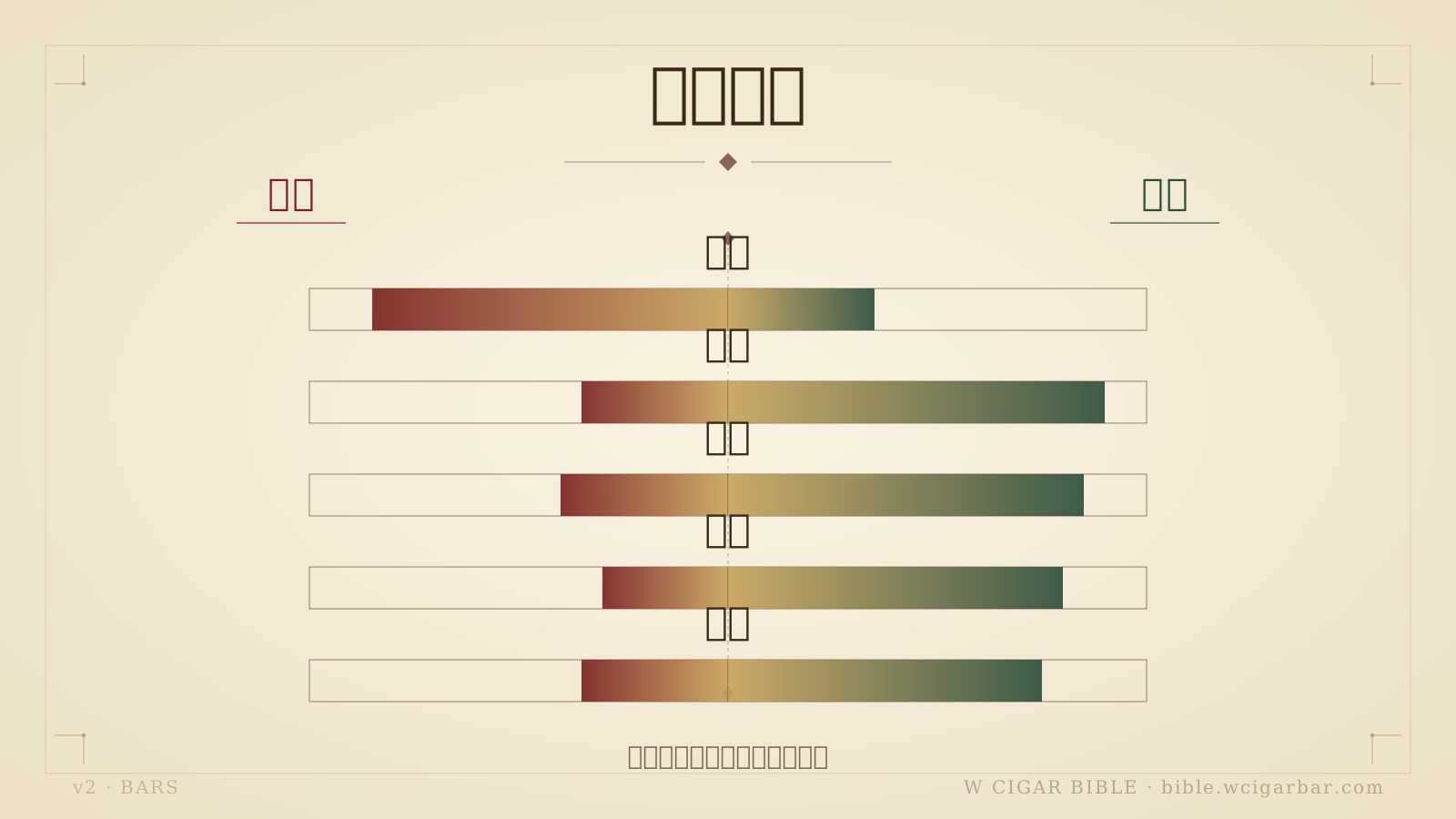
五條對比軸呈現新手與老手判斷風味的關注差異
Choosing Cigars Based on Personal Taste: Reverse from Dietary Habits
To find a cigar that suits your taste, you can reverse from your usual dietary preferences. Those who like lattes, cream cakes, almond cookies are generally more receptive to mild, creamy, nutty, and woody lines; those who like espresso, dark chocolate, smoked roast meat may lean towards medium to high intensity, cocoa, leather, pepper, and earthiness.
If you often drink refreshing white wine, oolong tea, or light roast pour-over coffee, it's recommended to start with cigars with cleaner lines like Hoyo de Monterrey Epicure No.2, H. Upmann Magnum 46, Davidoff Signature No.2. If you prefer bourbon, sherry cask whiskey, or dark roast coffee, try Partagás Serie D No.4, Ramon Allones Specially Selected, Oliva Serie V.
The most effective way to choose is to translate "what flavors I like" into cigar language, rather than blindly chasing fame. For example, if you say you like sweet, you don't necessarily have to find cigars with obvious sweetness, but may need to find caramel, honey, ripe fruit, cocoa, or cream notes; if you say you don't like bitter, also distinguish whether it's coffee bitter, burnt bitter, or the bitterness from overheating in the final third.
In practice, I suggest preparing a personal taste card:
- Favorite Drinks: Coffee, Tea, Whiskey, Wine
- Acceptable Intensity: 1 to 5
- Disliked Flavors: Spicy, Bitter, Grassy, Earthy, Leather
- Time Available: 30, 60, 90 minutes
- Preferred Occasions: After meals, reading, conversation, solitude
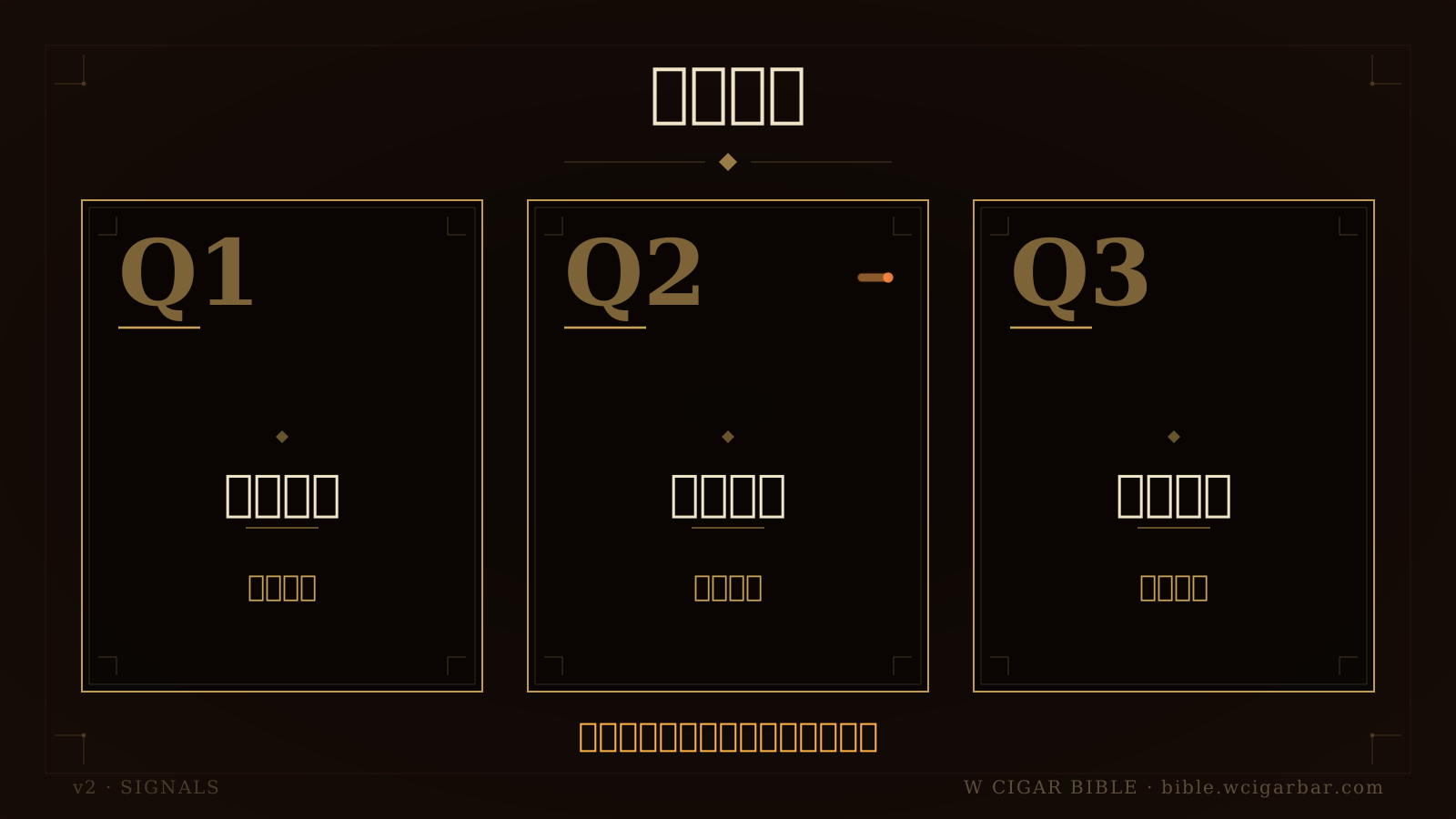
三張問答卡整理後段苦、產地順序與飯前飯後選擇
Techniques and Etiquette: Let the Flavor Unfold Naturally
Many beginners think that choosing the right cigar will result in good flavor, but the smoking rhythm is more crucial. Cigars are not cigarettes and don't require frequent inhalation; it's generally recommended to take a puff every 45 to 75 seconds to keep the burn line stable. Smoking too fast raises the temperature, reducing sweetness and increasing spiciness and burnt bitterness; smoking too slowly may cause it to go out, and relighting will also increase off-flavors.
Cutting and lighting are equally important. A straight cut should avoid cutting too deep, usually cutting off about 1 to 2 mm of the cap top; a V cut can concentrate the smoke, but if the cigar itself has tight airflow, it may make the taste sharper. When lighting, don't let the flame directly scorch the foot, first evenly toast the edges, then rotate to fully light the burning surface.
Good etiquette is not about formality, but about allowing yourself and others to comfortably enjoy the time with a cigar. Don't rush to flick the ash, let it naturally fall at about 2 to 3 cm for stability; if in a public space, pay attention to ventilation, seating distance, and others' feelings. Don't point with a cigar during conversation, and avoid letting ash fall on the table or clothing when taking photos.
When pairing with drinks, beginners can start with unsweetened sparkling water, black coffee, or oolong tea, as they won't overpower the flavor. Be cautious with spirits, as high alcohol content can amplify spiciness and dryness; if pairing with whiskey, it's recommended to choose 40% to 46% ABV, bourbon or sherry cask with obvious sweetness, which is easier to balance than heavy peat.
Common Questions
The flavor is good in the first third but turns bitter in the final third, is the cigar bad?
Not necessarily. Common reasons for bitterness in the final third include smoking too fast, high humidity, or you're approaching the overheated area. Generally, when only the last 3 to 4 cm remain, if spiciness significantly rises, you can gracefully end it without forcing it to be smoked to the very end.
Should beginners choose Cuban or non-Cuban first?
Both are fine. Cuba is commonly known for delicate wood, grass, mineral, and spice; the non-Cuban world is vast, with Nicaragua, the Dominican Republic, and Honduras each having their characteristics. Start with medium intensity and stable burning sizes, which is more important than chasing origin first.
Why don't cigars from the same box taste exactly the same?
Cigars are agricultural and handmade products, even within the same box, there can be slight differences due to leaf position, rolling density, and storage location. Quality control has improved in many major factories since the 2000s, but complete consistency is still unrealistic, which is also why recording box numbers and dates is important.
Is it better to smoke before or after meals?
Most people are more stable after meals, especially with medium to high strength cigars. Nicotine is more noticeable on an empty stomach, which may cause dizziness or stomach discomfort. Even with a 30-minute small size and lower intensity, it's still recommended to hydrate and have a small amount of food first.
Should I buy a lot at once to store?
Don't rush. Beginners are most likely to overestimate the stability of their taste preferences; today you may like creamy wood, but three months later you might start appreciating leather and pepper. If it involves collection and market prices, also remember: it doesn't guarantee appreciation, still depends on source storage and market.
How do I know if I've really improved?
When you can identify the reason for "disliking" as humidity, burning, size, brand style, or your own condition, rather than just giving a vague evaluation, it means you've improved. Write down 5 keywords for each cigar, and looking back six months later will be very insightful.
For me, cigars have never been a show-off item, but a medium for practicing focus. Understanding flavor evolution reduces impatience; understanding personal taste reduces blind following. Everyone has their own rhythm; some love morning woodiness, some love post-meal cocoa, some only light one in a quiet night. Finding a cigar that matches you is also about finding a clearer self.
—Cigar Prince Wilson Tsai
Smoking is harmful to health. Under 20 years old is not allowed to smoke. Quit smoking hotline: 0800-636363. This article is for reference only for adults over 20 years old regarding cigar culture, storage, and regulations, not a tobacco advertisement, promotion, or purchase suggestion.
Like this article?Share with friends
Share this W Cigar Bible piece with friends who want to learn cigar culture, storage, and tasting.
想把這篇 化為實踐
雪茄聖經是知識;雪茄文化要在空間裡發生

W Cigar Bar 大安總店資訊
台北大安區 · 雪茄聖經總編輯 Wilson Tsai 主理的雪茄文化空間
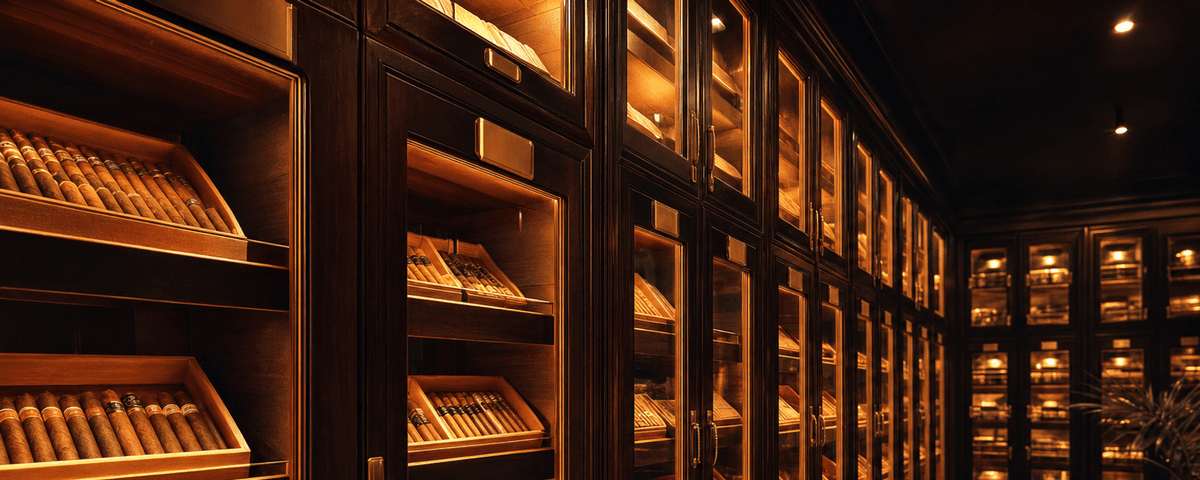
33 座 24 小時恆溫恆濕醇化室
W Cigar Bar 提供的會員醇化空間 · 場地資訊請洽編輯部
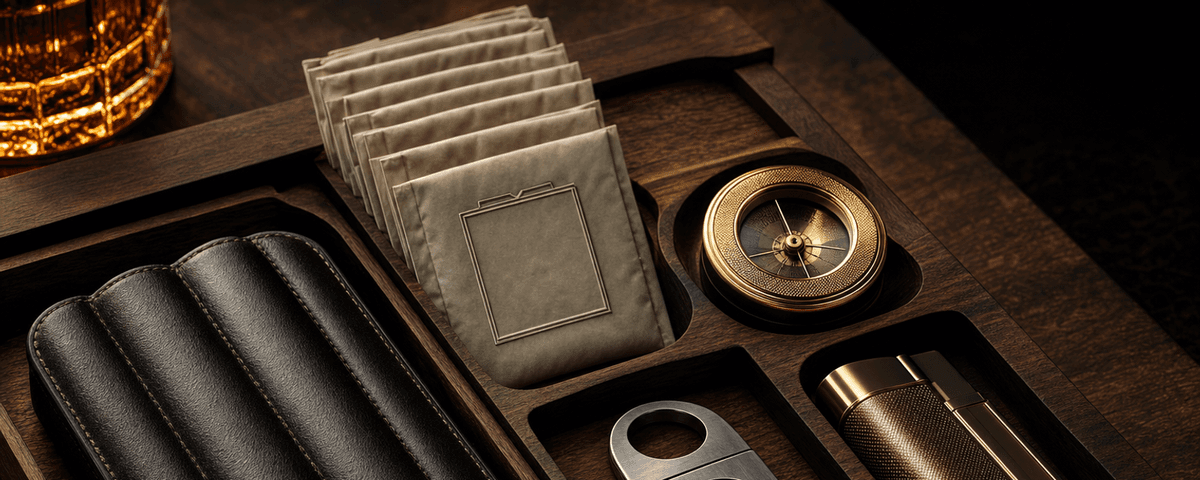
雪茄剪 / 打火機 / 雪茄盒 / Boveda
W Cigar 配件官網 · 專營雪茄配件正品
加 LINE 好友 · 文化諮詢
文化空間資訊 · 紳士沙龍 · 私人包場
本網站內容僅供雪茄文化、歷史、收藏與品吸知識研究參考。菸品有害健康、未滿法定年齡者請勿吸菸。實際規範請依所在地法律為準。
吸菸有害健康・戒菸專線 0800-636363・本站僅供 20 歲以上成年人閱覽。
讀到這裡,你不只是路過的人
留下 Email,加入 W 雪茄聖經內圈——總編輯 Wilson Tsai 親選的學院深文與國際新訊,先你一步送到信箱。
· 教育用途非銷售 · 隨時一鍵退訂 · Email 絕不對外公開 · 由勝茄股份有限公司營運
同分類延伸閱讀


資料來源:W Cigar Bible 編輯部整理 · 雪茄王子 Wilson Tsai 親自審稿
本文僅供雪茄文化、歷史、收藏與品鑑知識研究,不作為菸品促銷、銷售或購買建議。吸菸有害健康,未滿二十歲不得吸菸。