耶加雪菲水洗咖啡完整解析:茉莉花與檸檬皮的衣索比亞高原,搭配 Hoyo de Monterrey Epicure No.2

耶加雪菲水洗咖啡以衣索比亞 Gedeo 高原原生種、1800-2200m 海拔與乾淨水洗處理聞名,常呈現茉莉花、檸檬皮、佛手柑與紅茶感。搭配 Hoyo de Monterrey Epicure No.2 時,花香、奶油、青草與榛果會形成清楚的亮暗互補,是理解花香咖啡配花香雪茄的入門範例。
- 耶加雪菲的核心在高海拔原生種與水洗處理,帶出乾淨酸質與花柑橘輪廓。
- Epicure No.2 的奶油、青草與榛果,能承接咖啡酸香而不壓過花香。
- 茉莉花香、檸檬皮酸與紅茶單寧,是此組搭配最值得細讀的三條主線。
Complete Analysis of Washed Yirgacheffe Coffee: Jasmine and Lemon Peel from the Ethiopian Highlands, Paired with Hoyo de Monterrey Epicure No.2
The encounter between washed Yirgacheffe coffee and Hoyo de Monterrey Epicure No.2 is what I often describe as the easiest "floral coffee paired with floral cigar" to understand and delve into. It doesn't rely on heaviness, sweetness, or intense smokiness to win but aligns jasmine, lemon peel, bergamot, and the cream, grass, and hazelnut of a Cuban Robusto layer by layer in the mouth.
As an editor of the "Cigar Bible," I care more about structure than just ending with "they go well together." The bright acidity of Yirgacheffe needs a medium-light cigar to catch it, and the Hoyo de Monterrey Epicure No.2 (Cuba, Robusto, 50 × 124mm): cream, grass, hazelnut, light floral aroma, medium-light body, provides a stage that doesn't overshadow.
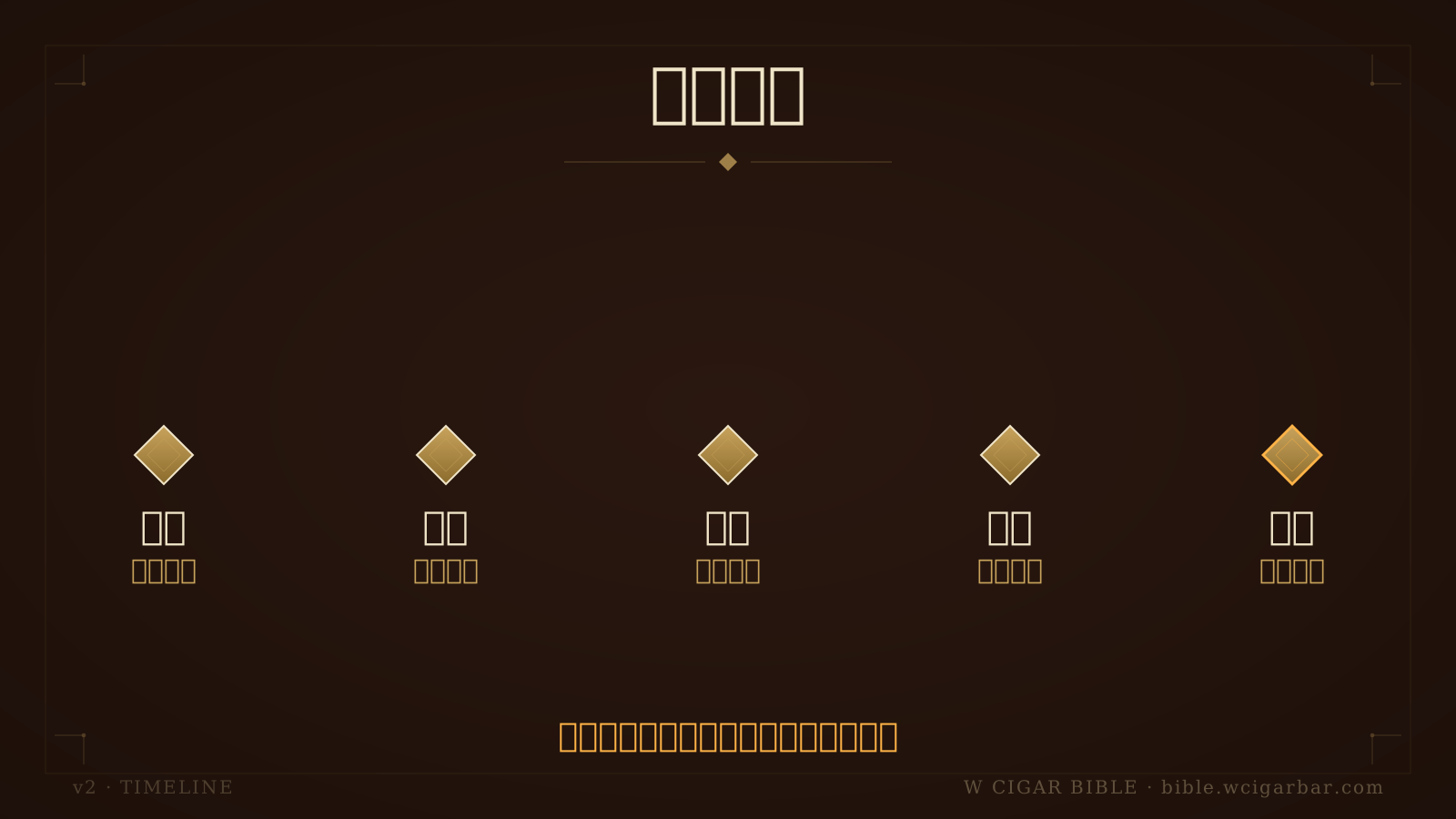
時間軸呈現咖啡櫻桃從採收、去皮到高架棚乾燥流程
Yirgacheffe: The Floral Aroma of the Ethiopian Coffee Gene Pool
When discussing Yirgacheffe, it cannot be understood merely as a flavor term. Yirgacheffe is located in the southern Gedeo Zone of Ethiopia, with altitudes commonly found between 1800-2200m. The diurnal temperature variation slows the maturation of coffee cherries, allowing sugars, acids, and aromatic precursors to accumulate. The coffee here is often grown in smallholder gardens, coexisting with bananas, false bananas, and spice plants, forming a semi-forest micro-agricultural landscape.
Ethiopia is often referred to as the gene pool of Arabica coffee due to the complexity of its heirloom varieties. The term "heirloom" is not a single variety but a collection of local genetic materials, some passed down through generations of farmers, others classified by research institutions. This genetic diversity allows Yirgacheffe to often exhibit profiles where jasmine, citrus peel, bergamot, and tea coexist.
The cultural background of Yirgacheffe is also inseparable from the Ethiopian coffee ceremony, buna. From roasting, grinding, brewing to serving, buna is not just a drinking behavior but a performance of community, time, and hospitality ethics. The floral aroma of Yirgacheffe is not an isolated cup aroma but a cultural flavor layered by the highland environment, native genes, and daily rituals.
In terms of grading, the common G1 and G2 mainly reflect green bean defect control and cupping performance. G1 usually requires fewer defects and clearer cup cleanliness, while G2 can still have good aroma but may slightly lack consistency and transparency. For cigar pairing, cleanliness is crucial because if there are off-flavors in the cup, they will amplify the bitterness and coarseness in the smoke.
Washed Processing: How Clean Acidity is Shaped by Craft
The core of washed Yirgacheffe processing is to remove the skin of ripe coffee cherries, then remove the mucilage layer through fermentation and washing, and finally dry on African-style raised beds. This process pushes the thick sweet ripe flavor brought by fruit fermentation to the background, retaining more transparent acidity and floral aroma. If natural processing is like packing berry, wine, and ripe fruit into the cup, washed Yirgacheffe is more like polishing the lines of lemon peel, white flowers, and tea.
Fermentation time varies depending on temperature, water quality, mucilage thickness, and processing station habits, commonly controlled between ten hours to more than a day. Too short a time may leave mucilage residue causing a murky cup feel; too long may result in overripe acidity or fermentation odors. Excellent washed processing focuses not on washing the flavor thin but on organizing the aroma path cleanly.
Drying after washing is equally critical. Raised beds allow air to flow from top to bottom, reducing steaming and uneven drying. The thickness of the bean layer, turning frequency, and shading management all affect the clarity of the tea-like feel and finish. The most charming aspect of washed Yirgacheffe is transforming acidity from sharpness into recognizable lemon peel, bergamot, and tea structure.
In cigar pairing, clean acidity is easier to dialogue with a medium-light body than rich sweetness. The cream and hazelnut of Epicure No.2 don't need to be suppressed by heavily roasted coffee, nor should they be overshadowed by excessively fermented fruit aroma. Washed processing provides a clear flavor map, allowing every sip and every exhale to see the direction of oral changes.
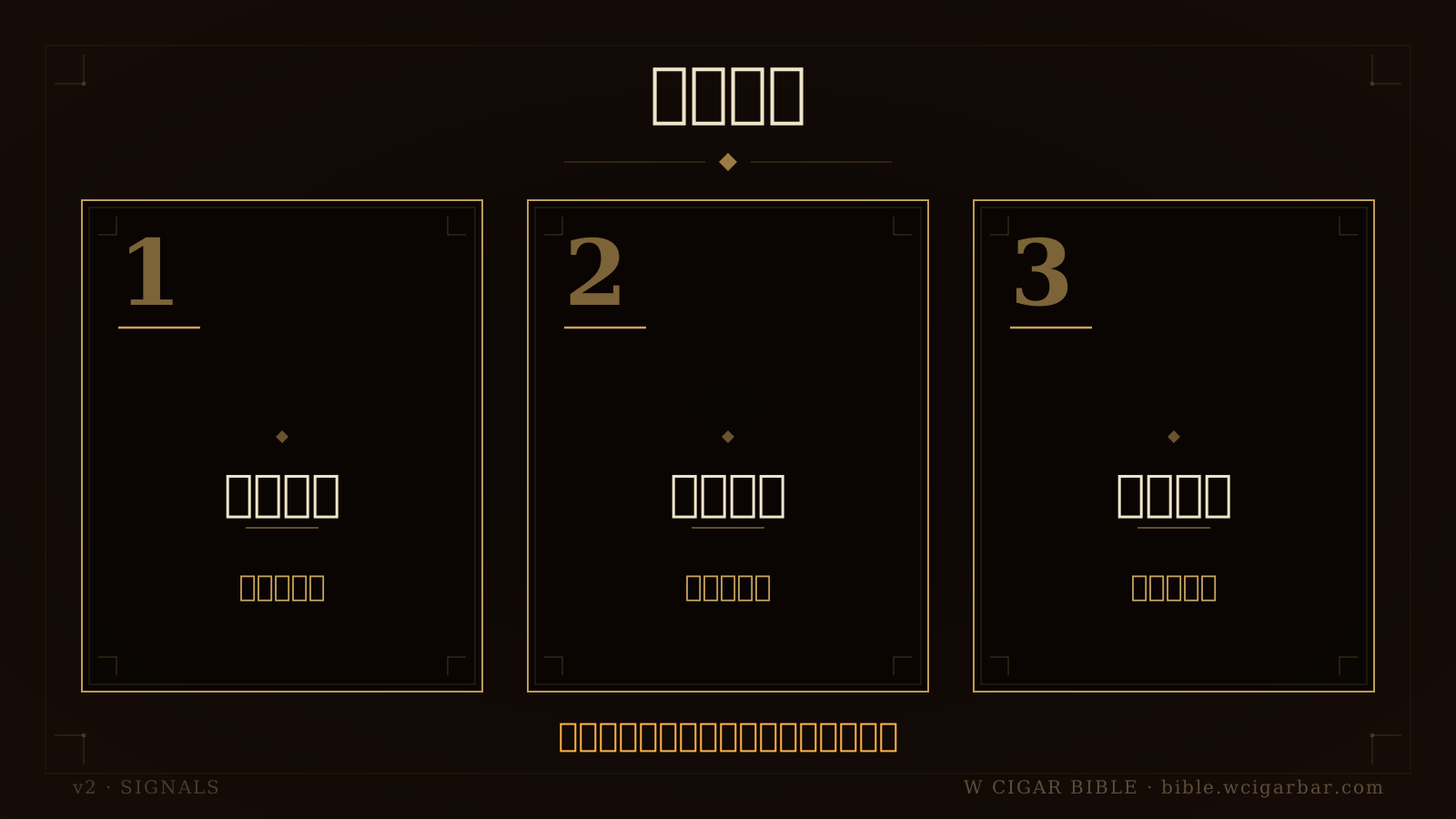
三張卡片列出水洗花香、中淡茄體與節奏控制重點
From Cupping to Brewing: Structural Interpretation of Floral Coffee
A good cup of washed Yirgacheffe coffee often first exhibits dry aromas of white flowers, lemon candy, bergamot peel, or light honey. After pouring, the wet aroma expands into jasmine, orange blossom, tea, and slight spice. As the temperature drops, the acidity transitions from bright lemon to softer citrus peel, leaving a delicate dry tea-like finish.
If serving this pairing with pour-over, I would avoid overly heavy extraction. Medium-light roasted beans can use a water temperature of about 90-93°C, medium-fine grind, with a total extraction time of about 2 minutes 30 seconds to 3 minutes, retaining the elasticity of floral aroma and acidity. The concentration should not be too high, otherwise, caffeine bitterness and the alkaline bitterness of cigar combustion will stack at the root of the tongue.
During cupping, the flavor can be broken down into four levels: entry acidity, retro-nasal aroma, oral texture, and finish dryness. The entry is lemon peel and bergamot, the retro-nasal is jasmine and tea, the texture is like thin tea, and the finish has a slight astringency of citrus pith. Floral coffee is not just about aroma; its value lies in whether acidity, aroma, tea feel, and cleanliness can be established simultaneously.
Below is a simple table I use to interpret washed Yirgacheffe and Epicure No.2, which readers can cross-check during actual tasting.
| Yirgacheffe Flavor Token | Main Source | Corresponding Cigar Flavor | Oral Result |
|---|---|---|---|
| Jasmine Aroma | Native Aromatic Precursors and High Altitude Slow Ripening | Light Floral Aroma | Extends retro-nasal aroma, making floral aroma more three-dimensional |
| Lemon Peel Acidity | Organic Acid Structure Retained by Washed Processing | Cream | Acidity is smoothly enveloped, brightness is not sharp |
| Bergamot | Citrus Terpene Aroma Association | Grass | Forms a fresh herbal and citrus peel intersection |
| Tea Feel | Slight Polyphenol and Clean Finish | Hazelnut | Astringency is balanced by oiliness |
| Light Honey Sweetness | Mature Cherry Sugars and Light Roast Caramelization | Dry Woody | Brings out gentle sweet wood feel in the finish |

矩陣比較水洗、日曬與深烘在香氣杯感及搭配性的差異
Hoyo de Monterrey Epicure No.2: The Cuban Details of a Medium-Light Body
The style of Hoyo de Monterrey has never been about oppressive strength. As a Robusto size, the 50 × 124mm proportion allows smoke flow, combustion temperature, and oral coverage to achieve stable balance. Its core tones often include cream, grass, hazelnut, and light floral aroma, with a medium-light body, suitable for reading details rather than pursuing heavy impact.
The front usually first gives grass, light cream, and soft wood, with smoke lines not coarse, and a bit of white flower or dry grass aroma in the nasal cavity. The middle section sees an increase in hazelnut and cream feel, and if the burning rhythm is stable, a slight sweetness similar to roasted nut skin will appear. The back section may show more definite wood, light pepper, and tea leaf dryness, but as long as the rhythm is not too fast, bitterness will not dominate.
The reason this cigar is suitable for pairing with Yirgacheffe is that both leave space. The floral aroma of the coffee won't be covered by heavy smoke, and the cream and hazelnut of the cigar won't be flattened by high concentration extraction. The key to Epicure No.2 is not strength but providing a soft yet supportive flavor framework with cream, grass, and hazelnut.
I often remind beginner readers that although Robusto seems straightforward, the more medium-light the body, the more stable the rhythm needs to be. If smoked too quickly in succession, the combustion temperature rises, grass may turn into sharp grass bitterness, and cream will become dry. Letting each smoke stay briefly in the mouth, then cleaning the tongue with coffee, reveals the true layers of this pairing.
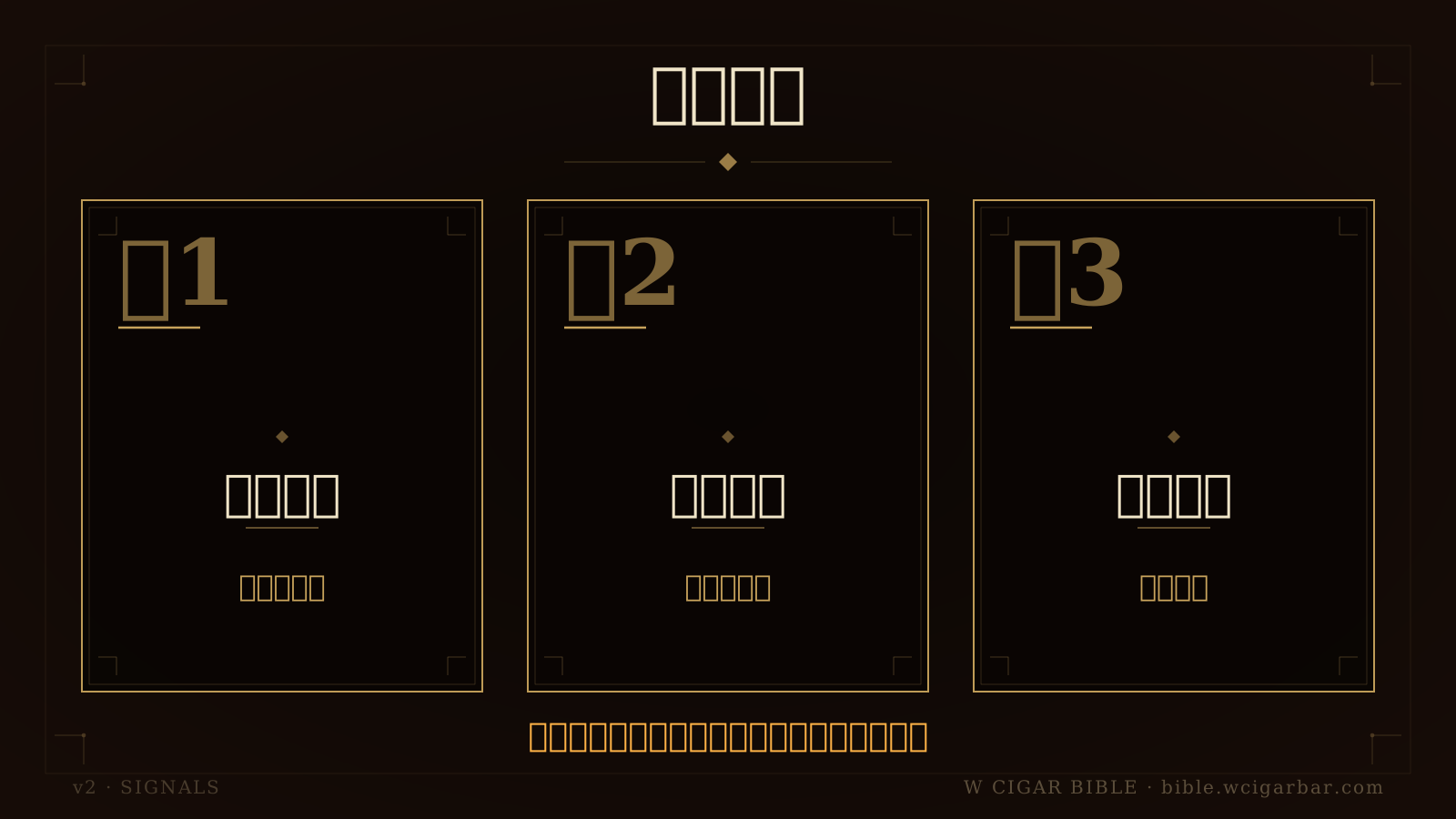
三張卡片提醒不要只看等級、固定熱飲或讓節奏太急
Jasmine Aroma × Light Floral Aroma: How Homologous Resonance Occurs
The jasmine aroma of Yirgacheffe is often understood from the perspective of aromatic compounds as a comprehensive perception of terpenes and floral esters. Molecules like linalool, commonly described in floral and citrus aromas, will create associations of white flowers, orange blossoms, and tea flowers in the retro-nasal olfaction. The light floral aroma of Epicure No.2 is not fresh flower juice but a dry flower shadow formed by the burning of tobacco leaves intersecting with wood and dry grass.
When the two meet, the focus is on "homologous resonance." The jasmine aroma of the coffee goes to the high register, clear, uplifting, with a bit of transparency; the light floral aroma of the cigar is in the mid-range, mixing dry grass, wood, and a hint of sweetness. When the floral aroma after sipping stays in the nasal cavity, then taking a puff of smoke, the floral aroma doesn't disappear but is outlined by the dry material of the smoke.
The token×token can be written as: Jasmine Aroma × Light Floral Aroma = Aromatic Terpene Feel and Dry Flower Smoke Continuation in the Retro-nasal. It's not just adding two aromas but the coffee opening the olfactory channel, and the cigar fixing it in the back of the mouth. The first entry-level correct interpretation of this pairing is to let the floral aroma change from liquid to smoke, then from smoke back to the retro-nasal aftertaste.
In practice, I would first take a small sip of coffee, letting the acid aroma spread on the tongue and palate, then pause for three to five seconds. Next, take a puff of Epicure No.2, not rushing to let the smoke pass through the nasal cavity but first feeling the cream and grass in the center of the mouth. Finally, exhale slowly, and the retro-nasal will show a brief highlight of jasmine, dry grass, and light wood.
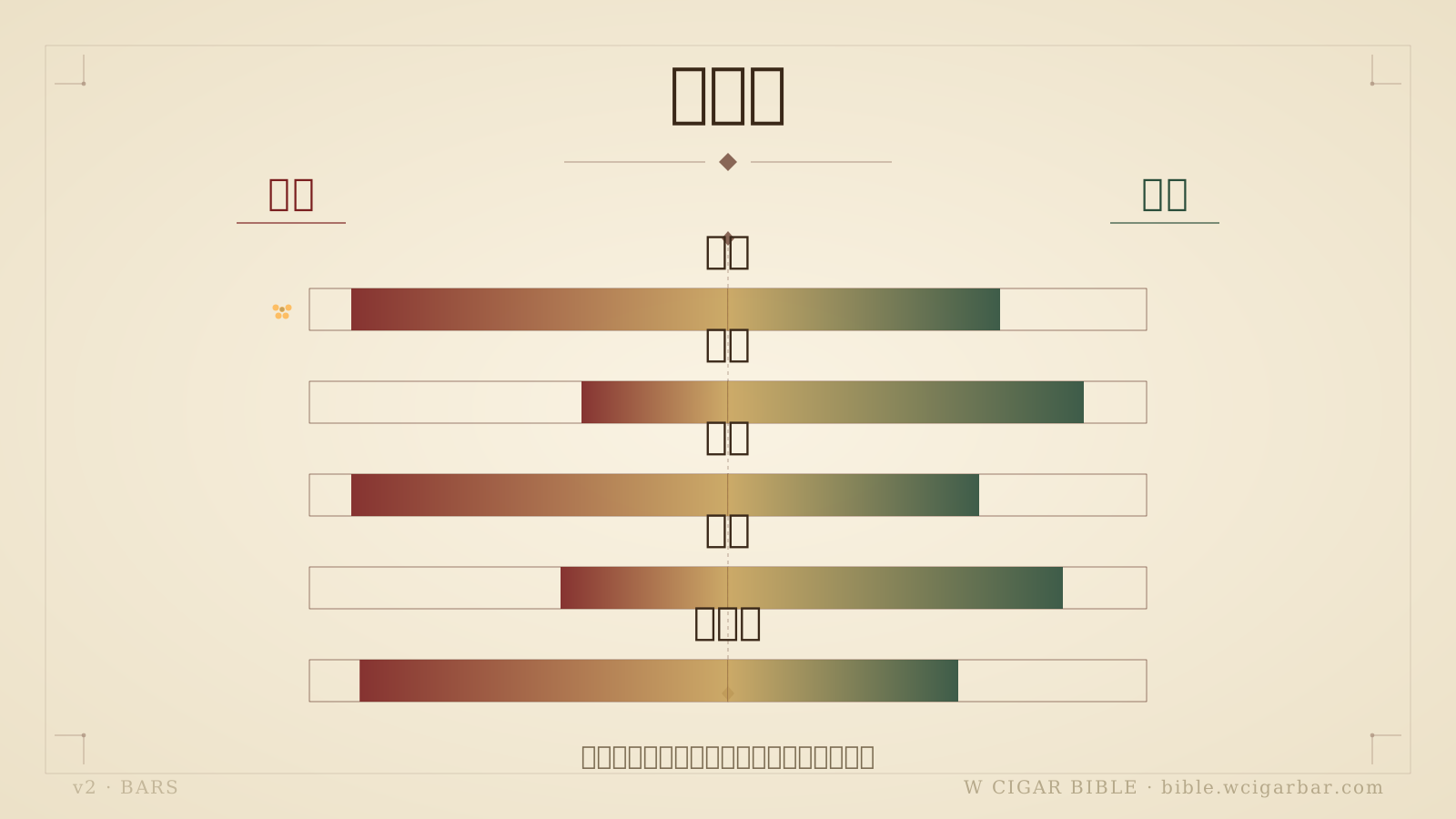
長條圖比較水洗與日曬在花香、果熟、乾淨與厚甜上的強度
Lemon Peel Acidity × Cream: The Chemistry of Bright and Dark Complementarity
The lemon peel acidity of washed Yirgacheffe is different from simple lemon juice acidity. It's not just a sharp citric acid association but comes with lemon oil cells, white pith, and a slightly bitter essential oil feel, often reminiscent of limonene, citral in the citrus aroma direction. This acidity, if extracted cleanly, will brighten the front of the mouth and leave a clear outline on the tongue sides.
The creaminess of Epicure No.2 comes from the sweet wood, lipid feel, and soft smoke created by the burning of tobacco leaves. It doesn't contain actual dairy ingredients but presents a round, smooth, enveloping impression in texture. When lemon peel acidity meets creamy smoke, the edges of the acidity are smoothed by the roundness, and the cream is not dull due to the acidity.
This is the "bright and dark complementarity" chemical perception: Lemon Peel Acidity × Cream = Citrus Terpene Brightness and Smoke Lipid Texture Edge Softening. Coffee is responsible for brightening the taste, and the cigar is responsible for softening the light. Acidity without cream support appears thin, and cream without acidity illumination tends to become a flat sweet smoothness.
This section best explains why it's not necessary to pair cigars with heavy drinks. Many people think cigars need heavy beverages, but medium-light body cigars are more afraid of too strong opponents. The lemon peel acidity of Yirgacheffe relies not on weight but on precision, just enough to let the cream lines of Epicure No.2 be seen.
Tea Feel Tannin × Hazelnut Oil: Balance of Release and Restraint in the Mid to Late Stage
Washed Yirgacheffe coffee often has a tea feel, especially more evident as the temperature drops. This tea feel is not thick and astringent but a delicate astringency brought by polyphenols, clean tea soup texture, and a slight woody finish. If roasting and extraction are well controlled, it will be like light black tea, not like over-extracted tea soup that is coarse and astringent.
The hazelnut of Epicure No.2 is located from the middle to the mid-late stage, often accompanied by cream, dry wood, and slight sweetness. Hazelnut oiliness forms a soft cover on the tongue, creating a release and restraint with the astringency of the tea feel. The charm here is not sweetness but the rhythm of oral texture: coffee tightens, cigar widens, then returns to clean through the finish.
Token×token can be written as: Tea Feel Tannin × Hazelnut Oil = Tension Balance of Polyphenol Astringency and Nut Oiliness. The tannin of the coffee makes the oral lines finer, and the hazelnut of the cigar keeps the lines from breaking. This pairing can be established to the mid-late stage, relying on the tea feel to tighten and the hazelnut oil to extend.
To observe this layer more clearly, you can enter the cigar's middle section when the coffee cools to warm. At this time, the floral aroma is not as flamboyant as in a hot cup, and the tea feel, citrus peel, and light honey sweetness will be clearer. Once the hazelnut of Epicure No.2 connects, the mouth will have a clean nut finish like a tea snack, but without the need to actually add sweets to interfere with interpretation.

三張問答卡整理水洗選擇、等級差異與深烘影響
Pairing Process: Rhythm Design from the First Sip to the Last Segment
I would divide this pairing into three segments to read. The first segment focuses on coffee, first confirming whether the jasmine, lemon peel, and bergamot of Yirgacheffe are clear, then allowing the front grass and light floral aroma of Epicure No.2 to join. At this time, don't rush to pursue concentration, because once the opening floral aroma is suppressed by hot smoke, it is difficult to return to the most transparent state.
The second segment enters the middle section of the cigar, the coffee can be slightly cooled, allowing the tea feel and citrus peel to emerge. At this time, cream, hazelnut, and tea feel will form the best intersection point, with oral texture transitioning from bright to smooth. If the coffee becomes coarse when cold, it indicates that extraction or bean condition needs adjustment, as it will make the cigar finish dry.
The third segment needs to be careful of late-stage accumulation. As the cigar progresses, wood, herbal bitterness, and light pepper may increase, and if the coffee still maintains clean acidity, it can clean the tongue; if the coffee is too strong, the bitterness of both will amplify each other. The best process is not to let coffee and cigars exert force simultaneously but to let floral aroma open, cream support, and tea and hazelnut finish.
In terms of equipment, a white porcelain cup is easier to observe temperature changes and aroma transitions than a heavy mug. The coffee portion doesn't need to be large; the focus is on maintaining a temperature ladder, allowing hot, warm, and slightly cool stages to connect with different segments of the cigar. For beginner readers, this is more valuable for learning than chasing complex equipment.
Common Questions
Does Yirgacheffe have to be washed to pair well with Epicure No.2?
Not necessarily, but washed processing most easily presents clean acidity and floral profiles, making it easier for beginner readers to interpret. Sun-dried Yirgacheffe often has berry, ripe fruit, and fermented sweetness, which may push the light floral aroma of Epicure No.2 to the back. If the goal is to understand "floral coffee paired with floral smoke," washed processing is more intuitive.
Is there a big difference between G1 and G2 in pairing?
G1 usually has an advantage in defect control and cup transparency, making floral and acidity lines easier to distinguish. G2 can also have a beautiful performance, but consistency needs actual cupping confirmation. For this pairing, cleanliness is more important than the label itself.
Should the coffee be hot or cooled before pairing?
Initially, you can use a hot cup to observe jasmine and bergamot, and after entering the middle section of the cigar, the warm state can better reveal the interaction of tea feel and hazelnut. Too hot will make the acid aroma appear sharp, too cold may amplify bitterness. The best rhythm is to use temperature changes to correspond to cigar segments, rather than fixing on a single state.
Will the grassy taste of Epicure No.2 conflict with lemon peel acidity?
If the coffee extraction is clean, grass and lemon peel usually form a fresh herbal feel and won't conflict. The problem often lies in the cigar burning too hot or the coffee over-extracted, both of which push the freshness towards grass bitterness. Slowing down the rhythm usually improves interpretation.
Can deep-roasted Yirgacheffe be paired?
You can try, but deep roasting will weaken jasmine and bergamot, turning towards cocoa, caramel, and roasted bitterness. This changes the core of this article from floral resonance to sweet-bitter balance. If you want to understand the highland transparency of Yirgacheffe, medium-light roast is more suitable.
Why is this pairing suitable for beginner readers?
Because both have clear but not rough flavors, floral, cream, hazelnut, and tea feel are easy to establish memory points. It allows readers to understand that pairing is not about finding the strongest side but finding a group that can complement each other's structure. Starting from here, then comparing other floral coffees or different cigar bodies, will have more direction.
The value of washed Yirgacheffe coffee and Hoyo de Monterrey Epicure No.2 lies in making "delicacy" learnable. Jasmine, lemon peel, tea feel, cream, and hazelnut each have their place and leave space for each other. Understanding this group will give more coordinates when reading any coffee and cigar pairing in the future.
Further Reading|Complete Guide to Coffee Origins and Roasting: From African Floral Fruits to Asian Thick Soil Flavor Spectrum, and Cigar Pairing Overview|The Milk Aroma of Latte and Cappuccino: The Round Envelopment of Steamed Milk Microfoam, Paired with Romeo y Julieta Mille Fleurs' Gentle Flowers|The Blueberry Wine Aroma of Ethiopian Natural Coffee: The Wildness of Sunlight Fermentation of Pulp, Paired with Romeo y Julieta Wide Churchill
—Cigar Prince Wilson Tsai
Smoking is harmful to health. Smoking is prohibited for those under twenty. Quit smoking hotline: 0800-636363. This article is intended for adults over twenty as a reference for cigar culture, preservation, and regulations, not as tobacco advertising, promotion, or purchase advice.
Like this article?Share with friends
Share this W Cigar Bible piece with friends who want to learn cigar culture, storage, and tasting.
想把這篇 化為實踐
雪茄聖經是知識;雪茄文化要在空間裡發生

W Cigar Bar 大安總店資訊
台北大安區 · 雪茄聖經總編輯 Wilson Tsai 主理的雪茄文化空間
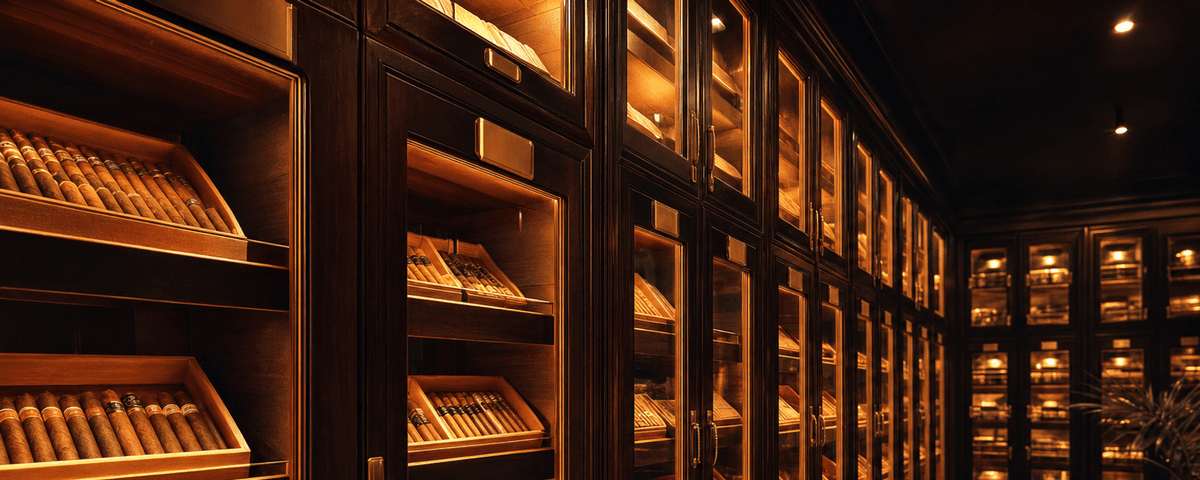
33 座 24 小時恆溫恆濕醇化室
W Cigar Bar 提供的會員醇化空間 · 場地資訊請洽編輯部

雪茄剪 / 打火機 / 雪茄盒 / Boveda
W Cigar 配件官網 · 專營雪茄配件正品

加 LINE 好友 · 文化諮詢
文化空間資訊 · 紳士沙龍 · 私人包場
本網站內容僅供雪茄文化、歷史、收藏與品吸知識研究參考。菸品有害健康、未滿法定年齡者請勿吸菸。實際規範請依所在地法律為準。
吸菸有害健康・戒菸專線 0800-636363・本站僅供 20 歲以上成年人閱覽。
讀到這裡,你不只是路過的人
留下 Email,加入 W 雪茄聖經內圈——總編輯 Wilson Tsai 親選的學院深文與國際新訊,先你一步送到信箱。
· 教育用途非銷售 · 隨時一鍵退訂 · Email 絕不對外公開 · 由勝茄股份有限公司營運
同分類延伸閱讀


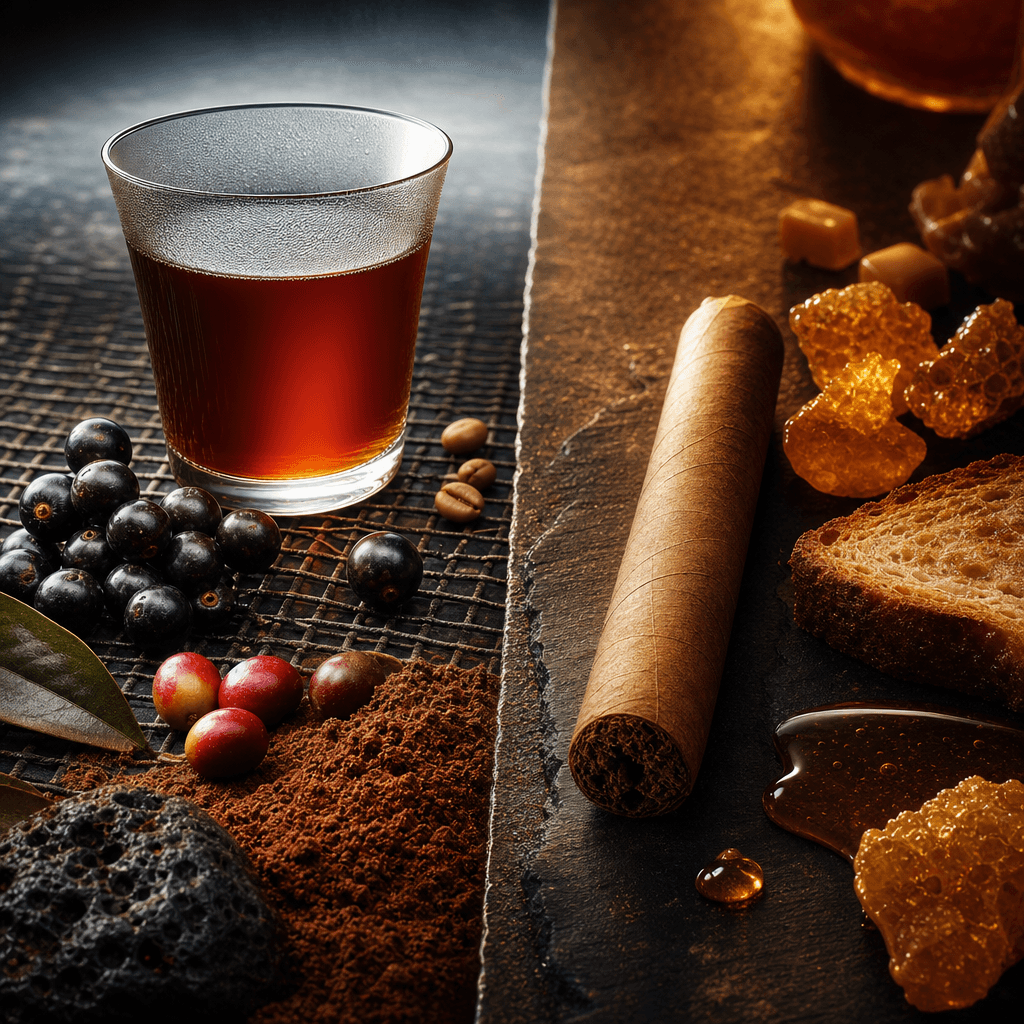
資料來源:W Cigar Bible 編輯部整理 · 雪茄王子 Wilson Tsai 親自審稿
本文僅供雪茄文化、歷史、收藏與品鑑知識研究,不作為菸品促銷、銷售或購買建議。吸菸有害健康,未滿二十歲不得吸菸。