雪茄煙草的種類與特性
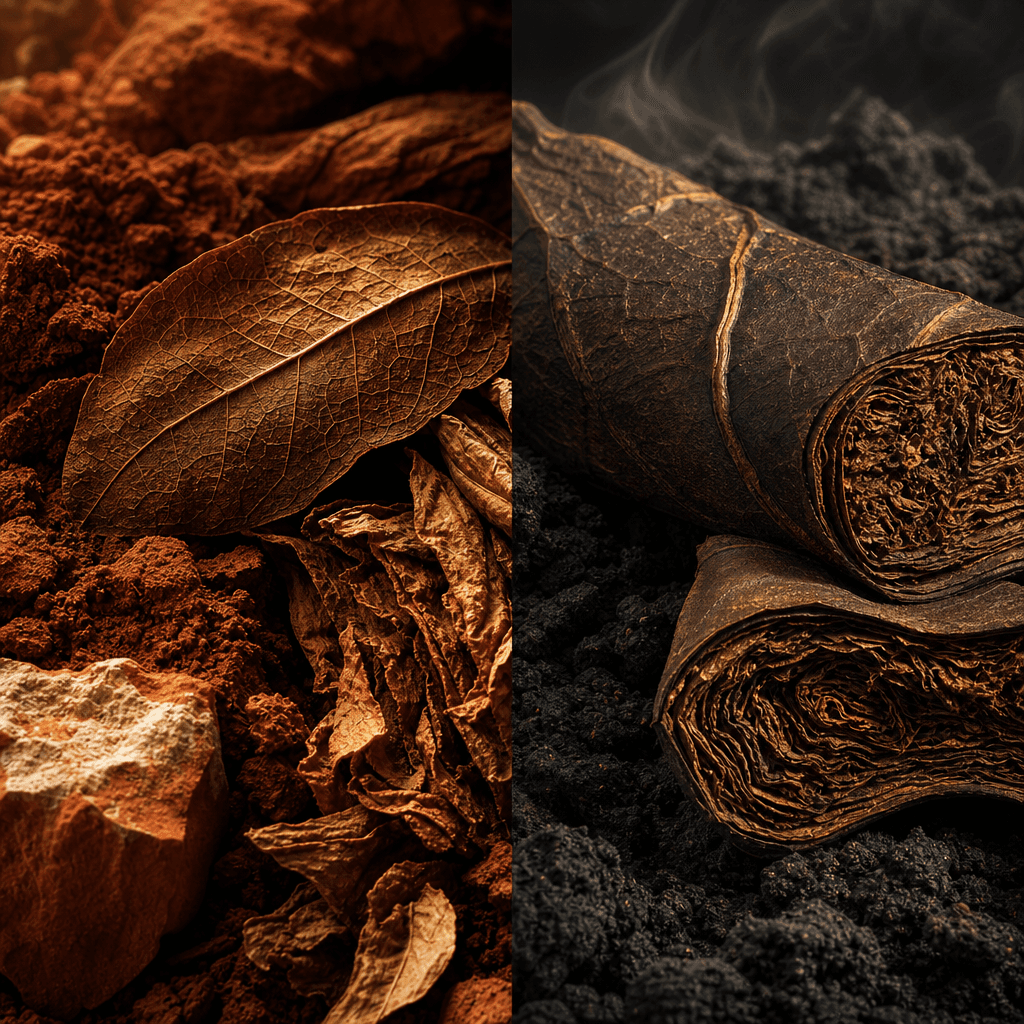
雪茄的風味由多種因素共同決定,包括煙草品種、產區土壤及製作工藝。入門者在掌握基本品吸技巧後,應學會更精確地描述雪茄的特性。茄衣、茄套與茄芯的結構對於風味至關重要,茄衣影響初口感,茄芯則決定主體風味。古巴煙草以其獨特的礦物與泥土風味著稱,而尼加拉瓜煙草則以其力量與甜感聞名。多明尼加煙草則展現優雅與細膩的風味層次。了解這些產區和葉位的特點,能幫助愛好者更深入地欣賞雪茄的魅力。
- 雪茄的味道由煙草品種、產區土壤、發酵等多因素共同決定,非單靠品牌。
- 茄衣、茄套與茄芯各有角色,影響雪茄的香氣與口感層次。
- 古巴煙草以泥土、木質、草本的平衡感著稱,經過醇化後風味會變得更圓潤。
Types and Characteristics of Cigar Tobacco
The taste of a cigar is not determined solely by the "brand," but is shaped by the variety of tobacco, the soil of the production area, fermentation, aging, and rolling proportions. After beginners understand the basics of tasting and exhaling, the next step is to break down "whether it's good to smoke" into more precise language.
As the editor of the "Cigar Bible," I often remind readers: the same cream, wood, pepper, or cocoa may come from completely different tobacco structures. Understanding the production area and leaf position is the real beginning of understanding a cigar.
流程圖呈現煙草從品種土壤到配方的風味形成
Understanding Tobacco Roles from Wrapper, Binder, and Filler
The most basic structure of a cigar is the wrapper, binder, and filler. The wrapper is the outermost layer, the most visible leaf, usually requiring a complete surface, even oil, and fine veins; the binder covers the filler and maintains the burning structure; the filler is a mix of tobacco leaves from different regions, leaf positions, and years, determining the main flavor and strength. For a Robusto with a ring gauge of about 50 and a length of 124 mm, the wrapper's weight proportion may not be the highest, but it is often the key to the first aroma and tongue touch.
The wrapper is like the top note of perfume, the filler is like the skeleton, and the binder is the invisible support that keeps the cigar burning steadily. For example, the pyramid shape of Montecristo No.2 gradually enlarges the contact surface at the front, changing the proportion of wrapper and filler in taste; Partagás Serie D No.4, launched in 1975, became a classic Robusto, known not only for its intensity but also for the balance of earthiness, leather, and spice brought by Cuban tobacco.
Leaf position is also crucial. The upper Ligero of the plant receives the most sunlight, with high nicotine and oil content, often bringing spiciness, heaviness, and aftertaste; the middle Seco has a clear aroma, often with herbal, woody, and floral notes; the lower Volado has good combustibility and a lighter taste. Many high-end formulas do not pursue a single intensity but let Ligero, Seco, and Volado work like an orchestra, giving the cigar layers from front to back, rather than just being strong.

三張卡說明煙草風味由葉位產區與工藝形成
Cuban Tobacco: A Textbook of Mineral, Earthy, and Balanced Flavors
When talking about cigar tobacco, Cuba is an unavoidable production area. The Vuelta Abajo in Pinar del Río, western Cuba, is regarded by many connoisseurs as the core area of top cigar tobacco; the local reddish-brown soil, humid climate, and traditional farming methods form unique mineral, earthy, hay, coffee, and leather tones. From nationalization in the 1960s to the establishment of Habanos S.A. in 1994, Cuban cigars gradually formed the system we are familiar with today in brand management and the global market.
The characteristics of Cuban tobacco are not simply "strong," but a delicate balance between earthiness, woodiness, herbal, and saltiness. Take Cohiba Siglo VI as an example, a member of the Línea 1492 launched in 2002, 150 mm long, 52 ring gauge, often with honey, grass, cream, and delicate spiciness; Bolívar Belicosos Finos is more robust, often with leather, black coffee, and rich soil aromas, suitable for mature enthusiasts who can handle medium to high intensity.
Cuban tobacco also values changes after aging. Recent years may have more pronounced greenness, ammonia, or sharp spiciness; after good preservation, woodiness, nutty, and sweetness will be rounder. Comparing the same cigar from 2014 and 2019, if the storage conditions are similar, the former may have less stimulation and more mature tea, dried fruit, and beeswax. However, the year is not a guarantee; box condition, source, humidity, and transportation process all affect the result.

矩陣比較茄衣茄套與茄芯的位置功能和影響
Nicaraguan Tobacco: Power and Sweetness from Volcanic Soil
Nicaragua is one of the most notable production areas in the past thirty years. After the Cuban Revolution in 1959, many Cuban tobacco families and techniques moved to Central America; in the 1970s, Joya de Nicaragua had already made a name in the international market, later brands like Padron, Oliva, My Father, AJ Fernandez made Nicaraguan tobacco a representative of power and sweet-spicy style. Estelí, Jalapa, and Condega each have clear personalities, allowing blenders to create a wide flavor spectrum.
Nicaraguan tobacco often has black pepper, cocoa, coffee, cinnamon, and caramel sweetness, with clear power but not necessarily rough. Estelí leaves are usually thicker, with high concentration, bringing black pepper and dark wood; Jalapa, with softer soil, often has sweetness, red tea, and mild spices; Condega is between the two, with delicate aroma, often used to increase balance. The Padron 1964 Anniversary series, launched in 1994 with the anniversary concept, is a representative case of mature blending of Nicaraguan tobacco.
Looking at Oliva Serie V, this series, which was widely discussed in 2007, often highlights Jalapa Ligero, bringing espresso, dark chocolate, pepper, and end sweetness. When beginners and intermediates approach Nicaraguan cigars, it is recommended to start with medium sizes like Robusto or Toro, as too large a ring gauge will change the burning temperature and smoke volume, affecting perception; too thin will concentrate spiciness, easily leading to the misconception that the entire production area only has intensity.
Dominican Tobacco: Elegance, Creaminess, and Floral Details
The Dominican Republic is often described as an "elegant" production area, but this does not mean it has a thin taste. The Cibao Valley is an important tobacco area, with stable climate and good soil drainage, suitable for cultivating smooth, aromatic, and stable-burning leaves. After Davidoff gradually shifted its production focus to the Dominican Republic around 1991, global consumers became more aware of the high-end potential of this production area; Arturo Fuente, with family craftsmanship and planting experiments, pushed Dominican tobacco to another level.
The most charming aspect of Dominican tobacco is its ability to make cream, cedar, floral, nutty, and light spice very clean. The Davidoff Grand Cru series often has hay, almond, white pepper, and creamy texture; the Arturo Fuente Hemingway series, with its Perfecto shape, has a small burning surface at the front, and the aroma expands in the middle, allowing observation of how the structure affects the taste. These cases illustrate that the Dominican Republic is not just light, but focuses on lines and details.
The Fuente Fuente OpusX, launched in 1995, is an important milestone in the history of Dominican tobacco. Many people used to think that the Dominican Republic was not suitable for growing high-quality wrappers, but OpusX, with Chateau de la Fuente estate leaves, challenged this view, bringing orange peel, baking spices, leather, and sweet wood. It reminds us that the impression of a production area is just a starting point; what truly affects the taste also includes seed selection, leaf position management, fermentation time, and the blender's style.
三張卡列出古巴深色茄衣與濕度的常見誤解
Wrapper Origin and Variety: Different Expressions with the Same Filler
Many beginners think that the production area only concerns the filler, but the wrapper also has significant variations. Ecuador Connecticut is usually shade-grown, with natural cloud cover reducing sunlight, making the leaves thin and delicate, often with cream, grain, and light nutty notes; Connecticut Broadleaf from the northeastern United States has thick leaves and high sugar content, often with molasses, cocoa, and rich taste; Mexico San Andrés is known for earthiness, cocoa, and sweet-spicy notes, often used in Maduro style.
With the same filler, changing the wrapper can completely alter the front aroma, sweetness, mouthfeel weight, and burning speed. Below is a simple table of common wrappers and flavor directions, suitable for beginners to establish the first layer of recognition:
| Wrapper Type | Common Origin | Typical Flavor | Representative Feel |
|---|---|---|---|
| Ecuador Connecticut | Ecuador | Cream, grain, almond | Smooth, clean |
| Cameroon | Cameroon | Cinnamon, wood, slightly sweet | Delicate, spicy |
| Connecticut Broadleaf | USA | Molasses, cocoa, rich coffee | Thick, sweet |
| San Andrés Maduro | Mexico | Earth, cocoa, sweet-spicy | Dark, round |
| Habano Ecuador | Ecuador | Pepper, leather, wood | Bright, strong |
Comparing different series of brands like Rocky Patel, EP Carrillo, Drew Estate, you can often find differences in wrapper strategy. Some brands use Maduro to enhance sweetness, some use Habano to increase spiciness, and some use Cameroon to pursue spice layers. If readers want to train their taste, they might as well compare styles of the same brand, similar sizes, and different wrappers in their notes, recording changes in the first 10 minutes, middle 20 minutes, and end, which is more accurate than just looking at color depth.
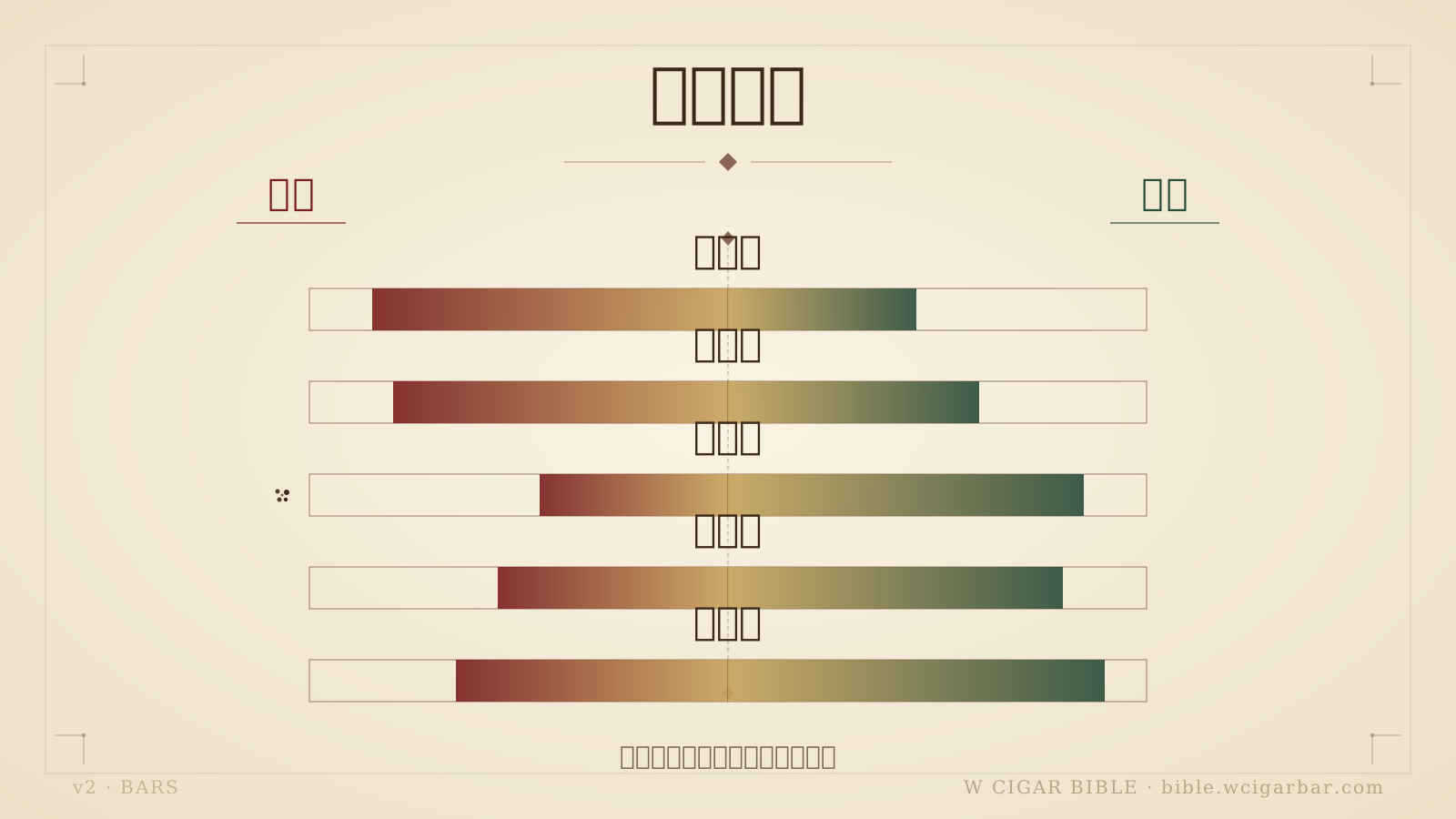
長條圖比較古巴與尼國煙草的礦物甜辛和力量
Fermentation, Aging, and Preservation: How Tobacco Flavor Becomes Mature
Tobacco cannot become a cigar directly after being harvested from the field. After harvesting, it goes through drying, grading, fermentation, and further aging stages. During fermentation, tobacco leaves are stacked into a pilón, with internal temperatures possibly rising to about 38 to 45°C, and workers need to turn the piles to control the temperature, gradually reducing ammonia, greenness, and off-flavors, while developing sweetness, woodiness, and spices. If this step is insufficiently handled, the cigar is likely to be pungent; if overdone, it may lose vitality.
Good tobacco is not the fresher, the better, but must undergo proper fermentation and moderate aging to present stable, round, and clean flavors. In terms of preservation, I usually recommend a stable range of 18 to 21°C, with a relative humidity of about 65% to 69%; too humid will lead to poor burning and stuffy taste, while too dry will cause aroma loss and sharp taste. Cigars with larger ring gauges are more sensitive to humidity because the internal moisture balance requires more time.
For example, with a box of 25 cigars, if purchased in 2020 and kept in a stable environment, opening it again in 2024 often reveals reduced spiciness, increased sweetness, and softer smoke texture. However, preservation is not a myth; if the source is unclear, exposed to high temperatures, or humidity fluctuates, time will only amplify the shortcomings. If discussing collection value, it must be clarified: it does not guarantee appreciation, still depending on source preservation and market. For most enthusiasts, the most practical goal is to make the taste more stable and palatable.
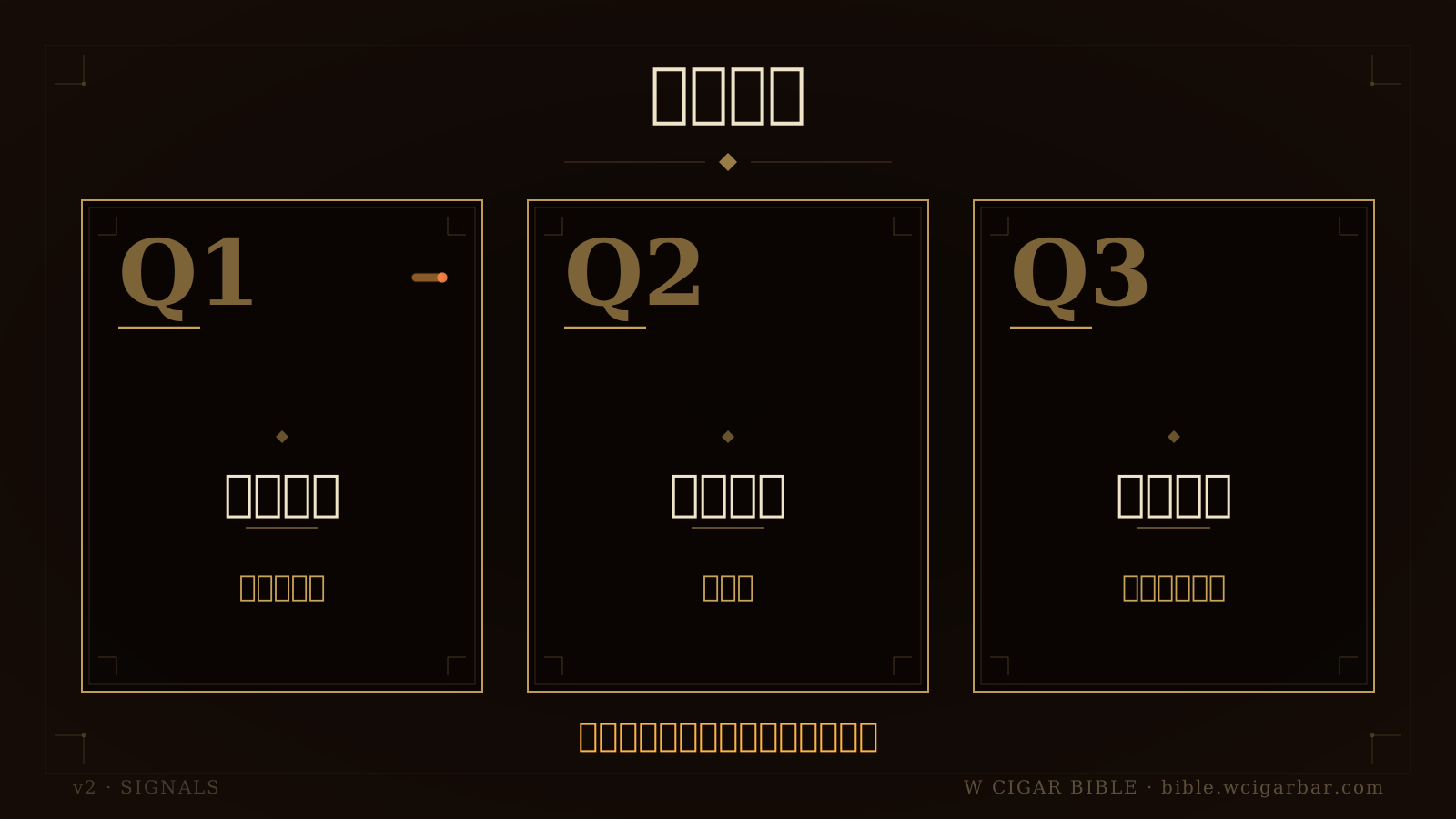
三張問答卡回答古巴產區深色茄衣與偏好紀錄
Training Taste with Notes: Turning Production Area Characteristics into Your Language
Learning about tobacco types cannot just rely on memorizing "Cuban earthiness, Nicaraguan pepper, Dominican cream." These are useful starting points, but true ability comes from comparison. I suggest focusing on 3 to 5 keywords each time, such as sweetness, spiciness, woodiness, concentration, and aftertaste, without initially aiming to write out twenty flavors. The simpler the taste notes, the easier it is to review, and the more you can see your preferences for different production areas.
The most effective practice is to make horizontal comparisons with similar sizes, different production areas, or different wrappers, rather than chasing too many famous brands at once. You can arrange a three-week observation: in the first week, choose Cuban or Cuban-style formulas, recording earthiness, herbal, and saltiness; in the second week, choose Nicaraguan formulas, recording pepper, cocoa, and sweet-spicy; in the third week, choose Dominican formulas, observing cream, nuts, and floral. Write only the first, middle, and last three segments for each cigar, and note the time, humidity, drink, and physical state.
In terms of etiquette, remember that cigars are not about who smokes faster. Usually, a puff interval of about 45 to 60 seconds is more appropriate; too fast will raise the burning temperature, masking the original tobacco flavor with bitterness; too slow may extinguish it, and relighting will also change the taste. Do not inhale cigar smoke into the lungs; this is basic knowledge. In both public and private spaces, respect the surrounding regulations. Understanding tobacco is not just about understanding taste, but also about understanding moderation, occasion, and making yourself and others comfortable.
Common Questions
Beginners should first understand production areas, leaf positions, and wrappers, then talk about years and rarity, learning will be more stable.
Are Cuban cigars necessarily better than other production areas?
Not necessarily. The earthiness, herbal, and mineral feel of Cuba is fascinating, but Nicaragua, the Dominican Republic, and Honduras each have mature styles. What really matters is preservation, formula, and personal taste.
Does Maduro mean stronger?
Not completely. Maduro usually indicates a darker wrapper color and longer fermentation time, often with sweetness, cocoa, and molasses, but the strength still depends on the filler ratio and leaf position.
Why do cigars of the same brand taste different in different years?
Tobacco is an agricultural product; the year's climate, rainfall, fermentation batch, and preservation conditions all affect the taste. Even the same cigar, the box condition in 2018 and 2022 may be different.
Are Nicaraguan cigars suitable for beginners?
Yes, but it is recommended to start with medium strength. If you start with a high Estelí Ligero ratio, you may find the spiciness too strong, making it difficult to discern details.
Is higher preservation humidity better?
No. High humidity will slow burning, make smoke heavy, and even risk mold. In most cases, stability is more important than pursuing high numbers.
How to determine which tobacco I like?
Notes are more reliable than memory. Continuously record 10 cigars, marking production area, size, wrapper, and the first three flavors, and you will quickly see your preference for cream, pepper, earthiness, or sweetness.
The world of cigar tobacco is as deep as wine, but there is no need to memorize all the terms at once. My view is simple: first respect the crop, then respect the craft, and finally talk about brand aura. When you can describe a cigar's soil feel, leaf position strength, and wrapper expression, the taste truly begins to mature.
—Cigar Prince Wilson Tsai
Smoking is harmful to health. Under 20 years old is prohibited from smoking. Quit smoking hotline: 0800-636363. This article is for reference by adults over 20 years old for cigar culture, preservation, and legal knowledge, not a tobacco advertisement, promotion, or purchase suggestion.
Like this article?Share with friends
Share this W Cigar Bible piece with friends who want to learn cigar culture, storage, and tasting.
想把這篇 化為實踐
雪茄聖經是知識;雪茄文化要在空間裡發生
W Cigar Bar 大安總店資訊
台北大安區 · 雪茄聖經總編輯 Wilson Tsai 主理的雪茄文化空間
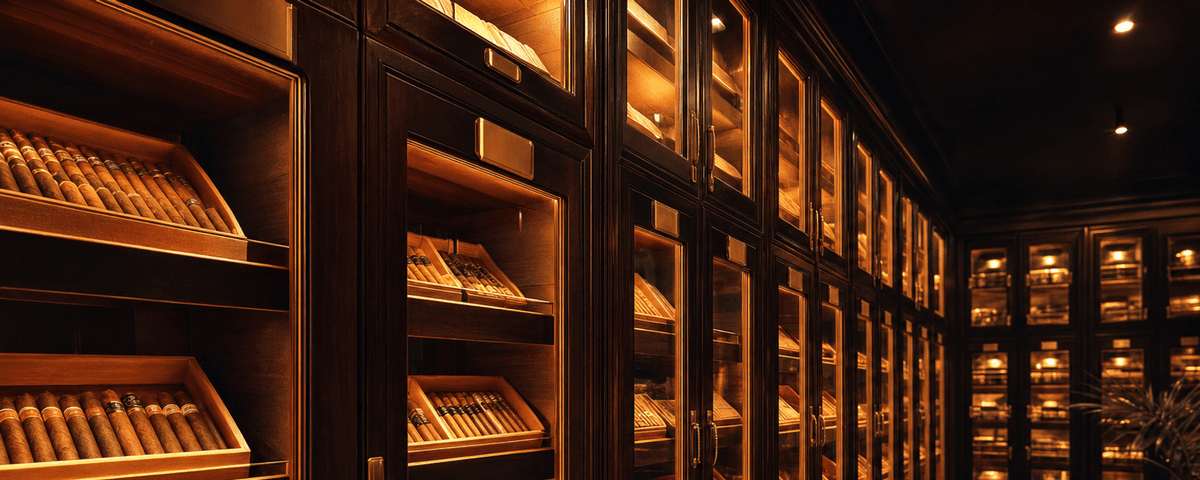
33 座 24 小時恆溫恆濕醇化室
W Cigar Bar 提供的會員醇化空間 · 場地資訊請洽編輯部
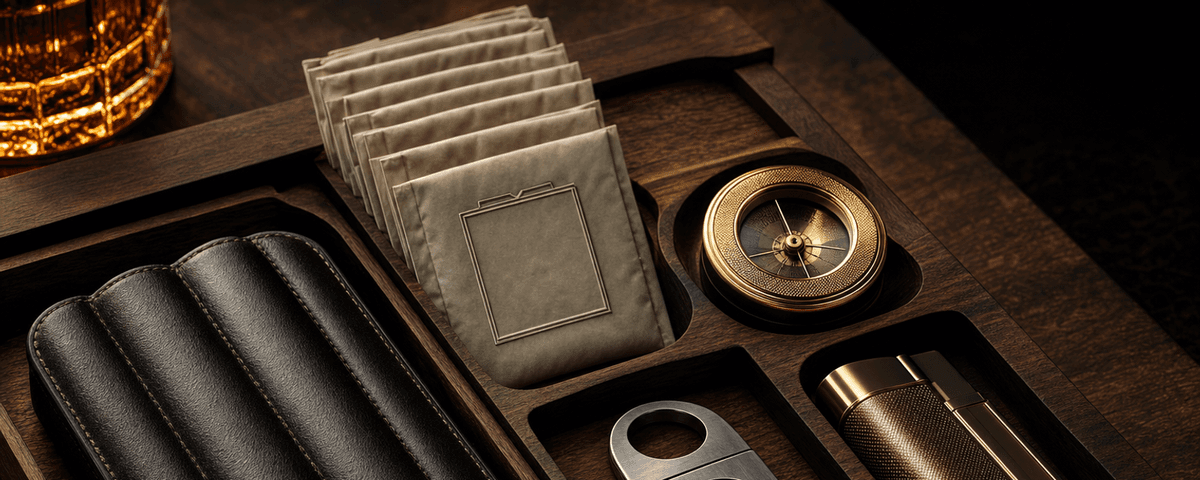
雪茄剪 / 打火機 / 雪茄盒 / Boveda
W Cigar 配件官網 · 專營雪茄配件正品
加 LINE 好友 · 文化諮詢
文化空間資訊 · 紳士沙龍 · 私人包場
本網站內容僅供雪茄文化、歷史、收藏與品吸知識研究參考。菸品有害健康、未滿法定年齡者請勿吸菸。實際規範請依所在地法律為準。
吸菸有害健康・戒菸專線 0800-636363・本站僅供 20 歲以上成年人閱覽。
讀到這裡,你不只是路過的人
留下 Email,加入 W 雪茄聖經內圈——總編輯 Wilson Tsai 親選的學院深文與國際新訊,先你一步送到信箱。
· 教育用途非銷售 · 隨時一鍵退訂 · Email 絕不對外公開 · 由勝茄股份有限公司營運
同分類延伸閱讀

資料來源:W Cigar Bible 編輯部整理 · 雪茄王子 Wilson Tsai 親自審稿
本文僅供雪茄文化、歷史、收藏與品鑑知識研究,不作為菸品促銷、銷售或購買建議。吸菸有害健康,未滿二十歲不得吸菸。