普洱熟茶渥堆工藝解析:陳香與土壤的深度,搭配 Partagás Serie D No.4 的泥土共振

普洱熟茶的渥堆工藝,讓雲南大葉種在微生物固態發酵中形成陳香、木質、棗甜與土壤感;Partagás Serie D No.4 則以黑胡椒、泥土、皮革、深咖啡構成濃郁茄體。兩者相遇時,大地調性不是互相遮蔽,而是透過土壤、甜苦與滑順口感完成深層共振。
- 1973 年渥堆工藝定型,奠定普洱熟茶作為現代黑茶代表的風味基礎。
- 熟茶土壤調與 Partagás 泥土、皮革、深咖啡形成穩定的大地系共振。
- 棗甜能扣住深咖啡苦韻,茶湯滑順則包覆 Serie D No.4 的黑胡椒衝勁。
Analysis of the Fermentation Process of Ripe Pu'er Tea: The Depth of Aged Aroma and Soil, Resonating with the Earthy Tones of Partagás Serie D No.4
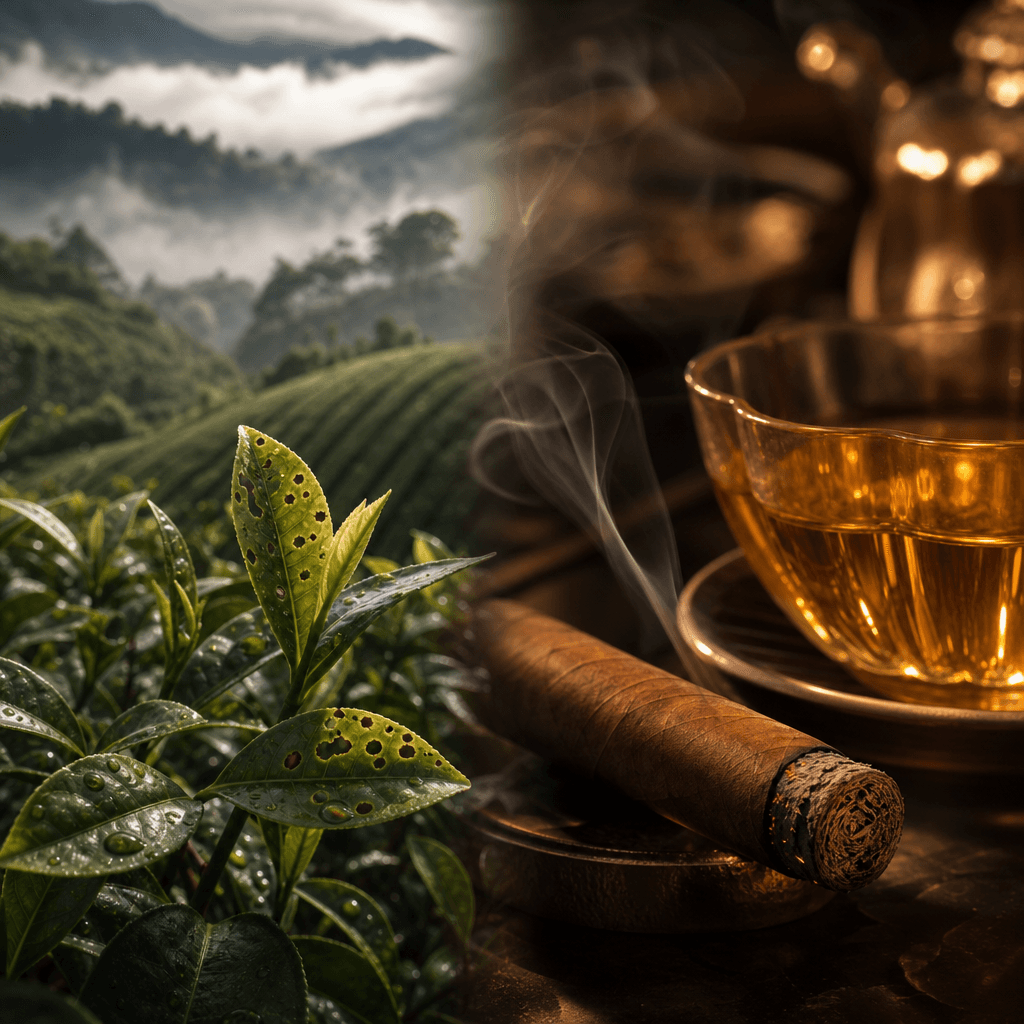
Discussing Ripe Pu'er Tea alongside Partagás Serie D No.4 (Cuba, Robusto, 50 × 124mm) is not merely about "tea pairing with cigars." The key is how the depth of soil after fermentation aligns with the black pepper, earthy, leather, and deep coffee notes of this Robusto. As the editor of the "Cigar Bible," I often say that experienced enthusiasts want to know not just if they can pair, but why they can pair, at which point the pairing improves, and at what temperature and concentration the balance might be lost.
This article focuses on non-alcoholic beverages, with Yunnan Ripe Pu'er Tea as the main subject. It is not simply synonymous with "dark tea soup," but a flavor system accumulated from Yunnan large-leaf species, black tea classification, the 1973 fermentation process, tight pressing, to daily tea washing and aging management. When it encounters the rich cigar body of Partagás Serie D No.4, the truly interesting part is how the aged aroma molecules, woody notes, jujube sweetness, soil aroma, and the charred, leathery, peppery notes of the cigar smoke interlock.
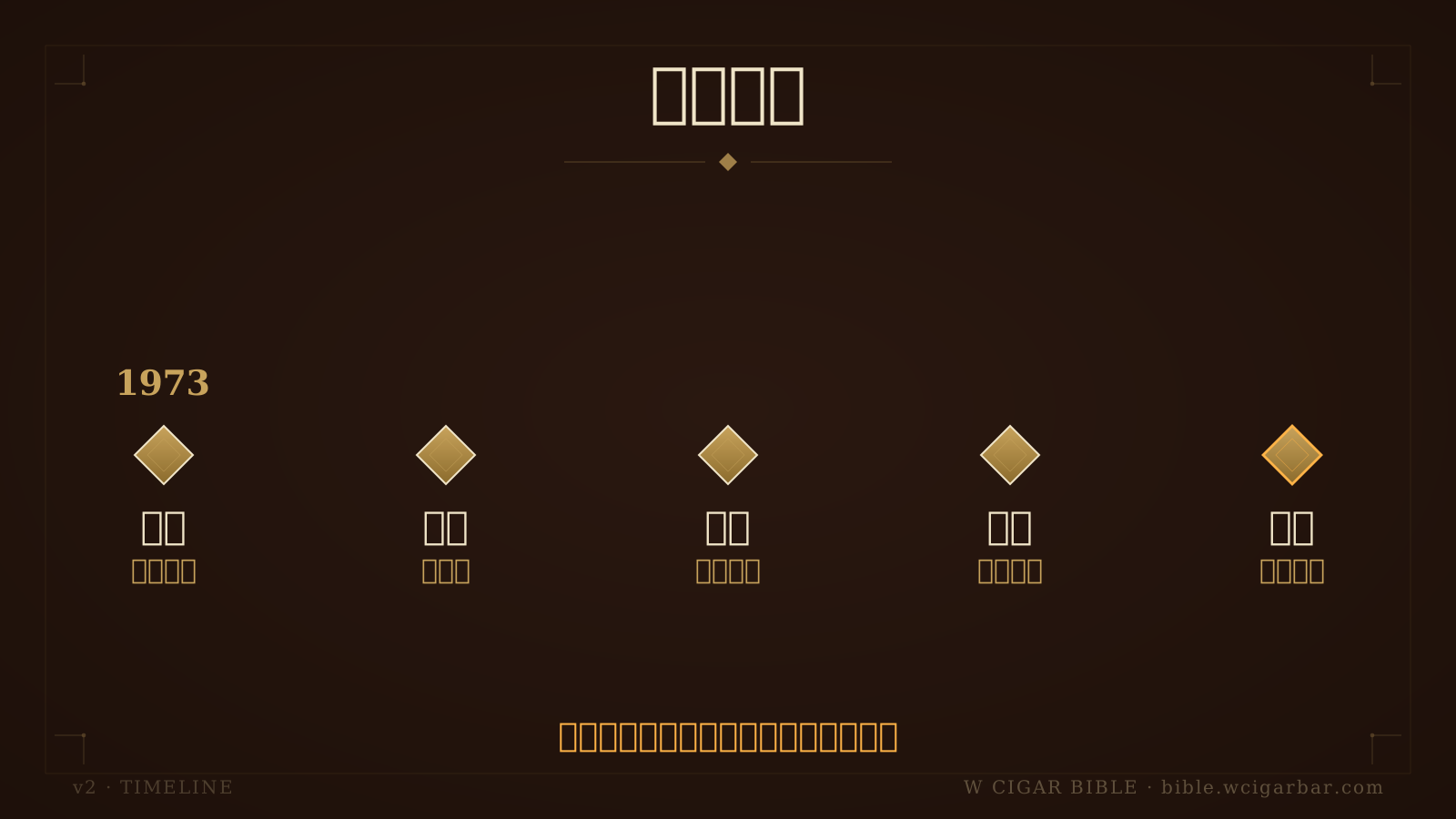
時間線展示一九七三渥堆定型到陳放整理的流程
The Modern Starting Point of Ripe Pu'er Tea: 1973 Fermentation Process
Ripe Pu'er Tea is often mistakenly thought to be an ancient tradition from the beginning, but its key turning point is very modern. Around 1973, the Yunnan tea factory system gradually standardized the fermentation process to allow Pu'er tea to present a dark soup color and mellow taste similar to long-term aged raw tea in a shorter time. This year was not a single moment of invention but a historical point where the process matured, standardized, and became replicable.
The emergence of the fermentation process changed the perception of time for Pu'er tea. Raw tea relies on long-term storage and the slow interaction of oxidation, enzymes, and microorganisms; ripe tea, on the other hand, uses artificial control of moisture, temperature, pile height, and turning to quickly enter deep transformation in a solid-state environment. The core of ripe Pu'er tea is not to age the tea but to guide microbial fermentation towards predictable aged aroma, smoothness, and soil structure.
In the pairing with Partagás Serie D No.4, this modern history is very important. Because the rich cigar body of Serie D No.4 is not a lightly sketched tobacco sweetness but has a significant pressure of black pepper, earthy, leather, and deep coffee notes. If the tea soup only has a light fragrance or floral aroma, it is easily overshadowed by the smoke; the fermentation framework of ripe tea, on the other hand, can stand its ground after the first sip.
Fermentation: The Scientific Framework of Solid-State Microbial Fermentation
Fermentation is the core process of ripe Pu'er tea. On the surface, it involves sprinkling water on sun-dried green tea, piling, covering, and turning, but in reality, it is the joint management of water activity, oxygen supply, heat accumulation, and microbial communities. Common participants include molds, yeasts, and bacterial communities, working between tea fibers and polyphenols to gradually transform originally green and astringent substances into deeper and rounder flavors. The temperature at the core of the pile, moisture content, and turning rhythm are key to whether the ripe tea is clean and layered.
From a chemical perspective, the polymerization of catechins, changes in the ratio of theaflavins and thearubigins, and the redistribution of soluble sugars and amino acids all affect the final expression of the tea soup. The red and thick soup color of ripe tea comes from the dark substances formed after polyphenol oxidation and polymerization; the smoothness is related to pectin, soluble polysaccharides, and the colloidal feel after fiber decomposition. If the process is rough, it will result in a dull, sharp pile taste; if controlled properly, the soil aroma will be deep but not dirty, and the woody aroma will extend cleanly.
I often describe a good fermentation as the process of "wet soil turning into dry soil." Freshly fermented ripe tea may have a more pronounced fermentation aroma, but after appropriate aging and ventilation, it will transition from a damp pile aroma to a clean aged aroma, woody notes, and jujube sweetness. This is also why it can pair with strong cigars: the tea soup does not float over the smoke with fragrance but rounds off the edges of the smoke with thickness.
Well-fermented ripe Pu'er tea will harness the wildness of microorganisms into a clean earthy feel. This statement is especially accurate when applied to Serie D No.4, as the earthy and leathery notes of Partagás, if not matched with a corresponding beverage, can easily become oppressive. Ripe tea transforms this oppressiveness into a dark contour, making the ruggedness of the cigar readable.
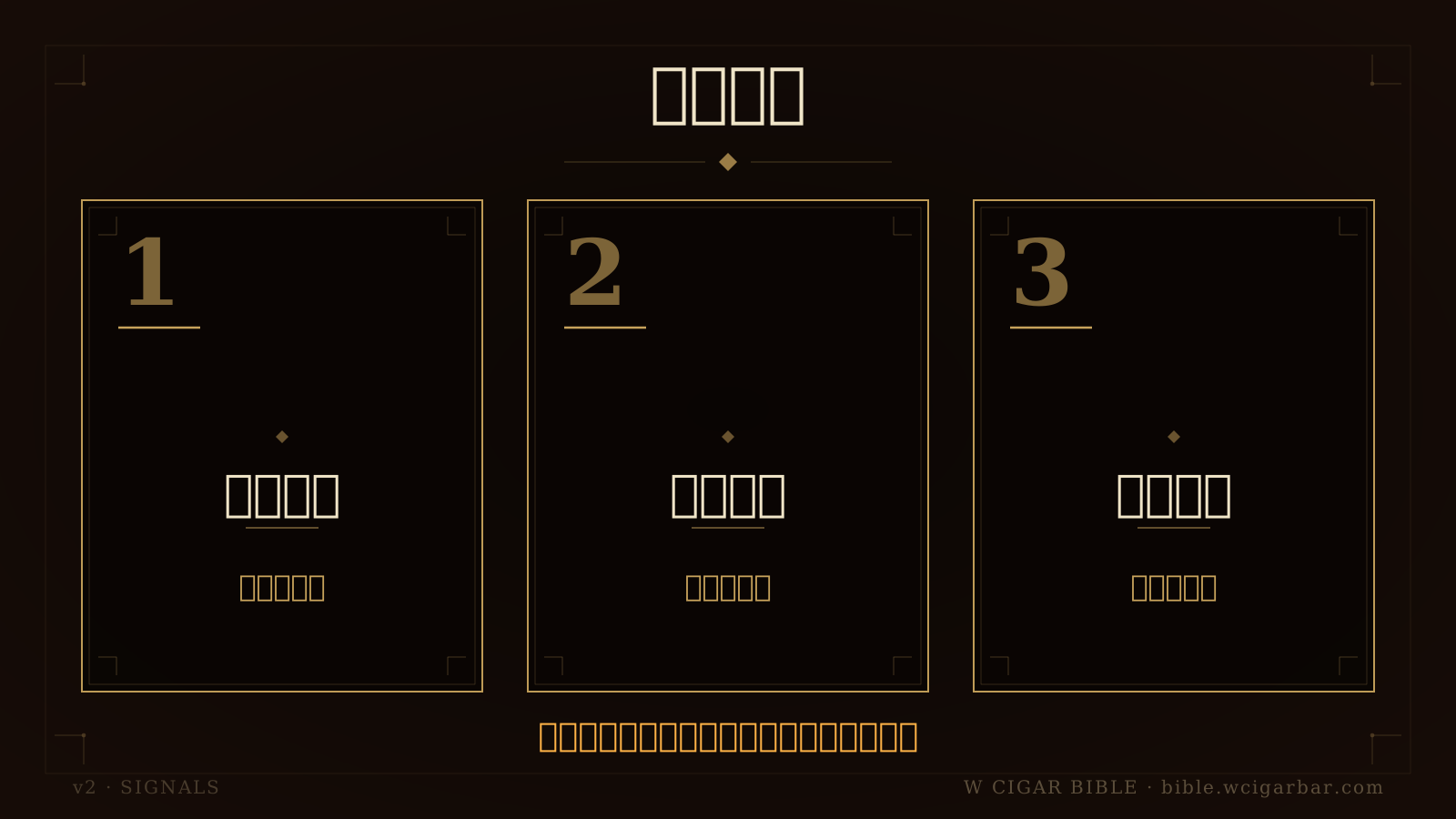
三張卡片列出熟茶搭配雪茄的核心判斷重點
Yunnan Pu'er, Black Tea Classification, and the Thickness of Large-Leaf Species
Ripe Pu'er tea belongs to the black tea lineage. Although black teas from various regions have post-fermentation characteristics, the uniqueness of Yunnan Pu'er lies in its raw materials. The leaves of Yunnan large-leaf tea trees are thick and rich in internal substances, with relatively abundant tea polyphenols, caffeine, pectin, and aromatic precursors. This allows it to withstand fermentation, tight pressing, and subsequent aging.
The Yunnan Pu'er production area is not a single flavor. The differences in mountains, altitudes, tree ages, and initial production around Xishuangbanna, Lincang, and Pu'er City will affect the underlying flavor of ripe tea. Although the details of the mountain field are not as directly prominent in ripe tea as in raw tea after fermentation, the thickness of the raw material will still leave traces in the soup feel, aftertaste, and durability.
For experienced enthusiasts, judging whether a ripe tea can pair with Partagás Serie D No.4 is not just about the depth of the soup color. It is about whether there is thickness upon entry, whether the throat is clean, whether the soil flavor is stable, and whether the sweetness can return after the bitterness. If the tea base is thin, facing the rich cigar body of Serie D No.4 will be like wrapping a stone with thin cloth, unable to support the contour.
What Yunnan large-leaf species provide to ripe Pu'er tea is not just concentration but a material density that can converse with rich cigars. This density allows ripe tea to not retreat in the face of black pepper impact and allows jujube sweetness and woody notes to continue lingering on the tongue after the smoke. It is not a refreshing route but a deep-water route.

矩陣比較熟茶與古巴羅布圖雪茄在搭配中的風味位置
Tight Pressing, Tea-Horse Road, and the Tradition of Form
Ripe Pu'er tea often exists in the form of tea cakes, tea bricks, and tuocha, which is not merely a visual tradition but a cultural technique left by the logic of transportation and preservation. During the Tea-Horse Road period, Yunnan tea had to traverse mountains, valleys, and plateau routes. Loose tea was bulky and easily broken, while tight pressing could reduce space consumption and facilitate long-distance transport. The form itself is the answer after the intersection of Pu'er history and geographical conditions.
Tight pressing also affects the transformation rhythm of the tea. The exposure to air varies between the cake surface, cake nest, edges, and center, as does the rate of moisture dissipation and aroma aggregation. After a period of aging, ripe tea cakes often exhibit differences where the surface aroma is more open, and the center soup feel is more subdued, which is why the techniques of awakening and prying tea need to be meticulous.
When handling ripe tea cakes, I avoid only taking the beautiful parts of the cake surface and do not pry the tea too finely. Retaining the strips and block surfaces appropriately allows for more stable release during brewing; if there are too many fragments, the tea soup tends to be muddy, and the bitter base tends to float. The smoke of Partagás Serie D No.4 is already strong, and if the tea soup loses control, the pairing will become a collision of two heavy objects.
The tight pressing form makes ripe Pu'er tea not just a beverage but a flavor container shaped by transportation history. This subtly echoes Cuban cigars: the size, burning rhythm, and smoke density of a Robusto are also examples of form determining perception. Form is not just appearance; form changes time, concentration, and release method.
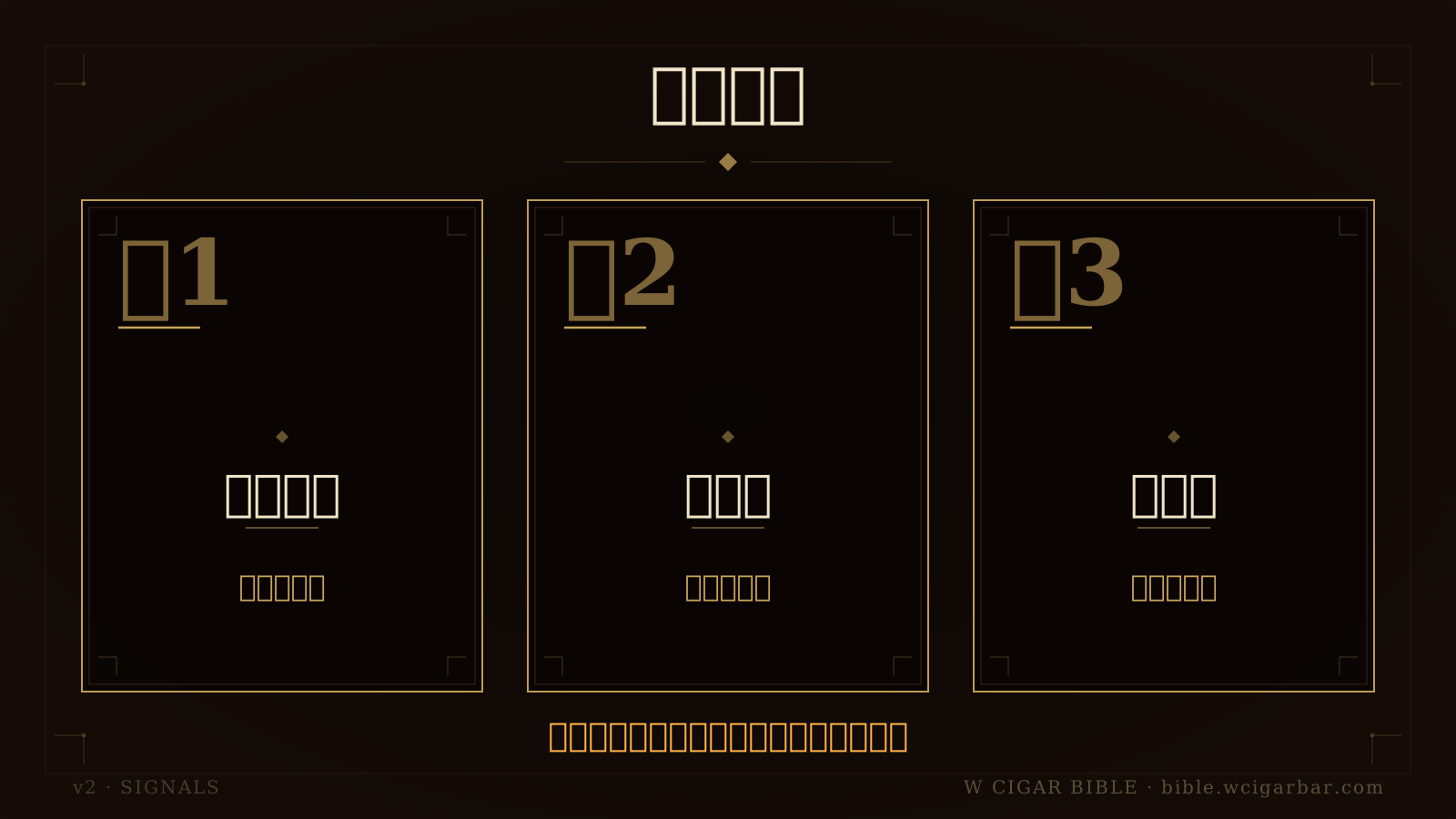
三張提醒卡整理熟普雪茄搭配時容易出現的誤解
Aged Aroma, Woody Notes, Jujube Sweetness, and Soil: The Flavor Structure of Ripe Tea
Good ripe Pu'er tea usually does not start with a high aroma but with a settled aged aroma. This aged aroma may carry the scent of old wooden cabinets, dried herbs, slight camphor, cooked grains, and dry soil, but cleanliness is the watershed. A clean aged aroma will resemble polished wood, with a dark sheen; an unclean pile taste will be stuffy, wet, and cling to the nasal cavity.
The second layer is woody notes and jujube sweetness. Woody notes provide lines, and jujube sweetness provides the core, together making the tea soup not just deep but with a recognizable middle section. This sweetness is not candy-like but resembles black jujube, red jujube skin, cooked dried fruit, and slightly caramelized edges, often appearing with a deep brown soup feel.
The third layer is the mouthfeel. The red and thick soup color of ripe tea does not necessarily mean thickness; true smoothness is when the tea soup passes over the tongue like a fine colloid, with a bit of envelopment but not stickiness. This envelopment, once encountering the black pepper of Serie D No.4, will produce a very clear buffering effect.
The place where ripe tea is most suitable for strong cigars is that it simultaneously possesses dark aroma, smooth texture, and a non-sharp sweet-bitter balance. The deep coffee and leather of Partagás will push the woody notes of the tea further into the dark, while the jujube sweetness will pull the bitterness of the cigar back to the tongue. This does not make the flavor lighter but makes the heavy flavor orderly.
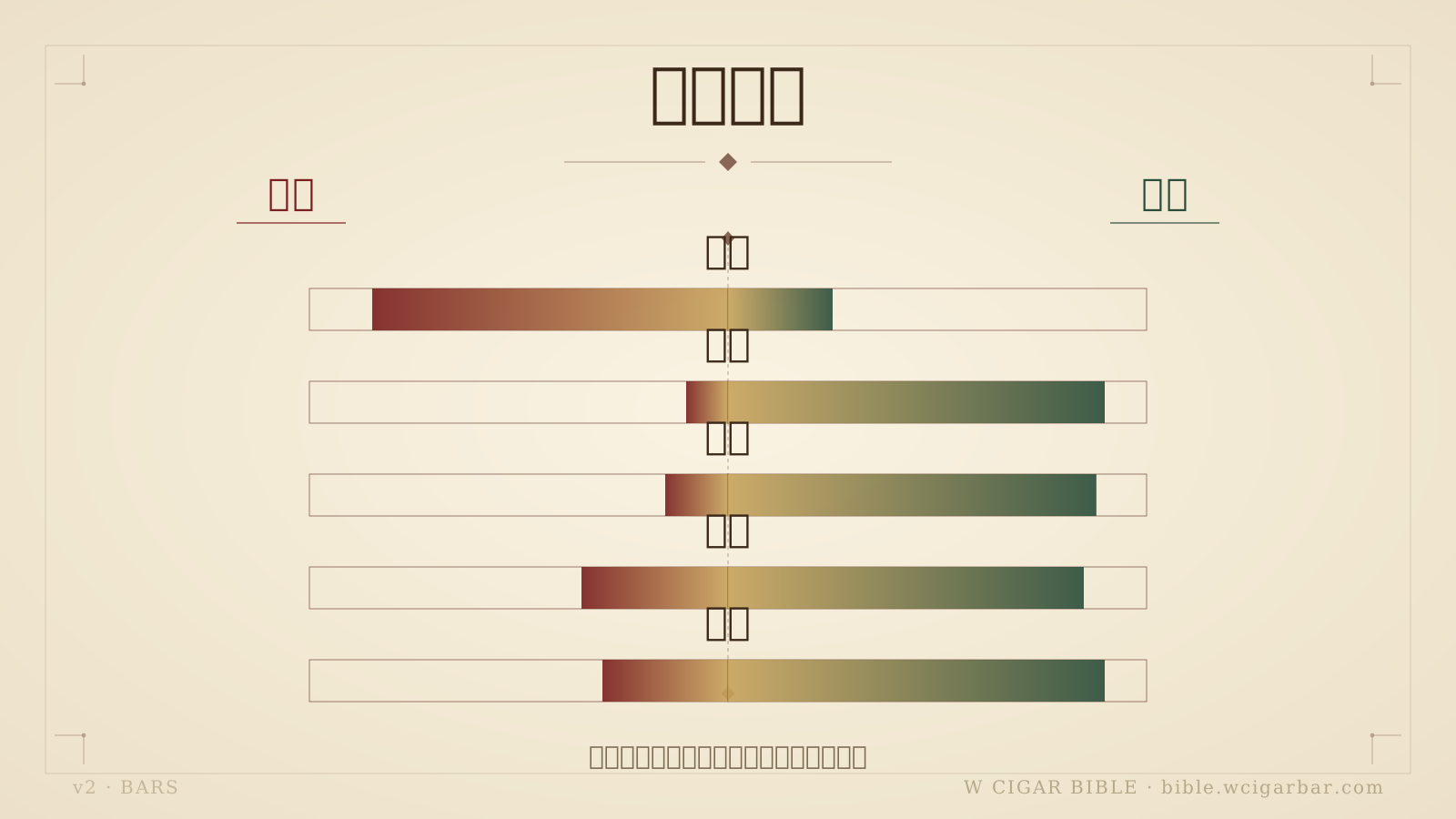
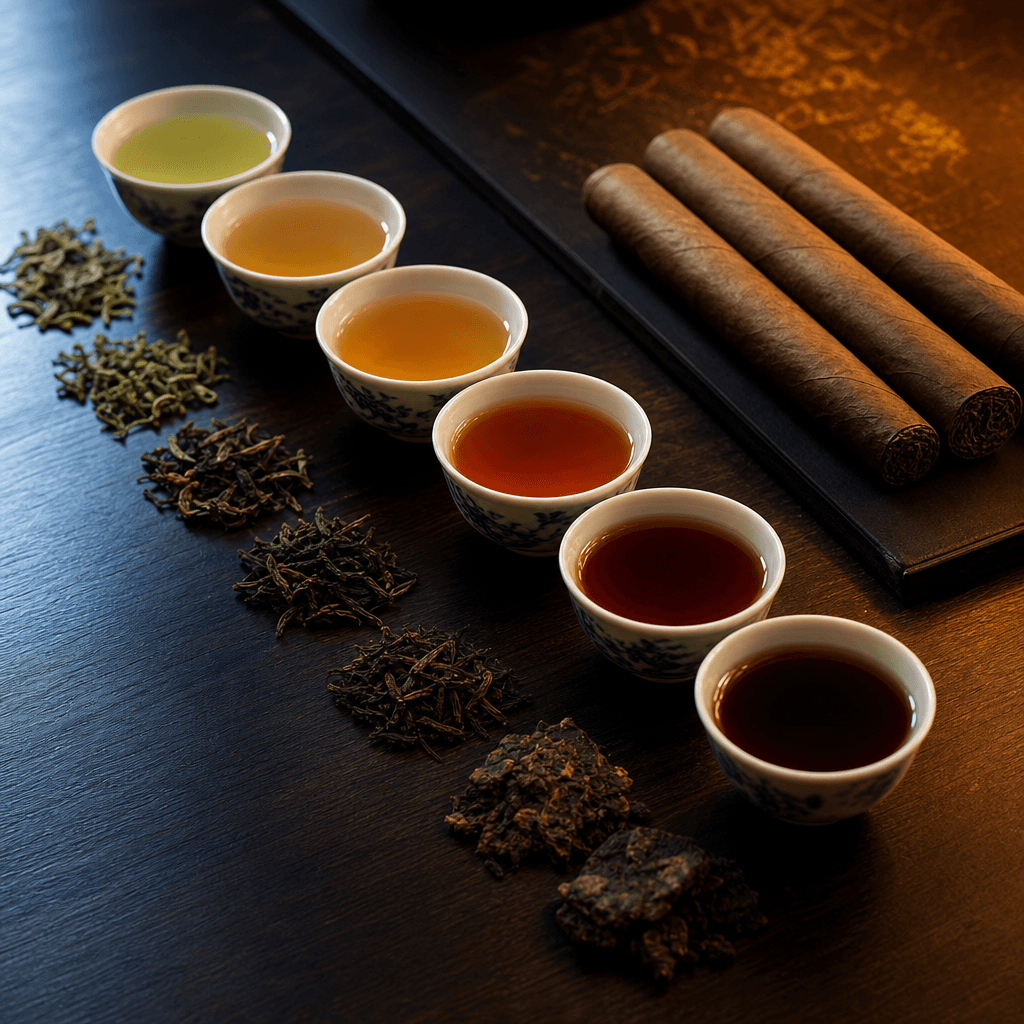
長條圖對比綠茶與熟茶面對濃郁雪茄時的風味取向
The Rich Cigar Body and Flavor Rhythm of Partagás Serie D No.4
Partagás Serie D No.4 is a very recognizable Cuban Robusto, with specifications of 50 × 124mm. Its hallmark is not gentle floral fragrance but a rich cigar body composed of black pepper, earthy, leather, and deep coffee notes. From the beginning, it does not take detours; the smoke has thickness, and the spicy and earthy notes quickly rise.
The middle section is the area most worth reading in this cigar. Black pepper emerges from the tip of the tongue and the back of the nasal cavity, earthy notes turn into drier mineral and leather notes, and deep coffee provides a bitter backbone. If the burning state is stable, a dark bitter aroma between roasted cocoa shells and deeply roasted coffee powder will appear.
In the later section, Serie D No.4 becomes more concentrated, with increased leather and spicy notes, thicker earthy notes, and tighter coffee bitterness. At this time, if paired with too light a tea, the tea soup will completely retreat; if paired with too rigid a tea, it will push the mouth to dryness. The role of ripe tea here is to provide buffering, aftertaste, and foundation for the pressure of the later section.
Partagás Serie D No.4 is not a cigar that needs to be diluted but needs an equally deep yet round opponent. Ripe Pu'er tea provides this opponent: it does not steal the protagonist position of the smoke but can reorganize the earthy, leather, and deep coffee into a thicker picture. This is the classic logic of pairing strong tea with strong smoke.
Ripe Pu'er Tea × Partagás Serie D No.4: Earthy Positive Resonance
The first core of this pairing is the earthy positive resonance of fermentation soil tone × cigar earthy tone. The soil feel of ripe tea comes from the deep organic aroma after microbial fermentation, leaning towards moist, thick, with wood chips and cooked leaf base; the earthy notes of Serie D No.4 lean towards dry, spicy, with leather and tobacco ash feel. When the two meet, it is not the repetition of the same flavor but the interweaving of wet and dry soil, making the earthy tone in the mouth three-dimensional.
The second core is the deep sweet-bitter interlock of jujube sweetness × deep coffee. The red jujube and black jujube sweetness of ripe tea can grasp the deep coffee bitterness of Serie D No.4, preventing the bitterness from isolating into a sharp charred taste. Conversely, the coffee and cocoa shell dark aroma of the cigar will make the jujube sweetness of the ripe tea not appear flat but closer to the outer skin of dried fruit and the deep sweetness of roasted caramelization.
The third core is the smooth tea soup enveloping the peppery impact. The black pepper of Serie D No.4 will form a stimulus in the nasal cavity and tongue side, which can easily appear dry and fierce without texture support. The colloidal feel, polysaccharide feel, and warmth of the ripe tea soup will round this impact, leaving the spicy aroma while reducing the rough edges.
| Flavor Token | Source of Ripe Pu'er Tea | Corresponding to Serie D No.4 | Changes After Encounter |
|---|---|---|---|
| Earthy Tone | Fermentation Microbes and Aging Aroma | Earthy, Tobacco Ash Feel | Interweaving of Wet and Dry Soil, Increasing Earthy Depth |
| Jujube Sweetness | Soluble Sugars and Cooked Dried Fruit Tone | Deep Coffee, Cocoa Shell Bitterness | Sweet-Bitter Interlock, Bitterness with More Focus |
| Woody Notes | Tea Fiber Transformation and Old Wood Aroma | Leather, Cedar Edge | Woody Notes Extend the Aftertaste, Leather Cleaner |
| Smoothness | Pectin, Polysaccharides, and Red Thick Soup Body | Black Pepper Spicy Aroma | Enveloping Stimulation, Retaining Spicy Aroma Contour |
| Aged Aroma | Ripe Tea Post-Fermentation and Aging Integration | Rich Cigar Body | Reducing Abruptness, Forming Dark Background |
The winning point of this pairing is that ripe tea must have clean soil and smooth soup feel to catch the earthy, peppery, and deep coffee of Partagás. If the ripe tea has an unclean pile taste, it will overlap with the leathery ash feel of the cigar's later section, forming a dull aroma; if the ripe tea is too thin, it will only leave a hot water feel. Experienced enthusiasts are looking for not more weight but more stability.
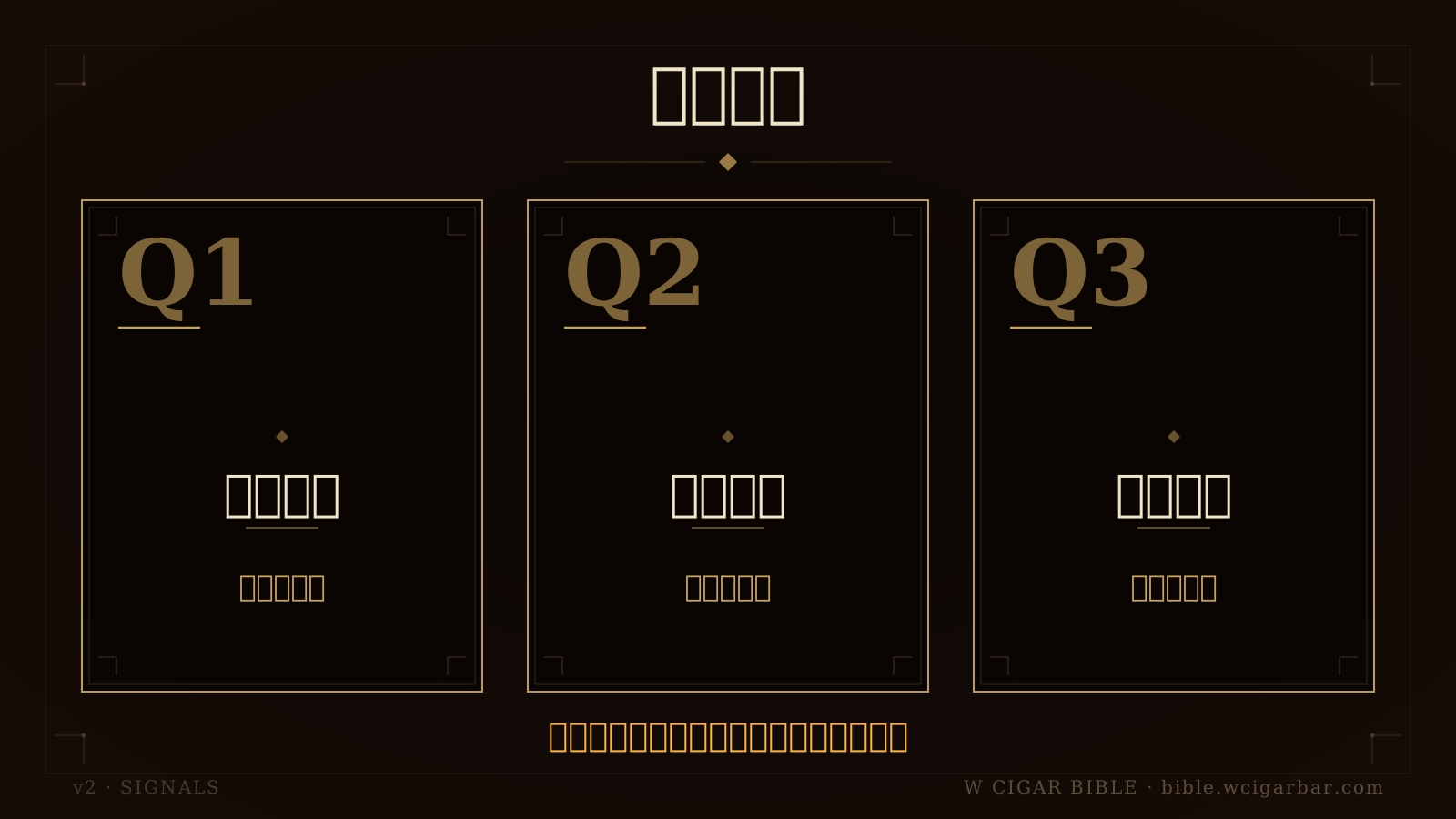
三張問答卡回答年份洗茶與濃度三個實用問題
Brewing, Tea Washing, and Aging Practices: Positioning Ripe Tea Correctly
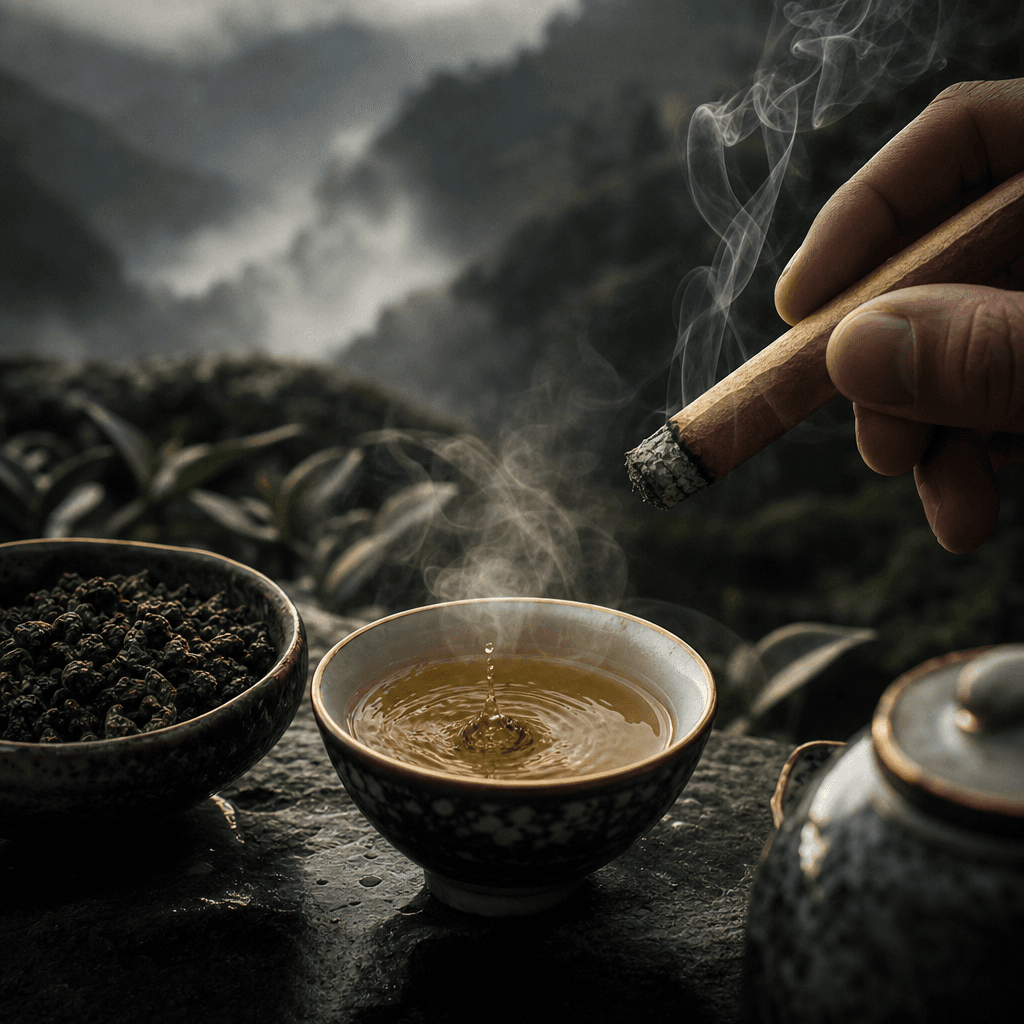
Washing tea is a crucial step in daily practice before pairing ripe Pu'er tea with cigars. After fermentation and tight pressing, the gaps in the tea leaves may contain storage aroma and fine tea dust. Quick rinsing can awaken the leaf base and reduce the stuffy taste of the first brew. My method is to quickly pour boiling water, quickly pour out the soup, focusing not on extracting flavor but on awakening and organizing.
The brewing concentration should be adjusted according to the section of Serie D No.4. In the early section, where the cigar's black pepper is prominent but the coffee has not fully intensified, the ripe tea can maintain a medium concentration to lay the foundation with aged aroma and jujube sweetness; starting from the middle section, the tea soup can be slightly thickened to accommodate earthy, leather, and deep coffee notes. In the later section, if the cigar's spicy aroma is concentrated, the tea soup should not be too strong, or the bitterness will stack too high.
In terms of aging, ripe tea requires a stable, clean, odor-free environment. Excessive humidity will turn the soil aroma stuffy, while excessive dryness may thin the soup feel and break the aroma; after daily tea extraction, the tea cake should also return to a stable state. Ripe tea that has been pried apart can be awakened for a short period to disperse the pile aroma, making the woody notes and jujube sweetness clearer.
The principle of brewing ripe tea to pair with Serie D No.4 is to lay sweetness in the early section, thicken in the middle section, and reduce pressure in the later section. This is more important than fixed grams, as cigars burn dynamically, and the tea soup should also be adjusted according to the sections. Knowing how to let the concentration breathe will reveal the true layers of this pairing.
Frequently Asked Questions
Does ripe Pu'er tea have to be very old?
Not necessarily. When pairing with Partagás Serie D No.4, cleanliness and soup feel stability are more important than the myth of age. Some ripe teas, after appropriate aging, have already lost their pile aroma and opened their aged aroma, enough to support this cigar.
Will washing tea wash away the flavor of ripe tea?
Normal quick rinsing will not wash away the core flavor but can reduce miscellaneous aromas. The true thickness of ripe tea gradually unfolds after the second brew, especially tight-pressed tea cakes that need hot water to open the leaf base.
Why is ripe tea more suitable for this cigar than green tea?
The black pepper, earthy, leather, and deep coffee of Serie D No.4 are all dark tones. The light fragrance and freshness of green tea are easily overshadowed by the rich cigar body, while the aged aroma, soil, and smoothness of ripe tea can form an equivalent structure.
How strong should the tea soup be brewed?
Use red and thick but not bitter as the standard; the entry should be smooth, not dry and scraping. If the tea soup leaves a coarse bitterness at the root of the tongue, it will amplify the coffee bitterness in the later section of the cigar, narrowing the layers.
What role does jujube sweetness play in the pairing?
Jujube sweetness is the hook of dark sweetness, able to latch onto the deep coffee bitterness of Serie D No.4. It will not make the cigar sweet but will provide a point of recovery for the bitterness, making the leather and earthy notes more complete.
Will the soil flavor of ripe tea overlap too much with the earthy flavor of the cigar?
As long as the ripe tea is clean, the overlap is an advantage. Ripe tea leans towards moist, round, while the cigar leans towards dry, spicy; the two soil flavors, one wet and one dry, will form a more layered earthy resonance.
The most charming aspect of pairing ripe Pu'er tea with Partagás Serie D No.4 is not in mildness but in the order within depth. The fermentation soil, aged aroma, jujube sweetness, and smooth soup body make the black pepper, leather, earthy, and deep coffee of this Cuban Robusto not just a display of power but a dark flavor structure that can be deconstructed, judged, and repeatedly read.
Further Reading|Complete Guide to the Six Major Tea Types: Fermentation Spectrum from Green Tea to Pu'er, Overview of Flavors Paired with Cigars|Dongding Oolong Tea Charcoal Roasting Process: The Old-School Craft of Roasting and Throat Rhythm, Paired with Romeo y Julieta Short Churchill|The Taste of Time in Raw Pu'er Tea: Transformation of Old Raw Tea and Mountain Aroma, Paired with Montecristo Edmundo's Rich Balance
—Cigar Prince Wilson Tsai
Smoking is harmful to health. Smoking is prohibited for those under twenty years old. Quit smoking hotline: 0800-636363. This article is intended for adults over twenty years old as a reference for cigar culture, preservation, and regulatory knowledge, not as an advertisement, promotion, or purchase suggestion for tobacco products.
Like this article?Share with friends
Share this W Cigar Bible piece with friends who want to learn cigar culture, storage, and tasting.
想把這篇 化為實踐
雪茄聖經是知識;雪茄文化要在空間裡發生

W Cigar Bar 大安總店資訊
台北大安區 · 雪茄聖經總編輯 Wilson Tsai 主理的雪茄文化空間
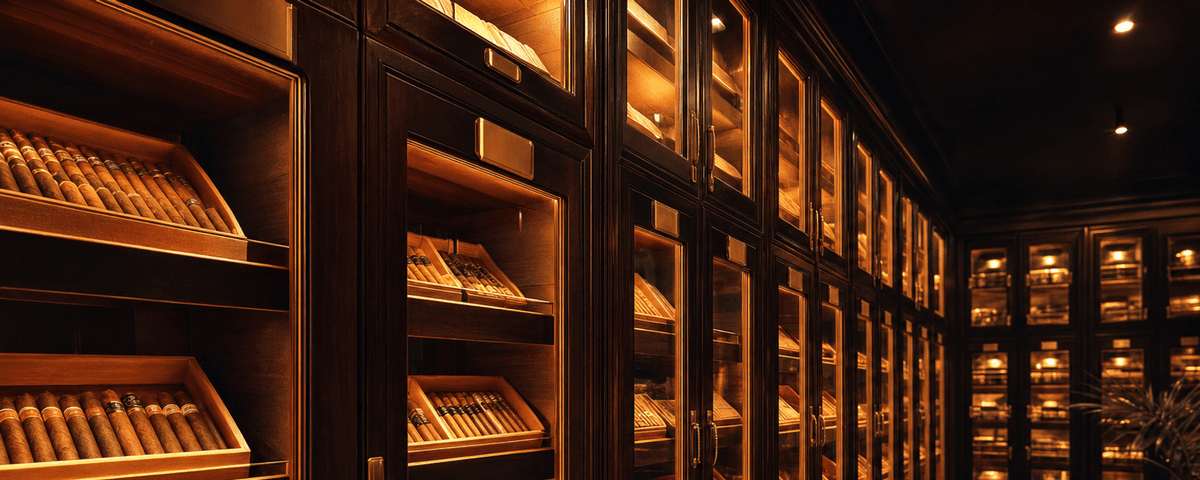
33 座 24 小時恆溫恆濕醇化室
W Cigar Bar 提供的會員醇化空間 · 場地資訊請洽編輯部
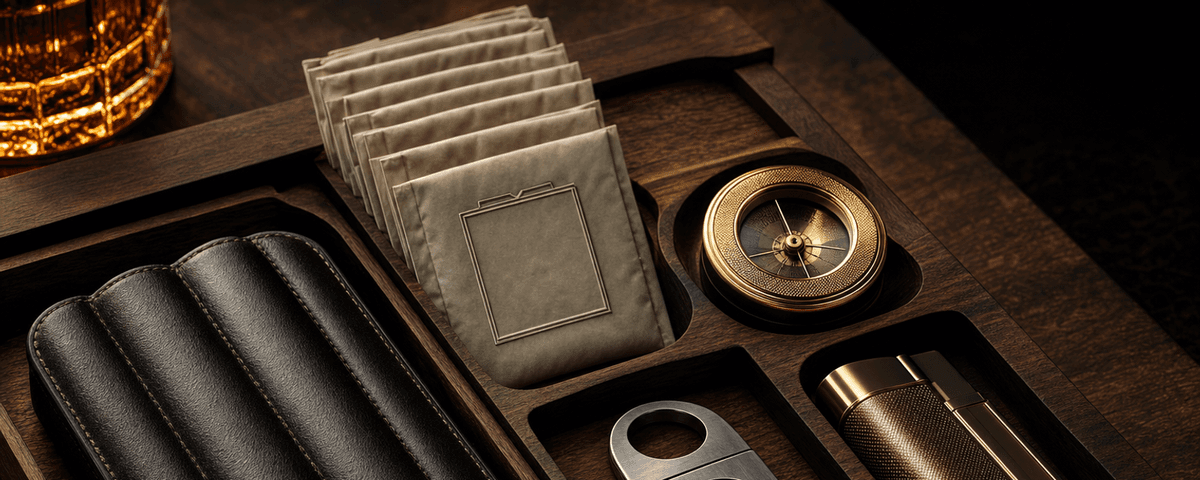
雪茄剪 / 打火機 / 雪茄盒 / Boveda
W Cigar 配件官網 · 專營雪茄配件正品
加 LINE 好友 · 文化諮詢
文化空間資訊 · 紳士沙龍 · 私人包場
本網站內容僅供雪茄文化、歷史、收藏與品吸知識研究參考。菸品有害健康、未滿法定年齡者請勿吸菸。實際規範請依所在地法律為準。
吸菸有害健康・戒菸專線 0800-636363・本站僅供 20 歲以上成年人閱覽。
讀到這裡,你不只是路過的人
留下 Email,加入 W 雪茄聖經內圈——總編輯 Wilson Tsai 親選的學院深文與國際新訊,先你一步送到信箱。
· 教育用途非銷售 · 隨時一鍵退訂 · Email 絕不對外公開 · 由勝茄股份有限公司營運
同分類延伸閱讀
資料來源:W Cigar Bible 編輯部整理 · 雪茄王子 Wilson Tsai 親自審稿
本文僅供雪茄文化、歷史、收藏與品鑑知識研究,不作為菸品促銷、銷售或購買建議。吸菸有害健康,未滿二十歲不得吸菸。