波本威士忌的香草焦糖:肯塔基全新燒烤橡木桶,搭配 Padrón 1926 Serie No.9 的黑可可

波本威士忌的香草、焦糖與新橡木桶,是肯塔基風土、法規與桶陳工藝共同塑形的結果;當它遇上 Padrón 1926 Serie No.9 的黑可可、濃咖啡與白胡椒,甜感、焦化、烘焙與尼加拉瓜菸草火力會形成精準對位,適合入門者建立系統化搭配邏輯。
- 波本的玉米甜底與新橡木桶,是香草焦糖風味的核心來源。
- Padrón 1926 Serie No.9 以黑可可、濃咖啡與白胡椒支撐搭配。
- 香草、焦糖、焦化層與黑可可相遇,形成烘焙甜感同盟。
Bourbon's Vanilla Caramel: Kentucky's New Charred Oak Barrels with Padrón 1926 Serie No.9's Dark Cocoa
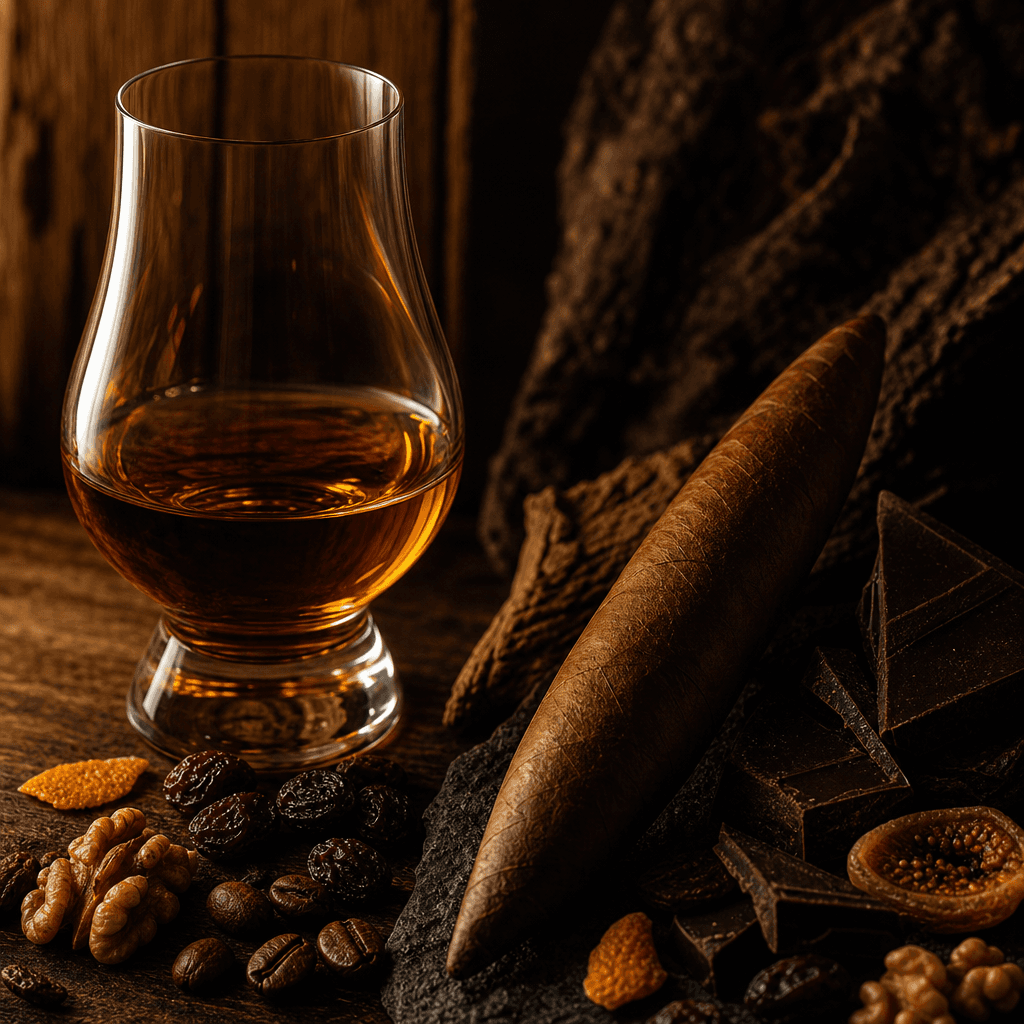
The encounter between Bourbon whiskey and Padrón 1926 Serie No.9 is not merely about "sweet meets rich"; it's about how the vanilla caramel from Kentucky's new charred American white oak barrels collides with the dark cocoa, rich coffee, and white pepper of the Nicaraguan box-pressed Robusto. As an editor of the "Cigar Bible," I often say that a truly good drink × cigar pairing must articulate the correspondence between each aroma molecule and each segment of smoke structure, rather than stopping at a flurry of adjectives.
In this article, we will break down the legal framework of Bourbon, Kentucky's water sources, sour mash, and new oak barrel char level in a way that beginners can grasp, and then return to Padrón 1926 Serie No.9 (Nicaragua, Robusto, 56 × 133mm): dark cocoa, rich coffee, caramel, white pepper, full-bodied cigar, box-pressed craftsmanship. By the end, you'll understand why "new oak vanilla × caramel smoke," "charred layer × dark cocoa," and "corn sweetness × Nicaraguan power" are not just pretty phrases but flavor structures that can be verified in the glass and the smoke.
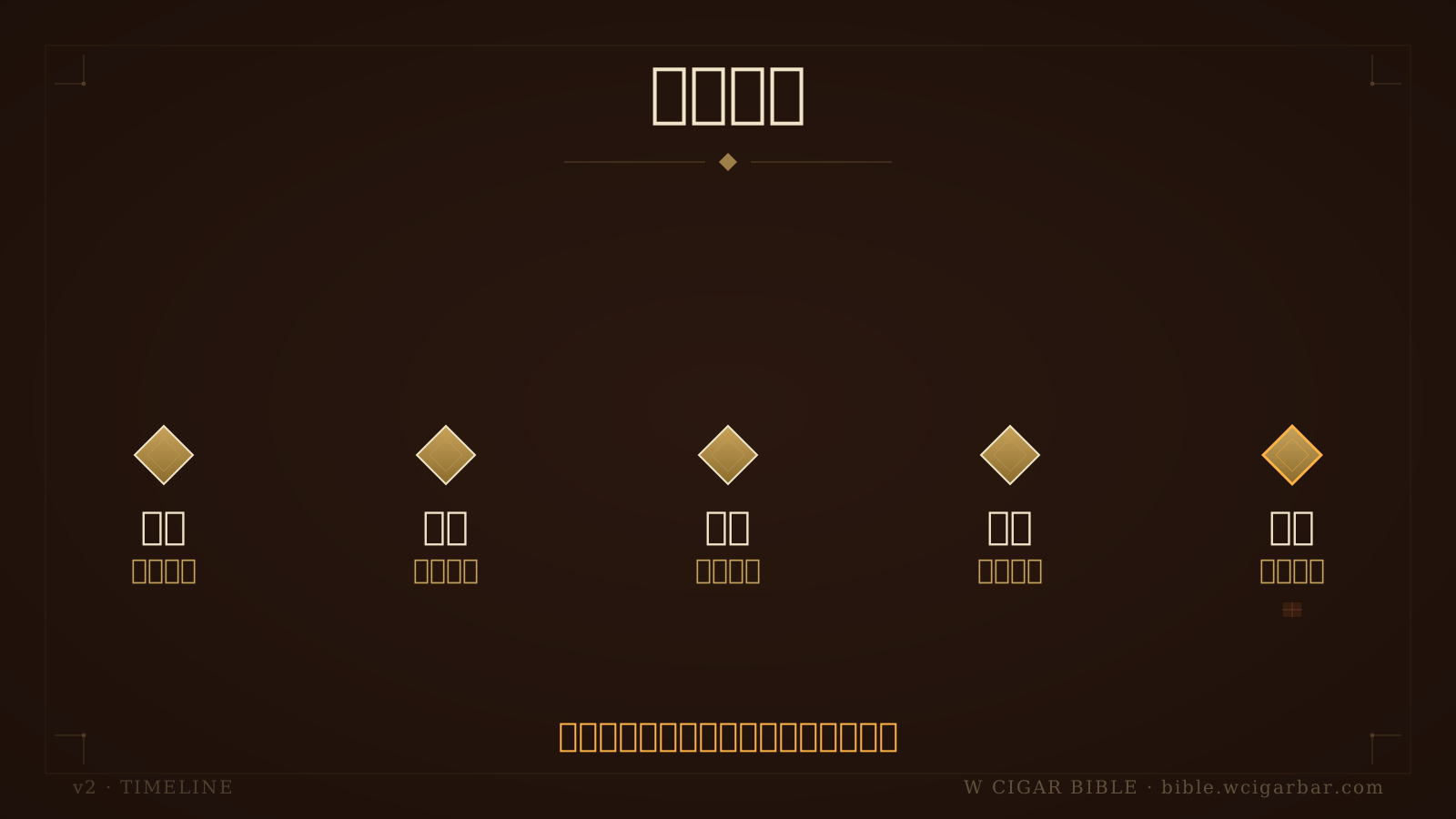
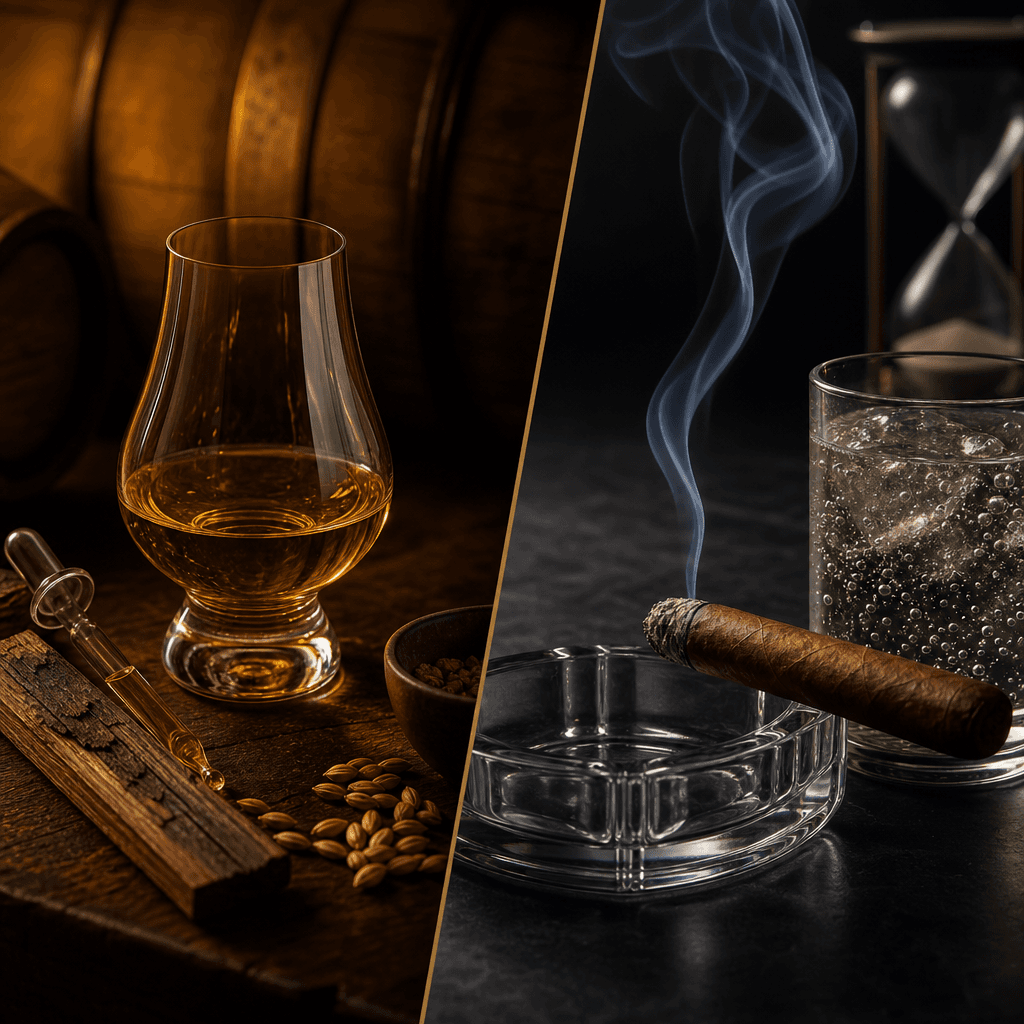
時間軸呈現玉米、水源、酸醪、新桶到搭配的風味流程
The Legal Framework of Bourbon Whiskey: Why Bourbon is Primarily Corn Whiskey
When discussing Bourbon whiskey, one cannot start with just vanilla and caramel; one must first return to the regulations. According to U.S. standards, Bourbon's grain recipe must contain at least 51% corn and must be aged in new charred American white oak barrels; there are also specific ranges for distillation proof, barrel entry proof, and bottling threshold. These conditions make Bourbon not just "a type of American whiskey" but a style system centered on corn sweetness and new oak barrels.
In 1964, the U.S. Congress passed a resolution recognizing Bourbon as a "distinctive product of the United States." This historical point is significant because it elevated Bourbon from a local agricultural distillate to a national cultural symbol. Kentucky is, of course, the most representative production area, but Bourbon is not legally restricted to being produced only in Kentucky; however, Kentucky's whiskey history, climate, water sources, and distillation traditions make it the first map most people use to understand Bourbon.
The sweetness of Bourbon whiskey is not added but is a structure brewed by the corn ratio, new oak barrels, and aging environment. Corn provides a soft grain sweetness, rye or wheat adds spiciness or smoothness depending on the recipe, and malted barley provides enzymes to assist saccharification. When such a liquor enters a new charred barrel, it forms the familiar vanilla, caramel, coconut, roasted corn, and toasted wood notes in the glass.
For cigar pairing, this legal framework directly determines whether it can hold up to a full-bodied cigar. The smoke of Padrón 1926 Serie No.9 is thick and deep in flavor; if the drink itself does not have enough sweetness and wood support, it can easily be overwhelmed by dark cocoa and rich coffee. The corn sweetness of Bourbon is not syrupy but a mid-weight formed by grain oiliness and barrel-aged vanilla, just enough to support the strength of Nicaraguan tobacco.
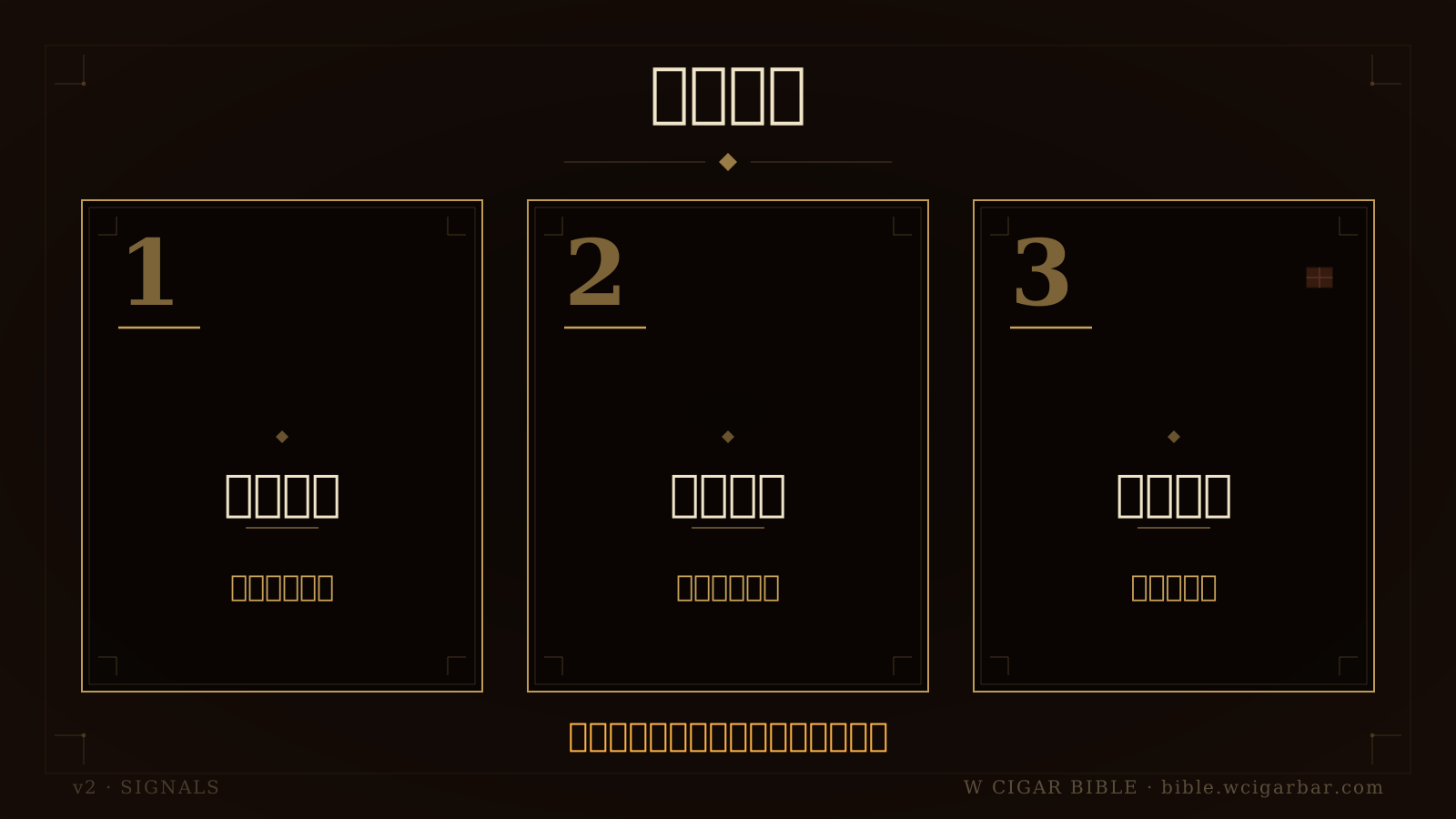
三張重點卡說明玉米甜底、新桶香草與黑可可對位
The Geological Background of Kentucky Whiskey: Limestone Water Sources and Sour Mash
Water is the first key to why Kentucky became a Bourbon stronghold. The local limestone formations filter out some iron content while retaining minerals like calcium and magnesium that are beneficial for fermentation; for distillers, low-iron water sources can prevent unwanted metallic notes from interfering with fermentation and flavor. This is not romanticizing terroir but a very practical chemical basis in the distillation industry.
Sour mash is the second key. Distilleries add the acidic backset from the previous distillation batch to the next batch of grain mash to stabilize pH levels and inhibit undesirable microorganisms. This method makes batches more consistent and allows yeast to work in a familiar environment, forming grain sweetness, slight lactic acid notes, and a cleaner fermentation profile.
The stability of Kentucky Bourbon comes from the joint control of the fermentation environment by limestone water sources and sour mash techniques. If whiskey is thought of as a flavor building, water sources are the foundation, sour mash is the construction specification, and new oak barrels are the outer decoration and aging theater. Without the first two, the later vanilla caramel would seem to float; with a stable foundation, barrel aromas appear more three-dimensional.
Next to Padrón 1926 Serie No.9, this stability is especially important. The white pepper and rich coffee of this Nicaraguan Robusto quickly establish a presence in the early stages; if the whiskey's fermentation noise is too much, the smoke will amplify the off-flavors. A clean Kentucky whiskey base allows dark cocoa, caramel, and roasted corn to stand in their respective places in the mouth without blending into a heavy bitter-sweet mass.
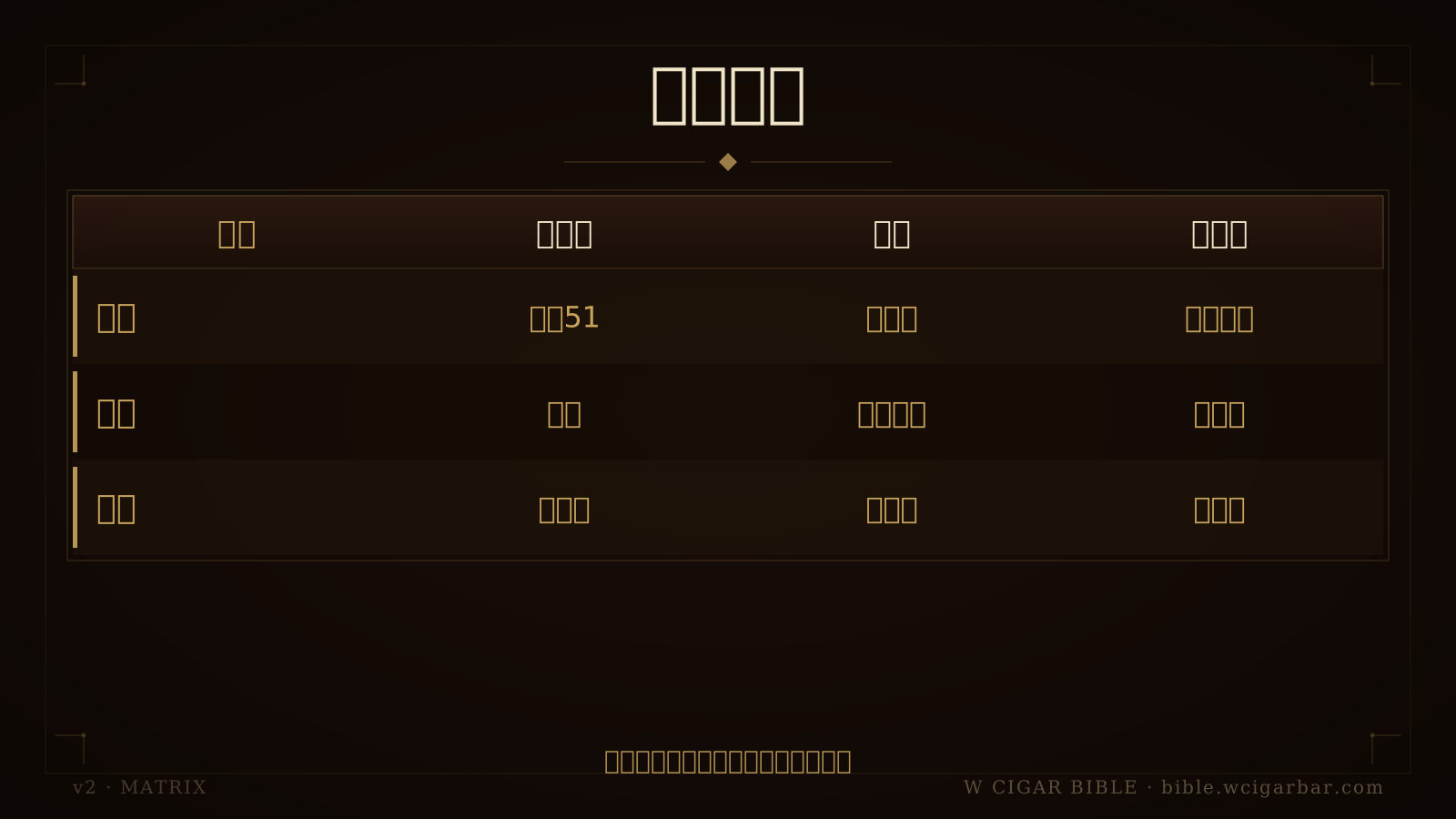
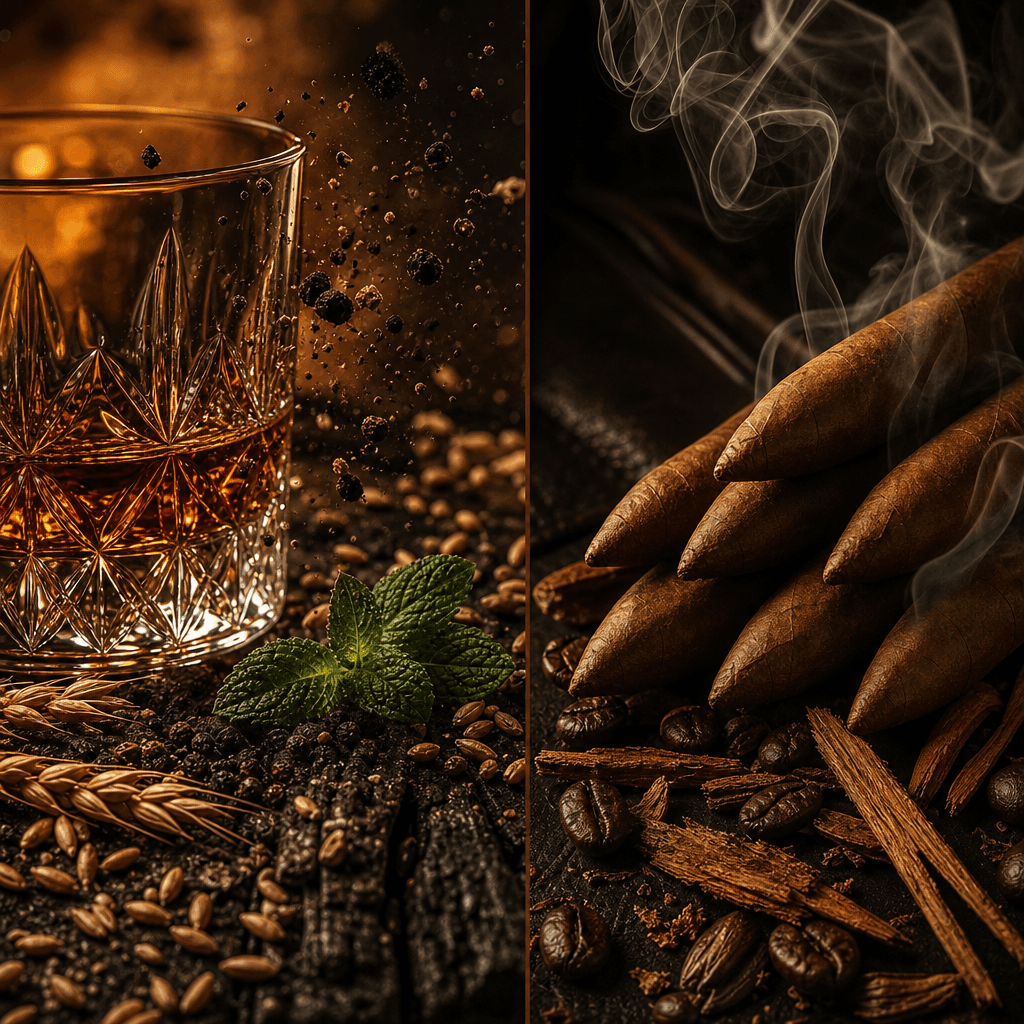
矩陣比較玉米底、新橡木桶與帕德龍雪茄的來源和香氣
New Oak Barrels and Char Level: The Sources of Vanilla, Caramel, and Coconut
Bourbon must use new charred oak barrels, which has a huge impact on flavor. American white oak is rich in oak lactones, often bringing coconut, woody creaminess, and sweetness; lignin produces vanillin when heated, which is the key source of vanilla aroma. Hemicellulose breaks down at high temperatures, bringing out caramel, toffee, toasted bread, and slight nutty notes.
The so-called char level refers to the degree of charring inside the barrel, often distinguished by different seconds or levels. A deeper char forms a layer of charcoal inside the barrel, acting like a filter and flavor reaction zone, absorbing some rough sulfur notes and sharpness while allowing the liquor to shuttle between the charred wood layer and the red layer during aging. The red layer's wood sugars, lignin breakdown products, and oak lactones are the concentrated sources of vanilla, caramel, coconut, and roasted sweetness.
New oak barrels are not just containers but the most powerful flavor machines for Bourbon whiskey. Whiskeys aged in old barrels often slowly extract details over time, while new barrels act like a concentrated oven, capable of outputting high-density woody sweetness in the short to medium term. This is why Bourbon often has more combat power than many delicate spirits when paired with full-bodied cigars.
When the charred layer meets Padrón 1926 Serie No.9's dark cocoa, the key is "roasting homology." Dark cocoa and rich coffee in cigars often come from pyrazines, phenols, and charred molecules produced during tobacco fermentation, aging, and burning; the charred layer inside the Bourbon barrel provides woody caramelization, smoky charcoal, and roasted sugar edges. When the two meet, bitterness is not just bitter but is stretched into a continuous spectrum of cocoa powder, dark roast coffee, and toasted oak.
The Structure of Bourbon in the Glass: Beyond Vanilla Caramel, There's Roasted Corn and Spice
Beginners often remember Bourbon as "sweet," but mature tasting should break down the sweetness into layers. The first layer is the roasted corn, cornflakes, and grain oiliness of the corn itself; the second layer is the vanilla, caramel, toffee, and coconut brought out by the new oak barrel; the third layer is the spiciness of rye, the smoothness of wheat, or the heat brought by high alcohol content in the recipe. These three layers stacked together are the real reason Bourbon can pair with cigars.
The nose of Bourbon often first reveals vanilla pods, caramel pudding surface, toasted coconut, and honey cornflakes. After entering the mouth, the mid-palate turns to roasted wood, cinnamon, cloves, pepper, and dried orange peel; the finish may leave caramel edges, dry woodiness, toasted grains, and a faint smokiness. If the alcohol sensation is well-controlled, the sweetness won't be cloying but will feel like the shell of roasted grains, with a bit of dry closure.
A good Bourbon pairing doesn't use sweetness to cover the cigar but uses the sweet base to extend the dark flavors of the smoke. The dark cocoa of Padrón 1926 Serie No.9 is very prominent in the early to mid-palate; if the drink only has a thin sugar sensation, it will make the cocoa flat. Bourbon's roasted corn and oak vanilla can push the cocoa towards brownie, mocha, and caramel coffee directions, while white pepper retains clean lines at the finish.
I often recommend readers add one or two drops of water to the glass rather than significantly diluting the drink. A small amount of water can make the vanilla, coconut, and caramel more expressive and reduce the initial alcohol sting, allowing you to more clearly compare the changes before and after the smoke. If using a nosing glass or small-diameter whiskey glass, sniff first and then take a small sip, observing where the sweetness appears, then let the cigar smoke enter the mouth; the difference will be very noticeable.
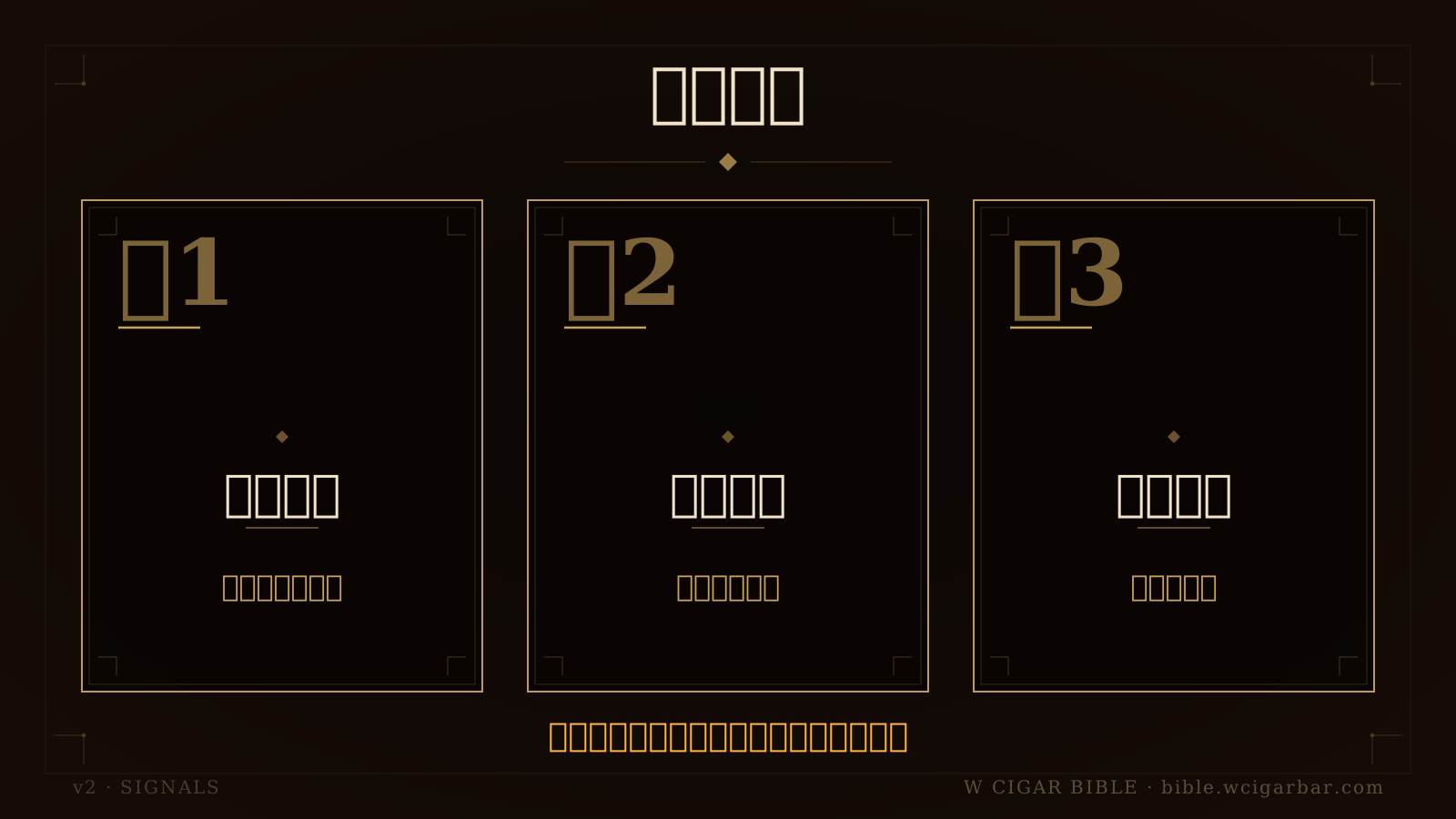
三張錯誤卡提醒產地誤解、冰塊過量與品飲節奏太快
Padrón 1926 Serie No.9: Nicaraguan Power and Box-Pressed Lines
Padrón 1926 Serie No.9 (Nicaragua, Robusto, 56 × 133mm): dark cocoa, rich coffee, caramel, white pepper, full-bodied cigar, box-pressed craftsmanship. This specification itself already reveals many pairing clues: the Robusto size brings concentrated and direct smoke, the 56 ring gauge provides enough burning surface, and the 133mm length allows flavor progression without dragging. The box-pressed craftsmanship presents a more stable linear progression in hand feel and burning rhythm.
The charm of Nicaraguan tobacco lies in the dark mineral, cocoa, coffee, and spicy notes often seen under the volcanic soil background. The Padrón 1926 series is known for its richness, cleanliness, and tight layering, not loose thickness but like espresso, compressing bitterness, oiliness, and spices on the same line. No.9's white pepper is not a surface-level spiciness but emerges slowly from the back of the nasal cavity and the sides of the tongue.
This cigar requires a drink with a sweet base, woodiness, and roasting depth, not just relying on alcohol strength for a head-on collision. Bourbon happens to have corn sweetness, new oak barrel vanilla, charred layer, and spice finish at the same time. It won't wash away Padrón's dark cocoa but will push cocoa and rich coffee towards a more complete dessert-like profile.
Box-pressed also has significance in pairing. The contact surface and draw resistance of box-pressed cigars often give a more stable rhythm, with smoke not bursting out all at once but spreading with a more compressed feel. When you take a small sip of Bourbon, then take a puff of No.9, the vanilla caramel of the drink will first stick to the tongue, and the smoke will then push dark cocoa, coffee, and pepper to the palate, like coloring twice on the same flavor paper.
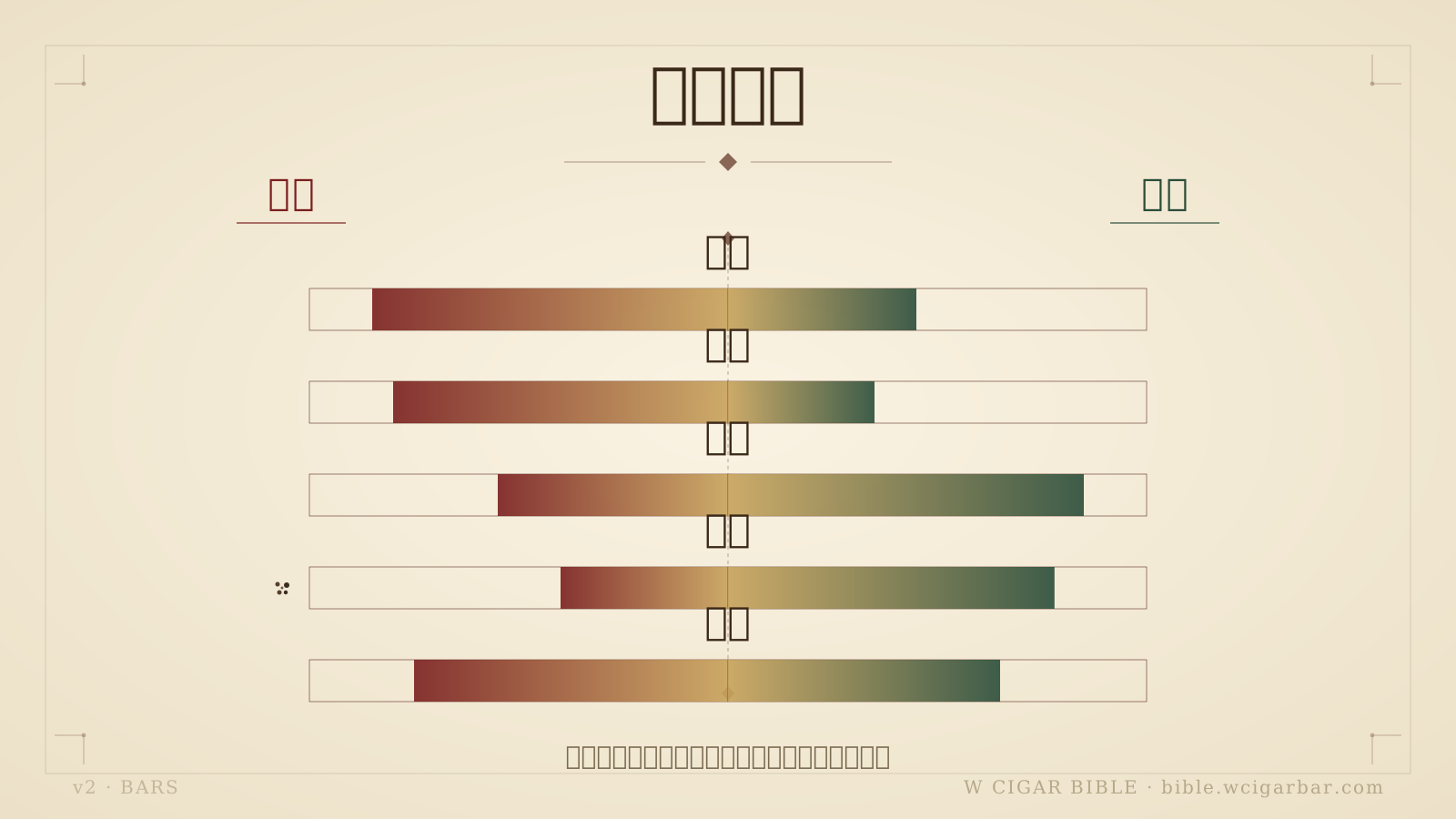
長條圖比較酒端與煙端在甜底、香草、焦苦、辛香和木質的強度
Flavor Chemistry Alignment: New Oak Vanilla × Caramel Smoke, Char × Dark Cocoa
The most core first alignment is the dessert-level alliance of new oak vanilla × caramel smoke. Bourbon's vanillin reminds one of vanilla pods, butter sugar, and pudding, while the caramel smoke from cigar burning carries trace caramelized sugar sensation, woody sweetness, and tobacco oiliness. When the two overlap, impressions similar to caramel brownies, vanilla cocoa sauce, and toasted sugar edges appear in the mouth, but the finish is still pulled dry by pepper and woodiness.
The second alignment is the roasting homology of charred layer × dark cocoa. The charred layer inside the barrel brings charcoal, roasted wood, smoky caramel, and slightly bitter edges; Padrón's dark cocoa has shadows of cocoa powder, rich coffee, and deep-roasted nuts. These two sources of bitterness are different but both undergo high-temperature, fermentation, or burning-related reactions, thus forming a resonance at the root of the tongue.
The key to Bourbon and Padrón 1926 Serie No.9 is not mutual masking but aligning the sweet, bitter, charred, and spicy axes simultaneously. The corn sweet base first supports the Nicaraguan power, vanilla caramel is responsible for adding roundness in the mid-palate, the charred layer and dark cocoa pull out a dark framework, and white pepper is responsible for keeping the finish clean. This is why I call it "the duel of the Americas": Kentucky grains and Nicaraguan tobacco are both strong styles composed of land, heat, and craftsmanship.
| Bourbon Whiskey Token | Cigar Token | Chemical and Sensory Connection | Oral Result |
|---|---|---|---|
| Vanillin Vanilla | Caramel Smoke | Lignin Breakdown × Tobacco Burning Sweetness | Vanilla Caramel, Brownie Edges |
| Charred Layer | Dark Cocoa | Charred Wood × Pyrazine Roasting Sensation | Deep Roast Cocoa, Rich Coffee Bitterness |
| Oak Lactone Coconut | Tobacco Oiliness | American White Oak Lactone × Full-bodied Cigar | Coconut Cocoa, Extended Oiliness |
| Roasted Corn Sweet Base | Nicaraguan Spiciness | Grain Sweetness × White Pepper Stimulation | Sweet Base Supports Spiciness, Cleaner Finish |
| Cinnamon Clove Wood Aroma | Box-pressed Stable Smoke | Barrel-aged Spices × Linear Burning Rhythm | Concentrated Mid-palate Layers, Not Easily Scattered |
In practice, you can first take a small sip of Bourbon, pause for three to five seconds, letting the vanilla and caramel linger on the tongue; then take a puff of the cigar, letting the smoke briefly stay in the mouth. You'll find that the first stage is vanilla wrapping cocoa, the second stage is char and coffee merging, and the third stage is white pepper pushing the sweetness back. If you can clearly identify these three stages, it means the pairing is no longer just a feeling but a structured tasting.
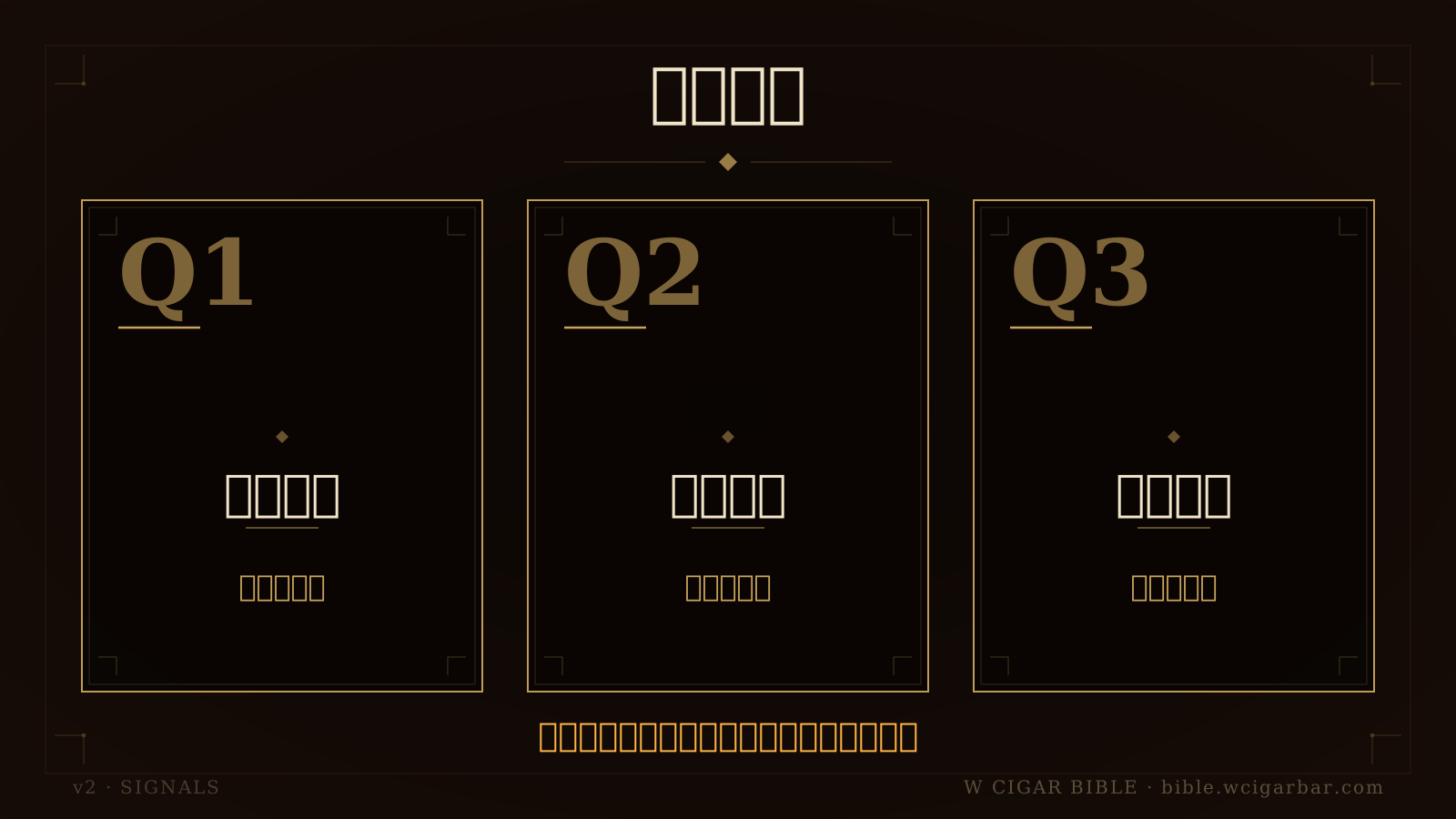
三張問答卡整理波本產地、香草來源與加冰方式
Tasting Order and Proportion: Let Bourbon and Robusto Speak for Themselves
Before starting the pairing, first confirm the state of both sides. Bourbon should not be too cold; too low a temperature will suppress vanilla, coconut, and caramel; room temperature or slightly cool is sufficient, leaving some space in the glass for the aroma to unfold. On the cigar side, pay attention to even burning and draw rhythm; the full-bodied nature of Padrón 1926 Serie No.9 does not require rapid progression; going slower can better reveal changes in dark cocoa and white pepper.
In the first third, let the drink play the base role. At this time, No.9's cocoa, coffee, and pepper begin to establish contours, and Bourbon's corn sweet base can round out the sharp spiciness, making the entry not just stimulating. If you draw too quickly at first, the white pepper will amplify, and then when you drink, you'll likely only feel the alcohol heat, ignoring the vanilla caramel.
The best rhythm is small sips of the drink, short pauses, single puffs of smoke, and then let the finish naturally meet. In the mid-palate, the oiliness and rich coffee of the cigar will thicken, and this is when Bourbon's new oak barrel vanilla can best play a modifying role. If spiciness and char bitterness increase in the finish, control the drink amount to smaller sips, only taking the aroma and sweet base, not letting the alcohol sensation and smoke heat stack on each other.
Regarding glass type, a small-diameter whiskey glass can concentrate aromas, which is friendlier to beginners; a wide-mouth glass will let alcohol disperse faster, but vanilla and oak may also become loose. If you want to compare, you can divide the same Bourbon into a neat and a slightly watered-down glass, observing which one can better hold Padrón's dark cocoa. This kind of practice is more effective than changing too many variables at once because you can clearly know whether the change comes from water, glass type, or cigar progression.
Common Questions
Does Bourbon have to come from Kentucky?
Not necessarily. The legal focus of Bourbon is on grain ratio, distillation conditions, and new charred oak barrel regulations, not that it can only be produced in Kentucky. However, Kentucky whiskey is particularly representative due to its limestone water sources, climate, and historical traditions, so it is often seen as the core example for understanding Bourbon.
Why does Bourbon often have vanilla and caramel?
Vanilla is mainly related to vanillin produced by heating oak lignin, while caramel comes from the breakdown of hemicellulose and roasting, charring reactions inside the barrel. New charred American white oak barrels make these molecules more actively enter the liquor. So Bourbon's vanilla caramel core comes from new oak barrels and aging extraction, not just a simple sweetness imagination.
Is Padrón 1926 Serie No.9 too strong?
It is indeed a full-bodied cigar, with dark cocoa, rich coffee, and white pepper all having a strong presence. If beginners are already familiar with basic tasting, they can use a slower pace and small sips of Bourbon to observe the layers. The focus is not on pursuing strength but on letting cocoa, caramel, pepper, and wood appear in sequence.
Should Bourbon be iced?
Adding ice will lower the temperature and slow down aroma release. If the goal is to study the details of vanilla, coconut, caramel, and cigar smoke, I would lean towards room temperature small sips or adding only a tiny amount of water. This way, it's easier to retain Bourbon's barrel-aged aroma and mid-palate sweet base.
Why is it said that the charred layer can pair with dark cocoa?
The charred layer provides charcoal, roasted wood, and slightly bitter charred aroma, while dark cocoa has a bitter-sweet structure of deep roast, cocoa powder, and rich coffee. Both have a roasting sensation after high-temperature reactions, so they form a similar frequency at the root of the tongue. This homology can make bitterness layered rather than just heavy.
How to adjust if white pepper is too prominent?
First, slow down the cigar pace to prevent the burning temperature from rising too quickly. On the Bourbon side, choose styles with clearer vanilla, caramel, and corn sweet base, which can usually organize the pepper sensation backward. You can also leave a few more seconds between each drink and smoke, so the spiciness doesn't directly collide with the alcohol heat.
The pairing of Bourbon whiskey and Padrón 1926 Serie No.9 is not about remembering "vanilla with cocoa," but understanding the division of labor between new oak barrels, char, corn sweet base, and Nicaraguan tobacco. When you can break each sip into sweet, charred, bitter, and spicy lines, the pairing will move from intuition to system.
Further Reading|Complete Map of Whiskey Regions: From Scotland's Five Major Regions to Asia's New Forces, an Overview of Flavor Pairings with Cigars|Irish Whiskey Single Pot Still: The Smoothness of Green Apple and Cream, Paired with Romeo y Julieta Wide Churchill|The Spicy Framework of Rye Whiskey: Black Pepper and Mint, Paired with Partagás Serie P No.2's Spice Sparks
—Cigar Prince Wilson Tsai
Smoking is harmful to health. Smoking is prohibited for those under twenty. Quitline: 0800-636363. This article is for reference by adults over the age of twenty for cigar culture, preservation, and regulatory knowledge, not a tobacco advertisement, promotion, or purchase suggestion.
Drunk driving is prohibited. Excessive drinking is harmful to health. Drinking is prohibited for those under eighteen. This article is also not an alcohol advertisement, promotion, or purchase suggestion; please drink responsibly.
Like this article?Share with friends
Share this W Cigar Bible piece with friends who want to learn cigar culture, storage, and tasting.
想把這篇 化為實踐
雪茄聖經是知識;雪茄文化要在空間裡發生
W Cigar Bar 大安總店資訊
台北大安區 · 雪茄聖經總編輯 Wilson Tsai 主理的雪茄文化空間
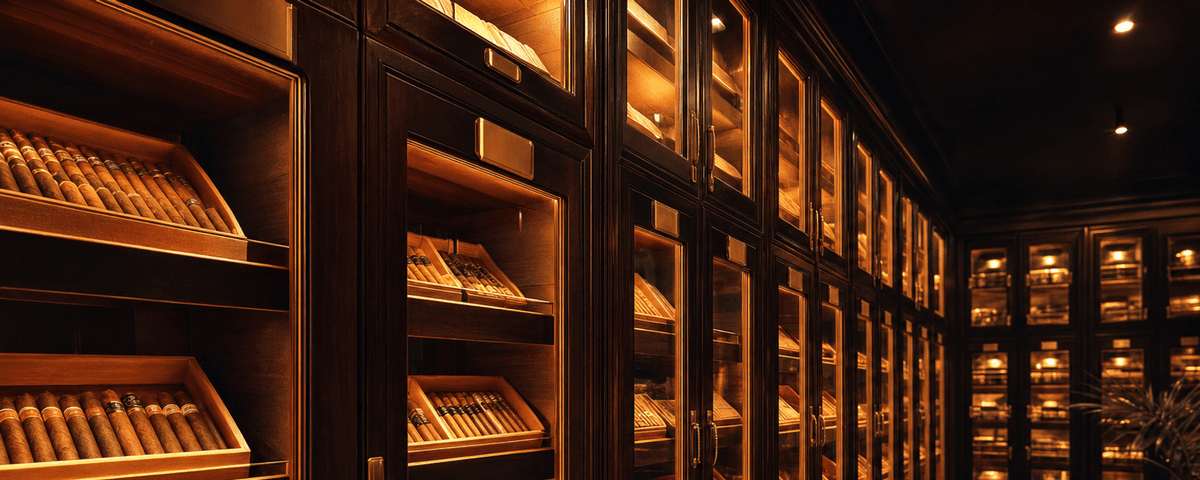
33 座 24 小時恆溫恆濕醇化室
W Cigar Bar 提供的會員醇化空間 · 場地資訊請洽編輯部
雪茄剪 / 打火機 / 雪茄盒 / Boveda
W Cigar 配件官網 · 專營雪茄配件正品
加 LINE 好友 · 文化諮詢
文化空間資訊 · 紳士沙龍 · 私人包場
本網站內容僅供雪茄文化、歷史、收藏與品吸知識研究參考。菸品有害健康、未滿法定年齡者請勿吸菸。實際規範請依所在地法律為準。
吸菸有害健康・戒菸專線 0800-636363・本站僅供 20 歲以上成年人閱覽。
讀到這裡,你不只是路過的人
留下 Email,加入 W 雪茄聖經內圈——總編輯 Wilson Tsai 親選的學院深文與國際新訊,先你一步送到信箱。
· 教育用途非銷售 · 隨時一鍵退訂 · Email 絕不對外公開 · 由勝茄股份有限公司營運
同分類延伸閱讀
資料來源:W Cigar Bible 編輯部整理 · 雪茄王子 Wilson Tsai 親自審稿
本文僅供雪茄文化、歷史、收藏與品鑑知識研究,不作為菸品促銷、銷售或購買建議。吸菸有害健康,未滿二十歲不得吸菸。