咖啡烘焙度完整解析:淺中深焙的風味分水嶺,對應雪茄濃度的搭配公式
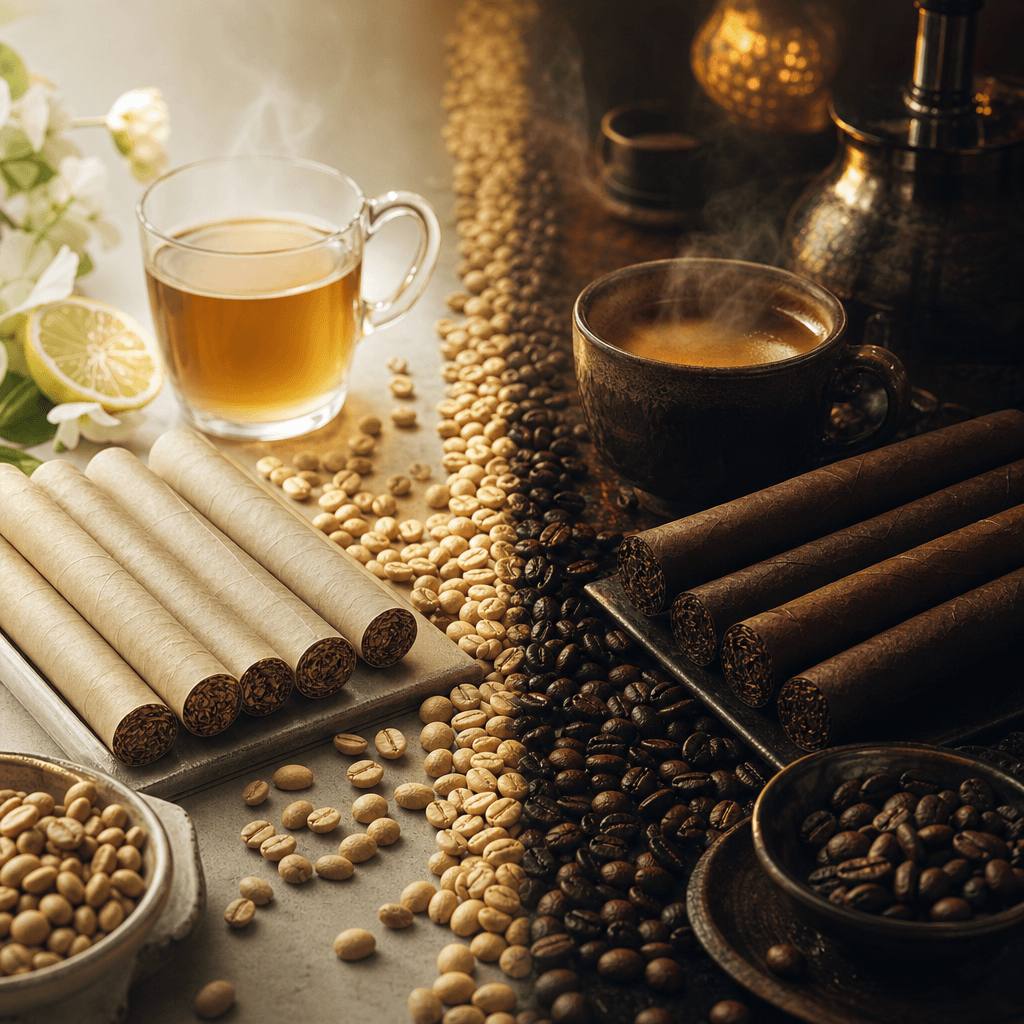
咖啡烘焙度不是單純的深淺標籤,而是一條由一爆、二爆、梅納反應、焦糖化與排氣共同構成的風味曲線。本文以淺焙配 Quai d'Orsay No.50、中焙配 H. Upmann Magnum 46、深焙配 Bolívar Royal Corona,建立烘焙度×茄體的三段公式,讓入門讀者理解果酸、焦糖、可可與煙燻如何在口中互相牽動。
- 淺焙保留產地酸質,適合奶油系淡茄,避免與濃厚菸草辛香互相拉扯。
- 中焙以梅納反應與焦糖化取得平衡,最能對應中等茄體的木質與堅果。
- 深焙走向可可、焦糖與碳化苦甜,適合濃郁雪茄的煙燻與土壤感。
Complete Analysis of Coffee Roast Levels: The Flavor Watershed of Light, Medium, and Dark Roasts, and the Pairing Formula with Cigar Strength
Coffee roast levels and the encounter with Quai d'Orsay No.50 is the first key to understanding the pairing of light roast cigars. As the editor of the "Cigar Bible," I often say that coffee is not just background noise next to a cigar, but an active second melody that rewrites the sweetness, woodiness, and mouthfeel of tobacco. When we break down light, medium, and dark roasts into heat reaction stages and then look back at Quai d'Orsay No.50, H. Upmann Magnum 46, and Bolívar Royal Corona, the pairing logic becomes much clearer.
This article is not just about saying "if you like sour, go for light roast; if you like bitter, go for dark roast." I will guide you through the first crack, second crack, Maillard reaction, caramelization, Agtron color values, the divergence of Nordic light roast and Italian dark roast traditions, and also bring the practice of degassing into daily life. In the end, you will get a truly usable chart: light roast with mild cigars, medium roast with medium cigars, and dark roast with strong cigars, but each segment must be explained with flavor chemistry reasons.
時間軸呈現脫水轉黃一爆發展到二爆流程
Coffee Roast Level is Not Color, But a Timeline of Heat Reactions
On the surface, coffee roast levels appear to be about the depth of bean color, but the real core is how heat entering the green bean reorganizes moisture, sugars, amino acids, organic acids, and fiber structures. Initially, the green bean will dehydrate, slowly shifting from grassy and grainy aromas to bread crust and nut germ. When the steam pressure inside the bean rises and the cell structure begins to expand, the roaster truly enters the flavor decision zone.
The first crack usually occurs during the rapid expansion of the bean, releasing internal steam and carbon dioxide, with a sound like small popcorn. At this point, the coffee has crossed from raw flavor into the drinkable range, with origin acidity, floral, and fruity notes still evident. The second crack is closer to further breakdown of cell walls and movement of oils, with a finer sound, and flavors begin to lean towards caramel, cocoa, smoky, and carbonized bittersweet.
Coffee roast level is not a preference for depth but a map of how heat reactions shift the flavor center. Light roast retains origin and acidity, medium roast builds roundness in sugar browning, and dark roast pushes flavors towards roast, bittersweet, and heavy mouthfeel. For cigars, this timeline corresponds to the pressure curve from mild to strong cigars, and mismatching is not a small issue but a matter of overlapping main melodies.
First Crack, Second Crack, and Roasting Curve: From Physical Cracking to Flavor Watershed
Roasting curves generally observe bean temperature, rate of temperature rise, yellowing point, start of first crack, and development time. Before and after yellowing, free water in the bean gradually leaves, grassy notes decrease, and grain, malt, and roasted flour aromas rise. If the temperature rises too quickly, the outer layer will char while the inner layer remains undercooked, leading to sharp acidity, hollow sweetness, and coarse bitterness in the cup.
The development time after the first crack is an important boundary between light and medium roasts. Insufficient development will result in acidity like unripe citrus peel biting the tongue; too long development will have floral and fruity aromas overshadowed by nuts, caramel, and toasted bread. It's not about who is higher or lower, but how the roaster balances origin character and drinking structure.
Near and after the second crack, coffee oils are more likely to move to the surface, sucrose breaks down, fibers carbonize, and bitter compounds increase. Italian dark roast tradition often requires this heaviness because espresso, extracted under high pressure in a short time, needs enough caramel, bittersweet, and oily sensations to support milk or short cup concentration. The key to the roasting curve is not to roast the beans deeply, but to control when acidity, sweetness, bitterness, and mouthfeel weight hand over.
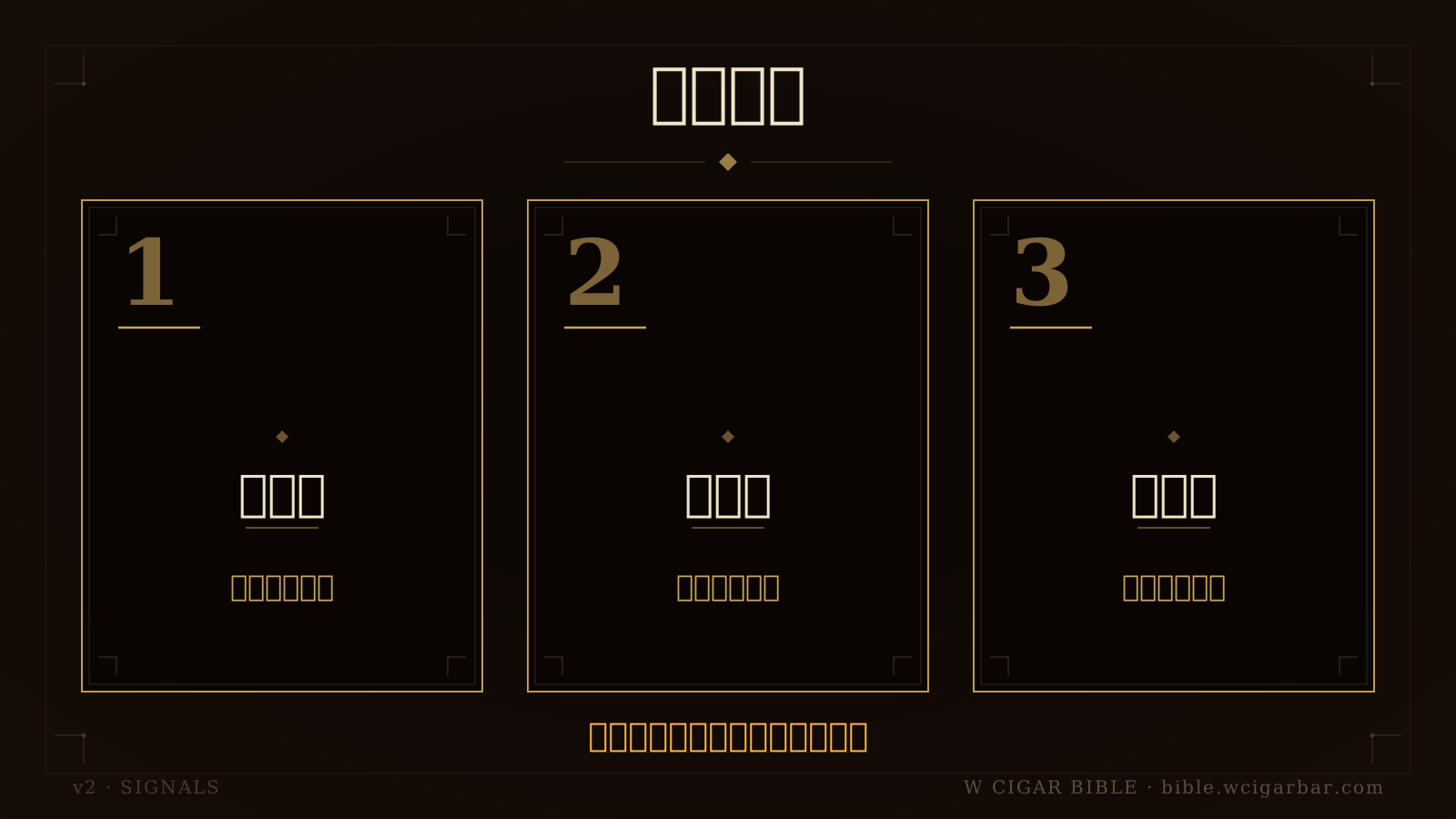
三張卡列出淺中深焙對應淡中濃茄體
Maillard Reaction and Caramelization: Why Medium Roast is Easiest to Pair with Cigars
The Maillard reaction is a vast network of brown substances and aroma molecules formed by reducing sugars and amino acids under heat, related to roasted nuts, bread crust, cocoa front, and some cinnamon notes in coffee. This reaction is crucial in medium roasting because it rounds off the acidity and herbal edges of green beans. For cigars, the nutty and grainy sensations provided by the Maillard reaction can catch the woody, hay, and light leather in tobacco.
Caramelization directly addresses the thermal breakdown of sugars, bringing caramel, toffee, molasses, and slightly bittersweet notes. It usually becomes prominent in higher temperature ranges, making medium to dark roasted coffee closer to the sweet wood, cocoa, and roasted aromas common in cigars. If we only talk about "coffee flavor," we would overlook that the Maillard reaction leans towards aroma structure, while caramelization leans towards bittersweet weight, playing different roles in pairing.
H. Upmann Magnum 46 is suitable for medium roast because it has a medium cigar body, grain, nut, wood, and mild spice. The caramelization in medium roast coffee won't be too dark, and the Maillard reaction is enough to provide a bridge, creating a gentle resonance of "nut pyrazine × tobacco wood phenol." Medium roast is the most forgiving segment in cigar pairing because it holds acidity, sweetness, and roasted structure simultaneously.
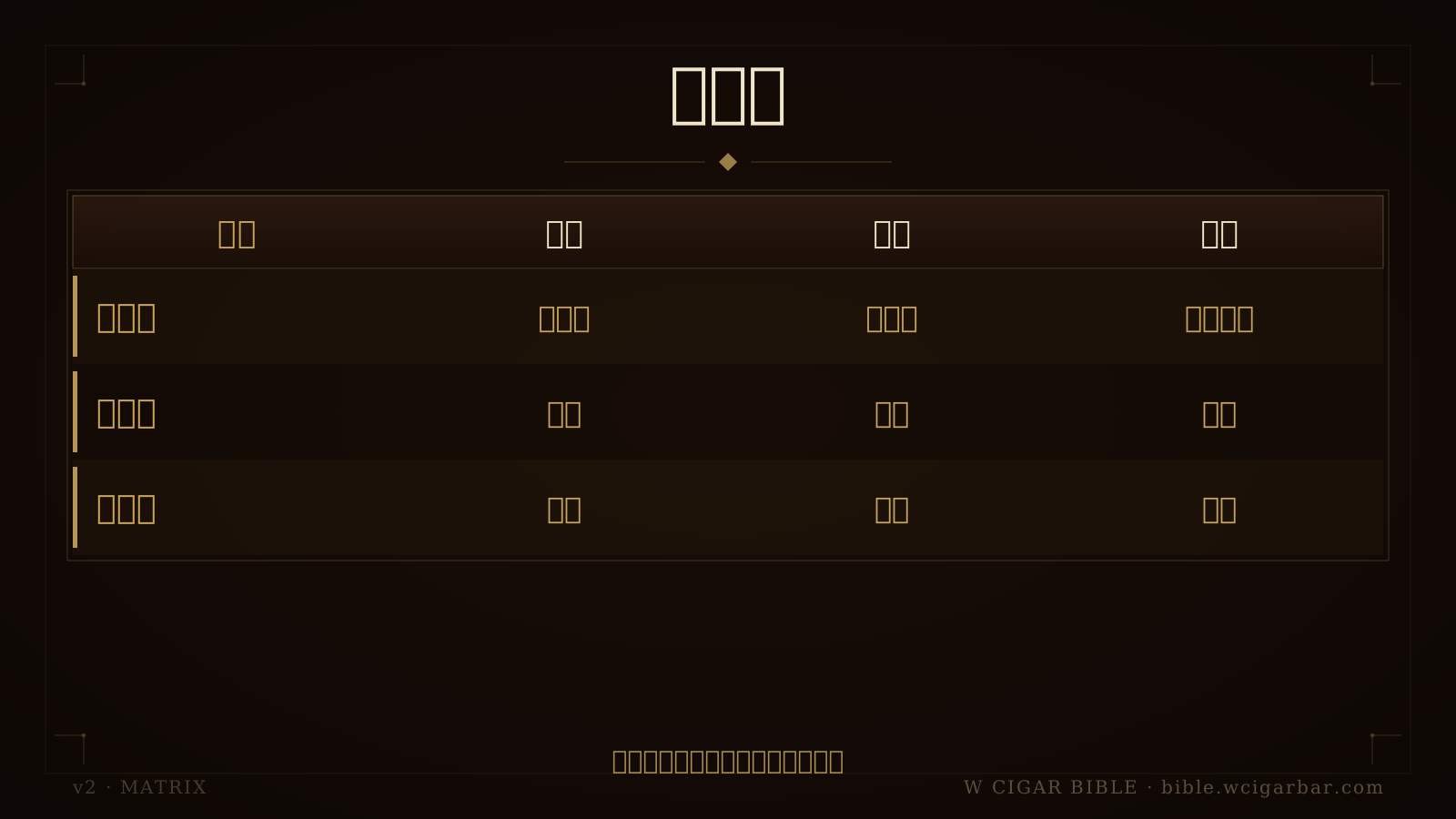
矩陣比較淺焙中焙深焙的風味茄體與口感
Agtron Color Value: Describing Light, Medium, and Dark Roasts More Precisely
Agtron is a system that measures coffee roast color optically, with higher values usually indicating lighter colors and lower values indicating darker colors. Although different models, grind states, and sample handling can affect interpretation, it at least makes "light roast" no longer just a store language. For beginners, understanding the value of Agtron is not about memorizing numbers but knowing that flavor discussions can have an objective reference.
Generally, higher Agtron ranges often correspond to light roasts, with floral, citrus, berry, nutty acidity, and tea notes more evident. Mid-range values often show caramel, nut, chocolate front, and gentle sweet acidity. Lower values approach dark roasts, with bittersweet, charcoal roast, cocoa, smoky, and oil thickness rising, with origin details relatively unified by roasting flavors.
| Coffee Roast Level | Common Flavor Focus | Cigar Counterpart | Pairing Axis |
|---|---|---|---|
| Light Roast | Citrus acidity, floral, tea, honey | Quai d'Orsay No.50 (Mild) | Fruit acidity × creamy wood, maintaining brightness |
| Medium Roast | Caramel, nuts, toasted bread, cocoa front | H. Upmann Magnum 46 (Medium) | Maillard aroma × tobacco wood, forming a bridge |
| Dark Roast | Dark chocolate, caramel bittersweet, smoky, carbonized | Bolívar Royal Corona (Strong) | Roast group × strong cigar soil sensation, deepening each other |
The significance of Agtron is to turn vague roasting descriptions into discussable flavor positions. However, I also remind you that color value is not the only answer, as the same color value can result in different cup outcomes due to roasting curve, development time, and green bean density. Cigar pairing should look at the structure after entry: how sharp the acidity is, how thick the sweetness is, how long the bitterness is, and whether the aroma will overshadow the cigar body.
Light Roast × Quai d'Orsay No.50: Fruit Acidity Can Only Lead Creamy Mild Cigars
The most charming aspect of light roast coffee is retaining the acidity and aroma profile of the origin. Ethiopian washed beans may have jasmine, lemon peel, and white peach; Kenyan beans often show blackcurrant, tomato leaf, and bright phosphoric sensation; Central American high-altitude beans may have citrus, honey, and delicate nuts. These flavors are beautiful but also very sensitive, easily pulled by spice and smoke when encountering rich cigars.
Quai d'Orsay No.50, as a mild cigar counterpart, focuses on creaminess, light wood, herbal sweetness, and gentle mouthfeel weight. When the lemon acidity, malic acidity, and floral aldehydes of light roast meet this type of elegant tobacco, a "citrus acidity × creamy wood" bright effect emerges. If the same cup of light roast is paired with Bolívar Royal Corona, the fruit acidity will be pushed into spikes by the rich soil, leather, and pepper sensation, like two lines colliding in the mouth.
The main rule here is straightforward: light roast is not incompatible with cigars, but it can only pair with a structure that allows acidity to land. For Quai d'Orsay No.50, coffee water temperature can be slightly conservative, avoiding excessive extraction of green and sharp bitterness, keeping floral and fruity aromas in a clean state. Light roast fruit acidity needs a creamy mild cigar to catch it, otherwise, acidity and spice will amplify each other's flaws in the mouth.
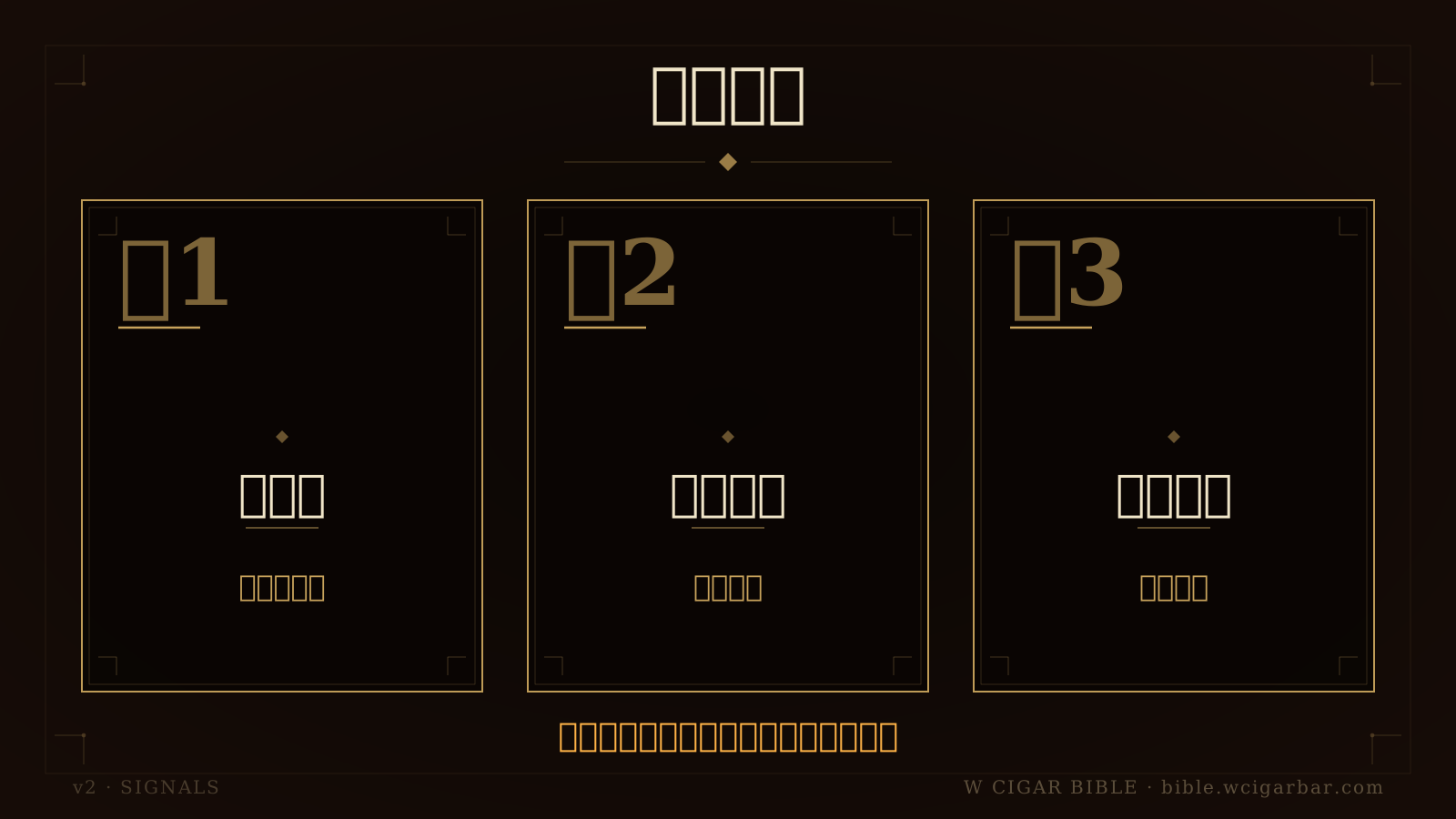
三張卡整理咖啡烘焙與雪茄搭配常見誤解
Medium Roast × H. Upmann Magnum 46: Caramelization Balance and Wood Resonance
Medium roast is the easiest segment for beginners to build confidence because it retains some origin acidity while making sweetness and roasted aromas clear. A good medium roast will have caramel, hazelnut, almond, toasted bread, and cocoa edges, but should not only have burnt bitterness. Its acidity is like a scaffold, sweetness like filling, bitterness like an ending, with no part suddenly jumping out to steal the show.
H. Upmann Magnum 46's medium cigar body is suitable for connecting with the Maillard reaction products of medium roast. You will feel "roasted nut pyrazine × tobacco grain sweetness" establishing a base, followed by "caramelized sugars × cigar wood vanilla" pushing sweetness to the back. If the coffee has a bit of cocoa front, it will form a circular loop with the cigar's light leather, cedar, and toasted bread sensation.
I often call this group the most suitable middle-line template for learning pairing syntax. It is not as afraid of concentration imbalance as light roast, nor as easy to darken details as dark roast. The key to medium roast pairing with H. Upmann Magnum 46 is to use caramelized sweetness to connect the cigar's wood and nut sensations into a continuous sentence.
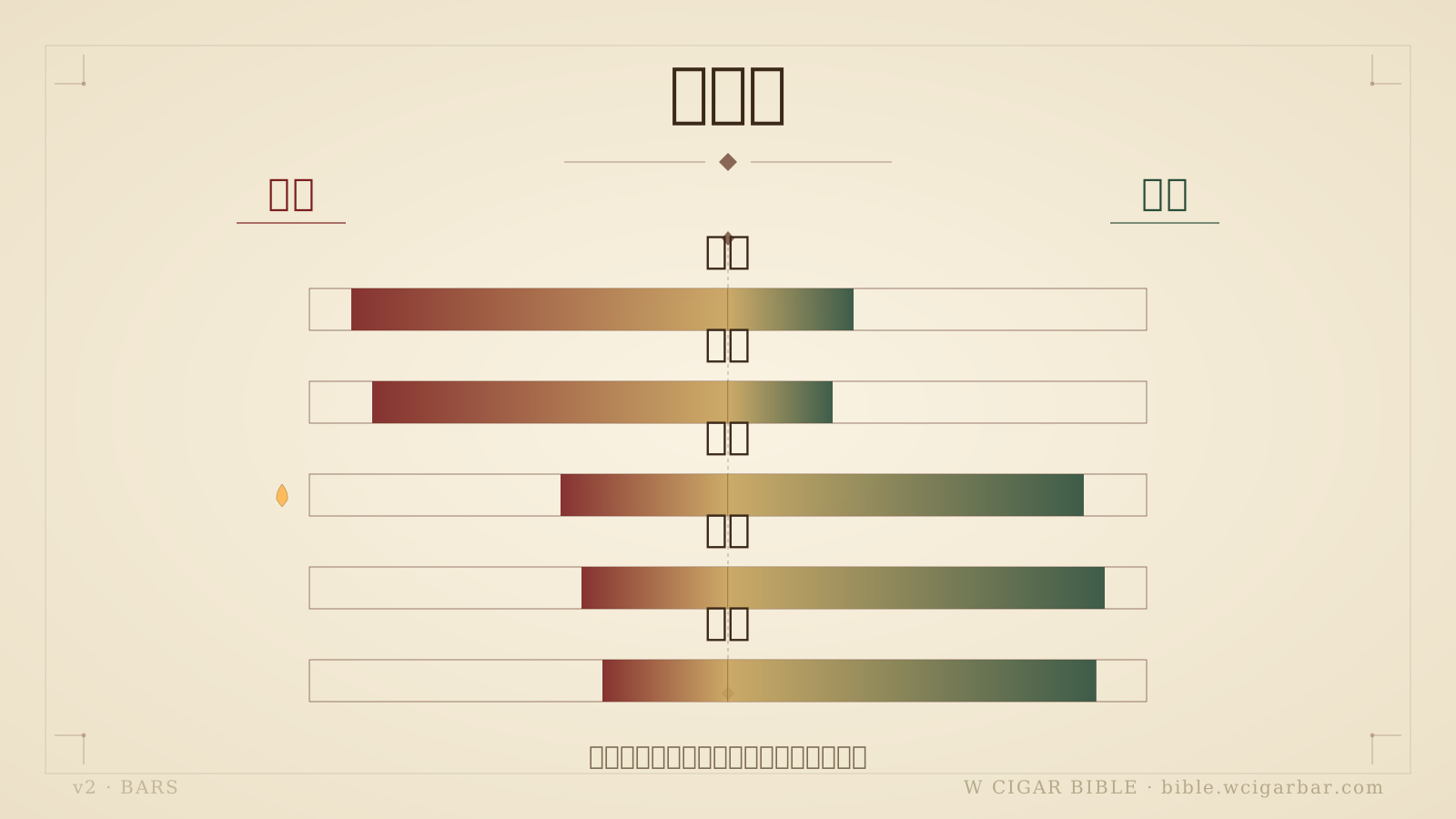
長條比較北歐淺焙與義式深焙的風味強度
Dark Roast × Bolívar Royal Corona: Carbonized Bittersweet and Strong Cigar Smoky Resonance
Dark roast is not about roasting coffee until only bitterness remains, but about pushing origin details to the background, allowing roast group flavors to take the forefront. Dark chocolate, roasted walnuts, caramel bittersweet, smoky, and slight carbonization are common dark roast vocabularies. If roasting control is poor, ash, burnt rubber, and dry bitterness will appear; if controlled well, bitterness will be like a dark chocolate frame, deepening sweetness.
Bolívar Royal Corona, as a strong cigar counterpart, has more pronounced soil, leather, cocoa, pepper, and substantial tobacco sensations. Dark roast coffee here is not to provide freshness but to resonate with it on the same frequency. The most critical chemical language is "roast phenols × tobacco smoky resonance," "dark cocoa × strong cigar soil sensation," "caramel bittersweet × leather spice convergence," these combinations will make the back of the mouth thick and layered.
But dark roast is also the easiest to overdose, especially if espresso extraction is too bitter, it will make Bolívar Royal Corona's pepper and soil sensation dry. It is recommended to focus extraction on sweet-bitter balance rather than pursuing charcoal intensity; pour-over can also use medium grind and stable water flow to avoid excessive bitter tail entering the cup. Dark roast can pair with strong cigars because cocoa, caramel, and smoky molecules share a similar roasting language with substantial tobacco.
Nordic Light Roast Trend and Italian Dark Roast Tradition: The Battle of Routes is Actually a Battle of Pairing Philosophy
The Nordic light roast trend has been more discussed in the international coffee circle since the 2000s, emphasizing origin transparency, high-altitude acidity, clean washed processing, and shorter roasting development. This route treats coffee as a terroir beverage, emphasizing floral, berry, citrus, and tea notes. It pairs beautifully with mild cigars because the cigar does not drown out the origin signal.
The Italian dark roast tradition is inseparable from espresso culture. In 1901, Luigi Bezzera obtained an early Italian coffee machine patent, and in 1948, Achille Gaggia promoted lever machines and crema culture, forming a stable language in bar rhythm and short cup extraction. It pursues thickness, oiliness, caramel bittersweet, and cocoa closure, naturally leaning closer to rich cigars.
I don't think Nordic light roast and Italian dark roast are superior to each other; they just serve different flavor philosophies. The former asks how the origin speaks, while the latter asks how roasting builds thickness; in cigar pairing, the former leans towards Quai d'Orsay No.50, and the latter leans towards Bolívar Royal Corona. The battle of coffee routes in the cigar scene is essentially about which cigar body should connect with bright terroir or heavy roast.
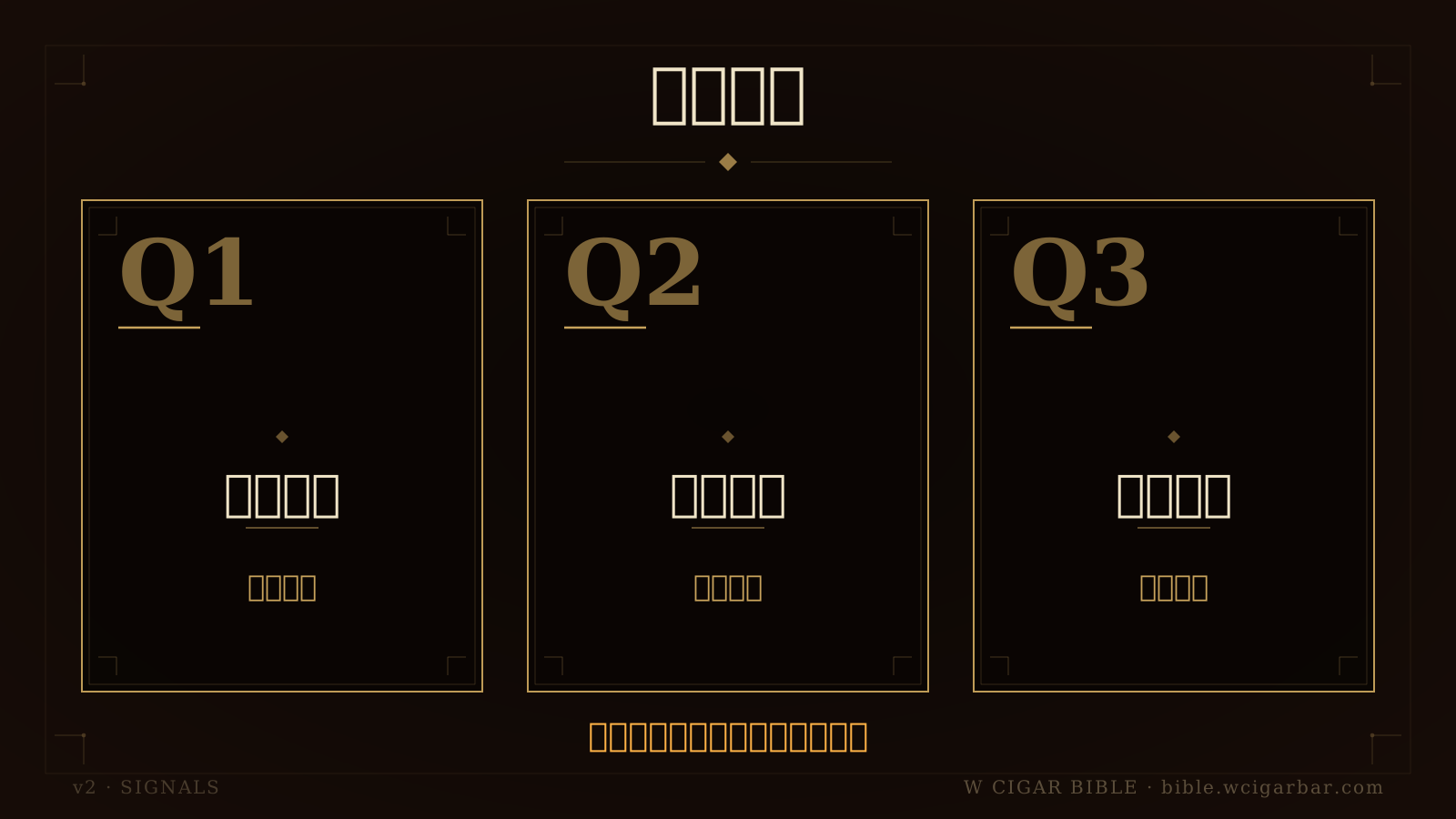
三張卡回答淺焙酸中焙搭配與養豆判斷
Practical Degassing: Fresh Does Not Mean Immediately Best
Coffee continues to release carbon dioxide after roasting, which is the daily practice of degassing. If freshly roasted beans are brewed immediately, the gas will interfere with the contact between water and coffee grounds, causing uneven extraction, and the cup may have a strong aroma but hollow sweetness. Light roast, due to tighter bean structure, often degasses more slowly; dark roast, with more brittle structure and more noticeable oil movement, usually degasses faster.
In daily practice, light roast can be given a longer rest time to turn acidity from sharp to clear; medium roast usually enters a stable period faster, with sweetness and nut aroma more complete; dark roast should be careful of aroma decline and oil oxidation, not exposing it to high temperature, light, and air for long periods. Storage containers should be dry, light-proof, and sealed, and grinding should be as close to brewing time as possible, which is more important than chasing a single date.
Degassing also changes cigar pairing results. Too fresh light roast paired with Quai d'Orsay No.50, the bubble sensation caused by carbon dioxide will make acidity more floating; stabilized medium roast paired with H. Upmann Magnum 46, caramel and nuts are easier to connect with wood; if dark roast is over-oxidized, pairing with Bolívar Royal Corona will become dry bitter stacking dry bitter. The purpose of degassing is to let coffee move from the restless period after roasting into a stable period that can be precisely dialogued with cigars.
Frequently Asked Questions
Is Light Roast Always More Acidic?
Most light roasts will retain more perceivable acidity, but acidity does not equal sharpness. A good light roast will have fruit ripeness, sweetness, and a clean finish, like citrus juice rather than white vinegar. If pairing with cigars, I would first place it next to mild cigars like Quai d'Orsay No.50 to observe.
Is Medium Roast the Safest Coffee Roast Level?
Medium roast is indeed the easiest to cross various cigar styles because it has a balance point of acidity, sweetness, and bitterness. H. Upmann Magnum 46 can fully unfold the caramel, nut, and wood vocabulary of medium roast. If you only want to master one formula first, medium roast paired with medium cigar body is the most stable starting point for practice.
Will Dark Roast Paired with Strong Cigars Be Too Heavy?
Whether it will be too heavy depends on whether the dark roast only has burnt bitterness and whether the cigar state has matured to a rounded mouthfeel. Bolívar Royal Corona needs support from dark cocoa, caramel bittersweet, and smoky, not ash-like coarse bitterness. Reducing tail-end off-flavors during brewing will make the pairing cleaner.
Can Agtron Color Value Directly Determine Pairing?
Agtron can provide direction but cannot solely determine pairing. Coffee with the same color value can taste very different due to roasting curve, bean density, and processing method. It's best to view the color value as a map coordinate and then confirm with cup acidity, sweetness, bitterness, and mouthfeel weight.
How Many Days of Degassing is Best for Cigar Pairing?
There is no single day because roast level, bean density, packaging, and environment will change degassing speed. Generally, light roast requires more patience, medium roast usually stabilizes faster, and dark roast should avoid dragging until aroma dulls. You can use the same cigar for a few days of comparison, recording changes in acidity, sweetness, and bitter tail.
Is the Pairing Logic for Pour-Over and Espresso the Same?
The core logic is the same, looking at acidity, sweetness, bitterness, and mouthfeel weight, but espresso has a higher concentration, putting more pressure on cigars. If light roast espresso has sharp acidity, it may seem tense even with mild cigars; if dark roast espresso has thick bitterness, it needs strong cigars to catch it. Pour-over is easier to see details, suitable for beginners to practice interpretation.
The real key to pairing coffee roast levels with cigar strength is not memorizing light, medium, and dark, but understanding how flavor weight meets. Light roast lets origin acidity speak, needing a creamy mild cigar body to catch it; medium roast connects caramel, nuts, and wood into a bridge; dark roast corresponds to strong cigars with cocoa, smoky, and bittersweet. When you can articulate the chemical counterpart of each sip, pairing no longer relies on intuition.
Further Reading|Complete Guide to Coffee Origins and Roasting: From African Floral and Fruity to Asian Thick Soil Flavor Spectrum, and Cigar Pairing Overview|How to Differentiate Washed, Natural, and Honey Processing: Flavor Divergence of Three Coffee Processing Methods, Using Montecristo No.2 for Same Stick Comparison Experiment|The Nine Bar Pressure of Italian Espresso: Crema Oil and Roasted Aroma Essence, Pairing with Partagás Shorts for Morning Ritual
—Cigar Prince Wilson Tsai
Smoking is harmful to health. Under 20 years old is not allowed to smoke. Quitline: 0800-636363. This article is for adults over 20 years old as a reference for cigar culture, preservation, and regulation knowledge, not a tobacco advertisement, promotion, or purchase suggestion.
Like this article?Share with friends
Share this W Cigar Bible piece with friends who want to learn cigar culture, storage, and tasting.
想把這篇 化為實踐
雪茄聖經是知識;雪茄文化要在空間裡發生
W Cigar Bar 大安總店資訊
台北大安區 · 雪茄聖經總編輯 Wilson Tsai 主理的雪茄文化空間
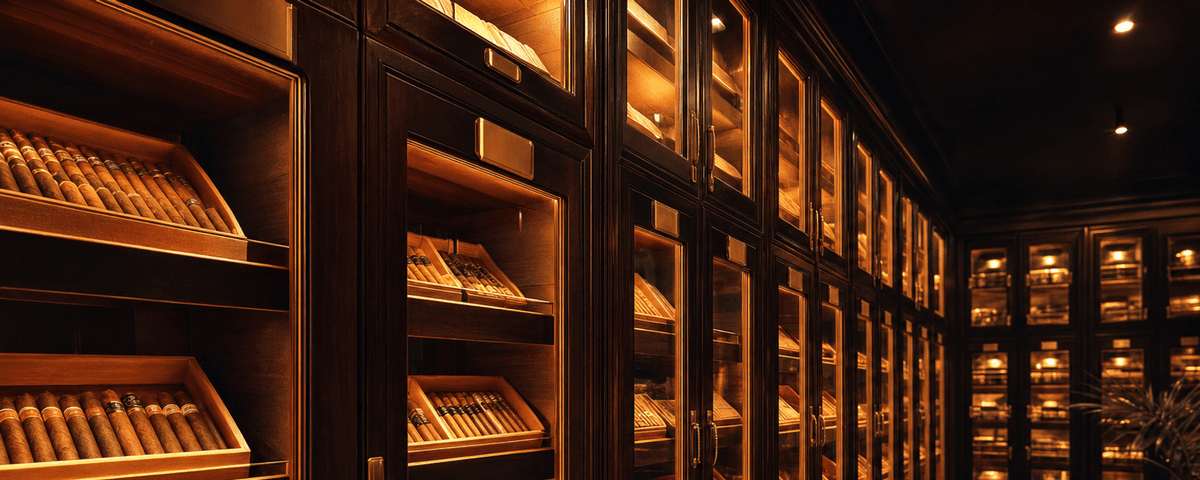
33 座 24 小時恆溫恆濕醇化室
W Cigar Bar 提供的會員醇化空間 · 場地資訊請洽編輯部
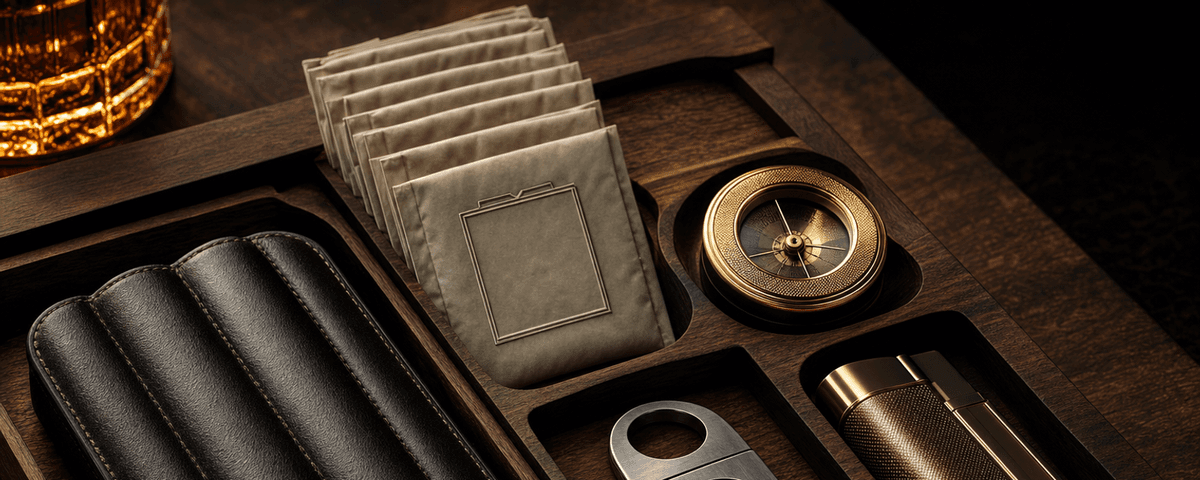
雪茄剪 / 打火機 / 雪茄盒 / Boveda
W Cigar 配件官網 · 專營雪茄配件正品
加 LINE 好友 · 文化諮詢
文化空間資訊 · 紳士沙龍 · 私人包場
本網站內容僅供雪茄文化、歷史、收藏與品吸知識研究參考。菸品有害健康、未滿法定年齡者請勿吸菸。實際規範請依所在地法律為準。
吸菸有害健康・戒菸專線 0800-636363・本站僅供 20 歲以上成年人閱覽。
讀到這裡,你不只是路過的人
留下 Email,加入 W 雪茄聖經內圈——總編輯 Wilson Tsai 親選的學院深文與國際新訊,先你一步送到信箱。
· 教育用途非銷售 · 隨時一鍵退訂 · Email 絕不對外公開 · 由勝茄股份有限公司營運
同分類延伸閱讀

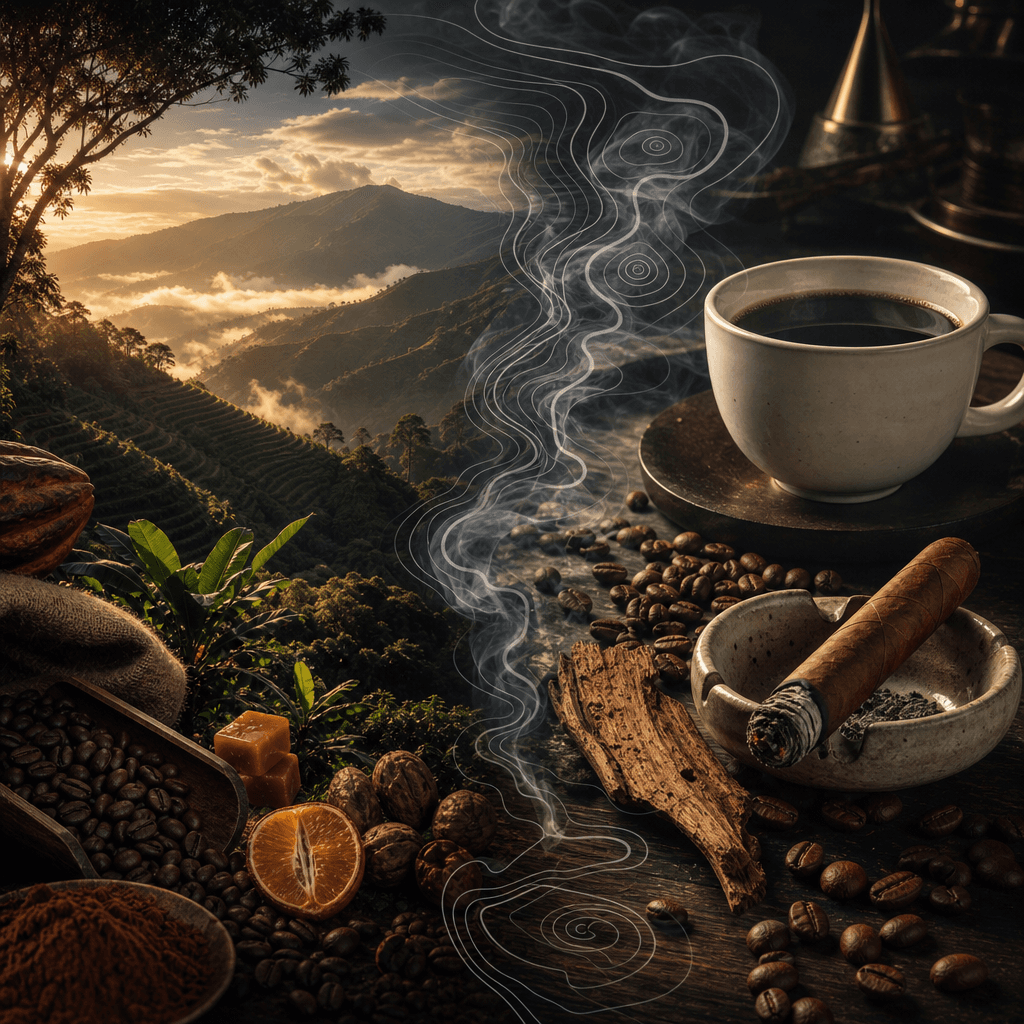
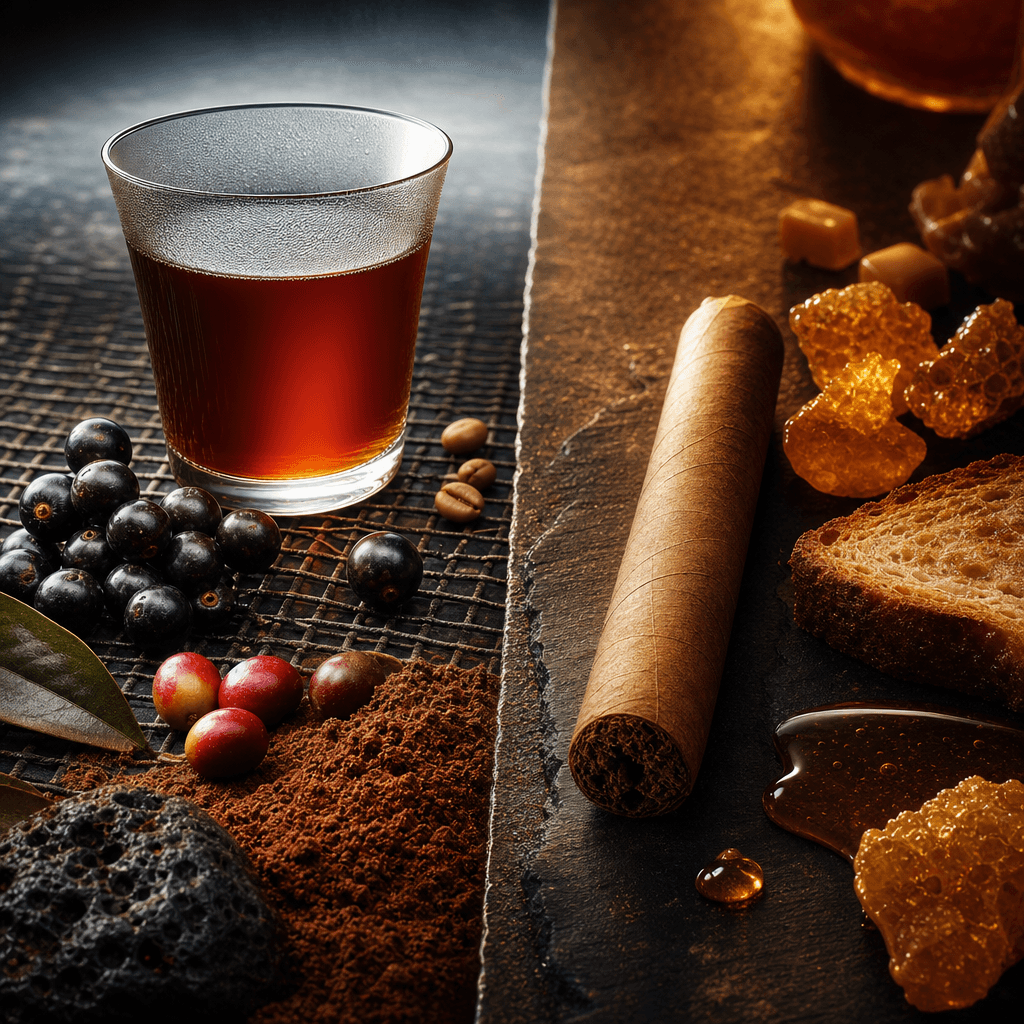
資料來源:W Cigar Bible 編輯部整理 · 雪茄王子 Wilson Tsai 親自審稿
本文僅供雪茄文化、歷史、收藏與品鑑知識研究,不作為菸品促銷、銷售或購買建議。吸菸有害健康,未滿二十歲不得吸菸。