The Creation of Cigar Flavors: The Science and Art from Raw Materials to Finished Products
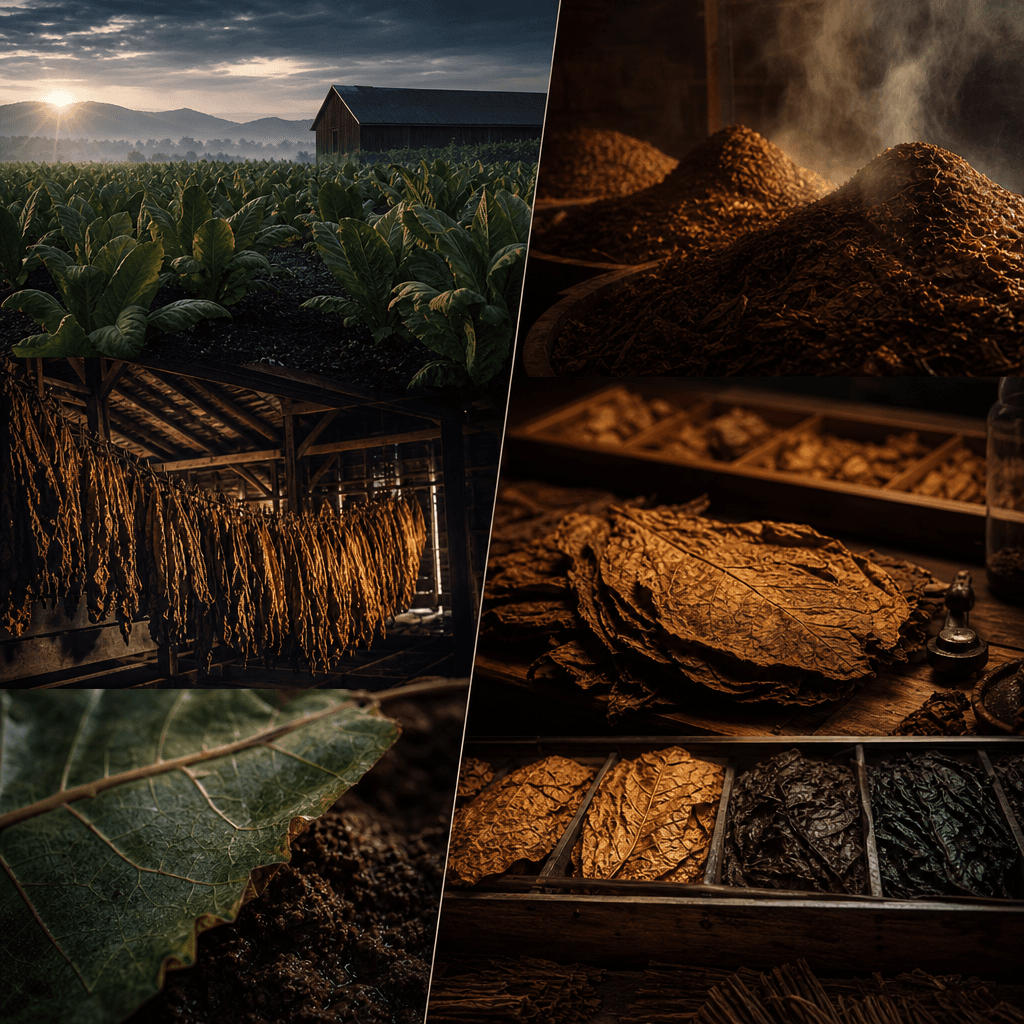
雪茄的風味源自多重因素,包括土壤、氣候、葉位與發酵過程。不同產區的煙葉,如古巴的Pinar del Río與尼加拉瓜的Estelí,因其獨特的風土條件,展現出截然不同的風味特徵。葉位的不同也影響雪茄的香氣與強度,Volado、Seco與Ligero各自扮演著不同的角色。此外,發酵與醇化過程能進一步修飾香氣,使其更為圓潤。優秀的配方設計則需在平衡與節奏中找到品牌的獨特辨識度,確保每一口都能帶來豐富的
- 雪茄的風味由原材料、發酵、捲製等多個環節共同決定,任何一環的偏差都會影響最終風味。
- 不同產區的土壤和氣候會影響菸草的風味特徵,選擇時應將產區視為風味的座標。
- 捲製工藝直接影響雪茄的燃燒與風味釋放,正確的密度與氣流是關鍵。
The flavor of a cigar is not a mystery, nor is it simply the result of brand prestige. What seasoned enthusiasts truly seek is understanding why a cigar might have floral notes in the first third, transition to nuts and leather in the middle, and leave licorice, coffee, and mineral impressions in the final third. Behind this are agronomy, microbiology, temperature and humidity control, craftsmanship, and time.
As the editor of the "Cigar Bible," I often view cigars as "combustible perfumery creations." Tobacco leaves are the raw materials, fermentation is the transformation, blending is the composition, and rolling is the performance. Any deviation in these processes can turn elegance into coarseness or complexity into chaos.
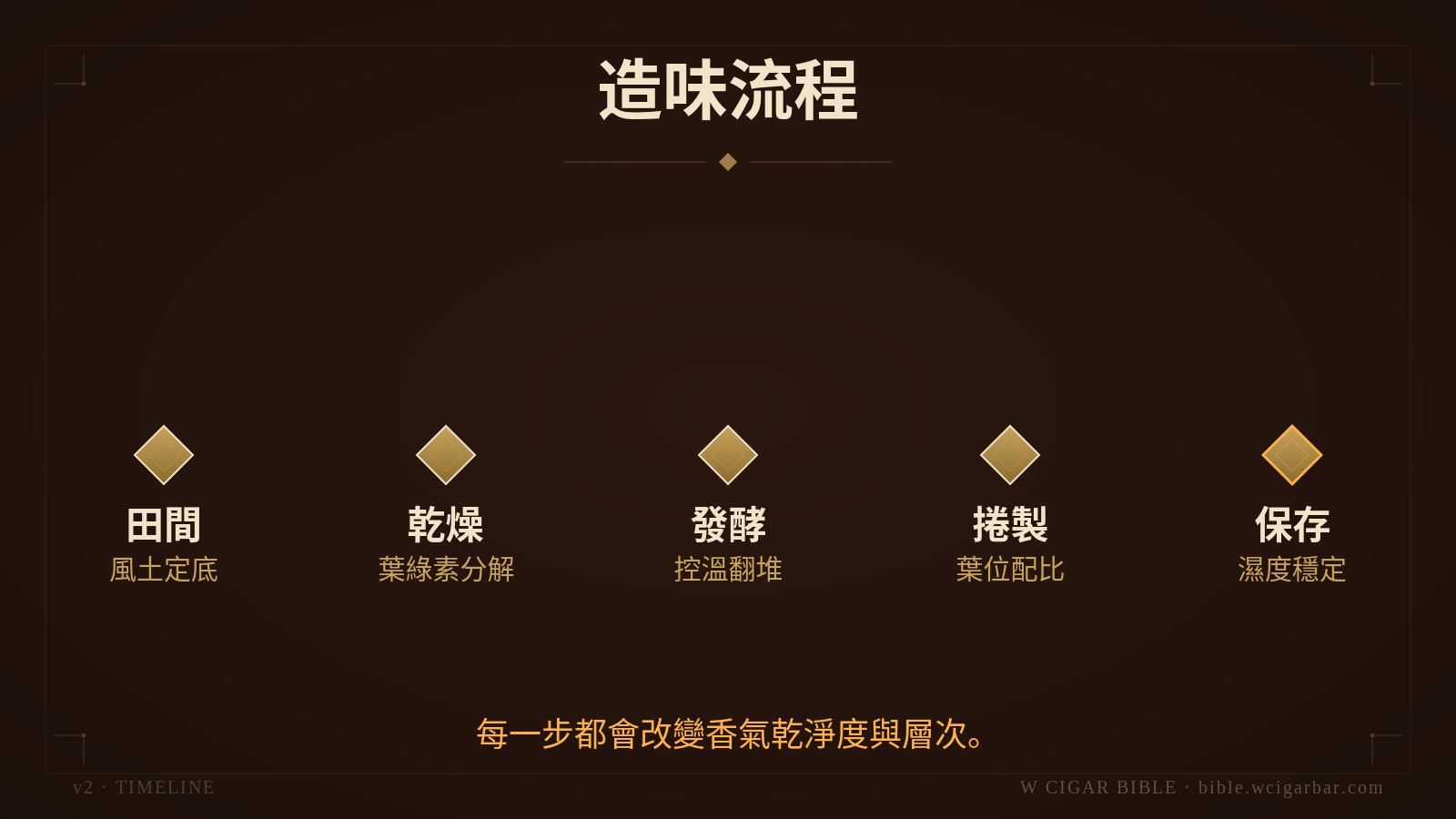
流程圖呈現雪茄從田間風土到保存穩定的五個風味形成階段
Terroir and Varieties: Flavor Boundaries Decided in the Field
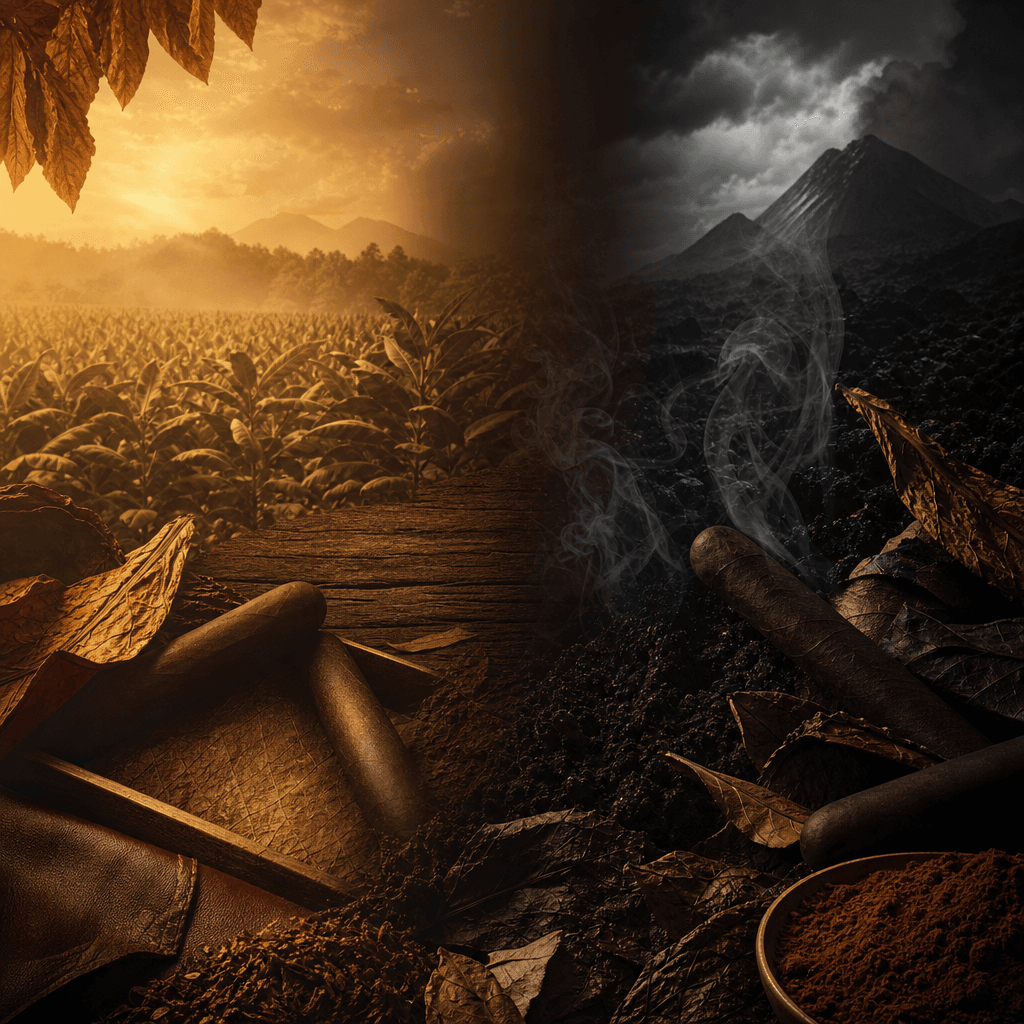
When discussing cigar flavors, one cannot just look at box labels and vintages. In regions like Cuba's Vuelta Abajo, Nicaragua's Estelí, Honduras' Jamastrán, and the Dominican Republic's Cibao Valley, the same tobacco is grown, but the soil minerals, sunlight, drainage, and night temperature differences vary. For example, in Cuba's Pinar del Río, the red clay and limestone components often give the tobacco a sweet wood, herbal, and delicate salty character, forming the base of many classic brands.
The volcanic soil of Nicaragua's Estelí often enhances the strength of Ligero, with noticeable spicy, black pepper, and cocoa notes. The consistent cocoa, coffee, and earthy flavors of the Padron 1964 Anniversary series are related to their long-term control of their own farm's tobacco sources. Conversely, the Dominican Arturo Fuente OpusX established Chateau de la Fuente in the 1990s, proving that quality wrapper leaves are not exclusive to traditional regions.
Varieties and terroir are not single sources of aroma but determine how deep and wide a cigar can go. Criollo often provides sweetness and structure, Corojo brings oils and spices, and Habano variants can develop distinctly different strengths in different countries. When seasoned enthusiasts select cigars, they might consider the region as a flavor coordinate rather than just asking about strength.
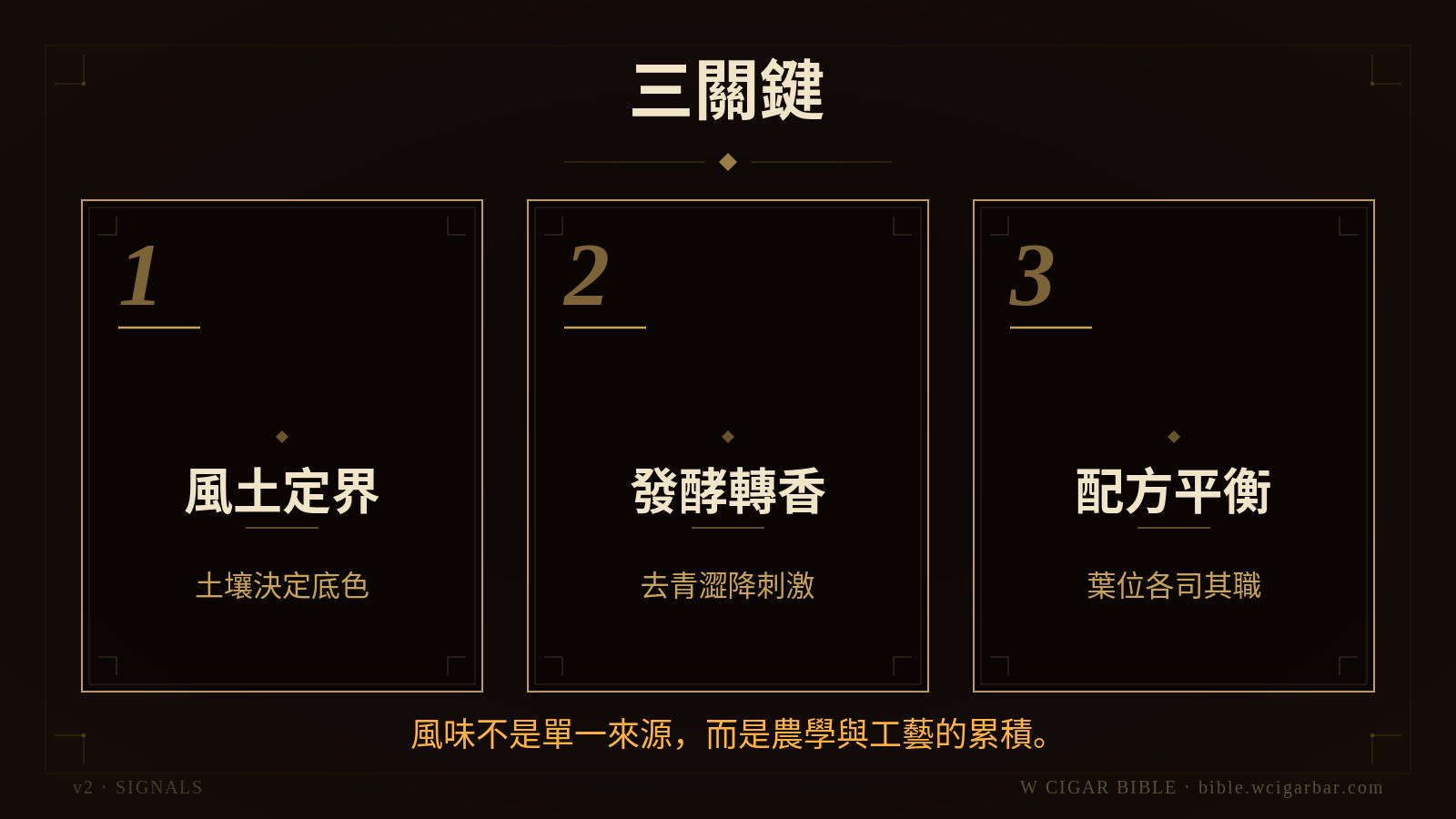
三張重點卡說明風土、發酵與配方如何共同塑造雪茄風味
Leaf Position, Shade, and Sun: Different Characters of the Same Tobacco Plant
The flavor difference from the bottom to the top of a tobacco plant is significant. Volado is at the lower level, with good combustion and lighter aroma; Seco is in the middle, often providing floral, herbal, and sweet notes; Ligero is at the top, receiving the most sunlight, with higher nicotine and oils, giving the cigar strength, finish, and dark flavors. If the Ligero proportion in a blend is too high, it may have impact but lose balance.
Shade-grown and sun-grown cultivation also change leaf usage. Connecticut Shade is often used as wrapper, with delicate texture and uniform color, bringing creamy, grain, and light wood aromas. Ecuador Habano, with natural cloud cover reducing direct sunlight, combines oils and elasticity, commonly seen in medium to high strength works. Although Cohiba Siglo VI, Montecristo No.2, and Partagás Serie D No.4 are all famous Cuban brands, their leaf position proportions and rolling sizes give them completely different rhythms.
| Leaf Position/Type | Main Function | Common Flavor Expression | Impact on Blend |
|---|---|---|---|
| Volado | Combustion Support | Light Wood, Dry Grass | Stable Burn Line |
| Seco | Aroma Core | Floral, Herbal, Sweetness | Provides Layers |
| Ligero | Strength and Finish | Leather, Pepper, Cocoa | Adds Depth |
| Shade Wrapper | Appearance and Fineness | Cream, Grains | Softens Entry |
| Sun-grown Wrapper | Oils and Concentration | Spices, Coffee | Enhances Tension |
A truly masterful blend does not stack the strongest leaves together but allows each leaf position to perform its role. If seasoned enthusiasts can deduce leaf position proportions from burn speed, smoke texture, and final third strength, they will have a more precise understanding of brand style.
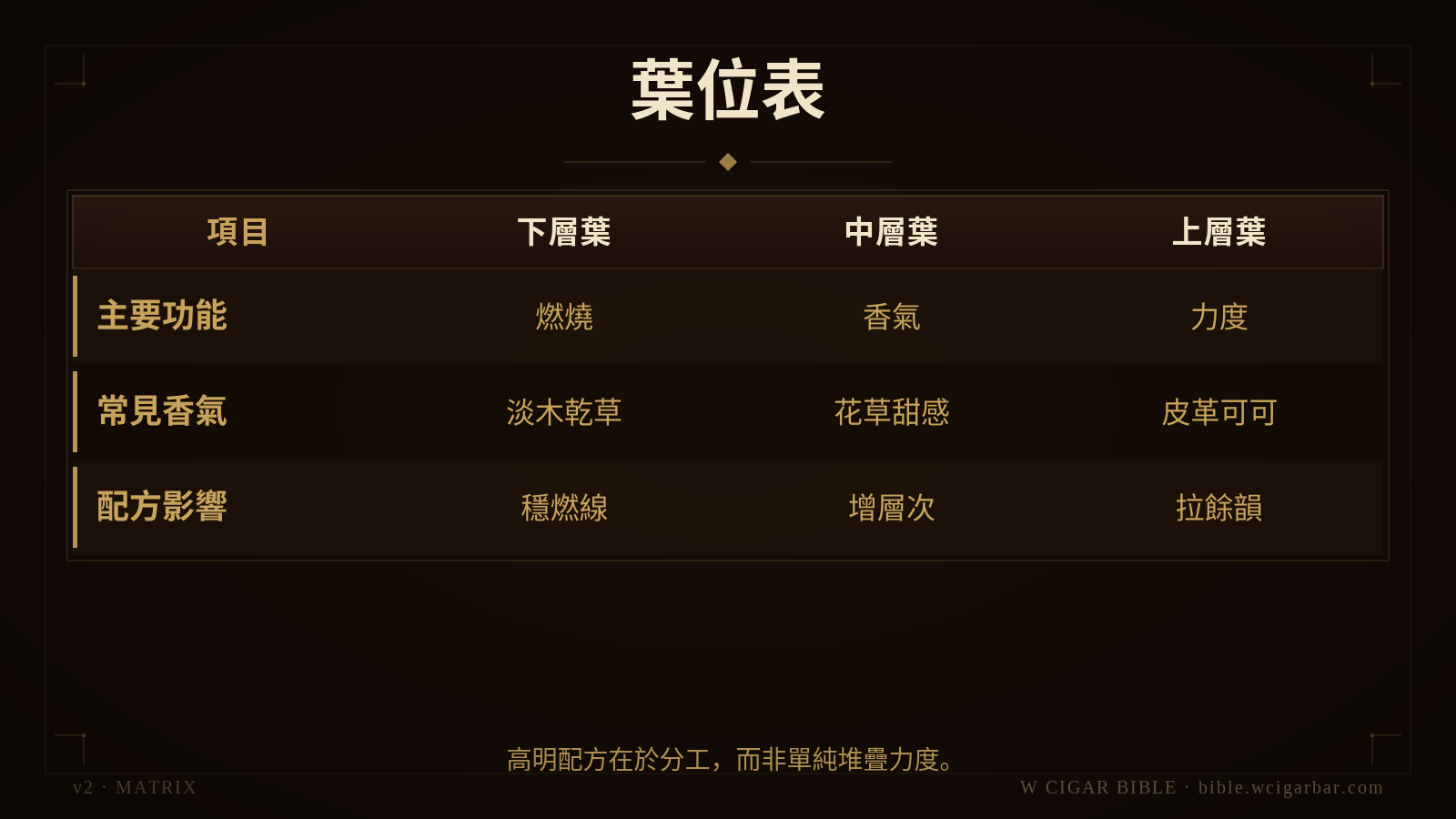
比較表呈現下層葉、中層葉與上層葉在功能與風味上的差異
Fermentation: Turning Raw Plants into Palatable Aromas
Fresh tobacco leaves have high moisture content, with noticeable tannins, ammonia, and green plant flavors, and cannot be directly made into good cigars. After harvesting, they first undergo drying in a curing barn for about 45 to 60 days, allowing chlorophyll to decompose, turning the color from green to yellow and brown. Only then do they enter fermentation piles, where the leaves' own moisture, sugars, and microbial activity raise the temperature, gradually removing irritants.
Cuban traditional fermentation often separates leaves by position, with temperatures controlled around 35 to 45°C. Ligero, due to its heavy oils, may require a longer cycle. Some high-end Nicaraguan and Dominican tobacco warehouses managed like wineries use probes to record temperatures and regularly turn piles to avoid local overheating that causes bitterness. Davidoff's management philosophy in the Dominican Republic particularly emphasizes post-fermentation cleanliness and stability.
Fermentation does not make tobacco stronger but makes its strength readable, controllable, and enjoyable. Too short a fermentation leaves green, ammonia, and sharp spicy notes; too long may lose sweetness and aroma elasticity, leaving only dull woodiness. This is why even within the same region and size, different batches may have subtle differences.
To judge fermentation quality, observe from three aspects: whether the pre-light aroma has a pungent ammonia smell, whether the smoke is harsh on the throat during burning, and whether the final third suddenly turns bitter without a sweet aftertaste. If a Cuban cigar boxed around 2015 still has a noticeable ammonia smell, the problem often lies not in the vintage but in early processing or unstable storage chains.
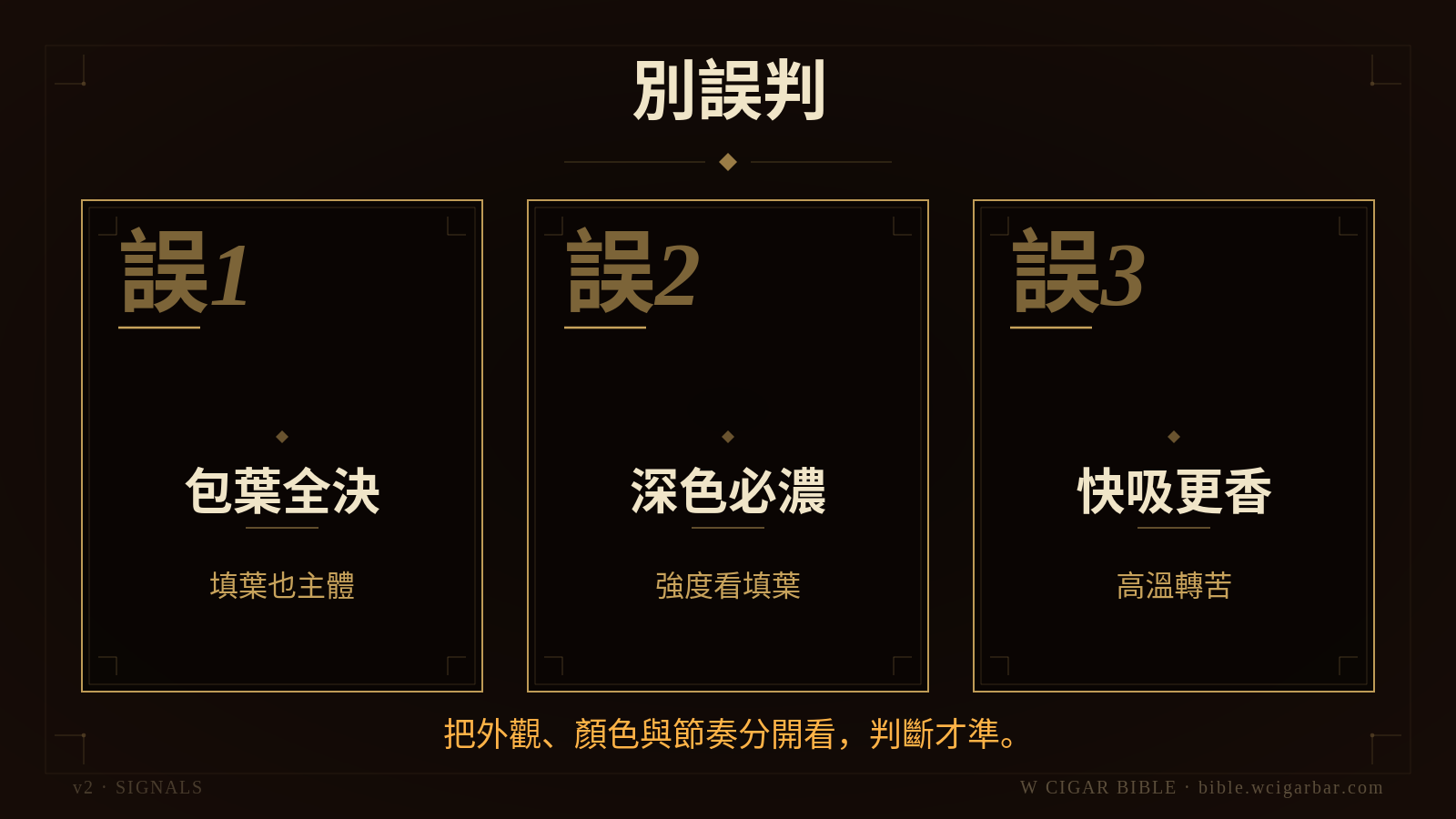
三張誤解卡提醒包葉、顏色與吸食節奏不應被簡化判斷
Aging and Storage: How Time Refines Aromatic Edges
After fermentation, the tobacco leaves still need to rest. Aging is not magic but a process where moisture, oils, volatile substances, and the wooden box environment slowly reach balance. If cigars are stored at about 65 to 70% relative humidity and around 18 to 21°C after boxing, the aroma will gradually mellow. If humidity consistently exceeds 75%, burn issues and mold risks increase.
For example, some batches from Cuba between 2003 and 2005 were often discussed in the market for having a closed period in the first few years after boxing, with flavors appearing dull and grassy. After 8 to 10 years, sweet wood, honey, and leather notes slowly unfolded. Conversely, Padron 1926 or some Fuente OpusX have more adequately rested tobacco before leaving the factory, so the change curve when stored by consumers is different.
Time can only amplify the advantages of good raw materials and correct craftsmanship, not turn a flawed cigar into a legend. If a cigar itself is rolled too tightly, unevenly fermented, or stored imbalanced, even ten years may only make the problem quieter, not more beautiful.
When collecting old boxes, source and storage records are more important than stories. If discussing collection appreciation, it must be understood calmly: it does not guarantee appreciation, and still depends on source, storage, and market. For seasoned enthusiasts, what is truly worth building is their own humidity records, box opening notes, and flavor curves, not just chasing vintage labels.
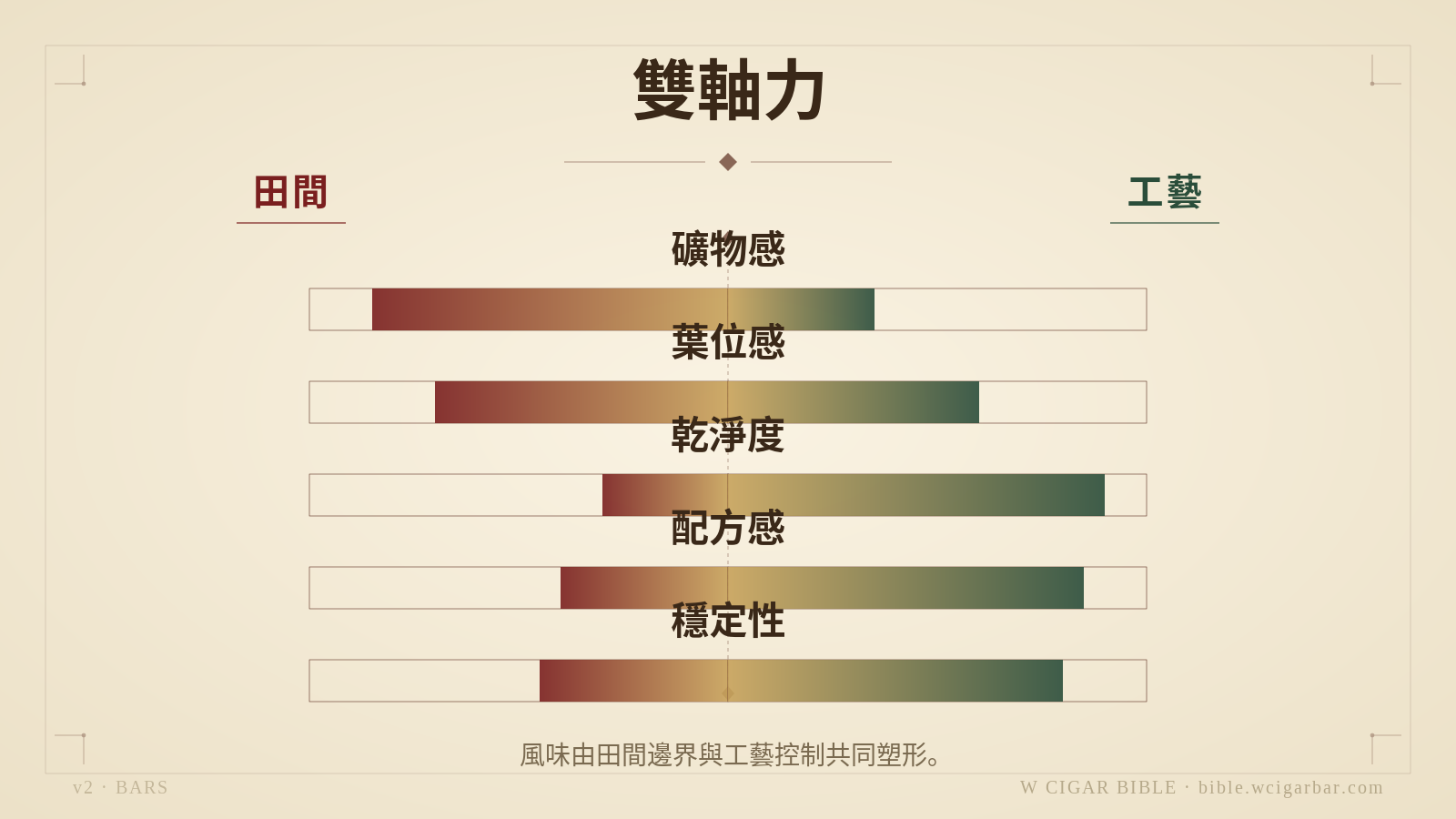
橫條圖比較田間條件與後段工藝在多種風味面向的影響強弱
Blend Design: Balance, Rhythm, and Brand Identity
A cigar is composed of at least a wrapper, binder, and filler, with fillers possibly from different countries, leaf positions, and years. The blender, like a conductor, must decide whether the first third is bright, the middle third has a core, and whether the final third can carry the strength. The torpedo size of Montecristo No.2 concentrates the smoke, often presenting creamy wood, coffee, and spice; Partagás Serie D No.4 uses the robusto size to bring out more direct earth, leather, and pepper.
Non-Cuban cigars often have more international blends. For example, Davidoff Nicaragua uses Nicaraguan tobacco to create spicy and sweet wood, offering more tension than traditional Dominican Davidoff; Oliva Serie V often uses a high proportion of Ligero to build concentration, making coffee, cocoa, and black pepper prominent. These are not simply differences of "heavy" or "light," but differences in blend focus.
A good blend must allow flavors to have a beginning, middle, and end, not just the same strength from the first to the last puff. When evaluating, seasoned enthusiasts can record the first, middle, and final thirds: the first third for aroma opening, the middle third for structural thickness, and the final third for balance. If the final third's bitterness overwhelms sweetness, it may be due to leaf position proportions, burn temperature, or storage conditions.
Brand identity comes from long-term consistency. Cohiba is often expected to have bean aroma, grassy sweetness, cream, and elegant acidity; Romeo y Julieta is often expected to have floral, red fruit, and soft wood notes. The challenge for blenders is that despite different agricultural conditions each year, consumers should still recognize the brand's soul in the 2020, 2021, and 2022 box labels.
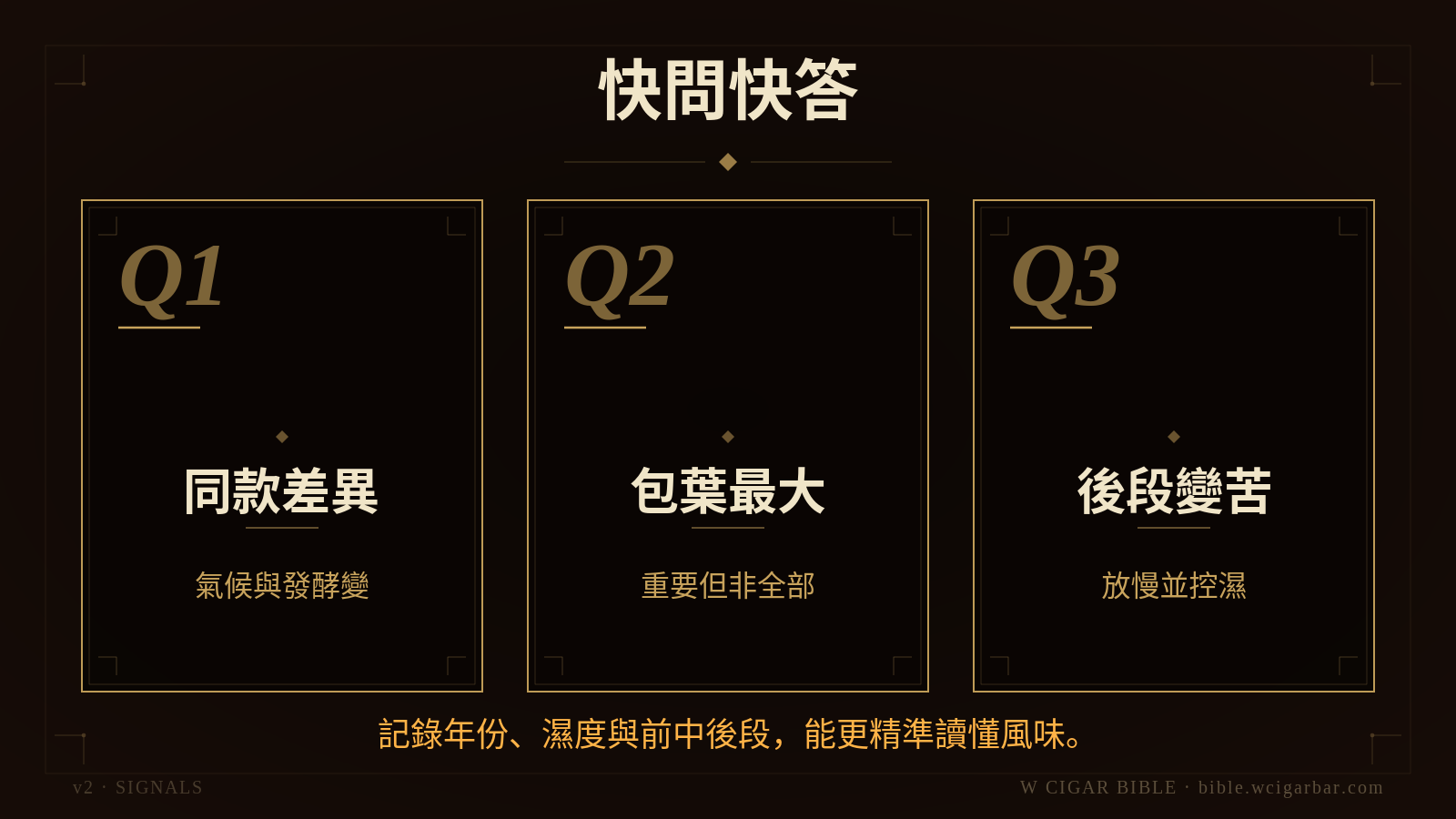
快問快答卡整理年份差異、包葉作用與後段苦味的實用判斷
Rolling Craftsmanship: Airflow, Density, and Burn Determine the Final Mile
No matter how good the tobacco leaves are, if rolled improperly, they can be ruined in the final mile. Hand-rolled long filler cigars require the buncher to control the filler arrangement, then the roller wraps the binder and wrapper. If the filler is too tight, the draw resistance is too high, the burn temperature easily rises, and the aroma is suppressed. If too loose, it burns too quickly, the smoke is coarse, and sweetness ends before it is established.
Cuban traditional factories use draw tests to check airflow, and many high-end non-Cuban factories also use machine measurements. Generally, the ideal draw resistance should feel like sipping a slightly thick milkshake through a straw, with resistance but not effort. Comparing a 50 ring gauge robusto with a 52 ring gauge toro, the latter has a larger burn area, fuller smoke, but if rolling density is uneven, tunneling issues are more apparent.
Rolling craftsmanship is not about appearance but directly determines whether flavors can be correctly released. Wrapper seams, head sealing, wrapper oils, and elasticity all affect burn stability. If the beautiful maduro color is just unnaturally dyed, it raises caution; truly mature dark wrappers should have aromas of sweetness, cocoa, or dried fruit, not a pungent syrup smell.
Cutting and lighting also affect the result. Torpedo shapes like Montecristo No.2 should not be cut too deeply at once, or the smoke becomes too hot. When lighting thick ring gauge cigars, the foot should be evenly toasted to avoid different internal and external burn speeds. Advanced skills for seasoned enthusiasts do not lie in flaunting tools but in allowing the cigar to burn in a state closest to the designer's original intent.
Common Questions
Why do the same brand and size differ significantly in different years?
Crops are affected by climate every year, with changes in rainfall, sunlight, harvest time, and fermentation management. Cigars are not industrial cans but the result of agricultural products and craftsmanship. For example, the same Cuban cigar from 2010 and 2015 may have subtle differences in sweetness, herbal notes, and strength.
Does the wrapper determine most of the flavor?
The wrapper is important, especially affecting entry aroma, oils, and first impressions, but it cannot be said to solely determine everything. Fillers provide the body, and binders affect structure and burn. If the wrapper is beautiful but the fillers are insufficiently fermented, sharpness, bitterness, and hollowness may still occur.
Why do some cigars have a good first third but turn bitter in the middle and final thirds?
Common reasons include high burn temperature, high humidity, and unbalanced blend in the final third. If smoked continuously and quickly, tar and heat accumulate, and sweetness is overshadowed by bitterness. Controlling rhythm is the basic skill for seasoned enthusiasts to extend flavor.
Is Maduro always stronger than Claro?
Not necessarily. Maduro refers to darker wrappers, usually undergoing longer aging and fermentation, possibly with cocoa, molasses, and coffee notes, but strength still depends on filler proportions. Claro can also have significant strength if the Ligero proportion is high; color cannot be the sole strength indicator.
How long should box storage last before reaching a good drinking state?
There is no fixed answer. Some cigars are quite complete upon release, with 6 to 12 months only stabilizing moisture; some high-strength works may need 3 to 5 years to round out edges. The key is stable storage, not frequent changes in humidity and temperature.
How should cigar flavor notes be made?
It is recommended to record the brand, size, box code or year, storage humidity, lighting time, aroma and burn state in the first, middle, and final thirds. Do not just write "good" or "bad," but distinguish the proportion changes of sweet, bitter, sour, salty, spicy, woody, nutty, leathery, and mineral notes.
The charm of cigars lies in the fact that they are never just a piece of tobacco rolled up. From field soil, fermentation pile temperature, blend proportions, to the roller's touch and storage environment, every detail shapes the final puff of smoke. If seasoned enthusiasts are willing to deconstruct sensory experiences into science and craftsmanship, they will find that the true joy is not in chasing fame but in understanding how a cigar is created.
—Cigar Prince Wilson Tsai
Smoking is harmful to health. Under 20 years old is not allowed to smoke. Quitline: 0800-636363. This article is for reference by adults over 20 years old for cigar culture, storage, and regulations knowledge, not tobacco advertising, promotion, or purchase advice.
Like this article?Share with friends
Share this W Cigar Bible piece with friends who want to learn cigar culture, storage, and tasting.
想把這篇文章 化為實踐
雪茄聖經是知識;雪茄文化要在空間裡發生
W Cigar Bar 大安總店資訊
台北大安區 · 雪茄聖經總編輯 Wilson Tsai 主理的雪茄文化空間
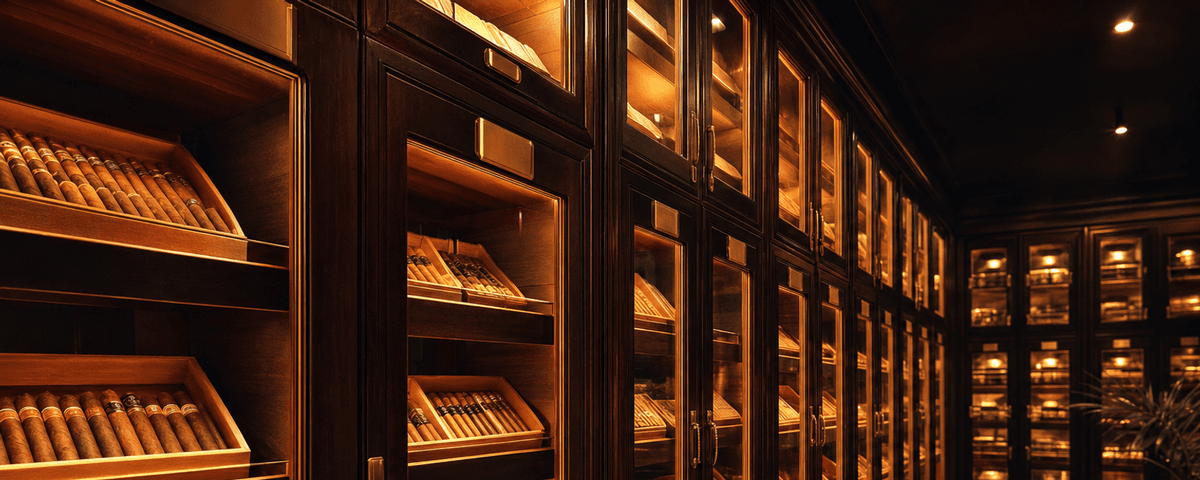
33 座 24 小時恆溫恆濕醇化室
W Cigar Bar 提供的會員醇化空間 · 場地資訊請洽編輯部
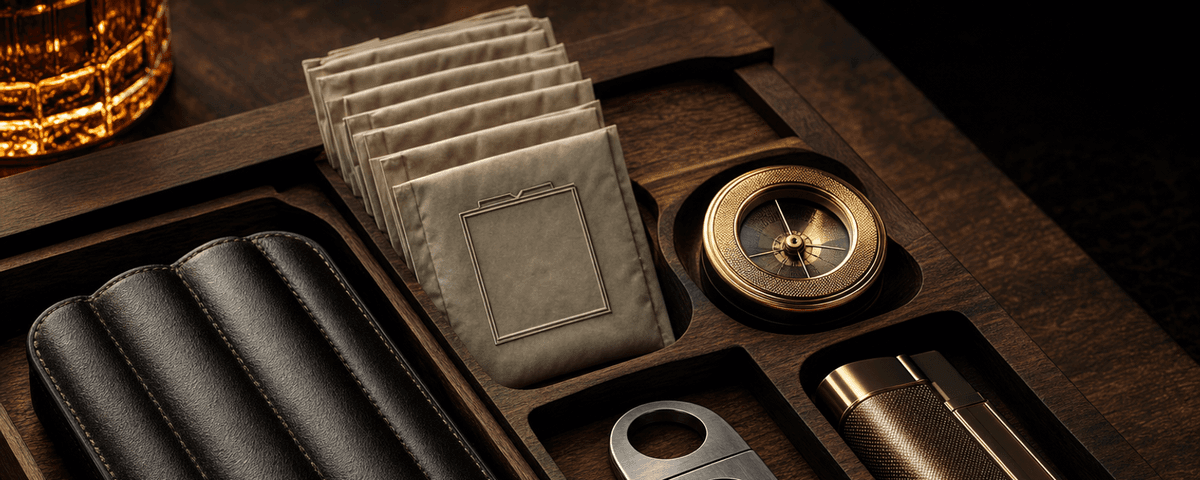
雪茄剪 / 打火機 / 雪茄盒 / Boveda
W Cigar 配件官網 · 專營雪茄配件正品
加 LINE 好友 · 文化諮詢
文化空間資訊 · 紳士沙龍 · 私人包場
本網站內容僅供雪茄文化、歷史、收藏與品吸知識研究參考。菸品有害健康、未滿法定年齡者請勿吸菸。實際規範請依所在地法律為準。
吸菸有害健康・戒菸專線 0800-636363・本站僅供 20 歲以上成年人閱覽。
讀到這裡,你不只是路過的人
留下 Email,加入 W 雪茄聖經內圈——總編輯 Wilson Tsai 親選的學院深文與國際新訊,先你一步送到信箱。
· 教育用途非銷售 · 隨時一鍵退訂 · Email 絕不對外公開 · 由勝茄股份有限公司營運
同分類延伸閱讀
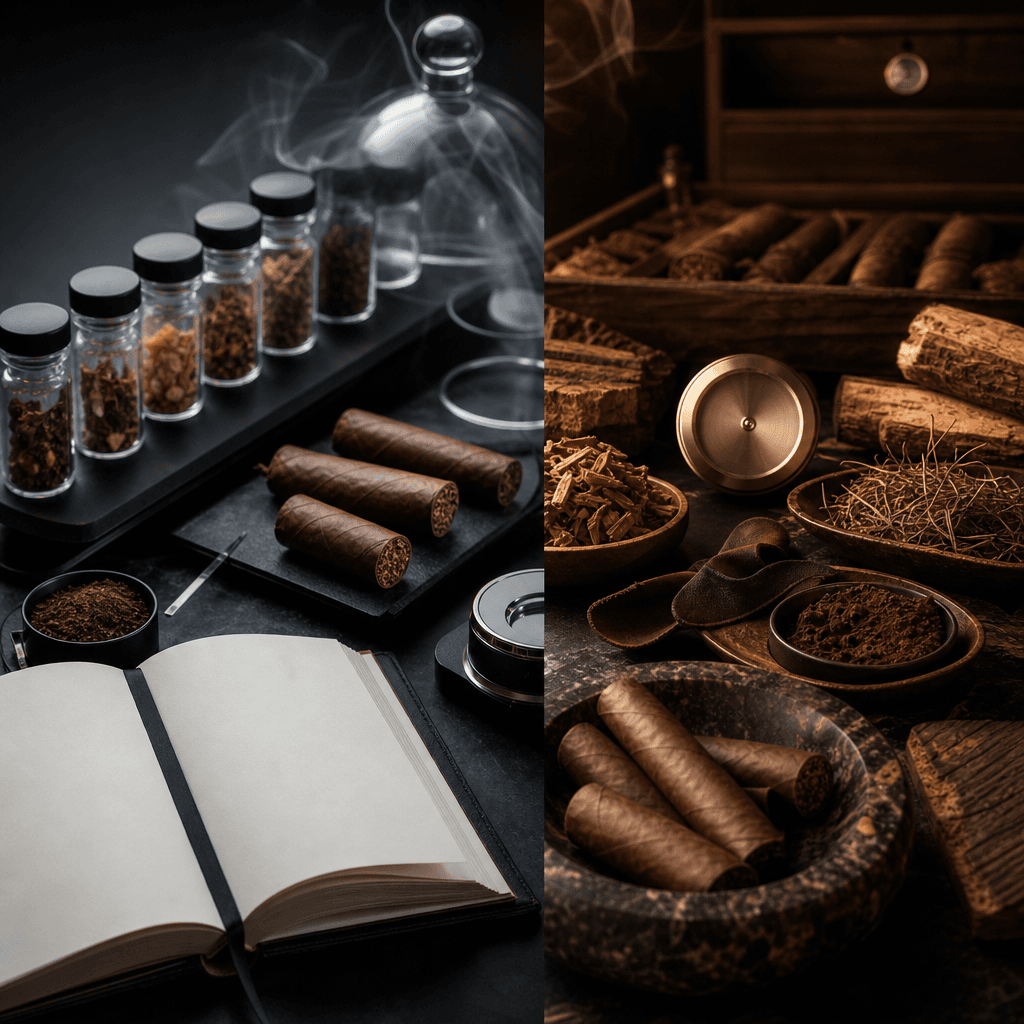
資料來源:W Cigar Bible 編輯部整理 · 雪茄王子 Wilson Tsai 親自審稿
本文僅供雪茄文化、歷史、收藏與品鑑知識研究,不作為菸品促銷、銷售或購買建議。吸菸有害健康,未滿二十歲不得吸菸。