雪茄的品味演變:從傳統到現代的風味探索
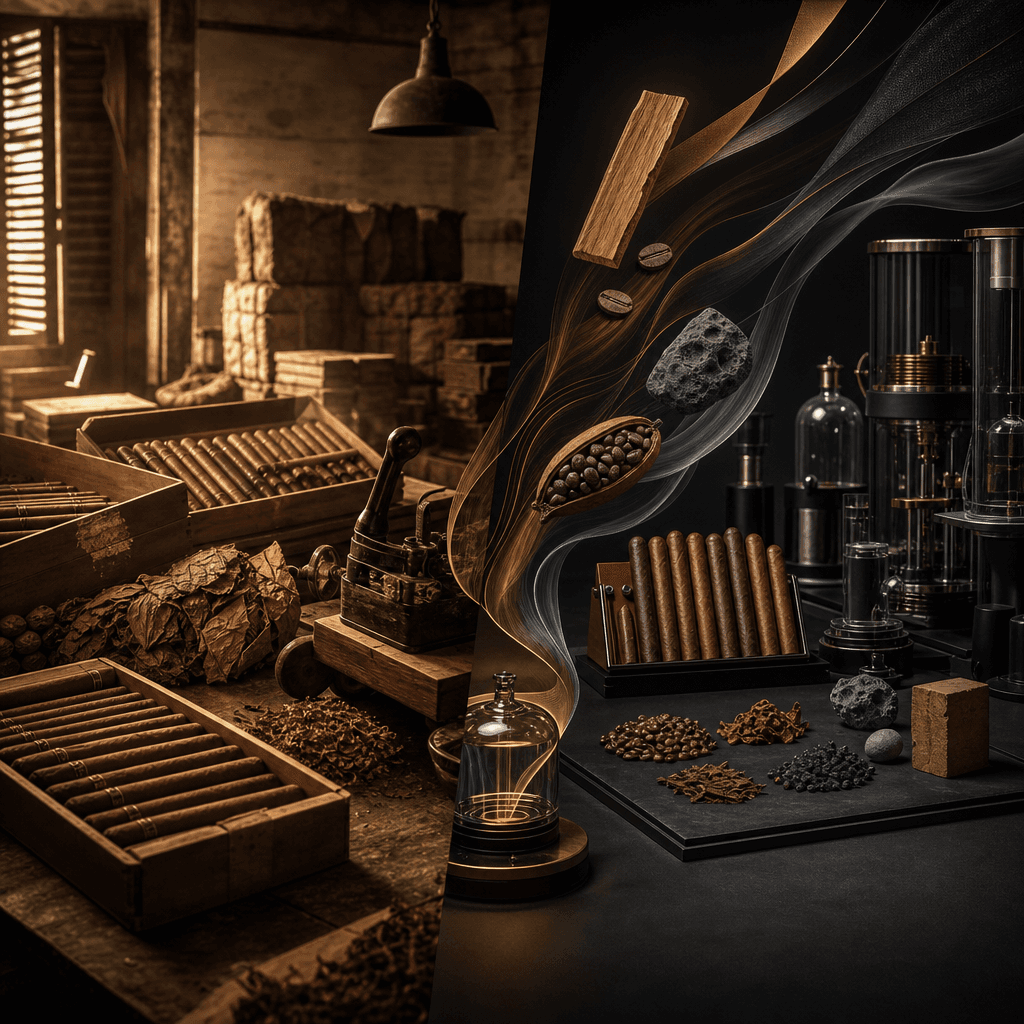
雪茄的品味演變是由產區、土壤、工藝等多重因素交織而成的風味歷史。從1950年代的古巴雪茄以均衡感為標準,到1960年代後非古巴雪茄的崛起,這一過程反映了政治與文化的變遷。現代雪茄的風味語彙逐漸進化,從傳統的泥土與皮革,轉向更細緻的甜感與香料描述。不同產區的煙葉配方與工藝細節,影響著每一支雪茄的獨特表現。了解這些風味與工藝的關聯,不僅能提升品味體驗,還能讓入門者更深入雪茄文化的精髓。
- 雪茄的品味演變受產區、土壤、工藝等多重因素影響,了解這些背景有助於品味提升。
- 古巴雪茄以均衡感為標準,重點在於燃燒線穩定性、香氣過渡及餘韻的乾淨度。
- 現代雪茄的配方越來越複雜,包覆葉、填充葉與binder的搭配影響香氣與強度,需深入了解。
Smoking is harmful to health. No smoking under the age of twenty. Quitline: 0800-636363. This article is intended for adults over the age of twenty as a reference for cigar culture, preservation, and regulatory knowledge, not as an advertisement, promotion, or purchase suggestion.
The evolution of cigar taste is not just a difference between "strong or mild," but a flavor history written by regions, soil, politics, craftsmanship, storage, and culinary culture. For beginners who have mastered the basics of cutting, lighting, and puffing, the next step is to learn to place a cigar back into its historical context: why Cuban cigars in the 1950s represented "classic balance," how Nicaraguan cigars after the 1990s symbolized "strength and spice," and how the Dominican Republic established a modern aesthetic with delicate, clean, and woody tones. This article, from the perspective of the editor of the Cigar Bible and the founder of W Cigar Bar, guides you through the exploration of flavors from traditional to modern, and reminds you that cigars involve health risks and regulatory restrictions. This article is for cultural and knowledge sharing only.
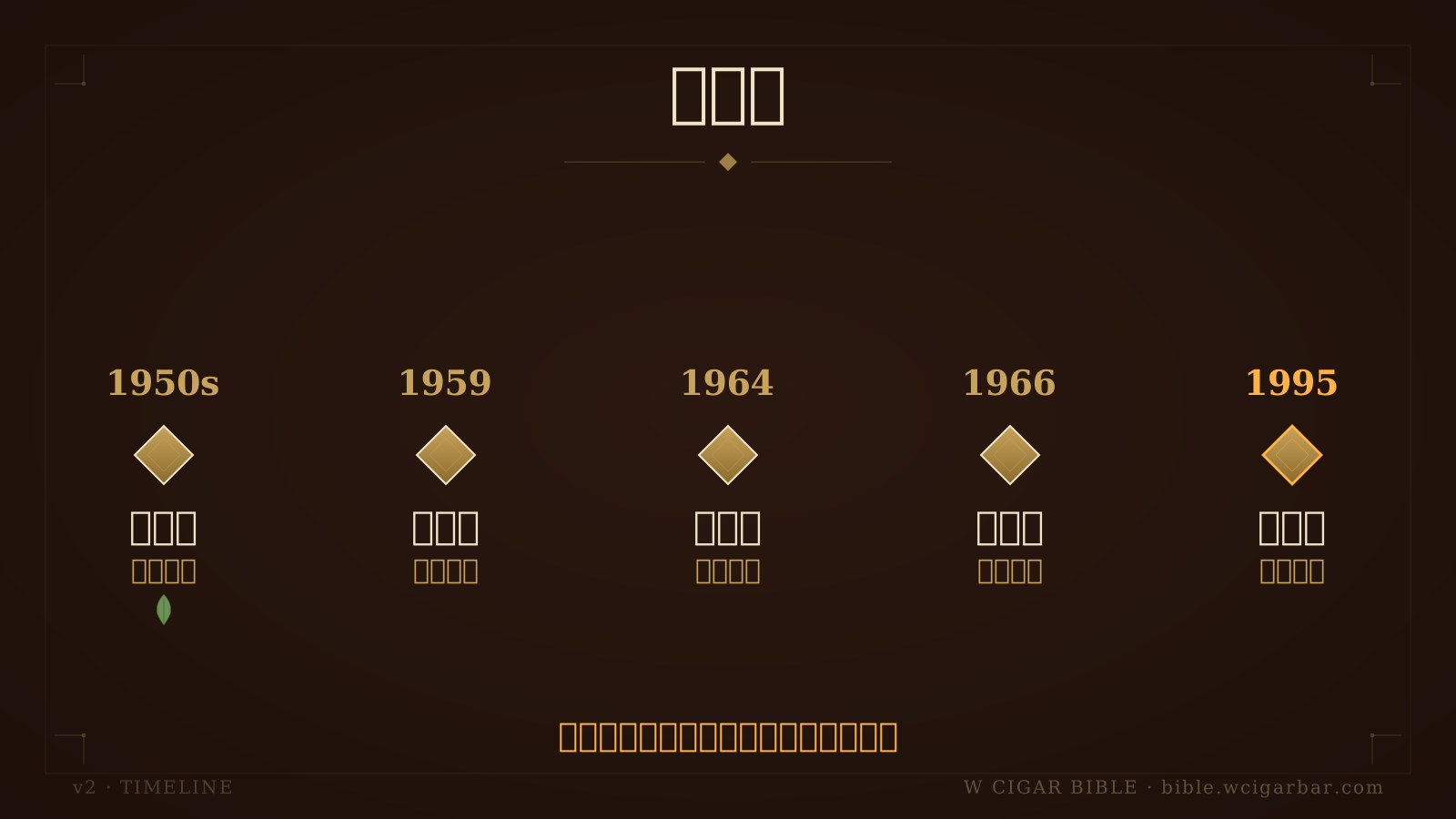
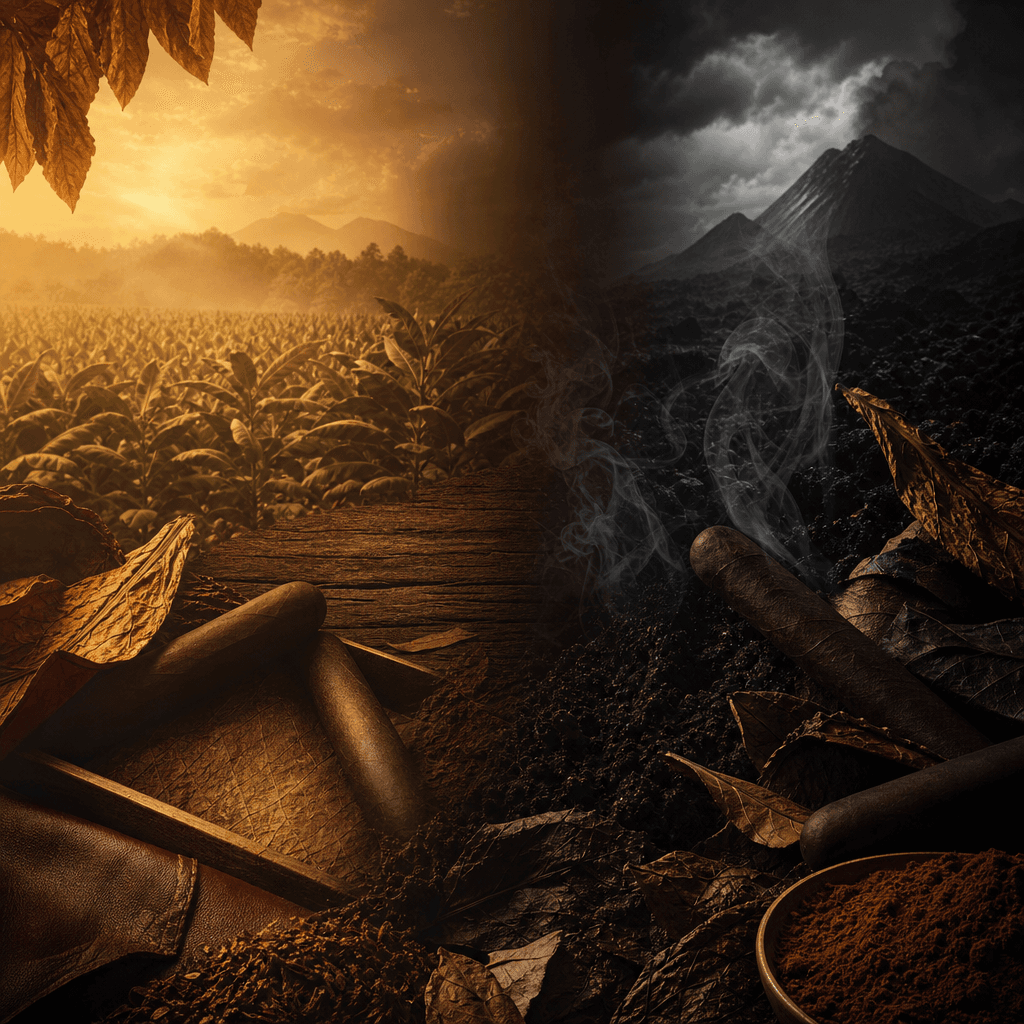
時間線列出古巴均衡到新世界產區競合的風味演變
Starting with Cuban Tradition: How the "Balance" of the 1950s Became the Standard
Discussing the evolution of cigar taste must begin with Cuba. Before and after the Cuban Revolution in 1959, Havana was already the center of world cigar culture. Brands like Partagás, H.Upmann, Romeo y Julieta, Montecristo, and Hoyo de Monterrey established the core impression of "Cuban flavor" in the mid-20th century: medium to medium-high intensity, earth, cedar, leather, coffee, cocoa, with a unique salty mineral feel that is hard to replicate. Take Montecristo No.2 as an example, this torpedo-shaped cigar with approximately 52 ring gauge and 156 mm length has long been regarded as a textbook of classic Cuban structure; it doesn't win by strength alone but by layering the front-end wood and creaminess, mid-section coffee and cocoa, and a hint of pepper and leather at the end. Cohiba officially developed as a brand in 1966, initially with a diplomatic gift and high-end image. Its uniqueness lies in an additional fermentation process in barrels for some tobacco leaves, making the grass, honey, nuts, and delicate floral notes more pronounced. For beginners, the focus of traditional Cuban cigars is not to pursue "the heavier, the better," but to learn to feel three things: first, whether the burn line is stable; second, whether the aroma transitions from the front to the back; third, whether the aftertaste is clean and non-irritating. These judgments remain the basic coordinates for assessing cigar craftsmanship today.
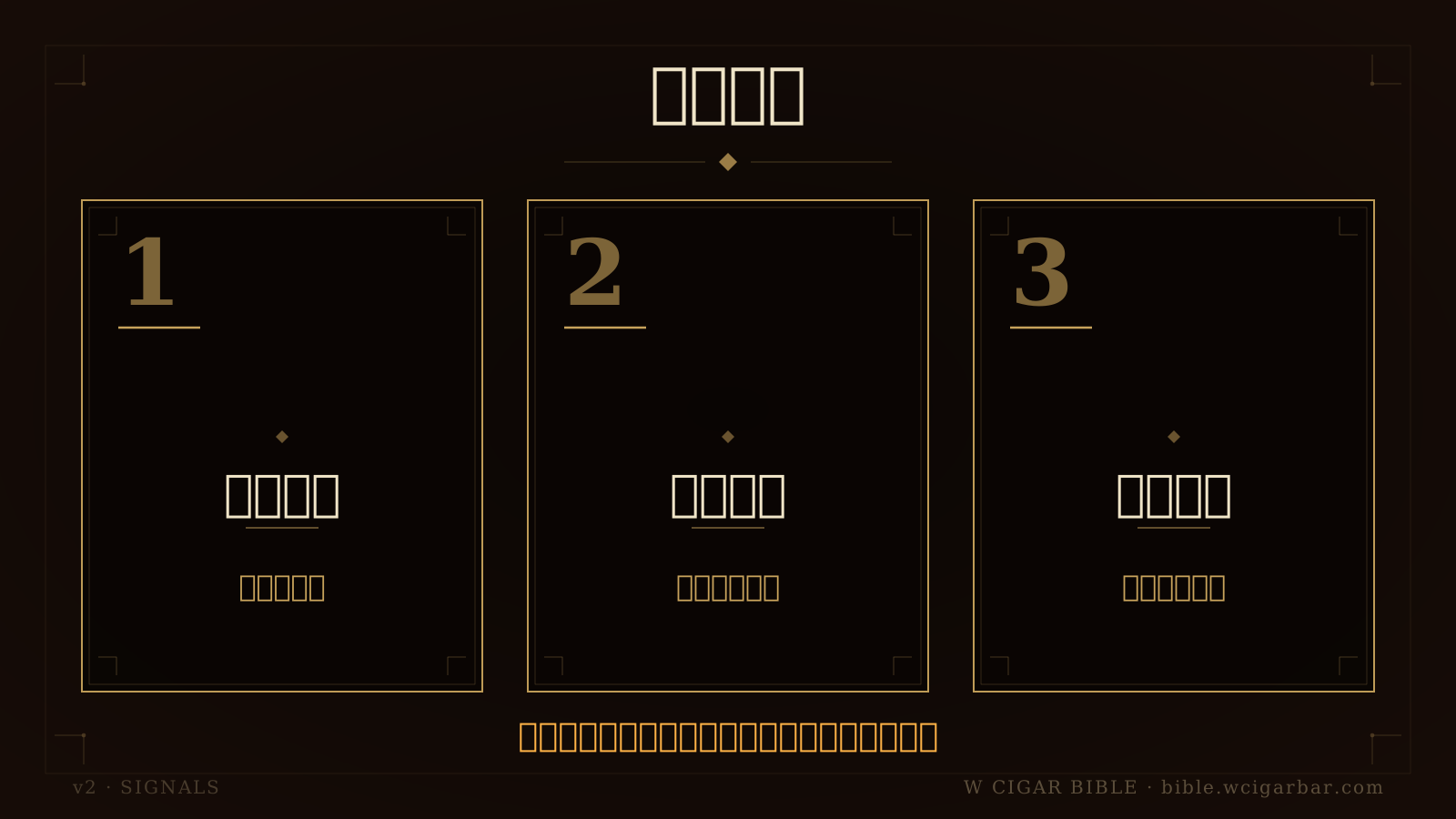
三張重點卡說明風味不只濃淡並需看產區與紀錄
1960s to 1980s: Political Migration and the Rise of Non-Cuban Cigars
After the 1960s, the political situation in Cuba changed, and many cigar-making families and technicians left Cuba, heading to the Dominican Republic, Nicaragua, Honduras, and places like Tampa and Miami in the United States, directly rewriting the cigar flavor map. Although the Arturo Fuente family started in Tampa as early as 1912, they established a more complete supply and manufacturing system in the Dominican Republic in the 1980s. The later Fuente Fuente OpusX became a representative case of top Dominican cigars around 1995, proving that the Dominican Republic is not only suitable for mild filler leaves but can also produce high-intensity, high-complexity wrapper leaves. Davidoff officially shifted its focus to the Dominican Republic in the early 1990s, establishing a modern aesthetic of cleaner, more elegant, creamy, woody, white pepper, and nutty styles. In Nicaragua, Padrón was founded in Miami in 1964, later relying on Nicaraguan tobacco leaves to form a rich cocoa, coffee, black pepper, and earthy feel; its 1964 Anniversary Series and 1926 Series are often used to illustrate that "non-Cuban can also have depth." This history transformed cigars from a single Havana center to a multi-region competition. For taste training, you can't just ask "is it Cuban," but must inquire: which valley do the tobacco leaves come from, how long is the fermentation, what is the rolling density, and does the brand want to express elegance, strength, or a direct impact of sweetness and spice.
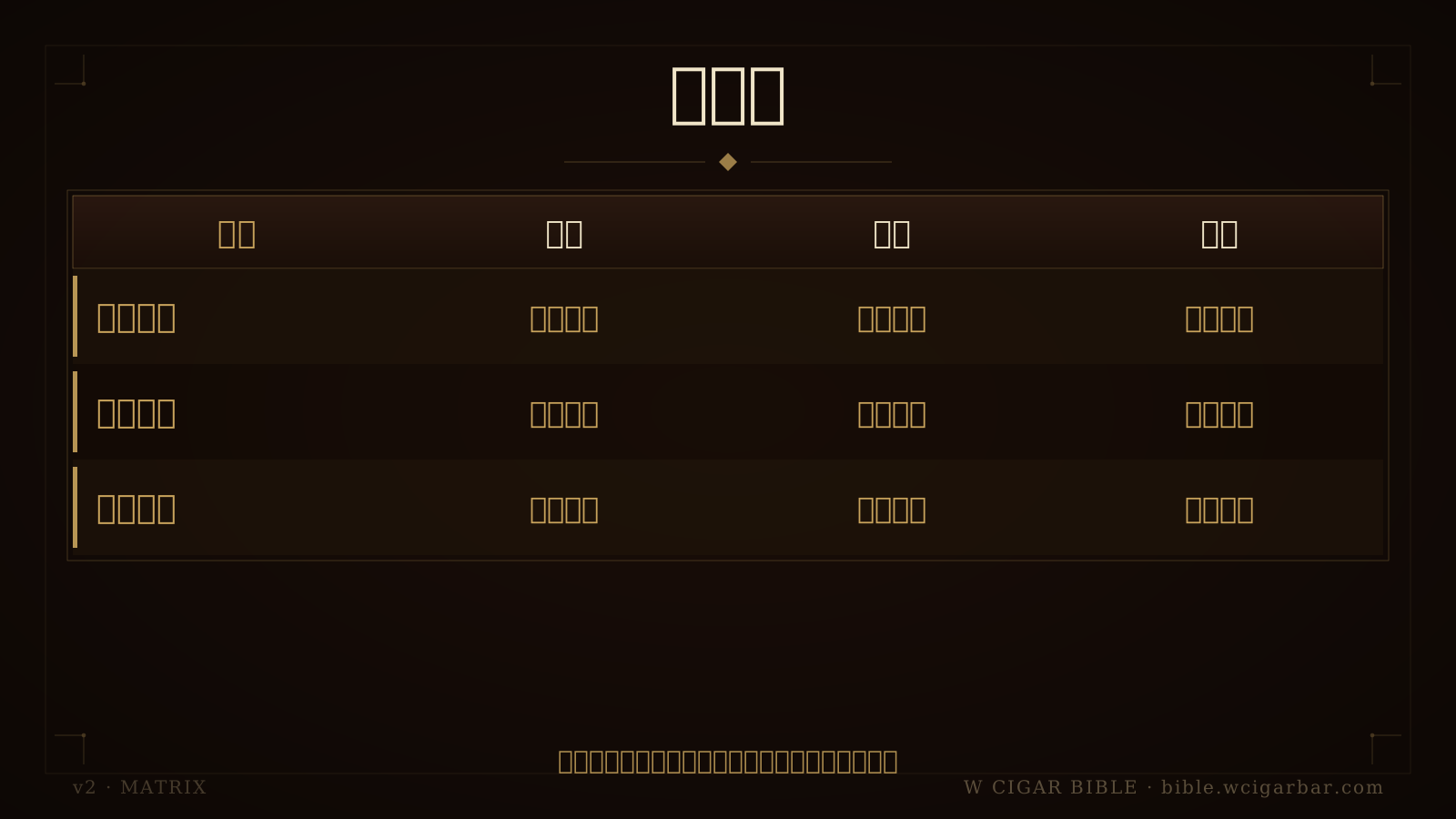
矩陣比較古巴多明尼加與尼加拉瓜的常見風味差異
Evolution of Flavor Vocabulary: From Earthy Leather to Sweet Spice and Mineral Lines
Early cigar reviews often used earth, leather, cedar, coffee, and cocoa to describe flavors, mostly derived from Cuban and European collection cultures; but after 2000, the review style became more refined, with descriptions like roasted almonds, cinnamon, black cherry, caramel, salted butter, sandalwood, green pepper, wet stone, and iron texture appearing. This is not a word game but because cigar regions and craftsmanship have indeed become more complex. For example, Nicaragua's Estelí often gives a black pepper, strong coffee, and solid earthy feel; Jalapa is more likely to bring out sweetness, floral, and soft woodiness; Condega often lies between the two, with herbal and nutty tones. The Dominican Cibao Valley tobacco leaves often present clean wood, cream, and white pepper; Honduras' Jamastrán Valley may have leather, spices, and a rougher soil feel. When advancing, beginners are advised not to rush to write long notes but to use the "three-layer method": record the first impression in the front section, such as cedar, cream, white pepper; record the main changes in the mid-section, such as coffee turning to cocoa, nuts turning to toast; record the mouthfeel in the last section, such as dry, oily, spicy, sweet, or bitter. For a 60 to 90-minute Robusto or Toro, making a brief record every 15 minutes is more effective than vaguely saying "very smooth" in building your flavor database.
Influence of Modern Regions: Nicaragua, Dominican Republic, Honduras, and Ecuador
The most fascinating aspect of modern cigars is that regional division of labor is more precise than in the past. A cigar may use Ecuador Connecticut Shade wrapper, Dominican binder, Nicaraguan Estelí and Jalapa filler, and finally be rolled in the Dominican Republic or Nicaragua. This kind of cross-national formula has become increasingly common after the 1990s, making flavors shift from single-origin character to "blending art." Ecuador, due to its equatorial cloud cover providing natural shade, often has creamy, grainy, slightly sweet, and delicate woody Connecticut Shade-type wrappers; Ecuador Habano can bring red pepper, roasted nuts, and brighter spices. Nicaraguan tobacco leaves have been recognized globally after 2000 by brands like Padrón, Oliva, Drew Estate, AJ Fernandez, emphasizing intensity, sweetness, and cocoa coffee. The Dominican Republic is presented in different directions by brands like Davidoff, Arturo Fuente, La Flor Dominicana: the former is refined and elegant, the latter can be solid and explosive. Honduras, like Camacho, often shows leather, soil, and spicy tones. For beginners, modern cigars should not only look at brand names but also at formulas: wrapper determines the first contact aroma and burning beauty, filler determines the body and strength, and the binder acts like a skeleton affecting rhythm and stability. Understanding this allows you to truly read the design language of a cigar.
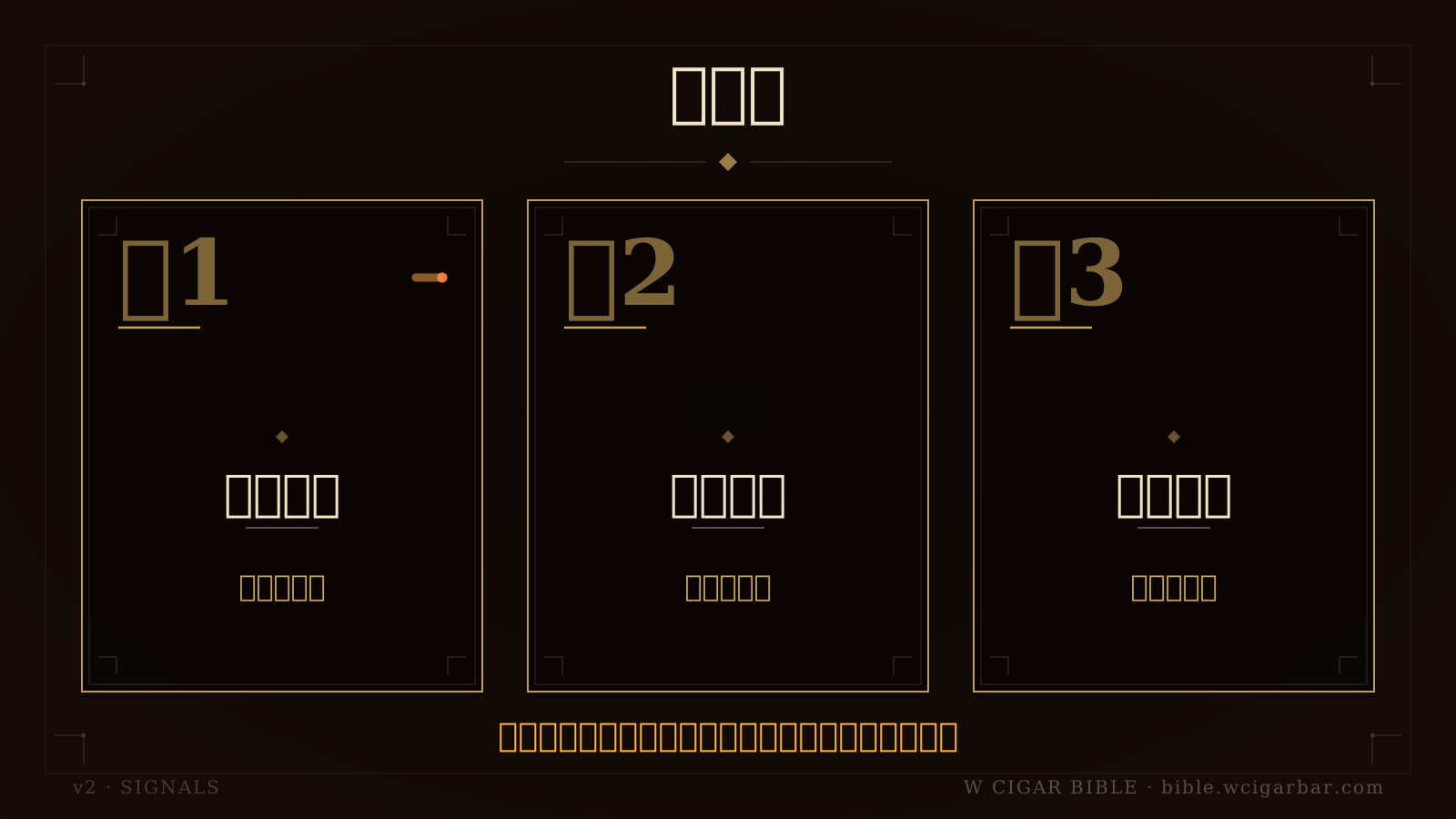
三張錯誤卡提醒不要只用產地年份或時間判斷
Impact of Craft Changes on Flavor: Size, Fermentation, Rolling, and Aging
Cigar flavor is not just dependent on tobacco varieties; craftsmanship details often determine the final performance. Traditional Cuban sizes like Corona, Mareva, Churchill, and Prominente have more concentrated burning rhythms, with the wrapper leaf having a significant impact due to the tobacco leaf ratio; while after 2000, the American market favored larger ring gauges, with 60 ring gauge or even thicker Gordo becoming common, providing large smoke volume, lower temperature, and thick mouthfeel, but with a relatively lower wrapper leaf ratio, flavor may rely more on filler leaves. In terms of fermentation, tobacco leaves from harvesting, drying, stacking fermentation to grading may take months to years; for example, high-end brands often emphasize the layered combination of different parts ligero, seco, volado, with ligero providing strength and end-depth, seco providing aroma, and volado aiding burning. Preservation and aging affect irritation and fusion, but collection appreciation does not guarantee appreciation; it still depends on source preservation and market. Below is a simple table to help beginners establish observation angles:
| Craft Factors | Common Changes | Impact on Flavor | Observation Focus |
|---|---|---|---|
| Ring Gauge | 42, 50, 52, 60 | Thin ring gauge is more concentrated, large ring gauge has more smoke volume | Whether it is overheated, whether it is unbalanced |
| Fermentation | Months to years | Reduces greenness and ammonia, increases sweetness | Whether the pungent smell is obvious |
| Filler Leaf Ratio | ligero/seco/volado | Determines strength, aroma, burning | Whether the end is bitter and spicy out of control |
| Aging Preservation | 6 months to over 5 years | Makes edges round, aroma fusion | Whether humidity and source are reliable |
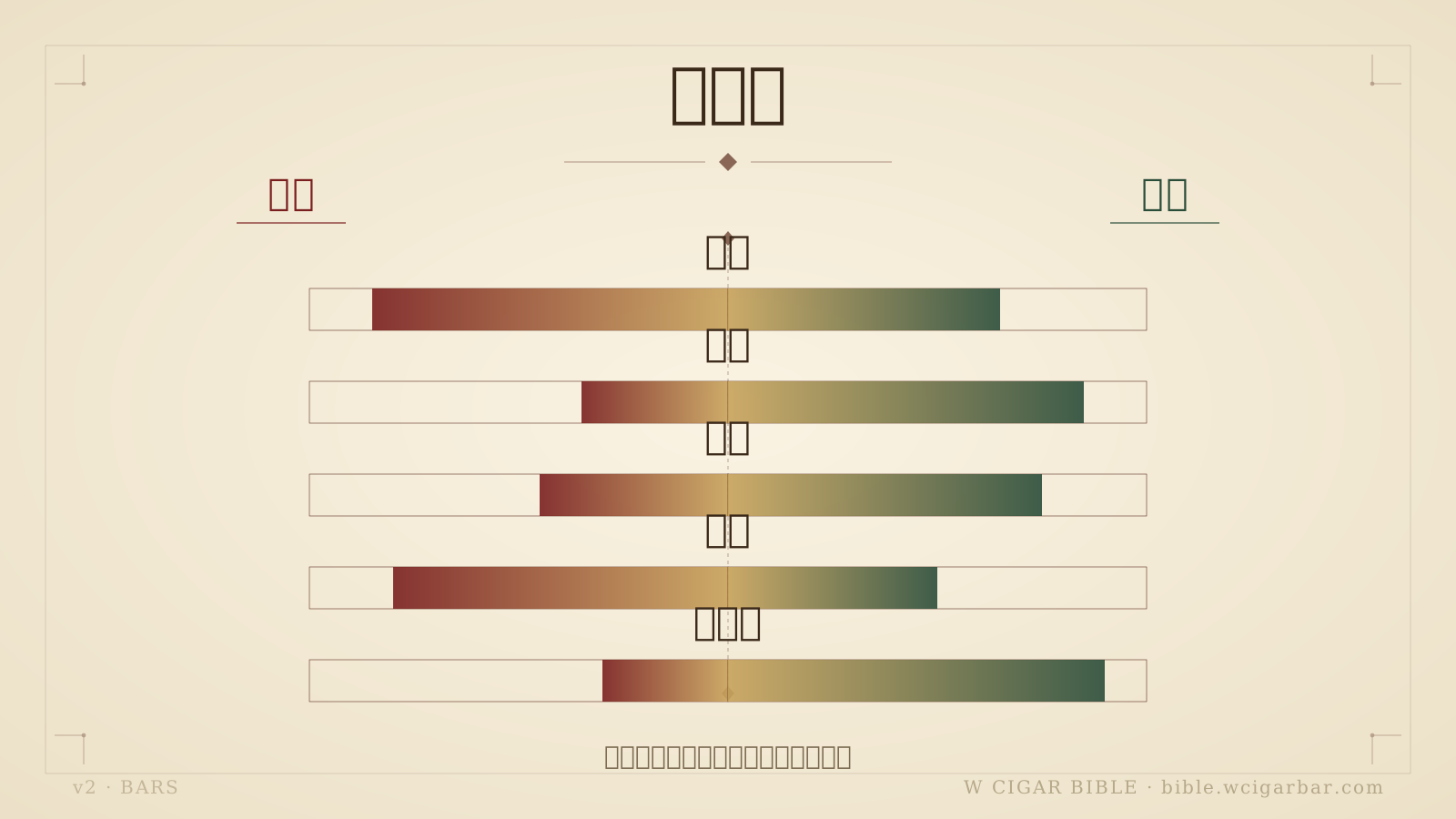
長條圖對比傳統與現代雪茄在五個風味軸的差異
From European Salons to Modern Bars: How Cultural Scenes Change Taste
The evolution of cigar taste is also closely related to dining and social culture. From the late 19th century to the mid-20th century, cigars were often associated with European clubs, gentlemen's salons, and diplomatic occasions, paired with cognac, port wine, sherry, or black coffee, favoring a stable, woody, leather, and long aftertaste aesthetic. The cigar culture in cities like London, Paris, and Madrid long emphasized Cuban brands and box-year, forming a "slow, quiet, and calm" aesthetic. By the 1990s American cigar boom, Cigar Aficionado magazine promoted the rating culture, and many new world brands were noticed by the market through 90 points or above ratings, with consumers beginning to accept styles that are stronger, sweeter, and have more spicy impact. After 2000, whiskey, rum, single-origin coffee, craft beer, and even tea entered the pairing discussion, making taste from a single line to a diverse pairing. For example, pairing a Nicaraguan Maduro with sherry cask whiskey can amplify the black chocolate, raisin, and coffee feel; if it's a Dominican Connecticut Shade, pairing with medium-roast coffee or high mountain oolong can retain creaminess and floral notes. When learning etiquette, beginners should focus not on flaunting vintage or brand but on respecting space, rhythm, and others' feelings: don't loudly comment on others' choices, don't frequently tap ash, and don't judge taste by price. A truly mature cigar culture understands restraint.
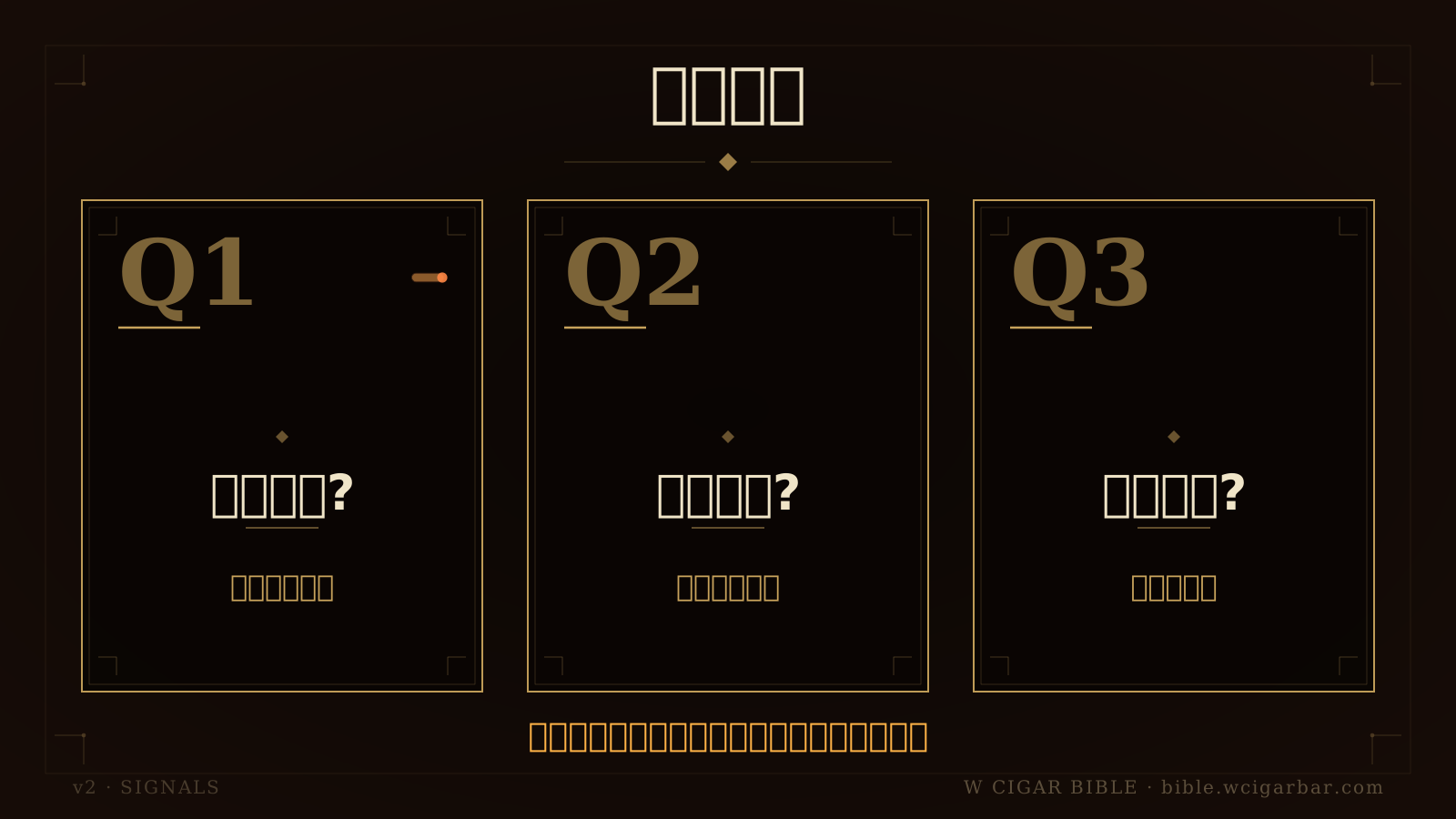
快問快答卡片整理產地年份與醇化三個實用問題
Advanced Methods for Beginners: Building Your Flavor Map and Sense of Etiquette
Beginners who already know the basics of puffing need systematic practice the most. It is recommended to use 12 cigars to establish your first flavor map: choose 3 different brands from Cuba, such as Montecristo, Partagás, Hoyo de Monterrey; 3 from the Dominican Republic, such as Davidoff, Arturo Fuente, La Flor Dominicana; 3 from Nicaragua, such as Padrón, Oliva, AJ Fernandez; plus 3 modern blends using different wrappers like Connecticut Shade, Habano, Maduro. Record 6 numbers for each: size, ring gauge, time, humidity, impression in the first 10 minutes after lighting, and state in the last 10 minutes. Preservation is commonly referenced at 65% to 69% relative humidity, about 18 to 21°C, too wet may cause burning difficulty and stuffiness, too dry may lead to spiciness, leaf cracking, and overheating. In terms of etiquette, don't cut too deep, don't directly scorch the foot with flame, ensure even burning after lighting, and proceed at a stable pace; if a cigar requires 75 minutes, don't force it to finish in 30 minutes, as rushing will increase tar and bitterness. You can also use the "same size comparison method" to learn: comparing the same Robusto 50 ring gauge or so, comparing Cuban, Dominican, and Nicaraguan differences will be more accurate than comparing different sizes simultaneously. Taste is not about memorizing brand names but about building repeatable judgments over time.
Frequently Asked Questions
1. Are Cuban cigars necessarily more layered than new world cigars?
Not necessarily. Cuban cigars indeed have unique soil, history, and brand culture, with many classics presenting earth, cedar, leather, coffee, and mineral feelings, with delicate transitions; but Nicaragua, the Dominican Republic, and Honduras have progressed very quickly after the 1990s, with many brands making rich and stable flavors through more precise fermentation, grading, and cross-regional blending. Judging solely by origin may cause you to miss the most important diversity of modern cigars.
2. Why do different years of the same brand have differences?
Cigars are agricultural products, with differences caused by rainfall, sunlight, hurricanes, harvest timing, and fermentation management. Even the same brand and size, different box codes or batches may differ in sweetness, spiciness, burning, and unfolding speed. This is why cigar enthusiasts value records: by noting year, box code, humidity, and time, you can know if differences come from the tobacco itself or preservation and condition.
3. How long is aging appropriate?
There is no single answer. Some cigars are very complete 6 to 12 months after production, while some high-intensity or structurally heavy cigars may take 2 to 5 years to become more harmonious. The goal of aging is not to make all flavors fade but to reduce irritation, fuse aromas, and balance burning. But remember, collection appreciation does not guarantee appreciation; it still depends on source preservation and market; if the preservation environment is unstable, time may bring mold, cracking, or flavor loss.
4. Should beginners learn size or region first?
It's recommended to learn size first, then region. Because size affects burning temperature, rhythm, and wrapper leaf ratio; the same region may show different aspects in Corona, Robusto, Toro, Churchill. Once you are familiar with the rhythm of 50 to 52 ring gauge, about 60 to 90 minutes, then comparing Cuban, Dominican, and Nicaraguan will make it easier to grasp regional differences.
5. What should be noted when pairing with alcohol or coffee?
The principle of pairing is not to let one side completely overpower the other. A rich Maduro can be paired with sherry cask whiskey, dark roast coffee, or aged rum; a delicate Connecticut Shade can be paired with medium roast coffee, oolong tea, or softer cognac. If the cigar itself is highly spicy, high alcohol content may amplify the irritation, making the tongue tired. Beginners can first establish a baseline with water and black coffee, then gradually add alcohol pairings.
6. How to avoid making the cigar too bitter?
It's mostly related to too fast a rhythm, excessive flame scorching, too high humidity, or tar accumulation in the latter part. It's recommended to puff every 45 to 60 seconds, not continuously and rapidly; if the burn is skewed, first observe if it can correct itself, no need to over-correct with fire. When the cigar enters the last third, intensity and temperature naturally rise, if bitterness has exceeded the pleasant range, the mature approach is to stop, not force completion.
The evolution of cigar taste has never been about tradition being replaced by modernity, but about tradition providing the foundation and modernity opening the horizon. Cuba teaches us balance, aftertaste, and a sense of history; the Dominican Republic shows elegance and precision; Nicaragua brings strength, sweetness, and spice; Honduras retains a rugged and charming land expression. My view is simple: understand flavor before brand; understand preservation before price; understand reverence before collection. Cigars are a craft of time and should be faced with restraint and knowledge. —Cigar Prince Wilson Tsai
Smoking is harmful to health. No smoking under the age of twenty. Quitline: 0800-636363. This article is intended for adults over the age of twenty as a reference for cigar culture, preservation, and regulatory knowledge, not as an advertisement, promotion, or purchase suggestion.
Like this article?Share with friends
Share this W Cigar Bible piece with friends who want to learn cigar culture, storage, and tasting.
想把這篇 化為實踐
雪茄聖經是知識;雪茄文化要在空間裡發生
W Cigar Bar 大安總店資訊
台北大安區 · 雪茄聖經總編輯 Wilson Tsai 主理的雪茄文化空間
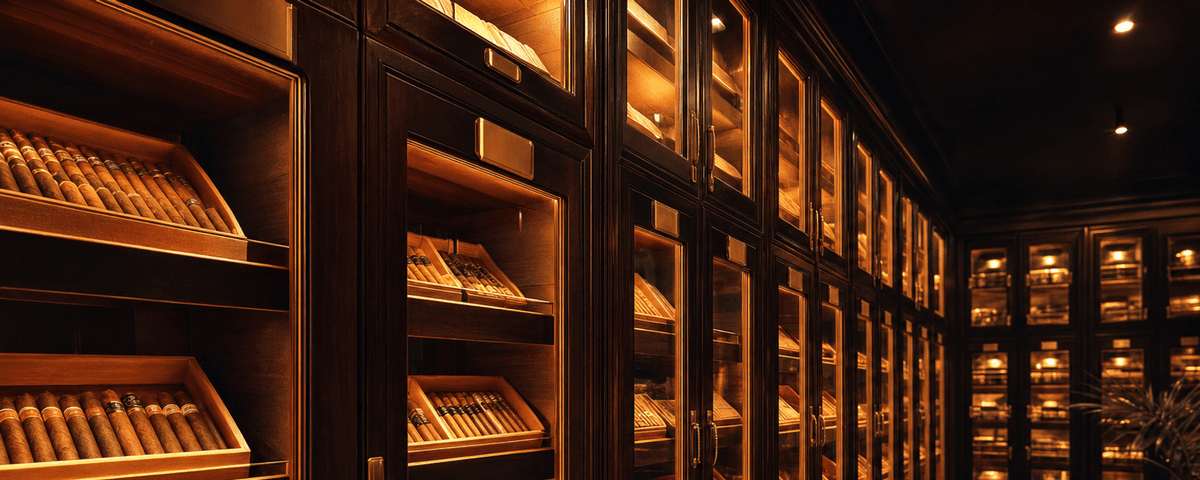
33 座 24 小時恆溫恆濕醇化室
W Cigar Bar 提供的會員醇化空間 · 場地資訊請洽編輯部
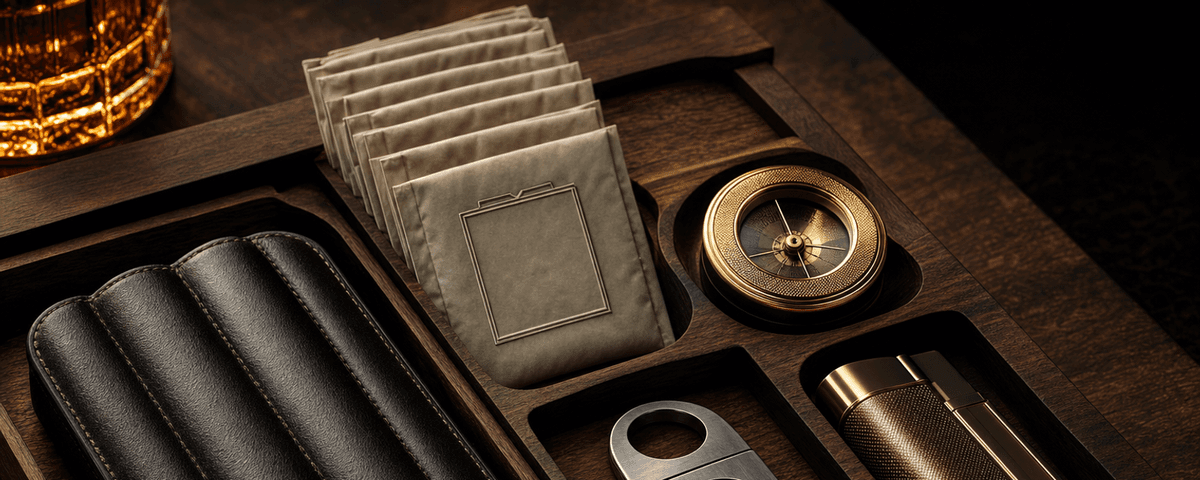
雪茄剪 / 打火機 / 雪茄盒 / Boveda
W Cigar 配件官網 · 專營雪茄配件正品
加 LINE 好友 · 文化諮詢
文化空間資訊 · 紳士沙龍 · 私人包場
本網站內容僅供雪茄文化、歷史、收藏與品吸知識研究參考。菸品有害健康、未滿法定年齡者請勿吸菸。實際規範請依所在地法律為準。
吸菸有害健康・戒菸專線 0800-636363・本站僅供 20 歲以上成年人閱覽。
讀到這裡,你不只是路過的人
留下 Email,加入 W 雪茄聖經內圈——總編輯 Wilson Tsai 親選的學院深文與國際新訊,先你一步送到信箱。
· 教育用途非銷售 · 隨時一鍵退訂 · Email 絕不對外公開 · 由勝茄股份有限公司營運
同分類延伸閱讀
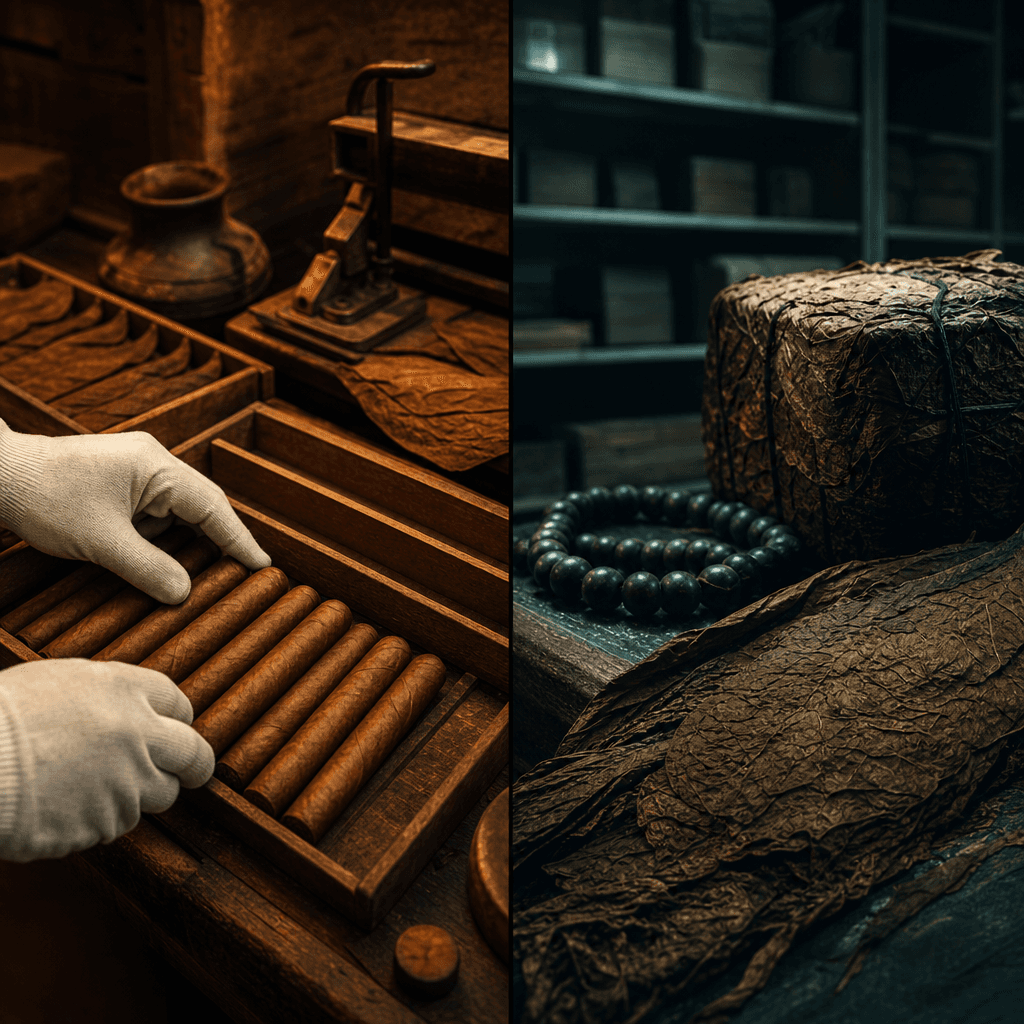
資料來源:W Cigar Bible 編輯部整理 · 雪茄王子 Wilson Tsai 親自審稿
本文僅供雪茄文化、歷史、收藏與品鑑知識研究,不作為菸品促銷、銷售或購買建議。吸菸有害健康,未滿二十歲不得吸菸。