雪茄的感官品鑒:進階技巧與實戰應用
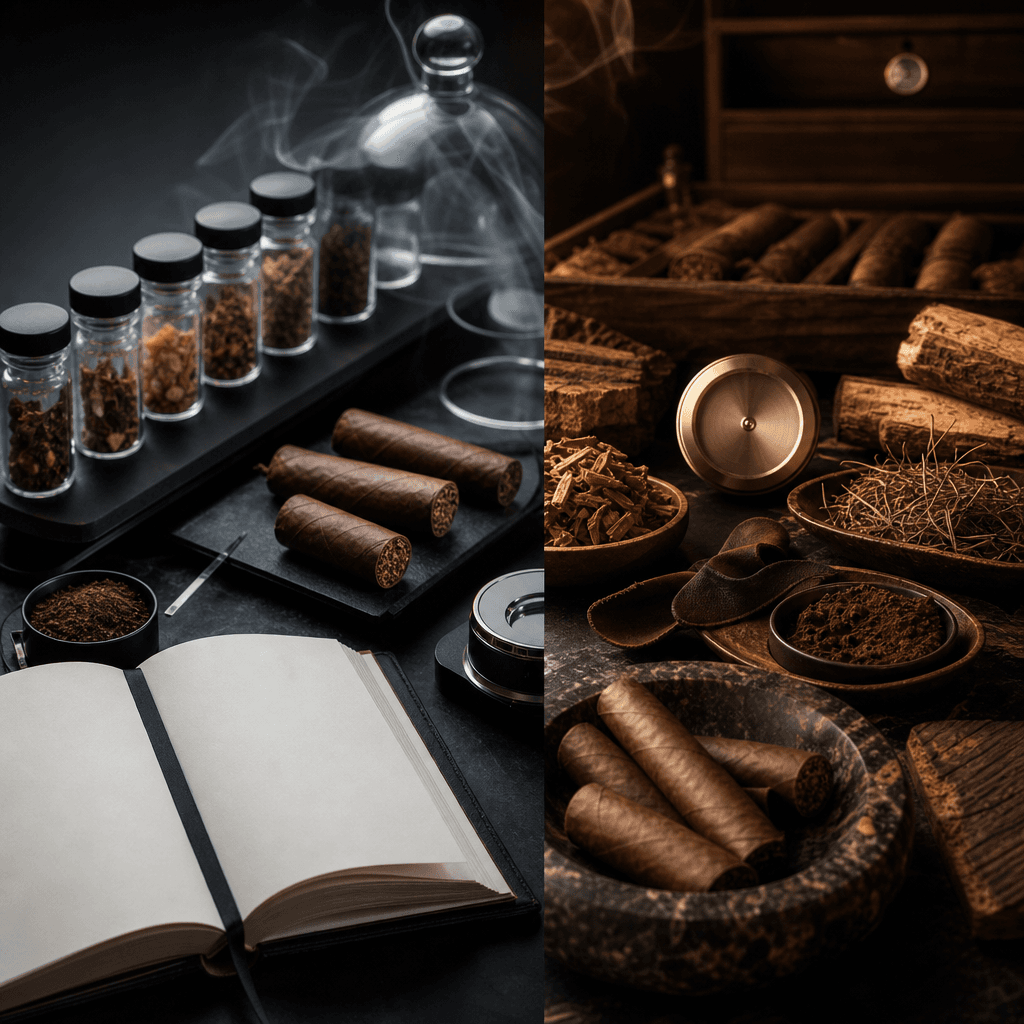
雪茄文化的探索不僅限於吸食的樂趣,更是對其風味與感官體驗的深入理解。透過嗅覺、味覺、觸覺等多重感官的綜合判斷,老手能夠辨識出不同雪茄的獨特風味。從香氣的層次到口腔的觸感,每一個細微的變化都能影響整體的品味體驗。進階技巧如慢速鼻後回香和紀錄觀察框架,能幫助愛好者更精確地分析和比較不同雪茄的特性,進而建立個人的感官座標,提升品味的深度與廣度。
- 嗅覺判讀可分為三層,從揮發性香氣到缺陷訊號,幫助更精確地理解雪茄風味。
- 每5至7口進行慢速鼻後回香,能觀察香氣變化,提升品鑒的深度與準確性。
- 建立感官座標系統,記錄香氣、味覺等細節,能幫助比較不同雪茄的特性與偏好。
Smoking is hazardous to health. No smoking under the age of twenty. Quitline: 0800-636363. This article is intended solely for adults over the age of twenty as a reference for cigar culture, preservation, and regulatory knowledge, and is not an advertisement, promotion, or purchase suggestion.
Cigar sensory evaluation, for veterans, is no longer just a judgment of "whether it's good to smoke" but an integration of smell, taste, touch, sight, hearing, and time into a repeatable, comparable, and adjustable reading method. From the 1990s Cuban box-pressed Robusto to the post-2010 Nicaraguan high-concentration Ligero blends, the flavor language has become increasingly detailed. The true advanced technique is the ability to recognize the differences between wood, leather, minerals, acidity, sweetness, saltiness, and ammonia residue, and to understand their joint effects from origin, aging, humidity, combustion, and personal oral state.
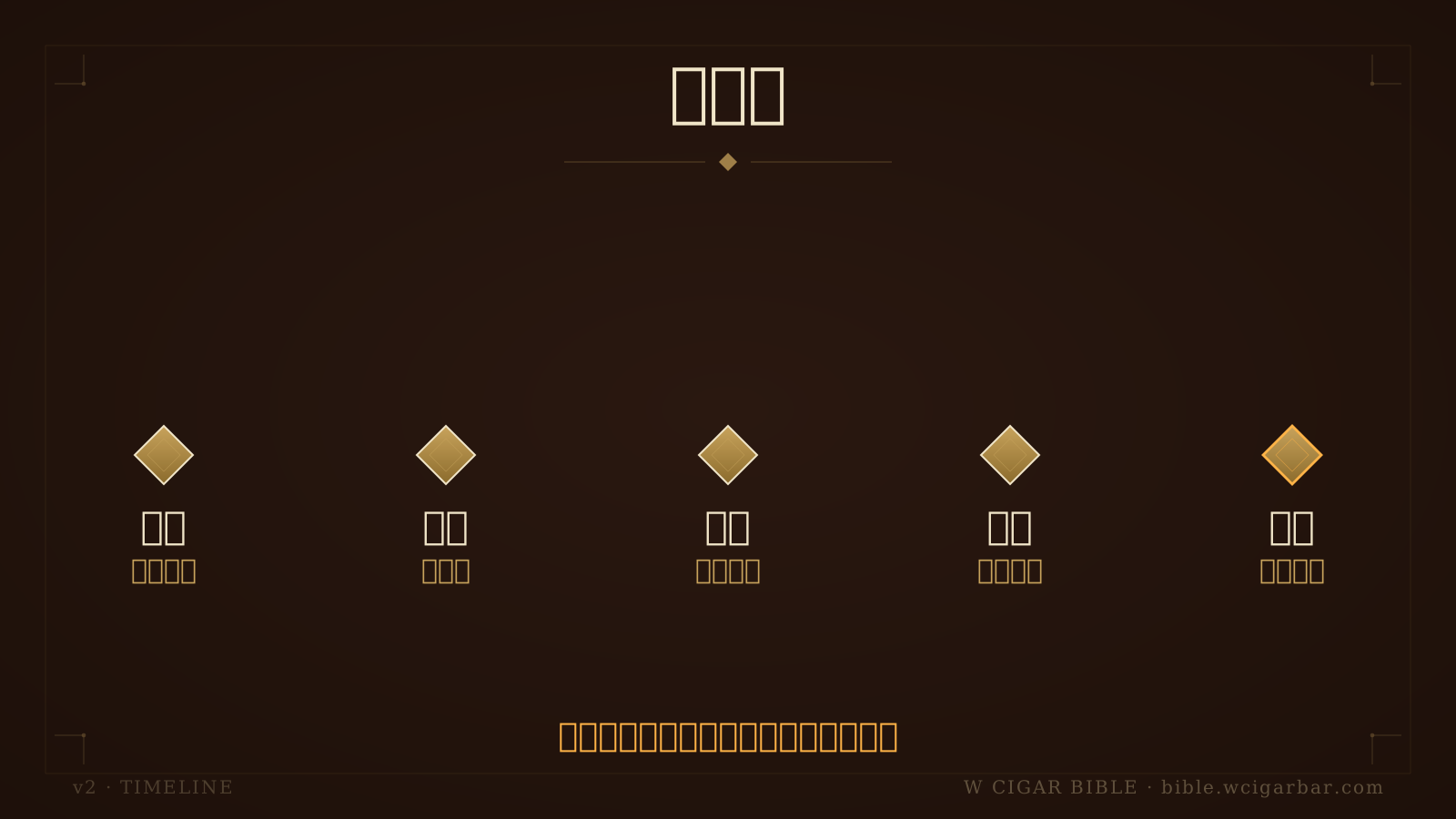
時間軸呈現乾聞休息聞腳鼻後與記錄
Smell is not a prelude, but a map of the entire cigar
Many veterans will smell the wrapper, foot, and box aroma before lighting, but advanced interpretation needs to be more precise. Take the H. Upmann Magnum 46 commonly seen around 2014 as an example. Before lighting, the wrapper often has hay, honey, and faint nut skin, while the foot may present cedar, cocoa powder, and mild pepper; if the same box is stored at 65% RH for 3 years, the honey note becomes rounder, ammonia spikes decrease, and the woody note becomes like an old bookshelf rather than freshly sharpened pencils. Smell interpretation is recommended to be divided into three layers: the first layer is volatile aromas such as floral, grassy, and fruit peel; the second layer is dark aromas produced by fermentation and aging, such as leather, coffee, and cocoa; the third layer is defect or preservation signals such as mold, ammonia, damp cardboard, and rancid oil. In practice, a 10-second dry smell, 30-second rest, and then smelling the foot can be used to avoid olfactory fatigue. When comparing Partagás Serie D No.4, Montecristo No.2, and Romeo y Julieta Short Churchill consecutively, one should start with the lower intensity and then move to the higher concentration; otherwise, the black pepper and earthy notes of Partagás can easily overshadow subsequent judgments. Smell can also predict the burning trajectory: if the foot has damp wood and sour notes, it often indicates high moisture content, leading to insufficient smoke, coarse bitterness, and smoldering in the second and final thirds.
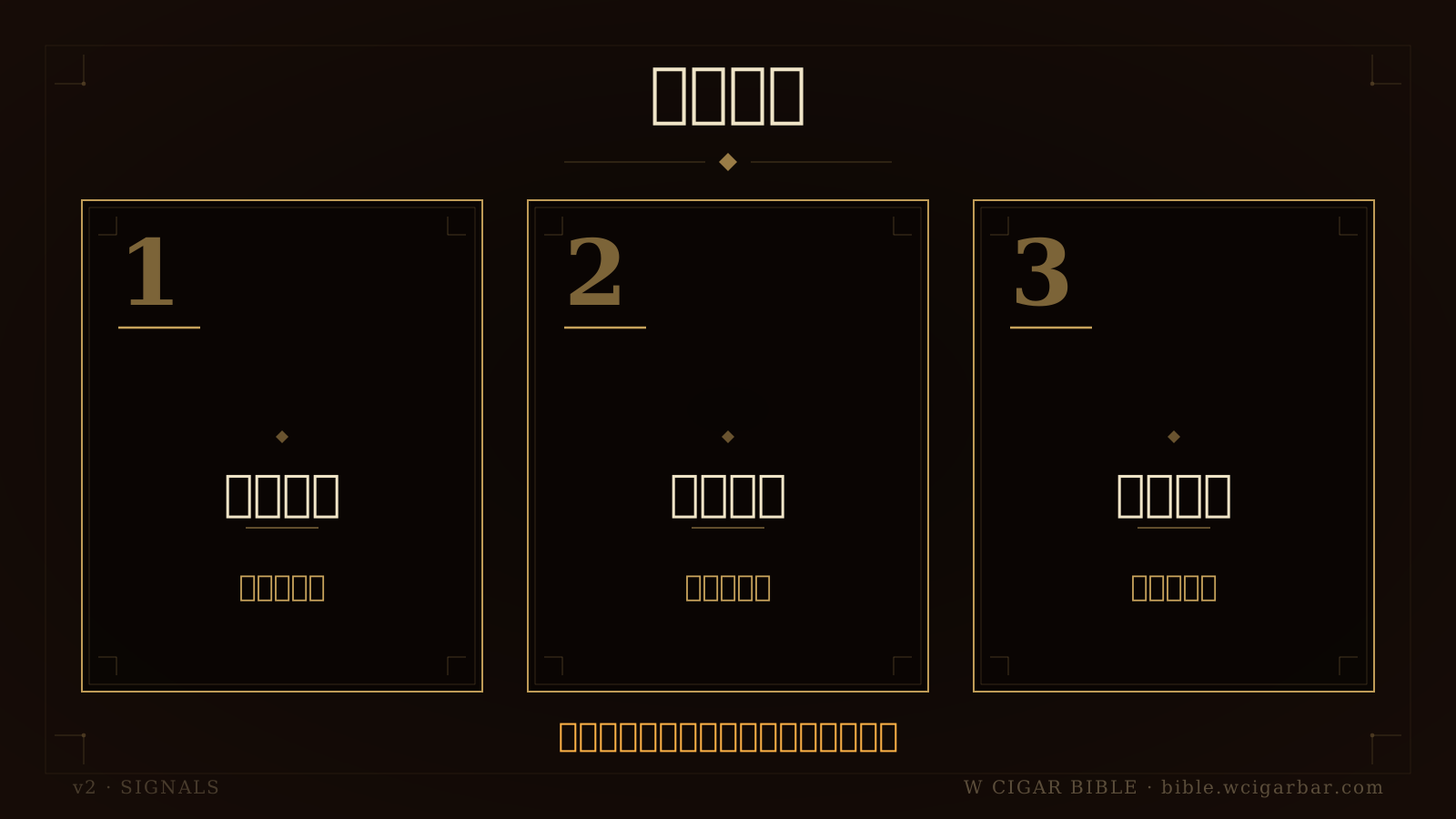
三張卡片列出嗅覺味覺與節奏重點
Taste and smell should be separated: the tongue only reveals part of the truth
Cigar flavor is often referred to as "taste," but the tongue can actually distinguish mainly sweet, sour, salty, bitter, umami, and irritation; what we perceive as coffee, almond, leather, and cedar mostly comes from retro-olfaction. Comparing the Cohiba Siglo VI produced in 2019 and the Oliva Serie V Melanio Figurado around 2020, the former commonly features cream, grass, honey, and delicate wood, while the latter has thicker cocoa, roasted coffee, and black pepper. If judged only by the tongue, both might be categorized as "sweet with bitterness"; but through retro-olfaction, one would find Siglo VI's sweetness akin to light honey and butter cookies, while Melanio is closer to dark chocolate and roasted nuts. An advanced technique is to perform a "slow retro-olfaction" every 5 to 7 puffs: let the smoke linger in the mouth for about 2 seconds without inhaling into the lungs, allowing a small amount of smoke to slowly release through the nasal cavity, observing the aroma changes from the front to the back. If the nasal cavity feels stinging, it does not necessarily indicate high concentration; it could also be due to insufficient leaf aging, excessive burning temperature, or too fast a puffing rhythm. If the tongue's bitterness lingers for more than 40 seconds and is accompanied by charred wood and metallic notes, it is usually due to overheating or uneven burning; if the bitterness is brief and resembles 70% dark chocolate, it may be the dark tone of the blend itself.
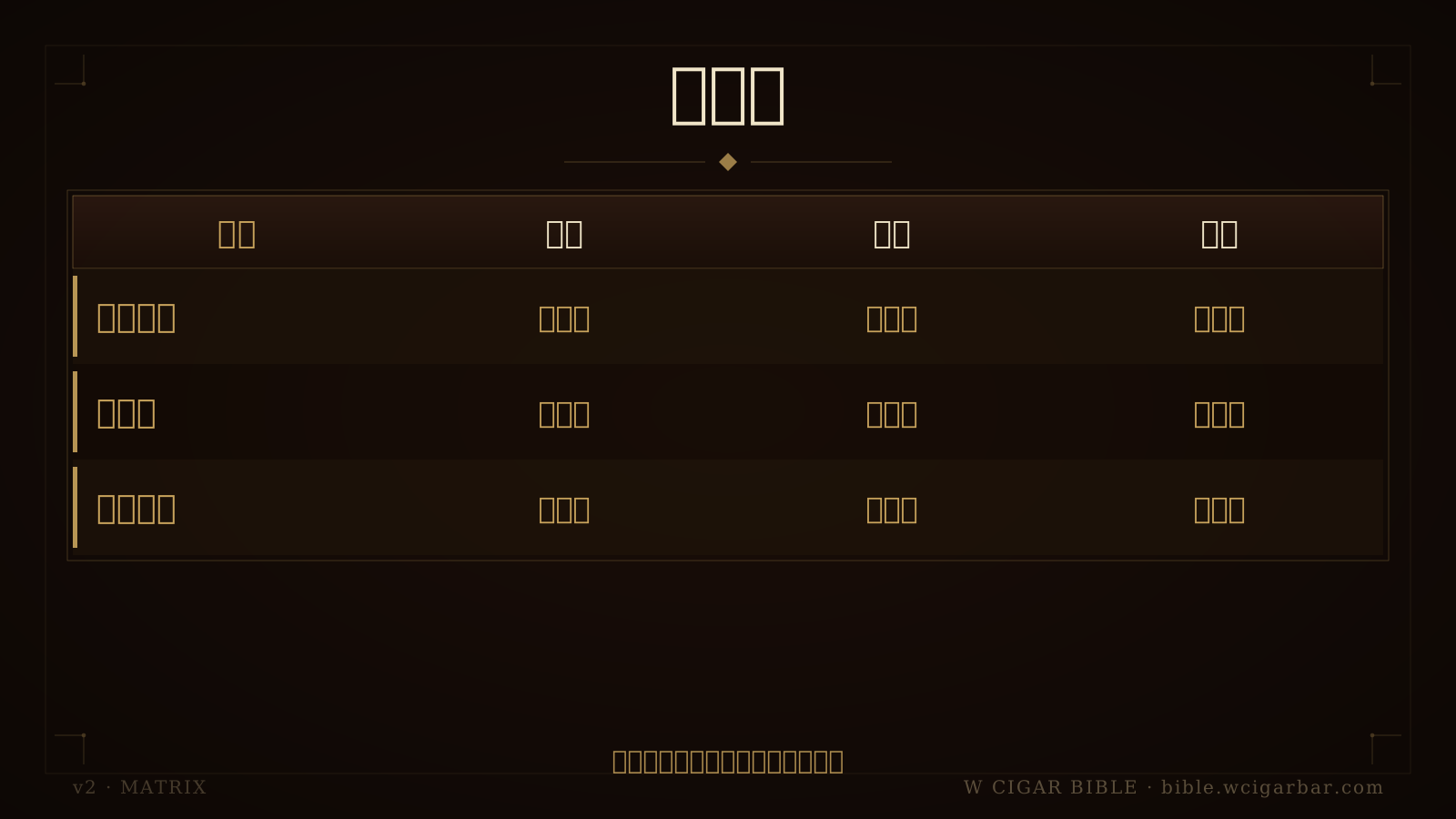
矩陣比較嗅覺舌面與觸覺的判讀差異
Touch, resistance, and burning temperature: the most easily overlooked senses by veterans
Touch is not just the feel of holding a cigar but a full-course monitoring from cutting, draw resistance, smoke texture to oral temperature. For a 52-ring gauge, 124mm long Robusto, the ideal draw resistance is usually resistant but effortless, like the pressure 1 second before drinking a thick milkshake with a straw; if completely hollow, the burn will be too fast, thinning the flavor; if too tight, smoke volume is insufficient, making sweetness and aroma difficult to unfold. Taking Padrón 1964 Anniversary Maduro as an example, a well-structured specimen will provide oily, thick smoke with a cocoa powder feel, with an oral touch like fine milk foam; if stored at humidity over 72% RH, smoke often becomes heavy and damp, woodiness becomes dull, and bitterness increases in the final third. Burning temperature is the core of advanced evaluation: the result of the same cigar with 1 puff per minute and 1 puff every 20 seconds can be completely different. A too-fast rhythm will raise the burn line temperature, caramelizing sugars, creating an illusion of caramel turning to bitter. The "two puffs and pause" observation method is recommended: after two consecutive puffs, rest for 60 to 90 seconds, observing if the burn line is stable, if the ash column is firm, and if the aroma rebounds. Grayish-white ash does not necessarily indicate high quality; the layers and toughness of the ash column are more worth observing; Nicaraguan volcanic soil leaves often have darker gray, while Cuban Vuelta Abajo leaves may show silver-gray, mouse gray, or mottled gray, with the focus on whether the burn is even.
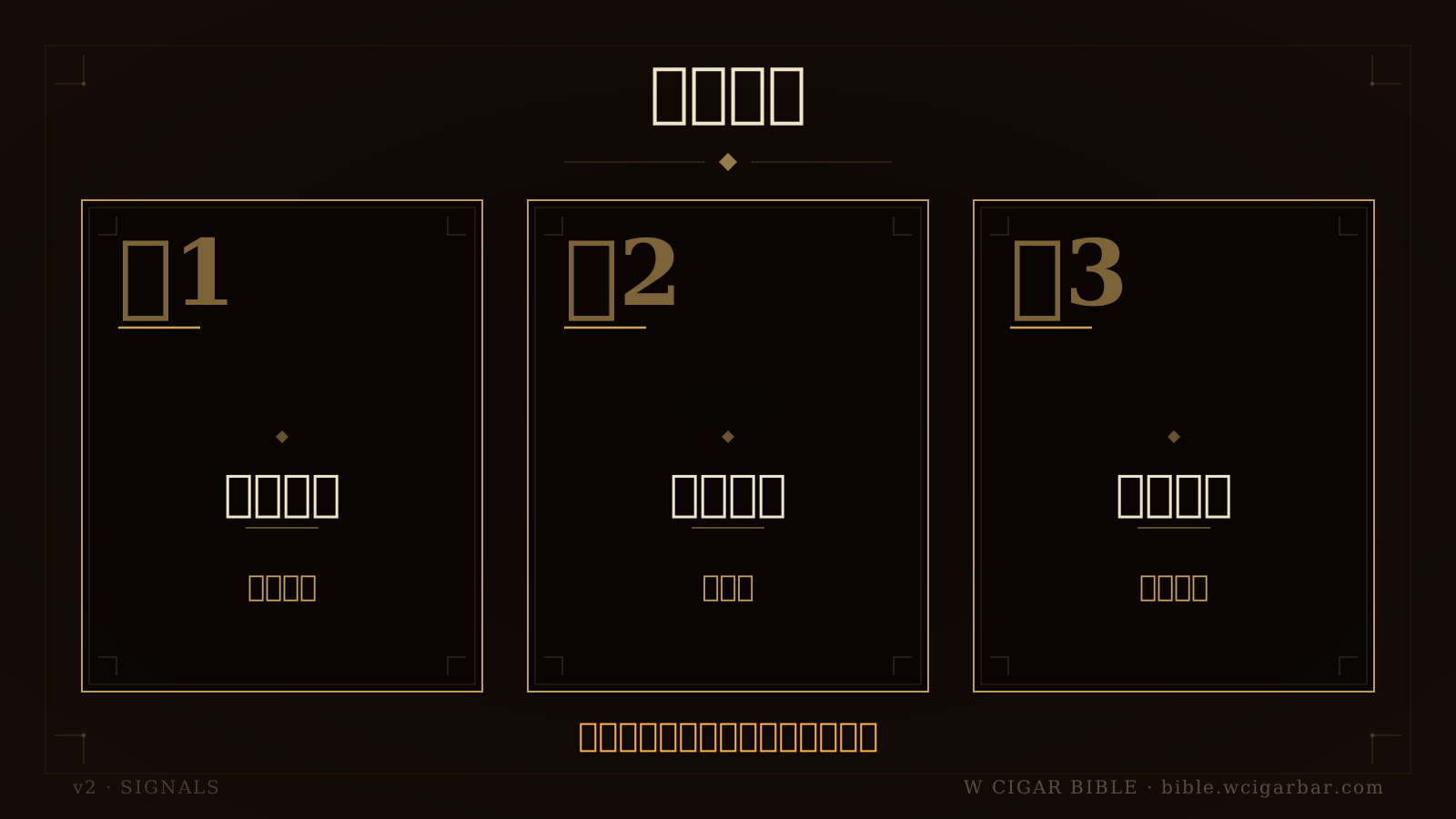
三張卡片整理同盒差異醰化與刺痛誤解
Establishing your sensory coordinates: using tables to turn abstract flavors into comparable data
The greatest progress for veterans often comes from upgrading recording methods. Simply writing "good draw, smooth, strong" has no comparative value; aroma, taste, touch, structure, burn, and finish should be separated. Below is a 100-point system observation framework I often use, suitable for comparing 3 or more cigars of the same size, different origins, or different years, such as 2017 Bolivar Royal Corona, 2021 Davidoff Nicaragua Toro, 2022 Arturo Fuente Hemingway Signature. Each should be recorded at least in the front, middle, and final thirds, and environmental data should be retained: room temperature 22 to 25°C, relative humidity 62 to 68%, lighting time, pairing drinks, and oral state of the day. This approach can avoid memory beautification and find the true cause of personal preference.
| Sensory Item | Observation Focus | 1-10 Point Criteria | Common Cases |
|---|---|---|---|
| Aroma Clarity | Can wood, cocoa, floral be distinguished | 8 points or above need layers | Montecristo No.2 clear cedar and cream in the front |
| Sweetness | Honey, caramel, ripe fruit, or cocoa sweetness | Low score does not mean bad | Padrón Maduro often has dark sweetness |
| Acidity | Fruit acid, fermentation acid, sharp acid should be distinguished | High sharp acid deducts points | Over-moist storage easily leads to dull acid |
| Oral Texture | Smoke thickness, oiliness, dryness | Roughness should be noted | Oliva V often has thick smoke body |
| Structure Transition | Is there a change from front to middle to final third | Monotony scores lower | Hoyo de Monterrey often wins with gentle progression |
When recording, there is no need to pursue fancy vocabulary; the focus is on repeatability. If a brand consistently appears in your records with "almond in the middle, dry wood in the final, 25-second finish" for 5 cigars, this is more valuable than a single stunning description. Collection value can also be recorded, but collection appreciation does not equal guaranteed appreciation, still depending on source preservation and market.
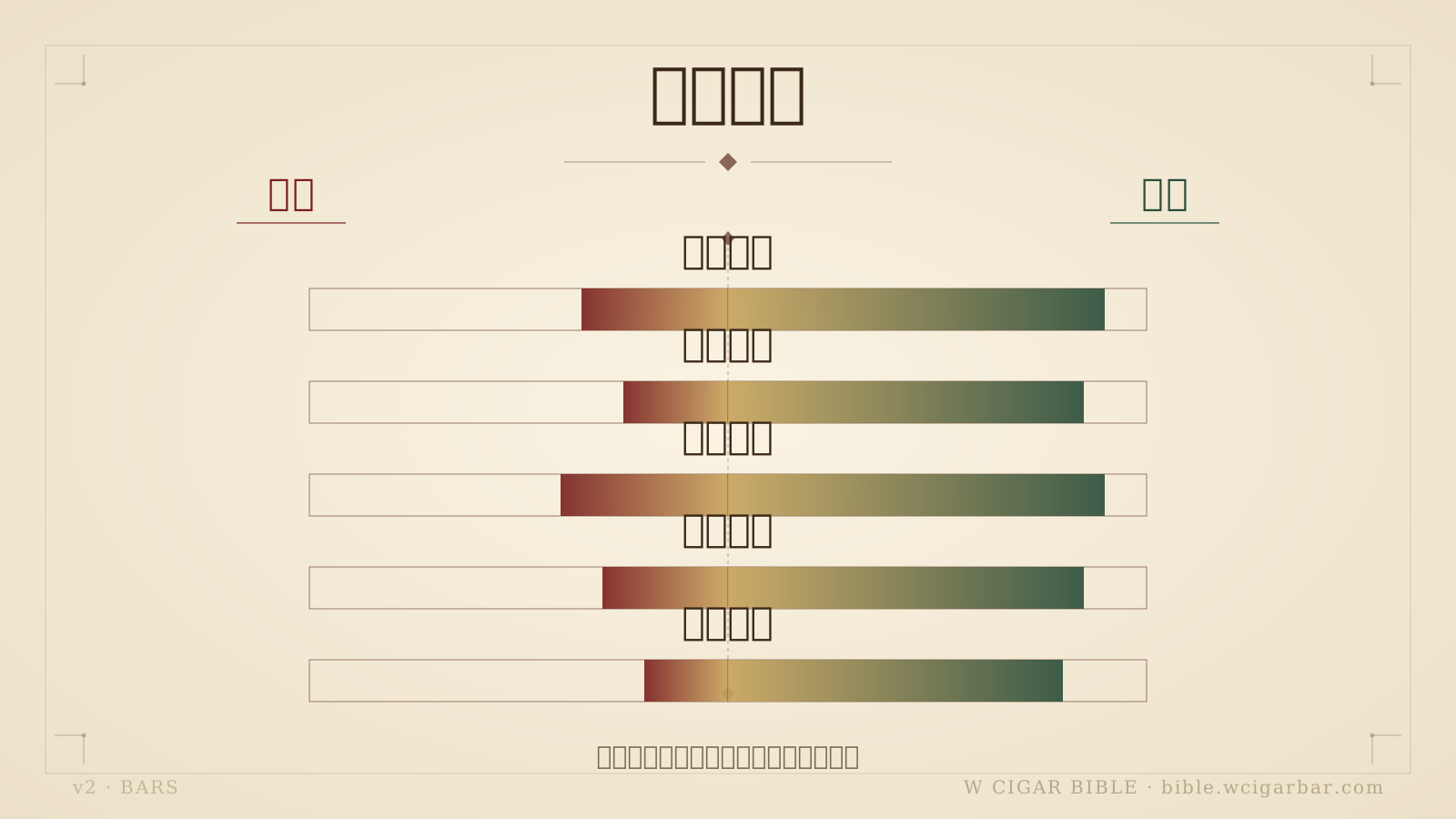
橫向長條比較粗略品飲與進階品鑒的五項能力差異
Blind tasting and cross-comparison: knowing what you truly like after removing brand halos
Brand memory strongly influences judgment. Many people see Cohiba, Davidoff, Fuente OpusX, and have already given 90 points in their minds; seeing less-discussed Juan López, Vegueros, or Joya de Nicaragua, they may preset lower. Advanced practice is blind tasting and cross-comparison, especially controlling size, concentration, and time. For example, take 3 Robusto-grade comparisons: Partagás Serie D No.4, Romeo y Julieta Short Churchill, AJ Fernandez New World Connecticut, first remove the bands, unify at 65% RH for 14 days, then have a third party number them. Record changes in the front 0-20 minutes, middle 20-45 minutes, and final after 45 minutes. You may find that what you thought you liked "Cuban flavor" is actually more inclined to creamy wood and gentle sweetness in the middle; or you may find that past pursuit of concentration is intolerant of high nicotine and strong pepper in the final. Blind tasting is not just guessing brands but observing bias: labels, prices, years, origins, community evaluations all interfere with the senses. Between 2016 and 2018, many players chased specific limited editions, but in blind tastings, they may not surpass regular editions; the reason may be that limited editions are larger, requiring longer aging, appearing closed in the short term. Truly mature evaluation is admitting that you can be moved by stories, then using methods to separate stories from taste.
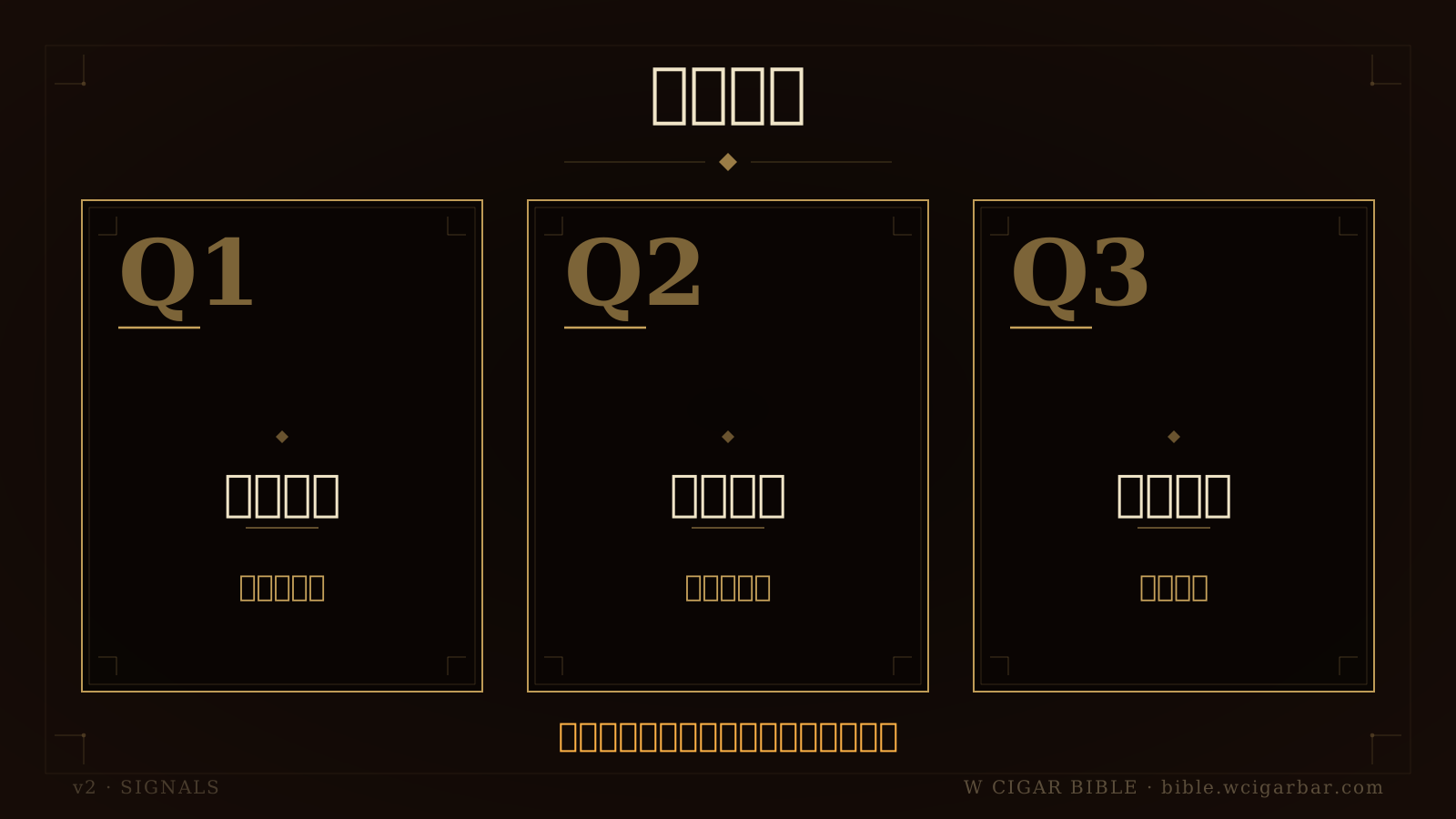
三張問答卡整理同盒差異醇化時間與鼻後不適處理
Pairing is not a supporting role: drinks, time, and oral state will rewrite flavor
The same cigar may perform differently in the morning, after meals, or late at night. Fats, sugars, caffeine, and alcohol in the mouth will change sensory thresholds. Taking Ramón Allones Specially Selected as an example, pairing with unsweetened black tea after meals often highlights dried plum, wood, and mildly sweet spices; if paired with high-peat whiskey, smoky phenols may cover the original dried fruit tone. Davidoff Signature 2000 in this delicate route is suitable for plain water, lightly roasted oolong, or low-sugar sparkling water, as its white pepper, hay, and creamy wood are more easily overshadowed by strong liquor. Advanced pairing principles have three numbers: first, the drink's sweetness should not exceed the cigar's sweetness by 2 levels, otherwise, the cigar will appear bitter; second, when alcohol content exceeds 46% ABV, at least add water or reduce the intake; third, avoid mint, chili, strong garlic, and high-sugar desserts 30 minutes before evaluation. To observe acidity, use room temperature water to cleanse the palate; to observe the finish, wait 20 to 30 seconds after each puff before recording. Coffee pairing also depends on roast level: light roast easily amplifies fruit acid, making Cuban mild cigars appear sharper; dark roast enhances cocoa and caramel but may also increase bitterness in the final third. The purpose of pairing is not to make the cigar taste like something else but to make the original outline clearer.
Common Questions
Why do cigars from the same box still have differences in performance?
Cigars are agricultural and handcrafted products, even from the same box and batch, differences can arise due to filler ratio, rolling density, leaf position, and storage corner. For a 25-stick wooden box, the humidity exchange rate differs between the edge and center, leading to draw and aroma development differences after 6 months. It is recommended to record at least 3 cigars per box and then evaluate the overall performance.
How long should aging be before conducting advanced evaluation?
There is no fixed answer. Regular Cuban editions like Montecristo No.4 may reach a more balanced state in 2 to 5 years; high-concentration Nicaraguan editions may soften spices in 1 to 3 years. Larger ring gauge, thick wrapper, and strong blends usually require longer. The focus is not on the longer the better, but whether ammonia, rough spices, and dull acid decrease, and whether aroma unfolds.
Can sensory training still be done if retro-olfaction feels uncomfortable?
Yes, but reduce frequency and smoke volume. Perform small retro-olfaction once every 10 minutes, not every puff. If you experience stinging, tearing, or numbness, first check if the burn is too hot, if the cigar is too moist, or if the rhythm is too fast. Advanced is not about seeking stimulation but reading more information with less smoke.
How to distinguish between inherent cigar bitterness and operationally caused char bitterness?
Inherent bitterness usually has a shape, such as dark chocolate, coffee, roasted almond skin, with controllable duration; char bitterness is like burnt paper, charred wood, metallic gray, suppressing sweetness and lingering long. If bitterness decreases after slowing down the rhythm for 2 minutes, it is usually due to overheating; if it is dull and bitter from the start, it may be related to storage or rolling.
Do veterans need a fixed scoring system?
Yes, but do not be superstitious about scores. A fixed system can help track preferences, such as whether you have a long-term preference for 50-ring gauge, 65% RH, and clear woody sweetness blends. The value of scores lies in comparison, not in judgment. When you accumulate over 100 cigar records, you can see the long-term relationship between brands, years, origins, and personal taste.
My view is that the most fascinating part of cigar sensory evaluation is not in describing a cigar as mystical but in honestly facing the changes in each experience. Veterans should practice not more adjectives but a more stable rhythm, more sensitive retro-olfaction, more rigorous recording, and respect for preservation and time. When the method matures, brand halos will recede, leaving a clear dialogue between you and the flavor.
—Cigar Prince Wilson Tsai
Smoking is hazardous to health. No smoking under the age of twenty. Quitline: 0800-636363. This article is intended solely for adults over the age of twenty as a reference for cigar culture, preservation, and regulatory knowledge, and is not an advertisement, promotion, or purchase suggestion.
Like this article?Share with friends
Share this W Cigar Bible piece with friends who want to learn cigar culture, storage, and tasting.
想把這篇 化為實踐
雪茄聖經是知識;雪茄文化要在空間裡發生
W Cigar Bar 大安總店資訊
台北大安區 · 雪茄聖經總編輯 Wilson Tsai 主理的雪茄文化空間
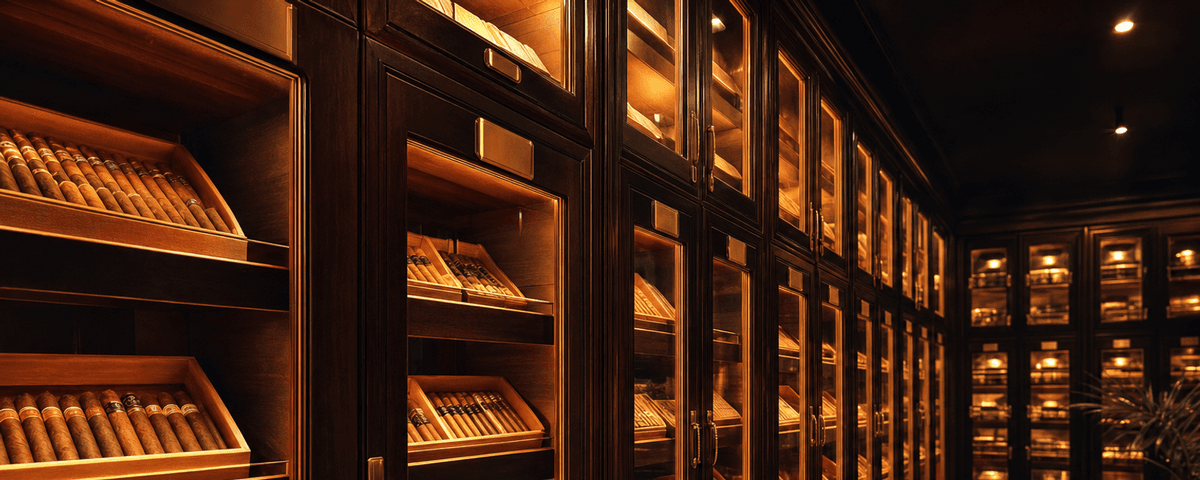
33 座 24 小時恆溫恆濕醇化室
W Cigar Bar 提供的會員醇化空間 · 場地資訊請洽編輯部
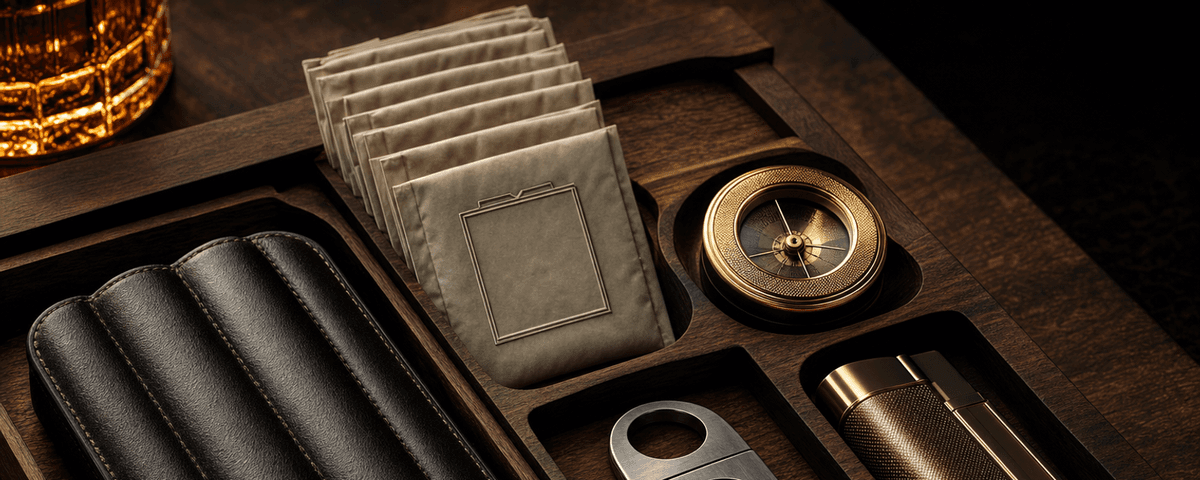
雪茄剪 / 打火機 / 雪茄盒 / Boveda
W Cigar 配件官網 · 專營雪茄配件正品
加 LINE 好友 · 文化諮詢
文化空間資訊 · 紳士沙龍 · 私人包場
本網站內容僅供雪茄文化、歷史、收藏與品吸知識研究參考。菸品有害健康、未滿法定年齡者請勿吸菸。實際規範請依所在地法律為準。
吸菸有害健康・戒菸專線 0800-636363・本站僅供 20 歲以上成年人閱覽。
讀到這裡,你不只是路過的人
留下 Email,加入 W 雪茄聖經內圈——總編輯 Wilson Tsai 親選的學院深文與國際新訊,先你一步送到信箱。
· 教育用途非銷售 · 隨時一鍵退訂 · Email 絕不對外公開 · 由勝茄股份有限公司營運
同分類延伸閱讀
資料來源:W Cigar Bible 編輯部整理 · 雪茄王子 Wilson Tsai 親自審稿
本文僅供雪茄文化、歷史、收藏與品鑑知識研究,不作為菸品促銷、銷售或購買建議。吸菸有害健康,未滿二十歲不得吸菸。