雪茄香氣的化學解析:揮發物質與味覺的聯繫

雪茄的香氣是由多種化學物質構成的複雜體驗,涉及揮發性化合物的釋放與感官的互動。不同的雪茄品牌,如Cohiba和Partagás,展現了各自獨特的風味特徵,這些特徵源於菸葉的品種、發酵過程及醇化管理。香氣的形成不僅依賴於化合物的種類,還與燃燒條件、氧氣供應及水分含量密切相關。透過化學與感官的結合,雪茄愛好者能更深入地理解每一支雪茄的風味層次,從而提升品味體驗。
- 雪茄香氣由多種揮發性化合物構成,了解其化學成分有助於識別不同品牌的風味特徵。
- 逆鼻腔嗅覺在品味雪茄時扮演重要角色,影響我們對香氣的感知與記憶。
- 不同菸草品種的基因決定了其風味特徵,影響糖分、尼古丁及其他化合物的比例。
Smoking is harmful to health. No smoking under the age of twenty. Quitline: 0800-636363. This article is intended for adults over the age of twenty as a reference for cigar culture, preservation, and regulatory knowledge, not as an advertisement, promotion, or purchase suggestion.
The aroma of cigars is not simply "strong, mild, sweet, bitter," but a chemical language composed of agronomy, fermentation, aging, burning, and olfactory taste. For seasoned enthusiasts with brand preferences, the grassy creaminess of Cohiba, the leathery pepper of Partagás, the cocoa nut of Padrón 1964 Anniversary, and the spicy nectar of Arturo Fuente OpusX can all be traced back to volatile compounds, nitrogenous substances, sugar degradation, lignin cleavage, and microbial action. If one only stays at descriptions like "coffee-like" or "cedar-like," it's easy to miss the key elements truly shaping the flavor from the region, variety, and process. This article focuses on the connection between chemistry and sensory perception, dissecting how cigar aromas are generated, perceived, and why the same brand can present vastly different layers under different years, sizes, and wrappers.
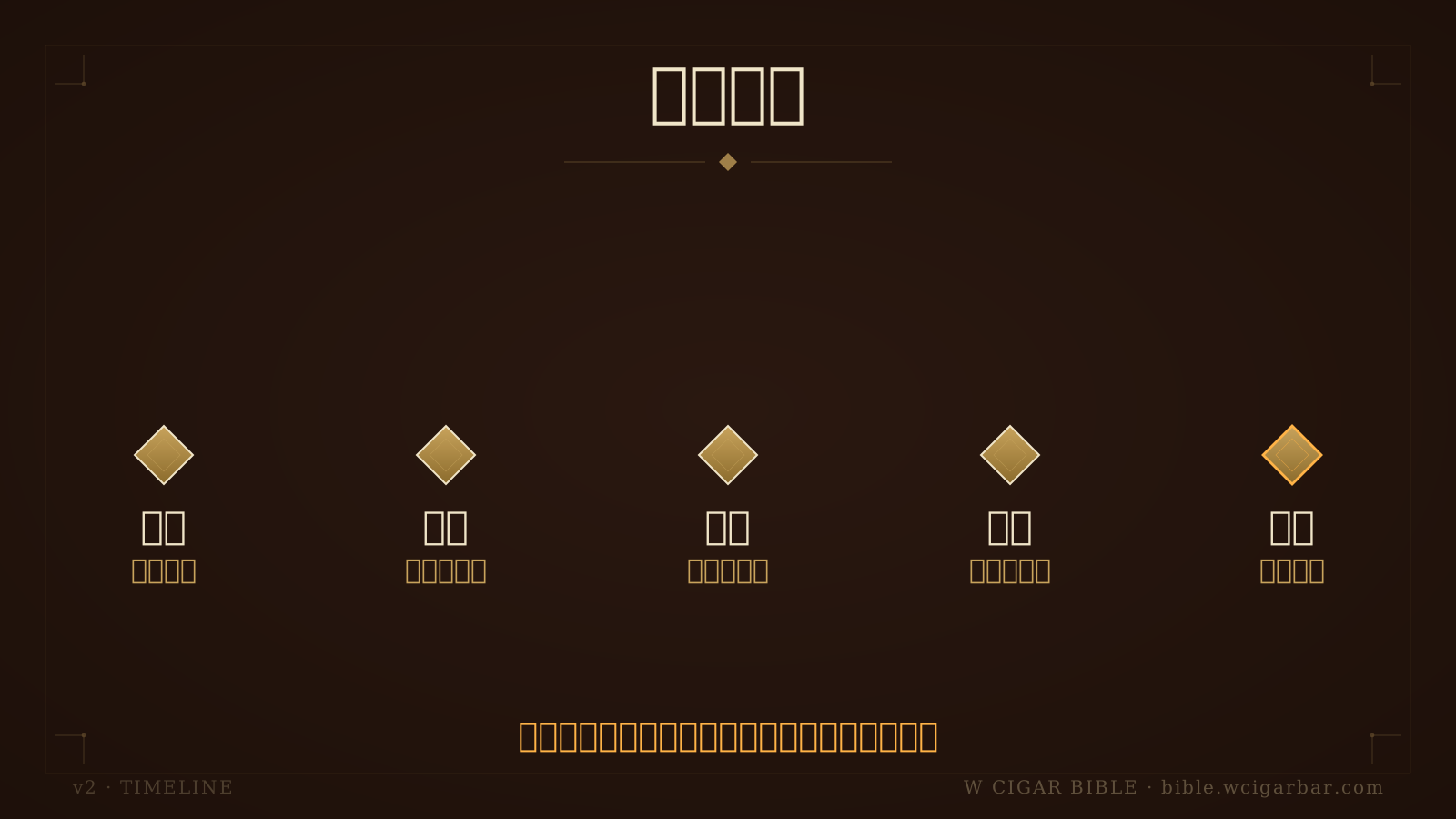
流程圖呈現農藝、發酵、醰化、燃燒到感知路徑
Volatile Compounds: The First Layer of Cigar Aroma Code
When a cigar is lit, the true protagonists entering the nasal cavity and forming the "aroma impression" are hundreds of low-molecular-weight volatile compounds. They can be roughly divided into aldehydes, ketones, pyrazines, furans, phenols, esters, terpenes, and sulfur-containing compounds. Taking Cohiba, founded in 1966 and becoming a high-end Cuban representative in 1982, as an example, the grassy, honey, creamy, and light woody notes often perceived in Siglo VI or Robusto are often related to aldehydes, lactones, light esters, and carotenoid degradation products in tobacco leaves. In contrast, Partagás Serie D No.4 is often described as black pepper, leather, earth, and dark roasted coffee, impressions mostly associated with pyrazines, phenols, lignin cleavage products, and protein thermal degradation products. Pyrazines are particularly important during roasting, pile fermentation, and burning, with molecules like 2,3,5-trimethylpyrazine bringing roasted nuts, cocoa, and cereal husk aromas; phenols like guaiacol and cresol lean towards smoky, leathery, herbal, and charred wood notes. The concentration of these substances is usually measured in ppm or ppb, extremely low yet dominant in impression, which is why the same cigar can seem like a different formula in the front, middle, and back sections: burning temperature, oxygen levels, moisture, and tobacco leaf ratios all change, rewriting the volatile release curve.
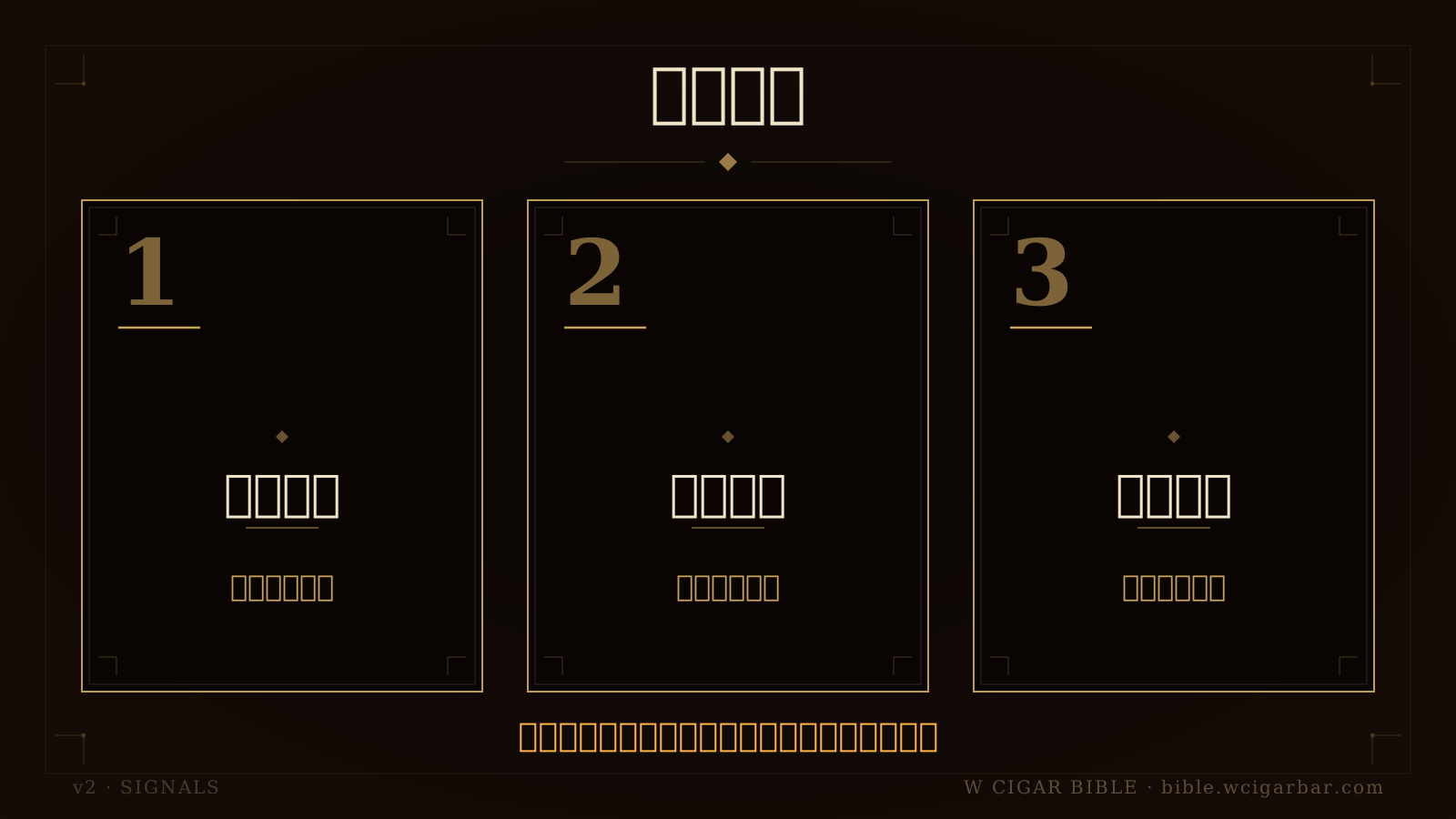
三張卡列出揮發分子、逆鼻嗅覺與工序變因
Taste is Not Just the Tongue: Retronasal Olfaction and Oral Chemistry
When seasoned enthusiasts talk about flavor, they often say "sweetness in the mouth, woodiness in the nasal cavity, mineral finish," but this is not a judgment made solely by the tongue. The tongue primarily recognizes sweet, sour, salty, bitter, umami, and some irritation, while what cigars call cocoa, coffee, nuts, floral, leather mostly come from retronasal olfaction; smoke travels from the back of the mouth to the nasal cavity's olfactory epithelium, volatile molecules bind with receptors, and the brain integrates smell, taste, touch, temperature, and memory into "flavor." For example, Montecristo No.2, one of the most recognizable torpedo sizes since the brand's debut in 1935, commonly features creamy, toasted bread, cocoa, and light spice, not just sweetness from sugars but from the thermal degradation of sugars generating furfural, 5-methylfurfural, plus the Maillard reaction between amino acids and reducing sugars producing pyrazines, forming a baked grain-like impression. On the other hand, nicotine itself is alkaline and bitter, the higher the pH value of the tobacco leaf, the higher the proportion of free nicotine, the more pronounced the oral irritation and "strength." This explains why Padrón 1926 Serie or Oliva Serie V Melanio can feel intense in concentration but not necessarily coarse in aroma; when burning is stable and oils and volatiles are balanced, strength can coexist with finesse.
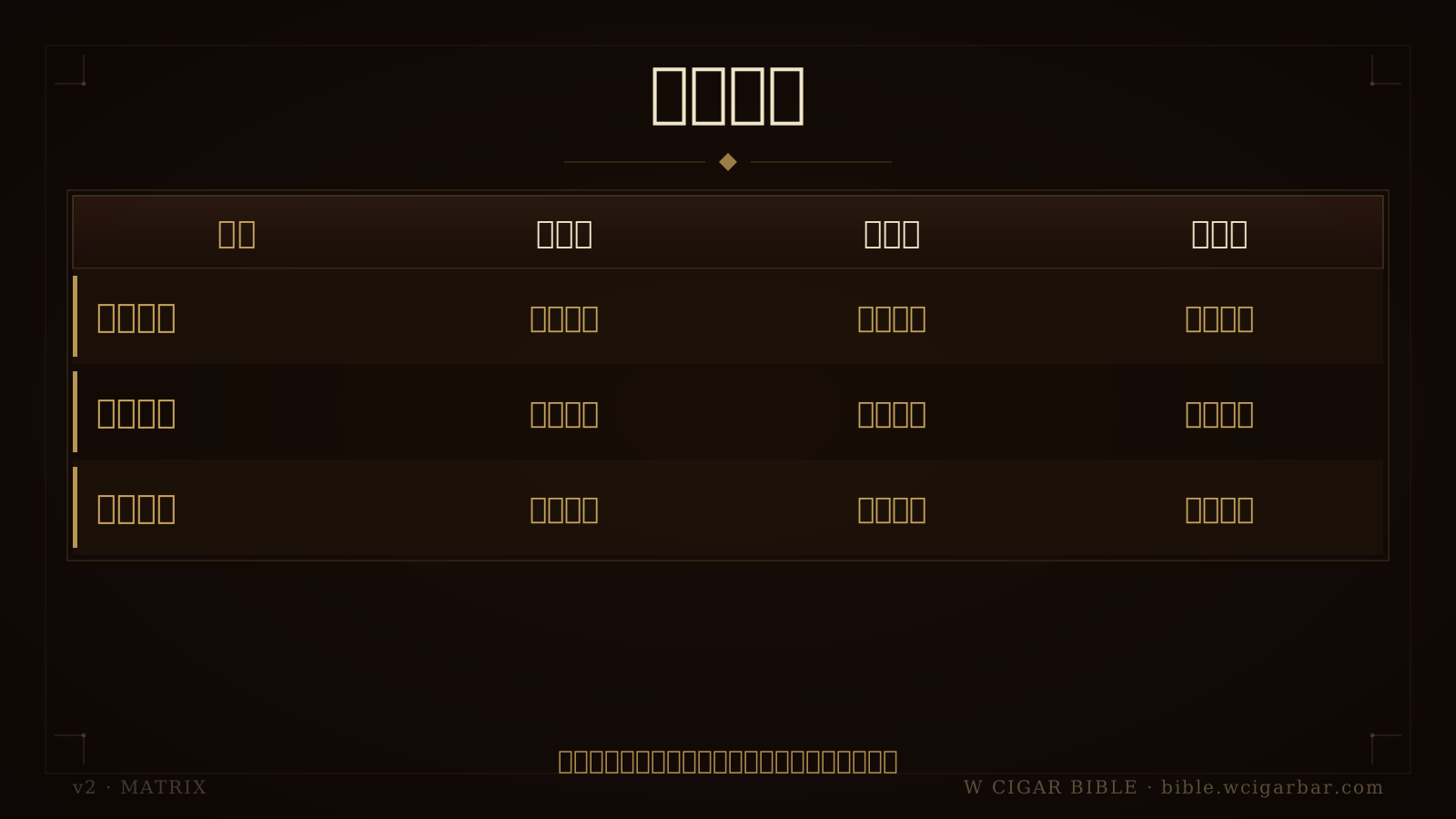
矩陣比較醛酯類、吡嗪酚與呋喃類的風味差異
How Tobacco Varieties Determine the Flavor Framework
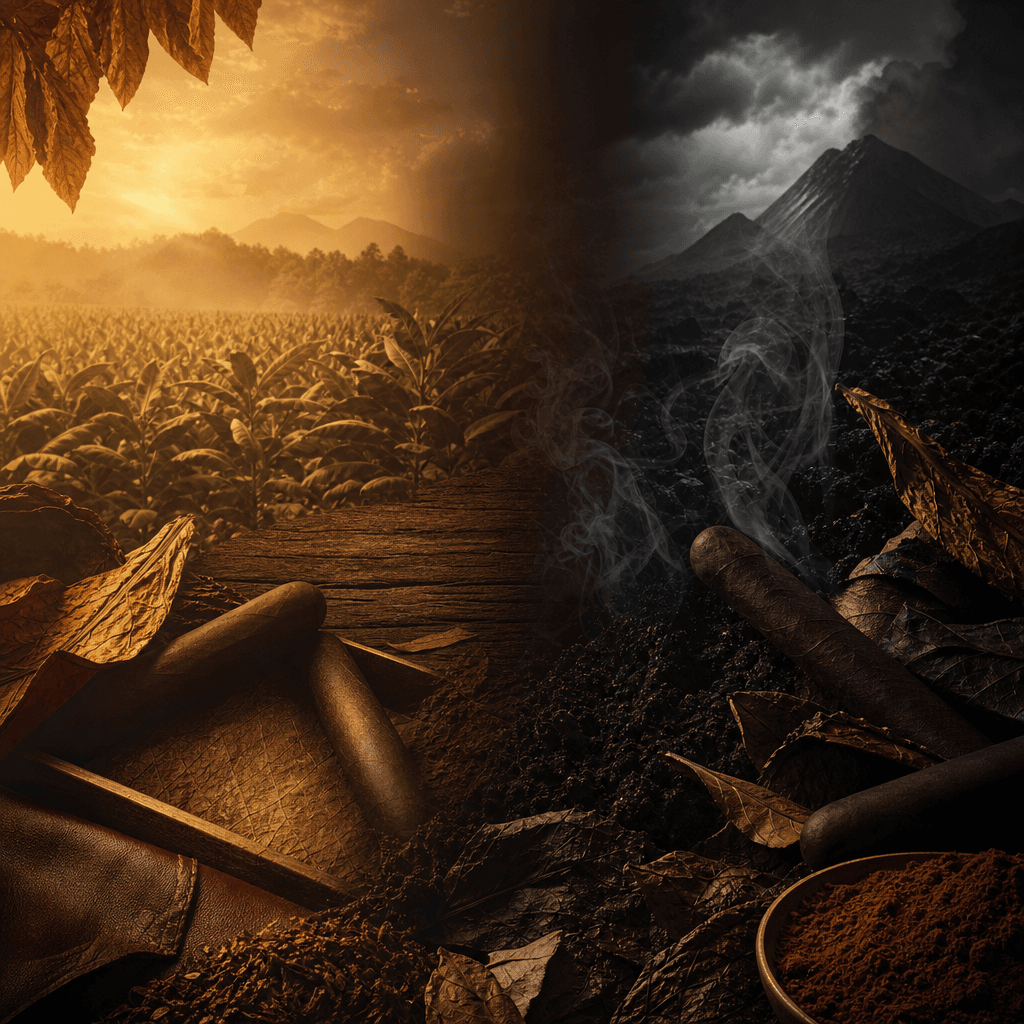
The genes of different tobacco varieties determine the initial proportions of sugars, resins, proteins, nicotine, essential oils, and polyphenols. Cuban tradition often talks about Corojo, Criollo, later developing Habana 92, Habana 2000, Criollo 98 due to disease and yield issues; the Dominican Republic, Nicaragua, Honduras, and Ecuador have also introduced or improved different local varieties. Corojo varieties are often considered to have red pepper, leather, deep wood, and structure, while Criollo 98 often shows sweet spices, cocoa, and a rounder mouthfeel; Connecticut Shade due to shade-grown, thin leaves, chlorophyll and tannin treatment differences, often presents creamy, hay, almond, and light floral notes; Connecticut Broadleaf due to thick leaves, high oil content, long fermentation time, typically features dark chocolate, molasses, coffee grounds, and wet earth. Arturo Fuente OpusX officially shook the market in 1995 with its Dominican puro image, the key not just in brand narrative but in the wrapper maturing under Dominican volcanic soil and sunlight conditions, forming a profile of floral, spicy, sweet wood, and strength. Nicaraguan Habano often carries mineral, black pepper, and roasted cocoa, especially Estelí tobacco leaves with high soil fertility and strong sunlight, higher nicotine and nitrogen compounds, more pronounced spicy stimulation after burning; Jalapa is often sweeter, more delicate, Condega in between, often supporting mid-section spices and wood.
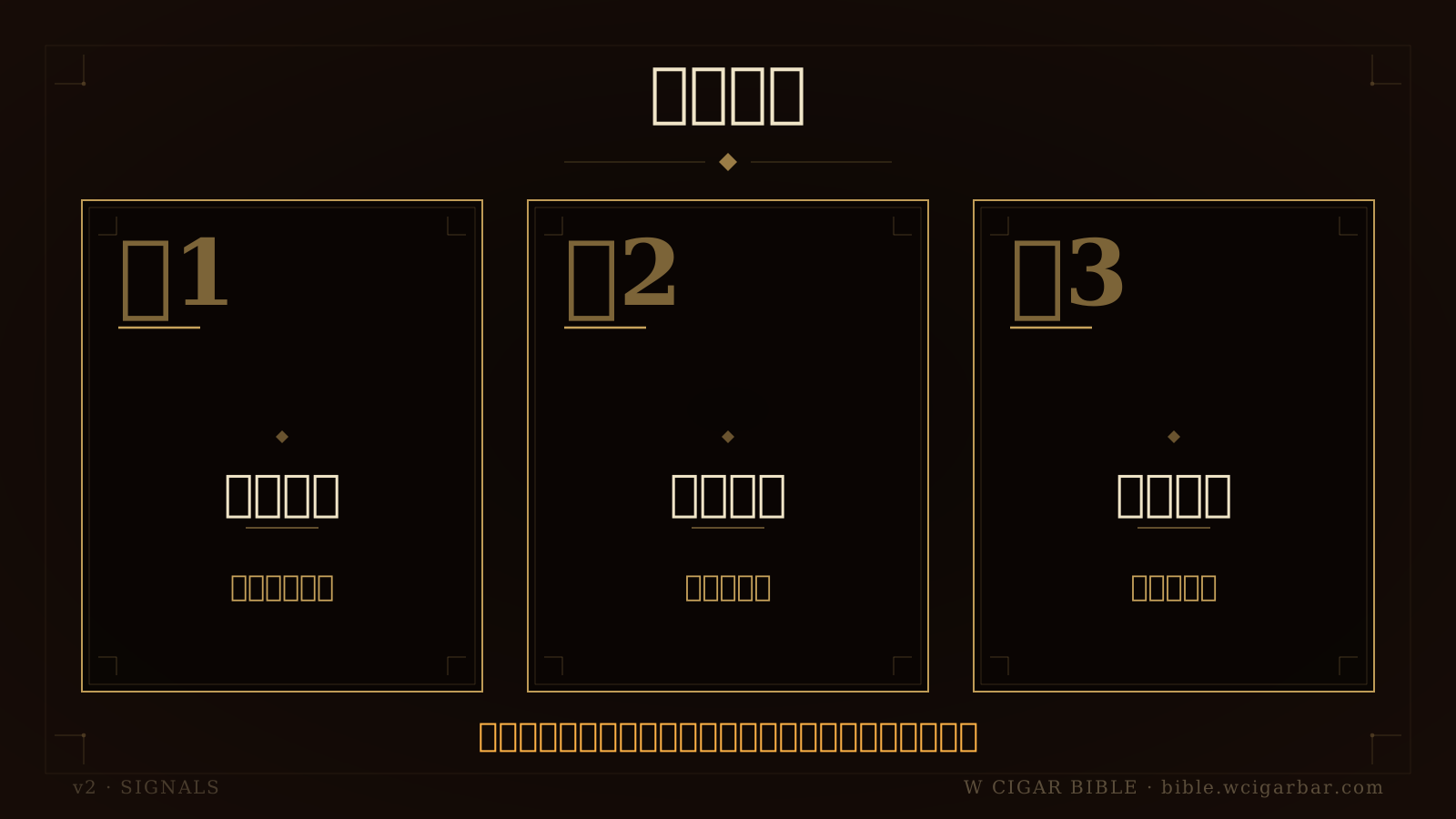
三張卡整理同盒同味、聞甜即甜與茄衣全決誤解
Fermentation, Aging, and the Formation Path of Volatiles
Cigar tobacco leaves are not immediately high-end flavor materials after harvest, the real turning point occurs in drying, pile fermentation, and aging. Traditional fermentation piles often control the core temperature at about 38°C to 48°C, too low and protein, starch, and polyphenol transformation is insufficient, too high and ammonia, scorching, and leaf structure damage are likely. During fermentation, microorganisms and leaf enzymes decompose proteins, pectin, starch, and chlorophyll, reducing irritation while generating organic acids, aldehydes, ketones, alcohols, and precursors. In the common process of high-end Cuban leaf materials, the binder and filler may undergo several months to over a year of segmented processing, while the wrapper is more particular about humidity and temperature to avoid loss of oils and elasticity. High-end factories in the Dominican Republic like the Fuente family often manage OpusX wrappers and fillers by batch year; Nicaraguan Padrón emphasizes aged tobacco for a long time, the stable cocoa, coffee, pepper, and nutty notes of 1964 Anniversary and 1926 Serie are closely related to their long-term raw material management. Aging is not just "keeping it for a long time," but allowing residual ammonia, green notes, and sharp tannins to gradually decrease, making lactones, aldehydes, and woody aroma precursors more harmonious. If humidity is consistently above 72%, the aroma may become stuffy and increase the risk of mold; if consistently below 62%, volatiles dissipate, burning becomes hotter, and the original delicate floral and sweet notes will be overshadowed by bitterness and charring.
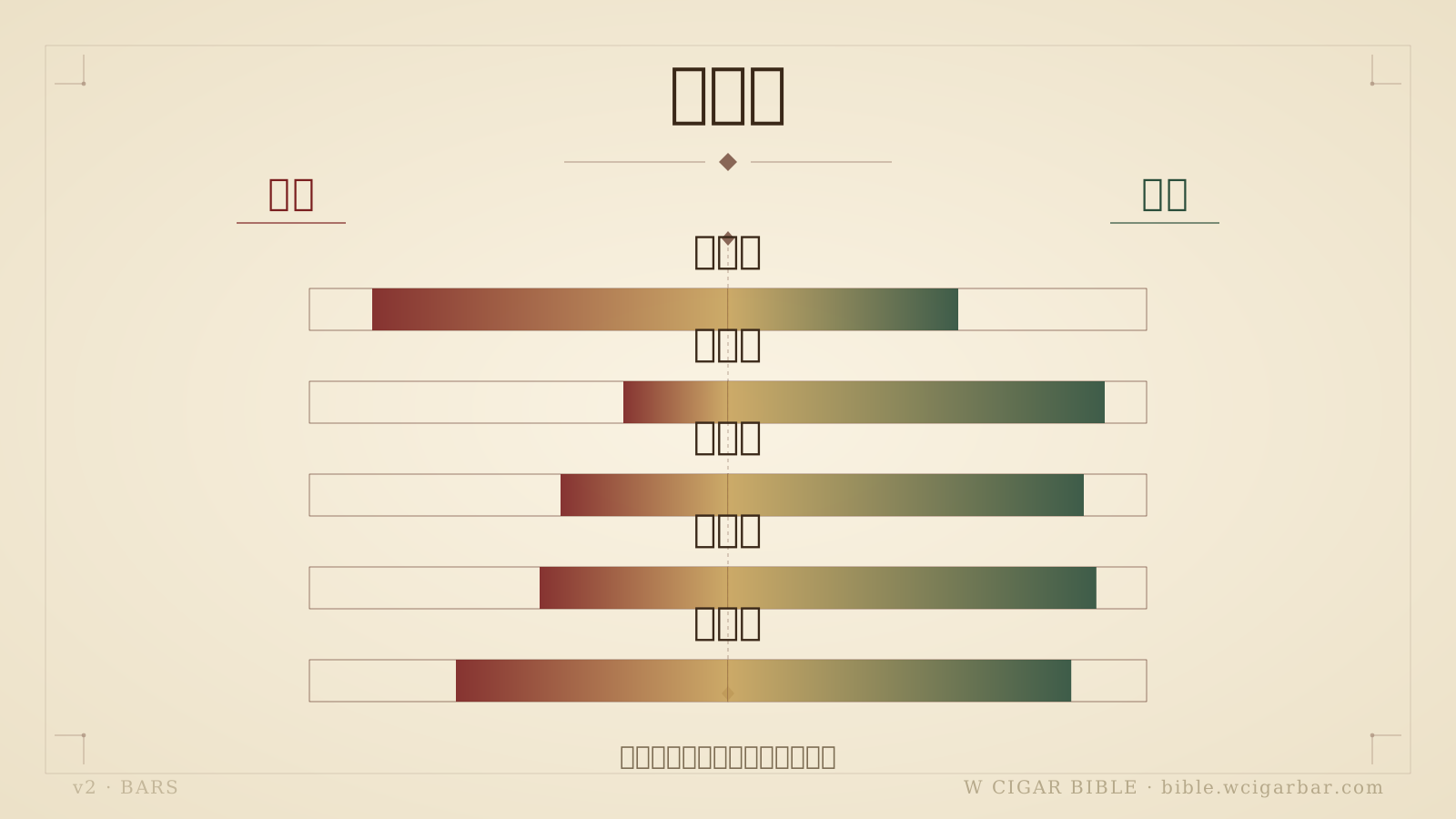
長條圖比較感官描述與化學解析在五個風味判讀軸上的差異
Comparison of Compounds, Sensory Impressions, and Representative Cases
The following table is not about simplifying flavors into single molecules, but providing seasoned enthusiasts with a judgment model. Cigar aroma is usually the result of multiple compounds superimposed, the same "cocoa" may come from the combined action of pyrazines, furans, phenols, and lipid oxidation products; the same "sweet" may not be directly brought by sugar, but the aroma causing the brain to associate with sweetness.
| Compound Category | Common Sensory Impressions | Formation Source | Representative Cases |
|---|---|---|---|
| Pyrazines | Roasted nuts, cocoa, coffee, grains | Fermentation, Maillard reaction, thermal degradation | Padrón 1964 Anniversary, Montecristo No.2 |
| Furans | Caramel, toasted bread, sweet wood | Thermal degradation of sugars | H. Upmann Magnum 46, Davidoff Aniversario |
| Phenols | Leather, smoky, herbal, charred wood | Lignin cleavage, burning | Partagás Serie D No.4, Liga Privada No.9 |
| Aldehydes and Ketones | Honey, grass, almond, cream | Lipid oxidation, carotenoid degradation | Cohiba Siglo VI, Romeo y Julieta Churchill |
| Terpenes | Floral, vanilla, resin, citrus peel | Plant essential oils, variety differences | Arturo Fuente OpusX, Cameroon wrapper works |
Looking at Nicaraguan full-bodied cigars commonly seen in the market around 2020, many works have high pyrazines, high phenols, and a stronger nicotine structure, so seasoned enthusiasts often say "dark, thick, spicy." In contrast, many Dominican works from the 1990s to early 2000s lean towards creamy, hay, nuts, and light spices, representing differences in leaf maturity, fermentation intensity, and wrapper selection, not simply a matter of strength.
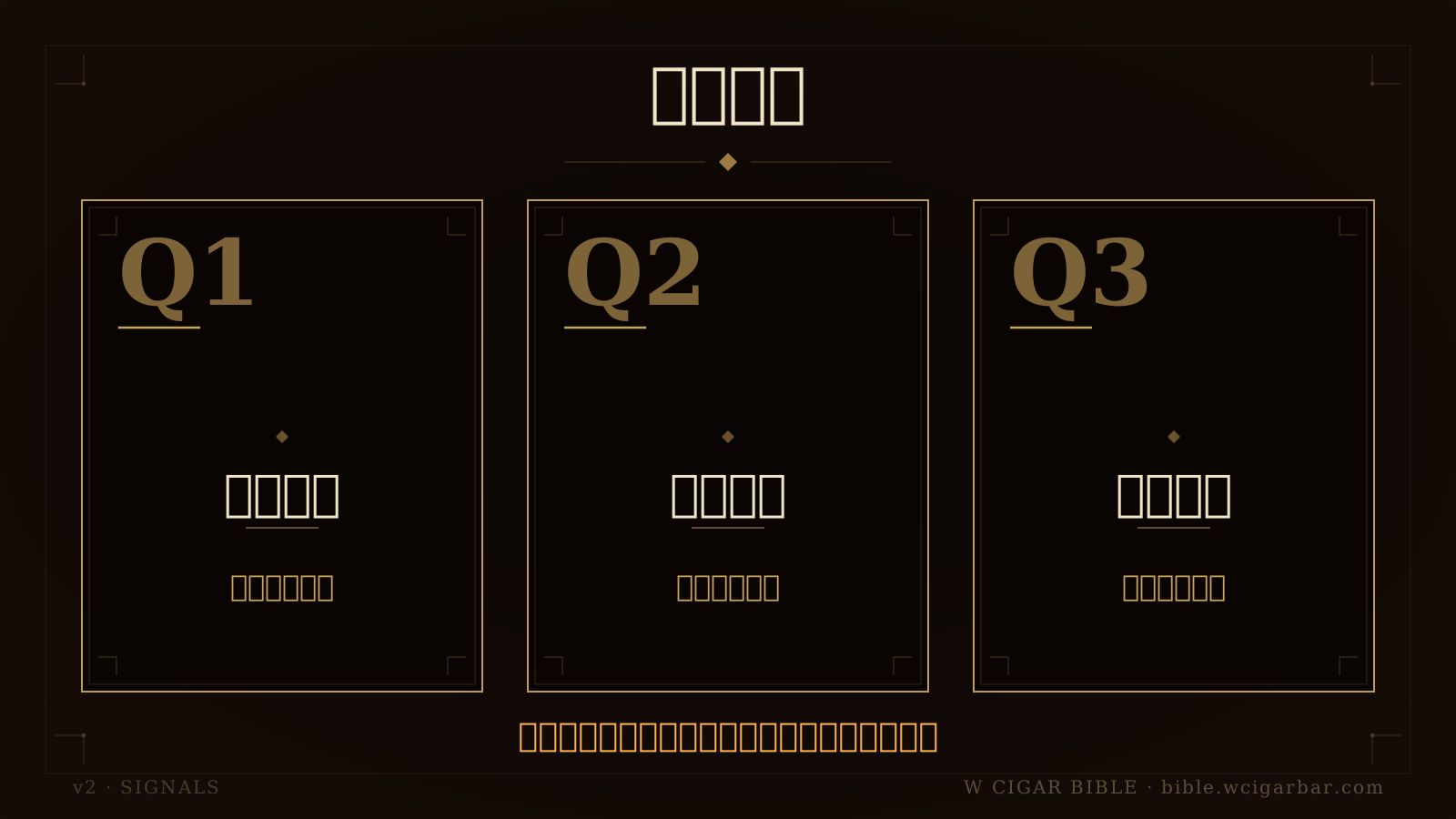
三張問答卡片說明同盒差異、聞甜不甜與醇化變圓原因
Changes in Burning Temperature, Size, and Flavor Curve
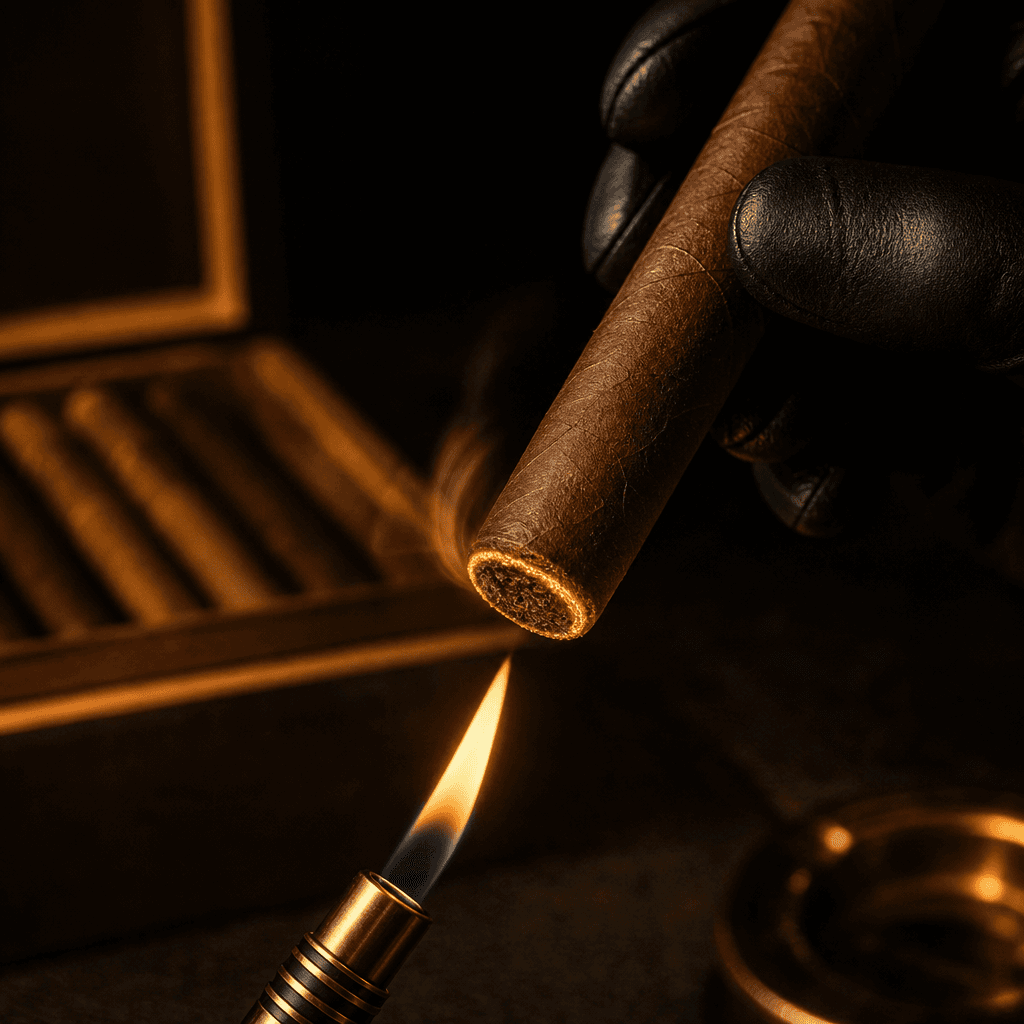
The aroma changes when the same formula is made into different sizes because the burning cone temperature, smoke channel length, wrapper proportion, and moisture release speed are different. The local burning end of a cigar can reach 600°C to 900°C, but the smoke entering the mouth has significantly cooled; if the pace is too fast, the burning end stays at high temperature for a long time, sugar and protein degradation will lean towards bitterness, spiciness, and irritation, delicate aldehydes, esters, and floral molecules are instead covered. Robusto size like 50 ring gauge, about 124 mm Partagás Serie D No.4, the wrapper influence proportion is high, the front section can quickly show pepper and wood; Churchill size like Romeo y Julieta Churchill, length about 178 mm, 47 ring gauge, the smoke channel is longer, the front section may be softer, the middle and back sections gradually concentrate. Torpedo-shaped Montecristo No.2 due to the head narrowing, smoke concentration is higher, if the cut is too small, draw resistance increases, burning temperature easily rises, the original creamy cocoa will turn to bitter almond and charred wood. This is also the technical core of seasoned enthusiasts adjusting the cut, pace, and humidity: not for ritual, but to control the thermal degradation rate. If a cigar is stably stored at 65% to 69% relative humidity, burning is usually more balanced; if high humidity and rushed, ammonia, astringency, and stuffy wood notes will be amplified, chemically equivalent to letting moisture interfere with burning and volatile release.
Common Questions
Why do cigars from the same box have different aromas?
Even within the same box and batch, tobacco leaf position, rolling density, moisture content, and individual aging status will differ. Especially with handmade long filler structures, if the distribution of ligero, seco, volado has slight differences, burning heat and volatile release will change, so seasoned enthusiasts often record box code, year, and storage conditions, not just the brand name.
Why do some cigars smell sweet but aren't sweet when tasted?
The vanilla, honey, caramel perceived by the nose mostly come from aldehydes, lactones, furans, and esters, which will make the brain associate with sweetness; but the tongue actually receives limited soluble sugars, and nicotine, phenols, and tannins bring bitterness and astringency, so "aroma sweet" and "taste sweet" are not necessarily consistent.
Does the wrapper really determine most of the flavor?
The wrapper has a significant impact, especially in smaller ring gauge cigars where the proportion is higher, but it cannot be said to determine everything alone. The filler provides burning heat, strength, and body, the binder coordinates structure, the wrapper often dominates the first wave of aroma and texture. The differences in Broadleaf, Cameroon, Connecticut Shade are typical cases caused by different chemical compositions of the wrapper.
Why does the irritation decrease after aging?
Residual ammonia, green note precursors, and sharp polyphenols after fermentation will gradually transform or dissipate in stable temperature and humidity. From months to years, volatiles rebalance, the smoke appears rounder, but if stored improperly, the aroma may become flat, dry, or moldy. Collection and market price do not guarantee appreciation, still depending on source preservation and market.
How do seasoned enthusiasts train aroma interpretation?
Blind test notes can be used, separating brand, size, year, humidity, burning time, front-middle-back flavor for recording. It is recommended to establish 20 to 30 benchmark terms, such as cedar, cocoa, black pepper, hay, almond, leather, coffee, molasses, citrus peel, nectar, then refer back to variety and region, over time, sensory language can be transformed into chemical and agronomy clues.
—Cigar Prince Wilson Tsai I have always believed that the charm of cigars is not in making the flavor sound mysterious, but in the deeper understanding, the more respect for the origin of each tobacco leaf. Aroma is not accidental, it is evidence left by soil, variety, year, fermentation, aging, and burning. For seasoned enthusiasts, true advancement is not chasing more intensity, but being able to distinguish between intensity, structure, cleanliness, and layers. When you can read agronomy and time from a puff of smoke, cigars begin to reveal their deepest language.
Smoking is harmful to health. No smoking under the age of twenty. Quitline: 0800-636363. This article is intended for adults over the age of twenty as a reference for cigar culture, preservation, and regulatory knowledge, not as an advertisement, promotion, or purchase suggestion.
Like this article?Share with friends
Share this W Cigar Bible piece with friends who want to learn cigar culture, storage, and tasting.
想把這篇 化為實踐
雪茄聖經是知識;雪茄文化要在空間裡發生
W Cigar Bar 大安總店資訊
台北大安區 · 雪茄聖經總編輯 Wilson Tsai 主理的雪茄文化空間
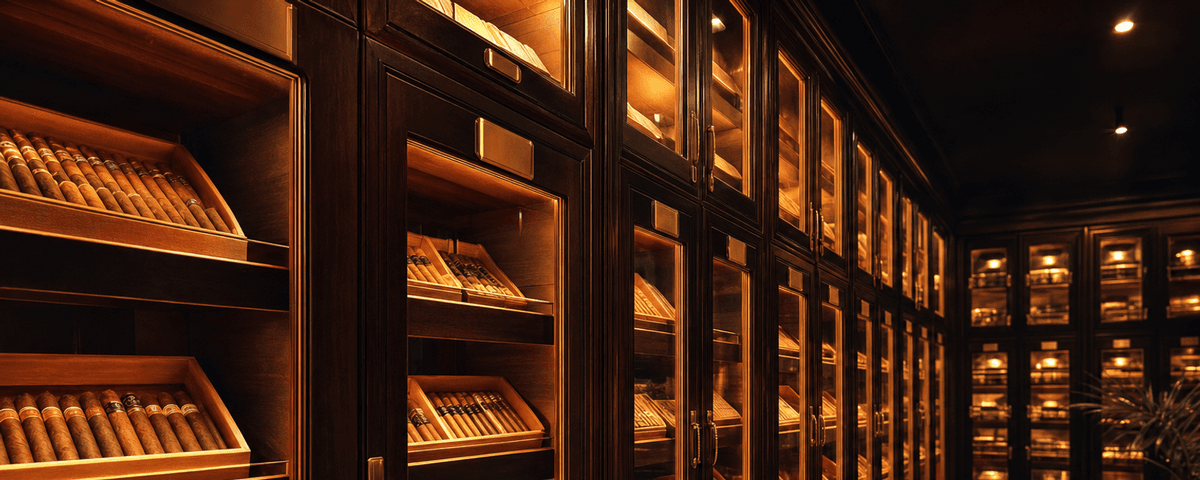
33 座 24 小時恆溫恆濕醇化室
W Cigar Bar 提供的會員醇化空間 · 場地資訊請洽編輯部
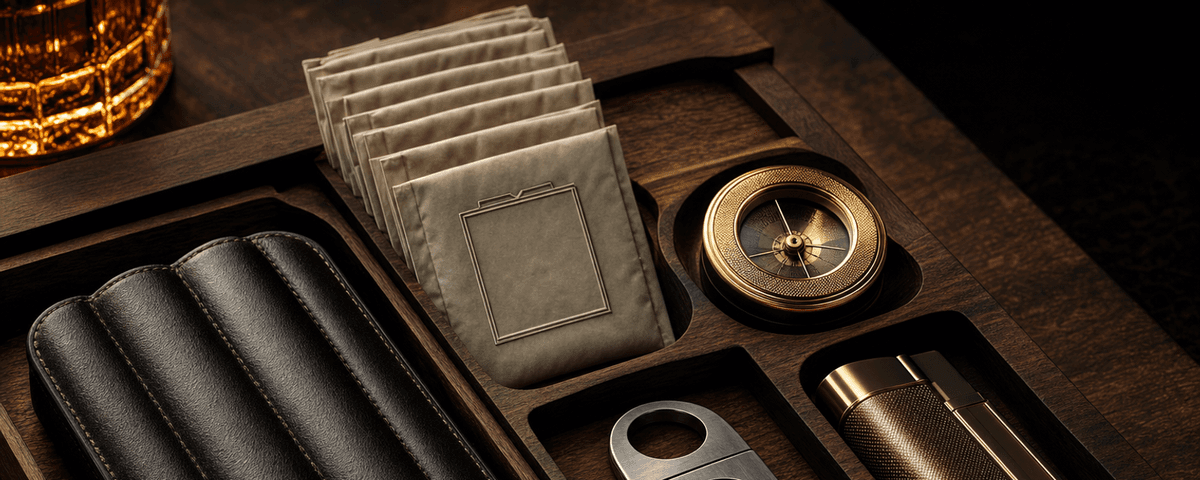
雪茄剪 / 打火機 / 雪茄盒 / Boveda
W Cigar 配件官網 · 專營雪茄配件正品
加 LINE 好友 · 文化諮詢
文化空間資訊 · 紳士沙龍 · 私人包場
本網站內容僅供雪茄文化、歷史、收藏與品吸知識研究參考。菸品有害健康、未滿法定年齡者請勿吸菸。實際規範請依所在地法律為準。
吸菸有害健康・戒菸專線 0800-636363・本站僅供 20 歲以上成年人閱覽。
讀到這裡,你不只是路過的人
留下 Email,加入 W 雪茄聖經內圈——總編輯 Wilson Tsai 親選的學院深文與國際新訊,先你一步送到信箱。
· 教育用途非銷售 · 隨時一鍵退訂 · Email 絕不對外公開 · 由勝茄股份有限公司營運
同分類延伸閱讀
資料來源:W Cigar Bible 編輯部整理 · 雪茄王子 Wilson Tsai 親自審稿
本文僅供雪茄文化、歷史、收藏與品鑑知識研究,不作為菸品促銷、銷售或購買建議。吸菸有害健康,未滿二十歲不得吸菸。