雪茄的風味發展歷程:從神秘到時尚的演變
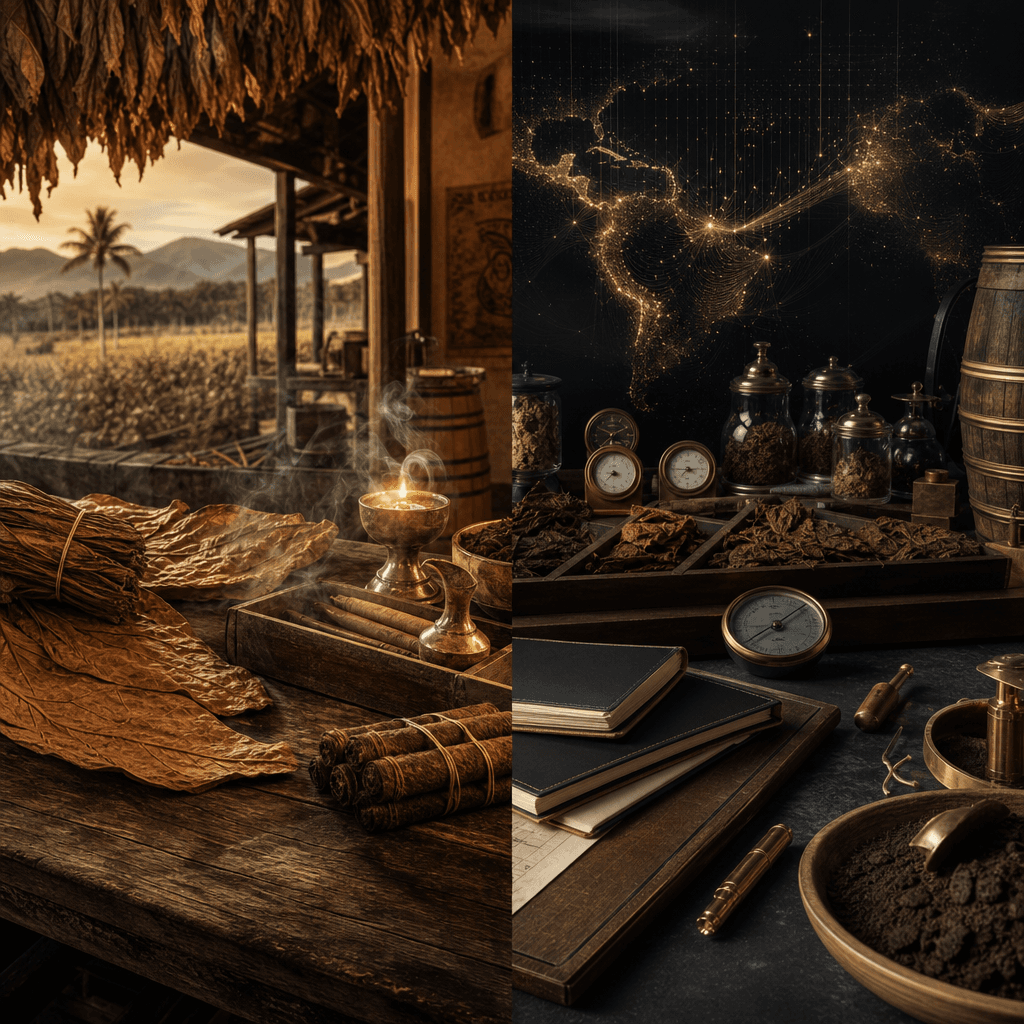
雪茄的風味不僅限於「皮革、可可、胡椒」,而是隨著產地、年代及工藝的變化而展現出不同的精神面貌。從古巴的Vuelta Abajo地區的微氣候到19世紀品牌化的過程,雪茄的風味逐漸成為文化與審美的產物。古巴革命後,許多技術轉移至多明尼加和尼加拉瓜,這些新世界產區以獨特的土壤和氣候創造出多樣化的風味。隨著時尚化的影響,雪茄的收藏與品味也在亞洲市場逐漸形成獨特的語境,讓雪茄文化更加豐富多元。
- 雪茄的風味受產地微氣候影響,古巴的紅褐色土壤和穩定濕度是其風味核心。
- 品牌化使雪茄風味可被記憶與比較,形成獨特的品牌輪廓與消費者識別。
- 發酵與醇化過程對風味至關重要,成熟的風味需控制發酵以保留乾淨甜感。
The Evolution of Cigar Flavors: From Mystery to Fashion
Discussing cigar flavors should not be limited to descriptors like "leather, cocoa, pepper." What truly captivates seasoned enthusiasts is why the same size and brand can exhibit completely different characteristics under different years, regions, leaf types, and craftsmanship.
As an editor of the "Cigar Bible," I have seen many enthusiasts transition from chasing labels to studying soil, fermentation, aging, and cultural symbols. The history of cigar flavors is essentially an evolution from a mysterious ritual to a global fashion language.
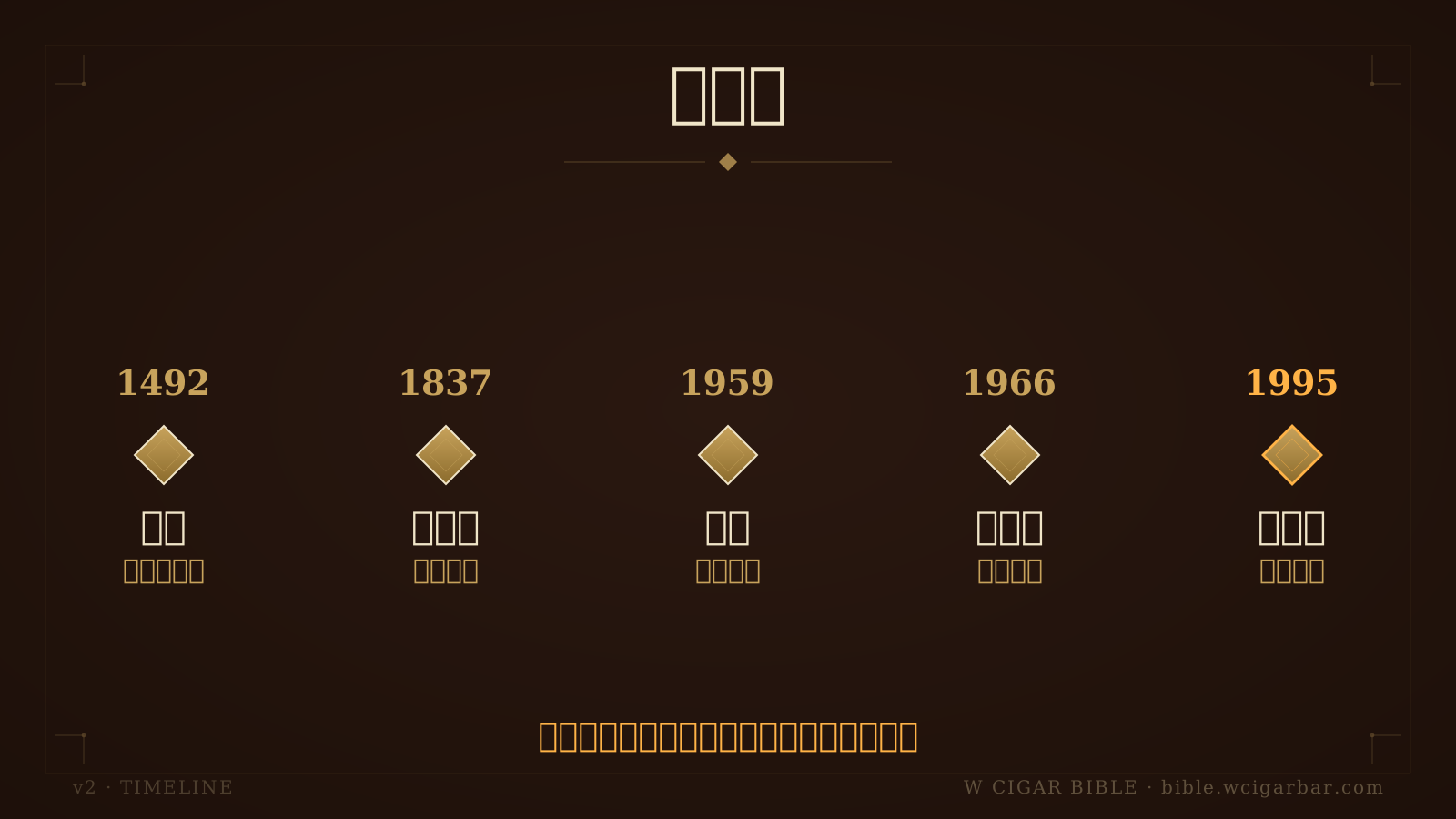
時間線列出加勒比煙俗品牌化與產區分流
From Mysterious Cuba to the Formation of Havana Flavor
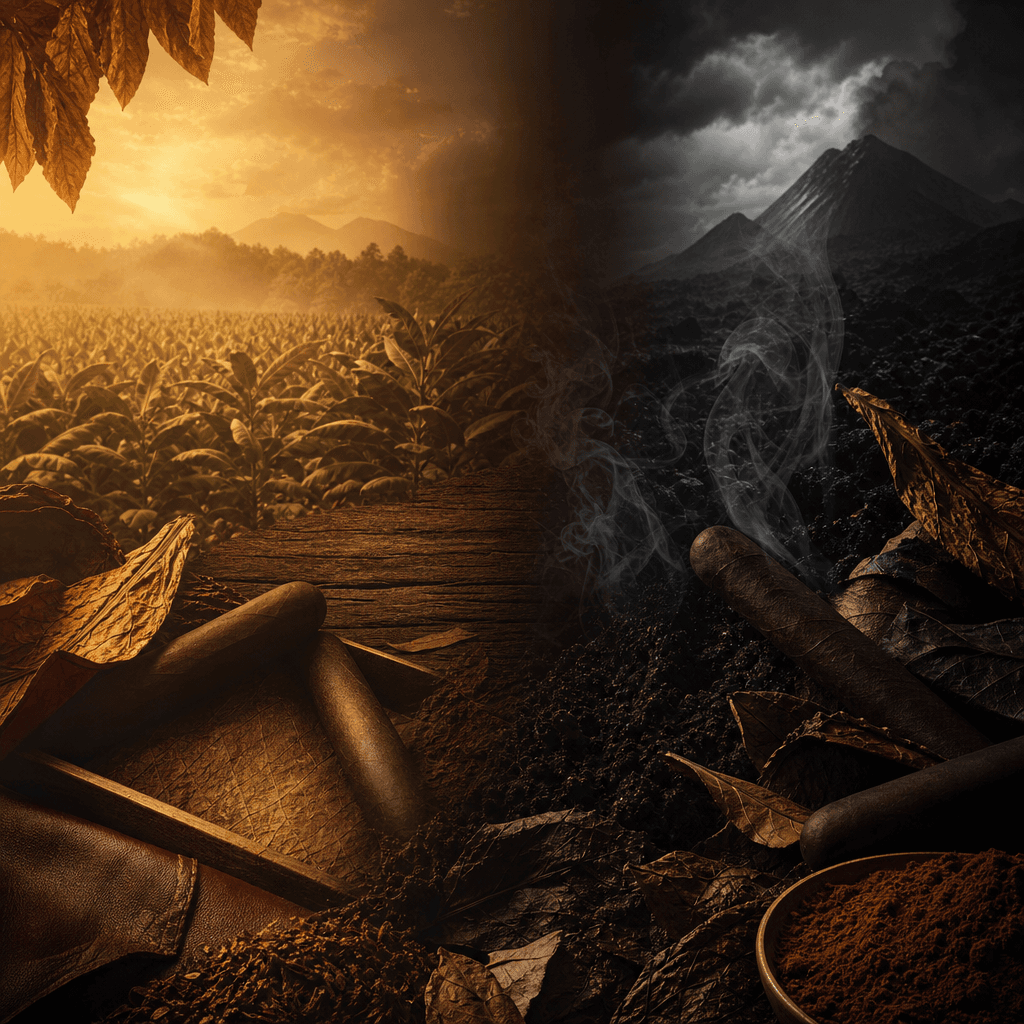
In 1492, when Columbus arrived in the Caribbean, he recorded the Taino people's custom of burning rolled leaves. Early Europeans saw smoke with a ritualistic feel, tribal exchanges, and land beliefs. However, what truly made Cuba the core of flavor was not mythology but the microclimate differences in regions like Vuelta Abajo, Partido, and Remedios. Especially in Vuelta Abajo, the reddish-brown soil, stable humidity, and day-night temperature differences create a classic base of sweetness, mineral, and oiliness in the leaves.
Before the 19th century, cigars were mostly not the branded products we know today but circulated based on origin, workshops, noble circles, and colonial trade. The "Havana flavor" of that time was often described as earthy, honey, hay, coffee, and slightly salty. These were not single aromas but the result of soil, shade leaves, sun leaves, and fermentation methods intersecting. The mystery of Cuban tradition is not about mysticism but the accumulation of microclimates, manual grading, and long-term blending memory.
In the 20th century, Cohiba was born in 1966 as a special supply system and officially entered the international market in 1982. Its use of some leaves with additional barrel fermentation treatment gave early Cohiba a smoother cream, grass, bean, and woody feel. This also established an important concept: the sophistication of flavor is not about higher concentration but whether the transitions are clean and the aftertaste orderly.

三張卡呈現香氣結構土地工藝與年代分流
19th Century Branding: From Workshop Personality to Recognizable Flavor
Brands like Ramón Allones in 1837, H. Upmann in 1844, Partagás in 1845, and Romeo y Julieta in 1875 were established, marking the transition of Havana cigars from local craftsmanship to the brand era. Cigar bands, wooden boxes, factory names, and size naming allowed consumers to repeatedly recognize a certain style. This was revolutionary at the time because flavor was no longer just "this batch of leaves is good," but "this brand has its own contour."
Partagás is often remembered by seasoned enthusiasts for its rich wood, spice, and earthy base; H. Upmann often features nuts, coffee, baked bread, and mild sweetness; Romeo y Julieta is often seen with floral, red tea, and soft wood in the middle section. These brand impressions are not completely consistent in every box, but they provide sensory coordinates. The greatest contribution of branding is transforming the once-fluid workshop flavors into a language that can be remembered, compared, and discussed.
From the late 19th to early 20th century, European high society associated cigars with gentlemen's clubs, dinners, and strategic negotiations. The British market preferred more delicate, balanced, woody, and floral styles, while the Spanish and Latin American markets were more accepting of rich, spicy, and heavy earthy flavors. These market preferences in turn influenced brand blends, making cigars not just agricultural products but also cultural and aesthetic products.

矩陣比較古巴多明尼加與尼加拉瓜風格
Post-1959: Political Fault Lines and the Reorganization of Blending Aesthetics
The 1959 Cuban Revolution and the 1962 U.S. embargo on Cuba completely changed the world map of cigars. Many Cuban craftsmen, families, and brand experiences moved abroad, with the Dominican Republic, Nicaragua, and Honduras gradually inheriting the technology and market demand. For seasoned enthusiasts, the significance of this history lies not only in politics but in the disassembly, transplantation, and re-blending of flavor genes. The same Cuban techniques, when encountered with different soils, produce completely different results.
From the 1960s to the 1980s, the Cuban state system established a more centralized production and grading system. Brands maintained historical names, but factory configurations, leaf supply, and export strategies changed. Davidoff's No. 1, No. 2, and Château series during the Cuban period were known for elegance, cleanliness, woodiness, and creaminess. After parting ways with Cuba in 1991, Davidoff shifted to Dominican production, and the flavor turned to a more delicate, stable, and soft white pepper and nut route.
During this period, Cuba retained its unique mineral feel, sweet-salty balance, and fermentation depth, but stability was often affected by vintage, factory, preservation, and transportation. The history of cigars after 1959 can be understood as the "Cuban center" being opened, with global regions beginning to answer the same question with different lands: what constitutes a high-end flavor. This also led seasoned enthusiasts from single worship to comparative understanding.
The Rise of Non-Cuban Regions: Power, Sweetness, and New World Expressions
The Dominican Republic's advantage lies in its delicacy, cleanliness, and clear aroma lines. In 1995, Arturo Fuente launched the Fuente Fuente OpusX, proving that the Dominican Republic could also grow high-quality wrapper leaves, breaking the stereotype that "the Dominican can only be mild" with its rich spice, red pepper, leather, and sweet wood. After shifting to the Dominican Republic, Davidoff also established new standards with stable combustion, elegant taste, and precise grading.
Nicaragua represents power and volcanic soil. Estelí often has black pepper, strong coffee, cocoa, and heavy earth; Jalapa brings sweetness, floral, and soft wood; Condega often plays a bridging role in balance and herbal feel. Padrón 1964 Anniversary and Padrón 1926 Serie are known for box-pressed, rich cocoa, coffee, brown sugar, and spice, making many Cuban enthusiasts take Nicaragua's depth seriously.
Honduras, Ecuador, Brazil, and Mexico also play key roles in global blending. Ecuador's Connecticut Shade can offer cream, grain, and soft sweetness; Mexico's San Andrés wrapper often carries dark chocolate, earth, and wet wood feel; Brazil's Mata Fina has sweet spice and dark dried fruit aromas. The value of New World regions is not in imitating Cuba but in using a broader range of leaf types and soils to create the polyphonic flavors of modern cigars.

三張誤解卡說明神秘產區與醇化迷思
How Technology Changes Flavor: Seeds, Fermentation, Rolling, and Aging
Seasoned enthusiasts discussing flavor must also consider technology, not just regions. Corojo was once a classic Cuban wrapper type, rich in aroma but weak in disease resistance; Criollo carries a traditional Cuban feel, often seen with earth, wood, and slight sweetness; later varieties like Habano 2000, Corojo 99, and Criollo 98 seek a balance between flavor, yield, and disease resistance. Seeds are not everything, but they determine the framework of aroma and oil performance.
Fermentation is key to transforming cigars from agricultural products into flavor carriers. Leaf pile temperatures can rise to over 40 to 50°C, requiring craftsmen to turn, cool, and restack the piles to gradually reduce ammonia, greenness, and rough tannins. If fermentation is insufficient, it often results in pungent, bitter, grassy; if overdone, it may lose aromatic vitality. Truly mature flavor is the clean sweetness left after controlling fermentation and aging, not simply pursuing heaviness or intensity.
Storage environment also changes the direction of flavor. Many seasoned enthusiasts prefer stable conditions of 65% to 69% relative humidity and 18 to 21°C, allowing for more balanced combustion and aroma release; too humid may cause stuffiness, bitterness, slow burning, while too dry may increase spiciness and shorten aroma. Aging for 3, 5, or 10 years will have different changes, but not every cigar gets better with time; the strength of the leaves, blend structure, and original storage will determine the result.
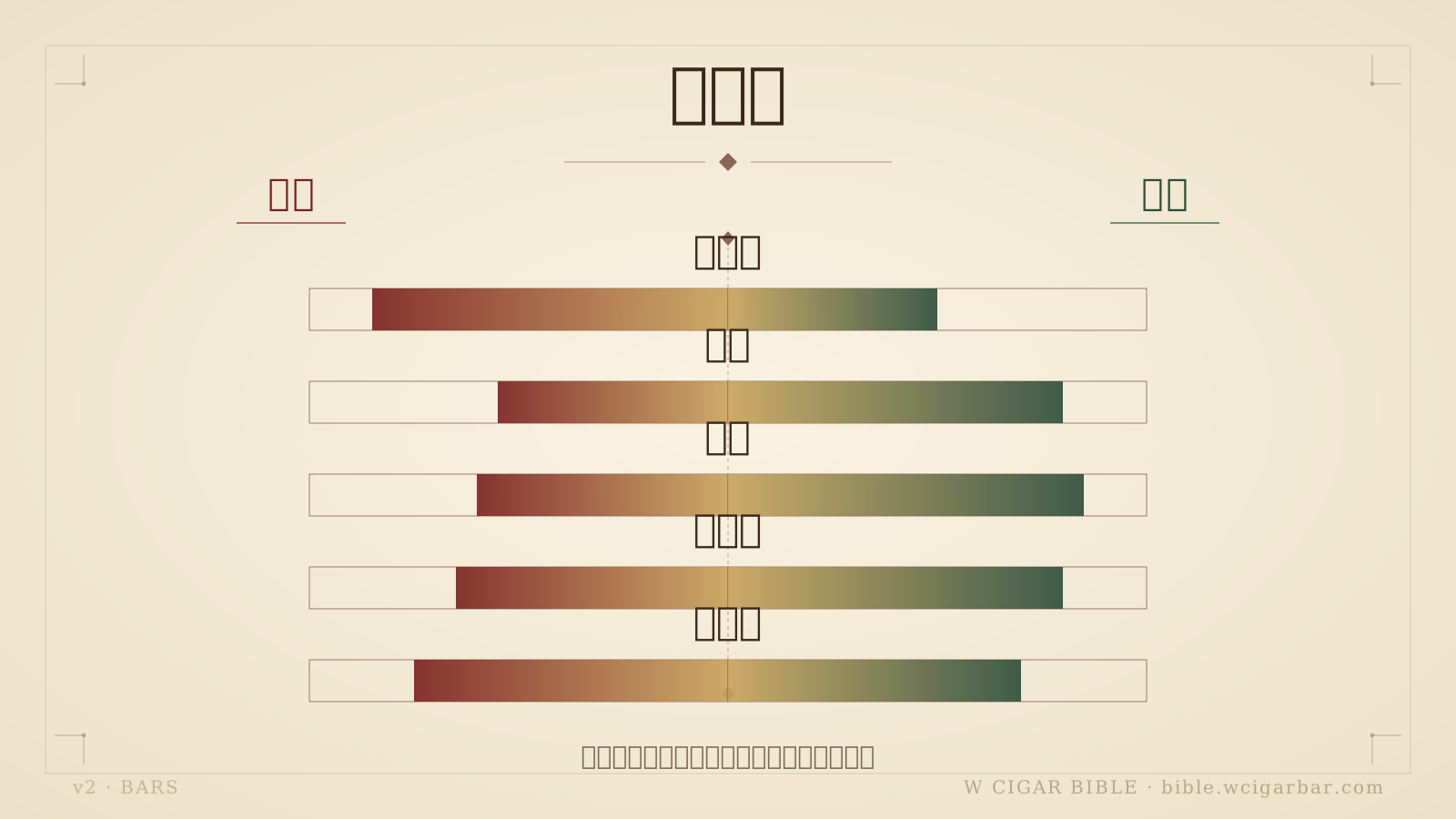
長條圖比較古巴與非古在多項風味軸
Fashion Turn: From Cigar Boom to Asian Collecting Context
In 1992, "Cigar Aficionado" was founded, and the 1990s saw the so-called Cigar Boom in the United States, with cigars moving from traditional gentlemen's clubs to celebrities, finance, hotel bars, and fashion magazines. This wave of enthusiasm brought brands like Montecristo, Cohiba, Arturo Fuente, Padrón, and Davidoff into broader discussion, and also made large sizes, rich flavors, luxurious packaging, and limited series part of the market language.
After 2000, the Asian market gradually formed its own aesthetics. Players in Hong Kong, Singapore, Japan, and Taiwan often discuss box numbers, vintages, factory codes, storage conditions, and version differences. For example, Cuba's Edición Limitada has been an annual topic since 2000, using darker wrappers and specific sizes, with flavors often leaning towards cocoa, coffee, sweet wood, and a thicker mouthfeel. The collection value is magnified, but collecting appreciation does not guarantee appreciation, still depending on source preservation and market.
Fashion also brings changes in flavor expression. In the past, saying "strong, mild, good smoke" was not enough; now seasoned enthusiasts use coffee roast levels, single malt cask flavors, new and old leather, mineral saltiness, and nut oils to describe layers. The fashion sense of contemporary cigars is not just an external posture but integrating flavor, vintage, region, and lifestyle aesthetics into a recognizable taste system.

問答卡整理老古巴非古與醇化時間重點
Advanced Flavor Reading: Deconstructing a Cigar by Year, Region, and Structure
For advanced flavor interpretation, I suggest dividing it into three layers: the first is the burning and stimulation of the first 1 cm, the second is the sweetness, oiliness, and main aroma in the middle section, and the third is whether the power, bitterness, and aftertaste in the final section are out of control. Seasoned enthusiasts don't just ask "is it good," but whether its changes have logic. For example, an excellent Robusto transitions from hay and nuts to coffee and wood, then finishes with cocoa and white pepper, which is a clear curve.
Avoid using flavor terms as decoration. If saying "leather," further divide into new leather, old book leather, wet leather; if saying "sweet," differentiate honey, brown sugar, caramel, dried fruit, or creamy sweetness. Different regions often have tendencies but should not be rigidly applied, as wrapper, binder, filler, and factory techniques will rearrange the results. The key to understanding cigar flavors is to restore aroma terms to structure: strength, sweetness, oiliness, spiciness, cleanliness, and aftertaste.
| Aspect | Common Clues | Advanced Observation |
|---|---|---|
| Cuban Tradition | Earth, hay, mineral, honey | Look at sweet-salty balance and middle section delicacy |
| Dominican Republic | Cream, nuts, white pepper | Look at aroma cleanliness and combustion stability |
| Nicaragua | Black pepper, cocoa, coffee, earth | Look at whether power is supported by sweetness |
| Mexico San Andrés | Dark chocolate, wet wood, deep earth | Look at bitter-sweet ratio and wrapper oiliness |
| Long-term Aging | Stimulation decreases, aroma integrates, aftertaste rounds | Look at whether it still retains vitality and layers |
Frequently Asked Questions
Why are old Cuban cigars often said to have a "mystical feel"?
This mystical feel often comes from the overlay of scarcity, history, and flavor memory, not inexplicable magic. If well-preserved, old Cubans may have dried flowers, old wood, honey, minerals, and soft leather; if poorly preserved, they will only become flat, moldy, or fragmented in aroma.
Can non-Cuban cigars have a different sense of sophistication from Cuban cigars?
Yes, and the definition of sophistication should not be singular. The cleanliness and elegance of the Dominican Republic, the power and sweetness of Nicaragua, and the dark bitter-sweetness of Mexican wrappers can all form a complete aesthetic. A high-end cigar is not about regional worship but about complete flavor structure, natural transitions, and clean finishes.
How long should aging last to improve a cigar?
There is no fixed answer. Rich, high-tannin, strong leaf structure cigars may become more rounded after 3 to 5 years; lighter, more delicate styles may lose vitality if aged too long. The key is stable temperature and humidity, clear source, and regular observation of aroma and combustion status.
Why is there a significant difference between different years of the same brand?
Cigars are agricultural products and handcrafted blends. Rainfall, soil conditions, fermentation time, factory management, rolling techniques, and transportation storage all affect the result. Even the same brand and size, different box numbers, batches, and years may have significant differences in sweetness, power, and combustion.
How to build your own flavor database?
I suggest using simple fields to record: brand, size, year or box code, storage humidity, aroma at the beginning, middle, and end, combustion status, and aftertaste. Don't just write scores, as scores are influenced by mood; specific aroma and structure descriptions will help you build judgment over time.
Does collecting equal investing?
Collecting can be cultural research, version sorting, and personal interest, but should not be simplified into a profit formula. Even if certain years or special series receive market attention, collecting appreciation does not guarantee appreciation, still depending on source preservation and market. For seasoned enthusiasts, knowing how to judge condition is more important than chasing trends.
Having traversed Cuban mystery, Havana branding, post-revolutionary divergence, New World rise, and contemporary fashionization, I increasingly believe: cigar flavor is not a static label but a long story written by time, land, technology, and human aesthetics. The true joy for seasoned enthusiasts is not in flaunting rarity but in seeing how history remains in the layers of a puff of smoke with each sensory interpretation.
—Cigar Prince Wilson Tsai
Smoking is harmful to health. Under 20 years old is prohibited from smoking. Quitline: 0800-636363. This article is for reference by adults over 20 years old on cigar culture, preservation, and legal knowledge, not a tobacco advertisement, promotion, or purchase suggestion.
Like this article?Share with friends
Share this W Cigar Bible piece with friends who want to learn cigar culture, storage, and tasting.
想把這篇 化為實踐
雪茄聖經是知識;雪茄文化要在空間裡發生
W Cigar Bar 大安總店資訊
台北大安區 · 雪茄聖經總編輯 Wilson Tsai 主理的雪茄文化空間
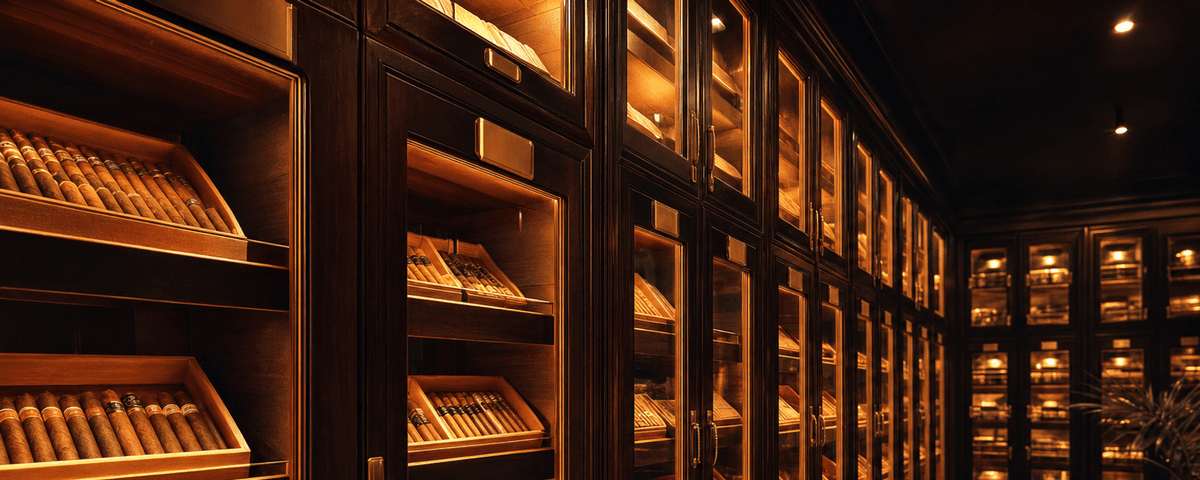
33 座 24 小時恆溫恆濕醇化室
W Cigar Bar 提供的會員醇化空間 · 場地資訊請洽編輯部
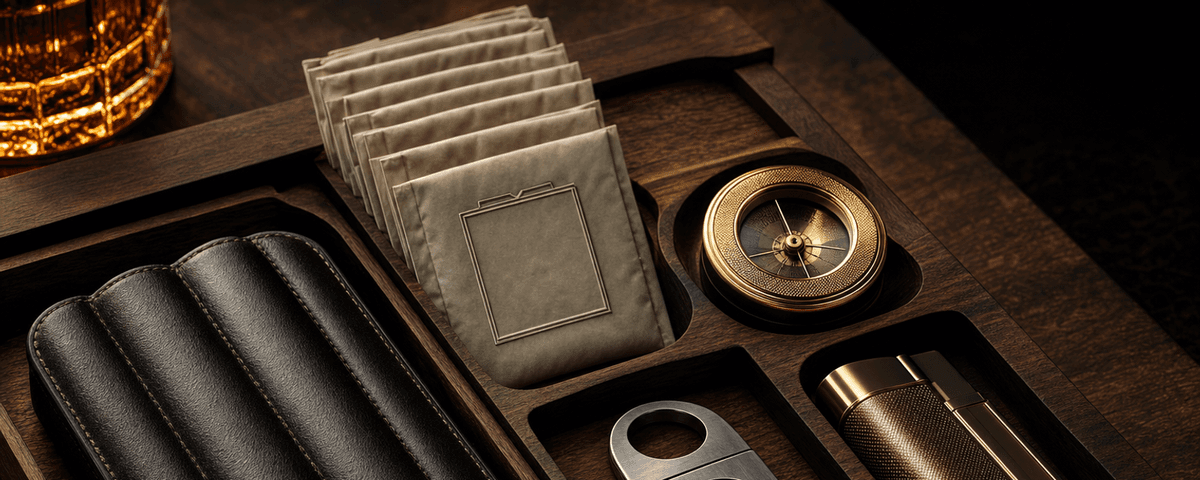
雪茄剪 / 打火機 / 雪茄盒 / Boveda
W Cigar 配件官網 · 專營雪茄配件正品
加 LINE 好友 · 文化諮詢
文化空間資訊 · 紳士沙龍 · 私人包場
本網站內容僅供雪茄文化、歷史、收藏與品吸知識研究參考。菸品有害健康、未滿法定年齡者請勿吸菸。實際規範請依所在地法律為準。
吸菸有害健康・戒菸專線 0800-636363・本站僅供 20 歲以上成年人閱覽。
讀到這裡,你不只是路過的人
留下 Email,加入 W 雪茄聖經內圈——總編輯 Wilson Tsai 親選的學院深文與國際新訊,先你一步送到信箱。
· 教育用途非銷售 · 隨時一鍵退訂 · Email 絕不對外公開 · 由勝茄股份有限公司營運
同分類延伸閱讀
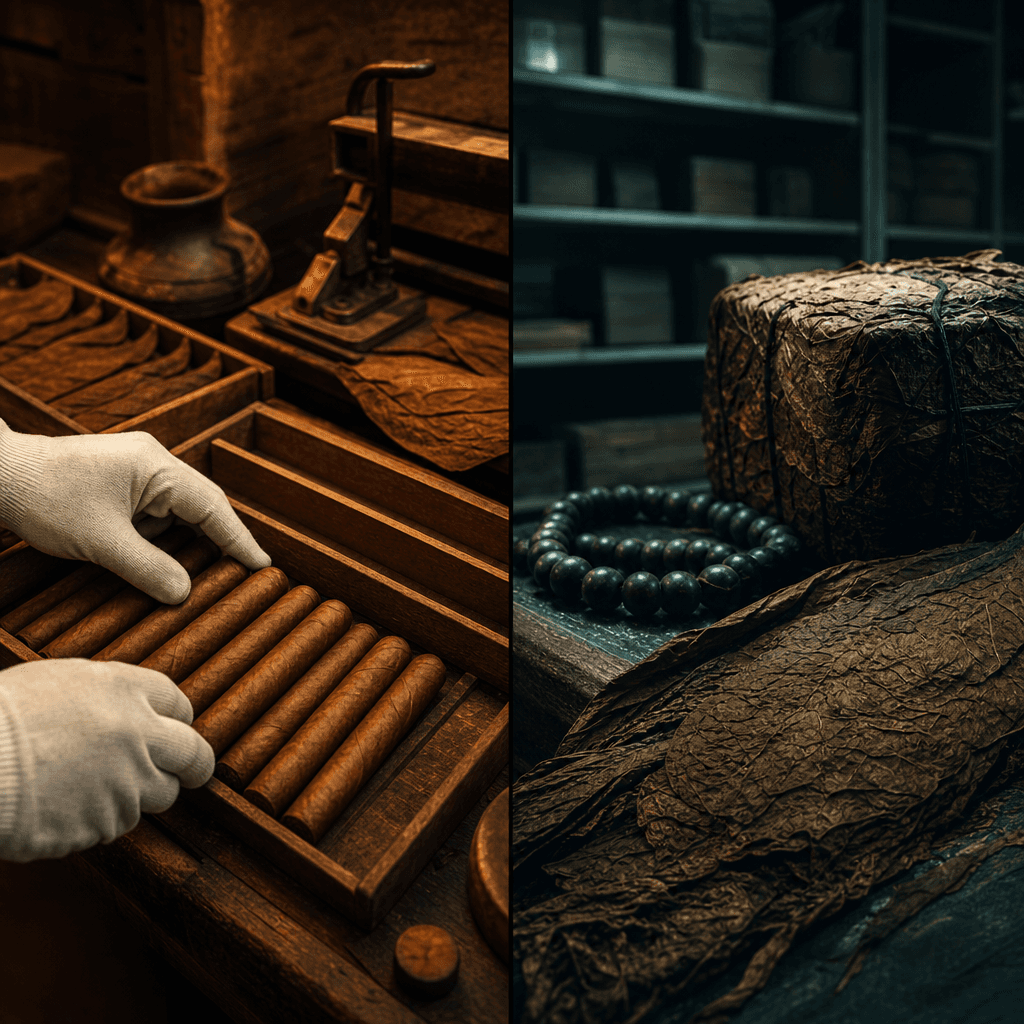
資料來源:W Cigar Bible 編輯部整理 · 雪茄王子 Wilson Tsai 親自審稿
本文僅供雪茄文化、歷史、收藏與品鑑知識研究,不作為菸品促銷、銷售或購買建議。吸菸有害健康,未滿二十歲不得吸菸。