雪茄的香氣輪廓:探索細膩的味覺結構
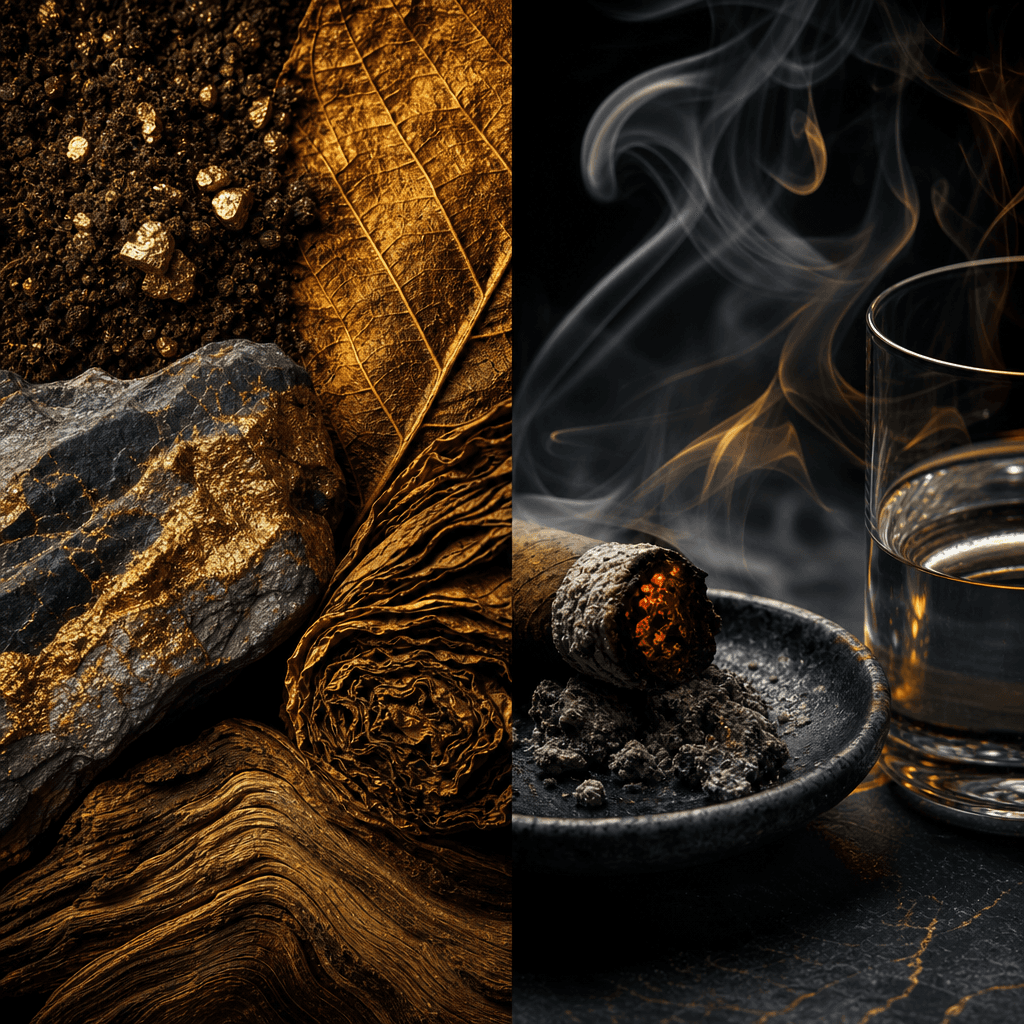
許多雪茄愛好者已掌握基本的香氣描述,但進階品味的關鍵在於理解香氣的來源及其變化。雪茄的香氣來自於土壤、葉位與發酵等因素,這些共同決定了其風味輪廓。學會分析香氣的不同層次,從冷香到尾段的變化,能幫助你更清晰地辨識與欣賞每一支雪茄的獨特性。此外,掌握香氣的濃度、強度與複雜度,並適當調整燃燒節奏,將使你的品味體驗更為豐富。透過這些方法,你將能更深入地探索雪茄的魅力。
- 雪茄的香氣來自土壤、葉位與發酵,了解這些來源有助於辨識香氣特徵。
- 香氣可分為木質、堅果、甜感等家族,幫助比較不同雪茄的風味。
- 記錄雪茄的香氣變化與燃燒狀態,能提升味覺辨識能力與品味經驗。
The Aroma Profile of Cigars: Exploring the Intricate Flavor Structure
Many beginners have already learned how to cut, light, and puff, and can describe flavors like "woody," "nutty," and "coffee." However, true advancement lies not in memorizing more adjectives but in understanding where aromas come from, when they appear, and how they are amplified or distorted by burning temperature and nasal perception.
As an editor of the "Cigar Bible," I often remind myself: a cigar is not a single-flavor object but a taste structure with a beginning, a transition, and an end. Learning to deconstruct the aroma profile helps you better understand what you like and respect the agriculture, fermentation, and blending behind each cigar.
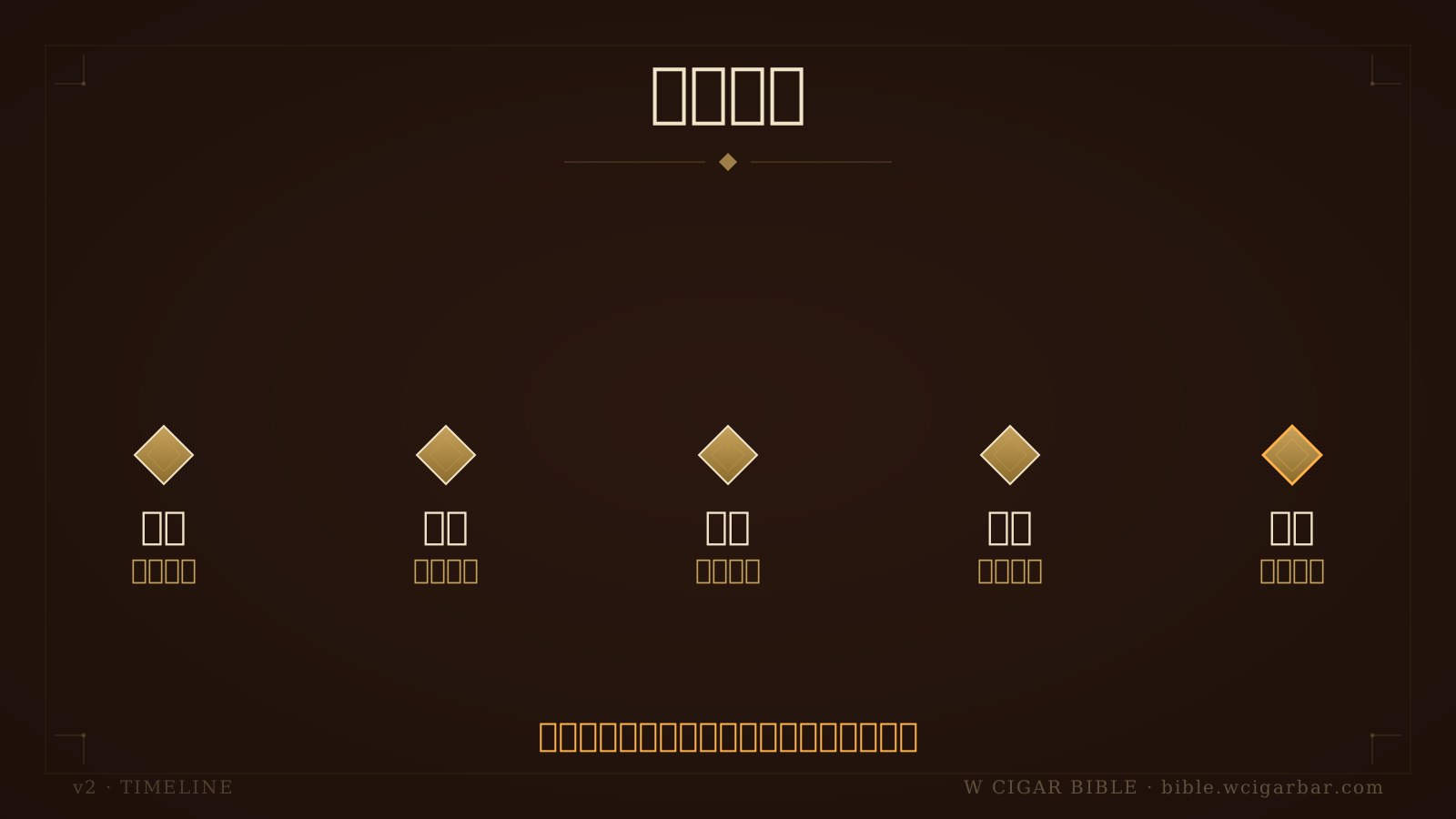
時間線依序顯示冷香、點燃、前段、中段與尾段觀察
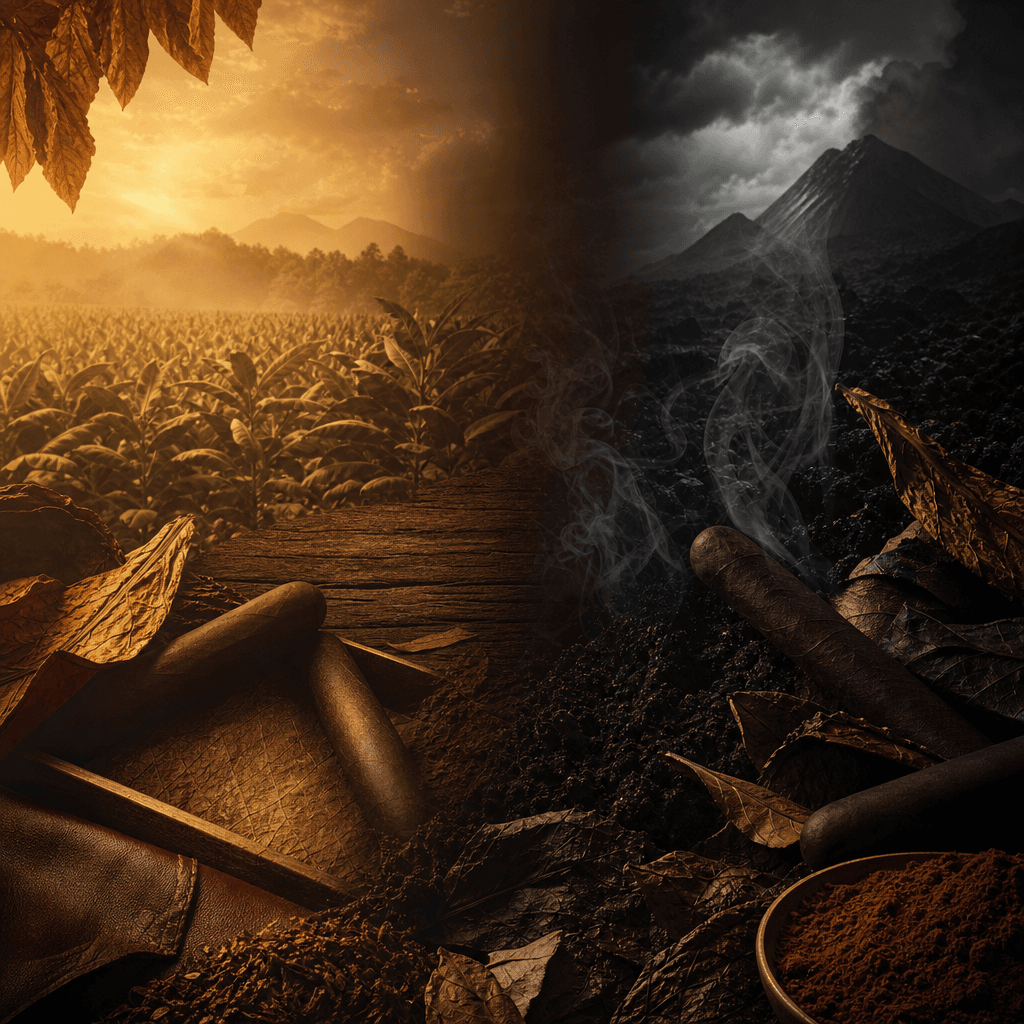
Where Aroma Comes From: Soil, Leaf Position, and Fermentation Determine the Base
The aroma of a cigar primarily comes from the tobacco variety and growing environment. Cuban Vuelta Abajo, Nicaraguan Estelí, Dominican Cibao, and Honduran Jamastrán all have different soil minerals, sunlight, and drainage. For example, Padrón 1964 Anniversary often features cocoa, black coffee, and pepper; Davidoff Nicaragua 2013 is more likely to present sweet spices, roasted grains, and dried fruit. This is not marketing language but the result of the region and leaf combination.
The second key is leaf position. The lower Volado burns well and has a lighter flavor; the middle Seco often provides aroma and finesse; the upper Ligero gets more sunlight, has higher nicotine and oils, bringing strength, dark aromas, and spiciness. The aroma profile is not about "adding flavors" but about how leaf position, region, and fermentation release the tobacco's potential. Even different sizes of the same brand may show differences due to slight adjustments in the blend ratio.
Fermentation pushes the raw material from green to mature. The temperature of stacked tobacco leaves can reach about 40 to 50°C, during which ammonia decreases, astringency softens, and woody, nutty, cocoa, and leathery notes gradually emerge. One reason Arturo Fuente OpusX gained attention after its debut in 1995 is that the high-quality Dominican wrapper and fermentation process allowed sweet spices, red earthiness, and strength to coexist. Understanding the source prevents misjudging all flavors as simply strong or mild.
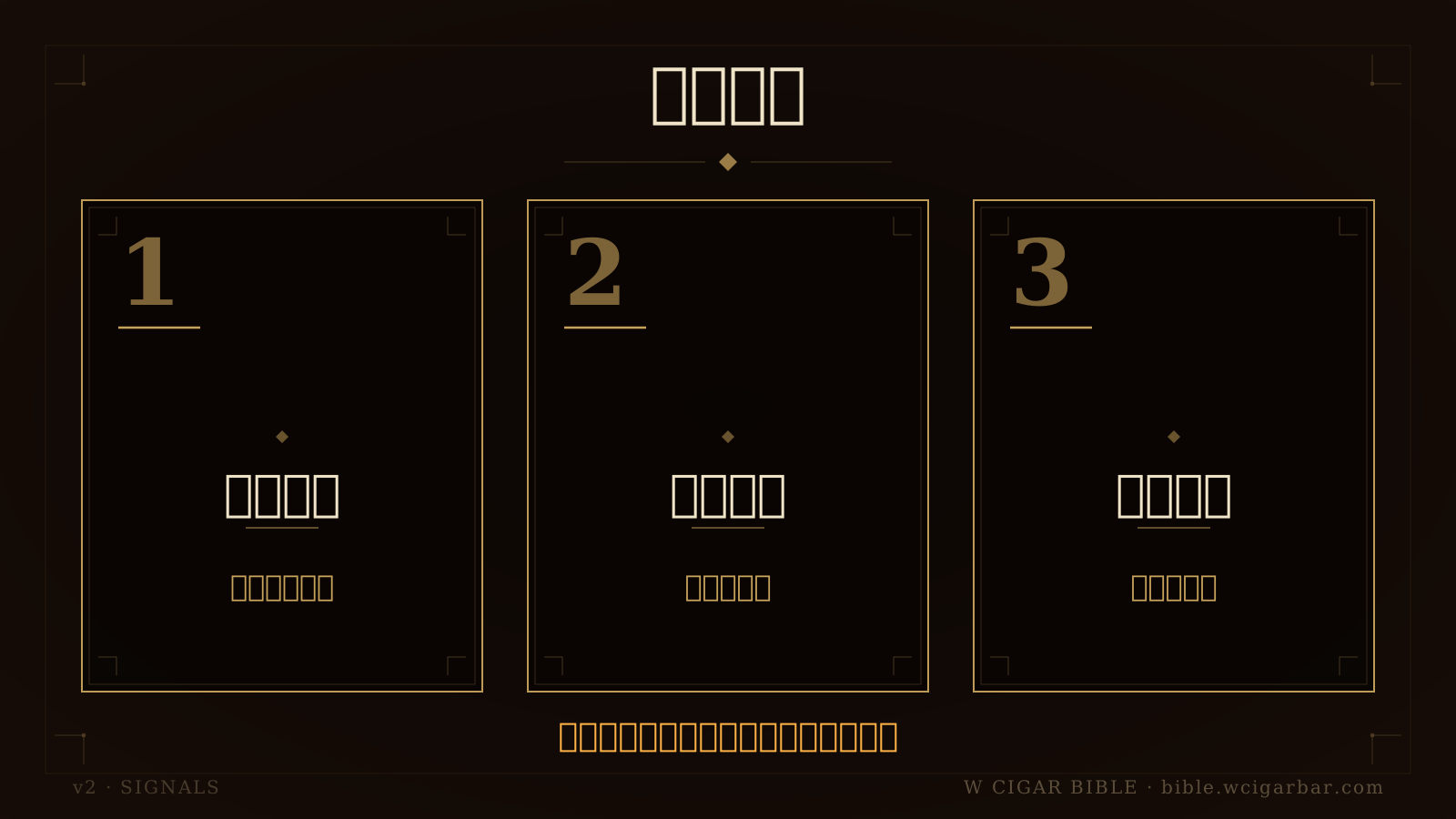
三張卡片整理香氣來源、三段記錄與分類比較重點
From Cold Scent to Final Stage: Building an Aroma Map in Three Stages
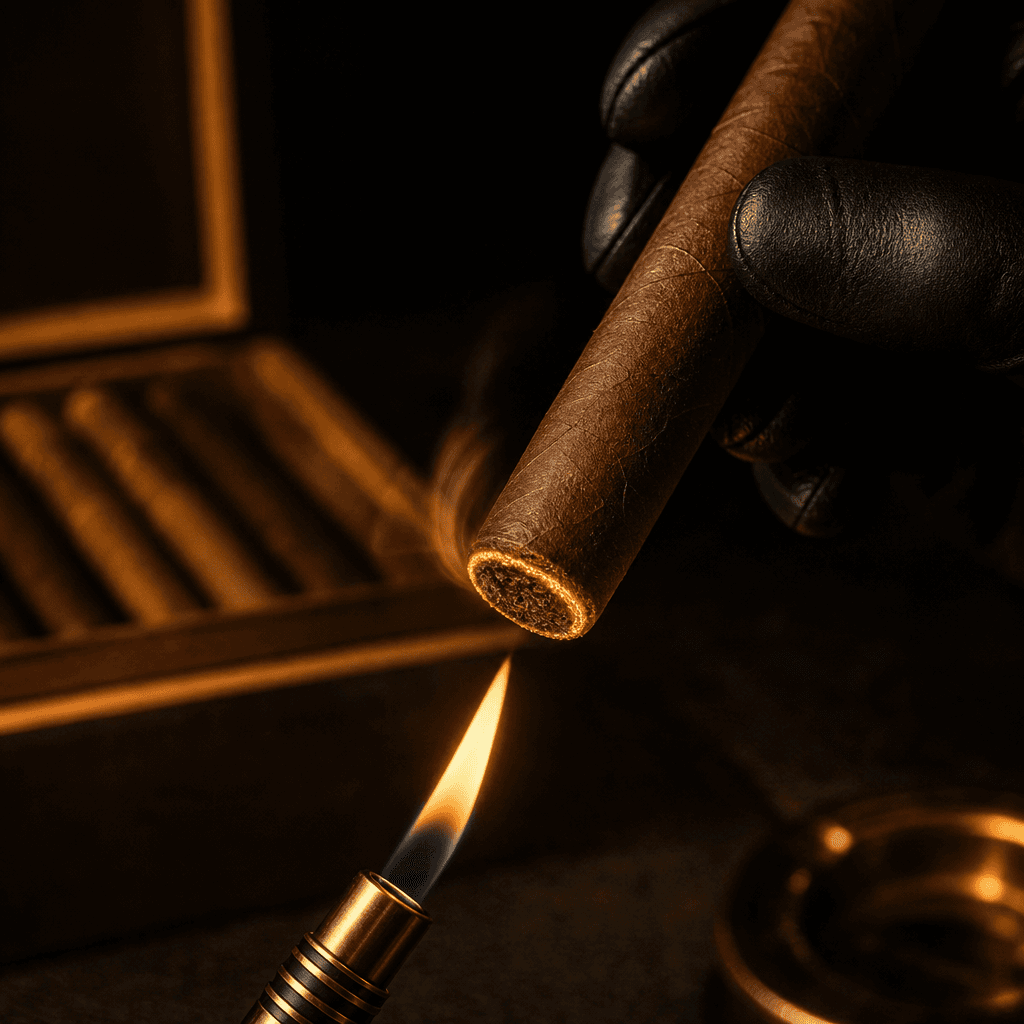
When picking up an unlit cigar, first smell the wrapper and foot, which are clues before "cold scent" and "cold draw." The wrapper may have barnyard, hay, cedar, cocoa powder, while the foot is often more direct, with honey, pepper, dried fruit, or earth. Montecristo No.2 has been a classic torpedo size representative since 1935, and when in good condition, the cold scent often carries woody, cocoa, and light floral notes, with toasted bread and coffee emerging after lighting.
After lighting, record in three stages: the beginning, middle, and end. In the beginning, check if sweetness and spiciness are clean; in the middle, observe if the main theme is stable, such as H. Upmann Magnum 46, which often features creamy wood, nuts, and light coffee; in the end, determine if there are still layers after tar accumulation. The three-stage method is not a formula but a coordinate system to capture aroma transitions. If you only record the first puff, you might miss the most exciting middle part of the cigar.
In practice, use a simple process to avoid being led by emotions:
- Before lighting, note 3 cold scent words, such as cedar, hay, cocoa.
- In the first 2 cm, only evaluate cleanliness, without rushing to conclusions.
- In the middle, note the main flavor, secondary flavor, and mouthfeel, such as creamy, almond, smooth.
- If bitterness rises in the end, slow down the pace before dismissing the entire cigar.

矩陣比較木質、堅果、辛香、烘焙與花果的觀察線索
Classifying Aroma Profiles: Organizing Adjectives into a Comparable System
Beginners often struggle with feeling flavors but not being able to articulate the differences. My method is to divide aromas into several families: woody, nutty, sweet, spicy, earthy, floral, fermented, and roasted. These are not exam answers but a common language for comparing Cohiba Siglo VI, Partagás Serie D No.4, and Ramon Allones Specially Selected.
| Aroma Family | Common Descriptions | Possible Sources | Typical Observation Cases |
|---|---|---|---|
| Woody | Cedar, oak, dry wood | Wrapper, aging environment, burning temperature | Hoyo de Monterrey Epicure No.2 often shows soft cedar |
| Nutty | Almond, walnut, hazelnut | Mid-leaf tobacco, post-fermentation sweetness | H. Upmann series often shows creamy nuts |
| Spicy | White pepper, cinnamon, clove | Ligero proportion, regional soil | Partagás D4 often shows pepper and earth |
| Roasted | Coffee, cocoa, caramel | Fermentation, Maillard reaction perception | Padrón 1964 often shows cocoa coffee |
| Floral/Fruity | Honey, citrus, dried fruit | More delicate aromatic components | Trinidad Fundadores 1998 became a common discussion example |
Classifying aromas allows you to progress from "seems fragrant" to "I know which layer the fragrance is in." For example, the same sweetness can be deep like caramel, bright like honey, or round like cream; the same woodiness can be wet wood, cedar, or pencil shavings, all completely different. When you can place vocabulary into families and observe the timing and intensity, flavor memory accumulates quickly.
Concentration, Intensity, and Aroma Are Not the Same Thing
Many people equate "strong" with "good" or mistake "intense" for "complex." In fact, at least three things should be distinguished: flavor concentration, body intensity, and aroma complexity. Flavor concentration is the density of taste in the mouth; body intensity is often related to nicotine, spiciness, and stimulation; complexity is the change and connection of aromas. Oliva Serie V, launched in 2007, gained popularity because it has strength but also a clear structure of coffee, dark chocolate, and spices.
Among Cuban classics, Hoyo de Monterrey Epicure No.2 is usually not power-oriented but can show creamy, floral, and cedar notes under good preservation; Partagás Serie D No.4 often has more pronounced earth, pepper, and leather. Intensity is like volume, aroma is like melody; loud volume does not mean complex melody, and low volume does not mean thin content. When advancing from beginner to intermediate, it's best to record separately, avoiding judgments based solely on "strong" or "mild."
I recommend establishing a personal scale from 1 to 5: rate aroma concentration, spicy stimulation, sweetness, bitterness, and finish length separately. For example, a cigar may have a sweetness of 4 and spiciness of 2 in the beginning, coffee and wood rise to 4 in the middle, and bitterness becomes 3 in the end. This is more useful than just writing "not bad." Looking back after half a year, you'll find your preferences are not fixed but influenced by size, time, drinks, and storage conditions.
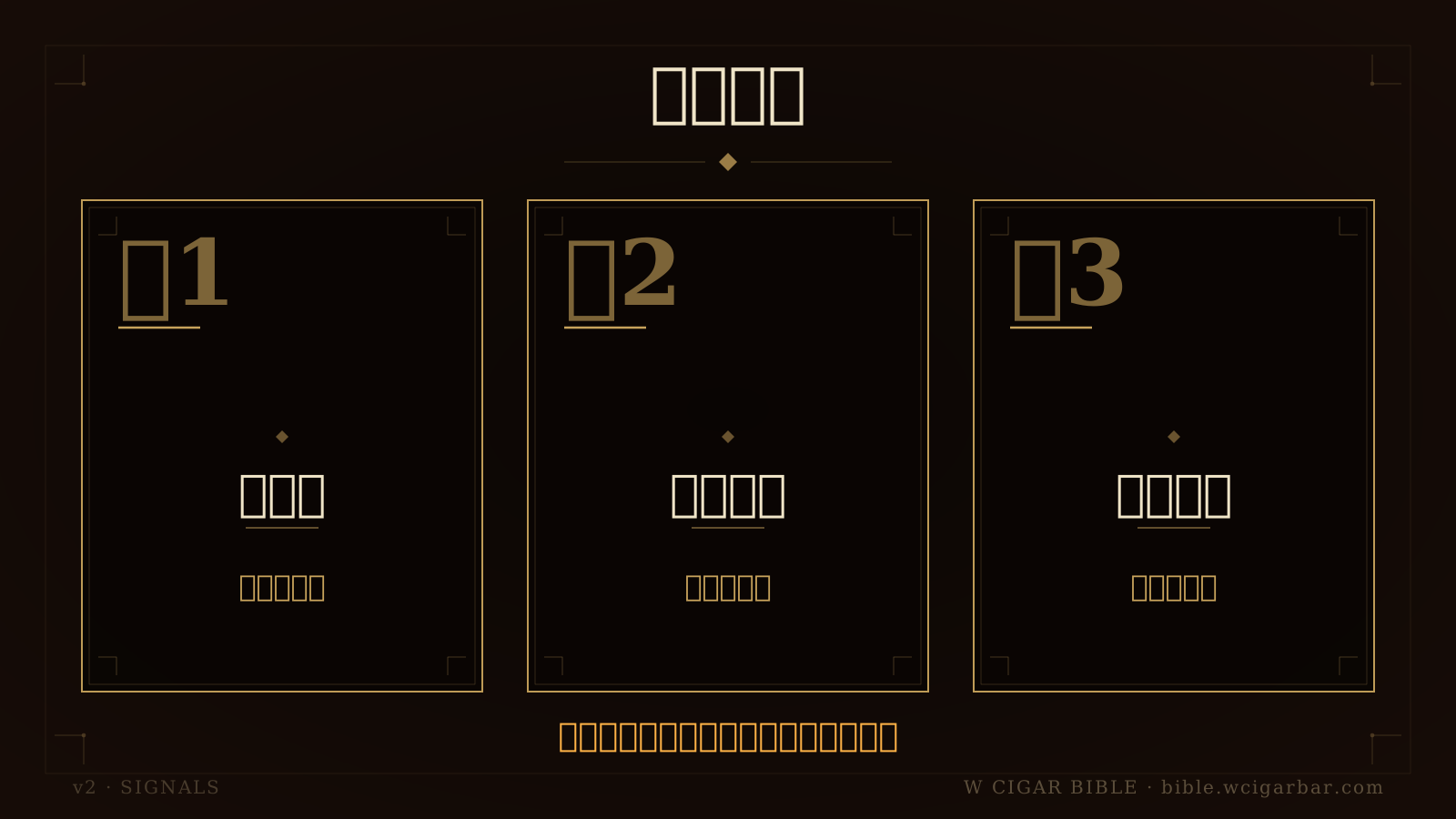
三張卡片提醒抽太快、濕度忽略與強迫鼻吐等誤區
Burning Temperature and Pace: Aroma Can Be Amplified or Burned
The same cigar can have very different aromas with different pacing. Puffing too frequently raises the burning end temperature, making sweetness turn bitter, woodiness sharp, and spiciness sting; too slow a pace may cause it to extinguish, and relighting can introduce a carbon taste. Generally, take a puff every 45 to 75 seconds, adjusting based on ring gauge and burning status. A Robusto with about a 50 ring gauge usually performs completely within 45 to 60 minutes, while a Churchill may require over 90 minutes.
Lighting also affects the first impression. Do not directly burn the cigar foot black for a long time; first evenly preheat the edges, then let the burning surface form an orange-red color. If it overheats at the start, the beginning may only have spice and char. Cigar aroma is most afraid of haste; a stable pace is more important than chasing large smoke volume. The seemingly simple act of breathing and waiting is the courtesy of letting aroma layers naturally unfold.
If uneven burning occurs, there's no need to panic immediately. First, rotate the cigar so the slower-burning side faces down, using rising heat to correct it; if the difference exceeds about 5 millimeters, then slightly touch up with fire. When pairing with drinks, restraint is also necessary; strong sweet spirits can overpower delicate floral aromas, while unsweetened sparkling water, lightly roasted oolong, or black coffee can help cleanse the palate. For beginners, learning not to interfere with aroma is more practical than rushing to find fancy pairings.
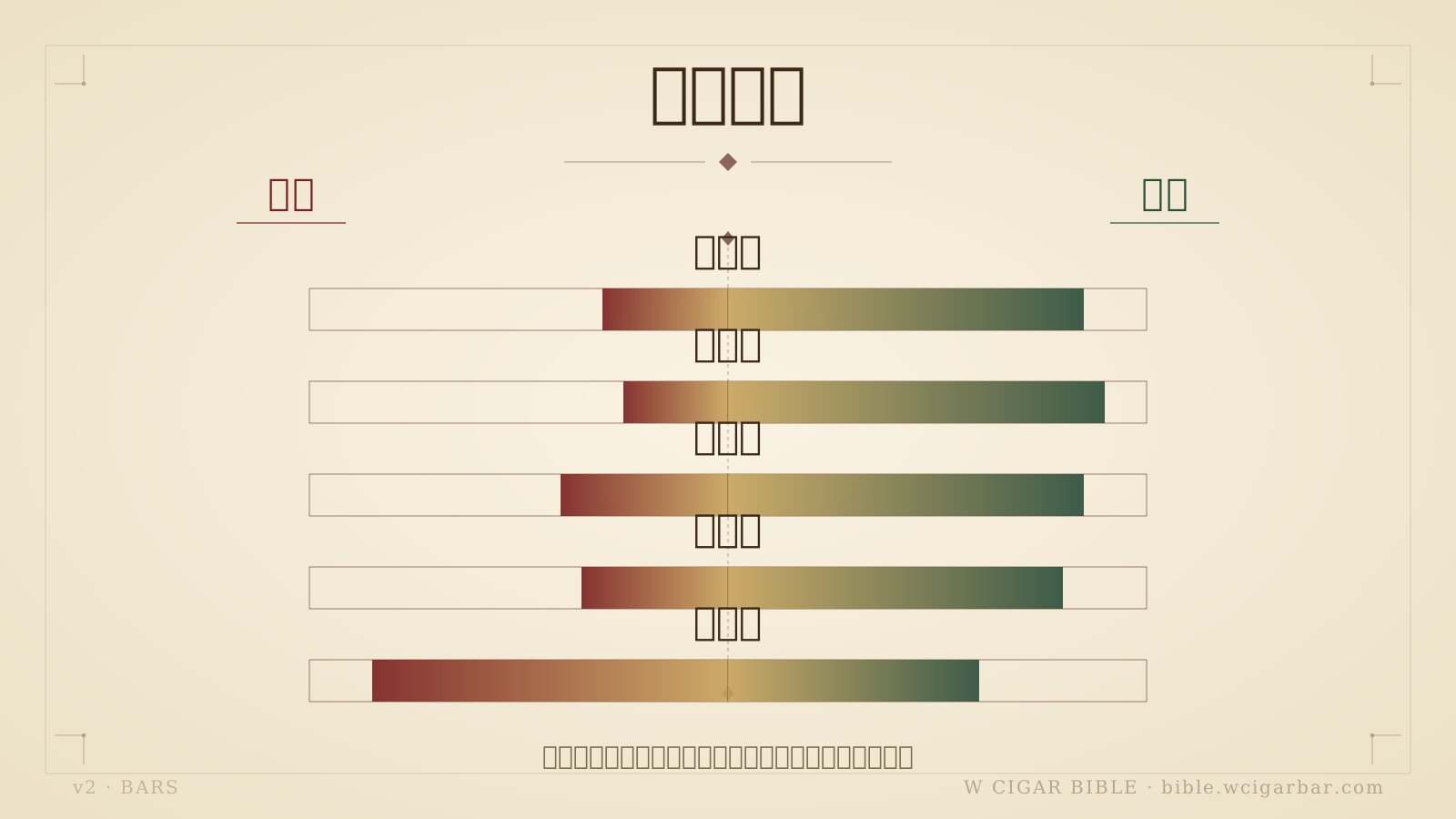
橫條圖比較堆疊形容詞與結構化品聞在五個軸向的差異
Storage and Aging: Stabilizing Aroma, Not Worshiping Vintage
Storage conditions determine whether you smell the tobacco's true flavor or dryness, sourness, and mold. Most handmade cigars can refer to a range of 18 to 21°C, with relative humidity of 65% to 70%; if the temperature is consistently above 24°C, the risk of pests and over-ripening increases; too high humidity leads to poor burning and sourness. Around 2008, many experienced collectors began to value electronic temperature-controlled cabinets more, as Asia's humid environment is not friendly to cigars.
Aging can reduce stimulation and blend aromas, but not all cigars get better with age. Light floral types may lose brightness if not stored well; cigars with high Ligero and thick structure usually have more development potential. Cohiba Siglo VI, launched in 2002, has many well-preserved boxes showing more rounded honey, herbal, and creamy wood notes after 5 to 10 years, but the premise is always clear origin and stable humidity and temperature.
Vintage provides clues, but storage is the answer; aging does not turn flaws into strengths but makes an originally complete structure more harmonious. When discussing collection value, I would add: it does not guarantee appreciation, still depending on origin, storage, and market. For beginners, rather than chasing distant vintages, it's better to establish stable storage and regular observation habits, recording differences in the same box after 3 months, 6 months, and 12 months.
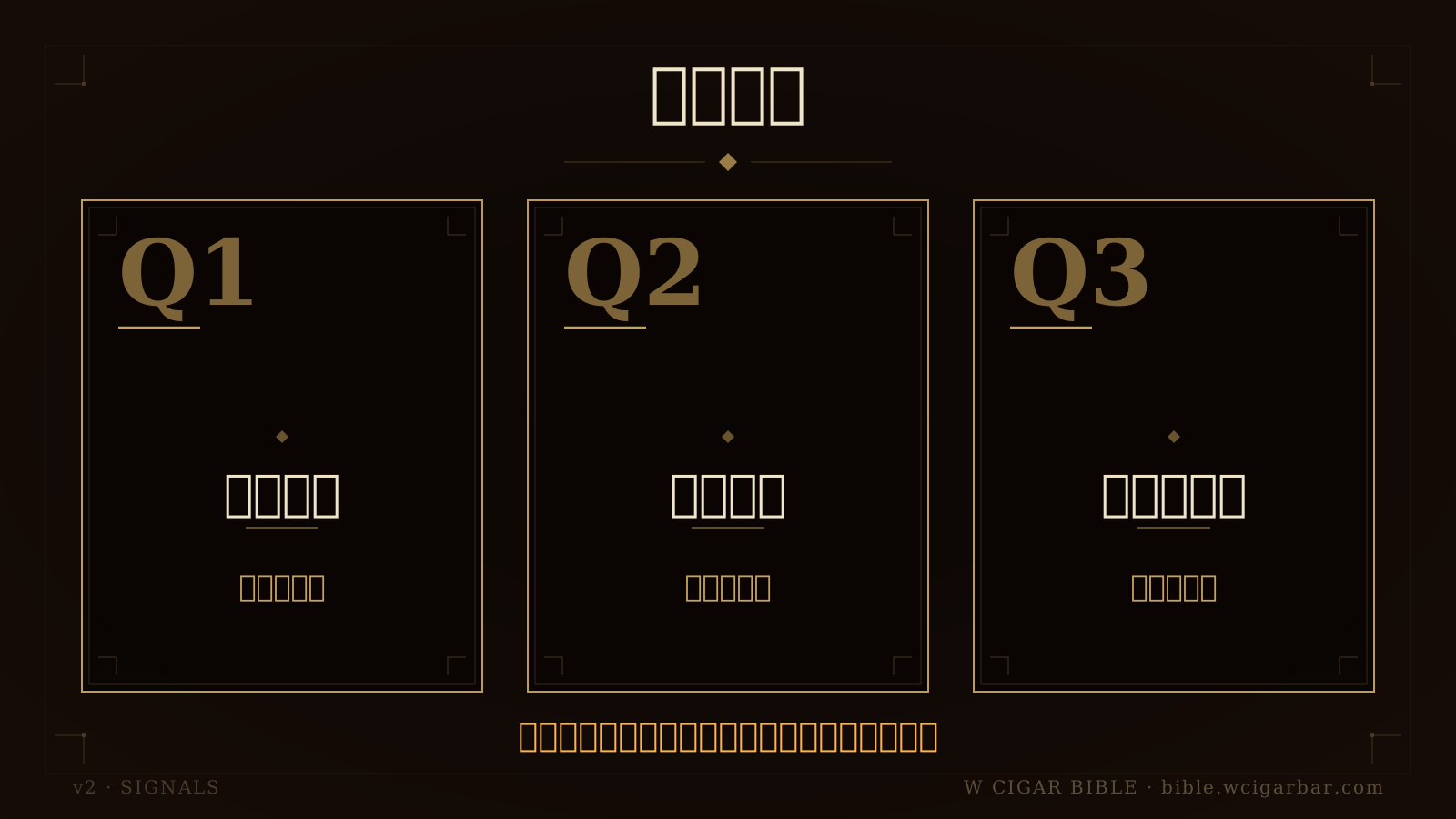
三張問答卡整理苦味、描述標準與鼻腔吐氣的實用答案
Recording, Etiquette, and Training: Turning Taste into a Long-term Ability
The training I most recommend is establishing a fixed-format cigar journal. Don't write it like literary creation; aim for comparability: date, brand, size, origin, storage humidity, lighting time, pairing drink, aroma in beginning, middle, and end, burning status, finish, and overall evaluation. After organizing a batch of personal notes in 2020, I discovered that I can better identify floral and nutty notes in the afternoon, while after dinner, I prefer coffee, leather, and spicy notes.
Etiquette is also part of aroma training. Do not blow cigar smoke towards others, do not flick ash forcefully causing it to scatter, do not discuss prices and rarity loudly in public. If the cigar's end is clearly hot and bitterness rises, let it rest naturally, without extinguishing it like a cigarette. True taste is not about how fancy the adjectives are but about quietly, accurately, and respectfully experiencing a cigar.
You can also train your sense of smell with everyday foods: smell raw almonds, roasted walnuts, dark chocolate, cedarwood chips, cinnamon, black pepper, and hay tea. Smell only 5 to 8 types each time to avoid fatigue. Then bring the memory back to the cigar for comparison, which is more effective than memorizing aromas in isolation. The most common mistake beginners make is rushing to find the "standard answer"; in fact, aroma descriptions are subjective, but structural analysis can be very objective.
Frequently Asked Questions
Why can I only taste bitterness and not detect nuts or wood?
It is mostly related to pace, humidity, or taste fatigue. Slow down to about one puff every 60 seconds and ensure the cigar is not too moist. If the burning end is too hot, delicate aromas will be overshadowed by bitterness. It is also recommended to practice with clearly profiled cigars like Hoyo Epicure No.2 or H. Upmann Magnum 46.
Is there a standard answer for aroma descriptions?
There is no absolute standard, but there is a communicable range. If you say cedar and I say dry wood, as long as both point to clean woodiness, it is valid. The key is to record the position of occurrence, such as cedar in the beginning, cream in the middle, coffee in the end, rather than just writing a string of adjectives.
Do I have to exhale through the nose to improve?
The nasal cavity can amplify aroma recognition, but it is not necessary to force it. Beginners can let a small amount of smoke linger in the mouth before slowly exhaling, then use the nose to sense the residual aroma. If it feels stimulating, it means the amount is too large or the cigar's strength is not suitable for the current state.
How should drinks be paired to avoid interference?
Start with neutral drinks like room temperature water, sparkling water, lightly roasted tea, or unsweetened black coffee. Sweet wines, heavily peated whiskies, and sweet cocktails can overpower floral and creamy notes. Once familiar with the cigar itself, try more distinctive pairings.
How long should aging be to improve?
There is no fixed answer. Observe changes after 3 to 6 months of stable humidity, and 2 to 5 years may allow some structurally strong cigars to blend better, but poor storage can lead to deterioration. When discussing collection value, remember: it does not guarantee appreciation, still depending on origin, storage, and market.
For me, the charm of cigars is not in describing flavors as mystical but in relearning humility with each lighting. Land, time, hands, and fire ultimately converge in a few dozen minutes. When you can distinguish where sweetness comes from, when wood turns to coffee, and whether spiciness is elegant or coarse, you are not just enjoying a cigar but reading a complete terroir language.
—Cigar Prince Wilson Tsai
Smoking is harmful to health. Under 20 years old is prohibited from smoking. Quitline: 0800-636363. This article is for adults over 20 years old as a reference for cigar culture, storage, and regulations, not a tobacco advertisement, promotion, or purchase suggestion.
Like this article?Share with friends
Share this W Cigar Bible piece with friends who want to learn cigar culture, storage, and tasting.
想把這篇 化為實踐
雪茄聖經是知識;雪茄文化要在空間裡發生
W Cigar Bar 大安總店資訊
台北大安區 · 雪茄聖經總編輯 Wilson Tsai 主理的雪茄文化空間
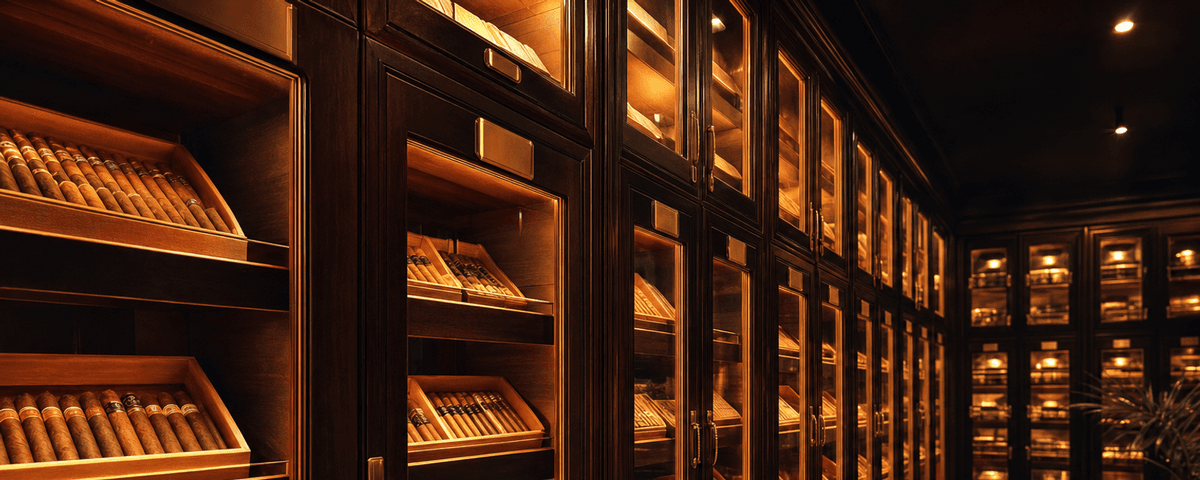
33 座 24 小時恆溫恆濕醇化室
W Cigar Bar 提供的會員醇化空間 · 場地資訊請洽編輯部
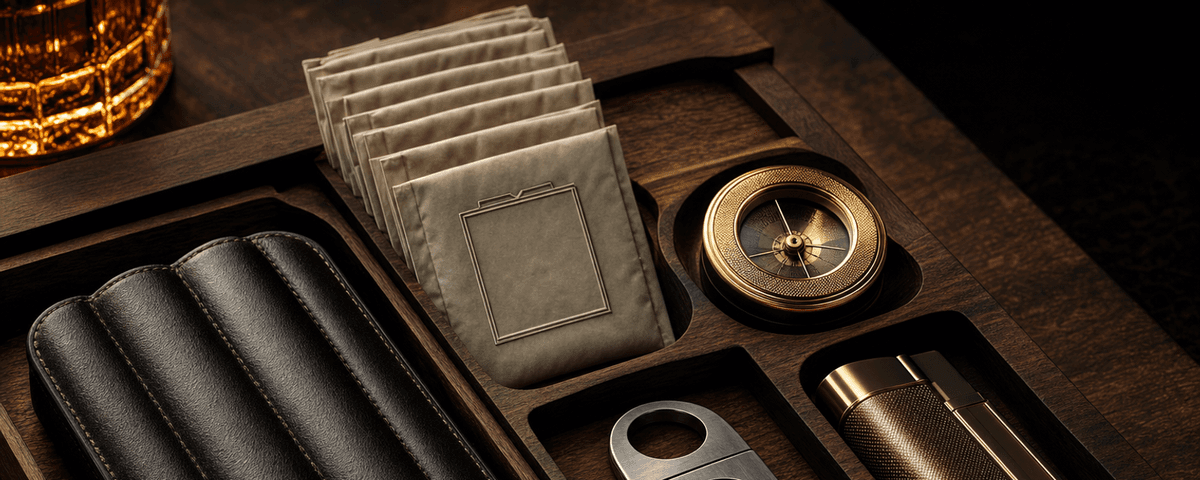
雪茄剪 / 打火機 / 雪茄盒 / Boveda
W Cigar 配件官網 · 專營雪茄配件正品
加 LINE 好友 · 文化諮詢
文化空間資訊 · 紳士沙龍 · 私人包場
本網站內容僅供雪茄文化、歷史、收藏與品吸知識研究參考。菸品有害健康、未滿法定年齡者請勿吸菸。實際規範請依所在地法律為準。
吸菸有害健康・戒菸專線 0800-636363・本站僅供 20 歲以上成年人閱覽。
讀到這裡,你不只是路過的人
留下 Email,加入 W 雪茄聖經內圈——總編輯 Wilson Tsai 親選的學院深文與國際新訊,先你一步送到信箱。
· 教育用途非銷售 · 隨時一鍵退訂 · Email 絕不對外公開 · 由勝茄股份有限公司營運
同分類延伸閱讀
資料來源:W Cigar Bible 編輯部整理 · 雪茄王子 Wilson Tsai 親自審稿
本文僅供雪茄文化、歷史、收藏與品鑑知識研究,不作為菸品促銷、銷售或購買建議。吸菸有害健康,未滿二十歲不得吸菸。