水洗日曬蜜處理怎麼分:三種咖啡處理法的風味分歧,用 Montecristo No.2 做同支對照實驗

咖啡處理法不是杯測表上的名詞,而是把果肉、果膠、發酵、乾燥與糖酸結構重新排列的工藝。本文以 Montecristo No.2 固定雪茄變因,對照水洗咖啡、日曬咖啡與蜜處理的酸甜體位移,拆解柑橘酸、果乾甜、果膠黏度與可可、咖啡、乾木、柑橘皮煙氣相遇時的具體風味變化。
- 水洗、日曬、蜜處理的差異,核心在果膠發酵與乾燥方式。
- Montecristo No.2 固定變因,可清楚看見咖啡風味差異。
- 水洗切油脂、日曬疊可可、蜜處理黏合乾木與甜感。
How to Differentiate Washed, Natural, and Honey Processing: Flavor Divergence of Three Coffee Processing Methods, Using Montecristo No.2 for a Controlled Experiment
Coffee processing methods and Montecristo No.2 placed on the same table allow for a clearer view of the distinctions between washed, natural, and honey processing than drinking coffee alone. I often say that pairing cigars is not about forcibly combining two "good-tasting" items, but about observing how acidity, sweetness, bitterness, oils, smokiness, and woodiness interact. In this article, we fix Montecristo No.2 (Cuba, Pirámide, 52 × 156mm) as the constant variable, with three cups of coffee processed differently as the only variable.
As the editor of the "Cigar Bible," I enjoy these controlled sensory experiments because they can turn abstract adjectives into reproducible clues. The clean acidity of washed coffee, the whole fruit sweetness of natural coffee, and the pectin viscosity of honey-processed coffee will each draw out completely different profiles on the same cigar. If readers are already familiar with basic tasting, this lesson will help you start understanding flavors structurally, rather than just memorizing a flavor wheel.

流程圖呈現咖啡果實到同支雪茄對照的步驟
The Starting Point of Coffee Processing: Structural Rewriting from Fruit to Green Bean
Coffee is a fruit, not a naturally dried bean. After harvesting, the outer layers of the coffee cherry include the skin, pulp, pectin layer, parchment, and silver skin. The processing method determines when these layers are removed from the seed. Different regions have developed different paths due to climate, water resources, sunlight, and tradition. The Ethiopian highlands have long seen traditional natural processing, while Central American estates have established refined grading in washed and honey processing.
The differences between washed, natural, and honey processing are not just as simple as "clean, sweet, and balanced." Washed processing typically removes the skin and pulp first, then uses fermentation tanks to break down the pectin, followed by washing and drying. Natural processing allows the whole fruit to slowly dehydrate on racks or drying beds. Honey processing falls between the two, removing the skin but retaining varying proportions of pectin for drying. Pectin, yeast, lactic acid bacteria, acetic acid bacteria, and drying speed collectively alter the expression of organic acids, sweetness, and volatile esters.
What coffee processing truly changes are the three axes of acidity, sweetness, and body, not just assigning a scent label to the coffee. The acidity axis often involves the relative proportions of citric acid, malic acid, lactic acid, and acetic acid. The sweetness axis comes from sucrose perception, dried fruit perception, and Maillard reaction products after roasting. The body perception is related to polysaccharides, lipids, fine particle suspension, and mouthfeel viscosity. When it encounters the cocoa, coffee, dry wood, and citrus peel of Montecristo No.2, these axes will be re-illuminated by the phenols, pyrazines, and woody notes in the smoke.
Washed Coffee: Clean Acidity After Fermentation and De-Pulping
The core of washed coffee is to first use a depulping machine to remove most of the skin and pulp, then let the remaining pectin be decomposed by microorganisms in water tanks or fermentation tanks. The common fermentation time varies with temperature, altitude, and pectin thickness, ranging from over ten hours to more than thirty hours. After completion, the mucilage is washed away with clean water, followed by drying on racks, African beds, or mechanical assistance, gradually reducing the moisture content to a suitable storage range.
The clean feeling of washed coffee comes from the shorter contact time with the pulp, with less dried fruit fermentation aroma masking the acidity. Taking regions like Ethiopia Yirgacheffe, Kenya Nyeri, or Guatemala Antigua as examples, washed batches often present citrus, white flowers, red currant, tea notes, and a bright finish. Chemically, clearer citric acid and malic acid structures make the cup profile more vertical. The sweetness is not necessarily low but resembles the clear sweetness in sugar water rather than the thick sweetness of jam.
Washed coffee is best for observing how the oils and citrus peel of Montecristo No.2 are edged by acidity. When citric acid × tobacco oils meet, the mouth will feel that the smoke is no longer muddled, especially the cocoa bitterness and dry wood astringency in the early stages will be pulled apart. Malic acid × citrus peel will also form a harmony, making the slightly bitter orange peel of the cigar clearer, but if the coffee roast is too light and the acidity too sharp, it may push the medium-strong cigar body to feel thinner.

三張結論卡標示水洗日曬蜜處理的搭配重點
Natural Coffee: Whole Fruit Exposure and Wild Fruit Sweetness
Natural coffee lays whole coffee cherries on drying beds, racks, or drying grounds, allowing the skin, pulp, and pectin to envelop the seed for an extended period. During drying, they must be repeatedly turned to avoid localized spoilage or uncontrolled fermentation; in high-altitude areas with large day-night temperature differences, drying may extend to several weeks. This whole fruit exposure allows sugars, pectin metabolism, and microbial activity more time to form fermentation aromas.
Natural flavors are often described as strawberry, blueberry, raisin, ripe mango, wine, or cocoa. These are not mystical imaginations but olfactory results composed of esters, alcohols, aldehydes, ketones, and roasting reactions. If processed cleanly, natural can bring full sweetness and rounded body; if drying management is poor, excessive fermentation, rotten fruit, or musty odors may appear, which is the most challenging aspect of natural processing management.
The key to natural coffee and Montecristo No.2 is the layering of dried fruit sweetness × cocoa bitterness, rather than mutually masking each other. When berry esters × cocoa pyrazines meet, the cocoa in the middle of the cigar will shift from a dry powder feeling to a dark chocolate berry note. Raisin sweetness × coffee roasting bitterness will widen the original coffee lines of Montecristo No.2, making the smoke appear rounder, but if the natural has a strong fermented wine aroma, it will produce muddiness with dry wood tannins, making the finish stickier.

比較表列出水洗日曬蜜處理在酸甜體上的差異
Honey Processing: Costa Rica's Grading System and Yellow, Red, Black Honey
Honey processing is often regarded as an important symbol of Central American specialty coffee, especially in Costa Rica, where this method has been refined since the 2000s. The so-called honey does not mean adding honey, but retaining the pectin layer after removing the skin, allowing the sticky mucilage to envelop the parchment for drying. Due to different pectin proportions, drying thickness, turning frequency, and shading levels, terms like yellow honey, red honey, and black honey have developed.
Yellow honey usually retains less pectin, is turned more frequently, dries relatively quickly, and the cup leans towards citrus, honey notes, and clean sweetness. Red honey retains more pectin, dries more slowly, often has brown sugar, ripe fruit, caramel, and more noticeable mouthfeel viscosity. Black honey retains the most pectin, has a long drying time, and often involves more shading management, with flavors possibly leaning towards molasses, dried fruit, spices, and thick body, but also requires more stringent management.
The charm of honey processing lies in the pectin viscosity × dry wood smoke, which can combine the clarity of washed and the sweet thickness of natural. The rounded body feeling derived from pectin meeting the dry wood of Montecristo No.2 will make the woodiness not just stop at astringency but become a wooden box aroma with caramel edges. The brown sugar tone in red or black honey × cocoa powder will deepen the middle of the cigar; the citrus honey note in yellow honey × citrus peel can retain more brightness, suitable for a detailed comparison group.

三張錯誤提醒卡指出咖啡處理法搭配雪茄的誤解
Cupping Comparison Method for Three Processing Methods in the Same Region
To compare coffee flavor differences, it's best to keep the region, variety, roast level, and brewing method as consistent as possible. The ideal situation is batches of the same variety from the same estate or cooperative, such as Caturra, Catuai, Geisha, or SL28, each processed as washed, natural, and honey. If you can't find completely identical conditions, at least choose the same country, similar altitude, similar roast date, and similar roast level to avoid misjudging regional differences as processing differences.
During cupping, use three cups with the same coffee-to-water ratio, same grind, same water temperature, and the same cupware. Do not light the cigar first, record the dry aroma, wet aroma, entry acidity, sweetness, body, finish, and changes after cooling. Then let Montecristo No.2 enter the early, middle, and late stages, retesting each cup, observing how the shape of the same puff of smoke changes behind different coffees.
The purpose of comparing three processing methods in the same region is to view the displacement of the three axes of acidity, sweetness, and body as a coordinate map. Washed often pushes the acidity axis forward, narrows the body; natural pushes the sweetness axis and fermentation aroma forward, enlarges the body; honey processing increases sweetness and viscosity while retaining a more recognizable regional outline. The table below can serve as a framework for initial recording, focusing not on fancy vocabulary but on repeatable descriptions.
| Processing Method | Core Technique | Main Axis in Cup | Common Reactions with Montecristo No.2 |
|---|---|---|---|
| Washed Coffee | Fermentation de-pulping, washing and drying | Citrus acidity, tea notes, clean finish | Acidity cuts oils, highlights citrus peel and dry wood edges |
| Natural Coffee | Whole fruit exposure, long dehydration | Dried fruit sweetness, berry esters, thick body | Sweetness layers cocoa, widens coffee and cocoa lines |
| Yellow Honey | Less pectin, frequent turning, quick drying | Citrus honey, clean sweetness, light viscosity | Honey connects orange peel bitterness, maintains bright profile |
| Red/Black Honey | More pectin, slow drying | Brown sugar, ripe fruit, spices, thick body | Pectin bonds dry wood, makes the middle rounder |
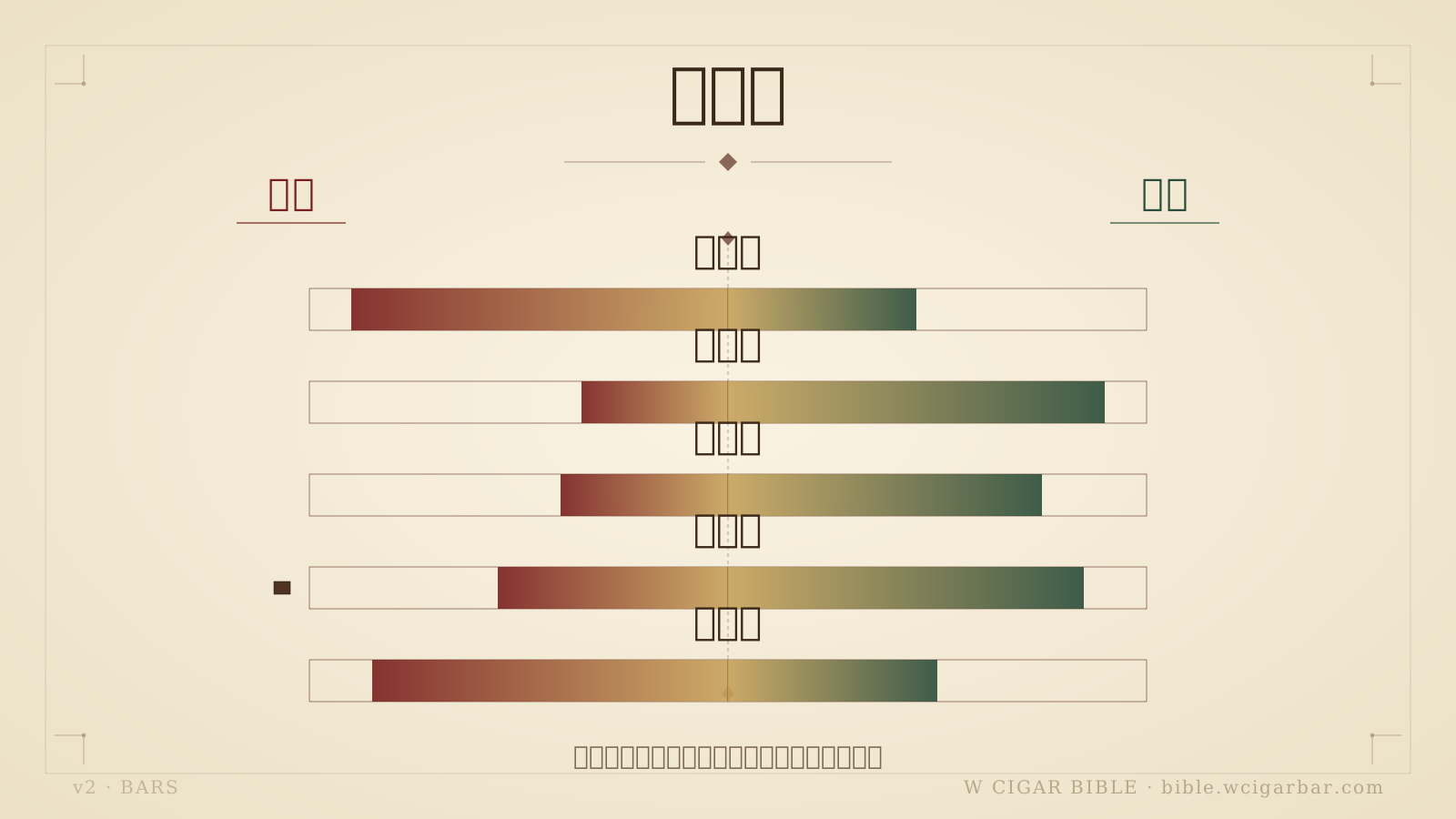
橫條圖比較清晰取向與厚甜取向的風味強度
Montecristo No.2: The Fixed Variable Cuban Pirámide
Montecristo No.2 is a classic Cuban Pirámide, sized at 52 × 156mm. Its flavor profile commonly includes cocoa, coffee, dry wood, and citrus peel. The medium-strong body allows it to accommodate the changes of three cups of coffee. The tapered head of the Pirámide also makes the smoke bundle more concentrated, which, for beginners, actually helps observe how flavor lines unfold from the early to the middle stages.
In the early stage, Montecristo No.2 often starts with dry wood, cocoa powder, and a bit of citrus peel bitterness. In the middle stage, the coffee feeling becomes more pronounced, with smoke oils and woody framework rising simultaneously. If the pace is too fast, bitterness may concentrate early. The late stage often sees roasted coffee, dark cocoa, and a thicker woody finish, where the cleaning or bonding power of the pairing beverage becomes particularly evident.
By fixing Montecristo No.2, the three cups of coffee are no longer just three beverages, but three sets of flavor reagents. Washed acts like an acidity ruler, measuring cigar oils and citrus peel; natural acts like a sweetness magnifier, measuring cocoa and coffee roasting lines; honey processing acts like a viscosity bridge, measuring the connection of dry wood, sugar perception, and body perception. This is the most valuable aspect of the same cigar × three different processing methods.
The Encounter of Three Cups: Washed Acidity Cuts Oils, Natural Sweetness Layers Cocoa, Honey Processing Bonds in the Middle
The first cup of washed coffee, I would arrange at the junction of the early and middle stages of Montecristo No.2. At this time, the cigar still retains citrus peel and dry wood details, and the citric acid, malic acid of the washed coffee can act like a clean blade, cutting out clear edges in the smoke oils. Citric acid × tobacco oils make the mouth feel sharp, tea tannins × dry wood tannins produce a converging effect, making the finish appear dry and layered.
The second cup of natural coffee is suitable for the time when the cocoa and coffee feeling in the middle stage is most stable. Berry esters × cocoa pyrazines will push the powdery cocoa to a dark chocolate with dried fruit edges, raisin sweetness × roasted coffee bitterness will make the bitter-sweet ratio more complete. This cup is the easiest to feel "paired," but also requires vigilance: if the natural fermentation aroma is too strong, acetic acid × woody astringency will drag the tail into muddiness.
Among the three comparisons, honey processing is most like a translator, able to translate the acidity of washed and the sweetness of natural into a language Montecristo No.2 can understand. Citrus honey in yellow honey × citrus peel bitterness keeps the brightness from being sharp; brown sugar in red honey × cocoa powder makes the middle rounder; black sugar spices in black honey × dry wood smoke give the late stage a deeper wooden box feeling. If you only want to do one complete practice, I would start with washed, place natural in the middle, and end with honey processing, making the movement of the acidity, sweetness, and body axes easiest to remember.

快問快答卡整理水洗日曬蜜處理的搭配判斷
Conducting a Sensory Lesson at Home: Brewing, Sequence, and Recording
When preparing three cups of coffee, I would use the same extraction method, such as pour-over or cupping, avoiding mixing espresso, filter, and cold brew together. For filter, use medium grind, the same coffee-to-water ratio, and the same water temperature. Cupping is more suitable for initial comparisons because it has fewer extraction variables. The roast level should be similar, with light to medium roasts most easily showing processing differences; overly deep roasts will overshadow pectin and fermentation clues with caramelization and bitterness.
In sequence, first drink the three cups of coffee, writing down the cup structure unaffected by the cigar. Then light Montecristo No.2, pair the early stage with washed, the middle stage with natural, and the late-middle stage with honey processing, or rotate the three cups at regular intervals for small sips. Take only a small sip of coffee each time, let the liquid cover the tongue before tasting the cigar, and record the changes in the smoke finish at ten seconds, thirty seconds, and one minute.
Truly effective recording is not about writing many adjectives, but about marking where the three axes of acidity, sweetness, and body move in each round. For example, after washed, you can note "oils decrease, citrus peel rises, dry wood becomes finer"; after natural, "cocoa thickens, dried fruit rises, finish becomes sticky"; after honey processing, "wood becomes round, sweetness extends, acidity centers." After three rounds, you will find that coffee processing methods are no longer exam questions but structural tools that can be verified by the mouth.
Frequently Asked Questions
The three coffee processing methods have no absolute superiority, only different structural tasks presented on the same Montecristo No.2.
Is washed coffee always more suitable for cigars than natural coffee?
Not necessarily. The advantage of washed coffee is its clean acidity, which can organize smoke oils and woody edges, but it may not provide the thickest sweetness. If Montecristo No.2 enters the stable cocoa and coffee lines in the middle stage, natural may instead make the bitter-sweet ratio more complete.
Is stronger fermentation flavor in natural coffee better?
No. Moderate fermentation can bring berry, dried fruit, and ripe fruit aromas, but excessive fermentation will result in muddiness, rotten fruit, or pungent acidity. When meeting cigars, these aromas easily entangle with dry wood astringency, making the finish lose clear lines.
How to choose between yellow, red, and black honey in honey processing?
To see details, start with yellow honey, as it retains citrus honey notes and clearer acidity. To see sweetness and body, try red or black honey, especially to observe how pectin viscosity connects with the dry wood and cocoa of Montecristo No.2. The focus is not on the depth of the name but on whether the drying management is clean.
Is it really necessary to have three processing methods from the same region?
If the goal is to learn systematic knowledge, it is very necessary. The more consistent the region, variety, and roast level, the more the cup differences can be attributed to processing methods rather than altitude or roasting deviations. If complete consistency is not achievable, at least fix brewing and roasting levels.
Can this experiment be done with lattes or sweetened coffee?
Not suitable for the first round. Milk fats and sugar will significantly alter sweetness, body, and bitterness masking, making processing differences unclear. Once you are familiar with the black coffee profiles of washed, natural, and honey processing, extending to other forms will be more discerning.
From which stage should Montecristo No.2 start pairing with coffee?
The early stage is suitable for washed because the citrus peel and dry wood are still clear; the middle stage is suitable for natural because the cocoa and coffee feeling can best accommodate dried fruit sweetness. The late-middle stage can be left to honey processing, allowing pectin viscosity and brown sugar tones to bond the woody finish.
The most fascinating aspect of this non-alcoholic pairing is not finding the only answer but letting the three coffee processing methods speak for themselves with the same Montecristo No.2. When you can distinguish how acidity cuts oils, sweetness layers cocoa, and pectin bonds dry wood, coffee and cigars will transform from flavor terms into a set of sensory syntax that can be repeatedly practiced.
Further Reading|Complete Guide to Coffee Origins and Roasting: From African Floral and Fruity to Asian Earthy Flavors, with Cigar Pairing Overview|Mandheling Coffee Wet-Hulled Processing: Sumatra's Herbal Earthiness, Paired with Ramón Allones Specially Selected|Complete Analysis of Coffee Roast Levels: The Flavor Watershed of Light, Medium, and Dark Roasts, Corresponding to Cigar Strength Pairing Formula
—Cigar Prince Wilson Tsai
Smoking is harmful to health. Smoking is prohibited for those under twenty. Quitline: 0800-636363. This article is intended for adults over the age of twenty as a reference for cigar culture, preservation, and regulations, not as tobacco advertising, promotion, or purchase advice.
Like this article?Share with friends
Share this W Cigar Bible piece with friends who want to learn cigar culture, storage, and tasting.
想把這篇 化為實踐
雪茄聖經是知識;雪茄文化要在空間裡發生

W Cigar Bar 大安總店資訊
台北大安區 · 雪茄聖經總編輯 Wilson Tsai 主理的雪茄文化空間
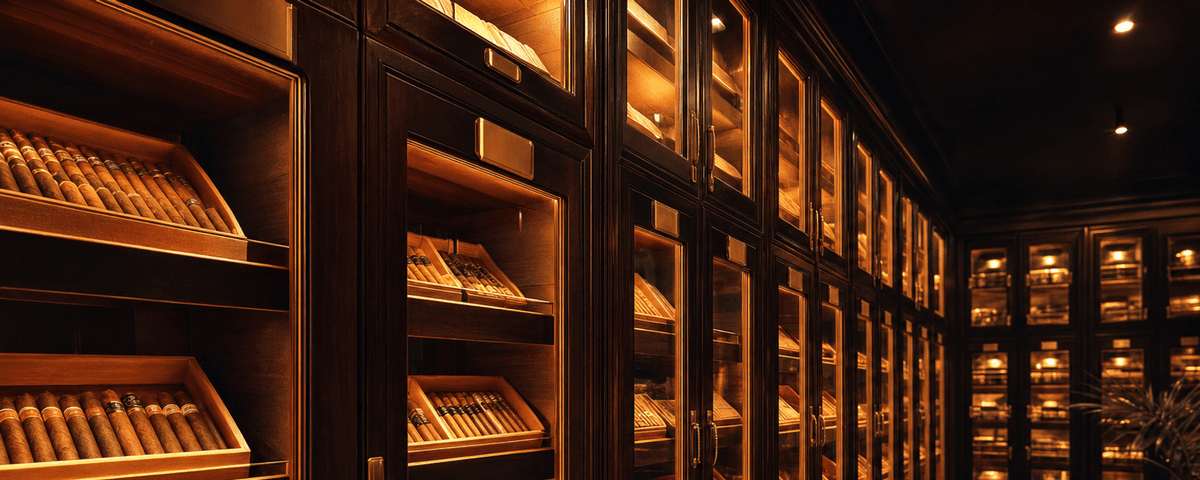
33 座 24 小時恆溫恆濕醇化室
W Cigar Bar 提供的會員醇化空間 · 場地資訊請洽編輯部

雪茄剪 / 打火機 / 雪茄盒 / Boveda
W Cigar 配件官網 · 專營雪茄配件正品

加 LINE 好友 · 文化諮詢
文化空間資訊 · 紳士沙龍 · 私人包場
本網站內容僅供雪茄文化、歷史、收藏與品吸知識研究參考。菸品有害健康、未滿法定年齡者請勿吸菸。實際規範請依所在地法律為準。
吸菸有害健康・戒菸專線 0800-636363・本站僅供 20 歲以上成年人閱覽。
讀到這裡,你不只是路過的人
留下 Email,加入 W 雪茄聖經內圈——總編輯 Wilson Tsai 親選的學院深文與國際新訊,先你一步送到信箱。
· 教育用途非銷售 · 隨時一鍵退訂 · Email 絕不對外公開 · 由勝茄股份有限公司營運
同分類延伸閱讀


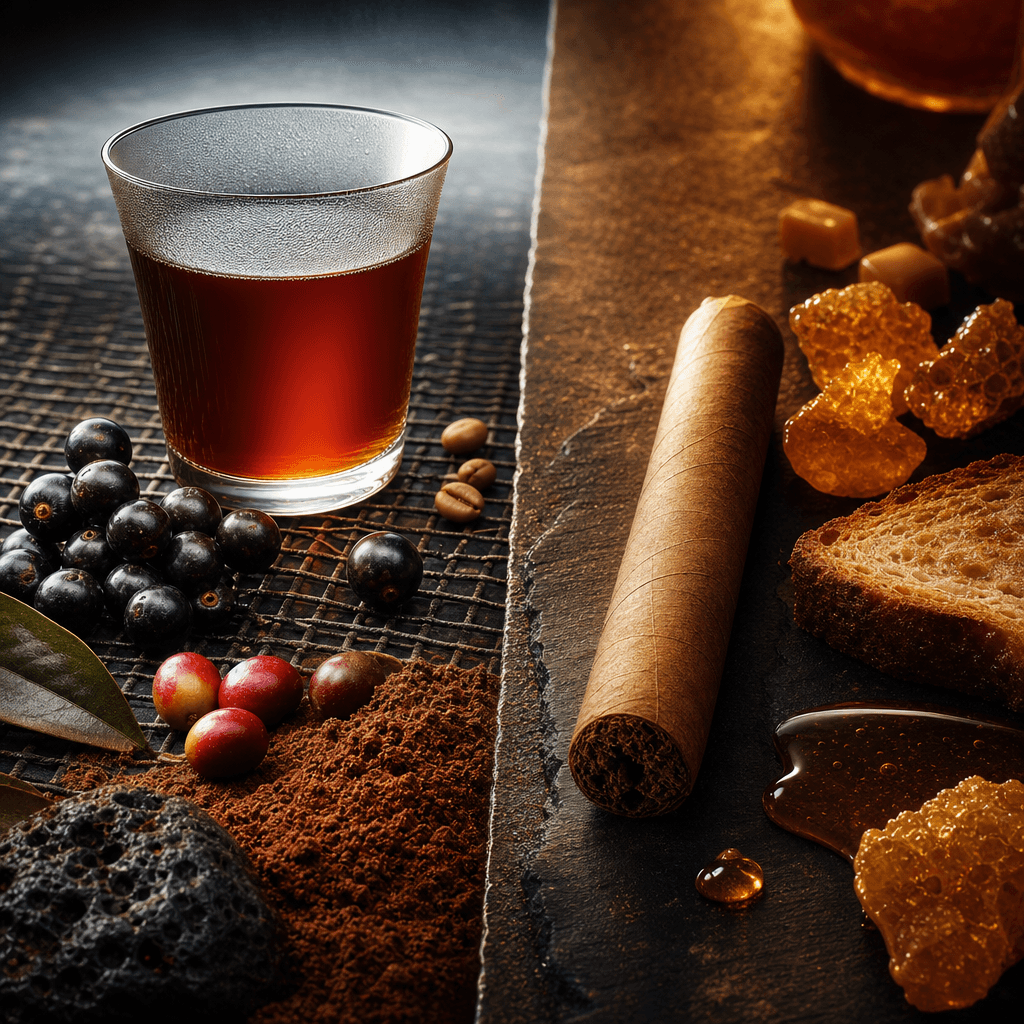
資料來源:W Cigar Bible 編輯部整理 · 雪茄王子 Wilson Tsai 親自審稿
本文僅供雪茄文化、歷史、收藏與品鑑知識研究,不作為菸品促銷、銷售或購買建議。吸菸有害健康,未滿二十歲不得吸菸。