雪茄品牌的獨特工藝:從選葉到包裝的全過程
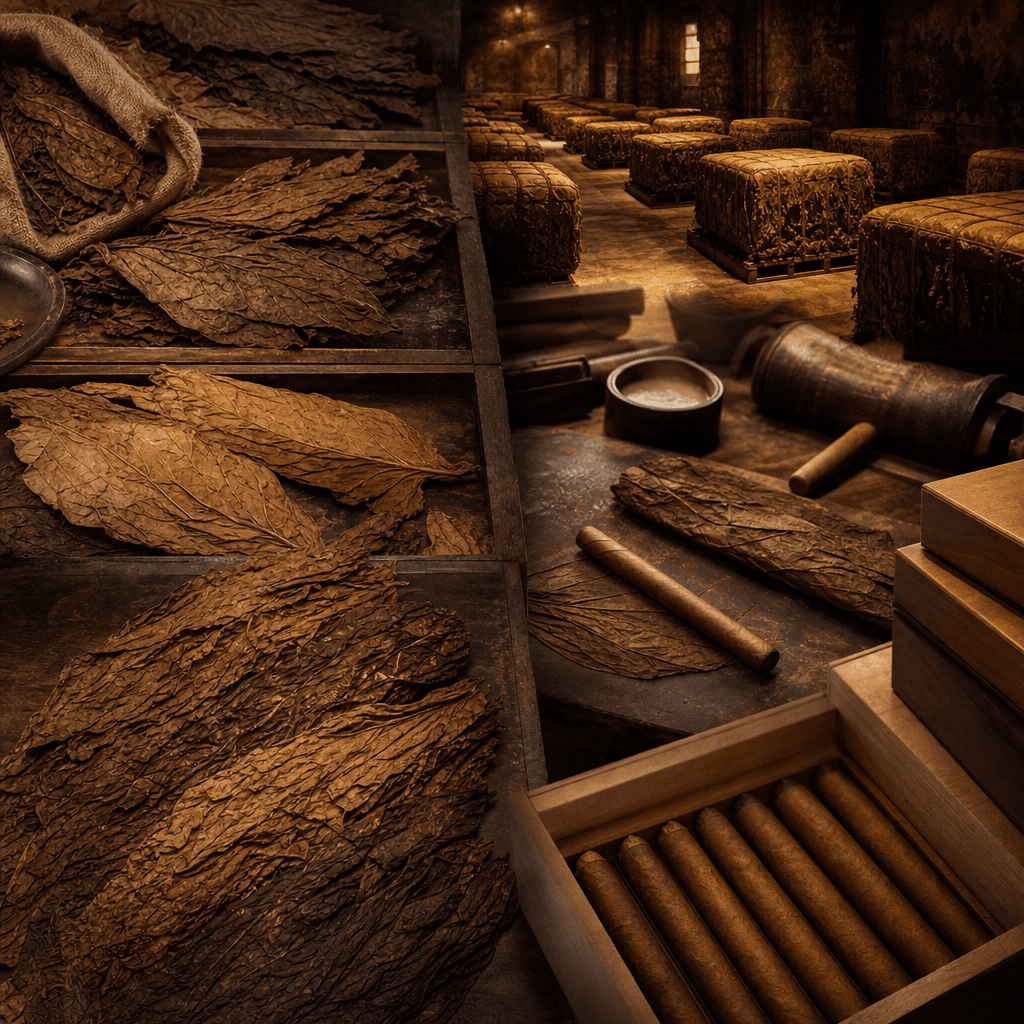
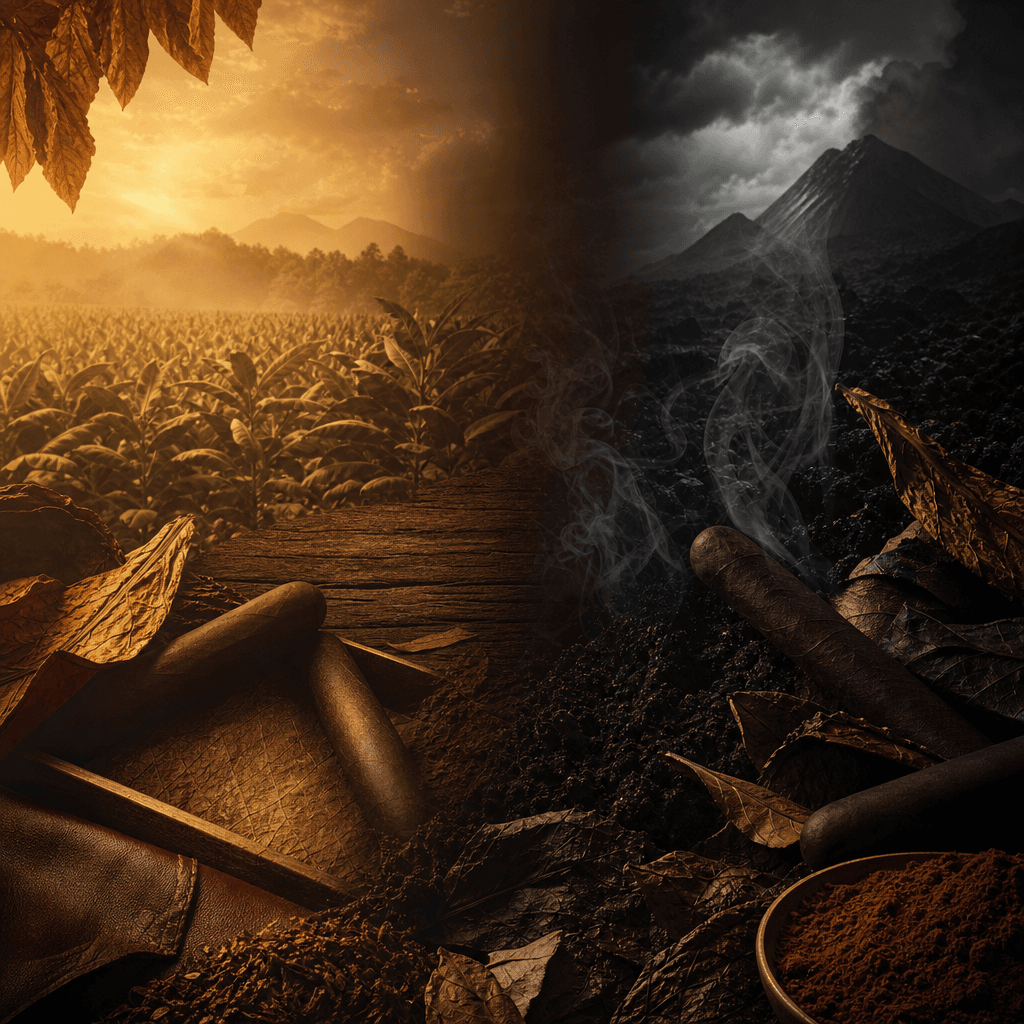
雪茄的風味從種子到包裝,經過精心雕刻。選葉是品牌性格的基礎,不同產區的土壤與氣候影響葉片特性,形成獨特風味。發酵與醇化過程則是去除粗糙、整合細節的關鍵,影響最終口感。配方的巧妙搭配決定了雪茄的平衡與層次,而捲製技術則關乎抽吸的流暢性與燃燒的穩定性。品牌的穩定性來自於嚴謹的品控與倉儲管理,包裝工藝更是品牌風格的重要表現。了解這些細節,能讓雪茄愛好者更深入欣賞每一支作品。
- 雪茄品牌的風味源自於選葉,土壤與氣候影響葉片特性,決定品牌的獨特性格。
- 發酵與醇化過程至關重要,影響雪茄的風味平衡與細膩度,需注意管理與時間。
- 捲製技術影響氣流與燃燒,理想狀態下應具彈性且無空洞,確保抽吸順暢。
The Unique Craftsmanship of Cigar Brands: From Leaf Selection to Packaging
I often say that the flavor of a cigar doesn't start when it's lit, but is carved out from the seed, soil, fermentation house, rolling table, and wooden box. Experienced enthusiasts discussing brands should not stop at adjectives like "strong, smooth, sweet, woody," but should ask: which leaf, which process, which packaging logic makes it this brand.
As the editor of "Cigar Bible," I value "repeatable style" the most when looking at brand craftsmanship. A good smoke once might be luck, but being able to recognize the outline after ten or twenty years is the power of a craftsmanship system. Below, from leaf selection to packaging, we break down how major brands turn agricultural products into works with character.
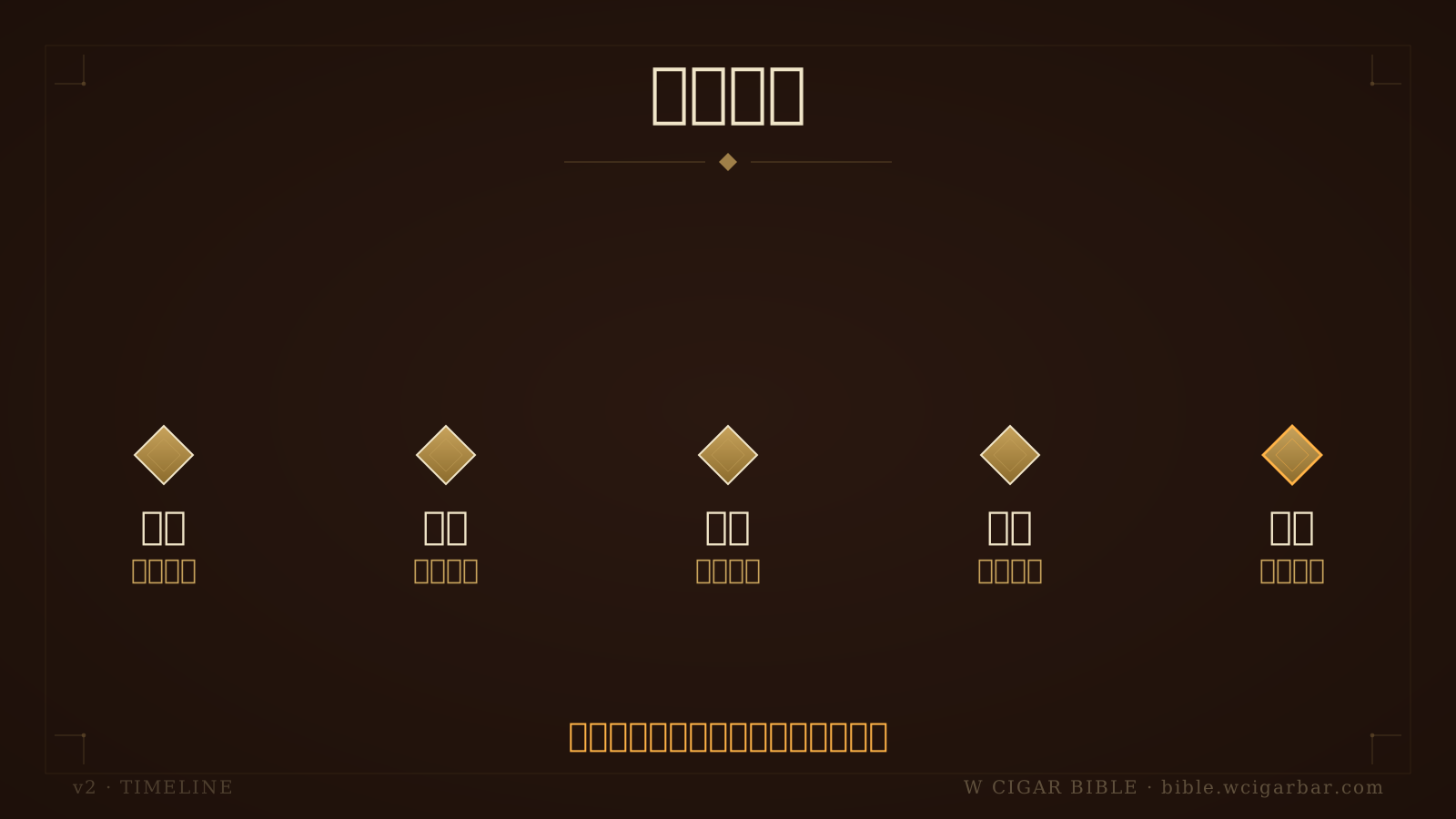
時間軸依序顯示選葉、發酵、醇化、配方與包裝步驟
Leaf Selection: Brand Character is Decided in the Field
The first distinction of a cigar brand is not in the factory, but in the field. Take the Cuban Vuelta Abajo region as an example. Even within Pinar del Río, the differences in soil, sunlight, and drainage between San Juan y Martínez and San Luis directly affect the thickness of ligero, the cleanliness of seco's aroma, and the combustibility of volado. Cohiba has long emphasized high-standard leaf selection, while Partagás often features deeper earthy, leathery, and spicy notes. This is not marketing language, but the result of long-term accumulation of leaf selection standards and formula thinking.
Dominican and Nicaraguan brands more often use cross-regional combinations to establish personality. The Fuente family cultivated Cameroon and OpusX wrapper at Chateau de la Fuente farm, marking an important milestone for high-end New World cigars after the 1990s; Padrón extensively uses leaves from Estelí, Jalapa, and Condega in Nicaragua, maintaining its chocolate, coffee, and black pepper style through different strength and sweetness combinations. True brand flavor is never a single-region myth but a long-term discipline of leaf selection and grading.
Experienced enthusiasts looking at leaf selection should not only ask "which country's leaf," but whether the brand can articulate the role of the leaf. Common roles include:
- Wrapper: Determines visual appeal, initial aroma, and oiliness.
- Binder: Stabilizes structure, burning speed, and mid-body thickness.
- Filler: Establishes main flavor, strength, and finish complexity.
Fermentation and Aging: Turning Rough Tobacco into Controllable Flavor
After harvesting, tobacco leaves are first air-dried and then enter the pilón fermentation pile. This step is often underestimated, but it determines whether the cigar has a pungent ammonia smell, greenness, or unbalanced spiciness. Traditional Cuban craftsmanship arranges different cycles based on leaf thickness, moisture content, and use. Too high a temperature can harm the aroma, while too low a temperature slows the removal of off-flavors. Some high-end brands perform multiple turnings to ensure even heating of the inner and outer layers, which is why the cleanliness of the same size cigar can vary greatly between batches.
Cohiba is famous for using additional barrel fermentation for some filler leaves, giving it a smoother cream, honey, and grass aroma. Davidoff's aging management in its Dominican factory is also very strict, emphasizing stability, elegance, and low off-flavors; the Padrón 1964 Anniversary series often features longer tobacco aging, concentrating cocoa, coffee, and nutty notes. Fermentation removes roughness, aging integrates details; without both, even the best formula will feel stiff.
It's important to distinguish "long time" from "good result." If storage humidity is out of control, leaves may mold, lose aroma, or become flat. Experienced enthusiasts can judge by three points: whether the cold smell is clean, whether there is a pungent ammonia smell in the initial segment after lighting, and whether bitterness suddenly spikes in the mid-to-late segment. If a brand consistently maintains stability in these three points, it usually means its fermentation and aging management are up to standard.
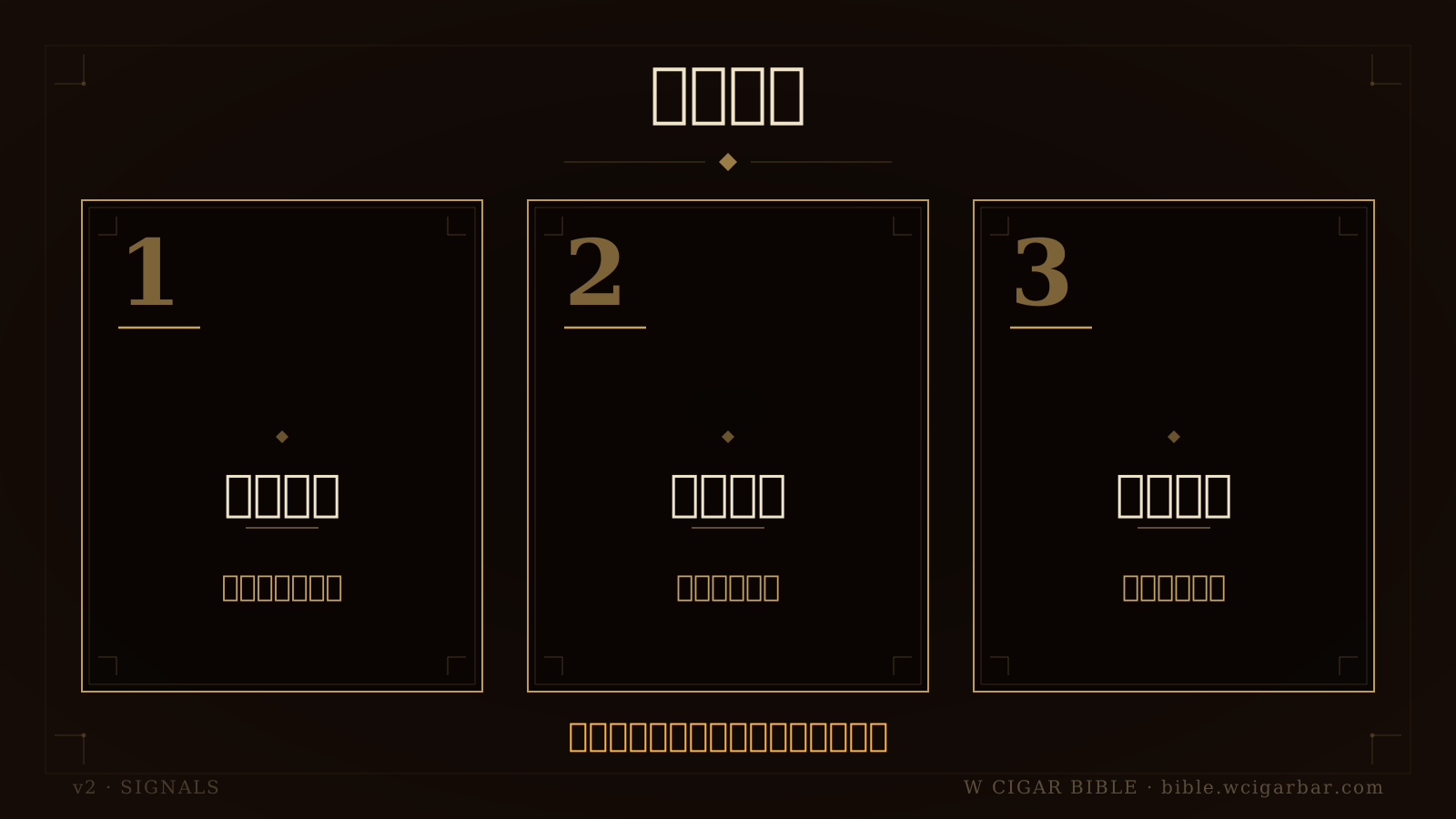
三張卡片整理選葉、發酵醇化與穩定風格的核心結論
Grading and Blending: Blend is Not Just Piling Good Leaves Together
Whether a cigar can withstand smoking depends on the formula ratio. Ligero provides strength, dark spiciness, and end support, but too much can slow burning and increase bitterness; seco provides aroma and complexity, while volado is responsible for combustion and smoothness. The strength of high-end brands lies in knowing when not to use the strongest leaves, but the right leaves. The classic balance of Montecristo No.2 relies not on sheer heaviness but on the structural control of wood, cream, nuts, and moderate strength.
Non-Cuban brands especially emphasize cross-national leaf combinations. The Arturo Fuente Hemingway series is known for its perfecto shape and Dominican filler leaves, bringing out sweet and woody notes through the Cameroon wrapper; Oliva Serie V uses a higher proportion of ligero, yet maintains readability through leaf grading and size control. The highest level of blending is to make strength, aroma, combustion, and rhythm all work together, not just to pursue concentration.
Experienced enthusiasts can infer blending strategies from size. The flavor of the same brand's Robusto, Toro, and Churchill is not just a matter of length; as the ring gauge increases, the proportion of filler leaves increases, and the influence of the wrapper decreases; with a smaller ring gauge, the aroma of the wrapper is more pronounced. For example, the Lancero of the same line often better showcases the wrapper and rolling precision, while the Toro better displays the brand's filler leaf thickness and mid-section layout.
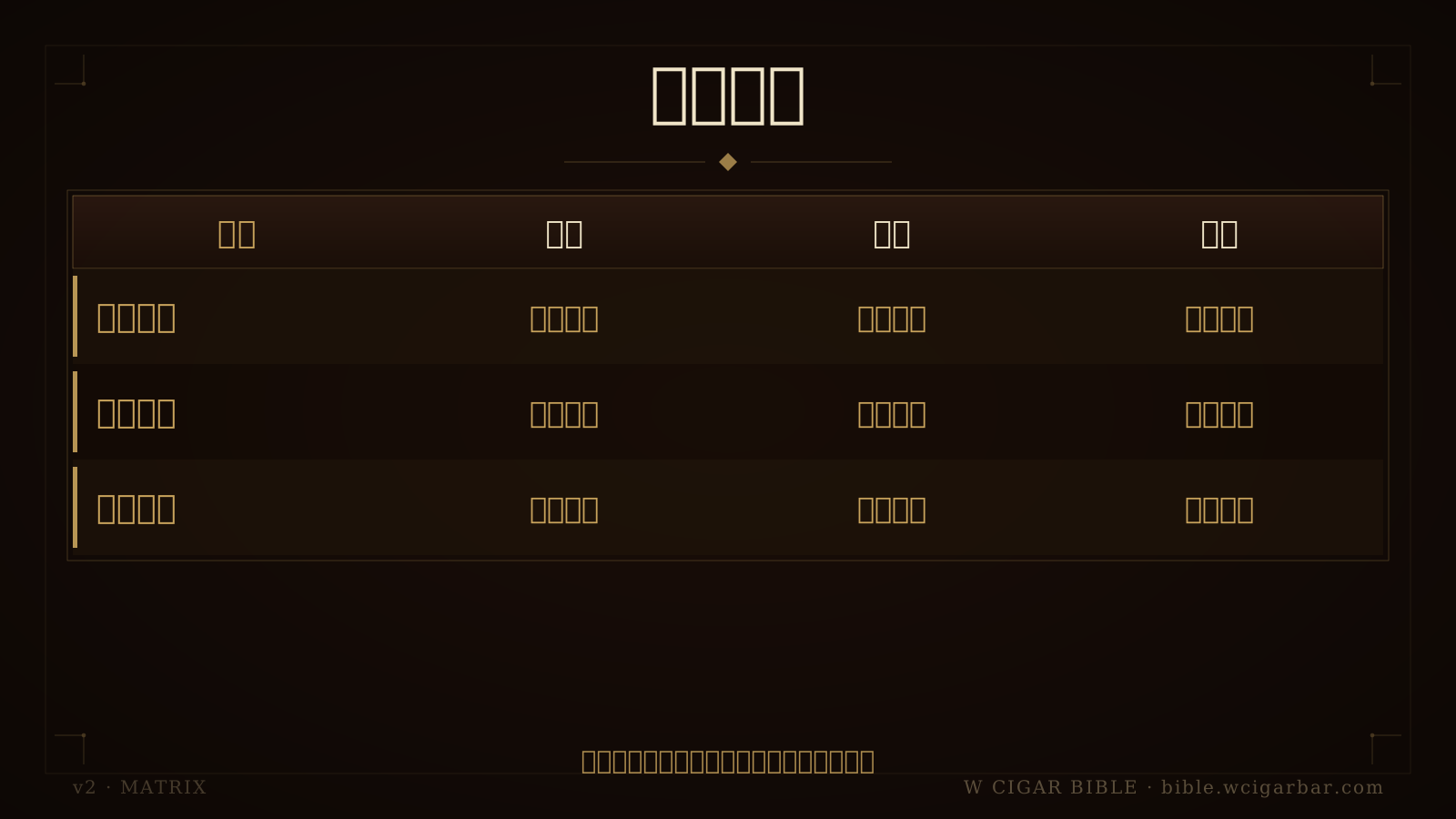
矩陣比較茄衣、茄套與填充葉在結構與風味中的角色
Rolling Technique: Feel Determines Draw, Burn, and Rhythm
Rolling is the key to turning agriculture and blending into a work. Traditional Cuban torcedors arrange filler leaves using methods like entubado or accordion, then wrap them with a binder, mold them, and finally cover them with a wrapper. Different factories and artisans' techniques affect airflow channels: too tight, and the draw is hard, burning slow; too loose, and the heat is high, flavor disperses, or the mid-section collapses. This is why experienced enthusiasts often say there can still be subtle individual differences within the same box of cigars.
Popular sizes like Partagás Serie D No.4, H. Upmann Magnum 46, and Romeo y Julieta Short Churchill often have their rolling stability scrutinized because of high production and wide circulation, making any draw issues easily remembered by the market. New World brands like Padron, My Father, and Tatuaje have recently received praise from experienced enthusiasts for consistency in draw, thanks to more institutionalized bunching, mold time, and pre-shipment testing at the factory end. A cigar's "smoothness" is not just about mild flavor but also stable airflow, burn, and temperature.
Judging rolling can start before lighting. Gently press the cigar body with your fingers; the ideal state is elastic but not hollow; if the foot filler leaves are noticeably loose, it may burn too fast; if the neck has obvious hard spots, the initial draw may be too tight. If the dry draw is completely blocked after cutting, it's usually not just a humidity issue but possibly uneven filler leaf arrangement or local pressure.
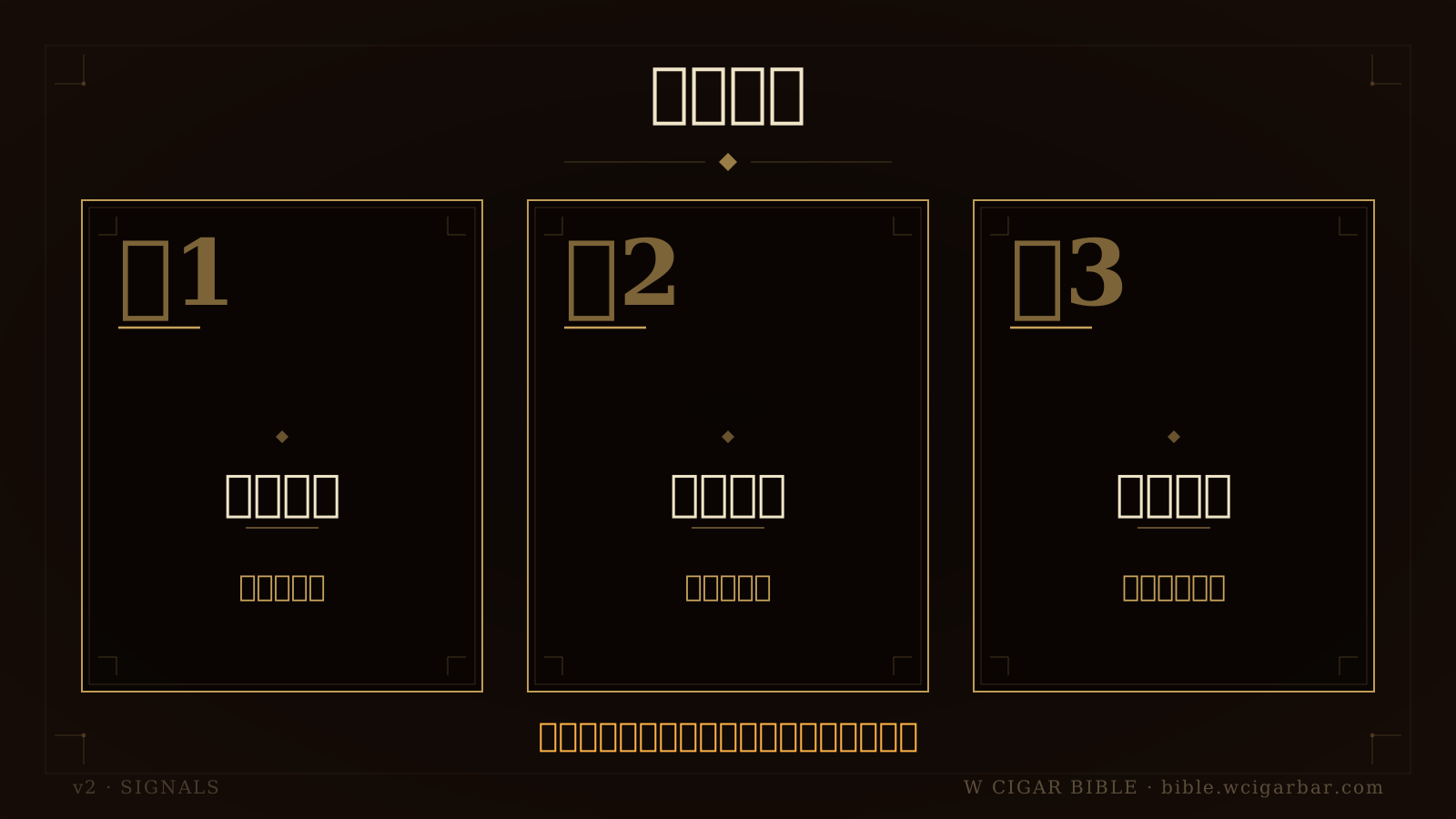
三張卡片提醒年份、國別與名牌判斷容易出現的誤解
Quality Control and Storage: Brand Stability Comes from Invisible Processes
Many experienced enthusiasts are fascinated by vintage and box codes, but what's more worth looking at behind the box code is the quality control system. Cuban factories conduct random checks on appearance, size, weight, and draw, but stability at different times is still affected by production volume, climate, and manpower. Around 2000, Cuban cigars were often discussed by collectors for unstable draw, but improvements in equipment and processes have since improved overall consistency. This history reminds us that brand reputation cannot replace the judgment of each box's condition.
Large New World factories often use draw machines, weight grading, and stricter pre-packaging inspections. Brands like Davidoff, Padron, and Oliva have built reputations in the international market not by having every cigar's flavor be shocking but by having a relatively controllable defect rate. What experienced enthusiasts should truly pursue is not single surprises but whole-box consistency and predictability.
Storage is also an extension of quality control. After leaving the factory, transportation, agency, retail, and personal storage can all change the condition. Common storage references are 18–21°C and 65–70% RH, but there are slight differences for different sizes and packaging. The breathability and aging rhythm differ between aluminum tubes, cellophane packaging, 50-cabinet boxes, and lacquer boxes. If discussing appreciation in collection, it does not guarantee appreciation; it still depends on source preservation and market.
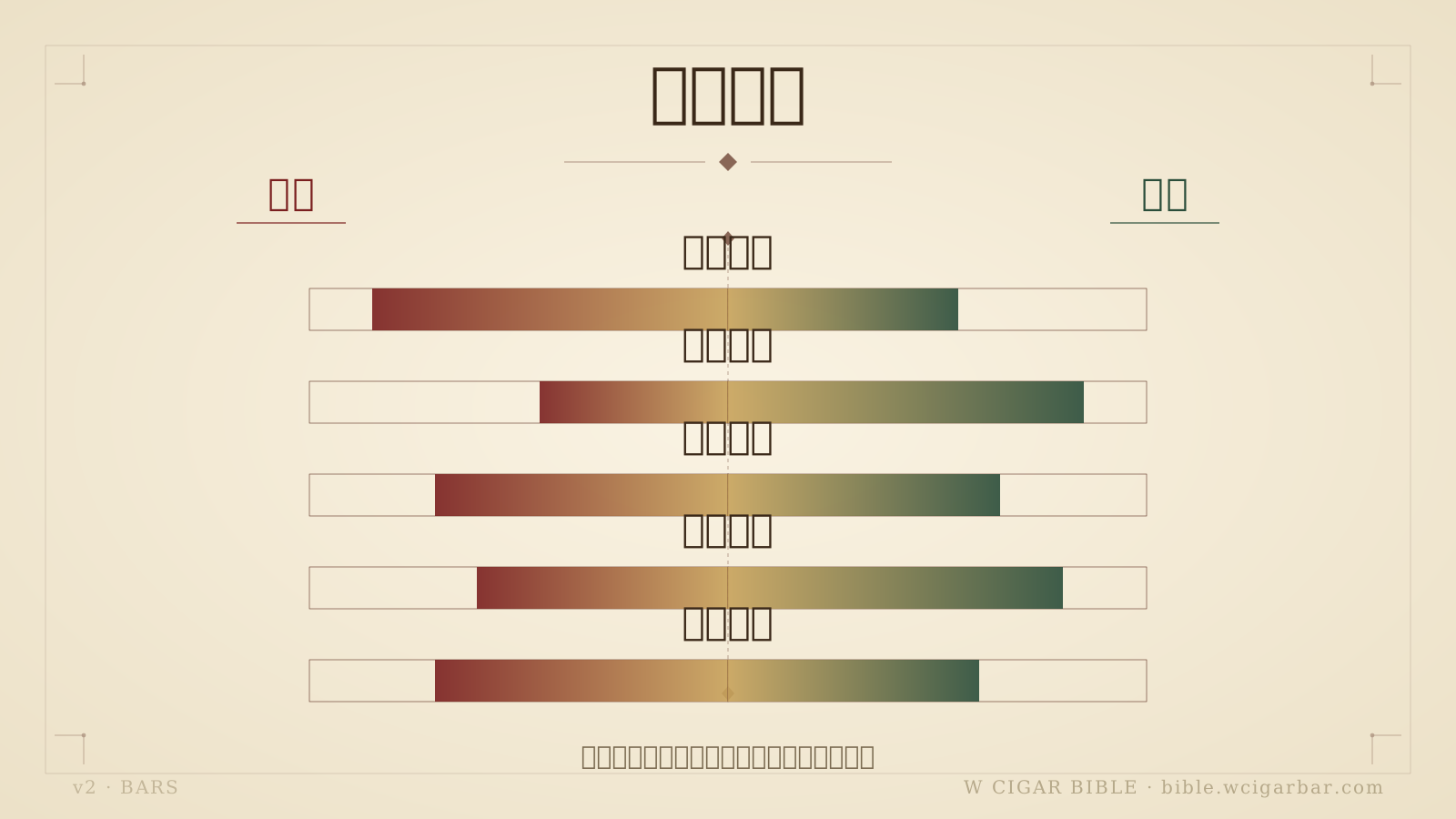
橫條圖比較古巴與非古在產區傳統、混配與厚度上的取向
Packaging Craftsmanship: Wooden Boxes, Aluminum Tubes, and Bands are More Than Just Appearance
Packaging is not the final decoration but a part of the brand style. Spanish cedar boxes can slowly regulate humidity and impart a faint woody aroma; Dress Box, Cabinet, SLB, and 8-9-8 arrangements each affect cigar pressure, ventilation, and aging speed. Partagás 8-9-8 is famous for its special arrangement, not only for its neat appearance but also for more balanced pressure on cigars in the box. The lacquer box and anti-counterfeiting details of Cohiba Behike are a comprehensive design of high-end positioning, preservation, and market recognition.
Bands are also worth studying. Early Cuban bands were relatively simple, but after 2000, many added embossing, gilding, laser, and anti-counterfeiting elements, not only for aesthetics but also to reduce counterfeiting risks. Davidoff's minimalist white band, Padron's retro brown-gold, Fuente OpusX's luxurious red-gold each convey brand language. The true value of packaging is to protect the condition, convey identity, and allow consumers to recognize the source and batch.
When experienced enthusiasts unbox, they can observe several details:
- Is the aroma inside the box clean, without mold or sour smells?
- Are the band positions consistent, and is the printing clear?
- Are the box bottom code, tax stamp, seal, and source documents reasonable?
- Are the cigars overly compressed, and are the feet damaged?
Brand Case Comparison: High-End Yet Different Craft Logic
Discussing brands cannot be simply cut into "Cuban" or "New World." Cohiba's advantage lies in leaf source selection and additional fermentation for delicacy; Partagás excels in the recognition of dark tones, earth, leather, and spice; Davidoff pursues cleanliness, balance, and low defects; Padron creates a rich sweetness with Nicaraguan leaves, long-term aging, and stable rolling. They are all high-end, but their craftsmanship purposes are completely different.
| Brand/Series | Representative Craft | Common Flavor Profile | Key Points for Experienced Enthusiasts |
|---|---|---|---|
| Cohiba Siglo VI | High-standard leaf selection, partial additional fermentation | Cream, grass, honey, wood | Look at vintage condition and mid-section delicacy |
| Partagás Serie D No.4 | Traditional rich formula | Earth, leather, pepper, coffee | Look at burn stability and end bitterness |
| Davidoff Aniversario | Precise grading and quality control | Nuts, cream, hay, white pepper | Look at cleanliness and balance |
| Padron 1964 | Nicaraguan leaves, long aging | Cocoa, coffee, black pepper, sweet earth | Look at draw consistency and sweetness depth |
Brand depth is not a ranking but understanding how it creates a recognizable style. For example, Cohiba Siglo VI became one of the representatives of large ring gauge Cuban cigars after its launch in 2002; Padron 1964 Anniversary commemorates the brand's 30th anniversary and remains a benchmark case for New World cigar stability. Connecting these backgrounds with actual sensory experiences is the only way to truly understand the brand.
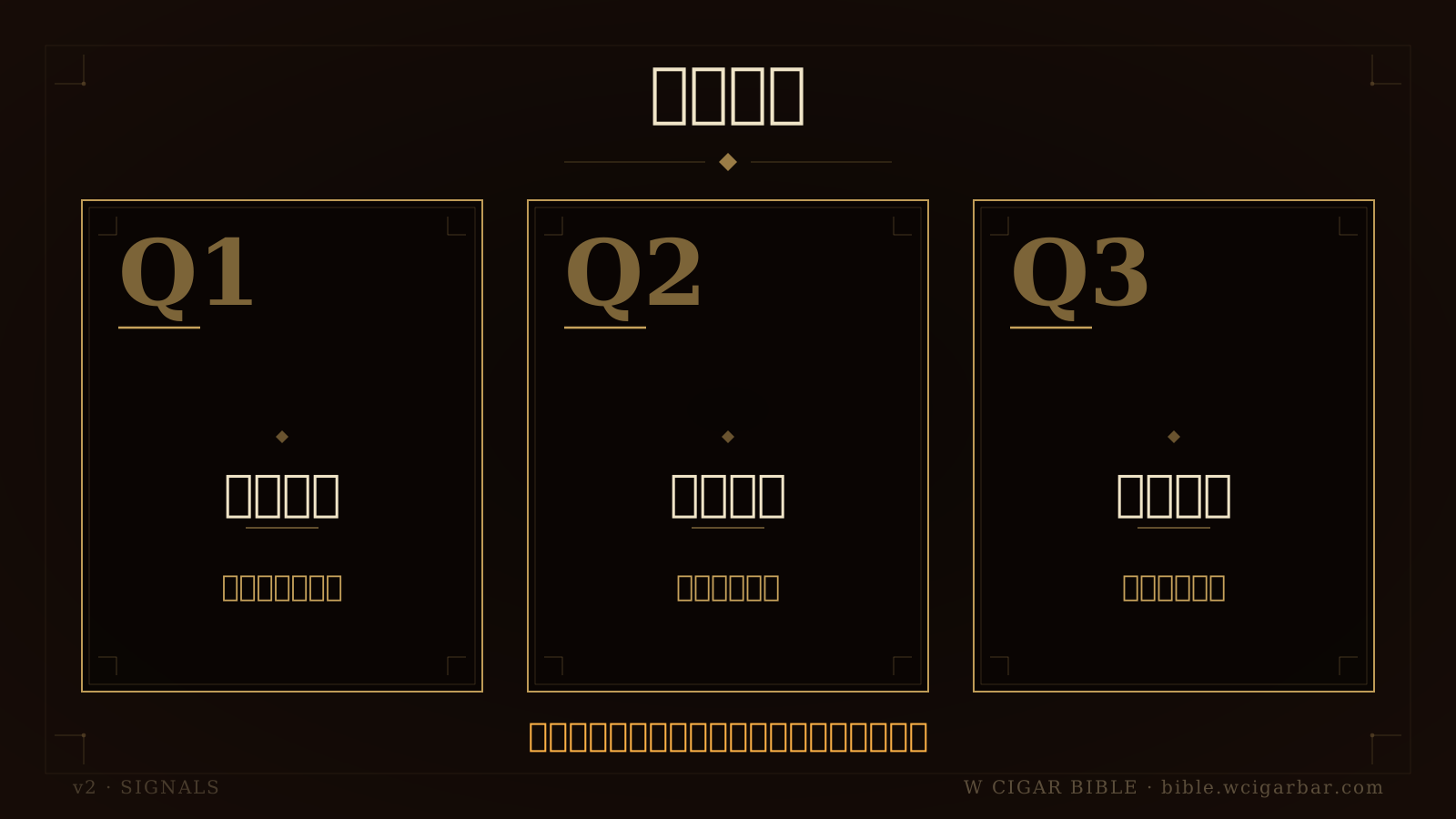
三張問答卡片說明年份差異、茄衣影響與抽阻問題
Evaluating from an Experienced Enthusiast's Perspective: Turning Craftsmanship into Verifiable Sensory Records
Advanced enthusiasts don't just use more adjectives but record more precisely. I suggest recording at least three segments for each cigar: the initial segment looks at the opening aroma and burn establishment speed; the mid-section looks at whether the main body of the formula unfolds; the end looks at whether nicotine strength, bitterness, and heat are out of control. For example, the common burn time for a Robusto is about 45–70 minutes; a Churchill may reach over 90 minutes, but time is not a competition; rhythm and temperature are the core.
When recording, you can fix fields: brand, size, box code or vintage, storage humidity, lighting environment, draw, burn, ash line, three-segment flavor, and finish. After continuously recording over 20 cigars, you'll find your understanding of the brand begins to change: some brands are very beautiful individually but have significant differences across a box; some brands don't show off at the start but reveal structure in the mid-section. Whether the craftsmanship is excellent must ultimately return to repeatable sensory evidence.
Also, don't ignore personal variables. High humidity can make burning stuffy and bitter; low humidity can make spiciness sharp and burn too fast. After meals, on an empty stomach, with coffee, rum, or whiskey, all can change perception. If comparing brands, try to do so under similar conditions; otherwise, it's easy to misjudge environmental differences as brand differences.
Common Questions
Why is there a big difference in the same brand across different vintages?
Agricultural products are inevitably affected by climate; rainfall, harvest time, and fermentation conditions will change performance. Years like 2008, 2014, and 2019 have their own discussion points in different regions, but you can't judge solely by vintage. Vintage is a clue, not a conclusion; box condition and preservation are the key landing points.
How much does the wrapper affect flavor?
With a small ring gauge, the wrapper proportion is high, and the aroma influence is more pronounced; with a large ring gauge, the filler body is more prominent. Lancero often magnifies the wrapper's personality, while Toro more reflects the formula's thickness.
Why do some high-priced cigars still have poor draw?
Handmade production inherently has variables; filler leaf arrangement, moisture content, and mold time all affect airflow. Higher prices increase the probability of selection and quality control, not completely eliminate risk.
Will box and single cigar conditions differ?
Yes. A whole box in the same environment buffers each other, with more consistent conditions; a single cigar may be more affected by display, handling, and humidity changes. Experienced enthusiasts often value source and preservation records.
Can collecting cigars be considered an investment?
Some limited editions, discontinued or famous boxes do have market discussions, but collection appreciation does not guarantee appreciation; it still depends on source preservation and market. If preservation is poor, even the rarest will lose value.
What does PCC authorized dealer mean?
PCC authorized dealers mean their supply chain and authorization relationship have a clear source traceable. For experienced enthusiasts, transparent sources can reduce the risk of counterfeiting and unknown preservation, but box condition, seals, and status should still be checked.
I always believe that those who truly understand cigars will not only chase famous brands or high scores but will see the agriculture, time, craftsmanship, and quality control behind each one. The beauty of brand craftsmanship lies in transforming unstable natural materials into recognizable, memorable styles as much as possible. When you can understand from leaf selection, fermentation, rolling to packaging, the cigar in your hand is no longer just a pastime but a culture with vintage, land, and technology.
—Cigar Prince Wilson Tsai
Smoking is harmful to health. No smoking under twenty years old. Quitline: 0800-636363. This article is for reference by adults over twenty years old for cigar culture, preservation, and regulatory knowledge, not a tobacco advertisement, promotion, or purchase suggestion.
Like this article?Share with friends
Share this W Cigar Bible piece with friends who want to learn cigar culture, storage, and tasting.
想把這篇 化為實踐
雪茄聖經是知識;雪茄文化要在空間裡發生
W Cigar Bar 大安總店資訊
台北大安區 · 雪茄聖經總編輯 Wilson Tsai 主理的雪茄文化空間
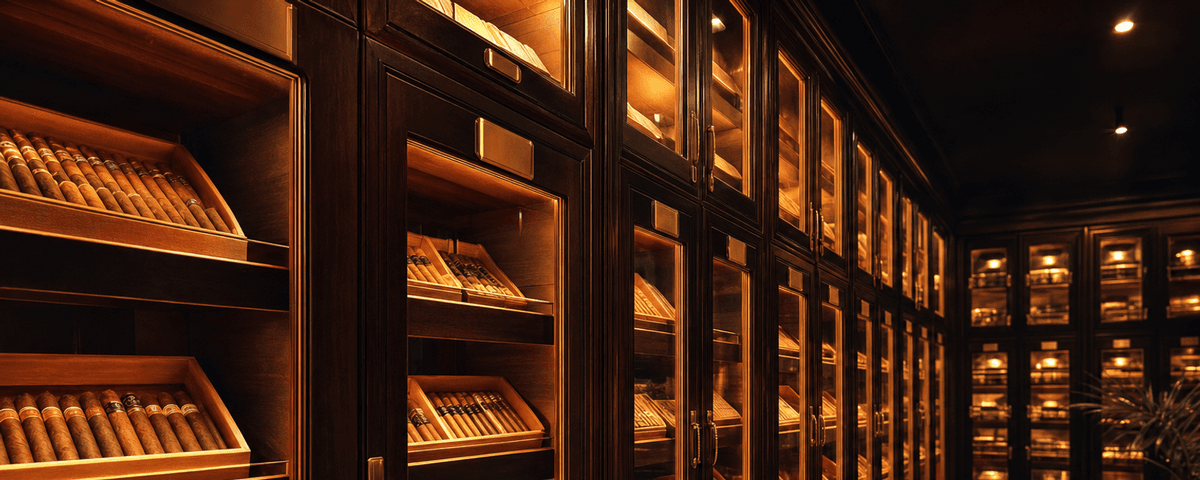
33 座 24 小時恆溫恆濕醇化室
W Cigar Bar 提供的會員醇化空間 · 場地資訊請洽編輯部
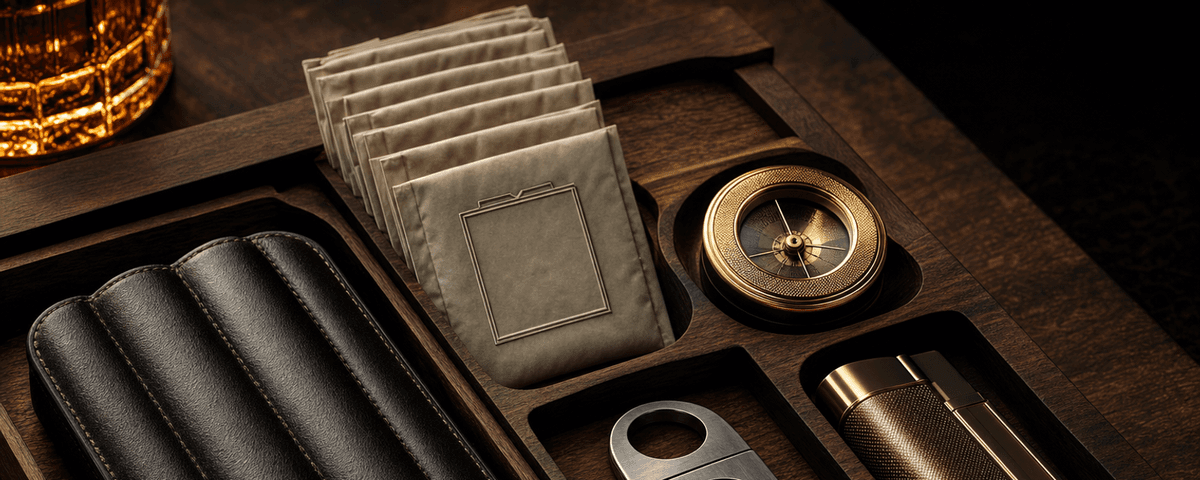
雪茄剪 / 打火機 / 雪茄盒 / Boveda
W Cigar 配件官網 · 專營雪茄配件正品
加 LINE 好友 · 文化諮詢
文化空間資訊 · 紳士沙龍 · 私人包場
本網站內容僅供雪茄文化、歷史、收藏與品吸知識研究參考。菸品有害健康、未滿法定年齡者請勿吸菸。實際規範請依所在地法律為準。
吸菸有害健康・戒菸專線 0800-636363・本站僅供 20 歲以上成年人閱覽。
讀到這裡,你不只是路過的人
留下 Email,加入 W 雪茄聖經內圈——總編輯 Wilson Tsai 親選的學院深文與國際新訊,先你一步送到信箱。
· 教育用途非銷售 · 隨時一鍵退訂 · Email 絕不對外公開 · 由勝茄股份有限公司營運
同分類延伸閱讀
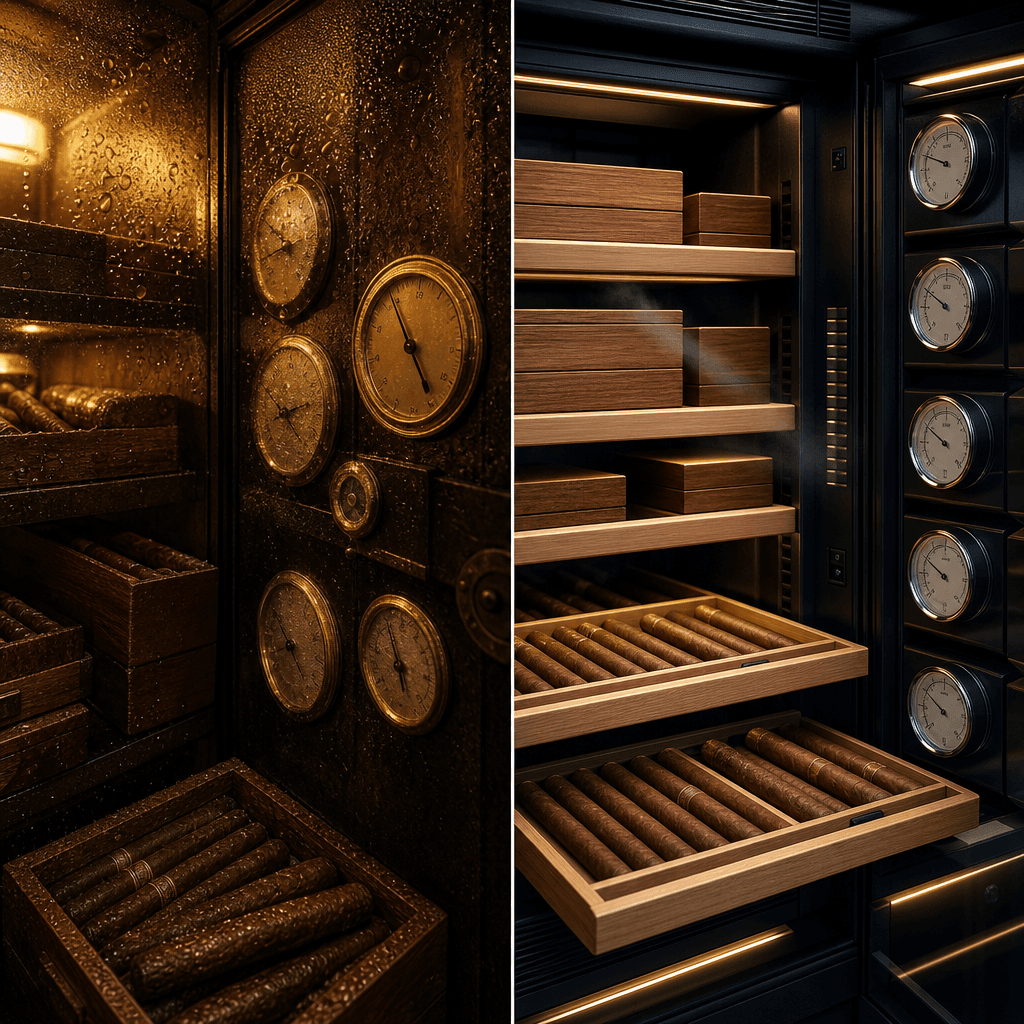
資料來源:W Cigar Bible 編輯部整理 · 雪茄王子 Wilson Tsai 親自審稿
本文僅供雪茄文化、歷史、收藏與品鑑知識研究,不作為菸品促銷、銷售或購買建議。吸菸有害健康,未滿二十歲不得吸菸。