普洱生茶的時間之味:老生茶轉化與山頭氣,搭配 Montecristo Edmundo 的醇厚平衡

普洱生茶不經渥堆,以曬青毛茶在時間中自然轉化,從新茶的苦澀、青烈,逐步走向老生茶的梅韻、樟香與蜜感。本文以易武柔、班章霸、古樹與台地、乾倉濕倉為骨架,對照 Montecristo Edmundo 的可可、咖啡、雪松與淡柑橘,拆解茶湯與煙霧相遇時的具體風味化學。
- 普洱生茶的核心在曬青與不渥堆,時間讓苦澀轉為梅樟蜜韻。
- 易武柔與班章霸不是口號,而是茶多酚、木質感與回甘路徑差異。
- Montecristo Edmundo 的油潤煙霧,能馴服老生茶仍保留的活性澀感。
The Taste of Time in Raw Pu-erh Tea: Transformation of Aged Raw Tea and Terroir, Paired with the Rich Balance of Montecristo Edmundo
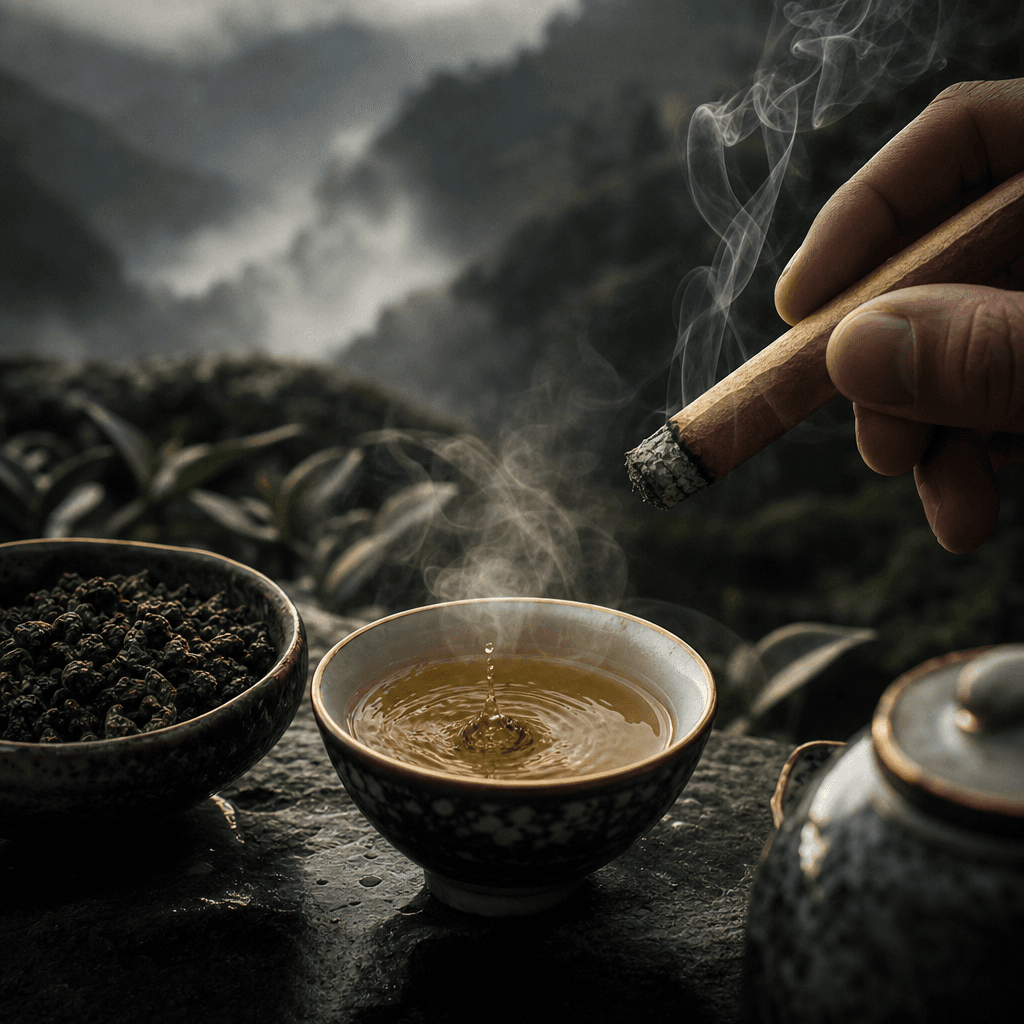
The encounter between raw Pu-erh tea and Montecristo Edmundo is not about using tea as a mere palate cleanser, but about pairing a naturally transformed tea, without fermentation, with a Cuban Edmundo-sized cigar, 52 × 135mm, of medium-strong body. As an editor of the "Cigar Bible," I often say that a truly enduring pairing is not just about similar aromas, but whether a structure can be explained between bitterness, astringency, sweetness, oils, woodiness, and smokiness. In this article, I will first place raw Pu-erh tea back into the context of Yunnan's mountains, sun-drying craftsmanship, storage microclimates, and the ethics of aging, and then discuss how it interlocks with the cocoa, coffee, cedar, and light citrus of Montecristo Edmundo.
This is a non-alcoholic beverage theme, but the density of knowledge should not be reduced because of it. The charm of raw Pu-erh tea lies in the fact that it is not defined by oak barrels like distilled spirits, nor is it dominated by acidity and tannins like red wine; it is more like a slowly unfolding study of plant time. When the plum and camphor notes of aged raw tea meet the woody cedar, when the bitter base of terroir tea meets the bitterness of cocoa, when the astringency that remains active after transformation is enveloped by the oily smoke of a 52-ring gauge, this pairing truly enters deep waters.
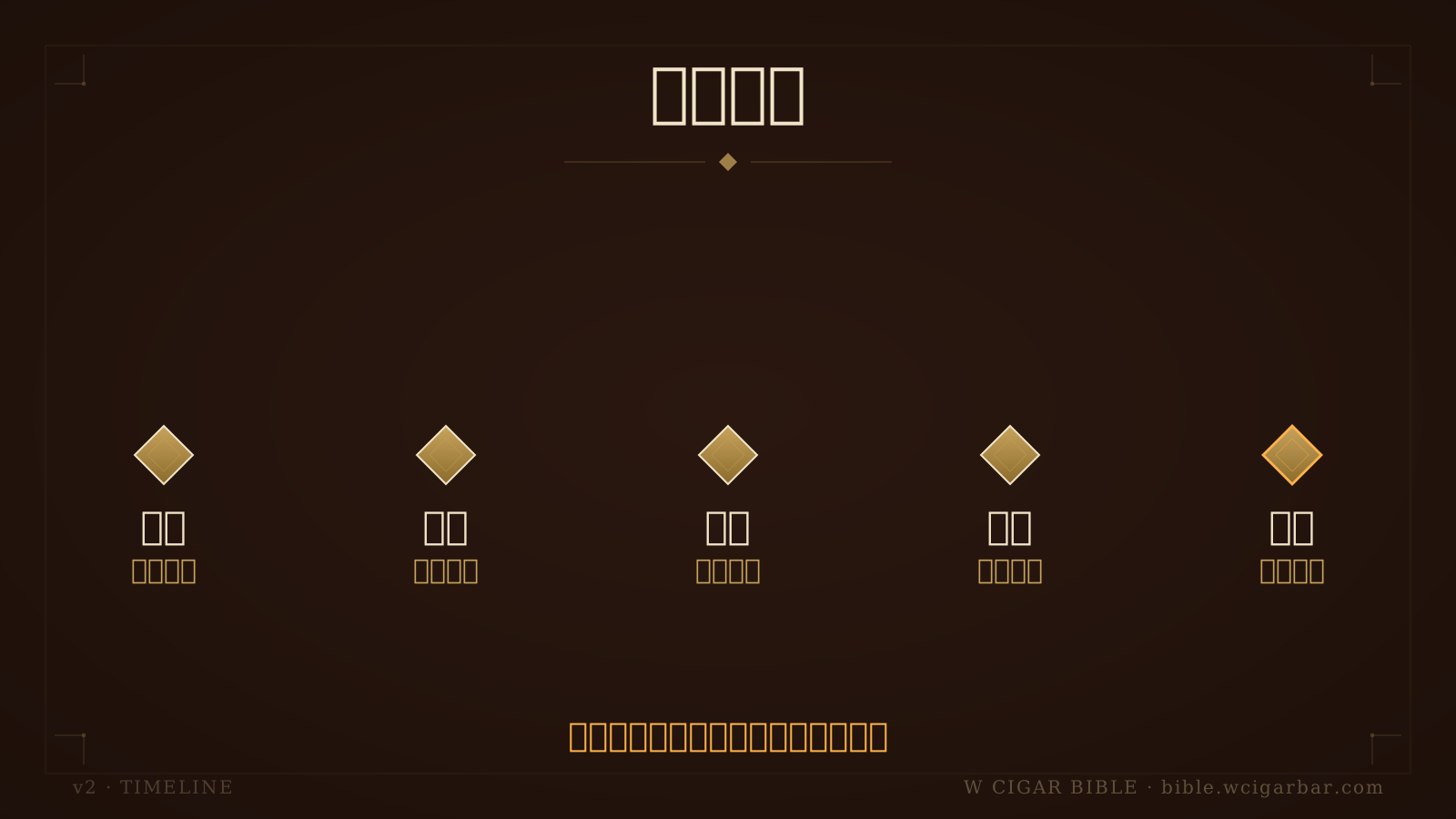
時間線呈現普洱生茶從鮮葉到倉儲轉化
The Underlying Craft of Raw Pu-erh Tea: Sun-dried Maocha and Non-fermentation
The starting point of raw Pu-erh tea is the fresh leaves of the large-leaf variety from Yunnan, which are pan-fried, rolled, and sun-dried to become sun-dried maocha, then steamed and pressed into cakes, bricks, or tuos, or kept in loose tea form. The biggest difference from ripe tea is that it does not undergo pile fermentation, avoiding the high-temperature, high-humidity artificial piling process to quickly generate a brown soup feel. The character of raw Pu-erh tea is not about being made ripe, but about letting the sun-dried maocha be slowly rewritten by time, oxygen, moisture, and microorganisms.
Sun-drying is not simply drying the leaves, but retaining some enzyme activity and the openness of the substances within the leaves. Yunnan large-leaf tea has a high polyphenol content, with catechins, caffeine, amino acids, and pectin forming the backbone of new tea, hence new tea often has green chestnut, grassy, floral aromas, a bitter base, and sharp astringency. If sun-drying is well-controlled, it will leave a bright plant aroma and space for subsequent transformation; if there is too much fire or stuffiness, the later stages may appear dull.
When I look at raw Pu-erh tea, the first step is not to ask about the age, but whether the maocha has a clear structure. Good raw tea can be bitter and astringent in the new tea stage, but it cannot be murky, stuffy, or have only perfumed aromas. This is also the premise for its interaction with Montecristo Edmundo, because the thickness of Edmundo's smoke will amplify the contours of the tea soup, and if the tea's base is loose, the pairing will only leave a coarse bitterness.
The Time Curve of Aged Raw Tea: From Sharp Bitterness to Plum, Camphor, and Honey Notes
New raw tea often has two stages of pressure: the front is the astringency brought by catechins, and the back is the bitterness brought by caffeine and polyphenol oxidants. If this bitterness and astringency can quickly return to sweetness, it will turn into licorice, green plum skin, and wildflower aromas at the root of the tongue and cheeks; if it lingers too long, it will appear dry and hard. The brilliance of aged raw tea lies in the fact that after years of transformation, these sharp substances are oxidized, polymerized, and decomposed into a broader, deeper, and more layered taste.
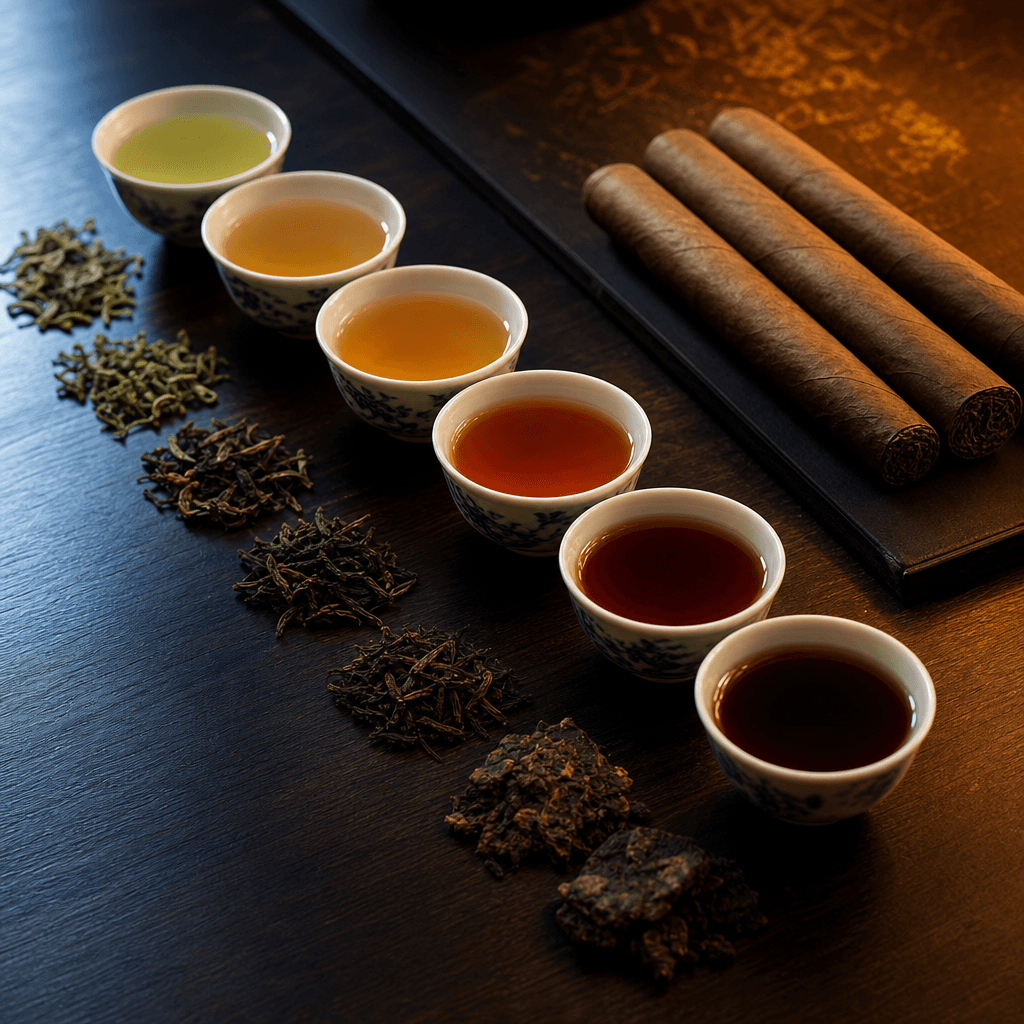
As time progresses, the tea soup will transition from yellow-green, golden yellow, to orange-yellow, orange-red, and even amber. The aroma also shifts from the grassy, orchid, and honey orchid of new tea to dried plum, camphor, herbs, honey, dried fruit, and old wooden box scents. The plum, camphor, and honey notes of aged raw tea are essentially the time marks left by the transformation of polyphenols, the reorganization of aromatic compounds, and the micro-ecology of storage.
When paired with Montecristo Edmundo, this time curve becomes very specific. Edmundo's cedar and coffee tones will pull the camphor, dried plum, and jujube peel of aged raw tea to a darker frequency; at the same time, its light citrus can catch the sour aroma at the end of the tea soup, preventing the plum notes from becoming a thin sourness. I often say that aged raw tea is not better the older it is, but it must still have tea energy, sweetness, and clean woodiness after transformation to withstand the pressure of a medium-strong cigar body.
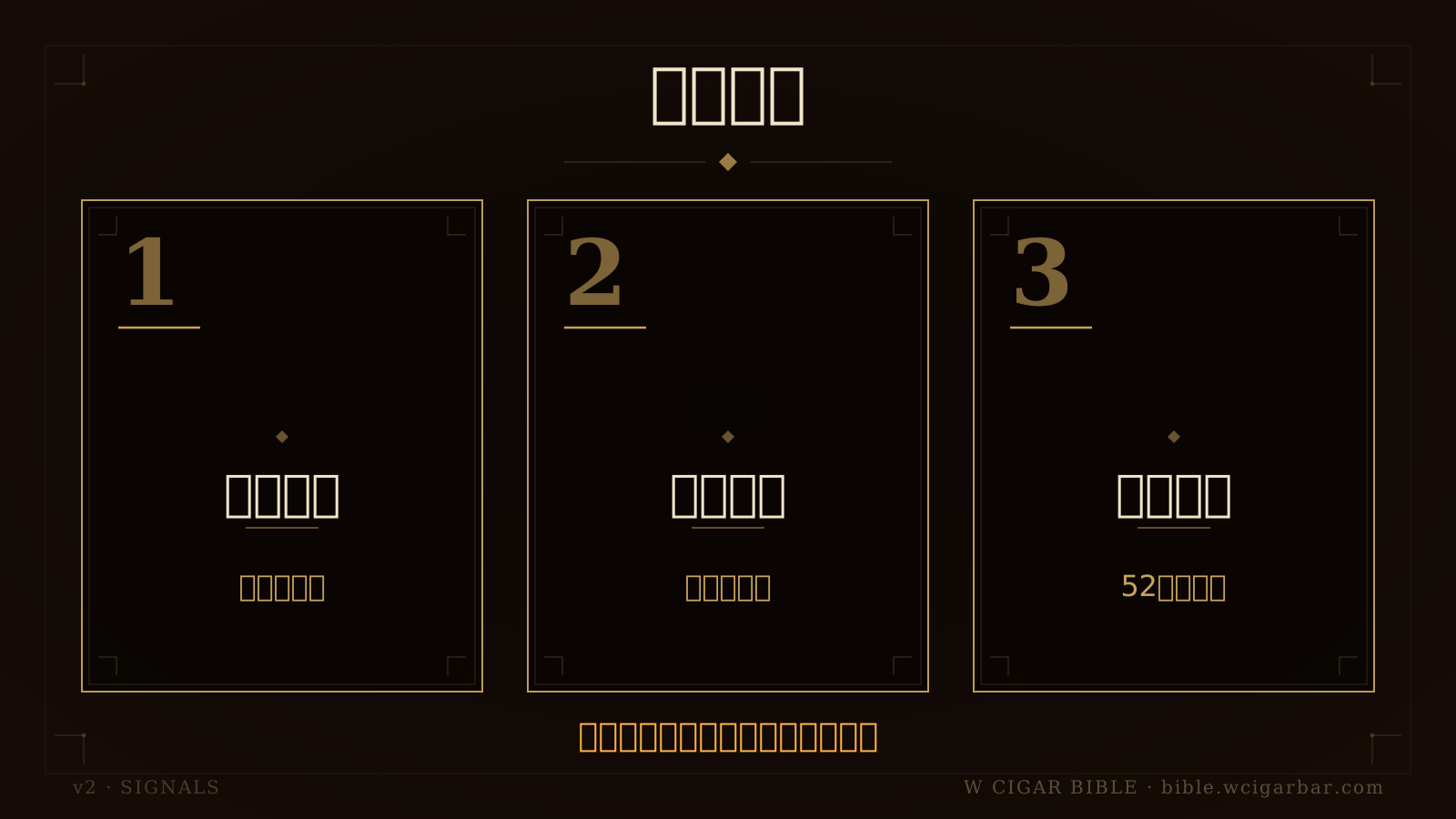
三張重點卡呈現轉化木質與油潤包覆澀感
The Bone Structure of Terroir Tea: The Softness of Yiwu and the Strength of Banzhang
When discussing terroir tea, the biggest fear is turning place names into myths. Yiwu and Banzhang do represent two typical paths, but they are not absolute labels; they are the sensory results formed by soil, altitude, tree age, picking standards, initial processing methods, and storage. Yiwu tea is often described as soft, not because it is light, but because it has fine water paths, long sweetness, and bitterness and astringency that are not fierce, with aromas often seen as floral honey, soft wood, rice soup, and delicate fruit notes.
Banzhang is often described as strong, but it is not rough; it has a high density of tea soup, a distinct bitter base, and rapid sweetness, with more propulsion in the throat and chest. This wild strength comes from higher internal substances, strong bitter notes, and rapid salivation; if the initial processing is clean, the bitterness will turn into thick sweetness; if the process or storage is unbalanced, the strength may become hard astringency. The difference between the softness of Yiwu and the strength of Banzhang truly lies in the speed of bitterness and astringency turning into sweetness, the thickness of woodiness, and the way the throat rhyme extends.
When placed next to Montecristo Edmundo, aged raw tea from Yiwu will form an elegant horizontal expansion with cedar and light citrus. The soft sweetness of the tea soup can buffer the coffee bitterness in Edmundo's front section, making the smoke appear rounder. Aged raw tea from the Banzhang line will push Edmundo's cocoa bitterness deeper, forming a "terroir bitter base × cocoa bitterness" dual bitter return sweetness mechanism, suitable for a slow pace, small sips of tea soup, and low-frequency puffing; otherwise, the forces on both sides will stack up too quickly.

矩陣比較新生茶易武老茶與班章老茶差異
Ancient Tree Tea and Terrace Tea: Not Identity, But Flavor Density
Ancient tree tea is often discussed not just because of the romantic notion of tree age, but because of the deep root system, high leaf maturity, and usually more complex internal substance ratios and growth environments. Good ancient tree raw tea may not be the most fragrant, but it often has a more stable oral weight, longer return sweetness, and finer astringency granules. Terrace tea should not be simplified into a low-level concept; terrace tea that is cleanly managed, reasonably picked, and accurately processed can still provide clear aromas and sharp structures.
What truly needs to be compared is "density" and "aftertaste." The astringency of ancient tree tea often spreads slowly on the tongue like fine sand; if terrace tea has concentrated internal substances but insufficient maturity, the astringency may be sharper, staying on the tip of the tongue and palate. The difference between ancient tree tea and terrace tea should not be described as a high or low identity, but should return to the thickness of the tea soup, the granularity of astringency, and the length of return sweetness.
The 52-ring gauge of Montecristo Edmundo provides a wider burning surface and more pronounced oily smoke. When paired with aged ancient tree raw tea, the thickness of the tea soup can match the weight of the smoke, and the plum and camphor notes and cedar woodiness will have a more complete middle section. When paired with younger or sharper astringent terrace raw tea, Edmundo's oiliness can temporarily envelop the astringency, but the coffee bitterness in the smoke's later stages may also elevate the tea's green astringency, so water temperature, tea amount, and puffing rhythm need to be more precise.
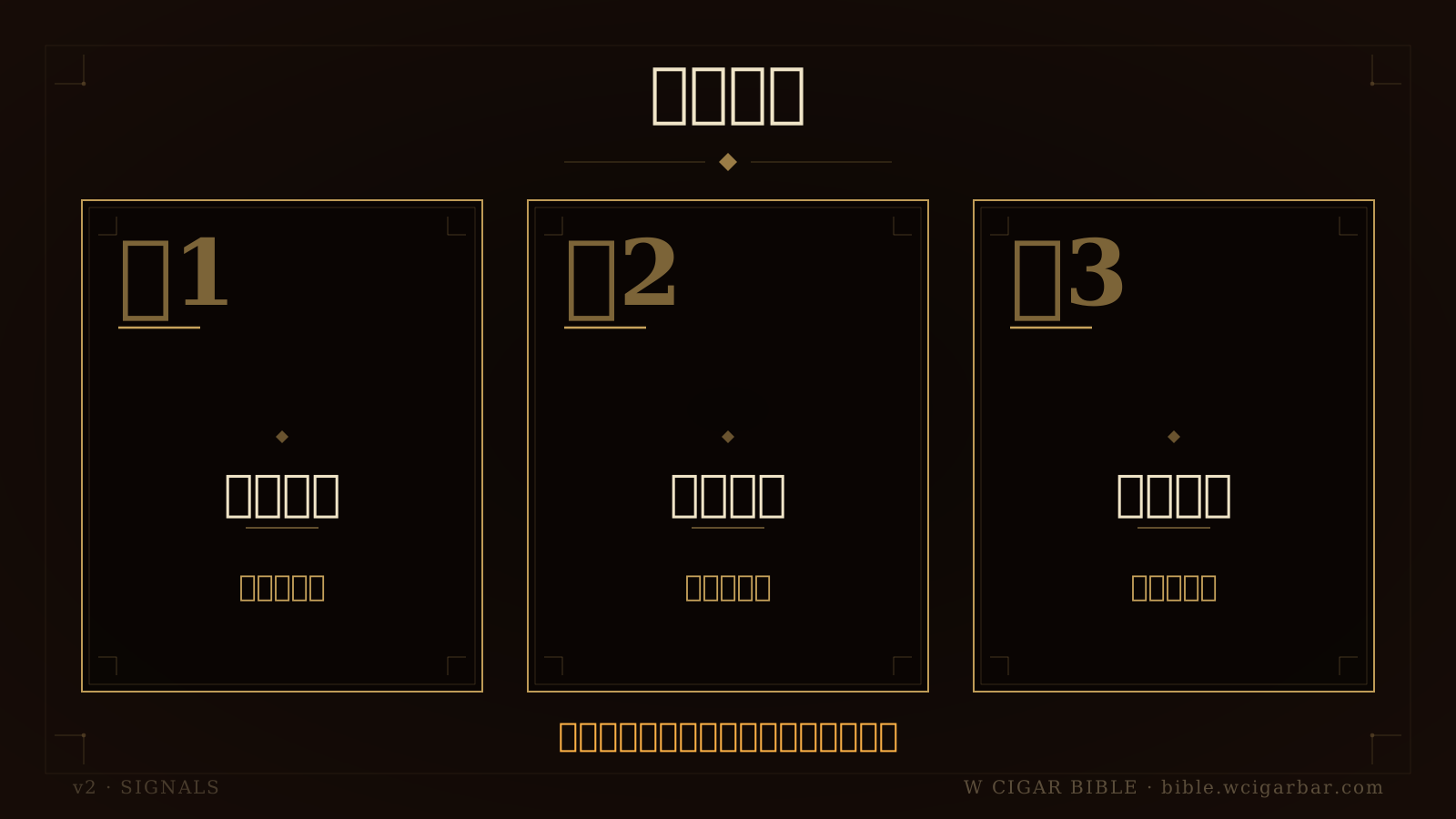
三張誤區卡提醒年份新茶濃度與品飲順序
Dry Storage and Wet Storage: The Study of Aged Raw Tea Storage and Flavor Ethics
Dry storage and wet storage are not a moral dichotomy, but rather different humidity, temperature, ventilation, microorganism activity, and time scales. Dry storage usually transforms more slowly, with clean aromas, clearer woodiness, plum notes, and honey feel, and the transparency of the tea soup is easier to maintain. A higher humidity environment will accelerate color and soup feel changes; if managed rigorously, it can form ripe fruit, medicinal aromas, and thick smoothness that appear earlier; if out of control, it may produce stuffy, mixed, moldy, and unclean storage flavors.
When drinking aged raw tea, I first look at the dry tea aroma, then see if there is clean wood, plum, herbal, and sweet aromas after waking the tea. After entering the mouth, I observe whether the soup surface is bright, the throat is clean, and the return sweetness is natural, rather than blindly believing in the age number. The tasting ethics of aged tea is to respect the storage path of each cake of tea, judging only by the cleanliness of flavor, completeness of transformation, and honest bodily response.
When paired with Edmundo, dry storage aged raw tea is more likely to present a clear "plum camphor note × cedar wood" dialogue. Aged raw tea on a higher humidity route, if it carries clean medicinal aromas and thick smooth soup feel, can form a darker, softer tail note with cocoa and coffee; but as long as there is stuffy storage gas, the cigar smoke will amplify that mixed flavor. This is also why I don't take age as the answer, because a medium-strong cigar body is like a strong light that will illuminate all the details in the tea soup.
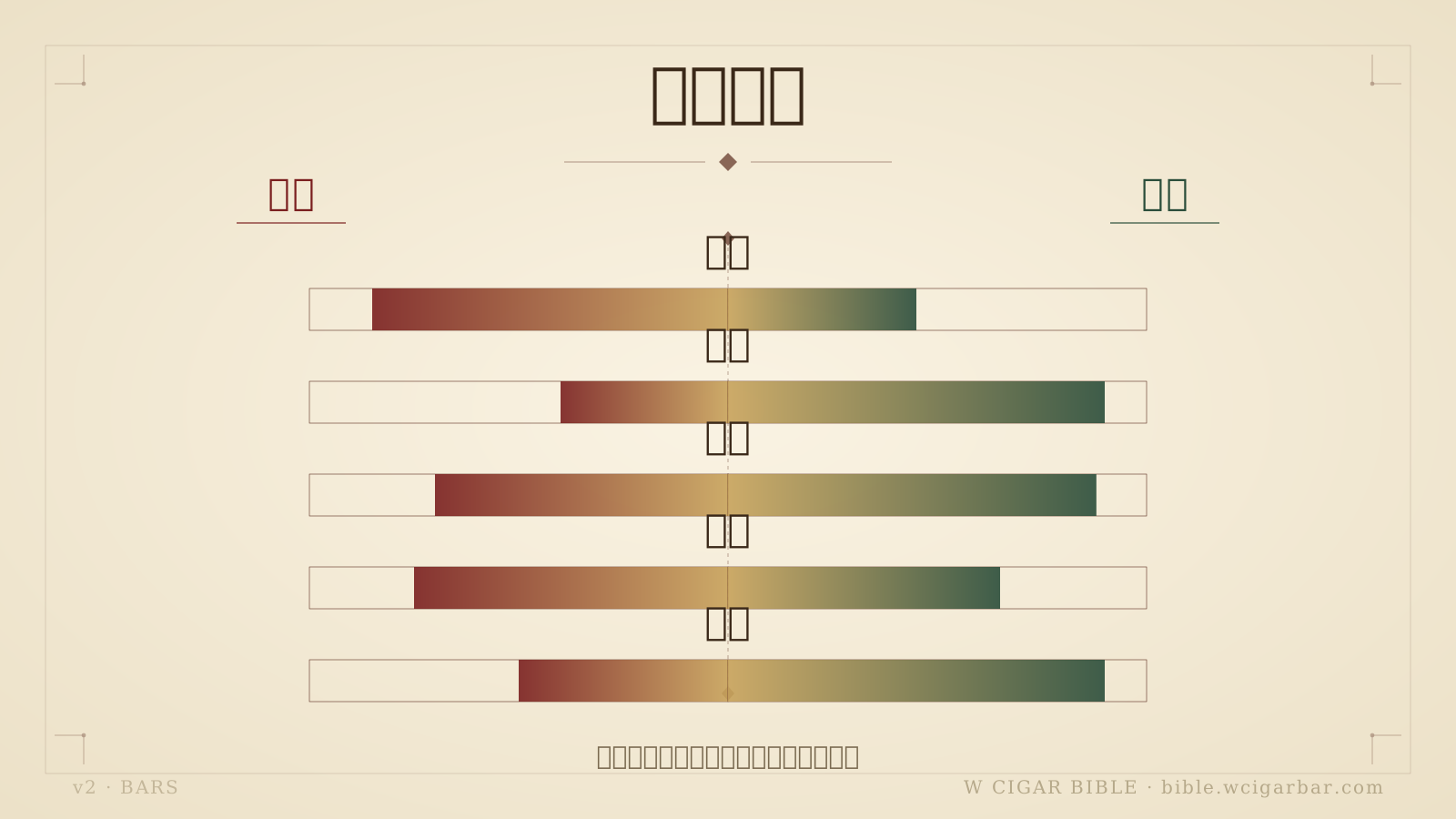
長條圖對比易武與班章在甜苦回甘上的強弱
Montecristo Edmundo: The Medium-Strong Framework of Cocoa, Coffee, Cedar, and Light Citrus
Montecristo Edmundo (Cuba, Edmundo, 52 × 135mm) is a cigar very suitable for testing the structure of tea soup. It is not a delicate floral type, nor is it a purely heavy black earth style, but maintains a medium-strong cigar body between cocoa, coffee, cedar, and light citrus. The 52-ring gauge gives the smoke enough oiliness and width, and the 135mm length allows for clear changes in the front, middle, and back sections, without excessively prolonging the pairing rhythm.
The front section often sees light citrus, dry grass, light cedar, and slightly bitter cocoa, with relatively open smoke entry. The middle section deepens with coffee, cocoa, and roasted nut feel, with cedar wood becoming the main axis; if puffed too quickly in the back section, bitterness will rise; if the rhythm is stable, there will be black cocoa, deep-roasted coffee, and dry wood sweetness. The key to pairing Montecristo Edmundo is that it uses oily smoke to embrace tea astringency, then establishes a synchronous return sweetness with cocoa coffee bitterness and tea soup bitter base.
After cutting, I let it be evenly lit with a gentle heat source to avoid the front section woodiness being covered by burnt bitterness. When pairing with aged raw tea, the first sip of tea should not be too strong, first allowing the tongue to establish plum notes, woodiness, and sweetness, then letting the smoke enter. If the tea soup is too thick at the start, Edmundo's front light citrus will be suppressed; if the smoke precedes too long, the delicate mountain terroir of the tea will also be overshadowed by coffee bitterness.
Flavor Chemistry Contrast: How Plum Camphor Notes, Cocoa Bitterness, and Oily Smoke Rewrite Each Other
The plum camphor notes of aged raw tea against cedar woodiness is the deepest axis of this pairing. Plum notes come from sweet and sour aromatic substances, dried fruit feel, and the soft acid after polyphenol transformation; camphor notes are close to camphor wood, herbs, old wooden box, and cool wood composite impressions. Edmundo's cedar is not just a wood flavor; it carries a bit of dryness, slight spiciness, and fragrant woodiness, which can pull the camphor aroma of aged raw tea from the end of the tea soup to the middle of the nasal cavity.
The dual bitter return sweetness of terroir bitter base and cocoa bitterness is the second main line. The bitterness of aged raw tea from the Banzhang line usually has strong propulsion, while cocoa bitterness is more sinking and powdery; when they meet, the root of the tongue is first opened by tea bitterness, then the bitterness is lowered by the cocoa and coffee of the smoke. The beauty of this pairing is not in eliminating bitterness, but in allowing bitterness from different sources to calibrate each other, finally turning into longer sweetness and wood sweetness.
| Flavor token | Source of Raw Pu-erh Tea | Corresponding Montecristo Edmundo | Changes after Encounter |
|---|---|---|---|
| Plum notes | Transformation of polyphenols in aged raw tea, sweet and sour dried fruit | Light citrus | Brightened acidity, end more like candied green plum |
| Camphor aroma | Storage and reorganization of woody aromatic compounds | Cedar | Forms clean fragrant wood, old wooden box, and cool feeling |
| Terroir bitter base | Yiwu fine bitterness or Banzhang strong bitterness | Cocoa, coffee | Bitterness sinks, return sweetness time is extended |
| Active astringency | Tea polyphenols and leaf structure | 52-ring gauge oily smoke | Astringency granules are enveloped, oral lines become round |
| Honey feel | Sweetness of tea soup and pectin | Roasted nuts, dry wood sweetness | Mid-section thickness increases, wood sweetness clearer |
The most precise point is "the active astringency in transformation is tamed by the 52-ring gauge oily smoke." Aged raw tea is not completely without astringency, but the astringency changes from sharp spikes to fine grip, and this grip prevents the tea soup from collapsing. Edmundo's oily smoke acts like a lipid film, softening the astringency on the tongue while retaining the tea soup's framework; if a cigar too light is used, the tea astringency might hang on the oral surface, and if a cigar too heavy is used, the mountain terroir might be swallowed by the smoke.

三張問答卡回答新茶乾倉與先喝順序問題
Brewing and Rhythm: Letting Aged Raw Tea and Edmundo Breathe in Sync
When pairing aged raw tea with Edmundo, I usually do not pursue strong intensity, but seek stable extraction. Both gaiwan and purple clay pots can be used, with the focus on clean utensils, stable temperature retention, and neat pouring; the water temperature can approach boiling, but the first two infusions should not be steeped too long. The biggest taboo in this pairing is overly strong tea soup and overly rapid puffing, as both will push bitterness in a single, coarse, and hard direction.
If it is aged raw tea from the Yiwu line, the front section of the tea soup can be slightly extended to lay down honey feel and soft wood first, then connect with Edmundo's light citrus and cedar. If it is aged raw tea from the Banzhang line, the first few infusions should be shorter to keep the bitter base clean and sharp, rather than turning into a heavy bitter soup. Aged ancient tree raw tea can withstand higher water temperatures and more complete extraction, while terrace or more actively astringent tea should be quickly in and out to maintain freshness.
In terms of rhythm, I adopt a "two sips of tea, one puff of smoke, one pause" approach to observe changes. The first round looks at whether the plum camphor notes of the tea are extended by cedar, the second round looks at whether cocoa bitterness can mutually turn sweet with the terroir bitter base, and the third round checks if there is still clear salivation in the mouth. If the coffee bitterness increases in the middle and later stages, the tea soup should be slightly diluted to let the sweet water and woodiness of aged raw tea bring the smoke back to balance.
Frequently Asked Questions
The key to pairing raw Pu-erh tea with Montecristo Edmundo is not finding the oldest tea, but finding tea that is cleanly transformed, with bitterness and astringency that have return sweetness, and woodiness that can converse with cedar.
Can new raw tea be paired with Montecristo Edmundo?
Yes, but it is more challenging. The green aroma, bitterness, and astringency of new raw tea are sharper, and when encountering Edmundo's medium-strong cigar body, it is easy to push the cocoa bitterness sharper. If you want to try, it is recommended to choose terroir tea with clear sweetness, clean processing, and quick return sweetness after bitterness.
Which is more suitable, aged raw tea from Yiwu or Banzhang?
The directions are different. Aged raw tea from Yiwu is suitable for highlighting cedar, light citrus, and honey notes, with a more delicate overall; aged raw tea from Banzhang strengthens cocoa bitterness, coffee, and wild return sweetness, with greater tension. If you want to observe flavor chemistry, comparing the two separately is the clearest.
Is dry storage aged raw tea always better than wet storage?
Not necessarily. Dry storage often has clearer woodiness, plum notes, and transparent soup feel, but transforms more slowly; well-managed higher humidity storage can also have thick smoothness, medicinal aromas, and ripe fruit tones. The focus of judgment is cleanliness, throat response, and whether the aroma is natural.
Why does the 52-ring gauge affect tea astringency?
The 52-ring gauge provides a wider burning surface and smoke volume, with a more pronounced oily entry. This layer of oiliness can envelop the astringency caused by tea polyphenols on the tongue, turning sharp astringency into roundness. It does not disappear but is rearranged.
Does aged raw tea need to be awakened?
Yes, but awakening tea is not about making the flavor stronger. After dry tea is exposed to air, storage gas, woodiness, and plum notes will gradually open up, and the first one or two infusions during brewing can also be used to calibrate concentration. If the tea itself is clean, it should be brighter after awakening, not more turbid.
Should you drink tea first or smoke a cigar first when pairing?
I would drink tea first. First, let the tongue establish acidity, sweetness, woodiness, bitter base, and return sweetness, then let Edmundo's smoke enter, making it easier to identify how the two overlap. If smoking too long first, coffee and cocoa bitterness will occupy the mouth, making mountain terroir difficult to discern.
The balance between raw Pu-erh tea and Montecristo Edmundo comes from the intersection of two senses of time: tea hides mountain terroir, sun-drying, and storage in the soup, while cigars unfold aging, burning, and oil into smoke. When plum camphor notes connect with cedar, cocoa bitterness moves the terroir bitter base, and active astringency is tamed by smoke, what we drink and smoke is not just flavor, but a structure that can be closely read.
Further Reading|Complete Guide to Six Types of Tea: Fermentation Spectrum from Green Tea to Pu-erh, and Flavor Overview for Cigar Pairing|Analysis of Ripe Pu-erh Tea Pile Fermentation: Depth of Aroma and Soil, Resonating with Partagás Serie D No.4|West Lake Longjing's Bean Aroma and Return Sweetness: The Premier Green Tea's Pan-frying Craft, Paired with Quai d'Orsay No.50's Elegant Introduction
—Cigar Prince Wilson Tsai
Smoking is harmful to health. Smoking is prohibited for those under 20 years old. Quitline: 0800-636363. This article is intended for adults over 20 years old as a reference for cigar culture, preservation, and regulations knowledge, not as tobacco advertising, promotion, or purchase advice.
Like this article?Share with friends
Share this W Cigar Bible piece with friends who want to learn cigar culture, storage, and tasting.
想把這篇 化為實踐
雪茄聖經是知識;雪茄文化要在空間裡發生

W Cigar Bar 大安總店資訊
台北大安區 · 雪茄聖經總編輯 Wilson Tsai 主理的雪茄文化空間
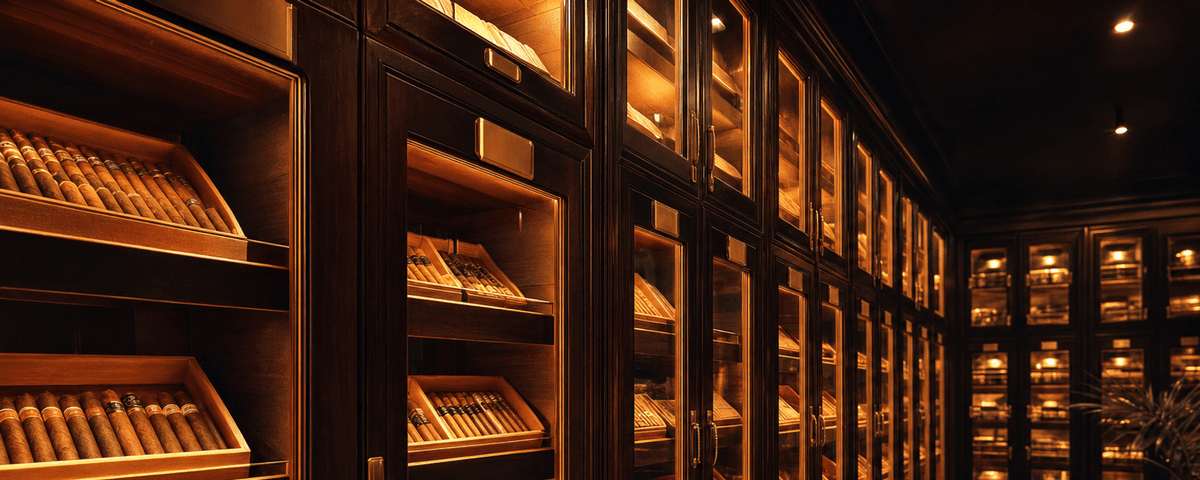
33 座 24 小時恆溫恆濕醇化室
W Cigar Bar 提供的會員醇化空間 · 場地資訊請洽編輯部
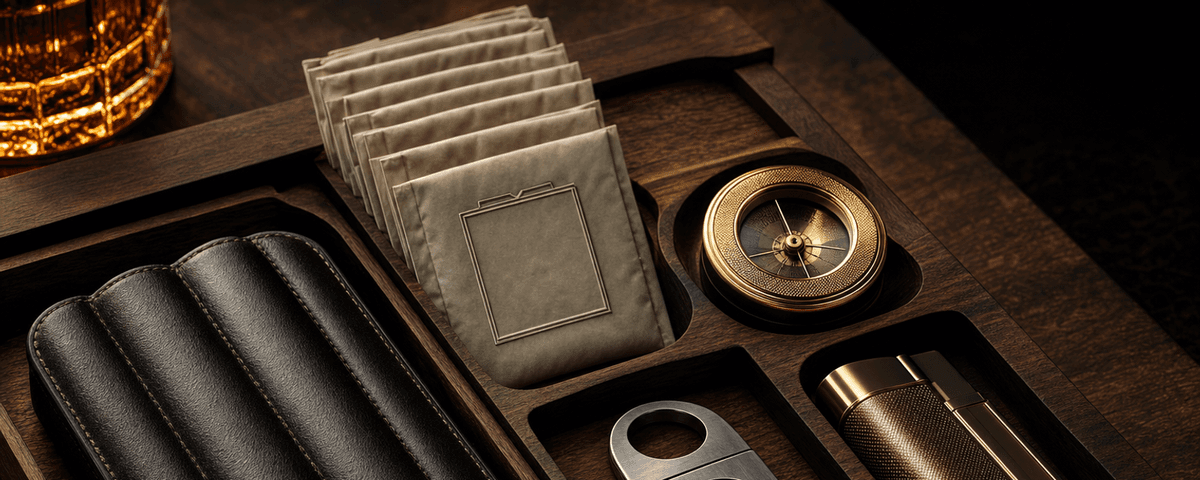
雪茄剪 / 打火機 / 雪茄盒 / Boveda
W Cigar 配件官網 · 專營雪茄配件正品
加 LINE 好友 · 文化諮詢
文化空間資訊 · 紳士沙龍 · 私人包場
本網站內容僅供雪茄文化、歷史、收藏與品吸知識研究參考。菸品有害健康、未滿法定年齡者請勿吸菸。實際規範請依所在地法律為準。
吸菸有害健康・戒菸專線 0800-636363・本站僅供 20 歲以上成年人閱覽。
讀到這裡,你不只是路過的人
留下 Email,加入 W 雪茄聖經內圈——總編輯 Wilson Tsai 親選的學院深文與國際新訊,先你一步送到信箱。
· 教育用途非銷售 · 隨時一鍵退訂 · Email 絕不對外公開 · 由勝茄股份有限公司營運
同分類延伸閱讀
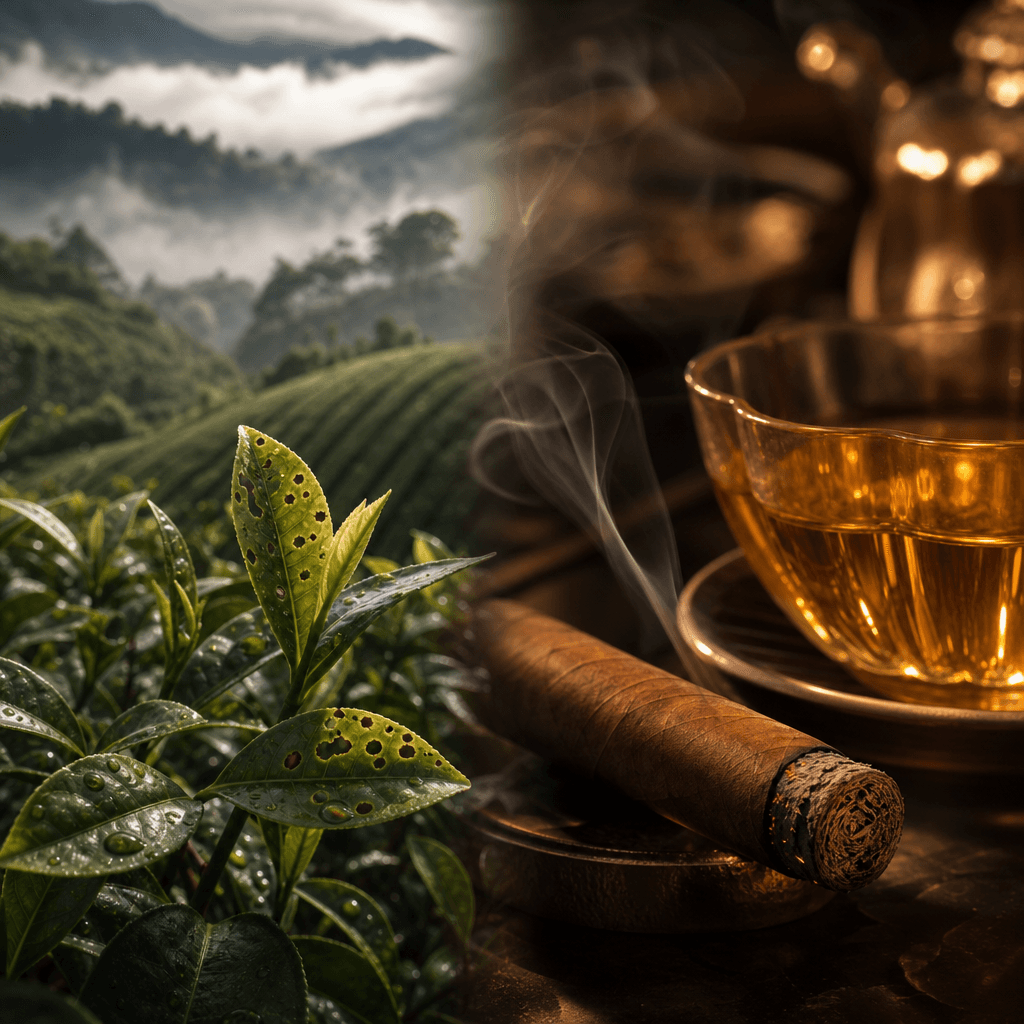
資料來源:W Cigar Bible 編輯部整理 · 雪茄王子 Wilson Tsai 親自審稿
本文僅供雪茄文化、歷史、收藏與品鑑知識研究,不作為菸品促銷、銷售或購買建議。吸菸有害健康,未滿二十歲不得吸菸。