The Choice of Raw Materials for Cigars: Leaves and Soil Affecting Flavor

老手談雪茄,回歸原材料是關鍵。Robusto 雪茄的風味差異,源於葉片位置、種子系譜、土壤與發酵過程。古巴 Vuelta Abajo 的紅色壤土與尼加拉瓜的火山土,分別造就了獨特的香氣特徵。不同葉位的分工也影響著香氣與力量的平衡,調配師在此中尋找最佳組合。此外,包葉的選擇不僅影響外觀,更對風味有顯著影響。真正的雪茄風味來自於農業、化學與調配的綜合結果,這使得每一支雪茄都獨具魅力。
- 雪茄的風味受土壤特徵影響,不同產區的土壤會改變香氣方向。
- 葉片位置決定雪茄的力量與香氣,Ligero 提供深度,Volado 則影響燃燒。
- 包葉不僅影響外觀,還能左右雪茄的入口感受與風味印象。
Experienced cigar enthusiasts always return to the raw materials: why do some Robusto cigars taste like black coffee and leather, while others resemble nectar, hay, and white pepper? The answer lies not only in the brand but also in the leaf position, seed lineage, soil minerals, fermentation curve, and aging time.
As an editor of the "Cigar Bible," I've documented different years, regions, and factory batches over the years, and the more I observe, the more I am convinced: what truly creates layers is not a single myth but the combination of agriculture, chemistry, and blending logic.
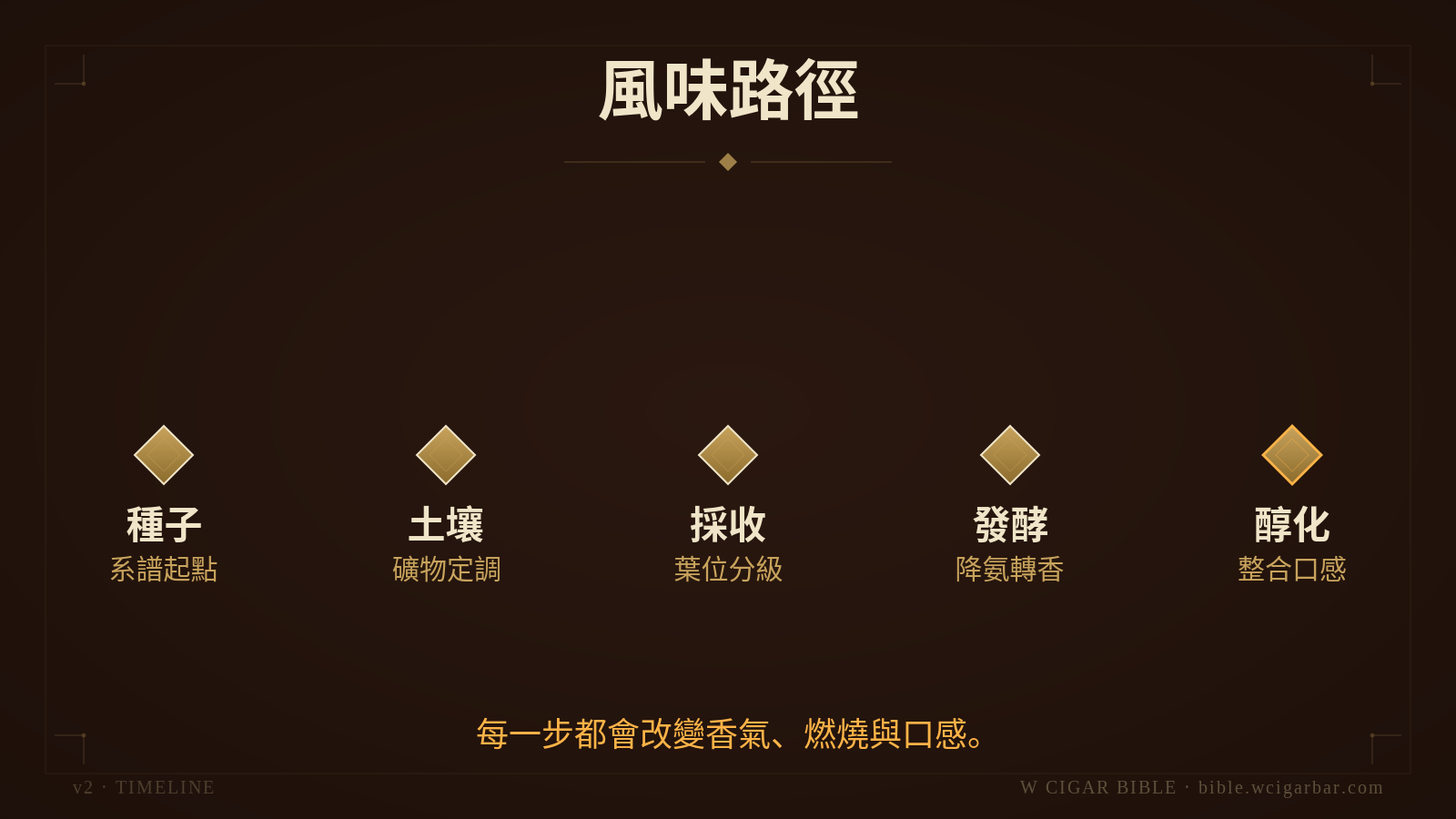
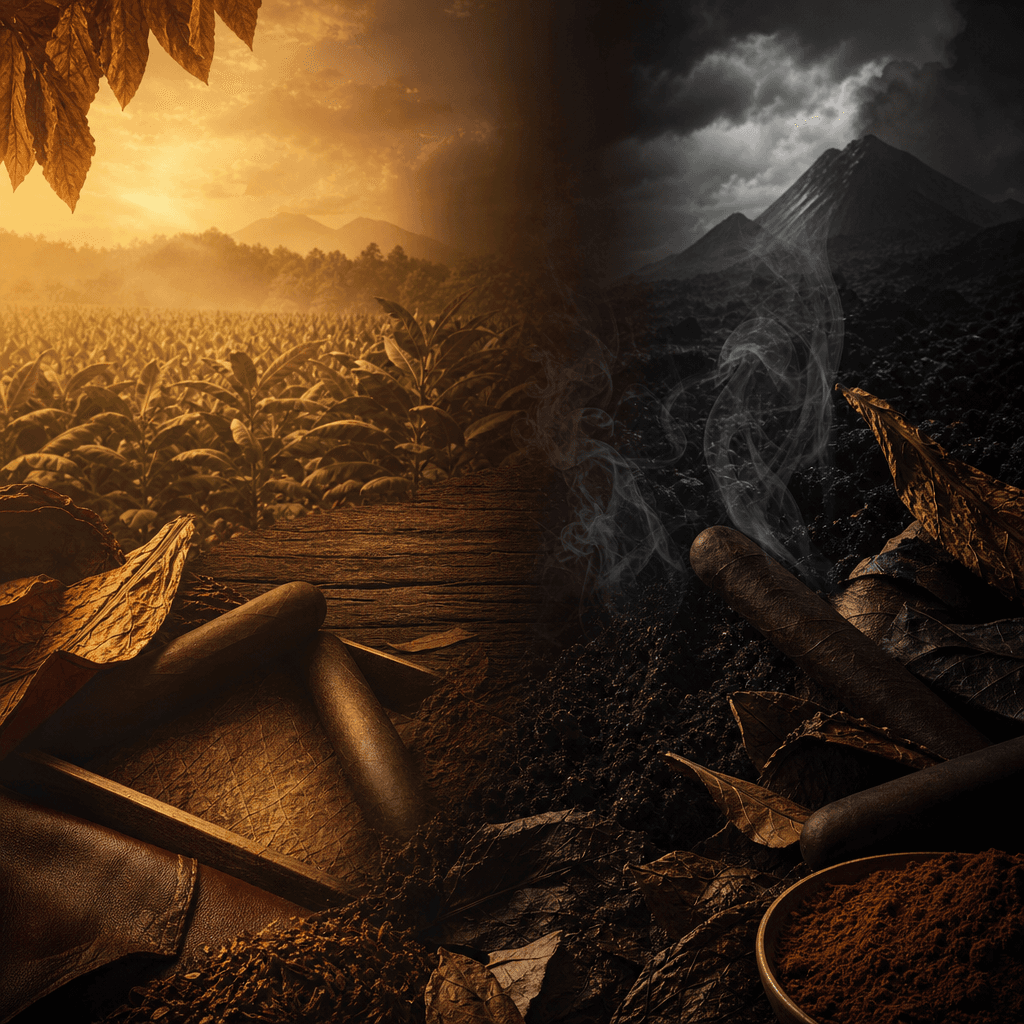
時間軸呈現雪茄從種子、土壤到醇化的風味路徑
Soil is not the background but the first layer filter of flavor
Cuba's Vuelta Abajo is often regarded as the core region for premium cigars, not just because of its latitude but due to its red soil, good drainage, and day-night temperature differences. In areas like Pinar del Río, the topsoil contains iron oxides, the soil is not overly heavy, allowing roots to extend downward, and plants absorb potassium, calcium, magnesium, and trace elements more evenly, resulting in more stable combustion and aroma structure.
The same variety planted in different soils results not in strength differences but in a rewrite of aroma direction. Nicaragua's Estelí volcanic soil often gives impressions of black pepper, cocoa, and rich wood; Jalapa, with its finer soil and milder climate, is more notable for sweetness and floral notes; Condega often falls between the two. The dark tones of Padron 1964 Anniversary are highly related to the mineral feel, oils, and density brought by Nicaraguan soil.
The Dominican Cibao Valley speaks another language. After the 1990s, Davidoff strengthened its Dominican core leaf sources, often featuring cream, nuts, hay, and spices, unlike Estelí's direct strength, but excelling in cleanliness and balance. If the soil pH is close to 6.0 to 6.5, the absorption efficiency of nitrogen and potassium is better; too acidic suppresses the root system, too alkaline may hinder trace element absorption.
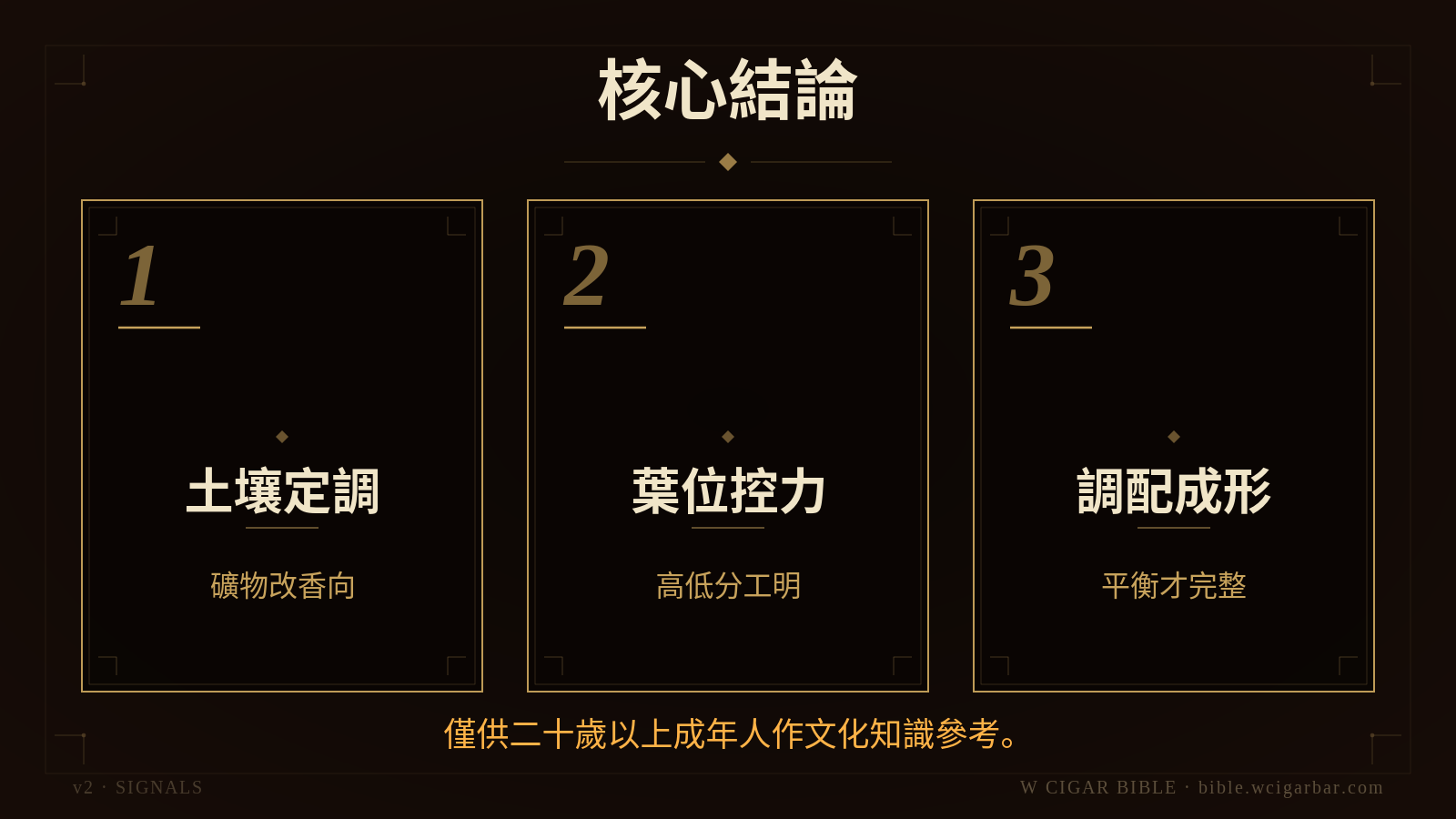
三張卡列出土壤、葉位與調配對風味的核心影響
Leaf position determines strength: The true division of Volado, Seco, Ligero
A cigar tobacco plant from bottom to top can be roughly divided into Volado, Seco, Viso, Ligero, with slight differences in division among brands, but the logic is consistent: the higher the layer, the stronger the sunlight, the thicker the leaves, and the higher the nicotine, resin, and protein content; the lower the layer, the thinner the fibers, and the better the burnability. Blenders do not simply pursue "the strongest," but find a balance between combustion, aroma, and taste.
Ligero provides depth and strength, Volado provides combustion, while Seco and Viso are often the main carriers of aroma details. For example, the Cuban Partagás Serie D No.4 is often remembered by veterans for its leather, earth, coffee, and spices, but if only a high proportion of Ligero is used, it can easily appear heavy or even stuffy; it must rely on mid-to-low leaf positions to support the combustion rhythm and aroma unfolding.
After the 2000s, many non-Cuban brands dared to experiment more with the ratio of wrapper and filler. Oliva Serie V uses a higher proportion of Nicaraguan Ligero, with sizes like Double Robusto around 54 ring gauge, often showing concentrated coffee, black pepper, and cocoa butter during smoking. In contrast, Hoyo de Monterrey Epicure No.2's Cuban style leans more towards woody, creamy, and soft herbal, with leaf position configuration clearly not centered on strength competition.
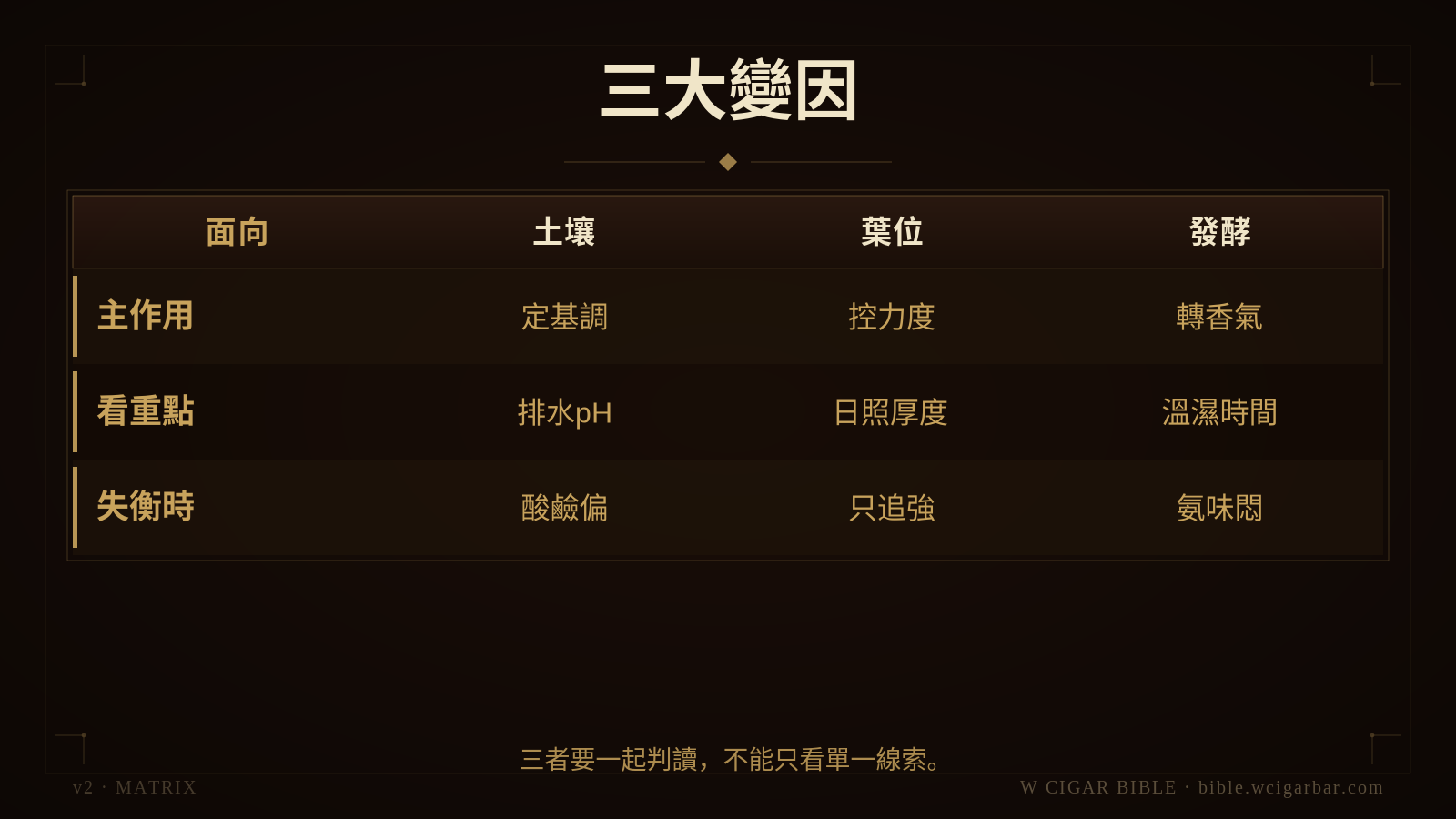
矩陣比較土壤、葉位與發酵在風味結構中的差異
Comparison of regional soil and leaf character
The character of leaves from different regions cannot be divided into "good or bad," but should be seen as suitable for which position in the blend. The wrapper needs elasticity, oil, and appearance, the filler needs aroma and structure, and the binder is responsible for fixing the bunch and affecting combustion. Based on the batch experiences I've recorded from 2015 to 2023, truly stable cigars are usually not a solo from a single region but a precise patchwork of the strengths of different soils.
Soil provides the base tone, leaf position provides the strength, and blending decides the final phrase. The following comparisons are not absolute rules but can serve as a reference framework for veterans during blind tests:
| Region | Common Soil Characteristics | Common Leaf Character | Typical Associated Brands or Series |
|---|---|---|---|
| Cuba Vuelta Abajo | Red soil, good drainage, balanced minerals | Cedar, bean aroma, leather, herbs | Cohiba, Montecristo, Partagás |
| Nicaragua Estelí | Volcanic soil, strong mineral feel | Black pepper, cocoa, rich wood | Padron, Oliva, AJ series works |
| Nicaragua Jalapa | Softer soil, noticeable sweetness | Floral, honey, soft sweet spices | Some My Father blends |
| Dominican Cibao | Fertile soil, stable climate | Cream, nuts, hay | Davidoff, Arturo Fuente |
| Honduras Jamastrán | Clay and sand mixture | Earthy, coffee, rugged spices | Camacho, some Alec Bradley series |
Tables can only illustrate tendencies and cannot replace actual batch judgments. For example, some Cuban box cigars after 2019, due to differences in supply chain and storage conditions, may have different combustion, humidity, and aroma unfolding speeds even within the same brand and size.
Chemical composition: The interaction of nicotine, sugars, oils, and nitrogenous compounds
Cigar flavor is not mysticism. Soluble sugars, nicotine, amino acids, polyphenols, resins, and volatile aromatic compounds in the leaves rearrange during drying, fermentation, and aging. Sugars bring sweetness and caramelization associations; insufficiently treated nitrogenous compounds can easily have ammonia, green, or throat-stinging flavors; oils and waxes affect mouthfeel thickness, burning speed, and ash whiteness.
The "smoothness" of a cigar is often not due to low nicotine but because the irritating nitrogenous compounds are well-treated. From the late 1990s to the early 2000s, many high-end factories began to pay more attention to fermentation pile temperature and turning rhythm, such as controlling the pilón temperature in the range of about 38 to 50°C, to avoid overheating causing aroma loss and insufficient treatment leading to grassy and ammonia residues.
Ligero, due to its thick leaves and high oil content, usually requires longer fermentation time; Volado is thinner, and over-processing can lose its burning advantage. When a cigar has almond, cream, and hay in the front, transitions to coffee and leather in the middle, and ends with black pepper and mineral saltiness, it is often the segmented release of sugars, oils, and polyphenols as the burning temperature rises, rather than a single spice being "added."
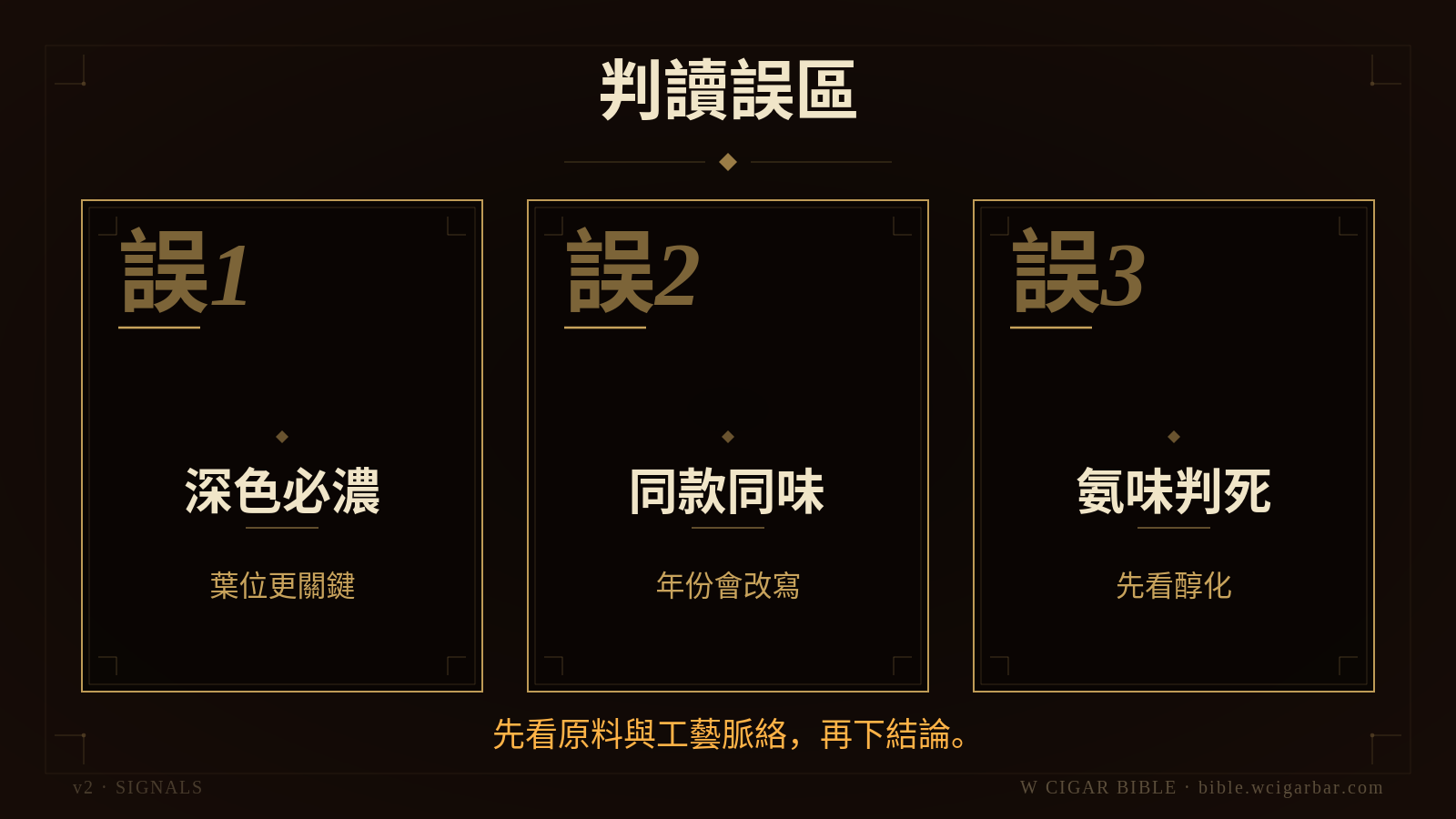
三張錯誤觀念卡指出深色、同款與氨味的判讀限制
The impact of the wrapper: Beyond appearance, there is more than 30% sensory presence
Veterans know that the wrapper is not just for looks. Connecticut Shade often brings cream, hay, and light wood; Ecuador Habano commonly shows white pepper, nuts, and citrus peel; San Andrés Maduro tends to have dark chocolate, damp earth, coffee, and molasses. Some say the wrapper determines 60% of the flavor, but I would conservatively say: in many well-structured cigars, the wrapper can influence at least 30% of the initial sensory impression.
The wrapper is the first interface between the cigar and the mouth, determining the speed of entry sweetness, spice, and oil touch. For example, the Cameroon wrapper of the Arturo Fuente Hemingway series often has roasted nuts, cinnamon, and slightly sweet wood; while Rocky Patel Decade often uses Ecuador Sumatra direction wrappers, with more prominent spice, cocoa, and dried fruit tones.
When selecting wrappers, factories look at four things: elasticity, oil content, color, and leaf veins. Darker color does not necessarily mean stronger, and Maduro does not equate to higher strength; dark color is more related to fermentation time, temperature and humidity control, and sugar conversion. A good Maduro should be a balance of sweetness and bitterness, like 70% dark chocolate; a poor Maduro may only have burnt bitterness and damp stuffiness.
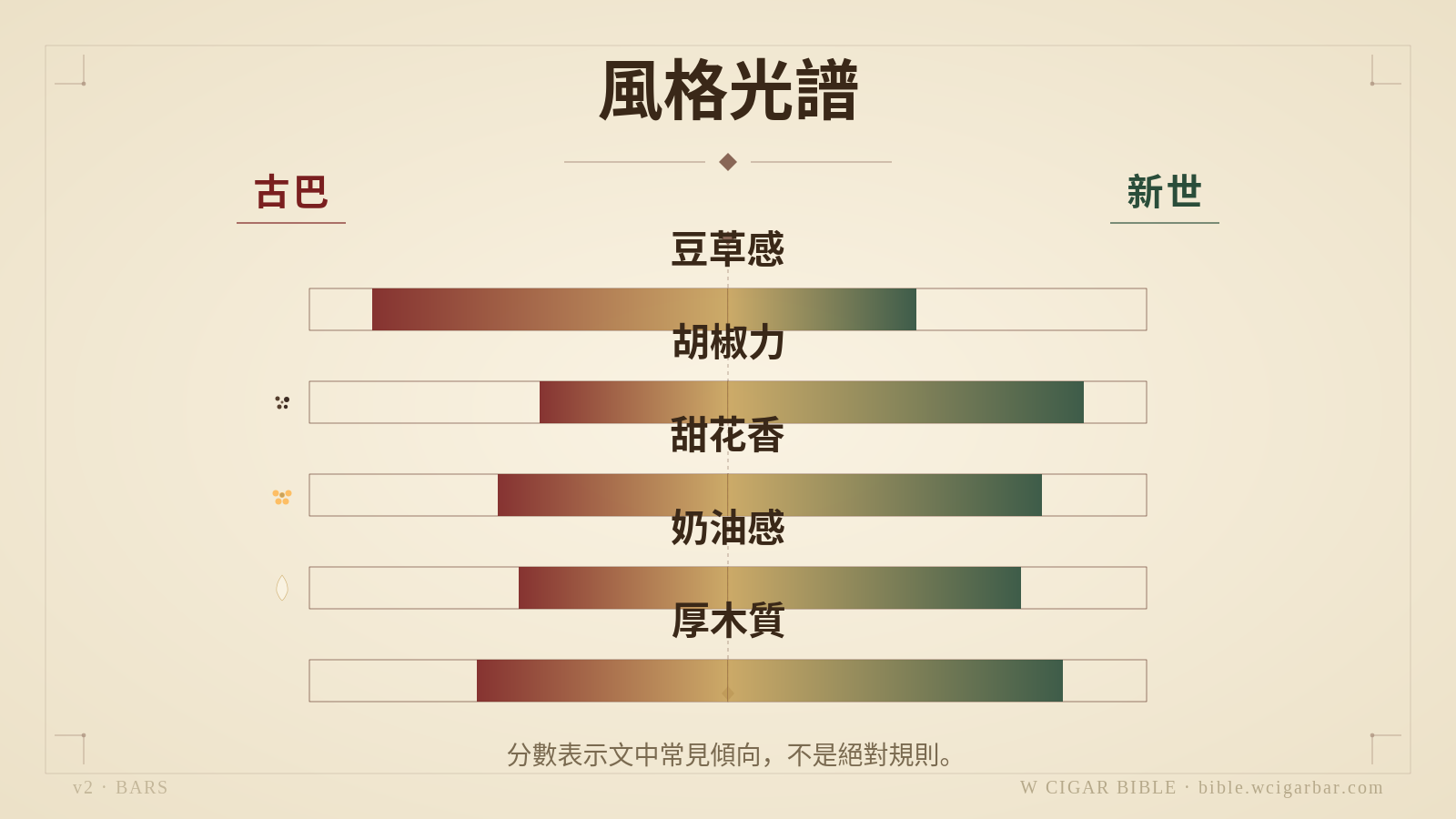
條形圖比較古巴與新世界產區常見香氣傾向
From seed to blend: How brand style is designed
Cigar brands are recognizable because they consistently adhere to a certain raw material logic. Cohiba's signature is not just the name but the refined leaf selection and additional fermentation tradition that brings delicate bean aroma, grassy sweetness, and creaminess; Montecristo No.2 uses the torpedo size to amplify aroma concentration, with classic batches often having cocoa, toasted bread, coffee, and wood.
A truly mature blend is not about piling expensive leaves together but allowing each leaf to have a functional position. For a Robusto size, about 50 ring gauge, length 124 mm, burning time is often 45 to 70 minutes; if the filler is too thick, the front may be tight, and the tail may overheat; if Volado is insufficient, the burn line will be unstable, and even the best aroma will be hard to fully express.
When comparing different year boxings, I record five items: initial aroma, burn line, ash structure, mid-transition, and tail-end stimulation. If a batch in 2016 has a distinct bean aroma and cedar, but the same model in 2021 leans towards grassy and acidic wood, it does not necessarily mean the brand has regressed, but could be due to differences in leaf source year, storage humidity, transport temperature, and aging stage.

三張問答卡整理年份、深色包葉與氨味的實用判斷
Veteran material selection thinking: How to reverse-engineer leaves and soil from smoking records
Progression is not about memorizing more adjectives but about reverse-engineering feelings back to agriculture and craftsmanship. If a cigar burns quickly in the front, has loose ash, and faint aroma, it may have a high Volado ratio or low humidity; if the aroma is strong but burning is difficult, and bitterness and spiciness accumulate at the tail, it may have a high Ligero ratio, high moisture content, or aging not yet balanced.
The focus of veteran records is not to write "good smoke" or "bad smoke," but to establish a traceable flavor database. I suggest recording the following items each time, at least continuously for 20 cigars, and differences in the same brand across different years will begin to emerge:
- Box code or purchase year, such as 2018, 2020, 2023.
- Size and ring gauge, such as Corona Gorda, Robusto, Torpedo.
- Storage humidity and time, such as 65% RH, 18°C, resting for 90 days.
- Main aromas in the front, middle, and end: hay, nuts, coffee, leather, pepper.
- Burning and mouthfeel: ash structure, heat sensation, bitterness, aftertaste, nasal stimulation.
When discussing market prices for collections, one must return to reality: rare box codes, complete preservation, and clear provenance affect value, but do not guarantee appreciation, still depending on source preservation and market. For true veterans, the greatest gain from understanding raw materials is not chasing rumors but more accurately judging why a cigar presents as it does.
Frequently Asked Questions
Q1: Why do the same brand and size vary greatly in different years?
Because cigars are agricultural products. Differences in rainfall, sunlight, and harvest time between 2014 and 2022 change the sugar content, thickness, and oil of the leaves. Even if the blend ratio is similar, the fermentation and aging speed differ, so the same cigar may have a batch leaning towards bean aroma, another towards woody or herbal.
Q2: Does a dark wrapper mean it is stronger and has more nicotine?
Not necessarily. Dark color is usually related to maturity, fermentation time, and sugar conversion. Maduro may be sweet and smooth, or just burnt and bitter. Nicotine is more determined by leaf position, especially the Ligero ratio; wrapper color can only provide clues and cannot directly judge strength.
Q3: Is Cuban soil irreplaceable by other regions?
Cuba's Vuelta Abajo's mineral feel, herbal sweetness, and bean aroma are indeed recognizable, but Nicaragua, the Dominican Republic, and Honduras each have their advantages. Estelí's strength, Jalapa's sweetness, and Cibao's delicacy are not imitations of Cuba but different soil languages.
Q4: Does a cigar with an ammonia smell mean poor raw materials?
Not necessarily. Ammonia smell may come from insufficient fermentation, inadequate aging time, or overly humid storage environment causing the smell to be trapped. If it improves after ventilating and resting for several months, it means there is still room for adjustment; if it remains pungent, bitter, spicy, and burns abnormally long-term, then raw material and craftsmanship issues should be suspected.
Q5: Should veterans prioritize studying brands or leaves?
Both should be looked at together. Brands give you a style map, leaves and soil give you the underlying logic. When you know why a cigar has pepper, cream, leather, or floral notes, you can advance from "like or dislike" to "judging whether its structure is complete."
The most fascinating part of cigars is that they compress the minerals, rainwater, sunlight, and craftsmanship of a piece of land into several minutes of burning. I always believe that what true veterans pursue is not the label, but the ability to read the path of a cigar from soil to tongue. Understanding raw materials is understanding the root of flavor.
—Cigar Prince Wilson Tsai
Smoking is harmful to health. Under 20 years old is not allowed to smoke. Quitline: 0800-636363. This article is for reference of cigar culture, preservation, and regulation knowledge for adults over 20 years old only, not a tobacco advertisement, promotion, or purchase suggestion.
Like this article?Share with friends
Share this W Cigar Bible piece with friends who want to learn cigar culture, storage, and tasting.
想把這篇文章 化為實踐
雪茄聖經是知識;雪茄文化要在空間裡發生
W Cigar Bar 大安總店資訊
台北大安區 · 雪茄聖經總編輯 Wilson Tsai 主理的雪茄文化空間
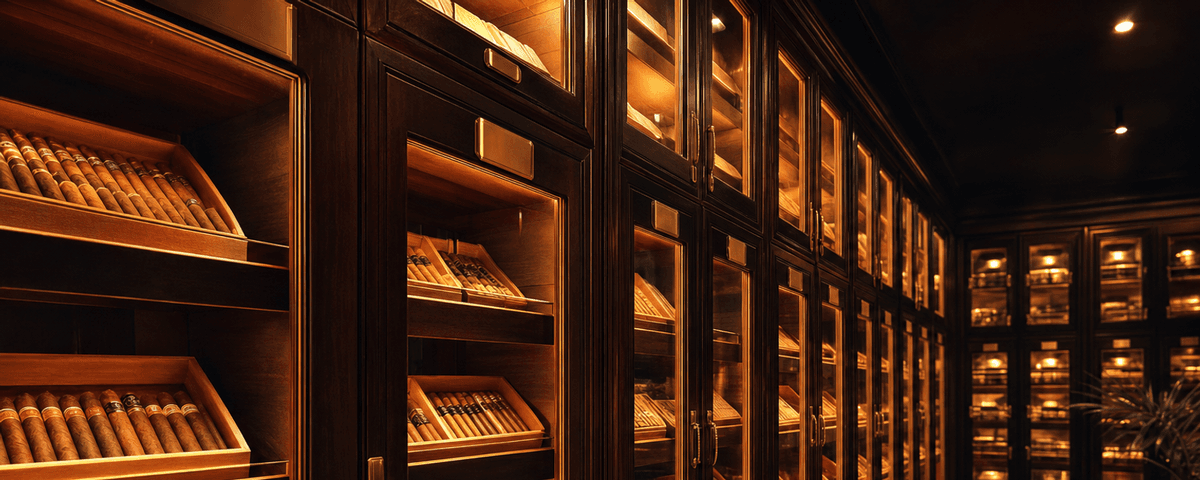
33 座 24 小時恆溫恆濕醇化室
W Cigar Bar 提供的會員醇化空間 · 場地資訊請洽編輯部
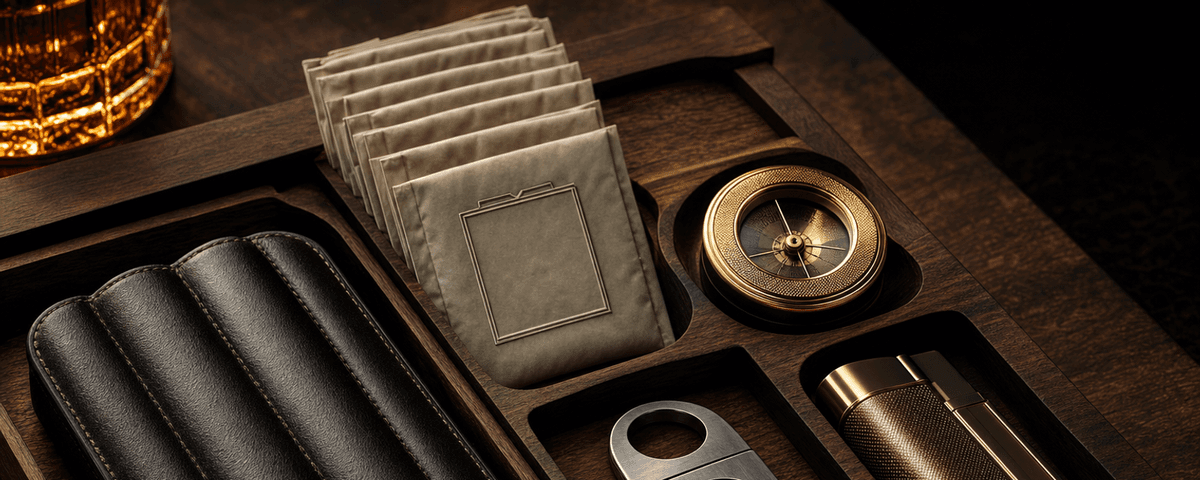
雪茄剪 / 打火機 / 雪茄盒 / Boveda
W Cigar 配件官網 · 專營雪茄配件正品
加 LINE 好友 · 文化諮詢
文化空間資訊 · 紳士沙龍 · 私人包場
本網站內容僅供雪茄文化、歷史、收藏與品吸知識研究參考。菸品有害健康、未滿法定年齡者請勿吸菸。實際規範請依所在地法律為準。
吸菸有害健康・戒菸專線 0800-636363・本站僅供 20 歲以上成年人閱覽。
讀到這裡,你不只是路過的人
留下 Email,加入 W 雪茄聖經內圈——總編輯 Wilson Tsai 親選的學院深文與國際新訊,先你一步送到信箱。
· 教育用途非銷售 · 隨時一鍵退訂 · Email 絕不對外公開 · 由勝茄股份有限公司營運
同分類延伸閱讀
資料來源:W Cigar Bible 編輯部整理 · 雪茄王子 Wilson Tsai 親自審稿
本文僅供雪茄文化、歷史、收藏與品鑑知識研究,不作為菸品促銷、銷售或購買建議。吸菸有害健康,未滿二十歲不得吸菸。