雪茄的藝術與科學:探索製作過程中的每個細節
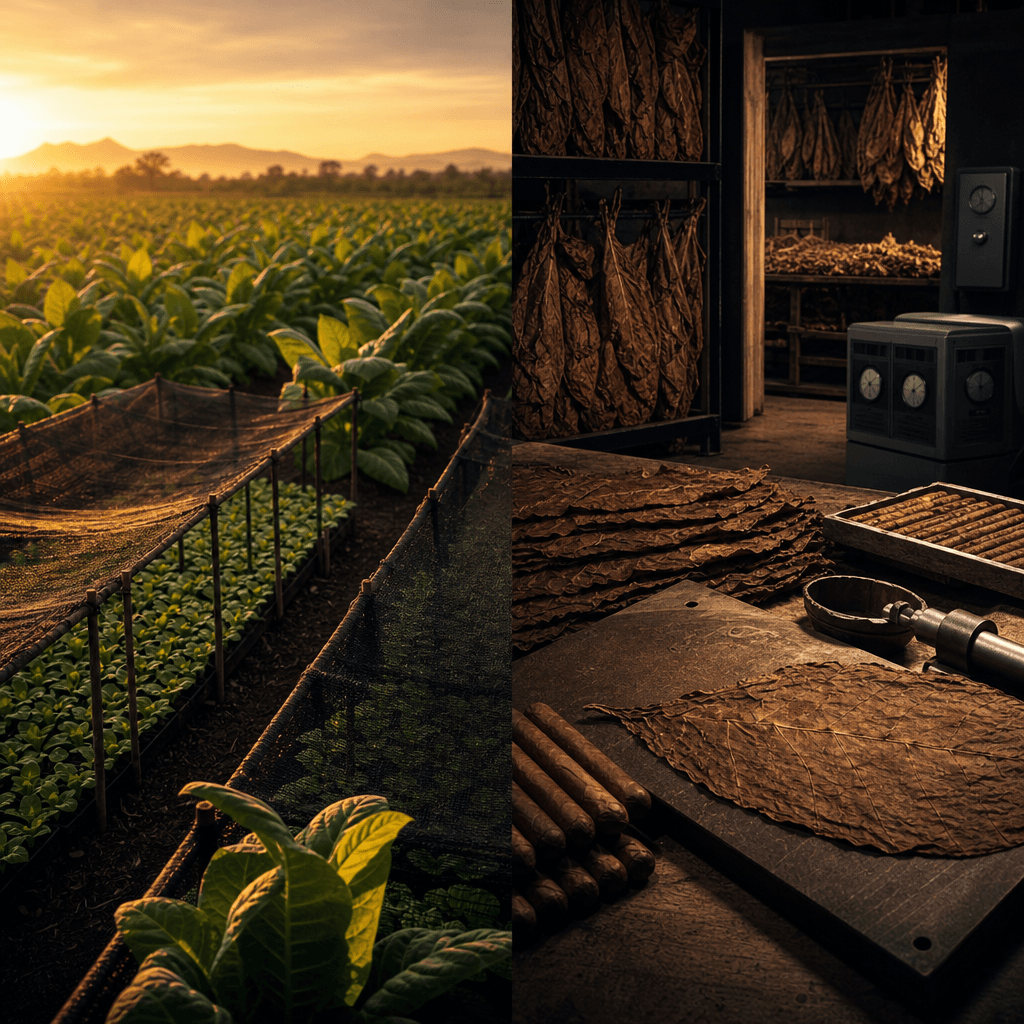
雪茄的風味受多重因素影響,包括土壤、氣候、收成時機及製作工藝。不同產區的煙葉,如古巴、尼加拉瓜和多明尼加,因土壤成分和氣候差異,展現出獨特的風味特徵。雪茄的製作過程中,從種植管理到收成、晾葉、發酵,再到捲製,每一步都關乎最終產品的品質。老手在品味雪茄時,需深入理解這些環節如何影響香氣與口感,才能真正欣賞雪茄的層次與個性。
- 雪茄的風味受種子、土壤、氣候等多重因素影響,了解這些變化有助於品味雪茄的層次。
- 收成過程中,葉片依葉位分批採摘,確保每片葉在最佳狀態下進行晾葉與發酵。
- 捲製工藝的精細程度影響雪茄的燃燒與香氣釋放,手工捲製需精準控制填充與壓力。
The Art and Science of Cigars: Exploring Every Detail of the Production Process
As the editor of The Cigar Bible, founder of W Cigar Bar, and a special distributor for PCC, I am often asked the same question by aficionados: Why can flavors differ slightly even within the same brand, size, and year? The answer lies not in a single factor but in the continuous changes in seeds, soil, climate, harvest timing, fermentation temperature, rolling technique, and storage environment. Cigars are neither simple agricultural products nor mere handicrafts; they are the result of plant physiology, microbial action, artisan memory, and time management. Understanding the production process allows aficionados to truly appreciate the layers and personality behind a cigar.
時間線呈現種植、採收、晾葉、發酵與捲製步驟
Seeds and Terroir: The First Code of Flavor
The starting point of cigar flavor is not the factory but the seeds and land. Taking Cuban Vuelta Abajo, Nicaraguan Estelí, Honduran Jamastrán, and Dominican Cibao Valley as examples, even within the same black tobacco system, the resulting strength, sweetness, mineral, and spice characteristics can be completely different. The commonly seen Criollo and Corojo systems in Cuba were gradually replaced by more disease-resistant strains in the mid to late 20th century due to blue mold and black shank disease pressures. In Nicaragua, after the 1990s, with brands and farm systems like Padron, Oliva, AJ Fernandez maturing, Estelí's heavy soil, Condega's delicate aroma, and Jalapa's sweetness began to be used separately.
Aficionados often mention "terroir," which actually includes soil pH, organic matter ratio, day-night temperature difference, drainage speed, and rainy season rhythm. For example, Estelí's volcanic soil provides dark, rich, peppery, and coffee tones; Jalapa, with its finer soil and higher sweetness, is often used to balance strength. Good brands don't just buy leaves but plan future blends from the planting area like a bartender managing base spirits.
三張卡片列出風土、葉位與發酵保存重點
Cultivation Management: The Science of Sunlight, Shade, and Leaf Position
Cigar leaves are not used uniformly from the whole plant but are divided by leaf position. From bottom to top, they are often divided into Volado, Seco, Viso, Ligero. Different regions have slightly different names, but the principle is the same: the closer to the top, the stronger the sunlight, the thicker the leaves, and the higher the nicotine, oil, and polyphenol content. Ligero provides strength and depth, Seco provides aroma, Volado improves combustion, and Viso often serves as the structural core. If it's a wrapper leaf, shade-grown methods may be used, such as using cheesecloth or natural shade nets to reduce direct light, making the leaf surface thinner, larger, and more flexible, suitable for making capa.
Connecticut Shade wrappers established a classic status in the 20th century, and later Ecuador became an important wrapper source for many brands due to its naturally reduced direct sunlight in cloudy climates. For example, brands like Davidoff, Arturo Fuente, and Oliva adjust the first impression in different series through Ecuador Connecticut, Ecuador Habano, Cameroon, or Mexican San Andrés wrappers. Aficionados who only look at size and brand may miss the fundamental impact of leaf position and sunlight management on burn rate, flavor thickness, and aroma development.

矩陣比較低葉、中葉與頂葉在功能厚度上的差異
Harvesting and Curing: From Green Leaves to Fermentable Material
Harvesting is not about picking all the mature leaves at once but picking them in batches according to leaf position. Generally, the lower leaves mature first, and the top leaves last, with the entire plant harvest possibly spanning 2 to 4 weeks. The traditional Cuban method picks layer by layer, and high-end farms in Nicaragua and the Dominican Republic often adopt similar logic to ensure each leaf reaches a controllable state in terms of sugar, oil, and cell moisture. Freshly picked tobacco leaves can have a moisture content of up to 80%, and cannot be fermented directly; they must first enter a curing barn. This stage usually lasts about 45 to 60 days, adjusted according to leaf thickness, humidity, and ventilation conditions.
As chlorophyll breaks down, the green gradually turns to yellow, brown, and dark brown; starch conversion, protein degradation, and moisture loss occur simultaneously. If dried too quickly, the leaves can become brittle and the aroma thin; if the humidity is too high, mold or unclean ammonia smells may develop. Arturo Fuente's Chateau de la Fuente farm in the Dominican Republic manages wrappers and high-end leaf materials very strictly because the curing stage already determines whether subsequent fermentation can be clean. When evaluating whether a cigar is "clean," aficionados are often reading the success or failure of this early stage.
Fermentation: The Precise Symphony of Heat, Humidity, and Microorganisms
Fermentation is the key to transforming cigars from crops into usable raw materials. After stacking the tobacco leaves into a pilón, the moisture, sugar, and microbial action within the leaves cause the pile's core temperature to rise, commonly controlled between 35°C to 50°C; heavy Ligero may require longer time and multiple turns, while wrapper leaves need more careful handling to avoid excessive damage. The purpose of fermentation is not just to "age the leaves" but to reduce ammonia, coarseness, and irritation, making aroma precursors more stable. If the temperature exceeds 55°C, it may cause excessive consumption of oils and aromatic substances; if the temperature is insufficient, a pungent green taste may remain.
For example, the Padron 1964 Anniversary series, often praised by aficionados for its cocoa, coffee, nutty flavors, and stable burn, is not just about the blend but also related to the long-term, batch management of Nicaraguan leaf materials. Cohiba Behike is considered a high-end example due to the rarity and concentration of medio tiempo leaf position, but such leaves further test fermentation, or else the strength may become coarse. Fermentation is a science, but the timing of turning the pile often relies on the touch, smell, and experience of seasoned maestros.
三張卡片整理同盒差異、頂葉比例與醇化時間誤解
Grading, Aging, and Blending: How Brand Character is Assembled
After fermentation, the tobacco leaves must undergo grading, de-stemming, rebalancing, and aging. Grading is based on color, thickness, elasticity, leaf surface integrity, aroma, and leaf position; wrapper leaves have the highest requirements because they directly determine appearance, initial aroma, and burn performance. Filler leaves are like an orchestra: Ligero is the bass and strength, Seco is the melody and aroma, Volado is the rhythm and burn. The real secret of a brand lies in the blend, not how expensive a single leaf is.
Taking Montecristo No.2, Partagás Serie D No.4, Hoyo de Monterrey Epicure No.2 as examples, these classic sizes often compared by aficionados, even within the same robusto or pirámide time frame, the focus is on how leaf material ratio and rolling density allow the flavor curve to unfold in the front, middle, and back sections.
| Stage | Common Control Numbers | Impact on Flavor | Performance When Out of Control |
|---|---|---|---|
| Curing | About 45–60 days | Removes grassy notes, forms basic sweetness | Brittle, moldy, green |
| Fermentation Temperature | About 35–50°C | Reduces ammonia, increases roundness | Pungent, bitter, flat |
| Aging Time | Several months to several years | Integrates leaf materials, stabilizes burn | Aroma separation, high irritation |
| Storage Humidity | About 65–70% RH | Maintains elasticity and burn balance | Too humid, clogged; too dry, spicy |
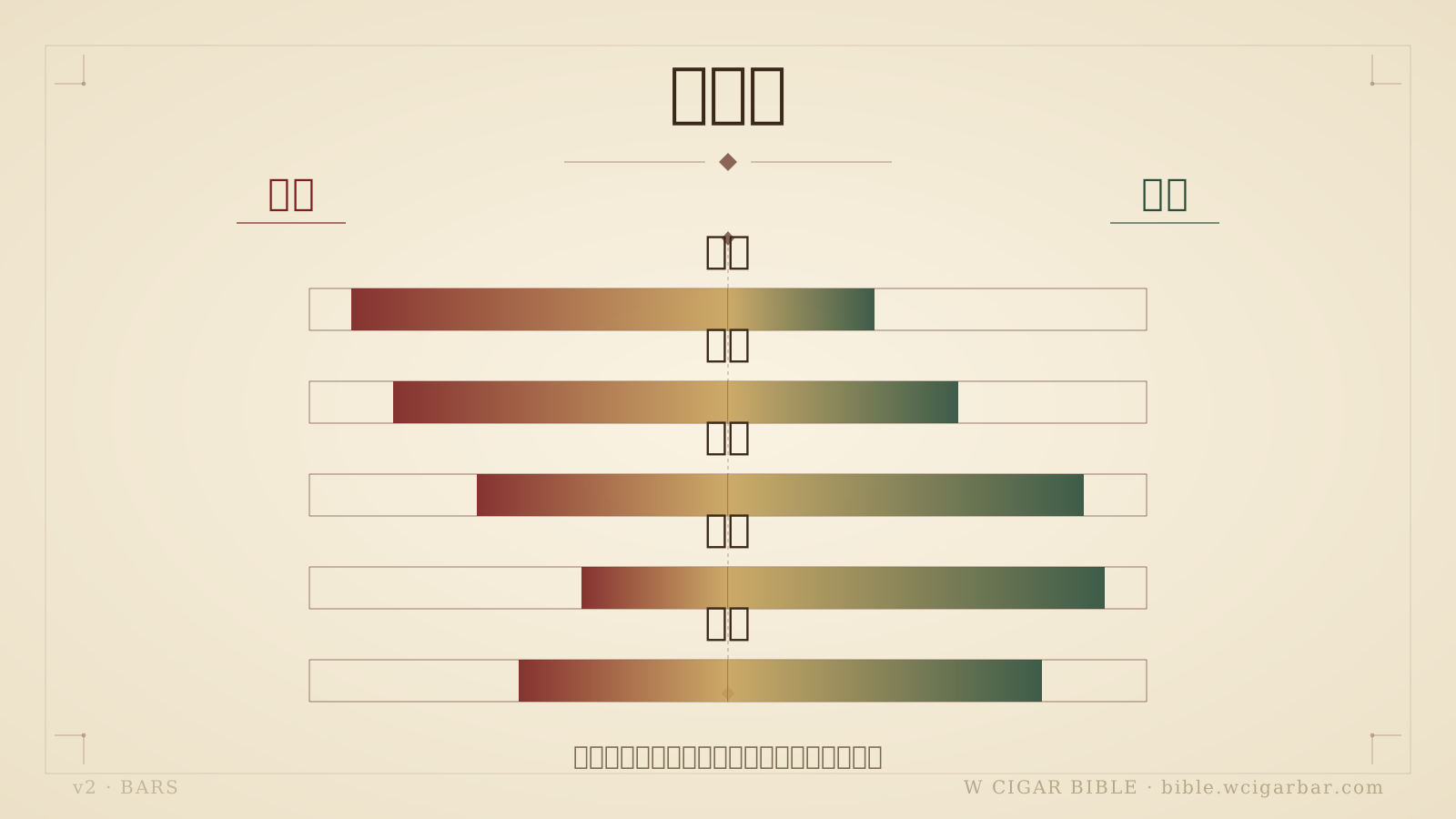
長條圖比較農業與工藝在風土葉位發酵手感保存的比重
Rolling Craftsmanship: A Millimeter of Touch Determines an Hour of Rhythm
The core of handmade cigars lies in bunching and rolling. If the filler is unevenly arranged, the burn will be uneven; if rolled too tightly, the draw resistance is too high, and the aroma is suppressed; if too loose, it burns too fast, the temperature rises, and the end tends to be bitter. Traditional Cuban torcedor uses entubado, booking, or mixed methods to organize the filler, with different factories and brands having their preferences. Entubado rolls the leaves like small tubes, increasing air channels but taking longer; booking stacks like folded book pages, efficient but may cause uneven burn if the technique is not up to par. When wrapping the wrapper leaf, the direction of the veins, tension, and humidity must be precise.
For shapes like figurado, perfecto, diadema, the difficulty is higher than parejo because the change in diameter at the head and tail affects airflow and burn core. Fuente Fuente OpusX's special sizes and Cuaba series' double-tapered shapes are examples often used by aficionados to observe craftsmanship stability. A 50-ring gauge robusto and a 54-ring gauge toro, even if the blend is similar, may still differ significantly in fill amount, burn temperature, and smoke density. Truly mature craftsmanship ensures that the resistance, burn line, and aroma release of each puff maintain rhythm.

三張問答卡片回答同盒差異醇化時間與氨味來源
Quality Control and Storage: Leaving the Factory is Not the End, But Another Stage of Management
After rolling, cigars usually undergo resting and quality control. Many factories use draw test machines to test draw resistance, such as evaluating airflow under fixed pressure to avoid being too tight or too loose; appearance checks include color variation, cracks, wormholes, cap and foot neatness. After leaving the factory, storage conditions are equally important. Most aficionados are familiar with the 65–70% RH, 18–21°C range, but truly advanced methods involve fine-tuning according to wrapper, size, and personal preference. Connecticut wrappers tend to feel stuffy when too humid, while San Andrés or dark Maduro can become bitter if too dry.
Between 2015 and 2020, the demand for high-end cigar storage equipment in the Asian market increased significantly, partly due to the hot and humid climate, which makes it difficult to stabilize with traditional wooden boxes alone. When collectors talk about vintage, limited editions, and market circulation, they must also remember: it does not guarantee appreciation, it still depends on source preservation and market. A good state is not just a beautiful box label, but each cigar still maintaining vitality in oils, elasticity, aroma, and burn. Aficionados truly pursue understanding how each batch of leaf material is slowly integrated over time, not hoarding.
Frequently Asked Questions
Why can there be differences even in the same box of cigars?
Because handmade production and natural leaf materials inherently have variations. Even with the same batch of tobacco leaves, the same torcedor, and the same box of 25 sticks, there can still be slight differences in leaf thickness, filler arrangement, and humidity absorption speed. High-end brands aim to control differences within an acceptable range, not make each stick like a mechanical replica.
Is more Ligero always better?
Not necessarily. Ligero provides strength, oils, and depth, but too much can slow down the burn, increase irritation, and may overshadow the floral, woody, and sweet notes of Seco. A good blend is like an orchestra, not just louder bass, but whether the proportions of each section are balanced.
How long is ideal for aging?
There is no single answer. Lighter Connecticut-wrapped cigars may show clear performance after 6 to 12 months; rich Nicaraguan or classic Cuban sizes may require 2 to 5 years for better integration. But if the original fermentation is insufficient, time can only mitigate flaws, not turn rough leaf material into a top-tier product.
Why do cigars have an ammonia smell?
Common causes are insufficient fermentation, high humidity after leaving the factory, or insufficient stabilization after transportation. Ammonia smell indicates that the chemical changes within the leaves have not fully integrated, and using it forcibly can result in a pungent and dry tongue sensation. Moderate rest and stable storage can sometimes improve it, but not guarantee complete disappearance.
How do aficionados judge the production quality of a cigar?
They can observe cold aroma cleanliness, cap neatness, wrapper elasticity, draw resistance, burn line, ash structure, and end stability. Truly good production is not just about a beautiful front section but maintaining clear aroma, stable temperature, and controlled bitterness in the middle and back sections, proving the success of agriculture, fermentation, and craftsmanship.
—Cigar Prince Wilson Tsai I have always believed that the most fascinating aspect of cigars is not in mystery, but in their ability to be dissected and understood, yet still retain the art of being irreplaceable. If aficionados can read from the fields, fermentation rooms, rolling tables to storage cabinets, they will find that brand preference is just the starting point; the true depth is knowing where each aroma comes from and respecting the process by which each leaf is shaped by time.
Smoking is harmful to health. Smoking is prohibited for those under twenty. Quitline: 0800-636363. This article is intended for adults over twenty as a reference for cigar culture, storage, and regulations, not as tobacco advertising, promotion, or purchasing advice.
Like this article?Share with friends
Share this W Cigar Bible piece with friends who want to learn cigar culture, storage, and tasting.
想把這篇 化為實踐
雪茄聖經是知識;雪茄文化要在空間裡發生
W Cigar Bar 大安總店資訊
台北大安區 · 雪茄聖經總編輯 Wilson Tsai 主理的雪茄文化空間
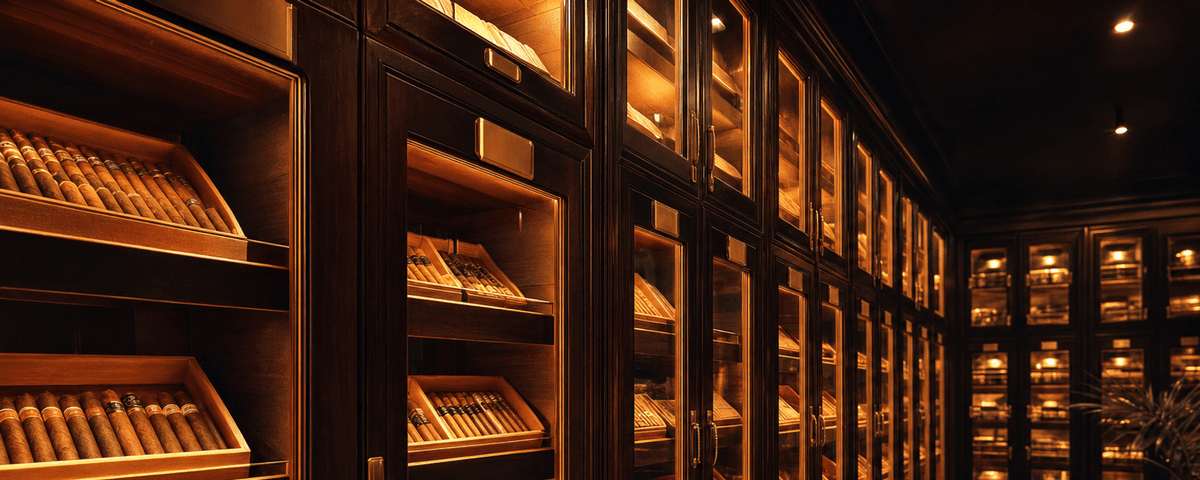
33 座 24 小時恆溫恆濕醇化室
W Cigar Bar 提供的會員醇化空間 · 場地資訊請洽編輯部
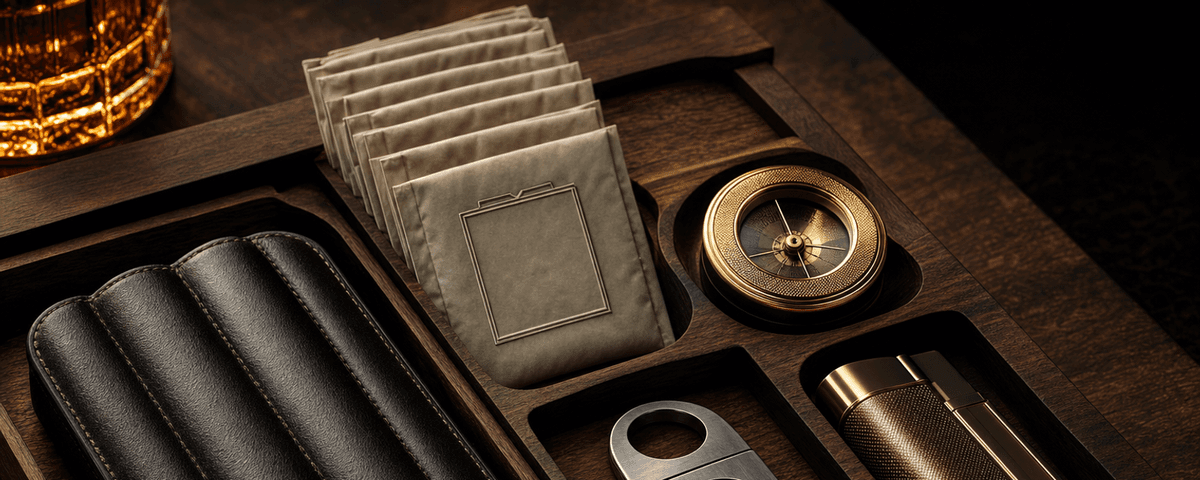
雪茄剪 / 打火機 / 雪茄盒 / Boveda
W Cigar 配件官網 · 專營雪茄配件正品
加 LINE 好友 · 文化諮詢
文化空間資訊 · 紳士沙龍 · 私人包場
本網站內容僅供雪茄文化、歷史、收藏與品吸知識研究參考。菸品有害健康、未滿法定年齡者請勿吸菸。實際規範請依所在地法律為準。
吸菸有害健康・戒菸專線 0800-636363・本站僅供 20 歲以上成年人閱覽。
讀到這裡,你不只是路過的人
留下 Email,加入 W 雪茄聖經內圈——總編輯 Wilson Tsai 親選的學院深文與國際新訊,先你一步送到信箱。
· 教育用途非銷售 · 隨時一鍵退訂 · Email 絕不對外公開 · 由勝茄股份有限公司營運
同分類延伸閱讀

資料來源:W Cigar Bible 編輯部整理 · 雪茄王子 Wilson Tsai 親自審稿
本文僅供雪茄文化、歷史、收藏與品鑑知識研究,不作為菸品促銷、銷售或購買建議。吸菸有害健康,未滿二十歲不得吸菸。