雪茄的高端稀有品牌:傳奇背後的故事與工藝
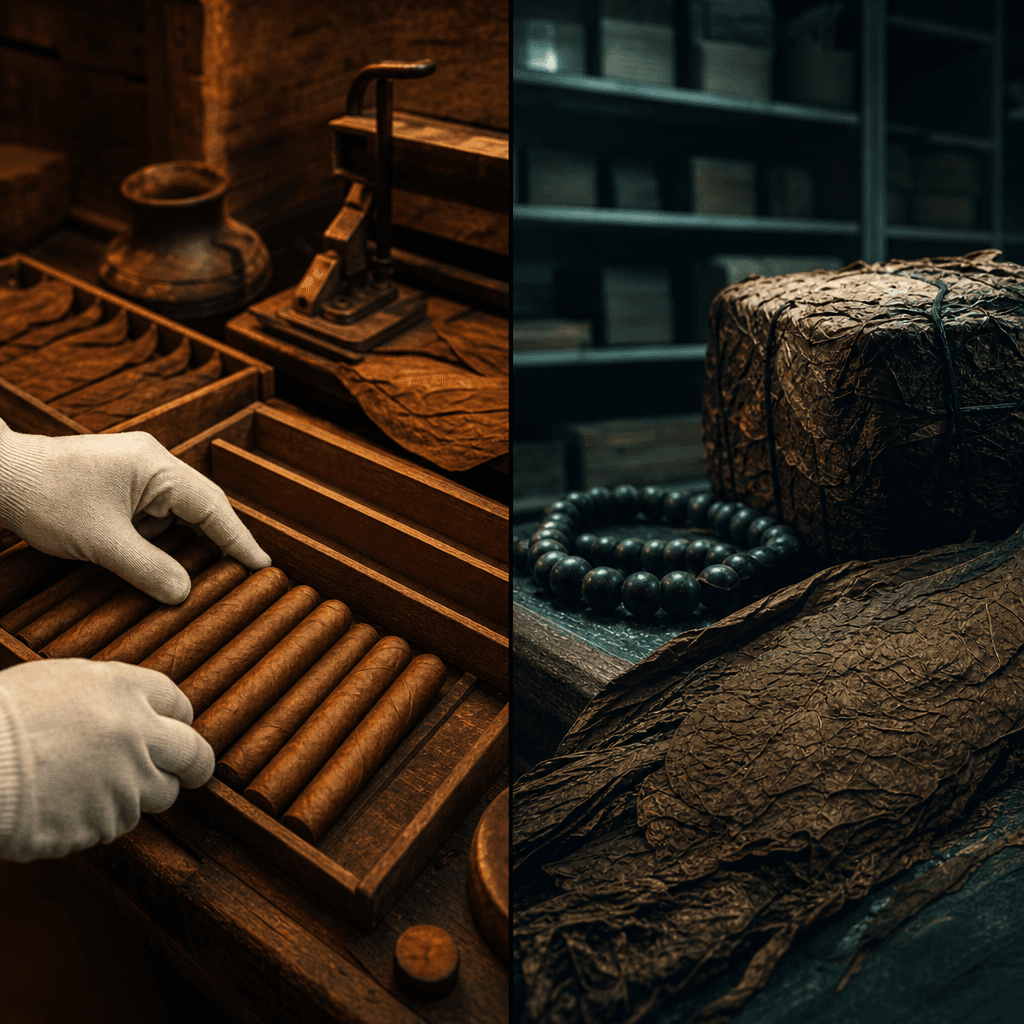
在雪茄的世界中,真正的稀有性不僅僅是供應量的稀少,而是由多重因素構成,包括特殊葉材、尺寸難度、限量制度及保存狀態。高端雪茄如古巴的Cohiba和Trinidad,背後蘊含著豐富的歷史與工藝,這些品牌的魅力在於它們的獨特性和可追溯性。非古巴品牌如OpusX和Padrón則展示了不同的風味哲學,強調莊園控制與家族傳承。了解這些細節,才能真正欣賞雪茄的深度與價值。
- 高端稀有雪茄的稀有性來自特殊葉材、尺寸難度、限量制度與保存完整度。
- 古巴雪茄的魅力在於其背後的政治史、工廠史與停產史,這些細節增添了其價值。
- 非古巴品牌的稀有性源於莊園控制與家族標準,這些因素影響了其風味的一致性。
High-End Rare Cigar Brands: The Stories and Craft Behind the Legends
Veteran cigar enthusiasts fear discussions that focus solely on price, box appearance, and fame. What truly warrants exploration is why a cigar is rare, where its rarity lies, and how craftsmanship supports its flavor profile. As an editor for the "Cigar Bible," I am more concerned with the vintage, fields, leaf composition, and preservation context behind a cigar.
High-end rare brands are not myths but the result of agriculture, time, systems, and human craftsmanship. Understanding these conditions prevents one from being led by rumors and allows one to grasp the history they hold before lighting up.
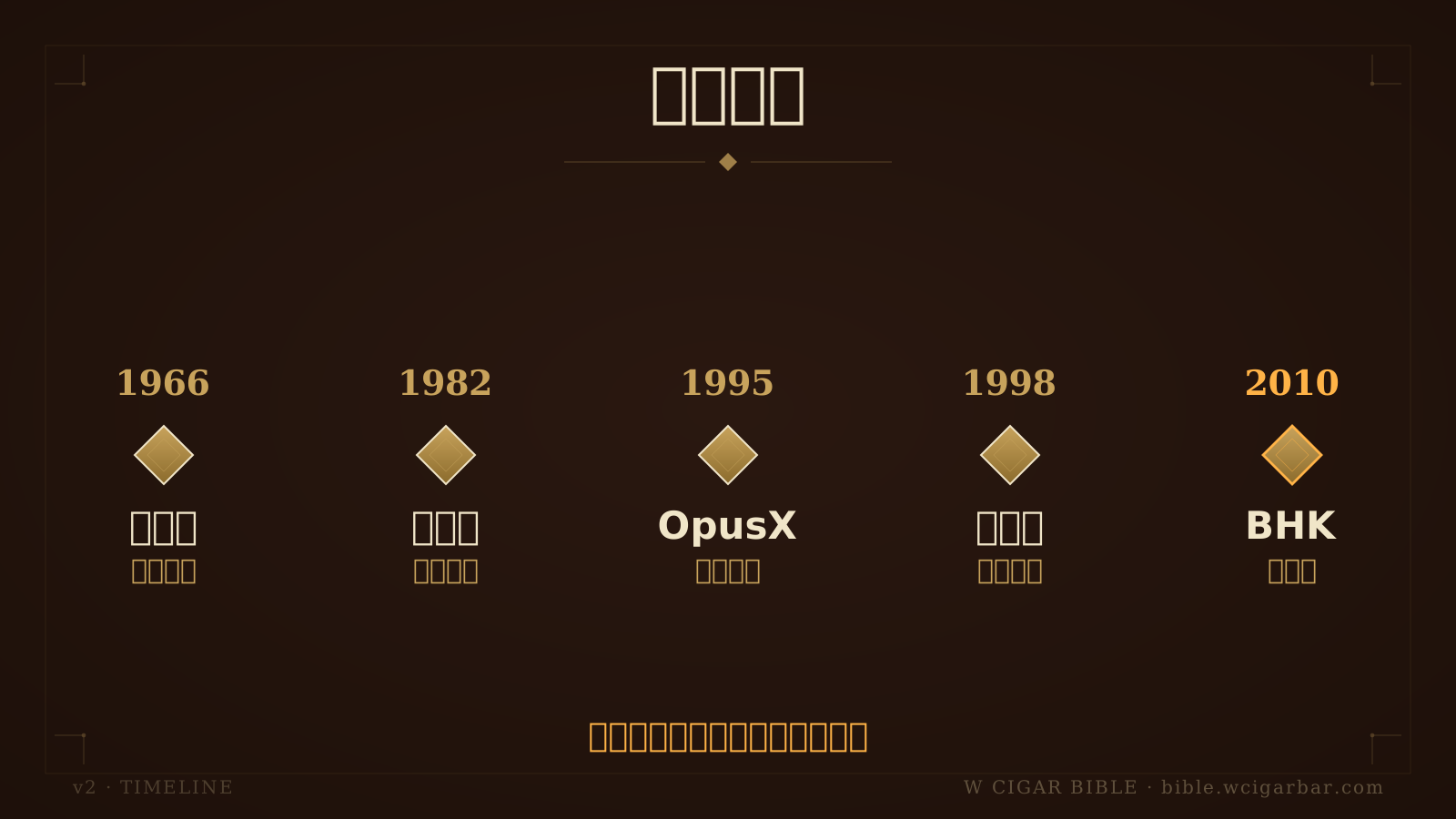
時間線列出高希霸千里達與非古代表年份
Rarity Is Not Just "Uncommon": Four Sources of High-End Cigars
Veterans often say a cigar is "hard to find," but hard to find does not equate to true rarity. Take the Cuban Cohiba Behike as an example. Officially launched in 2010 with the BHK 52, 54, and 56 sizes, what keeps it in high demand is not just limited production but its use of medio tiempo leaves. These top leaves do not consistently appear on every tobacco plant, and their field ratio is low, making large-scale supply impossible.
The core of high-end rarity is not whether the brand wants to produce more, but whether the raw materials, processes, grading, and vintage conditions allow it. When Fuente Fuente OpusX debuted in 1995, its significance lay in the Arturo Fuente family proving that the Dominican Republic could grow high-quality wrappers. This was not a marketing slogan but a complete advancement from the soil, shading, fermentation, to rolling techniques at Chateau de la Fuente.
Rarity often comes from four sources: the first is special leaf materials, such as medio tiempo or specific estate wrappers; the second is size difficulty, like the long and thin Laguito No.1, which requires high rolling stability; the third is commemorative or limited edition systems, such as the Habanos Edición Limitada, which has formed a fixed collectible language since 2000; the fourth is preservation integrity, where box codes, tax stamps, and humidity records affect credibility.
- Rare raw materials: leaf grade, production area, annual harvest
- Rare craftsmanship: high-difficulty sizes, experienced rollers, low-tolerance processes
- Rare systems: limited editions, anniversaries, regional versions, discontinued products
- Rare states: complete box condition, source records, stable preservation
True rarity must be traceable, explainable, and flavor-verified, not just based on "market scarcity." Veterans need to remain calm because legends without detailed support will eventually become expensive stories.
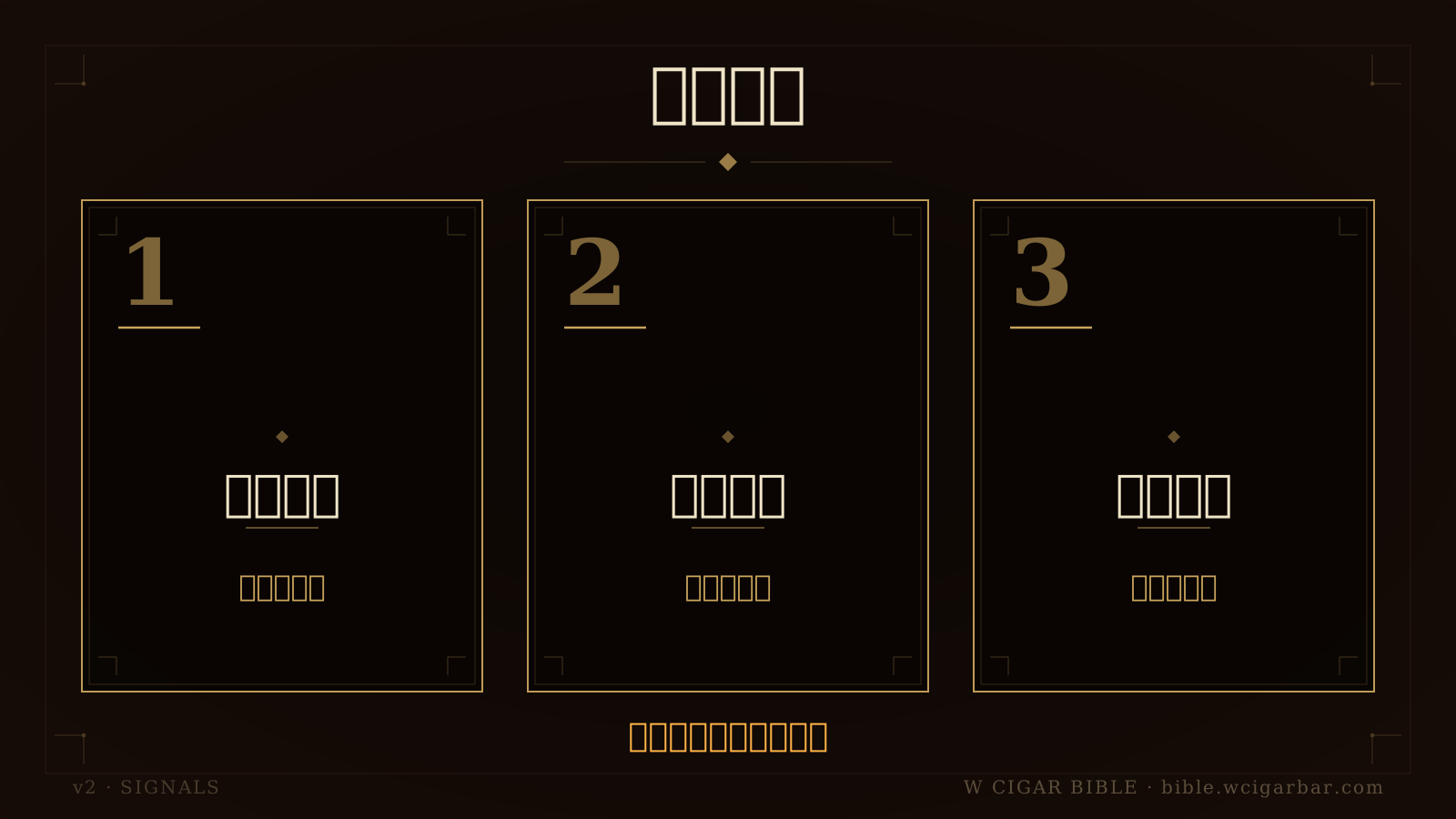
三張卡整理原料工藝與來源紀錄重點
Cuban Legends: The Historical Weight of Cohiba, Trinidad, and Discontinued Brands
When discussing high-end rare brands, Cuba remains an unavoidable coordinate. Cohiba was born in 1966 for special channels and officially entered the international market in 1982. Its status is not solely based on mystery but is built on the El Laguito factory, special fermentation, and a long-term stable brand positioning. After Behike was launched in 2010, especially the BHK 56 with a 56 ring gauge and 166 mm length, it became a very representative heavy high-end size in the modern market.
Trinidad's story has more diplomatic colors. It was long used as a gift until it was commercialized in 1998 with the launch of Fundadores, sized at 192 mm × 40 ring gauge. This long and thin vitola demands high requirements for burn line, draw resistance, and filling uniformity. Later models like Robusto T and Torre Iznaga appeared, some of which have been discontinued, creating significant discussion space between different vintage box codes.
The charm of Cuban rare brands lies in their simultaneous possession of political history, factory history, size history, and discontinuation history. Dunhill Cuban Cigars are also legends in the hearts of veterans. In the 1980s, Dunhill collaborated with Cubatabaco to launch famous products like Cabinetta and Estupendos, gradually withdrawing from the Cuban cigar scene after 1991. Today, complete box sets are extremely rare, and counterfeit issues cannot be ignored.
When truly studying Cuban high-end rare cigars, I first look at three things: whether the box code year is reasonable, whether the size matches the period data, and whether the preservation aroma is clean. For early 1990s box sets, if the wooden box, paper label, and seal condition are overly "new," it raises suspicion. The allure of legends is that they withstand verification, not because they are spoken of as mythical.
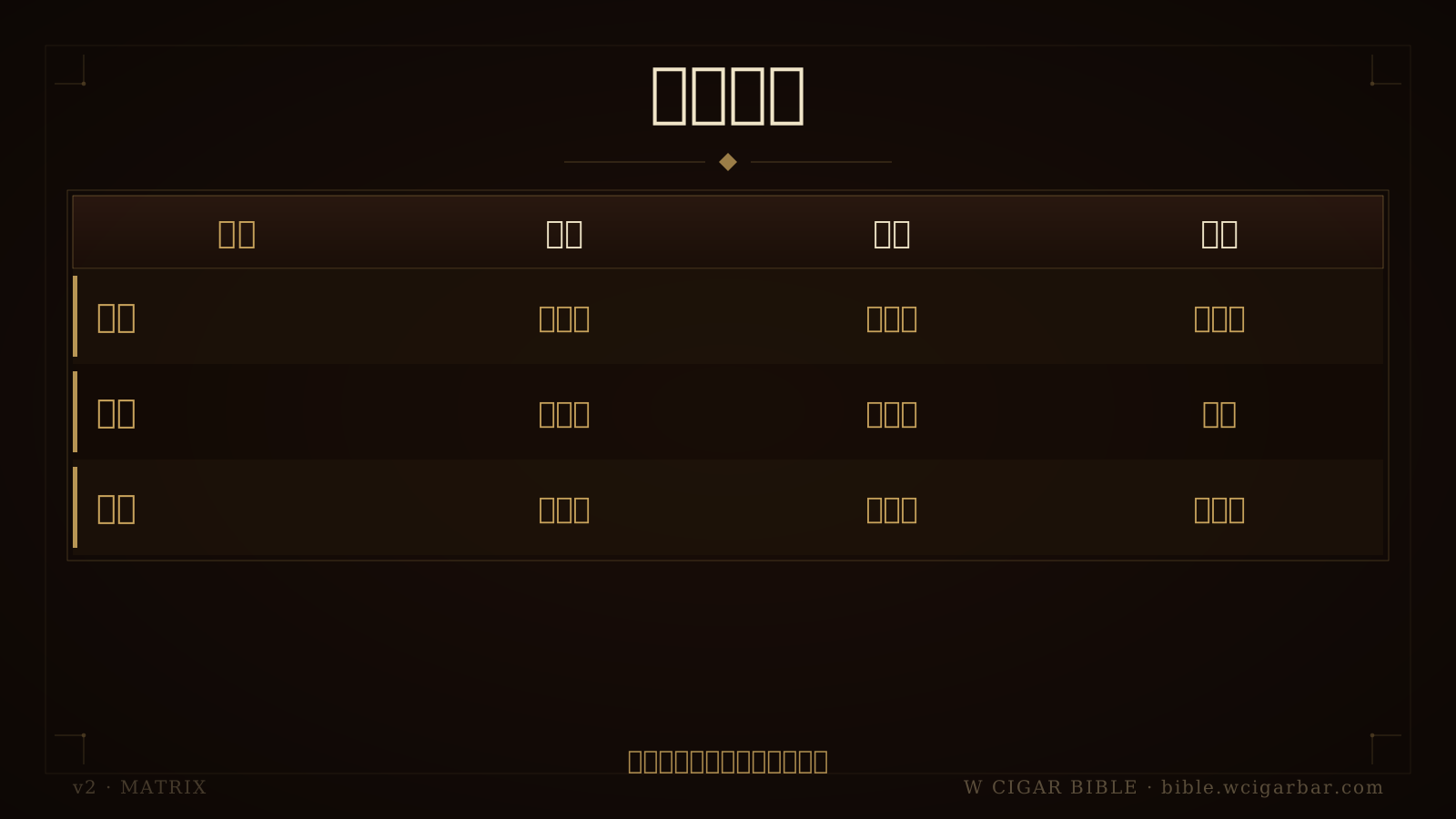
矩陣比較原料工藝制度三種稀有來源
Non-Cuban High-End Factions: OpusX, Padrón, and Davidoff's Different Rarities
The rise of non-Cuban high-end rare brands is one of the most important changes in the cigar world after the 1990s. Fuente Fuente OpusX, released in 1995, symbolizes the Dominican Republic's move from a filler and binder powerhouse to challenging the top wrapper stage. Early OpusX sizes like Perfecxion X, Double Corona, and Reserva d’Chateau are often compared by veterans for different year wrappers' oiliness, spice, and sweetness.
Padrón's rarity is built on the consistency of family style. The 1964 Anniversary Series was launched in 1994 to commemorate the brand's 30th anniversary; the 1926 Serie was launched in 2002 to commemorate José Orlando Padrón's 75th birthday. They often use Nicaraguan long filler leaves, commonly seen in maduro and natural versions, with box-pressed shapes and mature cocoa, coffee, and soil aromas forming high recognizability.
The rarity of non-Cuban high-end brands often comes not from mystery but from estate control, family standards, and long-term consistent flavor language. Davidoff is also worth discussing. Zino Davidoff launched the Cuban Davidoff series in 1967, including Château Latour and Château Margaux named after wineries; in 1991, the brand ceased Cuban production and turned to the Dominican Republic, later establishing Millennium, Grand Cru, and Winston Churchill systems.
Veterans who only use the "Cuban or non-Cuban" dichotomy will miss many details. OpusX's intense spiciness, Padrón's dark ripe sweetness, and Davidoff's precise balance represent three different high-end philosophies. The ultimate rarity of a brand must return to flavor logic: does it have an irreplaceable leaf structure and brand touch? This is the criterion I value most after years of comparison.
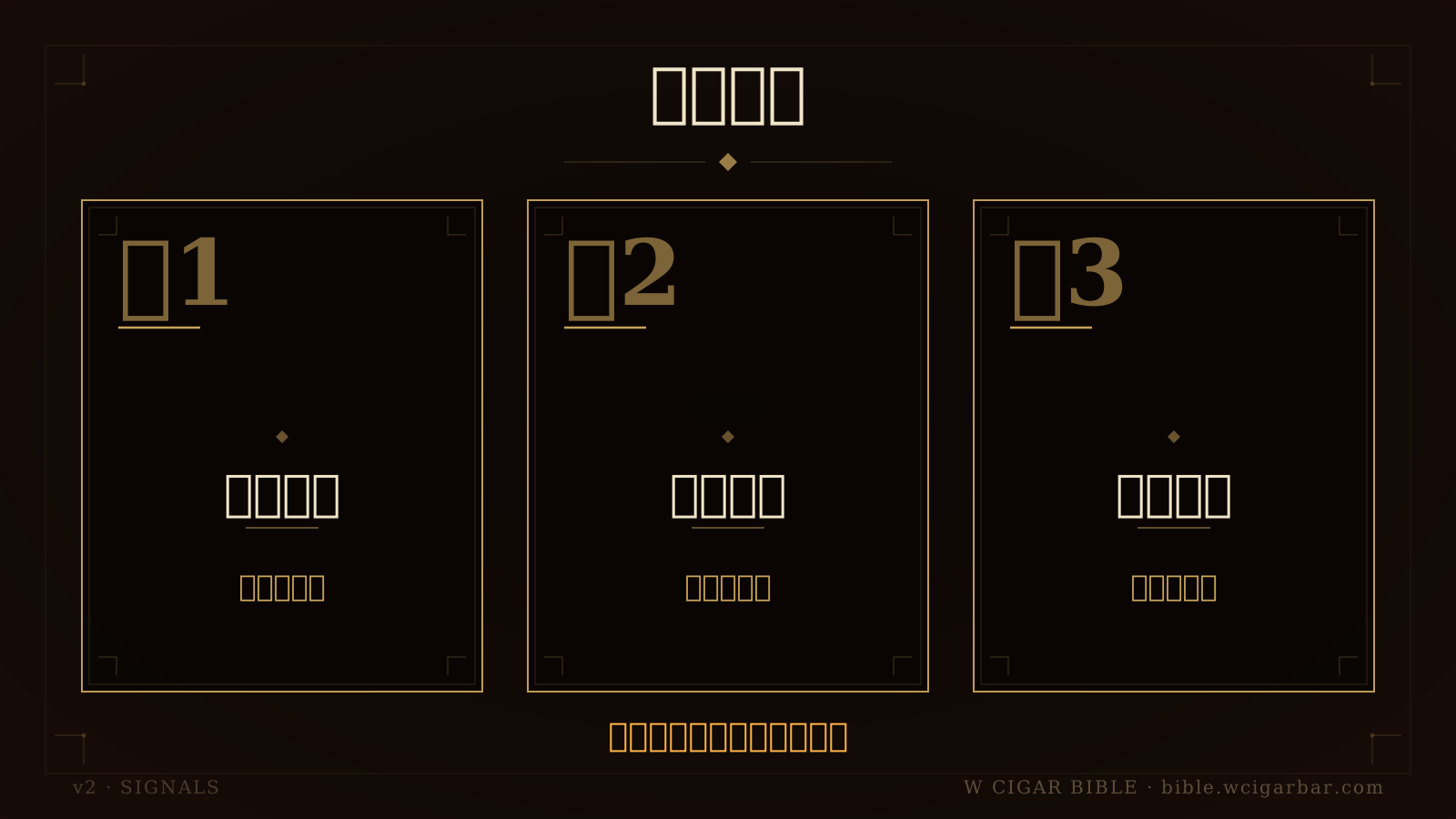
三張卡提醒年份限量與故事常見誤解
From Field to Rolling Table: How Rare Craftsmanship Determines a Cigar's Upper Limit
The high-end nature of cigars starts with agriculture. Taking Cuba's Vuelta Abajo, Nicaragua's Estelí, and the Dominican Republic's Cibao Valley as examples, the same brand may vary in different years due to rainfall, sunlight, and harvest time. Tobacco leaf harvesting is not a one-size-fits-all process, often divided by plant position into seco, viso, ligero, etc. The top leaves are thicker and more powerful but require longer processing time; otherwise, bitterness and pungency will overpower the layers.
Fermentation is another key. Tobacco leaves are stacked and heated, requiring workers to turn the piles, control temperature, and observe ammonia and humidity changes. If the temperature is too high, the aroma may be damaged; if insufficient, off-flavors are hard to remove. High-end brands are willing to invest time to handle different leaf positions separately and then recombine them during the formula stage. This is why the depth of a robusto can vary greatly after burning.
The craftsmanship value of rare cigars lies not in the words "handmade" but in the precision of each human judgment. Rollers facing large ring gauges like 52, 54, 56 must balance filling density and airflow; facing slender sizes like lancero and fundadores tests leaf arrangement and draw control even more. A slight deviation can cause uneven burning, voids, or excessive tightness.
Aging is not just about leaving cigars alone. Generally, new cigars can stabilize for 6 to 12 months, and stronger formulas may take 2 to 5 years to slowly blend, but only if humidity and temperature are well managed. If too humid for a long time, the aroma will be stifled; if too dry, the oils and elasticity will be damaged. The upper limit of craftsmanship is completed in the factory, while the full presentation of flavor depends on subsequent preservation and patience.
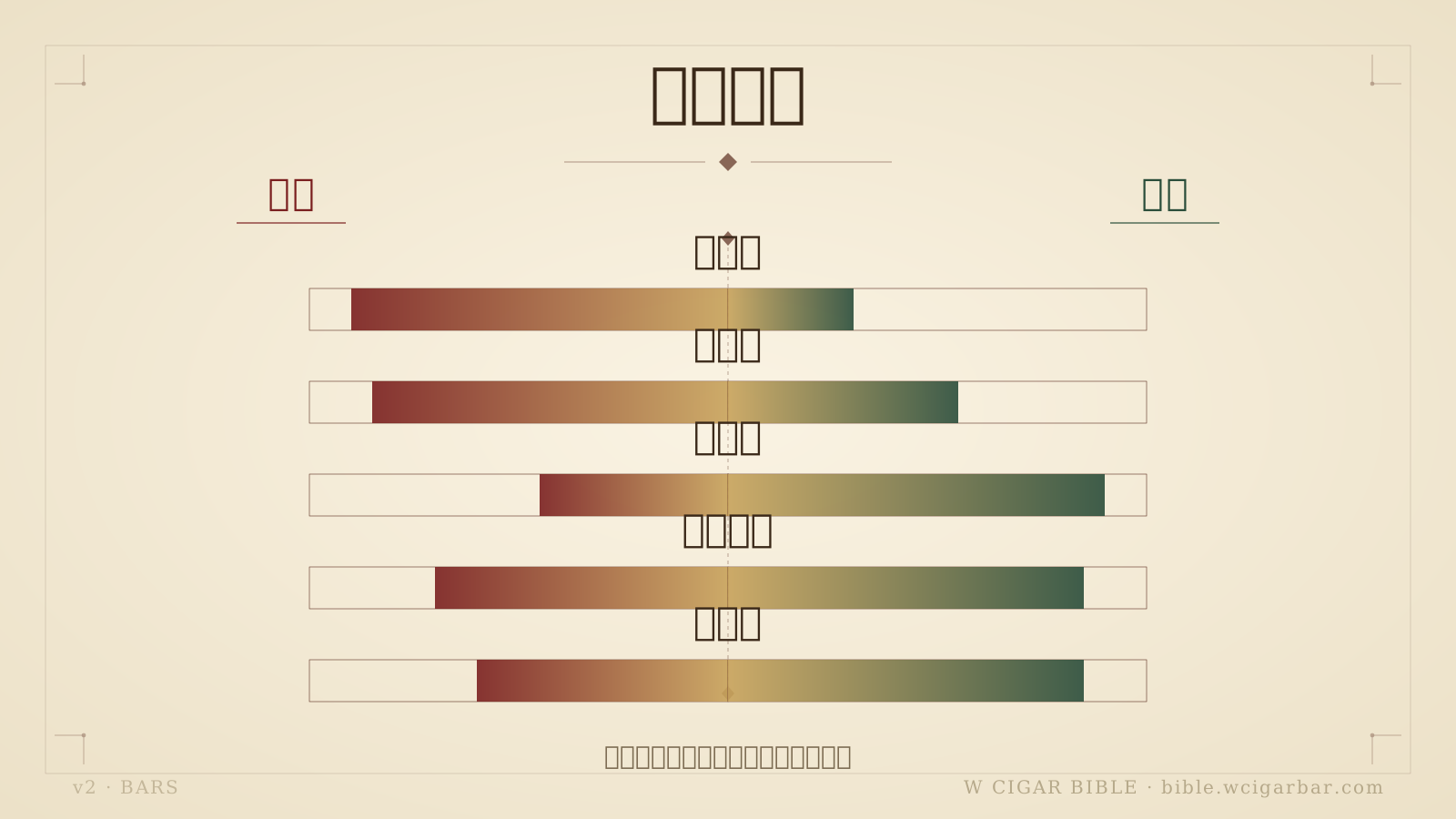
長條比較古巴與非古巴品牌在五個軸線差異
Production Areas, Brands, and Flavor Codes: Veterans Should Look at Structure, Not Lists
Different production areas have different languages, but veterans should avoid simplifying production areas into single flavors. Cuba is often described as woody, bean-like, floral, and mineral; Nicaragua commonly features pepper, coffee, cocoa, and strength; the Dominican Republic is known for balance, creaminess, nuts, and hay tones. However, these are just entry points; true judgment must return to brand leaf composition, vintage, and size.
| Production Area / Brand Example | Representative Year or Series | Common Flavor Clues | Source of Rarity |
|---|---|---|---|
| Cohiba Behike | From 2010 | Cream, wood, spices, rich sweetness | medio tiempo and high-end grading |
| Trinidad Fundadores | Commercialized in 1998 | Floral, hay, honey, delicate wood | Long thin size and discontinued item discussion |
| Fuente OpusX | From 1995 | Red pepper, leather, sweet spices, strength | Dominican wrapper and estate control |
| Padrón 1926 | From 2002 | Black coffee, cocoa, soil, ripe sweetness | Family grading and mature leaf stock |
| Davidoff Château Series | From 1967 Cuban period | Smooth wood, herbal, elegant sweetness | Discontinued history and complete box condition |
To understand rare brands, separate "production area style" from "brand formula," then put the vintage factor back in. For example, the same Davidoff, the Cuban Château series and today's Dominican Winston Churchill series both pursue precision and elegance in spirit, but their leaf sources, factories, and structures are completely different. If you only say "Davidoff tastes very mild," you miss its technical difficulty in delicate balance.
I suggest veterans build their own flavor files, with each record containing at least five items: box code or production information, size, preservation time, humidity environment, and changes in the front, middle, and back segments. Comparing more than 10 consecutively will be more useful than hearing 100 rumors. True advancement is not knowing more brand names but being able to explain why a cigar performs as it does.

三張問答卡說明年份來源與點前準備
Preservation, Source, and Collection: Rare Value Fears Broken Chains
High-end rare cigars fear source breakage the most. Common issues in the old cigar market include unclear box codes, labels not matching the era, abnormal seals, and single cigars circulating without traceability. For example, 1990s Dunhill, early Davidoff Cuban, some Gran Reserva or Reserva, complete box sets, and single cigars differ completely in credibility. If a single cigar has no clear source, the more exciting the story, the more it needs calm verification.
As someone who has long been in contact with the PCC authorized dealer system, I first look at document and preservation consistency for rare cigars. Cuban box codes, import markings, outer box wear, inner lining paper condition, wrapper oiliness, and aroma must all match. If the box looks like a 20-year-old item but the cigars appear overly fresh or have a pungent smell, it's worth stopping to reassess.
Collections may have market discussions, but they do not guarantee appreciation; they still depend on source preservation and the market. I must emphasize this upfront. Cigars are not stocks, nor do they improve just by aging. Poorly preserved rare cigars may see a significant decline in value and enjoyment performance; conversely, ordinary vintages with clear sources, stable humidity, and complete box conditions may sometimes deserve more respect than rumored famous boxes.
Practically, I recommend veterans manage conservatively: relative humidity around 65% to 69%, temperature around 18 to 21°C, and avoid frequent box openings. High-end rare brands should not be constantly moved, photographed, or displayed, as each environmental fluctuation consumes their condition. The value of rare cigars is not only hidden in the brand but also in whether you let them live quietly and stably.
Frequently Asked Questions
Are high-end rare cigars better the older they are?
Not necessarily. Aging requires good humidity, temperature, and air exchange. If kept in a too-humid environment for 10 years, it may only have a musty taste and mold risk. Conversely, a well-preserved 3 to 5-year cigar often tastes cleaner than a 20-year-old cigar with unknown conditions. Vintage is a clue, not a quality guarantee.
Should I prioritize studying Cuban or non-Cuban cigars?
Veterans don't have to choose one. Cubans can study the sizes and box codes of Cohiba, Trinidad, Partagás, and H. Upmann; non-Cubans can study the leaf philosophy of OpusX, Padrón, Davidoff, and Arturo Fuente Añejo. True depth is comparing how different systems handle strength, sweetness, and balance.
Are limited editions always more valuable than regular editions?
Not necessarily. Some limited editions have special wrappers, vintage significance, or production limits, but regular editions with mature formulas and stable conditions may offer more reliable flavors. Looking at long-term series like Padrón 1964 and Davidoff Grand Cru, stability itself is high-end value. Don't just look at "limited"; look at the content.
How do I determine if a box of rare cigars is credible?
First, check if the box code, seal, label, and size data match the era, then see if the cigar appearance and aroma are reasonable. For discontinued brands, compare historical catalogs and credible data. If the price deviates too much from the market, the story is overly dramatic, but there are no records to check, be cautious.
Are rare cigars suitable for long-term collection?
Yes, but first confirm preservation conditions and personal purpose. If for flavor, regularly inspect small amounts for different vintage changes; if for collection, remember collection appreciation is not guaranteed, still depending on source preservation and the market. The best collection is knowing clearly why you keep it, not just because others say it's rare.
What is the most important preparation before lighting a high-end rare cigar?
I would let the cigar rest in a stable environment for at least a few weeks, confirm the foot aroma, elasticity, and humidity state, then choose a clean cut and stable flame source. High-end rare cigars don't need extravagant rituals but require quietness, patience, and focus. Only then can you hear what it truly wants to say.
When I look at high-end rare cigars, I never just look at the box's aura. Cohiba, Trinidad, OpusX, Padrón, and Davidoff are repeatedly discussed because they have evidence of fields, vintages, families, factories, and time behind them. The true joy of a veteran is to deconstruct legends and then reassemble them into personal memories on a quiet night. May you cherish every rare item and maintain verification and humility.
—Cigar Prince Wilson Tsai
Smoking is harmful to health. Under 20 years old is not allowed to smoke. Quit smoking hotline: 0800-636363. This article is for reference by adults over 20 years old as knowledge of cigar culture, preservation, and regulations, not tobacco advertising, promotion, or purchase advice.
Like this article?Share with friends
Share this W Cigar Bible piece with friends who want to learn cigar culture, storage, and tasting.
想把這篇 化為實踐
雪茄聖經是知識;雪茄文化要在空間裡發生

W Cigar Bar 大安總店資訊
台北大安區 · 雪茄聖經總編輯 Wilson Tsai 主理的雪茄文化空間
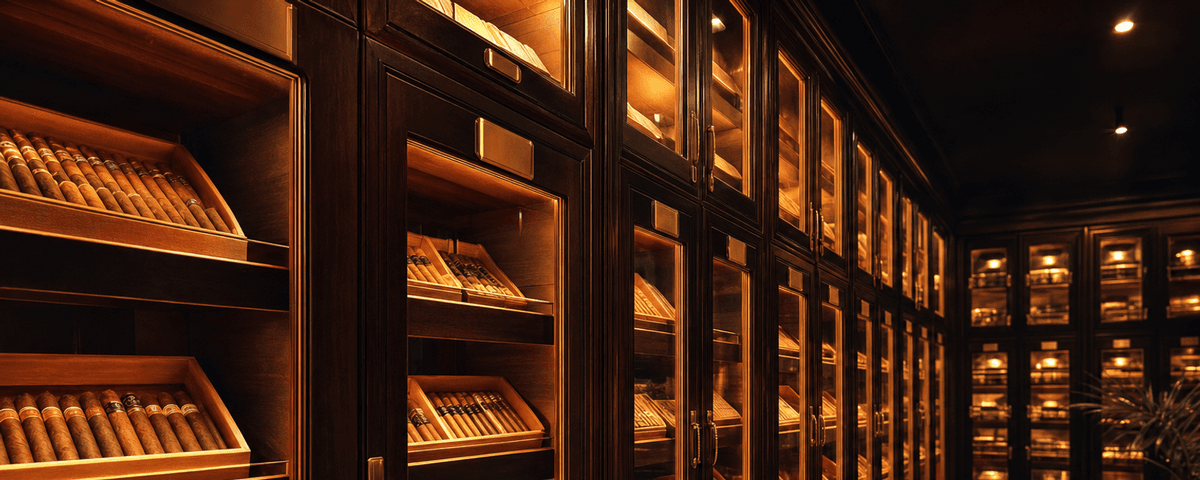
33 座 24 小時恆溫恆濕醇化室
W Cigar Bar 提供的會員醇化空間 · 場地資訊請洽編輯部
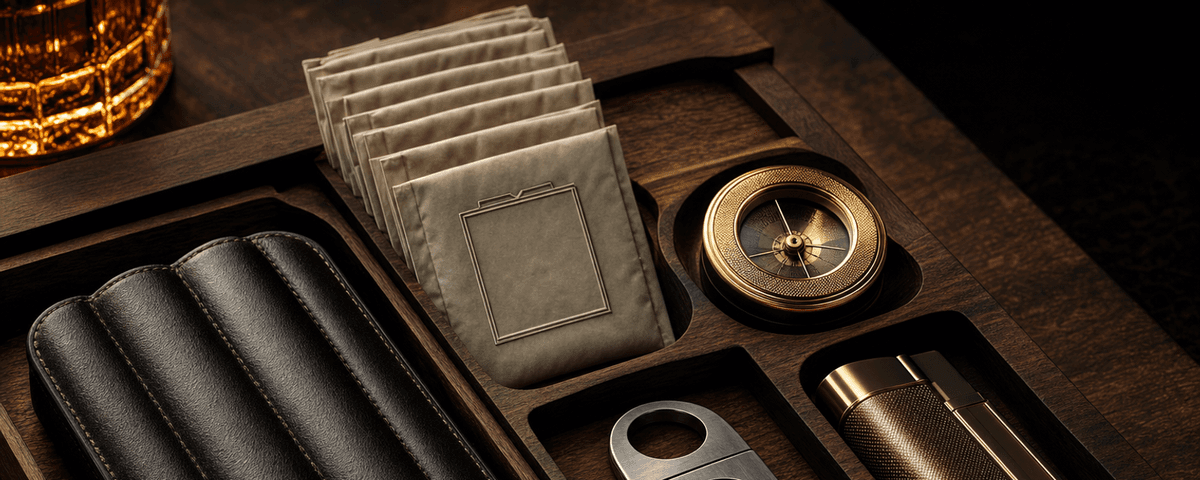
雪茄剪 / 打火機 / 雪茄盒 / Boveda
W Cigar 配件官網 · 專營雪茄配件正品
加 LINE 好友 · 文化諮詢
文化空間資訊 · 紳士沙龍 · 私人包場
本網站內容僅供雪茄文化、歷史、收藏與品吸知識研究參考。菸品有害健康、未滿法定年齡者請勿吸菸。實際規範請依所在地法律為準。
吸菸有害健康・戒菸專線 0800-636363・本站僅供 20 歲以上成年人閱覽。
讀到這裡,你不只是路過的人
留下 Email,加入 W 雪茄聖經內圈——總編輯 Wilson Tsai 親選的學院深文與國際新訊,先你一步送到信箱。
· 教育用途非銷售 · 隨時一鍵退訂 · Email 絕不對外公開 · 由勝茄股份有限公司營運
同分類延伸閱讀


資料來源:W Cigar Bible 編輯部整理 · 雪茄王子 Wilson Tsai 親自審稿
本文僅供雪茄文化、歷史、收藏與品鑑知識研究,不作為菸品促銷、銷售或購買建議。吸菸有害健康,未滿二十歲不得吸菸。