紅酒產區完整指南:舊世界與新世界風味地圖,以及與雪茄同桌的搭配總覽

紅酒產區不是背地名,而是理解氣候、品種、釀造與餐桌語境的風味地圖。本文以舊世界紅酒與新世界紅酒為主軸,整理波爾多、勃根地、隆河、義大利、西班牙、Napa、智利、阿根廷、澳洲、紐西蘭與南非的結構差異,並用單寧、酸度、酒體三軸建立紅酒入門框架,最後轉入紅酒 雪茄 搭配的核心公式。
- 紅酒產區可用氣候、品種、桶陳與酸度結構閱讀,不必只背產國名稱。
- 舊世界重風土與酸度線條,新世界常以成熟果香與酒體表現建立辨識度。
- 紅酒與雪茄搭配要對齊酒體與茄體,並觀察單寧、油脂、果香的互動。
Complete Guide to Wine Regions: Old World and New World Flavor Maps, and a Comprehensive Overview of Pairing with Cigars
When placing wine regions and Quai d'Orsay No.50 on the same table, I often say that the real lesson is not "which bottle goes with which cigar," but rather understanding how body, acidity, tannins, and cigar strength connect. As the editor of "Cigar Bible," I care more about flavor structure than simply judging by country name or brand impression. This article will integrate Old World wines, New World wines, and several typical cigars into a single map, allowing wine beginners to establish a repeatable pairing logic.
When wine and cigars share the same table, the biggest fear is that both have strong personalities but end up overshadowing each other. If the tannins are too harsh, they can accentuate the woody bitterness of tobacco; if the cigar is too strong, it can flatten the wine's fruit aroma. Conversely, when the body of the wine and the cigar align, fruit, cocoa, leather, spice, and tobacco oils form a clear dialogue, rather than talking past each other.
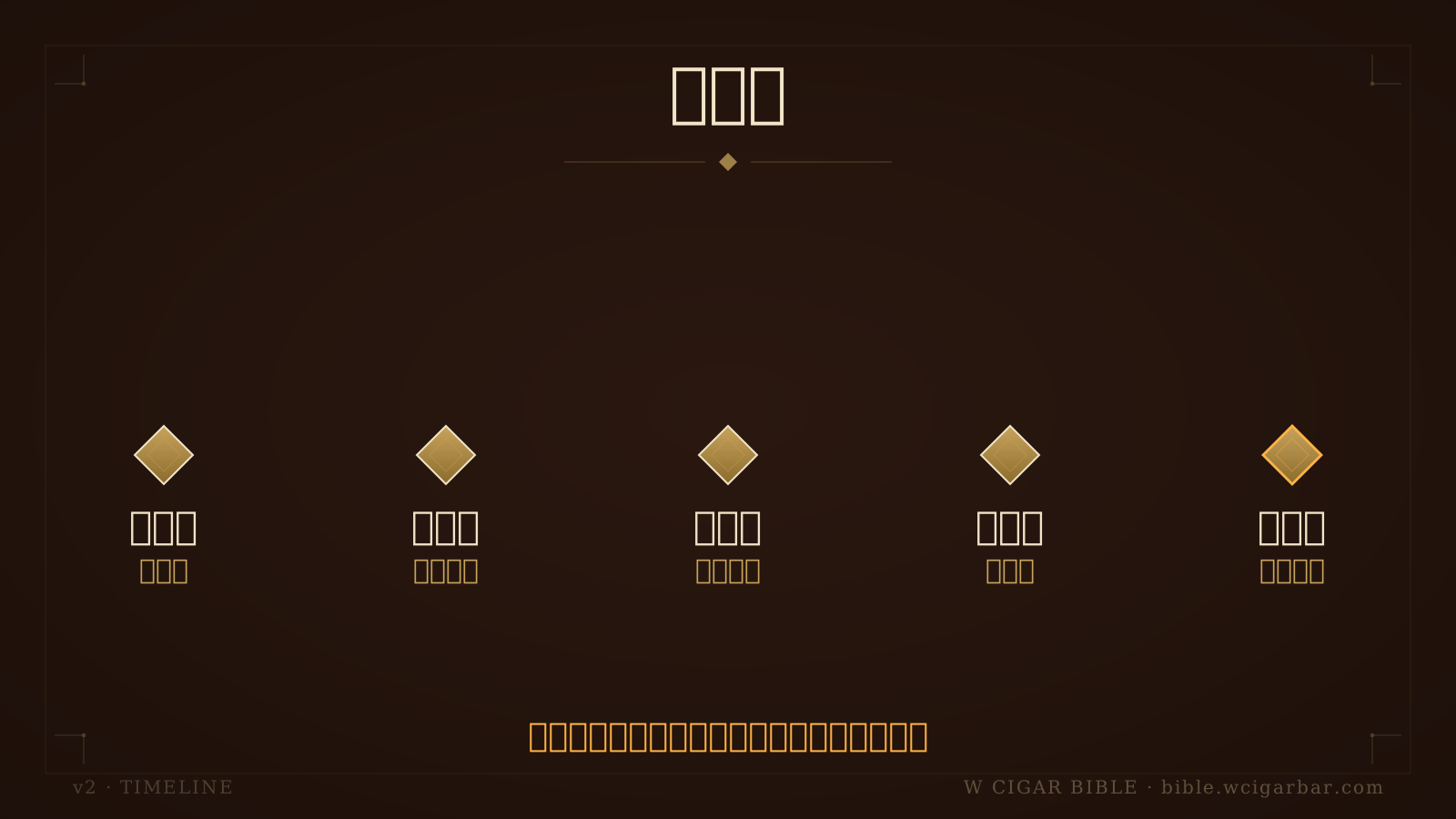
流程圖呈現從氣候到杯中觀察的搭配判斷順序
Wine Region Map: Understanding Flavor Through Climate, Varieties, and Craft
When discussing wine regions, I first divide the world into "cool, moderate, and hot" climates, then look at varieties and winemaking. Cool regions often have higher acidity, more delicate fruit aromas, and lighter body, such as Burgundy Pinot Noir and some New Zealand Pinot Noir. Warm regions tend to have blackberry, plum, ripe cherry, and fuller body, such as Napa Cabernet Sauvignon and Argentine Malbec. Regions with strong sunlight often have jammy, sweet spice, and more pronounced alcohol sensations.
The language of Old World wines is often tied to villages, vineyards, and traditional regulations, while New World wines are often quickly identified by variety, ripeness, and winemaker style. This is not about superiority but different ways of reading. Old World is like reading topography and vintage, New World is like reading sunlight, fruit ripeness, and barrel choices. The core of the wine region map is not to remember the most names but to understand how climate rewrites acidity, tannins, and body.
| Region Type | Representative Regions | Common Structure | Typical Flavors | Cigar Pairing Direction |
|---|---|---|---|---|
| Cool Old World | Burgundy, parts of Germany | High acidity, light to medium body | Red cherry, raspberry, earth, floral | Elegant to medium-bodied cigars |
| Moderate Old World | Bordeaux, Rioja, Chianti | Medium-high acidity, medium-high tannins | Blackcurrant, cedar, leather, sour cherry | Medium-bodied cigars |
| Warm New World | Napa, Central Valley of Chile | Ripe fruit aroma, fuller body | Blackberry, plum, vanilla, cocoa | Medium to full-bodied cigars |
| High Sunlight Dry Areas | Mendoza in Argentina, Barossa in Australia | Full body, concentrated fruit flavors | Black plum, pepper, sweet spice | Full-bodied cigars |
| Maritime New World | New Zealand, parts of South Africa | Clear acidity, bright fruit aroma | Cranberry, herbal, smoky, red fruit | Elegant to medium-bodied cigars |
In the introductory stage of wine, I suggest remembering "acidity is like the skeleton, tannins are like grip, body is like weight." Acidity gives wine its structure, tannins come from grape skins, seeds, stems, and oak, while body is influenced by alcohol, extraction, residual sugar, and ripeness. You don't need to memorize all regions at once, but you should be able to explain why a wine is lean, why it's heavy, or why it has astringency. This way, when entering wine and cigar pairing, you won't rely solely on intuition.
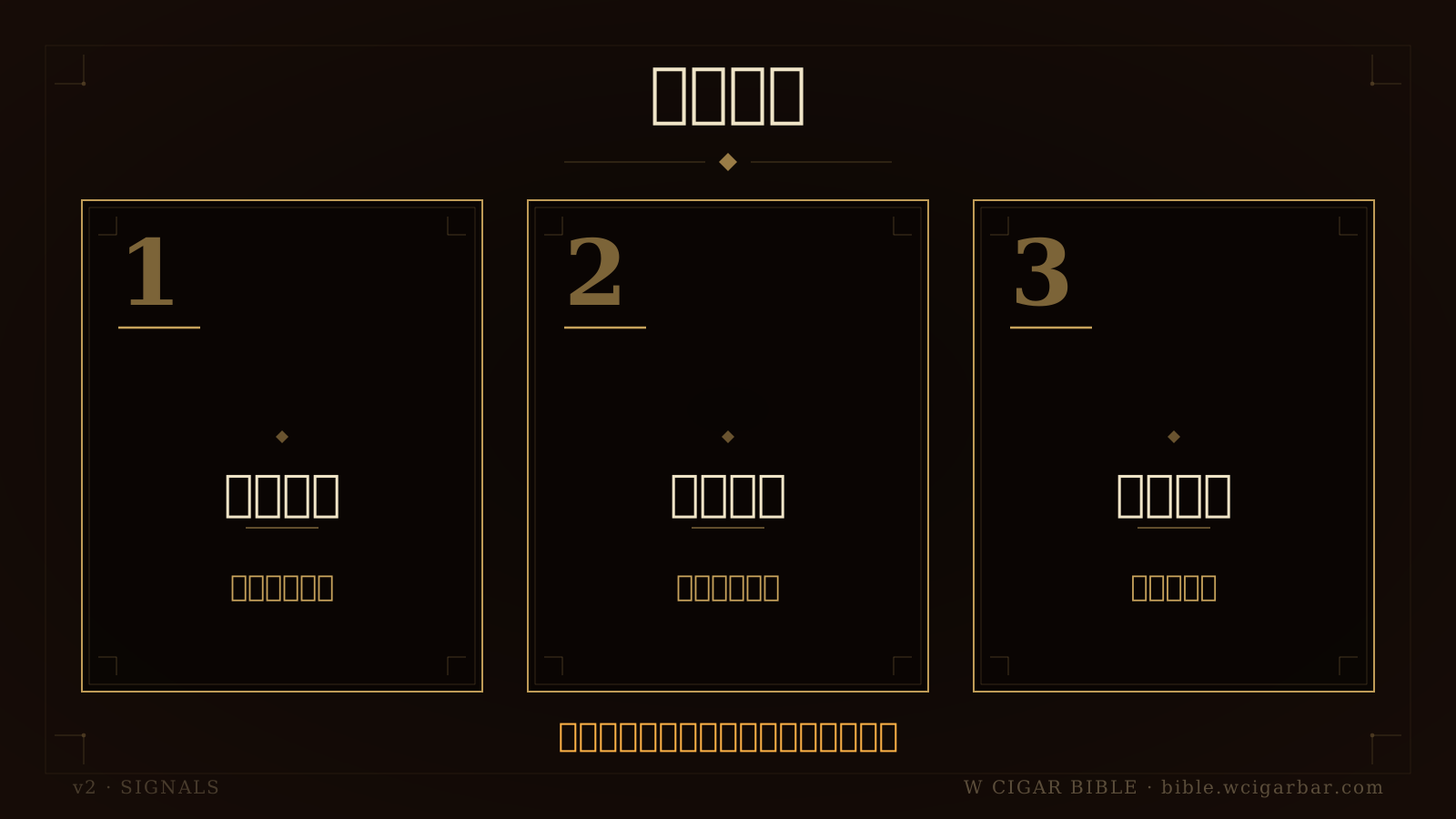
三張卡列出紅酒與雪茄搭配的結構重點
Old World Wines: Bordeaux, Burgundy, Rhône, and the European Framework
Bordeaux is a place that cannot be skipped when discussing Old World wines. Located in southwestern France, it is influenced by the Atlantic Ocean and the Gironde River. The Left Bank is based on Cabernet Sauvignon, often showing blackcurrant, cedar, pencil shavings, tobacco, and firm tannins; the Right Bank focuses on Merlot and Cabernet Franc, usually rounder with plum, violet, and soft spices. The 1855 classification was born in the context of the Paris Exposition Universelle, ranking Médoc and part of Sauternes châteaux by market reputation at the time, and remains an important entry point for understanding Bordeaux history today. The concept of the five great châteaux refers to Château Lafite Rothschild, Latour, Margaux, Haut-Brion, and Mouton Rothschild, which are representative names in the classification and subsequent history, but when learning, it's more important to return to villages, vintages, and wine structure.
Burgundy's logic is completely different, pushing terroir to an extremely fine scale, often using villages, Premier Cru, and Grand Cru to read the land. Red wines are mainly Pinot Noir, focusing not on thickness but on acidity, aromatic transparency, and minerality. Good Burgundy may have red cherry, strawberry, rose, forest floor, dried mushroom, and delicate oak, with tannins often not as square as Bordeaux. When paired with cigars, it suits elegant cigars like Quai d'Orsay No.50, complementing the red fruit acidity and creamy sweetness of tobacco.
The Rhône is divided into the Northern Rhône and Southern Rhône. The Northern Rhône is dominated by Syrah, often showing black pepper, olive, smoked meat, violet, and dark berries. The Southern Rhône often blends Grenache, Syrah, and Mourvèdre, with a broader body, bringing herbal, ripe red fruit, and licorice. Italian Barolo showcases Nebbiolo's high acidity, high tannins, rose, tar, red cherry, and dried herbs; Chianti triumphs with Sangiovese's sour cherry, tomato leaf, leather, and medium body. The spirit of Old World wines is to preserve the land's contours with acidity and tannins, rather than just pursuing fruit thickness.
Spanish Rioja is a region in the Old World well-suited for beginners to practice barrel aging language. Tempranillo, aged in American or French oak, develops coconut, vanilla, dried strawberry, leather, and tobacco box aromas. As for German Riesling, although not the main line of red wine, it is an excellent reference for understanding acidity: the lightness of Mosel, the structure of Rheingau, and the mature fruit aroma of Pfalz all help understand how acidity supports aroma. Treat Riesling as an acidity textbook, then return to Pinot Noir or Sangiovese, and it will be easier to grasp the wine's framework.

矩陣比較涼爽舊世界溫和舊世界與溫暖新世界的搭配方向
New World Wines: Napa, Chile, Argentina, Australia, and Southern Hemisphere Perspectives
New World wines are often described as having bright fruit aromas and high ripeness, but that's just the first layer. Napa Valley's Cabernet Sauvignon, due to ample sunlight, nighttime temperature differences, and soil differences between hillsides and valleys, can present blackcurrant, blackberry, mint, cocoa, vanilla, and full tannins. Barrel aging often brings roasted oak, coffee, and sweet spices, making the body appear more three-dimensional. When paired with full-bodied cigars like Partagás Serie D No.4, the wine's black fruit and cocoa can complement the leather and spice of tobacco.
Chile's advantage lies in the Andes Mountains, the Pacific cold current, and the dry climate forming clear day-night temperature differences. Central Valley, Maipo, and Colchagua commonly see Cabernet Sauvignon, Carmenère, and Syrah. Cabernet Sauvignon may have blackcurrant, mint, and graphite, while Carmenère has green pepper, black plum, spice, and soft tannins. Argentine Mendoza's Malbec, influenced by high altitude, matures during the day and retains acidity at night, often showing black plum, violet, cocoa, and smooth tannins. The advantage of New World wines is using mature fruit aromas and clear body to more easily align weight when pairing with cigars.
Australian Shiraz, especially in Barossa and McLaren Vale, often has blackberry jam, black pepper, eucalyptus, chocolate, and full body. If from cooler Yarra Valley or Adelaide Hills, it may lean more towards pepper, violet, and acidity lines. New Zealand Pinot Noir, represented by Central Otago, Martinborough, and Marlborough, often has red cherry, cranberry, herbal, and clean acidity. It is more suitable for elegant or medium cigars than many heavy red wines, avoiding fruit flavors being overwhelmed by intense tobacco.
South African Pinotage is an interesting case, a cross between Pinot Noir and Cinsault, developing its style in South Africa in the early 20th century. Traditional versions may have smoky, banana peel, caramel, coffee, and red-black fruit, while modern winemaking increasingly emphasizes clean fruit aroma and acidity balance. When paired with cigars, its smoky notes can connect with the woody char of burning tobacco, but avoid versions with too prominent alcohol. Too hot wine and too strong cigars appearing simultaneously will leave only spiciness and astringency on the tongue.
Wine Introduction Three Axes: How Tannins, Acidity, and Body Determine Pairing
Tannins are the most critical friction point when wine and cigars share the table. They mainly come from grape skins, seeds, stems, and oak, forming dryness, astringency, and grip in the mouth. When cigars have noticeable tobacco oils, the rough edges of tannins are coated by oils, turning the tongue from sharp to powdery, like dark chocolate turning from bitter to cocoa powder. This is the first chemical sensation of "tannins × cigar oils": phenolic astringency and lipid membranes neutralize each other, preventing bitterness from rising linearly.
Acidity is like the line that stretches the wine, able to clean the caramel, cream, and nut residues brought by cigars in the mouth. Burgundy Pinot Noir, Chianti, Rioja Crianza, or some Chilean Cabernet Sauvignon, if with clear acidity, can let the next puff of cigar reveal wood, herbal, and cocoa again. Wines with insufficient acidity paired with full-bodied cigars often appear thick and dull, as if the fruit aroma is shrouded in smoke. The most important pairing judgment for wine beginners is first to ask if the acidity of this wine can cleanse the palate and if the tannins will collide with the tobacco bitterness.
Body is the sense of weight, related to alcohol, extraction, ripeness, sugar content, and oak. Light-bodied red wines are like thin silk, suitable for elegant cigars like Quai d'Orsay No.50; medium-bodied can connect with Hoyo de Monterrey Epicure No.2, allowing wood, cream, and red fruit to overlap; heavy-bodied wines have the strength to face the spice, leather, and rich tobacco of Partagás Serie D No.4. If the wine is too light paired with too strong a cigar, the wine will disappear; if the wine is too heavy paired with too light a cigar, the cigar will only have herbal aftertaste.
I often use "strength 1-5 corresponding to body weight" as a general formula. Elegant cigars with strength 1-2 can look for light to medium-bodied red wines, such as village-level Burgundy Pinot Noir, New Zealand Pinot Noir, or light Rioja; medium-strength cigars with strength 3 can consider Chianti Classico, Right Bank Bordeaux, or Chilean Cabernet Sauvignon; full-bodied cigars with strength 4-5 enter Napa Cabernet Sauvignon, Australian Shiraz, Argentine Malbec, or Northern Rhône Syrah. This is not a rigid rule but a way to avoid imbalance from the start.
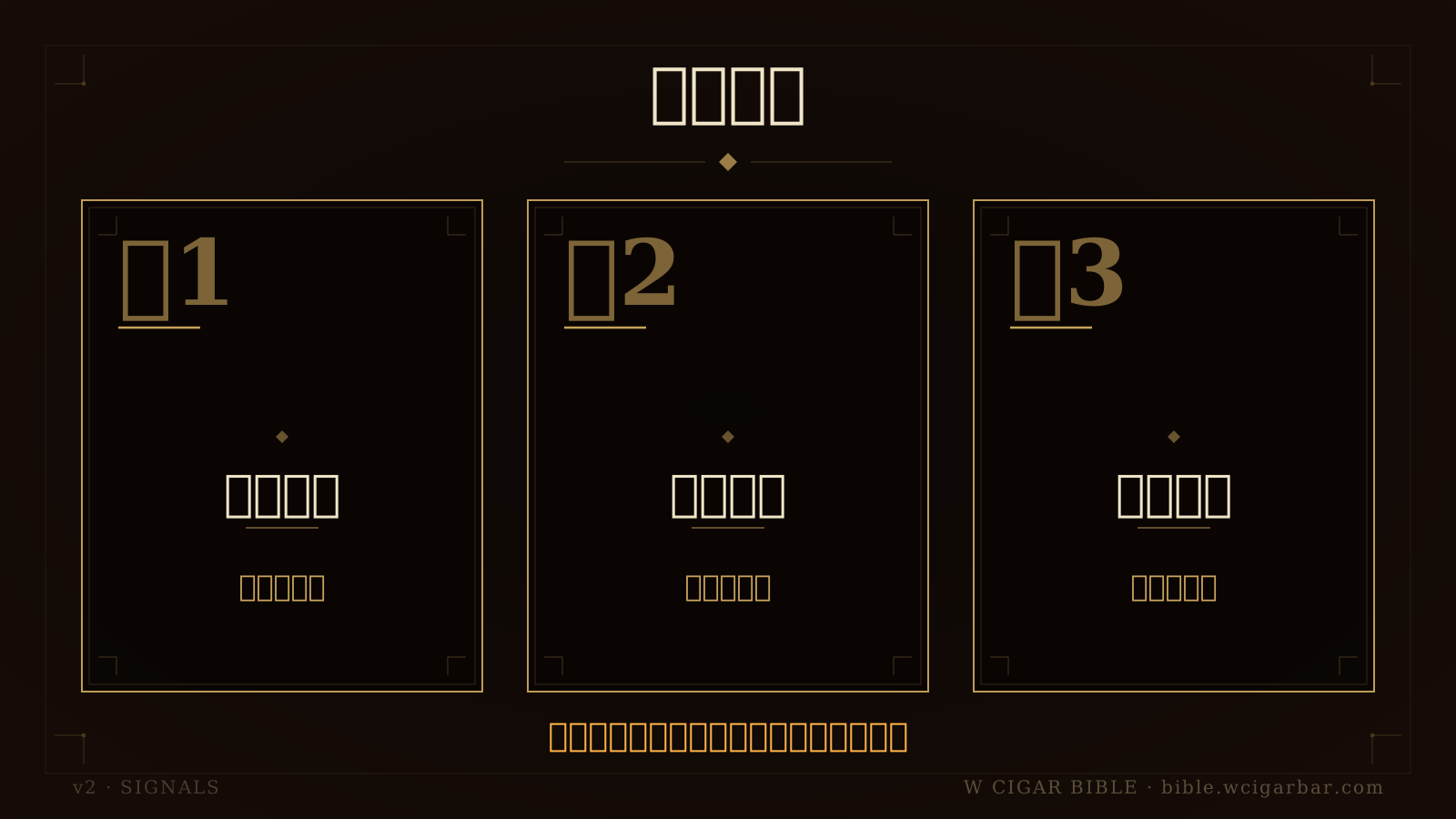
三張卡提醒只看產國厚酒壓茄與醒酒過久的誤解
Everyday Entry-Level and Approachable Styles: How to Choose Stable, Easy-to-Understand Wines
When choosing everyday entry-level wines, I avoid the overly complex maze of prestigious estates, first looking for wines with clear labeling, distinct varieties, not too distant vintages, and stable regional characteristics. If you want to understand Cabernet Sauvignon, you can start with clearly labeled versions from Chile's Maipo, Australia's Coonawarra, or California, USA. To understand Pinot Noir, you can start with wines from New Zealand's Marlborough, Chile's Casablanca, or France's Bourgogne Rouge with clear lines. To understand acidity and food suitability, Chianti, Rioja Crianza, and Southern French blends are great for practice.
Approachable style does not mean roughness but rather clear flavor signals. If the label can show variety, region, vintage, and alcohol content, beginners find it easier to build memory. When alcohol content is high, the body is usually thicker, and when pairing with cigars, pay attention to whether the spiciness is amplified; when alcohol content is lower and acidity higher, it is usually more suitable for elegant or medium cigars. The key to choosing everyday entry-level wines is to find stable style, clear structure, and wines that can be used to train taste coordinates.
Decanting and serving temperature are often underestimated basics in wine introduction. Light-bodied Pinot Noir can present delicate fruit aromas around 13-15°C; medium-bodied Chianti, Rioja, and Right Bank Bordeaux can be around 15-17°C; heavy-bodied Cabernet Sauvignon, Shiraz, and Malbec can be around 16-18°C. Too high a temperature will make the alcohol sensation prominent, and when combined with cigar spice, it becomes piercing; too low a temperature makes tannins hard, and fruit aromas are locked.
Decanting is not about pouring all wines into a decanter but considering age, tannins, and reductive aromas. Young, tannin-heavy, and barrel-aged wines can benefit from short exposure to oxygen, allowing black fruit, spice, and oak to unfold more comfortably. Older or structurally delicate wines may lose aroma quickly with excessive decanting, so observing slowly in the glass is safer. When sharing the table with cigars, I taste the wine first before lighting the cigar, as the aroma of burning tobacco increases sensory load in the mouth.
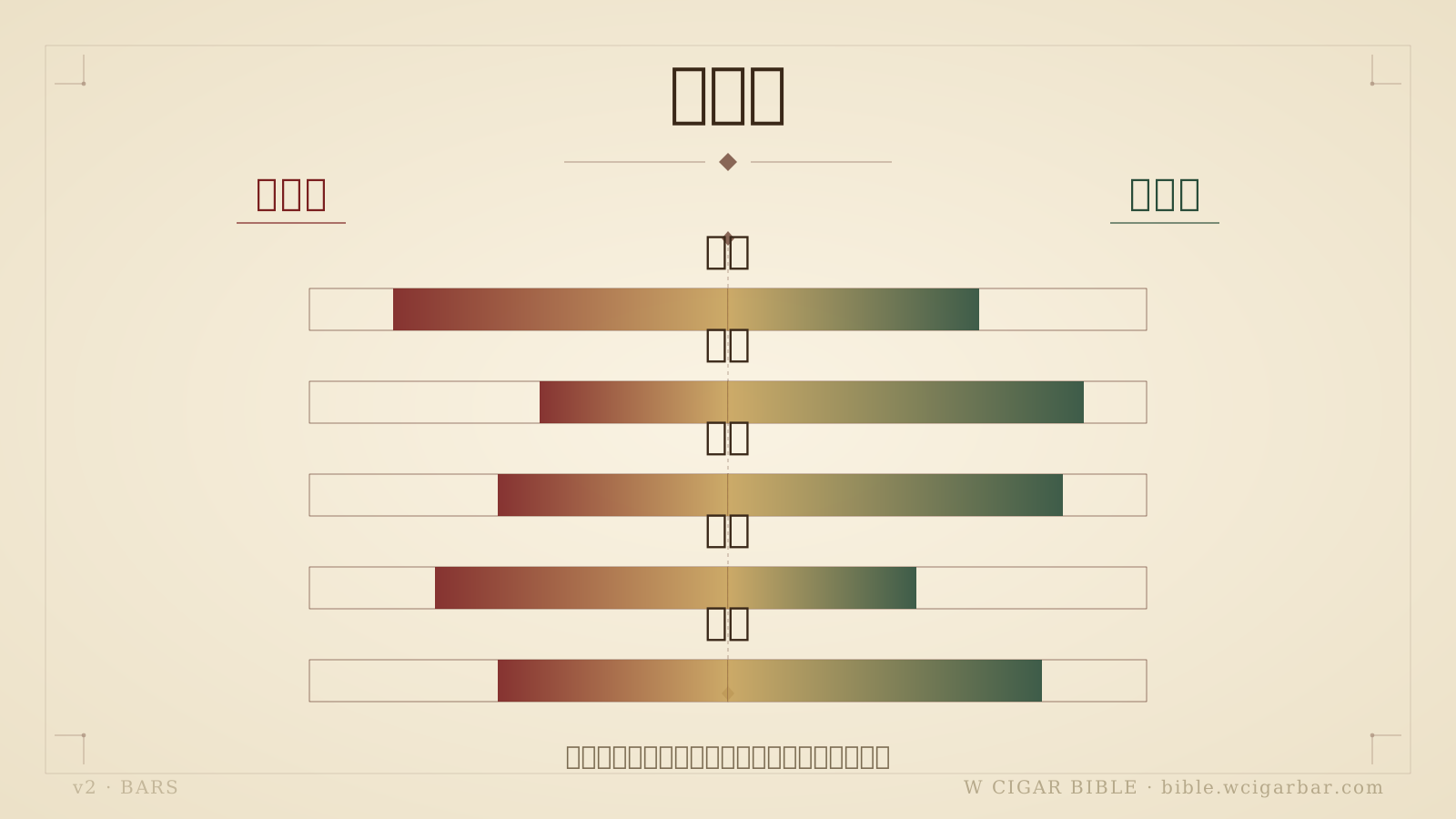
長條圖比較舊世界與新世界紅酒在酸度果熟酒體草本與桶香的差異
Overview of Wine and Cigar Pairing: Three Flavor Chemistry Groups and Three Cigar Demonstrations
The first group is "tannins × cigar oils." Tannins in wine are phenolic compounds that interact with saliva proteins, causing dryness in the mouth; the oils, resin, and caramelized sweetness released by burning cigars form another layer of coating on the tongue. When these balance, tannins turn from scraping to cocoa powder-like granules, and tobacco bitterness is drawn out into dark chocolate, coffee, and walnut skin layers. If tannins are too rough and cigar oils insufficient, it becomes dry wood, bitter tea, and overly astringent.
The second group is "body × cigar strength alignment." Quai d'Orsay No.50 is elegant, often with cream, hay, light wood, and soft floral notes, suitable for light to medium-bodied red wines, especially Pinot Noir with bright red fruit and light oak. Hoyo de Monterrey Epicure No.2 is medium, with cream, wood, nut, and slightly sweet aromas, able to connect with Chianti, Rioja, or Right Bank Bordeaux's medium structure. Partagás Serie D No.4 is full-bodied, with spice, leather, soil, and rich tobacco notes, requiring support from Napa Cabernet Sauvignon, Australian Shiraz, or Northern Rhône Syrah. The general formula for wine and cigar pairing is that the wine body should not lose to the cigar body, tannins should not pierce tobacco oils, and fruit aromas should complement cigar sweetness.
The third group is "fruit aroma × creamy sweetness complement." The cherry, berry, plum, and blackcurrant in wine, when encountering the cream, almond, toasted bread, and honey notes in cigars, make the sweetness appear rounder. This is not an increase in sugar but an olfactory recombination of fruity ester aromas and caramelized tobacco aromas, forming associations like cherry cream tart, blackberry cocoa, or plum spice cake. If the wine's fruit aroma is overripe and the alcohol sensation is also prominent, pairing with full-bodied cigars may lean towards jam, pepper, and burnt bitterness. In this case, it's better to choose regions with clearer acidity to retain lines in the aftertaste.
In practice, I change only one variable per pairing. First, use the same cigar with three types of wine, observing the differences between Pinot Noir, Chianti, and Cabernet Sauvignon; then use the same wine with three types of cigars, observing how elegant, medium, and full-bodied cigars change the wine's taste. The glass volume doesn't need to be large; the focus is on recording changes at the first sip, after ten minutes, and after thirty minutes. This builds a real wine region map better than laying out many wines at once.
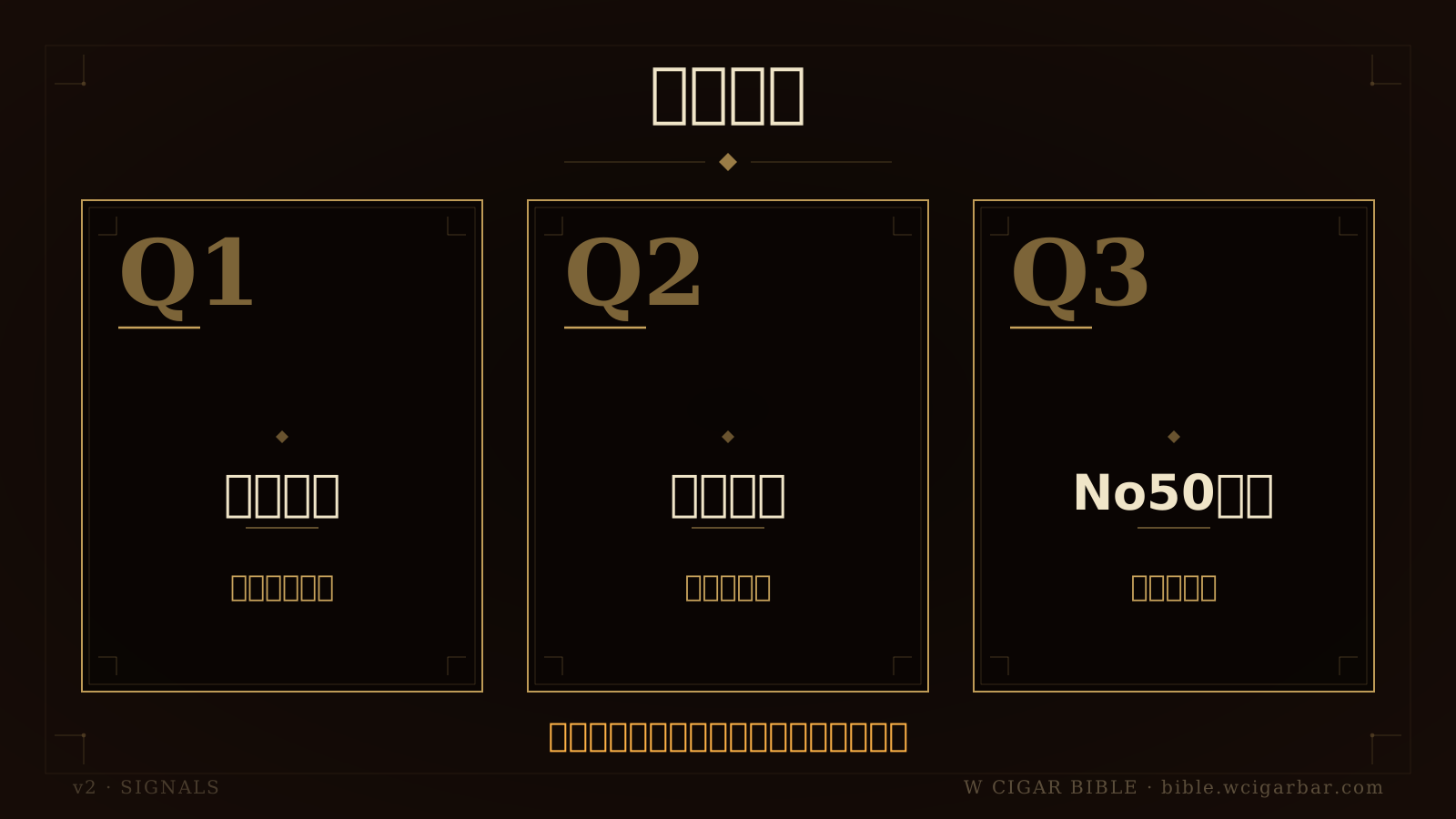
快問快答列出入門順序新舊世界與No50搭配建議
Comprehensive Pairing Guide
Below is the complete sub-axis deep reading of this main axis, covering the full flavor spectrum, each article is a specific drink × a specific cigar:
- Complete Analysis of Bordeaux Left Bank Red Wine: Tannin Structure of the 1855 Classification and the Dialogue with Cohiba Robustos
- Burgundy Pinot Noir Flavor Guide: Delicate Layers of Red Fruit and Forest Floor, Paired with Hoyo de Monterrey Epicure No.2
- Rhône Syrah and Châteauneuf-du-Pape: Black Pepper and Provence Herbs, Paired with Partagás Serie D No.4's Spice Resonance
- Barolo, the King of Italian Wines: Nebbiolo's Rose and Tar, Paired with Montecristo No.2 Torpedo's Cocoa Finish
- Chianti Classico Tuscan Table Wine: Sangiovese's Sour Cherry and Leather, Paired with Romeo y Julieta Short Churchill
- Rioja Spanish Red Wine's Barrel Aging Philosophy: Tempranillo and American Oak's Vanilla Coconut, Paired with Bolívar Royal Corona
- German Riesling White Wine's Sweet and Sour Balance: Brightness of White Flowers and Minerals, Paired with Davidoff Aniversario's Elegant Route
- Complete Analysis of Napa Valley Red Wine: California Cabernet's Blackcurrant and Roasted Oak, Paired with Padrón 1964 Anniversary
- Chile's Carmenère, the Rediscovered Variety: Dual Nature of Green Pepper and Blackberry, Paired with Oliva Serie V Melanio
- Argentine Malbec High Altitude Violets: Mendoza's Sunlit Jammy Feel, Paired with My Father Le Bijou 1922's Pepper Power
- Australian Shiraz Wine Guide: Barossa Old Vine's Blackberry and Licorice, Paired with Padrón 3000 Maduro's Cocoa Thickness
- New Zealand Red Wine Central Otago Pinot Noir: Pure Red Fruit of Cool Climate, Paired with Quai d'Orsay No.50's Elegance
- South African Red Wine Pinotage In-Depth Analysis: Unique Variety of Smoky Wild Berries in Cape Town, Paired with Vegas Robaina Famosos
- Everyday Red Wine Introduction Guide: How to Choose Approachable Style Table Wines, Paired with H. Upmann Half Corona's Half-Hour After Dinner
Frequently Asked Questions
When wine and cigars share the table, first master the wine body and cigar body, then fine-tune the region and variety.
Do you have to start with Bordeaux for wine introduction?
Not necessarily. Bordeaux is important because it trains you to understand Cabernet Sauvignon, Merlot, tannins, barrel aging, and classification history, but it's not the only entry point. If you want to learn acidity, you can start with Chianti or Pinot Noir; if you want to learn body, Napa, Chilean Cabernet Sauvignon, or Argentine Malbec are also intuitive.
Which is more suitable for cigars, Old World or New World wines?
Both can be suitable, the key is structure. Old World wines often have acidity, minerals, herbs, and more astringent tannins, suitable for making cigar sweetness clearer. New World wines have mature fruit aromas and obvious body, more easily accommodating medium to full-bodied cigars.
What wine direction is suitable for Quai d'Orsay No.50?
Quai d'Orsay No.50 is elegant and should not be overwhelmed by heavy tannins. Consider Burgundy or New Zealand Pinot Noir, light Rioja, or Southern French red wines without prominent alcohol. The focus is on red fruit, acidity, and gentle oak, not concentrated black fruit and heavy roasted flavors.
What body should Hoyo de Monterrey Epicure No.2 be paired with?
It is a medium-bodied cigar with clear cream, wood, and nut notes, suitable for medium-bodied red wines. Chianti Classico's sour cherry can brighten the cigar's creaminess, Rioja's vanilla and leather can connect with wood tones, and Right Bank Bordeaux can use soft berry fruit to complement sweetness.
Can Partagás Serie D No.4 be paired with Pinot Noir?
You can try, but most light Pinot Noir will be overwhelmed by its spice, leather, and rich tobacco notes. If you want to use Pinot Noir, choose versions with deeper fruit flavors and stronger structure. A more stable direction is usually Syrah, Shiraz, Malbec, or Cabernet Sauvignon.
Is longer decanting time always better?
No. Young and tannin-heavy wines benefit from short decanting to open aromas, but delicate or aged wines may lose aroma quickly with too much oxygen exposure. When sharing the table with cigars, it's recommended to observe in the glass first before deciding if more air is needed.
Learning wine regions ultimately returns to a map that can be placed on the tongue: acidity is the road, tannins are the terrain, body is the weight, and fruit aroma is the direction. When you can place Quai d'Orsay No.50, Hoyo de Monterrey Epicure No.2, and Partagás Serie D No.4 into the same set of coordinates, wine and cigars are no longer just memory questions but a flavor method that can be deconstructed, compared, and adjusted.
—Cigar Prince Wilson Tsai
Smoking is harmful to health. Under 20 years old is not allowed to smoke. Quitline: 0800-636363. This article is for reference by adults over 20 years old for cigar culture, preservation, and regulation knowledge, not a tobacco advertisement, promotion, or purchase suggestion.
No drunk driving. Excessive drinking is harmful to health. Under 18 years old is prohibited from drinking. This article is also not an alcohol advertisement, promotion, or purchase suggestion, please drink responsibly.
Like this article?Share with friends
Share this W Cigar Bible piece with friends who want to learn cigar culture, storage, and tasting.
想把這篇 化為實踐
雪茄聖經是知識;雪茄文化要在空間裡發生
W Cigar Bar 大安總店資訊
台北大安區 · 雪茄聖經總編輯 Wilson Tsai 主理的雪茄文化空間
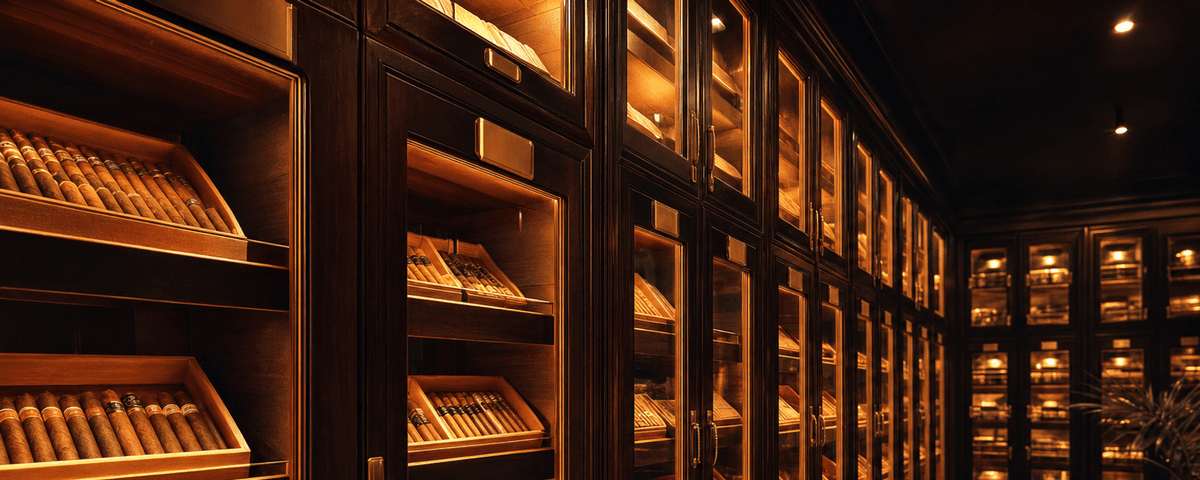
33 座 24 小時恆溫恆濕醇化室
W Cigar Bar 提供的會員醇化空間 · 場地資訊請洽編輯部
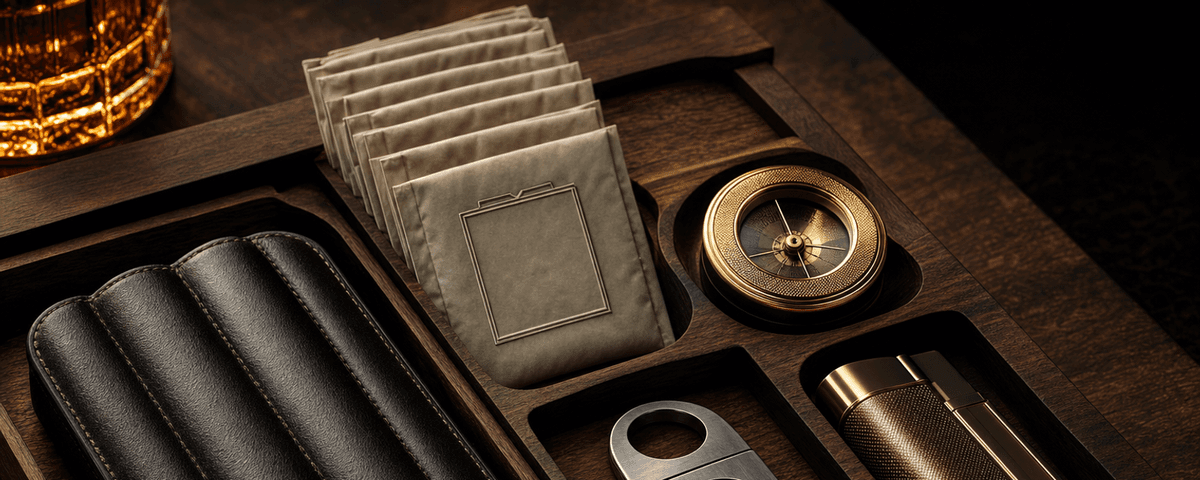
雪茄剪 / 打火機 / 雪茄盒 / Boveda
W Cigar 配件官網 · 專營雪茄配件正品
加 LINE 好友 · 文化諮詢
文化空間資訊 · 紳士沙龍 · 私人包場
本網站內容僅供雪茄文化、歷史、收藏與品吸知識研究參考。菸品有害健康、未滿法定年齡者請勿吸菸。實際規範請依所在地法律為準。
吸菸有害健康・戒菸專線 0800-636363・本站僅供 20 歲以上成年人閱覽。
讀到這裡,你不只是路過的人
留下 Email,加入 W 雪茄聖經內圈——總編輯 Wilson Tsai 親選的學院深文與國際新訊,先你一步送到信箱。
· 教育用途非銷售 · 隨時一鍵退訂 · Email 絕不對外公開 · 由勝茄股份有限公司營運
同分類延伸閱讀
資料來源:W Cigar Bible 編輯部整理 · 雪茄王子 Wilson Tsai 親自審稿
本文僅供雪茄文化、歷史、收藏與品鑑知識研究,不作為菸品促銷、銷售或購買建議。吸菸有害健康,未滿二十歲不得吸菸。