雪茄的創新工藝與未來展望
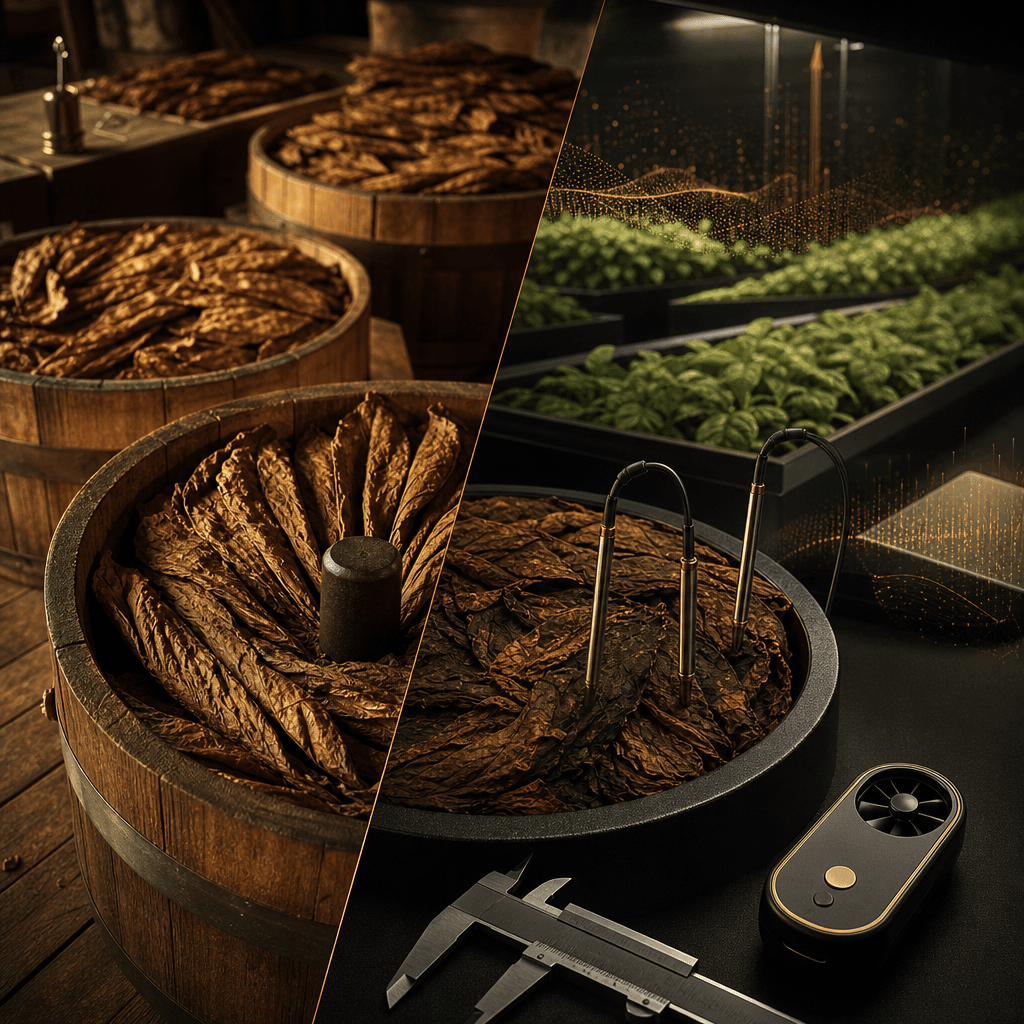
雪茄工藝的演進不僅在於新技術的應用,更在於如何穩定重現風味與降低批次落差。隨著數據管理的進步,產區如多明尼加與尼加拉瓜的農場開始記錄更細緻的數據,從而影響風味設計。發酵過程中的溫濕度控制也愈加精細,讓雪茄的強度更加乾淨。捲製技術的提升則確保了抽阻的穩定性,進一步保護手工精神。此外,新材料與包裝科技的應用,提升了雪茄的保存狀態與市場透明度,讓玩家能更好地理解和欣賞雪茄的多樣性與精緻工藝。
- 新技術能穩定重現雪茄風味,降低批次落差,並保留手工雪茄的獨特性。
- 未來的穩定風味設計將依賴田間數據,包括遮蔭密度與灌溉頻率等參數。
- 發酵過程中,控制溫度與氨氣釋放速度能提升雪茄的風味層次與清晰度。
The Innovative Craft of Cigars and Future Prospects
I have always viewed the evolution of cigar craftsmanship as more than just the word "new." What truly concerns seasoned enthusiasts is whether new technologies can consistently reproduce flavors, reduce batch discrepancies, and retain the charming uncertainty of handmade cigars.
As an editor of "Cigar Bible," I have observed in recent years that regions like Cuba, the Dominican Republic, Nicaragua, and Honduras are implementing more precise management from seeds, fermentation, rolling, storage, to anti-counterfeiting traceability. These changes won't replace experience but will rewrite the market language for the next decade.
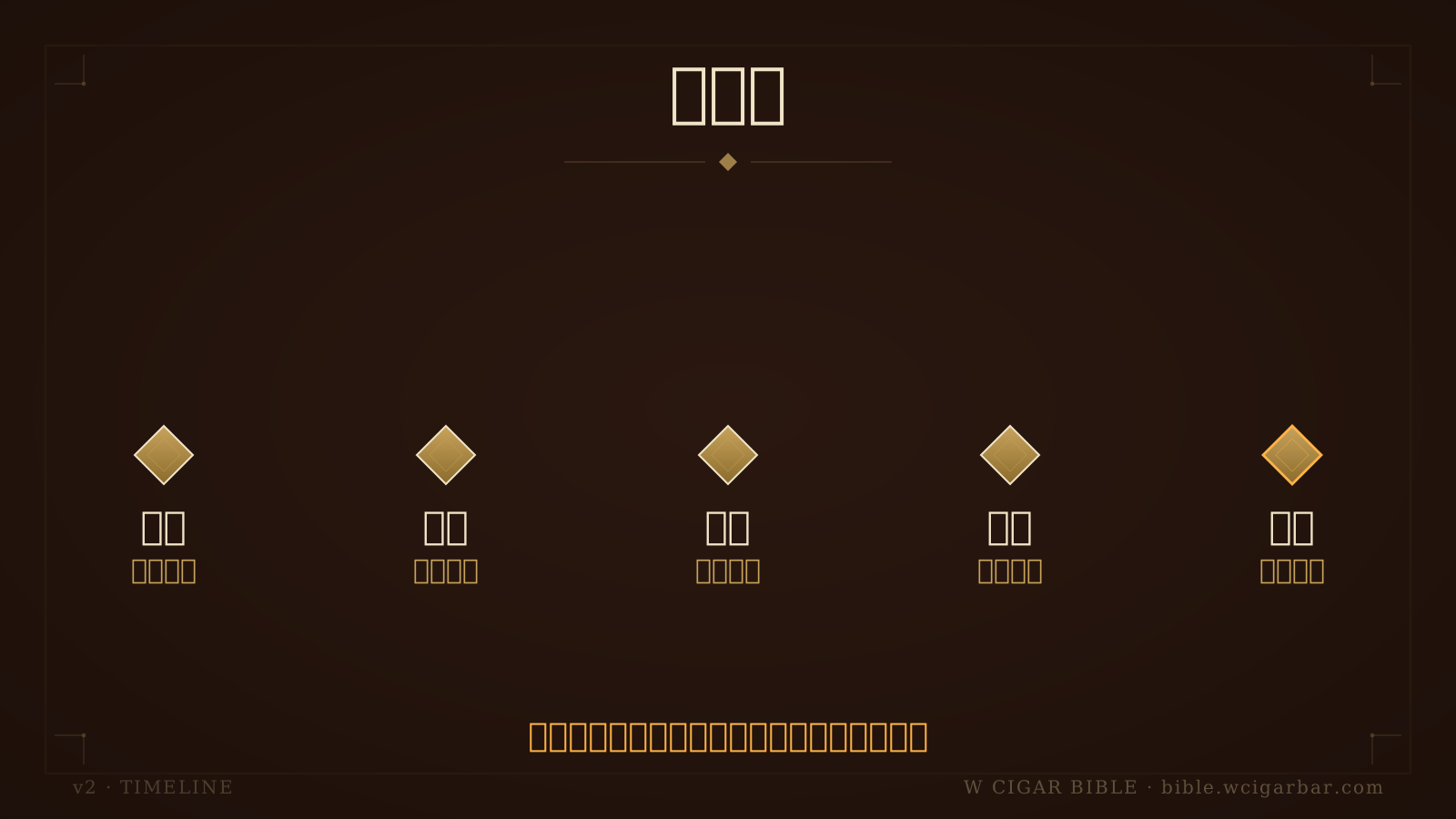
時間軸呈現種植、發酵、捲製、倉儲到來源追蹤流程
Starting with Seeds and Field Data: Flavor Innovation is Not Just in Factories
In the past, discussions about flavor often focused on the soil of the production area and the feel of the blender; but after 2010, many large brands have moved data management to the fields. For example, in the Dominican Republic, brands like Davidoff, Arturo Fuente, and in Nicaragua, Padrón, Oliva, farm records now include not just rainfall and harvest dates, but also leaf position, shading density, irrigation frequency, pest pressure, and post-harvest moisture content. The stable flavors of the future will first be designed in field data.
For instance, the use of shading cloth is no longer just to make Connecticut Shade grow thinner and more delicate. Some estates test leaf thickness and oiliness with different shading rates from 30% to 60%, then decide which leaf positions are suitable for wrappers and which for binders. Traditionally, Cuba values the microclimate experience of vegas finas de primera, while new world regions are more willing to turn experience into replicable numbers, and the two routes are converging.
In terms of seeds, varieties like Criollo 98, Corojo 99, Habano 2000, and San Andrés Negro have been continuously tested for disease resistance, combustibility, and aroma intensity over the past 20 years. Seasoned enthusiasts who only use "Cuban flavor" or "Nicaraguan flavor" to generalize will miss finer changes: even within Estelí soil, using Jalapa sweet leaves and Condega mid-section leaves presents completely different wood, spice, and mineral sensations.
The market results are clear: brands are beginning to emphasize single farms, single vintages, single leaf positions, and even launch small batch limited editions. The value of these works lies not only in their rarity but in allowing enthusiasts to compare the differences between "different plots of the same brand." In the future, seasoned enthusiasts must understand a cigar not only by its brand name but also by the agricultural parameters behind it.
三張重點卡列出田間資料、發酵控溫與工具輔助手藝
Upgraded Fermentation Control: From Master’s Nose to Temperature and Humidity Curves
Fermentation has always been the soul of cigars, but it used to rely heavily on masters feeling the temperature with their hands, smelling ammonia, and observing leaf color. In recent years, large workshops in the Dominican Republic and Nicaragua have generally used temperature probes, humidity recorders, and layered turning records to control the center temperature of pilón leaf piles between about 38°C and 48°C; if it exceeds 50°C, the leaf oils and aroma molecules may be damaged. The core of fermentation innovation is not to make cigars stronger but to make the strength cleaner.
Taking San Andrés wrappers as an example, if not handled properly, they easily exhibit rough earthy flavors and sharp bitterness; but through longer, lower-temperature multi-stage fermentation, cocoa, molasses, coffee, and leather notes can be more rounded. Brands like Rocky Patel, Drew Estate, and AJ Fernandez have shown this "thick but not dirty" trend in many maduro works launched after 2015.
Another key is the release speed of ammonia. If young leaves are rushed into rolling, the front section often has a pungent sensation; if over-processed, they lose vitality. Some workshops plan separate fermentation cycles for wrappers, binders, and fillers, with wrappers possibly undergoing 2 to 3 turnings, and fillers arranged at different times according to leaf position and strength. This allows blenders to manage the maturation of ingredients like chefs, combining clearer layers.
However, data is not omnipotent. During the pandemic after 2020, logistics delays in some regions forced many leaf materials to extend their aging time, resulting in some batches becoming smoother, while others lost distinct aromas. This reminds us: the precision of craftsmanship should serve flavor, not turn cigars into formulas. What seasoned enthusiasts should focus on is whether the brand can still maintain its signature framework in different years.

矩陣比較田間、發酵與捲製三階段的目的工具與風險
Rolling and Draw Testing: Handcraft Spirit is Being Protected by Precision Tools
The most challenging aspect of traditional hand-rolled cigars is the draw. Too tight will suffocate, too loose will heat up, both of which can ruin the rhythm originally arranged by the blender. After 2000, many factories introduced draw machines to measure airflow before the cigar is completed; common standards fall between about 40 to 60 units, with each factory having its own settings. Draw testing does not weaken the value of handcraft but amplifies the stability of good masters.
Rolling has also seen more mold and pressing management. Taking box-pressed cigars as an example, Padrón 1964 Anniversary and Oliva Serie V Melanio allow enthusiasts to understand how a square cross-section changes the taste: slower burning speed, wider oral contact surface, often amplifying sweetness and woodiness. But if moisture control is poor, box pressing can also cause crooked burn lines or wrapper cracking.
Seasoned enthusiasts can use the following methods to judge the maturity of a cigar’s craftsmanship:
- Press the cigar body lightly before lighting to check if the rebound is even, avoiding local voids.
- Observe the cap closure, with triple caps or smooth cap edges usually representing meticulous processes.
- When burning to the middle section, see if the ash column is tilted to judge the arrangement of the filler.
- If the temperature rises sharply in the later section, it may be due to too loose a draw or too fast a rhythm.
In recent years, some workshops have used more precise bunching divisions, arranging the positions of ligero, seco, and viso more fixedly. The higher strength ligero burns slowly and is often placed in the center or specific sides; seco provides aroma, viso supports burning. When the arrangement is more stable, the differences within the same box will decrease. This is important for seasoned enthusiasts because you are buying a box of ten or twenty-five cigars, not an isolated sample.
三張錯誤觀念卡提醒技術、桶藏與濕度選擇的誤解
New Materials and Packaging Technology: From Spanish Cedar Boxes to Traceable Labels
The "material innovation" of cigars is not only in tobacco leaves but also in packaging and preservation media. Traditional Spanish cedar boxes can regulate humidity, provide a light wood aroma, and prevent insects; but after 2010, aluminum tubes, ceramic jars, humidification packs, scannable labels, and anti-counterfeiting seals have gradually become market language. The purpose of packaging technology is to maintain the original design state of cigars as much as possible after leaving the factory.
| Material or Technology | Common Uses | Impact on Flavor and Market |
|---|---|---|
| Spanish Cedar | Box packaging, partitions, humidor linings | Adds wood aroma, stabilizes humidity fluctuations |
| Aluminum Tubo | Single cigar protection, travel preservation | Reduces collision and short-term drying risks |
| Humidification Pack | Commonly 65%, 69%, 72% | Makes it easier for general collectors to maintain conditions |
| QR or Serial Number Labels | Anti-counterfeiting, batch tracking | Enhances source transparency and secondary market trust |
| Cellophane | Protects wrappers, reduces friction | Aids slow humidity exchange, convenient for single cigar management |
Taking Habanos S.A.'s anti-counterfeiting labels as an example, the new version of the seal after 2009 added more complex identification elements, and the query mechanism was gradually strengthened in the 2010s. New world brands also widely use box bottom batch numbers and date information, allowing collectors to determine shipment times. As a PCC authorized dealer, I particularly value source, batch, and preservation chains because these protect player judgment more than word of mouth.
The popularity of humidification packs has changed home preservation culture. In the past, players were often troubled by crystal gel, sponges, and distilled water; now, storing Cuban cigars at 65% or 69% relative humidity, and some new world large ring gauge works at 69% or 72%, has become common practice. But material convenience does not mean temperature can be ignored; if it is consistently above 24°C, the risk of pests and mold will still increase.
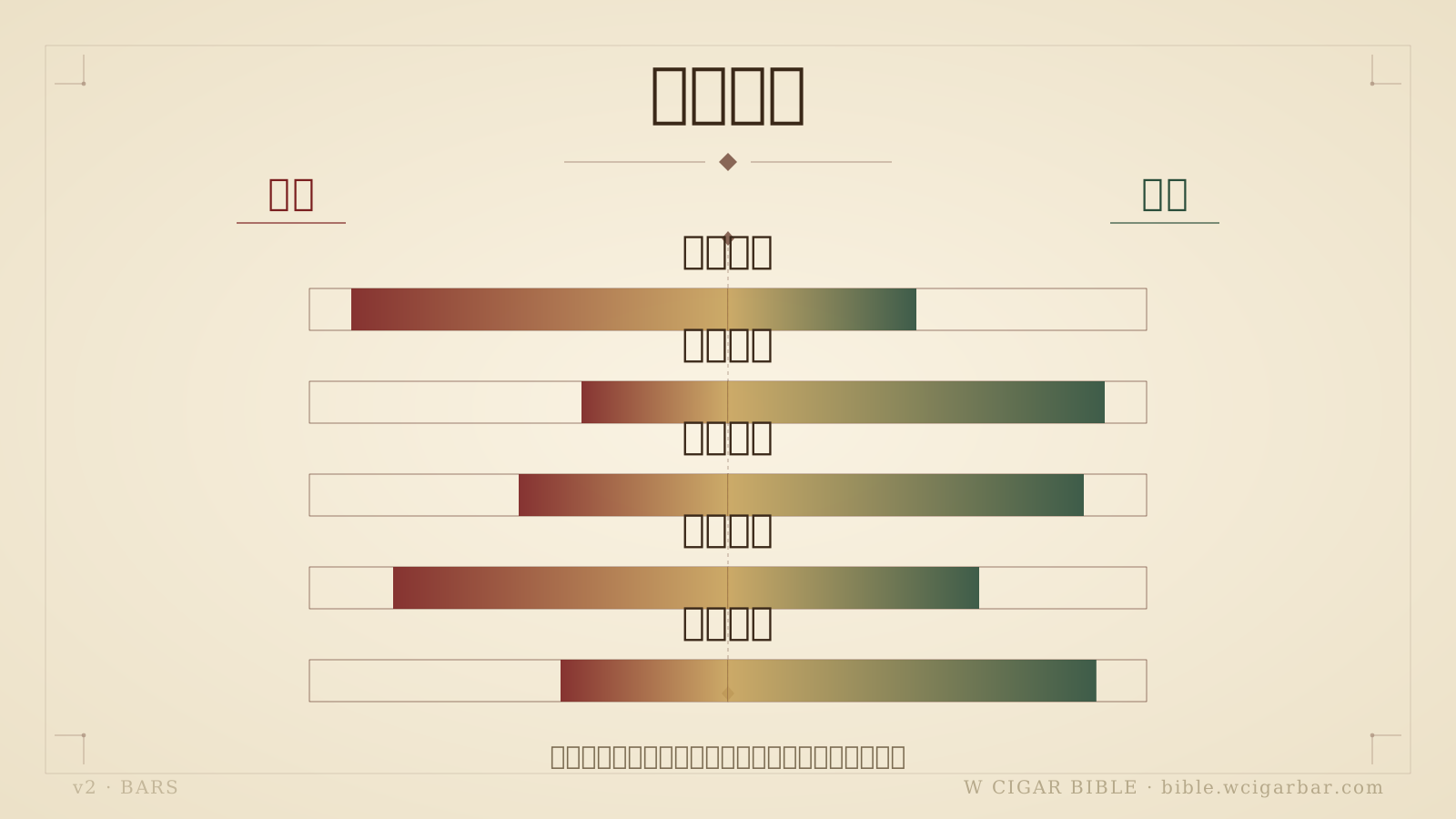
橫條圖對比傳統與現代取向在經驗、資料與穩定度差異
New Routes in Flavor Design: Barrel Aging, Special Wrappers, and Cross-Region Blending
The most easily felt innovation by players is flavor design. Drew Estate's Liga Privada series has pushed richness, oiliness, and black sweetness into the mainstream; Camacho, after its brand reshaping in 2013, attracted a new generation with a more direct strength language; Plasencia Alma series emphasizes family agriculture and the integration of multi-region leaf materials. Future flavor competition is not about who is the strongest, but who can align strength, sweetness, and cleanliness on the same line.
Barrel aging is a technique often discussed in recent years. Perdomo Habano Bourbon Barrel-Aged uses bourbon barrels to treat some leaf materials, making vanilla, caramel, and oak notes more pronounced; brands like Alec Bradley and Camacho have also used barrel-aged as a selling point. Seasoned enthusiasts need to distinguish whether the barrel flavor is integrated into the tobacco or just remains on the surface aroma. Good barrel aging should not feel like an added flavor but should add a layer of roundness in the later section.
Special wrappers have also changed market aesthetics. Ecuador Habano brings spice and creaminess, Mexican San Andrés provides dark chocolate and soil depth, Cameroon often has nutty and spicy notes, and Connecticut Broadleaf is known for its heavy sweetness. After 2016, many brands have launched different wrapper versions of the same core formula, allowing players to compare the impact of wrappers on overall flavor.
Cross-region blending is a new world advantage. Nicaraguan filler, Dominican binder, Ecuadorian wrapper, or Honduran and Brazilian leaf materials added to the middle section are no longer unusual. This allows brands to establish a more distinct "formula style," and shifts the market from origin worship to blender worship. For seasoned enthusiasts, remembering the brand is not enough; they must also remember which year, which vitola, and which version of the wrapper.

三張問答卡整理新技術、濕度選擇與創新判斷重點
Market Trends: Small Batch, Transparency, and Redefinition of High-End Collection
From 2014 to 2024, the cigar market has clearly moved towards two ends: one end is the stable supply of core series, and the other end is small batch, limited box sets, commemorative vintages, and regional editions. Special editions of Cuban brands like Cohiba, Trinidad, and Partagás continue to influence prices; the new world is building high-end narratives with works like Fuente Fuente OpusX, Padrón Family Reserve, and Davidoff Limited Edition. Rarity is no longer just about quantity but about source, condition, story, and batch information that can be verified.
The supply chain shock after the pandemic has also changed consumption habits. Between 2020 and 2022, some markets experienced gaps in popular items due to logistics delays and insufficient production capacity; players began to value alternative options more, such as switching from Cuban Robusto to Nicaraguan Toro, or from classic Churchill to Petit Robusto, Short Gordo that can be completed in a short time. Large ring gauges like 54, 56, 60 were once popular in the U.S. market, but Asian seasoned enthusiasts have recently returned to appreciating the balance of 42 to 50 ring gauges.
Transparency is another long line. Box bottom codes, source documents, preservation photos, storage time, and humidity records are influencing high-end transactions. When discussing collection appreciation, I always remind: it does not guarantee appreciation, still depends on source preservation and market. Poorly preserved famous brands may be worth less than well-maintained regular models; and counterfeits, relabeling, moisture damage, and insect holes can instantly render prices meaningless.
The future market will place more emphasis on "value that can be clearly explained." A box of 2008 Cuban limited edition, if the source is clear, preservation is stable, and the box condition is complete, naturally has more convincing power than the same model with only rumors. New world brands are also learning this language: not imitating Cuban scarcity, but establishing their own vintage, farm, formula, and craftsmanship evidence chain.
Frequently Asked Questions
Will new technologies make cigars lose their handmade feel?
No, as long as technology is used to assist rather than replace judgment. Temperature and humidity records, draw testing, and anti-counterfeiting tracking are tools to reduce errors; the real flavor still comes from the experience of farmers, fermentation masters, and rollers. Seasoned enthusiasts should resist rough gimmicks, not all technology.
Are barrel-aged cigars worth long-term collection?
It depends on the brand, leaf material, and preservation conditions. If barrel aging is just surface aroma, it may become blurred over time; if the tobacco body structure is strong enough, it may develop more rounded wood and sweetness. When it comes to collection appreciation, it does not guarantee appreciation, still depends on source preservation and market.
Why does the flavor of the same brand differ from ten years ago?
Reasons may include changes in planting areas, climate year differences, fermentation strategies, factory capacity, and market preferences. For example, many new world brands after 2016 have more obvious sweetness, less bitterness, and more stable draw, which is the result of craftsmanship and consumer taste jointly promoting.
How to choose between 65%, 69%, and 72% humidity?
Most players prefer 65% to 69% for Cuban cigars to reduce the stuffiness caused by excessive moisture; new world thick wrappers or large ring gauges can consider 69% to 72%. But temperature is equally important, and it is recommended to control it long-term between 18°C and 21°C, and avoid frequent opening and closing of humidors.
How do seasoned enthusiasts judge whether innovation is strength or marketing?
Look at three things: whether there is a clear source of leaf material, whether flavor can be maintained across batches, and whether it can withstand comparisons with similar types. If a cigar only emphasizes packaging, story, and rarity but cannot explain fermentation, blending, and preservation, it usually requires more caution.
What cigar craftsmanship is worth paying attention to in the next ten years?
I would look at three directions: field dataization, fermentation curve management, and source tracking transparency. The first two affect flavor, the latter affects trust. As players become more knowledgeable, brands cannot rely solely on reputation; they must offer more stable, verifiable quality.
I have always believed that the future of cigars will not be cold, technological products, nor will it remain in romantic legends. Truly moving cigars are those where new tools and old crafts respect each other: data ensures good leaves are not wasted, craftsmen give data a soul. For seasoned enthusiasts, the next stage of enjoyment is moving from brand preference to craftsmanship understanding, from single cigar experience to complete interpretation of vintage, batch, region, and preservation.
—Cigar Prince Wilson Tsai
Smoking is harmful to health. Under 20 years old is not allowed to smoke. Quitline: 0800-636363. This article is for reference only for adults over 20 years old regarding cigar culture, preservation, and regulatory knowledge, not a tobacco advertisement, promotion, or purchase suggestion.
Like this article?Share with friends
Share this W Cigar Bible piece with friends who want to learn cigar culture, storage, and tasting.
想把這篇 化為實踐
雪茄聖經是知識;雪茄文化要在空間裡發生

W Cigar Bar 大安總店資訊
台北大安區 · 雪茄聖經總編輯 Wilson Tsai 主理的雪茄文化空間

33 座 24 小時恆溫恆濕醇化室
W Cigar Bar 提供的會員醇化空間 · 場地資訊請洽編輯部
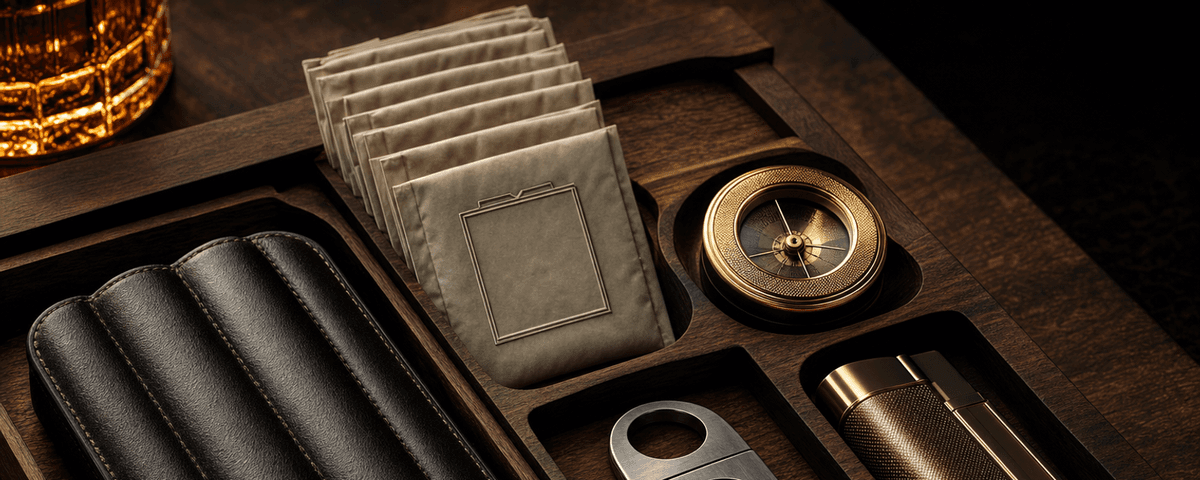
雪茄剪 / 打火機 / 雪茄盒 / Boveda
W Cigar 配件官網 · 專營雪茄配件正品

加 LINE 好友 · 文化諮詢
文化空間資訊 · 紳士沙龍 · 私人包場
本網站內容僅供雪茄文化、歷史、收藏與品吸知識研究參考。菸品有害健康、未滿法定年齡者請勿吸菸。實際規範請依所在地法律為準。
吸菸有害健康・戒菸專線 0800-636363・本站僅供 20 歲以上成年人閱覽。
讀到這裡,你不只是路過的人
留下 Email,加入 W 雪茄聖經內圈——總編輯 Wilson Tsai 親選的學院深文與國際新訊,先你一步送到信箱。
· 教育用途非銷售 · 隨時一鍵退訂 · Email 絕不對外公開 · 由勝茄股份有限公司營運
同分類延伸閱讀

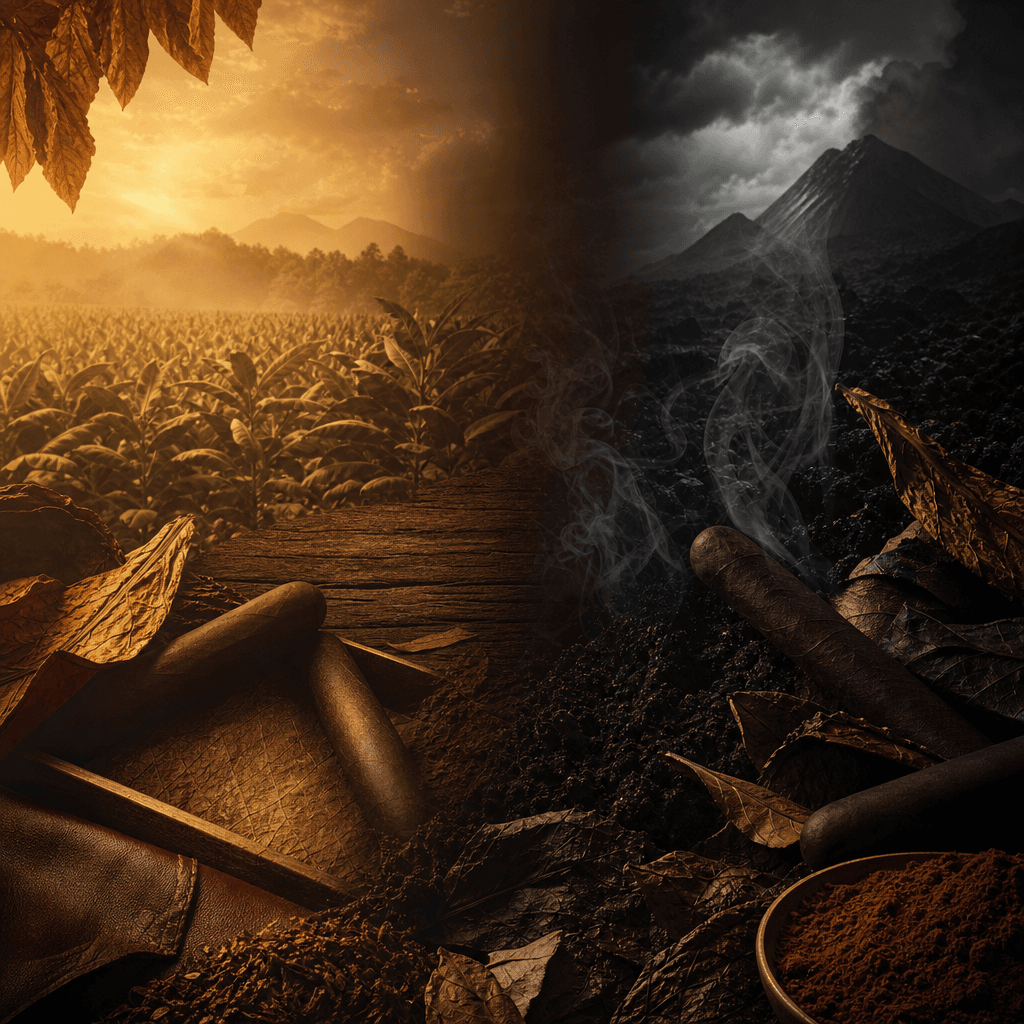

資料來源:W Cigar Bible 編輯部整理 · 雪茄王子 Wilson Tsai 親自審稿
本文僅供雪茄文化、歷史、收藏與品鑑知識研究,不作為菸品促銷、銷售或購買建議。吸菸有害健康,未滿二十歲不得吸菸。