掌握雪茄點火的藝術:如何成就完美燃燒
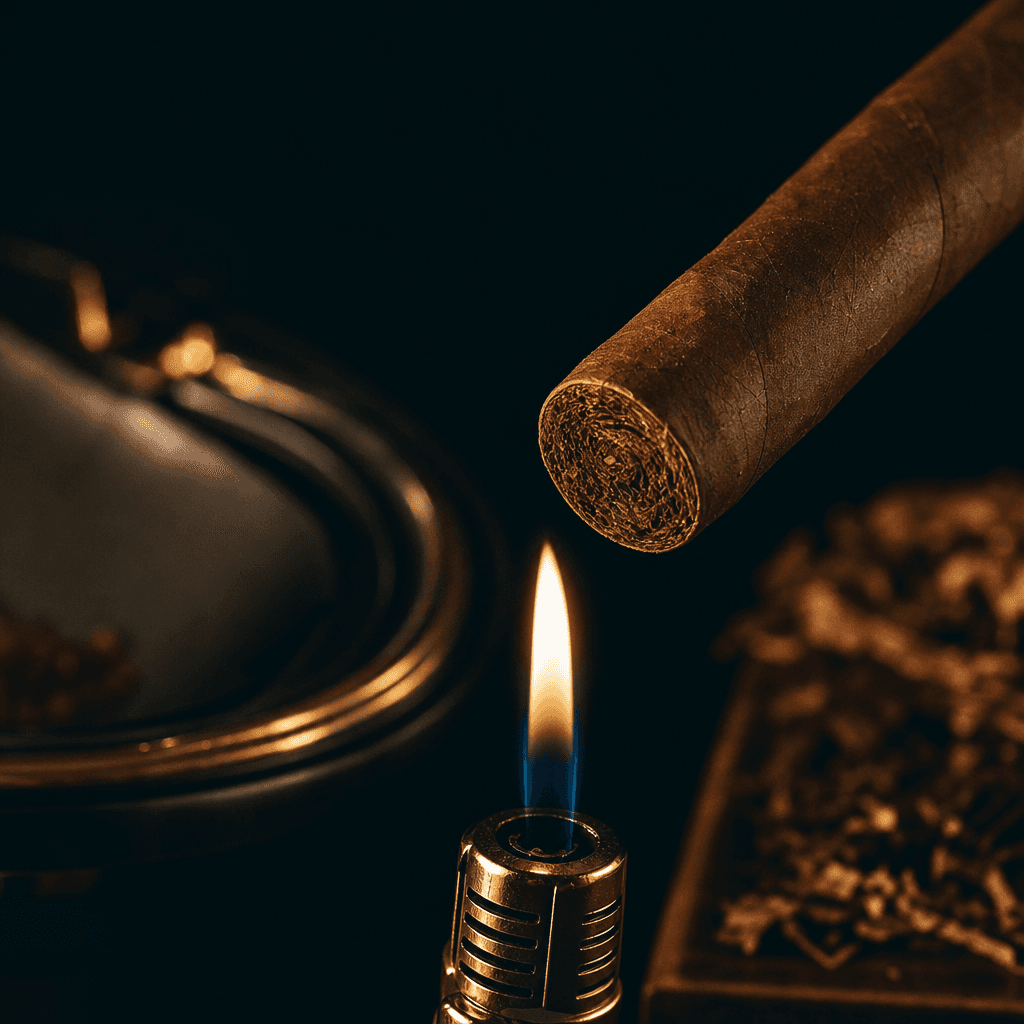
點火是雪茄品味過程中至關重要的一步,直接影響後續的燃燒質量與風味。為了確保雪茄均勻燃燒,首先需檢查濕度、切口及腳部狀態,這三者是穩定燃燒的基礎。選擇合適的點火工具也非常關鍵,長火柴、雪松片或噴射火機各有優缺點,應根據環境與雪茄尺寸選擇。標準的點火流程包括預熱、均勻點燃及輕吸確認,避免過度吸吐以免影響風味層次。若出現斜燒或隧道燃燒等問題,應及時修正,以保持雪茄的最佳狀態。
- 點火前需確認雪茄濕度、切口與腳部狀態,以確保均勻燃燒。
- 選擇適合的點火工具,根據環境與雪茄尺寸調整火焰距離。
- 標準點火流程包括預熱、均勻點燃與輕吸確認,避免過快吸吐。
Mastering the Art of Lighting Cigars: Achieving the Perfect Burn
Lighting is the most easily underestimated step in the cigar journey, and it's where the details truly shine. No matter how well the cut is made or how stable the humidity is, if the flame is handled roughly at the start, it can lead to uneven burning, bitterness, overheating, and even muddle the delicate notes of wood, cream, and leather.
As the editor of the "Cigar Bible," I often describe lighting as "opening the door for the cigar": it's not about conquering it with fire, but awakening the wrapper, binder, and filler with a stable heat source. For beginners who already understand basic smoking techniques, the next step is to learn to control the burn line, rather than constantly chasing it to make corrections.
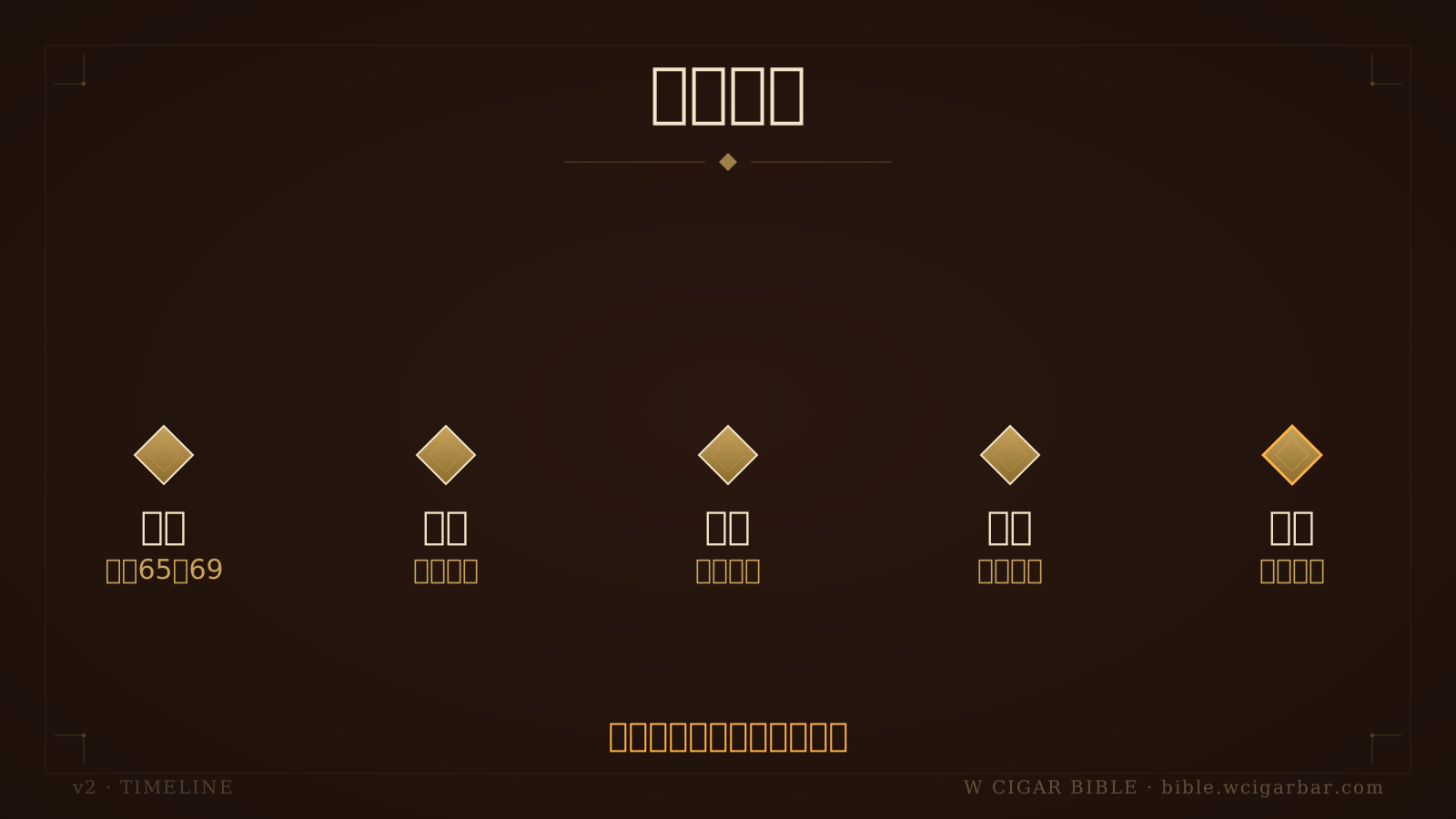
時間線依序呈現檢查濕度腳部預熱旋轉與輕吸
Pre-lighting Assessment: Humidity, Cut, and Foot Are More Important Than Fire
Most uneven burns are not the fault of the lighter but rather a failure to check the conditions before lighting. Based on my years of compiling data on Cuban and non-Cuban cigars, a relative humidity of 65% to 69% is the range where many Robusto, Corona Gorda, and Toro sizes are more likely to achieve stable burning. If it consistently exceeds 72%, uneven moisture evaporation when the foot is heated can lead to one side burning faster while the other stalls. Since 2014, many cigar enthusiasts have switched to electronic hygrometers and two-way humidity packs to reduce such variables.
The first thing to do before lighting is not to grab the fire but to ensure the cigar is ready for an even burn. You can first check if the filler at the foot is evenly packed; if one corner is noticeably sunken or too tight, that spot will need extra pre-heating when lighting. Also, check for cracks in the wrapper, especially in Cuban cigars that have been box-pressed for a long time, such as Partagás Serie D No.4 or H. Upmann Magnum 46, as fluctuations in storage humidity can affect the shoulders and foot.
The cut also affects the burn line. If cut too small, the draw resistance is high, and you may subconsciously draw harder, causing the center of the filler to overheat. If cut too deep, the smoke channel becomes too large, speeding up the burn. For a Robusto with a ring gauge of about 50, a straight cut usually removes 1 to 2 millimeters from the cap's end; if using a V-cutter, ensure the cut is centered and does not cut through the shoulder line. The foundation of stable burning is the simultaneous establishment of "stable humidity, correct cut, and even heat at the foot".
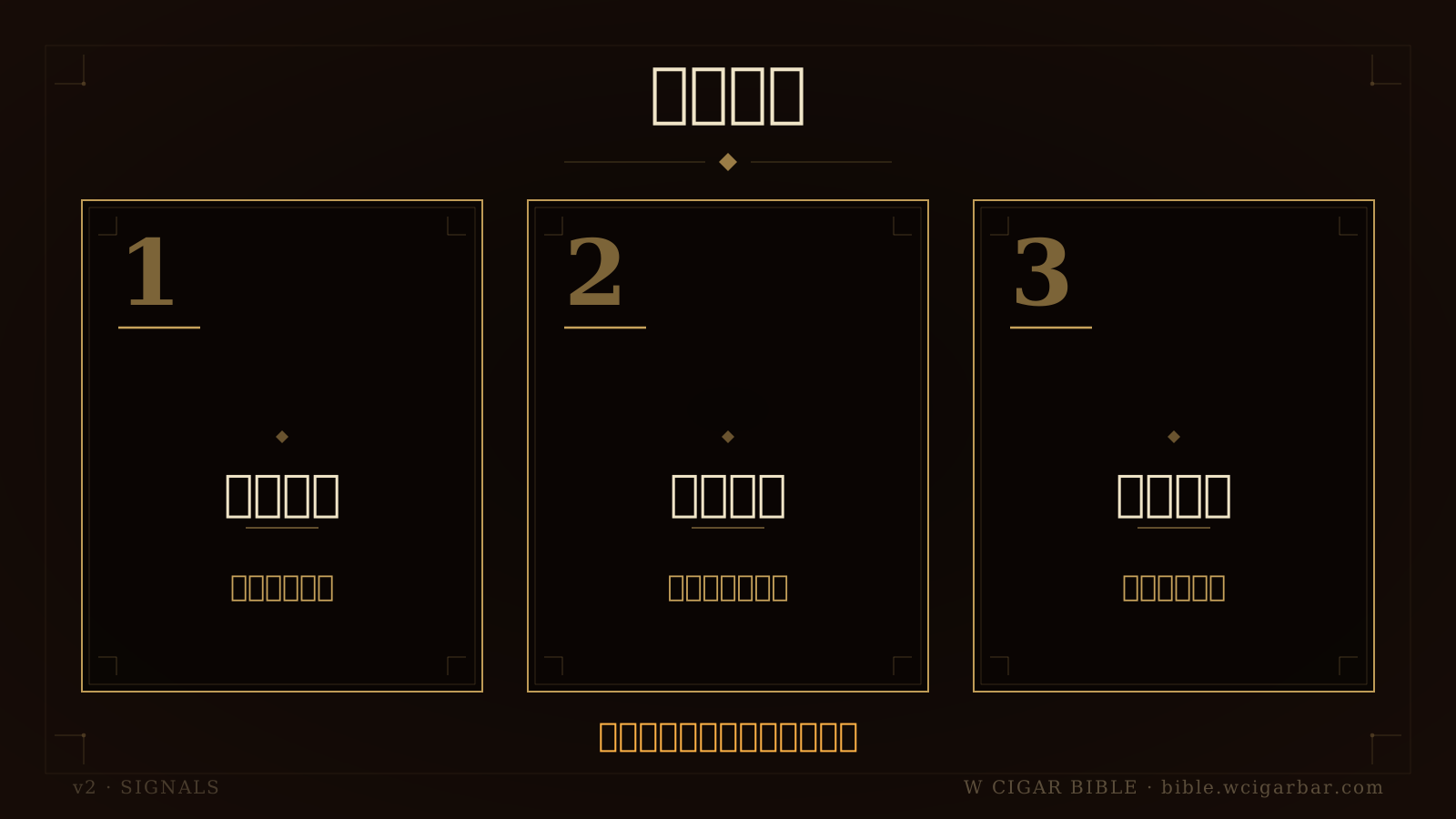
三張重點卡說明點火前狀態火焰距離與輕吸確認
Choosing Tools: Differences Between Matches, Cedar Spills, Single-Flame, and Multi-Flame Lighters
Different lighting tools are not just about ceremonial differences but also about heat density, wind resistance, and controllability. Traditional long matches and cedar spills have a gentler temperature, suitable for slowly toasting the foot, especially in windless indoor environments, preserving a cleaner initial aroma. However, outdoors, matches are easily affected by wind, leading to uneven heating. Cedar spills, often found as separators in boxes of 25 cigars, produce a wider flame when lit, suitable for pre-heating Toro or Churchill sizes, but avoid over-burning the wood to prevent a charred taste.
Jet lighters became increasingly popular after the 1990s due to their stability, convenience, and wind resistance. Single flames are suitable for smaller ring gauges like Corona or Petit Robusto; double or triple flames are more efficient for cigars with a 52 to 56 ring gauge but can easily scorch parts of the wrapper. Cigars with oily and sweet wrappers, like Padrón 1964 Anniversary Maduro or Arturo Fuente Hemingway series, can easily develop a charred bitterness in the first 5 minutes if a triple-flame lighter is placed too close to the foot.
| Tool | Advantages | Risks | Suitable Scenarios |
|---|---|---|---|
| Long Matches | Gentle flame, easy to control | Wind-sensitive, wait for sulfur smell to dissipate | Indoors, small ring gauge |
| Cedar Spills | Natural aroma, wider flame | Over-burning can produce wood char | Slow pre-heating |
| Single-Flame Lighter | Precise, good for correcting uneven burns | Slow for large ring gauges | Corona, Robusto |
| Double/Triple-Flame Lighter | Fast, wind-resistant | Overheats easily, scorches wrapper | Outdoors, large ring gauge |
There is no absolute superiority among tools, only whether they suit the current environment and cigar size. My principle is: if you can go slow, don't rush; if you can keep a distance, don't get too close; if you can use a single flame to correct, don't use multiple flames to force-burn. Keep the flame 1 to 2 centimeters from the foot, letting the heat do the work rather than letting the blue flame tip drill into the filler.
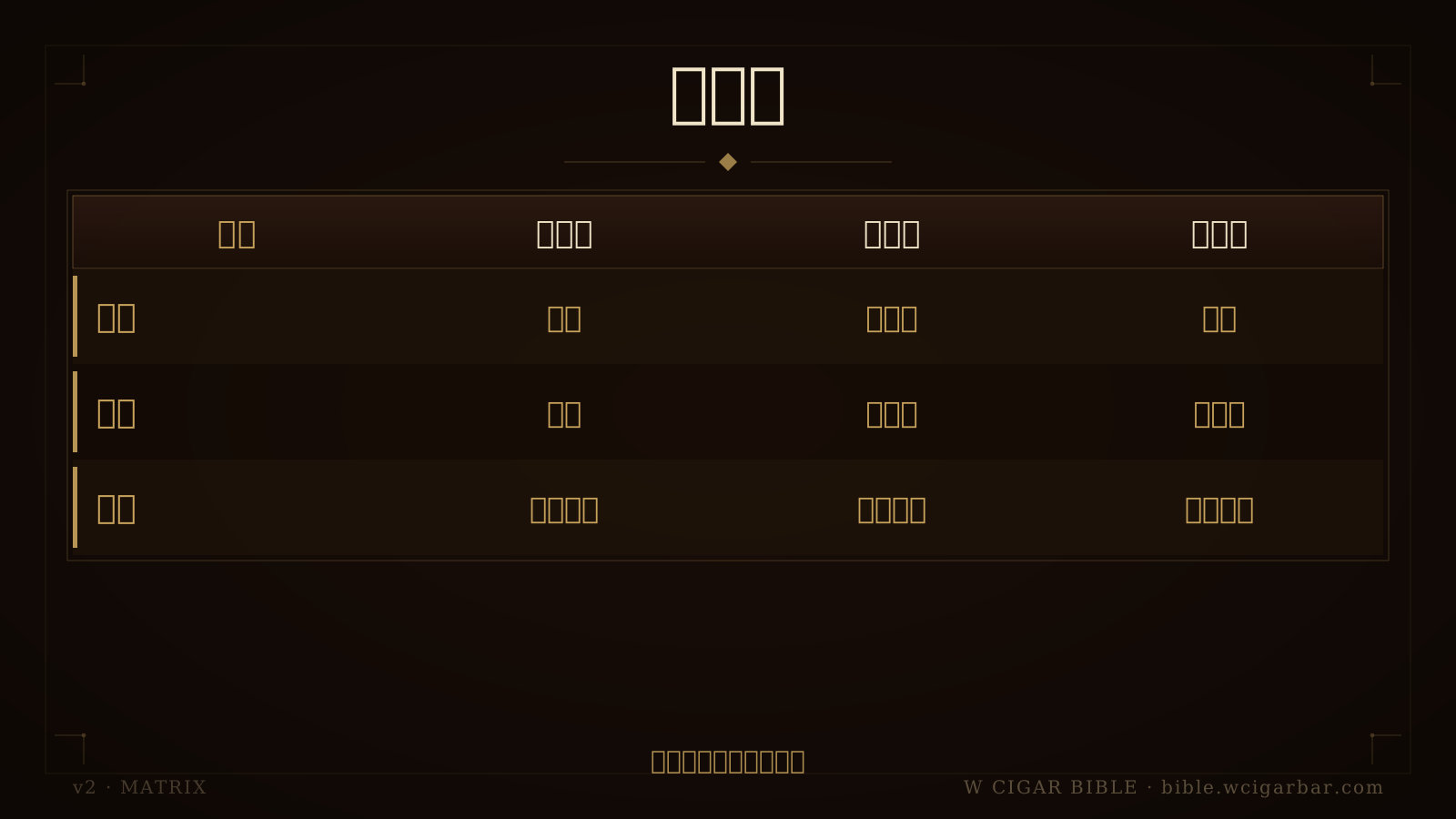
矩陣比較長火柴雪松片與噴射火的優點風險和適用情境
Standard Lighting Process: Toast the Foot, Rotate, and Finally Lightly Draw to Confirm
A well-lit cigar usually doesn't require frantic puffing. The standard process can be divided into three stages: pre-heating, even lighting, and light draw confirmation. During pre-heating, hold the cigar foot at a 45-degree angle above the flame, slowly rotating for 10 to 20 seconds, observing whether the outer wrapper and binder start turning a deep brown, with the edges slightly glowing. This step is not about producing smoke immediately but about getting the outer fibers into a combustible state.
Next, bring the flame closer, using a small rotational motion to ensure the entire foot surface glows evenly. For a 50-ring gauge Robusto, this usually takes 20 to 30 seconds; for a Double Robusto over 54-ring gauge, it might take 40 seconds. At this point, look from the front of the foot to check for any black unlit spots, especially at the junction of the center and edges. Torpedo-shaped cigars like Montecristo No.2, due to concentrated draw, can easily develop hollow hotspots if the center isn't fully lit.
- Pre-heat the outer circle with distant flame.
- Rotate the cigar, even if the wrist isn't rotating, watch the burn line.
- Once the foot shows even red spots, place it in the mouth.
- Take only 1 to 2 light draws, avoid continuous large puffs.
- Blow towards the foot to check if the red spots are even.
Good lighting is not "igniting the cigar" but getting the entire cross-section to start burning simultaneously. After completion, gently blow on the foot to see if the red spots are even; if one side darkens, immediately use a single flame to touch up that small corner, not waiting until 2 centimeters later to fix it. The first centimeter sets the tone for the entire cigar's burning character; the earlier the correction, the easier the rest.
Flame Distance and Puffing Rhythm: Avoid Overheating for Complexity
The most common mistake for beginners is treating cigars with the speed of cigarettes. Cigars have long fillers, high oil content, and complex structures; excessive puffing can quickly raise the temperature, making the smoke spicy and even causing tongue irritation. Generally, it's recommended to puff every 45 to 90 seconds, adjusting based on size, humidity, and personal rhythm. For a 52-ring gauge long cigar like Cohiba Siglo VI, puffing every 20 seconds can easily lose the delicate grassy, creamy, and honey notes in the middle section.
Flame distance is equally crucial. The tip of a jet lighter's blue flame is very hot and should not directly touch the cigar foot; it's recommended to keep the cigar in the heat zone above the flame, about 1 to 2 centimeters away. If you see the wrapper bubble and blacken instantly, the heat source is too close. Non-Cuban brands like Oliva Serie V Melanio and A.J. Fernandez New World often have fuller Nicaraguan leaf structures; lighting too aggressively can amplify the peppery notes, overshadowing the gradual sweetness.
Stronger flame doesn't mean better burning; controlling temperature is key to preserving complexity. In the first 10 minutes after lighting, observe the smoke volume, resistance, and burn line at a slower pace. If the smoke volume is large but the taste is sharp, it's usually because of too rapid puffing; if the smoke volume is small but the foot has even red spots, it may just be that the cigar itself has higher draw resistance, so don't rush to relight. A truly mature approach is to let the burning speed catch up with the flavor, not the other way around.
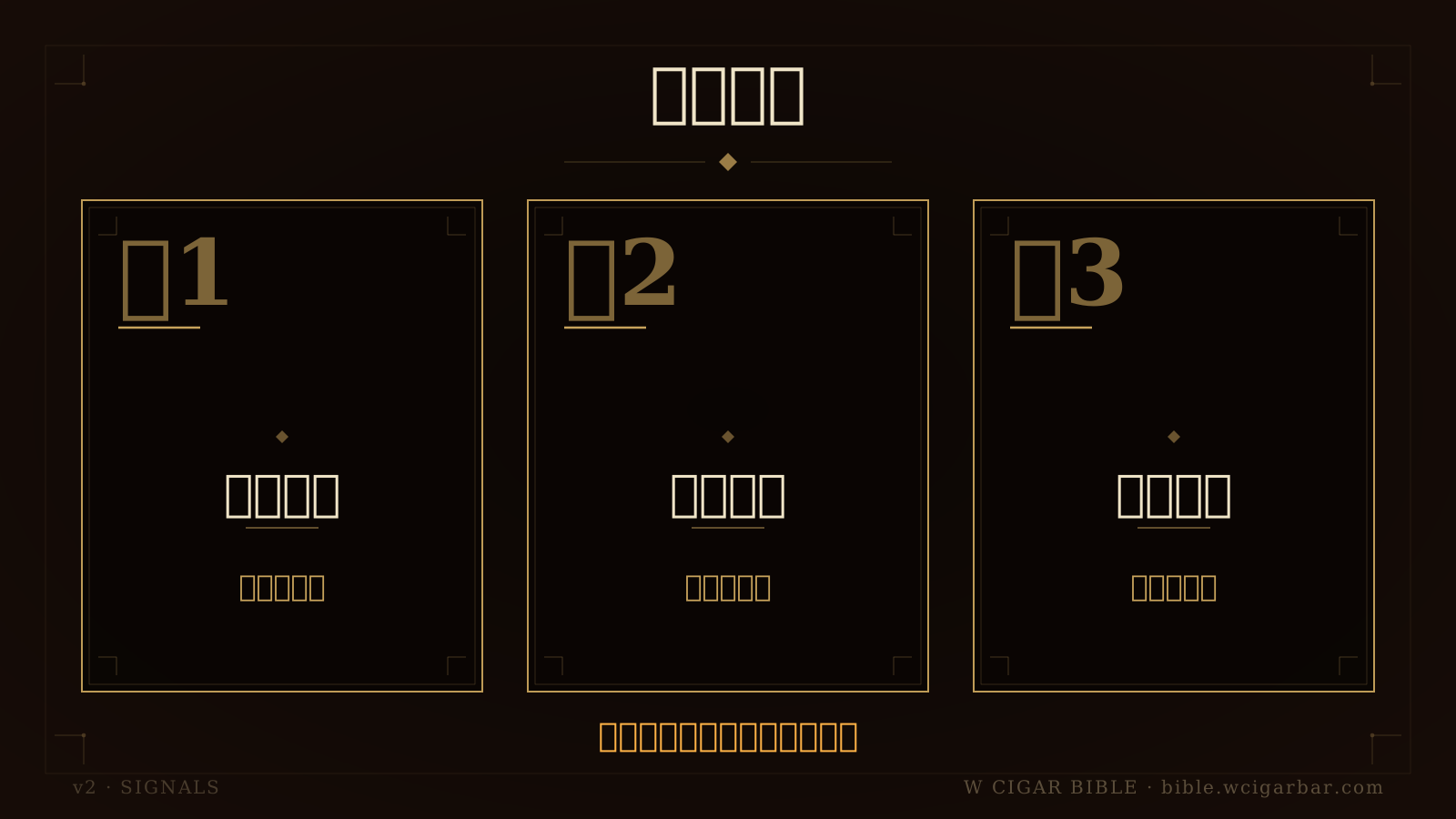
三張錯誤卡提示火太近連續大吸與過度補火
Uneven Burn, Tunneling, and Canoeing: Three Correction Methods
Uneven burn is when one side of the burn line is fast and the other is slow, often occurring due to uneven lighting, high humidity, or fixed puffing angles. Slight uneven burns within 5 millimeters can be observed first, as cigar burning can self-correct; if it exceeds 1 centimeter, use a single flame lighter to touch up the slower side. When touching up, don't directly burn the already fast-burning side; instead, let the flame lightly sweep the lagging edge to catch up with the main burn line. Cigars like Romeo y Julieta Wide Churchills, with a 55-ring gauge, need early correction due to the large burning surface.
Tunneling is when the center filler burns first, and the outer wrapper and binder can't keep up, often caused by too rapid puffing or overheating the center during lighting. In this case, stop taking big puffs, rest for 1 to 2 minutes, and then use the lighter to re-toast the outer circle; if the outer circle is noticeably wet and cold, lightly tap the ash column before correcting. Canoeing is the opposite, where one side burns quickly into a long groove, often related to wind direction, local wrapper cracks, or uneven filler, most commonly encountered outdoors.
The principle of correcting burning issues is to touch up the slow side, not the fast side, in small amounts and multiple times, avoiding turning the entire cigar into a high-temperature state. In 2018, while handling a batch of well-preserved but large-ring gauge Maduro cigars, I found that if the front section's uneven burn exceeded 8 millimeters and was left unchecked, the back section almost always repeated the same issue; conversely, with two small corrections using a single flame within the first 15 minutes, the burn line often stabilized until the last third.
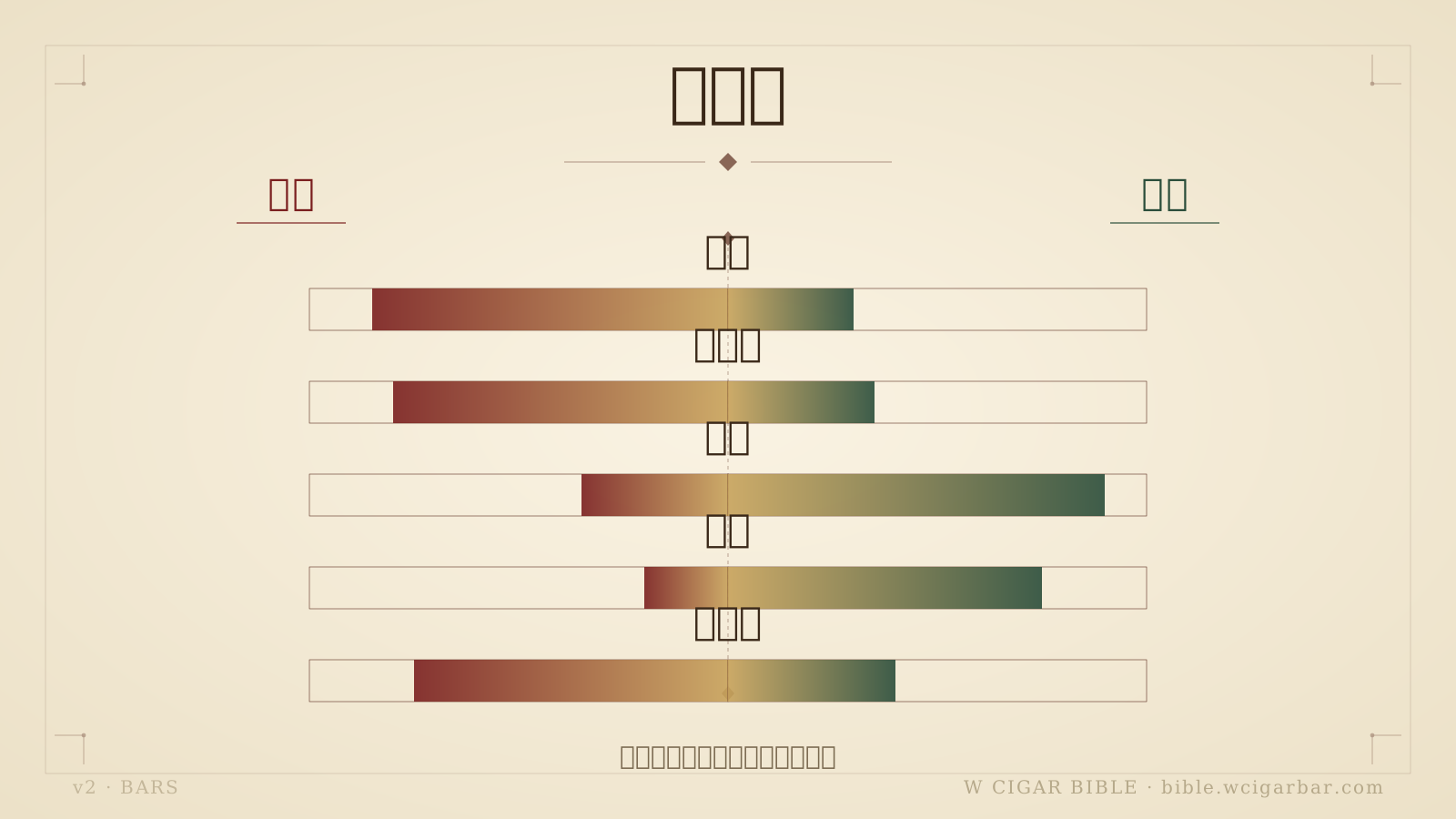
橫條圖比較慢烘與急燒在控溫受熱速度苦澀修正的差異
Venue, Wind Direction, and Etiquette: Making Lighting Look Effortless
Lighting is not just a technical skill but also involves etiquette and environmental judgment. Indoor air is stable, suitable for using matches or cedar spills for slow handling; semi-outdoor seating with air conditioning vents or natural wind will accelerate the burn line towards the windward side. Many people think it's enough to be downwind, but it's more important not to let the flame be stretched by the wind to sweep directly across the wrapper, as this can cause one side to overheat. If outdoors, it's recommended to use a single or double-flame lighter and shield the wind with your hand, but don't completely enclose the cigar in your palm to smolder it.
In terms of etiquette, when lighting for others, don't shove the lighter directly in front of them, and don't make them rush to puff under your controlled flame. A more appropriate way is to first ask about their preferred fire source, then maintain a distance, allowing them to rotate the cigar themselves. If sharing cigar knowledge, focus on storage, cutting, and burning logic, without exaggerated actions to demonstrate firepower. High-end cigar occasions value quietness and rhythm; the more composed the lighting, the more it shows respect for the tobacco.
Truly polite lighting doesn't disrupt the rhythm, create ash chaos, or let the flame interfere with others. If ash falls on the table, wait for the service staff or yourself to tidy it up with an ashtray, without tapping the cigar; if you need to leave, ensure the cigar is stably placed in the ashtray groove, with the lit end not facing people. From 19th-century Havana cigar salons to today's various cigar spaces, the details remain the same: the fire should be stable, people should be slow, and posture should be restrained.
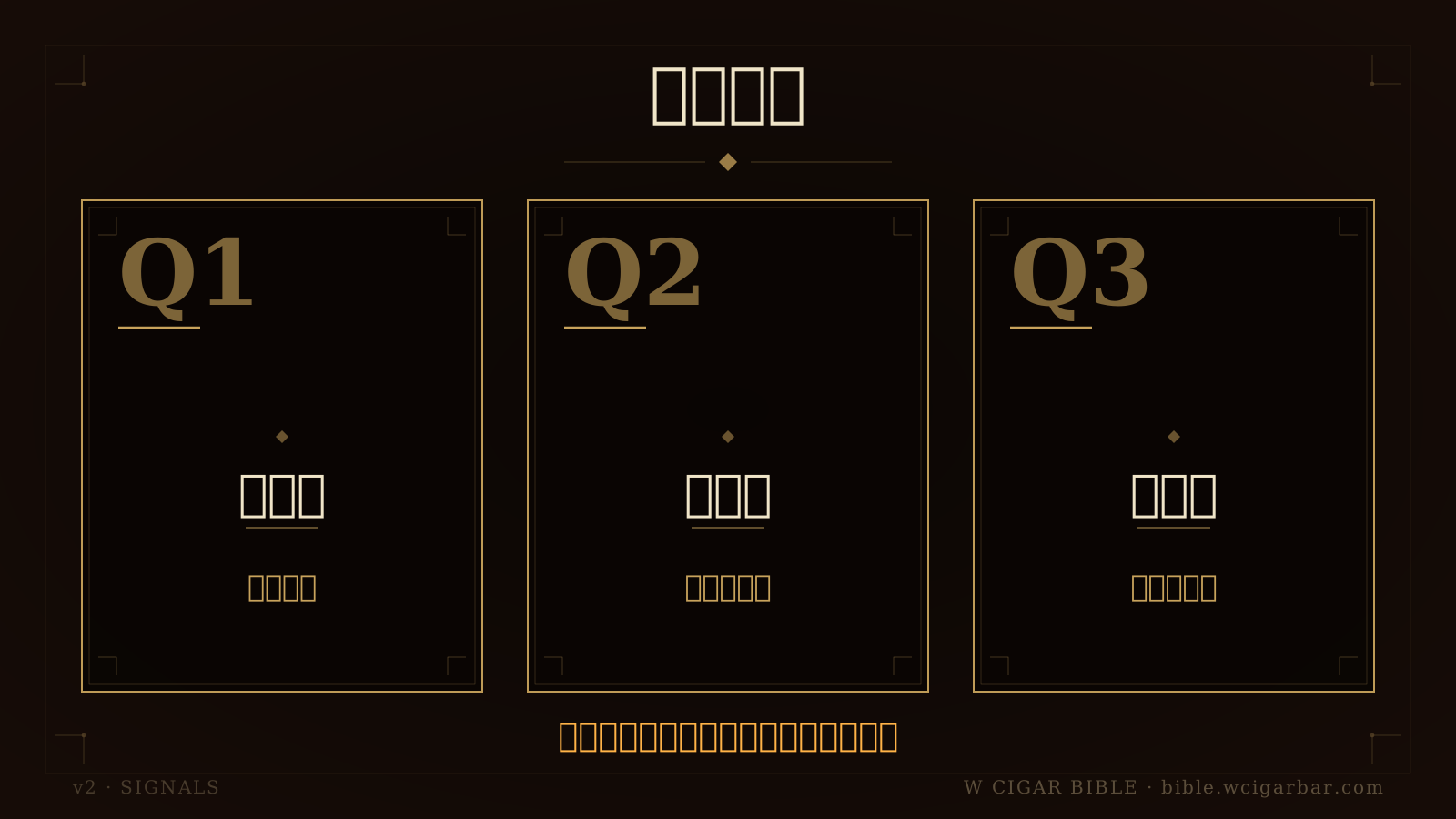
快問快答列出前段苦普通火與吹腳觀察三個實用問題
Different Sizes and Brand Cases: Using Lighting Strategies to Match Structure
Small ring gauge cigars like Trinidad Reyes or Montecristo No.4 have small burning surfaces and heat up quickly, so lighting time should not be too long. For a 40 to 42 ring gauge, pre-heating for 8 to 12 seconds and formal lighting for 10 to 15 seconds is often sufficient; using a triple-flame lighter can easily char the front section. The beauty of this size lies in its clarity and directness; the cleaner the lighting, the more it retains floral, woody, and light coffee notes.
Robusto is the most suitable size for practice, such as Partagás Serie D No.4, Cohiba Robustos, or Padrón 1926 No.35. About a 50-ring gauge provides enough burning surface without being too difficult to control. My suggestion is to first toast the outer circle, then light the center, and finally confirm with a light draw; if the burn line remains even within 3 minutes, it means the start was successful. Large ring gauges like Hoyo de Monterrey Le Hoyo de Río Seco or Gordos over 56-ring gauge need special attention to ensure the edges are fully lit; otherwise, the middle section is prone to uneven burning.
The larger the size, the more patience is needed for pre-heating; the smaller the size, the more you need to avoid excessive flame. Brand style also affects strategy: Cuban cigars often emphasize delicate layers, and over-lighting can ruin the refreshing front section; Nicaraguan or Dominican rich cigars can withstand more heat but still fear local scorching. If you have a collection of limited or vintage boxes, remember that collection value doesn't guarantee appreciation; it still depends on source preservation and market conditions. When enjoying, lighting technique more directly affects performance than label vintage.
Common Questions
Why is the front section always bitter after lighting?
It's mostly because the flame is too close, puffing is too rapid, or the center is overheated during lighting. It's recommended to pull the flame back 1 to 2 centimeters, toast the outer circle first, and then confirm the smoke volume with a slow rhythm. Front section bitterness is usually not due to a bad cigar but a loss of temperature control.
Can I use a regular lighter to light a cigar?
Long-term use of fire sources with noticeable fuel odors is not recommended, as they may affect the initial aroma. If used temporarily, at least wait for the flame to stabilize before approaching and avoid letting the flame directly lick the foot.
Should I blow on the foot after lighting?
You can gently blow once to observe if the red spots are even, but there's no need to blow hard. If the red spots are complete, it means the burning cross-section has started; if one corner is dark, use a single flame to touch up that small area.
How long should the ash be kept?
Most cigars benefit from retaining a 1 to 2-centimeter ash column for insulation, but if the ash column is loose or tilted, it should be gently handled on the ashtray edge. Avoid tapping the cigar to prevent cracks or burn line deformation.
Does uneven burning need immediate correction?
Not necessarily. Within 5 millimeters, it can be observed first, and if it exceeds 1 centimeter, it's more reasonable to address it. The goal of touching up is to assist the burn back to normal, not to burn the entire circle again. The smaller the correction, the better the later flavor can be preserved.
Do I need to puff while lighting?
You can, but you shouldn't start with continuous big puffs. A better way is to complete most of the pre-heating and even lighting outside the mouth, then take 1 to 2 light puffs to confirm. This reduces the direct entry of hot smoke into the mouth.
Lighting may seem like just a few seconds of action, but it determines the order of a cigar for the next hour. My view is simple: respecting the tobacco starts with not rushing to use fire. The cut should be clean, the flame should have distance, and the rhythm should have pauses; as the burn line steadily advances, you'll find many details are not guessed but slowly revealed through technique.
—Cigar Prince Wilson Tsai
Smoking is harmful to health. Under 20 years old is not allowed to smoke. Quit smoking hotline: 0800-636363. This article is intended for adults over 20 years old as a reference for cigar culture, preservation, and regulation knowledge, not as tobacco advertising, promotion, or purchase advice.
Like this article?Share with friends
Share this W Cigar Bible piece with friends who want to learn cigar culture, storage, and tasting.
想把這篇 化為實踐
雪茄聖經是知識;雪茄文化要在空間裡發生
W Cigar Bar 大安總店資訊
台北大安區 · 雪茄聖經總編輯 Wilson Tsai 主理的雪茄文化空間
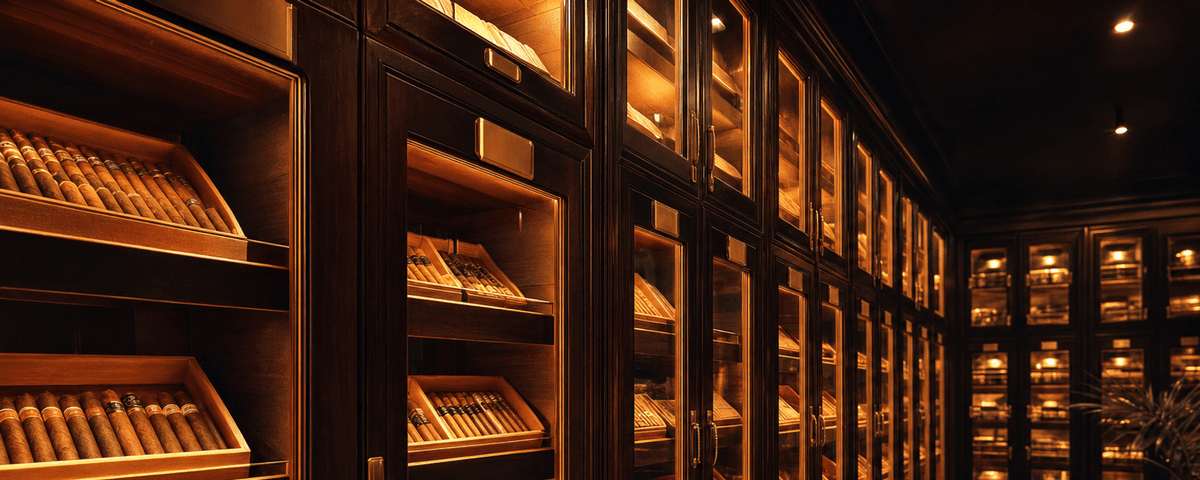
33 座 24 小時恆溫恆濕醇化室
W Cigar Bar 提供的會員醇化空間 · 場地資訊請洽編輯部
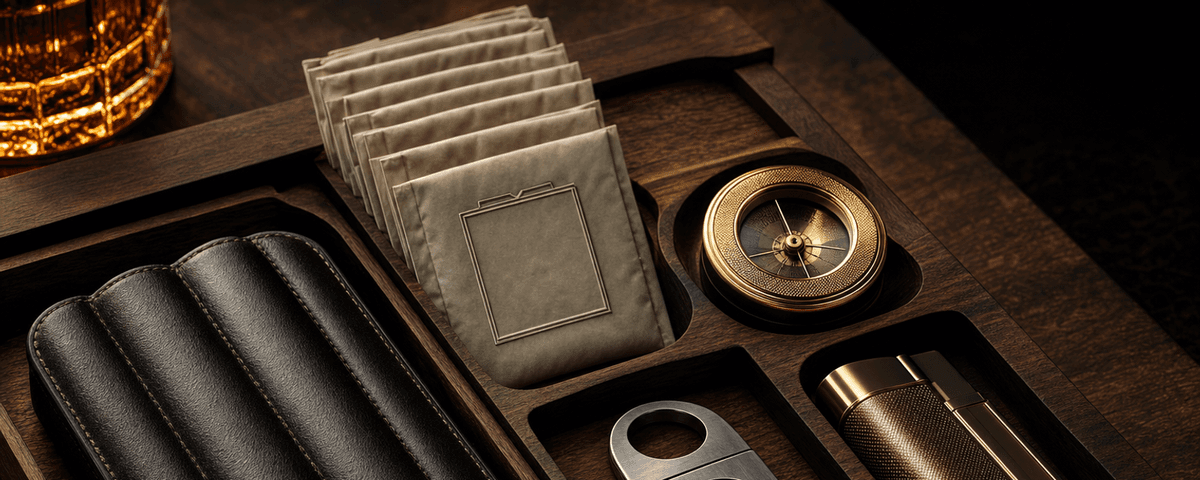
雪茄剪 / 打火機 / 雪茄盒 / Boveda
W Cigar 配件官網 · 專營雪茄配件正品
加 LINE 好友 · 文化諮詢
文化空間資訊 · 紳士沙龍 · 私人包場
本網站內容僅供雪茄文化、歷史、收藏與品吸知識研究參考。菸品有害健康、未滿法定年齡者請勿吸菸。實際規範請依所在地法律為準。
吸菸有害健康・戒菸專線 0800-636363・本站僅供 20 歲以上成年人閱覽。
讀到這裡,你不只是路過的人
留下 Email,加入 W 雪茄聖經內圈——總編輯 Wilson Tsai 親選的學院深文與國際新訊,先你一步送到信箱。
· 教育用途非銷售 · 隨時一鍵退訂 · Email 絕不對外公開 · 由勝茄股份有限公司營運
同分類延伸閱讀
資料來源:W Cigar Bible 編輯部整理 · 雪茄王子 Wilson Tsai 親自審稿
本文僅供雪茄文化、歷史、收藏與品鑑知識研究,不作為菸品促銷、銷售或購買建議。吸菸有害健康,未滿二十歲不得吸菸。