雪茄的收藏與市場價值變遷

雪茄收藏的真正價值不僅在於價格,而是稀有性、狀態與敘事的結合。收藏者應重視盒碼、廠碼及保存紀錄,這些因素能顯著影響雪茄的市場價值。年份雖然提供背景,但不是唯一的價值指標。隨著品牌的再定價,市場對於雪茄的認知也在變化,收藏者需建立量化評估標準,避免情緒影響判斷。此外,良好的保存技術與紀錄管理是收藏成功的基石,這樣才能在未來轉手時具備說服力。
- 雪茄收藏的價值來自稀有性、狀態與敘事三者的結合,而非單純年份。
- 年份能提供背景,但保存狀況才是影響雪茄品質的關鍵因素。
- 建立稀有性評分表可幫助收藏者客觀評估雪茄,避免情緒影響判斷。
The Collection and Market Value Changes of Cigars
When I talk about cigar collection, it's never just about "which box is expensive." What truly brings a box of cigars into the collection sequence is the year, origin, box condition, source documentation, preservation discipline, and the time difference in which it is reinterpreted in the market.
As the editor of "Cigar Bible," I've seen many veterans transition from brand preference to version research; I've also seen many people mistake price fluctuations for value. In this article, I want to break down cigar collection: how to judge rarity, why market value changes, and how to establish a collection method that isn't driven by emotions.
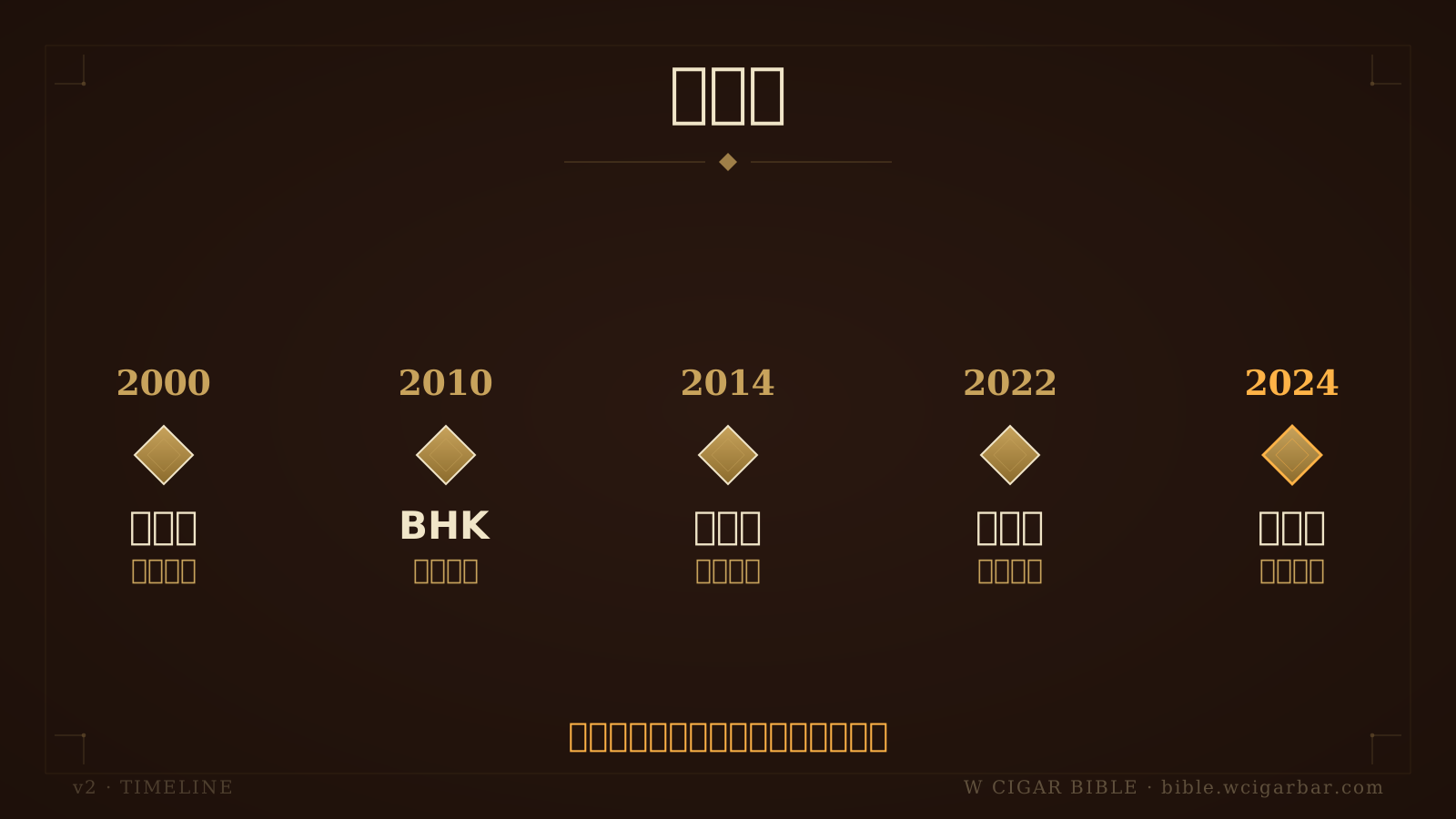
時間線列出限量系、BHK與高端分層節點
Core of Collection Value: Rarity, Condition, and Narrative
The first layer of cigar collection is not "old" but "verifiable." A box of 1998 Partagás Serie D No.4, if the box code is clear, the seal is intact, and the preservation record is credible, will have much higher market acceptance than a box of cigars from an earlier year but with unclear origins. The year is just the entry point; box condition, humidity records, and circulation context are the core.
The real value of a collection comes from the simultaneous establishment of rarity, condition, and narrative. For example, after Cohiba Behike was officially launched in 2010, BHK 52, 54, and 56 quickly became high-end collection targets, not only because of the brand aura but also due to unstable medium-to-long-term supply, strong packaging identification, and consistent global buyer recognition.
"Narrative" is the memory the market gives to a particular cigar. After 2000, Edición Limitada gradually formed a collection system, with the 2006 Montecristo Robusto EL and the 2010 Partagás Serie D Especial EL becoming cases that veterans are willing to track due to the intersection of size, year, brand, and actual reputation. Collection is not simply stacking years but preserving a piece of history that can be understood by the market.
Year Does Not Equal Value: Box Code, Factory Code, and Preservation Curve
Many veterans will ask about box codes, such as whether 2003, 2006, 2011, or 2014 are worth collecting. My view is: the year can provide context but cannot solely determine value. Cuban cigars have different quality fluctuations at different times; in the early 2000s, there were discussions on burn and rolling stability, while from 2014 to 2016, many brands were rated by the market as performing solidly.
The significance of box codes and factory codes is to narrow down the judgment range. Take Montecristo No.2 as an example; although it is a classic torpedo shape, the market context in 2008, 2013, and 2019 is different. If you can compare factory codes, seal versions, and box bottom imprints, collectors can avoid using "heard it's good" as a judgment basis.
The preservation curve is more critical. After entering maturation, cigars often have a flavor integration period in the first 3 to 5 years, and may exhibit deeper wood, leather, nut, and spice profiles in 8 to 12 years, but may also lose oils due to being stored too dry. The year is the resume, preservation is the physique; without stable preservation, an old box may just be an old problem.
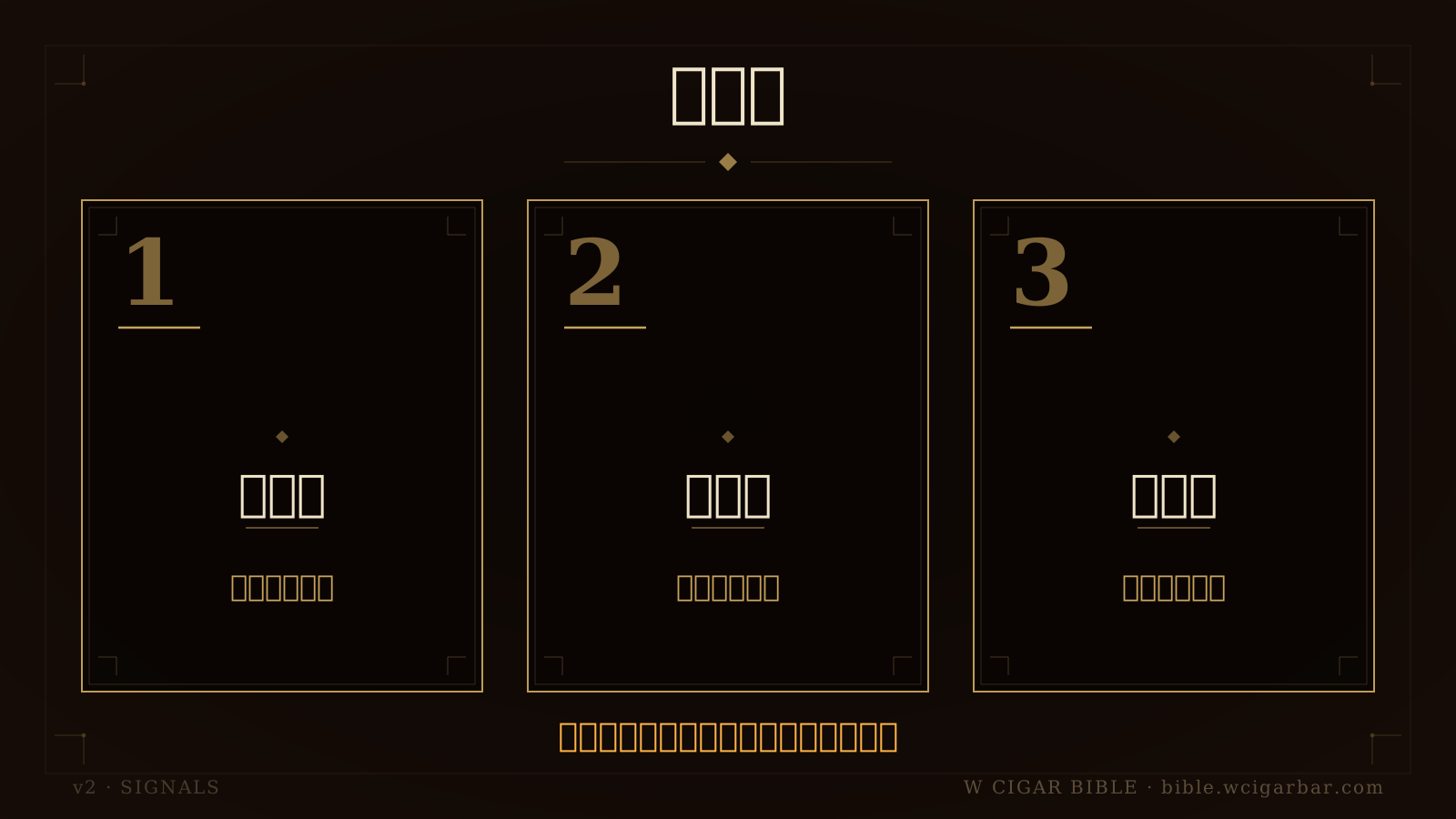
三張卡呈現盒碼封條、濕度紀錄與來源脈絡
Viewing the Market from Brands: Cohiba, Trinidad, and the Repricing of Classic Lines
From 2019 to 2024, the most noticeable change in the global high-end cigar market is the repricing of brand tiers. Around 2022, Cohiba and Trinidad saw significant price adjustments in the international market, widening the price gap between high-end lines and regular classic lines. This has led many collectors to re-evaluate: are they buying flavor, brand assets, or circulation rarity?
Cohiba is the most typical case. Siglo VI, Espléndidos, and the Behike series have long had high recognition, and after 2022, they are viewed as targets under the logic of luxury goods. Trinidad has gradually shifted from being relatively niche to a high-end positioning, with Fundadores, La Trova, and Vigia becoming market discussion focal points. When brands are repriced, early reasonably acquired inventory will be re-evaluated by the market.
But classic brands cannot be ignored. Partagás, H. Upmann, Ramón Allones, Bolívar, and Saint Luis Rey still hold stable positions among veterans. The 2011 Ramón Allones Extra EL and the 2014 Bolívar Super Corona EL, although not as widely pursued as Cohiba, have a stable demand among seasoned collectors due to their distinct flavors and limited production. Collection appreciation does not guarantee value increase; it still depends on source preservation and the market.
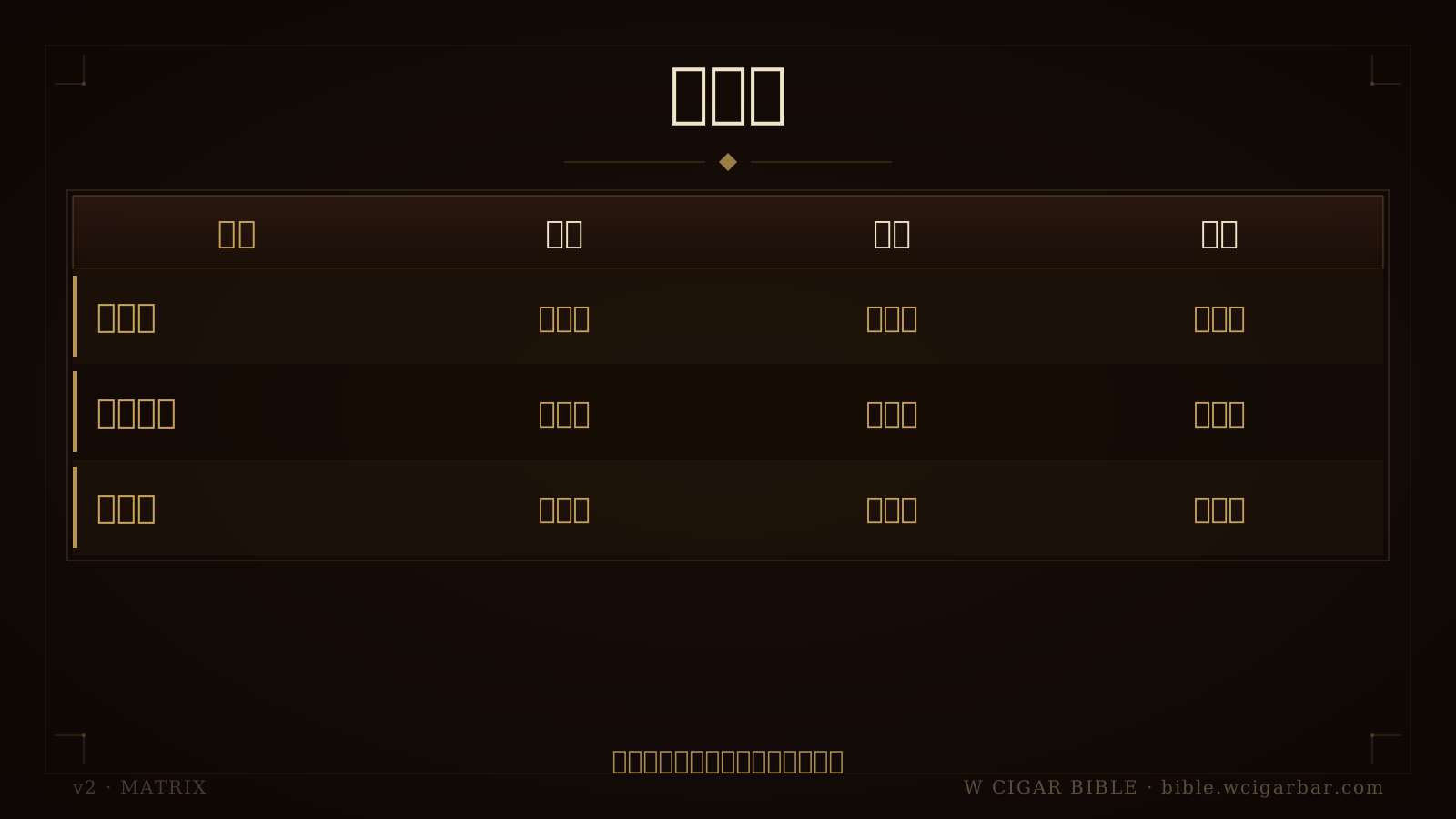
矩陣比較完整盒、散支研究與區域版本差異
How to Judge Rarity: Five Quantifiable Indicators
Rarity cannot rely solely on the word "rare." True judgment should be broken down into five aspects: production, year, release scope, brand recognition, and completeness. For example, some Edición Regional are only released in a single market, such as the 2008 Ramón Allones Phoenicio 30 for the Lebanese market, which is often included in the observation list by veterans due to its strong storytelling and regionality.
| Indicator | Key Judgment | Example |
|---|---|---|
| Production | The clearer the box count, the easier it is to establish consensus | Limited edition numbered wooden boxes |
| Year | Whether a specific year is remembered by the market | 2010 Behike launch period |
| Release Scope | Global, regional, or specialized channels | Edición Regional |
| Brand Recognition | Whether there is a stable buyer group | Cohiba, Partagás |
| Completeness | Whether the seal, box code, and appearance are intact | Original box of 25 |
Rarity is best supported by documentation, packaging, and market records simultaneously. For example, an old box of Hoyo de Monterrey Double Coronas, if only sold as individual pieces, will have its market value significantly discounted; if it is a complete wooden box, with clear box codes, and consistent foot and wrapper condition, the collection's persuasiveness is entirely different.
I would suggest veterans establish their own "rarity scoring table," scoring each box out of 100: source 30 points, preservation 25 points, year 15 points, brand 15 points, completeness 15 points. This is not to turn cigars into cold numbers but to avoid being influenced by temporary hype. The more advanced the collection, the more it needs to translate emotional preferences into comparable standards.
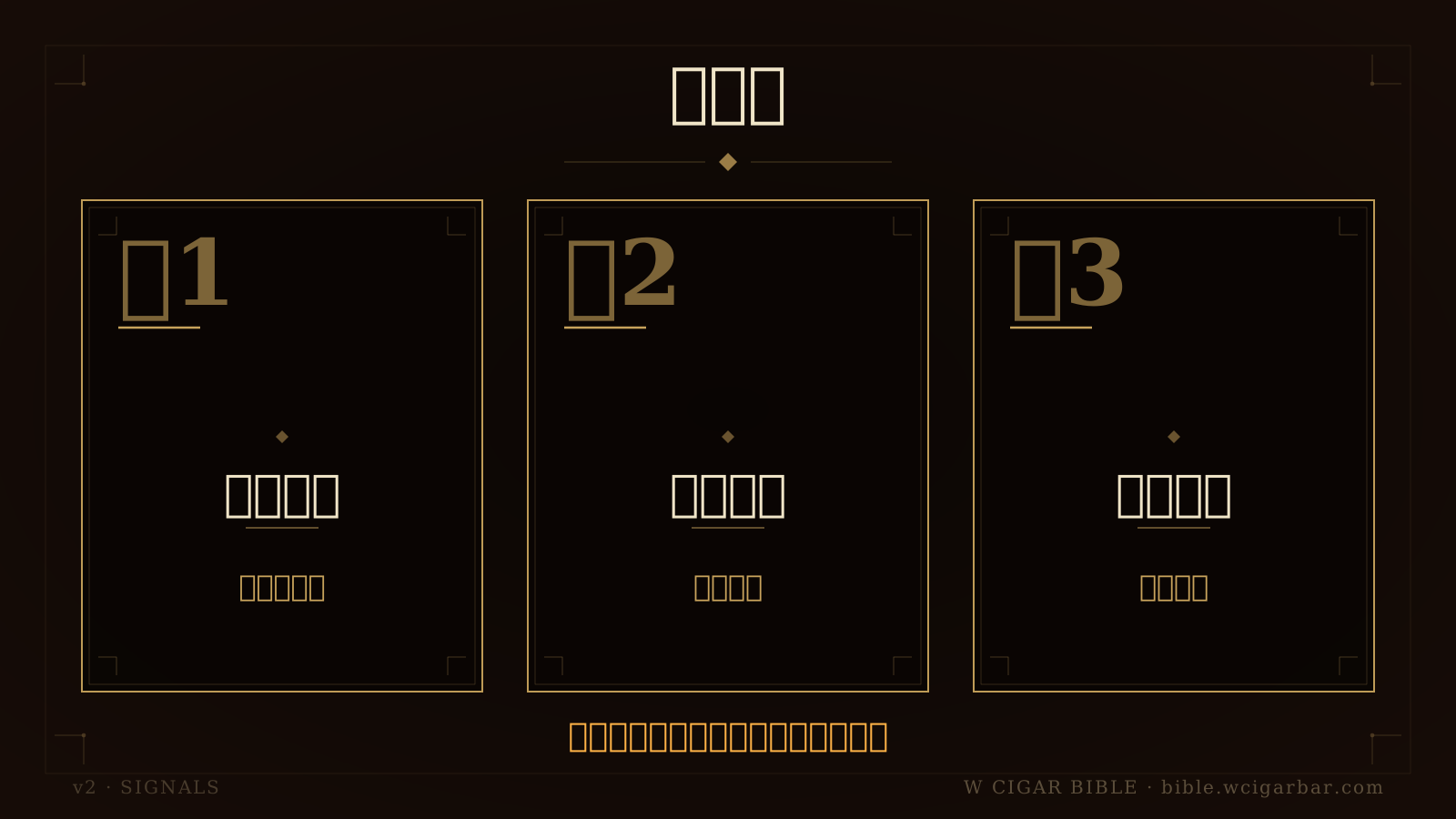
三張卡列出越老越好、散支同盒與限量必收
Why Market Prices Fluctuate: Supply, Policy, and Emotional Cycles
Cigar price fluctuations are often misunderstood as the rise and fall of a single brand, but behind it is usually the combined effect of supply, policy, exchange rates, and emotional cycles. From 2020 to 2021, global logistics and travel consumption structures changed, leading to tight inventory in many mature markets; after the price adjustment of high-end Cuban cigars in 2022, buyers began to shift their focus to non-Cuban boutique brands.
In the non-Cuban market, Fuente Fuente OpusX, Padrón 1964 Anniversary, Davidoff Limited Edition, Arturo Fuente Don Carlos Edición de Aniversario, and other series are valued by collectors due to stable quality and clear release rhythms. The advantage of these brands is more transparent batch management, but the downside is the varying enthusiasm in different markets.
The emotional cycle is also very real. A particular cigar being heavily discussed on social media may see its short-term price pushed up; but if it lacks sustained reputation six months later, its liquidity will decrease. Market price is not the value itself but the consensus buyers are willing to acknowledge at a certain point in time. Therefore, when I look at prices, I observe at least 12 to 24 months, not just a single month's quote.
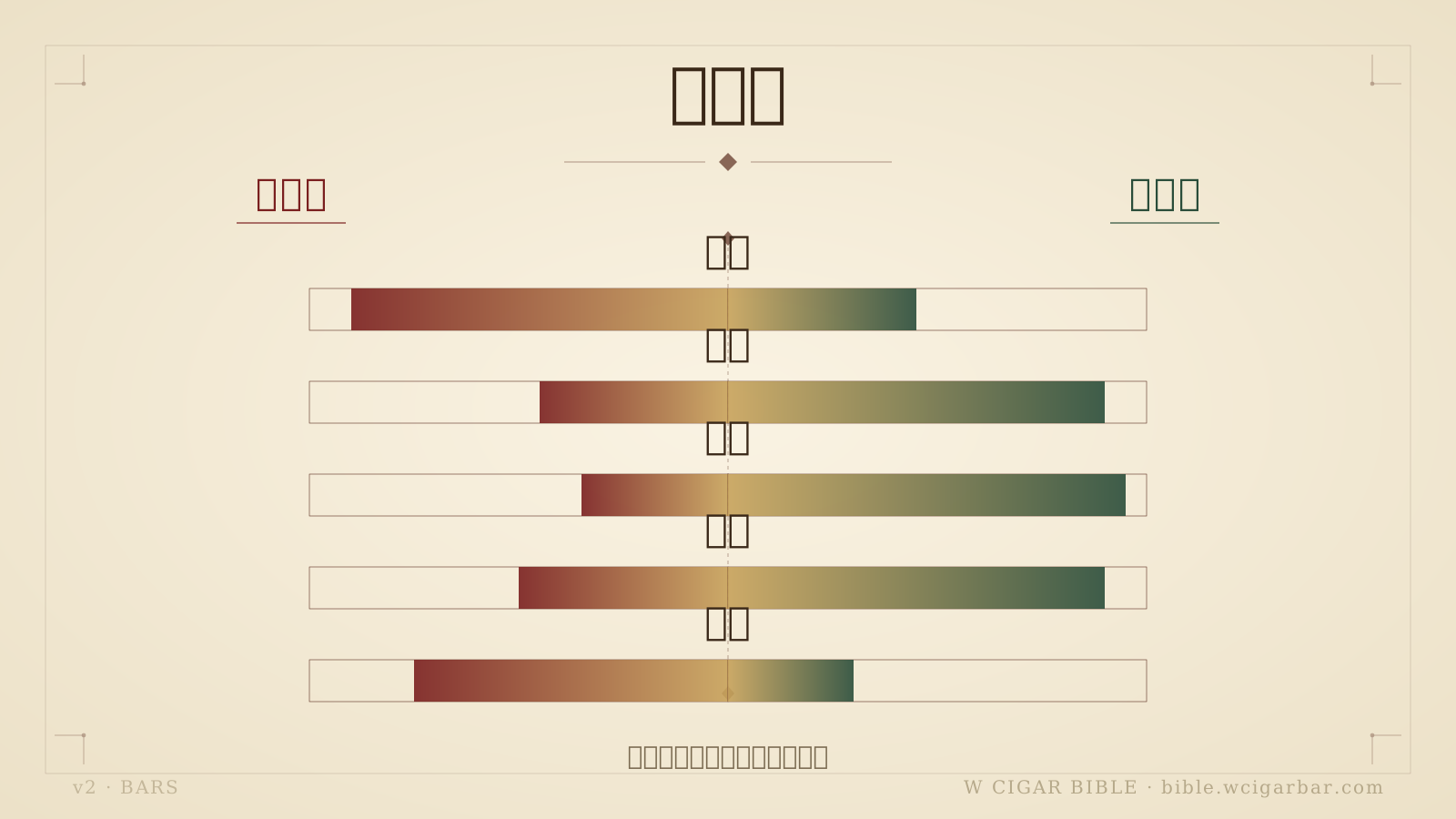
橫條圖比較年份派與證據派在五軸差異
Preservation Techniques: The True Fundamentals of Collectors
When it comes to collection, it ultimately returns to temperature and humidity. My long-term recommendation is a relative humidity of 65% to 69% and a temperature of 18 to 21°C, adjusted slightly according to the thickness of the wrapper and regional climate. Too humid can increase mold spots, uneven burning, and ammonia retention; too dry can cause the wrapper to crack and oils to decrease, causing potentially promising old boxes to prematurely decline.
The storage space should be managed in layers. High-value complete boxes should not be frequently opened and closed, while daily drinking boxes can be placed in more accessible humidor layers; different brands and years should ideally have records, including purchase date, source, box code, initial condition, humidity range, and each inspection result. Preservation records themselves are one of the most persuasive documents for future resale.
I also do not recommend overly trusting a single humidity number. Lancero, Panetela, and other slender sizes are more sensitive to humidity, Robusto and Toro have higher tolerance, while Double Corona or Churchill require longer time to stabilize internal and external humidity. When collecting old boxes, checking once every 3 to 6 months is sufficient; excessive handling can easily cause wrapper damage and environmental disturbances.
Building a Collection Portfolio: Core, Satellite, and Observation Warehouse
Advanced collection should not only chase the popular. My method is to divide cigars into three layers: core warehouse, satellite warehouse, and observation warehouse. The core warehouse holds long-term trusted brands and sizes, such as Cohiba Siglo VI, Partagás Lusitanias, H. Upmann Sir Winston; the satellite warehouse holds limited or regional versions; the observation warehouse holds new series in recent years and non-Cuban boutique brands.
In terms of proportion, I would recommend about 60% for the core warehouse, 30% for the satellite warehouse, and 10% for the observation warehouse. If the total collection is 200 cigars, about 120 are in the core, 60 in the satellite, and 20 in the observation. This balances stability and exploration, avoiding imbalance in the overall portfolio due to chasing short-term topics. The goal of a mature collection portfolio is to have both flavor needs and market flexibility.
Practically, avoid excessive homogeneity. If the entire cabinet is Cohiba, while there is room for price imagination, both flavor and market risks are concentrated; adding Bolívar Belicosos Finos, Ramón Allones Specially Selected, Padrón 1926 No.9, Davidoff Millennium Blend will make the portfolio healthier. Collection appreciation does not guarantee value increase; it still depends on source preservation and the market.
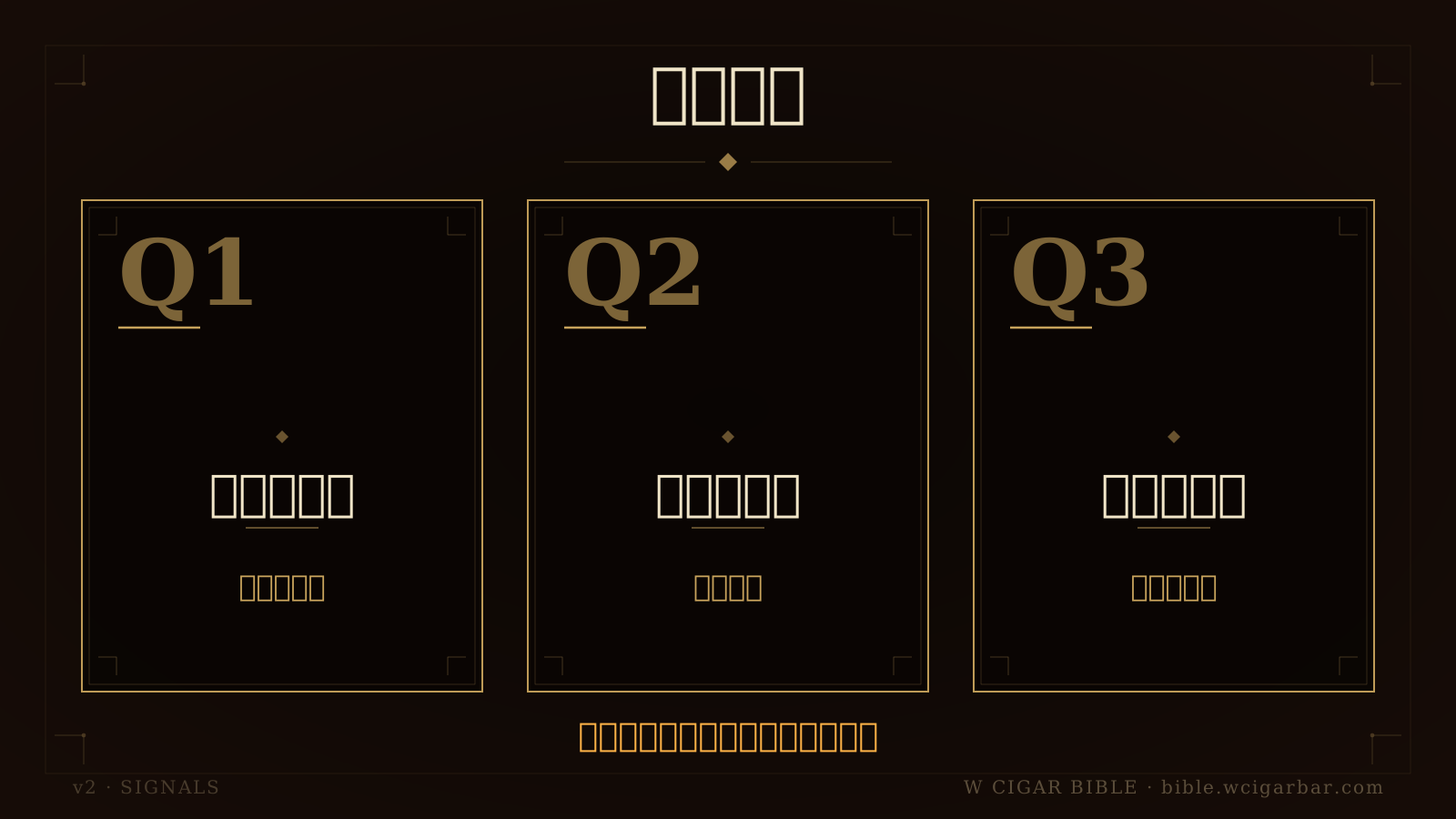
快問快答列出老盒、散支與來源核對重點
Frequently Asked Questions
Are older cigars always more valuable?
No. Old cigars depend on preservation, source, and condition. A complete box from the 1980s, if cracked, severely moldy, or with questionable seals, may be worth less than a well-preserved 2014 classic. The year can only increase discussion space, not replace quality evidence.
Do individual cigars have collection value?
Yes, but usually less than complete boxes. Individual cigars are suitable for studying flavor and year differences; if intended as a collection target, it's best to retain source records, photos, box code information, and purchase time. Complete boxes still have higher market trust, especially 25-piece wooden boxes or limited edition numbered boxes.
Is Edición Limitada always more worth collecting than regular lines?
Not necessarily. Limited editions have themes, but regular lines may also be more valued due to long-term discontinuation, rare sizes, or outstanding year performance. For example, classics like Partagás 8-9-8 and H. Upmann Sir Winston, even if not limited, have stable veteran demand.
Can non-Cuban cigars enter the collection system?
Yes. Brands like Fuente, Padrón, Davidoff, Tatuaje, and My Father have years and limited series that can be studied. The difference is that the non-Cuban market places more emphasis on batch transparency, brand strategy, and actual reputation, and cannot simply apply the logic of Cuban cigars.
How to avoid buying high-priced cigars of unclear origin?
First, look at the seal, box code, printing details, wooden box texture, and cigar consistency, then see if the seller can provide a source explanation. Don't rush high-priced targets; it's best to build your own database, compare photos of the same year, official packaging changes, and market transaction records.
How often should cigar collections be checked?
If preservation equipment is stable, checking once every 3 to 6 months is sufficient. The focus is not on frequent opening but on ensuring stable temperature and humidity records, no mold spots, and no pest issues. The highest realm of collection management is to let cigars quietly stay in the correct environment.
Conclusion: My Personal View
I have always believed that the most fascinating aspect of cigar collection is not the price curve, but how time changes flavor and how rarity changes perspective. The market will fluctuate, brands will reprice, but what truly remains are works with clear origins, good preservation, and complete stories. Collection can have an investment mindset, but it does not guarantee value increase; it still depends on source preservation and the market; understand it first, then talk about owning it.
—Cigar Prince Wilson Tsai
Smoking is harmful to health.
No smoking under the age of twenty.
Quitline: 0800-636363.
This article is for reference by adults over the age of twenty as knowledge of cigar culture, preservation, and regulations, not as tobacco advertising, promotion, or purchase advice.
Like this article?Share with friends
Share this W Cigar Bible piece with friends who want to learn cigar culture, storage, and tasting.
想把這篇 化為實踐
雪茄聖經是知識;雪茄文化要在空間裡發生

W Cigar Bar 大安總店資訊
台北大安區 · 雪茄聖經總編輯 Wilson Tsai 主理的雪茄文化空間
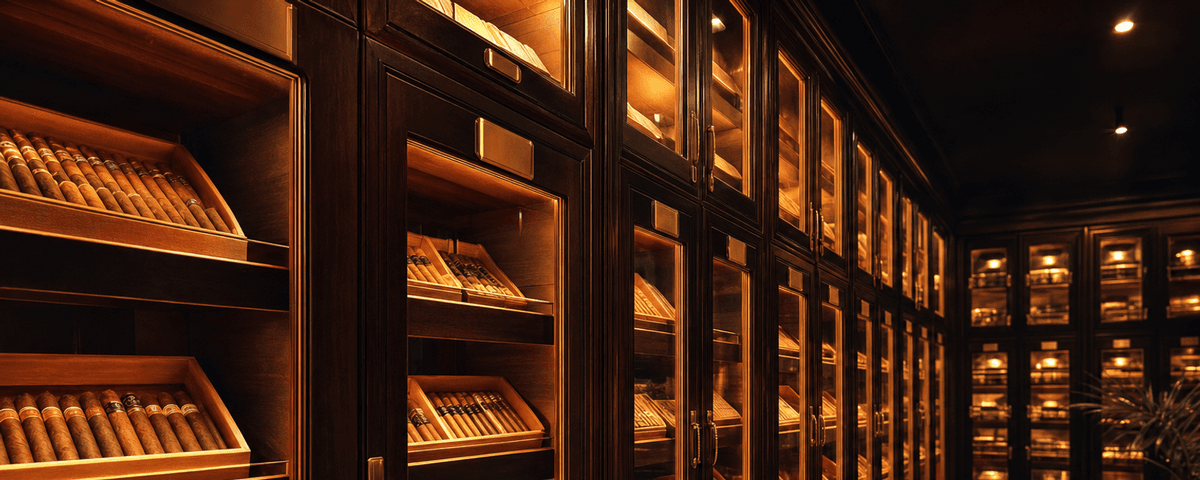
33 座 24 小時恆溫恆濕醇化室
W Cigar Bar 提供的會員醇化空間 · 場地資訊請洽編輯部
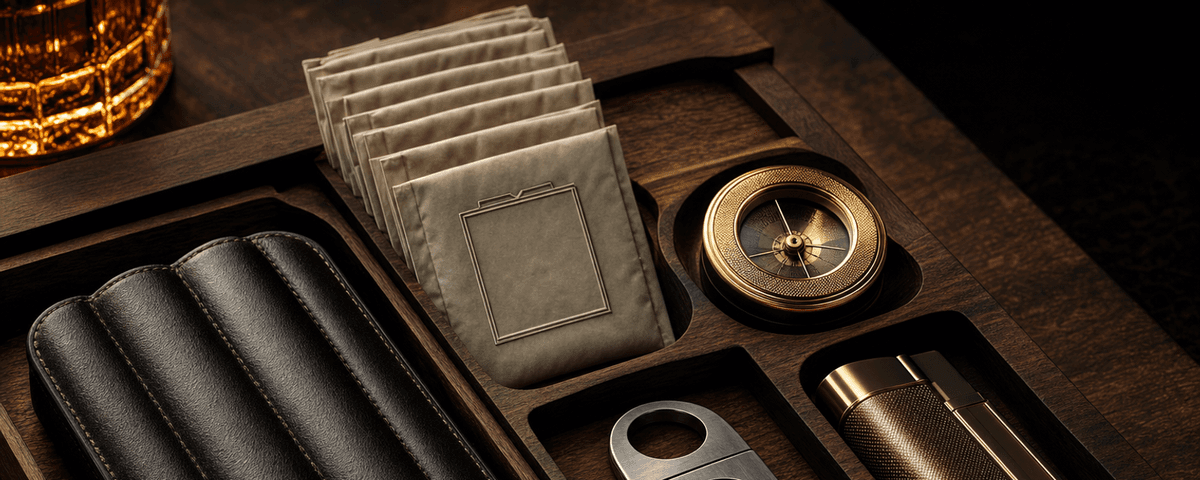
雪茄剪 / 打火機 / 雪茄盒 / Boveda
W Cigar 配件官網 · 專營雪茄配件正品

加 LINE 好友 · 文化諮詢
文化空間資訊 · 紳士沙龍 · 私人包場
本網站內容僅供雪茄文化、歷史、收藏與品吸知識研究參考。菸品有害健康、未滿法定年齡者請勿吸菸。實際規範請依所在地法律為準。
吸菸有害健康・戒菸專線 0800-636363・本站僅供 20 歲以上成年人閱覽。
讀到這裡,你不只是路過的人
留下 Email,加入 W 雪茄聖經內圈——總編輯 Wilson Tsai 親選的學院深文與國際新訊,先你一步送到信箱。
· 教育用途非銷售 · 隨時一鍵退訂 · Email 絕不對外公開 · 由勝茄股份有限公司營運
同分類延伸閱讀



資料來源:W Cigar Bible 編輯部整理 · 雪茄王子 Wilson Tsai 親自審稿
本文僅供雪茄文化、歷史、收藏與品鑑知識研究,不作為菸品促銷、銷售或購買建議。吸菸有害健康,未滿二十歲不得吸菸。