雪茄的製程與工藝:探索古巴雪茄的傳統製作技術
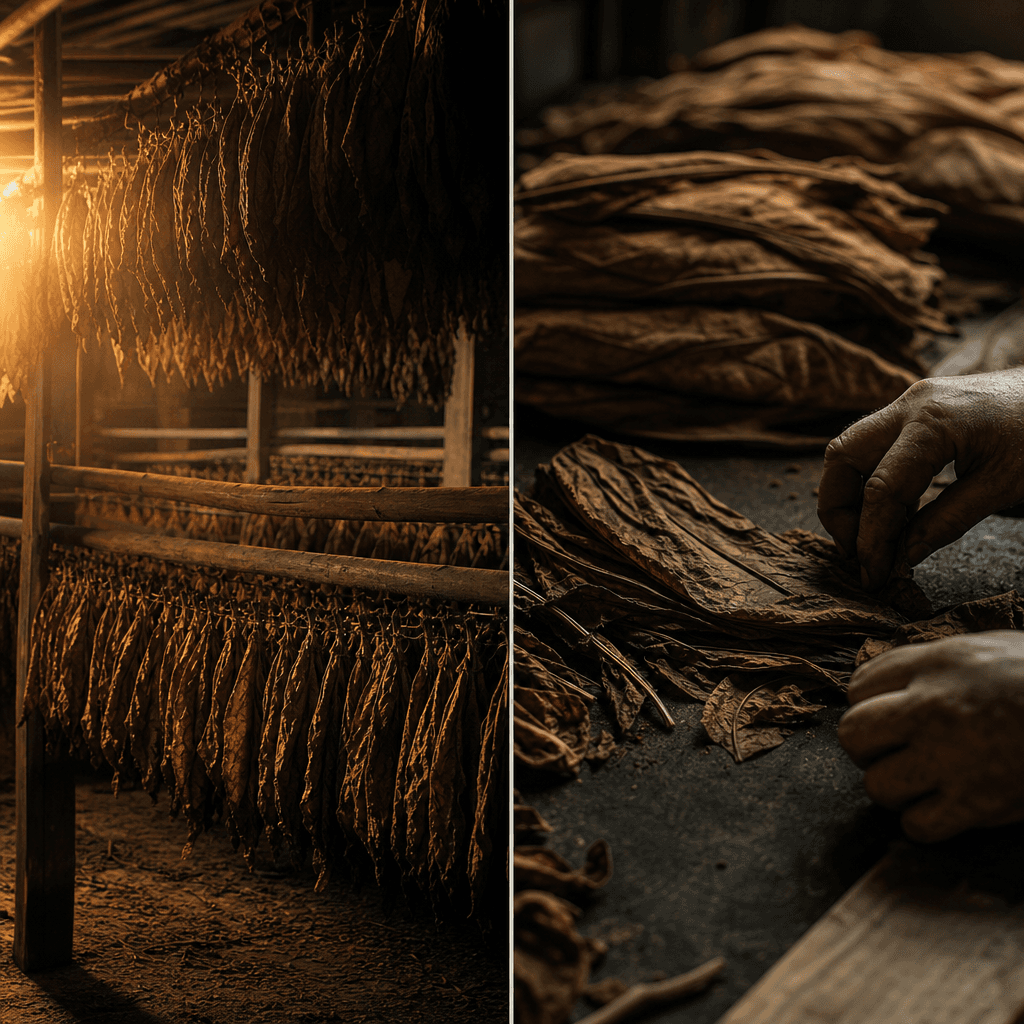
古巴雪茄的魅力源自其獨特的工藝與風味,從種植到發酵,每一步都影響最終的口感。Pinar del Río 省的 Vuelta Abajo 是核心產區,採用分層摘葉技術,確保每片葉在最佳成熟度下採收。晾乾過程中,葉片的顏色與香氣逐漸轉變,發酵則進一步提升風味,讓尼古丁與粗糙氣息減少,發展出木質、可可等複雜層次。不同葉位的配方與精湛的捲製技術,讓每支雪茄展現獨特的個性與風味,成就了古巴雪茄的傳奇。
- 古巴雪茄的不同葉位對風味影響深遠,需了解各葉位的功能與比例。
- 採收時分層摘葉可保留雪茄的層次感,這是古巴工藝的特色。
- 發酵過程中精準控制熱、濕與氧氣,能影響雪茄的圓潤度與風味發展。
The Process and Craftsmanship of Cigars: Exploring the Traditional Techniques of Cuban Cigars
As the editor of the "Cigar Bible," I am often asked by old friends: What exactly is the allure of Cuban cigars? If we only talk about brands, vintages, and sizes, the answer is never complete; the real difference lies in every turn, humidification, grading, and hand pressure from the field to the box.
For veterans, craftsmanship is not a romantic term, but a recognizable flavor logic. The delicate creaminess of Cohiba, the earth and pepper of Partagás, the elegant woodiness of H. Upmann, are not accidental but the fingerprints left by leaf selection, fermentation, blending, and rolling.
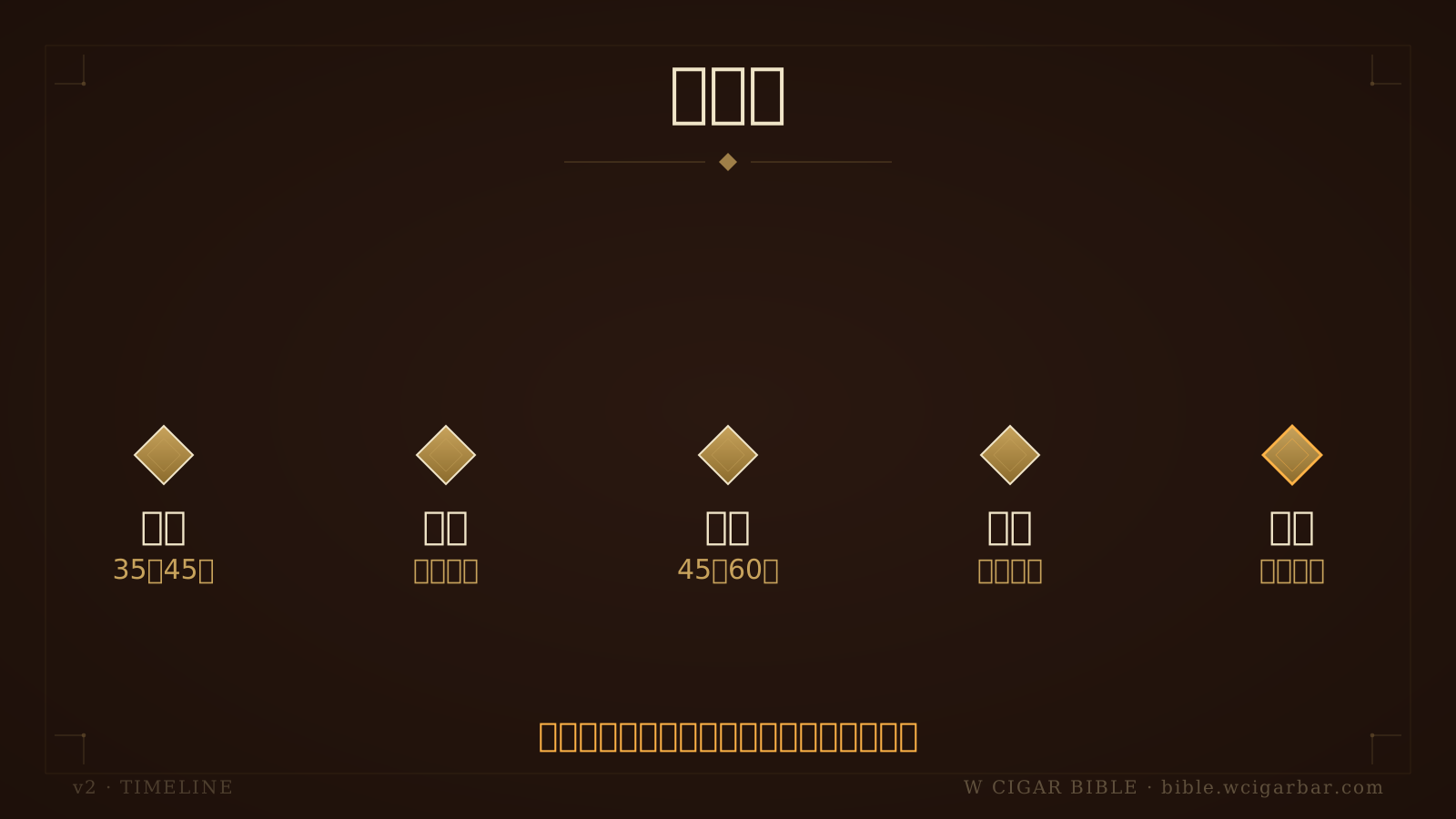
流程時間線呈現育苗採葉晾乾發酵捲製
From Seed to Field: Cuban Terroir is Not a Slogan, but the Starting Point of Leaf Selection
The core production area of Cuban cigars is still most representative of the Vuelta Abajo in the Pinar del Río province, especially the areas of San Juan y Martínez and San Luis, which are considered important sources of premium long filler leaves. Since the 20th century, Corojo and Criollo seeds have been continuously improved, and the disease-resistant strains after the 1990s have also allowed farmers to maintain quality under the pressure of blue mold.
Cultivation usually starts from the seedbed, and after about 35 to 45 days, they are transplanted to the field; about 45 to 80 days after transplantation, they are harvested in succession. The capa leaves under the shade cloth pursue thinness, oiliness, and elasticity; the tripa and capote in the sunlit fields focus more on structure, combustion, and strength. For veterans to understand Cuban cigars, the first step is not to look at the box label, but to know what role different leaf positions play in the blend.
The same tobacco plant can be roughly divided from bottom to top into volado, seco, ligero, with a few top leaves called medio tiempo. Take the Cohiba Behike BHK 52, 54, 56, officially launched in 2010, for example, the market often discusses the depth and strength brought by its medio tiempo; but if the combustion structure is not supported by volado, even the rare top leaves cannot achieve balance alone. Flavor is not the performance of a single leaf, but the ensemble of leaf position ratios and combustion rhythm.
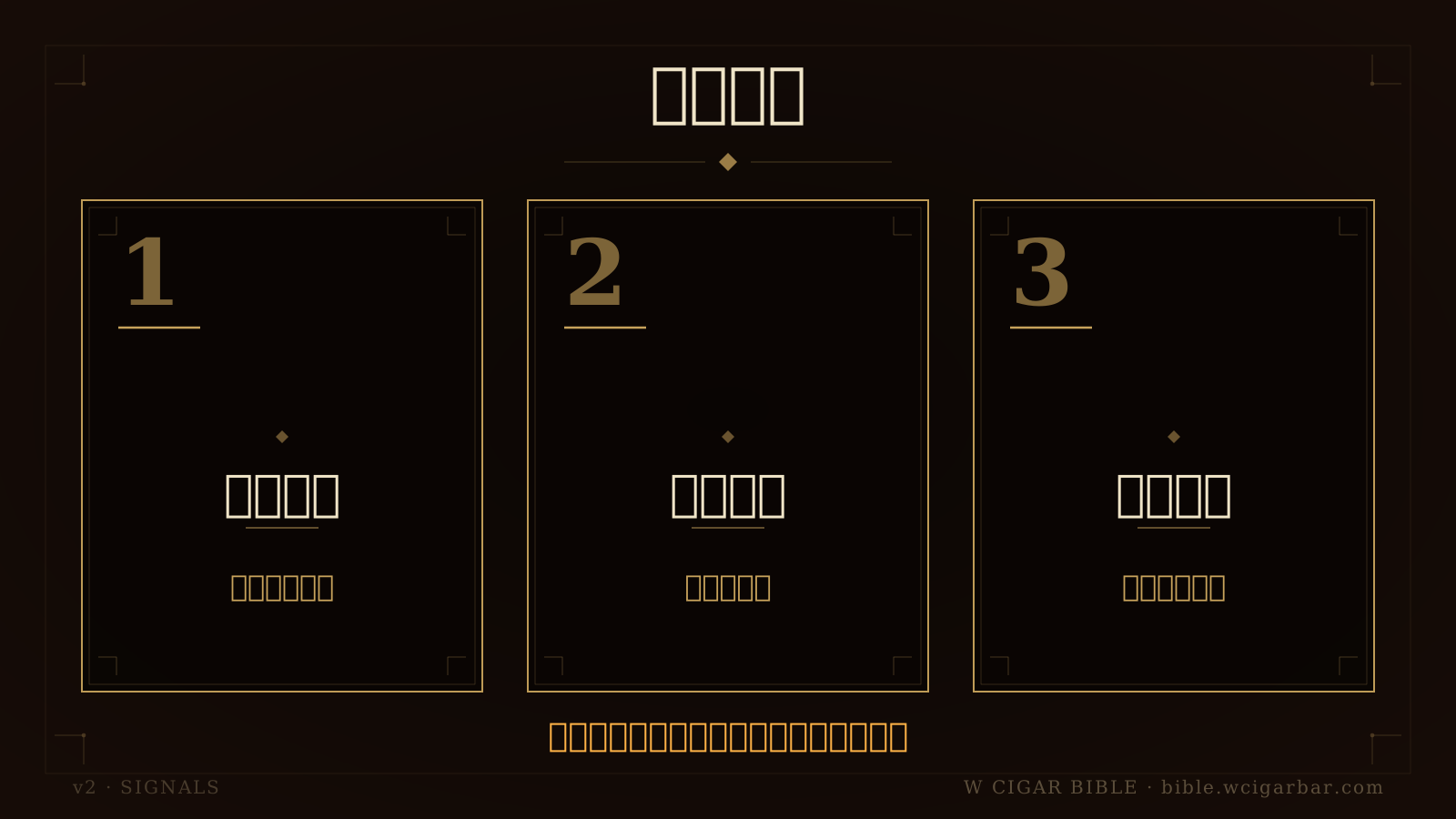
三張卡片說明葉位發酵與捲製重點
Harvesting and Drying: The Fire Doesn't Start in the Factory, It's Already Laid in the Field
Cuban harvesting mostly adopts "layered picking," not cutting down the whole plant at once. The lower volado is picked first, followed by the middle seco, and the upper ligero last, sometimes several days to more than a week apart. This method allows each layer of leaves to leave the plant when maturity is close to ideal, at the cost of high labor costs and difficult judgment, but it also retains the layering commonly seen in Cuban cigars.
The harvested leaves are sent to the casa de tabaco, the traditional drying shed. The drying period is commonly about 45 to 60 days, adjusted according to humidity, wind direction, and leaf thickness. Workers will raise and lower the shed doors and side curtains to control air flow, allowing green leaves to gradually turn yellow, brown, and reddish-brown. Drying is not just about removing moisture, but about completing the first softening and aroma transformation of the leaves.
If dried too quickly, the leaf veins remain green, and sharp grassy notes may appear in the later stages; if too slow, off-flavors may develop. When evaluating a Montecristo No.2 or Partagás Serie D No.4, if the early stage has dry grass, ammonia, or bitterness overpowering sweetness, it can often be traced back to the rhythm of drying and subsequent fermentation. Craftsmanship errors rarely exist in isolation and will eventually leave traces in the burn line and mouthfeel.
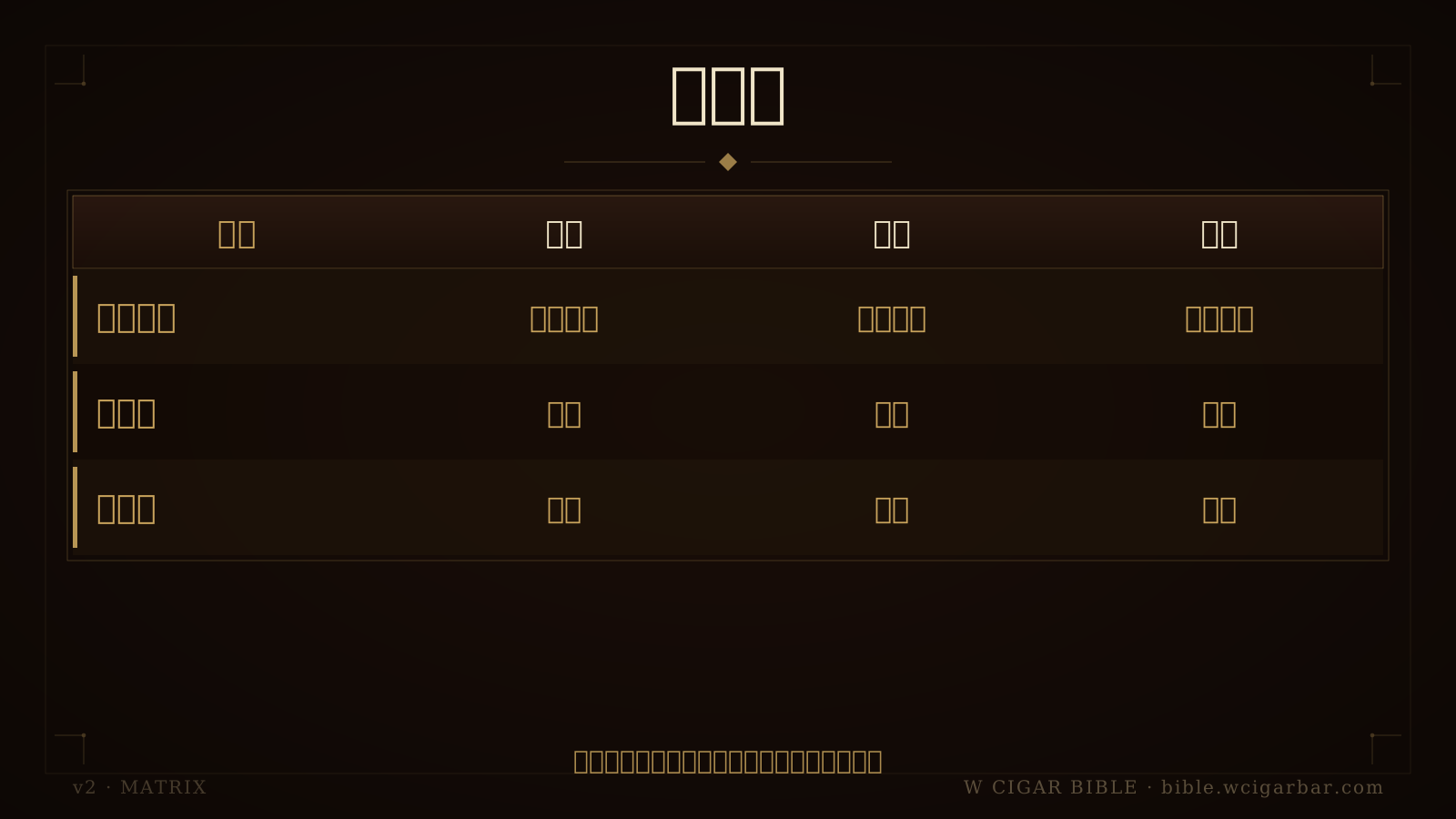
矩陣比較下層中層上層葉位的配方角色
The Heat and Sweat of Fermentation: The Deep Turn of Cuban Flavor
The dried leaves enter fermentation, traditionally stacked in pilón. The processing of filler and wrapper leaves is different: thicker, more powerful ligero can withstand higher temperatures and longer times; the capa, as the soul of appearance, must avoid overheating to prevent damage to oil and elasticity. Common stack temperatures can vary between 35 to 50 degrees Celsius, depending on the leaf type and use.
The purpose of fermentation is to reduce nicotine, ammonia, and rough plant notes while developing wood, cocoa, leather, spice, and sweetness. Workers regularly turn the stack to exchange the positions of the inner and outer leaves, avoiding local overheating. The roundness of Cuban cigars is not achieved by time alone but by precise control of heat, moisture, and oxygen during fermentation.
Take the H. Upmann Sir Winston as an example, many boxings from 2008, 2011, and 2014, when properly aged, will exhibit honey, cedar, and creamy smoothness; but the premise of this later charm is that early fermentation did not leave too much ammonia. If fermentation is insufficient, even if aged for many years later, it only makes the defects less glaring and does not magically create a clean structure.
Grading and Blending: Brand Character Comes from Invisible Proportions
After fermentation, the leaves are further graded, distinguished by size, thickness, color, elasticity, veins, and use. Despalillo removes the thick main vein, while escogida is like the color grading work in the cigar world. Brown leaves that look similar in appearance may have completely different burn rates, aroma densities, and tensions; veterans who only look at color depth can easily misjudge the actual style.
The liga formula of different brands is the most sensitive core of Cuban craftsmanship. Romeo y Julieta is often expected to have floral and soft sweetness; Bolívar is known for its rich soil, coffee, and strength; Trinidad Fundadores, commercialized since 1998, has long been regarded as a typical example of elegance and mineral feel in slender sizes. The so-called brand flavor is not a marketing label, but the result of long-term formula logic and raw material grading.
The table below uses a perspective familiar to veterans to simplify the explanation of different leaf positions and craftsmanship goals:
| Leaf Position or Use | Common Function | Craftsmanship Focus | Flavor Impact |
|---|---|---|---|
| Volado | Combustion and Stability | Maintain cleanliness, easy to burn | Woody, dry grass, light sweetness |
| Seco | Aroma Core | Balance fermentation and preserve aroma | Floral, cedar, nuts |
| Ligero | Strength and Depth | Longer fermentation, temperature control | Pepper, coffee, leather |
| Capa | Appearance and Texture | Low scars, high elasticity | Entry delicacy and aroma opening |
A good cigar is not made more premium by adding more ligero. Comparing Bolivar Belicosos Finos and Cohiba Siglo VI, the former often wins with solid strength, while the latter pursues the advancement of cream, herbs, honey, and refined spices. The brilliance of the formula lies in allowing strength, aroma, and combustion to support each other, rather than suppressing each other.
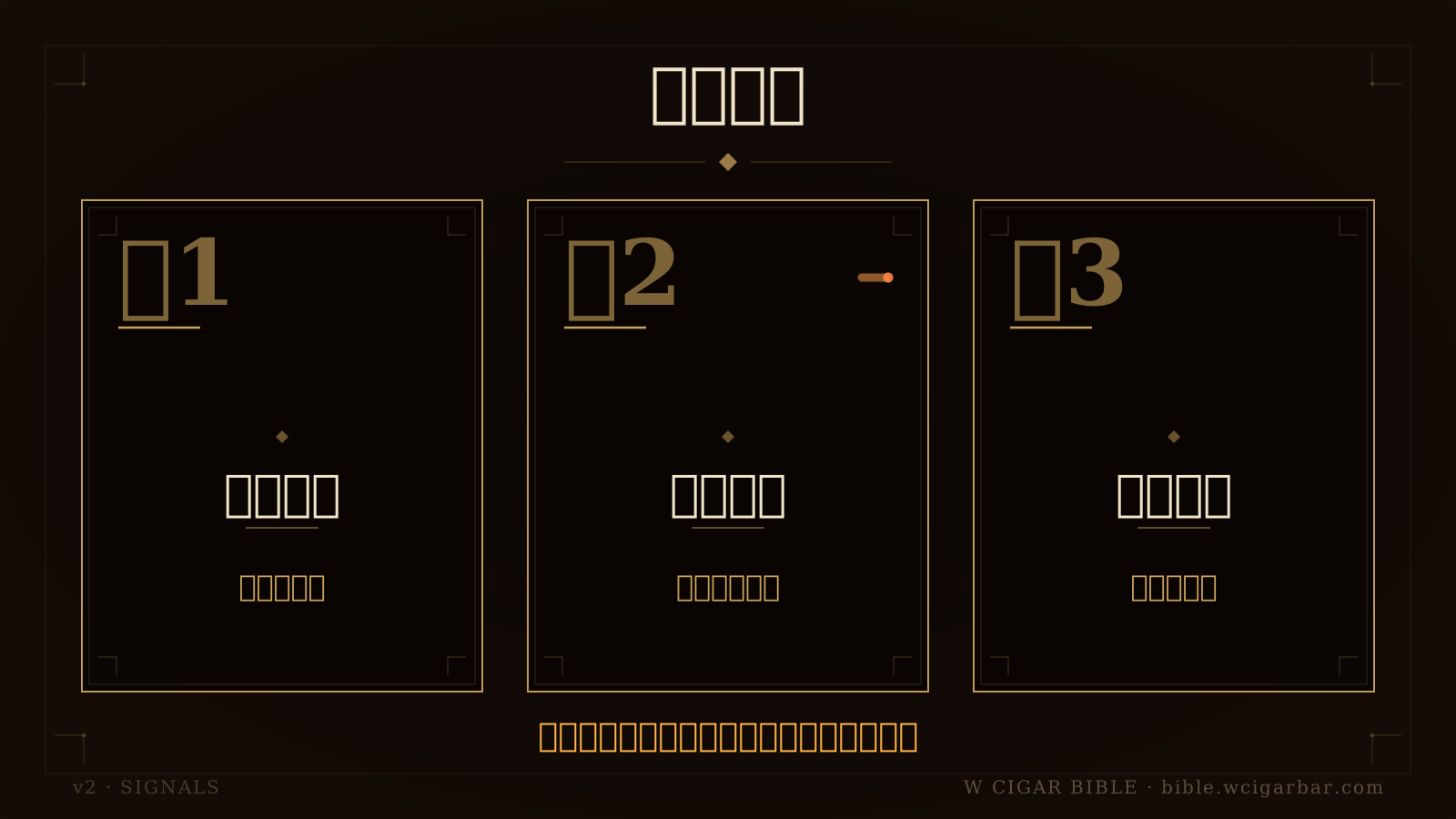
三張錯誤卡提醒深色包葉國別與保存誤解
The Hands of the Torcedor: Rolling Technique Determines Whether a Cigar Can Tell the Formula Completely
Once in the factory, the torcedor selects filler, binder, and wrapper leaves according to the vitola specifications. The traditional Cuban long filler is organized using the entubar or semi-entubar method, allowing each leaf to form an air channel; then wrapped with capote into a bunch, placed in a wooden or plastic mold for shaping. This step seems mechanical, but feel, humidity, and leaf direction will affect draw resistance and combustion.
Veterans care most about the draw, which often determines life and death here. Too tight will increase combustion temperature and bitterness; too loose will burn too fast and thin out the aroma. Modern Cuban factories use draw testing machines for testing, and many factories have paid more attention to this control since the 2000s. No matter how good the formula, if the rolling channel is wrong, the flavor cannot be released at the correct speed.
Finally, the capa is wrapped, the craftsman cuts the leaf with a chaveta, and the stretching angle must be stable, not allowing the leaf vein to fall on the visual and combustion weak points. The triple cap is a detail many Cuban cigar enthusiasts talk about, but what really needs to be seen is whether the cap is flat and whether the wrapper tension is even. For sizes like Cohiba Espléndidos, with a length of about 178 mm and a ring gauge of 47, any local tightness may amplify into uneven burning or heat sensation in the middle section.
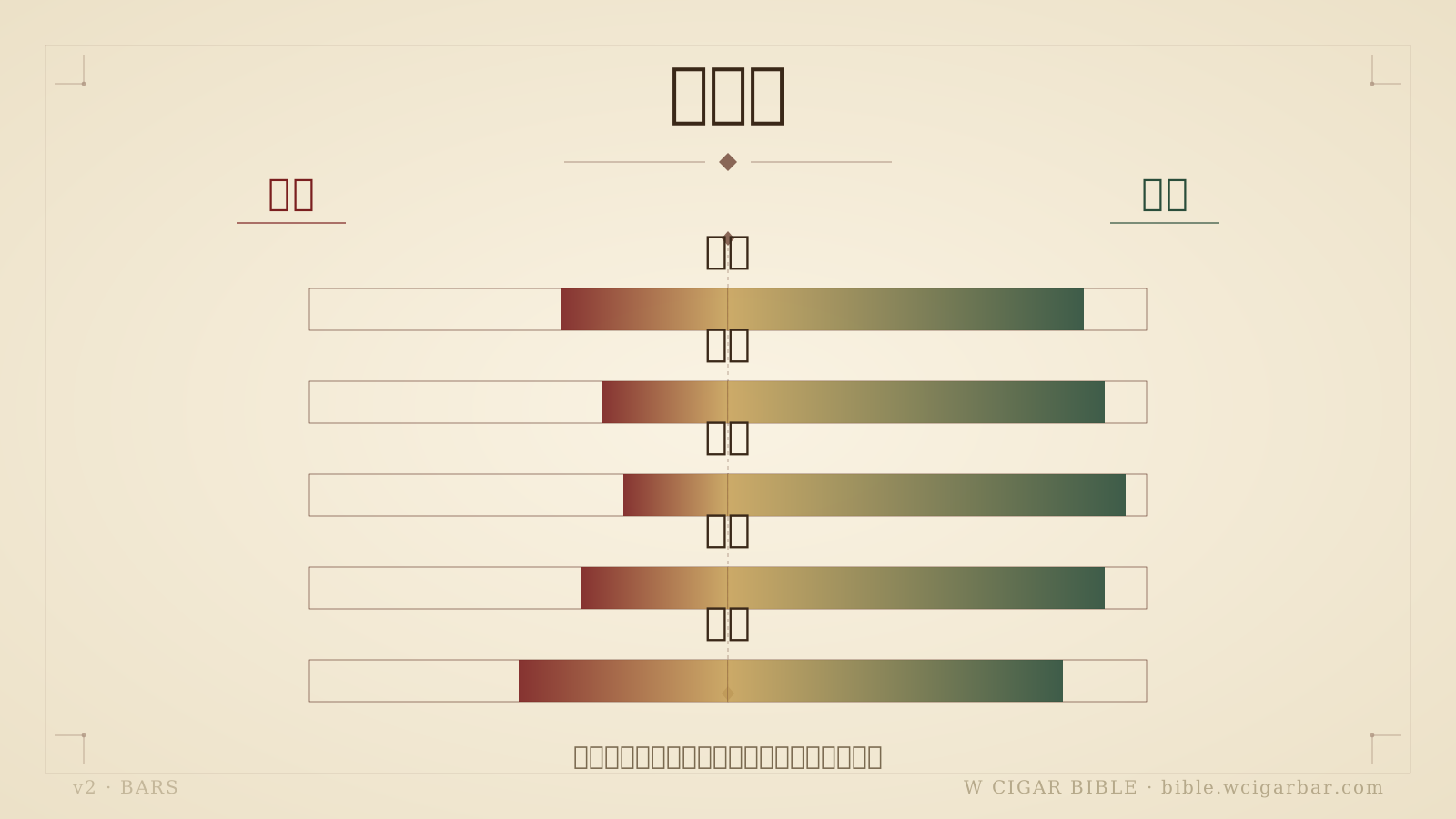
長條圖對比只看品牌與讀懂工藝的判斷重點
Pre-Box Procedures: Aging, Sorting, and Final Calibration Before Boxing
After rolling, the cigars do not immediately go into the box but enter the escaparate to rest, commonly for about 60 to 90 days, with some high-spec products possibly longer. This process allows the moisture of the newly completed cigars to redistribute, coordinating the wrapper, binder, and filler leaves, and also allows the factory to observe the stability of combustion and appearance. The rest before leaving the factory is not decorative waiting, but to bring the tension after hand-rolling back to balance.
Next is sorting by color. Cuban boxing emphasizes uniform color in the same box, and sorters arrange according to the capa color, gloss, spots, and subtle color gradations. High-end boxings often show an orderly gradient from left to right, which is not only a visual aesthetic but also represents the factory's insistence on appearance consistency. Some veterans compared the Hoyo de Monterrey Epicure No.2 before and after 2016, pointing out that the color difference and oiliness in the same box affect the first impression, but do not necessarily equate to flavor quality.
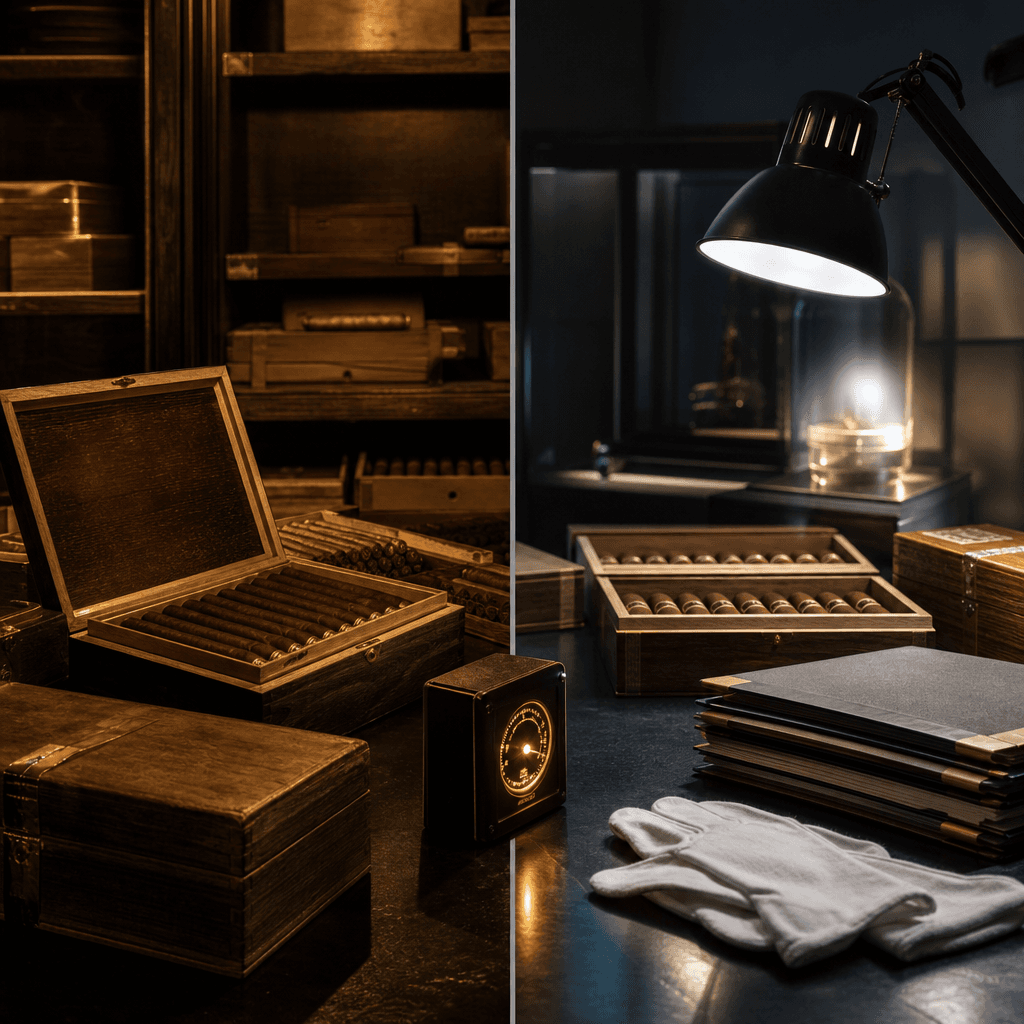
After boxing, preservation enters the responsibility of consumers and collectors. When discussing collection value, I always remind: it does not guarantee appreciation, still depends on source preservation and market. The Dunhill selections of the 1950s, the Davidoff Cuban period relics of the 1990s, and the early 2000s limited editions do have historical discussion space; but if humidity is out of control or the source is unknown, even the rarest labels are just risks.
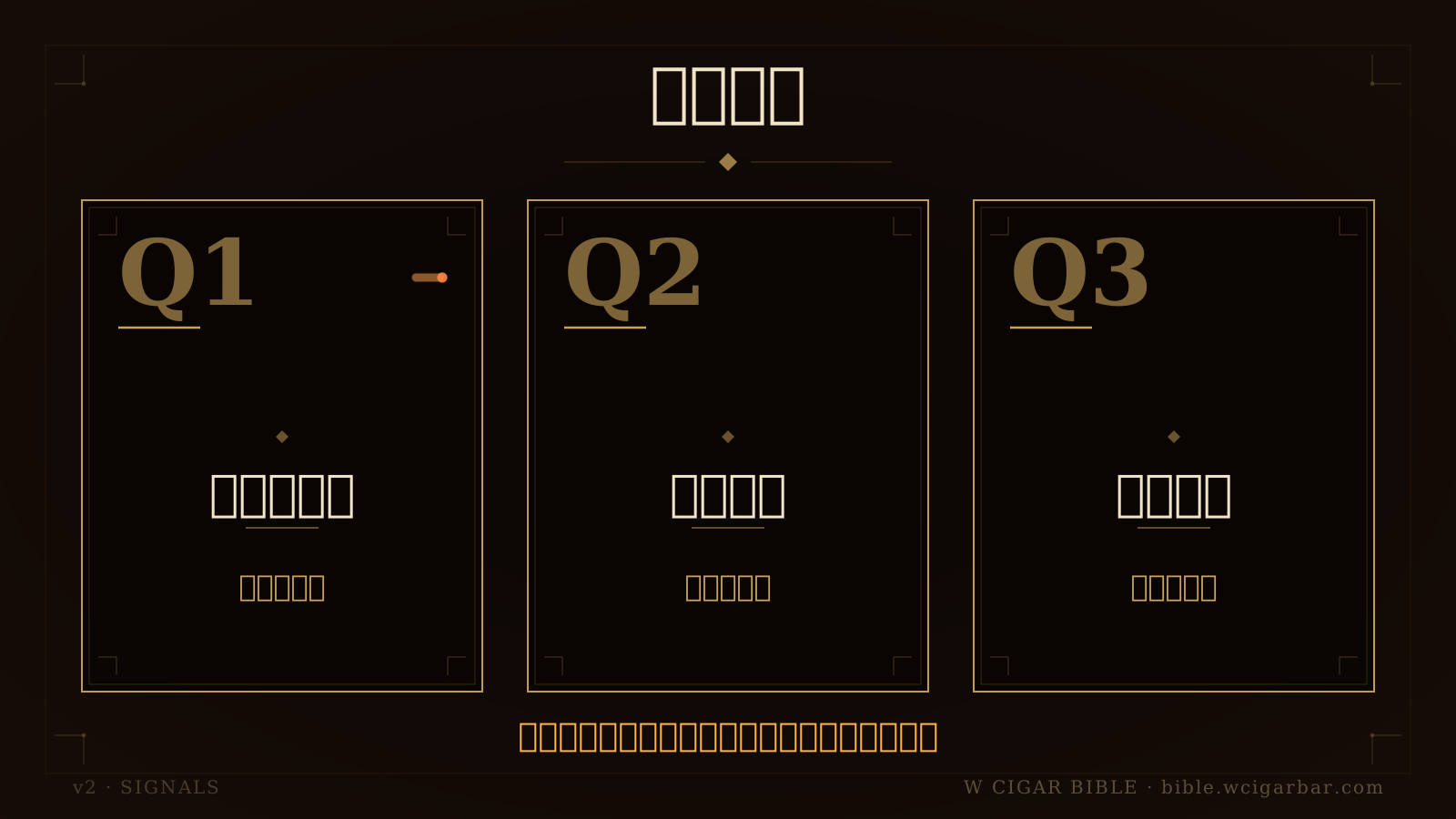
三張問答卡整理古巴複雜度包葉與醇化問題
Reverse Engineering Flavor from Craftsmanship: How Veterans Should Understand a Cuban Cigar
For veterans, flavor notes should not just be "coffee, leather, sweetness." A more advanced approach is to reverse engineer the flavor changes to craftsmanship. If the early stage has clear cedar and honey, and the burn line is stable, it indicates that the wrapper and binder moisture state is good; if pepper and cocoa emerge in the middle stage but do not scratch the throat, it usually means that the ligero is cleanly fermented and proportioned reasonably.
You can establish your own database using a three-stage observation method:
- Early Stage: Observe 10 to 15 minutes after lighting, whether there is grassiness, ammonia, or sharpness.
- Middle Stage: Note whether sweetness, woodiness, and spices unfold, and whether the burn is too fast or too slow.
- Late Stage: Judge whether bitterness is out of control when strength rises, and whether the aftertaste is clean.
Take the Montecristo Línea 1935 series as an example, after its debut in 2017, the external world generally noticed its deeper and thicker style compared to traditional Montecristo. If compared with Montecristo No.4, the former's demands on leaf position ratio and fermentation depth are obviously different. Different series of the same brand are not just size differences, but a rewrite of formula language and craftsmanship orientation.
I also suggest veterans record box codes, factory codes, purchase years, storage humidity, and actual performance. The charm of Cuban cigars lies in the subtle differences in the same model across different batches; but this difference is not mysticism, but the joint effect of agricultural years, fermentation rhythm, factory feel, and later preservation. The more detailed the record, the better you can understand the true source of your preferences.
Frequently Asked Questions
Are Cuban cigars necessarily more complex than non-Cuban cigars?
Not necessarily. Nicaragua, the Dominican Republic, and Honduras all have excellent works; Cuba's advantage lies in specific terroir and long-term craftsmanship heritage. What is truly worth comparing is not nationality, but whether the raw materials, fermentation, rolling, and preservation are complete and in place.
Why do the same Cohiba or Partagás vary greatly between boxes?
Cigars are agricultural products and also handcrafted items. Even the same vitola can have differences due to annual rainfall, fermentation stack temperature, torcedor feel, and pre-box resting time. Veterans look at box codes and appearance to establish judgment, not to obtain absolute answers.
Does a darker wrapper mean a stronger flavor?
Not necessarily. A dark capa may bring sweetness, oiliness, and visual thickness, but the concentration mainly comes from the filler blend, especially the ligero proportion and fermentation state. Judging strength by color alone is a common misunderstanding.
Can tight cigars be improved by storage?
If it's just slightly high humidity, adjusting to a relative humidity of about 62% to 65% may improve; if the rolling channel itself is poor, storage can only make limited corrections. Structural problems usually do not disappear completely over time.
How long should aging be to be just right?
There is no single answer. Light to medium cigars may have good integration in 1 to 3 years; thick sizes or high ligero blends often have discussion space over 5 years. The key is stable temperature and humidity, regular observation, not blindly pursuing age.
Which craftsmanship aspect should veterans prioritize learning?
I would choose "fermentation and rolling." The former determines cleanliness and depth, the latter determines the speed of flavor release. Understanding these two points allows you to see the true skill of a cigar from the burn, taste, and aftertaste.
The reason I have maintained respect for Cuban cigars for many years is not in mystery, but in how they condense agriculture, time, craftsmanship, and judgment into a readable work. Veterans, in the end, pursue not a longer list, but the ability to hear what the craftsman and the land are saying from a mouthful of woodiness, a burn line, and a balance of bitterness and sweetness.
—Cigar Prince Wilson Tsai
Smoking is harmful to health. Smoking is prohibited for those under twenty. Quitline: 0800-636363. This article is intended for adults over twenty as a reference for cigar culture, preservation, and regulation knowledge, not as tobacco advertising, promotion, or purchase advice.
Like this article?Share with friends
Share this W Cigar Bible piece with friends who want to learn cigar culture, storage, and tasting.
想把這篇 化為實踐
雪茄聖經是知識;雪茄文化要在空間裡發生
W Cigar Bar 大安總店資訊
台北大安區 · 雪茄聖經總編輯 Wilson Tsai 主理的雪茄文化空間
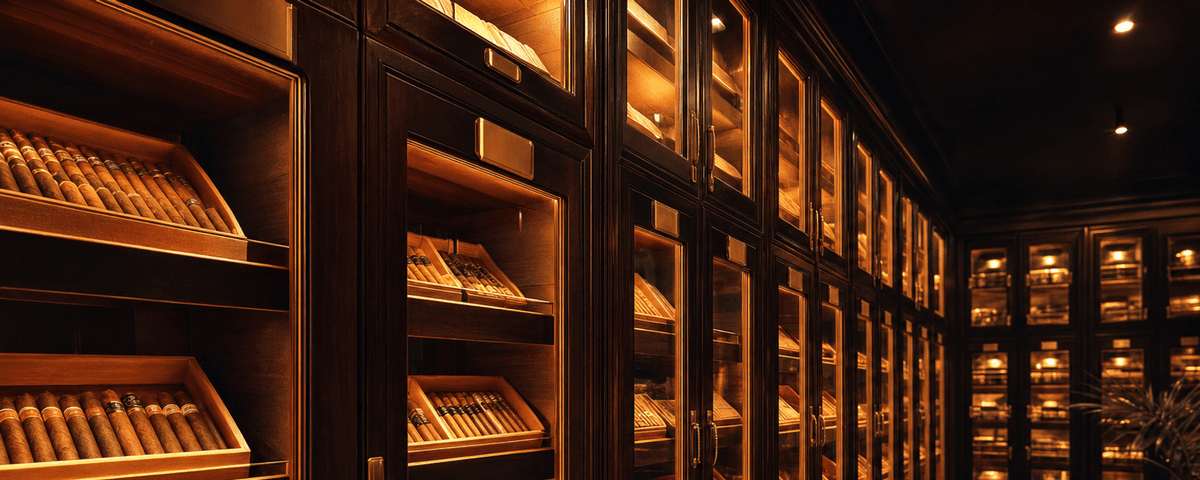
33 座 24 小時恆溫恆濕醇化室
W Cigar Bar 提供的會員醇化空間 · 場地資訊請洽編輯部
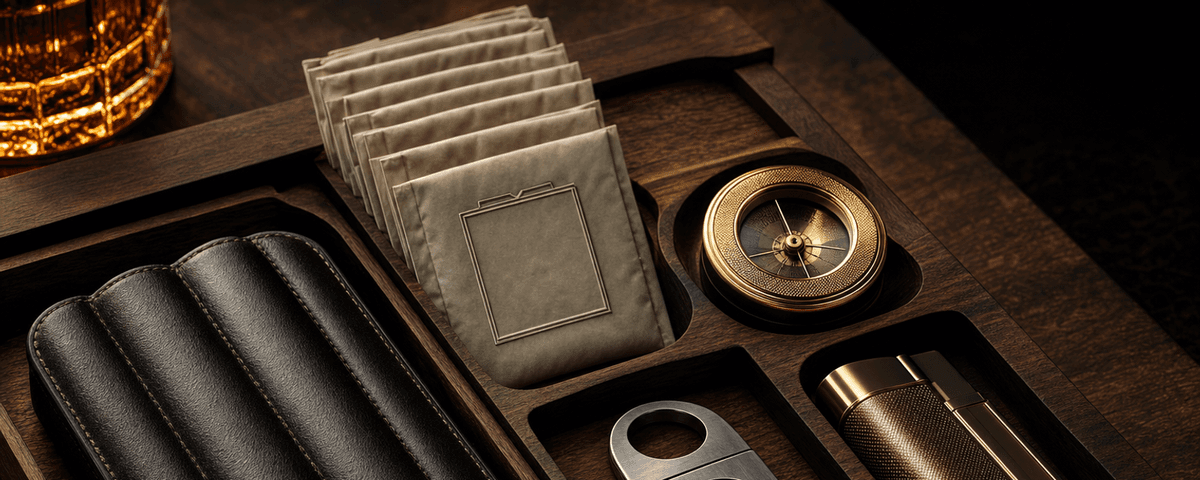
雪茄剪 / 打火機 / 雪茄盒 / Boveda
W Cigar 配件官網 · 專營雪茄配件正品

加 LINE 好友 · 文化諮詢
文化空間資訊 · 紳士沙龍 · 私人包場
本網站內容僅供雪茄文化、歷史、收藏與品吸知識研究參考。菸品有害健康、未滿法定年齡者請勿吸菸。實際規範請依所在地法律為準。
吸菸有害健康・戒菸專線 0800-636363・本站僅供 20 歲以上成年人閱覽。
讀到這裡,你不只是路過的人
留下 Email,加入 W 雪茄聖經內圈——總編輯 Wilson Tsai 親選的學院深文與國際新訊,先你一步送到信箱。
· 教育用途非銷售 · 隨時一鍵退訂 · Email 絕不對外公開 · 由勝茄股份有限公司營運
同分類延伸閱讀
資料來源:W Cigar Bible 編輯部整理 · 雪茄王子 Wilson Tsai 親自審稿
本文僅供雪茄文化、歷史、收藏與品鑑知識研究,不作為菸品促銷、銷售或購買建議。吸菸有害健康,未滿二十歲不得吸菸。