雪茄產區風土對口感的影響

雪茄的風土影響其口感,主要由自然條件、農藝選擇及後端工藝三層構成。不同海拔、土壤及氣候使同一品種的菸草展現出獨特的風味特徵。古巴的Vuelta Abajo以其紅土和海風孕育出草本甜感,尼加拉瓜的Estelí則因火山土而帶有濃郁的黑胡椒和咖啡風味。多明尼加的Cibao Valley則以平衡的香氣和細緻的口感著稱。此外,年份和醇化過程也會影響雪茄的風味表現,讓每一支雪茄都有其獨特的故事和魅力。
- 不同海拔和土壤條件會影響菸草的糖分、尼古丁和風味,形成獨特的口感特徵。
- 尼加拉瓜的Estelí、Jalapa和Condega三地各具個性,展現不同的風味層次與力量。
- 多明尼加的Cibao Valley與Yaque del Norte能孕育出細緻、平衡的香氣,並非單薄的溫和。
The Influence of Terroir on Cigar Flavor
Terroir, in the end, is not about turning cigars into a version of wine, but rather returning to harder facts: the same tobacco plant, under different altitudes, rainfall, soil pH, diurnal temperature variation, and leaf position, will develop completely different sugars, nicotine, oils, and mineral sensations. Experienced enthusiasts move beyond brand preferences because they start questioning, "Why does the herbal sweetness of Cohiba differ from the cocoa richness of Padrón? Why do the spicy and floral notes of Fuente OpusX work?" As the editor of the "Cigar Bible," I look at terroir not just by the name of the region but by examining the fields, the vintage, and how fermentation and rolling translate the land into flavor.
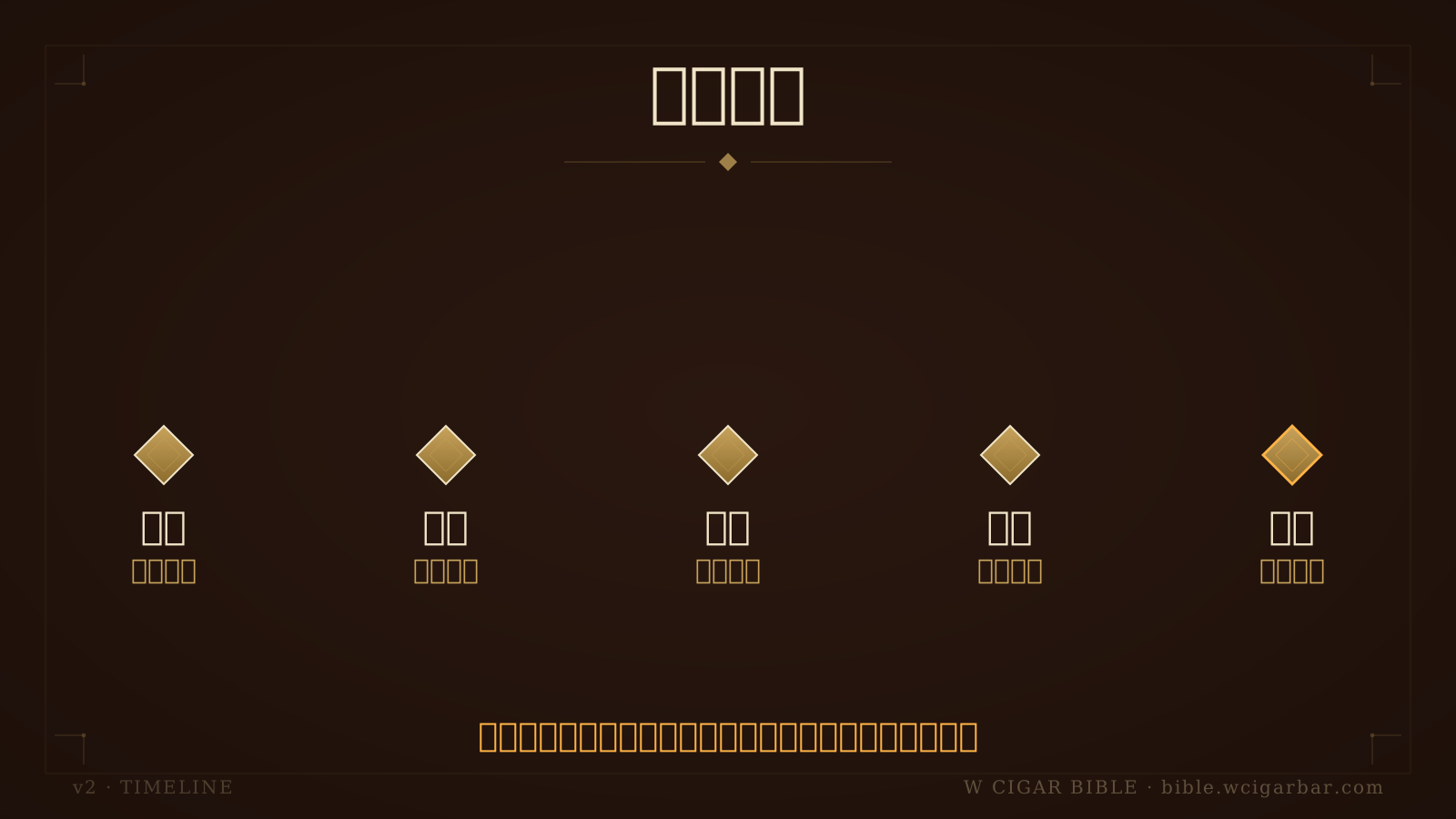
流程圖依序呈現氣候土壤葉位發酵與醇化步驟
Terroir Is Not Mysticism: How Climate, Soil, and Leaf Position Enter Flavor
Cigar terroir can be broken down into three layers: the first is natural conditions, including altitude, rainfall, sunlight, wind speed, and soil; the second is agricultural choices, such as seed varieties, shading methods, irrigation, and harvesting rhythm; the third is post-processing techniques, including fermentation, grading, aging, and blending. For a Ligero leaf, it grows at the top of the tobacco plant, receiving the most sunlight, with thick leaf meat, high nicotine, slow burn, and often carries black pepper, coffee, leather, and dark wood notes; Seco is located in the middle, with more prominent aromatic molecules, often carrying hay, floral, nutty, and sweet notes; Volado is at the bottom, with good combustibility, lighter taste, yet plays an important role in structural stability.
Enthusiasts often confuse "concentration" with "strength," but terroir affects the intersection of both: a Ligero from Nicaragua's Estelí might be strong and deep in flavor; a Seco from the Dominican Republic's Cibao might be medium in strength but can present honey, cream, and spice details. With 18 to 36 months of aging, sharp ammonia decreases, oils and sweetness emerge, forming the familiar brand profiles.
Cuban Vuelta Abajo: Red Soil, Sea Breeze, and Classic Herbal Sweetness
When talking about Cuba, one must not only mention the "Cuban taste" but also look at the Vuelta Abajo in Pinar del Río province, especially around San Juan y Martínez and San Luis. The reddish-brown sandy loam soil here has good drainage, high iron content, and high humidity throughout the year, with the dry season from November to April, supporting tobacco growth and harvest. Common Cuban flavor vocabulary includes hay, honey, cedar, toasted bread, grass, light salinity, and mineral notes, driven not just by blends but by soil and island climate.
For example, Cohiba Siglo VI, Montecristo No.2, and Partagás Serie D No.4 all exhibit the unique herbal sweetness and woody framework of Cuban tobacco, but Cohiba is usually more delicate, with cream and bean notes; Montecristo No.2 often has cocoa, coffee, and slightly bitter almond; Partagás Serie D No.4 leans towards pepper, earth, leather, and dry wood. The Cohiba 1966 Edición Limitada, launched in 2011, used thicker leaves and a wider ring gauge, remembered by many enthusiasts not for its intensity but for layering Cuban grassy sweetness, nuts, and leather more deeply, showcasing the charm of Vuelta Abajo in excellent vintages.
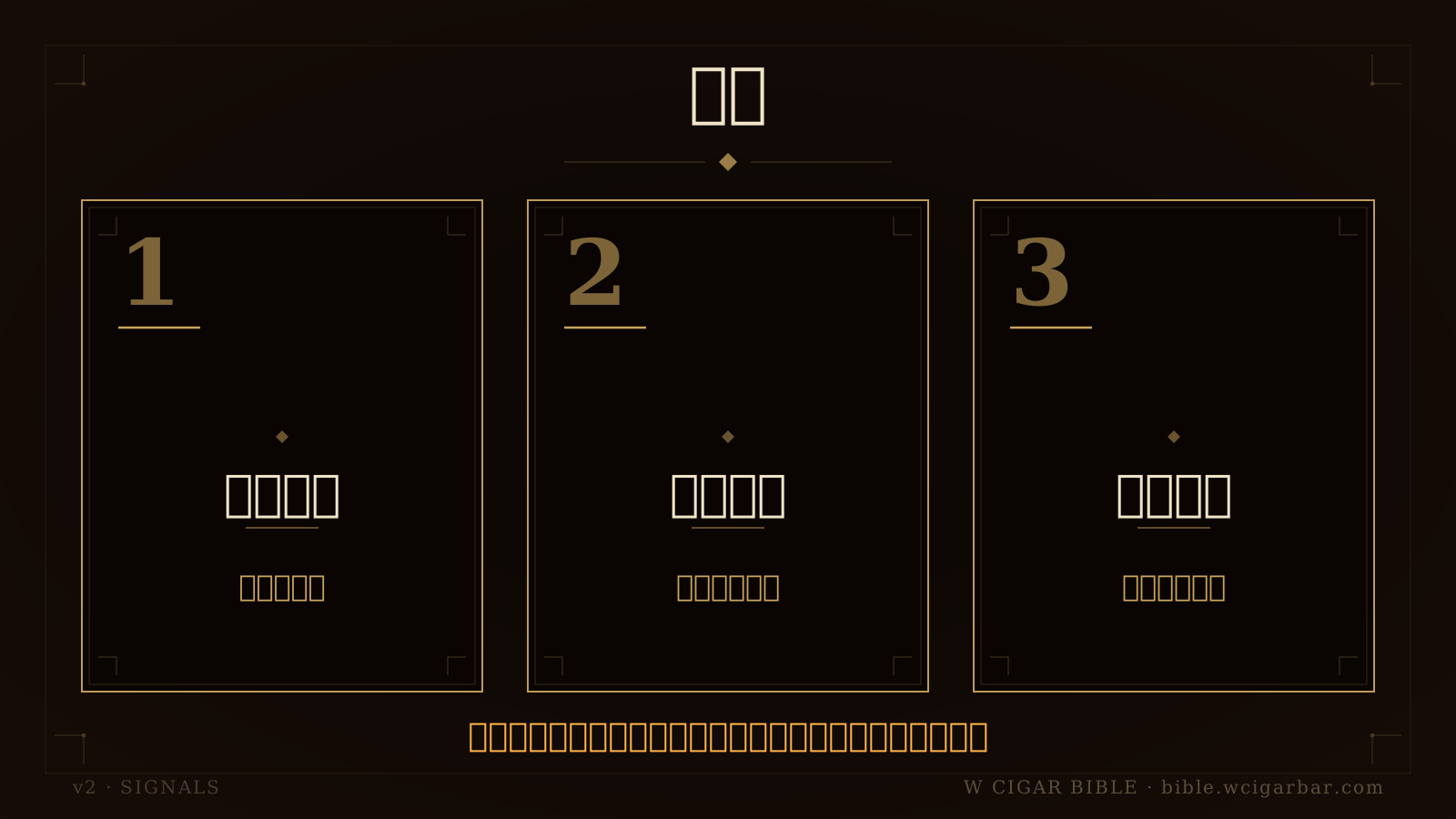
三張重點卡說明田地葉位與工藝如何影響口感
Nicaragua's Estelí, Jalapa, Condega: The Volcanic Soil and Power Triangle
Nicaragua became a highly regarded region for enthusiasts after 2000 due to the distinct personalities of Estelí, Jalapa, and Condega. Estelí, located in a drier, hotter inland valley, has dark volcanic soil with high mineral content, strong sunlight, and thick leaves, often carrying black pepper, concentrated coffee, dark chocolate, caramel, and earthy notes; Jalapa, near the Honduran border, has higher altitude, finer soil, and tobacco often carries sweet notes, red tea, cream, dried fruit, and gentle spices; Condega is in between, often providing floral, nutty, and dry wood notes, adding mid-range complexity to blends.
Padrón 1964 Anniversary and 1926 Series are good examples of understanding Nicaraguan terroir, with the brand using well-aged in-house leaves to create a style that combines cocoa, coffee, sweet earth, pepper, and oil thickness. Oliva Serie V Melanio was rated as the number one cigar of the year by Cigar Aficionado in 2014, drawing attention to the sweet and elegant Jalapa wrapper. My Father Le Bijou 1922 showcases Estelí's strength and black pepper characteristics, receiving high international praise in 2015. Nicaragua's allure lies in crafting power cleanly, not just with spiciness.
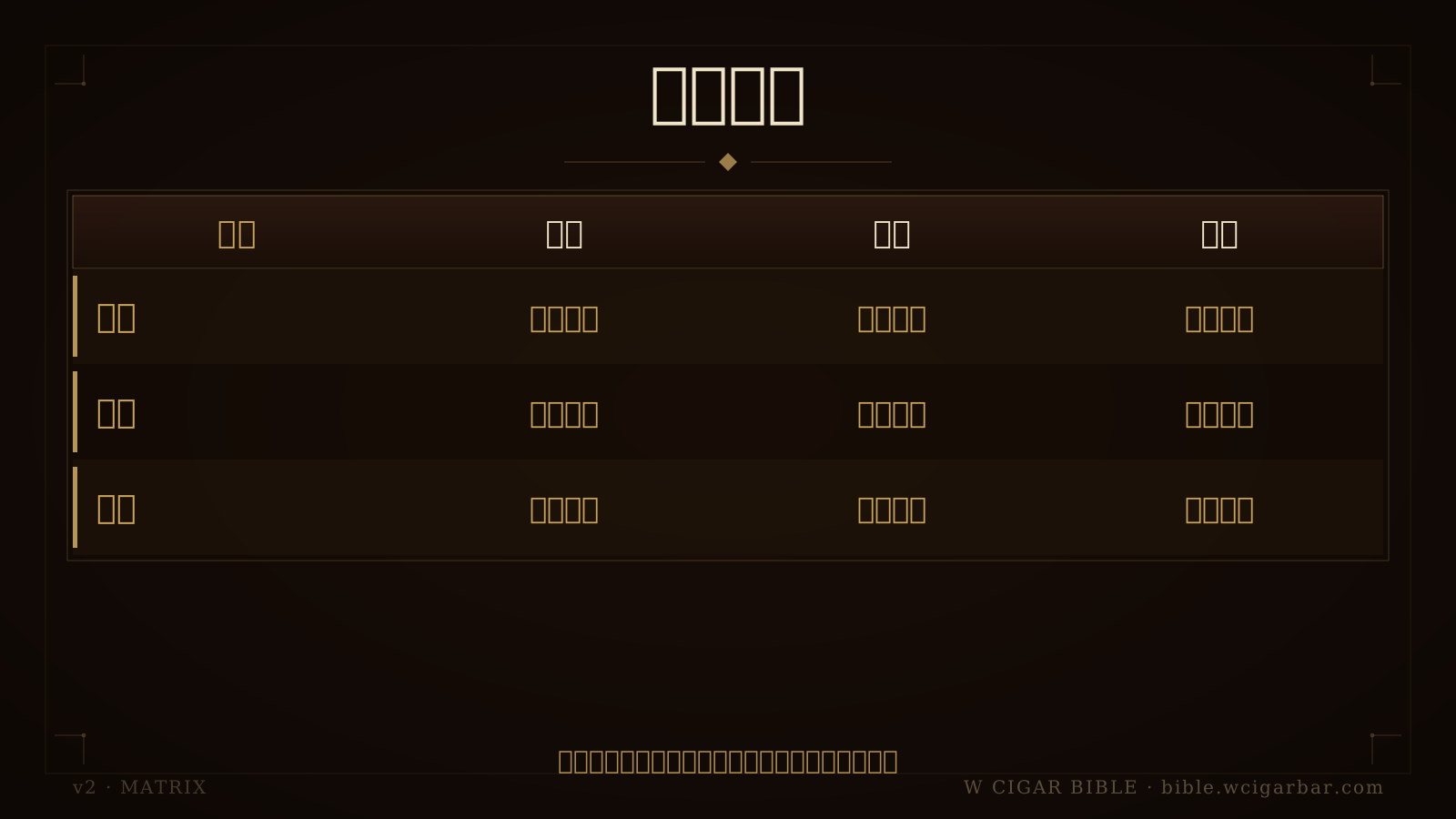
矩陣比較古巴尼加拉瓜與多明尼加的土壤香氣結構
Dominican Cibao and Yaque del Norte: Smoothness Does Not Mean Thinness
The Dominican Republic is often misunderstood by beginners as "mild," but enthusiasts know its true strength lies in balance and aroma. Cibao Valley and the Yaque del Norte river valley have fertile alluvial soil, relatively stable rainfall, and good soil drainage, nurturing delicate, sweet, and aromatic leaves. Dominican tobacco often features honey, cream, nuts, white pepper, dried flowers, cedar, grass, and a hint of citrus peel. If higher leaf positions and sufficient fermentation are used, a clear structure can also be achieved.
Arturo Fuente Fuente Fuente OpusX is a significant turning point: when it debuted in 1995, many believed the Dominican Republic couldn't produce high-quality wrappers, but Chateau de la Fuente's microclimate and drainage conditions, along with long-term experimentation, proved that the Dominican Republic could also produce top-quality wrappers with spice, floral, leather, and sweet wood characteristics. Davidoff launched the Yamasa series in 2016, bringing the red soil and mineral tones of the Dominican Yamasa region to the forefront, presenting pepper, nuts, coffee, and damp earth notes. Dominican terroir is not without strength but emphasizes lines, aromatic layers, and clean finishes.
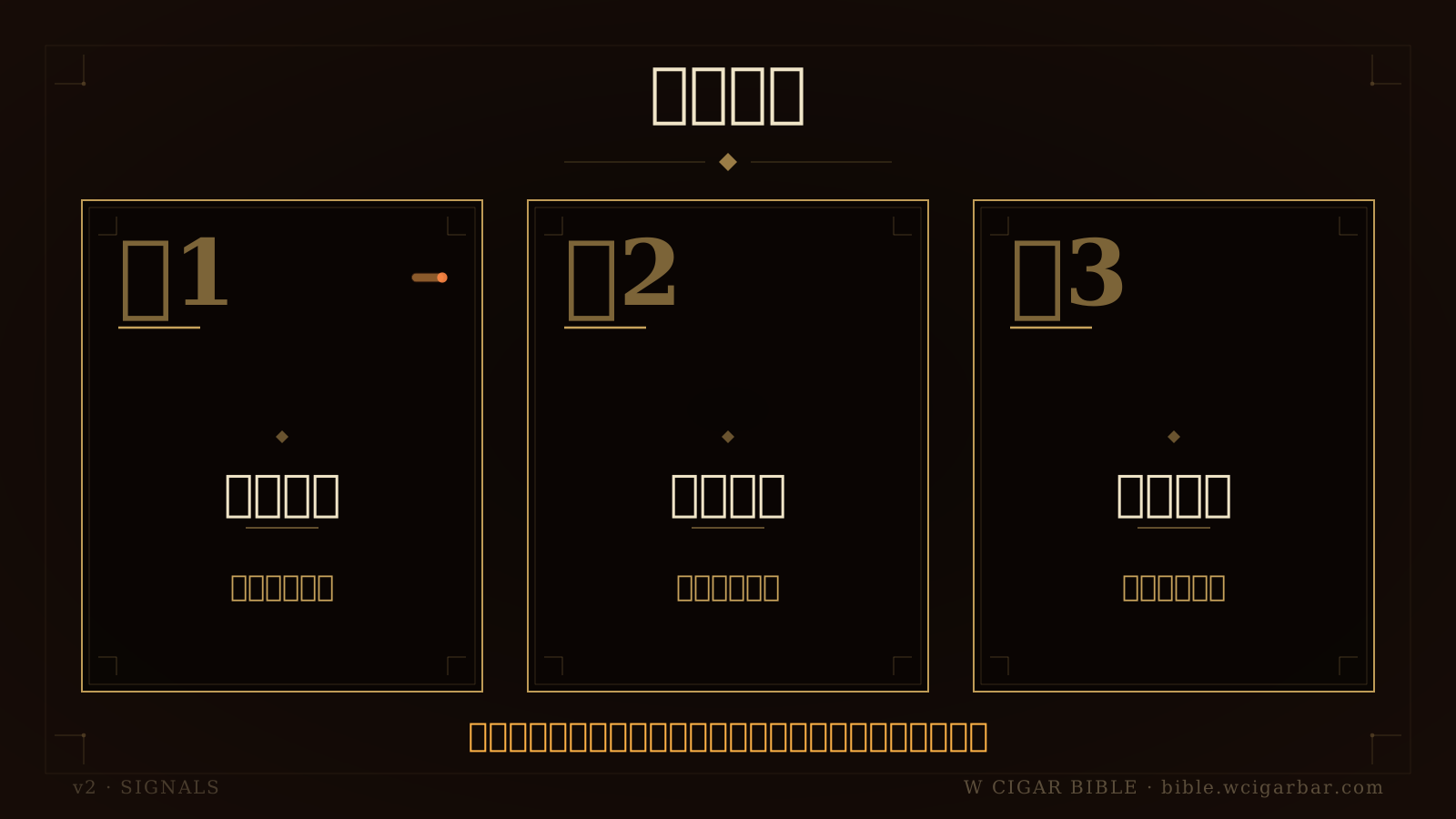
三張誤解卡提醒古巴尼加拉瓜與濕度判斷不能簡化
Wrapper Regions: Ecuadorian Mist, Connecticut Shade, and Cameroon Spice
Many enthusiasts focus only on filler when discussing terroir, but wrapper significantly impacts first impressions and aroma. Ecuador, with the Andes Mountains and equatorial cloud cover, naturally forms soft shading, allowing Connecticut Shade, Habano, Sumatra, and other varieties to grow thin, oily wrappers, often carrying cream, nuts, floral, sweet pepper, and delicate wood notes. This natural shading differs from the traditional cloth shading of the Connecticut River Valley in the United States; the latter developed maturely since the early 20th century, with golden leaves, fine texture, often carrying cream, hay, almond, and light sweetness, serving as a smooth outer layer for many medium-strength cigars.
Cameroon wrapper is entirely different, with West African soil and small-scale farming giving the leaves a unique granular texture, burning with cinnamon, cardamom, roasted nuts, and dry sweetness. Arturo Fuente Hemingway series has long used Cameroon wrappers, serving as a classic example; its flavor doesn't rely on high intensity but on the penetration of spices and sweet wood. Enthusiasts who judge strength solely by color may misjudge, as Maduro's sweet thickness, Habano's spiciness, and Connecticut's creaminess are jointly caused by regional light exposure and processing methods.
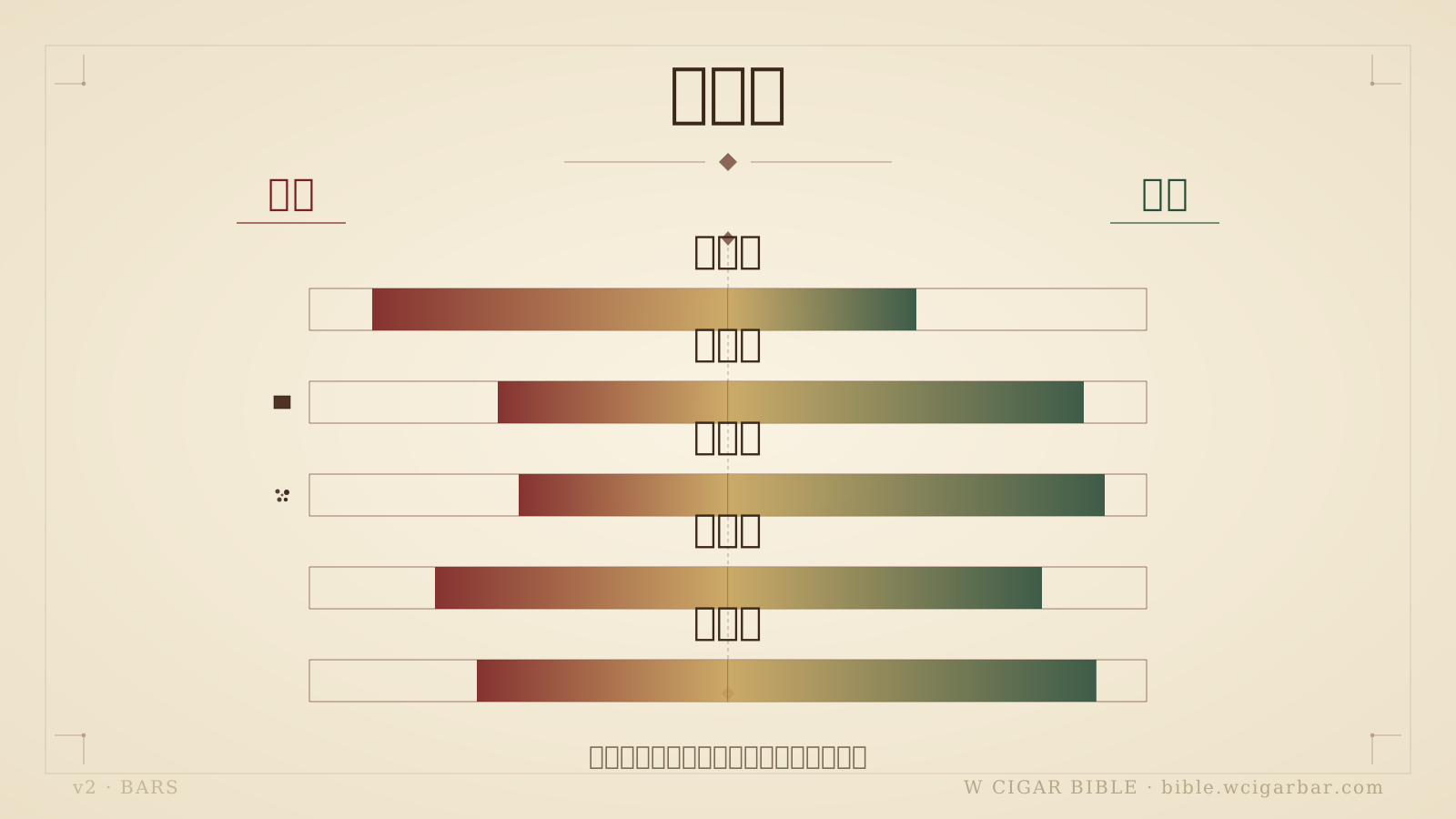
長條圖比較古巴與尼加拉瓜的風味取向
Vintage Differences and Aging: Different Expressions from the Same Region
Terroir is not a fixed formula; vintage changes everything. Prolonged rainy seasons increase leaf water content and disease pressure, possibly extending fermentation time; excessive drought may thicken leaves and concentrate sugars, but combustion and bitterness become harder to control. In the late 1990s to early 2000s, Cuba faced discussions on production, quality control, and supply pressure, with some batches after 2006 to 2008 considered by many enthusiasts to have improved stability; Nicaragua benefited from high-quality farm management and leaf stock in the 2010s, allowing many brands to blend different vintages more consistently.
Aging also changes terroir expression: freshly rolled cigars have more pronounced ammonia, greenness, and spiciness; 12 months later they often start to integrate, 24 to 36 months see sweetness, wood, and oils more balanced; if stored in a stable environment of about 18 to 21°C, relative humidity 65% to 70%, changes are more controllable. For example, Partagás Serie P No.2 often shows pepper, earth, and wood when young; after several years of stable aging, leather, roasted nuts, and slight sweetness are more likely to appear. This is not magic but the slow reorganization of volatile substances, oils, and moisture.
Major Region Flavor Comparison: Tracing Back from Soil Conditions to Sensory Clues
The following table doesn't simplify regions into single flavors but provides enthusiasts with tools to establish "reverse inference ability." When you encounter a cigar with obvious black pepper, concentrated coffee, and heavy sweet earth, you might think of Estelí Ligero; if it's honey, hay, cedar, and light salty minerals, it might be close to the core Cuban style; if it's cream, floral, nuts, and white pepper, then Dominican or Ecuadorian wrappers might be involved. Mature judgment is not guessing the origin blindly but understanding how the blender uses different plots and leaf positions to create rhythm.
| Region | Typical Natural Conditions | Common Flavor Clues | Representative Cases |
|---|---|---|---|
| Cuban Vuelta Abajo | Reddish-brown sandy loam, island humidity, dry season harvest | Hay, honey, cedar, herbal, light salty minerals | Cohiba Siglo VI, Montecristo No.2 |
| Nicaraguan Estelí | Dry hot inland, volcanic soil, strong sunlight | Black pepper, coffee, cocoa, sweet earth, leather | Padrón 1926, My Father Le Bijou 1922 |
| Nicaraguan Jalapa | Higher altitude, gentler climate, finer soil | Dried fruit, cream, red tea, sweet aroma, gentle spices | Oliva Serie V Melanio |
| Dominican Cibao | River valley alluvial soil, stable humidity, good drainage | Honey, nuts, white pepper, dried flowers, cedar | Davidoff, Arturo Fuente |
| Ecuador | Equatorial mist, natural shading, stable temperature difference | Cream, floral, sweet pepper, fine wood | Ecuador Connecticut, Ecuador Habano |
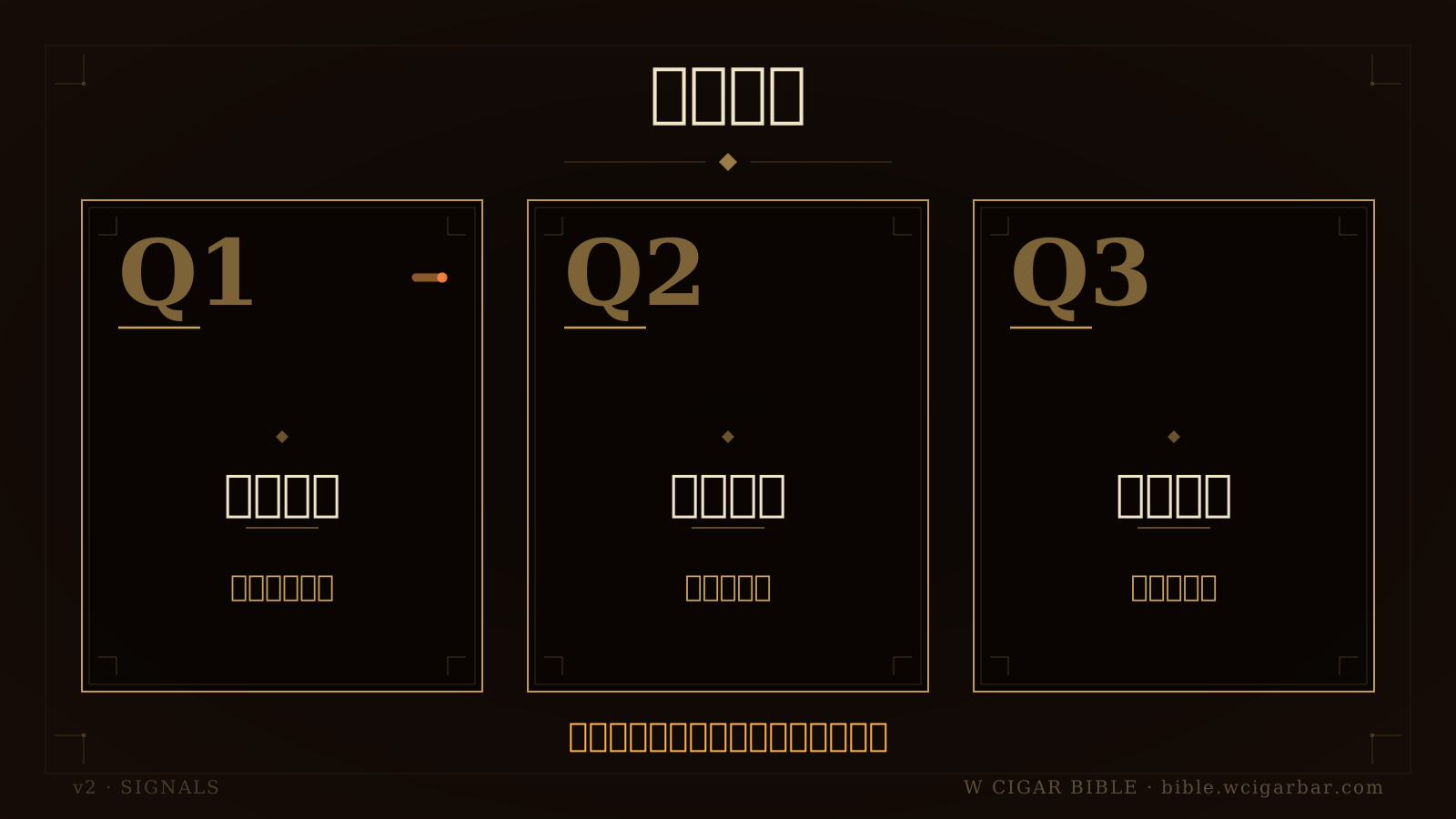
三張問答卡回答古巴差異尼國強度與濕度
How Blenders Make Terroir "Heard": Proportion, Combustion, and Rhythm
A good cigar is not about stuffing all the strongest leaves in but like an orchestra, arranging different regions and leaf positions in the right place. Blenders usually consider three things: combustibility, aroma lines, and strength curves. Volado helps combustion, Seco provides aroma, Ligero supports depth; if the Ligero proportion is too high, the front might be shocking, but the middle and back easily become bitter, hot, and blocked; if Seco is too much, the aroma is beautiful but might lack aftertaste. For a common 5 x 50 robusto size, the burning time is about 45 to 70 minutes, with the first third dominated by wrapper and combustion balance, the middle filler layers start to unfold, and the final third tests nicotine, tar, and heat management.
Padrón's box-pressed shape often gives unique performance in burn speed and flavor density; Fuente OpusX showcases the overall spiciness and sweet wood with Dominican wrapper, binder, and filler; Davidoff Nicaragua uses Nicaraguan leaves yet maintains the brand's clean lines, illustrating that regional character can be amplified or refined. Enthusiasts should practice asking not just "where is it from," but "what part of the blend does this region play."
Frequently Asked Questions
Why do some Cuban cigars taste like honey and hay, while others taste like earth and leather?
Because brand blends, leaf position proportions, sizes, and aging states differ. Cohiba often emphasizes delicate herbal, cream, and bean notes, Partagás has more pepper, earth, and leather, and Bolívar often shows deeper wood and strength. Even if they all come from Cuba, different factories, vintages, and storage conditions can create variations in the same model.
Are all Nicaraguan cigars very strong?
No. Estelí Ligero indeed often has high strength and black pepper, but Jalapa leaves can be very sweet, and Condega can provide floral and nutty notes. Oliva Serie V Melanio, for instance, doesn't rely solely on strength but balances sweet aroma, cocoa, and wood. Nicaragua's focus is on high flavor density, not that every cigar is intense.
Are Dominican cigars suitable for enthusiasts?
Very suitable, especially for those who value details. Fuente OpusX, Davidoff Yamasa, and La Flor Dominicana's works prove that the Dominican Republic is not only smooth but can also be spicy, deep, and structured. Its advantage lies in aromatic layers and balance, and describing it as merely "mild" misses the nuance of terroir.
Does the wrapper really have such a big impact?
It has a significant impact, especially on the aroma and tactile sensation in the front. Ecuador Connecticut often carries cream and nuts, Habano may have spiciness and sweet pepper, and Maduro may provide cocoa and molasses. Of course, filler is the core of the middle and back structure, but the wrapper is the first layer of language, and enthusiasts should not overlook it.
Will storage humidity change my perception of the region?
Yes. Excessive humidity, such as consistently above 72%, can make cigars stuffy, burn slowly, and taste muddled; too low humidity, such as below 62%, can make them dry, spicy, and fragmented. In most cases, 18 to 21°C, 65% to 70% relative humidity is more stable. If storage is imbalanced, even the best terroir will be distorted.
I have always believed that the most fascinating aspect of cigars is not memorizing regional terms but connecting land, vintage, leaf position, and craftsmanship into a flavor map. If enthusiasts can distinguish the sources of sweet earth, herbs, minerals, spices, and oils from a single cigar, they are not just consuming brands but reading the character of a piece of land. — Cigar Prince Wilson Tsai
Smoking is harmful to health. Smoking is prohibited for those under twenty. Quitline: 0800-636363. This article is intended for adults over twenty as a reference for cigar culture, preservation, and regulations, not as tobacco advertising, promotion, or purchase advice.
Like this article?Share with friends
Share this W Cigar Bible piece with friends who want to learn cigar culture, storage, and tasting.
想把這篇 化為實踐
雪茄聖經是知識;雪茄文化要在空間裡發生
W Cigar Bar 大安總店資訊
台北大安區 · 雪茄聖經總編輯 Wilson Tsai 主理的雪茄文化空間
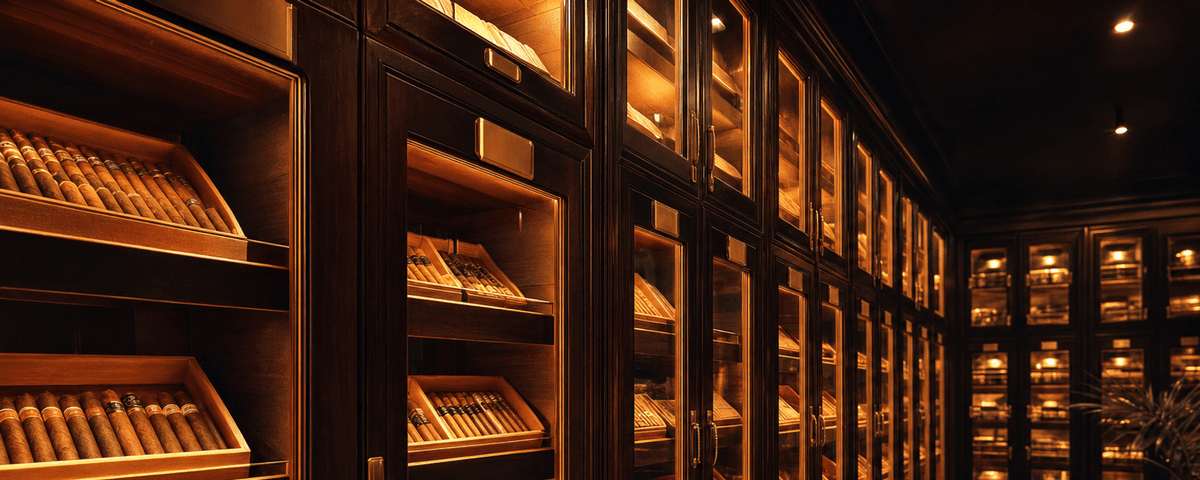
33 座 24 小時恆溫恆濕醇化室
W Cigar Bar 提供的會員醇化空間 · 場地資訊請洽編輯部
雪茄剪 / 打火機 / 雪茄盒 / Boveda
W Cigar 配件官網 · 專營雪茄配件正品
加 LINE 好友 · 文化諮詢
文化空間資訊 · 紳士沙龍 · 私人包場
本網站內容僅供雪茄文化、歷史、收藏與品吸知識研究參考。菸品有害健康、未滿法定年齡者請勿吸菸。實際規範請依所在地法律為準。
吸菸有害健康・戒菸專線 0800-636363・本站僅供 20 歲以上成年人閱覽。
讀到這裡,你不只是路過的人
留下 Email,加入 W 雪茄聖經內圈——總編輯 Wilson Tsai 親選的學院深文與國際新訊,先你一步送到信箱。
· 教育用途非銷售 · 隨時一鍵退訂 · Email 絕不對外公開 · 由勝茄股份有限公司營運
同分類延伸閱讀
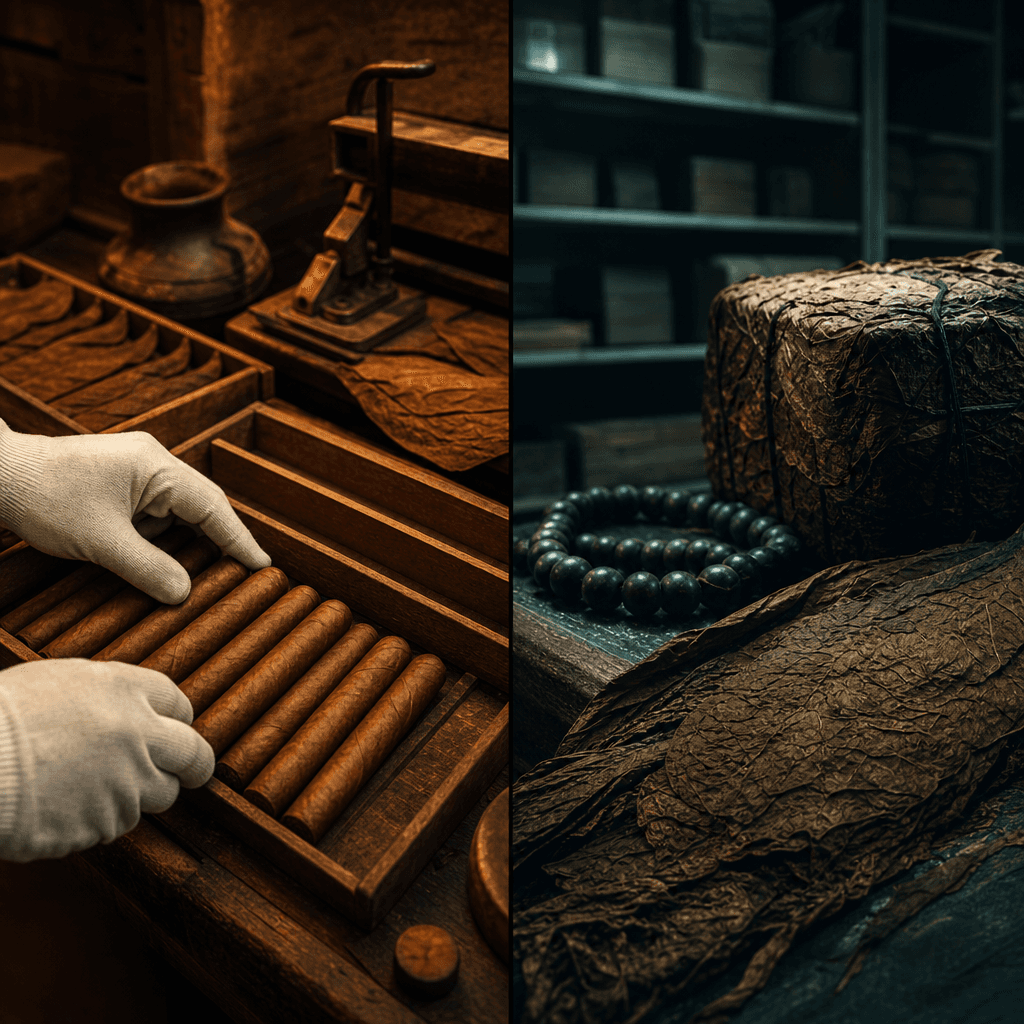
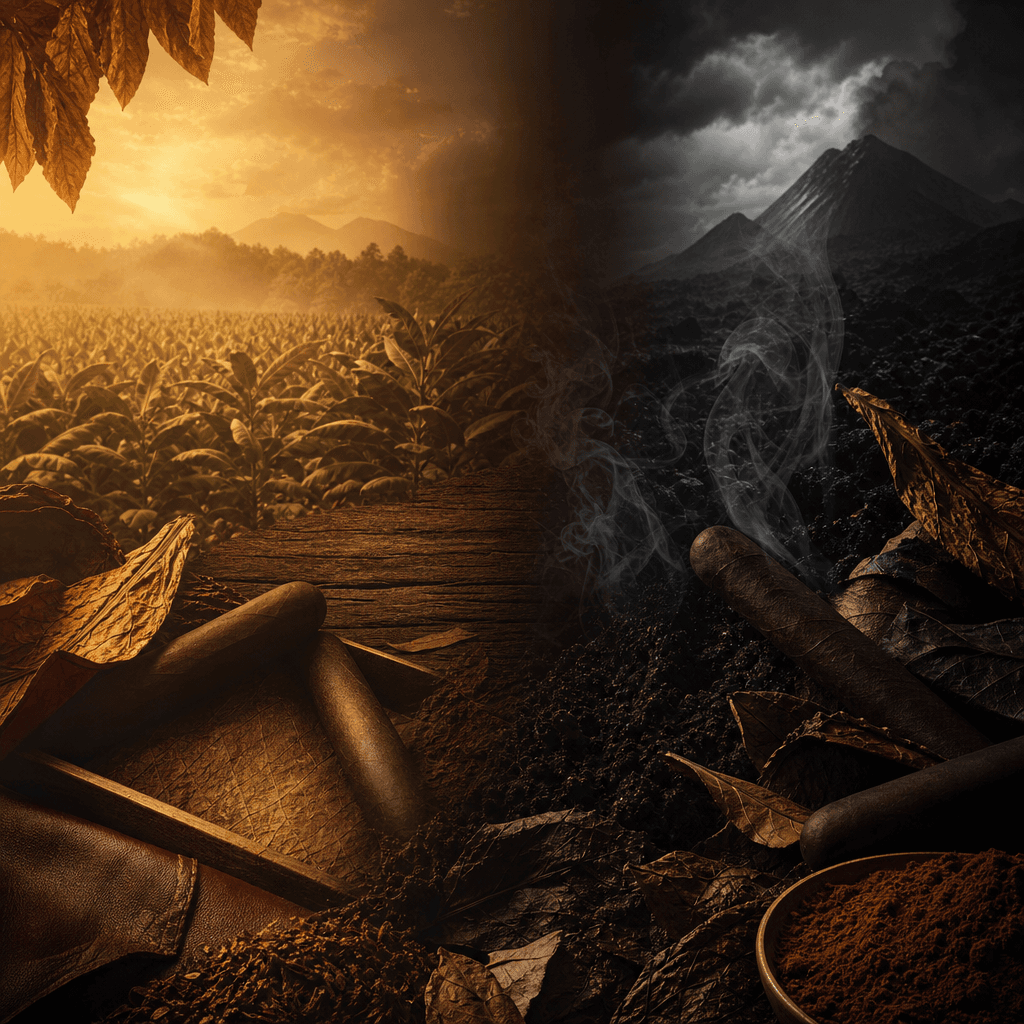
資料來源:W Cigar Bible 編輯部整理 · 雪茄王子 Wilson Tsai 親自審稿
本文僅供雪茄文化、歷史、收藏與品鑑知識研究,不作為菸品促銷、銷售或購買建議。吸菸有害健康,未滿二十歲不得吸菸。