雪茄的土壤與氣候特性對風味的影響

雪茄的風味受多種因素影響,包括土壤、氣候及工藝。古巴的 Vuelta Abajo 產區以其獨特的土壤和氣候條件,培養出多樣化的風味特徵,如奶油、乾草及礦物感。每個產區的土壤成分影響風味的深度與層次,尼加拉瓜的 Estelí、Jalapa 和 Condega 三角形產區則展現了不同的香氣與甜感。多明尼加的 Cibao Valley 則以其優雅的木質與奶油風味著稱,展現出高級雪茄的精緻特質。了解這些風
- 雪茄的風味受土壤、氣候與工藝影響,了解產區可揭示其甜感、辛香及礦物感來源。
- 古巴 Vuelta Abajo 的土壤條件讓煙葉成熟緩慢,糖分累積穩定,形成獨特的風味層次。
- 尼加拉瓜的 Estelí、Jalapa 和 Condega 三個產區各具特色,能夠在風味上達成甜感與香氣的平衡。
As the editor of "Cigar Bible," I'm often asked by veterans: Why does the same size from the same factory taste different when the year or region changes, as if it's a different cigar? The answer often lies not in the band, but in the soil, rain, sunlight, sea breeze, and fermentation room.
The flavor of a cigar is not a single formula but the fingerprint left by agriculture, climate, and craftsmanship. Understanding the region is not about memorizing place names but about understanding where sweetness, spiciness, mineral notes, burn rate, and aging potential come from.
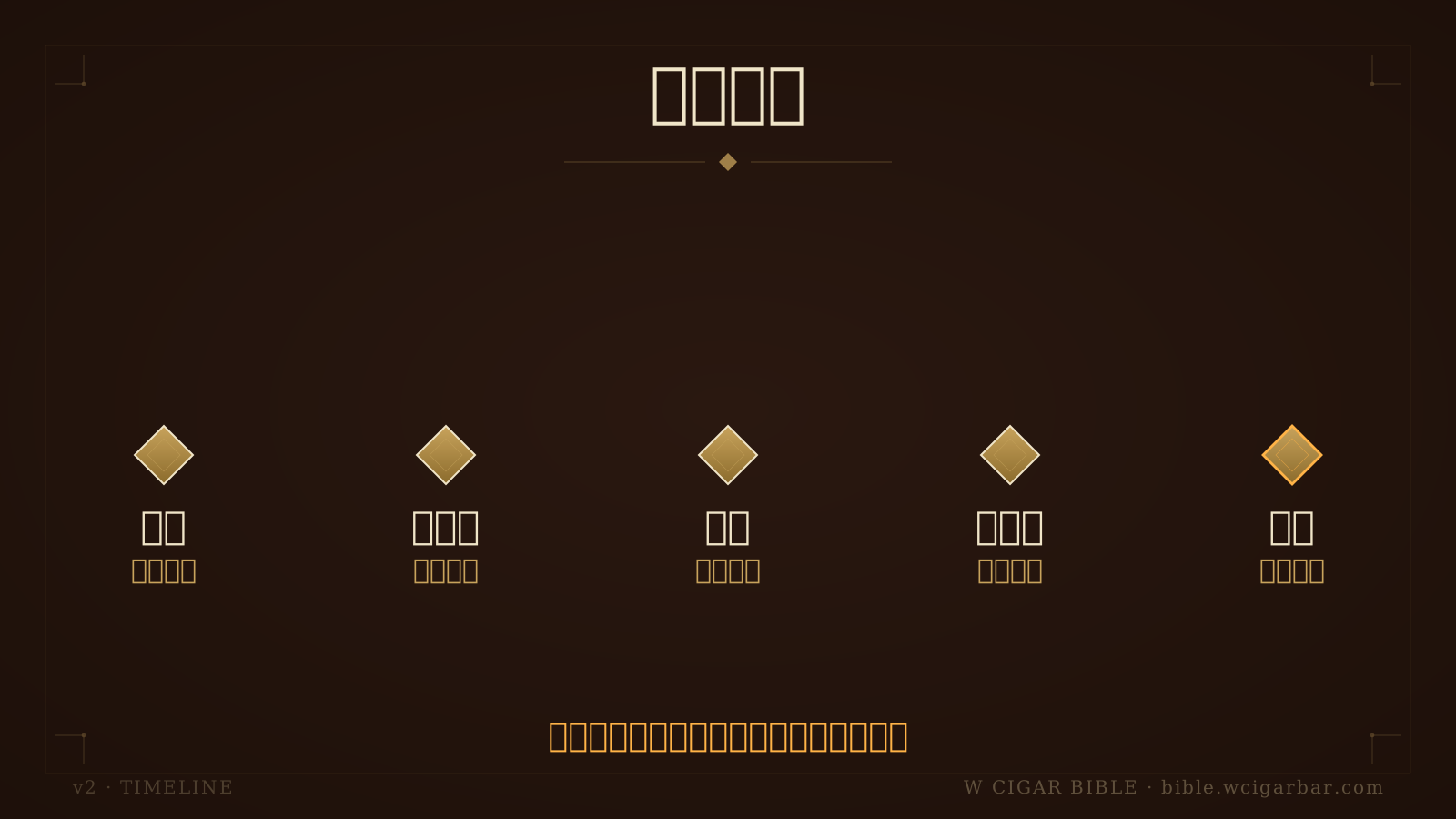
流程圖呈現土壤到發酵再到風味的形成順序
Cuba Vuelta Abajo: Limestone, Red Soil, and the Core of "Soft Yet Firm"
When discussing terroir, you can't avoid Vuelta Abajo in the Pinar del Río province of Cuba. Here, the average annual temperature is about 24–26°C, with annual rainfall often between 1,300–1,600 mm, and distinct wet and dry seasons. The soil is composed of reddish-brown clay loam, limestone weathering, and good drainage layers. These conditions allow the tobacco leaves to mature slowly, with stable sugar accumulation, forming creamy, hay, cedar, and delicate mineral notes when burned. The charm of Vuelta Abajo is not in its strength but in its ability to maintain mineral notes, sweetness, and herbal aromas simultaneously.
Take Cohiba Siglo VI, for example. Since its launch in 2002, it has become a target for many veterans studying the balance between Ligero and Seco; its thickness is not due to harsh spiciness but to the honey, roasted grains, and faint cocoa brought by high-grade leaf positions. Montecristo No.2 often exhibits typical leather, coffee, and nutty notes, and if you encounter well-preserved boxes from 2014 or 2016, the mineral notes in the early stages will be clearer, with cocoa bitterness appearing later.
However, even within Vuelta Abajo, not all Cuban flavors can be generalized. San Luis tends to be delicate, San Juan y Martínez tends to be rich, and the area where the Vegas Robaina family fields are located often has thicker earthy and coffee tones. The true Cuban flavor is the result of the soil differences in small plots and factory formulas, not just determined by the country name.
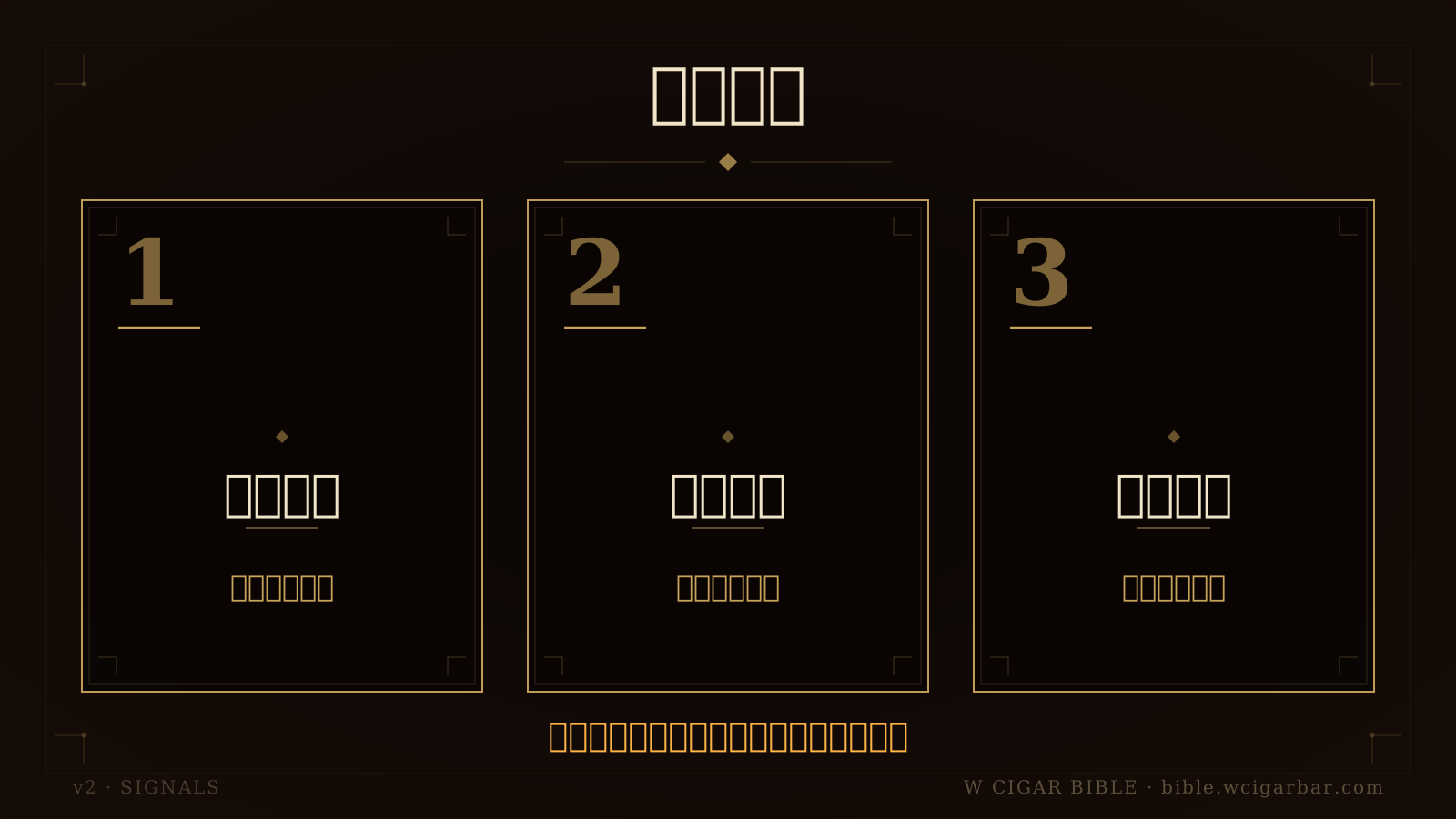
三張卡說明土壤氣候與工藝如何形成風味
How Soil Components Transform into Flavor: Calcium, Magnesium, Potassium, and Drainage
Veterans often speak of "earthiness" in mystical terms, but it can actually be broken down into physical and chemical layers. Soil pH affects root absorption; calcium and magnesium influence leaf structure and ash color; potassium and nitrogen relate to combustibility, protein, nicotine sensation, and spiciness depth. Poor drainage leads to oxygen deficiency in roots, making leaves coarse; too fast drainage, if irrigation is insufficient, makes sweetness appear dry. Good soil is not about higher fertility but about achieving a controllable balance between stress and nutrients for tobacco.
| Soil Factors | Common Manifestations | Impact on Flavor and Combustion | Typical Observations |
|---|---|---|---|
| High Limestone Content | More stable pH, good calcium content | Lighter gray, cleaner taste | Some red soil areas in Cuba |
| Volcanic Ash Soil | Rich in minerals, balanced water retention and drainage | More pronounced black pepper, coffee, cocoa | Nicaragua Estelí |
| Sandy Loam | Fast drainage, good root extension | Bright aroma, sharper sweetness | Some wrapper fields in Ecuador |
| High Clay Content | Strong water retention, thick leaves | Heavy earthiness, requires combustion management | Honduras Jamastrán |
For example, the Padrón 1964 Anniversary series is often used by veterans to study the dark sweetness of Nicaraguan volcanic soil, especially the Maduro version, which easily exhibits concentrated coffee, brown sugar, cocoa, and pepper. In contrast, Dominican-style works using Connecticut Shade wrappers often have their soil performance softened by the creamy wrapper, pushing the earthiness to the background. This also reminds us: soil does not speak alone but is re-composed through different leaf positions and formulas.
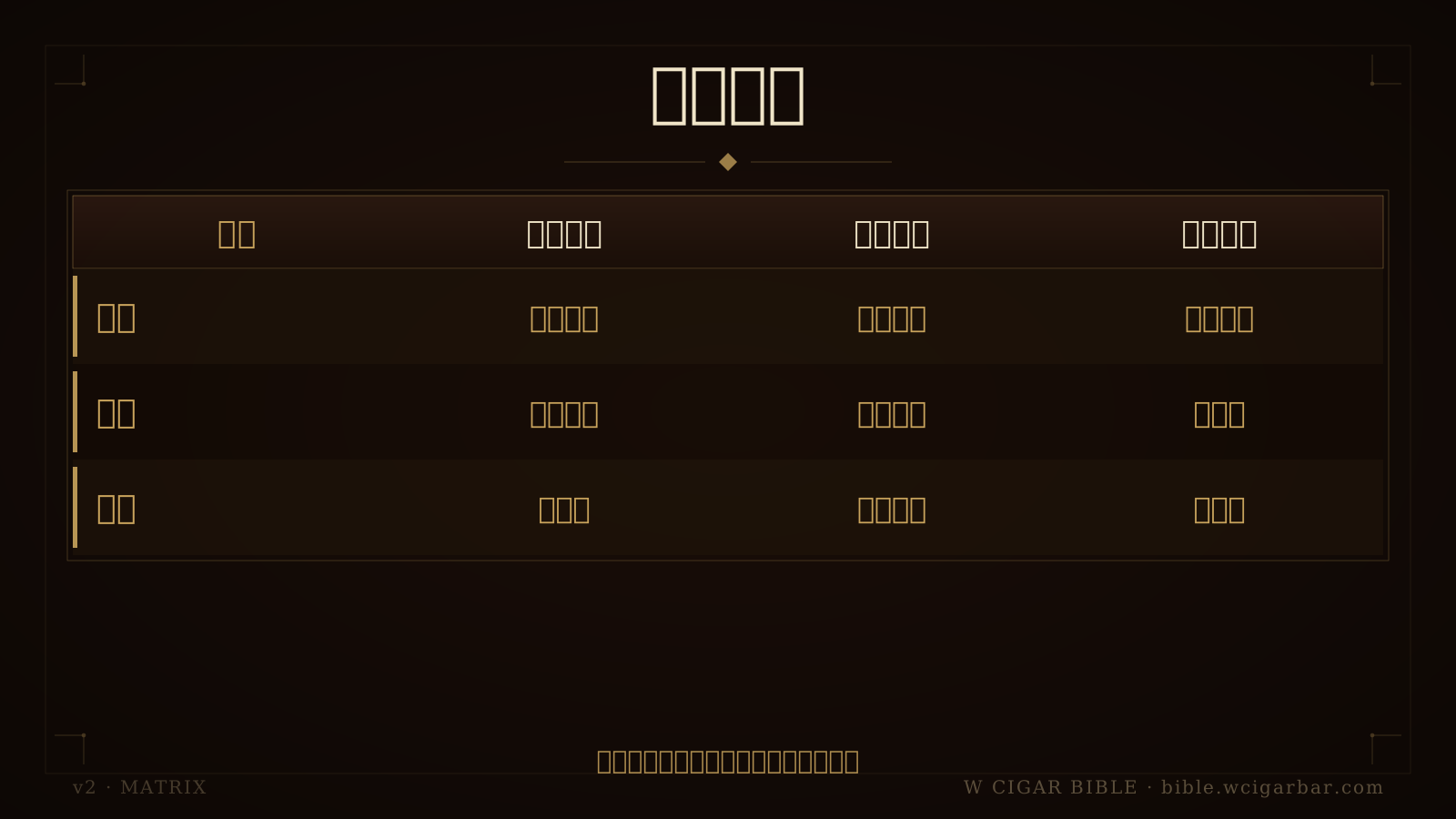
矩陣比較古巴紅土尼國火山土與宏國黏土特徵
Climate Rhythm: Sunlight, Rainfall, Wind, and Maturity Speed
Tobacco is an extremely sensitive crop. Long sunlight means strong photosynthesis, with fast accumulation of leaf oils and sugars; but too strong sunlight, if moisture and shade are insufficient, thickens leaves and increases spiciness. Concentrated rainfall leads to high leaf water content, increasing the risk during curing; prolonged drought puts plants under stress, potentially bringing concentrated aromas or producing rough bitterness. Climate affects not just a single aroma but the maturity speed of leaves, fiber texture, and subsequent fermentation difficulty.
Cuba's common logic of harvesting in the dry season is to use the more stable climate window from November to April of the following year. If hurricanes or abnormal rainfall occur, the entire season's yield and grade will change. After Hurricane Mitch in 1998, many Nicaraguan regions were affected by floods and soil erosion, leading some farms to reorganize their fields, which instead established more refined zoning management in the 2000s, making the styles of Estelí, Jalapa, and Condega more recognizable in the market.
Wind is also crucial. Ecuador's wrapper fame is related to the continuous cloud cover and soft diffused light near the equator, allowing farmers to grow delicate, shiny, and fine-veined wrappers without the need for extensive shade cloth like in the Connecticut River Valley. This "natural cloud cover" allows Habano Ecuador or Sumatra Ecuador wrappers to combine aroma and smoothness, commonly seen in works by Oliva, A.J. Fernandez, and Rocky Patel.
Nicaragua Triangle: The Power Division of Estelí, Jalapa, and Condega
Nicaragua is best understood as a triangle. Estelí has volcanic soil with high mineral content, and the day-night temperature difference and dry conditions make the leaves thick, with Ligero often carrying black pepper, strong coffee, caramel, and leather. Jalapa, located in the northern highlands, has redder, finer soil, with a rounder sweetness, often showing honey, black tea, and dried fruit. Condega is in between, with balanced spice, wood, and sweet-sour notes. Nicaragua's depth comes from the mixability of the three regions in terms of strength, sweetness, and aroma.
Padrón 1926 Serie is a good case study for Estelí's thickness, with high strength but clean lines, where black cocoa and pepper do not scatter. My Father Flor de Las Antillas gained significant attention in 2012, making more people realize that Nicaraguan tobacco can also produce floral, cinnamon, and creamy notes, not just strong flavors. The rise of Oliva Serie V Melanio around 2014 demonstrated how Jalapa's sweetness and rich body can coexist.
My way of judging is to first see if the last third is "dry." If the minerals and pepper from volcanic soil are well matched, the last third will close like dark chocolate and concentrated coffee; if fermentation or formula is insufficient, it will turn into burnt bitterness, irritating the throat. Veterans comparing different years of the same brand can particularly note the density of the ash column, burning temperature, and bitterness changes in the last third, as these are often more honest than the aroma of the first puff.
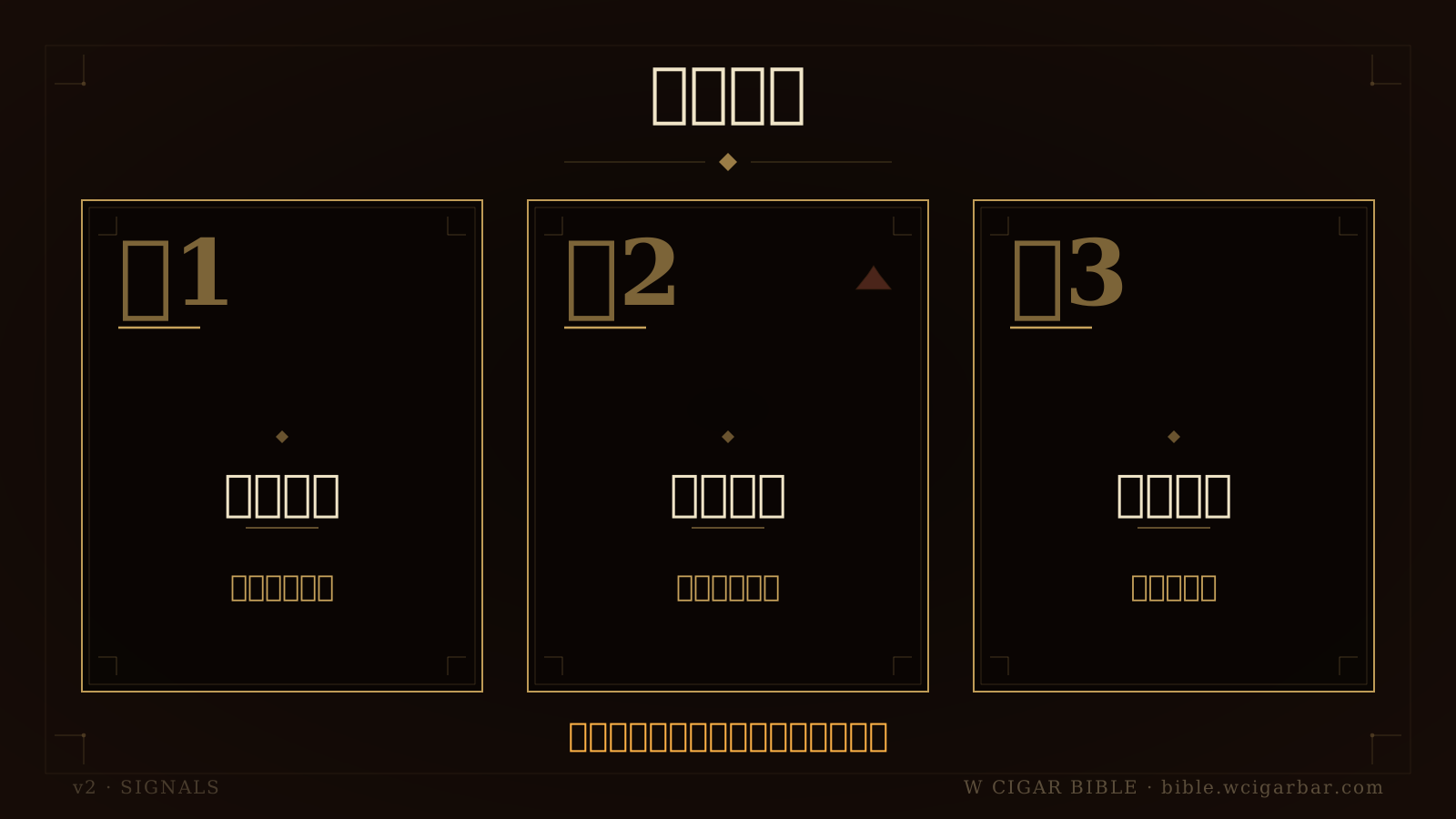
三張卡列出配方火山土與濕度的常見誤解
Dominican Republic and Honduras: Elegance, Woodiness, and Earthy Thickness
The Cibao Valley in the Dominican Republic has soil mostly composed of alluvial loam mixed with limestone, with relatively warm and stable climate, often presenting woody, nutty, creamy, mild spice, and gentle sweetness in the leaves. After Davidoff shifted its main production focus to the Dominican Republic in the late 1980s, the world re-understood that "delicate" can also be the main axis of premium cigars. The Arturo Fuente Fuente Fuente OpusX, launched in 1995, further proved that the Dominican Republic can also cultivate explosive wrappers and concentration. The Dominican Republic is not weak but is known for its cleanliness, layering, and fermentation precision.
The importance of OpusX lies in its challenge to the stereotype that "the Dominican Republic cannot grow top-grade wrappers." The soil, irrigation, and shade management of Chateau de la Fuente make the leaves exhibit complex notes of red pepper, sweet wood, leather, and tropical fruit. In contrast, the Davidoff Aniversario or Grand Cru line emphasizes white pepper, almond, hay, and cream, like a kind of restrained elegance.
Honduras is often rougher, with the soil of Jamastrán Valley and Talanga giving tobacco earthy, roasted wood, and cocoa bittersweet notes. The Camacho Corojo series has long represented the strong style of Honduras, with Corojo grown in the local environment often having thicker leaves and direct spiciness. If you compare Honduras and the Dominican Republic side by side, the former is like dark wood and wet earth, while the latter is like polished walnut and cream; both are good, the key is what structure you want, not the country name.
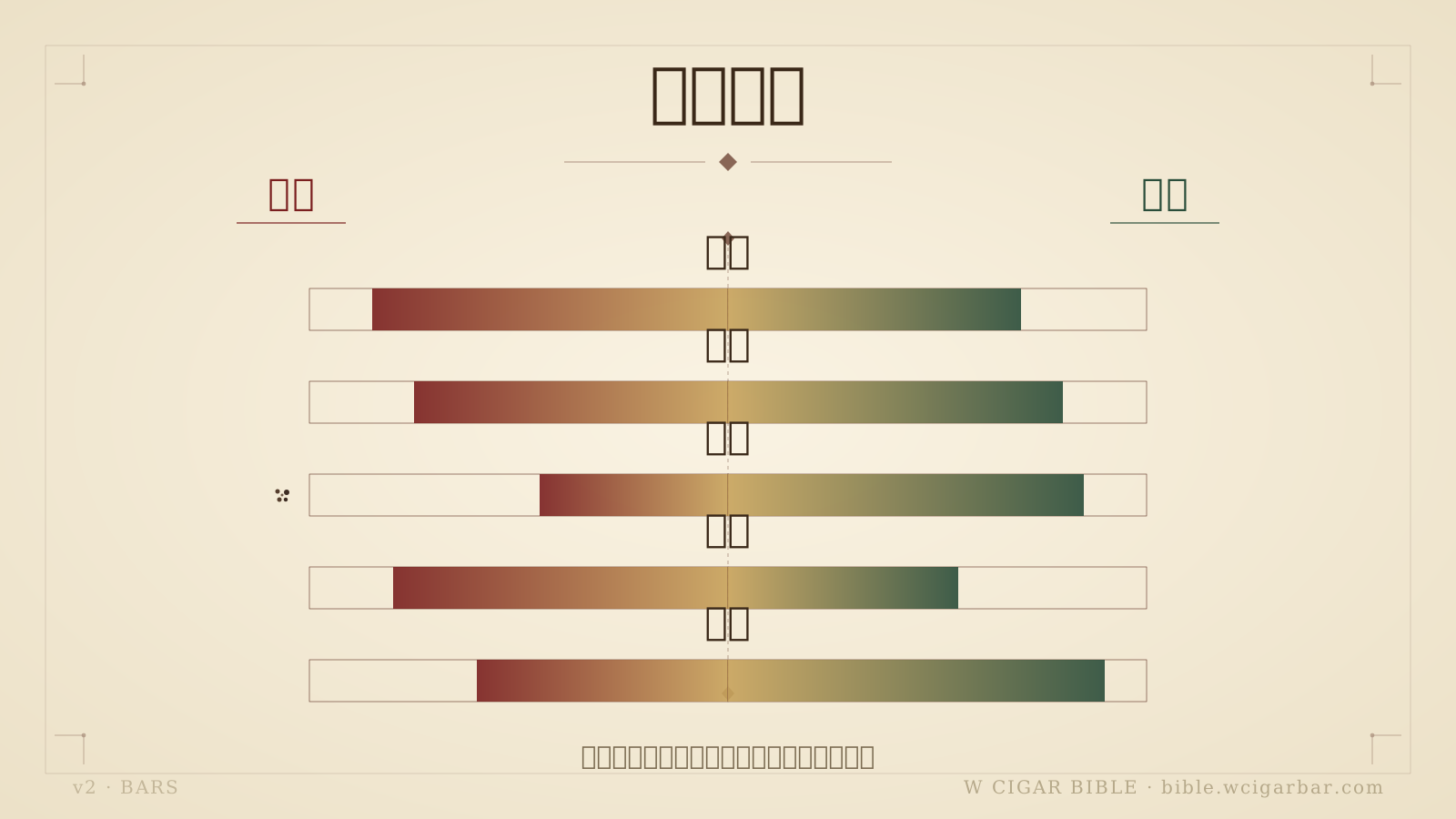
橫條圖比較古巴與尼國在礦物甜感胡椒等軸向
Microclimates of Wrapper Regions: Ecuador, Cameroon, Connecticut
Wrappers account for a small portion of the cigar's weight but often dominate the first impression. The cloud cover in Ecuador allows leaves to grow in soft light, with fine veins and good oils, with Habano Ecuador often carrying red pepper, floral, and baked sweetness; Sumatra Ecuador can present cinnamon, tea notes, and a hint of nuts. Works like Rocky Patel Decade and Oliva Serie V Melanio have made many veterans notice the aromatic performance of Ecuador wrappers. The climate conditions of the wrapper often determine the entry aroma, burn line, and front-end texture.
Cameroon wrappers are another kind of romance. The volcanic red soil, hot and humid climate, and smaller leaves in West Africa form unique sweet spice, cedar, roasted nuts, and wild wood notes. The Arturo Fuente Hemingway series has long used Cameroon wrappers, and small sizes like Short Story particularly show the density of wrapper aroma: sweet wood and cinnamon are evident in the front, with leather and coffee emerging from the filler later.
The Connecticut River Valley is divided into Shade and Broadleaf. Shade grows under shade cloth, with light color and soft taste, often having cream, hay, and almond notes; Broadleaf receives more sunlight, with thicker leaves and higher sugar content, easily showing brown sugar, cocoa, and raisins after Maduro treatment. Deep styles like Liga Privada No.9 are one of the entry cases for many to understand the rich sweetness of Broadleaf.
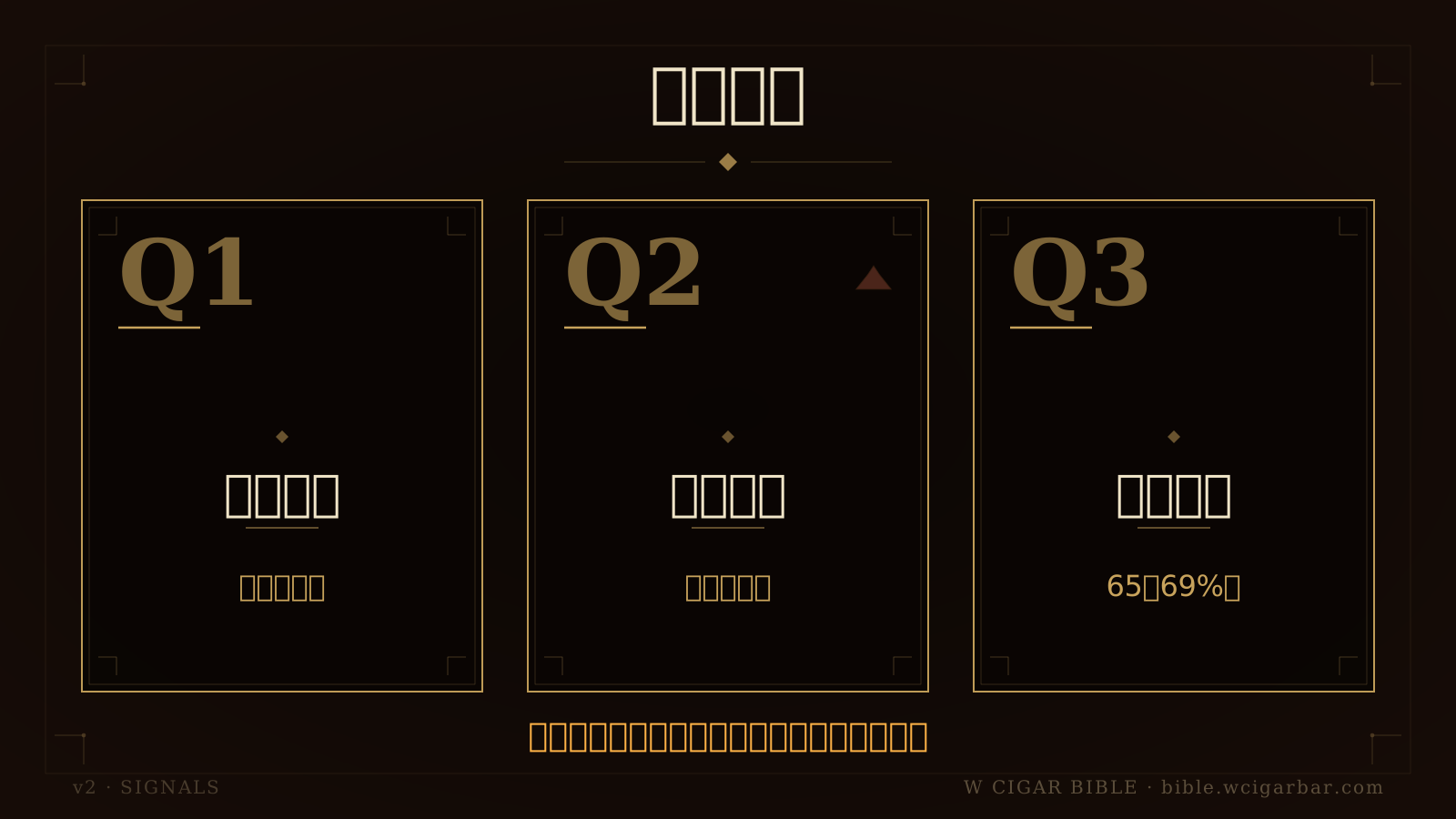
三張問答卡整理土壤配方火山土與濕度重點
Reading Boxes from Terroir: Practical Interpretation Methods for Veterans
Veterans should not only ask "which one is strong" but ask: where does the strength come from? Is it the pepper of Estelí Ligero, or the brown sugar of Broadleaf wrapper? Is it the minerals of Cuban red soil, or the earthy thickness brought by Honduras clay? I suggest keeping at least three sets of information for each record: brand and size, box date or year, storage environment. For Cuban cigars, you can note the box date, factory code, draw resistance, and burn status; for non-Cuban cigars, you can record the wrapper, binder, and filler sources. The core of terroir interpretation is to turn aroma descriptions into traceable regions and agricultural conditions.
You can use the following checklist to build your own database:
- Record 3 main flavors each for the front, middle, and end, not exceeding 9 words.
- Note whether the burn line is stable, the depth of gray, and whether the ash column is tight.
- Write down the storage humidity, such as 65%, 69%, or 72%, and note the duration.
- Compare different years of the same brand, without mixing in too many size variables at once.
- Contrast wrapper regions, especially the differences between Ecuador, Connecticut, and Cameroon.
For example, with the same Robusto, if one uses Ecuador Habano wrapper and Nicaraguan filler, and the other uses Connecticut Shade wrapper and Dominican filler, the former often has more red pepper, cocoa, and woodiness, while the latter is more creamy, hay-like, and nutty. If storage humidity is too high, the former may appear dull and bitter, and the latter may lose its refreshing feel. Aging can reduce sharpness but will not turn imbalanced agricultural conditions into miracles; collecting for appreciation does not guarantee appreciation, still depending on source preservation and market.
Common Questions
Is soil really more important than the formula?
Both cannot be separated. Soil determines the upper limit of raw materials, while the formula determines the expression. The same soil can be made into different styles, but poor or unbalanced raw materials are hard to fully compensate with the formula. Veterans should look at the region, leaf position, and brand tone simultaneously.
Why are Cuban cigars often described as having a mineral taste?
Mainly related to the red soil, limestone, drainage, and dry-wet season rhythm of Vuelta Abajo. The mineral taste is usually not salty itself but a clean, delicate, slightly stone powder or wet stone-like astringency, often appearing with hay, cedar, and coffee.
Does volcanic soil always represent intensity?
Not necessarily. Volcanic soil often brings mineral, cocoa, and pepper potential, but the intensity also depends on leaf position, fermentation, and formula. Jalapa's volcanic soil can also be very sweet, while Estelí more often shows thickness and spiciness.
How much does the wrapper affect flavor?
The wrapper greatly affects the entry aroma, burn edge, and front-end impression. Connecticut Shade leans towards creamy hay, Broadleaf towards brown sugar cocoa, Cameroon towards sweet spice, and Ecuador Habano towards red pepper and floral.
Can storage humidity obscure terroir?
Yes. Too high humidity can dull minerals, floral notes, and delicate sweetness, and burning can easily become dull; too low can amplify spiciness, wood spikes, and bitterness. Most veterans can start observing from 65%–69% relative humidity, then fine-tune according to size and wrapper thickness.
How should year differences be viewed?
First, look at the climate of that year, then see if the brand has changed the formula or raw material source. If it's just a single box performing differently, it may also be due to transportation and storage. Comparing 3–5 cigars from the same box consecutively is more reliable than a single impression.
When I look at cigar terroir, I fear only using "strong, smooth, sweet" to conclude. What is truly worth savoring is how a piece of land, through roots, leaf veins, fermentation, and time, becomes that burning line in your hand. If veterans can treat regions as syntax and brands as style, each record will bring them closer to the essence of cigars.
—Cigar Prince Wilson Tsai
Smoking is harmful to health. Under 20 years old is not allowed to smoke. Quitline: 0800-636363. This article is for reference only for adults over 20 years old regarding cigar culture, preservation, and regulatory knowledge, not a tobacco advertisement, promotion, or purchase suggestion.
Like this article?Share with friends
Share this W Cigar Bible piece with friends who want to learn cigar culture, storage, and tasting.
想把這篇 化為實踐
雪茄聖經是知識;雪茄文化要在空間裡發生
W Cigar Bar 大安總店資訊
台北大安區 · 雪茄聖經總編輯 Wilson Tsai 主理的雪茄文化空間
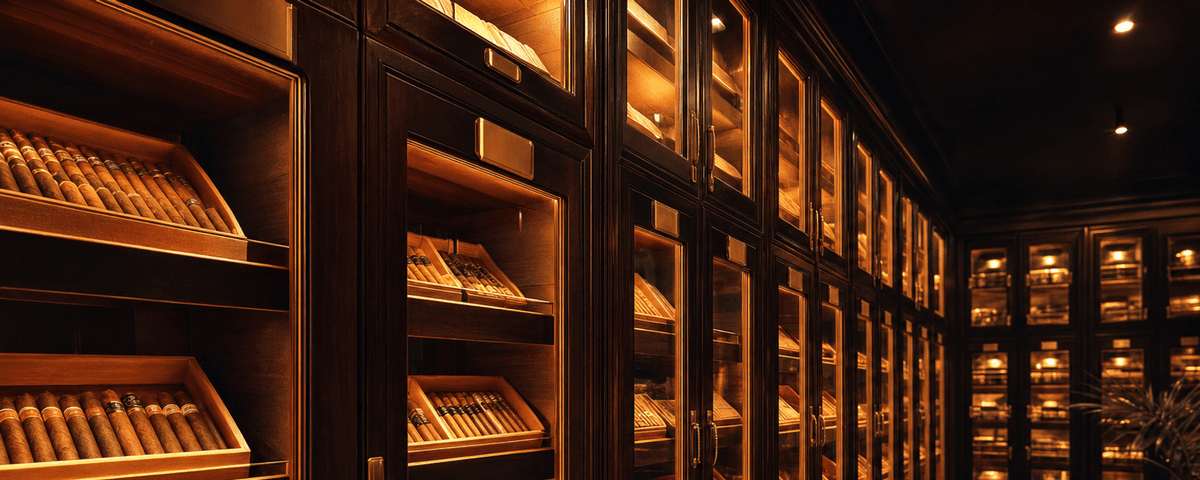
33 座 24 小時恆溫恆濕醇化室
W Cigar Bar 提供的會員醇化空間 · 場地資訊請洽編輯部
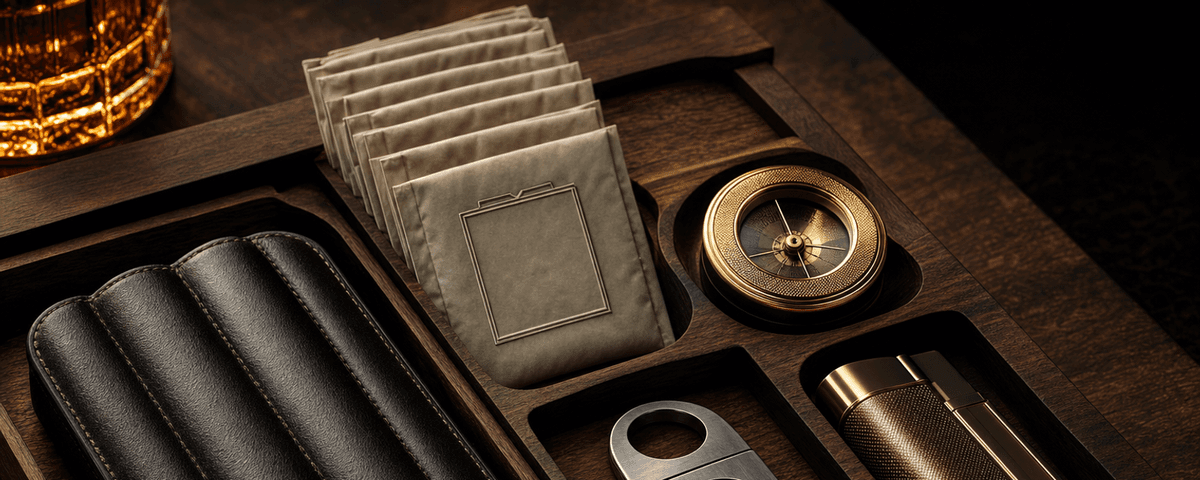
雪茄剪 / 打火機 / 雪茄盒 / Boveda
W Cigar 配件官網 · 專營雪茄配件正品
加 LINE 好友 · 文化諮詢
文化空間資訊 · 紳士沙龍 · 私人包場
本網站內容僅供雪茄文化、歷史、收藏與品吸知識研究參考。菸品有害健康、未滿法定年齡者請勿吸菸。實際規範請依所在地法律為準。
吸菸有害健康・戒菸專線 0800-636363・本站僅供 20 歲以上成年人閱覽。
讀到這裡,你不只是路過的人
留下 Email,加入 W 雪茄聖經內圈——總編輯 Wilson Tsai 親選的學院深文與國際新訊,先你一步送到信箱。
· 教育用途非銷售 · 隨時一鍵退訂 · Email 絕不對外公開 · 由勝茄股份有限公司營運
同分類延伸閱讀
資料來源:W Cigar Bible 編輯部整理 · 雪茄王子 Wilson Tsai 親自審稿
本文僅供雪茄文化、歷史、收藏與品鑑知識研究,不作為菸品促銷、銷售或購買建議。吸菸有害健康,未滿二十歲不得吸菸。