雪茄的風味融合:特殊搭配的探索與實踐
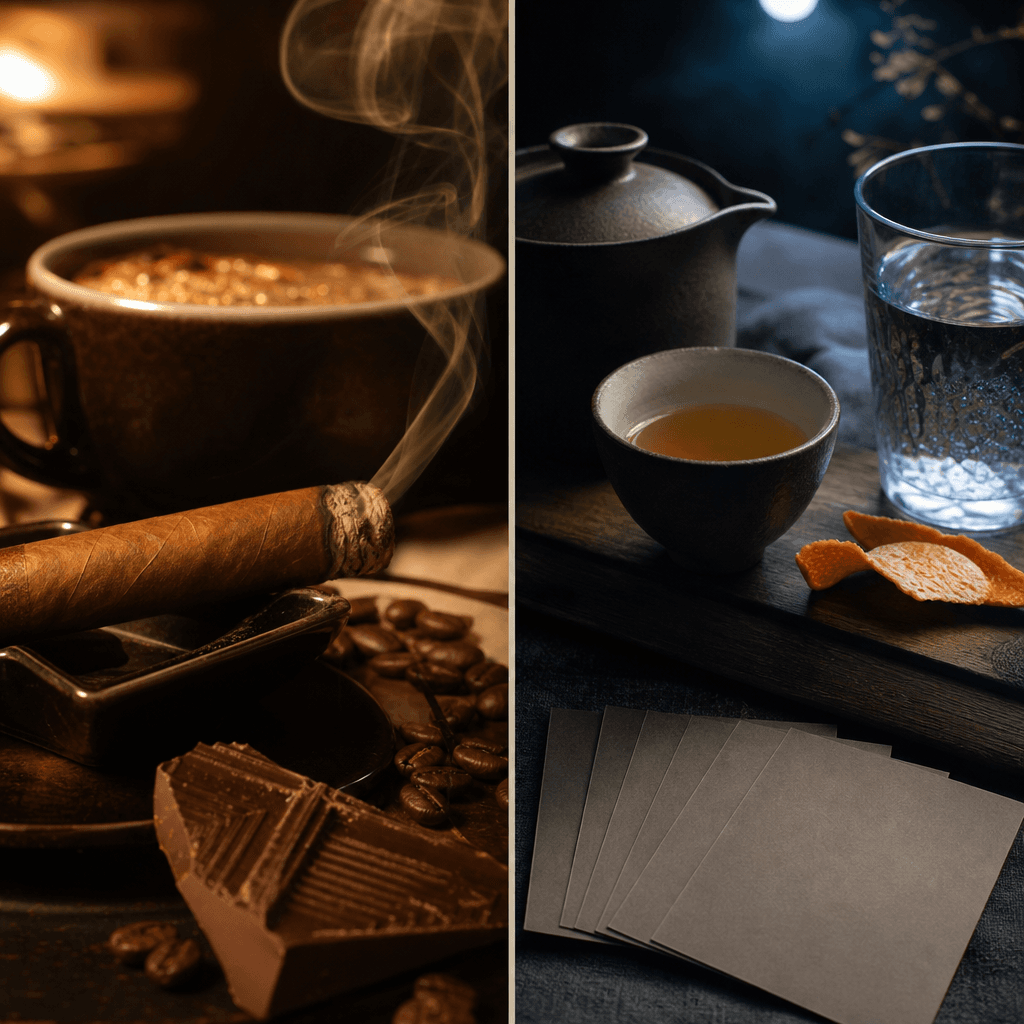
雪茄的魅力在於其多層次的風味,搭配的藝術更能提升品味體驗。對於入門者,理解雪茄的風味座標是關鍵,需從濃度、甜感、油脂及餘韻四個方面進行判斷。搭配非酒精飲品如咖啡和茶,能更清晰地感受雪茄的特性。選擇中焙咖啡或台灣茶葉,能讓雪茄的風味更為突出。此外,創新搭配台灣食材如鳳梨酥與梅子,能帶來意想不到的風味交響。透過這些方法,雪茄的品味之旅將更為豐富多元。
- 搭配雪茄的第一步是辨認其重量與節奏,而非直接選擇飲品。
- 非酒精飲品如咖啡、茶與水能更清楚地展現雪茄本身的風味。
- 食材搭配應用脂肪與甜感包住雪茄的苦味,並用鹹味或酸味增添層次感。
The Fusion of Cigar Flavors: Exploration and Practice of Special Pairings
The charm of cigars lies not only in the individual notes of wood, leather, cream, cocoa, or pepper but also in how they interact with other flavors. For beginners, after mastering the basics of tasting, the next step is to understand "pairing."
As an editor of the "Cigar Bible," I often view pairing as a quiet experiment: it's not about showing off or piling expensive food and drinks together, but about using taste logic to let the cigar speak more clearly. Below, I organize a method that can be practiced repeatedly, using brands, vintages, proportions, and practical examples.
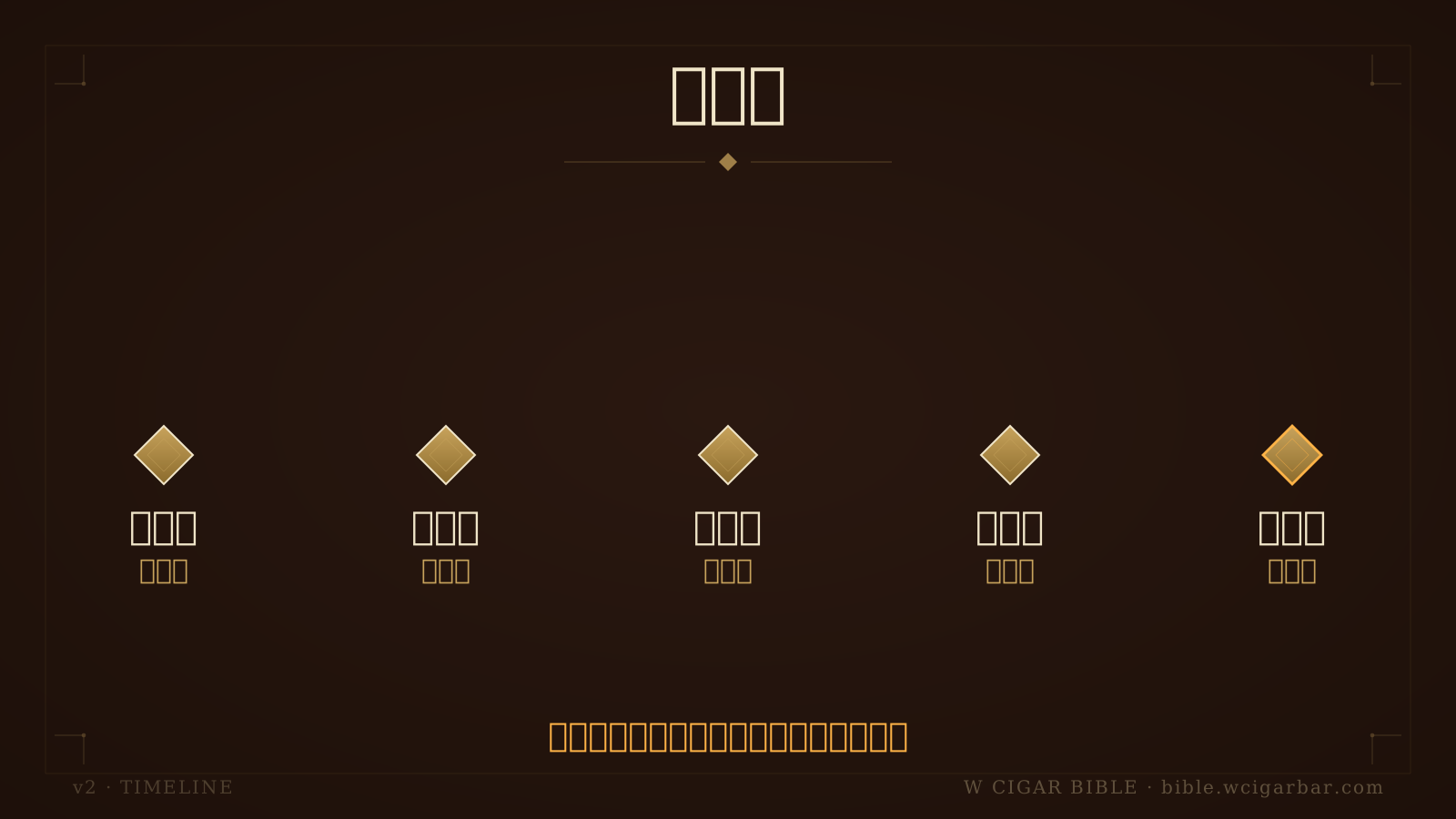
時間線呈現濃度甜感油脂餘韻到分段測試流程
Establishing Flavor Coordinates: Strength, Sweetness, Oiliness, and Finish
The most common mistake beginners make is asking "What drink goes with this cigar?" without first assessing the cigar's coordinates. Take the H. Upmann Magnum 46 as an example, with a 46 ring gauge and 143 mm length, commonly noted for its wood, roasted grain, light cream, and delicate spices. Pairing it with high-alcohol or heavily peated whiskey can easily flatten its smooth midsection. The first step in pairing is not choosing a drink but identifying the cigar's weight and rhythm.
I usually divide a cigar into three segments for recording: the first segment 0–30 minutes, the middle segment 30–60 minutes, and the last segment after 60 minutes. For torpedo-shaped cigars like Montecristo No.2, the first segment often has cocoa, coffee, and dry wood, with earthiness and slight sweetness emerging in the middle segment. Partagás Serie D No.4, on the other hand, has more pronounced spices and leather in the first segment. If both are paired with black coffee, the results will differ: the former can be uplifted by the coffee's roasted notes, while the latter may become too bitter.
My simple assessment involves four questions: Is the strength light, medium, or heavy? Is the sweetness honey, caramel, dried fruit, or almost none? Is the oiliness creamy, nutty, or dry? Is the finish shorter than 20 seconds, about 30–60 seconds, or over a minute? By writing down these four aspects, pairing becomes a correctable practice rather than a guess. The same cigar can vary under different humidity and aging conditions, so records are more reliable than memory.
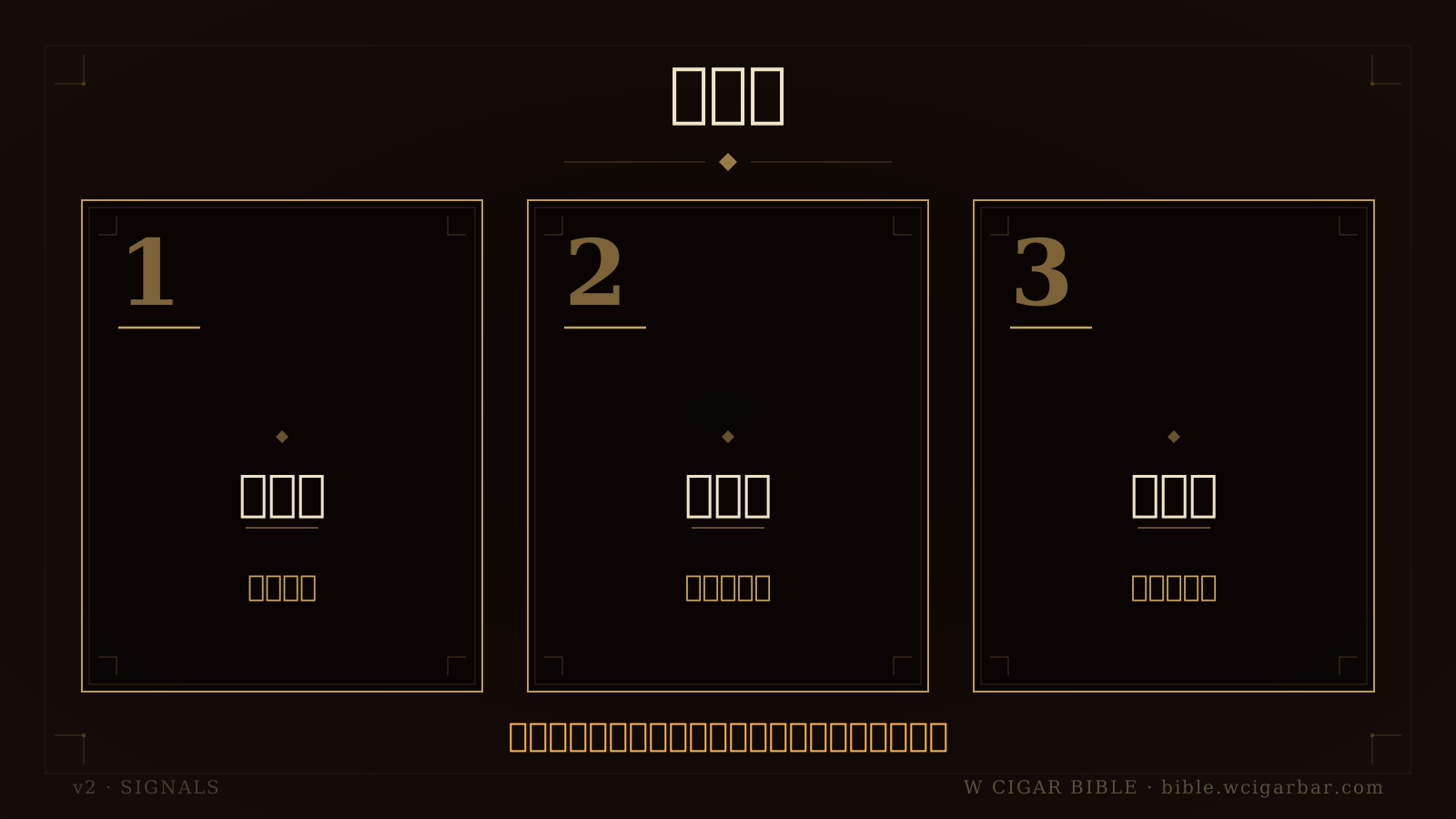
三張卡列出定位雪茄使用水咖茶與分段紀錄
Coffee, Tea, and Water: The Most Stable Basics
I recommend beginners start with non-alcoholic beverages because they make it easier to hear the cigar itself. For the Romeo y Julieta Churchill, with its 178 mm length and 47 ring gauge, pairing with medium-roast Colombian coffee, the coffee's brown sugar, nutty, and slight acidity can make the cigar's floral notes clearer. Switching to dark roast espresso might make the last segment bitter. Coffee is not better when stronger; the roast level and balance of acidity and sweetness are more important than strength.
Tea offers even more subtlety. Taiwanese Dong Ding Oolong, with its medium roast, can connect with the cream, hay, and citrus peel of Quai d'Orsay No.50. Oriental Beauty with honey and ripe fruit notes suits Trinidad Vigía, which has sweet aromas and a rounded palate. Water is not a supporting role, especially at 20–22°C, which can cleanse the palate every 5–8 puffs, preventing the tongue from mistaking bitterness for richness.
| Pairing Object | Suggested Cigar Example | Reason | Avoid Situation |
|---|---|---|---|
| Medium-roast Pour-over Coffee | Montecristo No.2 | Cocoa, nutty, and woody notes resonate | Too dark roast leads to bitterness accumulation |
| Dong Ding Oolong | Quai d'Orsay No.50 | Tea notes bring out cream and citrus | Overly strong tea can become astringent |
| Oriental Beauty | Trinidad Vigía | Honey aroma complements cigar sweetness | Adding dessert can be overly sweet |
| Room Temperature Mineral Water | Almost all medium-strength cigars | Cleanses palate, corrects judgment | Ice water dulls aroma |
In practice, I recommend 150–200 ml of coffee, avoiding refills to prevent palate fatigue. For tea, control the brewing temperature at 90–95°C for oolong, 80–85°C for more delicate teas. If you only practice once, I would choose "a medium-strength cigar, a cup of medium-roast coffee, and a cup of water," writing down changes every 15 minutes, which is more valuable than preparing five different drinks simultaneously.
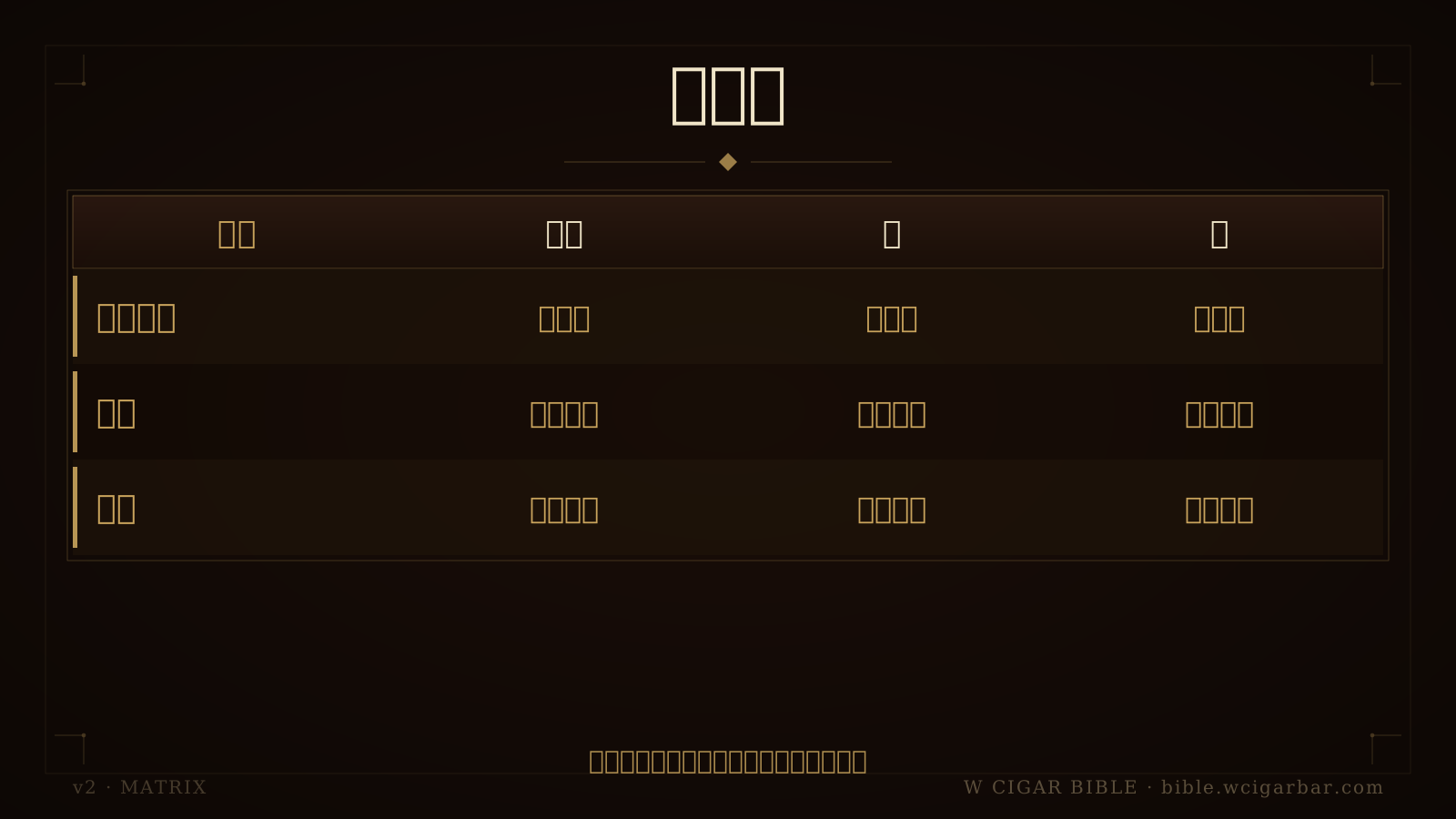
矩陣比較咖啡茶與水在搭配中的作用關鍵與避免點
Whiskey, Rum, and Wine: The Tug of War Between Sweetness and Alcohol
Alcohol pairings are the most attractive yet easiest to fail. Take the Padrón 1964 Anniversary Maduro as an example, launched in 1994 to commemorate the brand's founding year 1964, often noted for cocoa, coffee beans, brown sugar, and a rich palate. It suits 12–15-year bourbon or sherry cask whiskey but should not let alcohol heat dominate. Alcohol content is not flavor depth; the real key is whether sweetness, cask notes, and finish can catch the cigar.
Rum is often underestimated. Diplomático Reserva Exclusiva or El Dorado 12-year, with caramel, dried banana, vanilla, and molasses, can connect with the roasted sweetness of Oliva Serie V Melanio. However, if the cigar is already very sweet, adding high-residual sugar rum can make the last segment cloying. My ratio is 5–10 ml every 10 minutes, not rushing to fill the mouth with both alcohol and smoke, or you'll only remember the stimulation.
Wine requires more caution. High-tannin red wine with the wood and bitterness of cigars often becomes astringent. In contrast, vintage champagne, oxidized sherry, or port wine have more success. 2012 vintage champagne with yeast, toasted bread, and lemon peel can pair with the elegant route of Davidoff Grand Cru. 10-year Tawny Port can match the sweet aroma and spice of Arturo Fuente Hemingway Short Story. Avoid an empty stomach, and slow down the cigar pace, so the wine acts as a bridge rather than noise.
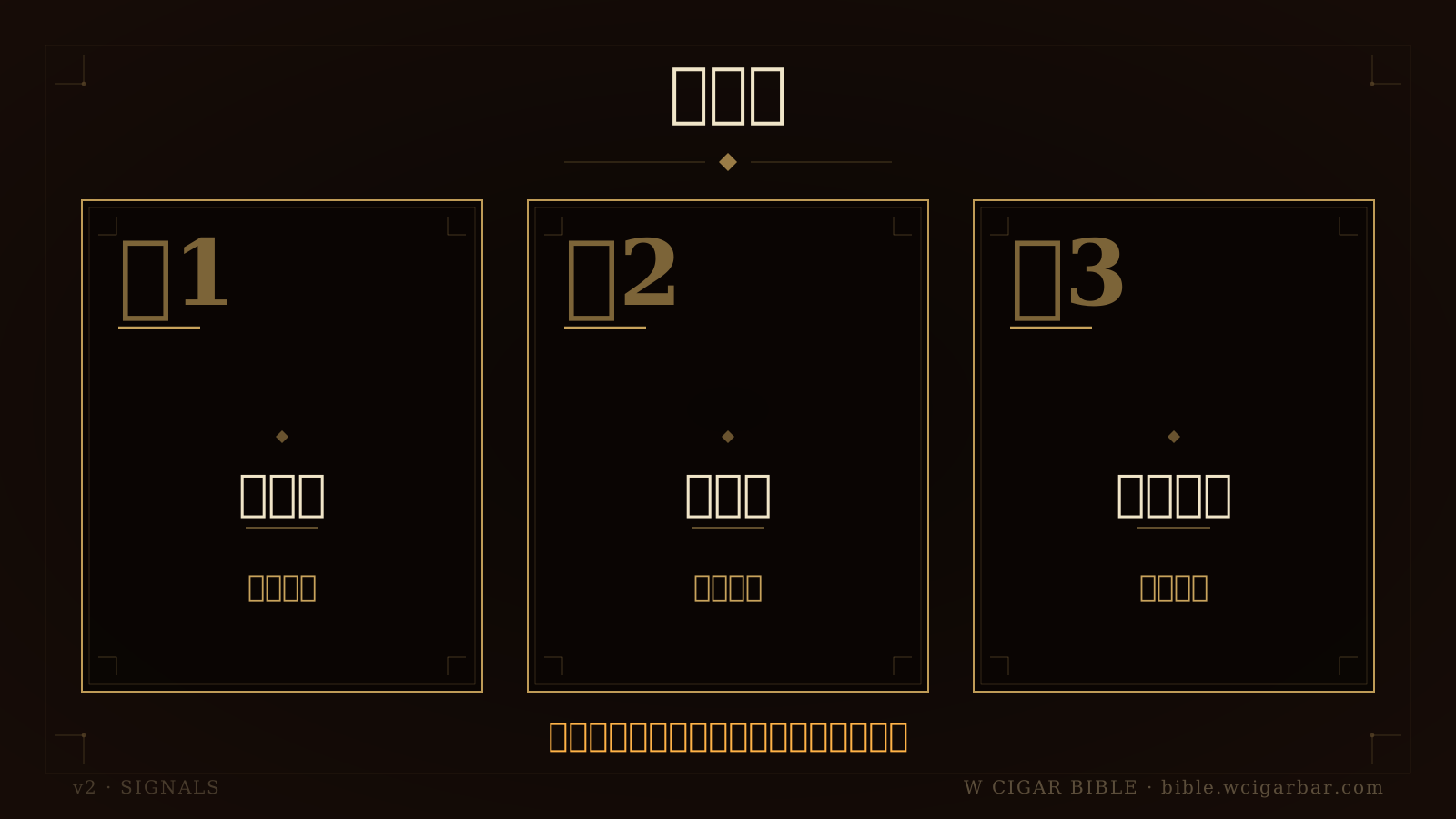
三張卡提醒酒不是必需甜食需少量以及冰飲要等待
Dark Chocolate, Nuts, Cheese, and Cured Meats: Aroma Complementation
The core of food pairing is using fat and sweetness to envelop the cigar's bitterness, then using saltiness or acidity to bring out dimensionality. 70% dark chocolate suits Montecristo No.4 or No.2, as cocoa and coffee tones reflect each other. However, 85% or higher cocoa content without enough sugar can push bitterness higher. Choose dark chocolate with "fruit acidity and cocoa butter," not just high percentages.
For nuts, roasted almonds, hazelnuts, and macadamia nuts each have functions. Roasted almonds can highlight H. Upmann's grain notes; hazelnuts suit Padrón 1964's cocoa and coffee; macadamia nuts' soft oiliness can keep Romeo y Julieta's floral notes from being disturbed by saltiness. The recommended portion is 20–30 g, as too much fat can dull the mouth, especially in the cigar's last segment, where fat residue can make you mistakenly think the cigar is sweeter.
Cheese and meats depend on salt content. 24-month Parmigiano Reggiano's crystalline texture and salty aroma suit the medium-strength Partagás Serie D No.4. Brie or Camembert can pair with the softer Quai d'Orsay. Iberico ham or dried beef, if sliced thinly, can provide savory and fatty aromas, but overly smoky meats will compete with the cigar. My principle is "one bite of food, two to three sips of water, then back to the cigar," allowing each round to recalibrate.
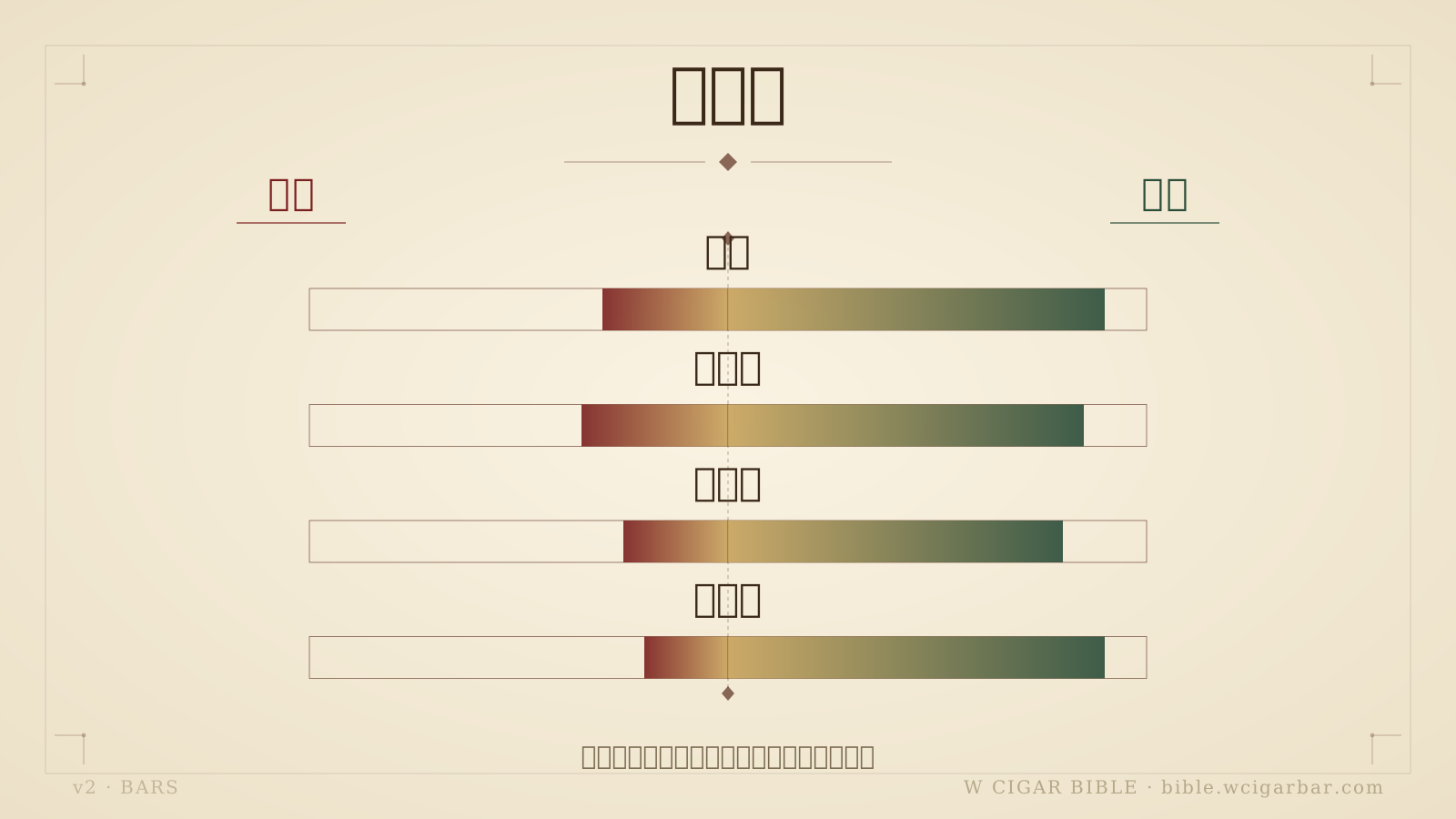
橫條圖比較猜配與紀錄在定位控制觀察與重複性差異
Taiwanese Flavors and Innovative Pairings: Oolong, Pineapple Cake, Plum, and Herbal Aroma
I've always felt that cigar pairing doesn't have to mimic Western tables. Taiwanese ingredients have clear acidity, sweetness, tea notes, and rice aroma, making them suitable for beginners to practice. For the slightly sour, fibrous version of SunnyHills-style pineapple cake, pairing with Trinidad Reyes or Davidoff Signature 2000 can connect the buttery crust and the cigar's light sweet aroma. However, if the filling is too sweet or the crust too milky, the cigar may seem thin.
Plum is an interesting tool. Sugar-free or low-sugar tea plums with acidity, saltiness, and peel aroma suit cigars transitioning to wood and leather in the middle segment, such as Romeo y Julieta Wide Churchills. The key is to use only 1/4 of a plum or a small piece, not letting saltiness dominate. Innovative pairing is not about forcibly adding local features but finding a common language: acidity, roast, rice aroma, peel, or oiliness.
Herbal tea, cassia tea, and barley tea are also worth trying. Herbal tea's herbal bitterness can echo lighter cigars, but if the herbal taste is too strong, it will overshadow the initial aroma. Cassia tea with roast and slight bitterness can connect cocoa tones. Barley tea is the safest, especially suitable for beginners to observe the grain, nut, and wood notes of cigars. If you have 3–5 years aged Cuban cigars, avoid strong-flavored ingredients, as subtlety is often more precious than strength.
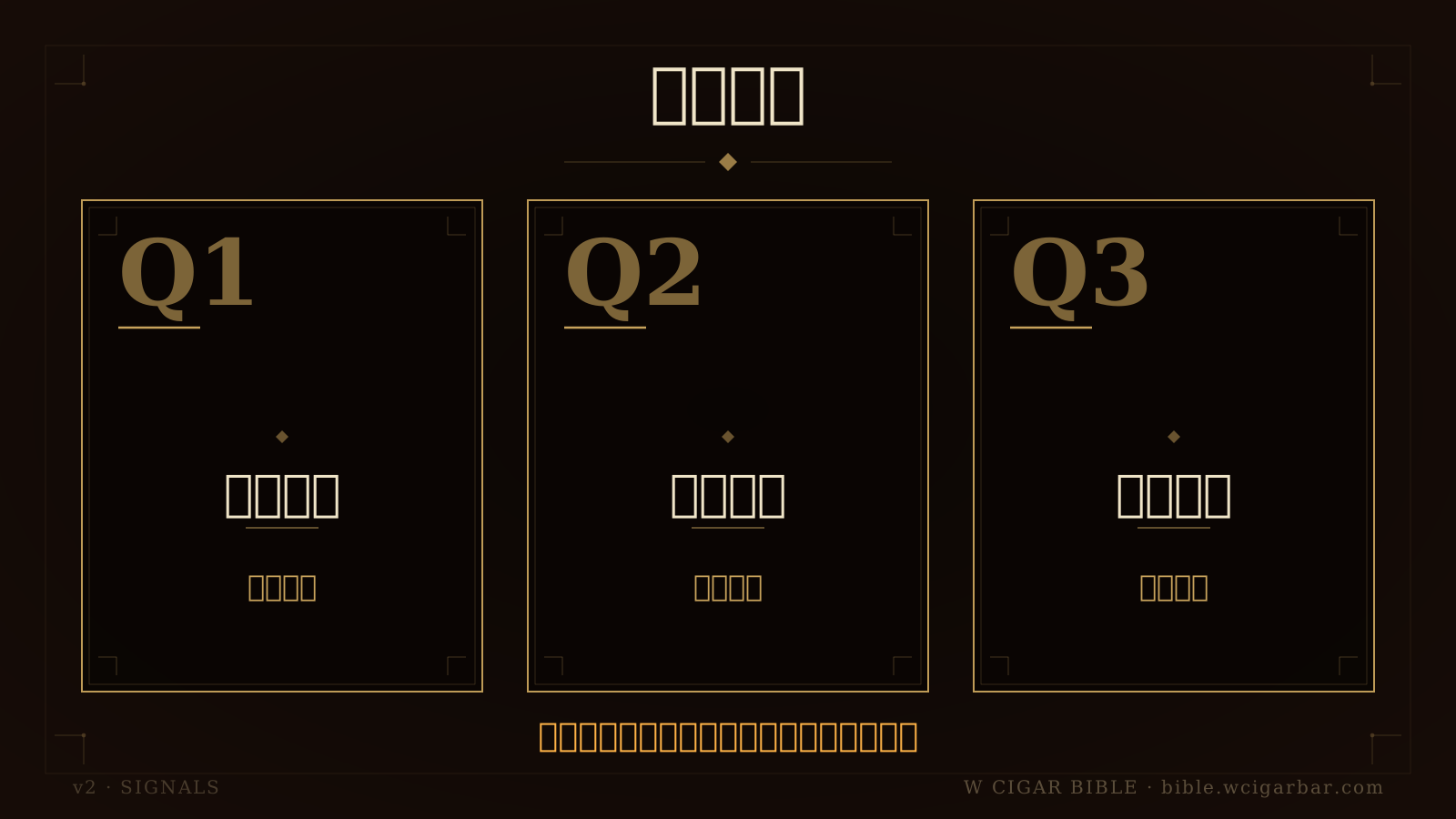
快問快答列出是否配酒甜食份量與同支差異原因
90-Minute Practical Process: Replacing Intuition with Records
I designed a 90-minute process suitable for those who have mastered basic tasting and want to advance in pairing. Prepare a medium-sized cigar, such as a Robusto about 124 mm, 50 ring gauge; choose two types of drinks, such as room temperature water and medium-roast coffee, and one type of food, such as 70% dark chocolate. Too many variables will make it impossible to determine who changed whom. Changing only one variable at a time is the most important discipline in cigar pairing practice.
The process can be done as follows:
- 0–10 minutes: Only taste the cigar, record the cold aroma, and first impressions of the initial segment.
- 10–25 minutes: Add water, observe if the palate becomes clean.
- 25–45 minutes: Add coffee or tea, only small sips each time.
- 45–65 minutes: Add a small piece of food, record changes in sweetness, bitterness, and acidity.
- 65–90 minutes: Return to water, observe if the last segment becomes spicy or smoother.
In terms of etiquette, pairing practice should remain moderate and quiet. Do not hold the cigar in your mouth for long periods, and do not frequently tap the ash. If the ash column can maintain 2–3 cm, the burn is usually more stable. When exchanging with friends, I suggest describing specific feelings rather than rushing to score, such as "the coffee in the middle segment made the wood drier" is more informative than "this is not good." When discussing limited editions, regional editions, or collections, remember: they do not guarantee appreciation, still depending on source preservation and market. From the perspective of a PCC authorized dealer, source, humidity, and records are always more important than rumors.
Frequently Asked Questions
Pairing has no standard answers, but there are verifiable methods; as long as you can repeatedly record, you can gradually build your own flavor map. Here are some common beginner and advanced questions I often encounter.
Does a cigar have to be paired with alcohol?
No, it doesn't. Water, coffee, oolong tea, and barley tea can all create excellent flavor contrasts. Especially when starting to practice, alcohol magnifies the stimulation, making it difficult to distinguish the wood, sweetness, and spice of the cigar itself.
Will sweets make cigars easier to smoke?
Not necessarily. A small amount of sweetness can soften bitterness, such as 5–8 g of dark chocolate or half a piece of pineapple cake. However, too much sugar will fatigue the palate, leaving only stickiness in the last segment. Sweets should be in small portions, added slowly.
Why did the same cigar pairing succeed today but fail next time?
Humidity, burn rate, drink temperature, and dining state all affect it. Cigars with a relative humidity of 65–69% and those over 72% may burn and release aromas differently.
Can I pair with cold drinks?
You can, but be careful. Cold drinks temporarily numb the tongue, making aromas unclear. If it's sparkling water or iced tea, take small sips first, wait 20–30 seconds, then return to the cigar.
Should I keep taking photos and scoring during pairing?
Photos can be records, but don't let them interrupt the rhythm. Scores are not necessary either; initially, it's more important to record "initial, middle, last segments" and "changes after adding drinks." Words help you progress more than numbers.
What is the safest first pairing for a beginner?
I would recommend a medium-strength Robusto, a cup of room temperature water, a cup of medium-roast coffee, and a small piece of 70% dark chocolate. This set of variables is clear, allowing you to learn the interaction of bitterness, sweetness, acidity, and oiliness simultaneously.
For me, cigar pairing is a gentlemanly patience. You don't have to rush to pursue the rare, nor turn every time into a performance. The real progress is when, on a quiet night, you can say, "This tea made the wood in the middle segment softer, and the spice in the last segment slowed down." When taste begins to have language, cigars are no longer just a hobby but a sustainable lifestyle aesthetic.
—Cigar Prince Wilson Tsai
Smoking is harmful to health. Under 20 years old is not allowed to smoke. Quit smoking hotline: 0800-636363. This article is for reference by adults over 20 years old for cigar culture, preservation, and legal knowledge, not a tobacco advertisement, promotion, or purchase suggestion.
Like this article?Share with friends
Share this W Cigar Bible piece with friends who want to learn cigar culture, storage, and tasting.
想把這篇 化為實踐
雪茄聖經是知識;雪茄文化要在空間裡發生

W Cigar Bar 大安總店資訊
台北大安區 · 雪茄聖經總編輯 Wilson Tsai 主理的雪茄文化空間
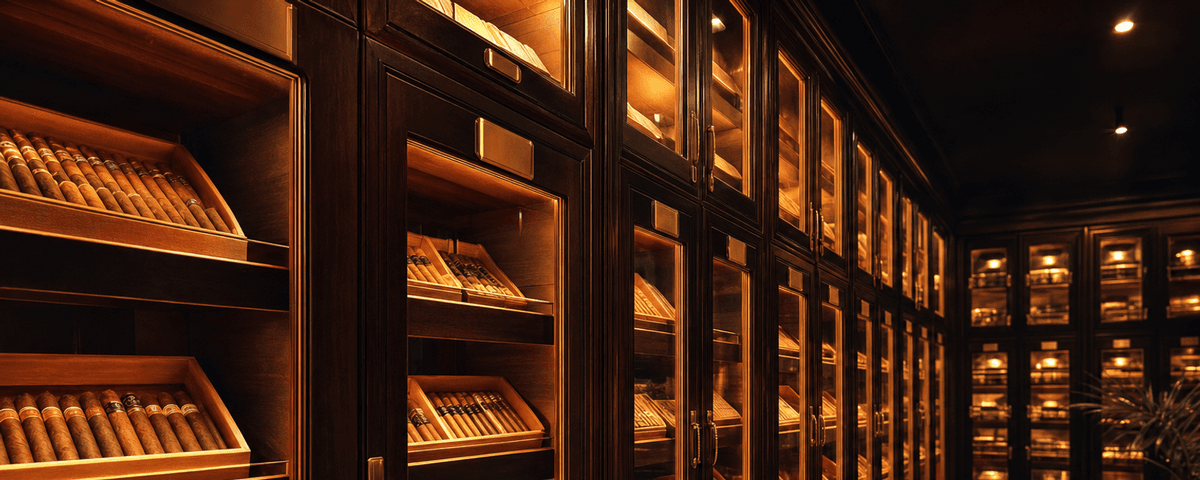
33 座 24 小時恆溫恆濕醇化室
W Cigar Bar 提供的會員醇化空間 · 場地資訊請洽編輯部
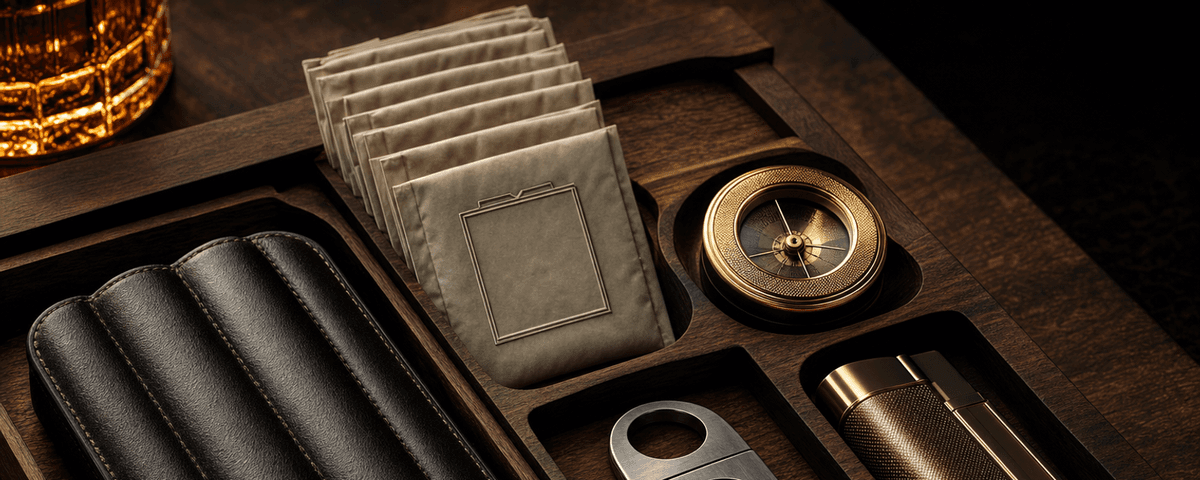
雪茄剪 / 打火機 / 雪茄盒 / Boveda
W Cigar 配件官網 · 專營雪茄配件正品
加 LINE 好友 · 文化諮詢
文化空間資訊 · 紳士沙龍 · 私人包場
本網站內容僅供雪茄文化、歷史、收藏與品吸知識研究參考。菸品有害健康、未滿法定年齡者請勿吸菸。實際規範請依所在地法律為準。
吸菸有害健康・戒菸專線 0800-636363・本站僅供 20 歲以上成年人閱覽。
讀到這裡,你不只是路過的人
留下 Email,加入 W 雪茄聖經內圈——總編輯 Wilson Tsai 親選的學院深文與國際新訊,先你一步送到信箱。
· 教育用途非銷售 · 隨時一鍵退訂 · Email 絕不對外公開 · 由勝茄股份有限公司營運
同分類延伸閱讀
資料來源:W Cigar Bible 編輯部整理 · 雪茄王子 Wilson Tsai 親自審稿
本文僅供雪茄文化、歷史、收藏與品鑑知識研究,不作為菸品促銷、銷售或購買建議。吸菸有害健康,未滿二十歲不得吸菸。