雪茄與環境可持續性:探索生產過程中的生態責任

在雪茄的世界中,可持續性不僅是浪漫的田園故事,而是關乎生產鏈的具體指標。從土壤管理到水資源的使用,真正負責任的品牌會在環境保護與葉質之間找到平衡。有效的輪作、覆蓋作物及滴灌技術,能夠減少對環境的影響並提升葉片品質。此外,生物多樣性和合理的包裝運輸策略同樣重要,這些因素都影響著雪茄的最終風味。老手應該關注品牌的可追溯性與環境責任,以確保每一支雪茄的品質與可持續性。
- 可持續的土壤管理能提高葉片品質,確保長期生產的穩定性。
- 水資源的有效管理可降低病害風險,提升葉片的香氣與質感。
- 生物多樣性有助於減少農藥依賴,穩定茄衣品質,確保長期可持續性。
Cigars and Environmental Sustainability: Exploring Ecological Responsibility in the Production Process
As the editor of the "Cigar Bible," my perspective on cigars has long transcended mere flavor wheels, ring gauges, and vintages. Experienced enthusiasts know that a cigar's clean sweetness, burn line, and finish are often determined even before the seed hits the soil; and the long-term health of the land is the root of sustained quality.
Discussing sustainability isn't about romanticizing cigars into pastoral tales, but rather focusing on the hard metrics of the production chain: soil organic matter, water consumption, fermentation heat, packaging, transportation, and traceability. Truly responsible brands must find a verifiable balance between "minimal environmental harm" and "no compromise on leaf quality."

流程線呈現育苗、養土、灌溉、乾燥與循環利用
Soil is Not Just a Background, But the First Step in Flavor
Cuban Pinar del Río, Nicaraguan Estelí, Honduran Jamastrán, Dominican Cibao Valley—these regions differ not only in climate but also in soil management. Enthusiasts often discuss mineral notes, woody tones, and spice intensity, but continuous high-density planting and over-reliance on chemical inputs can compact soil structure within three to five growing seasons, reducing root penetration ability and affecting leaf thickness and burn stability.
When observing sustainable farming practices, I first look at crop rotation and cover crops. For example, planting legumes, corn, or herbaceous cover crops after tobacco harvest can reduce bare soil erosion; some Nicaraguan estates retain crop residues on the surface before the rainy season to slowly replenish organic matter. Plasencia began promoting organic cultivation experiments in the late 1980s, and their Reserva Original series is often discussed in relation to organic tobacco and stable burning.
Sustainable soil management doesn't reduce flavor but ensures that the same field can produce tension-filled leaves even ten years later. For seasoned enthusiasts, this means observing whether a brand is willing to talk about farmland, not just box labels, vintages, and limited numbers; brands that discuss soil are usually more willing to face the long-term responsibility of quality consistency.

三張重點卡說明土壤、水能與來源透明的重要性
Water Resources and Drying Rooms: The Most Overlooked Costs
Managing water is extremely sensitive from seedling, transplanting, to harvest on one hectare of tobacco. Insufficient irrigation can make leaves fibrous and lacking in oils; over-irrigation may dilute aromas and increase disease. Many estates in the Dominican Republic and Nicaragua have adopted drip or zoned irrigation, delivering water near the root system rather than widespread flooding. Although the initial cost of a drip system is high, it can reduce water usage by about 20% to 40% compared to traditional methods.
Drying rooms are equally critical. Traditionally air-cured tobacco leaves are hung in curing barns for about 45 to 60 days, with window boards opened and closed according to humidity. If managed poorly, leaves may dry too quickly and lose elasticity or become moldy if too wet. In recent years, some Central American factories have used temperature and humidity sensors to assist manual judgment, not replacing craftsmen with machines but reducing unnecessary heat sources and ventilation waste.
The best energy-saving isn't shortening the drying process but ensuring every humidity adjustment has a reason. Cigar quality fears haste, and sustainability fears slogans; when brands are willing to disclose drying days, barn management, and energy consumption improvements, seasoned enthusiasts can more accurately judge whether they are fulfilling environmental responsibility or just creating pretty copy.

矩陣比較土壤、水能與包材三項環境責任面向
Shade-Grown Cultivation and Biodiversity: A Complete Ecosystem for Fine Wrappers
Corojo, Connecticut Shade, Ecuador Connecticut—these types of wrapper leaves often involve shade-grown cultivation. In Ecuador, for example, natural cloud cover provides soft lighting, so many estates don't need to build extensive cloth canopies like in the Connecticut River Valley; this reduces the cost of artificial shading materials and maintenance and results in delicate leaves with softer veins. When environmental conditions are reasonably utilized, they themselves become a sustainable strategy.
However, shading isn't simply blocking sunlight. If there are no hedgerows, insect habitats, and soil-water buffers around the farmland, pest pressure will increase, and pesticide reliance will rise. Arturo Fuente's planting experience at Chateau de la Fuente in the Dominican Republic is often discussed by seasoned enthusiasts, not just because of OpusX's fame, but because it proves that high-end wrapper leaves can establish ecosystems and agronomic rhythms in non-traditional environments.
Biodiversity isn't a charitable decoration but insurance for reducing pest risk and stabilizing wrapper quality. A beautiful wrapper from over-exploited farmland may not sustain its beauty; conversely, preserving trees, grass strips, and natural predators around farmland can better maintain leaf elasticity, oiliness, and maturity uniformity in the long run.
Fermentation, Aging, and Waste: Circular Economy Hidden in Factory Corners
Tobacco fermentation is usually carried out by stacking pilóns, with internal temperatures reaching about 38 to 48°C, and craftsmen turning the piles according to leaf grade, moisture content, and aroma changes. This process may seem ancient but involves extensive energy and material management. If leaf moisture control is poor, repeated watering, cooling, and turning increase labor and energy consumption and raise the leaf damage rate.
Factory waste isn't just garbage. Main veins, leaf fragments, binding twine, and wooden box edges can all be reconsidered: tobacco stems and unsuitable fragments can be composted back to non-tobacco crop fields; unpainted wood can be reused in storage; paper packaging can be switched to FSC or recycled fibers. J.C. Newman's El Reloj factory in Tampa has emphasized preserving historical buildings while updating equipment in recent years, exemplifying viewing traditional manufacturing and modern efficiency on the same table.
Truly mature factory management sees loss rates as environmental indicators and quality indicators. If seasoned enthusiasts see a batch of cigars burning unevenly or with loose ash structure, besides recalling aging conditions, they should also consider whether there are systemic issues with earlier moisture, fermentation, and grading; sustainability isn't an external issue, it returns to the burn line in hand.

三張誤解卡提醒強度、認證與木盒判斷不可簡化
Certification and Traceability: Look Beyond Labels to Data
Sustainability is often simplified to "having certification," but seasoned enthusiasts need to look deeper. Rainforest Alliance, FSC, ISO 14001, organic certification, social responsibility audits each cover different areas; some focus on farmland, some on wood, some on environmental management systems. Labels don't guarantee flavor but provide a basic audit framework, ensuring brand commitments don't just stay at the story level.
| Indicator | Key Observations | Possible Impact on Quality |
|---|---|---|
| Soil Organic Matter | Crop rotation, cover crops, erosion reduction | Leaf elasticity, oil content, and maturity consistency |
| Water Management | Drip irrigation, zoned irrigation, rainwater utilization | Avoid overly thin leaves or coarse fibers |
| Wood and Paper | FSC, recycled paper, reduced excessive varnish | Reduce packaging burden without affecting core quality |
| Batch Traceability | Farm, year, leaf grade records | Facilitate explanation of flavor differences and batch stability |
| Labor Conditions | Safety training, reasonable working hours, dormitory hygiene | Reduce personnel turnover, retain technical experience |
Davidoff's recent education and community programs in the Dominican Republic are often cited because the stability of high-end cigars relies on skilled labor; if Torcedor turnover is too high, controlling rolling density and draw consistency becomes difficult. Traceability doesn't turn cigars into cold data but makes the people, places, and processes behind the flavor examinable. For seasoned enthusiasts, asking the right questions is more important than looking at pretty labels.
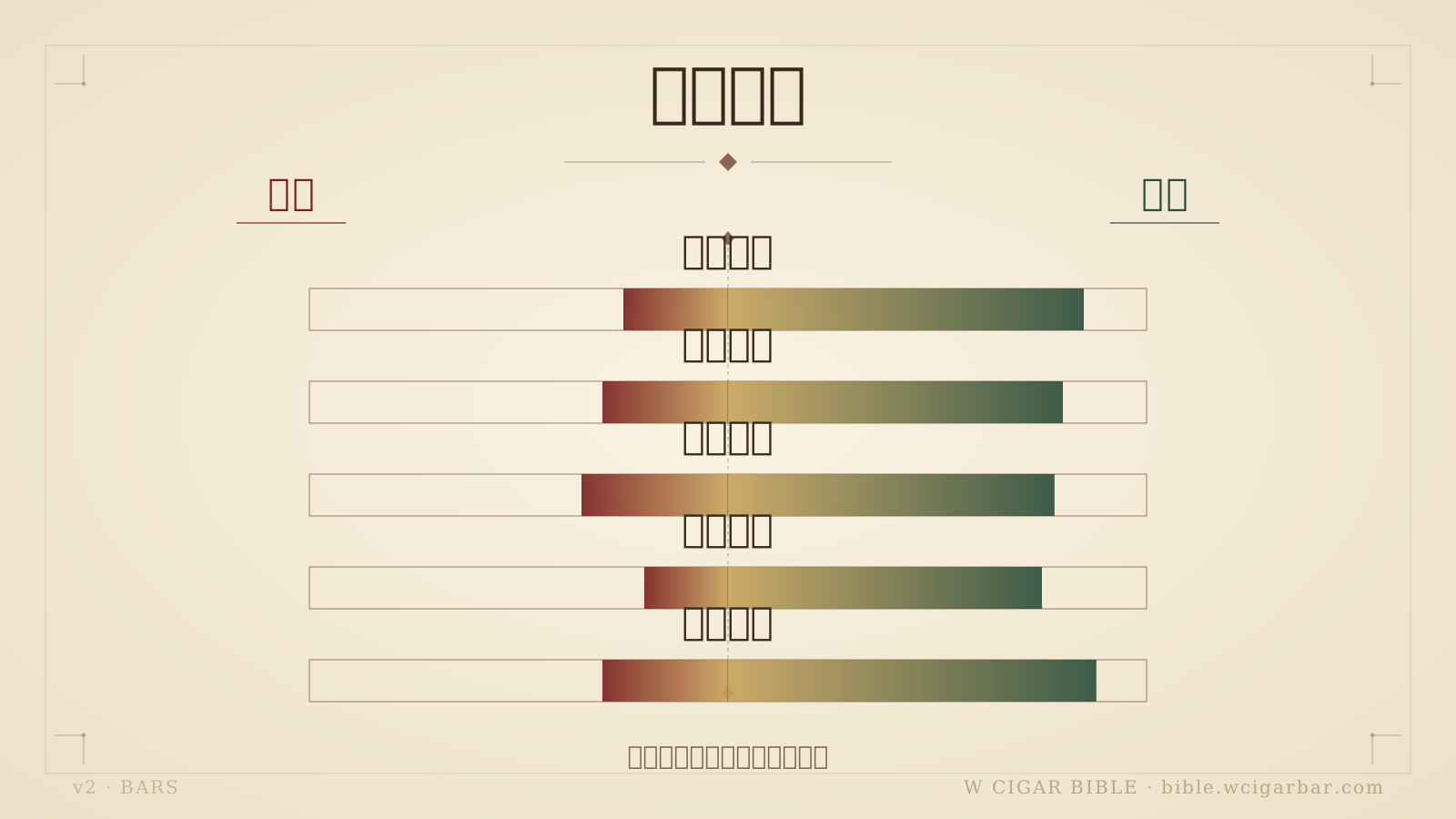
橫條圖比較口號取向與責任取向在五軸差異
Packaging and Transportation: Carbon Footprint Beyond Wooden Boxes
Cigar packaging serves its function: cedar boxes help buffer humidity, protect wrappers, and provide familiar woody aromas. But overly heavy outer boxes, multi-layer glossy paper, magnetic clasps, and composite materials often increase recycling difficulty. After 2010, many brands have enhanced display packaging on limited editions, with good visual effects but not necessarily better for long-term preservation.
Transportation is also an invisible footprint. From the Dominican Republic, Nicaragua, Honduras to European and Asian markets, air freight is fast but has a higher carbon footprint; sea freight has a lower carbon footprint but requires stricter temperature and humidity management. For high-priced cigars, if the transportation environment is uncontrolled, even the best in-cabinet management is just a remedy. The source and logistics control emphasized by PCC's exclusive dealer system is a crucial aspect seasoned enthusiasts shouldn't overlook.
The core of sustainable packaging is replacing excessive show with sufficient protection, not sacrificing cigar safety. I pay special attention to whether brands reduce inseparable composite materials, use traceable wood, and achieve a balance between preservation function and material usage in 10-count or 25-count boxes; truly good boxes don't cause excessive burden after completing their mission.

快問快答卡整理強度、認證與木盒環保判斷
Enthusiasts' In-Cabinet Responsibility: Preservation is Also Part of Sustainability
Many people discuss sustainability only in terms of farms and factories, forgetting end preservation. If a box of cigars is scrapped due to humidity imbalance, pests, or high temperatures, all previous land, water, labor, and transportation efforts are wasted. Enthusiasts' in-cabinet management is, to some extent, respect for the production chain. Generally, 18 to 21°C with a relative humidity of about 65% to 69% is a common reference, but different cabinets and local climates still require fine-tuning.
Energy-saving doesn't mean turning off equipment and toughing it out. If using an electronic cabinet during Taiwan's humid season, the focus is on stability, sealing, and minimizing door openings; if using a traditional humidor, regularly calibrating the hygrometer is necessary to avoid relying on intuition. Boveda-type two-way humidity packs, propylene glycol systems, or active humidity control devices each have cost and consumable differences, and choices should consider preservation volume, opening frequency, and environmental fluctuations.
Proper preservation is the last environmental responsibility to ensure no leaf is wasted. When discussing collections, collection appreciation doesn't guarantee appreciation, and still depends on source preservation and market. For seasoned enthusiasts, aging isn't about throwing cigars into a cabinet and waiting for miracles but tracking box numbers, cabinet entry dates, humidity curves, and flavor changes with a record sheet to make the best use of resources and time.
Frequently Asked Questions
Are sustainable cigars milder?
Not necessarily. Organic or low-input farming doesn't equate to low intensity. Estelí's high sunlight and volcanic soil can still produce rich spices; the key lies in variety, harvest leaf position, and fermentation management.
Does certification mean better quality?
Certification means certain processes have been audited, not directly guaranteeing flavor. Labels are a starting point, not a conclusion; seasoned enthusiasts still need to look at batch stability, burn, and source transparency.
Are wooden boxes all non-environmentally friendly?
No. If the wood source is traceable, the structure is durable, and there is no excessive composite decoration, wooden boxes still have protection and humidity buffering value. The issue lies in excessive packaging, not the wood itself.
How to view sustainability in Cuban cigars?
Observe crop rotation, traditional drying barns, grading systems, and logistics preservation. Cuba's advantage lies in agronomic heritage, but seasoned enthusiasts should still focus on source, preservation, and batch conditions.
What can individuals do?
Minimize cigar waste, record in-cabinet data, choose brands with clear sources, avoid chasing flashy packaging. End preservation and rational choices are also part of ecological responsibility.
I have always believed that true high-end cigar culture not only knows how to distinguish cocoa, leather, cedar, and pepper but also respects the land and people that give birth to these flavors. If environmental responsibility stops at slogans, time will reveal the truth; if it falls on soil, water, fermentation, packaging, and preservation, it will become a more stable, cleaner, and more record-worthy flavor. Seasoned enthusiasts pursue depth, ultimately chasing not rarity but enduring quality.
—Cigar Prince Wilson Tsai
Smoking is harmful to health. No smoking under the age of 20. Quitline: 0800-636363. This article is intended for adults over 20 as a reference for cigar culture, preservation, and regulatory knowledge, not as tobacco advertising, promotion, or purchase advice.
Like this article?Share with friends
Share this W Cigar Bible piece with friends who want to learn cigar culture, storage, and tasting.
想把這篇 化為實踐
雪茄聖經是知識;雪茄文化要在空間裡發生

W Cigar Bar 大安總店資訊
台北大安區 · 雪茄聖經總編輯 Wilson Tsai 主理的雪茄文化空間
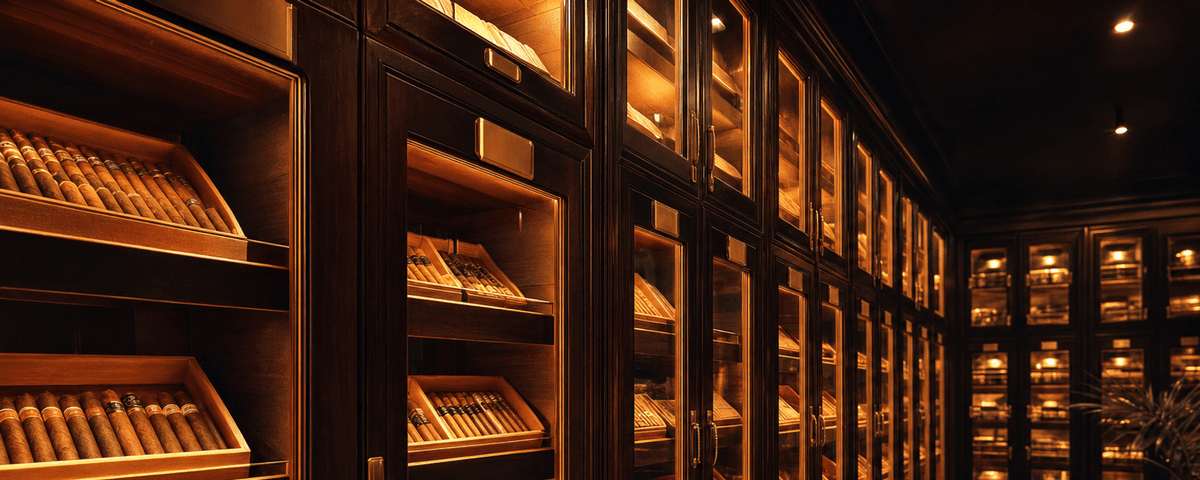
33 座 24 小時恆溫恆濕醇化室
W Cigar Bar 提供的會員醇化空間 · 場地資訊請洽編輯部

雪茄剪 / 打火機 / 雪茄盒 / Boveda
W Cigar 配件官網 · 專營雪茄配件正品

加 LINE 好友 · 文化諮詢
文化空間資訊 · 紳士沙龍 · 私人包場
本網站內容僅供雪茄文化、歷史、收藏與品吸知識研究參考。菸品有害健康、未滿法定年齡者請勿吸菸。實際規範請依所在地法律為準。
吸菸有害健康・戒菸專線 0800-636363・本站僅供 20 歲以上成年人閱覽。
讀到這裡,你不只是路過的人
留下 Email,加入 W 雪茄聖經內圈——總編輯 Wilson Tsai 親選的學院深文與國際新訊,先你一步送到信箱。
· 教育用途非銷售 · 隨時一鍵退訂 · Email 絕不對外公開 · 由勝茄股份有限公司營運
同分類延伸閱讀

資料來源:W Cigar Bible 編輯部整理 · 雪茄王子 Wilson Tsai 親自審稿
本文僅供雪茄文化、歷史、收藏與品鑑知識研究,不作為菸品促銷、銷售或購買建議。吸菸有害健康,未滿二十歲不得吸菸。