雪茄品味的五感體驗:如何用心靈感受每一口的韻味
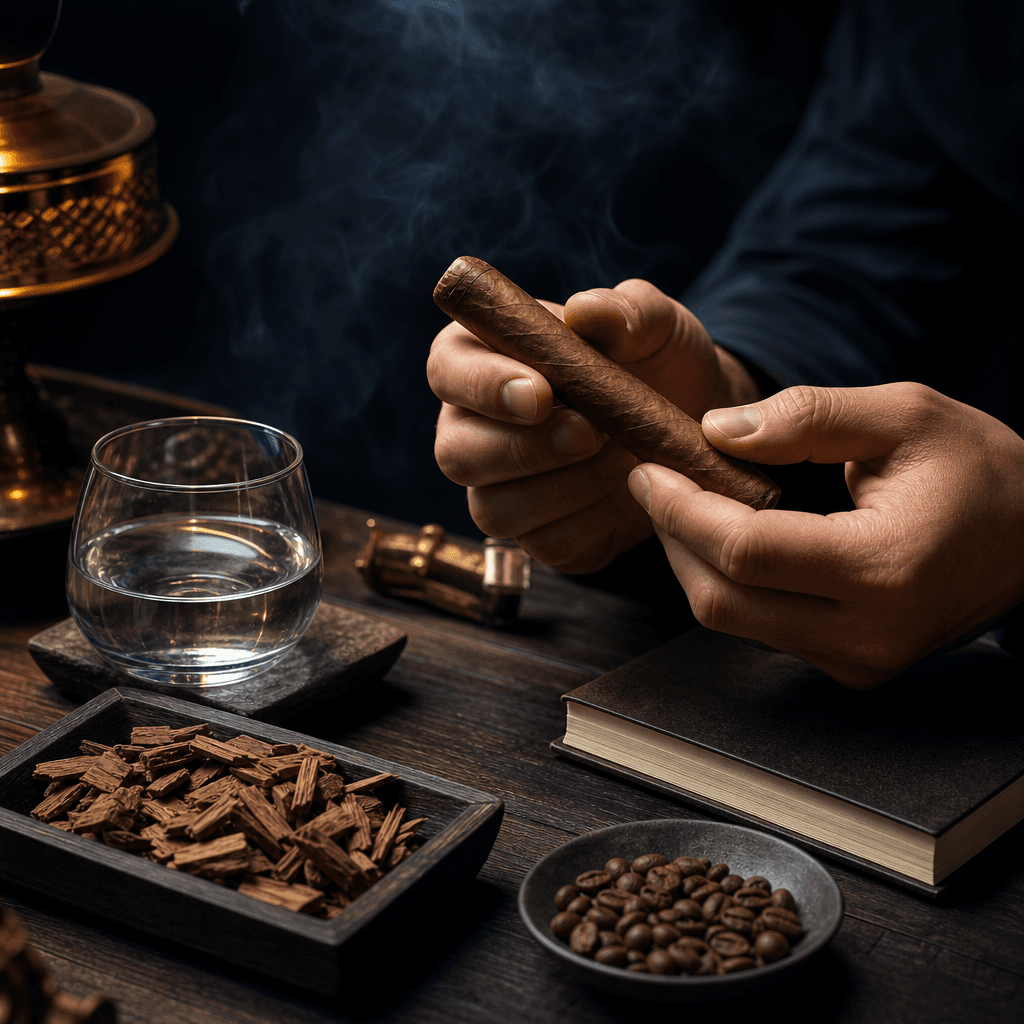
雪茄品味是一門結合五感的藝術,透過視覺、嗅覺、味覺、觸覺與聽覺的互動,能夠深入理解每一支雪茄的獨特風味。觀察雪茄的顏色、油光及結構,能提供初步的狀態評估;冷聞則是建立風味預期的重要步驟。品味過程中,應將煙霧的前段、中段與尾韻細細品味,並記錄變化。觸覺方面,雪茄的彈性與吸阻影響抽吸的舒適度,而聽覺則提醒我們放慢速度,讓雪茄展現其獨特的節奏。透過這些觀察與練習,能夠提升雪茄品味的深度與樂趣。
- 觀察雪茄的顏色、油光與結構,能提供其狀態的初步線索。
- 冷聞雪茄的香氣是建立風味預期的重要步驟,能幫助判斷其特性。
- 品味雪茄時,應將其拆分為前段、中段與尾韻,記錄變化以提升品味能力。
The Five Senses Experience of Cigar Appreciation: How to Mindfully Savor Each Puff
As the editor of "The Cigar Bible," I am often asked by beginners: Why do some people taste coffee, cocoa, and wood in the same cigar, while others only find it spicy? The answer lies not just on the tongue but in how the five senses are awakened and calibrated.
Cigar appreciation is not about memorizing flavor terms but about establishing a quiet, delicate, and repeatable observation method. When vision, smell, taste, touch, and hearing work together, each puff becomes a layered memory rather than a fleeting impression.
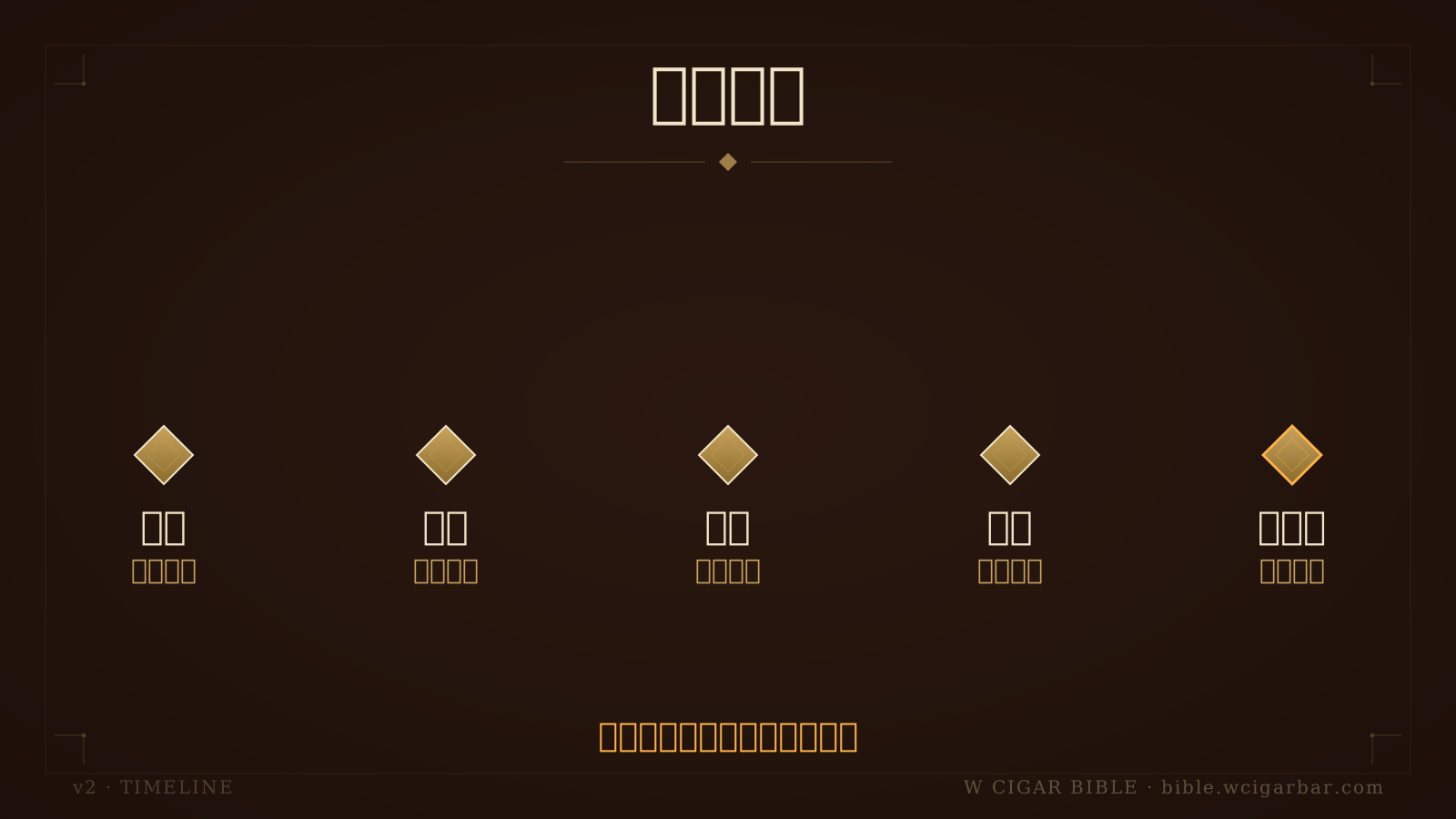
時間軸呈現看色冷聞慢吸觸感與聽節奏五步
Vision: Reading the First Layer of Information from the Wrapper's Color, Sheen, and Structure
Before a cigar is lit, vision already provides many clues. Take the Cuban Cohiba Siglo VI as an example; launched in 2002, it became an important long-size representative before the Behike series was introduced. If the wrapper shows a uniform Colorado to Colorado Maduro color with delicate sheen and smooth veins, it usually indicates good wrapper processing. Conversely, if there are mottled color differences and local cracks, the storage condition needs closer inspection. Vision is not the sole criterion for judging quality, but it is the first door to understanding the cigar's condition.
When observing a cigar, I start from three distances: 30 cm to view the overall proportion, 10 cm to examine the wrapper texture, and finally, I rotate the cigar to look at the cap and foot. For torpedo-shaped cigars like Montecristo No.2, a neatly rolled cap makes it easier to achieve stable draw after cutting; for Robusto sizes like Partagás Serie D No.4, you can check if the filler is evenly packed at the foot to avoid uneven burning due to loose areas.
Beginners often assume "darker color = stronger" as a rule, but this is not precise. The dark wrapper of the Nicaraguan Padrón 1964 Anniversary Maduro often has cocoa, coffee, and sweet aromas; however, the Cuban Hoyo de Monterrey Epicure No.2, even with a lighter color, can present creamy, hay, and woody nuances. Vision provides direction, but the real answer requires verification by the subsequent four senses.
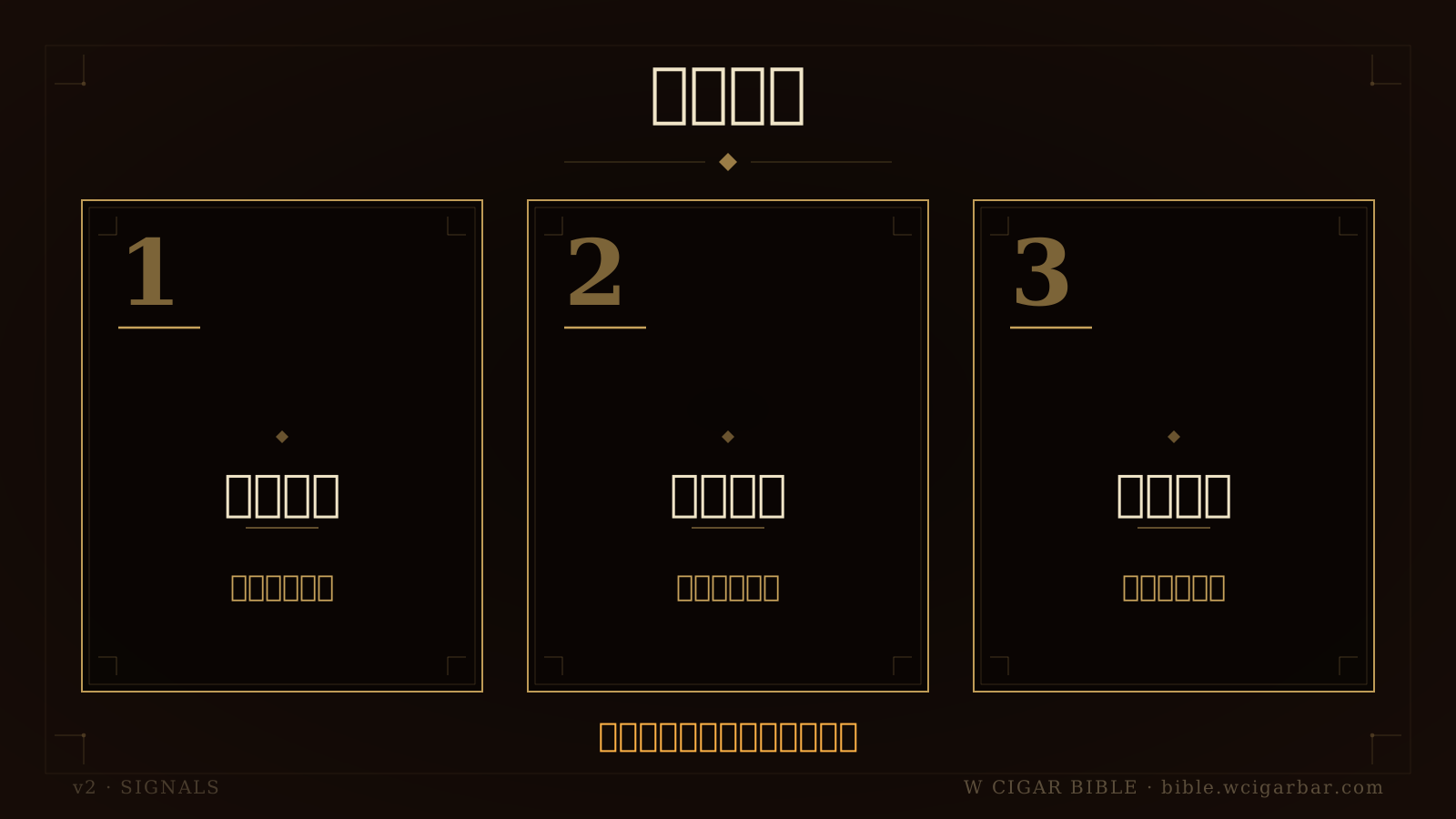
三張卡片列出先看狀態再聞香氣與慢品記錄
Smell: The Aroma Before and After Lighting Speaks More Than You Think
The pre-light cold draw is one of the preparations I value most. First, smell the wrapper, then the foot, as they often have noticeable differences: the wrapper may carry cedar, leather, and hay, while the foot is more likely to reveal the filler’s sweetness, pepper, or earthy aroma. From experiences with many Cuban H. Upmann Magnum 46 around 2010, well-preserved ones often emit honey, nuts, and light floral scents at the foot, which often reappear in the first segment of smoke. The cold draw is not a ritual; it is a crucial step in establishing flavor expectations and comparison benchmarks.
After lighting, smell should be divided into "mouth smoke" and "ambient aroma" lines. The mouth senses the main flavors, while the ambient aroma acts like background music, indicating whether the burn is clean. If the smoke smells acrid, ammonia-like, or burnt, it may be due to high humidity, excessive burning temperature, or the cigar needing more aging time. I generally recommend maintaining storage conditions at 65% to 69% relative humidity and about 18 to 21°C to allow aromas to release more steadily.
Practicing smell can be done by building a database of life memories. Remember the differences between medium and dark roast when drinking black coffee; smell cedarwood chips, dried apricots, black pepper, and roasted almonds to describe cigars more accurately later. Don't rush to use fancy terms; first distinguish the seven main directions of "sweet, sour, bitter, spicy, woody, nutty, earthy," and then gradually refine, which is more practical than memorizing brand reviews.

矩陣比較視覺嗅覺味覺的觀察點訊號與練習法
Taste: Breaking Down a Puff into the Front, Middle, and Finish
When truly tasting, taste is not just a sensation on the tongue tip. The tongue surface, palate, front throat, and back of the nasal cavity all participate in judgment. Beginners can break a cigar into three segments: observe the opening in the first third, the transition in the middle third, and the concentration and finish in the last third. For example, with a well-conditioned Romeo y Julieta Churchill, the front often has floral and woody notes, the middle transitions to toasted bread and nuts, and the finish may show leather and light spices. Carefully recording the changes in three segments will reveal that a cigar is not a single flavor but a moving landscape.
I suggest spacing each puff at least 45 to 60 seconds apart to avoid excessive heat masking the details with bitterness. After inhaling the smoke, let it linger in the mouth for 2 to 3 seconds before slowly exhaling; if you are familiar with basic retrohaling, you can try a small nasal exhale, but it is not necessary for every puff. Nasal sensations are strong, especially with more powerful brands like Partagás and Bolívar, and excessive operation can lead to fatigue.
Taste recording can use a simple scoring method: sweetness 1 to 5, spiciness 1 to 5, woodiness 1 to 5, concentration 1 to 5, finish duration. Suppose you record an Arturo Fuente Hemingway Short Story in 2023, writing "cedar and cream in the front, roasted nuts in the middle, black pepper in the finish, about 20 seconds of finish," and compare the same model or box a year later, you will see the growth of your taste.
Touch: Hand Feel, Draw Resistance, and Smoke Texture Determine Comfort
Touch first comes from the fingers. When picking up a cigar and gently squeezing it, the ideal state should be elastic and evenly resilient, not hard as a stick or soft to collapse. For a Robusto with a ring gauge of around 50, if the tightness is consistent from cap to foot, burning is usually more stable; if a section is noticeably hard, it may cause overly tight draw or uneven burning. Touch is not an auxiliary feeling; it directly affects the smoking rhythm, burning temperature, and taste clarity.
Draw resistance is the second core of touch. After cutting, do a cold draw without lighting, gently inhaling to feel if the airflow is smooth. Too loose will cause the smoke to overheat and burn too quickly; too tight will make you exert too much effort, leading to oral fatigue. For a Robusto with a 52 ring gauge and 124mm length, my ideal draw resistance is like drinking a thick milkshake with a straw: resistant but not strenuous. If you need to exert force three times in a row to get smoke, it is usually too tight.
Smoke texture also belongs to touch. The Davidoff Grand Cru series often makes people feel the smoke is delicate and creamy, while the Oliva Serie V may present a fuller, thicker, spicy mouthfeel. Beginners can practice describing "thin, smooth, dry, oily, powdery, granular." When you start noticing the smoke's touch on the tongue surface and palate, flavor descriptions will immediately shift from flat to three-dimensional.
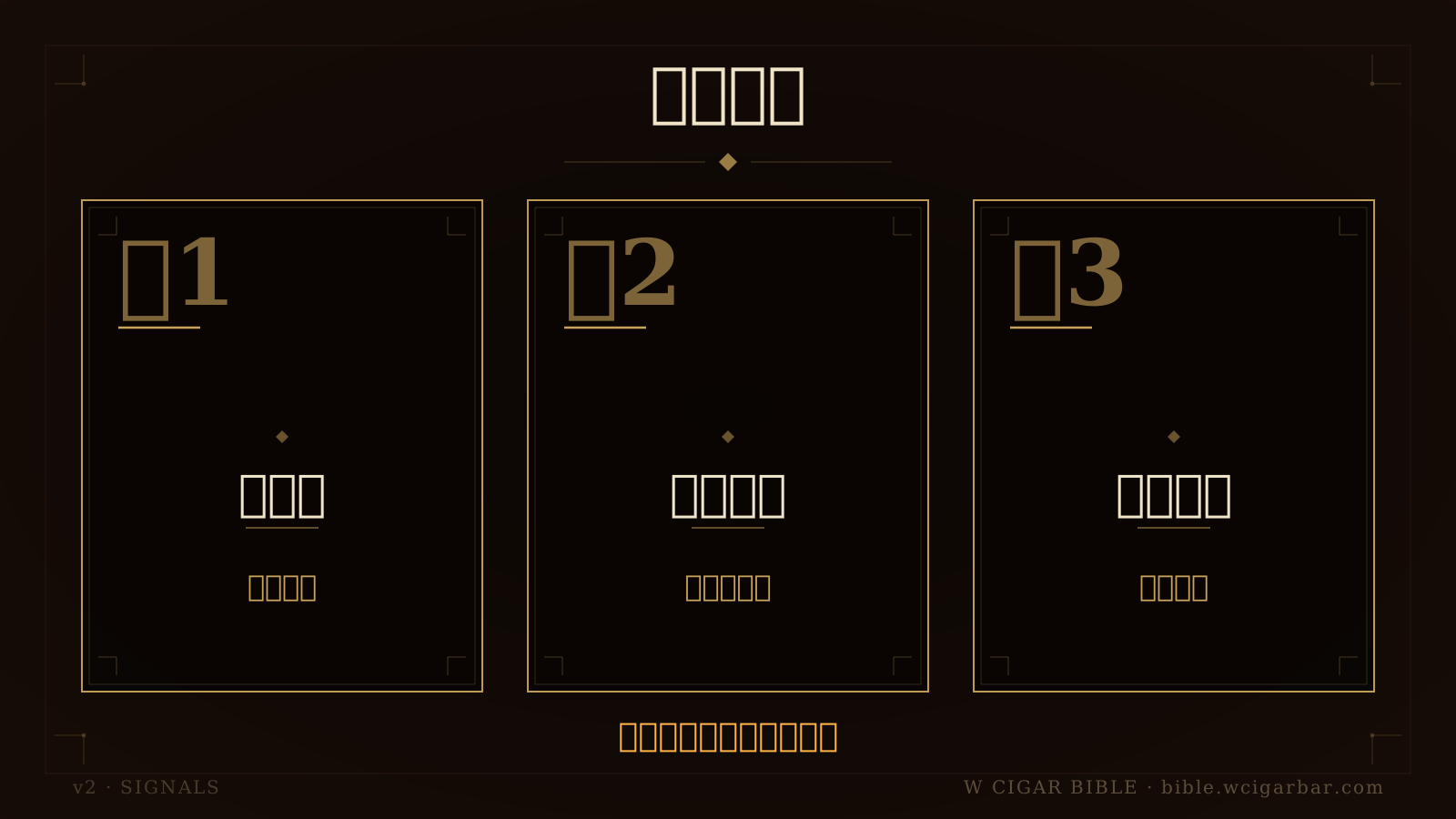
三張提醒卡列出抽太快深色定濃與白灰定優
Hearing and Rhythm: Silence, Burning Sounds, and Your Breathing
Many people overlook hearing because cigars seem quiet. But the subtle crackling when lighting the foot, the sound of airflow through the filler when drawing, and the slight crack before ash falls can provide status clues. If the burning sound is rapid and the foot quickly brightens, it may indicate you are smoking too frequently; if there is almost no reaction and the smoke is thin, it may be due to high humidity or tight draw. The true value of hearing is to remind you to slow down and let the cigar speak at its own pace.
I often ask beginner friends to use breathing to control rhythm: after taking a puff, don't rush to take another, but breathe normally three to five times before returning to the next puff. This will form a frequency of about 45 to 75 seconds per puff. Many Cuban cigars, especially the thinner Corona Gorda or Lonsdale, tend to overheat and become spicy if smoked too quickly after the second segment, with the original delicate floral and woody notes overshadowed by bitterness.
Environmental sounds also affect the senses. Noisy spaces make people smoke quickly, while quiet environments allow concentration on the finish. In 2018, after a private evening gathering, I stayed alone to organize notes, and the impression of the same Trinidad Fundadores was completely different in noise and silence: the former only remembered spiciness, while the latter felt honey, hay, and a long finish. Cigars require time and a bit of blank space.
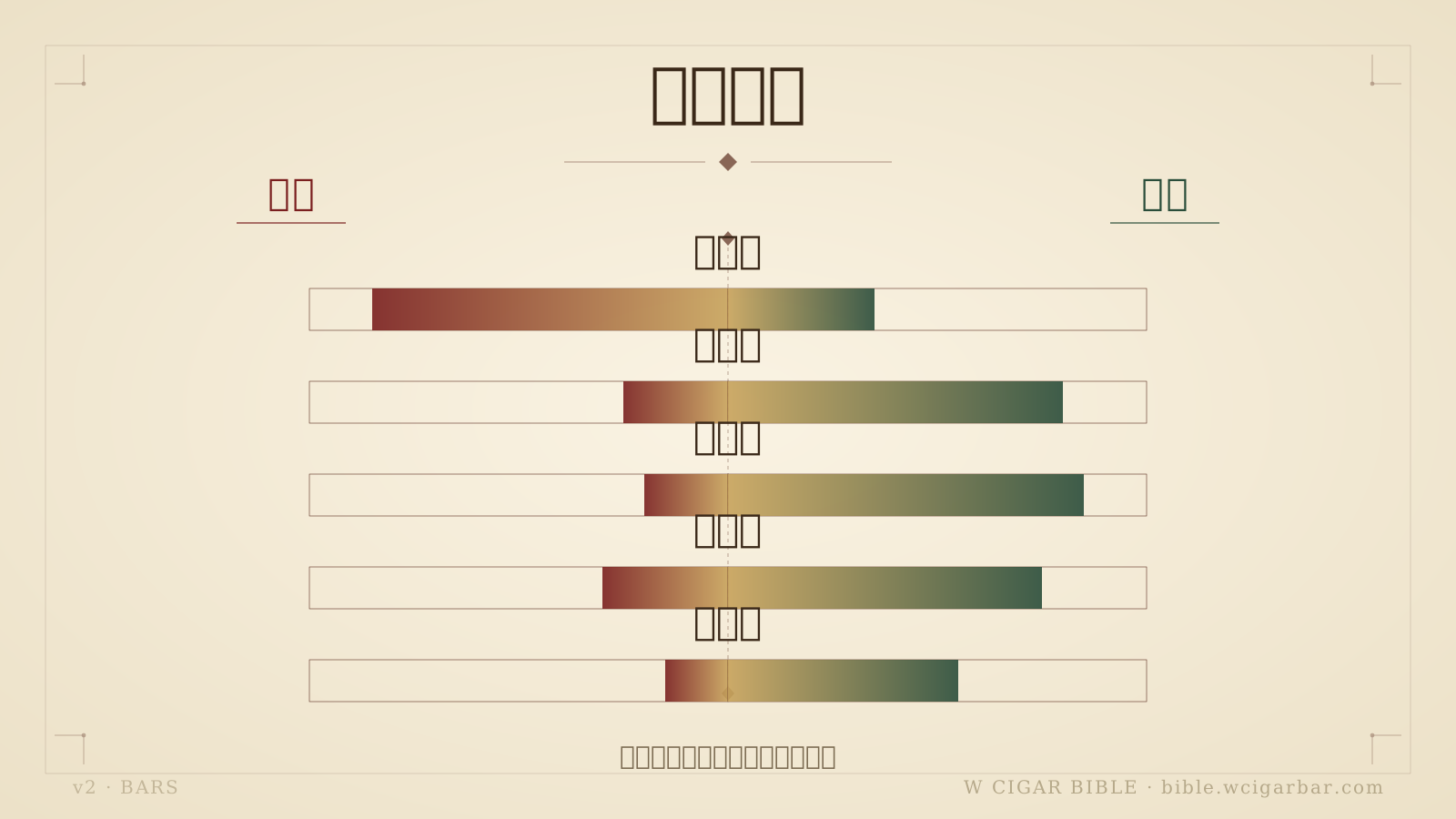
長條圖比較新手與熟手在節奏冷聞記錄等差異
Five Senses Interaction Table: How to Turn Feelings into Reproducible Practice
The most common difficulty for beginners is feeling "seems good" every time but not being able to articulate what is good. My method is to break the five senses into observable fields, recording only 5 to 8 key points each time, not pursuing perfection. The following table can be used for any brand, such as Cohiba, Montecristo, Padrón, Davidoff, My Father, and is also suitable for comparing different years or storage conditions. Real progress comes from repeatable records, not from how many flavor terms you can say at once.
| Sense | Observation Focus | Recordable Examples | Common Reminders |
|---|---|---|---|
| Vision | Wrapper, sheen, ash color, burn line | Colorado, tight white ash, slight burn deviation | Do not judge strength by color alone |
| Smell | Cold draw, smoke, ambient aroma | Cedar, honey, black pepper | Acrid smell may relate to humidity or temperature |
| Taste | Front, middle, finish, sweet-bitter-spicy-sour | Cream in the front, nuts in the middle | At least 45 seconds between puffs |
| Touch | Hand feel, draw resistance, smoke thickness | Even resilience, moderate draw resistance | Both too loose and too tight affect experience |
| Hearing | Lighting sound, burning rhythm, environment | Short crackling, quiet environment | Sound can remind you to slow down |
In practice, use three steps: first, spend 2 minutes observing and cold drawing before lighting; second, during the tasting process, record only once at the end of each third, not after every puff; third, add a summary 5 minutes after finishing. If you pair with water, unsweetened sparkling water, or light tea, remember to write down the pairing, as sweetness, acidity, and tannins will change taste judgment.
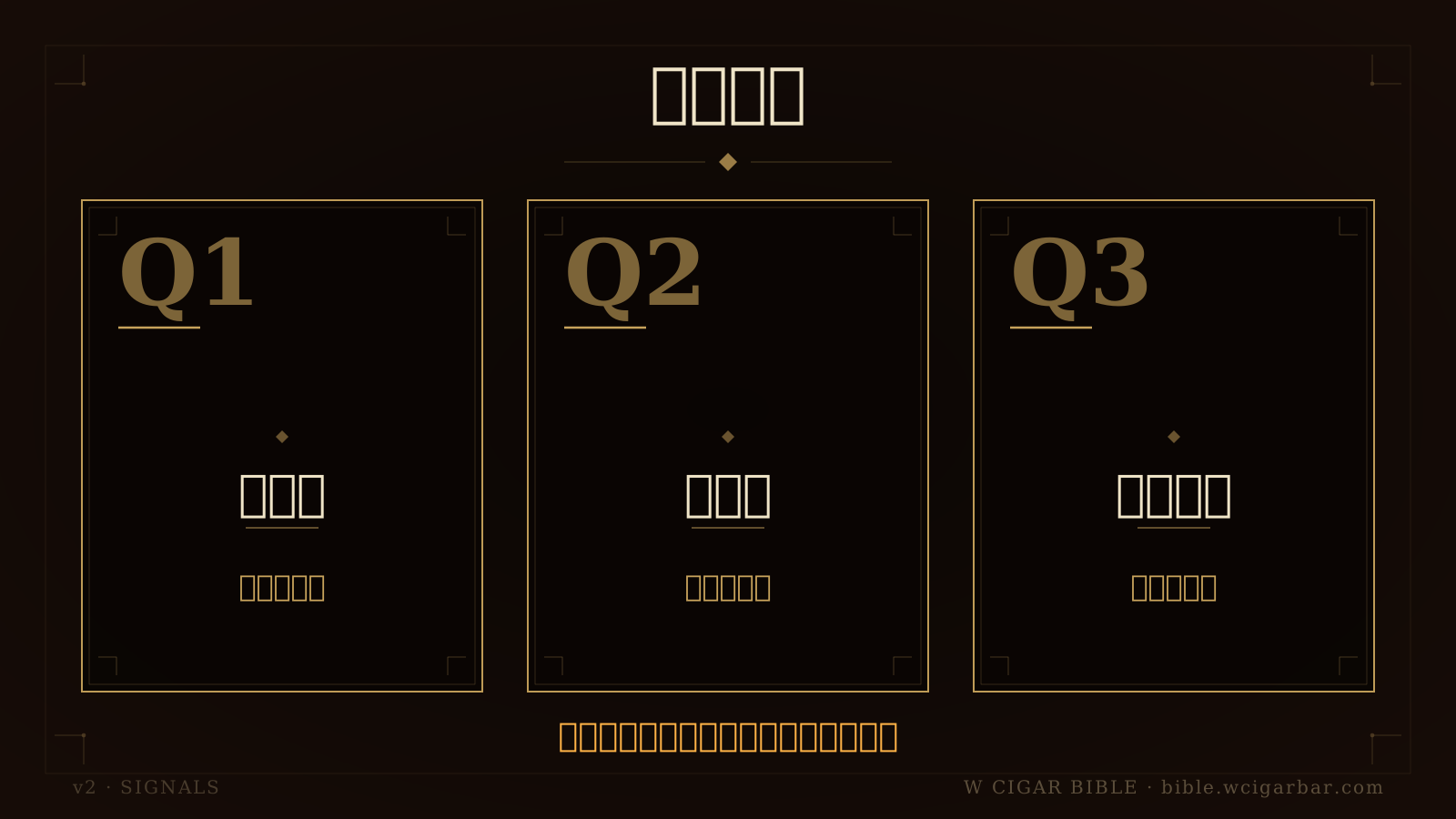
快問快答卡片回答只覺苦鼻回吐與盒內差異
Etiquette and Mindset: Making Yourself and Others Comfortable
The five senses experience of cigars is not just about oneself but also includes respect for space and others. Do not scatter cuttings on the table when cutting; avoid directly burning the wrapper with flame when lighting; do not point at people with a cigar during conversation; let ash naturally fall to about 2 to 3 cm before gently placing it on the ashtray edge, without frequent tapping. These details may seem small but will affect the overall tasting atmosphere. True cigar appreciation includes flavor ability, as well as restraint, respect, and composure.
Mindset is equally important. If you have just finished a high-pressure meeting and are still anxious, a Bolívar Belicosos Finos with a strength of 4/5 may be interpreted as "too strong"; but after dinner, in a stable mood, its leather, earth, and coffee may become deep and charming. Cigars are not fast food; they require you to give up time and honestly face the current state.
I also advise beginners not to compare too many cigars at once. If you taste more than three cigars in a day, your taste buds and nasal cavity will become fatigued, making it difficult to be accurate later. A better approach is to choose 1 to 2 cigars per week, consistently recording for 3 months. After twelve weeks, you will understand your preferences better than just looking at scores: do you prefer floral or leather? Creamy or peppery? These answers will slowly form your personal style.
Frequently Asked Questions
1. Why do I only taste bitterness and not cocoa or nuts?
It is mostly related to smoking too fast, overheating, or unstable humidity. First, extend the interval between puffs to 60 seconds, pair with room temperature water to cleanse the palate, and then observe if the second segment becomes clearer. Eliminate speed and condition issues first, and flavors will have a chance to emerge.
2. Do beginners need to pursue nasal exhaling?
No rush. Nasal exhaling can amplify aromas but also easily irritate. Start by doing it once every five puffs, allowing only a small amount of smoke to pass through the nasal cavity, and stop if uncomfortable. The focus is on stable sensation, not skill performance.
3. Does whiter ash mean a better cigar?
White, tight ash usually indicates good burning condition, but it cannot solely determine quality. Soil minerals, leaf material, humidity, and burning speed all affect ash color, and it still requires a combination of aroma, draw resistance, and finish judgment.
4. Why do cigars from the same box taste different?
Handmade production naturally has subtle differences, and storage position also affects humidity exchange. Cigars near the edge and center of the box may have different conditions; it is recommended to slightly adjust positions monthly and maintain 65% to 69% relative humidity.
5. What drinks are suitable for practicing the five senses with cigars?
Beginners can start with room temperature water, unsweetened sparkling water, or light oolong tea to avoid sweet drinks masking details at the beginning. Once you can distinguish woody, creamy, and spicy notes, try whiskey, rum, or coffee for better judgment.
For me, the most fascinating aspect of cigars is not who can articulate more flavors but that it slows people down. Vision teaches us to observe, smell awakens memory, taste establishes judgment, touch reminds of status, and hearing brings back rhythm. When the five senses quietly cooperate, each puff is not just smoke but a convergence of time, land, craftsmanship, and mindset. May you develop your own cigar language at your own pace.
—Cigar Prince Wilson Tsai
Smoking is harmful to health. Smoking is prohibited for those under twenty. Quitline: 0800-636363. This article is for reference on cigar culture, storage, and regulations for adults over twenty, not a tobacco advertisement, promotion, or purchase suggestion.
Like this article?Share with friends
Share this W Cigar Bible piece with friends who want to learn cigar culture, storage, and tasting.
想把這篇 化為實踐
雪茄聖經是知識;雪茄文化要在空間裡發生

W Cigar Bar 大安總店資訊
台北大安區 · 雪茄聖經總編輯 Wilson Tsai 主理的雪茄文化空間
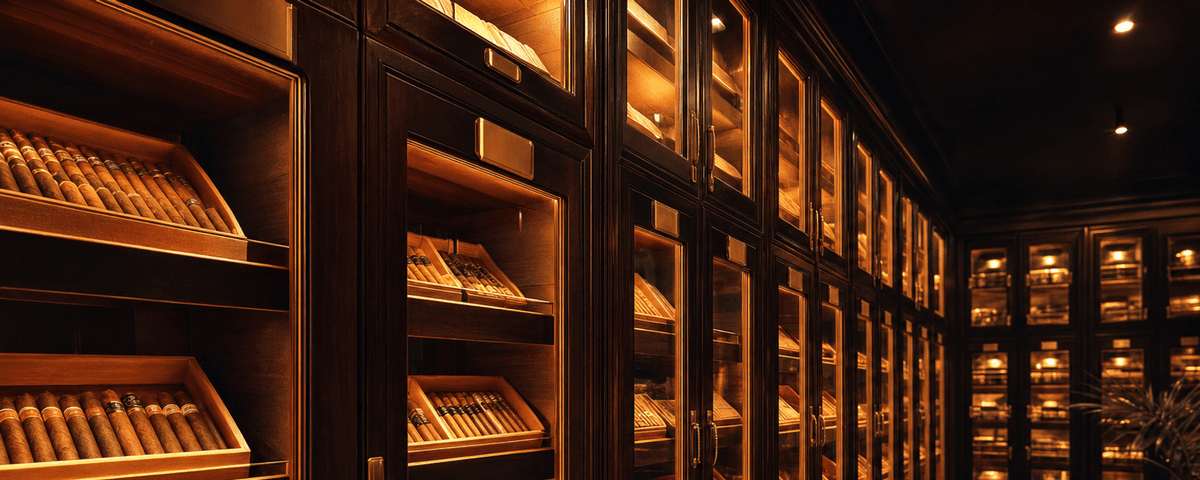
33 座 24 小時恆溫恆濕醇化室
W Cigar Bar 提供的會員醇化空間 · 場地資訊請洽編輯部
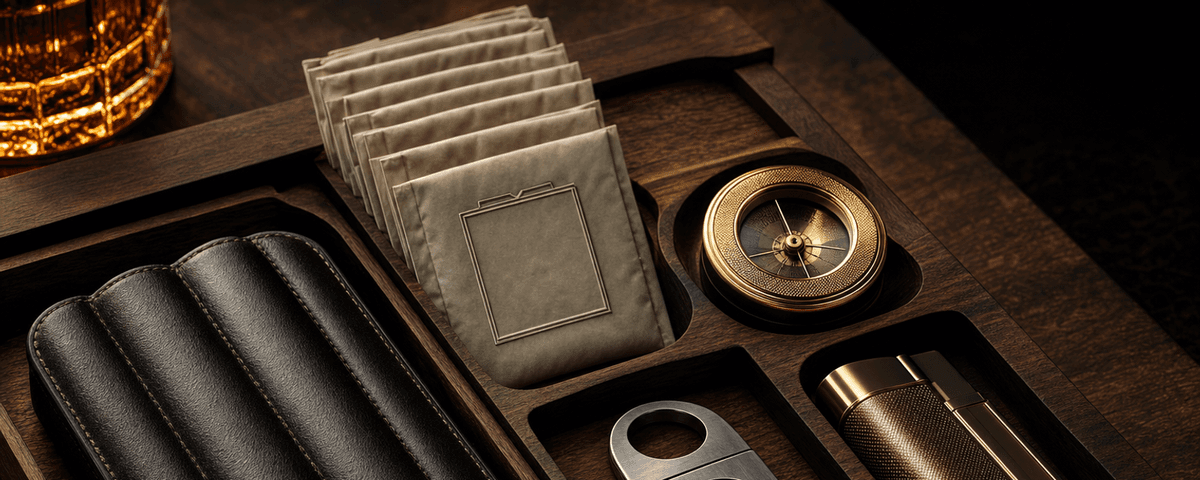
雪茄剪 / 打火機 / 雪茄盒 / Boveda
W Cigar 配件官網 · 專營雪茄配件正品
加 LINE 好友 · 文化諮詢
文化空間資訊 · 紳士沙龍 · 私人包場
本網站內容僅供雪茄文化、歷史、收藏與品吸知識研究參考。菸品有害健康、未滿法定年齡者請勿吸菸。實際規範請依所在地法律為準。
吸菸有害健康・戒菸專線 0800-636363・本站僅供 20 歲以上成年人閱覽。
讀到這裡,你不只是路過的人
留下 Email,加入 W 雪茄聖經內圈——總編輯 Wilson Tsai 親選的學院深文與國際新訊,先你一步送到信箱。
· 教育用途非銷售 · 隨時一鍵退訂 · Email 絕不對外公開 · 由勝茄股份有限公司營運
同分類延伸閱讀

資料來源:W Cigar Bible 編輯部整理 · 雪茄王子 Wilson Tsai 親自審稿
本文僅供雪茄文化、歷史、收藏與品鑑知識研究,不作為菸品促銷、銷售或購買建議。吸菸有害健康,未滿二十歲不得吸菸。