探索雪茄的微生物世界:發酵與風味的科學
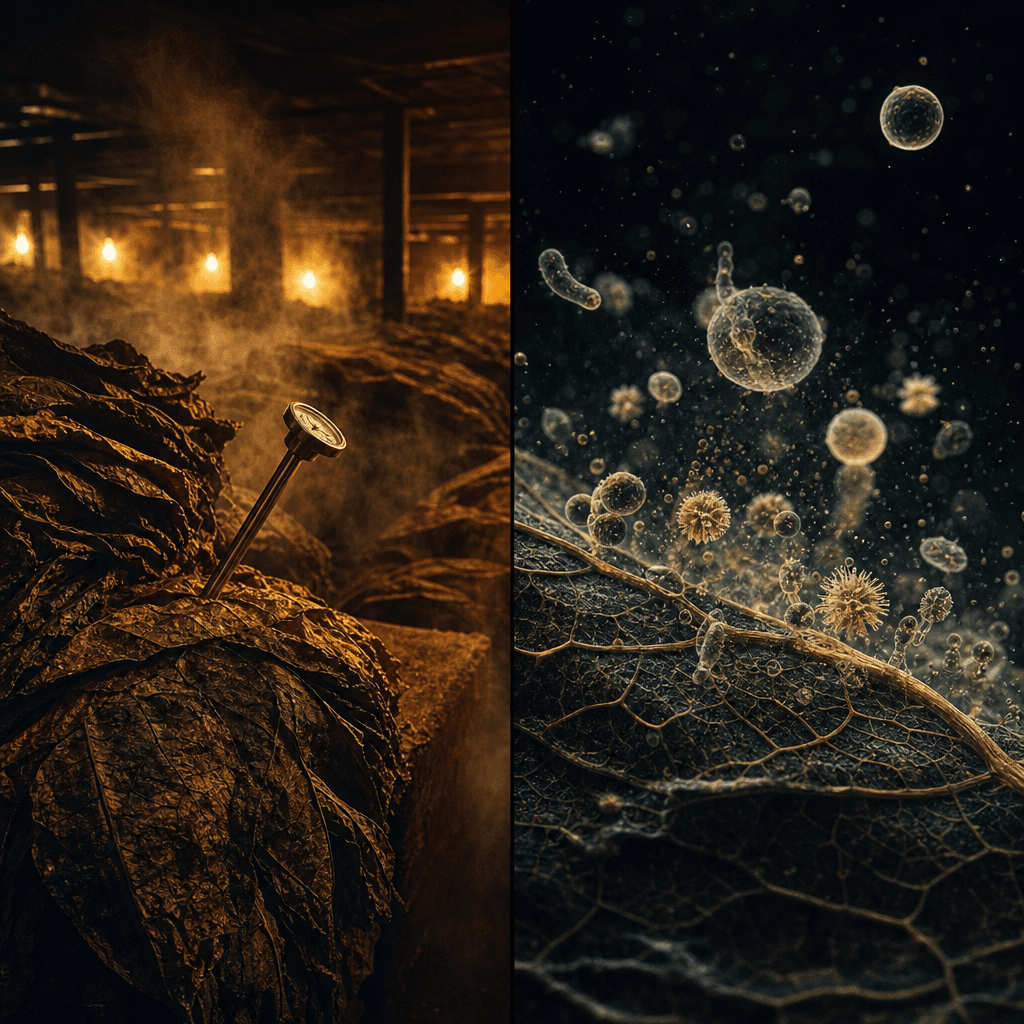
雪茄的風味不僅依賴優質的葉子和工藝,還深受微生物生態系的影響。從古巴、尼加拉瓜到多明尼加和宏都拉斯,每片菸葉的發酵過程中,微生物的角色至關重要。它們在適當的溫度和濕度下,協同作用,將生青的刺激感轉化為穩定的芳香與圓潤口感。發酵過程中,細菌、酵母和黴菌各自負責不同的化學轉化,影響最終的風味特徵。了解這些微生物的互動及其對香氣的影響,對於雪茄愛好者來說,是深入品味的關鍵。
- 雪茄的風味由微生物生態系統決定,發酵過程中微生物的選擇影響口感的穩定性。
- 發酵階段中,微生物分解蛋白質與糖類,能降低刺鼻的氨感,提升整體風味。
- 翻堆技術不僅是形式,而是調整氧氣、熱量與水分的關鍵,影響雪茄的最終品質。
Exploring the Microbial World of Cigars: The Science of Fermentation and Flavor
The flavor of cigars is never just about a good leaf and a skilled hand. As I repeatedly dissect the maturation paths of Cuba, Nicaragua, the Dominican Republic, and Honduras, I become increasingly certain: hidden deep within the leaf veins is a microbial ecosystem.
As the editor of the "Cigar Bible," I often understand cigars as "combustible fermented works." Soil, harvesting, stacking, turning, aging, and storage all involve deciding which microorganisms remain and which reactions continue, ultimately resulting in the sweet, sour, spicy, woody, leathery, and creamy sensations we experience.
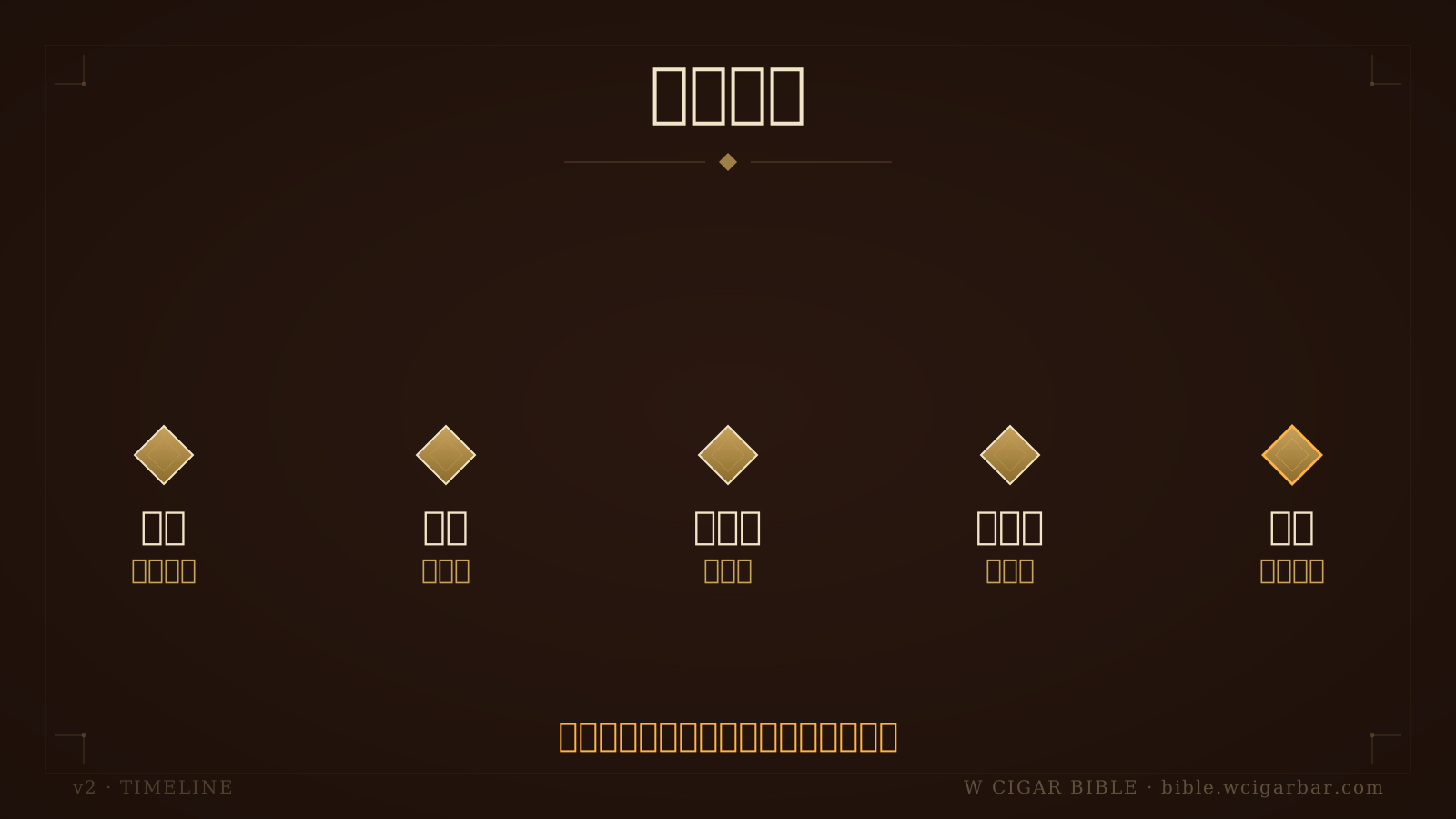
時間軸呈現菸葉從田間到醇化的變化
Microorganisms Are Not Supporting Actors: They Determine the Direction of Fermentation
A tobacco leaf does not truly cease its life once it leaves the field. Bacteria, yeast, and mold spores remain on the leaf surface, veins, and interior, becoming active again when humidity, temperature, and oxygen conditions change. Even if the leaves of Cuba's Vuelta Abajo, Nicaragua's Estelí, and the Dominican Republic's Cibao are of similar varieties, the microbial communities differ due to soil, organic matter, and handling practices.
In traditional cigar craftsmanship, fermentation is not about "leaving the tobacco to sit," but controlling heat, moisture, and pressure through pilón stacking. According to records from many high-end factories in the 2010s, the core temperature during initial fermentation often fluctuates between 38°C and 48°C; if the Ligero leaf stack rises above 50°C, the master usually turns the stack to prevent ammonia retention and fix rough bitterness. The role of microorganisms is to transform raw, pungent, and rough sensations into more stable aromatic molecules and a rounded mouthfeel.
Veterans often talk about "a certain brand having a cocoa feel," "a certain vintage being saltier," or "a certain region having more pronounced pepper," which is not only due to soil minerals but also the transformation of proteins, sugars, polyphenols, and nicotine during fermentation. The deep roasted cocoa and coffee tones often found in Padrón 1964 Anniversary are related to Nicaraguan sunlight, thick leaf structure, and long aging; the grassy sweetness, honey, and creamy sensations often discussed in Cohiba Siglo VI are closely linked to the meticulous control of Cuban leaves during grading, fermentation, and final stabilization.
For advanced players, flavor is not an abstract adjective but a chemical resume written by microorganisms, enzymes, temperature, humidity, and time. If you only look at ring gauge, origin, or scores, you might miss the truly fascinating underlying logic of cigars.
三張卡說明微生物發酵與風味形成重點
From Field to Pilón: The Microbial Foundation Before Fermentation
The microbial composition of tobacco leaves is determined from the field. Planting density, the length of the rainy season, harvest timing, and ventilation in curing barns all change the leaf surface microbiome. Taking the common process in Cuba's Pinar del Río as an example, lower leaves (Seco), middle leaves (Viso), and upper leaves (Ligero) are harvested in batches, and due to differences in thickness, nitrogen content, and oil ratio, the subsequent fermentation speeds differ. Upper leaves are usually thicker and more robust, requiring more time for microorganisms to suppress the stimulating sensation.
The curing barn is the first critical stage. Over about 45 to 60 days, leaves gradually turn from green to yellow to brown, chlorophyll degrades, moisture decreases, and enzyme reactions and microbial activities intertwine. If ventilation is insufficient at this time, mold spots and putrid odors may appear; if drying is too fast, sugar conversion may be insufficient, making the later fermentation appear sharp, empty, and astringent.
| Stage | Common Duration | Main Changes | Impact on Flavor |
|---|---|---|---|
| Field Maturity | 90–120 days | Accumulation of sugars, proteins, and nicotine | Determines concentration and structure |
| Post-Harvest Drying | 45–60 days | Chlorophyll breakdown, moisture reduction | Reduces grassy taste |
| Initial Fermentation | 30–90 days | Microbial breakdown of proteins and sugars | Reduces pungent ammonia sensation |
| Secondary Fermentation | 60–180 days | Stabilization of aroma precursors | Forms woody, sweet aromas |
| Aging | 6 months to several years | Integration of volatiles | More refined mouthfeel |
The fermentation of a good cigar is not about making the leaves as dark as possible, but allowing each type of leaf to complete its transformation at an appropriate speed. For example, Arturo Fuente OpusX uses Dominican high-sunlight wrapper leaves, which are thick and oily; if fermentation is insufficient, spiciness will directly overpower sweetness; if controlled properly, it can exhibit cinnamon, cedar, dried fruit, and creamy lines.
When judging whether a cigar is cleanly fermented, I usually first smell the cold aroma and then observe whether the initial segment has obvious ammonia, wet cardboard, or raw bean flavors. These do not necessarily mean the brand is bad; sometimes it's because the cigar hasn't stabilized after transport, or the leaf processing rhythm is incomplete. Veterans need to consider not only whether they like it at the moment but also whether they can deduce the craftsmanship from the scent.

矩陣比較細菌酵母與黴菌在發酵中的角色
Bacteria, Yeast, and Mold: How Three Forces Shape Aroma
The most overlooked aspect of cigar fermentation is the division of labor among different microorganisms. Bacteria often participate in the breakdown of proteins and nitrogen-containing compounds, affecting ammonia release and pH changes; yeast may participate in sugar conversion, producing small amounts of alcohols and esters; mold, when surface conditions are suitable, participates in the breakdown of complex organic matter. They do not perform solo acts but compete with each other in the temperature, humidity, and oxygen of the leaf stack.
According to many cigar studies after 2000, groups like Bacillus, Pseudomonas, Aspergillus, and Penicillium are often mentioned. The name itself does not equate to good or bad. The key is whether they are in a controlled environment. Bacillus bacteria are heat-resistant and can act at higher temperatures in the stack core; some yeasts are more active in lower temperature, sugar-rich environments; uncontrolled mold can bring moldy, earthy, or health concerns.
The contribution of microorganisms to aroma is often not directly "producing a specific flavor" but creating conditions for aroma precursors to mature. For example, after protein breakdown, subsequent heating and combustion are more likely to produce nutty, roasted, and caramelized associations; polyphenol oxidation and condensation may affect woody, tea-like, bitter, and astringent notes.
Specific to brand experiences, the Davidoff Aniversario series often features clean cream, light wood, and white pepper, reflecting low off-flavors, precise aging, and a more elegant microbial rhythm; Partagás Serie D No.4 is often considered by veterans to have leather, earth, coffee, and spice notes, which require more complete fermentation and leaf balance to support. The same "fermentation flavor" can bring depth when clean or leave muddiness when uncontrolled.
Temperature, Humidity, and Turning: What the Master Truly Controls is the Ecosystem
In the factory, the pilón may seem like just a pile of leaves, but it is actually a very precise microenvironment. If stacked too loosely, the temperature won't rise, and transformation is slow; if stacked too tightly, heat and moisture can't escape, leading to sourness or off-flavors. Many traditional factories use a combination of touch, smell, and thermometers to judge when the core reaches a critical point, at which they dismantle, cool, and rearrange.
Different leaf positions require different treatments. Seco leaves are thin and aromatic; if exposed to high temperatures for too long, the aroma can be flattened; Ligero leaves are thick and high in nicotine, requiring longer fermentation to reduce stimulation. Nicaragua Estelí's Ligero often has strong black pepper, earth, and mineral notes, and the concentration in cigars like My Father Le Bijou 1922 or Oliva Serie V Melanio relies on taming thick leaves during fermentation and aging.
Key observations for operability include:
- Whether the core temperature of the stack rises steadily rather than suddenly spikes.
- Whether the smell after turning shifts from pungent ammonia to dry grass, wood, and sweet aromas.
- Whether the leaf texture is supple and oily rather than sticky or cracked.
- Whether grading is meticulous to avoid mixing leaves of different thicknesses in the same rhythm.
Turning is not a formality but a technique for redistributing oxygen, heat, moisture, and microbial positions. I have seen the same batch of Honduran wrapper leaves, with the outer leaves already carrying sweet wood aromas, while the core leaves still have a significant ammonia scent; if rushed into rolling at this point, the initial segment might be acceptable, but the middle and later segments would experience a concentrated burst of bitterness, spiciness, and astringency.
For veterans, understanding turning helps interpret cigar status. If a cigar burns normally but consistently has a pungent alkaline taste, it may not be a humidity issue but rather insufficient fermentation completion; if the aroma has depth but the mouthfeel is closed, it may need more time to age under good storage conditions. The core of temperature and humidity control is not pursuing fixed numbers but allowing ecological reactions to proceed at the correct speed.
三張卡提醒白粉高濕與菌量的常見誤解
Flavor Molecule Map: Where Do Sweet, Sour, Spicy, and Woody Notes Come From?
Cigar flavors are often described as coffee, cocoa, leather, cedar, pepper, nuts, honey, or dried fruit, but these words are just sensory translations. The true chemical foundation includes sugar degradation products, amino acid reactions, volatile acids, phenols, terpenes, and nitrogen-containing compounds. Microorganisms change the proportions of these substances during fermentation, and combustion through thermal cracking and oxidation produces complex aromas.
Sweetness does not necessarily come from high sugar content but may result from sensory amplification after the balance of sourness and bitterness decreases. Sourness is not necessarily a flaw; a moderate amount of volatile acids can make the flavor more three-dimensional, like certain vintages of Hoyo de Monterrey Epicure No.2, which have cream, floral, and slightly sour fruit notes, preventing the overall profile from appearing flat. Conversely, if the sourness resembles vinegar or wet cloth, it usually indicates issues in processing or storage.
Spiciness is often related to nicotine, nitrogen-containing substances, and combustion temperature. Formulas with a high proportion of Ligero, such as La Flor Dominicana Double Ligero, if sufficiently fermented and aged, will have spiciness like black pepper, nutmeg, or horseradish; if insufficient, it easily turns into throat irritation. Woody and leathery notes are closely related to polyphenols, resinous notes, and oxidation reactions.
The hallmark of flavor maturity is not fewer flavors but the transformation of sharp edges into layers. For example, if Montecristo No.2 is in good condition, the initial segment often has toasted bread, wood, and light cocoa, the middle segment transitions to nuts and coffee, and the final segment adds leather and spice; this progression is the result of leaf composition, fermentation, and aging working together.
I suggest that veterans take notes not only on "good smoke" or "intensity." Record whether the first puff has ammonia, how sweetness, sourness, bitterness, and spiciness change in the front, middle, and back segments, whether the burning temperature increases and becomes coarse, and how long the residual aroma lingers in the nasal cavity. Sensory experiences that can be tracked have a chance to trace back to craftsmanship and microbial conditions.
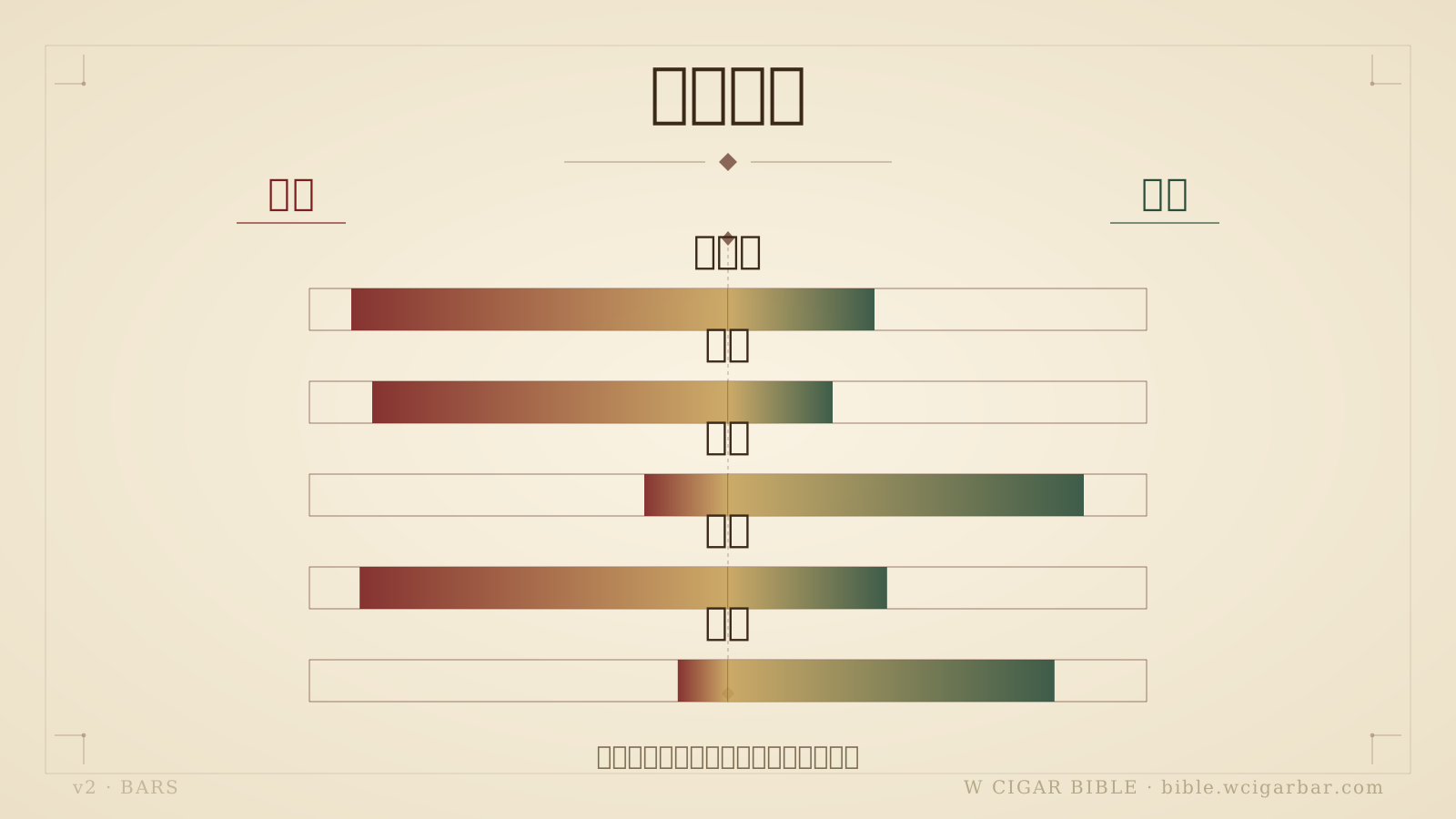
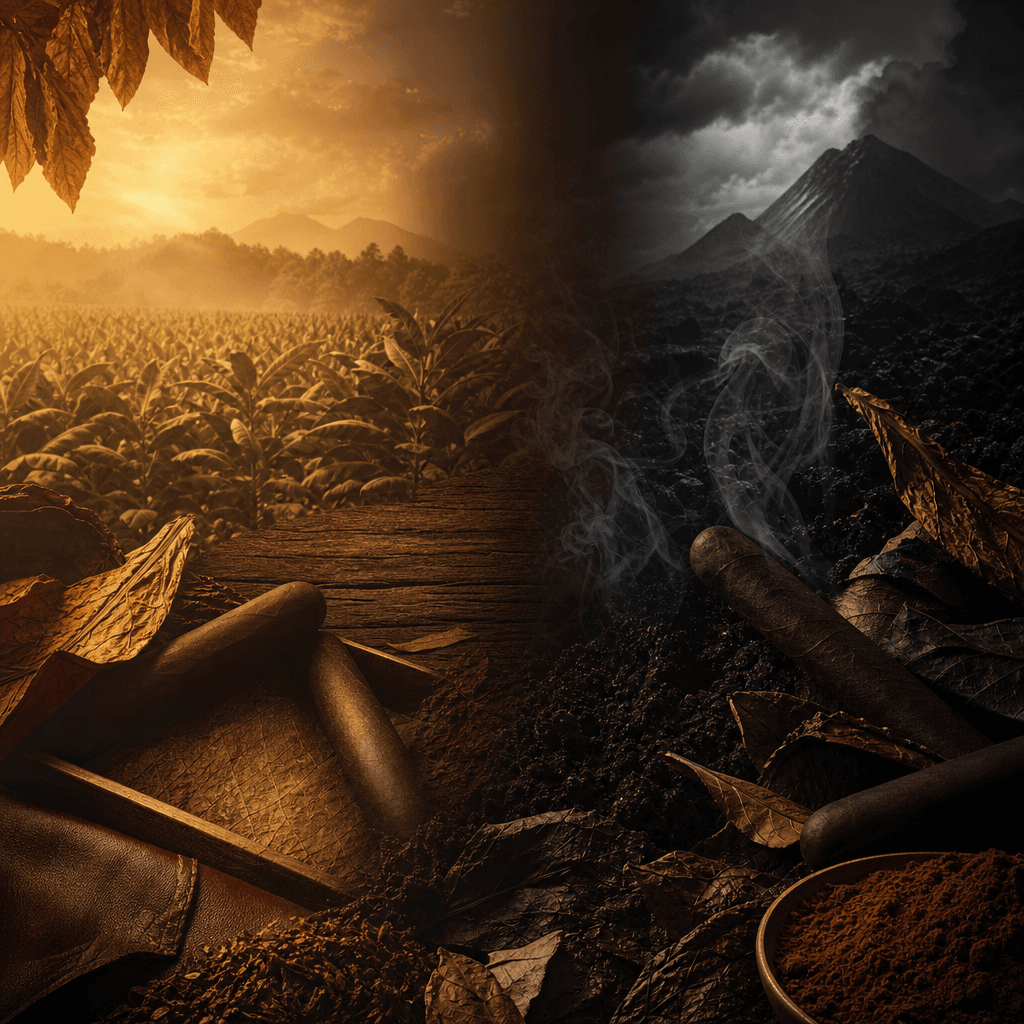
長條圖比較受控發酵與失控滋生的差異
Microorganisms in Aging: Do Finished Cigars Continue to Change?
Once finished cigars are boxed, intense fermentation is mostly over, but that doesn't mean all changes stop. As long as there is still moisture, oxygen, and reactive substances within the leaves, slow oxidation, volatile integration, acid-base balance, and trace microbial activity may still occur. This is why the same box of Ramon Allones Specially Selected from 2016, when opened in 2021, may be rounder, sweeter, and less aggressive than when first opened.
However, aging is not magic. If the original fermentation was insufficient or the leaf material had defects, time can only improve some sharpness, not completely rewrite the basic structure. For example, some Cuban cigars from the 1990s had quality fluctuations due to production pressure, and there are still boxes on the market with significant state differences; some, after proper storage, are charming in aroma, while others appear hollow due to source, humidity, and transport damage.
Collectors often ask if value can be judged by vintage. My answer is always cautious: vintage is just a clue, not a guarantee. Box codes, sources, storage curves, humidity stability, and whether they have been exposed to high temperatures all affect the result. Collecting may bring market price changes, but it does not guarantee appreciation; it still depends on source preservation and market.
For storage goals, most cigars can remain stable in an environment with 65% to 69% relative humidity and about 18°C to 21°C. Excessive moisture can increase microbial activity and mold risk, making combustion dull and flavors blunt; excessive dryness can cause the loss of oils and volatiles, thinning the mouthfeel. The essence of aging is to allow leaves that have completed fermentation to slowly integrate, not to re-ferment problematic cigars.
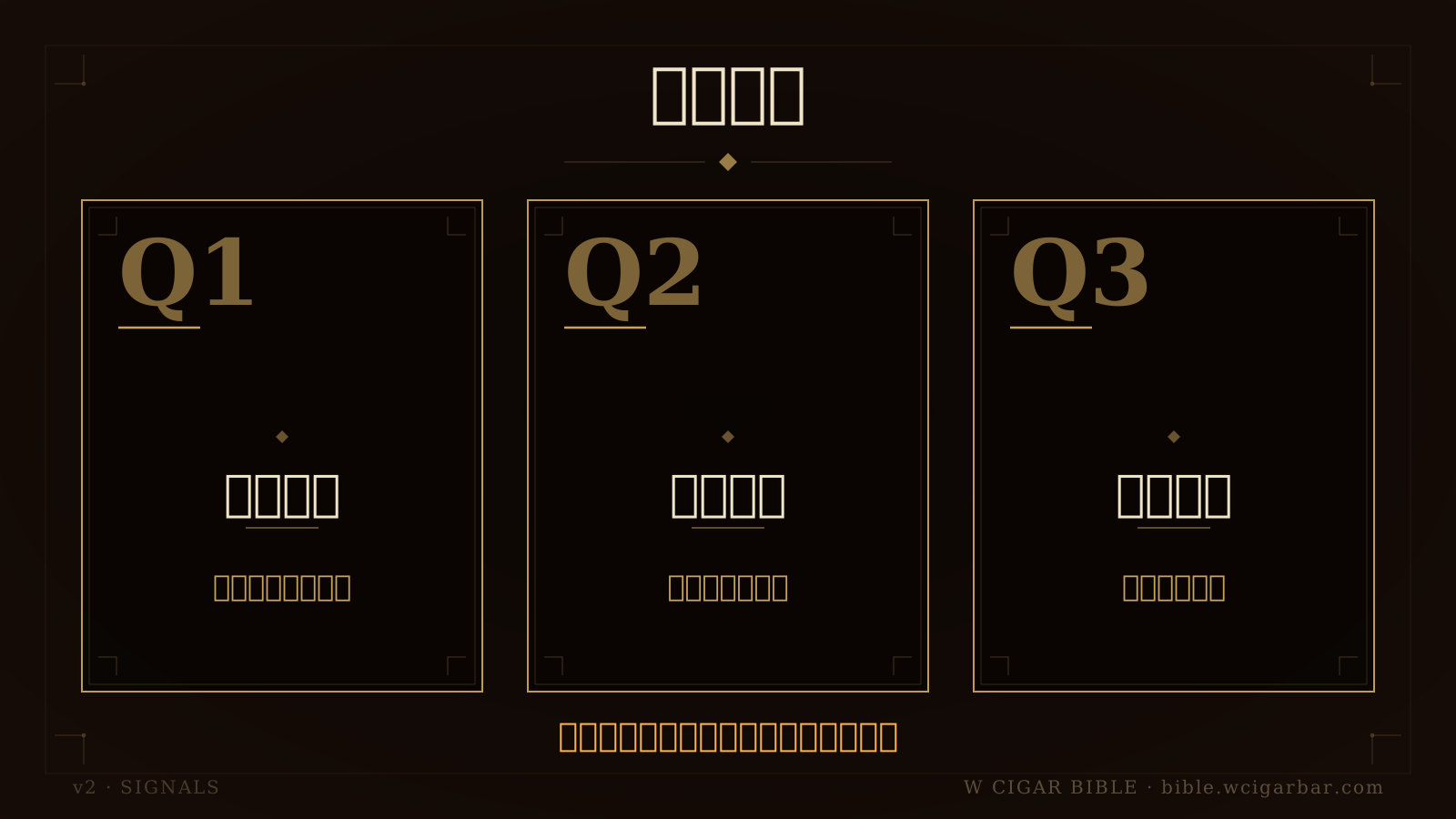
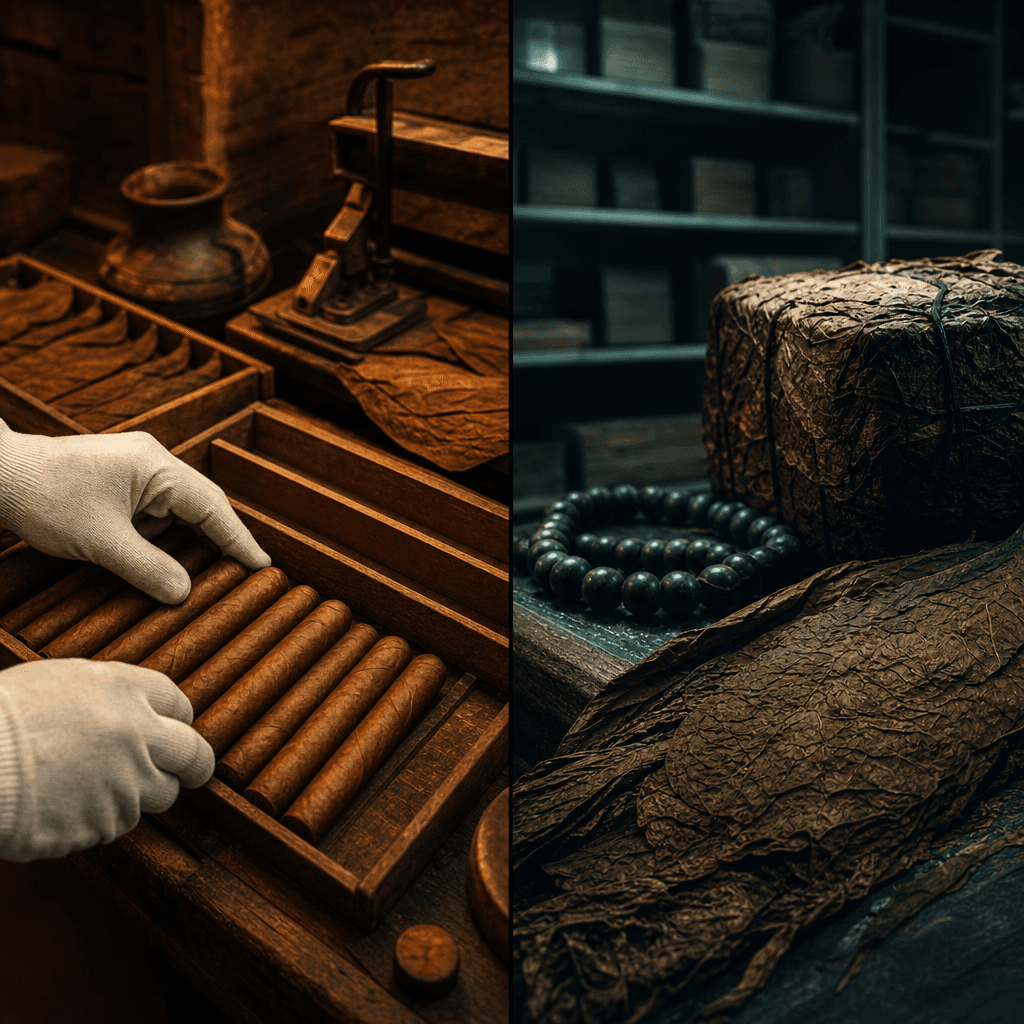
三張問答卡整理白粉久放與高濕的重點
How Veterans Use Sensory Judgment to Assess Fermentation Quality
Advanced players don't have to rely solely on brand reputation to judge fermentation. The first step is to smell the foot and wrapper: dry grass, cocoa, cedar, nuts, and a faint fermented sweetness are usually positive signals; pungent ammonia, sour rot, wet basement, and moldy cloth smells require caution. The second step is to observe the wrapper's oil sheen and elasticity; excessive dryness or stickiness can interfere with the original flavor judgment.
After lighting, the first 1 cm is crucial. If there is immediate throat irritation, tongue prickling, or a sharp sensation like a cleaning agent in the nasal cavity, common causes are that the leaf material has not fully stabilized or the storage humidity is too high, causing incomplete combustion. If the initial bitterness quickly transitions to roasted sweetness, wood, and creaminess, it may just be the normal transition of the foot heating up.
I divide sensory judgment into four levels:
- Cleanliness of aroma: Is there ammonia, mold, or rotten acid?
- Structure of mouthfeel: Do sweetness, sourness, bitterness, and spiciness support each other?
- Burning performance: Do white ash, black ash, uneven burning, or extinguishing repeatedly occur?
- Quality of aftertaste: Does it leave a woody sweet aroma or a bitter, spicy throat?
A well-fermented cigar is not necessarily gentle, but its strength should be orderly. For example, Bolivar Belicosos Finos often has heavy leather, earth, and strong coffee tones, not a light route; but when in good condition, the intensity progresses layer by layer, rather than being a rough impact from the start. Conversely, if a cigar touted as strong only leaves spiciness and bitterness, it is usually not intensity but imbalance.
The most common mistake veterans make is confusing "intensity" with "maturity." Truly mature richness brings sweetness, oils, spices, and aftertaste; immature intensity only brings combustion heat, nicotine pressure, and throat irritation. Being able to distinguish between strength and coarseness means truly understanding fermentation.
Common Questions
Is the white powder on the surface of cigars always a good sign?
Not necessarily. If it is a uniform, dry, and easily wiped crystal-like substance, it may be the precipitation of oils and minerals; if it is fuzzy, with green, blue, or black colors, and penetrates the wrapper texture, it is more likely mold damage. White does not equal safety; judgment should consider form, smell, and whether it spreads.
Will under-fermented cigars improve over time?
They may improve, but to a limited extent. If it's just instability after transport, a few weeks to months can allow humidity and volatiles to integrate; if factory-stage fermentation is insufficient, long-term aging can only reduce sharpness, not fully compensate for depth. Basic craftsmanship remains the core.
Why do cigars of the same brand and model taste different in each box?
Crops naturally have vintage differences. Rainfall, sunlight, harvest batches, fermentation stack positions, boxing time, and storage paths all affect the result. For example, the same Cuban cigar from 2014, 2016, and 2019 often shows differences in sweetness, woodiness, and spiciness.
Can high humidity accelerate aging?
Not recommended. Excessive humidity can make cigars more dull, harder to burn, and even increase mold risk. Aging seeks stability, not acceleration. In most cases, 65% to 69% relative humidity is more conducive to clean performance than long-term above 72%.
Does more microorganisms mean more complex flavors?
No. Complexity comes from controlled transformation, not arbitrary growth. Uncontrolled microorganisms can bring mold, rot, spoilage, and bitterness; good fermentation allows compounds within the leaves to transform in an orderly manner. For cigars, cleanliness is more important than busyness.
How to build your own fermentation judgment ability?
Regularly choose 3 to 5 familiar cigars, record box codes, storage humidity, smoking dates, changes in the front, middle, and back segments, and aftertaste. After six months, review, and you will gradually distinguish brand styles, batch differences, and storage impacts. Stable records are more reliable than one-time impressions.
I have always believed that the most fascinating aspect of cigars is not mystery but the condensation of agriculture, microorganisms, time, and human judgment into a handcrafted work. If veterans are willing to trace their taste back to the fermentation site, they will find that every sip of sweetness, bitterness, spiciness, and woodiness is not accidental. Understanding microorganisms also means better understanding the long journey behind a cigar.
—Cigar Prince Wilson Tsai
Smoking is harmful to health.
Smoking is prohibited for those under twenty years old.
Quitline: 0800-636363.
This article is for reference on cigar culture, preservation, and regulations for adults over twenty years old only, not a tobacco advertisement, promotion, or purchase suggestion.
Like this article?Share with friends
Share this W Cigar Bible piece with friends who want to learn cigar culture, storage, and tasting.
想把這篇 化為實踐
雪茄聖經是知識;雪茄文化要在空間裡發生
W Cigar Bar 大安總店資訊
台北大安區 · 雪茄聖經總編輯 Wilson Tsai 主理的雪茄文化空間
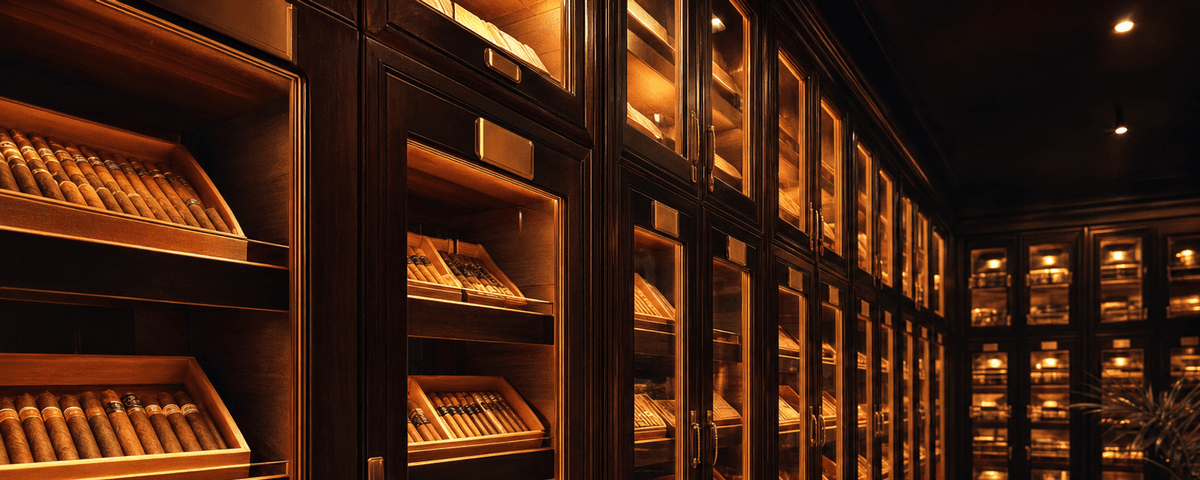
33 座 24 小時恆溫恆濕醇化室
W Cigar Bar 提供的會員醇化空間 · 場地資訊請洽編輯部
雪茄剪 / 打火機 / 雪茄盒 / Boveda
W Cigar 配件官網 · 專營雪茄配件正品

加 LINE 好友 · 文化諮詢
文化空間資訊 · 紳士沙龍 · 私人包場
本網站內容僅供雪茄文化、歷史、收藏與品吸知識研究參考。菸品有害健康、未滿法定年齡者請勿吸菸。實際規範請依所在地法律為準。
吸菸有害健康・戒菸專線 0800-636363・本站僅供 20 歲以上成年人閱覽。
讀到這裡,你不只是路過的人
留下 Email,加入 W 雪茄聖經內圈——總編輯 Wilson Tsai 親選的學院深文與國際新訊,先你一步送到信箱。
· 教育用途非銷售 · 隨時一鍵退訂 · Email 絕不對外公開 · 由勝茄股份有限公司營運
同分類延伸閱讀
資料來源:W Cigar Bible 編輯部整理 · 雪茄王子 Wilson Tsai 親自審稿
本文僅供雪茄文化、歷史、收藏與品鑑知識研究,不作為菸品促銷、銷售或購買建議。吸菸有害健康,未滿二十歲不得吸菸。