雪茄的品味日誌:提升品鑒技巧的個人實踐
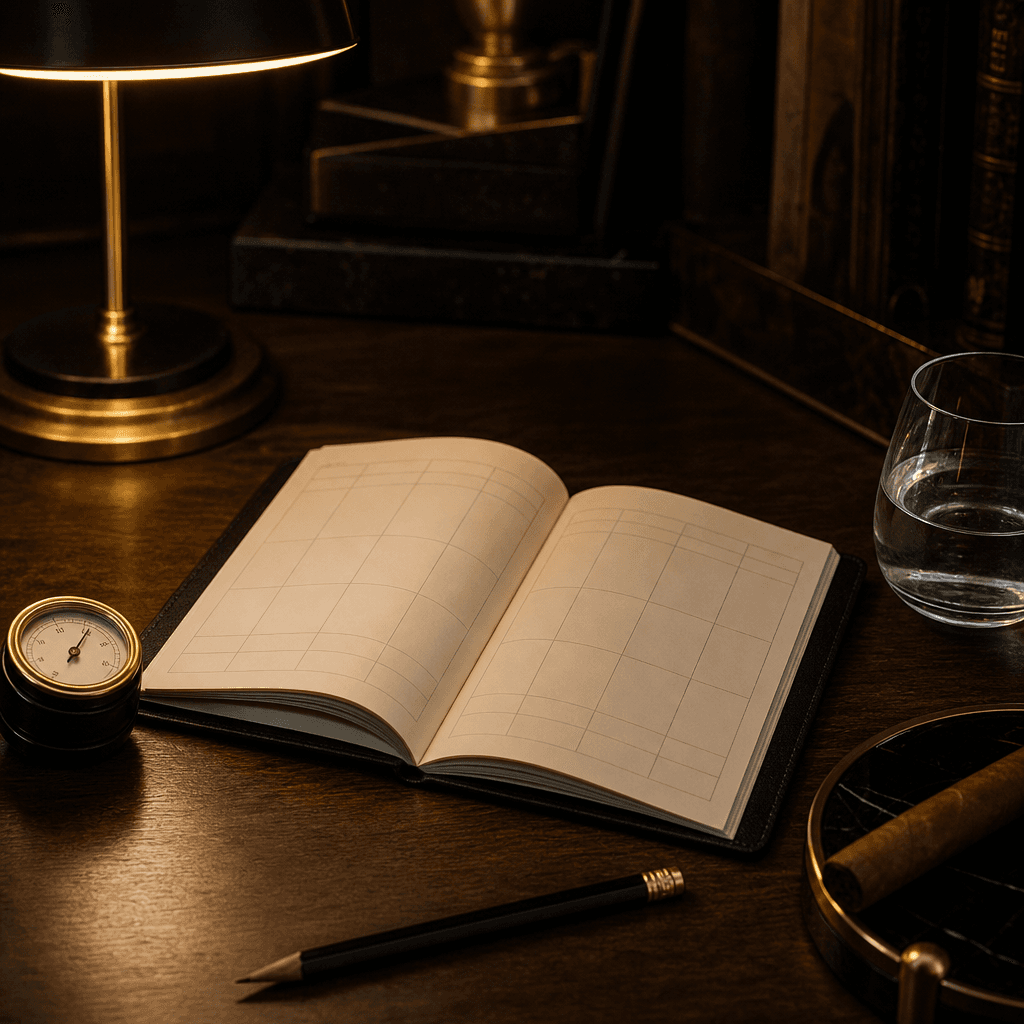
對於雪茄愛好者而言,建立品味日誌是一個提升品味的重要工具。透過固定欄位的記錄,您可以系統化地分析每支雪茄的特性,包括品牌、年份、保存條件及風味變化。這不僅能幫助您追蹤自己的品味偏好,還能讓您在不同狀態下比較同一支雪茄的表現。日誌中加入具體的風味描述和評分標準,能讓您更清晰地理解雪茄的特質,並在未來的選擇中做出更明智的決策。透過不斷的記錄與反思,您將能夠在雪茄的世界中快速成長。
- 記錄雪茄品味日誌能幫助你更好地理解自己的品味變化,提升品鑒能力。
- 建立固定欄位的日誌格式,能讓你的品味資料更具可比性,便於未來回顧。
- 控制環境變因,能更準確地評估雪茄的實際風味,避免受到外界影響。
For beginners, blowing smoke is just the first step; the real difference is whether you can look back at the same cigar three months later and articulate why it improved, dulled, or if it was just a different day. As an editor of the "Cigar Bible," I often remind newcomers: recording is more reliable than memory.
I view a cigar tasting journal as a personal training system. It doesn't require fancy words but needs fixed fields, comparable standards, and the patience to honestly face your own taste buds. Below, I'll guide you through creating your own journal using actual brands, years, and methods.
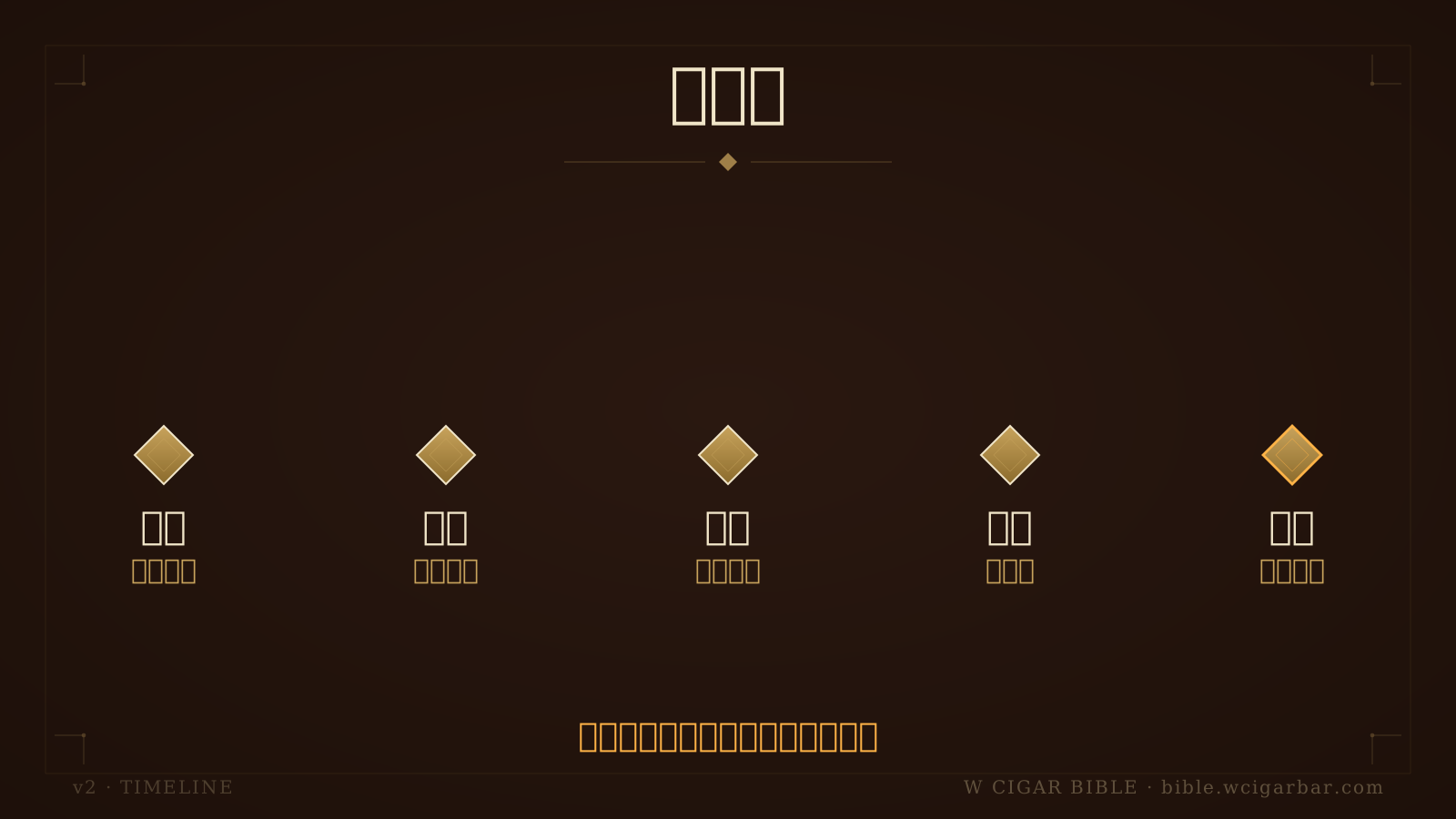
五步流程顯示建欄、拍照、分段、評分與驗證
Why a Cigar Tasting Journal Can Accelerate Progress
Many people, when first writing cigar reviews, rush to find beautiful words like "leather, cedar, cocoa, pepper," but a week later, they often don't know if they were describing aroma, taste, or emotion. A journal is not about making cigars sound mystical but turning your feelings into comparable data. Only when you've accumulated over 30 entries will you truly see your preference curve.
Take my own records as an example. In 2018, I consecutively noted 10 Montecristo No.2 cigars of different years, including box codes from 2014, 2016, and 2017. Initially, I only wrote "rich, smooth, woody," but later switched to segmenting into front, middle, and back sections, discovering that the 2014 batch had more pronounced coffee and roasted almond notes in the middle section, while the 2017 leaned towards herbal and white pepper.
This ability to compare is not innate but developed through repeated observation. Beginners who record two cigars a week can accumulate about 50 records in six months; at this point, revisiting Cohiba Siglo II, Partagás Serie D No.4, and Romeo y Julieta Short Churchills, you'll find you can distinguish "brand personality" from "individual cigar condition." This is the greatest value of a journal.
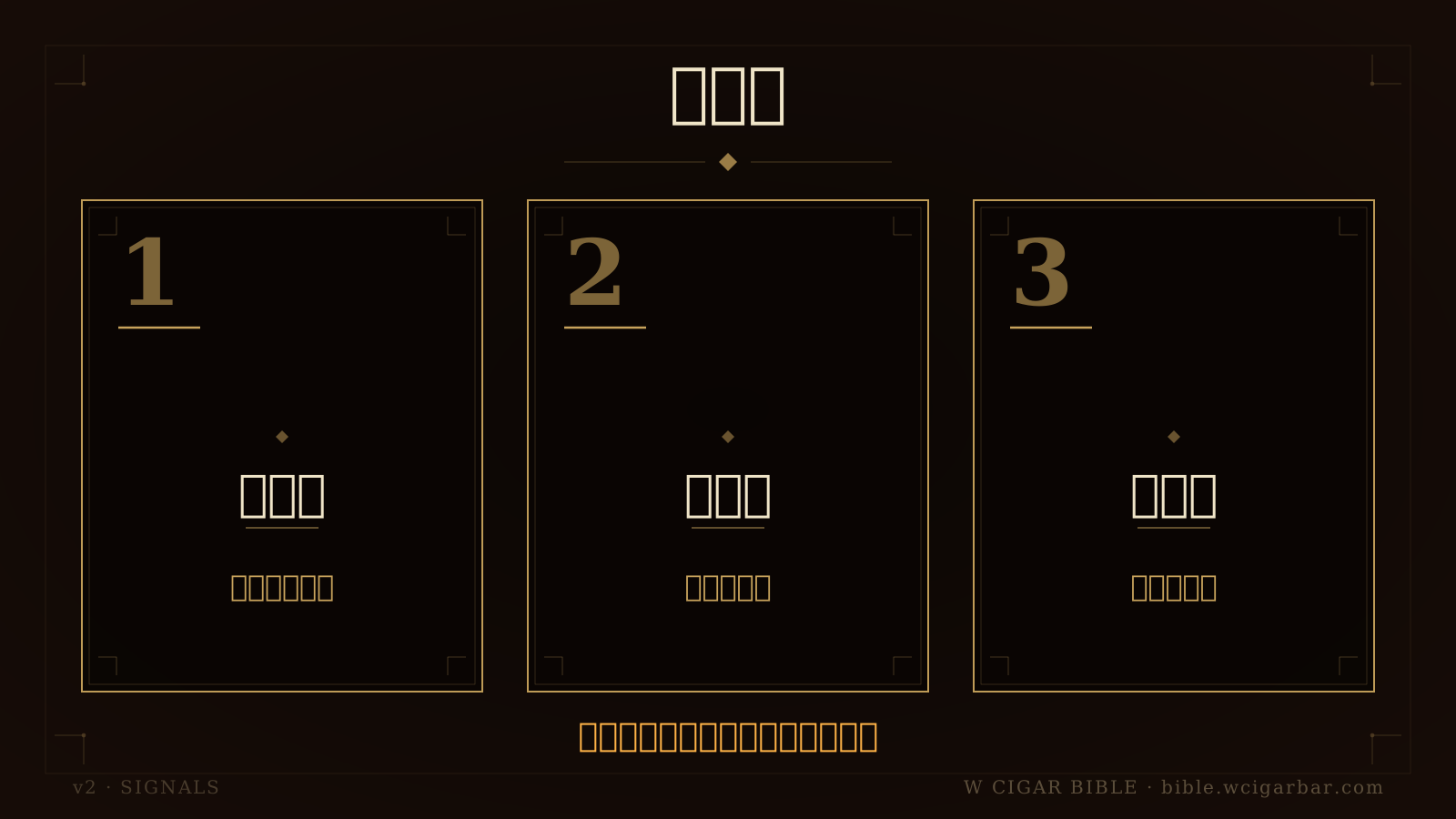
三張重點卡列出固定欄位、控制變因與定期回顧
Establish Fixed Fields: Don't Just Write About Whether It's Good to Smoke
A useful journal shouldn't start with lengthy reviews but with fixed fields. The more stable the fields, the easier it is to compare later. Using the same format every time allows subjective feelings to accumulate into a traceable taste map. I recommend recording at least the brand, size, year or box code, source, storage conditions, burn status, flavor segments, and overall rating.
| Field | Suggested Recording Method | Example |
|---|---|---|
| Brand and Model | Brand, series, size | H. Upmann Magnum 46 |
| Year Information | Box code, year of purchase, or opening time | Acquired in 2020, opened in 2022 |
| Storage Conditions | Humidity, temperature, time | 65% RH, 20°C, rested for 90 days |
| Smoking Pace | Puffs per minute or rest intervals | About 60 to 75 seconds per puff |
| Flavor Segments | Front, middle, back sections | Front section woody, middle section creamy, back section peppery |
| Overall Rating | 100-point scale or 5-star scale | 88 points, good structure but slightly hot in the tail |
My paper format usually fits on an A5 page, as too much complexity makes it hard to sustain. If using a phone or Notion, Evernote, avoid too many fields; 10 fields or fewer is ideal. Photos can capture the band, foot, burn line, and ash column, without needing to be pretty; the focus is on being able to recall the state at the time.
I also recommend adding a "next verification" line at the end of each entry. For example: "Store the same model for another 6 months to see if the spiciness decreases"; or "Use 65% instead of 69% humidity to test if the burn is more stable." This line turns the journal from a review into an experiment, especially valuable for fuller-bodied cigars like Ramon Allones Specially Selected and Bolívar Belicosos Finos.
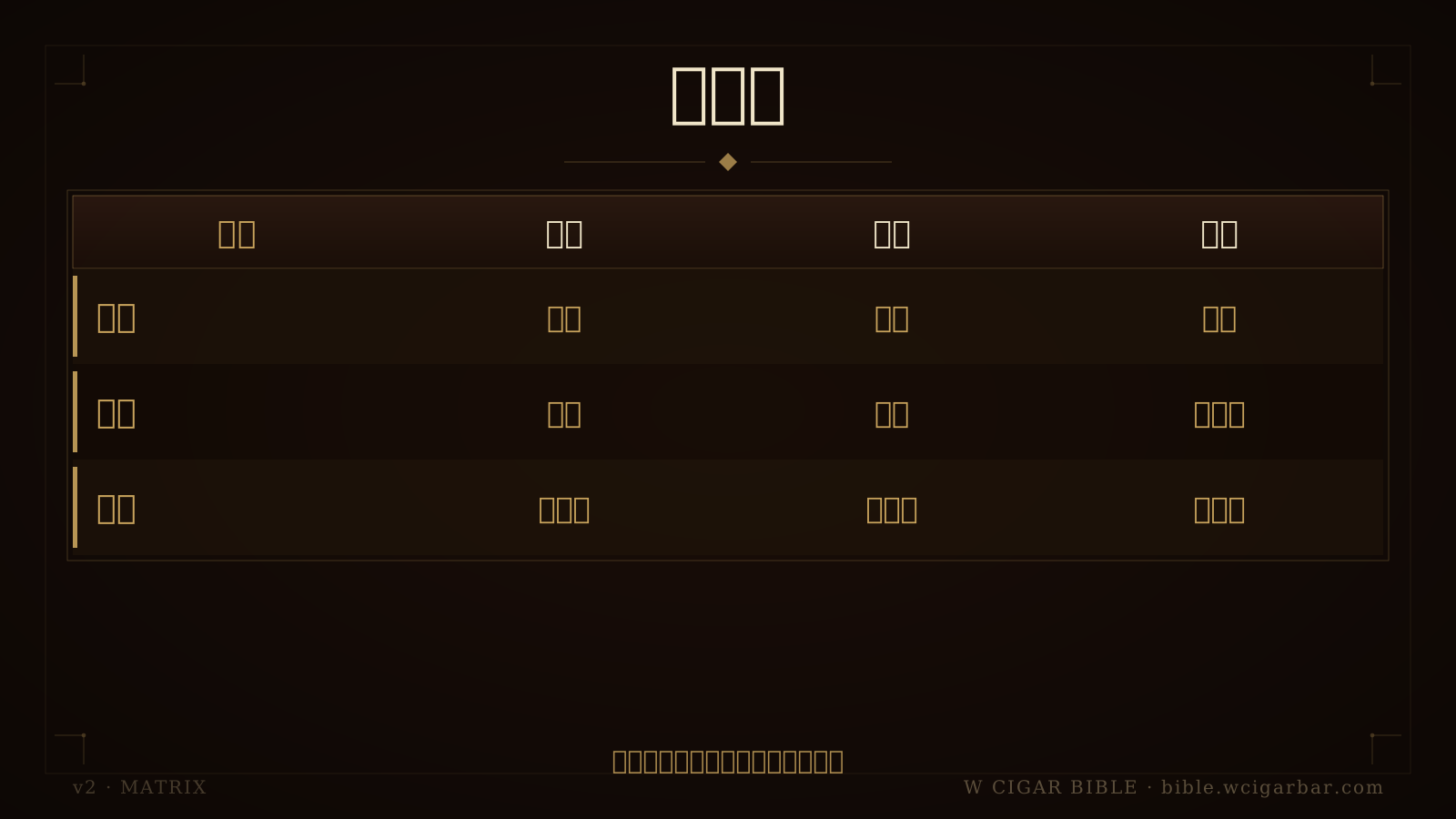
矩陣比較紙本、手機與試算表三種日誌工具
Control Variables: The Same Cigar in Different Conditions Becomes Another Cigar
Beginners often overlook environmental variables, thinking that if it feels harsh today, it's the brand's fault; if it feels sweet tomorrow, it's the year's charm. In fact, cigars are easily affected by humidity, temperature, pre- or post-meal conditions, coffee, or alcohol. If you don't control variables, what you record might not be the cigar itself but a mixture of the day's environment and physical state.
I categorize tasting conditions into four types: storage, body, pairing, and pace. For storage, most Cuban cigars perform stably at 65% to 67% relative humidity; some New World cigars like Arturo Fuente, Padron, Oliva are perceived as more oily at 68% to 70%. This isn't an absolute answer, but the journal should clearly record it, or comparison is impossible.
- Storage: Humidity, temperature, resting days
- Body: Pre- or post-meal, fatigue level, whether having a cold
- Pairing: Water, black coffee, whiskey, rum
- Pace: Puff intervals, frequent relights
For example, the same 2021 Hoyo de Monterrey Epicure No.2 paired with unsweetened black tea after a meal might present cream, herbal, and light honey notes; if smoked on an empty stomach with fast puffs, the back section might turn bitter and spicy. If the journal only says "bad," the real reason is missed. Recording conditions gives future you a calibration tool.
Flavor Analysis: Start with Three Segments, Don't Rush to Write a Scent Encyclopedia
I recommend beginners start with "front, middle, back" segments rather than using over twenty flavor categories right away. The front section is roughly the first 25% after lighting, the middle is 25% to 70%, and the back is the last 30% or so. Record the structure first, then the flavor; distinguish changes first, then pursue rich vocabulary.
Flavor words can start with five major categories: woody, spicy, sweet, nutty, earthy. For example, Partagás Serie D No.4 often has cedar, black pepper, and toasted bread; Cohiba Siglo VI might have grass, cream, bean aroma, and honey; Davidoff Grand Cru No.2 often reminds people of hay, white pepper, almonds, and light milk. You don't have to write them all every time, just capture the clearest 2 to 4 items.
In my journal, I avoid writing "like a luxury feel," which is hard to verify, and instead write "fine texture on entry, medium-high smoke density, finish lingers about 20 seconds." If you think there's a coffee taste, you can further divide it into black coffee, latte, roasted coffee beans, or caramel coffee. The more specific the description, the more useful the future comparison.
Once I compared 2019 Romeo y Julieta Wide Churchills with the 2020 version; both could be said to have woody and sweet notes, but the 2019 sweetness was like honey water, while the 2020 was more like roasted sugar and hay. This kind of difference doesn't rely on a single impression but on repeatedly writing down the same fields, gradually training the tongue and nasal cavity.
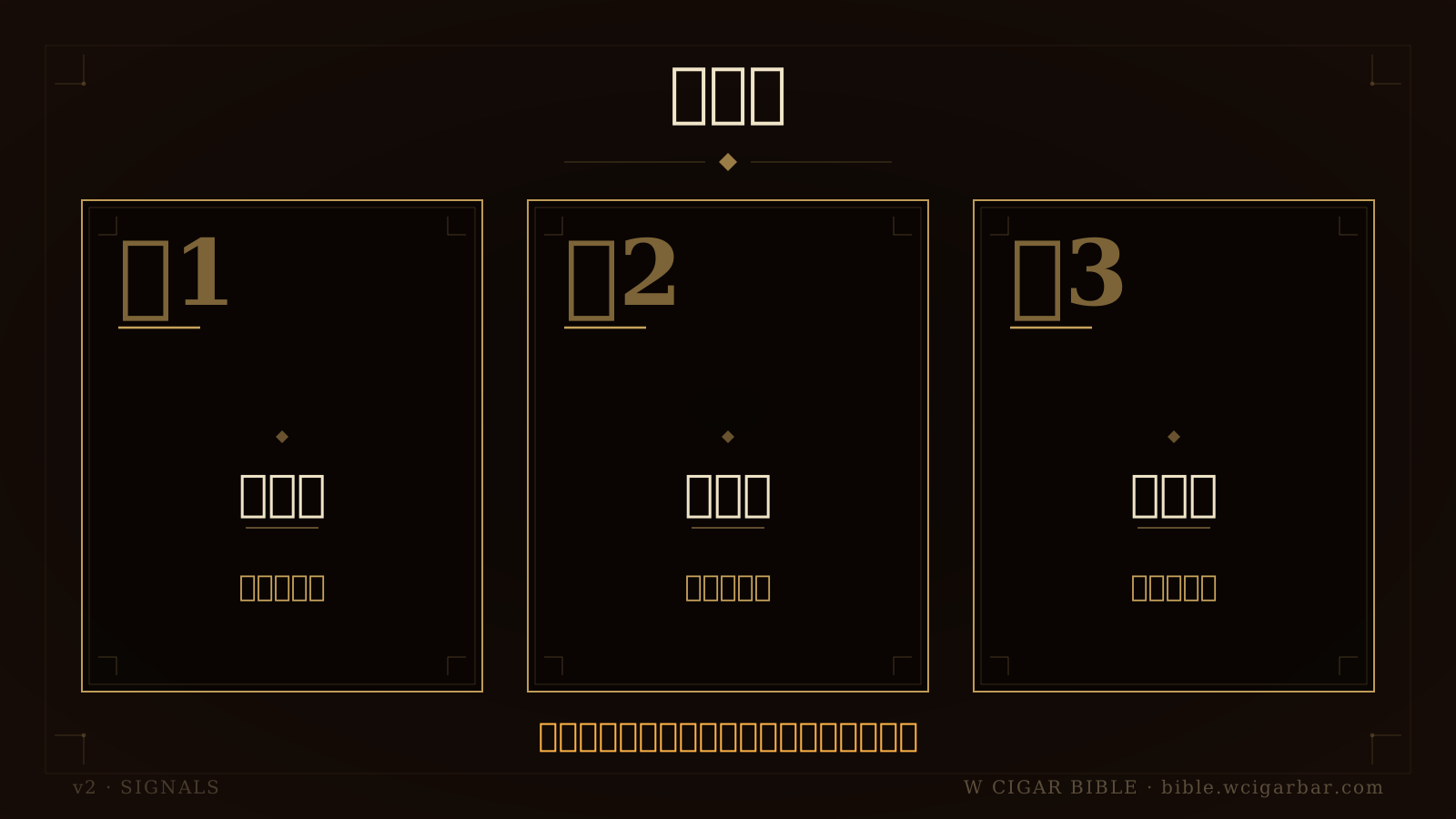
三張錯誤卡提醒別迷信工具、字數與外部分數
Rating Standards: Scores Should Serve Comparison, Not Become a Matter of Face
The biggest fear in cigar ratings is two situations: one is every cigar scoring above 90, losing distinction; the other is overly pursuing authoritative tone, forgetting that scores are meant to serve oneself. A good scoring system isn't about life and death but about knowing which type of cigar best suits your pace, taste, and occasion.
I often use a 100-point scale but break it down into five items: appearance 10 points, structure 20 points, burn 20 points, flavor 30 points, finish and balance 20 points. This is more meaningful than simply writing "88 points." For example, a 2016 Trinidad Reyes with appearance 9, structure 18, burn 17, flavor 26, balance 18, total 88 points; it means it's not explosive but delicate, clean, suitable for quiet moments.
If you find 100 points too detailed, you can use a 5-star system, but define it clearly. 3 stars represent acceptable, 4 stars represent willing to collect again, 5 stars represent a benchmark in the same size category. Note, "collection" here means personal preservation and savoring, not guaranteed appreciation, still depending on source preservation and market. Especially limited editions or discontinued models shouldn't be evaluated solely by price.
I also suggest establishing "same size comparison." Robusto can group Cohiba Robustos, Partagás Serie D No.4, Hoyo Epicure No.2 together; Mareva can compare Montecristo No.4, Por Larrañaga Petit Coronas, Rafael González Petit Coronas. Similar sizes, similar burn times, make ratings fairer.
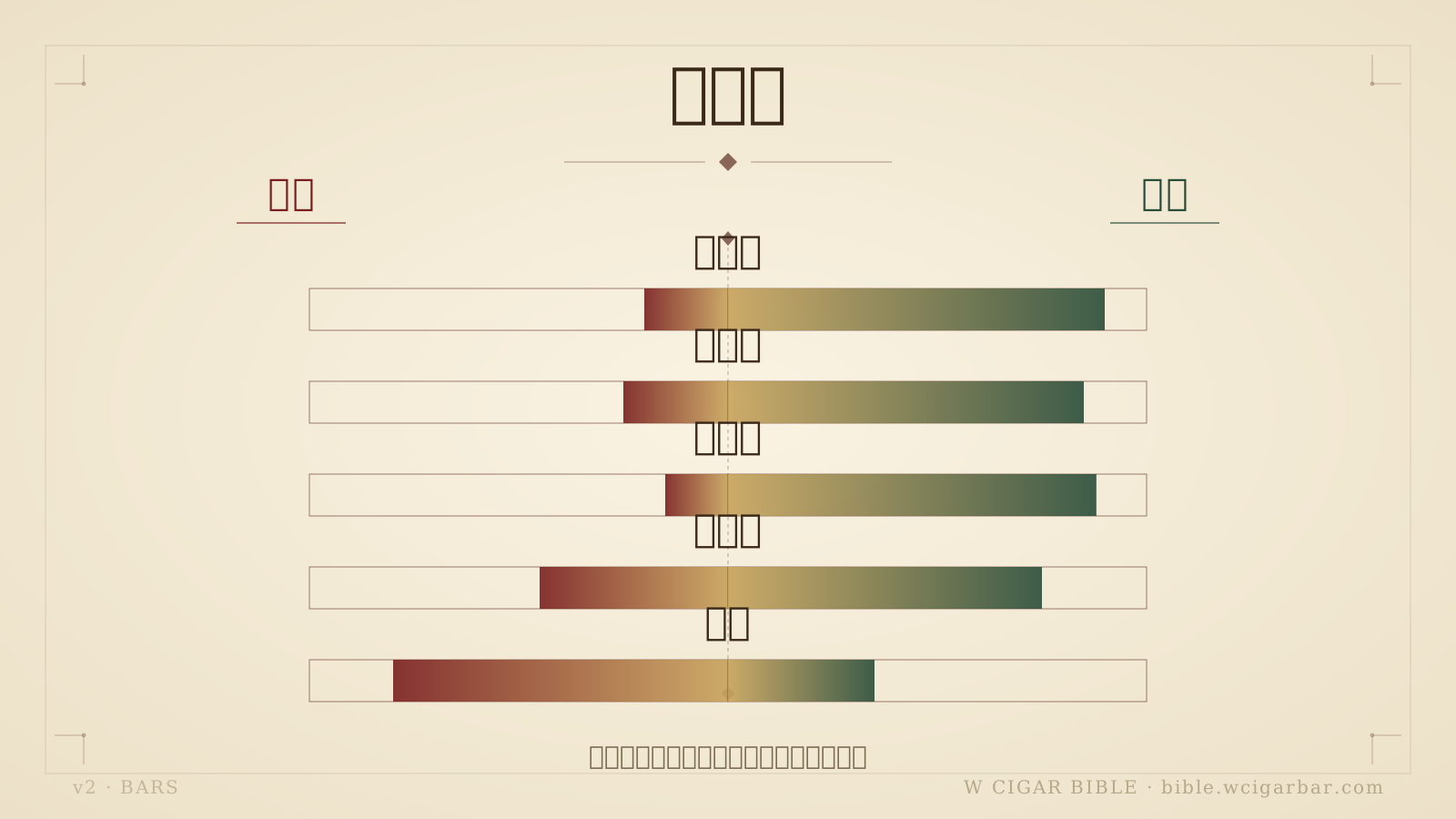
橫條圖對比憑記憶與寫日誌在五個面向差異
Use Photos, Timelines, and Box Codes to Establish Traceable Data
Besides text, photos are important evidence in a journal. Taking photos isn't for showing off but to help review the burn line, ash color, leaf veins, band, and foot condition. A complete journal entry is best with text, time points, and photos, complementing each other to avoid memory beautification.
I usually take four photos: before cutting, 10 minutes after lighting, mid-section burn line, before finishing. The timeline records start time, mid-section time, whether relit, total duration. A Double Corona might need 110 to 140 minutes, Robusto usually 45 to 70 minutes, Petit Corona about 30 to 45 minutes. These numbers help you judge if you're smoking too fast.
Box codes are also worth noting, but don't deify them. Cuban cigars of different years and factories may indeed have style differences, such as certain H. Upmann and Quai d’Orsay from 2014 to 2016 being quite stable; but individual cigar conditions are still affected by transport, storage, and care after opening. If obtained through PCC authorized dealers, at least the source context is clearer, making the journal easier to trace.
My approach is to name photo files as "brand_model_year_date," for example, "Cohiba_SigloII_2019_20240218." Three years later, you won't have to rely on memory to search. The maturity of cigar taste often isn't because you remember more but because you've left enough clues to reassess.
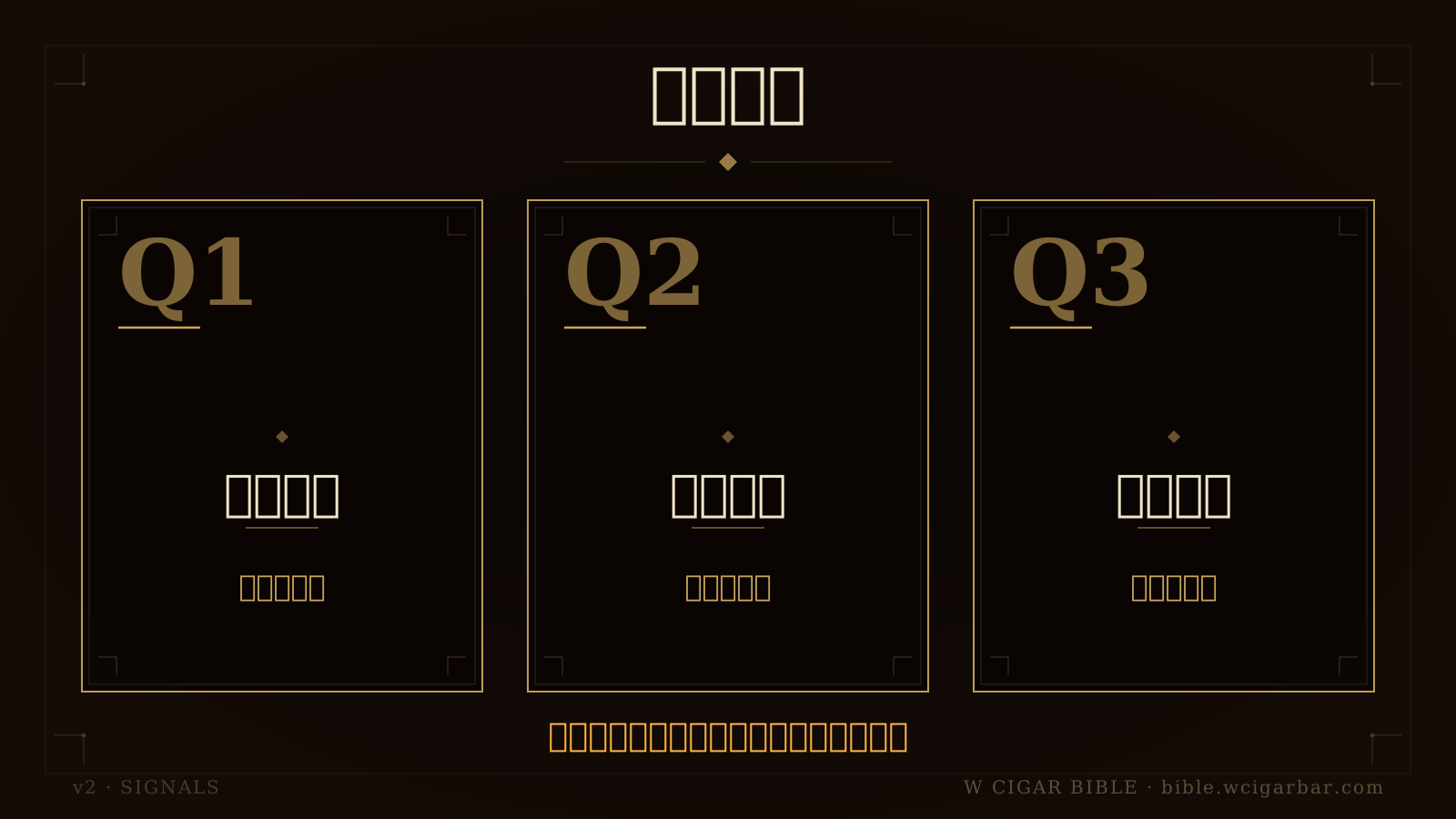
三張問答卡回答筆記本、字數與氣味辨識問題
30-Day Practice Plan: From Intuitive to Systematic
If you already know the basics of tasting, I suggest a 30-day mini-training. Don't schedule cigars every day, but two per week, eight in total over four weeks, plus review and organization. The key to progress isn't density but having a clear topic each time and verifying it next time.
The first week focuses on burn and pace, choosing a stable Robusto like Hoyo de Monterrey Epicure No.2 or Oliva Serie V Robusto, recording puff intervals and relight times. The second week focuses on flavor segments, comparing sweetness and woodiness with Montecristo No.4 and Por Larrañaga Petit Coronas.
The third week practices pairing, but only change one variable. For example, with similar cigars, pair with room temperature water once, black coffee once, without adding whiskey or dessert simultaneously. The fourth week practices re-evaluation, smoking the same brand or similar size as the first week, observing if your descriptions are more accurate. Spend 10 minutes at the end of each week rereading the journal, circling recurring words.
After 30 days, you'll know at least three things: whether you prefer medium or high strength, like sweetness or spiciness, and whether you prefer short sizes or long durations. This is more reliable than blindly chasing popular lists. By the 60th day, you can add year comparisons; by the 90th day, start building a personal score chart, letting your taste slowly develop its own contour.
Frequently Asked Questions
Do I need to buy an expensive notebook?
No. A regular A5 notebook, phone notes, or spreadsheet will do. The focus is on fixed fields and continuous recording, not the price of the tool. The value of a journal comes from comparable content, not the paper or software itself.
Do I have to write a lot each time?
No need. At the beginner stage, 300 to 500 words per entry are sufficient, including front, middle, back sections, burn, and overall rating. If time is limited, write keywords first, then complete sentences that evening for more accuracy than delaying to the next day.
What if I can't detect leather or nutty notes?
That's normal. Start with "sweet, bitter, spicy, sour, salty, woody, herbal," then gradually refine. You can smell coffee beans, cinnamon, cedar chips, dark chocolate in daily life to build your own scent database.
Should I refer to foreign media for scores?
You can refer but don't copy. Media like Cigar Aficionado, Halfwheel have their standards; your physical state, storage conditions, and taste preferences may differ. Scores should first serve yourself, then be compared with the outside world.
If the same cigar feels different before and after, am I inaccurate?
No. Cigars naturally change with burn temperature, humidity, pace, and segments. If the front section is fresh, middle sweet, back spicy, as long as it's clearly recorded, it's valuable observation.
How often should I review my journal?
I recommend reviewing every 30 days and doing a comprehensive review every 90 days. Highlight high scores, low scores, and surprises to see if they share common traits like size, brand, humidity, or pairing drinks.
The most fascinating part of a cigar tasting journal is that it makes one humble. You'll find that yesterday's certainty may need revision in six months; today's mediocrity may reveal layers after good preservation. I believe that true gentlemanly taste isn't about rushing to conclusions but about being willing to use time, records, and reflection to slowly approach a cigar's true character. —Cigar Prince Wilson Tsai
Smoking is harmful to health. Smoking is prohibited for those under twenty. Quitline: 0800-636363. This article is intended only for adults over twenty as a reference for cigar culture, preservation, and regulations, not as a tobacco advertisement, promotion, or purchase suggestion.
Like this article?Share with friends
Share this W Cigar Bible piece with friends who want to learn cigar culture, storage, and tasting.
想把這篇 化為實踐
雪茄聖經是知識;雪茄文化要在空間裡發生

W Cigar Bar 大安總店資訊
台北大安區 · 雪茄聖經總編輯 Wilson Tsai 主理的雪茄文化空間
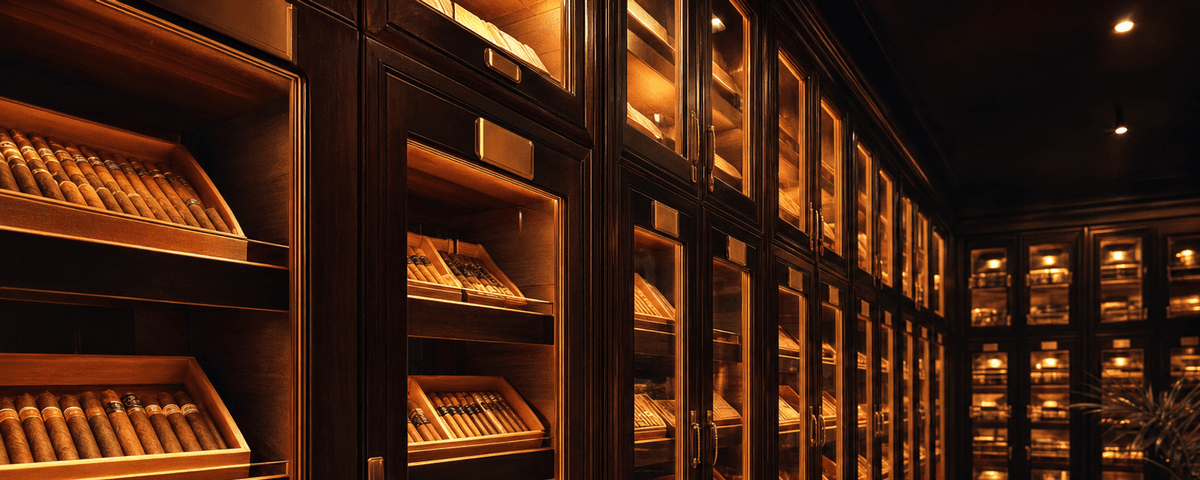
33 座 24 小時恆溫恆濕醇化室
W Cigar Bar 提供的會員醇化空間 · 場地資訊請洽編輯部
雪茄剪 / 打火機 / 雪茄盒 / Boveda
W Cigar 配件官網 · 專營雪茄配件正品

加 LINE 好友 · 文化諮詢
文化空間資訊 · 紳士沙龍 · 私人包場
本網站內容僅供雪茄文化、歷史、收藏與品吸知識研究參考。菸品有害健康、未滿法定年齡者請勿吸菸。實際規範請依所在地法律為準。
吸菸有害健康・戒菸專線 0800-636363・本站僅供 20 歲以上成年人閱覽。
讀到這裡,你不只是路過的人
留下 Email,加入 W 雪茄聖經內圈——總編輯 Wilson Tsai 親選的學院深文與國際新訊,先你一步送到信箱。
· 教育用途非銷售 · 隨時一鍵退訂 · Email 絕不對外公開 · 由勝茄股份有限公司營運
同分類延伸閱讀


資料來源:W Cigar Bible 編輯部整理 · 雪茄王子 Wilson Tsai 親自審稿
本文僅供雪茄文化、歷史、收藏與品鑑知識研究,不作為菸品促銷、銷售或購買建議。吸菸有害健康,未滿二十歲不得吸菸。