古巴雪茄的傳承與技藝:掌握傳統手工捲製的精髓
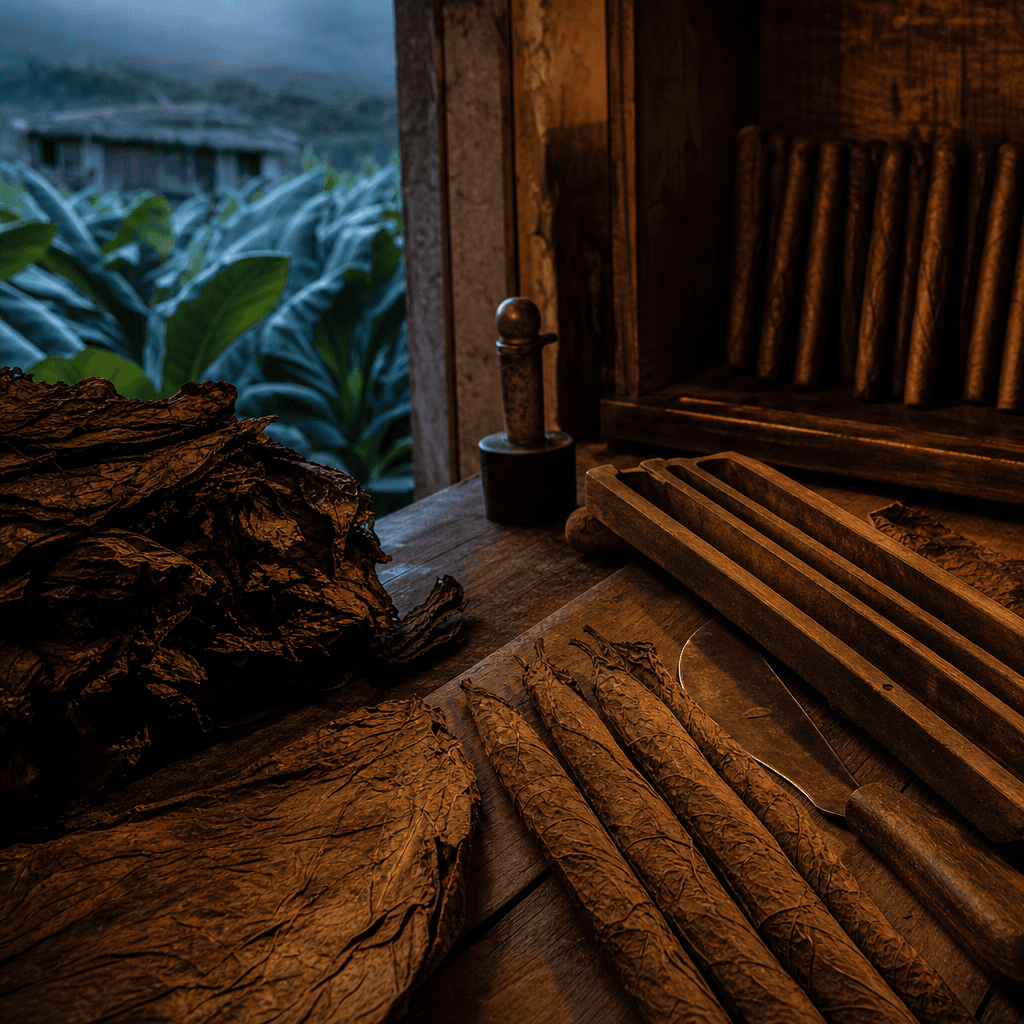
古巴雪茄的魅力在於其工藝的深厚傳承,從 Vuelta Abajo 的煙田到工廠的捲製師,每一步都蘊含著超過百年的經驗與技術。煙葉的品質受土壤、氣候影響,並依據植株位置分級,配方設計則需考量燃燒速度與香氣層次的平衡。捲製過程中,傳統的 entubado 技法確保氣流通暢,而捲製師的手感與訓練則是品質的關鍵。每支雪茄在出廠前經過嚴格的品質檢查,以確保吸阻、燃燒線及盒內一致性,這些都使古巴雪茄成為品味的
- 古巴雪茄的風味來自於葉片的結構與配方,捲製師需掌握不同葉片的特性。
- 捲製前的發酵與醇化過程對雪茄的風味影響深遠,需精確控制溫濕度。
- 手工捲製技術中,氣流設計至關重要,影響燃燒均勻度與整體風味表現。
The Heritage and Craft of Cuban Cigars: Mastering the Essence of Traditional Hand-Rolling
Cuban cigar enthusiasts, upon reaching a certain stage, are concerned not just with brand reputation, year box labels, or band differences, but with why a cigar can present a "Cuban feel" in terms of burn, aroma, structure, and finish. As the editor of the "Cigar Bible," I often bring the answer back to the craft itself: leaves, time, hands, and judgment.
The most fascinating aspect of Cuban cigars is their high reliance on human experience. From the tobacco fields of Vuelta Abajo to the torcedor rollers in the factories, each step is not just a simple process but a system of interpretation passed down for over a century.

時間軸呈現產區晾房發酵捲束與試吸流程
Starting from Vuelta Abajo: Terroir is Not Just a Slogan, but the Source of Leaf Structure
Talking about the heritage of Cuban cigars cannot start only from the factory. The real starting point is in Pinar del Río, especially Vuelta Abajo. This region has been regarded as the core of premium Cuban tobacco since the 19th century. The soil drainage, day-night temperature differences, and seasonal humidity directly affect the thickness, oiliness, and combustibility of the leaves. For premium leaf sources commonly used by brands like Cohiba, Montecristo, and Partagás, the core value is not just the aroma, but the ability of the leaves to maintain elasticity and stable combustion after rolling.
Cuban tobacco leaves are often graded based on their position on the plant, such as ligero, seco, and volado. The upper ligero has high strength and aroma density but burns slower; the middle seco brings out fragrance and balance; the lower volado is responsible for stable combustion. The real formula is not just piling good leaves together, but allowing leaves from different parts to complement each other in terms of burn rate, aroma layers, and strength.
Take the Cohiba Behike series launched in 2006 as an example. Many are concerned about the medio tiempo, a rare top bud leaf, but its focus is not just rarity, but how it is incorporated into the overall formula. Without the support of seco and volado, relying solely on rich leaves would cause uneven burning or overwhelming flavors. Experienced connoisseurs look at terroir, actually seeing whether the leaves can be transformed into stable performance by rollers and blenders.

三張卡列出葉片時間與氣流三項工藝核心
Fermentation, Grading, and Aging: Shaping Before Hand-Rolling
After tobacco leaves are harvested, they enter the drying house for curing, usually about 45 to 60 days, depending on the weather and leaf thickness. The goal at this stage is not to "dry" the leaves, but to gradually convert chlorophyll, turning the color from green to yellow and brown, and reducing rawness. If temperature and humidity control is imbalanced, even a seasoned roller cannot save the harshness or off-flavors later.
Next is fermentation and grading. Tobacco leaves are stacked into pilóns, with internal temperatures possibly rising to about 35 to 45°C. Workers must regularly turn the piles to prevent overheating and leaf damage. Leaves for different uses undergo different treatment intensities: filler can withstand deeper fermentation, while wrapper emphasizes integrity, oiliness, and consistent color. Every classification before rolling has already determined whether the cigar can present clean, delicate, and segmented flavors in the future.
Aging is an often underestimated part of Cuban craftsmanship. Take Habanos' various Edición Limitada releases after 2000, often marked with longer-treated wrapper leaves. Their dark maduro appearance does not equate to heaviness but aims to balance sweetness, woodiness, and combustion. Experienced connoisseurs should note: aging is not a myth; the source, preservation, and leaf nature are the core.

矩陣比較上中下層煙葉的力道芳香與燃燒特性
Entubado and Filler Structure: The Airflow Design of a Cigar
One of the essences of Cuban handmade long-filler cigars is the arrangement of the filler. The traditional entubado technique rolls each long filler leaf into a tube shape, then bundles them, allowing air to pass through the gaps between leaves. This differs from simply stacking leaves and requires the roller to judge each leaf's thickness, elasticity, and direction. If ligero is placed too concentratedly, it will cause slow local burning; if volado is insufficiently distributed, the burn line easily deviates.
When making cigars, rollers usually form a bunch with the filler, then wrap it with a binder and place it in a mold for shaping. The shaping time can range from 30 minutes to several hours, depending on size and factory process. A draw test is then conducted to check the draw resistance. Good handmade rolling is not about being tighter and more precise, but about achieving a repeatable balance between tightness, rebound, and airflow.
For example, with a robusto like Partagás Serie D No.4, approximately 124mm in length and a 50 ring gauge, the short and thick ratio magnifies the importance of filling uniformity. If the bunch density is uneven, the front section may burn too quickly on one side. Conversely, a Churchill size like H. Upmann Sir Winston tests airflow stability and aroma progression over long-distance burning.
Training of Rollers: Touch is a Skill and Factory Culture
The cultivation of Cuban torcedor is not a short-term craft course but the result of factory systems and master-apprentice observation. Many rollers start with simpler sizes, such as Petit Corona or Mareva, gradually moving to larger ring gauges, special shapes, or figurado. Shapes like Piramides, Salomones, and Perfectos, which taper at both ends, require higher tension control because any tight spot affects the draw.
The "touch" in the factory is not mysticism. A seasoned roller can judge where a leaf should be placed in the bunch just by picking it up; feeling a wrapper with high humidity, they will adjust the stretching angle to avoid cracking during wrapping. According to the tradition of the Partagás factory, established in 1845, the lector used to read newspapers and literary works in the workshop, making the rolling work not just production but a rhythm training of long-term focus.
What experienced connoisseurs should truly appreciate is not the words "all handmade," but whether the same brand and size can consistently maintain a similar style over time. This relies on formula data, leaf grading, roller training, and quality checks. Cuban cigars occasionally have batch differences because they are not fully mechanized products; high-level craftsmanship is about keeping variables within an acceptable range.

三張卡整理手工吸阻與濕度相關的常見誤解
Size, Brand, and Rolling Difficulty: Understanding Flavor Expression from Vitola
The flavor differences between different vitolas of the same brand are often greater than imagined. Experienced connoisseurs who judge strength only by brand may overlook the changes in burn rate and formula proportions brought by size. The larger the ring gauge, the more space the roller has to arrange different leaves; with a smaller ring gauge, any change in leaf proportion is magnified. Vitola is not an appearance option but a common language of formula, airflow, and time.
Here are some common Cuban sizes and their observation directions, suitable for understanding how handmade rolling affects the final performance:
| Brand and Size Example | Approximate Specifications | Craft Observation | Flavor and Burn Focus |
|---|---|---|---|
| Montecristo No.4 | 129mm × 42 | Mareva size, limited bunch space | High formula precision, noticeable changes in the front and middle sections |
| Partagás Serie D No.4 | 124mm × 50 | Robusto short and thick, filling uniformity is key | Concentrated strength, burn line easily exposes defects |
| H. Upmann Sir Winston | 178mm × 47 | Churchill length tests airflow consistency | Layers unfold slowly, tail section quality is important |
| Cuaba Salomones | 184mm × 57 | Figurado tapered at both ends, high difficulty | Ignition and front section airflow need the most attention |
Take Cuaba as an example, reintroduced in 1996 as a brand focusing on figurado shapes, showcasing traditional Cuban shaping craftsmanship. These cigars are visually appealing, but if not well-rolled, the transition points at the head and tail easily form airflow bottlenecks. Therefore, when evaluating a cigar, experienced connoisseurs might consider the size's demands on the roller rather than just looking at ratings or rarity.

長條圖比較標籤取向與工藝取向的判讀差異
Quality Control: Draw Resistance, Burn Line, and Box Consistency
Cuban cigars undergo multiple layers of quality checks before leaving the factory, including appearance, size, weight, draw resistance, and packaging matching. Modern factories commonly use draw resistance testing equipment, allowing each cigar to be sampled or tested before and after the wrapper is applied. Too tight a draw will increase the burning temperature, causing bitterness to appear early; too loose, and it burns too quickly, making the aroma seem hollow.
Box consistency is also a common topic among experienced connoisseurs. For example, in a box of 25 cigars, the wrapper color is usually arranged to appear consistent or gradually from light to dark. This is not just for aesthetics but also reflects whether the grading process is meticulous. True quality control does not guarantee each cigar is identical but ensures that differences do not destroy the brand and size's expected profile.
I once encountered a box of Ramón Allones Specially Selected from 2018, where the first few cigars burned slightly fast. After about 8 months of stable storage, humidity balance improved, and sweetness and nutty notes became clearer. This shows that quality assessment should not only consider the immediate performance of a single cigar but also understand transportation, humidity recovery, and aging status. The transparency of sources under the PCC exclusive distributor system is especially important for judging the preservation chain.

三張問答卡回答手工品質吸阻與年份差異問題
How Flavor is Amplified by Handcraft: Three Levels Experienced Connoisseurs Should Observe
The flavors of Cuban cigars are often described as woody, coffee, leather, bean, mineral, or floral, but these descriptions are just the result. The real reason lies in how the leaf formula and rolling structure maintain the burning temperature within a suitable range. If the temperature is too high, delicate floral notes will be covered by spiciness; if airflow is poor, sweetness and oiliness will be compressed.
Experienced connoisseurs can observe from three levels: the first is whether the front section is clean; if it is bitter from the start, it may be related to humidity or burning temperature. The second is whether the middle section unfolds, which best shows the formula balance. The third is whether the tail section collapses; if only charred bitterness remains, it often indicates poor bunch burning accumulation. The value of hand-rolling is ultimately revealed in the middle and later sections, as they best expose the truth of structure and leaf processing.
Comparing Cohiba Siglo VI, Bolívar Belicosos Finos, and Trinidad Fundadores, the former emphasizes finesse and creaminess, the second has a more pronounced earthy and strength feel, and the third often showcases linear aromas with its slender size. Their differences come not only from brand formulas but also from how size guides burn rate. Understanding flavor through craftsmanship truly enters the deep waters of Cuban cigars.
Frequently Asked Questions
Q1: Does handmade rolling of Cuban cigars mean each one is better?
Not necessarily. Handmade means more detailed judgment and natural variables. Good craftsmanship can bring out the potential of the leaves, but if storage is unbalanced or batch conditions are poor, performance will still be affected. The advantage of handmade rolling is in delicate adjustments, not deifying it as absolutely perfect.
Q2: Is tight draw always a rolling issue?
Not necessarily. Tight draw may come from overly dense bunching or high humidity causing leaf expansion. If cigars are stored at over 70% relative humidity for too long, they are more likely to be stuffy, bitter, and slow-burning after lighting. Experienced connoisseurs usually check storage conditions first before determining if it's a craftsmanship defect.
Q3: Why are there significant differences between different years of the same brand?
Cuban cigars are influenced by crop years, fermentation batches, formula adjustments, and factory conditions. Differences in style are often discussed by enthusiasts, especially between early 2000s and late 2010s brands, due to leaf sources and process management not being completely static. Differences are not necessarily bad; the key is whether they still align with the brand spirit.
Q4: Is there investment potential in collecting Cuban cigars?
Some limited, discontinued, or special years are indeed sought after by the market, but collecting for investment does not guarantee appreciation; it still depends on source preservation and market conditions. Box condition, box code, humidity records, and circulation transparency all affect subsequent value judgment. For me, understanding craftsmanship first and then talking about collecting is a healthier order.
Q5: How should experienced connoisseurs train themselves to understand craftsmanship?
It is recommended to regularly compare different sizes of the same brand or different brands of the same size. For example, compare the small ring gauge performance of Montecristo No.4, Romeo y Julieta Mille Fleurs, and Por Larrañaga Petit Corona, then observe burn and strength with robusto sizes. Recording time, humidity, draw resistance, and flavor segments is more useful than simply scoring.
The heritage of Cuban cigars has never been about placing old methods in a glass case for nostalgia but about allowing leaves, hands, and time to continue the dialogue in daily factory work. The deeper I delve into this craft, the more I believe that experienced connoisseurs truly pursue not rare labels but the ability to understand the order, variables, and human touch behind a cigar.
—Cigar Prince Wilson Tsai
Smoking is harmful to health. Smoking is prohibited for those under twenty. Quitline: 0800-636363. This article is intended for adults over the age of twenty as a reference for cigar culture, preservation, and regulations, not as tobacco advertising, promotion, or purchase advice.
Like this article?Share with friends
Share this W Cigar Bible piece with friends who want to learn cigar culture, storage, and tasting.
想把這篇 化為實踐
雪茄聖經是知識;雪茄文化要在空間裡發生

W Cigar Bar 大安總店資訊
台北大安區 · 雪茄聖經總編輯 Wilson Tsai 主理的雪茄文化空間
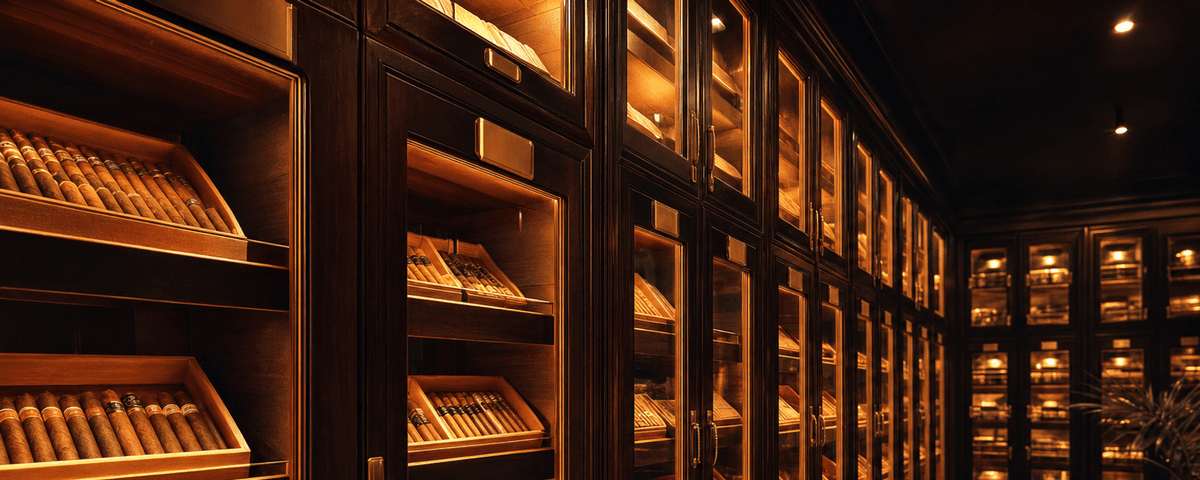
33 座 24 小時恆溫恆濕醇化室
W Cigar Bar 提供的會員醇化空間 · 場地資訊請洽編輯部
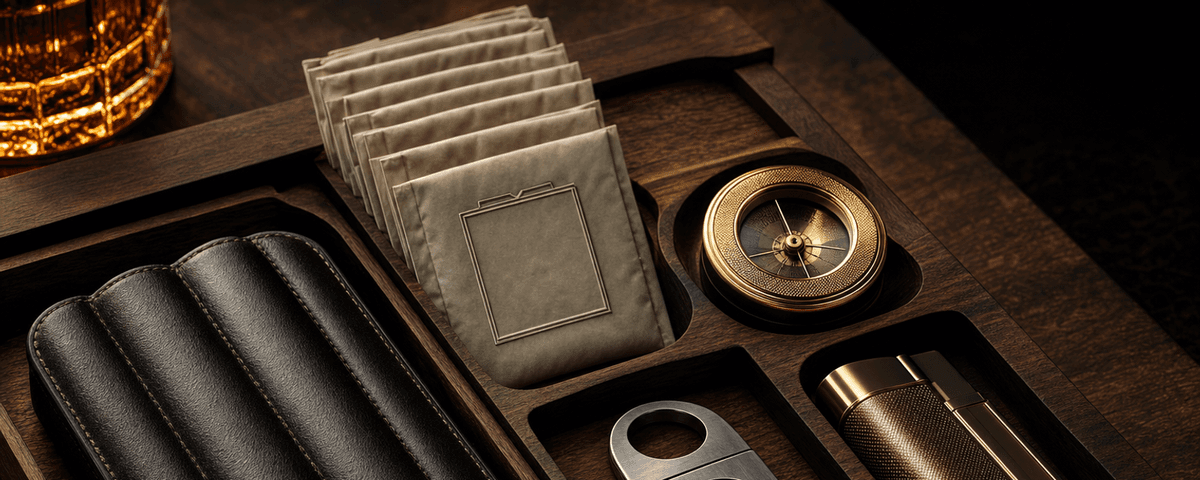
雪茄剪 / 打火機 / 雪茄盒 / Boveda
W Cigar 配件官網 · 專營雪茄配件正品

加 LINE 好友 · 文化諮詢
文化空間資訊 · 紳士沙龍 · 私人包場
本網站內容僅供雪茄文化、歷史、收藏與品吸知識研究參考。菸品有害健康、未滿法定年齡者請勿吸菸。實際規範請依所在地法律為準。
吸菸有害健康・戒菸專線 0800-636363・本站僅供 20 歲以上成年人閱覽。
讀到這裡,你不只是路過的人
留下 Email,加入 W 雪茄聖經內圈——總編輯 Wilson Tsai 親選的學院深文與國際新訊,先你一步送到信箱。
· 教育用途非銷售 · 隨時一鍵退訂 · Email 絕不對外公開 · 由勝茄股份有限公司營運
同分類延伸閱讀


資料來源:W Cigar Bible 編輯部整理 · 雪茄王子 Wilson Tsai 親自審稿
本文僅供雪茄文化、歷史、收藏與品鑑知識研究,不作為菸品促銷、銷售或購買建議。吸菸有害健康,未滿二十歲不得吸菸。