雪茄太乾怎麼判斷?乾裂、掉皮、吸阻變化與處理
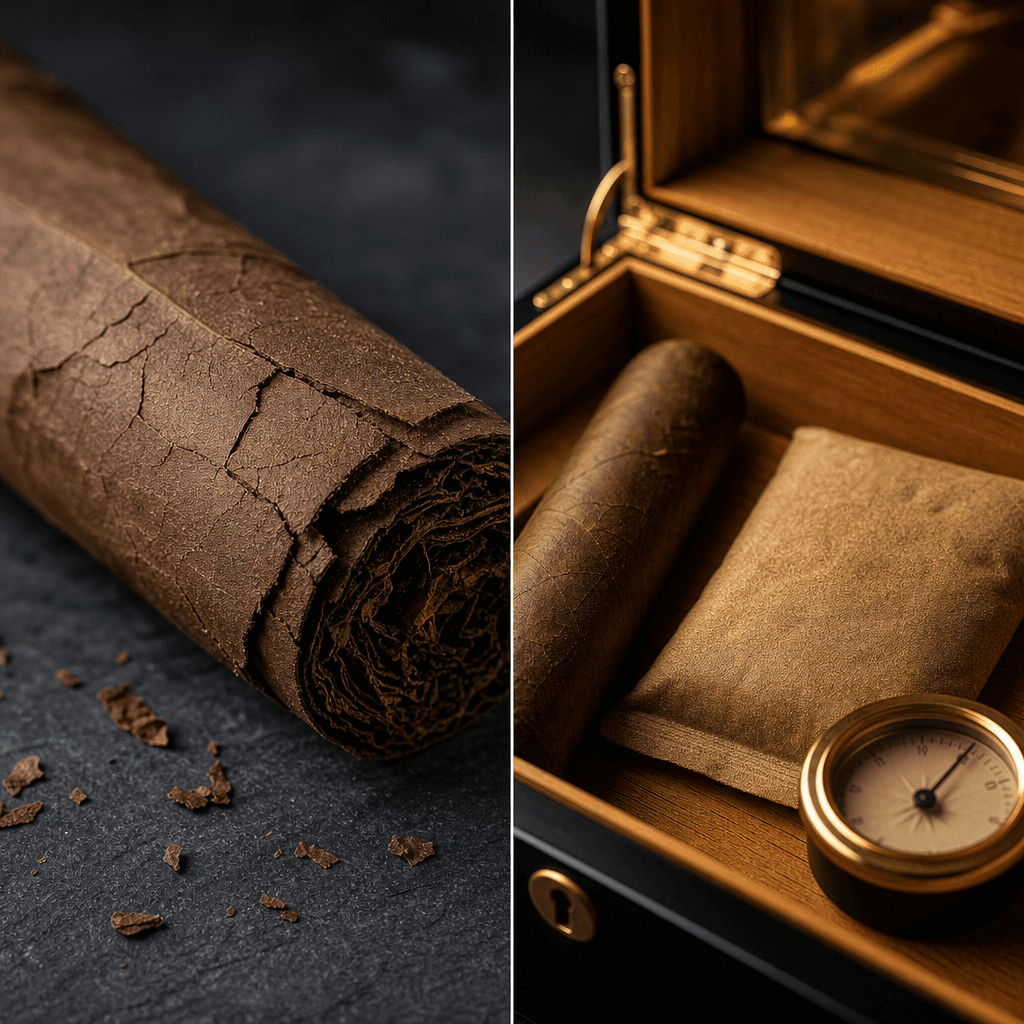
雪茄的保存與回濕是一門技藝,正確的管理能避免雪茄乾裂、掉皮等問題。判斷雪茄是否過於乾燥,需觀察茄衣狀態、手感及吸阻變化。新手應避免將乾燥雪茄直接放入高濕環境,以免造成結構損壞。建議採用分階段的回濕方法,逐步調整濕度,並使用校正過的濕度計來確保環境穩定。日常預防措施同樣重要,妥善檢查保濕盒的密封性與環境管理,才能有效維護雪茄品質。
- 雪茄太乾的判斷包括茄衣乾裂、掉皮及吸阻變鬆,這些都是結構失衡的信號。
- 回濕雪茄應分階段進行,避免一次性將濕度拉高,防止茄衣爆裂。
- 使用校正過的濕度計來確保雪茄保存環境的穩定,避免因誤差導致雪茄乾燥。
Smoking is harmful to health. Persons under twenty years of age must not smoke. Smoking cessation hotline: 0800-636363. This article is provided solely for adults aged twenty and above as a reference for cigar culture, storage, and regulatory knowledge. It is not tobacco advertising, promotion, or purchasing advice.
流程圖呈現校正濕度計後逐步回濕並判斷停用
Quick Answer
A cigar that is too dry can usually be identified by a dry, cracked wrapper, peeling wrapper leaf, a rustling sound when gently pinched, reduced springiness, a draw that tends to become too loose, overly fast burning, and flavors that turn bitter and harsh. Beginners should not rush to place a dry cigar into a high-humidity environment, because if the outer wrapper absorbs moisture too quickly, it may split due to different expansion rates between the outer and inner layers. The correct approach is to verify the environment with a calibrated hygrometer, use a cedar box or airtight container together with Boveda humidity packs, and gradually rehumidify in stages from around 60%RH back to 65%–69%RH. If the wrapper has shattered over a large area, the filler has become powdery, or the draw is completely out of balance, you should stop using it.
圖卡列出茄衣裂、手感硬與吸阻鬆三個乾燥訊號
Basic Definition/Background
A "cigar that is too dry" is not determined only by whether the surface feels dry. It means the moisture condition of the three layers of tobacco leaf - wrapper, binder, and filler - has fallen below the range needed for stable storage, causing changes in structure, combustion, and draw. For most handmade long-filler cigars in everyday cigar humidification, the common storage range is about 65%–69%RH. Some collectors adjust to 62%–72%RH according to origin, size, and personal management methods, but beginners should not allow humidity to fluctuate widely for long periods. Taking a 20-count cedar box as an example, the wood itself absorbs and releases moisture. If the box remains below 55%RH for a long time, the probability of cigar cracking and wrapper peeling will rise significantly.
The most common situation beginners encounter is that after a cigar leaves a humidified environment, it is placed for several days to several weeks in an air-conditioned room, inside a car, in a desk drawer, or in a poorly sealed humidor. Relative humidity in air-conditioned rooms can often be below 50%RH, and even lower in winter or when a dehumidifier is running. The wrapper on the surface of a cigar is the thinnest layer and is usually the first to show cracking, peeling, curled edges, or lifting. If you then press it with your fingers, you may hear a fine rustling sound and feel reduced springiness, indicating that internal moisture may also have been lost.
It is important to note that being too dry does not mean "put it back somewhere a bit more humid and it will definitely recover." A cigar is rolled from multiple layers of leaf. After it dries and then reabsorbs moisture, the outer and inner layers do not do so at the same speed. If humidity is raised all at once to 72%RH or above, or if the cigar comes into direct contact with water, the wrapper may split because it expands too quickly. This article focuses on storage and rehumidification techniques. The goal is to help beginners assess the degree of dryness first, then handle it at a controlled pace, avoiding making a cigar that could have been steadily rehumidified even more unstable.

矩陣比較偏乾、可回與嚴重狀態下的外觀手感吸阻
Key Points
| Assessment Item | Common Signs of Being Too Dry | Suggested Handling Direction |
|---|---|---|
| Appearance | Dry, cracked wrapper, lifted cap, peeling wrapper leaf, increased debris at the foot | Isolate and observe first; avoid frequent handling and squeezing |
| Feel | Obvious rustling sound when pinched, slow spring-back or almost none | Place in an airtight container and slowly rehumidify from a lower-humidity stage |
| Draw and combustion | Draw becomes too loose, burns too quickly, feels hotter, flavor becomes bitter and harsh | Do not rush to light it; first check whether moisture content and structure can still be restored |
| Storage environment | Humidor seal failure, uncalibrated hygrometer, prolonged placement in an air-conditioned room | Use a calibrated hygrometer and Boveda humidity packs to establish everyday management |
| Cannot be saved | Large-area peeling, powdery filler, cracks running through the entire cigar | Stop using it to avoid continuing to consume damaged leaf material |
To determine whether a cigar is too dry, you must look at appearance, touch, and draw changes together. Do not rely only on an instantaneous hygrometer reading. A hygrometer showing 65%RH does not mean the inside of the cigar has already equalized. If it previously sat in a 45%RH room for 2 weeks, one day back in the box may only have rehumidified the surface. The safest principle for beginners is "slow first, then stable, with minimal handling": stabilize the environment first, then let the cigar gradually absorb moisture, rather than trying to reach the target quickly.
Cracking, Peeling, and Draw Changes: How to Identify a Cigar That Is Too Dry
The first step in identifying a cigar that is too dry is to look at the wrapper. The wrapper is the thinnest outer leaf and the layer most easily affected by the environment. When humidity is insufficient, common phenomena include the surface losing flexibility, fine cracks appearing around the veins, the edge of the cap lifting, and the foot leaves peeling. Taking a common Robusto size of about 50 ring gauge and about 124 mm in length as an example, if there are already multiple cracks within 5–10 mm of the foot and fine leaf fragments are left on the table when you pick it up, this is usually not simple shipping abrasion, but structural damage caused by dryness combined with impact.
The second step is a light pressure test, but the force must be very gentle. You can use your thumb and index finger to lightly press the middle section of the cigar. Do not press the cap or the foot. A cigar in stable condition will have slight elasticity. When it is too dry, it feels like thin paper or a dry leaf, possibly accompanied by a rustling sound, slower spring-back, or even a localized hollow feeling. If a longitudinal crack appears as soon as you press it, the wrapper has already lost its extensibility. You should stop touching it immediately and switch to stable rehumidification.
The third step is understanding draw changes. Many beginners think dryness only makes a cigar "harder to draw," but in fact a common result is the opposite: the draw becomes too loose. The reason is that after the filler leaves lose moisture, they shrink in volume, making the internal channels larger. During combustion, airflow speed increases, which may cause overly fast burning, an unstable burn line, a hotter sensation, and bitter, harsh, sharp impressions. By contrast, when a cigar is overly humid, a tight draw and poor combustion are more common. Both dryness and excessive humidity can damage the original structural balance, so appearance, feel, humidity records, and draw should all be considered together.
For example, if a Corona Gorda of about 46 ring gauge and 143 mm is left on a desk in an air-conditioned room for 10 days, the outer layer will dry first and the foot may split. After day 14, if it still has not returned to a humidified environment, the filler will also gradually lose moisture. At that point, even if the surface appears to have only small cracks, after lighting it may still show an overly loose draw and burn too fast. This is why "cigar cracking" is not merely a cosmetic issue, but a signal that the storage condition has already fallen out of balance.
圖卡提醒高濕急救、直接噴水與天天開盒三種錯誤
Staged Rehumidification: Why You Should Not Raise Humidity All at Once
When handling a cigar that is too dry, the most important thing is to go slowly. The wrapper, binder, and filler of a dry cigar absorb moisture at different speeds. The outer layer is the first to contact humidity and also the first to expand. If the outer layer suddenly absorbs moisture and stretches while the inner layers remain dry and hard, the wrapper may burst. This is why it is not recommended to place a cracked cigar directly into a high-humidity box, near a wet sponge, spray it with water, or use any rapid humidification method. High humidity may seem to accelerate recovery, but in reality it may make wrapper peeling more serious and even create risks of mold spots and odor contamination.
A more stable approach is staged rehumidification. In the first stage, use a clean airtight container or an adjusted cedar box with a 60%–62%RH two-way humidity pack for about 7–14 days. The goal at this stage is not to pull the cigar back to standard storage immediately, but to let the wrapper first regain basic flexibility. In the second stage, switch to 65%RH for about 1–2 weeks. If the cigar is larger, such as a Churchill of about 47 ring gauge and 178 mm, or a Double Corona of about 49 ring gauge and 194 mm, internal equalization may take longer. Only in the third stage should you move it, depending on condition, to an everyday cigar humidification environment of 65%–69%RH.
A cedar box plays a buffering role during rehumidification. Cedar absorbs and releases moisture, reducing sudden humidity swings. However, this assumes that the wooden box itself is not overly dry and that it seals well. If the box has not been used for a long time, the wood may first take moisture from the humidity pack, causing readings to rise very slowly. In that case, you can humidify the empty box first for 24–72 hours, then put in the cigars. Two-way humidity packs such as Boveda commonly come in 62%, 65%, 69%, and 72%RH specifications, making them suitable for establishing a predictable rehumidification pace. But humidity packs are not magic. If the lid leaks or the hygrometer is not calibrated, misjudgments in management can still occur.
Reduce handling during the process. It is recommended to check the reading once every 3–5 days; do not open the box every day to repeatedly inspect it. If you find cracks expanding, the surface becoming sticky, or unusual spots or odors appearing, stop humidifying and reassess. Rehumidification is not complete simply because the hygrometer reaches a certain number. The condition should remain stable for at least 1–2 weeks, with springiness returning and appearance no longer worsening, before the moisture state can be considered closer to equilibrium.
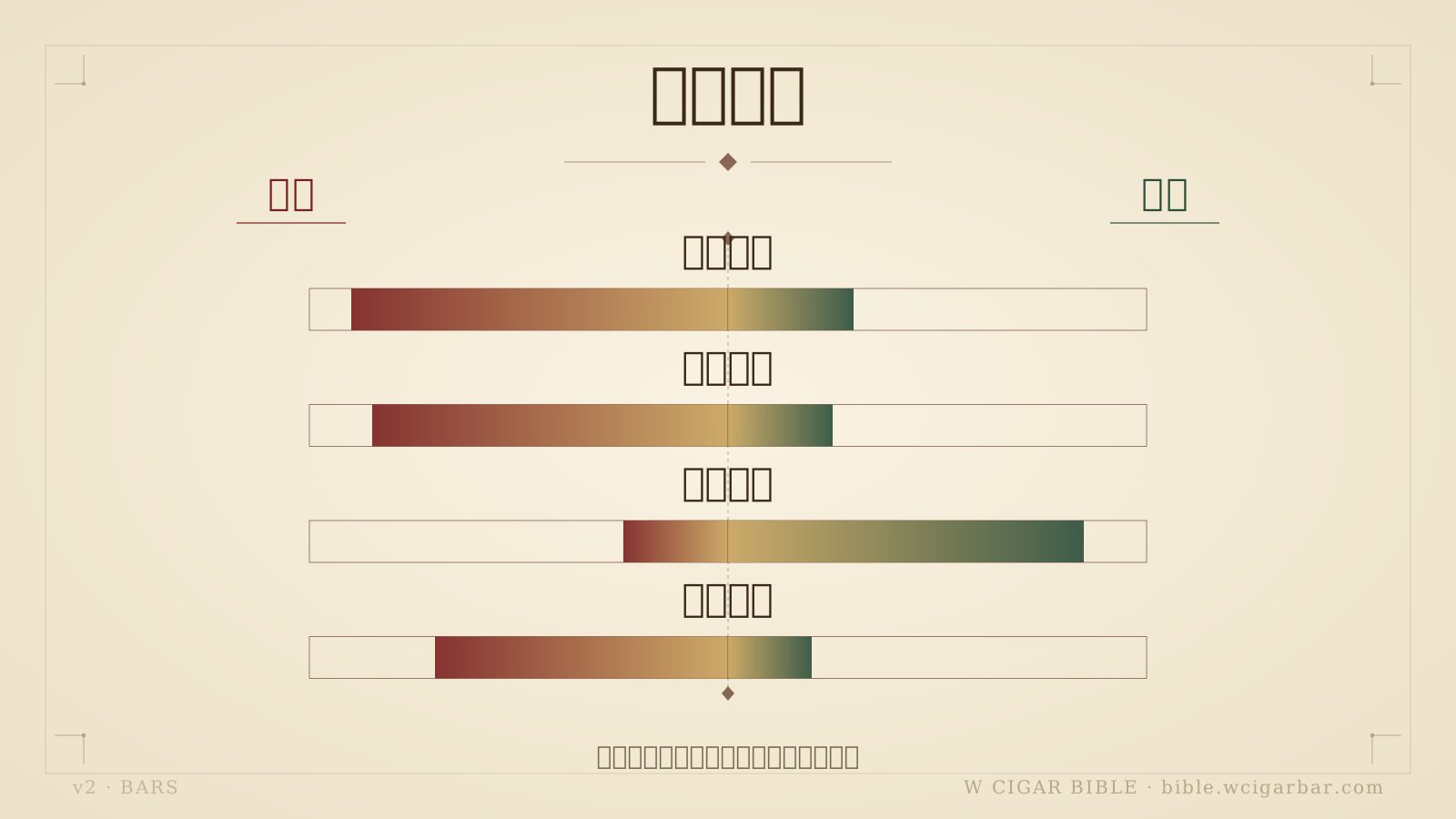
長條圖比較急救處理與慢穩回濕在四個面向的差異
Practical Notes
Daily prevention is more important than trying to rescue a cigar afterward. For beginners setting up a cigar humidification system, the first tool is a calibrated digital hygrometer. Many hygrometers have errors of ±3%RH or even more after leaving the factory. If the actual humidity is 61%RH but it displays 66%RH, the user may mistakenly believe storage is stable, while the cigars are still gradually losing moisture. Common calibration methods include the 75%RH salt test, or using a 75%RH calibration pack. Place the hygrometer in a sealed bag or box for about 24 hours, then record the deviation. The key here is not to pursue an absolute number, but to know whether your tool reads high or low.
The second item is a seal check. If the rim of a humidor lid is warped, the magnetic strip is uneven, or an acrylic door gap leaks air, the humidity pack will harden quickly and humidity will continue to decline in an air-conditioned room. You can observe simply: in a box of the same capacity, if the humidity pack hardens noticeably within 1–2 weeks and humidity remains below the set value for a long time, check the seal and the moisture content of the wood. If a cedar-lined box has not been used for a long time, the box body should first be allowed to regain an appropriate amount of moisture before cigars are placed inside. Otherwise, newly placed cigars will have moisture drawn out by the dry wood.
The third item is environmental management. Avoid leaving cigars for long periods near air-conditioning vents, windows, inside cars, near dehumidifiers, or on open bookshelves. In Taiwan's summer, indoor and outdoor temperature and humidity differences are large, and air-conditioned rooms often dry the surface quickly. During the winter northeast monsoon season, indoor relative humidity may also be low. If short-term temporary storage is needed, a sealed bag with an appropriate humidity pack is more reliable than putting cigars directly in a drawer. Long-term aging should use a stable container and fixed weekly records of high and low humidity, rather than relying on a single reading.
When should you determine that a cigar cannot be saved? If there is large-area peeling, the wrapper is so shattered that it cannot cover the binder, the foot leaf material has become powdery, the entire cigar has a longitudinal crack running through it, or it continuously sheds fragments even when handled lightly, it is usually not appropriate to force further use. If, after rehumidification, the draw is still clearly out of balance, the burn rate is abnormal, and the flavor remains bitter and harsh, this also indicates that the internal oils and structure may have been irreversibly affected. For beginners, stopping is safer than forcing a fix. Turning this experience into storage records is the way to avoid the same moisture-loss problem with the next batch of cigars.
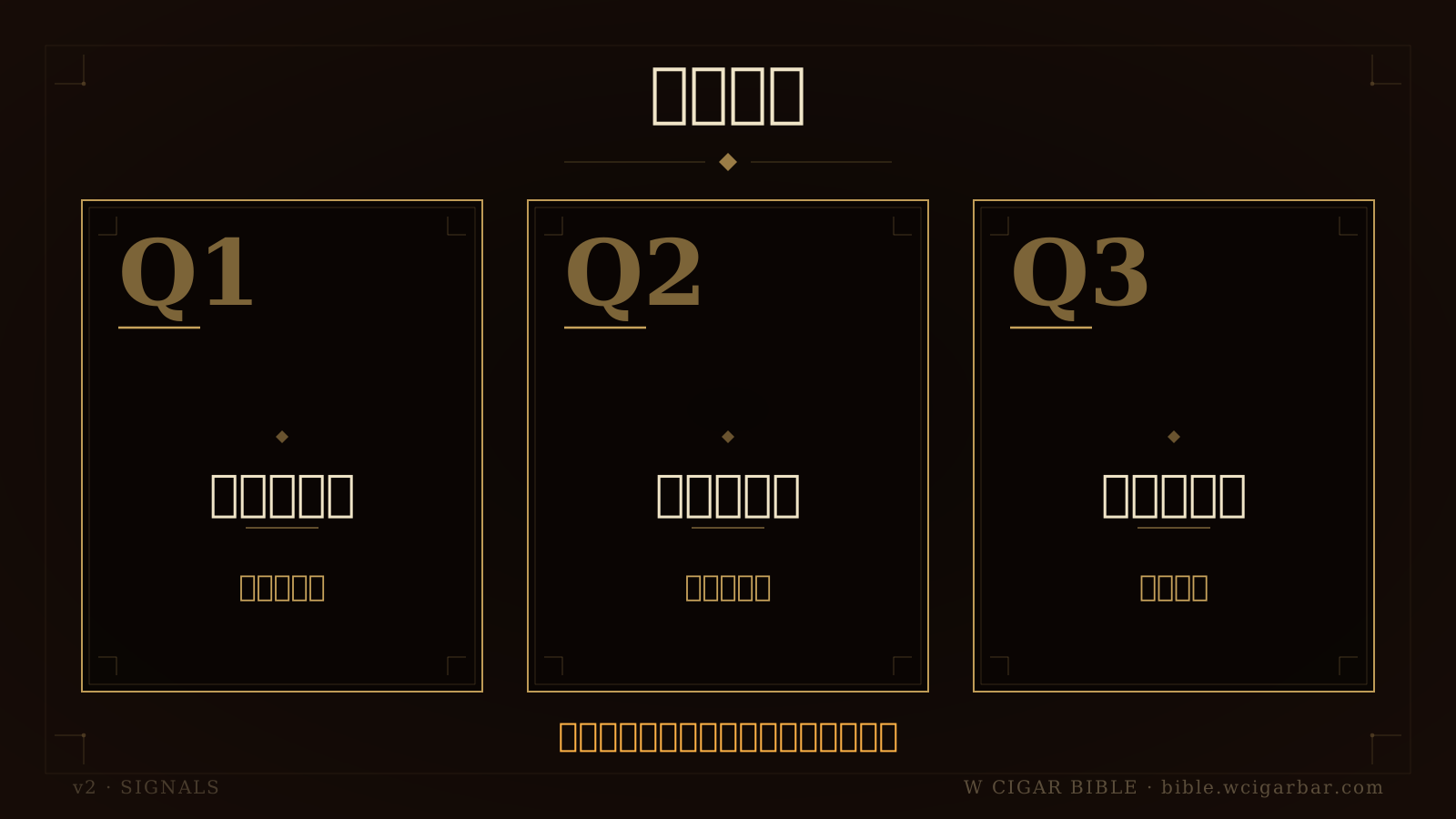
三張問答卡整理乾裂掉皮與回濕時間的實用答案
Common Mistakes
-
Putting a cracked cigar directly into a high-humidity environment Raising it all at once to 72%RH or above may cause the outer wrapper to expand rapidly, making the cracks even larger.
-
Spraying the cigar with water or wrapping it in a wet cloth Direct contact with water causes localized moisture absorption to happen too quickly, easily resulting in stains, skin breakage, and uneven odors.
-
Trusting only the hygrometer without calibration An uncalibrated hygrometer may have a large error, causing the user to misjudge the cigar humidification condition.
-
Opening the box every day to check Frequent opening causes humidity swings and also increases the chance of impacts that lead to wrapper peeling.
-
Treating an air-conditioned room as a safe temporary storage environment Air conditioning removes moisture, and prolonged exposure can easily make a cigar too dry, especially styles with thin wrappers.
-
Forcing treatment after it has already become powdery If the filler has become powdery or cracks run through the entire cigar, rehumidification is unlikely to restore the original structure. You should stop using it.
Frequently Asked Questions (FAQ)
Will a cigar that is too dry definitely crack?
Not necessarily. In the early stage of dryness, it may only feel harder, produce more rustling sounds, and have reduced springiness, while the appearance has not yet visibly cracked. By the time you see cigar cracking or wrapper peeling, dryness has usually continued for some time. Beginners should judge by feel, humidity records, and draw changes together, rather than waiting for cracks to appear before acting.
Can a cigar with peeling wrapper still be rehumidified?
It depends on the degree of peeling. If only a small amount has peeled at the cap or foot and the main wrapper remains intact, you can observe it with staged rehumidification. If the wrapper has peeled over a large area, the binder is exposed, or it keeps shedding fragments even when handled lightly, the structure is difficult to restore even with rehumidification. In this situation, you should stop using it to avoid further expansion of the damage.
Does a loose draw mean the cigar is too dry?
A draw becoming too loose is one common sign that a cigar is too dry, but it is not the only cause. When a cigar is too dry, the filler leaves lose moisture and shrink, enlarging the air channels, which may cause overly fast burning and flavors that become bitter and harsh. However, rolling structure, size, and storage history also affect draw, so appearance and feel should still be considered together.
How long does rehumidification take to be considered complete?
Small cigars may need 2–4 weeks, while larger cigars or those that have been dry for a longer time may need 4–8 weeks or more. The key is not the number of days, but stable humidity, improved springiness, and cracks no longer expanding. If the cigar previously sat in a low-humidity environment for several weeks, do not expect it to regain equilibrium within a few days.
Can I directly use a 69%RH Boveda humidity pack to rescue a dry cigar?
If it is only slightly dry, 69%RH can be one option for daily storage. But if there is already obvious cigar cracking, wrapper peeling, or a clear rustling sound, it is recommended to start with 60%–62%RH, then gradually move to 65%RH and 69%RH. The purpose of staging is to reduce humidity swings and the risk of wrapper bursting.
Why is a cedar box helpful for rehumidification?
A cedar box can absorb and release moisture, making humidity changes more gradual and providing a more stable microenvironment. However, a dry wooden box will first absorb moisture from the humidity pack and the cigars, so a cedar box that has not been used for a long time should first be humidified empty. If the wooden box has a poor seal, the buffering effect of cedar will also be weakened.
The hygrometer shows 65%RH, so why is the cigar still dry?
A hygrometer shows the air humidity inside the box; it does not mean the inside of the cigar has reached equilibrium. If the cigar previously lost moisture for a long time, the inner leaf material needs longer to absorb moisture back. Another possibility is that the hygrometer has not been calibrated and the actual humidity is lower than the displayed value. It is recommended to calibrate the hygrometer and observe a stable condition for at least 1–2 weeks.
Can I put a cigar in the refrigerator when it is too dry?
Not recommended. A refrigerator is low-temperature, has complex odors, and unstable humidity, which can easily cause drying, odor absorption, or surface condensation. Cigar humidification should use an airtight container, cedar box, calibrated hygrometer, and two-way humidity packs to establish a controllable environment, rather than relying on a refrigerator.
Smoking is harmful to health. Persons under twenty years of age must not smoke. Smoking cessation hotline: 0800-636363. This article is provided solely for adults aged twenty and above as a reference for cigar culture, storage, and regulatory knowledge. It is not tobacco advertising, promotion, or purchasing advice. -W Cigar Bible Wilson Tsai
Like this article?Share with friends
Share this W Cigar Bible piece with friends who want to learn cigar culture, storage, and tasting.
想把這篇 化為實踐
雪茄聖經是知識;雪茄文化要在空間裡發生

W Cigar Bar 大安總店資訊
台北大安區 · 雪茄聖經總編輯 Wilson Tsai 主理的雪茄文化空間

33 座 24 小時恆溫恆濕醇化室
W Cigar Bar 提供的會員醇化空間 · 場地資訊請洽編輯部
雪茄剪 / 打火機 / 雪茄盒 / Boveda
W Cigar 配件官網 · 專營雪茄配件正品

加 LINE 好友 · 文化諮詢
文化空間資訊 · 紳士沙龍 · 私人包場
本網站內容僅供雪茄文化、歷史、收藏與品吸知識研究參考。菸品有害健康、未滿法定年齡者請勿吸菸。實際規範請依所在地法律為準。
吸菸有害健康・戒菸專線 0800-636363・本站僅供 20 歲以上成年人閱覽。
讀到這裡,你不只是路過的人
留下 Email,加入 W 雪茄聖經內圈——總編輯 Wilson Tsai 親選的學院深文與國際新訊,先你一步送到信箱。
· 教育用途非銷售 · 隨時一鍵退訂 · Email 絕不對外公開 · 由勝茄股份有限公司營運
同分類延伸閱讀
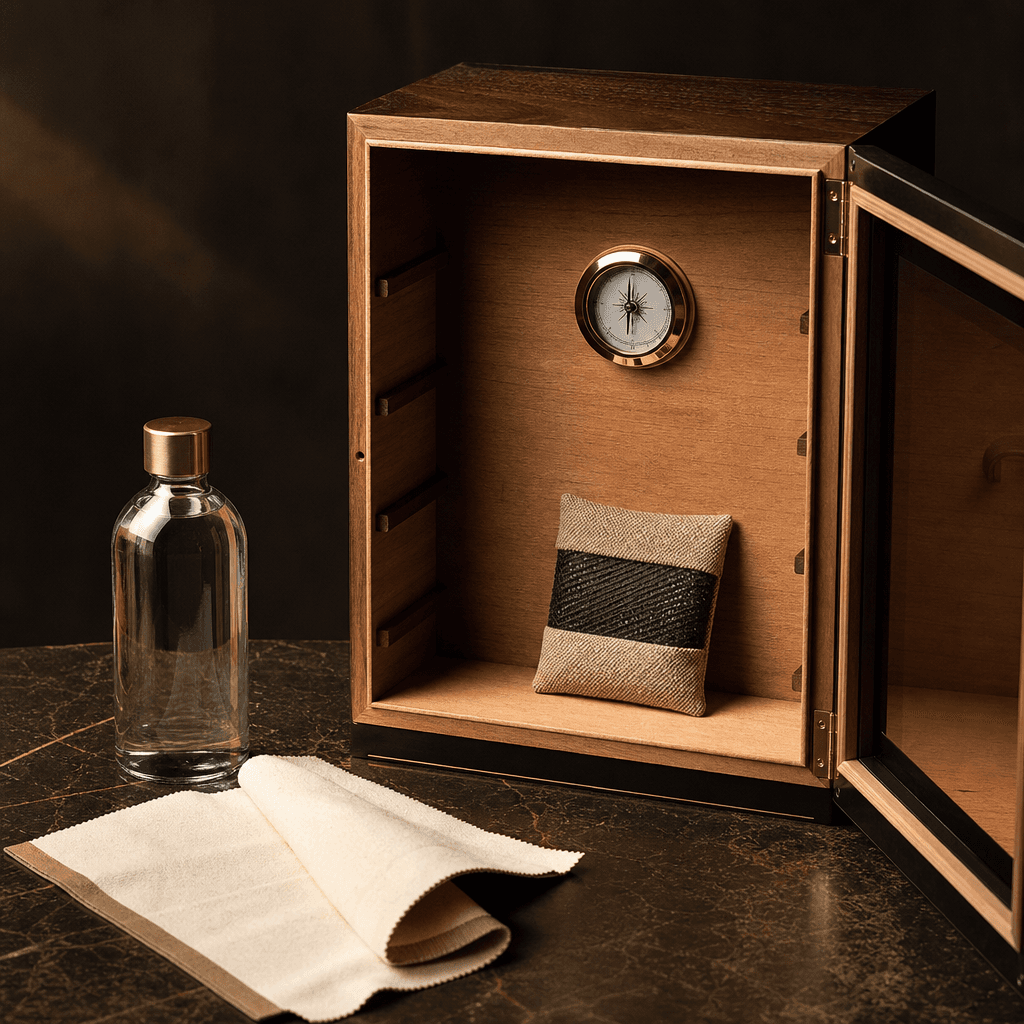
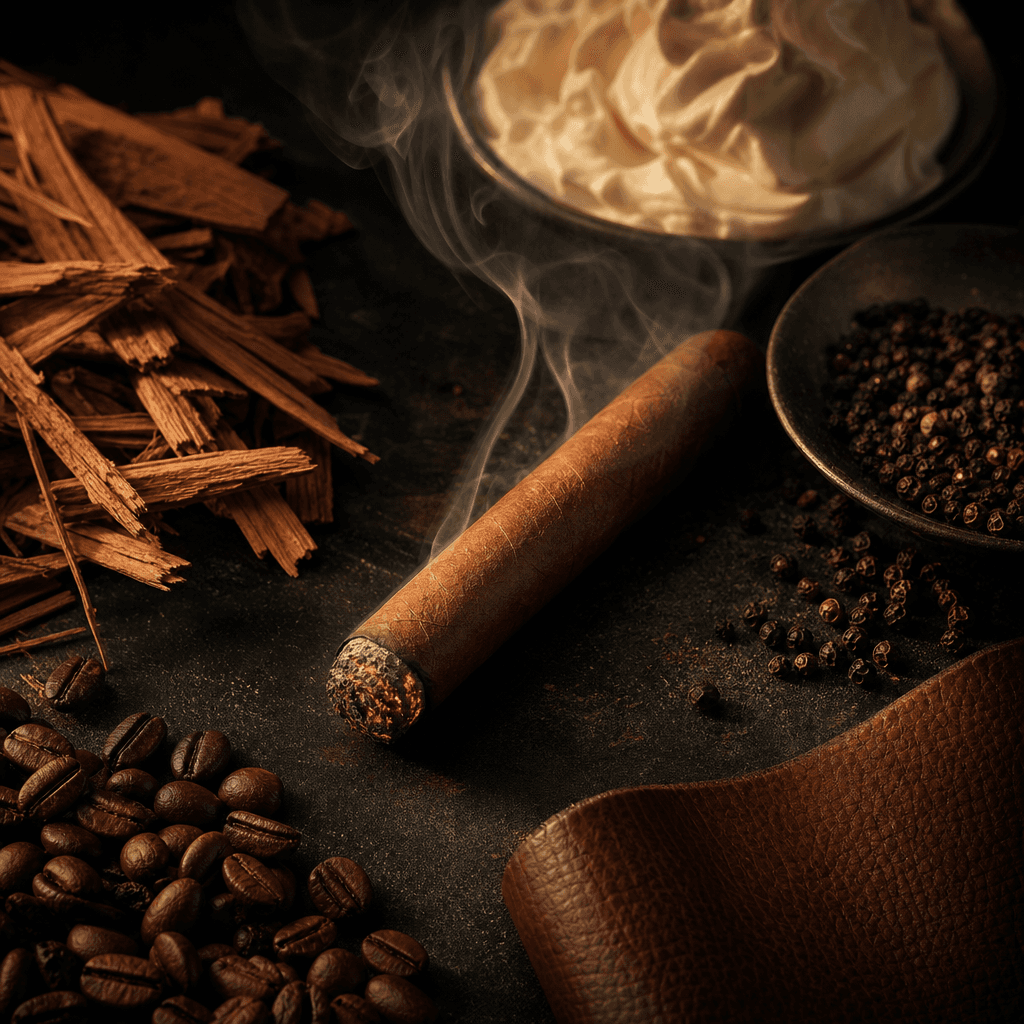

資料來源:W Cigar Bible 編輯部整理 · 雪茄王子 Wilson Tsai 親自審稿
本文僅供雪茄文化、歷史、收藏與品鑑知識研究,不作為菸品促銷、銷售或購買建議。吸菸有害健康,未滿二十歲不得吸菸。