探索雪茄中使用的獨特發酵技術

雪茄的風味形成過程極為複雜,從菸葉的採收、晾乾到發酵、休眠與醇化,每一步驟都影響最終的口感。發酵是關鍵,透過受控的熱量和水分,降低刺激性並建立香氣層次。各產地如古巴、多明尼加、尼加拉瓜等,因土壤、氣候和技術的不同,造就了各具特色的風味。古巴的發酵強調礦物感和草本香氣,而多明尼加則追求乾淨優雅的口感。了解這些發酵過程,能讓雪茄愛好者更深入地品味每一支雪茄的獨特魅力。
- 雪茄的發酵過程中,控制溫度與水分是關鍵,以降低刺激性並建立香氣層次。
- 古巴的發酵技術強調保留礦物感與草本間的張力,並依葉位分批處理。
- 多明尼加的長期發酵哲學使香氣變得乾淨圓滑,強調菸葉分類與長時間休眠。
Exploring Unique Fermentation Techniques Used in Cigars
I often say that the flavor of a cigar doesn't begin the moment it's lit, but rather after the tobacco leaves leave the field and undergo a series of invisible yet precise processes of fermentation, grading, resting, and aging, gradually shaping its form. For seasoned enthusiasts, brand preference is just the entry point; the true depth lies in understanding how the leaves are "transformed."
As the editor of the "Cigar Bible," I am more concerned with the time, temperature, humidity, and human judgment behind a cigar. Cuba, the Dominican Republic, Nicaragua, Honduras, Cameroon, and Ecuador each have different fermentation logics, resulting in differences in spicy, woody, sweet, mineral, and leathery tones.
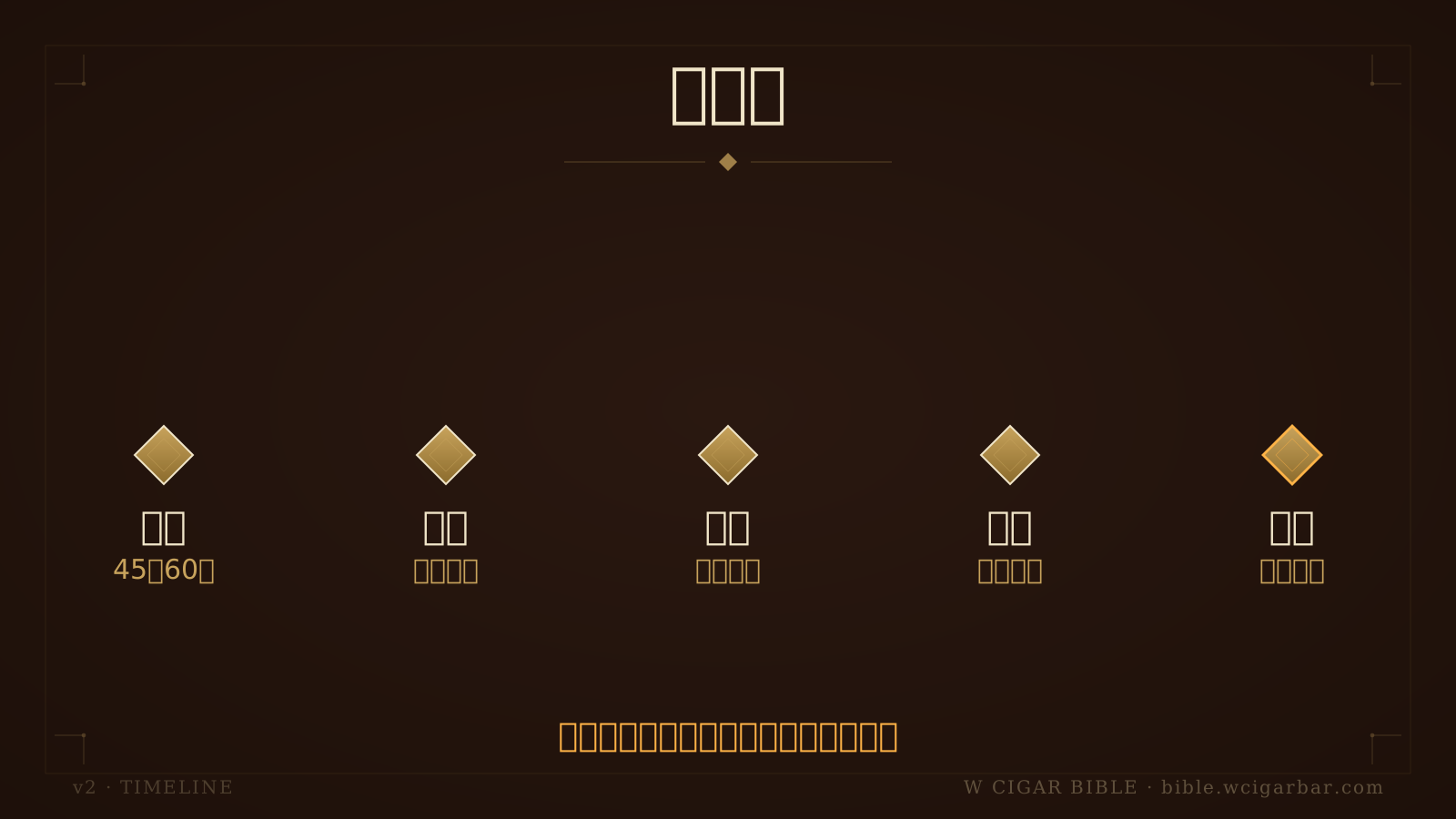
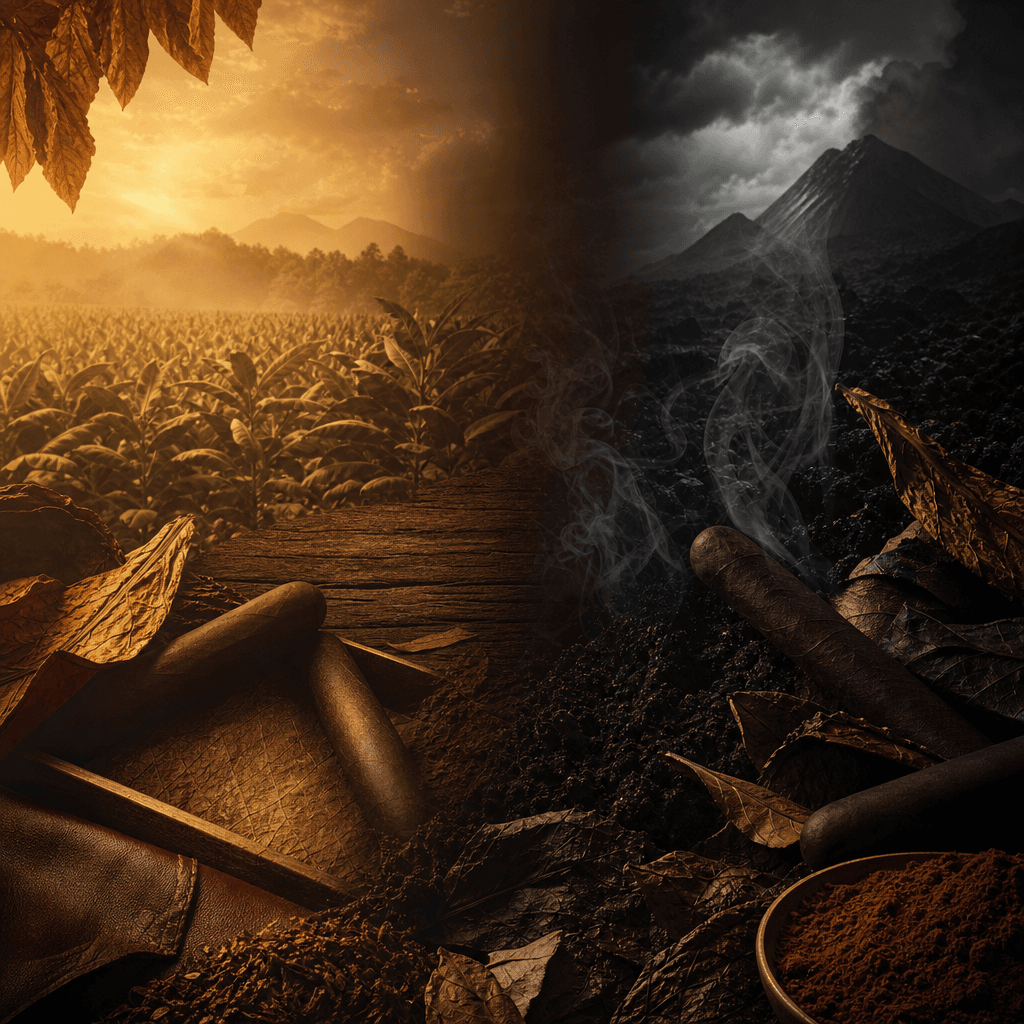
時間軸顯示菸葉從晾乾到醇化的五個階段
Fermentation is Not a Single Process, But the Backbone of Cigar Flavor
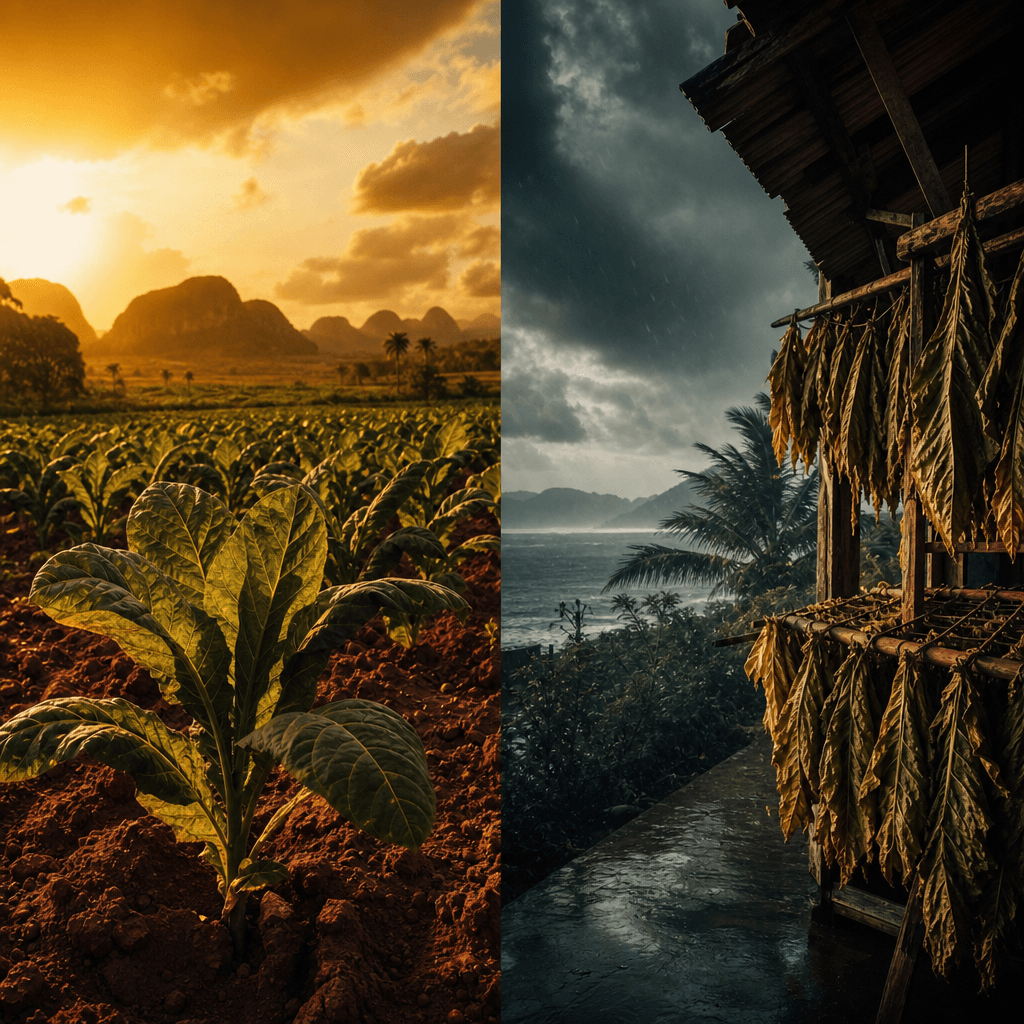
After tobacco leaves are harvested, they usually undergo 45 to 60 days of drying, reducing moisture content, breaking down chlorophyll, and changing color from green to yellow, brown, or reddish-brown. True fermentation often takes place in warehouses using the pilón method, where tobacco leaves are stacked. Each pile can weigh hundreds of kilograms, with internal temperatures reaching 38 to 48°C, adjusted according to leaf type and target style.
The core of fermentation is not to "keep the leaves for a long time," but to use controlled heat and moisture to reduce irritation and build aroma layers. During this stage, ammonia, proteins, sugars, and polyphenols continue to change. If the temperature is too high, the leaves lose elasticity and become bitter; if the temperature is too low, grassy, pungent, and rough flavors remain.
Looking at some large Cuban warehouses from the late 1990s, ligero leaves, due to their higher oil content and thickness, often have longer fermentation cycles than seco and volado, sometimes requiring 3 to 5 turnovers. This is why different batches of the same brand can vary in strength and aroma clarity due to leaf conditions, pile temperature management, and resting time.
When I consider fermentation, I never just ask "how long," but rather three things: leaf thickness, pile core temperature, and turnover rhythm. If seasoned enthusiasts can deduce from a cigar's initial pungency, mid-sweetness, and final bitterness whether the fermentation was clean, their understanding of the brand will immediately reach another level.
Cuban Pilón Tradition: Controlling Temperature and Mineral Sensation Through Experience
The fermentation tradition in Cuba is most representative of the pilón management in the Vuelta Abajo region. The red soil and limestone soil of Pinar del Río often give tobacco leaves a distinct mineral, dry wood, coffee, and slightly salty aroma. Brands like Cohiba, Partagás, H. Upmann, and Bolívar, despite their different styles, all rely on Cuba's long-term experience with fermentation rhythms.
The characteristic of Cuban fermentation is not to rush for thick sweetness but to retain the tension between minerals, herbs, leather, and wood. For example, the Cohiba Behike, officially launched in 2010, uses medio tiempo leaves, which are high in oil and thickness. If not fermented enough, the strength appears sharp; if handled well, it can present cocoa, cream, spices, and deep woodiness.
The common Cuban practice is to process leaves in batches according to their position. Volado leaves burn well and ferment relatively gently; seco leaves carry aroma; ligero and medio tiempo require more time to release ammonia and irritation. When seasoned enthusiasts evaluate some Cuban cigars from 2006 to 2014, they often notice differences in aroma tightness due to storage and leaf source conditions.
However, Cuban flavor is not a myth but the result of agriculture and storage. The PCC exclusive distribution system allows traceability, but individual performance still depends on storage conditions, box age, transportation, and humidity. When discussing collection value, it must be made clear: it does not guarantee appreciation and still depends on source preservation and market.
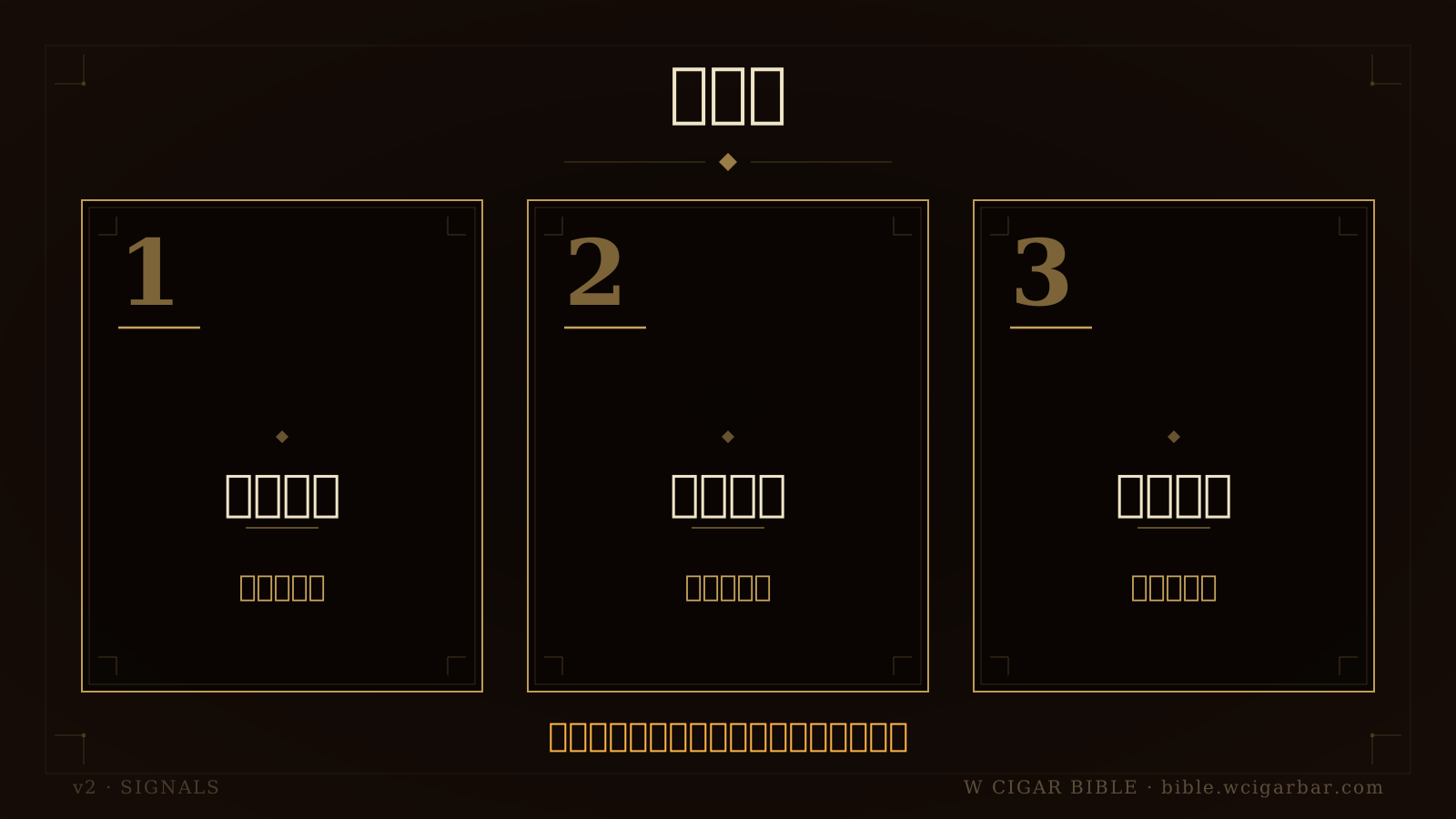
三張卡片整理控熱分葉與停止時機的重點
Dominican Long-Cycle Fermentation: Elegance, Cleanliness, and Creaminess
The fermentation philosophy in the Dominican Republic often gives the impression of "clean, smooth, and elegant." Brands like Arturo Fuente, Davidoff, La Flor Dominicana, and E.P. Carrillo, despite their wide-ranging styles, have long emphasized tobacco leaf classification, segmented fermentation, and long resting periods. Especially Cibao Valley's tobacco leaves, if carefully processed, often exhibit cream, nuts, dry grass, cedar, and subtle spices.
The key to Dominican technology is to use a longer time to reduce off-flavors, making the aroma lines clean and polite. For example, since Davidoff shifted its core production to the Dominican Republic in the 1990s, it has placed great emphasis on the resting period after fermentation. Some high-end series of tobacco leaves may undergo 2 to 4 years of processing from harvest to rolling.
Arturo Fuente OpusX is another example worth studying. When OpusX was launched in 1995, it challenged whether the Dominican Republic could produce high-quality wrapper leaves. The wrapper leaves from the Chateau de la Fuente region require precise fermentation due to their oil content and thickness; if over-processed, the sweet aroma becomes flat; if under-processed, the spiciness overwhelms the floral and woody notes.
The advantage of the Dominican Republic is not the greatest strength but the finesse of control. For seasoned enthusiasts who prefer Cuban mineral sensations, the Dominican Republic may sometimes be mistaken as "too soft." But if you carefully compare Davidoff Aniversario, Fuente Hemingway, and E.P. Carrillo Pledge, you will find that different fermentation strategies can arrange cream, roasted grains, pepper, and ripe fruit aromas in completely different ways.

表格比較古巴多明與尼國在發酵取向上的差異
Nicaragua and Honduras: Spice and Thickness Under High-Temperature Fermentation
Nicaraguan tobacco leaves are most commonly discussed in the Estelí, Jalapa, and Condega regions. Estelí leaves are strong, with a distinct pepper sensation; Jalapa is sweeter and rounder in texture; Condega is in between, often providing herbal and mid-structure. Brands like Padron, Oliva, My Father, and Joya de Nicaragua use fermentation techniques to turn concentration into readable layers.
The biggest fear in Nicaraguan fermentation is leaving only strength; the most successful treatment is integrating pepper, cocoa, black coffee, and sweet earth into a rhythm. For example, the Padron 1964 Anniversary series often establishes a rounded taste with longer resting and mature leaf sources; while some works by My Father retain brighter pepper and roasted spice, presenting a more distinct initial impact.
Honduras is often underestimated. Tobacco leaves from the Jamastran Valley and Copán, if fermented properly, have leather, soil, wood, and cocoa sensations. After Camacho was acquired by the Davidoff Group in 2008, the brand's adjustments in fermentation and quality stability were quite evident, gradually moving from an early rough style to a clearer intensity grading.
High-temperature fermentation is not just about raising the pile temperature. If the core temperature of Estelí ligero exceeds 50°C for a long time, it may damage the oil and aromatic substances; but if it is below the appropriate range, ammonia and raw spiciness in Nicaraguan tobacco leaves will remain. Seasoned enthusiasts can judge whether fermentation is too aggressive or insufficient by whether the final stage is dry and bitter or whether the nasal cavity is pungent.
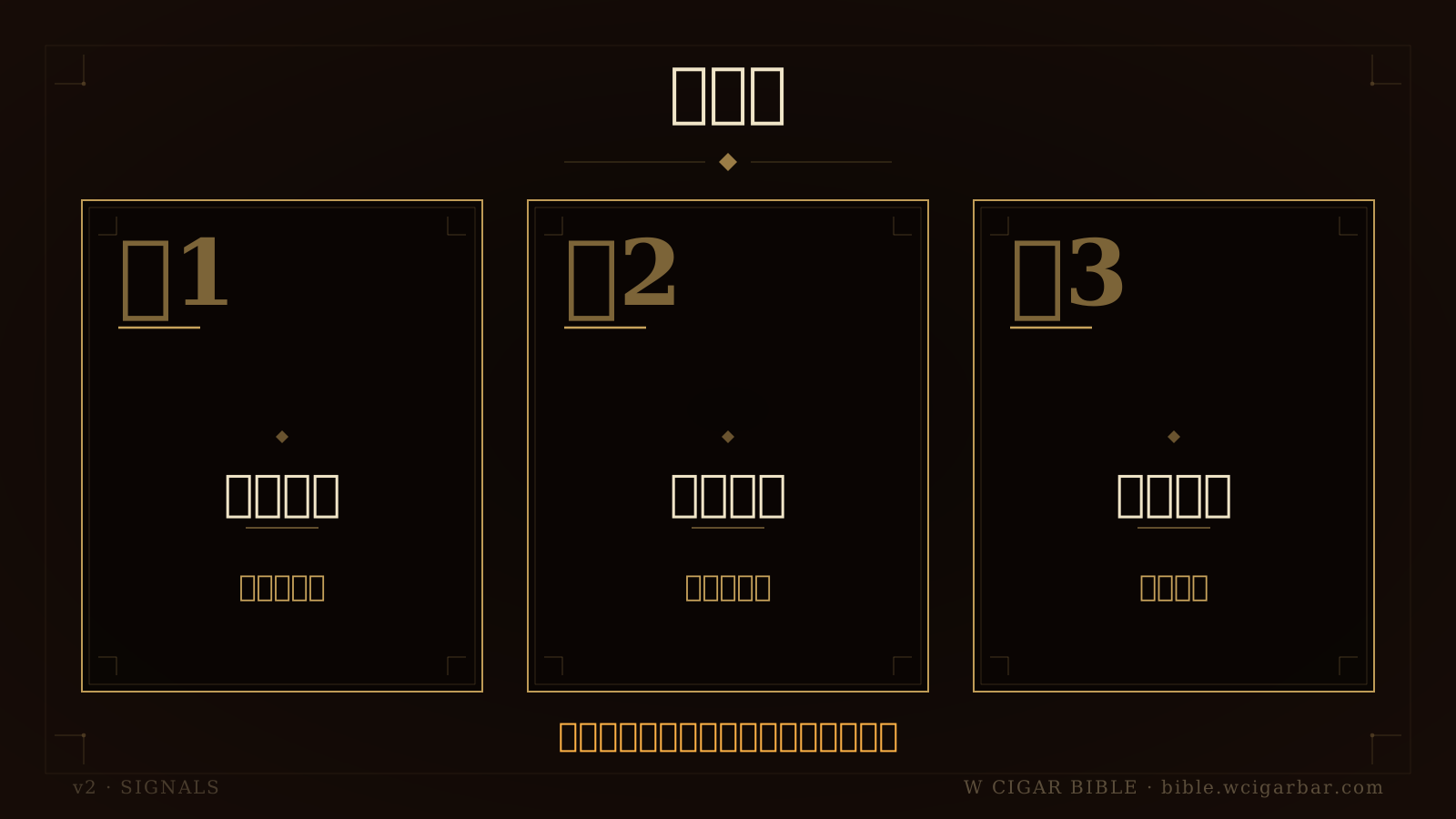
三張卡片列出年份發酵時間與盒養的常見誤解
Maduro, Oscuro, and Double Fermentation: Where Does the Sweetness Come From?
Maduro is often simplified as "dark color, sweet taste," but true maduro is the result of fermentation, leaf type, sunlight, thickness, and time working together. Connecticut Broadleaf, Mexican San Andrés, Brazilian Mata Fina, and Ecuador Habano Maduro all have different expressions, ranging from brown sugar, cocoa, coffee to wet earth and raisins, with significant differences.
The sweetness of maduro is not from added sugar, but from the natural expression of caramel, cocoa, and ripe fruit tones emerging after prolonged or deep fermentation reduces irritation. For example, the Liga Privada No. 9, which gained popularity around 2007, uses dark wrapper leaves and heavy oil leaf sources, combining sweetness, soil, and smokiness, becoming an important representative of the rich American style.
Double fermentation or extended fermentation is often used for thick leaves and dark wrapper leaves, but the risk is also high. Broadleaf leaves are large, thick, and rich in sugar and oil, making pile temperature control difficult; if turnover is slow, it may result in overripe, stuffy, or sour flavors. Conversely, if fermentation is insufficient, maduro will only have a dark appearance, but the taste will be rough, spicy, and ammonia-laden.
Here are some common differences in fermentation for dark wrapper leaves:
| Wrapper Type | Common Origin | Fermentation Challenges | Typical Flavors |
|---|---|---|---|
| Connecticut Broadleaf | Connecticut, USA | Thick leaves with high oil content, difficult pile temperature control | Brown sugar, cocoa, wet earth |
| Mexican San Andrés | Mexico | Strong mineral sensation, needs to reduce roughness | Coffee, pepper, peat |
| Brazilian Mata Fina | Brazil | Strong aroma, easily stuffy if overdone | Ripe fruit, spices, sweet wood |
| Ecuador Habano Maduro | Ecuador | Fine leaf quality under cloudy sunlight, needs to retain aroma | Cocoa, nuts, sweet pepper |
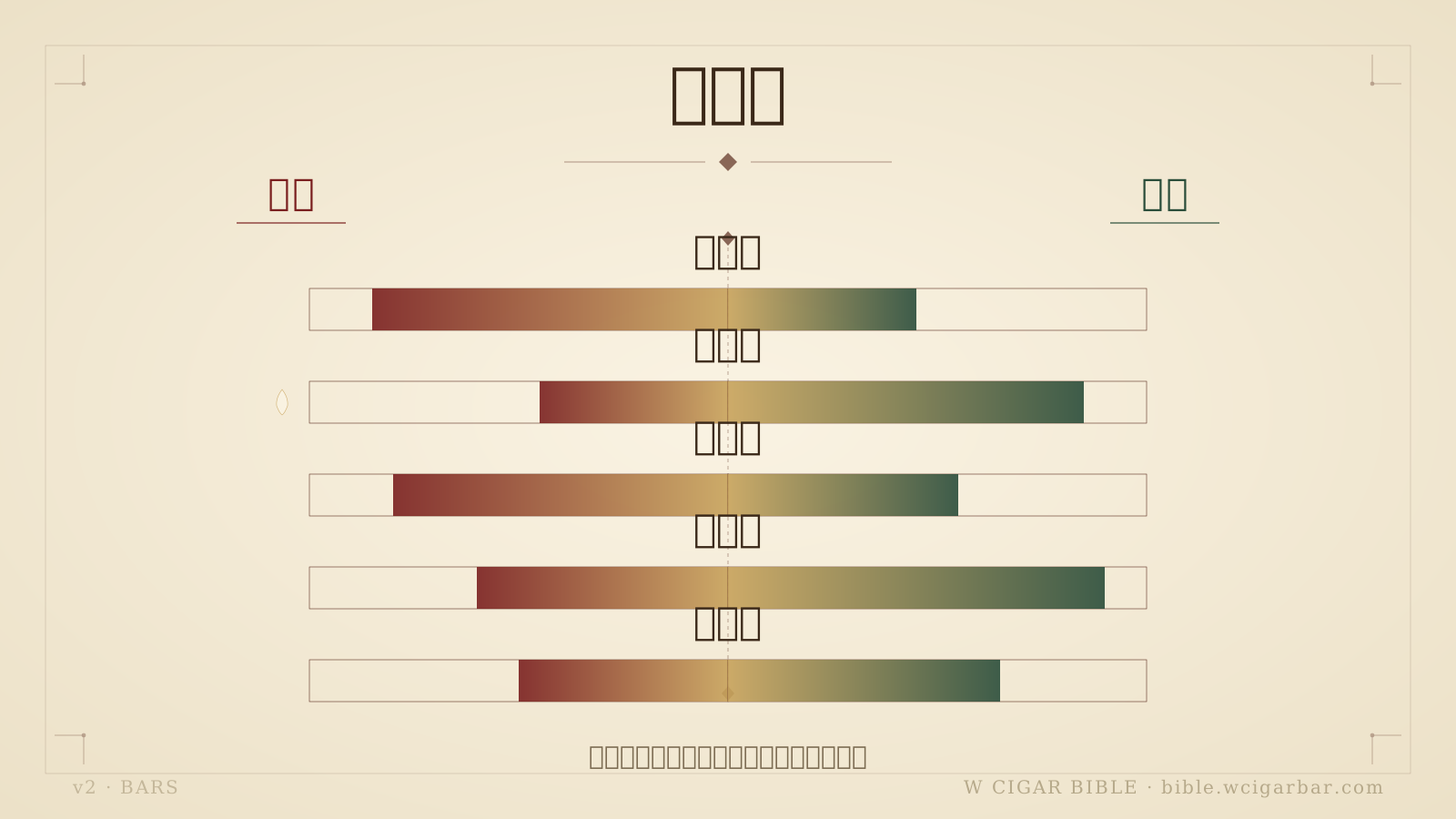
橫條圖對比古巴與多明在五個風味軸上的強弱
Ecuador and Cameroon Wrappers: Delicate Techniques for Thin Leaf Fermentation
Due to cloud cover, Ecuador has softer sunlight, often producing delicate and elastic wrapper leaves. Ecuador Connecticut, Ecuador Habano, and Ecuador Sumatra have been common choices for high-end cigars over the past two decades. Thin and aromatic wrapper leaves are not suitable for rough fermentation because their value lies in delicate aroma and good combustion, not simply pursuing heaviness.
The difficulty of thin leaf fermentation lies in not excessively extracting aroma while allowing grassy and spicy sensations to cleanly retreat. For example, the Oliva Serie V Melanio often uses Ecuador Sumatra wrapper leaves, succeeding in balancing cocoa, coffee, sweet wood, and spices; if similar wrapper leaves are over-fermented, they easily lose floral and clean sweetness.
Cameroon wrapper leaves are another classic flavor. Arturo Fuente Hemingway and Don Carlos have long kept many seasoned enthusiasts remembering the cinnamon, roasted nuts, dry wood, and slightly sweet spices of the Cameroon wrapper. Cameroon leaves are relatively fragile, with unstable production, requiring more careful fermentation and transportation, otherwise, the leaf surface easily breaks or the aroma becomes dull.
Handling thin leaves often tests the touch more than thick leaves. If a thick leaf is slightly off, time and resting can still correct it; if a thin leaf's pile temperature is too high, the aroma loss is difficult to reverse. When evaluating such cigars, seasoned enthusiasts might pay attention to whether the initial stage has clear floral, dry wood, and gentle sweetness, which often explains fermentation quality better than mere concentration.
From Warehouse to Box: Resting, Aging, and Batch Differences After Fermentation
After fermentation is complete, tobacco leaves do not immediately enter rolling. Many quality factories repack the leaves into tercios or bales, entering a resting period of several months to years, stabilizing moisture and chemical changes. This stage is often overlooked by seasoned enthusiasts but is a crucial reason for determining whether a cigar is rounded.
Fermentation determines whether a cigar can be clean, while resting and aging determine whether it can integrate. For example, Padron's long-term leaf reserves are often discussed, with the brand's public image always linked to multi-year tobacco reserves; Davidoff and Fuente also often use graded storage to bring different leaf positions to a more stable state before entering the formula.
After rolling is complete, the finished product usually stays in the aging room. Some factories may arrange 60 to 90 days, with higher-end lines even longer, allowing the moisture introduced during rolling to rebalance and the wrapper, binder, and filler to initially fuse. If this period is insufficient, even if the tobacco leaves were well processed, the combustion and aroma may appear separate.
Batch differences are not defects but the nature of agricultural products. Cigars from the same brand in 2016, 2019, and 2022 under different climate conditions may differ in sweetness, burn speed, and pepper sensation. When collecting, if concerned about future market performance, remember: it does not guarantee appreciation and still depends on source preservation and market.
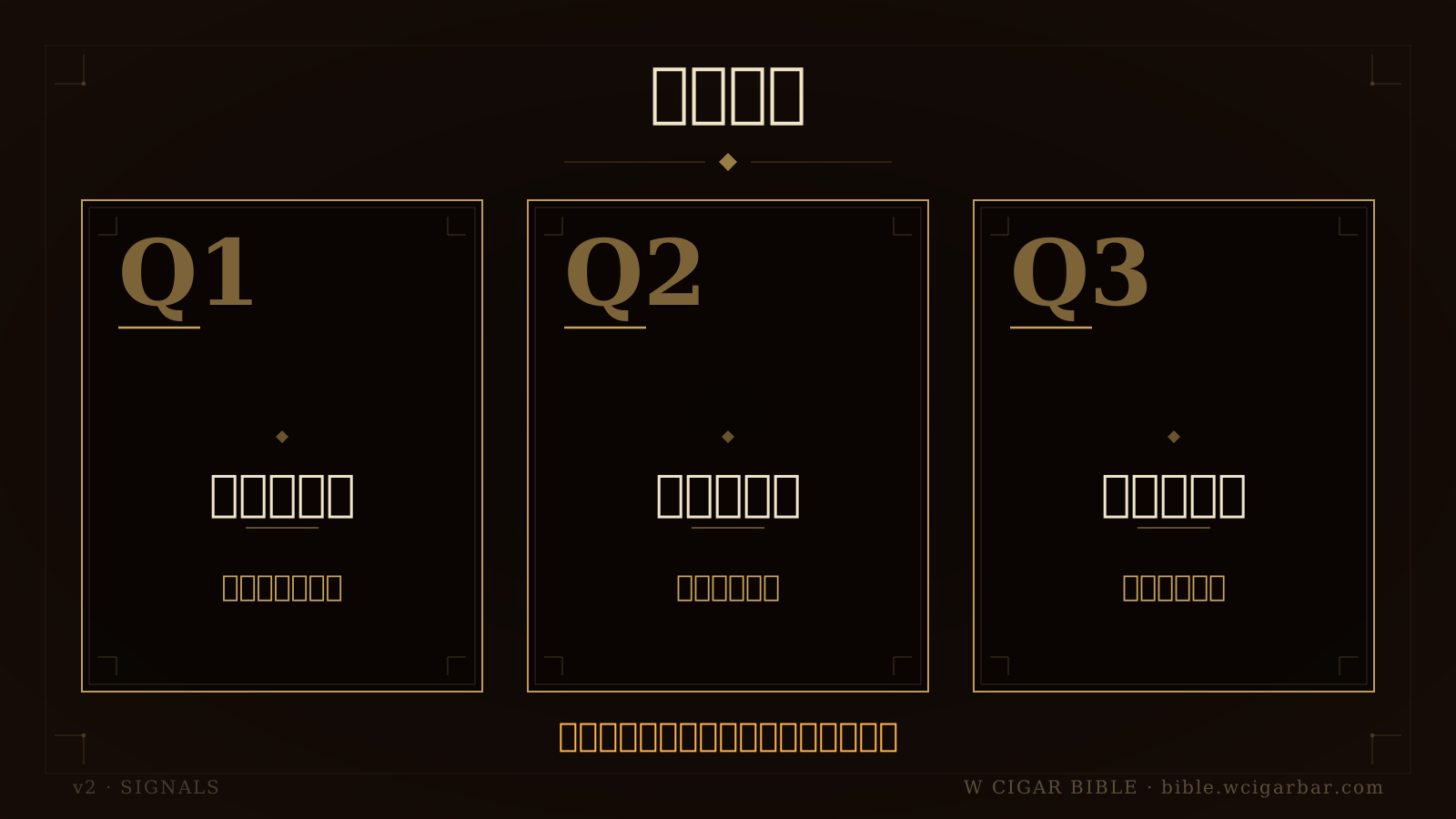
三張問答卡整理年份差異時間長短與甜味來源
How Seasoned Enthusiasts Can Deduce Fermentation Quality from Flavor
The true advanced pleasure is being able to deduce craftsmanship from sensory experience. If a cigar's initial stage is intensely pungent, with ammonia in the mouth, common reasons are insufficient fermentation or resting of the finished product; if the mid-stage aroma is flat, and the final stage is bitter, it may be due to excessive fermentation, high humidity preservation, or limited leaf quality. These judgments rely not on superstition but on repeated comparison.
Clean fermentation will give direction to strength, rather than letting irritation masquerade as richness. I suggest seasoned enthusiasts make horizontal comparisons: simultaneously record a Cuban Partagás Serie D No.4, a Padron 1964, and a Davidoff Grand Cru or Aniversario, then compare the sour, sweet, bitter, spicy, woody, and nasal sensations in the initial, mid, and final stages.
Practically, you can train judgment in the following ways:
- Record box code or year, purchase time, storage humidity, and tasting date.
- Observe only combustion, ammonia, grassy, and spicy sensations in the first 1 cm.
- Record whether sweetness emerges in the mid-stage, and whether wood, nuts, and coffee are clear.
- Judge whether the final stage's bitterness is cocoa-like astringency or burnt, spicy, and dry.
- Compare at least 3 cigars of different years from the same brand to avoid drawing conclusions from a single cigar.
For seasoned enthusiasts, brand loyalty can be retained, but it should not hinder judgment. When you can distinguish between "strength," "concentration," "irritation," and "thickness," you will find that many superficially similar cigars actually come from completely different fermentation philosophies.
Common Questions
Why does the flavor of the same brand and size vary greatly in different years?
Cigars are agricultural products, and year-to-year differences are very natural. Rainfall, sunlight, harvest maturity, fermentation pile temperature, turnover frequency, and storage humidity all affect the outcome. For example, in Cuba and Nicaragua, the same brand in 2018, 2020, and 2022 may differ in pepper, sweetness, and burn speed, which does not necessarily indicate a decline in quality but rather different batch characteristics.
Seasoned enthusiasts look at the year not as superstition of a particular year but as understanding how the leaf and storage conditions of that year shape the flavor. To establish judgment, it is best to keep box labels, dates, and storage records, and compare at least 3 cigars from the same box. Single cigar performance may be affected by transportation, humidity, or rolling differences and cannot represent the entire year.
Does longer fermentation make cigars better?
Not necessarily. Thick leaves with high oil content, such as ligero or maduro wrappers, often require longer fermentation; but thin leaves like Ecuador Connecticut or Cameroon wrappers, if over-fermented, will lose floral, creamy, and delicate sweetness. Time is just a tool, not a guarantee of quality.
What truly matters is whether the fermentation goal matches the leaf conditions. Temperature, humidity, ventilation, and turnover timing are all indispensable. Too short will result in grassy, ammonia, and spicy sensations; too long may dull the aroma and flatten the taste. The value of an excellent factory lies in knowing when to stop.
Is the sweetness of maduro artificially added?
The sweetness of traditional quality maduro mainly comes from the natural expression of leaf maturity, sugar content, oil content, and deeper fermentation, not necessarily from external additions. Connecticut Broadleaf often exhibits brown sugar and cocoa, Mexican San Andrés often shows coffee and minerals, and Brazilian Mata Fina may have ripe fruit and spices.
However, there are indeed products of different grades and processing methods on the market. Seasoned enthusiasts can judge by whether the sweetness is natural, whether the final stage is sticky, and whether the nasal cavity has an uncoordinated fragrance. Naturally fermented sweetness is usually connected with wood, cocoa, soil, or nuts, rather than floating alone on the surface.
Can under-fermented cigars improve in a humidor?
A humidor can help the finished product integrate better and reduce some sharpness, but it cannot completely replace factory fermentation. If the tobacco leaves themselves have excessive ammonia and obvious grassiness, long-term storage may improve some edges but cannot turn fundamental defects into high-grade aromas.
Generally speaking, stabilizing in an environment of about 65% to 69% relative humidity and 18 to 21°C helps the finished product slowly integrate. However, if the original fermentation is unbalanced, aging is only a modification on the existing basis, not a reconstruction of the flavor backbone. This is why source and factory processing remain crucial.
How should seasoned enthusiasts build their fermentation flavor database?
I suggest using regions as the axis, rather than just brands. You can first choose 2 to 3 representative cigars from Cuba, the Dominican Republic, Nicaragua, and Honduras, then record wrapper, filler source, year, size, storage conditions, and tasting notes. After a year, you will see a very clear pattern.
For example, Cuba often observes minerals, dry grass, and leather; the Dominican Republic looks at cream, nuts, and clean wood; Nicaragua looks at pepper, cocoa, and sweet earth; Honduras looks at leather, soil, and roasted sensations. When the data accumulates to more than 30 cigars, fermentation judgment will be much more stable than relying solely on impressions.
Can cigar collection be based solely on rarity?
Rarity is just one factor; source, preservation, box condition, year, brand reputation, and market demand are equally important. Especially Cuban limited editions, regional editions, or discontinued items, if storage humidity is unstable or the source is unclear, the value will be greatly reduced.
When discussing collection value, I always remind: it does not guarantee appreciation and still depends on source preservation and market. A truly mature collection concept is to first understand flavor and craftsmanship, then evaluate market circulation. If you only chase labels and rumors, it is easy to overlook the core preservation risks of cigars as agricultural products.
I have always believed that fermentation is the most worth exploring technical language in the cigar world. It has no glamorous appearance, yet it determines whether a cigar is clean, has depth, and can unfold over time. If seasoned enthusiasts are willing to understand from pile temperature, leaf position, wrapper, and region, they will not be led only by brand names but will truly understand the origin and character of a cigar.
—Cigar Prince Wilson Tsai
Smoking is harmful to health. Under 20 years old is not allowed to smoke. Quitline: 0800-636363. This article is for reference only for adults over 20 years old regarding cigar culture, preservation, and regulations, not a tobacco advertisement, promotion, or purchase suggestion.
Like this article?Share with friends
Share this W Cigar Bible piece with friends who want to learn cigar culture, storage, and tasting.
想把這篇 化為實踐
雪茄聖經是知識;雪茄文化要在空間裡發生
W Cigar Bar 大安總店資訊
台北大安區 · 雪茄聖經總編輯 Wilson Tsai 主理的雪茄文化空間
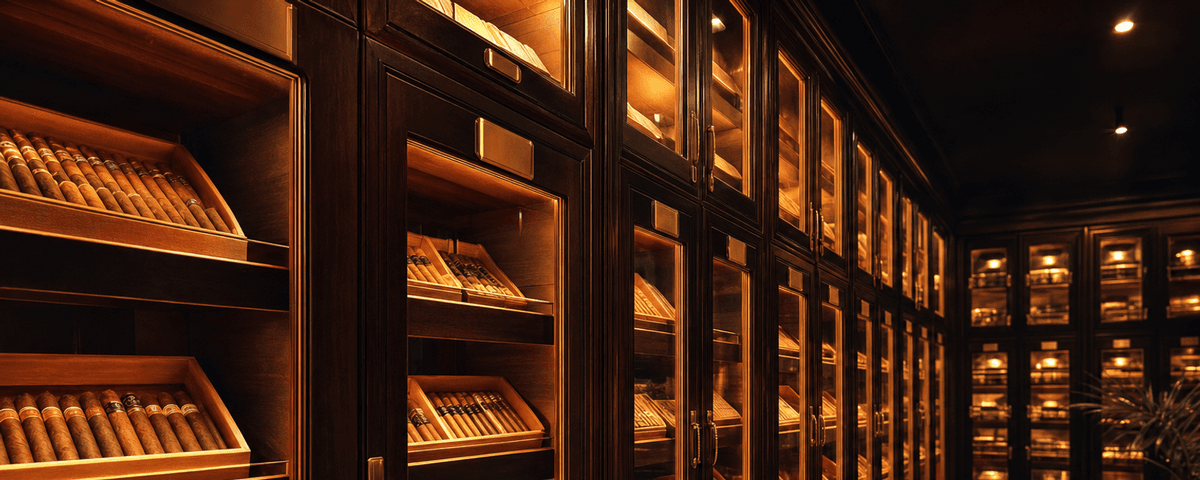
33 座 24 小時恆溫恆濕醇化室
W Cigar Bar 提供的會員醇化空間 · 場地資訊請洽編輯部
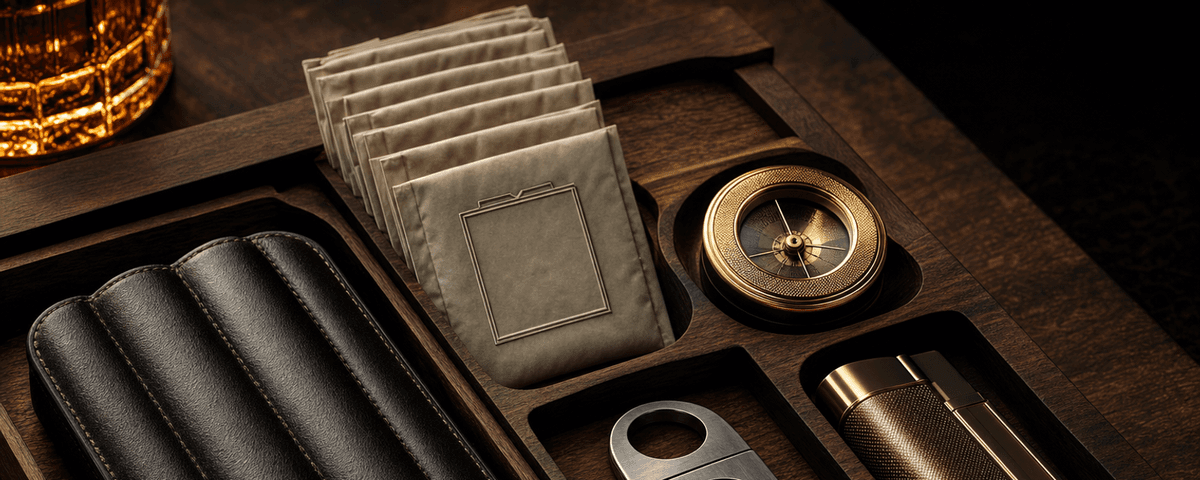
雪茄剪 / 打火機 / 雪茄盒 / Boveda
W Cigar 配件官網 · 專營雪茄配件正品
加 LINE 好友 · 文化諮詢
文化空間資訊 · 紳士沙龍 · 私人包場
本網站內容僅供雪茄文化、歷史、收藏與品吸知識研究參考。菸品有害健康、未滿法定年齡者請勿吸菸。實際規範請依所在地法律為準。
吸菸有害健康・戒菸專線 0800-636363・本站僅供 20 歲以上成年人閱覽。
讀到這裡,你不只是路過的人
留下 Email,加入 W 雪茄聖經內圈——總編輯 Wilson Tsai 親選的學院深文與國際新訊,先你一步送到信箱。
· 教育用途非銷售 · 隨時一鍵退訂 · Email 絕不對外公開 · 由勝茄股份有限公司營運
同分類延伸閱讀
資料來源:W Cigar Bible 編輯部整理 · 雪茄王子 Wilson Tsai 親自審稿
本文僅供雪茄文化、歷史、收藏與品鑑知識研究,不作為菸品促銷、銷售或購買建議。吸菸有害健康,未滿二十歲不得吸菸。