雪茄的生長環境:土壤、氣候與生產技術的綜合影響
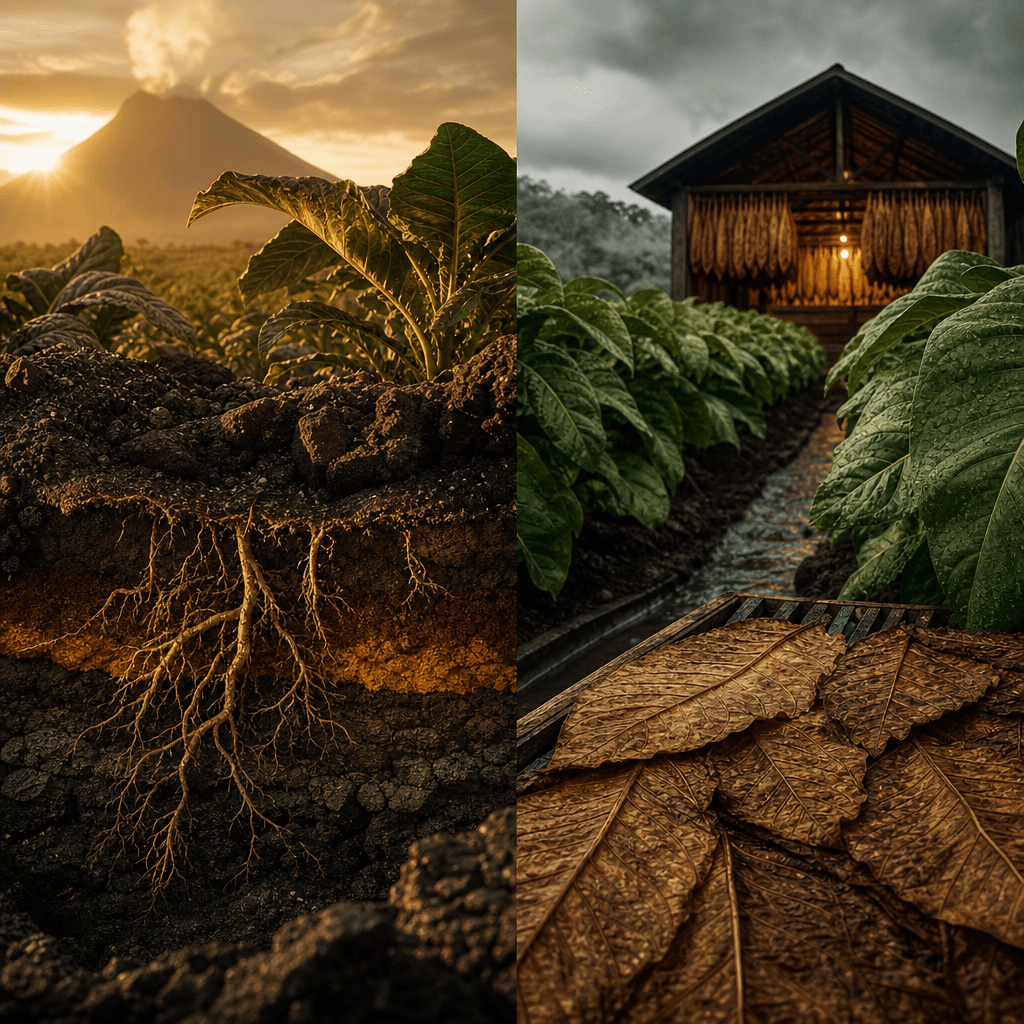
雪茄的風味差異源於多種因素,包括土壤、氣候及種植技術。古巴的Vuelta Abajo地區以其快速排水的紅褐色砂質壤土著稱,能夠提供豐富的礦物質,影響菸葉的燃燒性與口感。氣候方面,穩定的溫度與適度的日照對葉片的厚薄至關重要,強風則可能損害葉面。田間管理同樣重要,種子的潛力需透過精細的管理來實現。不同葉位的菸葉在風味上各有分工,從而形成獨特的香氣與強度。整個過程中,採收、乾燥與發酵的控制也影響最終的雪
- 雪茄的風味受土壤、氣候和生產技術影響,了解這些因素能幫助品評者更準確地解讀雪茄。
- 土壤的排水性、礦物質含量和pH值會影響菸葉的燃燒性和口感,選擇合適的土壤是關鍵。
- 不同葉位的菸葉在香氣和強度上各有分工,理解葉位能幫助調配出平衡的雪茄風味。
The Growing Environment of Cigars: The Comprehensive Impact of Soil, Climate, and Production Techniques
As the editor of the "Cigar Bible," I am often asked by beginners: Why do cigars made from the same Cuban seeds and handcrafted long cigars have such a wide range of flavors, from creamy, woody, and peppery to cocoa? The answer does not lie in a single mysterious formula but in how land, weather, and human techniques interact.
Cigars are not just about brand and vintage. From the drainage of tobacco fields, sunlight, fermentation temperature, to humidity management after rolling, every step leaves a taste fingerprint. Understanding these contexts allows beginners to more accurately discern a cigar's origin, character, and maturity during tasting.
流程圖顯示土壤、苗床、採收、發酵與養護的風味路徑
Soil: Minerals, Drainage, and Root Depth Determine the Base Flavor
Cigar tobacco fears "rich and stuffy" soil the most. Take the Vuelta Abajo in Pinar del Río, Cuba, for example. The local reddish-brown sandy loam drains quickly yet retains enough minerals for the roots to extend downward. This type of soil typically has a pH of about 5.5 to 6.8, slightly acidic, which is conducive to the absorption of potassium, magnesium, calcium, and other elements, thereby affecting combustibility and ash structure. Soil does not just provide nutrients; it also determines the burn, mouthfeel thickness, and cleanliness of the finish of the tobacco leaves.
If the soil is too clayey, drainage is slow after rain, and the roots lack oxygen, the tobacco leaves tend to grow large and high in moisture, which may result in a green, bitter taste or poor combustion after drying. The volcanic soil of Estelí, Nicaragua, is another typical example: strong mineral sensation, deep soil color, often giving brands like Padrón 1964 Anniversary and Oliva Serie V a fuller impression of cocoa, coffee, and black pepper. This is not simply "strong," but a result of the soil structure, day-night temperature differences, and leaf thickness working together.
The loam of the Cibao Valley in the Dominican Republic is relatively mild, combined with sea breezes and more balanced rainfall, making Arturo Fuente Hemingway and Davidoff Dominicana series often described as having more pronounced woody, creamy, and nutty notes. Beginners can understand soil as the "base color": volcanic soil often has mineral and spicy notes, sandy loam brings clear lines, and fertile loam may offer a rounded sweetness. The same variety transplanted to different regions will not replicate flavors but will reinterpret them.
三張卡片列出土壤、氣候與工藝如何影響雪茄風味
Climate: Sunlight, Rainfall, and Wind Shape Leaf Thickness
Cigar tobacco prefers a warm and stable environment, with daytime temperatures around 24 to 30°C and nighttime temperatures not dropping drastically. The growing season requires enough sunlight but not so much that the leaves are excessively scorched. In traditional Cuban planting seasons, this usually takes place from October to March of the following year, avoiding the peak hurricane season and the high humidity of summer. If rainfall is concentrated before harvest, the leaves will have too much moisture, making subsequent drying more difficult; if drought persists, the leaves become thin, lacking oil, and aroma shrinks.
Wind is a factor easily overlooked by beginners. Moderate ventilation can reduce mold damage, making the leaf surface healthier; but strong winds can tear the leaf surface, which is especially fatal for wrapper leaves. Cuba's Vuelta Abajo, Ecuador's Los Ríos, and the Dominican Republic's Cibao all have their own microclimates. Ecuador, due to its thick cloud cover and naturally filtered sunlight, produces Connecticut Shade or Habano wrapper leaves with delicate surfaces, often used in different lines by brands like Rocky Patel and Alec Bradley. Climate is not the background but the invisible craftsman adjusting the oil content, thickness, and sugar content of the tobacco leaves daily.
Vintage differences are also worth noting. Hurricane Georges in 1998 impacted Caribbean agriculture, leading to the restructuring of some tobacco fields in the Dominican Republic, where farms began to pay more attention to drainage ditches, shading nets, and pest management. Hurricane Irma in 2017 affected western Cuba, once again highlighting the importance of drying houses, storage, and field facilities. A good production area does not mean it is risk-free, but that it can keep risks within a controllable range, preventing flavor fluctuations from getting out of hand.
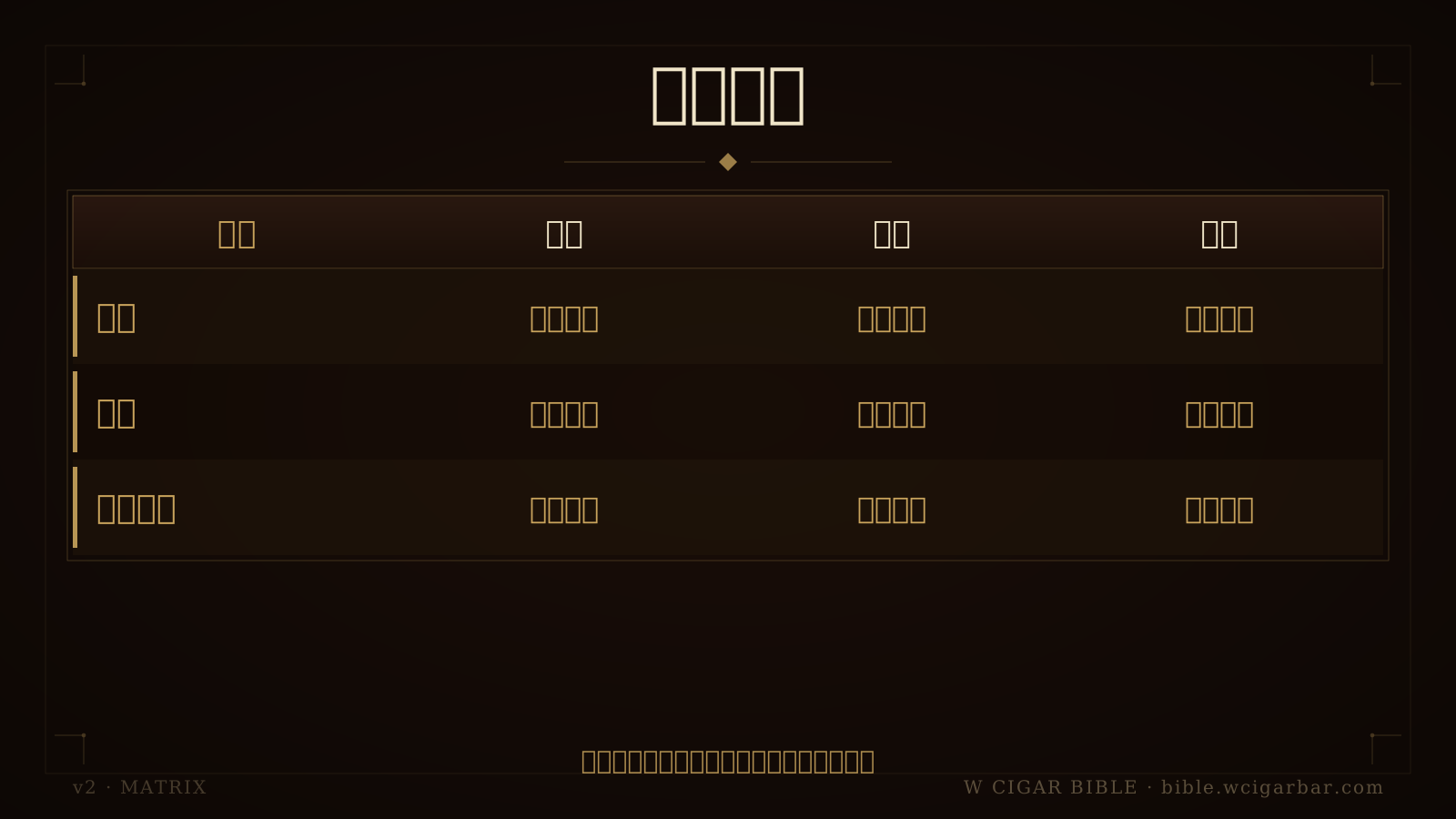
矩陣比較古巴、尼加拉瓜與多明尼加的土壤氣候風味差異
Seeds and Field Management: The Same Lineage Can Grow Different Personalities
Many have heard of names like Corojo, Criollo, and Habano, but they tend to treat them as fixed flavors. In fact, seeds are just the starting point; the real performance depends on the seedbed, transplanting time, plant spacing, topping, and fertilization rhythm. Take Corojo as an example: it matured in Cuba in the 1940s and was once a famous wrapper variety, but due to high disease pressure, different improved versions later appeared in Honduras and Nicaragua. Seeds provide potential, but field management determines whether that potential can be cleanly expressed.
Field management has several key points. About 45 to 60 days after sowing, the plants are transplanted to the field, and the entire growth cycle typically lasts about 90 to 120 days. Farmers control the number of leaves per plant to avoid excessive nutrient dispersion and remove flower buds to redirect energy back to the leaves. If there is too much nitrogen fertilizer, the leaves may look beautiful, but when burned, they may carry a pungent ammonia smell; if potassium is insufficient, combustibility and ash whiteness will be affected. These details ultimately return to the smoke in your mouth: whether it is smooth and clean or rough and stimulating.
Brand cases are clear. The Plasencia family has agricultural layouts in both Nicaragua and Honduras. When using the Habano seed line, the Estelí version is often more robust, while Jalapa tends to be smoother and sweeter. The medio tiempo leaves used in Cohiba Behike come from special leaf positions that grow at the top of the plant in small quantities, with limited production and concentrated flavor; not every plant has them, nor are they stable every year. This reminds us that top-quality tobacco leaves rely not just on reputation but need to be selected through the entire season of field management.
Leaf Position and Shading: The Power Division from Volado to Ligero
A tobacco plant from bottom to top, different leaf positions receive varying intensities of sunlight, wind, and nutrients, thus playing different roles. The lower Volado is thinner, burns well, and is often used in fillers to aid combustion; the middle Seco has a more delicate aroma, providing floral, woody, or herbal notes; the upper Ligero receives the most sunlight, has thicker leaves, and higher nicotine and oil content, responsible for strength and depth. Understanding leaf position helps understand why a cigar needs blending rather than just stuffing it with the strongest leaves.
Shading is common for wrapper leaves. Traditional Connecticut Shade matured in Connecticut, USA, uses white mesh to reduce direct sunlight, making the leaves thinner, with finer veins and even color. Ecuador, due to its natural cloud cover, forms a similar "sky shading" effect, so Ecuador Connecticut wrapper has been widely used in milder lines over the past 20 years. The wrapper accounts for less than 10% of the cigar's weight but is the first to contact the lips and burn line, greatly influencing the aroma impression.
To help beginners quickly grasp leaf positions, I have summarized the common divisions in a simple table:
| Leaf Position | Location and Characteristics | Common Function | Flavor Impression |
|---|---|---|---|
| Volado | Lower plant, thinner | Aids combustion | Hay, light wood |
| Seco | Middle, better aroma | Establishes fragrance | Nutty, floral, woody |
| Viso | Upper middle, increased oil | Balances aroma and strength | Sweet aroma, roasted notes |
| Ligero | Top, thick and slow-burning | Increases strength | Pepper, leather, deep cocoa |
For example, Partagás Serie D No.4 is often considered to have a more pronounced spicy and strong sensation, which is related to the proportion of stronger leaf positions in the blend; while Hoyo de Monterrey Epicure No.2 usually gives a softer and more rounded impression, with leaf position division leaning more towards balance and aroma. A good blend does not pursue a single strength but maintains rhythm in burning, aroma, and structure over 60 to 90 minutes.
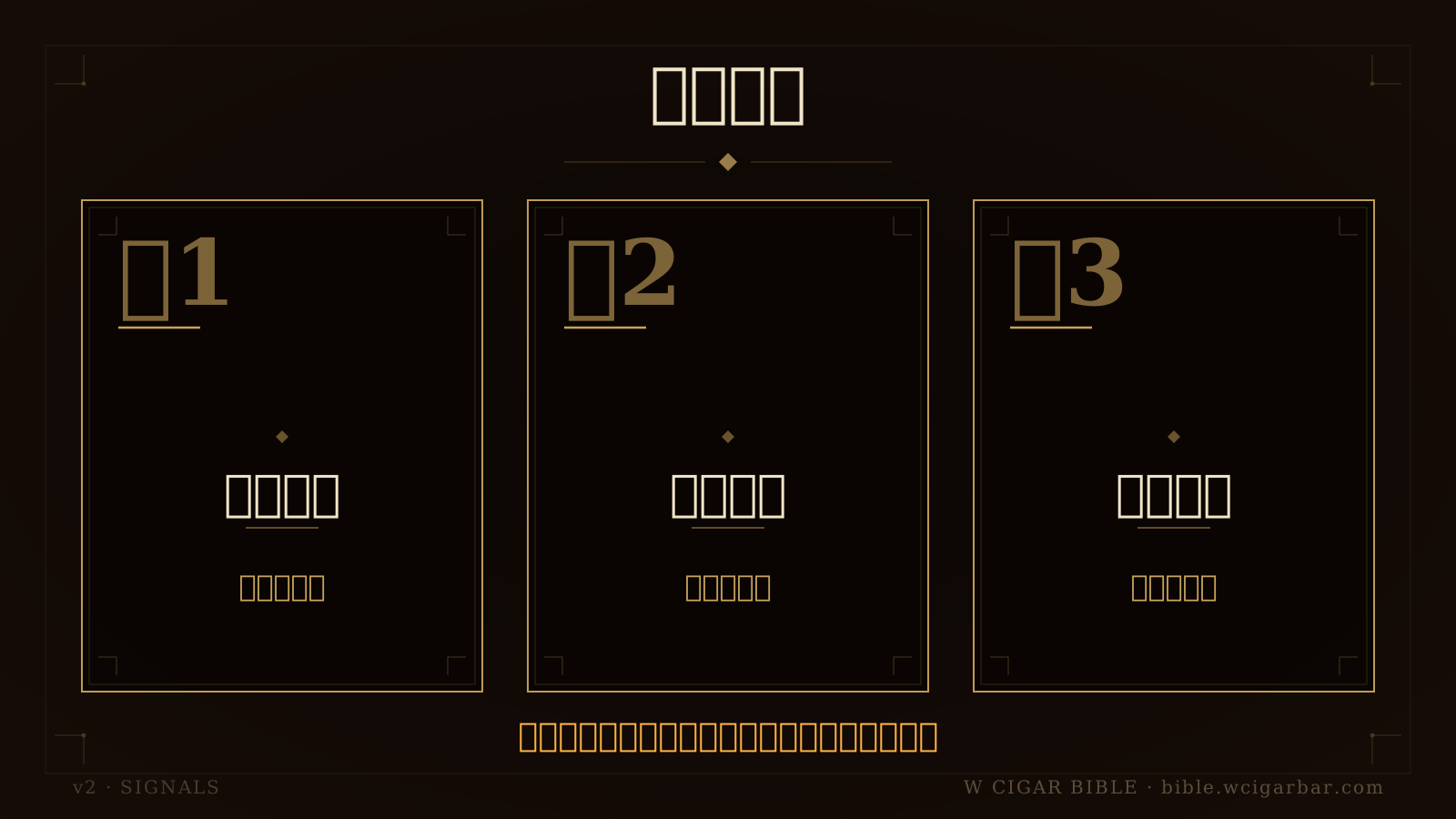
三張誤區卡提醒深色包葉、高濕保存與只靠味道判斷的限制
Harvesting, Drying, and Fermentation: Turning Green Leaves into Readable Aromas
Harvesting is usually not done by cutting down the entire plant at once but by picking in batches according to leaf position. Lower leaves mature earlier, upper leaves later, and farmers may pick a batch every few days, extending the entire process over several weeks. Fresh tobacco leaves have high moisture content and a vegetal green taste, needing to enter curing barns for about 40 to 60 days to decompose chlorophyll and change color from green to yellow and brown. Ventilation openings in the drying barn are adjusted daily; too fast will cause cracking, too slow risks mold. Drying is not about drying the leaves but controlling the speed of chemical changes within the leaves.
Fermentation is another core process. Leaves are stacked into pilóns, with internal temperatures rising to about 38 to 52°C. Workers measure temperature, turn the piles, and reclassify them. This process can reduce ammonia, roughness, and excessive stimulation, gradually revealing sweetness, woodiness, and spice. Maduro wrappers often require longer time and higher control difficulty, not just deeper color. If the temperature is out of control, the leaves may "cook" and lose detail; if fermentation is insufficient, it will result in a pungent and numbing sensation on the tongue later.
Take Fuente Fuente OpusX as an example: the Chateau de la Fuente farm in the Dominican Republic can successfully grow high-quality wrappers, not only due to climate and soil but also due to extremely strict drying and fermentation after harvesting. High-end Cuban lines like Cohiba are also discussed for their traditional extra barrel fermentation, aiming to make rough elements more harmonious. If a beginner encounters a cigar with stable burning, clean smoke, and a tidy finish, it is usually not by chance but because post-harvest techniques were not neglected.
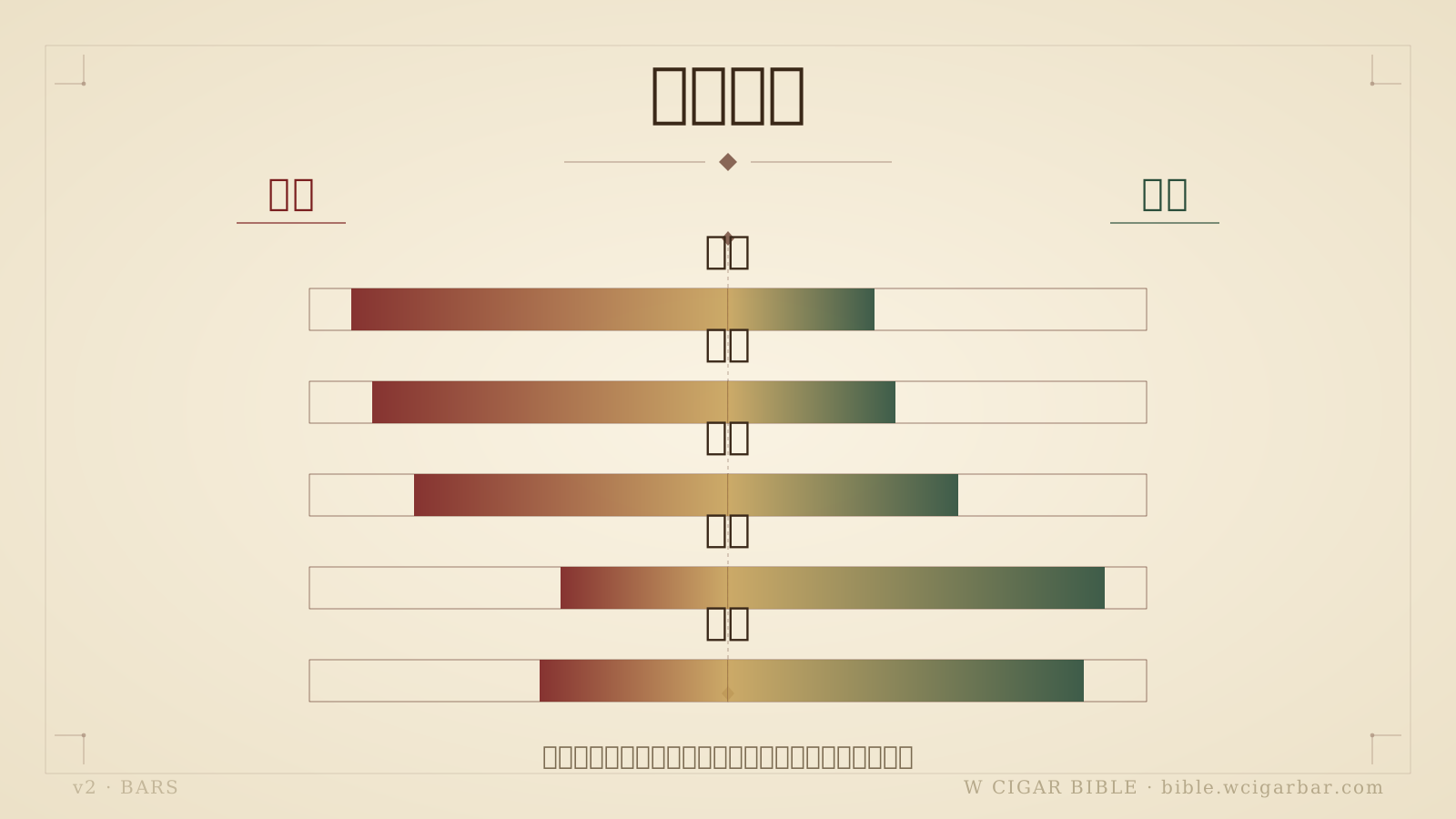
長條圖比較風土與工藝在土壤、氣候、發酵等面向的影響強弱
Rolling, Aging, and Preservation: Production Techniques Extend to Your Hands
After field and fermentation are completed, cigars still rely on the torcedor's rolling skills to turn leaves into a stable structure. If the filler is too loose, it burns too fast and the smoke is empty; too tight and it will have high draw resistance and be prone to extinguishing. Handcrafted long cigars are often composed of three layers: filler, binder, and wrapper. After rolling, they are placed in molds to shape and then wrapped with the wrapper. The torpedo shape of Montecristo No.2, for example, will significantly affect draw resistance and smoke volume, demonstrating the interaction between structural design and user technique.
After completion, cigars usually need a stabilization period to make humidity and leaf tension more consistent. Collectors talk about vintage when discussing box dates and release codes, such as 2008, 2014, 2019, where certain Cuban box sets have different evaluations in the market, but this does not mean vintage myths can replace state judgment. Aging requires a stable environment, commonly suggested at about 65% to 69% relative humidity and 18 to 21°C, avoiding frequent disturbances. Aging can refine edges but cannot turn originally flawed leaf material into perfect works.
I also remind beginners that preservation is not just about putting cigars in a box. Hygrometers need calibration, humidification packs should be replaced according to capacity, and cigar boxes should not be placed near windows or directly under air conditioning. If discussing collection value, one must consider source, box condition, preservation records, and market circulation together; collection appreciation does not equal guaranteed appreciation, still depending on source preservation and market. Truly mature players will first respect agriculture and preservation before discussing rarity and price.
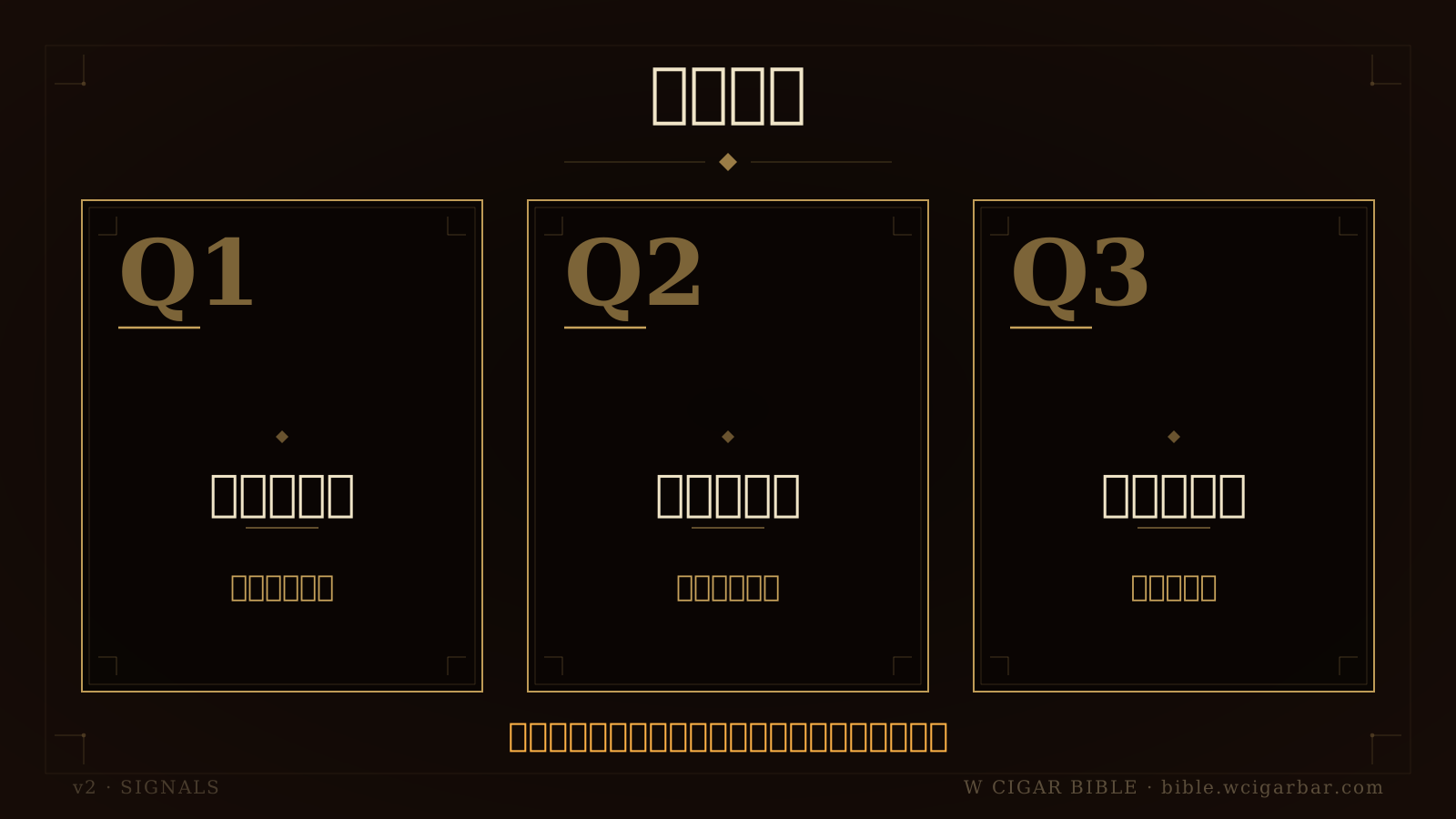
快問快答卡片整理年份差異、包葉深淺與保存濕度三個問題
Practice Method for Beginners: Backtracking Origin from Tasting
For beginners wanting to advance, the most effective method is not to chase many brands at once but to establish comparisons. It is recommended to choose cigars of similar size but from different regions for notes, such as a Cuban Robusto, a Nicaraguan Robusto, and a Dominican Robusto, with a length of about 5 inches and a ring gauge of about 50, reducing size variables. Record time points into early, middle, and late stages, writing down burn line, ash color, draw resistance, aroma, and mouthfeel.
You can practice using the following methods:
- First smell the foot and wrapper of the unlit cigar, noting hay, wood, cocoa, or grain.
- Do not rush to conclusions within the first 1 cm after lighting; first observe whether the burn is stable.
- Record every 10 to 15 minutes to avoid only noting first impressions.
- Pair with room temperature water, which better reveals the original outline than coffee or spirits.
- If possible, compare different vintages of the same brand, be sure to note box dates and preservation conditions.
Looking at examples like Romeo y Julieta Short Churchill, Padrón 2000 Natural, and Davidoff Aniversario No.3, which have distinct style differences, you will find that Cuban cigars often have more complex interweavings of herbal, woody, and sweet aromas; Nicaraguan cigars often present rich roasted and spicy notes; Dominican cigars often exhibit balance, creaminess, and nuttiness. Tasting is not about memorizing answers but training oneself to connect soil, climate, leaf position, and technique into a line. When you can say "why" and not just "good or bad," you truly begin to understand cigars.
Frequently Asked Questions
Why do cigars of the same brand taste different in different years?
Because cigars are agricultural products. Even if it's the same brand and size, the rainfall, sunlight, harvest timing, and fermentation rhythm in 2016 and 2021 may be different. Factories use blending to maintain brand character but cannot completely eliminate vintage differences. Vintage differences are not flaws but part of the charm of cigars; the key is to learn to distinguish whether differences come from style or poor preservation.
Is a darker wrapper always stronger?
Not necessarily. Maduro has a deep color, often with sweet, cocoa, and coffee impressions, but strength still depends on the leaf position and blend of the filler. Some dark cigars are smooth upon entry, while some light-colored Habano wrappers have noticeable spiciness. Judging strength requires looking at the overall structure, not just the appearance.
Does higher humidity mean fresher cigars?
No. Excessive humidity will slow down burning, increase draw resistance, and even raise the risk of mold. Common preservation ranges are about 65% to 69% relative humidity, and if the environment consistently exceeds 72%, special attention is needed. Freshness does not equal moisture; stability is key.
Should beginners first learn about regions or brands?
I recommend first using brands to build interest, then using regions to organize logic. Brands are easy to remember, and regions can explain flavor origins. For example, first get to know Cohiba, Partagás, Padrón, Davidoff, then look back at the soil and climate differences in Cuba, Nicaragua, and the Dominican Republic for a more structured learning experience.
Why do some cigars taste good in the early stages but turn bitter later?
Possible reasons include insufficient leaf fermentation, overly tight rolling, too fast smoking frequency, or high preservation humidity. The accumulation of tar and heat in the later stages naturally tests rhythm more. Beginners can extend the interval between puffs to 45 to 60 seconds to avoid overheating, usually resulting in a cleaner performance in the later stages.
Can the origin of a cigar be guessed just by taste?
With enough experience, accuracy can be improved, but it should not be blindly trusted. Modern seeds are planted across countries, and blending techniques are mature, making combinations of Ecuadorian wrappers, Nicaraguan fillers, and Dominican manufacturing common. Taste can provide clues, but ultimately it needs to be combined with brand information, size, preservation, and actual burning performance.
When I look at cigars, I never just look at the band. Soil is like the skeleton, climate like breathing, fermentation and rolling like cultivation; without any one link, the flavor cannot stand firm. If beginners are willing to look back at a field from a cigar, they will find that every puff of smoke hides traces of vintage, geography, and human hands. This understanding lasts longer and is more enjoyable than chasing lists.
—Cigar Prince Wilson Tsai
Smoking is harmful to health. Under 20 years old is not allowed to smoke. Quitline: 0800-636363. This article is for reference by adults over 20 years old as a reference for cigar culture, preservation, and regulatory knowledge, not a tobacco advertisement, promotion, or purchase suggestion.
Like this article?Share with friends
Share this W Cigar Bible piece with friends who want to learn cigar culture, storage, and tasting.
想把這篇 化為實踐
雪茄聖經是知識;雪茄文化要在空間裡發生
W Cigar Bar 大安總店資訊
台北大安區 · 雪茄聖經總編輯 Wilson Tsai 主理的雪茄文化空間
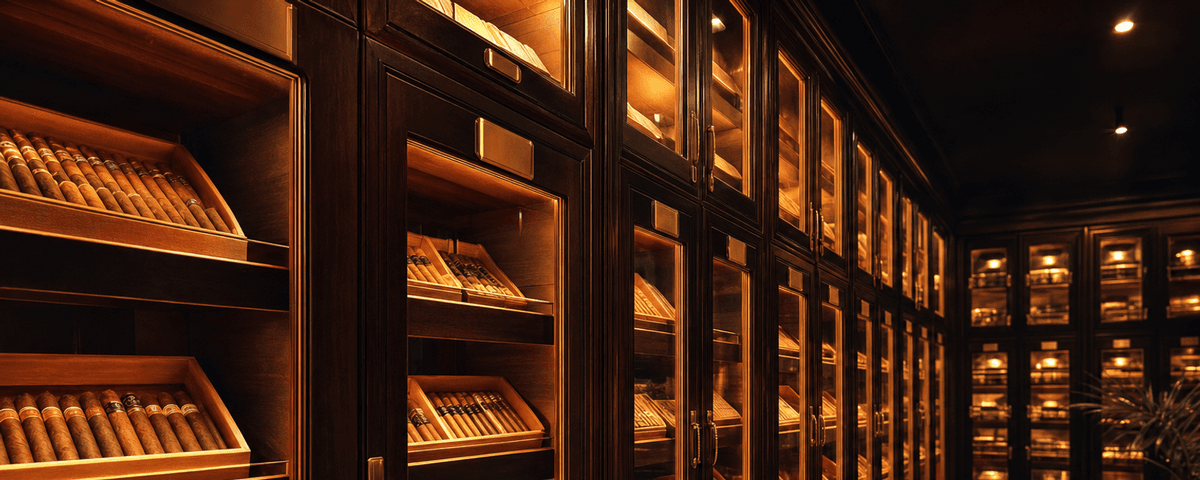
33 座 24 小時恆溫恆濕醇化室
W Cigar Bar 提供的會員醇化空間 · 場地資訊請洽編輯部
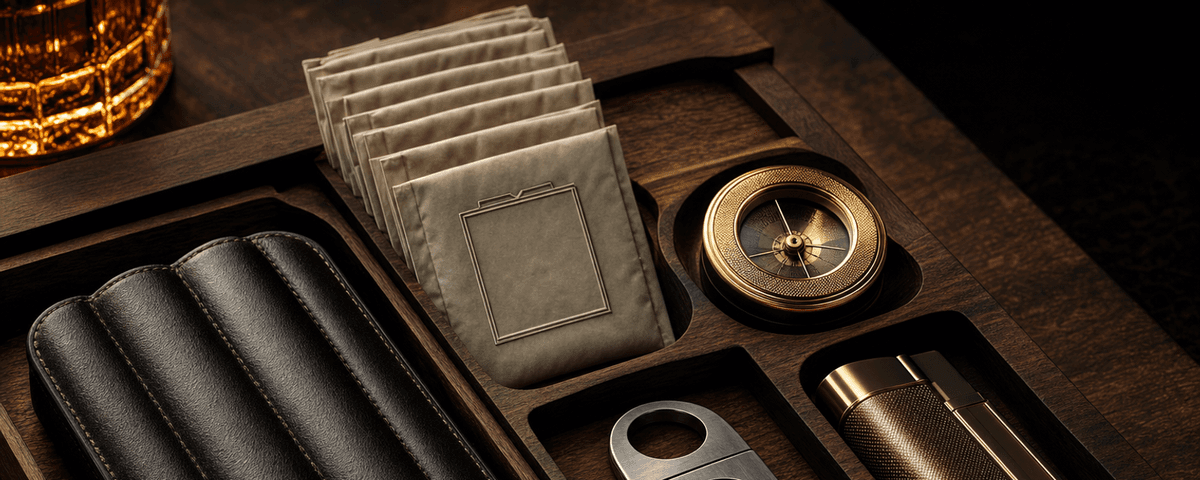
雪茄剪 / 打火機 / 雪茄盒 / Boveda
W Cigar 配件官網 · 專營雪茄配件正品

加 LINE 好友 · 文化諮詢
文化空間資訊 · 紳士沙龍 · 私人包場
本網站內容僅供雪茄文化、歷史、收藏與品吸知識研究參考。菸品有害健康、未滿法定年齡者請勿吸菸。實際規範請依所在地法律為準。
吸菸有害健康・戒菸專線 0800-636363・本站僅供 20 歲以上成年人閱覽。
讀到這裡,你不只是路過的人
留下 Email,加入 W 雪茄聖經內圈——總編輯 Wilson Tsai 親選的學院深文與國際新訊,先你一步送到信箱。
· 教育用途非銷售 · 隨時一鍵退訂 · Email 絕不對外公開 · 由勝茄股份有限公司營運
同分類延伸閱讀
資料來源:W Cigar Bible 編輯部整理 · 雪茄王子 Wilson Tsai 親自審稿
本文僅供雪茄文化、歷史、收藏與品鑑知識研究,不作為菸品促銷、銷售或購買建議。吸菸有害健康,未滿二十歲不得吸菸。