Cohiba 完整品牌史:從 Castro 御用到全球之王
1966 秘密誕生 → 1982 公開 → 1992 Línea 1492 → 2010 Behike 旗艦 → 2024 60 週年
Cohiba 完整品牌史—1966 Eduardo Rivera Irizarri 與 Castro 故事 + El Laguito 別墅改建工廠 → 1982 公開上市 3 個 Vitola → 1989 Línea Clásica 擴增 Esplendidos / Robustos → 1992 Línea 1492 紀念哥倫布 500 週年 → 2006 Maduro 5 → 2010 Behike 系列含 Medio Tiempo 稀有頂葉 → 2016 50 週年 → 2024 60 週年規劃。雪茄王子親寫 veteran 深度。
- Cohiba品牌的誕生始於1966年,最初僅供Castro及古巴共產黨高層使用,未公開市場販售。
- Cohiba的名稱源自Taíno印第安語,意為「菸捲」,強調古巴本土文化與菸草傳統。
- El Laguito工廠的全女性員工傳統,反映了古巴革命對性別平權的重視,並持續至今。
The Complete Brand History of Cohiba: From Castro's Secret Personal Cigar to the Global King (The Rise to the 60th Anniversary, 1966-2026)
Cohiba -- the pinnacle of Cuban cigars and the globally recognized king of cigars.
But Cohiba is not a century-old brand -- it has only 60 years of history (celebrating its 60th anniversary in 2026). Compared with Partagás, founded in 1845 (181 years), Romeo y Julieta, founded in 1875 (151 years), H. Upmann, founded in 1844 (182 years), and Hoyo de Monterrey, founded in 1865 (161 years) -- Cohiba surpassed all century-old Cuban brands within 60 years and became the pinnacle of the global cigar world. This victory of modern marketing and craftsmanship strategy is itself one of the most worthwhile business cases in the contemporary cigar industry.
From Castro's personal secret cigar in 1966, to the formal establishment of the brand by Cubatabaco in 1968, to its public launch in conjunction with the Spain World Cup in 1982, to Behike defining the highest tier in 2010, and to the 60th anniversary in 2026 -- Cohiba's 60-year history is a microcosm of modern Cuban cigar civilization.
To understand the history of Cohiba is to understand the context of the entire modern Cuban cigar industry.
Based on official public information from Habanos S.A., annual documentation from Cigar Aficionado, and industry consensus, this article is organized by Cigar Prince Wilson Tsai from an in-depth industry perspective to present the complete brand history of Cohiba.
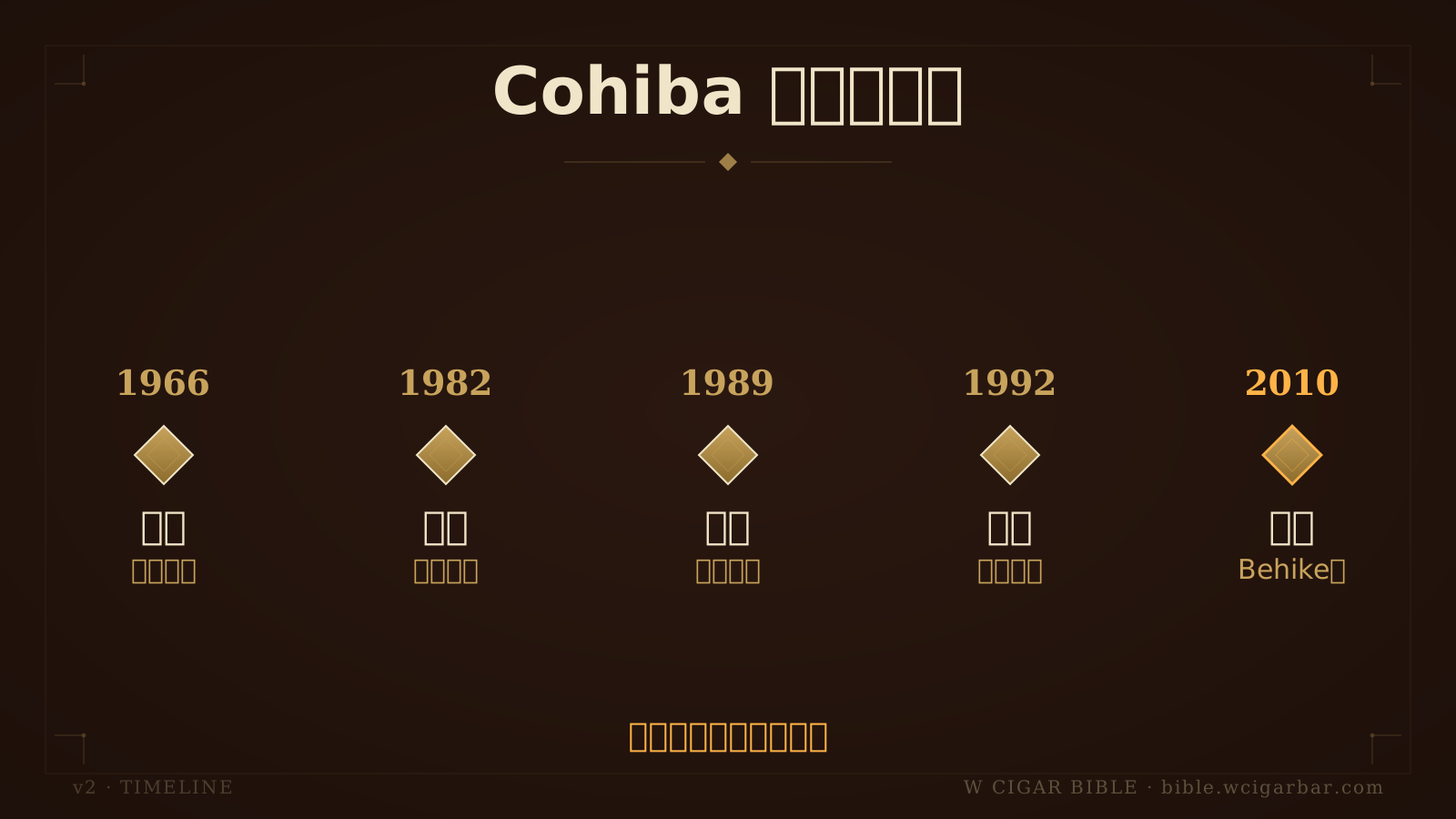
以時間線呈現Cohiba從一九六六秘密誕生到二〇一〇Behike旗艦的品牌歷史節點圖
Stage 1: Secret Birth (1966-1982)
Early 1960s: A Bodyguard, a Lancero, and a Moment That Changed Cigar History
The story's starting point is widely circulated in the industry as having occurred in the early 1960s.
Castro's personal bodyguard, Eduardo Rivera Irizarri, was smoking a cigar he was accustomed to during a security assignment -- a private cigar specially rolled for him by a local artisan (in some versions also recorded as Eduardo Rivera or Eduardo Ribera) -- slender, elegant, and in the shape that later became the famous Lancero shape.
Castro noticed the distinctive aroma and elegant shape of the cigar in his bodyguard's hand and went over to ask where it came from. Rivera explained that it was a private cigar rolled for him by a friend. Castro took a puff -- and was immediately captivated by the flavor.
That moment changed the historical trajectory of the entire cigar world.
1966: The Birth of Cohiba as Castro's Private Brand
1966: Castro ordered this blend to be produced in quantity as his personal cigar. Three key decisions shaped Cohiba's initial positioning:
- Produce this blend in quantity -- locate the rollers and replicate the blend proportions
- Secret production -- only for Castro personally + the top ranks of the Cuban Communist Party + diplomatic gifts
- No public market sales -- maintain its "top secret" status
During these 16 years (1966-1982), Cohiba was not circulated in any market at all and was, in the true sense, "Castro's personal cigar."
The Birth of El Laguito Factory: The Revolutionary Transformation of a Sugar Magnate's Villa
1966: Castro converted a pre-war aristocratic villa in Havana's Playa district into a secret cigar factory -- this later became the world-famous El Laguito Factory.
The history of this villa itself is a metaphor for the Cuban Revolution:
- Original owner: Alberto Casimiro Fowler Perilliat -- director and later president (from 1917) of the North American Sugar Company
- Construction period: 1920s, a luxurious Beaux-Arts style villa
- Post-revolution fate: After the Cuban Revolution in 1959, the Fowler family went into exile overseas, and the villa was taken over by the new government
- Castro's choice: Transforming this sugar magnate's villa, a symbol of the "old capitalist order," into the secret factory of a "new socialist cigar" -- the transfer of material symbols itself became part of the revolutionary narrative
Reasons for the factory location: quiet, discreet, suitable for fine craftsmanship, and geographically convenient for Castro's personal pickups.
Celia Sánchez Manduley and the Factory's All-Female Workforce Tradition
Celia Sánchez Manduley (1920-1980) -- a key female leader of the Cuban Revolution, Castro's closest lifelong political ally, and known as the "First Lady of the Cuban Revolution" (though she never married) -- was a crucial driving force behind the establishment of El Laguito Factory.
Her decision: the early staff of El Laguito Factory would be entirely female.
The background to this decision:
- The Cuban Revolution emphasized women's equality, and Sánchez herself represented this narrative
- Cigar rolling requires fine handcraft, in an industry traditionally dominated by men
- The all-female staffing arrangement at El Laguito was a clear reversal by revolutionary socialism of the gender structure in the traditional cigar industry
This tradition continues to this day -- El Laguito Factory still relies primarily on female torcedora (female cigar rollers) and has one of the most distinctive gender compositions among cigar factories worldwide.
Avelino Lara: The First Director of El Laguito and the Craftsmanship Definer of the Cohiba Blend
Avelino Lara (1925-2017) -- a legendary master of the Cuban cigar industry, regarded as one of the "craftsmanship souls of modern Cuban cigars."
Cubatabaco (the Cuban national tobacco marketing bureau and predecessor of Habanos S.A.) invited Avelino Lara to serve as the first director of El Laguito, responsible for developing a new super-premium blend completely different from any existing Cuban cigar.
Lara's craftsmanship contributions:
- Strict selection of top tobacco leaves from Vuelta Abajo San Juan y Martínez
- Designed a unique ratio for the wrapper / binder / filler blend
- Introduced the triple fermentation process (traditional Cuban cigars use only two fermentations) -- this is the key to Cohiba's flavor complexity
- Strict quality control standards, with a rejection rate far higher than other brands
Industry consensus: The true builder of Cohiba's craftsmanship positioning was Avelino Lara, not Castro. Castro provided the brand platform and political resources, while Lara provided the craftsmanship core that allowed Cohiba to surpass all century-old brands within 60 years.
February 1967: Cohiba Was Officially Conceived at El Laguito Factory
Official Habanos S.A. documents record that the Cohiba brand name and brand positioning were formally conceived at El Laguito Factory in February 1967.
The Naming of Cohiba: Taíno Indigenous Word for "Rolled Tobacco"
"Cohiba" = a Taíno Indigenous word meaning "rolled tobacco" -- this was an Indigenous term observed when Columbus arrived in Cuba in 1492, and it is the ultimate etymological source of the Spanish "Cigarro" and the English "Cigar."
Castro's choice of this name carried three layers of meaning:
- Emphasizing local Cuban culture -- not using a Hispanized or Europeanized word, but returning to the Indigenous language before 1492
- Paying tribute to Indigenous tobacco tradition -- the true origin of Cuban tobacco culture is the Taíno people, not Columbus
- Distinguishing it from other "Europeanized" brands -- H. Upmann (German family), Romeo y Julieta (Shakespearean theme), Partagás (Spanish-language surname) -- Cohiba is the only major Cuban brand that directly uses an Indigenous term
This naming choice itself is central to Cohiba's narrative power: it is not merely a cigar, but a contemporary representative of 500 years of Cuban culture.
1968: Cubatabaco Formally Established the Brand
1968: Cubatabaco (the Cuban national tobacco marketing bureau) formally established the Cohiba brand in an official capacity -- but still maintained its "top secret" market status and did not offer it for public sale.
From a personal secret in 1966, to conception at the factory in February 1967, to formal establishment by Cubatabaco in 1968 -- Cohiba's birth spanned 3 years and was jointly shaped by five forces: Castro's personal will, El Laguito Factory, Avelino Lara's craftsmanship, Celia Sánchez's institutional design, and Cubatabaco's official endorsement.
Early Owners During the Personal-Use Stage, 1966-1982
During these 16 years, very few people could legally possess Cohiba:
- Top levels of the Cuban government -- Castro personally + core members of the Communist Party Politburo
- Recipients of diplomatic gifts:
- de Gaulle (French President, in office 1966-1969)
- Tito (President of Yugoslavia and leader of the Non-Aligned Movement)
- Pinochet (Chilean dictator; despite political opposition, there were diplomatic contacts)
- Erich Honecker (East German leader)
- Brezhnev (General Secretary of the Soviet Union)
- Some leaders of Middle Eastern oil-producing countries
Industry legend: Accepting Cohiba was equivalent to accepting the highest level of diplomatic hospitality from the Cuban government -- the rarity of this status became the historical foundation that allowed Cohiba to immediately obtain top-tier positioning when it was later launched publicly.
Stage 2: Historic Public Launch (1982)
Two Key Decisions in 1982
In 1982, Cubatabaco made two decisions that changed cigar history:
Decision 1: Publicly Launch Cohiba
It broke the "top secret" principle that had existed since 1966 and opened Cohiba to overseas markets for the first time (excluding the United States, as the embargo was still ongoing). Background reasons:
- Cuba's foreign exchange shortage -- under the Cold War situation of the early 1980s, the Cuban economy needed more hard currency
- The tobacco industry was one of Cuba's four major sources of foreign exchange (alongside sugar, nickel, and tourism)
- Cohiba's legendary status accumulated over 16 years was a ready-made high-end market asset
Decision 2: Choose the 1982 Spain World Cup as the Launch Timing
The 1982 FIFA World Cup was hosted by Spain -- at the time, it was the world's largest sports media event, and Spain was Cuba's historical and cultural mother country as well as a core cigar market.
Cubatabaco precisely tied Cohiba's global debut to the 1982 World Cup period:
- Media exposure: Journalists and fans from around the world gathered in Spain
- VIP contact: Political and business elites from many countries visited Spain in large numbers as World Cup VIPs
- Brand narrative: "Castro's personal cigar for 16 years, publicly available for the first time" was a natural media focal point
The success of this launch strategy established Cohiba's global top-tier positioning for the next 40-plus years.
The First 3 Vitolas (1982)
The 1982 debut of Cohiba included 3 vitolas:
- Cohiba Lancero (38x192 mm) -- slender, elegant, and the same shape as the one smoked by the bodyguard at the time
- Cohiba Corona Especial (38x152 mm) -- medium length
- Cohiba Panetela (26x115 mm) -- shorter and thinner
All 3 vitolas inherited the slender tradition of Eduardo Rivera's original cigar -- no Robusto, no Churchill, no Belicoso -- purely the "slender parejo faction."
Industry Shock and Immediate Quota System
Market response after the 1982 public launch:
- Global cigar players could legally purchase Castro's personal cigar for the first time
- Demand far exceeded supply (El Laguito's production capacity was limited)
- A quota system was implemented immediately -- distributors in each country had to apply for allocations through Cubatabaco (later Habanos S.A.)
- Auction market prices soared, and a secondary market took shape
The Legendary Status of Early Cohiba, 1982-1990
Industry consensus: Cohiba produced from 1982 to 1990 belongs to the true quality stage of "Castro's personal supervision" -- this was also the period when El Laguito Factory was completely led by Avelino Lara and quality control was at its strictest.
Cohiba from this period can reach $5,000-10,000 USD per stick at contemporary collecting auction houses -- reflecting the industry's highest regard for "Lara-era Cohiba."
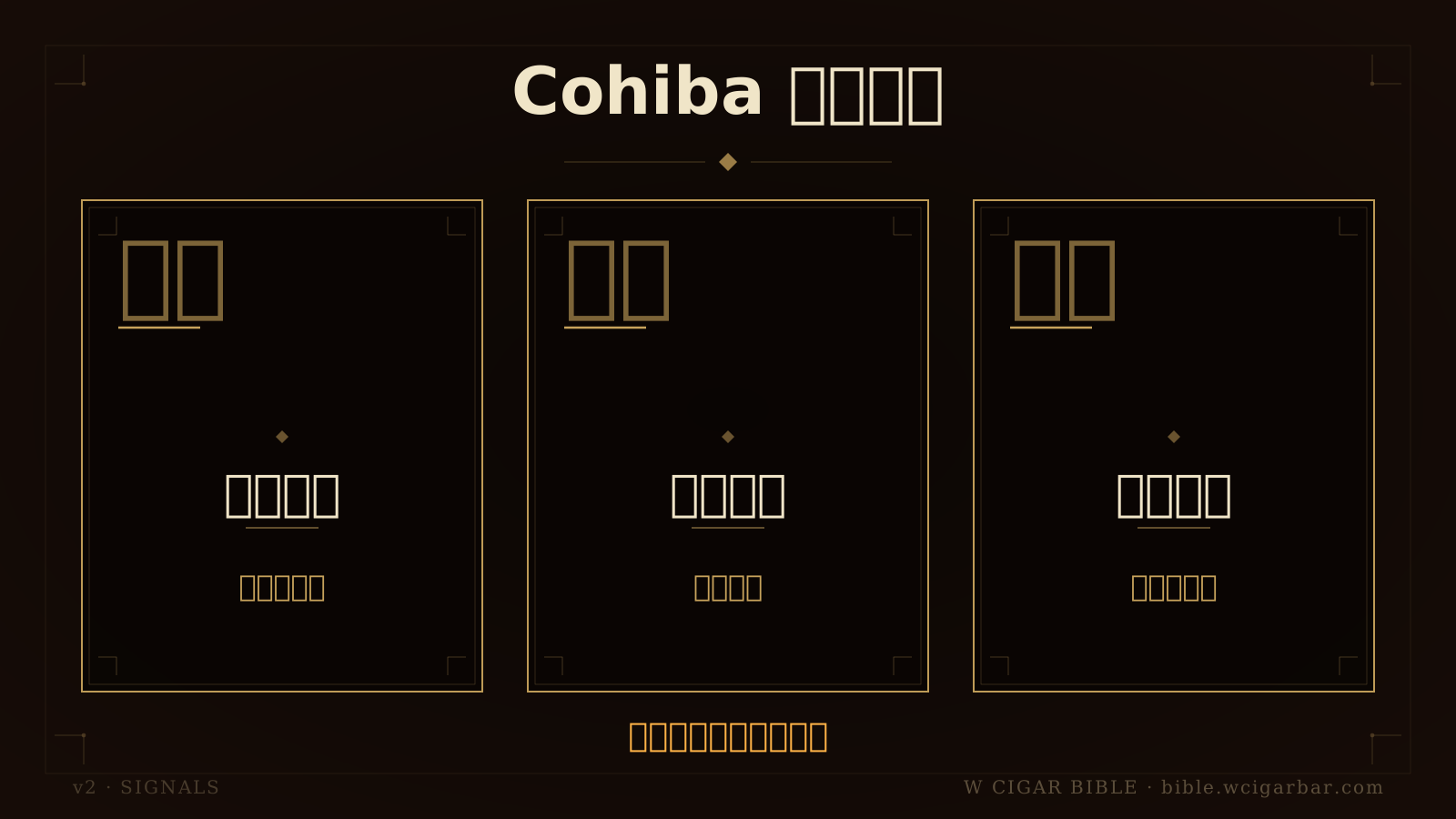
以三張卡片呈現Cohiba靠政治敘事、專屬工廠與工藝革命三個關鍵成為全球之王的結論圖
Stage 3: Expansion of Línea Clásica (1989)
1989: The Complete Establishment of the Cohiba Classic Line
1989: Habanos launched the expansion of Cohiba Línea Clásica (Classic Line), adding 3 new vitolas:
- Cohiba Espléndido (47x178 mm Churchill) -- 70-90 minutes of appreciation, a classical representative of the gentlemen's club
- Cohiba Robusto (50x124 mm Robusto) -- 50 minutes of appreciation, Cohiba's best seller
- Cohiba Exquisito (33x125 mm) -- small and refined
Together with the 3 original vitolas from 1982 = the complete 6 vitolas of Línea Clásica, forming Cohiba's classic foundation and still in production today.
Cohiba Espléndido: Representative of the Gentlemen's Club
Cohiba Espléndido became one of Cohiba's most famous vitolas:
- Churchill format (47x178 mm), paying tribute to Winston Churchill
- 70-90 minutes of appreciation time, suitable for extended appreciation after a gentlemen's club dinner
- A traditional choice among members of London's White's, Brooks's, and Carlton Club
- Market price: aged 5+ years reaching NT$ 4,000+ per stick
Cohiba Robusto: Cohiba's Best-Selling Format
Cohiba Robusto is the best-selling contemporary Cohiba vitola:
- 50x124 mm Robusto format
- 50 minutes of appreciation time
- Industry consensus: a true Cuban classic -- not having had Cohiba Robusto is equivalent to not having had Cohiba
- The preferred entry choice for members of gentlemen's clubs in many countries
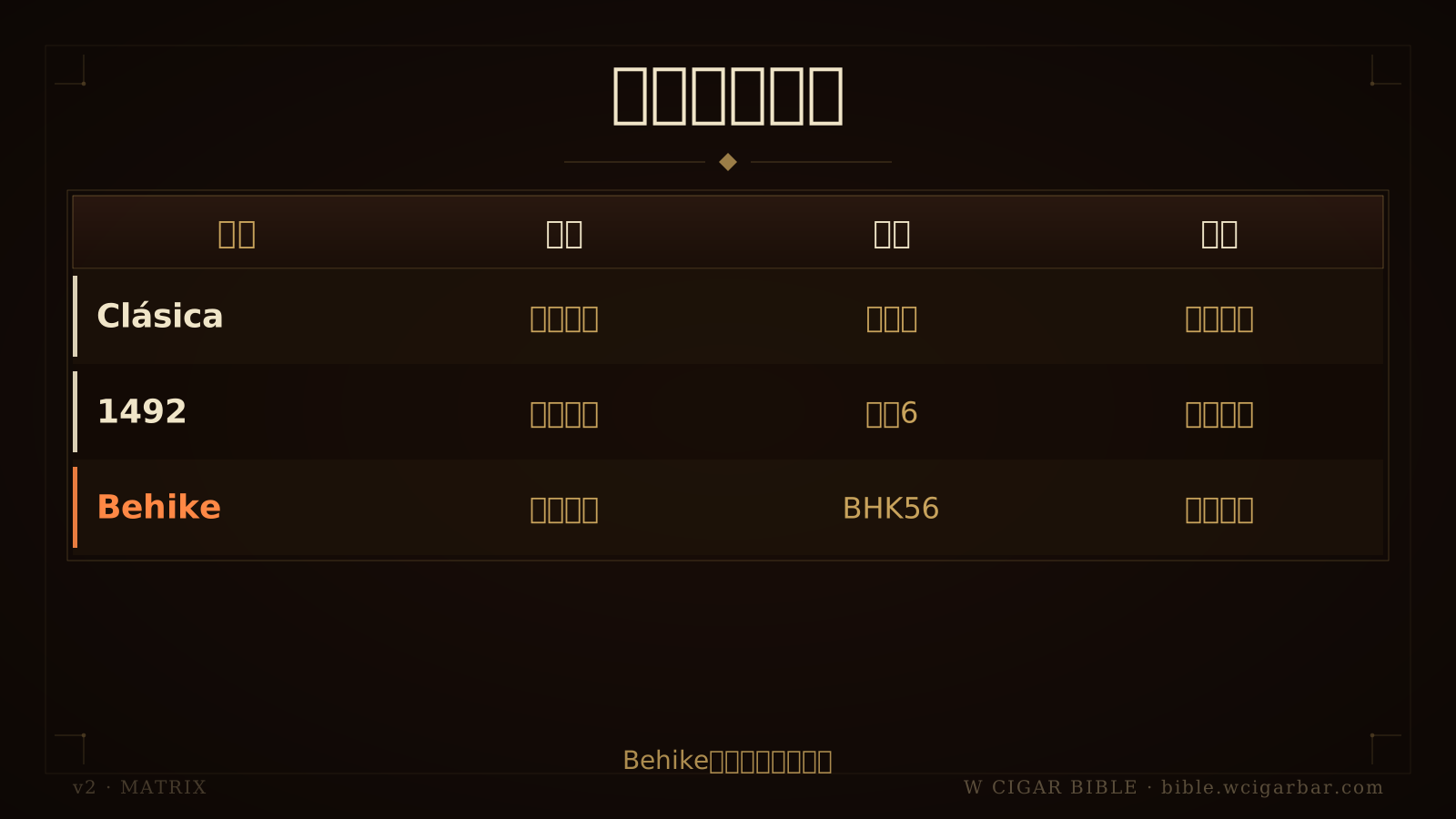
比較Cohiba三大系列在定位、代表規格與風味重點差異的資訊表
Stage 4: Línea 1492 Commemorating the 500th Anniversary of Columbus (1992)
1992: A Historic Commemoration of the 500th Anniversary of Columbus
1992: To commemorate the 500th anniversary of Columbus landing in Cuba and discovering tobacco, Habanos launched the Cohiba Línea 1492 series.
Siglo means "century" in Spanish. The concept of this series: each Siglo represents one century after Columbus landed in 1492, forming a timeline of 500 years of cigar culture.
First Siglo I-V (1992)
- Cohiba Siglo I (40x102 mm) -- 15th century (1492-1592, Columbus to Spanish colonization of the Americas)
- Cohiba Siglo II (42x129 mm) -- 16th century (1592-1692, expansion of Spanish colonies)
- Cohiba Siglo III (42x155 mm) -- 17th century (1692-1792, tobacco entered Europe's gentleman class)
- Cohiba Siglo IV (46x143 mm) -- 18th century (1792-1892, rise of the Cuban cigar industry)
- Cohiba Siglo V (43x170 mm) -- 19th century (1892-1992, modern cigar industry)
2002: Siglo VI Joined the Line
2002: Habanos added Cohiba Siglo VI (52x150 mm) as the flagship format of Línea 1492 -- representing the 20th century (1992-2092).
The format design of Siglo VI: larger ring gauge, elegant length, and one of the most popular Cohiba vitolas among modern gentlemen's club members.
The Humanistic and Historical Meaning of Línea 1492
Industry consensus: Línea 1492 is Cohiba's "humanistic series" -- unlike the purely craftsmanship-focused positioning of Línea Clásica, Línea 1492 emphasizes Cohiba's connection with Columbus, tobacco history, and the cultural narrative of 500 years.
For gentlemen's club members, collecting a complete set of Línea 1492 (Siglo I to VI) is equivalent to owning "a material archive of 500 years of cigar culture."
Stage 5: Maduro 5 Series (2007)
2007: Cohiba's Rare Maduro Attempt
2007: Habanos launched the Cohiba Línea Maduro 5 series -- a rare Cohiba Maduro attempt in the industry.
Meaning of "Maduro 5": Maduro (dark-fermented) wrapper with 5 years of mandatory aging.
3 vitolas:
- Cohiba Maduro 5 Mágicos (52x115 mm)
- Cohiba Maduro 5 Maravillas (55x140 mm)
- Cohiba Maduro 5 Genios (52x140 mm)
Industry Debate Around Maduro 5
Industry views on Maduro 5 are divided:
Supporters' view:
- Maduro 5 expands Cohiba's flavor spectrum
- The 5-year-aged wrapper provides deep and complex layers
- It gives gentlemen who prefer maduro flavors a Cohiba option
Opponents' view:
- Cohiba's core positioning is the delicacy and elegance of natural wrapper; it does not need Maduro
- Maduro 5 deviates from the craftsmanship spirit of Lara-era Cohiba
- It should be left to other Cuban brands (Partagás Maduro No.1, etc.)
Final market response: Maduro 5 has remained niche -- mainstream Cohiba players still prefer the natural wrappers of Línea Clásica and Behike.
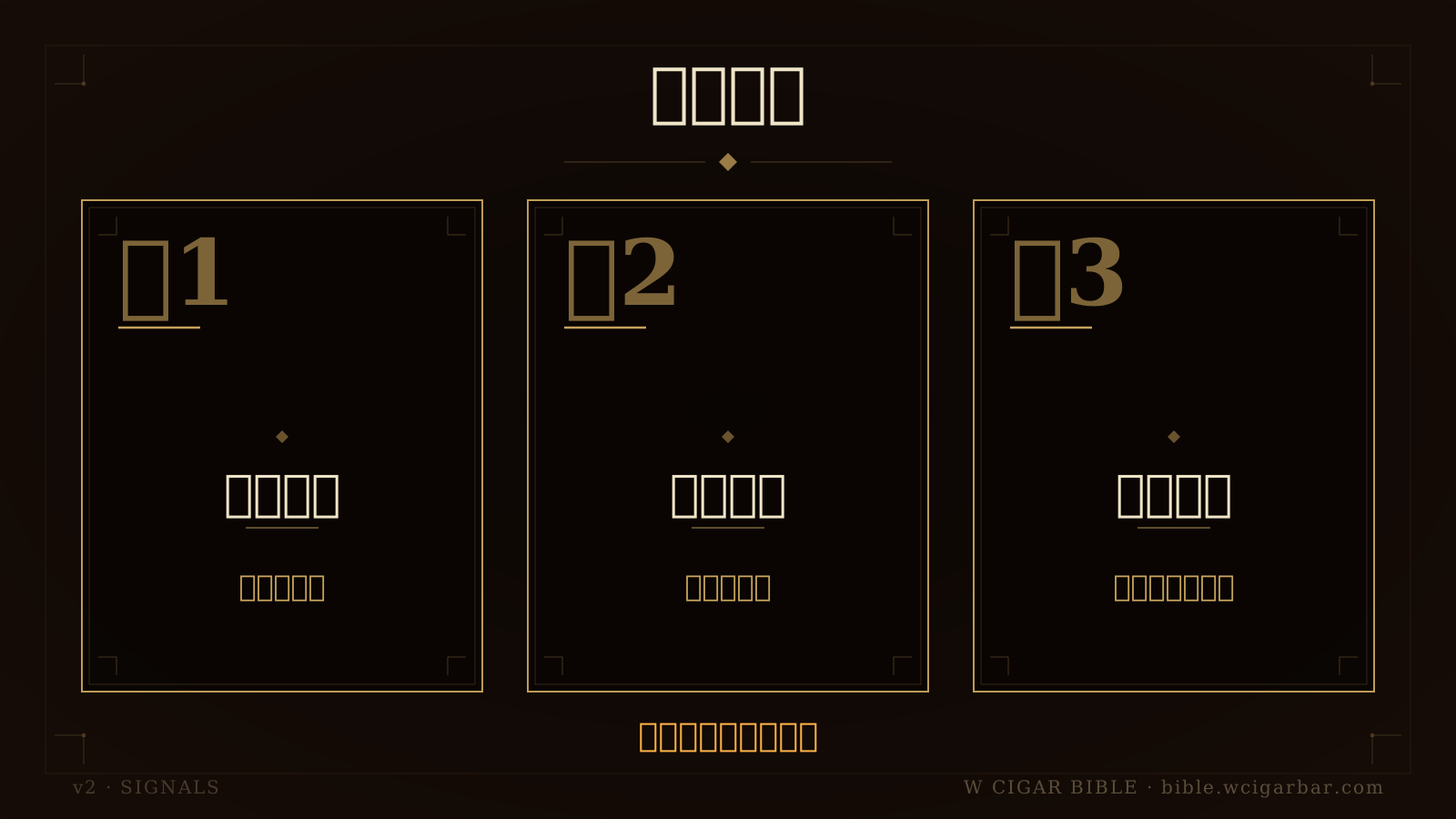
整理對Cohiba品牌史三個常見誤解與對應正確觀念的提醒圖
Stage 6: Two-Stage Launch of the Behike Flagship (2006 + 2010)
2006: The First Behike as the 40th Anniversary Edición Limitada
2006: To commemorate Cohiba's 40th anniversary (1966-2006), Habanos launched Cohiba Behike -- appearing for the first time in the form of an Edición Limitada (limited edition).
Key features of the 2006 Behike:
- Single vitola, limited release
- Wooden box packaging, numbered release
- Only a small allocation worldwide
- Extremely high price: already one of the world's most expensive legal cigars at the time
Origin of the name "Behike": Taíno language, meaning "tribal shaman, leader" -- in the Taíno tribal structure, Behike was both religious leader and healer, with a status higher than ordinary chiefs. Cohiba used this name to emphasize "this is the Cohiba among Cohibas."
The 2006 Behike caused a shock in the industry -- but because it was a limited edition, difficult to obtain, and Habanos had not clearly planned a regular line at the time.
2010: Official Launch of the BHK Series at the XII Habanos Festival
2010: At the XII Habanos Festival, in the setting of celebrating Cohiba's 45th anniversary, Habanos officially launched the Cohiba Behike BHK series as a regular line (permanent line) -- marking Behike's upgrade from a limited collectible to Cohiba's official flagship series.
The 3 vitolas of the BHK series:
-
Cohiba Behike BHK 52 (52x119 mm)
- Ring gauge 52, length 119 mm
- "BHK entry model," relatively shorter and easier to appreciate
- Approximately 60-75 minutes of appreciation time
- Market price: NT$ 5,000-7,000 per stick
-
Cohiba Behike BHK 54 (54x144 mm)
- Ring gauge 54, medium flagship
- Approximately 90 minutes of appreciation time
- Market price: NT$ 6,000-8,000 per stick
-
Cohiba Behike BHK 56 (56x165 mm)
- Ring gauge 56, top flagship -- the "king of modern Cohiba"
- Approximately 120 minutes of appreciation time
- Market price: NT$ 8,000-12,000 per stick
- Industry consensus: the pinnacle of contemporary Cuban cigars
Medio Tiempo: The Core Revolution of the BHK Series
The core craftsmanship innovation of the Behike BHK series: the use of Medio Tiempo tobacco leaves as a key component of the filler blend.
What is Medio Tiempo?
- The rarest tobacco leaf grade at the top of Cuban tobacco plants
- Position: above ligero (top leaves), at the very top of the plant
- Not all tobacco plants have Medio Tiempo -- only some plants under the best growing conditions will produce an additional 1-2 leaves above the top ligero
- Directly receives the strongest sunlight, with the highest oil content and highest nicotine concentration
- Extremely rich in flavor and the highest in complexity
Industry consensus: Medio Tiempo is the "Crown Jewel of Tobacco Leaves" -- before Cohiba Behike, it had never appeared as a core blend component in any brand.
Behike's Global Quotas and Collectible Status
Strictness of the global quota system:
- Extremely rare annual global production
- Strict allocations by country (limited by Medio Tiempo supply)
- Extremely difficult to obtain -- quota distributors often reserve them for long-term VIP customers
Collecting market status:
- Behike has become an object pursued by collectors worldwide
- Auction market prices can reach 2-5 times the original retail price
- Well-preserved early-year BHK 56 (2010-2012) can reach NT$ 25,000+ per stick at auction
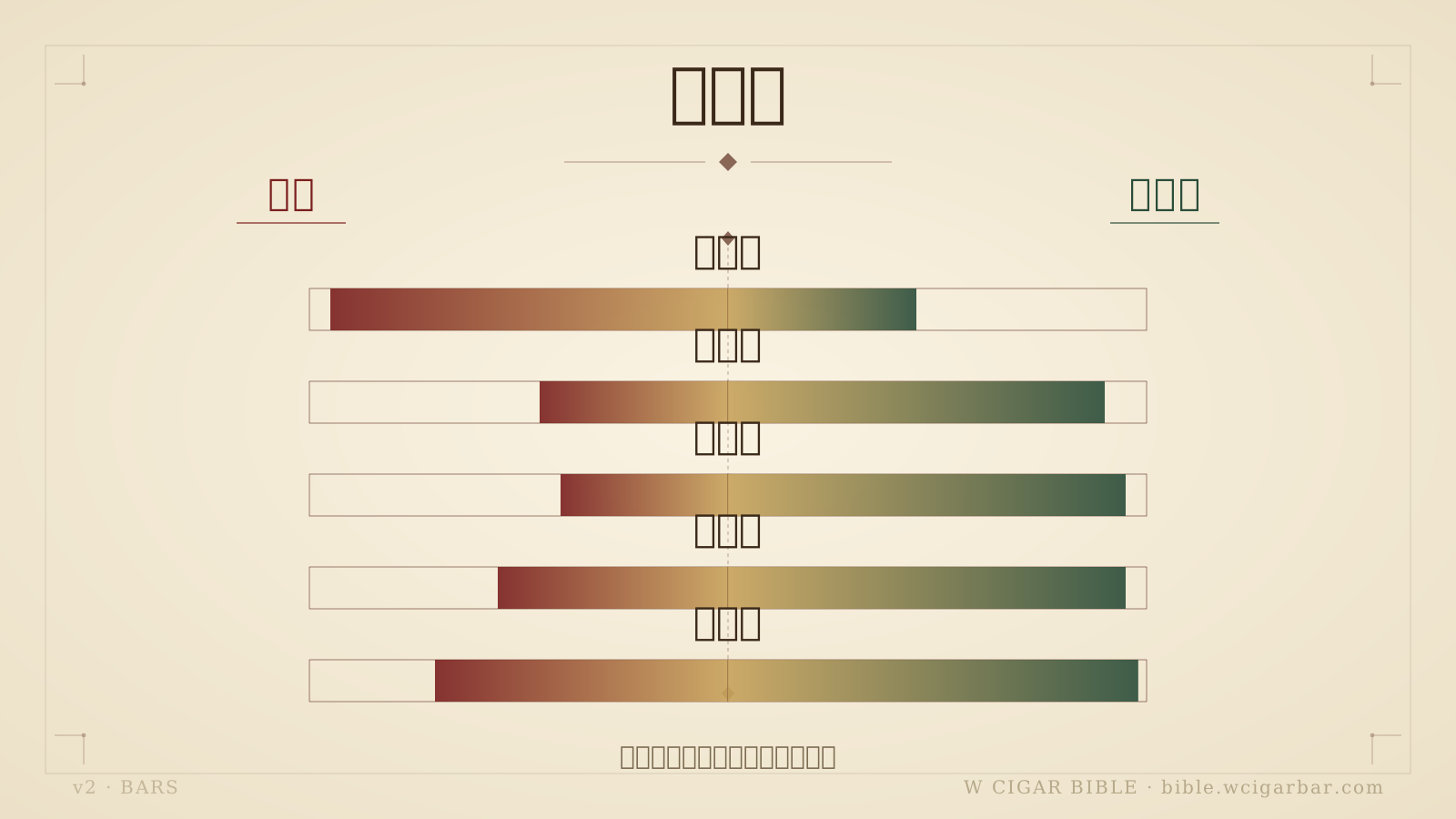
長條圖比較百年品牌與科希巴在五個面向的強弱
Stage 7: Contemporary Development and Limited Edition Strategy (2010-2026)
Edición Limitada Annual Limited Editions
During 2010-2025, Cohiba continued to release Edición Limitada (annual limited editions):
- Cohiba Pirámides Extra (first released in 2012, later became a regular line)
- Cohiba 1966 (2011, commemorating the founding year)
- Cohiba Talismán (2017)
- Cohiba Espléndidos Limitada (multiple years)
Characteristics of each year's Edición Limitada:
- Use of tobacco leaves aged for a longer period
- Special vitola formats
- Limited release, pursued by collectors
Edición Regional Regional Editions
Edición Regional is a limited format designed by Habanos for specific regional markets:
- Asia regional editions (Asia-Pacific market, including Taiwan / Hong Kong / Japan)
- Europe regional editions (Spain / Germany / United Kingdom / Switzerland each have their own editions)
- Latin America regional editions
Asia regional edition Cohiba represents a special collecting opportunity accessible to Taiwan gentlemen's club members through PCC authorized dealers.
Reservas and Gran Reservas: Ultra-Top-Tier Limited Editions
Cohiba Reserva: tobacco leaves aged at least 3 years Cohiba Gran Reserva: tobacco leaves aged at least 5 years
These two series are the top of the top within Cohiba, released in limited quantities and numbered at the factory -- they are among the highest-tier objects in contemporary Cuban cigars.
2016: 50th Anniversary Celebration
2016: Commemorating Cohiba's 50th anniversary (1966-2016) -- the theme year of the Habanos Festival.
Commemorative activities:
- Special packaging Cohiba 50 Aniversario
- Global touring exhibitions
- Charity auction (the annual climax of the Habanos Festival auction)
2026: 60th Anniversary Planning
2026: Cohiba will celebrate its 60th anniversary. Plans anticipated by the industry:
- Expected launch of a new limited edition
- Global commemorative events
- Habanos Festival 2026 will be themed around Cohiba 60
- Highly watched by the industry
Why Has Cohiba Been Mythologized? Five Structural Reasons
Reason 1: The Historical Legend of Castro's Personal Cigar
"What did Castro smoke?" This question itself is one of the most globally watched cigar narratives of the second half of the 20th century -- combined with the scarcity created by the U.S. embargo preventing Cohiba from circulating legally in the U.S. market, these dual forces gave Cohiba the legendary status of "forbidden fruit" in the minds of top cigar players worldwide.
Reason 2: El Laguito Factory's Unique Exclusive Status Worldwide
El Laguito is the only cigar factory in the world that produces only Cohiba -- factories for other Cuban brands (such as Partagás and Romeo y Julieta) all produce multiple brands at the same time; only El Laguito serves a single brand, Cohiba. This "exclusive factory" status is unique in the global cigar industry.
Together with the factory's historical symbolism (sugar magnate's villa -> revolutionary socialist factory -> all-female workforce tradition -> Lara craftsmanship spirit) -- El Laguito itself is a legendary space in the cigar world.
Reason 3: The Irreplicability of Behike and Medio Tiempo
The rarity of Medio Tiempo tobacco leaves is physical, not a marketing term -- only some tobacco plants under optimal growing conditions will produce them. This rarity at the leaf-grade level is a competitive barrier that no other brand can replicate.
The Behike BHK series has therefore become an irreplicable top-tier representative of modern Cuban cigars.
Reason 4: The Luxury Aura Created by the Price Threshold
BHK 56 at NT$ 8,000+ per stick -- naturally filters for true cigar players and filters out tourists who only want to take photos and show off. This price threshold creates a natural class screening in the global ultra-luxury cigar market.
Reason 5: Global Collector Competition and Counterfeit Suppression
The quota system makes authentic Cohiba extremely rare in collectors' eyes -- combined with rampant counterfeiting (the industry estimates that 50-70% of Cohiba circulating globally are counterfeits) -- the market value of authentic Cohiba is pushed upward by two forces:
- Quotas restrict supply
- Counterfeits dilute authentic products
- Collectors pursue them
Together, these three forces drive Cohiba's luxury aura.
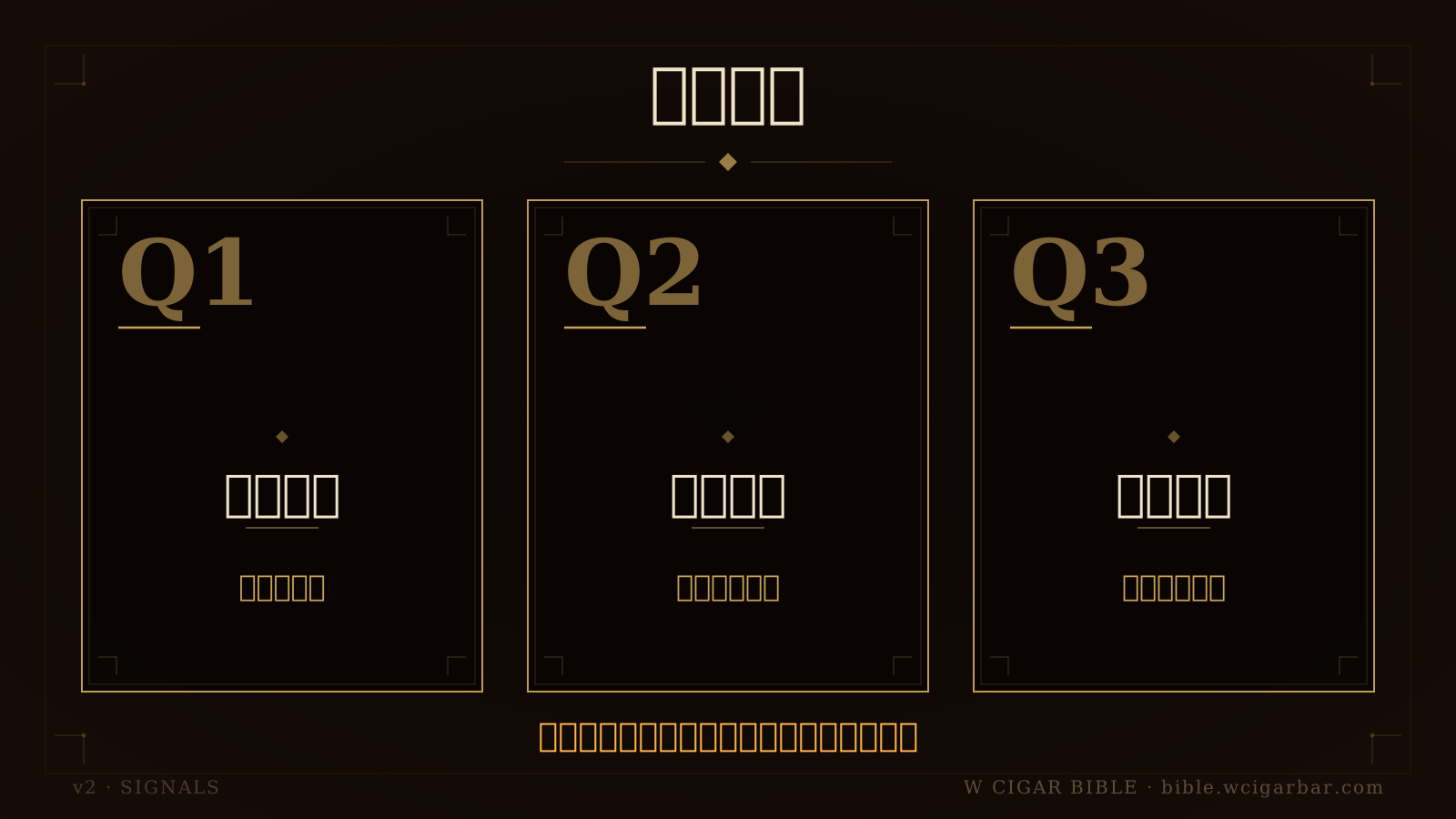
三張問答卡回答科希巴創立公開與重要性的問題
Advanced Cohiba Observations for Gentlemen's Club Members
Observation 1: The 4 Cohiba Representative Works
Industry consensus: the 4 representative formats for a complete Cohiba appreciation path:
- Cohiba Robustos (classic icon of Línea Clásica, required entry for Cohiba)
- Cohiba Siglo VI (mid-level flagship of Línea 1492, 500-year humanistic narrative)
- Cohiba Behike BHK 52 (entry to the BHK series, experience Medio Tiempo flavor)
- Cohiba Behike BHK 56 (Holy Grail level, the pinnacle of modern Cuban cigars)
Other vitolas are "advanced options" -- not required, but each has unique appreciation value.
Observation 2: The Quality Leap of Cohiba Aged 5+ Years
Industry consensus: Cohiba aged 5+ years -- compared with fresh versions, the flavor is rounder and the layers are richer.
Cohiba's aging potential:
- 5 years of aging: sharpness disappears, balance improves
- 10 years of aging: layers fully open, complexity reaches its peak
- 15+ years of aging: enters the realm of "old Cohiba," with oil oxidation forming new flavor dimensions
The W Cigar Bar VIP cigar lockers are a professional maturation space -- 70% / 18°C constant year-round, providing the best environment for 5-15 years of Cohiba aging.
Observation 3: Procurement Through Four Official Channels Is the Best Safeguard for Taiwan Players
Because Cohiba counterfeits are rampant -- procurement through the four official channels is the best safeguard for Taiwan gentlemen's club members:
- PCC authorized dealers (the main Asia-Pacific distribution backbone of Habanos S.A.)
- Official Cuban state-run stores (Habanos global retail network)
- Swiss general distributor (Davidoff system cigar product line)
- Spanish general distributor (Tabacalera system)
All Cohiba procurement by W Cigar Bar Gentlemen's Cigar House is through the four official channels above, providing gentlemen's club members with a 100% authenticity guarantee.
Observation 4: The Modern Marketing Meaning of Cohiba's 60 Years Surpassing Partagás's 181 Years
Many cigar players do not know: Partagás (founded 1845) is 121 years older than Cohiba (1966). Yet Cohiba surpassed all century-old Cuban brands within 60 years and became the king of cigars worldwide.
The meaning of this phenomenon is not only a victory for Cohiba's brand marketing, but also a structural transformation in the narrative power of the modern cigar industry:
- Advantages of century-old brands: historical depth, family heritage, geographic connection
- Cohiba's advantages: political narrative (Castro's personal cigar), factory exclusivity (El Laguito), craftsmanship innovation (Medio Tiempo), quota scarcity, modern marketing
Competition in the contemporary cigar industry is no longer only "who has the longer history," but "who can construct stronger narrative density." The true reason Cohiba's 60 years surpassed Partagás's 181 years is that Cohiba constructed strong narratives at every historical node -- while century-old brands often suffer from narrative fatigue precisely because their histories are too long.
This is a structural lesson that any brand seeking to enter the top-tier cigar market today (including new Asian brands such as Capadura) must understand.
Conclusion
Cohiba's 60 years -- from Castro's personal secret cigar in 1966, to formal establishment by Cubatabaco in 1968, to public launch at the Spain World Cup in 1982, to the completion of Línea Clásica in 1989, to Línea 1492 commemorating the 500th anniversary of Columbus in 1992, to the first Behike release as the 40th anniversary limited edition in 2006, to the BHK series officially becoming a regular line in 2010, and to the 60th anniversary celebration in 2026 -- are a microcosm of modern Cuban cigar civilization.
When you understand Cohiba's history, you understand the context of the entire modern Cuban cigar industry: its craftsmanship positioning (Avelino Lara), its political narrative (Castro), its factory status (El Laguito), its tobacco leaf revolution (Medio Tiempo), its quota strategy (Habanos S.A.), and its global mythologization (counterfeit suppression + collector pursuit) -- every element is a model case for the contemporary cigar industry.
For W Cigar Bar gentlemen's club members, collecting Cohiba is not only owning top-tier cigars, but also owning an ongoing historical document -- starting from the Cohiba Robustos you light today, you become a contemporary witness to Cohiba's 60-year history.
Sourcing: Cuban cigars through four official channels (PCC authorized dealers, official Cuban state-run stores, Swiss general distributor, Spanish general distributor). W Cigar Bar Gentlemen's Cigar House, Da'an District, Taipei -- complete Cohiba series: Línea Clásica + Línea 1492 + Línea Maduro 5 + Behike BHK 52/54/56 + Edición Limitada / Regional / Reservas.
LUBINSKI Italy accessories general distributor, cigar bistro, Da'an main store with 33 VIP cigar lockers (24-hour maturation, professional 70% / 18°C maturation, optimal environment for 5-15 years of Cohiba aging) with dedicated maintenance, founding store of the Capadura cigar brand.
Cigar Prince Wilson Tsai personally plans advanced Cohiba paths for VIP customers -- from Robusto entry level to the Holy Grail-level Behike BHK 56.
Venue information: https://share.google/d9NIeFEetij9qWKj0
LUBINSKI accessories official website: https://cigarclub.tw/
This site is only for adults aged 20 and above. Smoking is harmful to health. Smoking cessation hotline: 0800-636363.
W Cigar Bar Gentlemen's Cigar House, written and planned by Cigar Prince Wilson Tsai.
Like this article?Share with friends
Share this W Cigar Bible piece with friends who want to learn cigar culture, storage, and tasting.
想把這篇 化為實踐
雪茄聖經是知識;雪茄文化要在空間裡發生
W Cigar Bar 大安總店資訊
台北大安區 · 雪茄聖經總編輯 Wilson Tsai 主理的雪茄文化空間
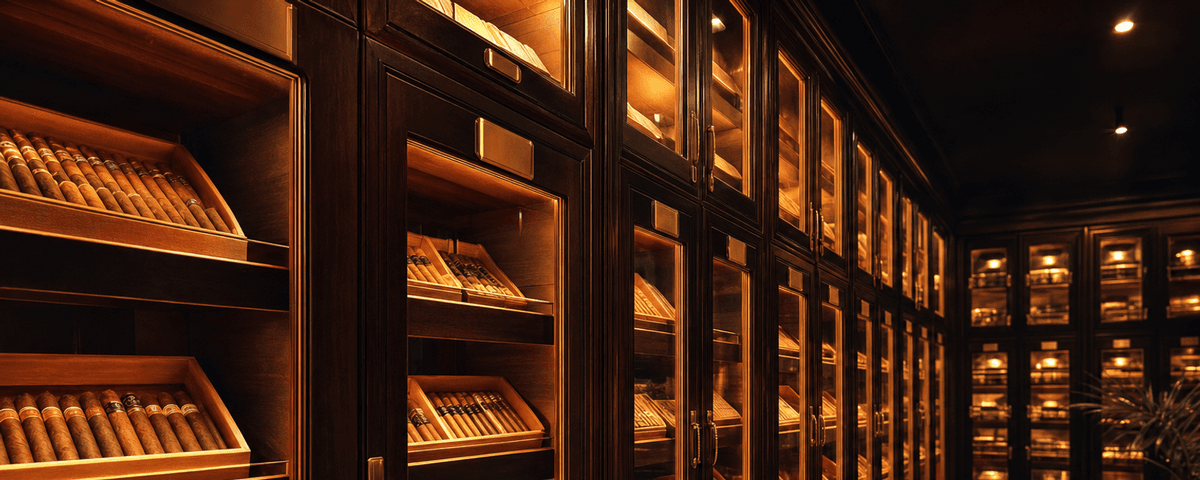
33 座 24 小時恆溫恆濕醇化室
W Cigar Bar 提供的會員醇化空間 · 場地資訊請洽編輯部
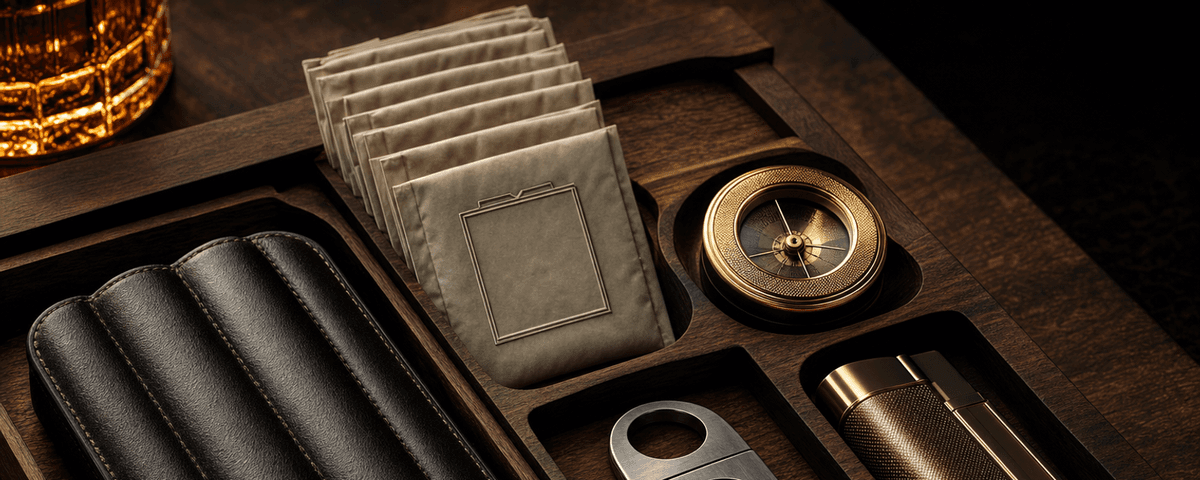
雪茄剪 / 打火機 / 雪茄盒 / Boveda
W Cigar 配件官網 · 專營雪茄配件正品
加 LINE 好友 · 文化諮詢
文化空間資訊 · 紳士沙龍 · 私人包場
本網站內容僅供雪茄文化、歷史、收藏與品吸知識研究參考。菸品有害健康、未滿法定年齡者請勿吸菸。實際規範請依所在地法律為準。
吸菸有害健康・戒菸專線 0800-636363・本站僅供 20 歲以上成年人閱覽。
影片來源:Habanos S.A. 官方 YouTube 頻道 · 教育性內容引用 · AI 智能配對
讀到這裡,你不只是路過的人
留下 Email,加入 W 雪茄聖經內圈——總編輯 Wilson Tsai 親選的學院深文與國際新訊,先你一步送到信箱。
· 教育用途非銷售 · 隨時一鍵退訂 · Email 絕不對外公開 · 由勝茄股份有限公司營運
同分類延伸閱讀


資料來源:W Cigar Bible 編輯部整理 · 雪茄王子 Wilson Tsai 親自審稿
本文僅供雪茄文化、歷史、收藏與品鑑知識研究,不作為菸品促銷、銷售或購買建議。吸菸有害健康,未滿二十歲不得吸菸。