雪茄的層次與品味構建:從基本到進階的品味技術
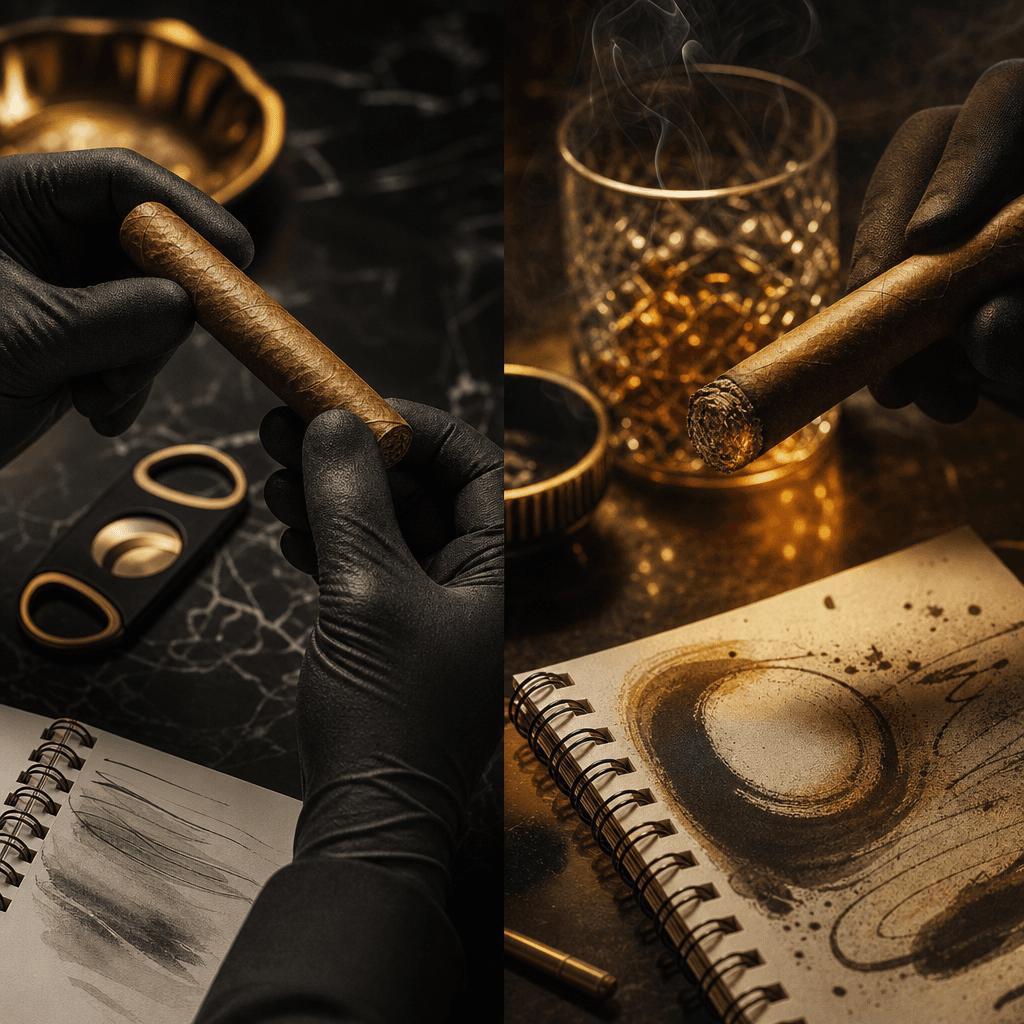
雪茄品味的進階技巧在於觀察其風味、結構與狀態的變化。初學者應學會拆解感受,從主要香氣、口感重量及燃燒狀態入手,並記錄每次品味的變化。點燃前的觀察至關重要,需注意茄衣狀況及未點燃的拉阻。品味過程中,應以三段式分析雪茄的開場、中段及尾段,並控制吸食的節奏與溫度,以避免影響風味的判斷。此外,擴展風味語彙並進行鼻腔回流與留香觀察,將有助於深化對雪茄的理解與品味能力。
- 雪茄的品味應從風味、結構與狀態三個軸線進行觀察,才能形成完整的判斷。
- 點燃前的觀察能建立基準,確認茄衣狀態與未點燃拉阻,為後續品味做準備。
- 進階技巧如鼻腔回流與留香能放大細節,配飲時應先減法,避免干擾雪茄的風味。
The Layers and Taste Construction of Cigars: From Basic to Advanced Tasting Techniques
The layers of cigars are not about memorizing as many flavor terms as possible; true progress is being able to articulate the changes in a cigar over time, temperature, humidity, and rhythm. Beginners already know basic tasting and exhaling; the next step is to break down feelings into observable, comparable, and verifiable clues.
As the editor of "Cigar Bible," I often compare cigar tasting to listening to a long symphony: the opening, main melody, modulation, and finale are all important. Here, from a practical perspective, I will guide you from basic to advanced, establishing a more stable tasting technique.
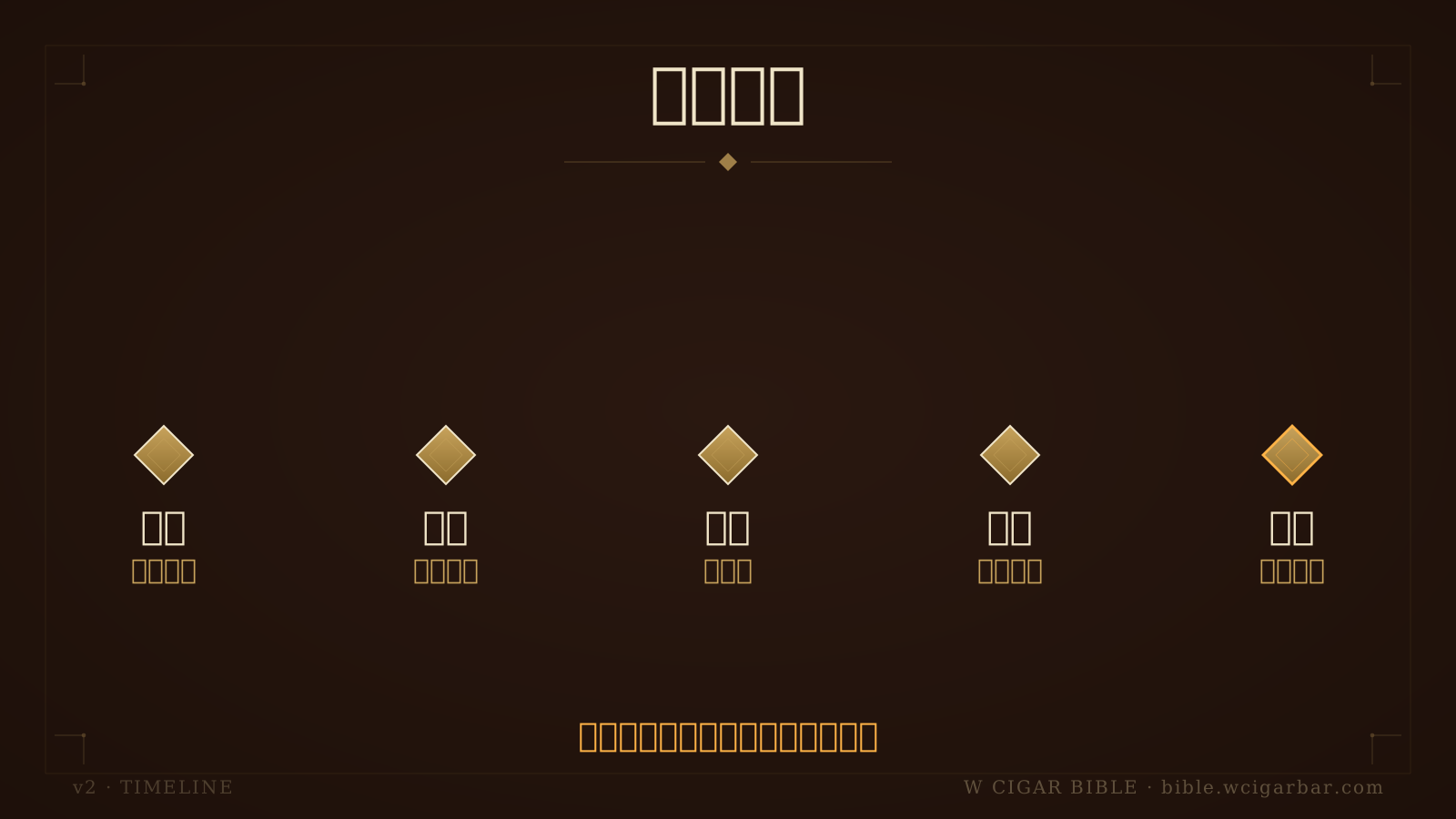
時間線列出觀衣輕按剪切冷拉與分段紀錄
Establish Three Axes: Flavor, Structure, State
Many people initially only ask "what does this taste like," but overlook that cigars actually have three axes: flavor is aroma and taste, structure is strength, concentration, and balance, and state is burning, humidity, draw resistance, and temperature. Layers are not mysticism, but rather observing flavor, structure, and state separately and then recombining them into a complete judgment.
| Observation Axis | What to Pay Attention To | Common Examples |
|---|---|---|
| Flavor | Wood, nuts, leather, cream, spices, cocoa | Hoyo de Monterrey Epicure No.2 often has a mild woody and creamy feel |
| Structure | Light, medium, heavy; concentration; balance of sweet, bitter, sour, salty | Partagás Serie D No.4 is often more powerful than Montecristo No.4 |
| State | Burn line, ash column, draw resistance, temperature | High humidity can lead to stuffiness and premature bitterness |
For example, in the common box states of Cuban cigars in 2022 and 2023, the same Montecristo No.2 can perform completely differently at 65% and 72% relative humidity; the former has a clearer profile, while the latter may be thicker but burns slower. Don't rush to judge the brand's quality; first confirm if the environment is stable.
I suggest beginners record only three words each time: main aroma, mouthfeel weight, and burning state. For example, "cedar, cream, medium, slow burning." After three months, reviewing 20 records will help you understand your taste map faster than just memorizing scores. Being able to repeatedly describe is the true ability of your taste.
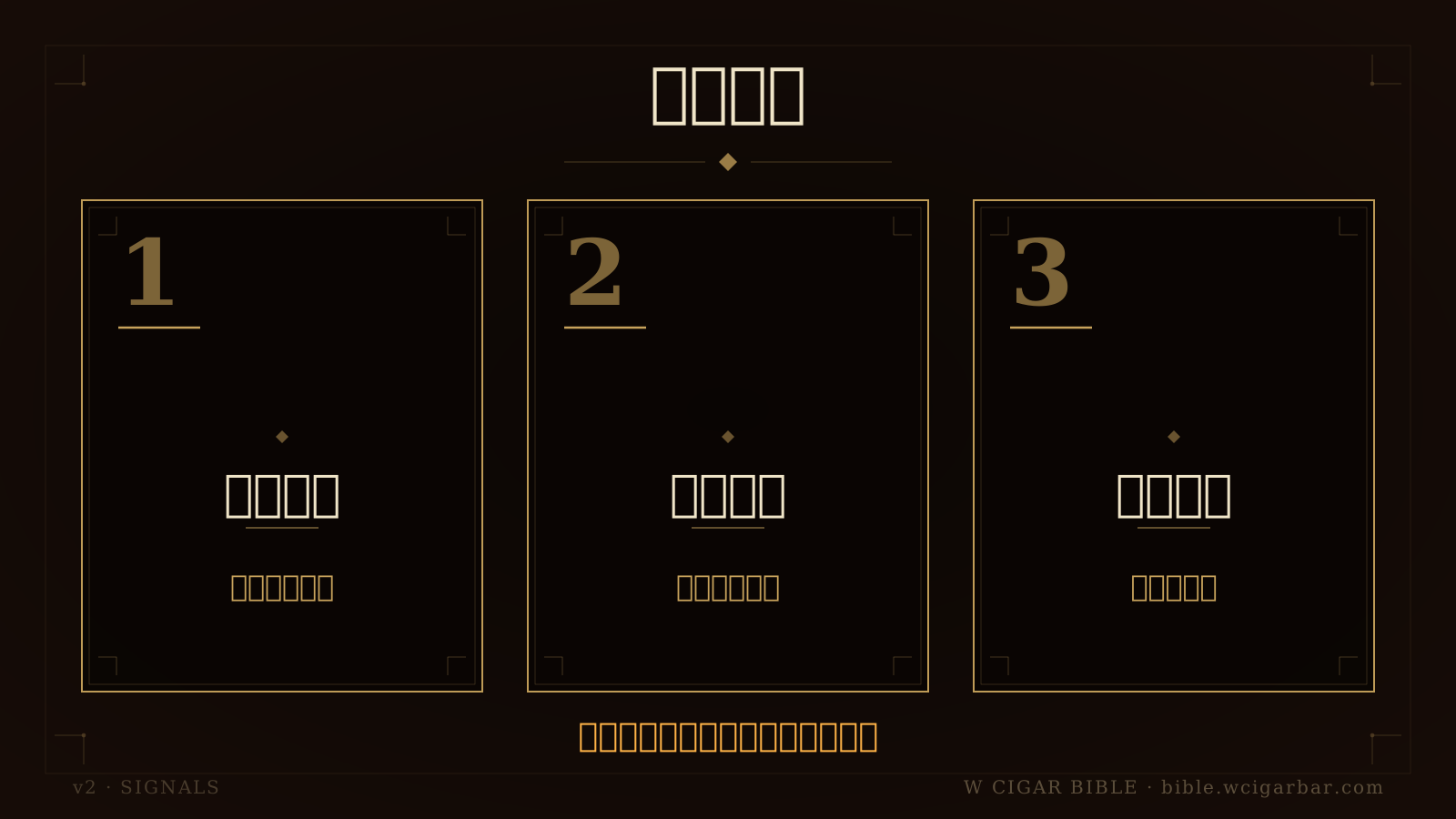
三張卡片整理風味結構狀態與分段節奏重點
Pre-light Observation: From Appearance to Unlit Draw
The five minutes before lighting often determine whether the subsequent hour's judgment is accurate. First, look at the wrapper's oil sheen, color uniformity, vein thickness, and cap closure, then gently press the entire cigar to check for obvious hard spots or voids. For larger ring gauge cigars like Cohiba Siglo VI, if the foot is too loose, the front section may burn too quickly.
After cutting, perform an unlit draw check to feel if the air passage is smooth, while noting dry hay, cocoa, cedar, honey, or salty sensations. This step is not to predict the entire flavor but to establish the first set of benchmarks. For example, if a Romeo y Julieta Churchill has a distinct floral and tea aroma when unlit, but is overshadowed by bitterness when lit, check the flame, rhythm, or humidity.
- Observe the wrapper: oil sheen, cracks, color differences, repair marks
- Gently press the cigar: check for hard spots, voids, and elasticity
- Cutting angle: avoid cutting too deep to damage the cap structure
- Unlit draw: note dry aroma, sweetness, saltiness, and resistance
Pre-light observation is not a ceremonial performance but a reference line for subsequent judgment. I've seen many beginners mistake humidity issues for brand style, especially in the rainy season, where cigars stored above 70% can lead to stuffy and thick draws, with the final third more prone to heat, bitterness, and astringency.
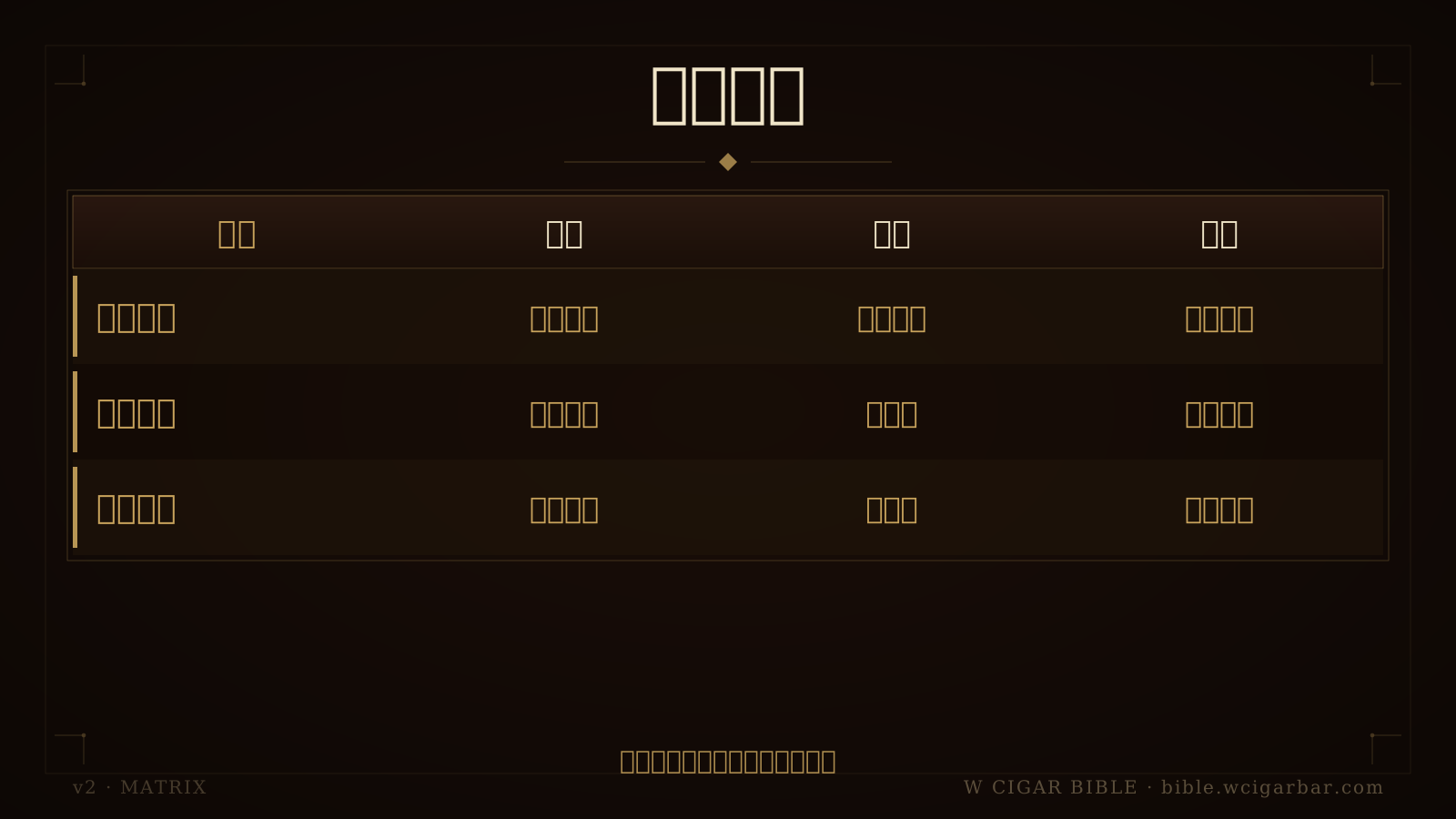
矩陣比較風味結構狀態三欄的觀察線索
Three-Part Tasting: How to Break Down the Front, Middle, and Final Sections
The simplest way to divide a cigar's time is into the first 1/3, middle 1/3, and final 1/3. The front section checks if the opening is clean, the middle section checks if the main body unfolds, and the final section checks if the strength, bitterness, and aroma are balanced. For example, Padrón 1964 Anniversary Maduro often shows cocoa and coffee in the front section, deepens sweetness in the middle, and increases spice and concentration in the final section.
Don't rush to conclusions with every puff; I recommend noting changes every 5 to 7 minutes. A Robusto size, approximately 50 ring gauge and 124 mm in length, typically lasts about 45 to 70 minutes; a Churchill size may extend beyond 90 minutes. The longer the time, the more you need to control the rhythm; otherwise, the heat in the final section can distort flavor judgment.
I use three verbs: increase, shift, disappear, to record layers. For example, Montecristo No.2: cedar and cream in the front section, coffee and slight saltiness appear in the middle, spices increase, and creaminess decreases in the final section. This is more valuable than simply writing "good smoke, smooth," because you can see the dynamic relationship of flavors.
The focus of the three-part method is not to rigidly divide the cigar into three equal parts but to observe when the main character appears, when it shifts, and when it exits. When you can say "the middle section shifts from nuts to coffee" instead of just "getting stronger," your tasting has already entered the next stage.
Rhythm and Temperature: Where Layers Often Win or Lose
Cigars are not about frequent puffs to capture flavors. I generally recommend about 45 to 75 seconds per puff; the smaller the ring gauge, the slower you should go, while larger ring gauges can be adjusted based on the burning state. If a 42 ring gauge Lancero is treated with the rhythm of a Robusto, it can easily overheat; if a 56 ring gauge cigar is left too long, it may extinguish or burn unevenly.
Rising temperatures can amplify bitterness, spiciness, char, and ammonia sensations, while suppressing floral, creamy, and delicate sweet notes. Since its debut in 1995, Arturo Fuente OpusX is known for its high-quality Dominican tobacco and rich structure; if the rhythm is too fast for such a powerful cigar, the final section is often dominated by spiciness and heat, missing the dried fruit and spice layers of the front and middle sections.
Two methods can correct this: first, observe if the burning end is overly bright and hot; second, feel if the smoke becomes sharp and dry. If these conditions occur, slow down for 2 to 3 minutes and avoid frequent relighting. Frequent relighting can cause the outer wrapper and internal burn to be out of sync, making the taste coarser.
Rhythm is the most underestimated technique in cigar tasting because the same cigar at different speeds can feel like two completely different works. A truly mature taster is not about being aggressive with every puff but knowing when to let the cigar speak for itself.
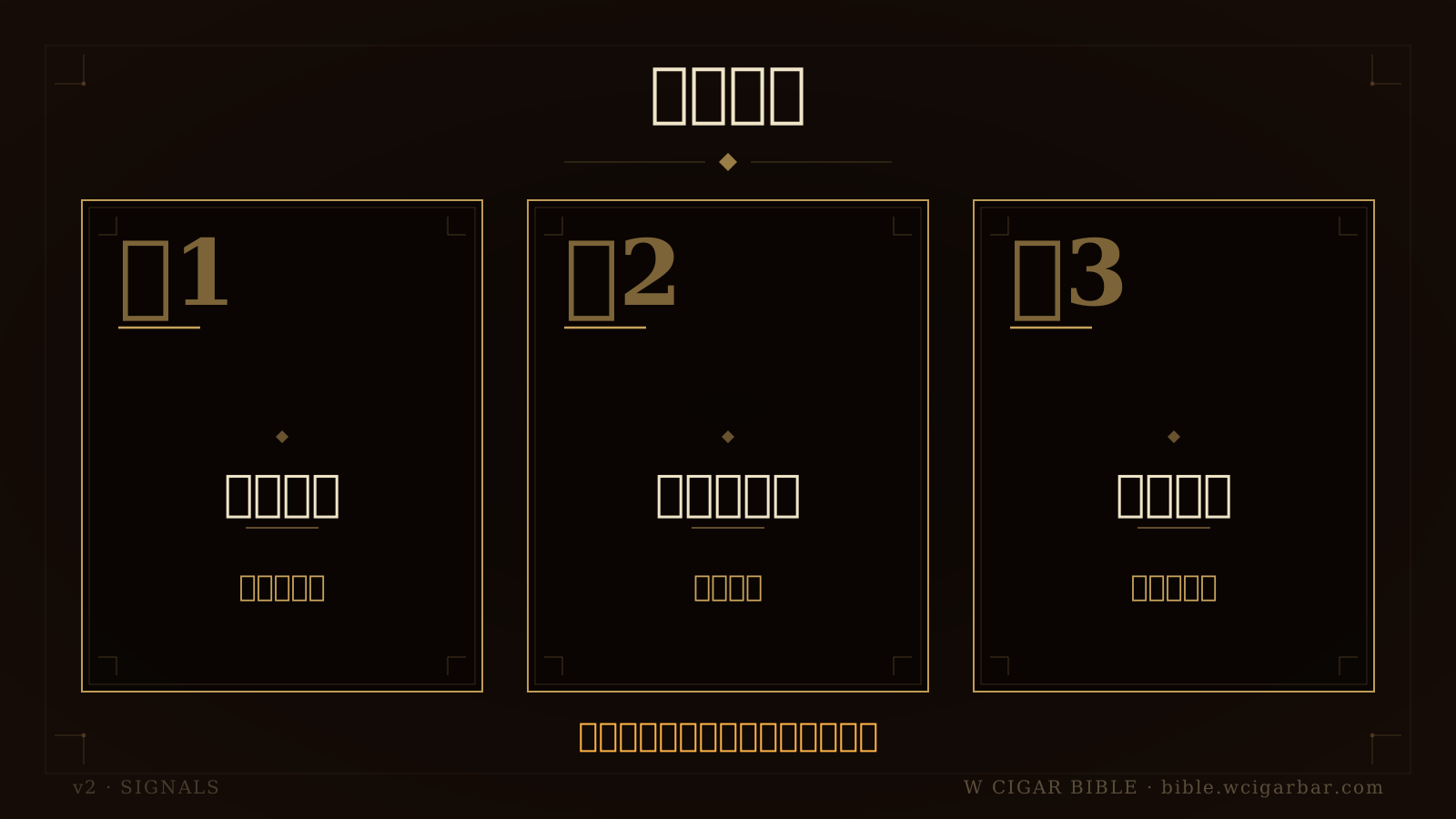
三張錯誤卡提醒不要只背品牌與忽略濕度節奏
Flavor Vocabulary: From "What It Tastes Like" to "Why It Tastes Like That"
Beginners often get stuck with not having enough flavor words, but there's no need to rush to memorize a hundred adjectives. Start with six categories: wood, nuts, sweet aroma, spices, earth, and animal notes. Wood can be further divided into cedar, oak, dry wood; sweet aroma into honey, caramel, brown sugar, dried fruit; spices into white pepper, cinnamon, clove, and star anise.
For example, Davidoff Millennium Blend is often described as creamy, woody, slightly sweet, and clear pepper; but an advanced description would add position and time: "creamy wood in the front section, white pepper rises in the middle, nuts and bittersweet cocoa run parallel in the final section." Such records are not just beautiful but help you compare differences in the Davidoff Signature, Grand Cru, or Nicaragua series next time.
I suggest preparing your own flavor wheel, without pursuing perfect professional terminology. Each time you write a record, at least answer three questions: What food does it remind me of? Is it dry or moist? Is it more noticeable in nasal aroma or tongue taste? After accumulating 30 times, you'll find your descriptions becoming more accurate.
The purpose of flavor vocabulary is not to show off but to turn vague feelings into communicable language. When you can distinguish "black coffee bitterness" from "roasted nut bitterness," and "woody dryness" from "tea-like dryness," your understanding of cigars will become much more detailed.
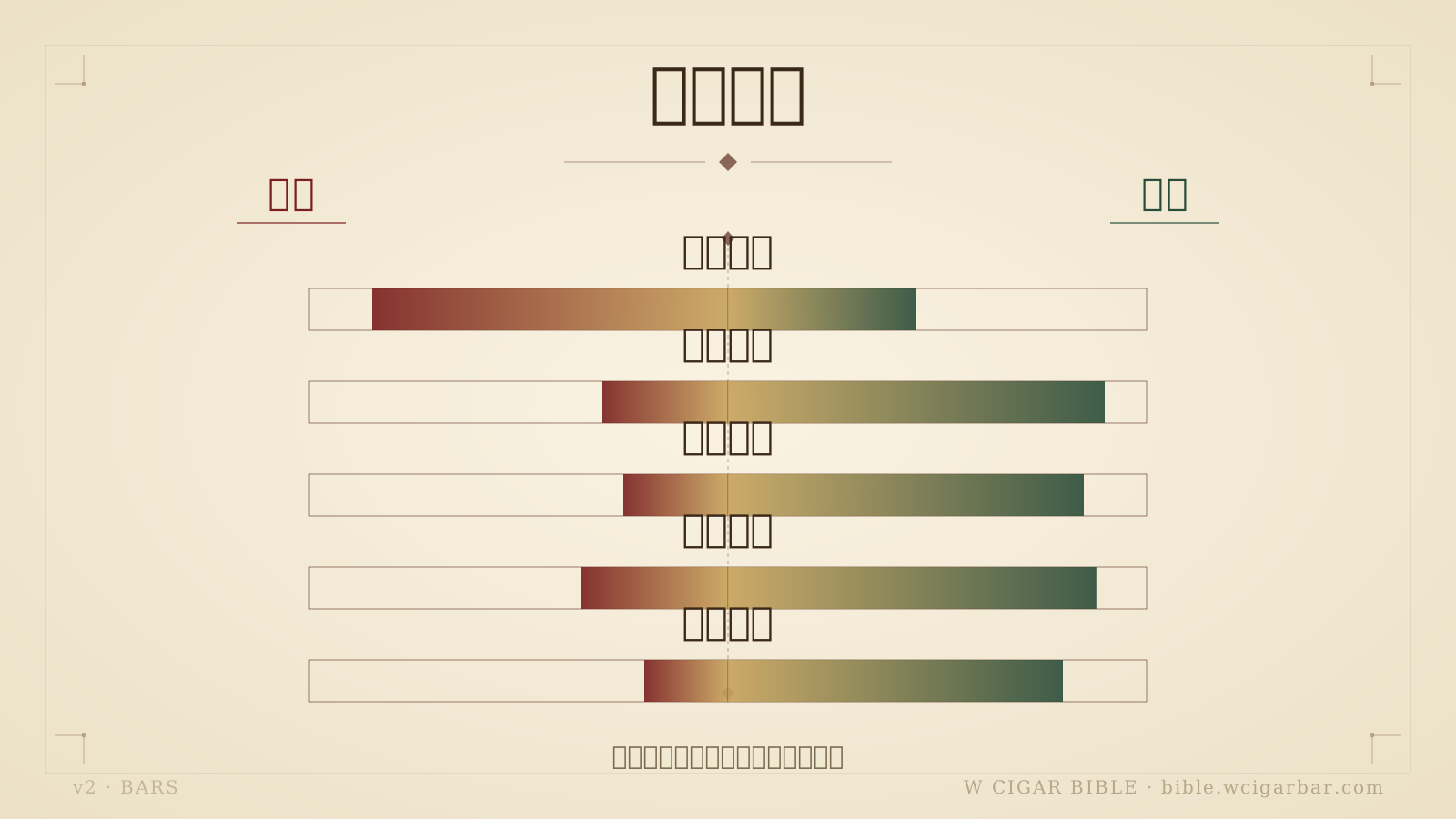
長條圖比較新手與進階在五項品味取向差異
Advanced Techniques: Retrohaling, Finish, and Pairing Control
Retrohaling is an important technique for advanced tasting, but it doesn't need to be done with every puff. Start with a small amount of smoke, about 10% to 20%, letting the smoke gently exit through the nasal passage. This can amplify floral, spice, and herbal notes, but if the cigar is stronger, like My Father Le Bijou 1922, excessive retrohaling can irritate the nasal passage.
The finish is observing what remains in the mouth and nasal passage after the smoke leaves. Excellent cigars don't necessarily have great strength but often have a clean and lasting finish. For slender sizes like Trinidad Fundadores, if in good condition, they often show tea, cream, and delicate wood in the middle section; their beauty lies not in explosion but in extension.
Pairing should start with subtraction. Water is the best baseline, followed by unsweetened tea, black coffee, or low-sweetness rum. If you start with high-sugar whiskey, sweet cocktails, or strong spirits, it's easy to overshadow the cigar's details. My approach is to drink only water in the first 1/3, then add a pairing in the middle section to distinguish whether changes come from the cigar or the drink.
The core of advanced techniques is to amplify details rather than add interference. Retrohaling, finish, and pairing should serve to understand the cigar, not to overwhelm the senses with too many signals at once.
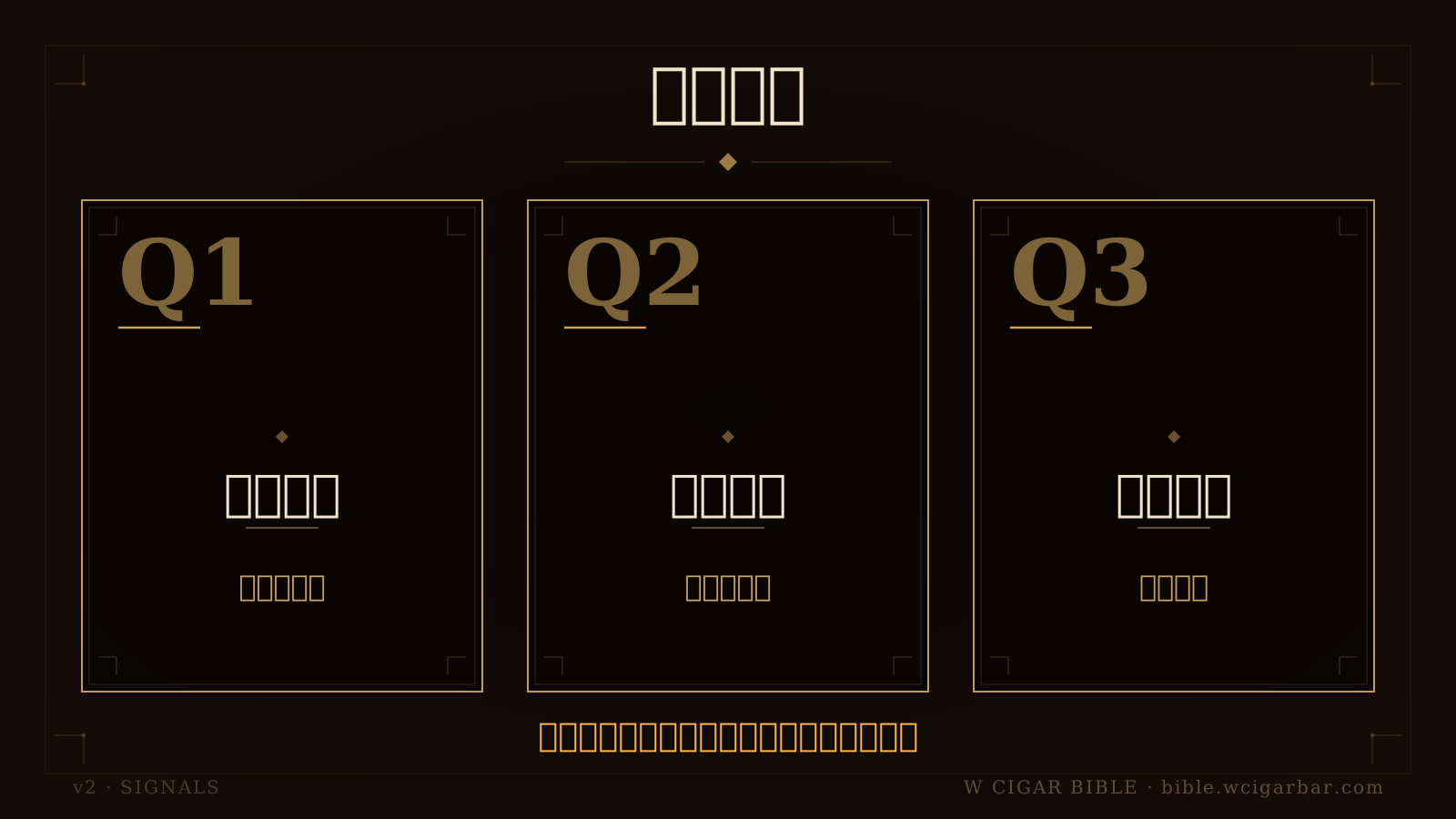
快問快答卡片整理年份味道變化與搭配飲品
Etiquette and Record Keeping: Making Tasting a Long-term Ability
Cigar etiquette is not a constraint but a way to ensure that both you and others can enjoy the full time. In public places, pay attention to regulations and the environment, and don't frequently flick ash, as a stable ash column helps maintain burning temperature; but if the ash column exceeds 2 to 3 cm and starts to loosen, gently place it on the edge of the ashtray to avoid awkward ash falls.
When discussing cigars, respect differences. Some people like the mild woodiness of H. Upmann, while others prefer the rich earthiness and strength of Bolivar; there's no need to impose a single standard over others' feelings. Especially with beginner friends, instead of saying "you don't understand," ask them if they sense sweet, bitter, spice, or wood.
Record-keeping tools can be simple: date, brand, size, box code or year, storage humidity, pairing drink, three-part flavor, burning state, overall rating. If it involves collection and price performance, I always remind: collection appreciation does not guarantee appreciation; it still depends on source preservation and market. If the source is unclear and preservation is unstable, even the hottest year may lose value.
Etiquette makes cigar time more leisurely, and record-keeping turns each experience into nourishment for future judgments. A year later, when you look back at 50 records, you'll be clearer about what you truly like than relying solely on memory.
Common Questions
The key from beginner to advanced is not switching to more expensive cigars but repeatedly refining the same observation method. Here are a few questions I encounter most often, which are also the most worth clarifying as tasting blind spots.
1. Do I need to remember many brand years first?
No need. First, familiarize yourself with 5 to 8 classic sizes, such as Robusto, Toro, Churchill, Lancero, then slowly add brands and years. Establishing a sense of size first is more practical than initially chasing rare names.
2. Why does the same cigar taste different each time?
Storage humidity, lighting method, draw rhythm, daily diet, and physical state all affect it. Even if both are 2021 box releases, if one box is stored at 65% and the other at 72%, their performance may differ.
3. Retrohaling feels uncomfortable; is my method wrong?
Not necessarily. It could be too much quantity, too strong a cigar, or the front section not yet stable. Practice with milder cigars first, like Hoyo or H. Upmann styles, and start with minimal amounts.
4. Is pairing with whiskey the standard?
No. Whiskey is common but not the only answer. If you want to practice details, water, unsweetened tea, and black coffee can better preserve the cigar's original appearance; spirits are suitable after mastering the original flavor.
5. Should I age cigars for many years before smoking?
Aging can make some cigars more rounded, but not all cigars are suitable for long aging. Storage conditions, source, and original tobacco structure are all important; if storage is unstable, time may bring loss instead.
6. Do high-rated cigars suit me?
Ratings are for reference only and cannot replace your taste. If you prefer a mild creamy feel, high-rated robust cigars may not be suitable; what truly matters is finding your own flavor coordinates.
I have always believed that the most fascinating aspect of cigar tasting is not in speaking grandly but in honestly feeling, accurately recording, and quietly comparing. From the first puff to the last section, every cigar reminds us: good taste is not innate but patience, measure, and judgment accumulated over time. May each time you light up, you understand yourself better than the last.
—Cigar Prince Wilson Tsai
Smoking is harmful to health. Under 20 years old is not allowed to smoke. Quit smoking hotline: 0800-636363. This article is for reference by adults over 20 years old as knowledge of cigar culture, preservation, and regulations, not as tobacco advertising, promotion, or purchase suggestion.
Like this article?Share with friends
Share this W Cigar Bible piece with friends who want to learn cigar culture, storage, and tasting.
想把這篇 化為實踐
雪茄聖經是知識;雪茄文化要在空間裡發生

W Cigar Bar 大安總店資訊
台北大安區 · 雪茄聖經總編輯 Wilson Tsai 主理的雪茄文化空間
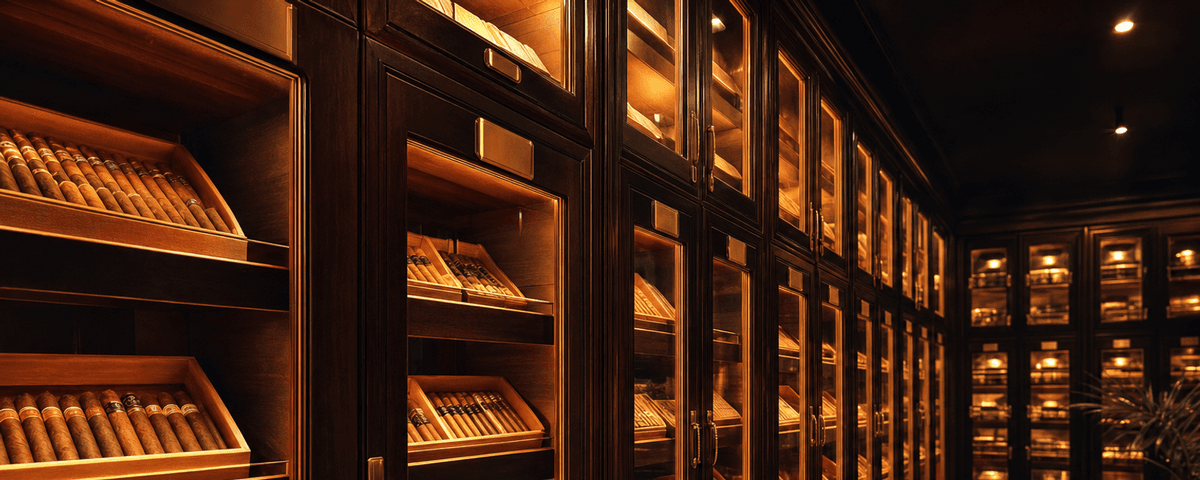
33 座 24 小時恆溫恆濕醇化室
W Cigar Bar 提供的會員醇化空間 · 場地資訊請洽編輯部
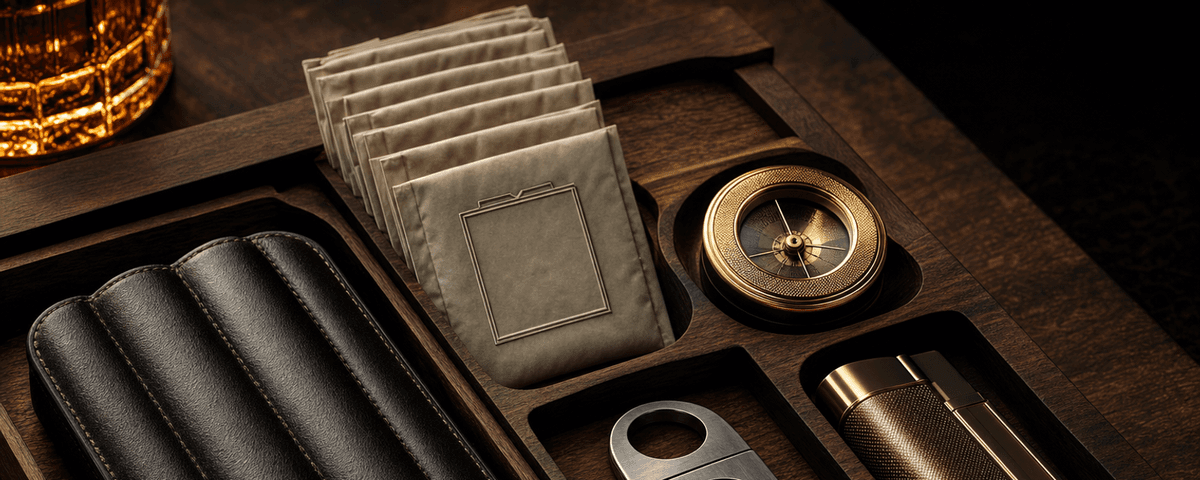
雪茄剪 / 打火機 / 雪茄盒 / Boveda
W Cigar 配件官網 · 專營雪茄配件正品
加 LINE 好友 · 文化諮詢
文化空間資訊 · 紳士沙龍 · 私人包場
本網站內容僅供雪茄文化、歷史、收藏與品吸知識研究參考。菸品有害健康、未滿法定年齡者請勿吸菸。實際規範請依所在地法律為準。
吸菸有害健康・戒菸專線 0800-636363・本站僅供 20 歲以上成年人閱覽。
讀到這裡,你不只是路過的人
留下 Email,加入 W 雪茄聖經內圈——總編輯 Wilson Tsai 親選的學院深文與國際新訊,先你一步送到信箱。
· 教育用途非銷售 · 隨時一鍵退訂 · Email 絕不對外公開 · 由勝茄股份有限公司營運
同分類延伸閱讀


資料來源:W Cigar Bible 編輯部整理 · 雪茄王子 Wilson Tsai 親自審稿
本文僅供雪茄文化、歷史、收藏與品鑑知識研究,不作為菸品促銷、銷售或購買建議。吸菸有害健康,未滿二十歲不得吸菸。