舊世界與新世界雪茄的風味差異
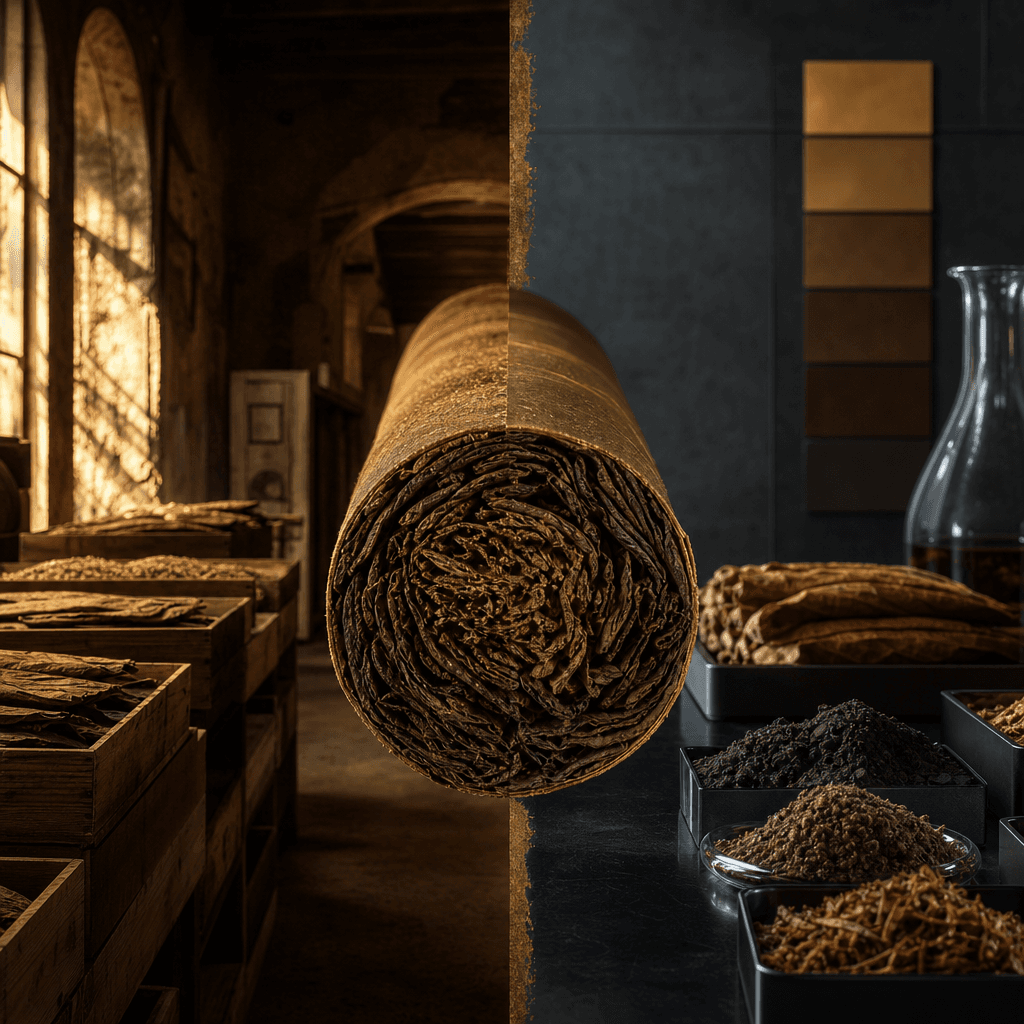
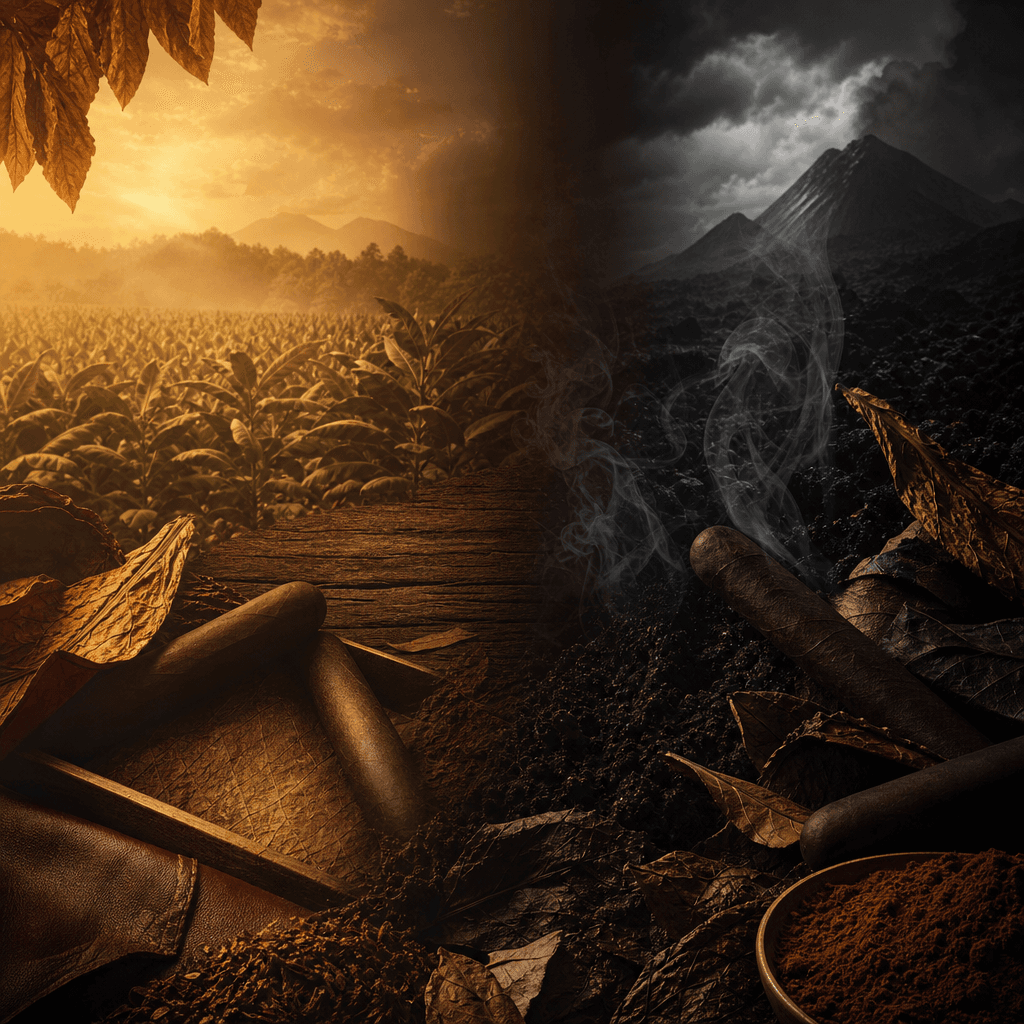
舊世界與新世界雪茄的風格差異,不僅在地理位置,更在於風味表達與工藝手法。舊世界雪茄如古巴,強調層次感與細膩的轉折,常見乾草、咖啡與皮革的風味變化;而新世界雪茄則以明確的風味輪廓著稱,常呈現濃郁的胡椒、巧克力與木質感。選葉邏輯上,舊世界依賴傳統產區的血統,新世界則透過多國葉材的組合創造多樣風味。此外,工藝方面,古巴注重手工技藝的傳承,新世界則強調品質的一致性與精準調配。這些差異使得兩者在品味與收藏上
- 舊世界雪茄的風味變化緩慢,強調細膩的層次與轉折。
- 新世界雪茄的風味則更為清晰,設計上注重濃度與甜感的平衡。
- 選葉邏輯上,舊世界重視產區血統,新世界則透過多國葉材建立風味架構。
The Flavor Differences Between Old World and New World Cigars
Every time I discuss Old World and New World cigars, I put away the map and instead focus on the "sense of time" a cigar offers. The Old World often unfolds like a slowly developing symphony, with the opening not rushing to make a statement; the New World, on the other hand, often presents the soil, intensity, and blending intentions more directly.
As the editor of "Cigar Bible," I've seen many veterans transition from brand loyalty to comparing regions, leaf types, craftsmanship, and vintages. In this article, I won't discuss entry-level impressions but will instead dissect the real differences between the two worlds in terms of flavor, craftsmanship, leaf selection, and cultural context.
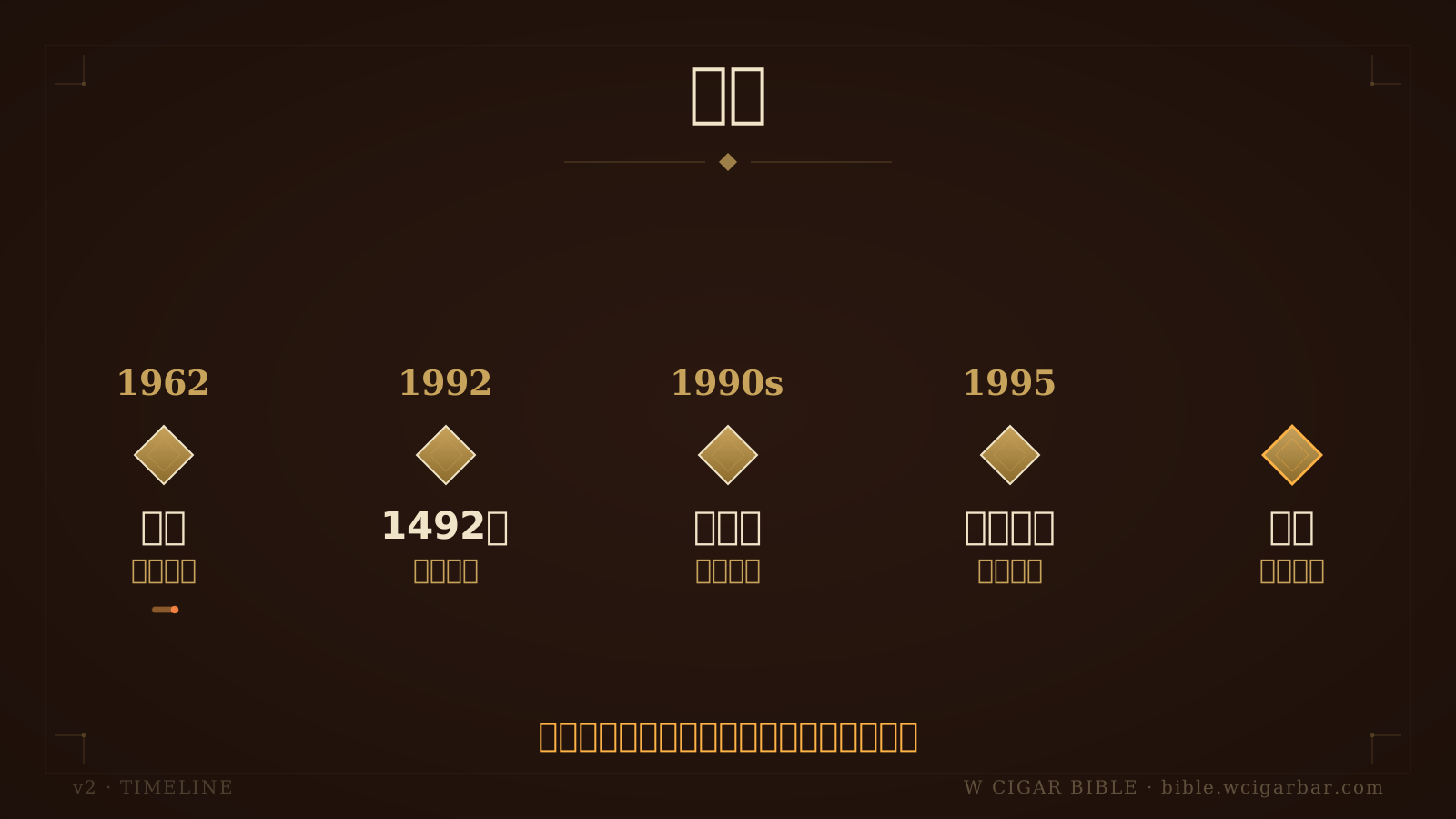
時間軸標示一九六二禁運、九零年代潮流與今日對話
Old World and New World: Not a Geographic Question, but a Language of Style
In the context of cigars, the Old World mostly refers to the Cuban Havana system, backed by the long-accumulated stylistic language of Vuelta Abajo, Partagás, H. Upmann, Montecristo, Romeo y Julieta, Cohiba, and others. After the U.S. embargo in 1962, Cuban cigars formed a more closed and distinct aesthetic: mid-range complexity, mineral notes, hay, leather, coffee, and a slightly salty aftertaste, often considered more important than mere strength.
The New World is a multi-core territory: Nicaragua's Estelí, Jalapa, Condega, the Dominican Republic's Cibao and Bonao, Honduras' Jamastran, Mexico's San Andrés, and Ecuadorian wrapper leaves. After the 1990s U.S. "cigar boom," brands like Padrón, Arturo Fuente, Davidoff Dominican, Oliva, My Father, Tatuaje, and Rocky Patel made blending more open, with intensity, sweetness, pepper, and woodiness more precisely designed.
The divide between Old World and New World is not about which is more premium, but about which uses what syntax to express terroir. Veterans who only classify cigars as "Cuban mild, New World strong" will quickly encounter exceptions: Cohiba Behike can be quite full-bodied, Davidoff Grand Cru can be extremely delicate, and Padrón 1964 Anniversary can have an almost old-school balance.
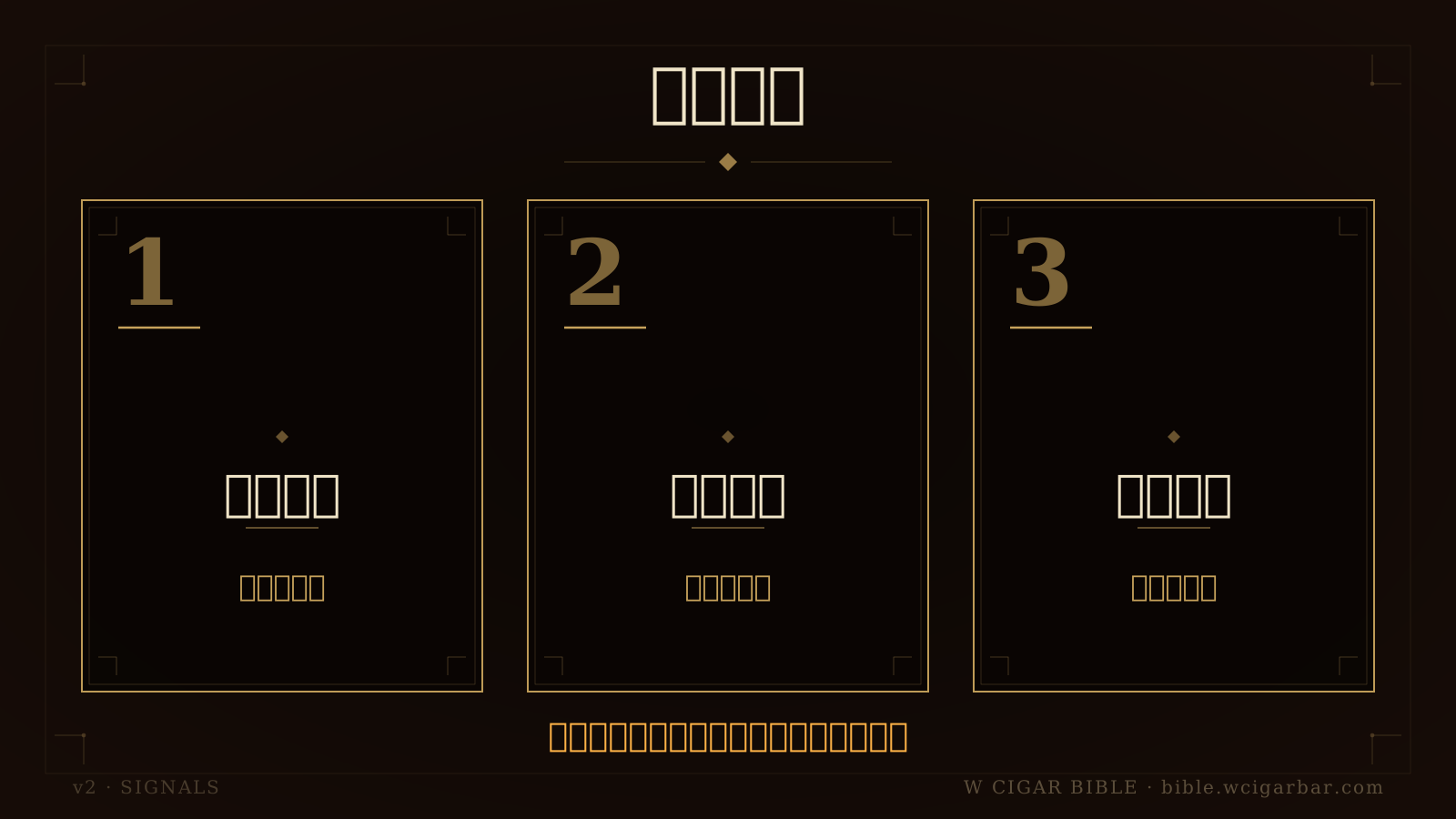
三張卡列出不是地理、舊重轉折、新重解析的核心結論
Flavor Profiles: Old World Focuses on Transitions, New World on Resolution
The charm of Old World cigars often lies in "not revealing all the answers at once." Take Montecristo No.2 as an example, with its 156mm length and 52 ring gauge pyramid size. If well-preserved, the front section often features dry wood, toasted bread, and cocoa; the middle section reveals coffee, leather, and herbs; the tail section may bring out pepper and caramel bitterness. Its changes are like gradients, not high-contrast switches.
The New World more often dissects flavor modules clearly. Padrón 1964 Anniversary Maduro often has dark chocolate, concentrated coffee, nut oils, and sweet aromas; Oliva Serie V Melanio Figurado frequently shows creamy wood, roasted aromas, pepper, and a cleaner finish. These flavors are not more "straightforward," but rather the blenders are more willing to amplify the proportions of Ligero, Seco, Viso, and the characteristics of the wrapper.
| Aspect | Common Old World Expression | Common New World Expression |
|---|---|---|
| Front Section | Hay, cedar, mineral, light coffee | Pepper, cocoa, nuts, sweet wood |
| Middle Section | Leather, herbs, salty notes, honey | Dark chocolate, coffee, cinnamon, caramel |
| Tail Section | Soil, tea, bittersweet balance | Spices, roasted, thick oils |
| Change Method | Slow progression, detail stacking | Clear contours, distinct sections |
The strength of the Old World is the subtle transitions over time, while the strength of the New World is flavor resolution and structural predictability. When comparing, veterans are advised not to just ask "is it strong," but "how does the flavor transition, how do sweet, sour, bitter, and salty support each other."
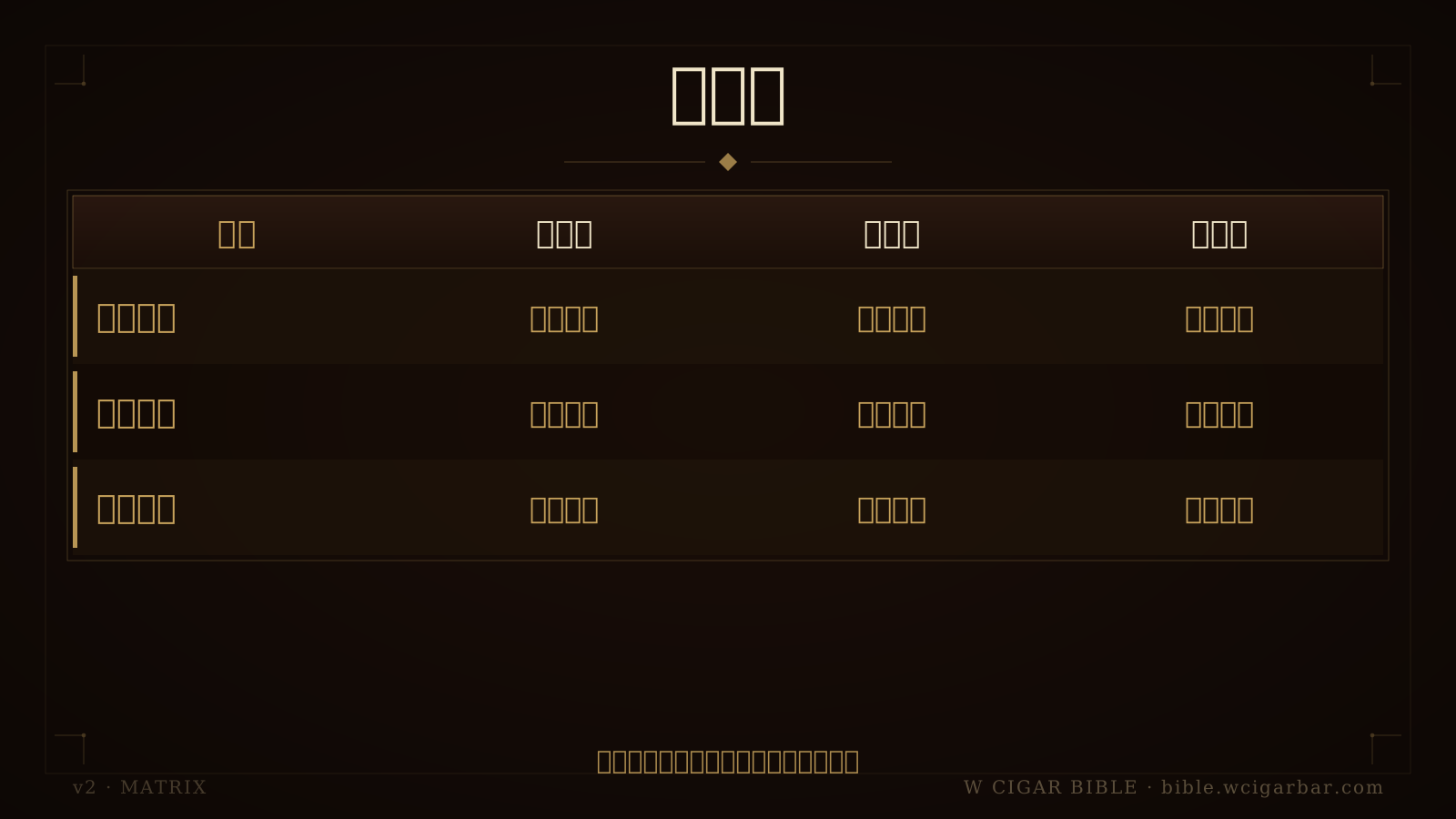
矩陣比較前段風味、變化方式與選葉邏輯三個面向
Leaf Selection Logic: Cuba Focuses on Regional Lineage, New World on Cross-National Puzzle
The core advantage of Cuban cigars is a relatively concentrated and historically rich regional system. Vuelta Abajo is considered the stronghold of top Cuban tobacco, with the soil, humidity, and sunlight of Pinar del Río long shaping the hay, soil, mineral, and pliable qualities of Havana cigars. Cohiba's Línea 1492, launched in 1992, not only commemorates Columbus' 500th voyage anniversary but also represents Cuba's reorganization of modern high-end styles through brand lines.
The New World's leaf selection is like a cross-national puzzle. Common combinations include Nicaraguan filler, Dominican or Honduran support, with Ecuadorian Connecticut, Ecuadorian Habano, Mexican San Andrés Maduro, or Cameroon wrappers on the outside. Arturo Fuente OpusX, launched in 1995, is significant for proving that the Dominican Republic can also produce high-end wrappers; this was a strong challenge to the then-prevailing notion that good wrappers must rely on specific traditional regions.
- Seco: Provides aroma details and stable burning, often offering herbal and floral notes.
- Viso: The structural core, with wood, nut, and sweetness.
- Ligero: The source of strength, with oils, spice, and noticeable tail thickness.
- Wrapper: Affects the first impression, determining sweetness, oils, and spice direction.
The Old World is like finding subtle differences within the same language system; the New World is like building a controllable flavor structure with multi-national leaves. Therefore, when veterans look at a cigar, they should understand the region and leaf position beyond the brand, otherwise, they might mistake "intensity" for "complexity."
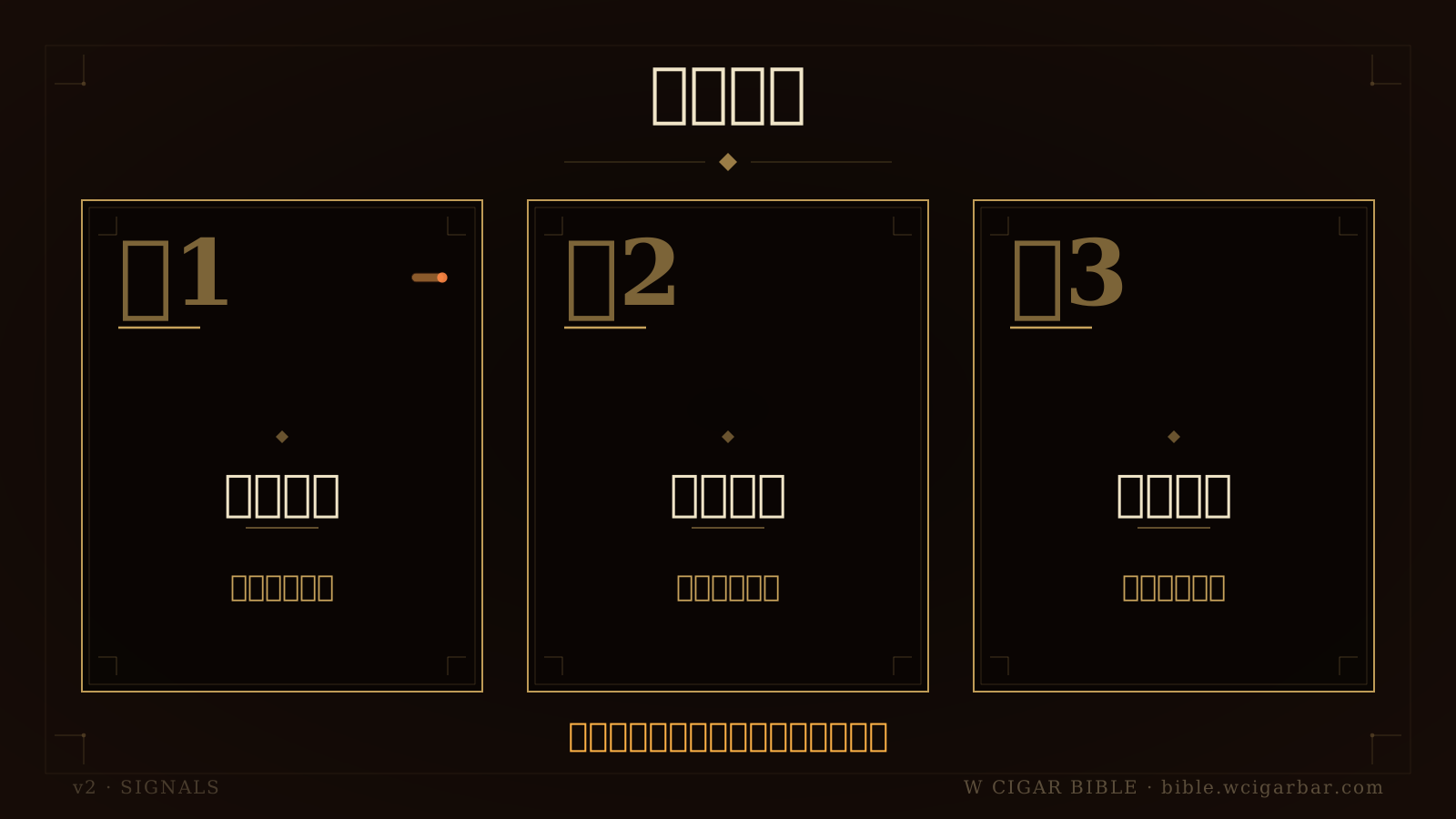
三張誤區卡提醒古巴必優、新世必重與只問濃度
Craftsmanship Differences: Traditional Stability and Modern Blending Precision
The craftsmanship charm of Cuban cigars often comes from long-accumulated hand skills. Take Partagás Serie D No.4 as an example, with its 124mm length and 50 ring gauge Robusto size, it is often used by veterans to test the state of a box of cigars: whether the draw is balanced, whether the burn line is clean, and whether there are enough transitions in the front, middle, and tail sections. Cuban factories traditionally emphasize the experience of the Torcedor, but the differences in years and batches are also the focus of veteran discussions.
New World brands have emphasized consistency and quality control more since 2000. Padrón is known for its long-term box-pressing and stable single-brand style; Davidoff emphasizes fermentation, grading, and inspection processes within the Dominican system; My Father, established in 2003, has created a distinct profile with Nicaraguan pepper, sweet wood, and rich structure. These brands mostly view "reproducible high standards" as their core competitiveness.
Another key in craftsmanship is moisture and draw. Cuban cigars, if stored at too high humidity, often result in tighter draws and muted flavors; New World rich cigars, if humidity is too low, tend to heat up too quickly, amplifying pepper and bitterness. For veterans, burning is not a subsidiary issue but part of flavor accuracy.
Old World craftsmanship makes people pursue the charm within batches, while New World craftsmanship allows appreciation of the stability and precision in blending. Both require good preservation and patience; otherwise, even the best leaves can be distorted by incorrect humidity.
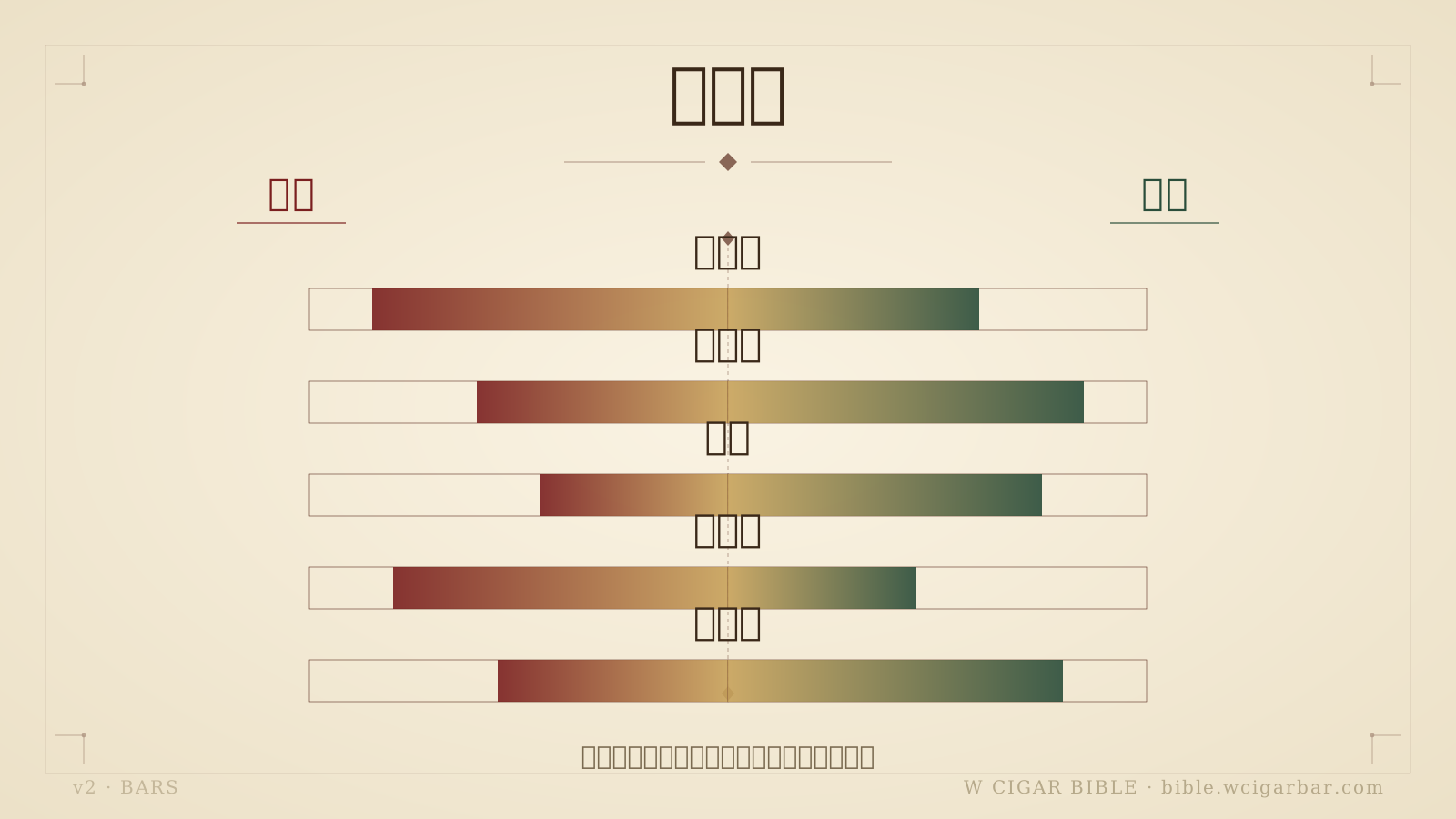
長條圖比較舊世界與新世界在轉折解析甜感等取向差異
Aging and Vintage: How Time Rewrites the Two Worlds
Old World cigars are very suitable for discussing aging because their flavors often have more intricate clues. Since 2003, Habanos has continued to launch Edición Limitada and Regional Edition, making vintage, size, and special wrappers the focus of veteran tracking. For example, some Edición Limitada around 2006, when well-preserved, will gradually transform the initial greenness and spiciness into mature wood, dried fruit, and mellow coffee notes.
New World cigars can also age, but in a different direction. High-oil, high-structure products like Padrón 1926 Serie, Fuente Fuente OpusX, Davidoff Millennium, and Tatuaje Reserva often show changes such as reduced spiciness, thicker sweetness, and rounder woodiness after 3 to 8 years. Nicaraguan cigars with high Ligero proportions have impact when young, but time can turn them from "strong" to "deep."
When discussing collection and market prices, veterans must remain calm: rare box codes, discontinued sizes, regional exclusives, and preservation records will all affect circulation evaluation, but do not guarantee appreciation, still depending on source preservation and market. Especially boxes with high temperature, high humidity, or unknown origins, even if the labels are beautiful, may greatly discount in flavor and value.
Time is not magic, but it magnifies or rounds out the existing structure. A cigar with a hollow base will not suddenly become a classic after years of storage; but a cigar with balance, mature leaves, and stable burning may indeed show deeper layers after 5 years.
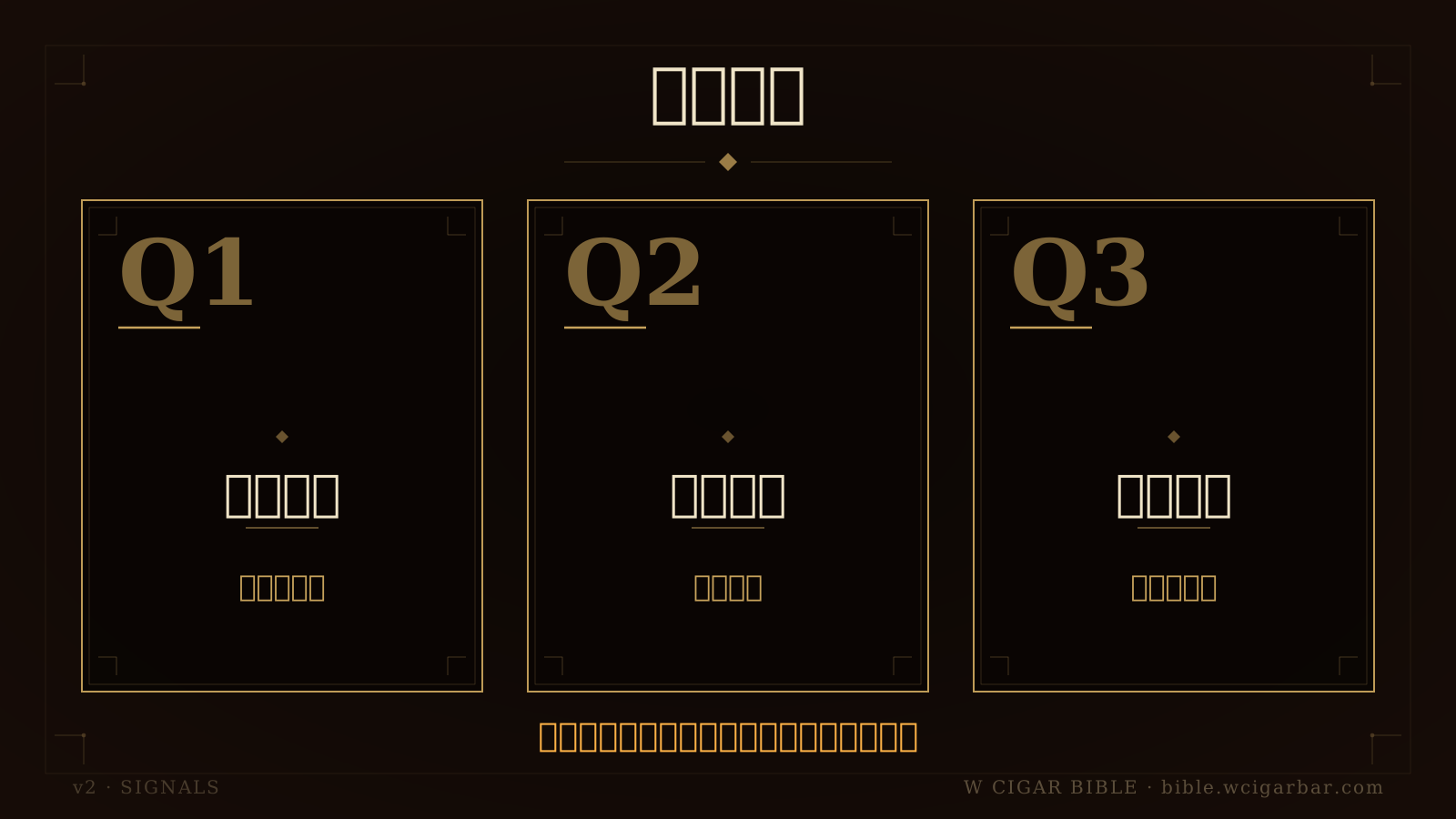
三張問答卡回答層次、濃度與比較順序的實用問題
Veteran Comparison Method: Use the Same Size, Same Rhythm, Same Record to Reduce Misjudgment
The most common mistake when comparing Old World and New World is to compare different sizes. For example, comparing a 150mm, 52 ring gauge Cohiba Siglo VI with a 60 ring gauge Nicaraguan Gordo will naturally be affected by the cooling speed and smoke volume of the larger ring gauge. Veterans should try to choose similar sizes like Robusto, Corona Gorda, or Pirámides to observe flavor differences.
I recommend using a three-time recording method: the first cigar records only intuition, the second controls rhythm, and the third judges positioning. Record every 10 to 15 minutes, separating the front, middle, and tail sections. Avoid writing just "tasty" or "very strong," but record acidity, sweetness, bitterness, saltiness, spiciness, smoke texture, and finish length. If pairing with a drink, the first comparison is best with room temperature water or unsweetened tea to avoid spirits pre-altering the palate.
- Size: Try to match length and ring gauge to avoid structural errors.
- Humidity: Recommended to observe in the 65% to 69% relative humidity range.
- Rhythm: About 45 to 75 seconds per puff to avoid overheating.
- Record: Separate front, middle, and tail sections, and note burning and draw.
- Comparison: Same brand different vintage, or same vintage different region.
A truly advanced comparison is not about finding a winner, but about finding the reasons for flavor formation. When you can explain that a cigar's sweetness comes from the wrapper, thickness from Ligero, and freshness from burning and Seco proportion, you are no longer judging by preference alone.
Common Questions
Is the Old World always more layered than the New World?
Not necessarily. Bolívar Royal Corona and H. Upmann Magnum 46 can indeed show intricate transitions, but Padrón 1964, Davidoff Aniversario, and Fuente OpusX can also have very mature layers. Layers come from leaves, blending, craftsmanship, and preservation, not just from the name of the region.
Are New World cigars all stronger?
This is an oversimplification. Nicaraguan Estelí often gives a sense of strength, but Dominican Davidoff Grand Cru, Fuente Hemingway, and some Ecuadorian Connecticut wrapper works can all present elegance and delicacy. Conversely, young boxes of Cuban Partagás and Bolívar can also be quite impactful.
How should veterans arrange comparison order?
I would start with medium intensity and then move to higher intensity. If comparing two cigars in one day, start with more delicate ones like H. Upmann, Romeo y Julieta, or Davidoff, then move to more structured works like Padrón, Oliva Serie V, or My Father, so the palate doesn't tire too early.
How many years of aging is most noticeable?
Most quality cigars will show significant changes in 2 to 5 years; thicker, oilier, larger-sized works are more worth observing in 5 to 10 years. But the premise is reliable source, stable humidity, and not too high temperature. If preservation has been unbalanced, the vintage may just be a number.
Will only collecting Cuban cigars miss the point?
Yes. Cuba is an unavoidable core, but the New World has rapidly matured since the 1990s, especially the blending capabilities of Nicaragua and the Dominican Republic, which have established their own classic lineage. Veterans who only stick to one side will miss the most exciting dialogues of modern cigars.
My personal view is simple: the Old World taught me to wait, the New World taught me to deconstruct. The former makes me believe a cigar can be like an old record, the more you listen, the more you find in the shadows; the latter shows me how blenders turn land, leaf positions, and craftsmanship into clear structures. A truly mature cigar view is not about taking sides, but about recognizing reasons in every puff, respecting differences, and leaving room to be surprised.
—Cigar Prince Wilson Tsai
Smoking is harmful to your health. Smoking is prohibited for those under twenty. Quitline: 0800-636363. This article is for reference by adults over twenty for cigar culture, preservation, and regulatory knowledge, not a tobacco advertisement, promotion, or purchase suggestion.
Like this article?Share with friends
Share this W Cigar Bible piece with friends who want to learn cigar culture, storage, and tasting.
想把這篇 化為實踐
雪茄聖經是知識;雪茄文化要在空間裡發生
W Cigar Bar 大安總店資訊
台北大安區 · 雪茄聖經總編輯 Wilson Tsai 主理的雪茄文化空間
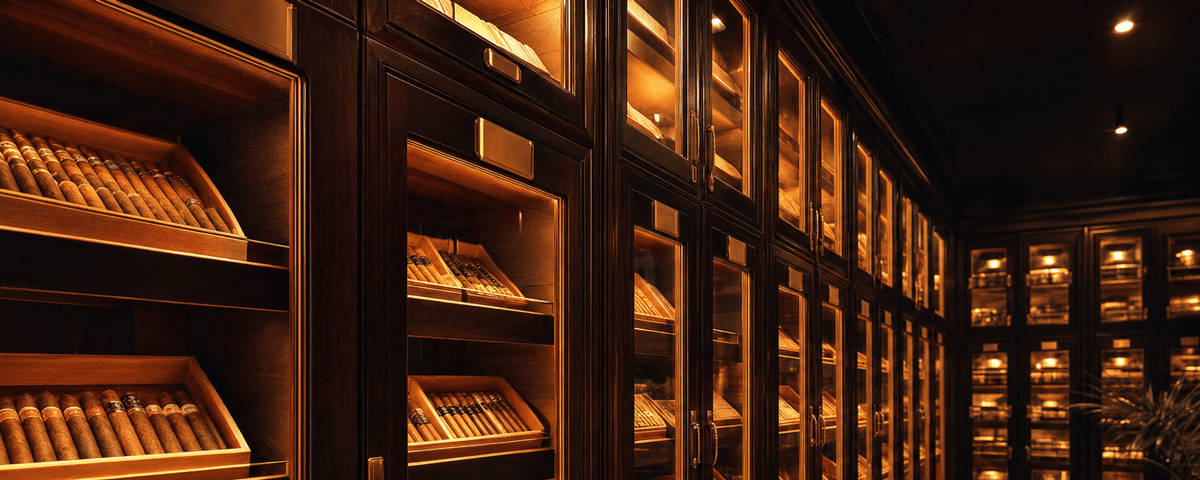
33 座 24 小時恆溫恆濕醇化室
W Cigar Bar 提供的會員醇化空間 · 場地資訊請洽編輯部
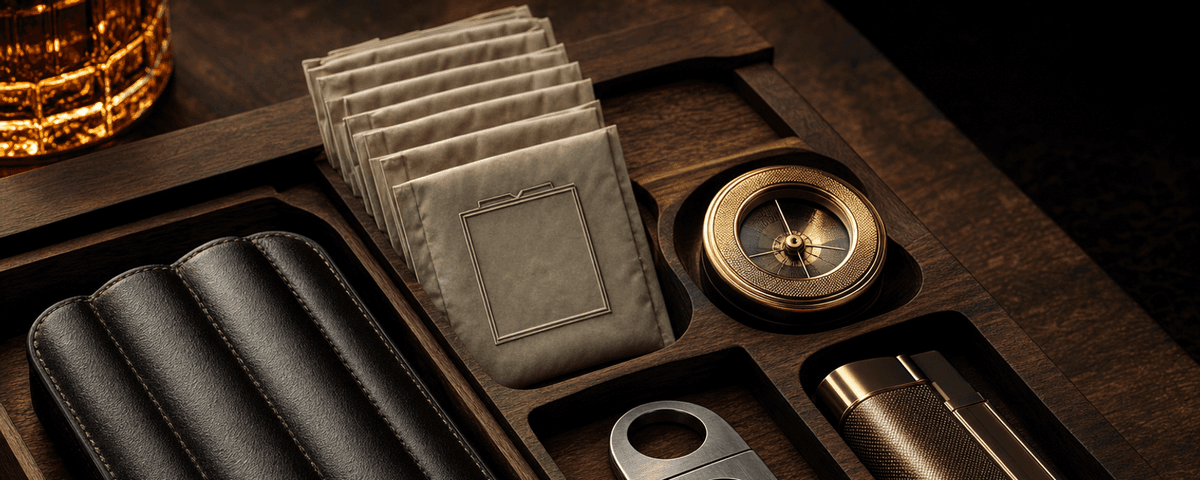
雪茄剪 / 打火機 / 雪茄盒 / Boveda
W Cigar 配件官網 · 專營雪茄配件正品
加 LINE 好友 · 文化諮詢
文化空間資訊 · 紳士沙龍 · 私人包場
本網站內容僅供雪茄文化、歷史、收藏與品吸知識研究參考。菸品有害健康、未滿法定年齡者請勿吸菸。實際規範請依所在地法律為準。
吸菸有害健康・戒菸專線 0800-636363・本站僅供 20 歲以上成年人閱覽。
讀到這裡,你不只是路過的人
留下 Email,加入 W 雪茄聖經內圈——總編輯 Wilson Tsai 親選的學院深文與國際新訊,先你一步送到信箱。
· 教育用途非銷售 · 隨時一鍵退訂 · Email 絕不對外公開 · 由勝茄股份有限公司營運
同分類延伸閱讀
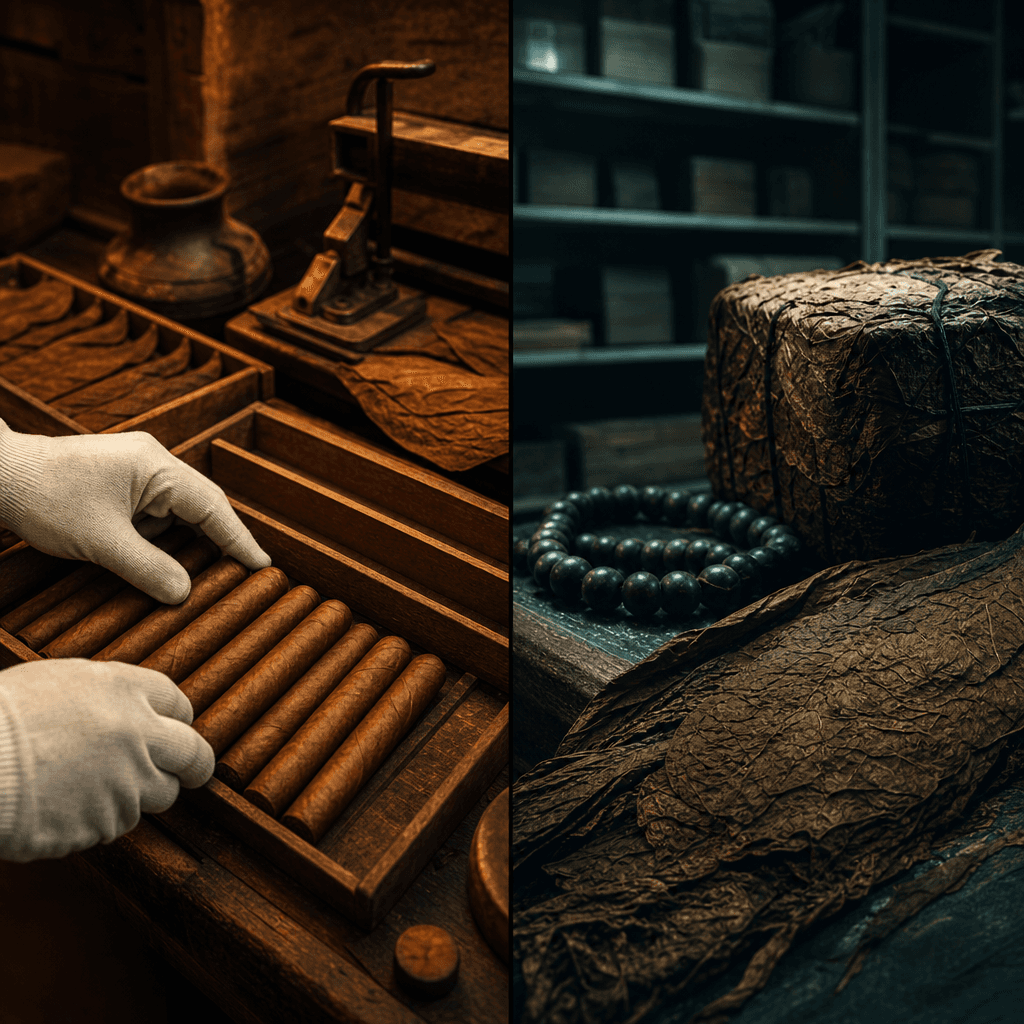
資料來源:W Cigar Bible 編輯部整理 · 雪茄王子 Wilson Tsai 親自審稿
本文僅供雪茄文化、歷史、收藏與品鑑知識研究,不作為菸品促銷、銷售或購買建議。吸菸有害健康,未滿二十歲不得吸菸。