雪茄的品鑒儀式:從古至今的文化探究
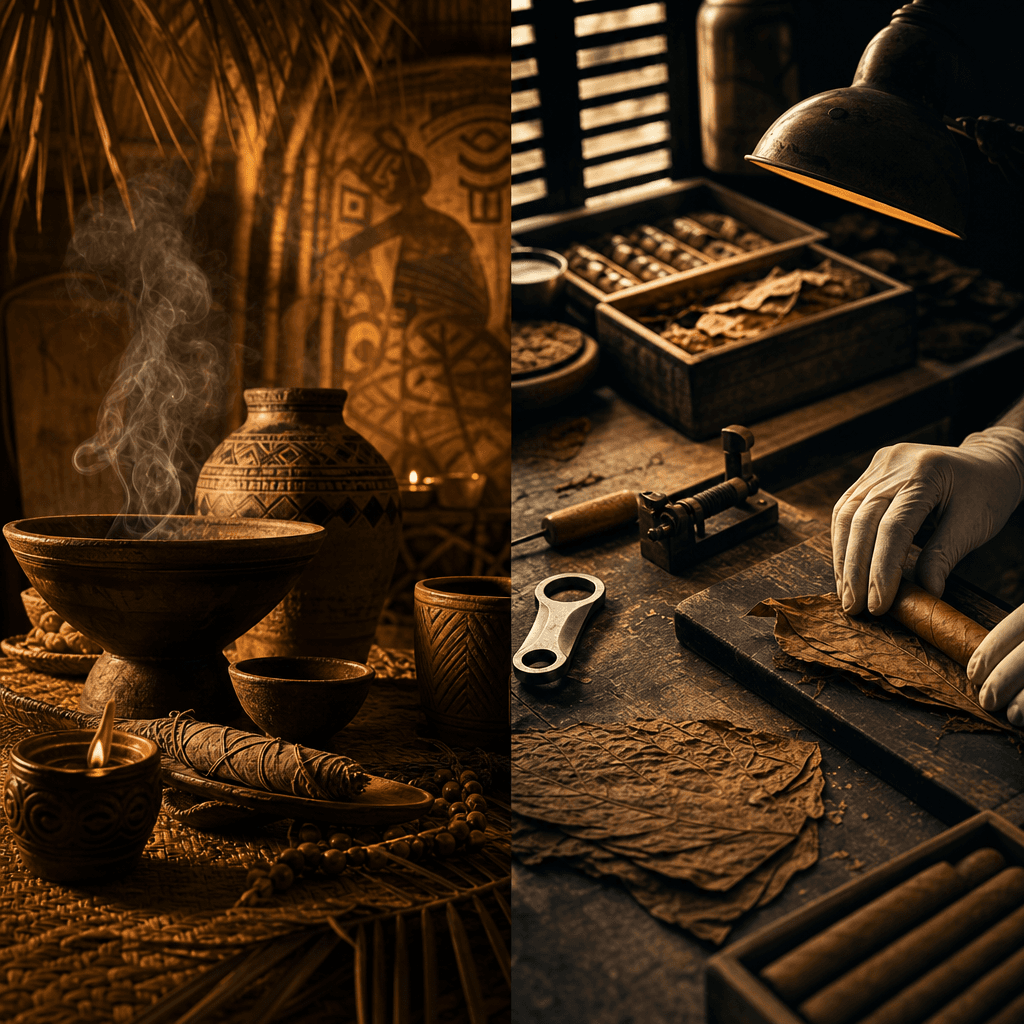
雪茄的魅力在於其背後的文化與儀式,從古代的祭祀到現代的社交,雪茄承載了時間與人情。入門者在學習品味的同時,更應理解雪茄的歷史與品牌故事,這些都能增添品鑒的深度。雪茄的品鑒過程分為前、中、後段,每一段的風味變化都值得細細品味。現代雪茄文化不僅限於古巴品牌,還包括多明尼加、尼加拉瓜等地的獨特風格。了解不同產區的特性,能讓每一次的品鑒更具意義。
- 雪茄的品鑒儀式強調尊重與緩慢,讓人感受文化的深度與歷史的脈絡。
- 哈瓦那的雪茄工坊傳統中,朗讀者的存在讓雪茄文化與文學結合,增添品鑒的層次。
- 現代品鑒重視風格與情境的搭配,鼓勵入門者比較不同產區與品牌的特性。
The Ritual of Cigar Tasting: A Cultural Exploration from Ancient Times to the Present
As the editor of the "Cigar Bible," I often feel that the allure of cigars lies not only in their flavor but in how they encapsulate time, craftsmanship, locality, and human connection into a slow ritual. Once beginners learn to savor and exhale, the real journey begins in understanding the cultural grammar behind each cigar.
The so-called tasting ritual is not about making the actions complex but understanding why it needs to be slow, why one should examine the wrapper, and why the first puff should not lead to a hasty conclusion. From ancient tobacco rituals to modern cigar lounge etiquette, each step carries centuries of evolution.
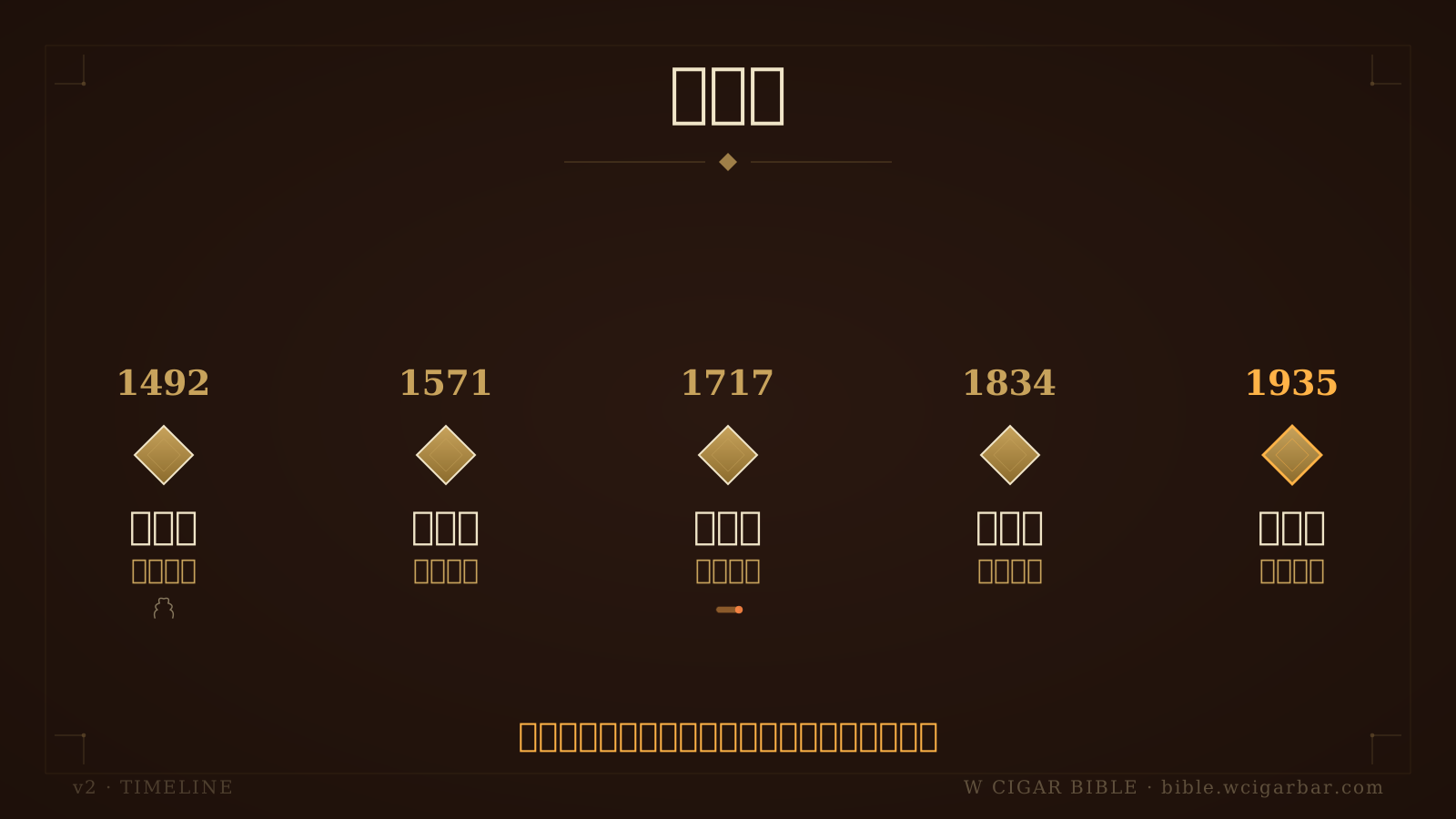
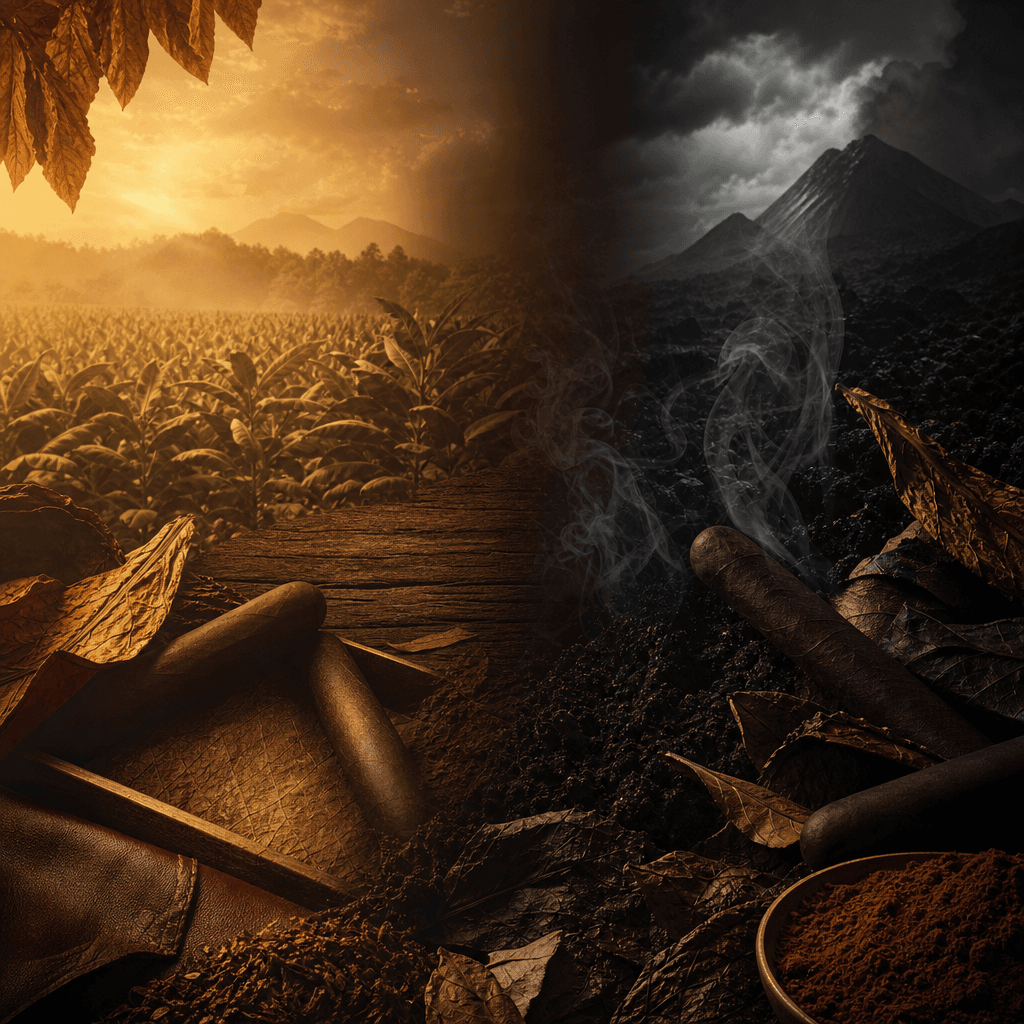
時間軸呈現煙草儀式從加勒比到品牌文化的演變
From Rituals to Socializing: The Origins of Cigar Rituals
When discussing cigar rituals, the story often begins in 1492 when Columbus arrived in the Caribbean. Europeans recorded the Taíno and other indigenous peoples using dried tobacco leaves to communicate with spirits, ancestors, or natural forces through smoke. At that time, tobacco was not a leisure item but a symbolic medium; the rising smoke represented prayers, promises, and respect.
By the 16th century, tobacco had entered European courts and port cities via Spanish and Portuguese trade routes. In 1571, Spanish physician Nicolás Monardes documented various uses of tobacco in his writings, transforming it from a New World curiosity into a subject of discussion. Although modern understanding of health is clearer, historically, tobacco was indeed endowed with medicinal, diplomatic, and class symbolism.
The earliest cigar rituals were not about showing off but about expressing respect and order through smoke. Beginners who focus only on cutting, lighting, and savoring may miss its transition from ritual to social context. Today, when we observe, pause for a few seconds before lighting, and ensure the setting is appropriate, we are preserving the ancient spirit of "respect first, enjoy later."
The Golden Age of Havana: Brands, Workshops, and Gentlemanly Etiquette
After the 18th century, Cuba gradually became the center stage for high-quality cigars. In 1717, the Spanish Crown implemented a tobacco monopoly, bringing the cultivation, purchase, and export of Cuban tobacco under imperial management. By the 19th century, Havana saw the emergence of numerous workshops and brands: Por Larrañaga was founded in 1834, Punch took shape around 1840, H. Upmann was established in 1844, and Partagás gained fame in 1845.
These brands were not just trademarks; they formed the urban culture of cigar etiquette. The 19th-century Havana workshops had a tradition of "readers" who would read newspapers, novels, or political articles while workers rolled cigars. Romeo y Julieta, founded in 1875, took its name from literature; Montecristo, launched in 1935, is also linked to the legend of "The Count of Monte Cristo" being read in workshops.
The Golden Age of Havana transformed cigars from agricultural products into cultural products, making brand stories part of the tasting experience. Therefore, when I pick up an H. Upmann or Partagás, I don’t just ask if it’s strong but first consider the workshop character it represents: the former is often associated with elegance and balance, while the latter is described as having a distinct structure and strong presence. Understanding brand history and style can add context to each tasting.
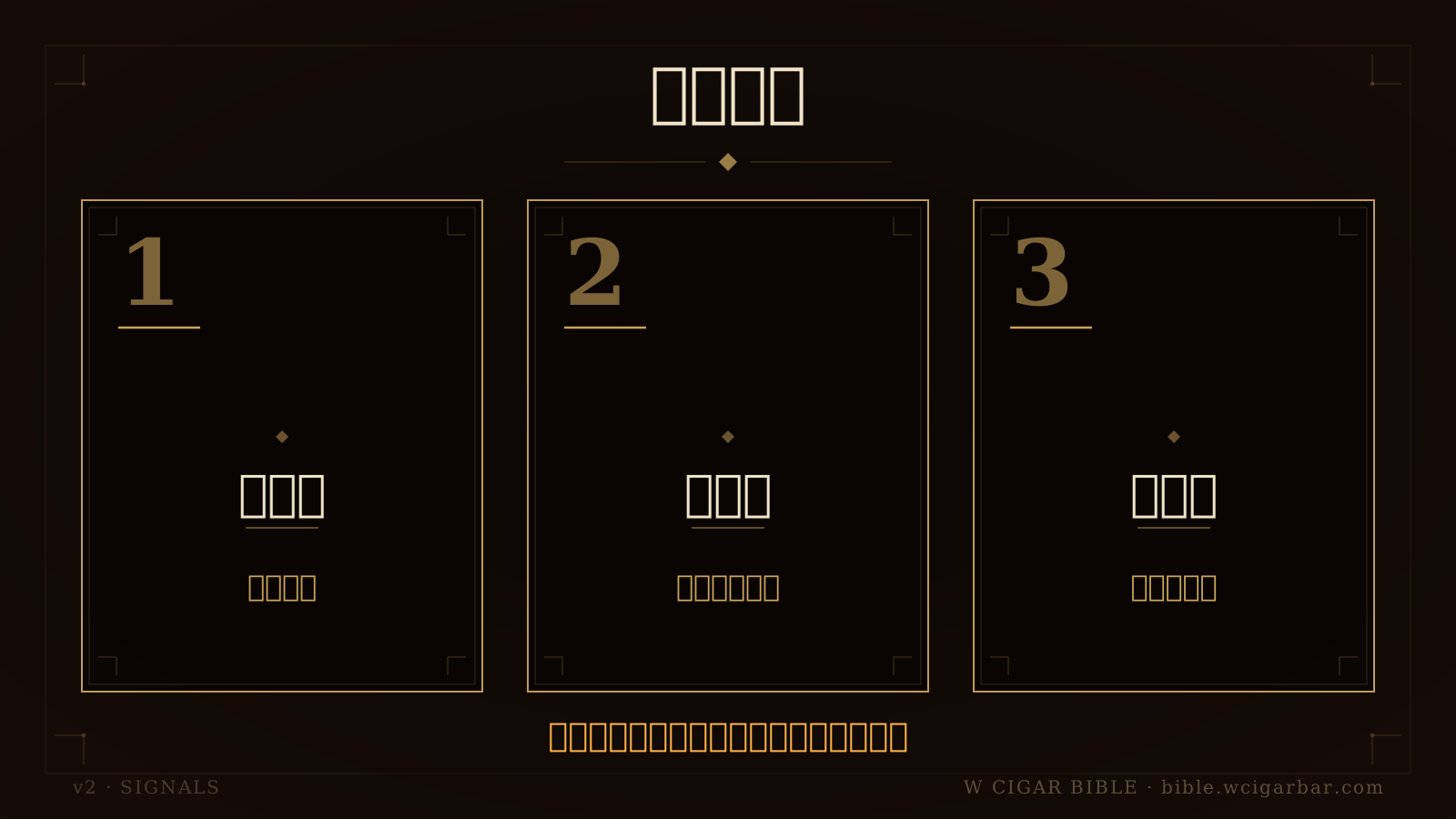
三張卡列出雪茄品鑒的尊重背景與記錄重點
The Opening of a Cigar: Observation, Scent, Cutting, and Lighting
Beginners are most likely to turn the ritual into a performance, but the correct rhythm is more important. Before starting, I observe the wrapper color, sheen, veins, and texture. Colorado, Claro, Maduro, and other shades do not guarantee strength but provide clues; for example, dark wrappers may bring impressions of cocoa, coffee, or molasses, while light wrappers often evoke hay, nuts, or creamy sensations.
Next is scent and dry draw. The foot of the cigar often reveals aromas of grains, wood, spices, or earth; the draw resistance before lighting is also worth noting. When cutting, it’s not about cutting as deep as possible; usually, just opening the cap is enough to preserve the structure. For parejo straight cigars, a straight cut is most stable; for figurado torpedoes, the opening can be adjusted based on draw resistance.
- Observation: Wrapper, oil, and rolling uniformity
- Scent: Dry aroma from the foot and body
- Dry draw: Check draw resistance and unlit flavors
- Lighting: Toast the foot first, then evenly rotate to ignite
A good opening is not about seeking grandeur but minimizing errors, allowing the cigar to unfold at its original pace. When lighting, I prefer to evenly heat the foot of the cigar before gently drawing to ignite, avoiding direct flames that can cause bitterness. This minute may seem slow, but it determines whether the initial phase is clean.

矩陣比較前段中段後段在風味觀察與記錄上的差異
Three-Stage Tasting: Why Cigars Are Divided into Early, Middle, and Late Stages
Unlike a shot of espresso that can be judged in a few sips, a cigar requires time. For a 5-inch Robusto with a ring gauge of 50, the full experience often takes 45 to 70 minutes; a 7-inch Churchill may require over 90 minutes. The concepts of early, middle, and late stages are meant to record how flavors change with burning temperature, tar accumulation, and leaf composition.
The early stage often reveals whether the lighting was clean and typically presents brighter wood, herbal, or creamy notes. The middle stage is the core for many cigars, where sweetness, spices, nuts, leather, or coffee tones gradually unfold. The late stage increases in strength; if the pace is too fast, it can become spicy and bitter; if stable, it may reveal concentrated cocoa, roasted wood, black pepper, or mineral notes.
The purpose of three-stage recording is not to write flavors like an exam but to train oneself to recognize changes. I recommend beginners use a 1 to 5 scale to mark strength, sweetness, spiciness, and aftertaste, then use three keywords to record each stage. For example, Cohiba Siglo VI is often discussed for its creamy, grassy, honey, and woody layers; Partagás Serie D No.4 is often observed for its transitions of earth, spices, and leather. Brand impressions need not be standard answers but can serve as training references.
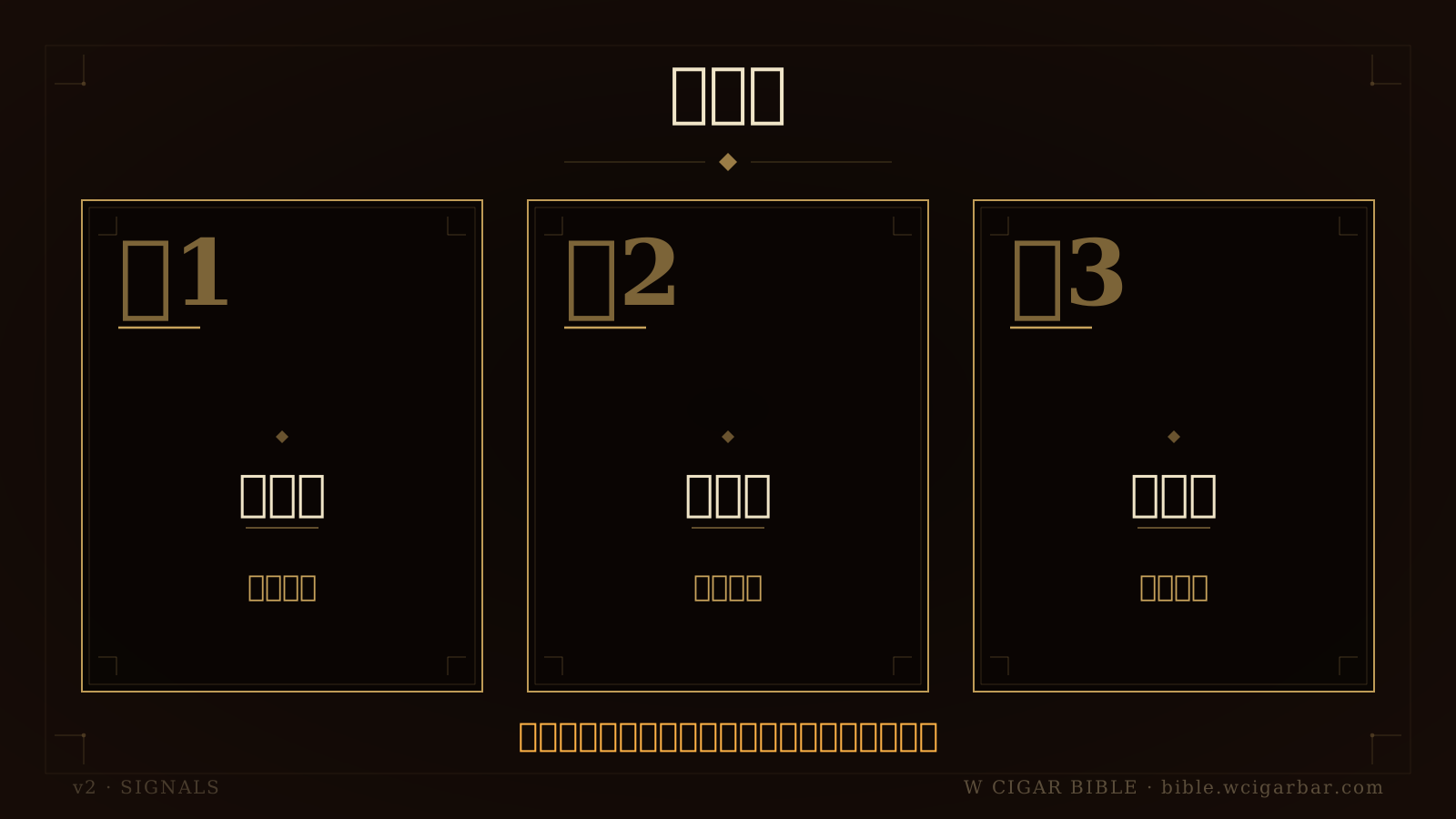
三張卡指出追名氣剪太深與節奏太快等常見誤解
The Core of Etiquette: Respect for People, Space, and Time
The first rule of cigar etiquette is not about how to hold it but about spatial awareness. From 19th-century European clubs to 20th-century hotel cigar rooms to modern urban cigar spaces, the core is "shared air." Even in permitted locations, one should be mindful of wind direction, distance from neighbors, and the feelings of companions. If cigar culture loses respect, it becomes mere self-performance.
Ash columns are also a common etiquette topic. Some like to keep long ashes, believing it stabilizes burning temperature; but if the ash column exceeds 2 to 3 centimeters and wobbles, it should be gently placed on the ashtray edge to fall naturally, without forceful tapping. Avoid waving the cigar around during conversation, and do not place it on the rim of a glass or plate, as these details directly affect others’ perceptions.
A truly mature cigar ritual is about slowing oneself down and making those around feel respected. In business settings, I usually suggest waiting for the host or senior person to start; if sharing cigar information, avoid being condescending. Cigars can initiate conversation but should not create pressure. The essence of etiquette is turning personal enjoyment into measured social interaction.
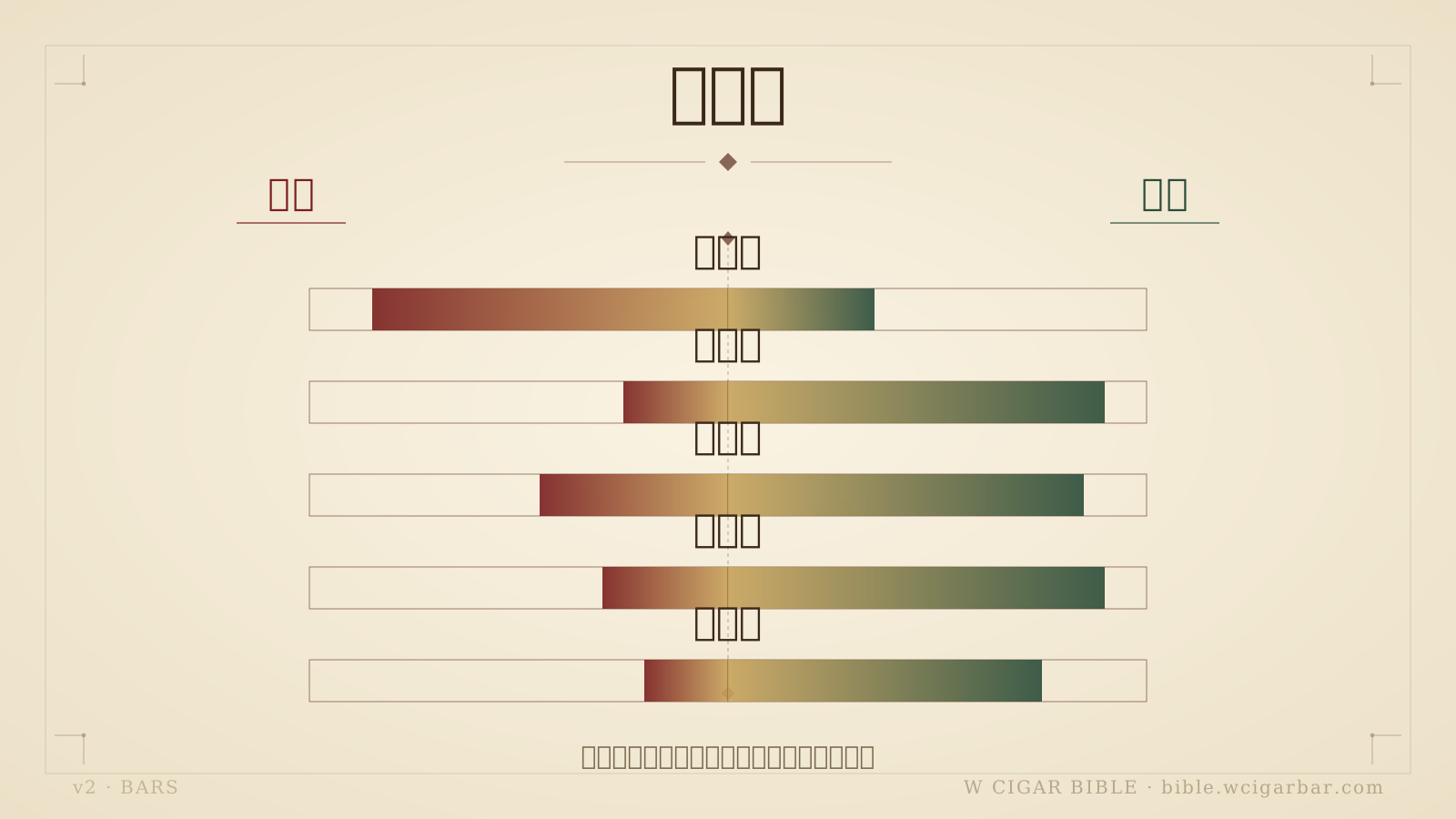
長條圖比較表演取向與理解取向在五個面向的差異
Modern Changes: From Cuban Classics to New World Styles
After the U.S. embargo on Cuba in 1962, the cigar world saw a clear split. On one hand, Cuban brands like Cohiba, Montecristo, Partagás, and Hoyo de Monterrey maintained their classic status; on the other, regions like the Dominican Republic, Nicaragua, and Honduras rapidly developed. Brands like Arturo Fuente, Padrón, Davidoff, and Oliva have given New World cigars a distinct voice from the late 20th to the 21st century.
Padrón 1964 Anniversary Series is often cited as an example, named for the brand’s 30th anniversary, emphasizing Nicaraguan tobacco and box-pressed shapes; Davidoff, after ending its Cuban cigar collaboration in 1991, gradually established a new elegant style with its Dominican line. These changes mean that tasting no longer revolves around a single origin but enters comparisons of soil, seeds, fermentation, and rolling philosophy.
| Region | Common Impressions | Representative Brand Examples | Tasting Tips |
|---|---|---|---|
| Cuba | Woody, herbal, mineral, subtle changes | Cohiba, Partagás | Pay attention to middle-stage layers |
| Dominican Republic | Elegant, creamy, floral, balanced | Davidoff, Arturo Fuente | Suitable for practicing details |
| Nicaragua | Rich, spicy, cocoa, powerful | Padrón, Oliva | Controlling pace is important |
| Honduras | Woody, leathery, dry spices | Camacho, etc. | Watch late-stage temperature |
The focus of modern tasting is shifting from "which is best" to "which style suits the context." Beginners who can compare regions, brands, and sizes separately are less likely to be led by single reputations.
Aging and Collecting: How Time Participates in the Ritual
The relationship between cigars and time is easily romanticized but requires rationality. General storage should aim for a relative humidity of 65% to 72% and a temperature of about 16°C to 20°C, with stability being more important than extreme precision. Too humid can cause mustiness and uneven burning; too dry results in sharp flavors and brittle wrappers. The task of a humidor or humidification box is not to perform magic on cigars but to maintain a predictable state.
Aging refers to the gradual integration of tobacco leaves and finished cigars in a suitable environment. Some boxed Cuban cigars may soften their spiciness after 3 to 5 years, with wood and sweetness becoming more harmonious; but not all cigars improve with age. Some New World cigars are highly complete upon release, and aging too long can diminish their distinctive spice and vitality.
The core of collecting is not accumulating years but mastering sources, storage records, and box-opening observations. When discussing collectible appreciation, it doesn’t guarantee value increase; it depends on source preservation and market conditions. For example, certain discontinued, limited editions, or specific box codes from the early 2000s have indeed seen increased market discussion, but if stored improperly, with incomplete box conditions or unclear sources, both value and experience will be greatly reduced. For beginners, learning to stably store 10 cigars is more practical than chasing rare lists.
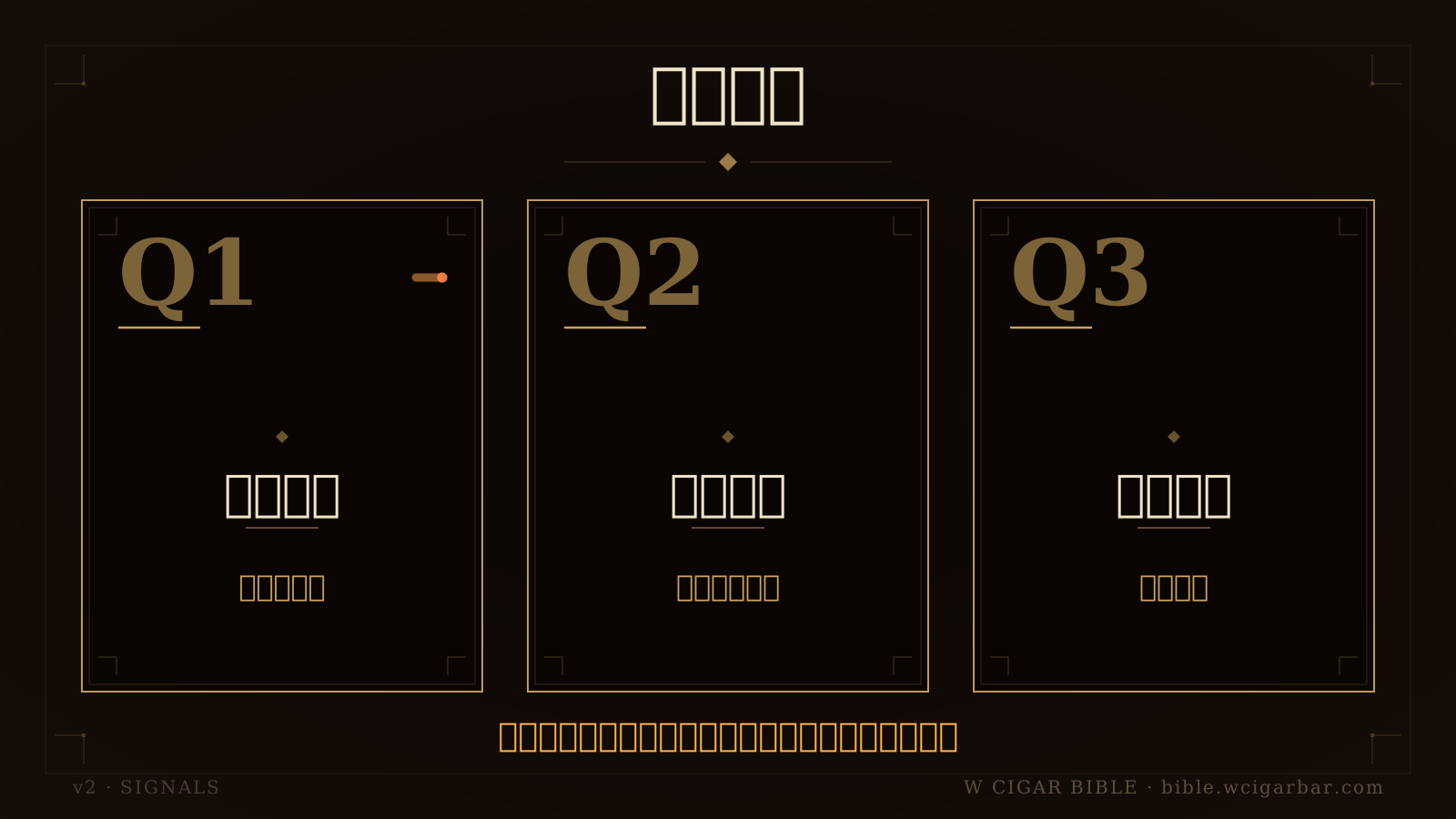
快問快答列出品牌起點剪切破裂與搭配飲品建議
Emotion and Memory: Why the Same Cigar Can Be Different Each Time
Many people ask me: Why does the same cigar feel amazing the first time but ordinary the second? The answer often lies not only in the cigar but also in yourself. What you ate, your mood that day, humidity, burning speed, pairing drinks, and conversation partners all change the experience. Cigar tasting is a sensory experience and a memory experience.
I once compared the same Montecristo No.2 in two settings: once after dinner with unsweetened tea, and once in the afternoon with sparkling water. The former highlighted wood, cocoa, and leather notes; the latter amplified hay, nuts, and slight acidity. The cigar itself didn’t completely change, but the taste reference points did, and the records naturally differed.
Tasting notes are not just for future ratings but for preserving the emotions and context of the moment. I suggest recording five items each time: date, storage condition, dietary background, three-stage flavors, and overall mood. Looking back a few months later, you’ll find you’re not only getting to know brands but also understanding your own rhythm. The most precious aspect of the cigar ritual is often not finding a standard answer but being willing to carve out an honest moment in a busy life.
Frequently Asked Questions
Do beginners have to start with Cuban brands?
Not necessarily. Cuban brands have a rich history, but the Dominican Republic, Nicaragua, and Honduras also have distinct styles. Beginners can choose 3 to 4 cigars from different regions and similar sizes, such as Robusto or Corona, to compare and more easily see differences. Building comparison skills is more important than chasing fame.
Why does the cigar often crack when cutting?
It’s mostly related to the cigar being too dry, dull cutters, or cutting too deeply. First, check if the storage humidity is stable, then use sharp cutters, and cut just the cap end. For torpedo shapes, cut a small amount first, and adjust if the draw is too tight, avoiding cutting too much at once.
Why shouldn’t you smoke too fast?
A fast pace increases burning temperature, making spiciness, bitterness, and off-flavors more pronounced, and can make the late stage rough. Generally, take a puff every 45 to 60 seconds, adjusting based on burning conditions. Slow is not pretentious but allows flavors time to unfold.
Does pairing cigars with alcohol make it complete?
Not necessarily. Whiskey, rum, and cognac are common, but unsweetened tea, black coffee, and sparkling water are also great for practicing taste. If you want to focus on identifying the cigar itself, water or light tea can reduce interference, especially suitable for beginners taking notes.
Do tasting notes need to be very professional?
No need to start with fancy vocabulary. First, write down recognizable flavors like wood, coffee, nuts, pepper, cream, and earth, then add strength and aftertaste. After recording 20 cigars, you’ll naturally form your own flavor dictionary.
In my view, the ritual of cigar tasting is not an excuse to slow down life but a reminder that good things require patience, understanding, and moderation. From ancient smoke to modern etiquette, what truly remains is not the posture but the respect. May you always think about where it comes from, whose hands made it, and what time it represents before lighting up; when you view cigars this way, flavors become more than just taste—they become part of your memory.
—Cigar Prince Wilson Tsai
Smoking is harmful to health. No smoking under the age of twenty. Quitline: 0800-636363. This article is intended for adults over the age of twenty as a reference for cigar culture, storage, and regulations, not as an advertisement, promotion, or purchase suggestion.
Like this article?Share with friends
Share this W Cigar Bible piece with friends who want to learn cigar culture, storage, and tasting.
想把這篇 化為實踐
雪茄聖經是知識;雪茄文化要在空間裡發生

W Cigar Bar 大安總店資訊
台北大安區 · 雪茄聖經總編輯 Wilson Tsai 主理的雪茄文化空間
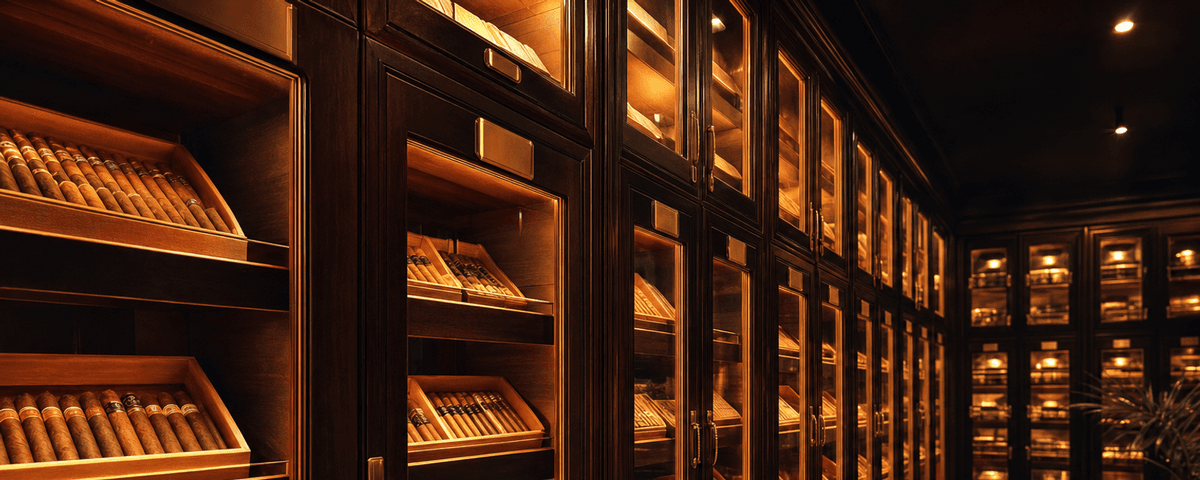
33 座 24 小時恆溫恆濕醇化室
W Cigar Bar 提供的會員醇化空間 · 場地資訊請洽編輯部
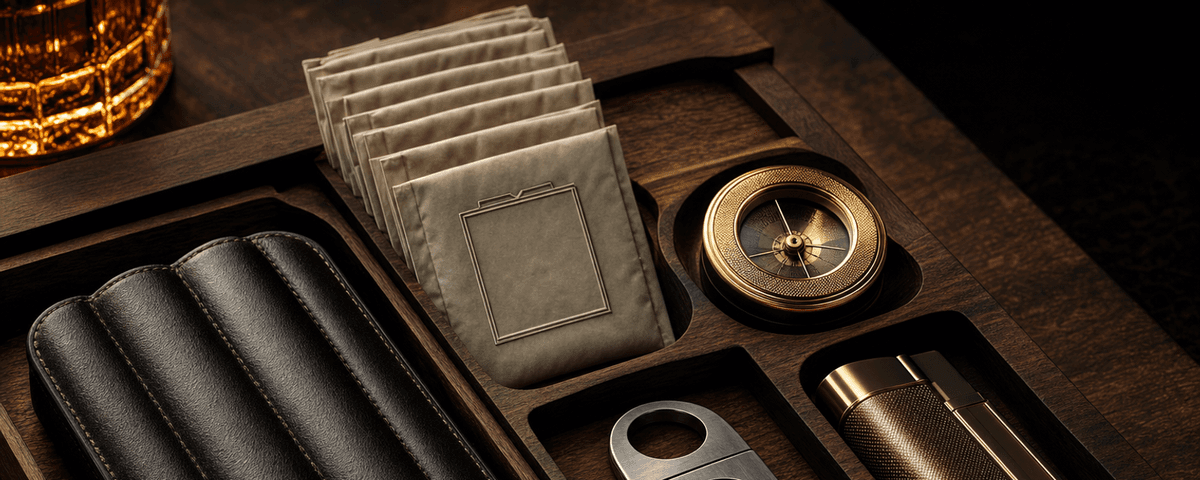
雪茄剪 / 打火機 / 雪茄盒 / Boveda
W Cigar 配件官網 · 專營雪茄配件正品
加 LINE 好友 · 文化諮詢
文化空間資訊 · 紳士沙龍 · 私人包場
本網站內容僅供雪茄文化、歷史、收藏與品吸知識研究參考。菸品有害健康、未滿法定年齡者請勿吸菸。實際規範請依所在地法律為準。
吸菸有害健康・戒菸專線 0800-636363・本站僅供 20 歲以上成年人閱覽。
讀到這裡,你不只是路過的人
留下 Email,加入 W 雪茄聖經內圈——總編輯 Wilson Tsai 親選的學院深文與國際新訊,先你一步送到信箱。
· 教育用途非銷售 · 隨時一鍵退訂 · Email 絕不對外公開 · 由勝茄股份有限公司營運
同分類延伸閱讀
資料來源:W Cigar Bible 編輯部整理 · 雪茄王子 Wilson Tsai 親自審稿
本文僅供雪茄文化、歷史、收藏與品鑑知識研究,不作為菸品促銷、銷售或購買建議。吸菸有害健康,未滿二十歲不得吸菸。