雪茄的品味層次:從口感到文化的深度剖析
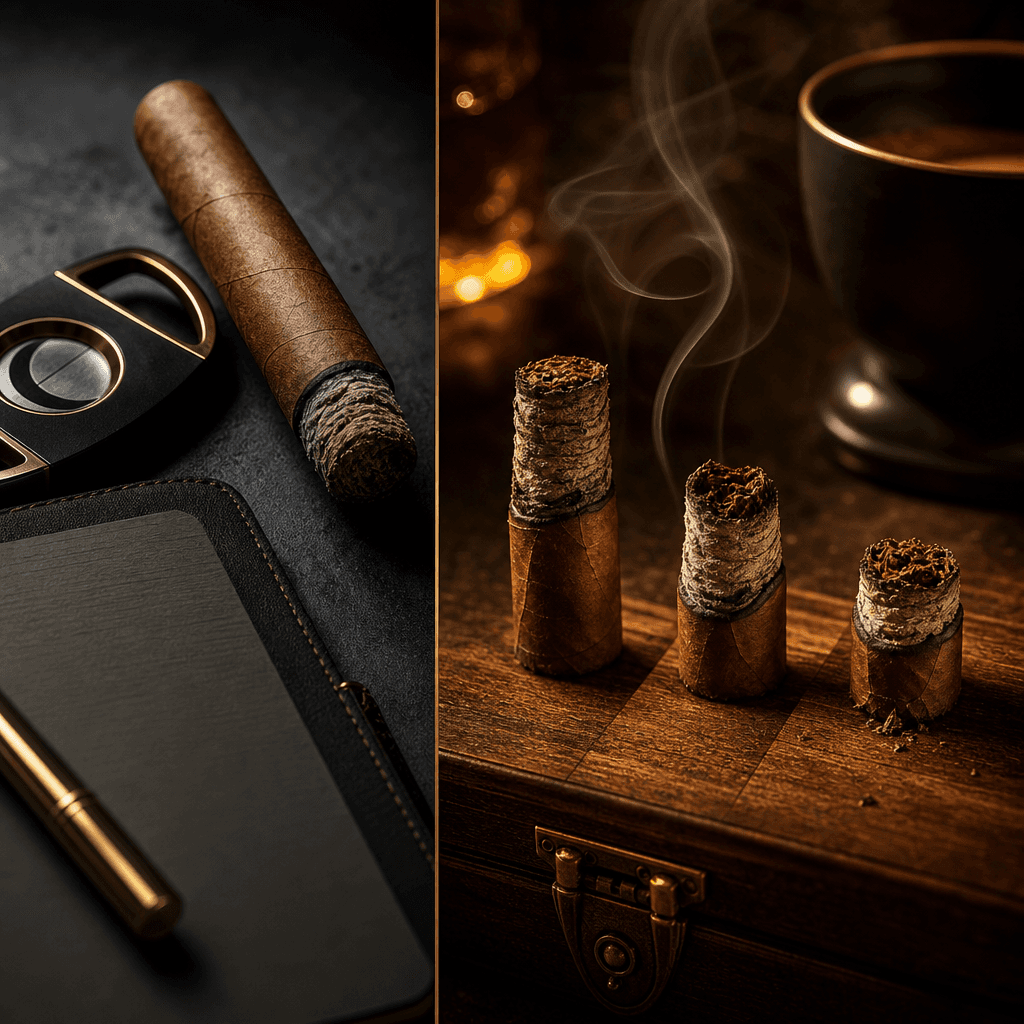
雪茄的魅力不僅在於味道,更在於從點燃到熄滅的變化過程。入門者應學會理解雪茄的層次,包括口感、香氣及結構。三段式品味法能幫助觀察雪茄的變化,從前段的草本與蜂蜜到後段的辛香與皮革,細節往往更能打動人心。強度、濃郁度和平衡是品味的關鍵,尺寸則影響燃燒節奏與風味釋放。文化背景也影響品味習慣,無論是古巴、歐洲還是美式風格,了解這些差異能提升品味體驗。
- 雪茄的品味層次可分為三段式,前段、中段和後段各有不同的口感與香氣變化。
- 強度、濃郁度和平衡是品味雪茄的三個重要概念,需加以區分與理解。
- 雪茄的保存與醇化對其風味表現至關重要,適當的環境能提升口感層次。
The Taste Layers of Cigars: An In-Depth Analysis from Flavor to Culture
I often say that the allure of cigars is not just about "what flavors you get," but whether you can read the changes of a cigar from lighting to finishing as a rhythmic story. After beginners learn the basics of tasting, the next step is to understand the layers: how flavor, aroma, structure, culture, and etiquette intertwine.
As the editor of "Cigar Bible," I've seen many people initially chase brands, ring gauges, or origins, only to realize years later that the details often leave a lasting impression: the woody notes of the first puff, the creamy sensation of the second segment, the spiciness of the last third, and the occasion and mood in which you experience it.
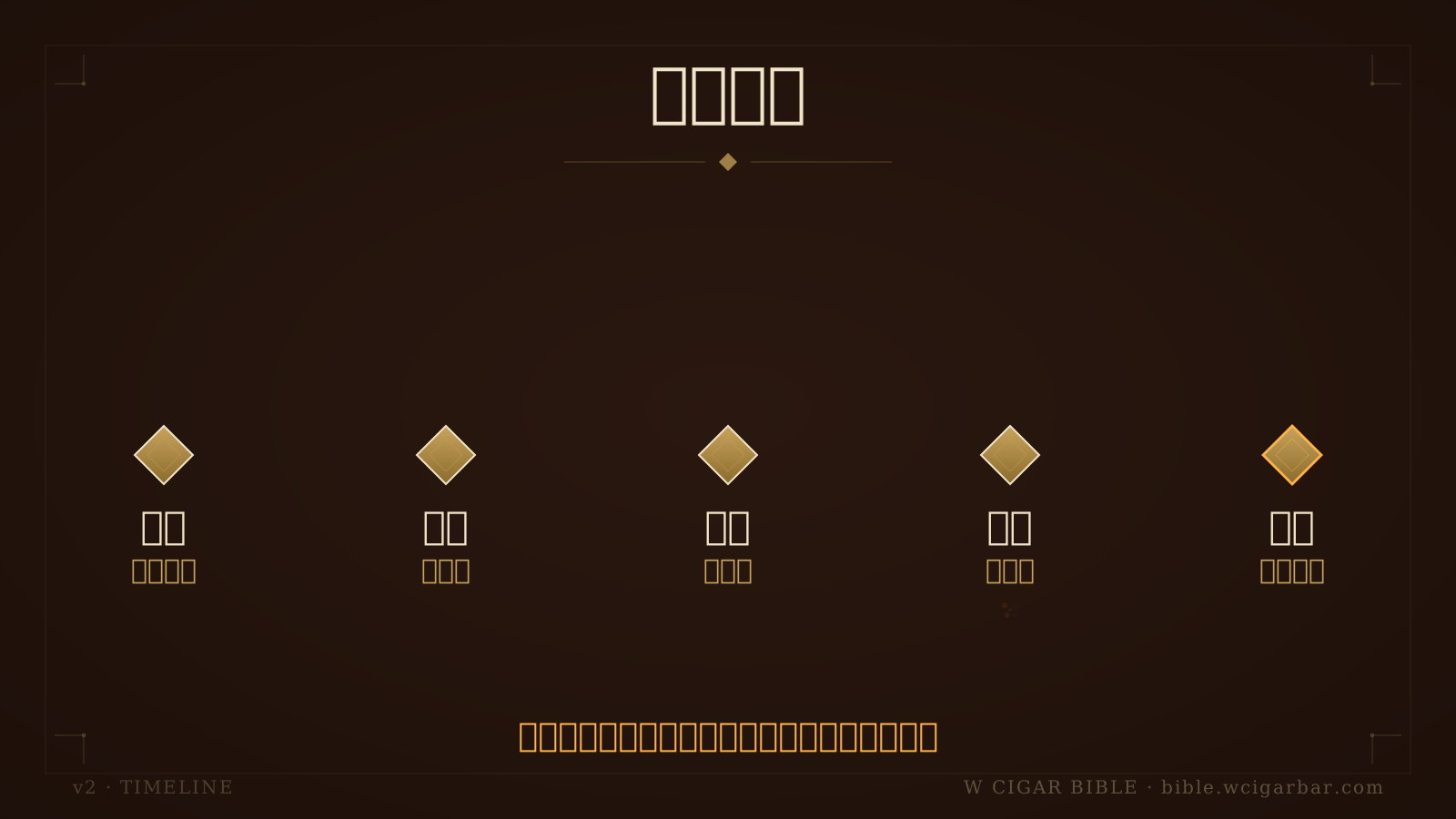
時間軸顯示從剪點到收尾的五個品味觀察步驟
Understanding a Cigar's Layers Through the "Three-Stage" Approach
Most cigars can be observed in three stages: the first third, the middle third, and the last third. Take the Cohiba Siglo VI, for example, a model introduced in 2002 with a ring gauge of 52 and a length of about 150 mm. The first stage often features herbal, honey, and light nutty notes; the middle stage transitions to creamy, cedar, and roasted sensations; and the last stage becomes more pronounced with spiciness and leather. The three-stage approach is not a formula but a map to help you establish an order of observation.
If you only evaluate it as "good" or "not to my taste," you might easily miss its transitions. A pyramid-shaped cigar like the Montecristo No.2, with its tapered head, has a smoke concentration greatly influenced by the size of the opening; cut too deep, and the first stage might be too intense; cut too shallow, and it might be too hard to draw. This is not about brand quality but the differences caused by structure and technique.
Beginners can record at 15-minute intervals: write a sentence at 5 minutes, 15 minutes, 30 minutes, and 45 minutes after lighting. Don't rush to pile on adjectives; first note "strength, sweetness, bitterness, spiciness, smoke volume." Those who record will truly see the changes in a cigar over time.
Flavor and Aroma: Don't Narrow "Taste" Too Much
Many novices ask me, "Why can't I taste cocoa, coffee, leather?" There's no need to worry. The taste of cigars includes taste, smell, oral texture, and aftertaste, not just the sweetness, bitterness, sourness, and saltiness on the tongue. Partagás Serie D No.4 is often described as having earthy, peppery, and roasted woody notes; Romeo y Julieta Short Churchills often feature tea, dried fruit, floral, and mild sweetness. These words are not test questions but communication tools.
A more precise way is to break down the experience into four aspects: what the aroma resembles, the thickness of the mouthfeel, whether the stimulation is on the tip of the tongue or throat, and how long the aftertaste lingers. Nicaragua cigars often have black pepper, cocoa, and dense smoke; Dominican Republic products often have creamy, nutty, and elegant floral notes; Honduras may have woody, spicy, and more direct power. The origin provides direction, but the real answer lies in the formula and storage state of a single cigar.
I suggest beginners build their own vocabulary of 10 words: cedar, toasted bread, coffee, cocoa, cream, nuts, hay, leather, pepper, honey. Choose only 2 to 3 words that are closest each time, and don't force it. Over-pursuing elaborate descriptions will lead you further from the true experience.
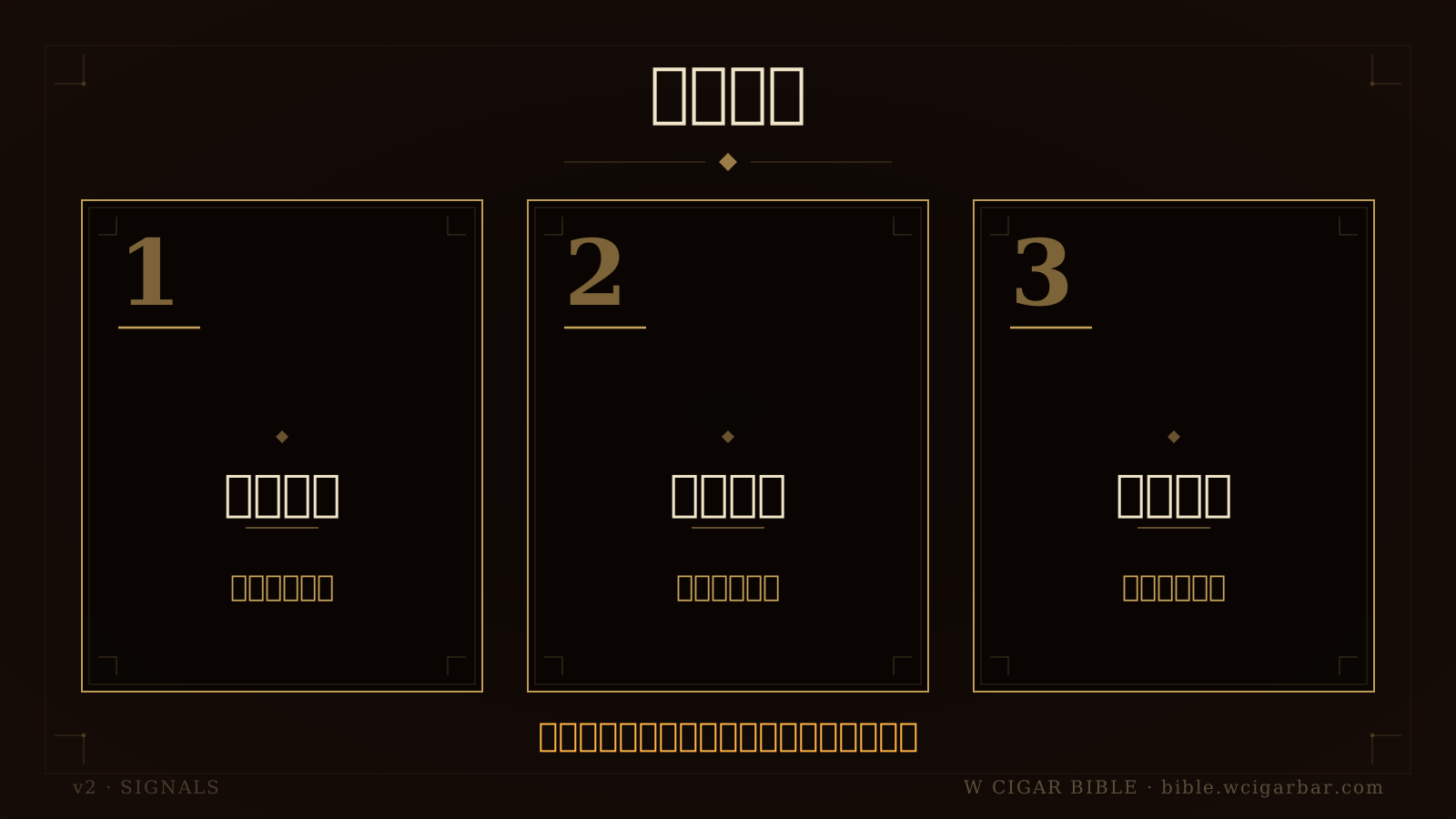
三張重點卡整理三段觀察四面感受與平衡概念
Strength, Richness, and Balance: Three Often Confused Concepts
Strength refers to the physical sensation brought by nicotine, which can be warmth, relaxation, or dizziness; richness refers to the density of flavor, such as whether the smoke is thick or the aroma is full; balance is whether sweet, bitter, spicy, woody, and acidity are harmonious. Davidoff Aniversario series usually has medium strength and delicate flavors, while some Nicaraguan blends with more ligero leaves may have both high strength and richness. Strong does not equal good, rich does not equal high-end, balance is the core of long-term tasting.
Take H. Upmann Magnum 46 as an example, with a ring gauge of 46 and a length of about 143 mm, often considered a representative of medium strength and stable layers. It may not be stunning at first, but the middle stage often has tea, nuts, and mild sweetness, with woody and spicy notes gradually emerging in the last stage. This type of cigar is suitable for practicing "balance": not looking for the loudest flavor but seeing if the elements support each other.
When judging, you can use a scale of 1 to 5: strength 3, richness 4, sweetness 2, spiciness 3, aftertaste 4. After continuously recording 20 cigars, you'll find that your preferences are not abstract feelings but traceable data. Many people think they like strong flavors, but in reality, they just like high richness and may not be able to handle high strength.
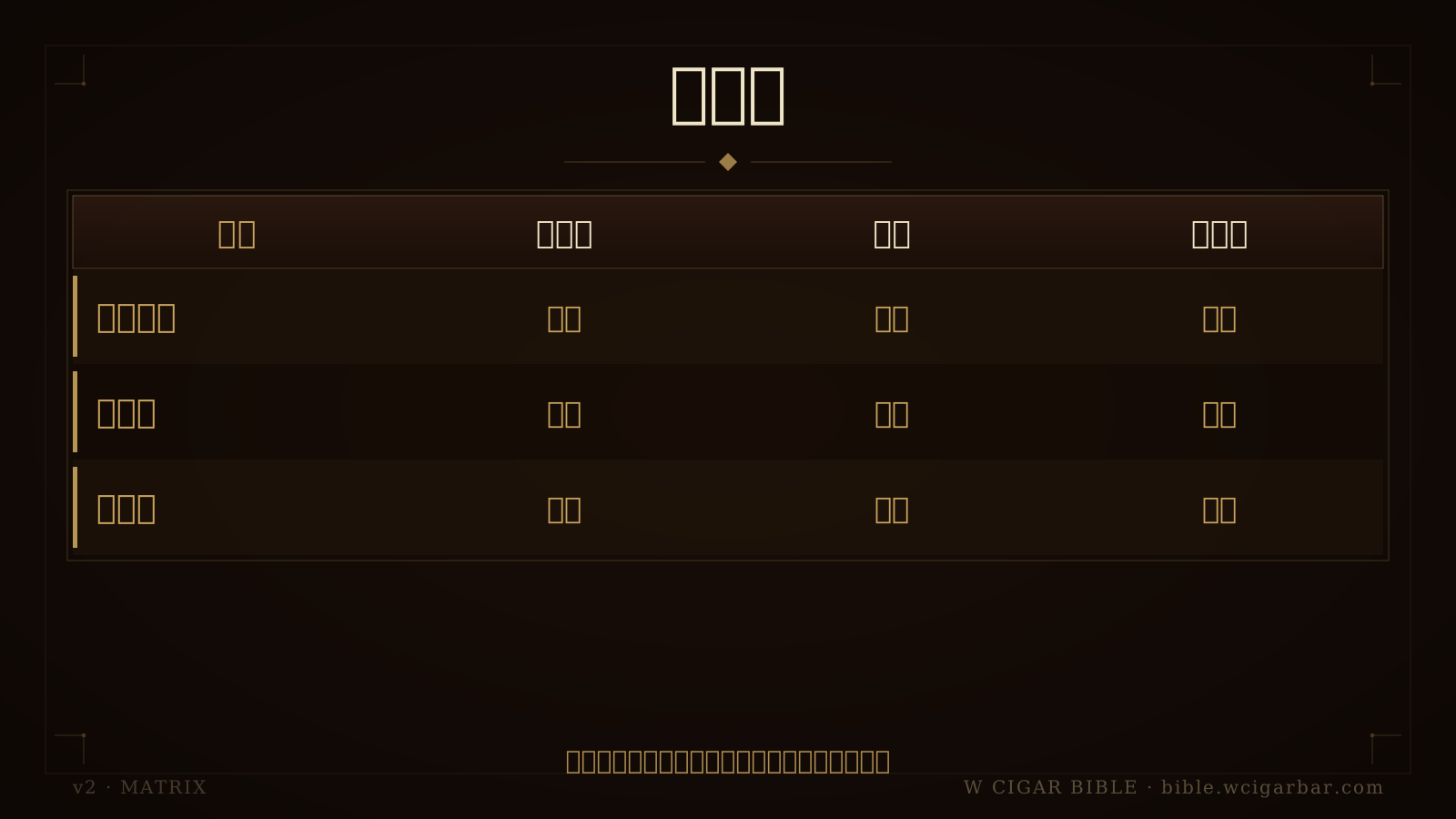
比較矩陣呈現羅布斯皇冠與丘吉爾尺寸的節奏差異
Ring Gauge, Length, and Burning Rhythm: How Size Changes Taste
The flavor performance of the same brand in different sizes can be completely different. Take the Robusto size of Partagás Serie D No.4, with a ring gauge of 50 and a length of about 124 mm, the smoke is direct and the rhythm compact; if switched to a longer Churchill size, the burning time is extended, the temperature is more stable, and the aroma transition may be more detailed. Size is not a difference in appearance but a difference in burning speed, smoke temperature, and flavor release method.
Generally, cigars with larger ring gauges can accommodate more leaves from different parts, offering more blending space and possibly a more rounded mouthfeel; smaller ring gauges like Corona and Lancero have more concentrated burning, and the core personality of the leaves is more easily magnified. Cohiba Lancero, about 192 mm long with a ring gauge of 38, is slender and elegant, and if stored and lit properly, herbal, floral, honey, and woody notes can unfold in a very linear way.
| Size Type | Common Ring Gauge | Common Time | Flavor Impression | Beginner Observation Focus |
|---|---|---|---|---|
| Petit Corona | 40-42 | 30-45 minutes | Direct, clear | Whether it overheats |
| Robusto | 50 | 45-70 minutes | Full, balanced | Middle stage changes |
| Toro | 52-54 | 60-90 minutes | Rounded, thick | Burning stability |
| Lancero | 38-40 | 70-100 minutes | Linear, delicate | Draw resistance and temperature |
A common mistake for beginners is smoking too fast. One puff every 45 to 60 seconds is a rhythm that is easier to maintain temperature; if you puff continuously, the bitterness will appear prematurely in the last stage. Cigars are not like cigarettes that pursue quick intake but use time to exchange for layers.
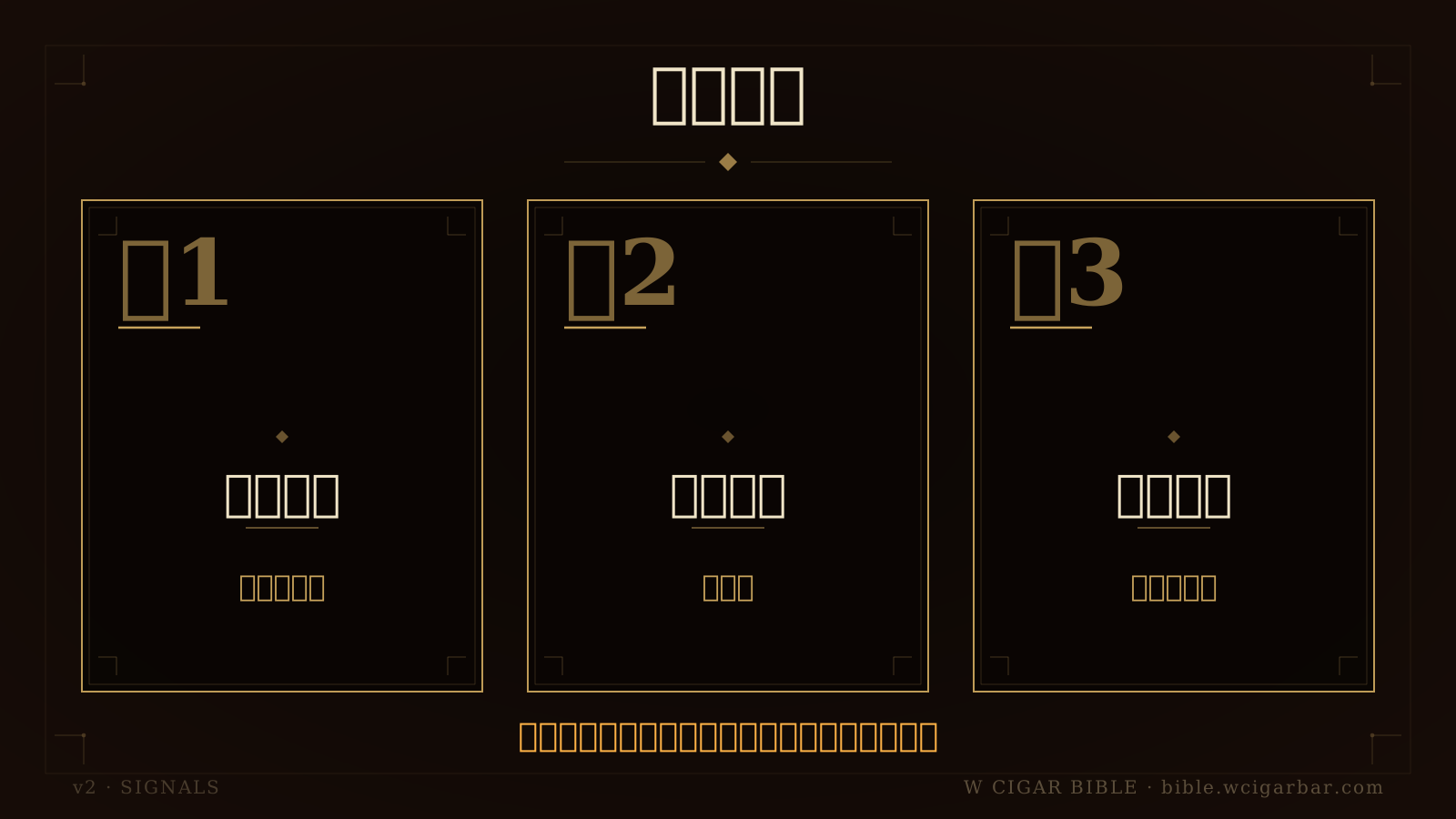
三張錯誤提醒卡指出只看品牌空腹高強與硬配烈酒
Cultural Background: Differences in Cuban, European, and American Tastes
When talking about cigar culture, it's not just about origin but also about taste habits. Cuban tradition values terroir, which is the personality formed by land, climate, planting, and fermentation; like the Vuelta Abajo in the Pinar del Río region, long considered the core area of high-quality Cuban tobacco. Brands like Cohiba, Montecristo, H. Upmann, and Partagás carry different historical tones. Culture influences what flavors people expect and how they evaluate a cigar.
European cigar culture emphasizes post-meal, social, and collection contexts, with deep traditions in the UK, Switzerland, and Spain. Many European players value box numbers, vintages, storage conditions, and aging states; for example, some well-preserved Habanos boxes from around 2014 may exhibit softer wood and dried fruit notes 8 to 10 years later. However, collection and market price do not guarantee appreciation, still depending on source preservation and market.
American taste often sees a preference for more pronounced richness and spiciness, with Nicaraguan, Dominican Republic, and Honduran blending styles rapidly developing after the 1990s. Padrón 1964 Anniversary, Arturo Fuente OpusX, and Liga Privada No.9 represent mature styles in the non-Cuban world. Understanding cultural differences is not about ranking high or low but knowing which language system you are entering.
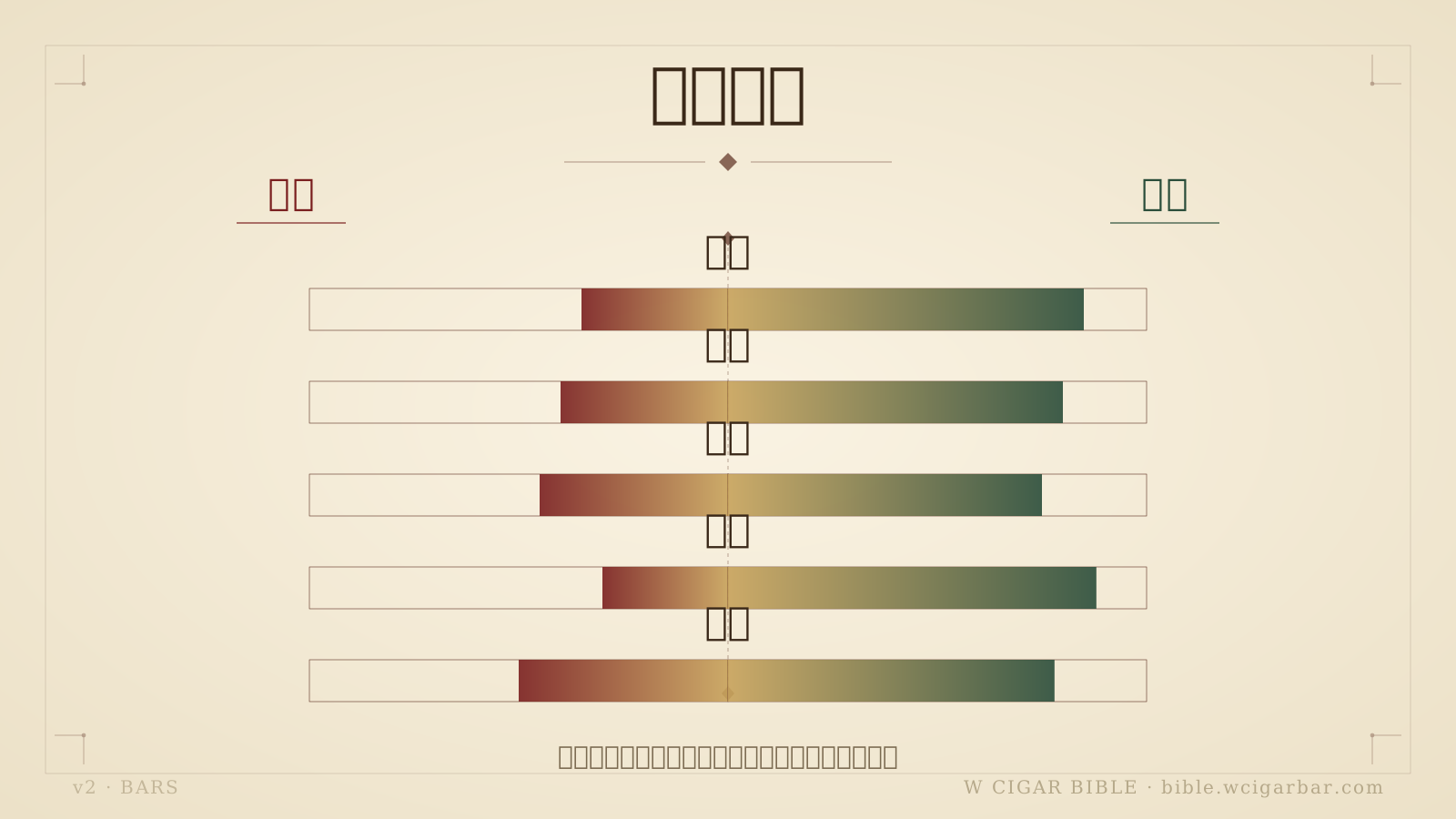
橫向長條比較新手與熟手在記錄節奏詞彙等面向差異
Etiquette and Rhythm: True Elegance Lies in the Details
Cigar etiquette is not about constraints but making yourself and others comfortable. When cutting, don't cut off the entire cap; usually, cutting about 1 to 2 mm is enough. When lighting, avoid letting the flame directly burn the center of the foot for a long time; first toast the edges, then gently draw and rotate to make the burning surface even. The core of good etiquette is not performance but respecting time, space, and others' feelings.
Beginners should also learn to handle ash. Cigar ash doesn't need to be flicked off every time; a stable ash column can help maintain burning temperature. However, in indoor social settings, ash that's too long may fall, so gently place it on the edge of the ashtray when it's about 2 to 3 cm long. If the cigar goes out, first clean the loose ash at the foot, then re-toast, and don't draw hard directly, or the bitterness will be sucked into the mouth.
Some practical principles to remember:
- Don't speak with cigar smoke directed at people.
- Don't pick up someone else's cigar to inspect.
- Don't force others to accept your taste judgment.
- Don't use it in public restricted areas and comply with local regulations.
- Don't judge others' taste by price.
The more you understand cigars, the less you need exaggerated gestures to prove yourself. Quiet, stable, and knowing how to leave space is closer to the spirit of cigar culture.
Preservation and Aging: Whether Layers Can Unfold Is Often Decided Before Lighting
No matter how good a cigar is, improper storage will lose its layers. It is generally recommended to maintain a relative humidity of about 65% to 70% and a temperature of about 18°C to 21°C; if the environment is above 24°C for a long time and humidity is high, there is a risk of mold or tobacco beetles. Over-dryness will cause the wrapper to crack and burn too quickly; over-humidity will increase draw resistance, and the smoke will be stuffy, with increased bitterness. Preservation is not a logistical detail but part of flavor performance.
The value of aging is in allowing the stimulating sensations in the tobacco leaves to slowly integrate, reducing ammonia and sharp spiciness, and making sweetness, wood, dried fruit, and leather more rounded. For example, some Bolivar Belicosos Finos from the early 2010s may have direct power and pronounced earthiness and spiciness when young; after a few years of good preservation, the taste may turn into deeper cocoa, leather, and mature wood. However, not all cigars are suitable for long storage; some short cigars or light blends may have more vitality within 2 to 3 years.
I suggest beginners first establish a stable environment with a small humidifier or electronic temperature-controlled cabinet before discussing vintages. Recording purchase dates, box numbers, humidity curves, and tasting experiences is more important than blindly accumulating stock. If it involves collection and future prices, remember: it does not guarantee appreciation, still depending on source preservation and market.
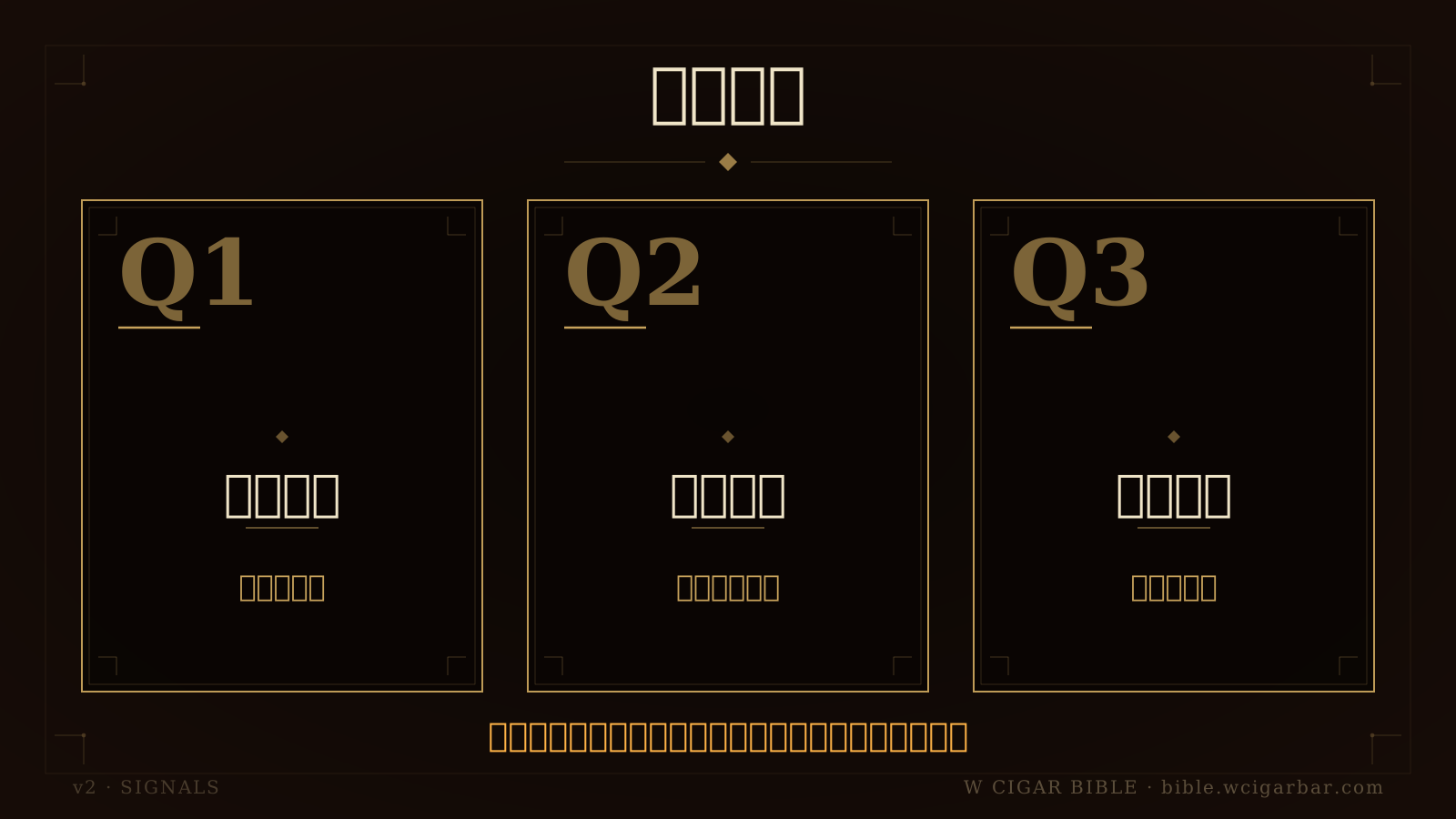
快問快答卡整理中段判斷感受差異與收尾時機
Building Your Own Taste System: Moving from Brand Myths to Personal Judgment
There are many famous brands in the cigar world, but mature enthusiasts don't just look at labels. You can build a taste system from three lines: origin line, brand line, and size line. The origin line compares Cuba, Nicaragua, the Dominican Republic, and Honduras; the brand line compares Cohiba, Montecristo, Davidoff, Padrón, Arturo Fuente; the size line compares Robusto, Toro, Corona, Lancero. True taste is being able to explain why you like something, not just saying which brand is famous.
I often suggest using the "same size comparison method." For example, consecutively choose 5 Robustos: Montecristo Open Master, Partagás Serie D No.4, Romeo y Julieta Short Churchills, Padrón 1964 Exclusivo, Davidoff Grand Cru Robusto. Record burning time, draw resistance, front, middle, and end stages, aftertaste, and physical sensations for each. This comparison shows differences better than jumping to ten different sizes at once.
You can also use the "same brand different sizes" to understand blending language. For example, the rhythm of Hoyo de Monterrey Epicure No.2 and Double Corona is different; the former is easier to experience completely within 60 minutes, while the latter emphasizes long-term unfolding. When you can articulate these differences, you're no longer just a beginner but forming your own judgment.
Frequently Asked Questions
When does a cigar enter the "middle stage"?
Usually, when burning to about 1/3, it can be considered the middle stage, but it doesn't have to be precise to the millimeter. More importantly, observe whether the flavor transitions from the opening aroma of the first stage to a more stable body, such as nuts, wood, cream, or coffee. The middle stage often best reveals a cigar's balance and blending skill.
Why does the same cigar feel different each time?
Storage humidity, lighting method, smoking rhythm, meal status, and taste on the day will all affect the result. Even the same box of cigars may have manual differences. If you consistently find it bitter, stuffy, or with heavy draw resistance three times in a row, check the humidity and burning temperature before immediately dismissing the brand.
Is it suitable for beginners to start with high-strength cigars?
Not recommended. High-strength cigars can cause discomfort if smoked on an empty stomach or too quickly. Start with medium-strength, stable-burning Robustos or Coronas, keeping the time between 45 to 70 minutes, and pair with water, unsweetened tea, or black coffee to keep the palate clear.
Do cigars have to be paired with spirits?
Not necessarily. Spirits can amplify sweetness and spiciness but may also overshadow details. Beginners can first try water, sparkling water, oolong tea, or black coffee, then gradually compare rum, whiskey, or cognac. The purpose of pairing is not to show off but to make the layers of the cigar easier to identify.
Are white spots mold?
Not necessarily. If it's a thin crystal that can be wiped off lightly and has no hairy structure, it may be oil crystallization; if it's fuzzy, spreading, and has an odor, handle it with caution. The most reliable method is to check humidity, smell, and spot morphology, and isolate suspicious cigars for observation if necessary.
Where should you stop smoking a cigar?
Usually, when about 3 to 4 cm is left, the temperature rises, and bitterness and spiciness increase; if you feel the flavor is unbalanced, let it naturally extinguish. Don't force yourself to "finish" it. The end of a cigar is also a taste judgment.
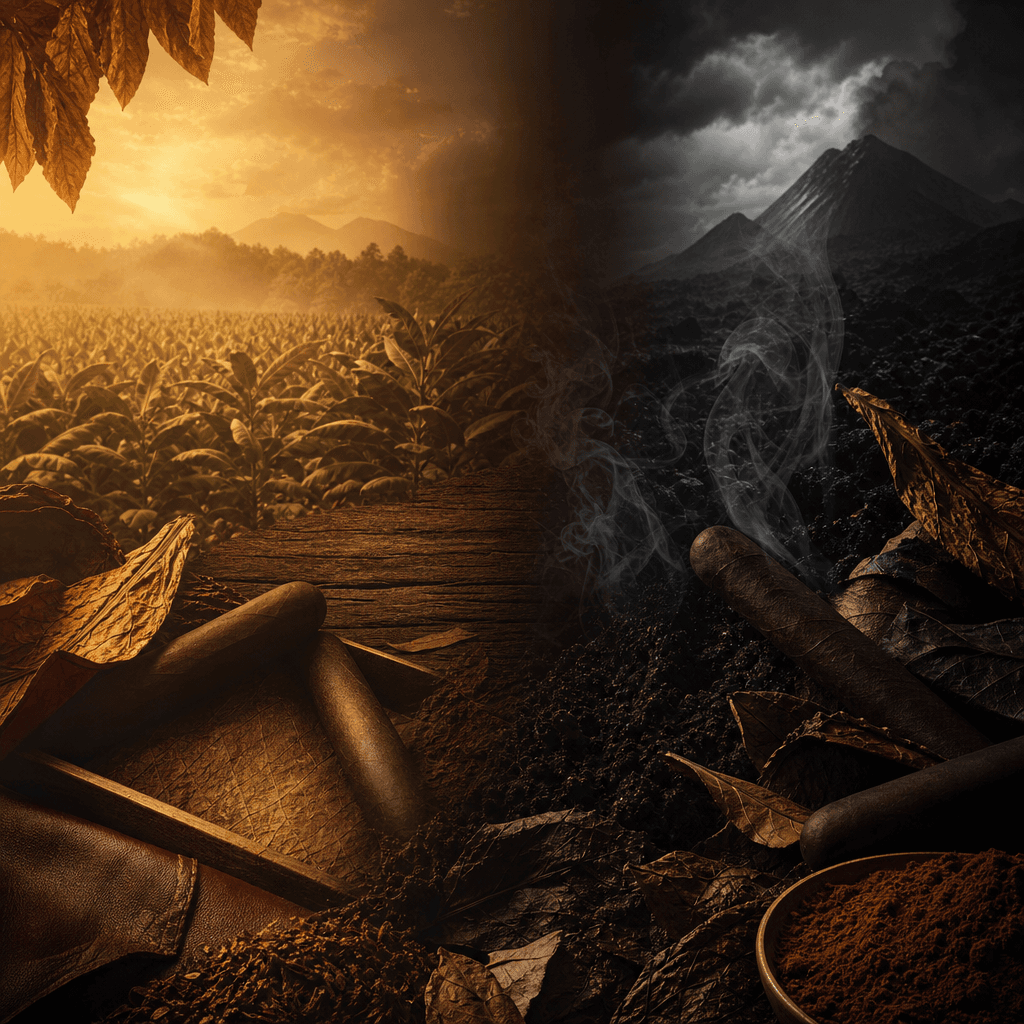
The layers of a cigar are a landscape formed by time, land, craftsmanship, and personal experience. My view is simple: less showing off, more recording; less chasing fame, more understanding context. When you can distinguish the brightness of the first stage, the fullness of the middle stage, and the steadiness of the last stage, and respect the taste habits in different cultures, the cigar in your hand is not just a tobacco product but an experience worth reading slowly.
—Cigar Prince Wilson Tsai
Smoking is hazardous to health. Under 20 years old is prohibited from smoking. Quit Smoking Hotline: 0800-636363. This article is for reference by adults over 20 years old for cigar culture, preservation, and legal knowledge, not a tobacco advertisement, promotion, or purchase suggestion.
Like this article?Share with friends
Share this W Cigar Bible piece with friends who want to learn cigar culture, storage, and tasting.
想把這篇 化為實踐
雪茄聖經是知識;雪茄文化要在空間裡發生
W Cigar Bar 大安總店資訊
台北大安區 · 雪茄聖經總編輯 Wilson Tsai 主理的雪茄文化空間
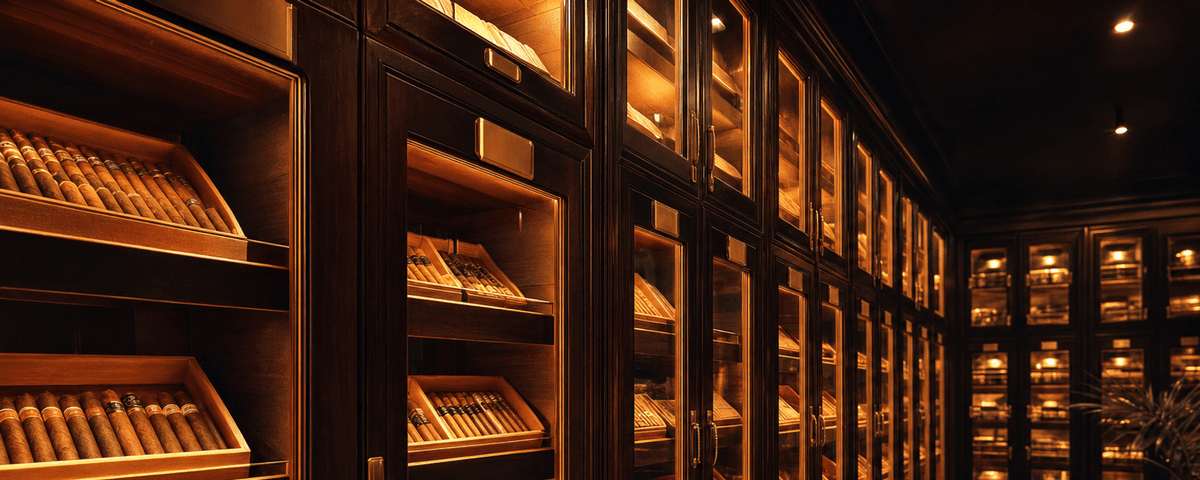
33 座 24 小時恆溫恆濕醇化室
W Cigar Bar 提供的會員醇化空間 · 場地資訊請洽編輯部
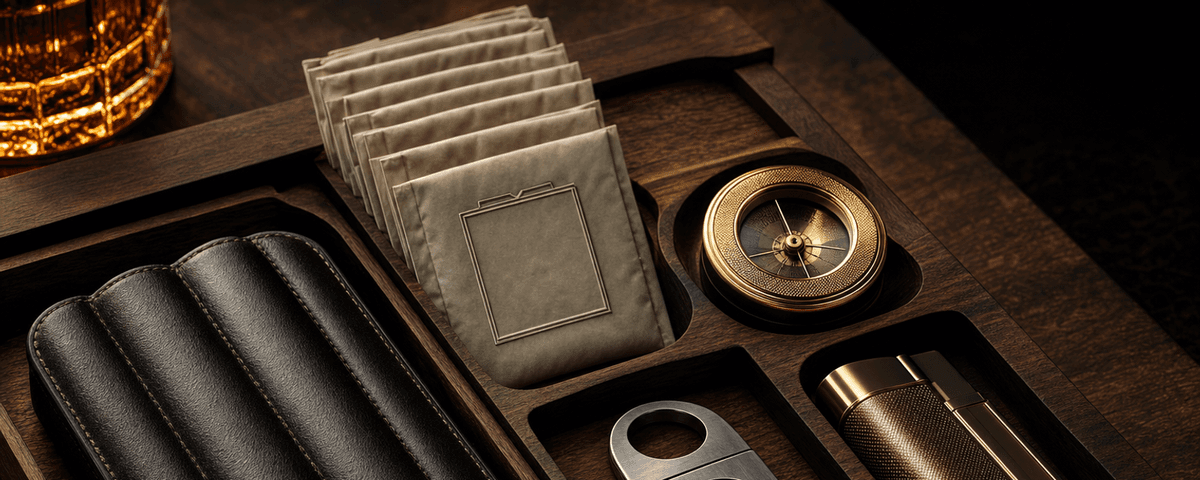
雪茄剪 / 打火機 / 雪茄盒 / Boveda
W Cigar 配件官網 · 專營雪茄配件正品
加 LINE 好友 · 文化諮詢
文化空間資訊 · 紳士沙龍 · 私人包場
本網站內容僅供雪茄文化、歷史、收藏與品吸知識研究參考。菸品有害健康、未滿法定年齡者請勿吸菸。實際規範請依所在地法律為準。
吸菸有害健康・戒菸專線 0800-636363・本站僅供 20 歲以上成年人閱覽。
讀到這裡,你不只是路過的人
留下 Email,加入 W 雪茄聖經內圈——總編輯 Wilson Tsai 親選的學院深文與國際新訊,先你一步送到信箱。
· 教育用途非銷售 · 隨時一鍵退訂 · Email 絕不對外公開 · 由勝茄股份有限公司營運
同分類延伸閱讀
資料來源:W Cigar Bible 編輯部整理 · 雪茄王子 Wilson Tsai 親自審稿
本文僅供雪茄文化、歷史、收藏與品鑑知識研究,不作為菸品促銷、銷售或購買建議。吸菸有害健康,未滿二十歲不得吸菸。