雪茄中的微生物角色:發酵與風味的關聯
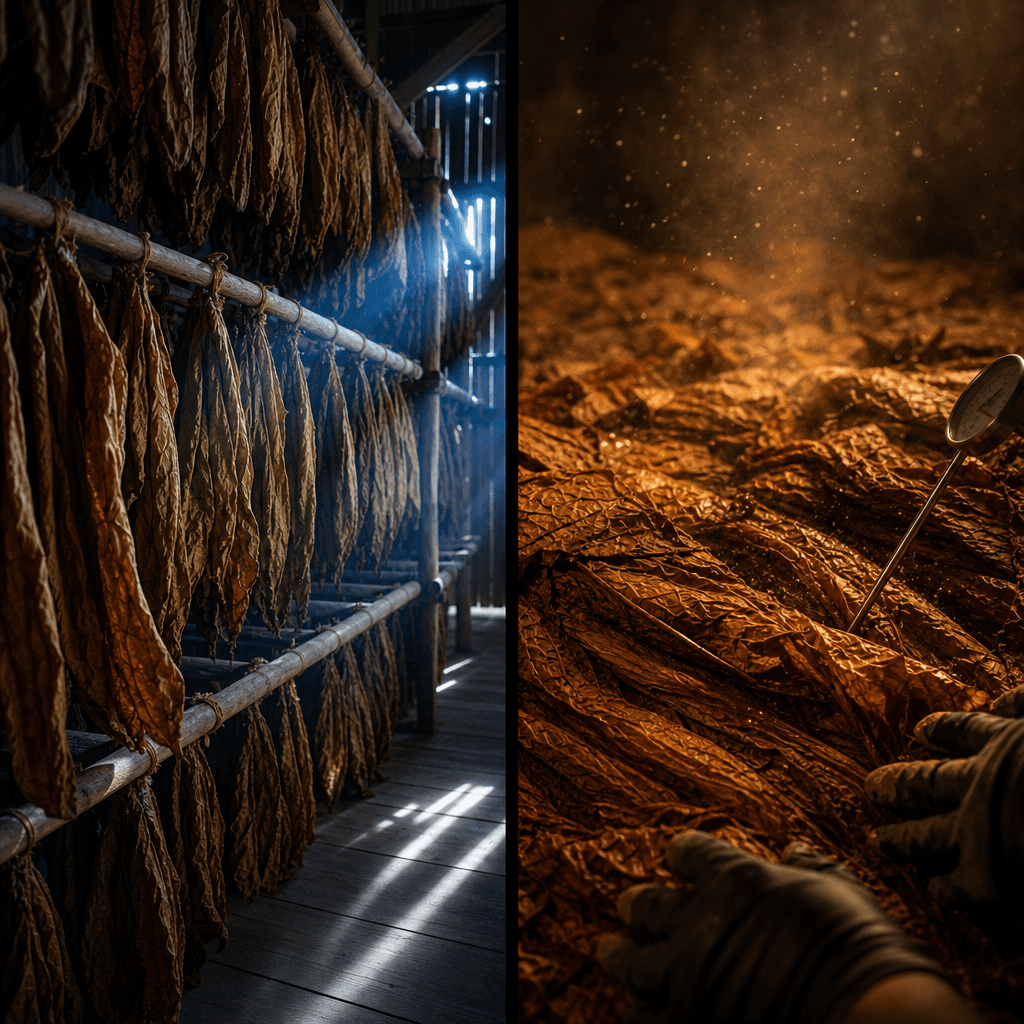
雪茄的風味不僅受產區、品種和年份影響,微生物在發酵過程中扮演關鍵角色。從採收後的乾燥穀倉到發酵堆,微生物的活躍使菸葉中的糖分和蛋白質轉化為複雜的香氣。發酵的成功依賴於溫度、水分和氧氣的精確控制,這些因素影響著最終的風味表現。不同產區如古巴、尼加拉瓜和多明尼加,各自有其獨特的發酵方法,最終影響雪茄的口感和品質。老手能透過燃吸表現判斷發酵的完整性,進而欣賞雪茄的層次與深度。
- 雪茄的發酵過程涉及微生物與酵素的共同作用,並非單純放置等待。
- 發酵的三個關鍵因素是溫度、水分與氧氣,需精確控制以達最佳效果。
- 不同產區的發酵習慣影響雪茄的風味特徵,微生物環境與管理方式長期累積結果。
The Role of Microorganisms in Cigars: The Connection Between Fermentation and Flavor
When discussing cigar flavors, experienced enthusiasts often focus on the region, variety, vintage, and craftsmanship; however, what truly elevates a leaf to a smokable level is often the invisible microorganisms. They are not on the label but are hidden in barns, fermentation piles, wooden boxes, and time.
As the editor of the "Cigar Bible," my emphasis is not on portraying "fermentation" as mysticism but on breaking it down into observable techniques: temperature, moisture, turning piles, microbial flora, reduction of ammonia sensation, generation of sweetness, and why different regions cultivate different characteristics.
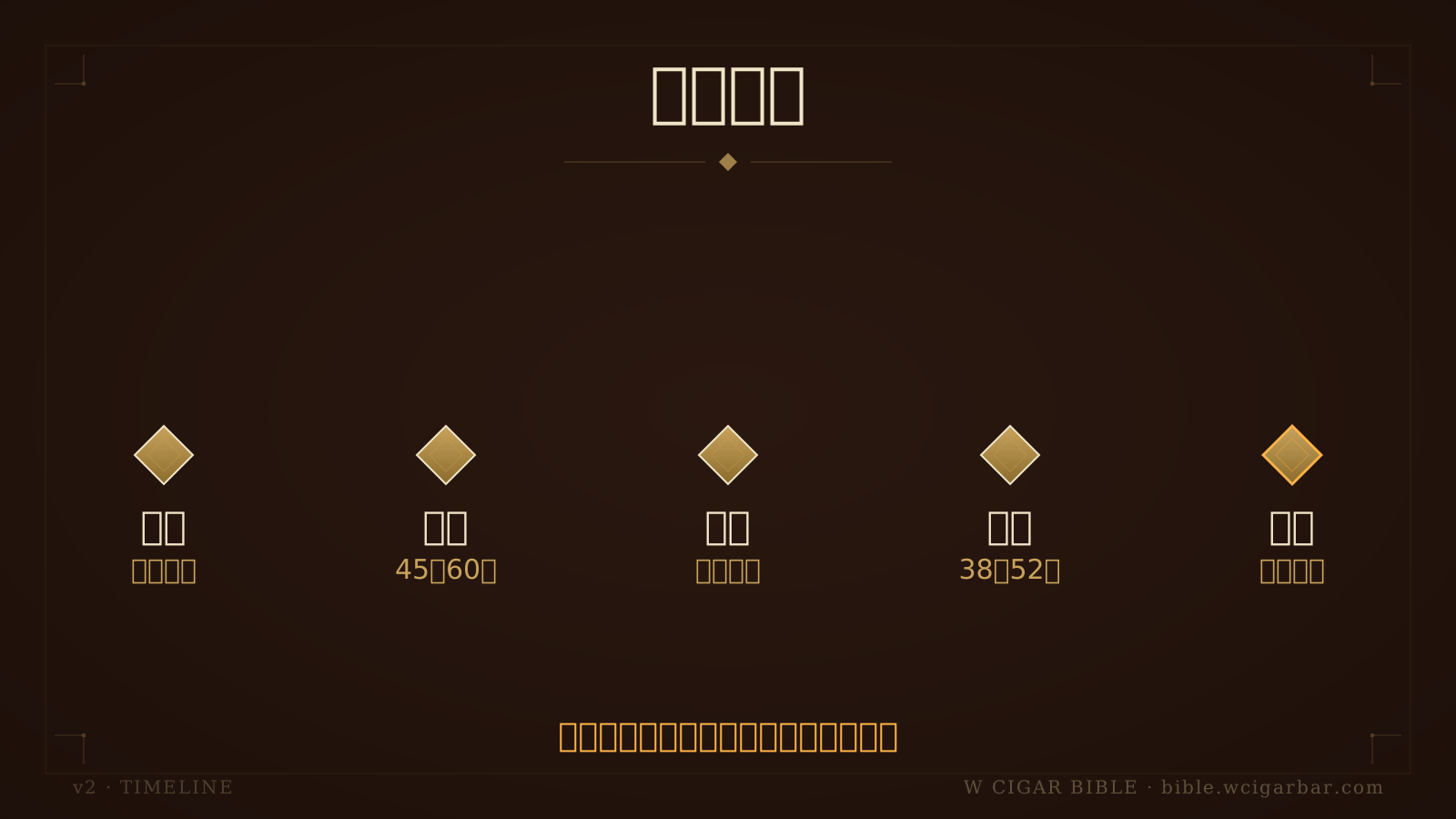
時間線呈現採收乾燥回潮堆發與翻堆步驟
Microorganisms Are Not Supporting Actors: The First Transformation from Harvest to Fermentation Pile
After tobacco leaves are harvested, the first stop is usually the curing barn. In the common processes of Cuba's Vuelta Abajo and the Dominican Republic's Cibao, leaves are hung on wooden poles for about 45 to 60 days, gradually reducing moisture, breaking down chlorophyll, and changing color from green to yellow to brown. This stage is not formal fermentation but already sets the stage for microorganisms.
The leaf surface naturally carries field microorganisms, including yeasts, lactic acid bacteria, bacilli, and a small number of mold spores. When the leaf's moisture content, temperature, and oxygen conditions change, certain microbial communities become active, breaking down soluble sugars, proteins, and nitrogenous compounds. Cigar fermentation is not simply "letting it mature" but a biochemical transformation driven by microorganisms, enzymes, and human management.
Once entering the pilón fermentation pile, leaves are stacked into square or rectangular piles weighing hundreds to thousands of kilograms. The internal temperature can rise from room temperature to 38 to 52°C, not by external heating but by microbial metabolism generating heat. After the 2000s, many factories in Estelí, Nicaragua, began to accurately record daily pile core temperatures to avoid exceeding about 55°C, as overheating can damage oils, leading to bitterness and dryness.
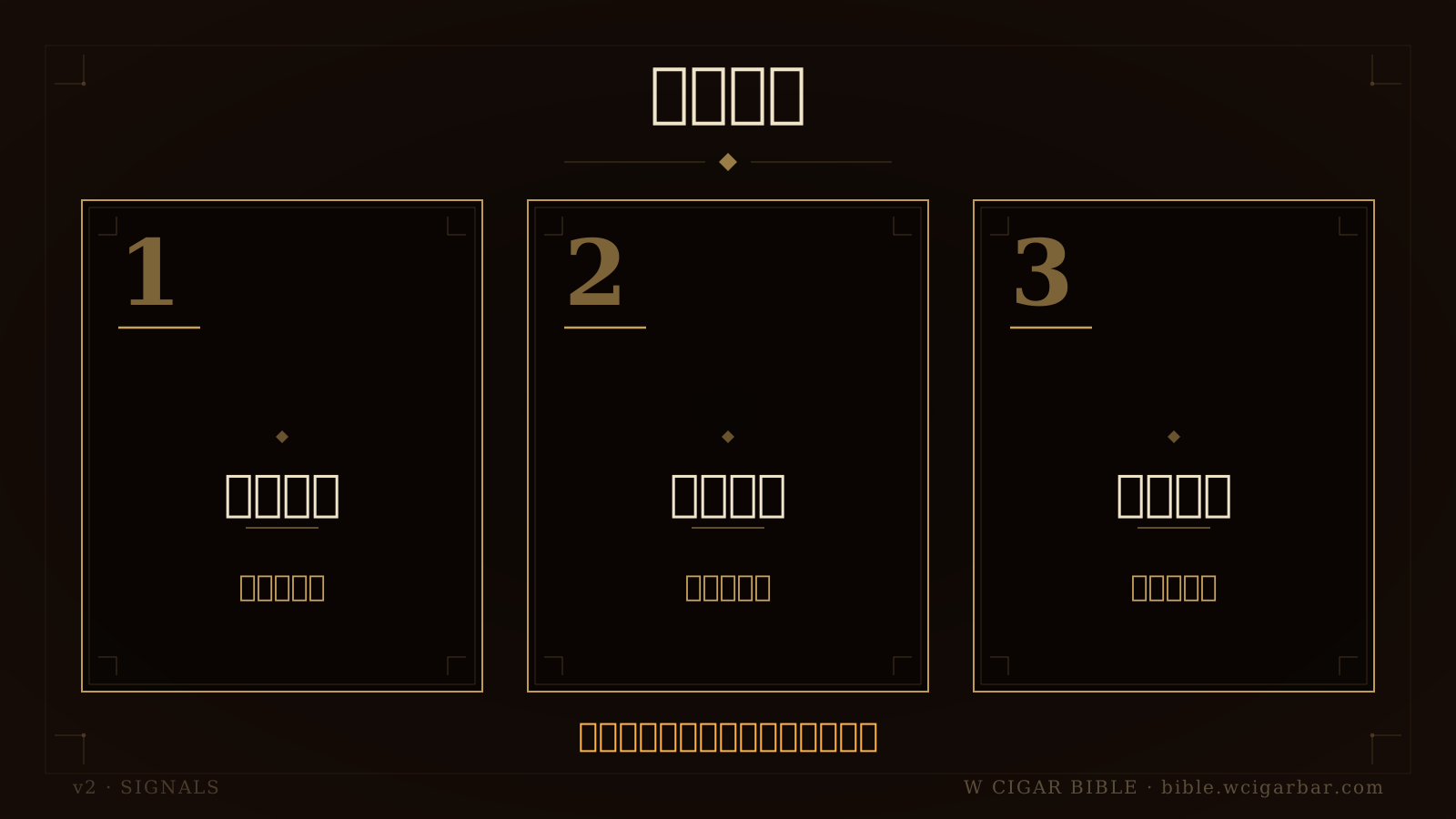
三張卡整理菌相旋鈕與成熟風味的重點
The Three Dials of the Fermentation Pile: Temperature, Moisture, and Oxygen
If experienced enthusiasts want to understand fermentation, they might think of the pilón as a low-speed reactor. The first dial is temperature: light-colored wrappers are usually controlled more conservatively, around 38 to 42°C; thicker seco and viso can reach around 45°C; ligero, with higher nicotine and resin content, often requires longer time and higher peak treatment. The "heat tolerance" of different leaf positions varies, which is also the challenge of blending.
The second dial is moisture. Before fermentation, leaves are rehydrated, with common moisture content around 24% to 30%; too dry and microorganisms won't move, too wet and sour, moldy, or sticky sensations may occur. The third dial is oxygen, achieved by turning the pile. Turning the pile is not just for cooling but also for exchanging positions between outer and inner leaves, making microbial flora and reaction levels more uniform. Truly skilled fermentation is not about pushing the temperature high but about making changes stable, repeatable, and predictable.
In traditional Cuban processing, some ligero may undergo multiple fermentations and long-term classification resting; while some Nicaraguan brands have introduced temperature probes and batch records in large quantities after 2005, making it easier to manage leaf materials from Estelí, Jalapa, and Condega. You can often feel this control over high-concentration leaf materials in the robust styles of Padrón 1964 Anniversary, Oliva Serie V, or AJ Fernandez.

矩陣比較古巴尼國多明的發酵取向與風味
How Microorganisms Transform Grassiness, Ammonia Sensation, and Roughness into Aroma
Freshly dried tobacco leaves often have grassy, pungent ammonia, and rough spicy flavors, which do not equate to "strong power" but more often indicate incomplete transformation. During fermentation, proteins and amino acids are broken down, nitrogenous compounds are released and gradually dissipate; complex interactions occur between nicotine, organic acids, and sugars, reducing the stimulating sensation.
Microorganisms and leaf enzymes participate in sugar consumption, acidity adjustment, and aroma precursor transformation. When sugars and amino acids form Maillard reaction-like aroma results during subsequent drying, aging, and burning, experienced enthusiasts may sense roasted nuts, brown sugar, coffee, cocoa, leather, or dried fruit. The sweetness of cigars is not just residual sugar but the illusion and layers of "sweet" read by the brain from aroma molecules after fermentation.
For example, after Cohiba Behike was officially launched in 2010, many connoisseurs discussed the concentration brought by the medio tiempo leaf position. If such leaves are inadequately processed, they may appear sharp and spicy; if fermentation and subsequent aging are in place, they will present a thickness with cream, coffee, wood, and floral coexistence. This is not the credit of a single strain but the result of the entire farming, fermentation, and classification system.
Fermentation Syntax of Different Regions: Cuba, Nicaragua, Dominican Republic, and Honduras
Regional differences come not only from soil but also from humidity, barn ventilation, pile size, and factory habits. The tradition of Cuba's Pinar del Río emphasizes leaf position classification, repeated turning, and long-term balance; Nicaragua often uses Estelí's strength, Jalapa's sweetness, and Condega's mid-range spices for division of labor. The Dominican Republic values roundness and cleanliness, while Honduras often features earthy, woody, and cocoa profiles.
| Region | Common Fermentation Orientation | Flavor Result | Representative Cases |
|---|---|---|---|
| Cuba Vuelta Abajo | Multiple classifications, more traditional turning | Woody, floral, leather, mineral | Cohiba, Partagás, H. Upmann |
| Nicaragua Estelí | Long fermentation of thick leaves, clear temperature control | Black pepper, coffee, cocoa, strength | Padrón, Oliva, My Father |
| Dominican Republic Cibao | Pursuit of clean burn and smooth mouthfeel | Cream, nuts, hay, gentle spices | Davidoff, Fuente |
| Honduras Jamastrán | Medium to high intensity, obvious soil sensation | Earth, wood, roasted cocoa | Camacho, Punch Honduras |
Regional flavor is not the romanticization of geographical terms but the result of long-term accumulation of microbial environment and artificial fermentation habits. The same Habano seed, planted in Estelí and Dominican Bonao, may have completely different performance in fermentation rhythm, leaf thickness, sugar, and mineral sensation.
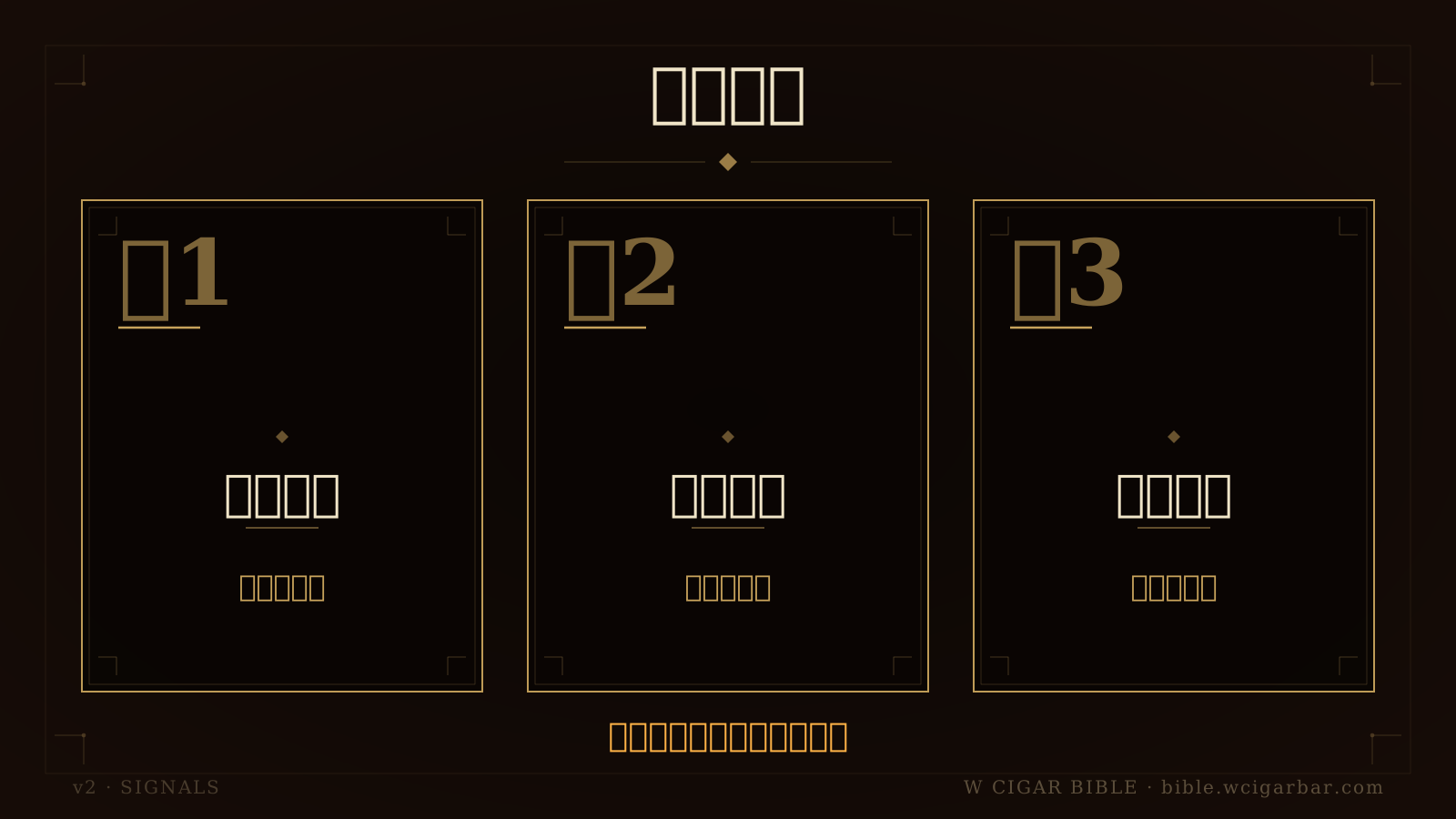
三張卡列出白霜強度與家中再發的誤解
Observing Fermentation Through Brand Cases: Why the Same Richness Feels Different
Padrón 1964 Anniversary, launched in 1994, is often regarded as a representative of Nicaraguan richness and cleanliness. Its excellence is not just in strength but in the absence of excessive noise within the concentration: black coffee, cocoa, roasted nuts, and sweetness can be integrated together. This texture usually means that thick leaves have undergone sufficient fermentation and subsequent stabilization, otherwise high concentration can easily turn into throat irritation and bitterness.
Arturo Fuente OpusX became an important turning point for high-end Dominican cigars around 1995 because it proved that Dominican wrapper could also achieve depth and strength. The humid climate of the Dominican Republic makes wrapper fermentation prone to stuffiness or loss of delicate aroma if not managed well; OpusX's experience has allowed many players to understand that "rich" and "elegant" are not contradictory.
In Cuba, Partagás Lusitanias, Bolívar Belicosos Finos, and H. Upmann Sir Winston all showcase different aspects of fermentation and aging. Partagás often has leather and spicy aromas, Bolívar leans towards heavy earth and cocoa, while H. Upmann emphasizes wood, nuts, and smoothness. Brand character is not just the ratio on a formula sheet but the maturity each batch of leaf material reaches during fermentation.
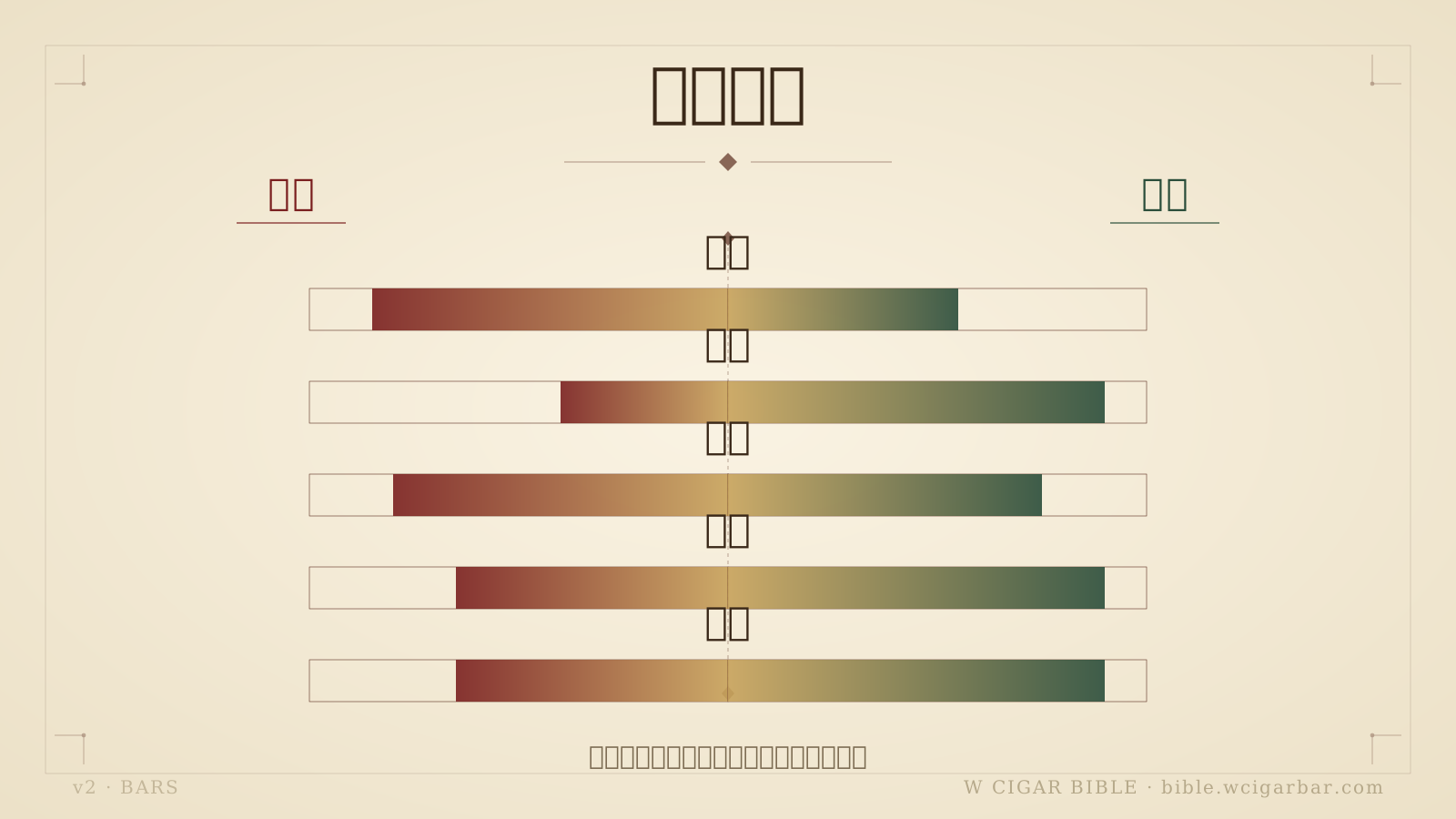
長條圖對比傳統與精控發酵管理強弱
How Experienced Enthusiasts Judge Whether Fermentation Is in Place from Smoking Performance
To judge fermentation quality, the first clue is the cold smell and start. If there is a pungent ammonia smell, wet cardboard, rancidity, or strong moldy barn smell before lighting, it is usually not a good signal. If the first 2 cm after lighting only leaves sharpness, tongue surface stinging, nasal cavity irritation, and lacks wood, nut, or sweet aroma support, it may be due to insufficient leaf fermentation or unbalanced storage conditions.
The second clue is mid-section stability. Good fermentation will allow flavors to unfold layer by layer, maintaining structure even as strength increases; roughly fermented cigars often suddenly turn bitter, salty, or exhibit charred wood ash in the mid-section. The third clue is the aftertaste; if the aftertaste is clean, with sweet wood or cocoa, it is comfortable even if strong; if ammonia, metallic, or raw green flavors linger in the throat, be cautious.
- Obvious ammonia sensation: possibly insufficient fermentation or inadequate aging time
- Sour rancidity: possibly too high moisture or storage contamination
- Bitter and charred: possibly overheating fermentation, too fast burning, or damaged leaves
- Stable sweet wood and nut sensation: usually indicates more complete transformation
Experienced enthusiasts should not only distinguish strength but also discern whether there is a clean fermentation framework behind the strength.
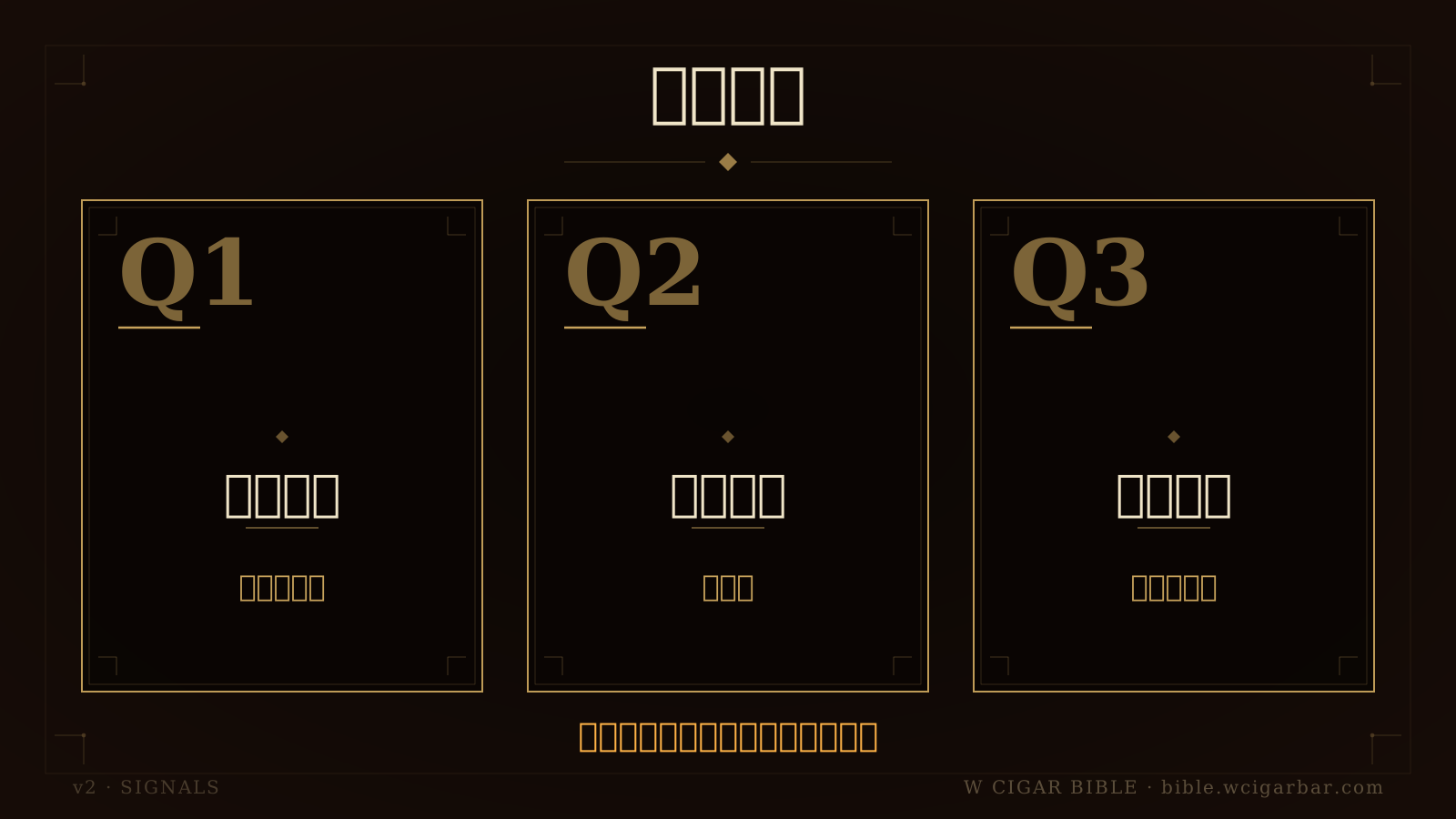
三張問答卡說明白霜再發與中段苦味判斷
Storage and Aging: Are Microorganisms Still Working?
After cigars leave the factory, they mainly enter the aging and stabilization stage, rather than high-activity fermentation like in the pilón. Common conditions in home humidors are 18 to 21°C, relative humidity 65% to 69%; if it exceeds 72% for a long time, microbial risks increase, and leaves may become stuffy, develop mold spots, or burn poorly. At this time, microorganisms are not friends but risk management.
The core of aging lies in the slow integration of volatile substances, dissipation of ammonia sensation, and the rounding of oils and aromas. For example, with Cuban boxed cigars, many experienced enthusiasts will observe the date on the box bottom, allowing younger batches to rest for 6 to 24 months before opening; some rich Nicaraguan options, like My Father Le Bijou 1922 or Oliva Serie V Melanio, also often become smoother around a year.
But aging is not omnipotent. If a cigar is insufficiently fermented at the factory end, subsequent time can only improve some irritation and cannot create a clean structure out of thin air; if stored too wet, it will instead make flavors muddy. The task of home storage is to protect the completed fermentation results, not to re-ferment cigars. When it comes to market value, collection does not guarantee appreciation; it still depends on source preservation and market.
Frequently Asked Questions
Q1: Are the white crystals on cigars necessarily mold?
Not necessarily. If the surface is fine, even, and can be gently wiped off, it may be oil or mineral precipitation; if it appears hairy, three-dimensional, spreads to the inside of the foot, and especially has a moldy smell, be careful. The key to judgment is not just color but form, smell, and whether it invades the core.
Q2: Does high strength mean longer fermentation?
Not necessarily. Strength is related to leaf position, variety, soil, nicotine content, and blending. Even if ligero is fermented for a long time, it may still retain strength; conversely, insufficient fermentation may be mistakenly perceived as "very strong" due to irritation. Truly mature high strength should be concentrated but not chaotic.
Q3: Why is there a big difference in the same brand across different years?
Cigars are agricultural products, and vintage differences come from rainfall, sunlight, harvest maturity, and fermentation batches. For Cuban cigars of different box periods such as 2014, 2019, 2021, the same model may have differences in sweetness, wood, and burn. This is not mysticism but a combination of supply chain and natural conditions.
Q4: Can cigars be re-fermented at home?
Not recommended. True fermentation requires a large amount of similar leaves, controllable moisture content, pile heat, and professional turning. Home humidors lack these conditions, and deliberately increasing humidity and temperature will only increase mold, stuffiness, and burn issues. Home should focus on stable aging and good preservation.
Q5: Why are some cigars good at the beginning but suddenly bitter in the middle?
Possible reasons include uneven leaf fermentation, changes in rolling density, too fast burning speed, or high storage humidity. The mid-section is the most revealing of fermentation quality because after heat accumulation, impurities, ammonia sensation, and bitterness will be magnified. If multiple cigars from the same box have the same issue, it is likely not accidental.
Q6: Do microorganisms determine a brand's signature flavor?
They influence but are not the only factor. Brand style also includes seed, field, leaf position, fermentation pile management, blending, and rolling. Microorganisms are like the heat in the kitchen; if the heat is wrong, even the best ingredients will lose focus; if the heat is right, the personality of the region and formula will clearly emerge.
I have always believed that the charm of cigars lies not only in the moment of burning but in the long transformation before it. Microorganisms are invisible but push the rough leaves towards wood, sweetness, leather, floral, and cocoa; and human skill is to keep these transformations under control. Understanding fermentation allows experienced enthusiasts not to just chase brands and vintages but to understand the true framework and cultivation of a cigar.
—Cigar Prince Wilson Tsai
Smoking is harmful to health. Under 20 years old is not allowed to smoke. Quit smoking hotline: 0800-636363. This article is for reference by adults over 20 years old as knowledge of cigar culture, preservation, and regulations, not a tobacco advertisement, promotion, or purchase suggestion.
Like this article?Share with friends
Share this W Cigar Bible piece with friends who want to learn cigar culture, storage, and tasting.
想把這篇 化為實踐
雪茄聖經是知識;雪茄文化要在空間裡發生
W Cigar Bar 大安總店資訊
台北大安區 · 雪茄聖經總編輯 Wilson Tsai 主理的雪茄文化空間
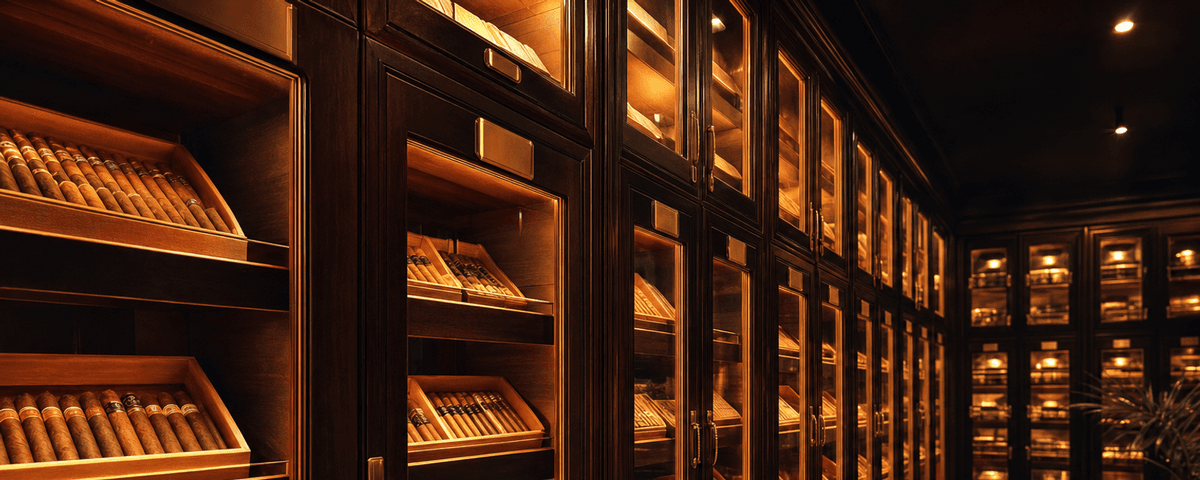
33 座 24 小時恆溫恆濕醇化室
W Cigar Bar 提供的會員醇化空間 · 場地資訊請洽編輯部
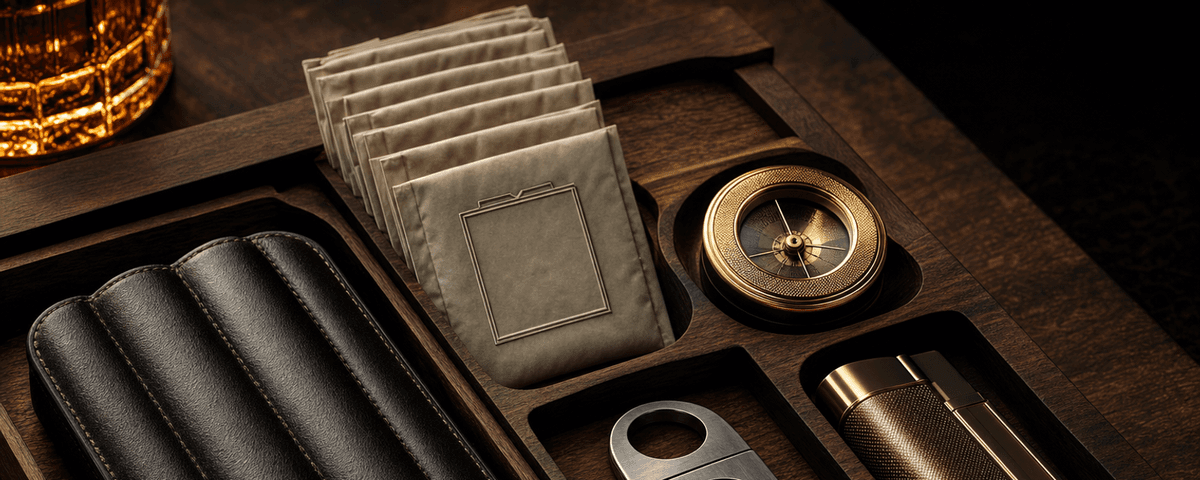
雪茄剪 / 打火機 / 雪茄盒 / Boveda
W Cigar 配件官網 · 專營雪茄配件正品

加 LINE 好友 · 文化諮詢
文化空間資訊 · 紳士沙龍 · 私人包場
本網站內容僅供雪茄文化、歷史、收藏與品吸知識研究參考。菸品有害健康、未滿法定年齡者請勿吸菸。實際規範請依所在地法律為準。
吸菸有害健康・戒菸專線 0800-636363・本站僅供 20 歲以上成年人閱覽。
讀到這裡,你不只是路過的人
留下 Email,加入 W 雪茄聖經內圈——總編輯 Wilson Tsai 親選的學院深文與國際新訊,先你一步送到信箱。
· 教育用途非銷售 · 隨時一鍵退訂 · Email 絕不對外公開 · 由勝茄股份有限公司營運
同分類延伸閱讀

資料來源:W Cigar Bible 編輯部整理 · 雪茄王子 Wilson Tsai 親自審稿
本文僅供雪茄文化、歷史、收藏與品鑑知識研究,不作為菸品促銷、銷售或購買建議。吸菸有害健康,未滿二十歲不得吸菸。