雪茄的選擇與搭配:基於風味的全方位指南
選擇雪茄不僅僅依賴名氣或價格,更在於個人口味的探索。了解自己的喜好,並將其與當天的狀態及飲品搭配相結合,才能找到最合適的雪茄。初學者應記錄不同品牌的風味,並學會區分風味濃度與強度。尺寸的選擇也影響體驗,根據時間安排選擇合適的雪茄。搭配飲品時,核心在於相互補足,避免壓過對方的風味。最後,遵循良好的吸煙禮儀與節奏,才能享受雪茄的最佳風味。
- 選擇雪茄時,應先了解自己的風味偏好,記錄喜好與不喜好的味道,以便找到適合的選擇。
- 雪茄的強度與濃郁度不同,選擇時需考慮尺寸對燃燒速度與風味轉折的影響。
- 搭配飲品時,應避免一方壓過另一方,選擇能互補的飲品以提升整體品味體驗。
Choosing and Pairing Cigars: A Comprehensive Guide Based on Flavor
Choosing a cigar is never just about reputation, vintage, or price. What truly makes a cigar interesting is how you align your taste preferences, current state, meal content, and beverage flavors on the same map, gradually finding your own rhythm.
As an editor of the "Cigar Bible," I often summarize the advanced lessons for beginners in one sentence: know yourself first, then know cigars. Once you understand the basics of tasting, the next step is to learn to interpret flavor, strength, size, and pairing, making each tasting more layered.
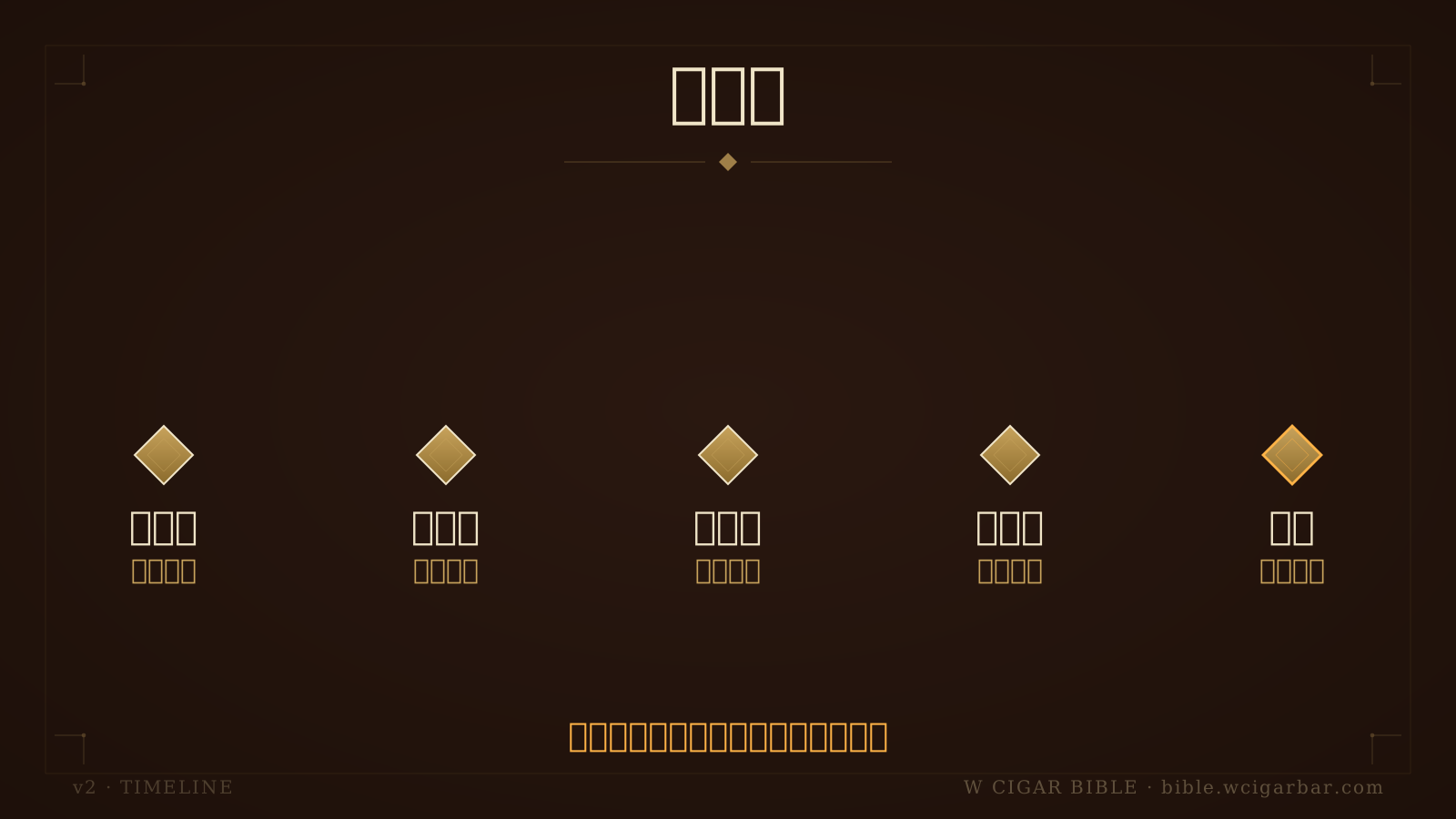
時間軸呈現記錄偏好判斷強度估算時間與回顧步驟
1. Establish Your Flavor Coordinates: Woody, Creamy, Spicy, and Sweet
Most beginners ask, "Which one is better?" But a more precise question should be, "What kind of flavor do I like?" Common cigar flavors can be divided into woody, nutty, creamy, cocoa, coffee, leather, pepper, earthy, floral, and dried fruit. For example, Hoyo de Monterrey Epicure No.2 is often described as having a mild woody, light creamy, and delicate sweet flavor; while Partagás Serie D No.4 is more often associated with pepper, soil, and roasted notes.
The first step in choosing a cigar is not to chase high scores, but to write down the flavors you like and dislike. I recommend recording at least 10 different brands and sizes, capturing only 3 keywords each time, such as "creamy, almond, white pepper" or "coffee, leather, earth." The simpler the record, the easier it is to continue; after two months, you will find that you actually have clear preferences.
Beginners should also distinguish between "rich flavor" and "high strength." Montecristo No.4 can have a distinct coffee and cocoa impression, but it doesn't necessarily feel overwhelming; conversely, some Nicaraguan cigars have a stronger nicotine sensation, even if the flavor is simple, it may feel burdensome. A good choice is when flavor, strength, and your current physical state are all perfectly balanced.
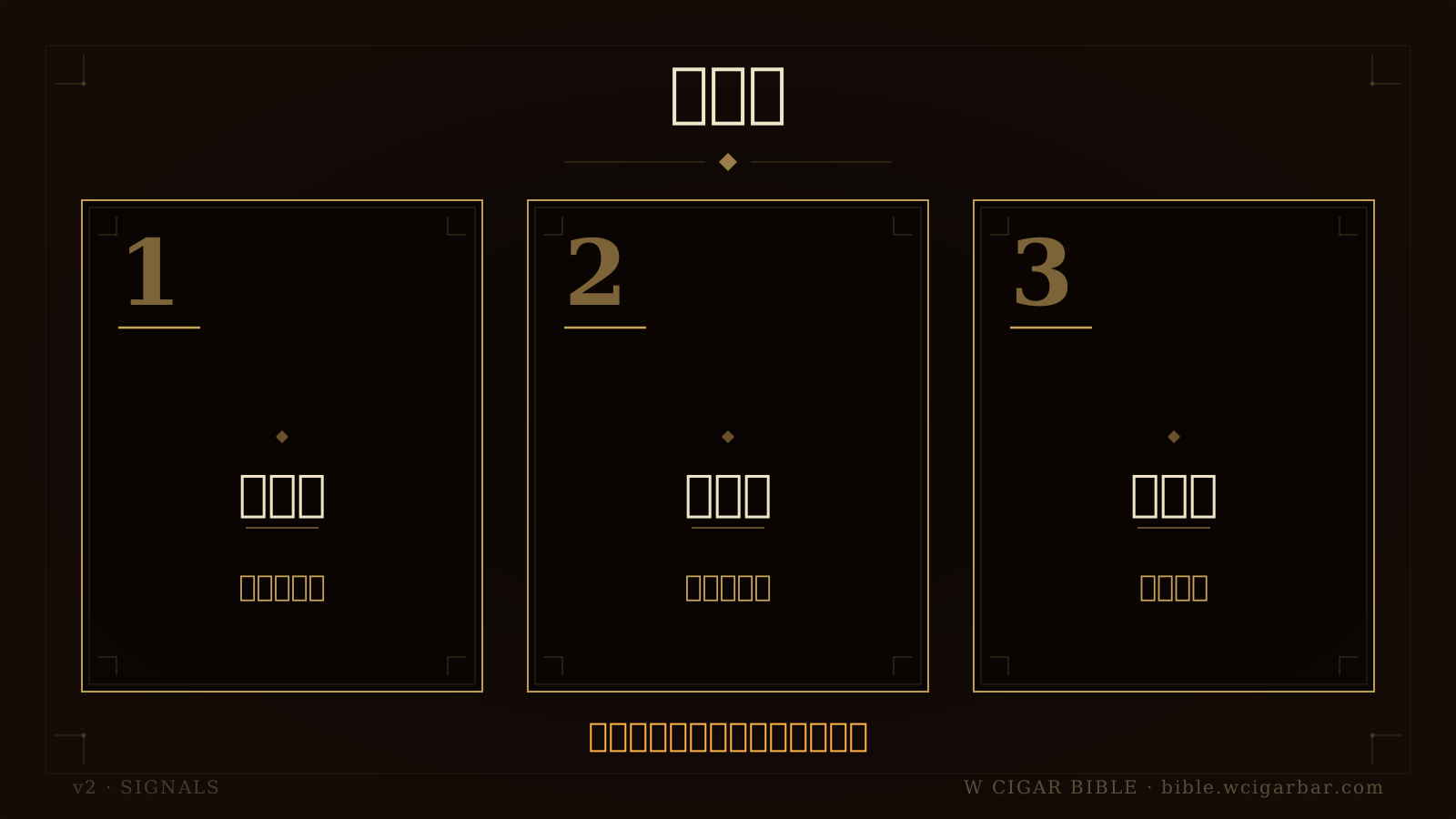
三張重點卡說明以偏好強度時間建立選擇邏輯
2. Understand Strength, Richness, and Size: Different Personalities Even Within the Same Brand
Strength usually refers to the nicotine sensation and physical feeling, while richness leans towards flavor density; size affects burning speed, temperature, and flavor transitions. Robusto typically has a length of about 124 mm and a ring gauge of 50, such as Romeo y Julieta Short Churchills; Corona Gorda is about 143 mm with a ring gauge of 46, like H. Upmann Magnum 46. The former has a concentrated rhythm, while the latter has more leisurely transitions.
Different sizes within the same brand are not just about length differences, but about the complete experience. For example, Cohiba Siglo II is about 129 mm with a ring gauge of 42, offering a more concentrated smoke with herbal, honey, and woody notes; Siglo VI is about 150 mm with a ring gauge of 52, with a longer burn time, rounder taste, and slower layering. If you only have 45 minutes, choosing a large size may feel rushed.
Advanced beginners can use "time" to deduce size: 30 to 45 minutes for Petit Corona or Short Robusto; 60 to 75 minutes for Robusto, Corona Gorda; over 90 minutes for Churchill or Double Corona. If you've been drinking after dinner, it's recommended to lower the strength by one level to avoid taste fatigue in the later stages, which could overshadow the delicate sweetness and woodiness.
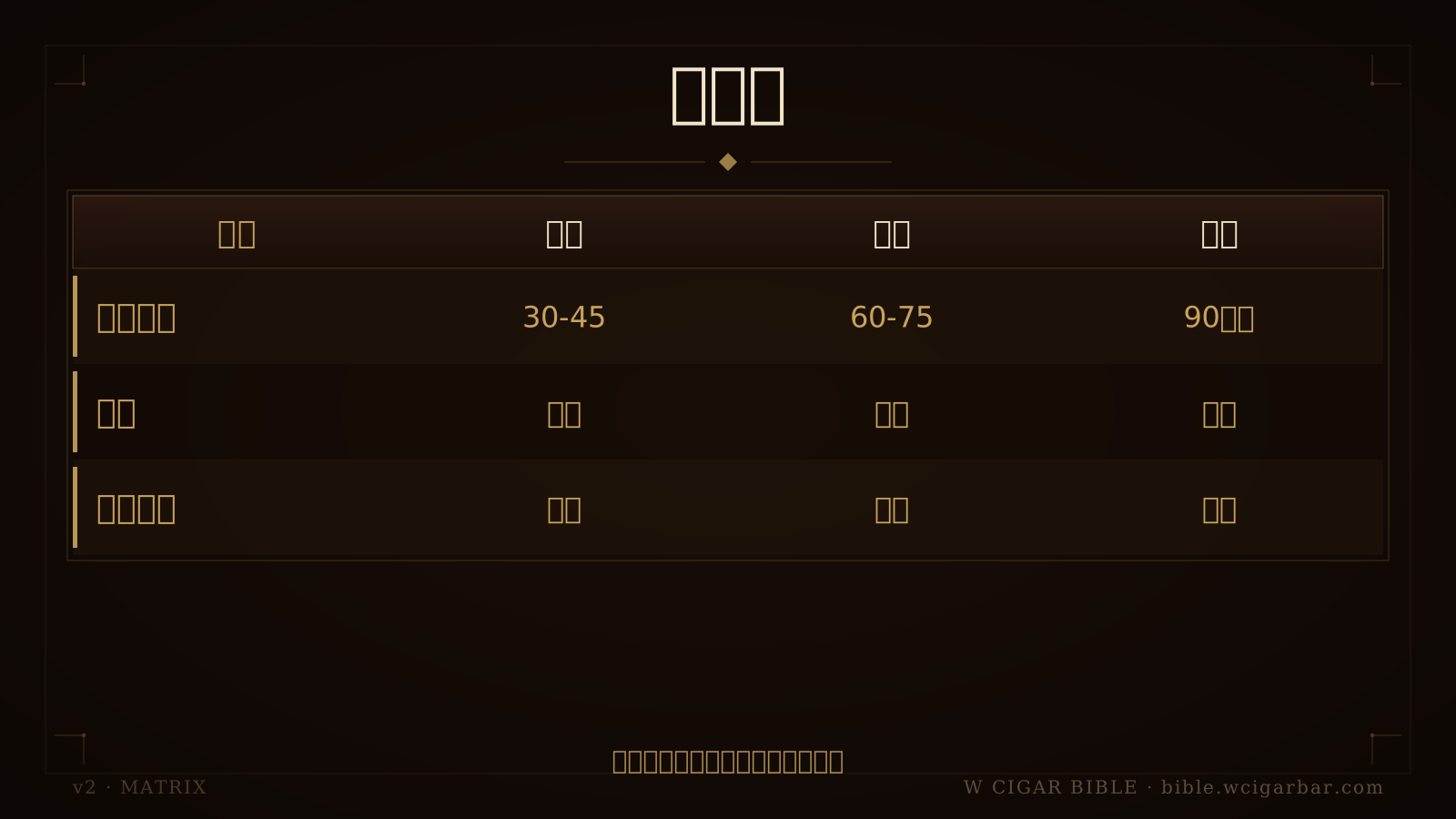
矩陣比較短款羅布與長款在時間節奏負擔上的差異
3. Narrow Down Choices with Region and Brand Examples
Cuban cigars are often regarded as a classic reference for flavor structure, focusing on balance, fermentation aroma, woodiness, and mineral notes. For example, Trinidad Reyes is small in size but often has creamy, grassy, honey, and light spice; Bolívar Royal Coronas leans towards rich wood, soil, and spicy notes. If you like elegant details, you can start with H. Upmann, Hoyo de Monterrey, Trinidad; if you prefer strength and dark tones, you can explore Partagás, Bolívar.
The flavor map of non-Cuban cigars is broader. The Padrón 1964 Anniversary series often features cocoa, coffee, black pepper, and rich sweetness; Arturo Fuente Hemingway Short Story is loved for its cedar, sweet spice, and roasted notes in a short time; Plasencia Alma Fuerte showcases the richness and mineral notes of Nicaraguan tobacco. Regions are not about hierarchy, but different flavor languages.
From my daily observations as a PCC authorized dealer, many beginners initially focus too much on a few popular names, missing out on styles that suit them better. If you like lattes, almonds, and toasted bread, mild to medium strength often fits better; if you usually drink espresso, peaty whiskey, and dark chocolate, heavier cigars might better match your taste habits.
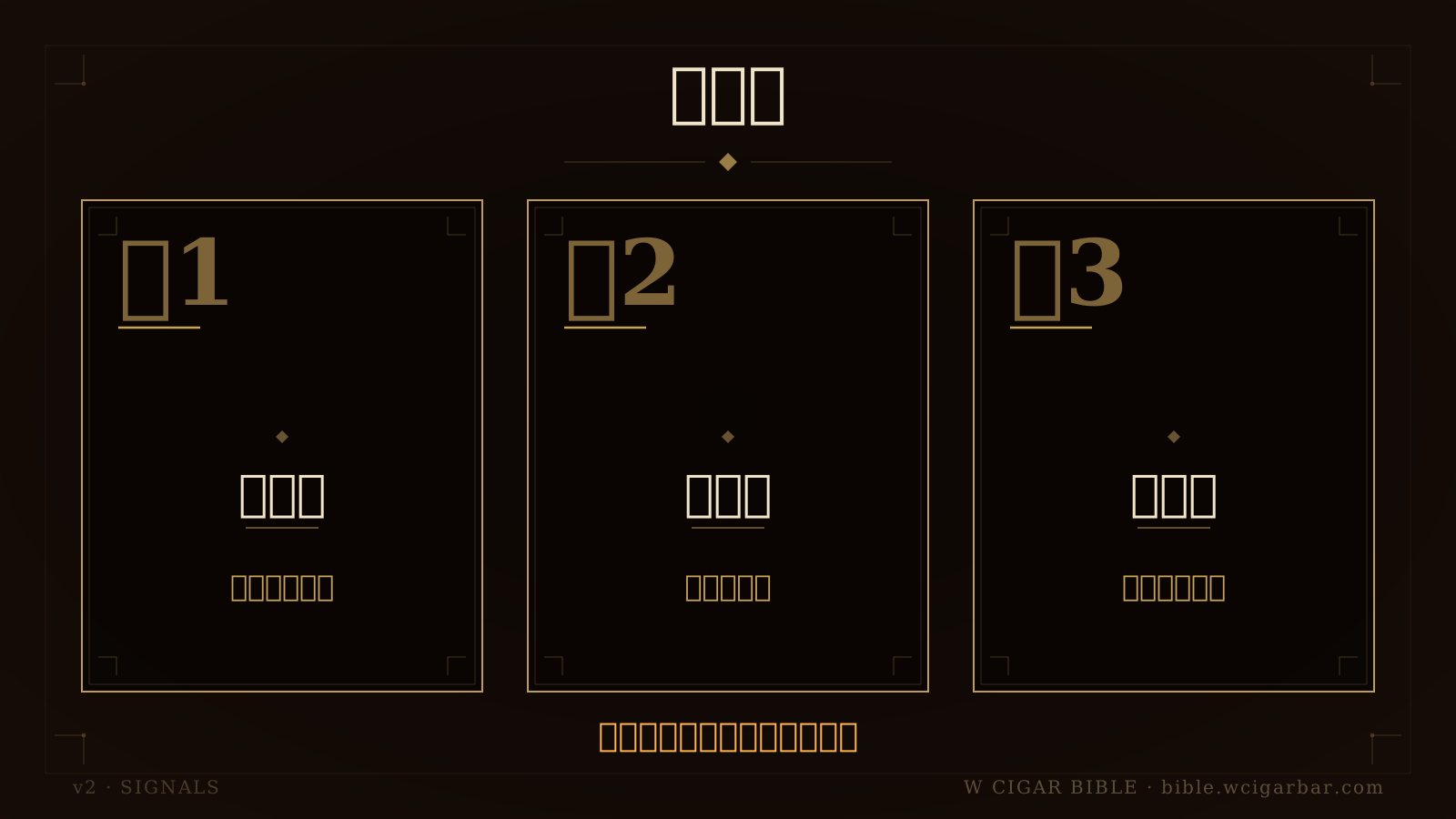
三張錯誤卡提醒避免追名氣混淆強濃與硬選大尺寸
4. Beverage Pairing Chart: Match Cigar Flavors with Sweetness, Acidity, and Body
The core of pairing is not "famous wine with famous cigar," but letting both complement each other. If a cigar has creamy and nutty notes, a sweet rum or bourbon can enhance its roundness; if a cigar has leather, earthy, and pepper notes, sherry cask whiskey, cognac, or black coffee can match its thickness. Tea is also very useful; the roasted aroma of oolong can match woodiness, while ripe Pu'er tea can match soil and aged wood aromas.
The key to beverage pairing is to avoid one side completely overpowering the other. The table below can serve as an initial reference, but the actual pairing still depends on the cigar's state, beverage temperature, and personal taste. If the cigar is mild in the early stages, don't start with a whiskey over 60% cask strength; if the cigar becomes spicy in the later stages, a slightly sweet beverage can smooth out the edges.
| Main Cigar Flavor | Suitable Beverage | Typical Example | Pairing Reason |
|---|---|---|---|
| Creamy, Nutty | Bourbon, Tieguanyin | H. Upmann Magnum 46 | Vanilla and roasted aroma can enhance roundness |
| Coffee, Cocoa | Black Coffee, Port Wine | Padrón 1964 | Consistent bitter-sweet structure, thicker finish |
| Woody, Floral | High Mountain Oolong, Champagne | Trinidad Reyes | Acidity and floral notes make the palate cleaner |
| Leather, Earthy | Cognac, Ripe Pu'er | Bolívar Royal Coronas | Similar thickness, less likely to be unbalanced |
| Pepper, Spicy | Rum, Sweet Sherry | Partagás Serie D No.4 | Sweetness can soften spiciness |
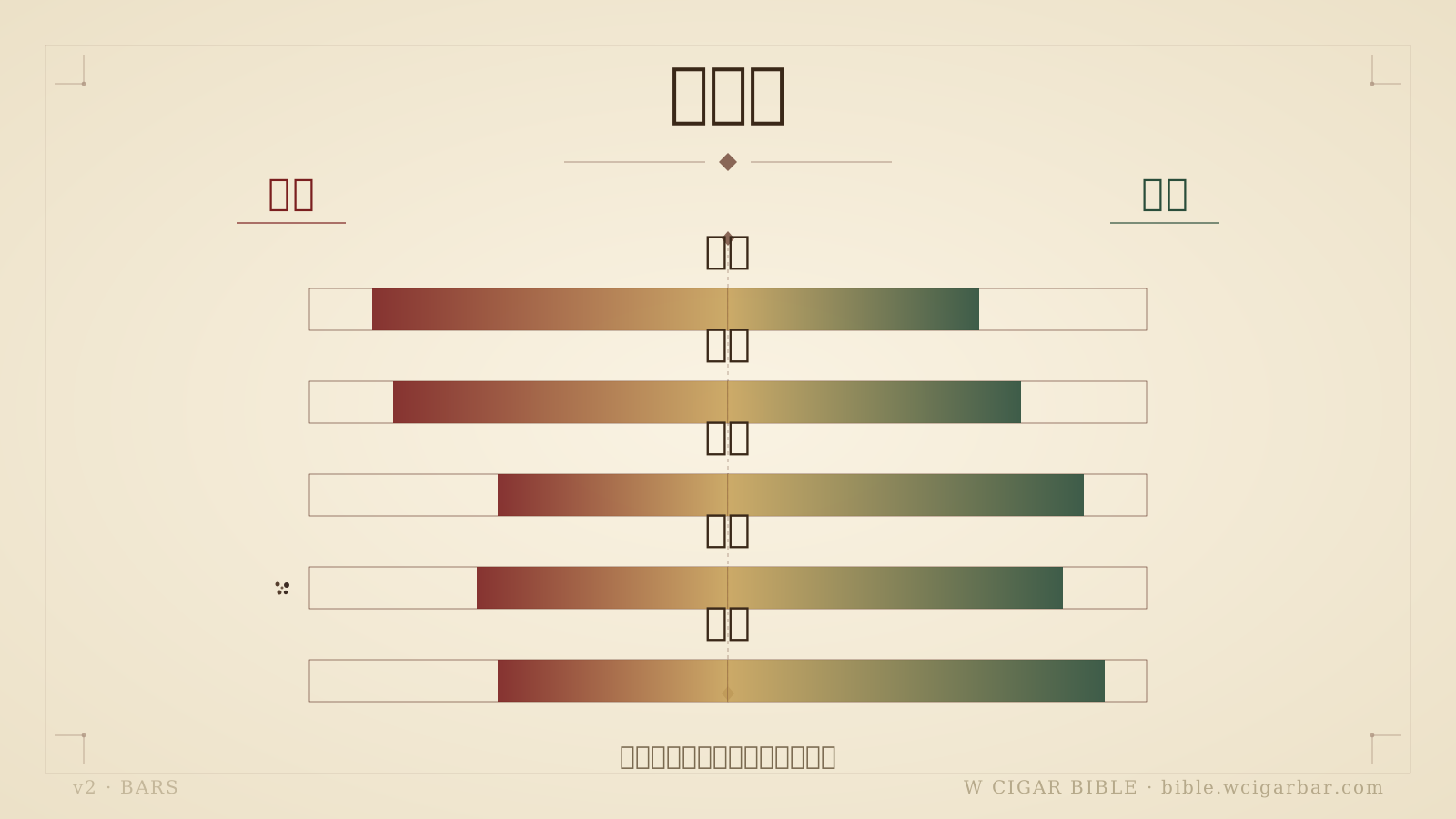
橫條圖比較古巴與非古雪茄在平衡木質甜厚辛香版圖差異
5. Learn Pairing from the Three-Stage Tasting Method: Probe in the Early Stage, Confirm in the Middle, Conclude in the Late Stage
I often suggest beginners understand a cigar by dividing it into three stages: early, middle, and late. The early stage is about the first 1/3, mainly observing the opening aroma and burning stability; the middle stage is the flavor core, best for confirming beverage pairing; the late stage observes whether strength, temperature, and bitterness increase. For a 60-minute Robusto, don't rush to judge in the first 15 minutes; the true character is usually clearest between 20 to 45 minutes.
Don't put all beverages on the table at the beginning, it's best to use a staged testing method. For example, when tasting Hoyo de Monterrey Epicure No.2, start with room temperature water to confirm the woody and creamy base; add roasted oolong in the middle stage to see if the nutty aroma becomes more pronounced; if spiciness increases in the late stage, balance it with a small amount of rum. This method is more precise than pairing with a large glass of spirits at once.
Practice with the following steps, and after doing it five times, you'll feel a significant difference:
- After lighting, pair only with water for the first 5 puffs, and record the first impression.
- Between 10 to 20 minutes, add the first beverage, observing changes in sweetness, bitterness, and acidity.
- Switch to the second beverage in the middle stage, but only take a small sip each time.
- If bitterness appears in the late stage, slow down the pace, don't rush to use alcohol to suppress the flavor.
- After finishing, write down one "best match" and one "worst match."
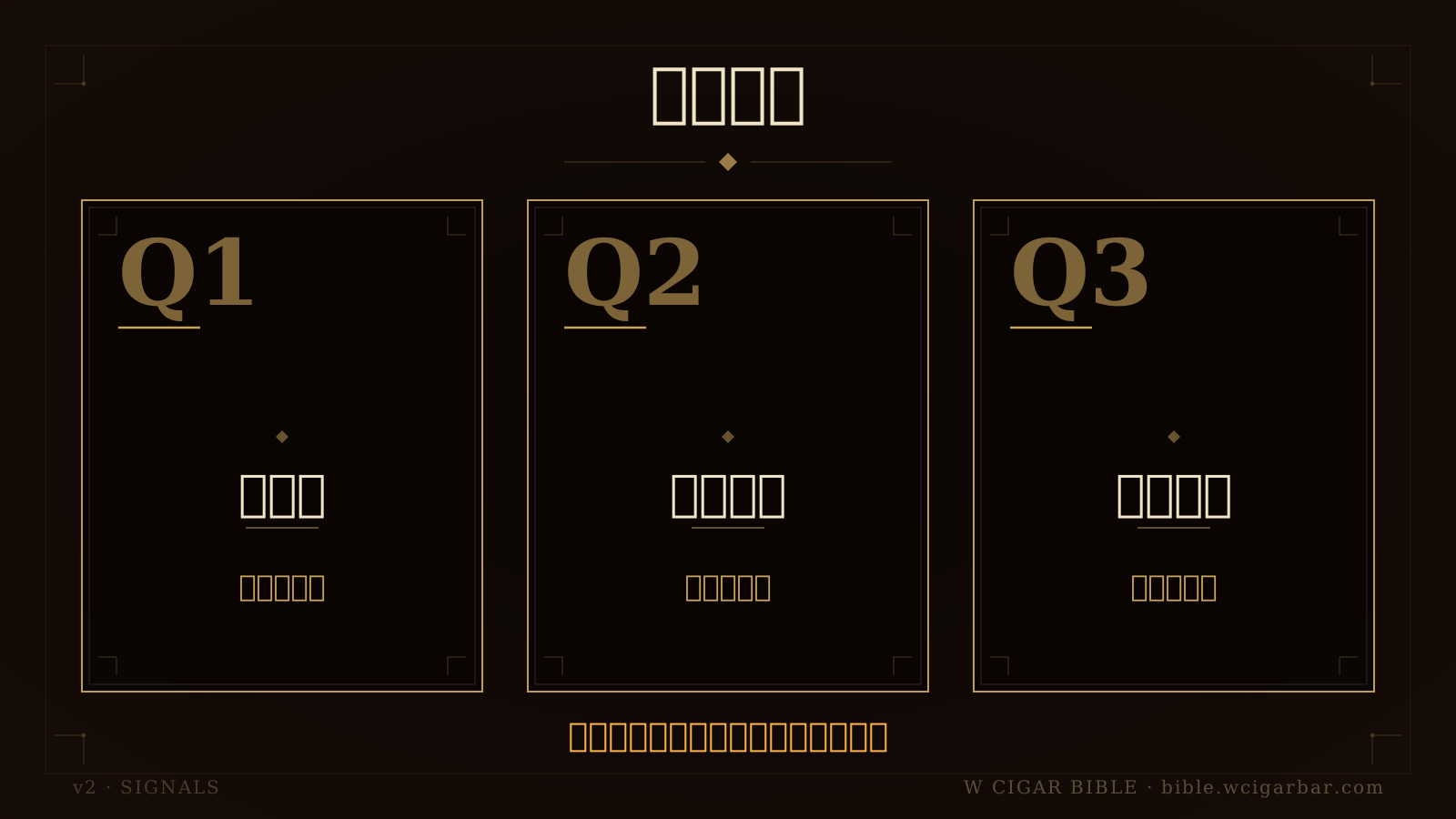
快問快答卡回答入門選擇強度濃郁度與尺寸挑選問題
6. Etiquette, Rhythm, and Storage: Preventing Good Flavors from Being Ruined by Bad Habits
The essence of cigar etiquette is to respect the space, others, and the piece of work in your hand. Don't smoke a cigar like a cigarette with frequent inhalations, and don't puff continuously; it's generally recommended to take a puff every 45 to 90 seconds to maintain stable burning temperature. If the temperature is too high, the original creamy and woody notes will turn into bitterness and spiciness. The ash column can be kept about 2 to 3 cm, then gently placed on the edge of the ashtray to let it fall naturally.
Rhythm is more important than technique; smoking too fast will ruin even the best cigar with high temperatures. The cut should also be clean, with a straight cut aiming to remove the cap, not cutting too deep; a V cut can concentrate the smoke, but if the cigar itself has tight draw resistance, it may concentrate the spiciness. When lighting, avoid direct flame scorching the foot of the cigar for too long, first evenly toast it, then gently draw to confirm the burning surface.
For storage, a long-term environment can be set at 18 to 21°C, with relative humidity of 65% to 70%. Too humid can cause tight draw, uneven burning, and musty taste; too dry can lead to cracking, spiciness, and loss of roundness. When discussing collection and market price, remember: it doesn't guarantee appreciation, it still depends on source preservation and market. For most people, stable storage is for complete flavor, not just looking at the label year.
7. Frequently Asked Questions
1. Should beginners start with Cuban or non-Cuban cigars?
Both are fine, the key is to start with medium strength. For Cuban, consider Montecristo No.4, H. Upmann Half Corona; for non-Cuban, look at Arturo Fuente Hemingway Short Story, Padrón 2000. Finding balanced options first is easier to build judgment than challenging strong flavors initially.
2. Can cigars be paired with red wine?
Yes, but be careful with tannins. Young Cabernet Sauvignon with high tannins can easily dry the mouth, amplifying the bitterness of the cigar. More mature Bordeaux, slightly sweeter Port, or bright acidity Champagne usually connect better with woody, cocoa, and nutty flavors.
3. Why do cigars from the same box taste different?
Cigars are agricultural and handcrafted products, with variations in tobacco batch, rolling tightness, and storage humidity affecting performance. Differences within the same box are not uncommon, especially after 6 to 12 months of aging, flavors may become rounder. Recording box codes, dates, and humidity can help you determine the reasons.
4. Do beverages have to contain alcohol?
No. Black coffee, cold brew tea, ripe Pu'er, and sparkling water are all very useful. In the morning and afternoon, I prefer non-alcoholic pairings, as the taste is clearer and it's easier to distinguish the cigar's inherent sweetness, acidity, and woodiness. Alcohol is just an option, not a necessary condition for tasting cigars.
5. Where should you stop smoking a cigar?
There is no strict rule, usually in the last 1/3 if the temperature rises, bitterness becomes obvious, and the mouth feels burdened, it's time to gracefully end. Don't sacrifice the experience to "smoke to the end." A truly mature taste knows when to start and when to stop.
I always believe that the most fascinating aspect of cigars is not standardizing the answers, but learning to appreciate the details. The flavor you like today may change in six months; a cigar you find too mild now may suddenly become vivid when paired with a good tea someday. Treat each tasting as a page of notes, slowly accumulating your own taste map, which is more valuable than chasing others' rankings.
—Cigar Prince Wilson Tsai
Smoking is harmful to health. Smoking is prohibited for those under twenty. Quitline: 0800-636363. This article is for adults over twenty as a reference for cigar culture, storage, and regulations, not an advertisement, promotion, or purchase suggestion.
Like this article?Share with friends
Share this W Cigar Bible piece with friends who want to learn cigar culture, storage, and tasting.
想把這篇 化為實踐
雪茄聖經是知識;雪茄文化要在空間裡發生

W Cigar Bar 大安總店資訊
台北大安區 · 雪茄聖經總編輯 Wilson Tsai 主理的雪茄文化空間
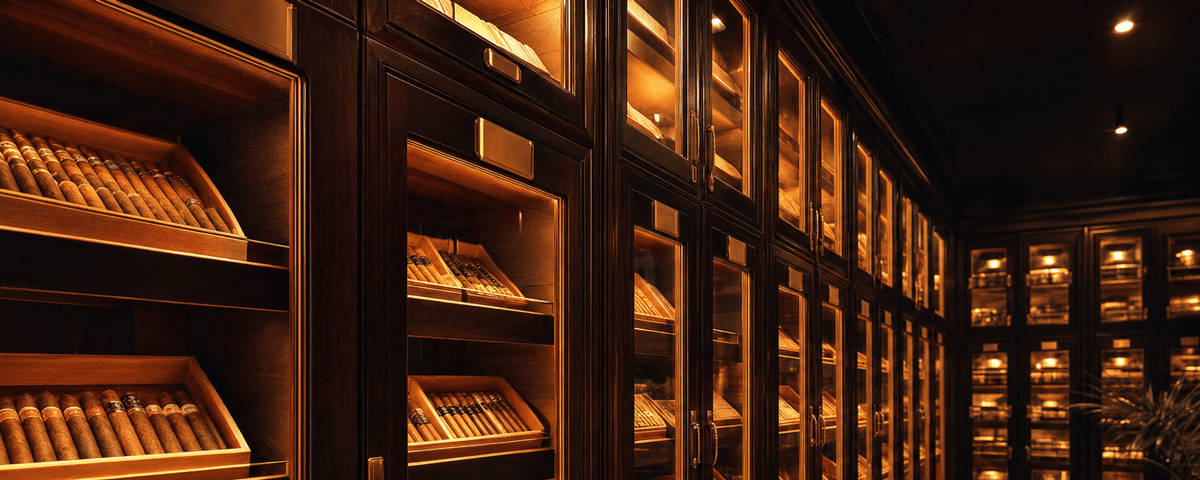
33 座 24 小時恆溫恆濕醇化室
W Cigar Bar 提供的會員醇化空間 · 場地資訊請洽編輯部
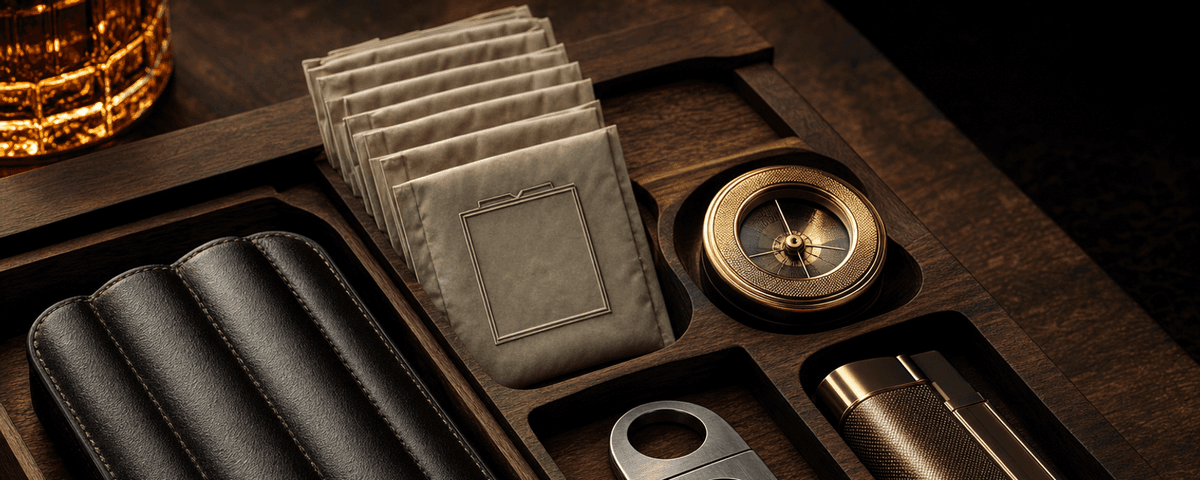
雪茄剪 / 打火機 / 雪茄盒 / Boveda
W Cigar 配件官網 · 專營雪茄配件正品
加 LINE 好友 · 文化諮詢
文化空間資訊 · 紳士沙龍 · 私人包場
本網站內容僅供雪茄文化、歷史、收藏與品吸知識研究參考。菸品有害健康、未滿法定年齡者請勿吸菸。實際規範請依所在地法律為準。
吸菸有害健康・戒菸專線 0800-636363・本站僅供 20 歲以上成年人閱覽。
讀到這裡,你不只是路過的人
留下 Email,加入 W 雪茄聖經內圈——總編輯 Wilson Tsai 親選的學院深文與國際新訊,先你一步送到信箱。
· 教育用途非銷售 · 隨時一鍵退訂 · Email 絕不對外公開 · 由勝茄股份有限公司營運
同分類延伸閱讀

資料來源:W Cigar Bible 編輯部整理 · 雪茄王子 Wilson Tsai 親自審稿
本文僅供雪茄文化、歷史、收藏與品鑑知識研究,不作為菸品促銷、銷售或購買建議。吸菸有害健康,未滿二十歲不得吸菸。