雪茄品鑑中的五種基本風味:如何精準辨識
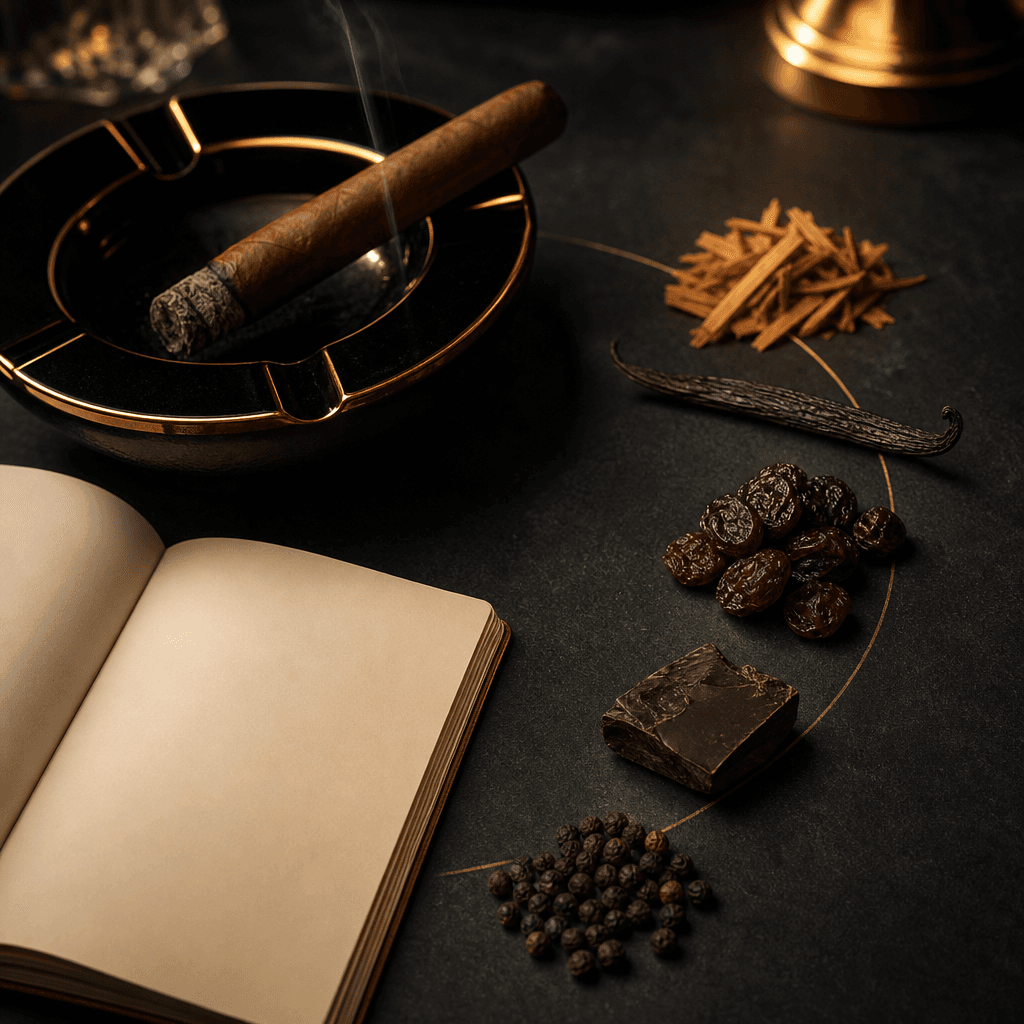
在雪茄品嚐的過程中,初學者常常困惑於如何辨識風味。理解雪茄的五大基本風味:木質、香草、果香、巧克力及辛香,是建立品嚐語言的關鍵。透過觀察前段、中段及後段的變化,並記錄每次品嚐的感受,可以幫助你更精確地描述和理解雪茄的風味。建議入門者準備小筆記,記錄品牌、風味及搭配飲品,隨著經驗累積,對於各種風味的辨識能力將逐漸提升,讓品嚐變得更有深度與樂趣。
- 辨識雪茄風味需分段觀察,前段、中段、後段各有不同風味變化,記錄更能精準捕捉。
- 木質風味常見於雪茄中,應注意其清爽或厚重的層次感,避免混淆為焦味。
- 香草風味源自菸葉的自然甜香,辨識時應注意柔順感,而非單純的甜味。
Five Basic Flavors in Cigar Tasting: How to Accurately Identify Them
In the world of cigars, the most common question beginners ask me is not "Which one is the best?" but "Why do I only taste smoke?" This is perfectly normal. Taste is not innately precise; identifying flavors is more like training your ears to listen to classical music: first, grasp the main melody, then distinguish the strings, woodwinds, and brass.
As the editor of the "Cigar Bible," I often break down cigar flavors into five basic directions: woody, vanilla, fruity, chocolate, and spicy. They are not exam answers but tools to help you establish a common language; when you can clearly say "like cedar" or "like dark chocolate," tasting transforms from a vague feeling into a recordable experience.
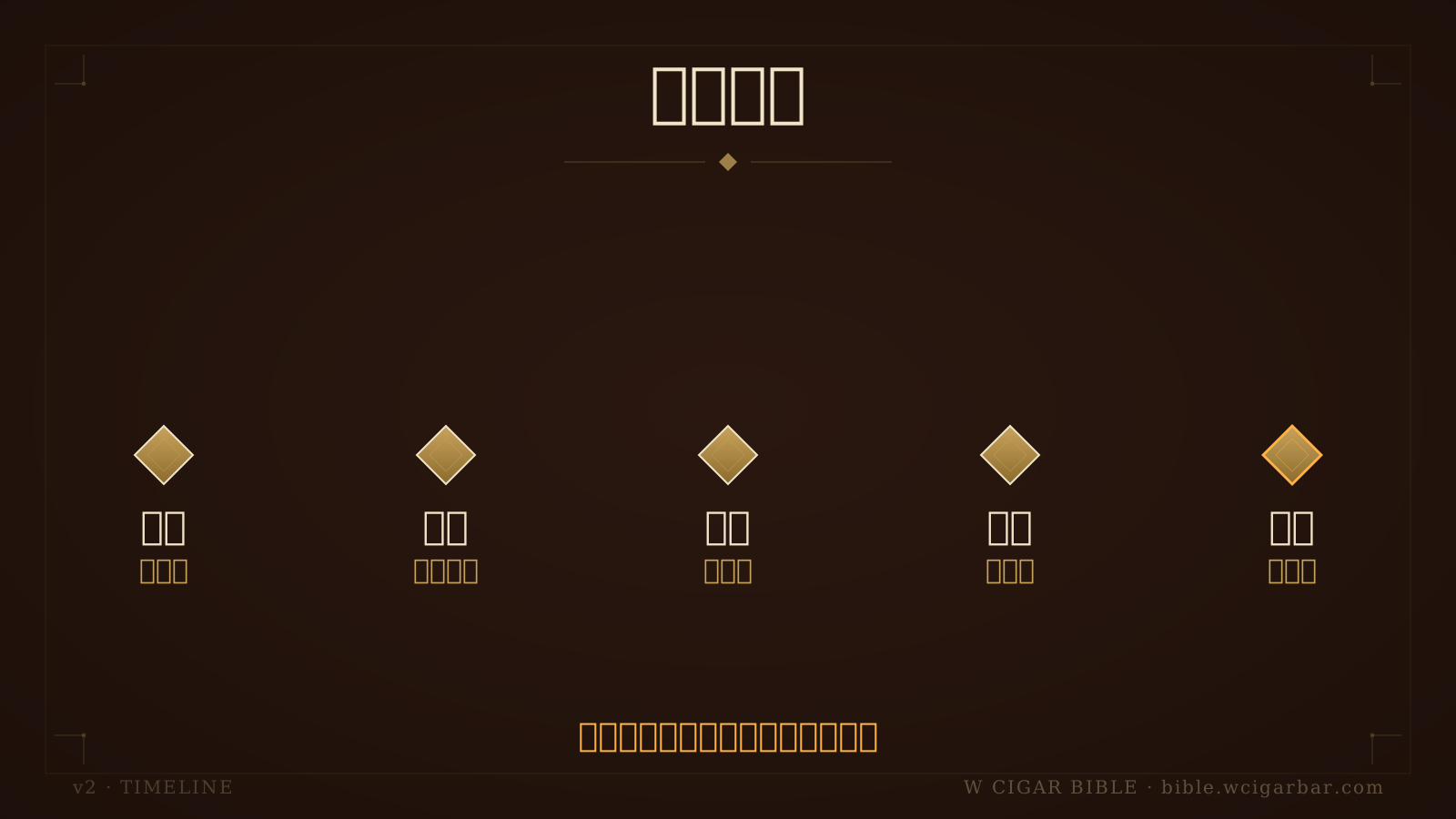
時間軸呈現從聞香到後段餘韻的辨味步驟
Establish a Flavor Framework: Flavor is Not a Guessing Game, but a Layered Observation
Many people, when seriously tasting a cigar for the first time, are eager to ask, "What is this flavor?" Instead, I ask them to write down three things: strength, texture, and aftertaste. Take the Cuban Partagás Serie D No.4 as an example; batches commonly seen around 2020 might have woody and peppery notes in the first third, transition to leather and cocoa in the middle, and rise in spiciness in the final third; using just one word to describe it would miss the changes.
The first step in accurately identifying flavors is not memorizing many adjectives but observing a cigar by breaking it down into the first third, middle third, and final third. A Robusto, about 50 ring gauge and 124 mm, typically takes 45 to 70 minutes at a normal pace; recording your impressions every 10 to 15 minutes is much more accurate than trying to recall them at the end.
I recommend beginners prepare a small notebook, with simple fields:
- Brand, size, box code, or purchase year
- Pre-light aroma, cold draw flavor
- Main flavors in the first, middle, and final thirds
- Burn condition, humidity, paired drinks
- Three key descriptors left at the end
After accumulating records of 20 cigars, you'll find your use of terms like "woody" or "spicy" becomes more consistent. Flavor is not a single answer but a timeline; those who record will truly improve.
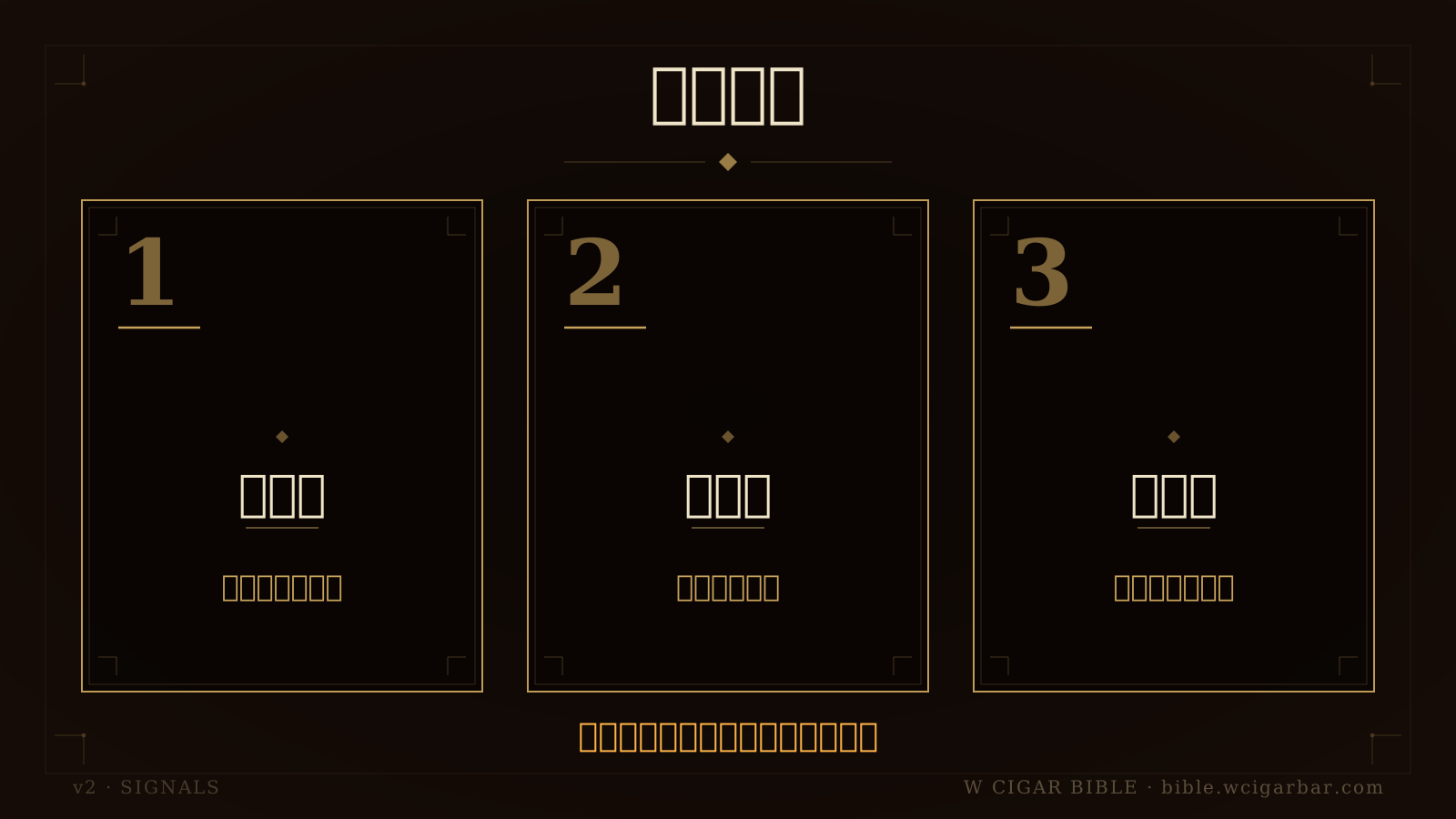
三張卡片整理分段記錄與參照訓練重點
Woody: Cedar, Oak, and Hay Are the Most Common Frameworks
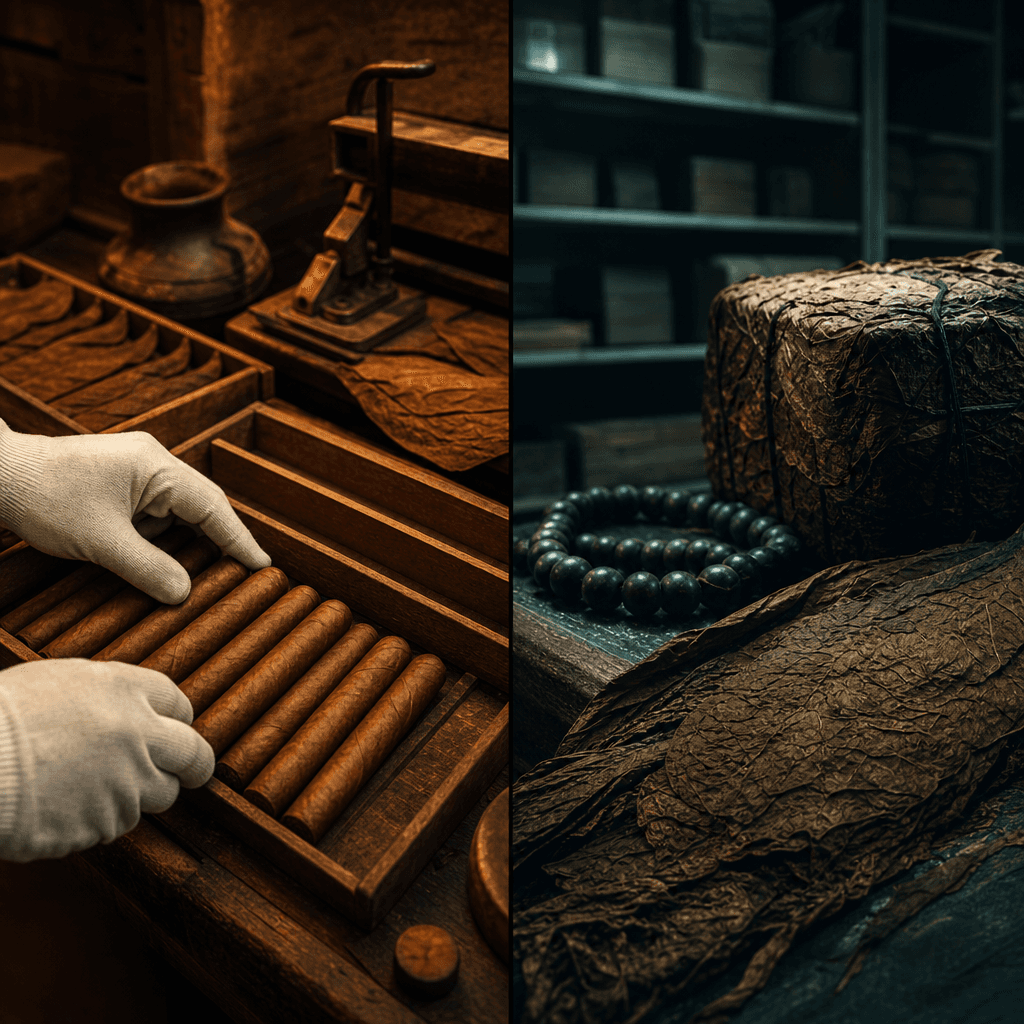
Woody is the most common and easily overlooked basic flavor in cigars. It is often described as cedar, pencil wood, oak barrel, hay, or wooden box aroma. Many Cuban cigars are stored in Spanish cedar boxes, and the clean, slightly sweet, resinous aroma when opening the box is a good reference. For example, the Hoyo de Monterrey Epicure No.2, from 2018 to 2022, often had noticeable cedar and creamy notes in the first third.
Woody is not "burnt taste," nor is it simply smoky; good woody should be clean and layered, like freshly sharpened pencils or dry wooden boxes. If you sense pungent sawdust or bitter charcoal, it might be due to too high burning temperature, too fast a pace, or low storage humidity.
To train woody recognition, I use three everyday references: cedar chips, unpainted pencils, and whiskey oak barrel aroma. Smell them separately, then return to the cigar, and you'll start to understand "cedar is bright, oak is thick, hay is dry." For example, Montecristo No.2, when in good condition, often has woody, coffee, and light nutty notes in the middle third; if stored too wet, the woodiness will be muffled, turning into a dull herbal feel.
When observing woody notes, also consider its role. Some cigars have woody as the main character, like the deep woody and earthy notes of Bolivar Royal Corona; others use it as a background, like Cohiba Siglo VI, which often lets woody support honey, grass, and creamy notes. Beginners should first learn to say "refreshing cedar" or "heavy oak," which is more practical than directly pursuing fancy vocabulary.

矩陣比較木質香草果香巧克力與辛香線索
Vanilla: Sweetness, Cream, and Baking Details
Vanilla flavor often confuses beginners, who think real vanilla is added to the cigar. The vanilla notes in high-quality handmade cigars mostly come from the fermentation, aging, and natural sweet aroma of the tobacco, possibly resembling vanilla pods, cream, cookies, caramel, or honey. Quai d’Orsay No.50 has gained attention in recent years partly because it often carries gentle woody, creamy, and light sweet aromas, making it relatively friendly for beginners.
Identifying vanilla is not about finding candy-like sweetness but looking for smooth, rounded aromas like the edges of baked goods. If a cigar reminds you of vanilla ice cream, butter cookies, or light caramel, it usually falls within the intersection of vanilla and dairy flavors.
I suggest using "sweetness position" to judge: if sweetness is immediate upon entry, it might lean towards honey or caramel; if the aroma lingers softly in the nasal cavity after exhaling, it's more like vanilla; if the tongue feels creamy, it might relate to texture. Romeo y Julieta Wide Churchills, in some well-preserved versions from 2016 to 2019, often exhibit floral, woody, and sweet creamy notes, making them excellent practice targets.
Vanilla flavors can easily be overshadowed by strong-flavored drinks. If paired with peaty whiskey or espresso, the delicate sweet aroma might disappear; switching to sparkling water, lightly roasted oolong, or younger rum might make it easier to capture the outline. When recording, avoid just writing "sweet"; instead, write "vanilla sweet, creamy sweet, honey sweet," and your flavor dictionary will be more precise.
Fruity: From Citrus to Dried Fruit, the Key is Sweet and Sour Balance
Fruity is a flavor many people learn to identify last because it is often not a bright fruit juice taste but subtly hidden between acidity, sweetness, and nasal aroma. The fruity notes in cigars might resemble green apple, citrus peel, raisins, figs, black cherries, or plums. Cohiba Behike BHK 52, when in beautiful condition, is often described by seasoned smokers as having grass, cream, honey, and delicate fruity notes, but this requires stable humidity and a slow pace to capture.
The core of fruity is not "like fruit candy" but the balance of sweet and sour and clarity. Citrus usually carries bright acidity, dried fruit leans sweet and thick, and berries might accompany slight acidity and deep sweet notes; separating these three categories is more accurate than guessing fruit names.
I often use a simple table to help beginners establish a comparison:
| Type of Fruity | Common Associations | Possible Occurrence | Reference Cigar Example |
|---|---|---|---|
| Citrus | Orange peel, lemon peel | First third, nasal aftertaste | H. Upmann Magnum 46 |
| Dried Fruit | Raisins, figs | Middle third, final third | Ramón Allones Specially Selected |
| Stone Fruit | Apricot, plum | Middle transition | Trinidad Vigía |
| Dark Fruit | Black cherry, ripe plum | Final third, thicker sweetness | Maduro wrapper cigars |
When training fruity recognition, try smelling orange peel, raisins, and dried black cherries before tasting, to build memory. Note, do not leave toothpaste, mint candy, or spicy food residue in your mouth, as these will interfere with sweet and sour judgment. Fruity notes are most sensitive to overheating; if you draw quickly in succession, the bright fruitiness will turn into bitter acidity, leaving only irritation.
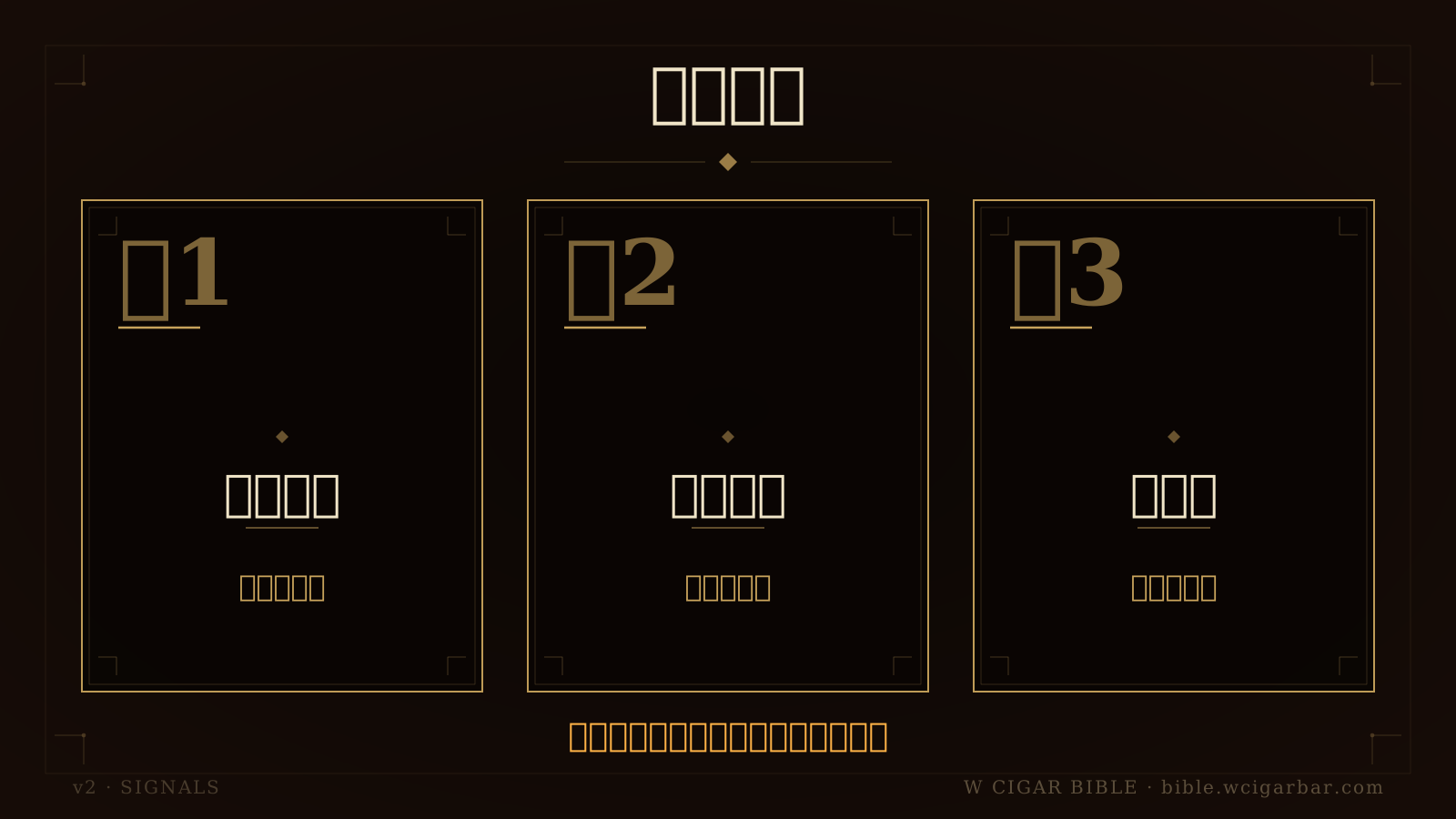
三張卡片列出苦味木辛混淆與飲品搭配誤解
Chocolate: The Triangle of Cocoa, Coffee, and Nuts
Chocolate is a very common term in cigar descriptions, but it actually has many layers: milk chocolate, dark chocolate, cocoa powder, mocha, roasted coffee, hazelnut paste, all feel completely different. Nicaraguan Padrón 1964 Anniversary Series is often mentioned for its cocoa, coffee, nut, and sweet notes; the Cuban Montecristo series, when in good condition, also frequently exhibits coffee and cocoa tones.
Chocolate flavor is usually not the sweet treat itself but a combination of cocoa bitterness, roasted aroma, and gentle sweetness. If it's only bitter, it might be due to overheating or rising nicotine in the final third; if there's a balance of bitter and sweet, thick smoke, and an aftertaste like cocoa powder, it's closer to a beautiful chocolate tone.
To judge chocolate, you can divide it into three layers: the first layer is cocoa powder, dry, bitter, fine; the second layer is coffee, with roasted and slight acidity; the third layer is nuts, providing an oily feel. Partagás Serie E No.2, in several batches, often has rich woody, coffee, and cocoa in the middle third; pairing it with a small piece of unsweetened 70% cocoa dark chocolate can help you confirm the position of the bitter-sweet balance.
However, I do not recommend starting with very sweet desserts. Sugar will push your senses towards "delicious," but it will make it difficult to distinguish whether the cigar itself has cocoa. A better method is to drink water first, record the cigar's own cocoa or coffee, then pair it with a small amount of black coffee, aged Pu'er, or dark rum, and observe whether the flavor is amplified or covered. Such comparisons are more valuable for learning than a single experience.
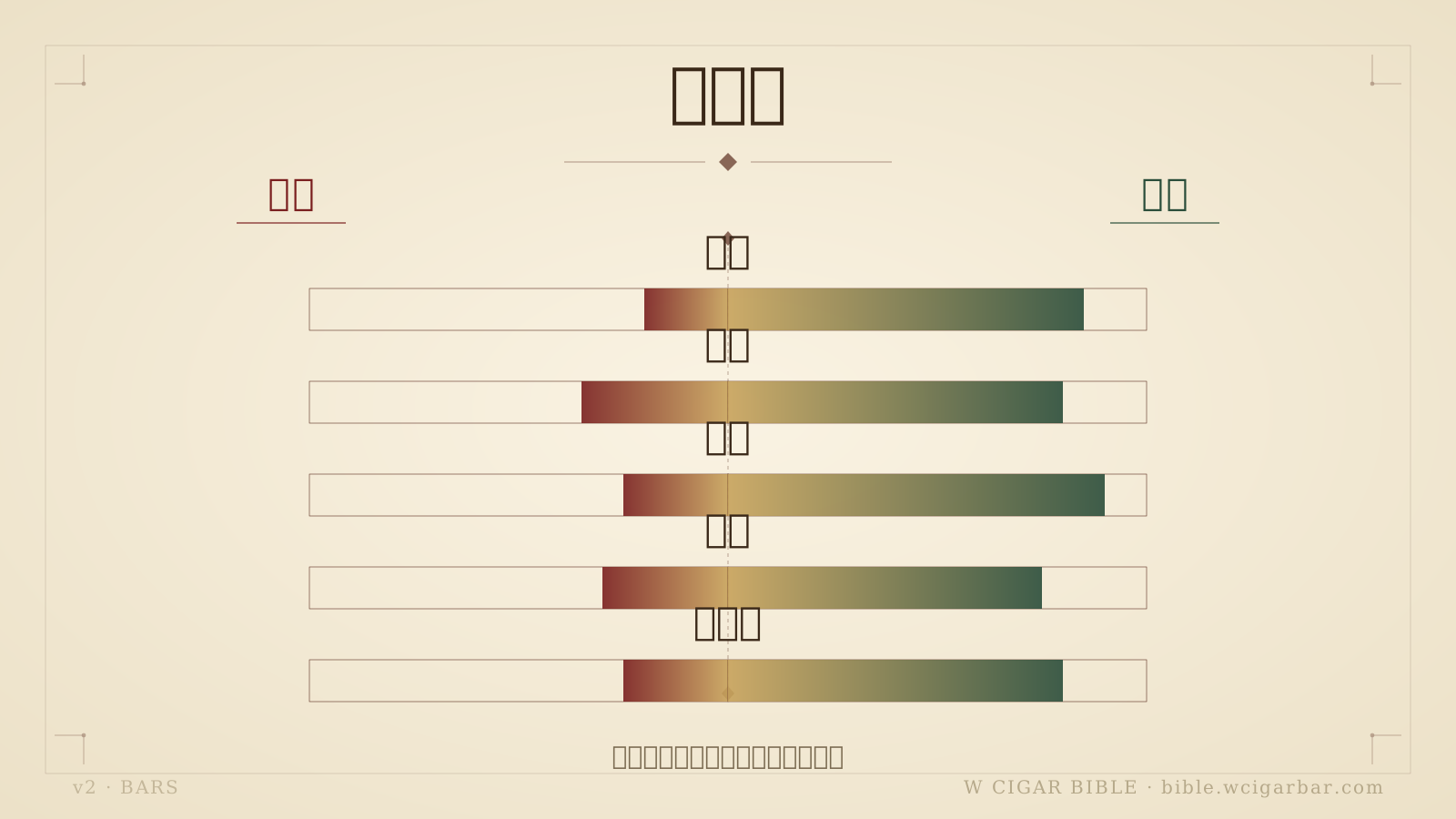
橫條圖比較新手與熟手在記錄節奏分段參照排干擾差異
Spicy: Pepper, Cinnamon, Clove, and the Burning Rhythm
Spicy is the flavor most easily mistaken for "too strong." It might be white pepper, black pepper, red pepper powder, cinnamon, clove, nutmeg, or simply the sting caused by too high smoke temperature. Cigars like Bolivar Belicosos Finos, Partagás Lusitanias, or some Nicaraguan full-bodied cigars often have a clear spicy framework; but good spiciness will have aroma, while bad irritation will only tighten the throat.
True spiciness should have direction and a spice feel, not just throat-burning or tongue-stinging. Beginners need to distinguish "flavor spiciness" from "overheating": the former is like ground pepper or cinnamon sticks, the latter is like burning, bitter, dry, and stinging.
The judgment method is simple: slow down the pace. Wait 45 to 60 seconds after a puff to stabilize the burn line. If the spiciness becomes clear, with woody or sweet notes, it is likely the cigar's characteristic; if it remains hot, bitter, and numbs the tongue root, it might be an issue of humidity, cut, draw resistance, or speed. Generally, storage can refer to 65% to 69% relative humidity; too wet tends to be muffled, too dry tends to be hot.
Spiciness is also best observed with retrohaling, but be gentle, not every puff needs it. Beginners can choose one puff every five, letting a small amount of smoke pass through the nasal cavity to feel if the pepper turns into woody, coffee, or sweet aromas. Etiquette also requires attention to the environment and distance from others; slow tasting and controlling smoke volume appear more mature than rushing for intensity.
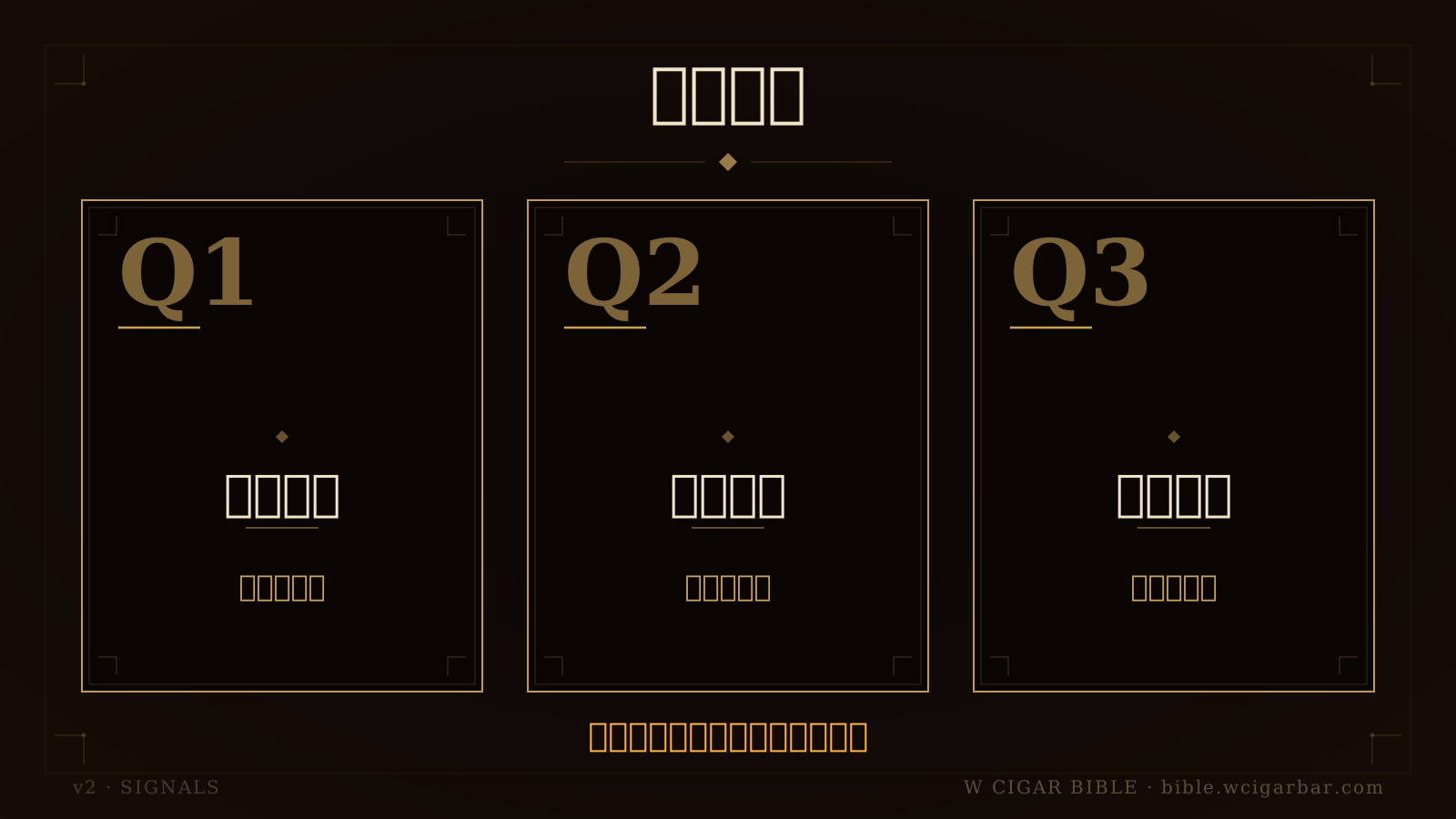
快問快答卡整理苦味木辛差異與是否配酒三題
How Five Flavors Appear Simultaneously: Conducting a Complete Interpretation with One Cigar
The truly interesting part is that woody, vanilla, fruity, chocolate, and spicy usually do not appear alone but overlap each other. Take H. Upmann Magnum 46 as an example; the first third might have cedar, light pepper, and tea notes; the middle third shows cream, nuts, and citrus peel; the final third deepens the woodiness, with coffee and spiciness rising. If you only say "smooth" or "strong," you waste its layers.
A complete interpretation of a cigar requires recording the main flavors, auxiliary flavors, and turning points simultaneously. The main flavor is like the protagonist, the auxiliary flavor like the supporting role, and the turning point is where the story moves from the first act to the second; this is why seasoned players' descriptions of cigars sound vivid.
I suggest practicing with the "Three-Stage Five-Flavor Method." Divide a cigar into the first third, middle third, and final third, and choose up to three words for each section, without being greedy. An example is as follows:
- First third: cedar, white pepper, light citrus
- Middle third: cream, cocoa, nuts
- Final third: oak, coffee, black pepper
- Overall: medium strength, clean aftertaste, slightly warming in the final third
This writing style helps you review more than "very fragrant, very good, very smooth." When comparing the same brand from different years later, such as Cohiba Siglo II from 2015 and 2021, the sweetness, herbal, and woody performance might differ; you'll also gradually understand the differences in aging, storage, and batches. As for collection value, it does not guarantee appreciation, still depending on source preservation and market.
Common Questions
I can only taste bitterness; does that mean cigars are not for me?
Not necessarily. Bitterness often comes from too fast a pace, too hot burning, dry storage, or poor oral condition that day. First, extend the interval between puffs to over 45 seconds, pair with room temperature water, and record whether the bitterness appears in the first or final third; if it's only obvious in the final third, it might just be the concentration and tar accumulation.
How to distinguish between woody and spicy?
Woody is usually a clean, linear aroma, like a cedar box or pencil wood; spiciness will have a direction, like pepper, cinnamon, or clove. The key to distinguishing is the nasal aftertaste: woody leaves a dry feel, spiciness leaves a warm and spicy aroma.
Do I need to drink alcohol to easily identify flavors?
No. The most stable training for beginners is room temperature water or sparkling water, as it has the least interference. Alcohol, coffee, and tea can all add fun but might also cover details. If you want to pair, taste the cigar itself for 10 minutes first, then add the drink for comparison.
Why does the same cigar taste different each time?
Year, box condition, humidity, cut, burning speed, and diet that day all affect it. For the same brand, the performance at 65% and 72% humidity might differ greatly; the former is fresher, the latter might be more moist but also more muffled. Recording conditions helps you know where the differences come from.
Which flavor should beginners practice first?
Start with woody and chocolate, as they are the most common and easy to prepare references. Then practice vanilla and spicy, and finally fruity. Flavor recognition is not an instant enlightenment but relies on repeated comparison, turning vague feelings into stable language.
—Cigar Prince Wilson Tsai
I have always believed that the most charming aspect of cigars is not how eloquently you can speak but whether you can honestly describe the moment. Woody, vanilla, fruity, chocolate, and spicy are just five keys; what you truly want to unlock is your sensory memory. Slow down, compare less, record more, and respect more; when you can distinguish the transitions in a puff of smoke, cigars are no longer just a hobby but a form of orderly taste cultivation.
Smoking is harmful to health. Underage smoking is prohibited. Quitline: 0800-636363. This article is intended for adults over 20 years old as a reference for cigar culture, preservation, and regulations, not as tobacco advertising, promotion, or purchase advice.
Like this article?Share with friends
Share this W Cigar Bible piece with friends who want to learn cigar culture, storage, and tasting.
想把這篇 化為實踐
雪茄聖經是知識;雪茄文化要在空間裡發生

W Cigar Bar 大安總店資訊
台北大安區 · 雪茄聖經總編輯 Wilson Tsai 主理的雪茄文化空間
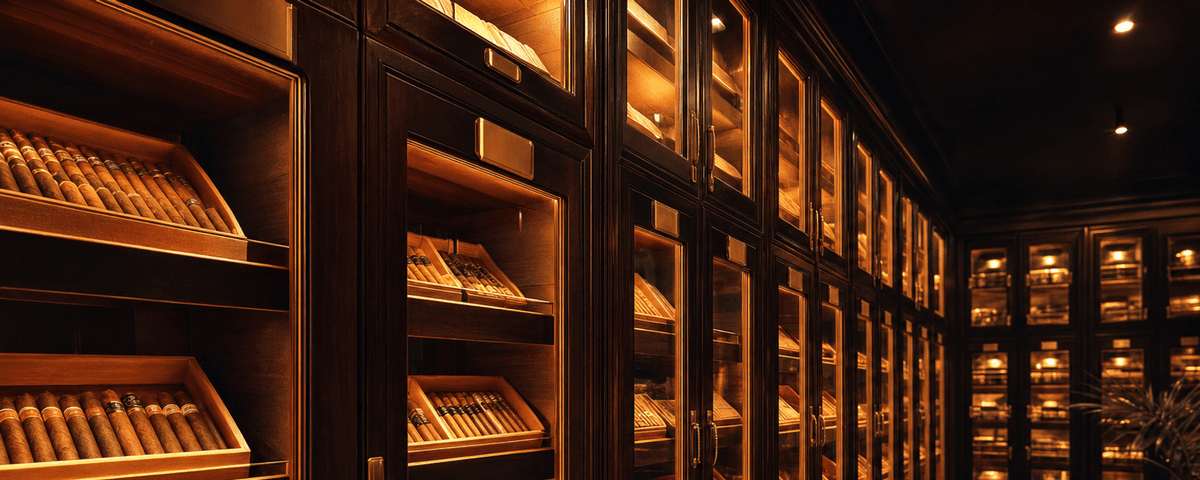
33 座 24 小時恆溫恆濕醇化室
W Cigar Bar 提供的會員醇化空間 · 場地資訊請洽編輯部
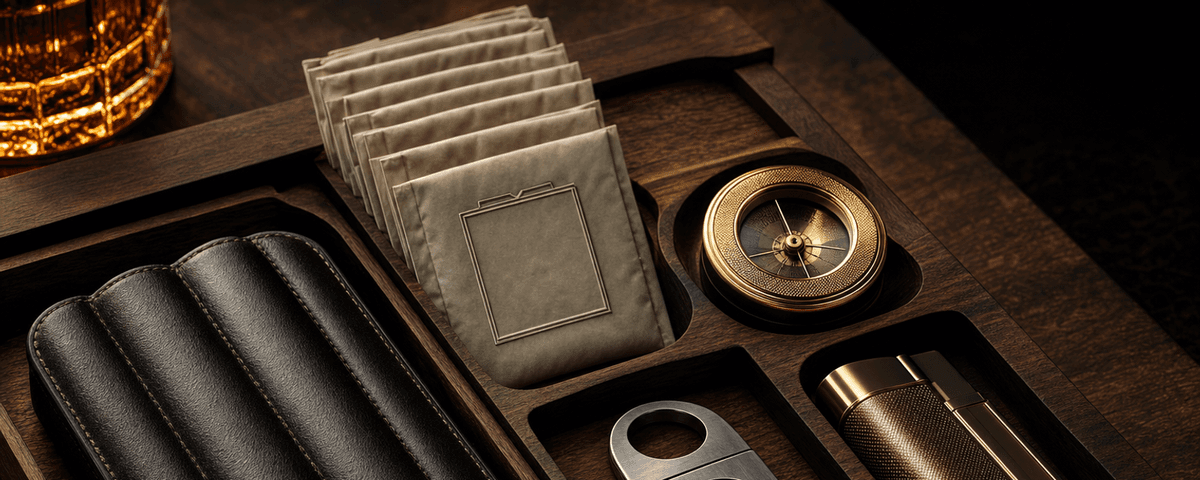
雪茄剪 / 打火機 / 雪茄盒 / Boveda
W Cigar 配件官網 · 專營雪茄配件正品

加 LINE 好友 · 文化諮詢
文化空間資訊 · 紳士沙龍 · 私人包場
本網站內容僅供雪茄文化、歷史、收藏與品吸知識研究參考。菸品有害健康、未滿法定年齡者請勿吸菸。實際規範請依所在地法律為準。
吸菸有害健康・戒菸專線 0800-636363・本站僅供 20 歲以上成年人閱覽。
讀到這裡,你不只是路過的人
留下 Email,加入 W 雪茄聖經內圈——總編輯 Wilson Tsai 親選的學院深文與國際新訊,先你一步送到信箱。
· 教育用途非銷售 · 隨時一鍵退訂 · Email 絕不對外公開 · 由勝茄股份有限公司營運
同分類延伸閱讀

資料來源:W Cigar Bible 編輯部整理 · 雪茄王子 Wilson Tsai 親自審稿
本文僅供雪茄文化、歷史、收藏與品鑑知識研究,不作為菸品促銷、銷售或購買建議。吸菸有害健康,未滿二十歲不得吸菸。